
Late dental offices are changing the way people access oral healthcare, especially for those who cannot visit a dentist during traditional business hours. In today’s fast-paced world, work schedules, family responsibilities, and unexpected dental problems often make it difficult to book appointments between 9 a.m. and 5 p.m. This is where late dental offices step in, offering extended hours, evening appointments, and sometimes even nighttime care to meet real-life needs 🦷.
The main purpose of late dental offices is to provide professional dental treatment outside standard hours without compromising quality or safety. These clinics typically operate in the late evenings, after normal working hours, and some are open until midnight or later. Unlike emergency rooms, late dental offices are specifically designed for dental issues and are staffed by licensed dentists, hygienists, and assistants who specialize in oral health. This means patients receive targeted, efficient care rather than general emergency treatment.
One of the biggest misunderstandings is that late dental offices only handle emergencies. While they do treat urgent issues like severe toothaches, broken teeth, infections, and swelling, many late dental offices also offer routine procedures. These may include dental exams, fillings, crowns, root canal treatments, and even cosmetic consultations. For patients who value flexibility, this makes late dental offices a practical alternative to traditional clinics.
From a patient’s perspective, late dental offices are especially helpful for working professionals, shift workers, parents, and international patients. Imagine finishing work at 7 p.m. with a worsening toothache 😣. Waiting days for an appointment can increase pain and risk complications. Late dental offices allow patients to seek care the same day, reducing stress and preventing minor problems from becoming serious dental conditions.
Another key advantage of late dental offices is accessibility. Dental pain does not follow a schedule. Infections, cracked teeth, or lost fillings often happen unexpectedly. Late dental offices bridge the gap between standard clinics and hospital emergency rooms. Emergency rooms can be expensive and may only provide temporary relief, while late dental offices focus on diagnosing and treating the root cause of dental problems.
Quality and safety are also essential topics when discussing late dental offices. Reputable clinics follow strict hygiene protocols, use modern diagnostic tools such as digital X-rays, and comply with national and international dental standards. Many late dental offices align their practices with professional guidelines published by organizations such as the American Dental Association, ensuring patients receive evidence-based care even during extended hours.
Patient comfort is another reason late dental offices are gaining popularity. Evening appointments often mean less crowded waiting rooms and shorter wait times. Patients can attend appointments without rushing from work or rearranging their entire day. This relaxed environment can significantly reduce dental anxiety, which is a common barrier preventing people from seeking regular dental care.
For those researching or planning treatment, contacting the clinic in advance is always recommended. Many late dental offices provide online booking systems, phone consultations, and detailed service information. If you are considering after-hours dental care or want personalized guidance, you can reach out through the Redent Klinik Contact Page for professional assistance and appointment details.
It is also important to understand that late dental offices are not a luxury service but a response to modern healthcare needs. As lifestyles evolve, healthcare providers must adapt. Late dental offices reflect this shift by prioritizing patient convenience without sacrificing clinical standards. They help improve overall oral health outcomes by encouraging timely treatment and reducing the number of untreated dental problems.
In summary, late dental offices offer a reliable, professional, and patient-focused solution for individuals who need dental care beyond regular hours. By combining accessibility, safety, and comprehensive services, late dental offices play a crucial role in modern dentistry 🌙. Whether you are dealing with sudden pain, managing a busy schedule, or simply prefer evening appointments, late dental offices ensure that quality dental care is available when you actually need it.
What Are Late Dental Offices and How Do They Work?
Late dental offices are dental clinics specifically designed to operate beyond traditional daytime hours, usually in the evening and sometimes late at night. Their core mission is simple but powerful: to provide high-quality dental care when most standard clinics are already closed. As modern lifestyles become busier and less predictable, late dental offices have become an essential part of accessible healthcare 🕒.
Unlike conventional dental practices that typically close by early evening, late dental offices extend their schedules to accommodate patients who cannot attend daytime appointments. This model is especially valuable for working professionals, parents, healthcare workers, and individuals with irregular shifts. Late dental offices ensure that oral health does not have to be postponed simply because of a busy schedule.
Core Services Offered by Late Dental Offices
One common misconception is that late dental offices only handle emergencies. While emergency care is a major focus, most late dental offices provide a wide range of dental services. These often include dental examinations, pain diagnosis, fillings, crown repairs, root canal treatments, extractions, and temporary restorations. Some late dental offices also offer cosmetic consultations or follow-up treatments for ongoing care.
The ability to deliver both urgent and non-urgent treatments makes late dental offices highly versatile. Patients can address sudden dental pain while also managing planned procedures without taking time off work. This flexibility is one of the main reasons late dental offices continue to grow in demand.
Emergency vs. After-Hours Routine Care
Late dental offices operate in a space between traditional clinics and hospital emergency rooms. For emergencies such as severe toothaches, abscesses, broken teeth, or swelling, late dental offices provide immediate and specialized dental attention. Unlike emergency rooms, which may only offer pain relief or antibiotics, late dental offices focus on treating the dental problem directly.
At the same time, after-hours routine care is another key function. Patients may schedule evening appointments for fillings, follow-ups, or consultations. This dual role allows late dental offices to reduce the burden on emergency departments while improving patient outcomes.
How Late Dental Offices Are Structured
Operationally, late dental offices function much like standard dental clinics, with the main difference being their hours of service. They are staffed by licensed dentists, dental hygienists, assistants, and administrative personnel trained to handle both routine and urgent cases. Advanced diagnostic tools such as digital X-rays, intraoral scanners, and modern sterilization systems are commonly used.
Many late dental offices follow strict protocols and professional guidelines to ensure consistent quality of care. These protocols are often aligned with recognized standards in dentistry, ensuring patient safety regardless of appointment time. This structure helps build trust and credibility for late dental offices among patients.
Appointment Systems and Patient Flow
Late dental offices typically offer flexible appointment systems, including same-day bookings, online scheduling, and walk-in options. Because dental pain can escalate quickly, late dental offices are designed to minimize waiting times and streamline patient flow. Evening hours often result in less crowded clinics, allowing for more focused and relaxed care 😊.
Some late dental offices operate on an appointment-only basis to maintain efficiency, while others reserve time slots for urgent cases. This hybrid approach allows them to respond quickly to emergencies without disrupting scheduled treatments.
Technology and Communication in Late Dental Offices
Technology plays a crucial role in how late dental offices operate. Digital record systems allow dentists to access patient histories instantly, even during after-hours visits. Online forms, automated reminders, and virtual consultations further enhance the patient experience. Clear communication is especially important in late dental offices, as patients often arrive stressed or in pain.
By using modern tools and patient-centered communication, late dental offices ensure that after-hours care is just as thorough and professional as daytime dentistry.
Why the Model of Late Dental Offices Works
The success of late dental offices lies in their alignment with real-life needs. Dental issues do not follow a schedule, and people should not have to choose between their job and their health. Late dental offices remove this barrier by offering practical solutions without lowering clinical standards.
In addition, late dental offices encourage patients to seek care earlier rather than waiting days or weeks. This proactive approach reduces complications, lowers long-term treatment needs, and improves overall oral health outcomes. As awareness grows, late dental offices are increasingly viewed not as an alternative, but as a necessary extension of modern dental care 🌙.
Why Late Dental Offices Are Becoming More Popular
Late dental offices are experiencing a significant rise in popularity, and this trend is not accidental. Changes in work culture, lifestyle patterns, and healthcare expectations have all contributed to the growing demand for dental care outside traditional office hours. Today, patients are looking for convenience, accessibility, and flexibility—qualities that late dental offices are uniquely positioned to provide 🌆.
For many people, visiting a dentist during regular business hours means taking time off work, rearranging family responsibilities, or postponing care altogether. Late dental offices solve this problem by offering appointments in the evening, allowing patients to prioritize their oral health without disrupting their daily routines. This shift has made late dental offices especially attractive in urban areas and among working professionals.
Changing Work Schedules and Modern Lifestyles
One of the main reasons late dental offices are becoming more popular is the evolution of work schedules. Remote work, shift-based jobs, international business hours, and gig economy roles have blurred the boundaries of the traditional 9-to-5 workday. As a result, many patients simply cannot commit to daytime dental appointments.
Late dental offices align perfectly with these modern lifestyles. They provide an opportunity for patients to receive professional dental care after work, in the evening, or even late at night. This flexibility reduces missed appointments and encourages people to seek care earlier rather than delaying treatment due to scheduling conflicts.
The Impact of Work-Life Balance on Dental Care
Work-life balance has become a major priority for individuals and families. Late dental offices support this balance by allowing patients to maintain productivity during the day while addressing their healthcare needs later. Parents, for example, can attend appointments after their children are home from school, while professionals can avoid taking unpaid leave.
This balance not only improves patient satisfaction but also leads to better oral health outcomes. When care is accessible, patients are more likely to attend regular check-ups and follow through with treatment plans.
Increased Awareness of Dental Emergencies
Another factor driving the popularity of late dental offices is increased awareness of dental emergencies and their risks. Severe tooth pain, infections, or broken teeth require timely intervention. Waiting until the next business day can worsen the condition and increase the complexity of treatment.
Late dental offices provide a reliable solution by offering immediate care when problems arise unexpectedly. Patients no longer have to choose between enduring pain overnight or visiting a hospital emergency room that may not be equipped for dental treatment. This practical advantage has positioned late dental offices as a trusted option for urgent care.
Patient-Centered Healthcare Expectations
Healthcare consumers today expect services to adapt to their needs rather than the other way around. Late dental offices reflect this patient-centered approach by prioritizing accessibility and convenience without compromising quality. Extended hours demonstrate respect for patients’ time and individual circumstances.
Many late dental offices also invest in modern technology, streamlined communication, and online appointment systems. These features enhance the overall experience and reinforce the idea that late dental offices are designed around the patient, not just the provider 😊.
Reduced Stress and Improved Patient Experience
Evening appointments often come with additional benefits, such as shorter wait times and a calmer clinic environment. Late dental offices tend to be less crowded, which can significantly reduce anxiety for patients who are nervous about dental visits. A relaxed setting combined with professional care improves trust and comfort.
This positive experience encourages patients to return for future appointments and maintain consistent dental care, further boosting the popularity of late dental offices.
Accessibility for International and Traveling Patients
Late dental offices are also appealing to international patients and travelers who may have limited availability during the day. Time zone differences, travel schedules, and medical tourism plans often require flexible appointment times. Late dental offices accommodate these needs by offering adaptable scheduling options.
Clinics that provide clear communication and easy contact options, such as the Redent Klinik Contact Page, further enhance accessibility and trust for both local and international patients.
The Role of Professional Standards and Trust
The growing acceptance of late dental offices is also tied to their commitment to professional standards. Many clinics follow evidence-based guidelines and ethical practices supported by organizations like the American Dental Association. This reassures patients that after-hours care meets the same safety and quality benchmarks as daytime dentistry.
As trust continues to build, late dental offices are no longer seen as a last resort but as a preferred choice for many patients. Their rise reflects a broader transformation in healthcare—one that values flexibility, patient satisfaction, and timely access to care 🌙.
Common Dental Problems Treated by Late Dental Offices
Late dental offices are equipped to handle a wide range of dental problems that often arise outside regular clinic hours. Dental discomfort rarely follows a schedule, and many issues tend to worsen during the evening or at night. This is why late dental offices play a critical role in providing timely, professional care when traditional dental clinics are closed 🌙.
Patients visiting late dental offices often arrive with pain, anxiety, or urgent concerns. These clinics are designed to diagnose problems quickly, relieve discomfort, and prevent complications. By offering comprehensive services after hours, late dental offices help patients avoid unnecessary suffering and reduce the risk of long-term damage.
Severe Toothache and Dental Pain
One of the most common reasons patients seek late dental offices is severe tooth pain. Toothaches can be caused by deep cavities, cracked teeth, infections, or inflamed nerves. Pain often intensifies at night due to increased blood flow to the head when lying down, making late dental offices essential for relief.
In late dental offices, dentists can perform thorough examinations, take digital X-rays, and identify the root cause of the pain. Treatment may include fillings, temporary restorations, or initiating root canal therapy. Addressing pain promptly not only improves comfort but also prevents the condition from worsening.
Infections and Dental Abscesses
Dental infections and abscesses are serious conditions frequently treated by late dental offices. Symptoms such as swelling, fever, throbbing pain, and sensitivity may indicate a bacterial infection that requires immediate attention. Delaying treatment can lead to the spread of infection and serious health risks.
Late dental offices are prepared to manage infections through drainage, medication, and definitive dental treatment. By intervening early, these clinics protect both oral and overall health.
Broken, Chipped, or Knocked-Out Teeth
Accidents happen unexpectedly, and dental trauma is another common reason for visiting late dental offices. Broken or chipped teeth can occur during sports, falls, or biting hard objects. In more severe cases, a tooth may be completely knocked out.
Late dental offices provide urgent care for dental trauma by stabilizing damaged teeth, smoothing sharp edges, or reattaching fragments when possible. For knocked-out teeth, immediate action is crucial. Visiting late dental offices quickly can significantly increase the chances of saving the tooth.
Lost Fillings, Crowns, or Dental Restorations
Lost fillings or crowns may not seem urgent at first, but they can expose sensitive tooth structures and cause pain. Late dental offices frequently treat patients who experience sudden discomfort due to damaged restorations during the evening.
In these cases, late dental offices can place temporary or permanent restorations to protect the tooth and restore function. This prevents further damage and reduces sensitivity until a full treatment plan is completed.
Swelling, Gum Problems, and Soft Tissue Injuries
Swelling in the gums, face, or jaw is another issue commonly addressed by late dental offices. Swelling may result from infections, impacted teeth, or gum disease. Soft tissue injuries, such as cuts to the lips or tongue, also require professional evaluation.
Late dental offices assess these conditions carefully to rule out serious complications. Treatment may include cleaning the affected area, prescribing medication, or performing minor surgical procedures when necessary.
Wisdom Tooth-Related Pain
Wisdom tooth discomfort often flares up at inconvenient times. Pressure, swelling, and infection around partially erupted wisdom teeth can become painful in the evening. Late dental offices frequently provide relief through cleaning, medication, and treatment planning for future extraction.
Temporary Relief and Follow-Up Planning
In some situations, late dental offices focus on stabilizing the problem and providing temporary relief. This approach is especially useful when a full procedure requires additional time or specialist care. Dentists explain the next steps clearly and help patients plan follow-up treatment during regular hours.
Clinics that maintain strong communication channels, such as the Redent Klinik Contact Page, make it easier for patients to continue their care smoothly.
Why Late Dental Offices Are Essential for These Problems
The ability of late dental offices to address such a wide range of issues makes them indispensable. They reduce unnecessary emergency room visits and provide targeted dental solutions instead of temporary fixes. Many late dental offices also follow professional guidelines supported by organizations like the American Dental Association, ensuring safe and effective care.
In conclusion, late dental offices treat far more than just emergencies. From severe pain to broken teeth and infections, these clinics deliver comprehensive after-hours care that protects oral health and patient well-being 🦷. By addressing problems promptly, late dental offices help patients recover faster and avoid long-term complications.
Who Should Choose Late Dental Offices Instead of Regular Clinics?
Late dental offices are not designed for only one type of patient. In fact, they serve a broad range of individuals whose lifestyles, responsibilities, or urgent needs make traditional dental clinic hours impractical. Understanding who benefits most from late dental offices helps patients make informed decisions and avoid delaying necessary dental care 🦷.
Regular dental clinics work well for many people, but they are not always compatible with modern life. Late dental offices exist to fill this gap by offering professional care during evening and late-night hours. For some patients, choosing late dental offices is not a convenience—it is a necessity.
Working Professionals with Limited Daytime Availability
One of the largest groups benefiting from late dental offices is working professionals. Many jobs require fixed daytime hours, meetings, or shift-based schedules that make it difficult to leave work for a dental appointment. Taking time off may result in lost income, increased stress, or scheduling conflicts.
Late dental offices allow professionals to receive dental care after work without sacrificing productivity. This makes it easier to address dental issues early rather than postponing treatment until pain becomes unbearable. For professionals who travel frequently or work across time zones, late dental offices provide essential flexibility.
Shift Workers and Night-Time Employees
Healthcare workers, factory employees, hospitality staff, and security personnel often work evenings or rotating shifts. For these individuals, standard dental clinic hours may overlap entirely with work schedules. Late dental offices are uniquely suited to meet their needs by operating during non-traditional hours.
By choosing late dental offices, shift workers can access consistent dental care without disrupting sleep patterns or job responsibilities. This contributes to better long-term oral health and overall well-being.
Parents and Caregivers with Busy Schedules
Parents and caregivers frequently put their own health needs last due to family responsibilities. School schedules, childcare duties, and household tasks often leave little room for daytime dental visits. Late dental offices offer a practical solution by providing appointments when children are home and routines are settled.
This flexibility reduces stress and helps parents stay proactive about their oral health. Late dental offices also benefit caregivers who look after elderly or dependent family members and cannot easily leave during the day.
Patients Experiencing Sudden Dental Pain or Emergencies
Dental emergencies are unpredictable. Toothaches, infections, broken teeth, or swelling often occur in the evening or at night. For patients experiencing sudden pain, waiting until the next business day may worsen the condition and increase discomfort.
Late dental offices are an ideal choice for these situations. They provide timely diagnosis and treatment, preventing complications and reducing the need for hospital emergency room visits. Patients who value immediate relief and targeted dental care often turn to late dental offices as their first option.
Patients Seeking an Alternative to Emergency Rooms
Emergency rooms are not always equipped to handle dental problems effectively. While they may offer temporary pain relief, they rarely address the underlying dental issue. Late dental offices, on the other hand, focus specifically on oral health and provide definitive treatment.
This makes late dental offices a smarter and more efficient choice for non-life-threatening dental emergencies.
Individuals with Dental Anxiety or Time Sensitivity
Dental anxiety is a common concern that prevents many people from seeking care. Late dental offices often provide a calmer, less crowded environment, especially during evening hours. Shorter wait times and quieter clinics can significantly reduce stress and improve the overall experience 😊.
Patients who prefer privacy, a relaxed atmosphere, or more personalized attention may find late dental offices more comfortable than busy daytime clinics.
International Patients and Medical Travelers
International patients and medical tourists also benefit from late dental offices. Travel schedules, jet lag, and limited time in a destination can make daytime appointments challenging. Late dental offices offer scheduling flexibility that accommodates these unique circumstances.
Clinics that provide clear communication and easy appointment coordination, such as through the Redent Klinik Contact Page, are particularly appealing to international patients seeking efficient and reliable care.
Why Choosing Late Dental Offices Makes Sense
Late dental offices are not meant to replace regular clinics but to complement them. They are ideal for patients who value flexibility, timely care, and convenience without compromising quality. Many late dental offices adhere to professional standards supported by organizations like the American Dental Association, ensuring safe and ethical treatment.
In summary, late dental offices are the right choice for anyone whose schedule, responsibilities, or urgent needs make daytime dental visits difficult. By offering accessible and professional care when it matters most, late dental offices empower patients to take control of their oral health 🌙.
Benefits of Visiting Late Dental Offices After Work Hours
Late dental offices offer a wide range of advantages that go far beyond simple convenience. For many patients, visiting a dentist after work hours is the only realistic way to receive timely oral healthcare. As modern schedules become more demanding, late dental offices have emerged as a patient-centered solution that aligns professional dental care with real-life needs 🕰️.
Choosing late dental offices is not just about extended hours; it is about improving access, reducing stress, and promoting better long-term oral health. These benefits explain why more patients are actively seeking out late dental offices instead of relying solely on traditional daytime clinics.
Greater Flexibility for Busy Lifestyles
One of the most obvious benefits of late dental offices is scheduling flexibility. Many people work full-time, attend school, or manage family responsibilities during the day. Taking time off for dental appointments can be inconvenient or even impossible.
Late dental offices remove this barrier by offering evening appointments that fit seamlessly into daily routines. Patients can complete their workday, commute home, and still receive professional dental care without rushing or sacrificing other obligations. This flexibility encourages patients to prioritize oral health rather than postponing care.
Reduced Appointment Cancellations and Delays
Because late dental offices accommodate real schedules, patients are less likely to cancel or delay appointments. This leads to more consistent care, fewer untreated problems, and better overall dental outcomes. Late dental offices help patients stay on track with preventive care and follow-up treatments.
Immediate Care for Unexpected Dental Problems
Dental pain and emergencies often strike outside regular office hours. Severe toothaches, broken teeth, swelling, or lost restorations can escalate quickly if left untreated. Late dental offices provide immediate access to professional care when it matters most.
Instead of waiting overnight or enduring pain until the next day, patients can visit late dental offices for prompt diagnosis and treatment. This reduces discomfort, prevents complications, and often shortens recovery time.
A Practical Alternative to Emergency Rooms
Emergency rooms are not designed to address most dental problems effectively. While they may offer temporary pain relief, they rarely provide definitive dental treatment. Late dental offices focus specifically on oral health and deliver targeted solutions, making them a more appropriate and efficient choice for dental issues.
A Calmer and More Comfortable Patient Experience
Evening appointments at late dental offices often come with a quieter, less crowded environment. Many patients find this atmosphere more relaxing than busy daytime clinics. Shorter waiting times and personalized attention help reduce anxiety, especially for those who feel nervous about dental visits 😌.
This improved experience builds trust between patients and dental professionals. When patients feel comfortable, they are more likely to return for routine check-ups and complete recommended treatments.
Improved Work-Life Balance
Late dental offices support a healthier work-life balance by allowing patients to manage healthcare needs without disrupting their professional lives. Employees do not need to take unpaid leave, rearrange meetings, or explain absences.
This benefit is particularly valuable for self-employed individuals, hourly workers, and those in demanding roles. Late dental offices empower patients to care for their oral health while maintaining productivity and financial stability.
Consistency in Preventive and Long-Term Care
When dental care is accessible, patients are more likely to attend regular check-ups and preventive appointments. Late dental offices make it easier to schedule cleanings, exams, and follow-ups, which are essential for maintaining oral health.
Preventive care reduces the risk of serious dental problems and lowers the need for complex treatments in the future. By making routine visits more convenient, late dental offices contribute to healthier smiles over time.
Better Communication and Treatment Planning
Late dental offices often allocate sufficient time for patient education and treatment discussions. Evening appointments can feel less rushed, allowing dentists to explain procedures, answer questions, and create personalized care plans.
Clinics that offer clear communication channels, such as the Redent Klinik Contact Page, further enhance patient engagement and continuity of care.
Professional Standards and Quality Assurance
Many patients worry that after-hours care may compromise quality. Reputable late dental offices address this concern by adhering to strict clinical protocols and professional guidelines. Many follow evidence-based standards supported by organizations like the American Dental Association.
This commitment ensures that patients receive the same level of safety, hygiene, and expertise during evening visits as they would during regular hours.
Why Late Dental Offices Are a Smart Choice
The benefits of late dental offices extend across convenience, comfort, and clinical effectiveness. By offering flexible scheduling, immediate care, and a patient-friendly environment, late dental offices remove common barriers to dental treatment.
In conclusion, late dental offices after work hours provide a practical, reliable, and high-quality solution for modern dental care 🌙. They help patients protect their oral health without compromising their daily responsibilities, making them an increasingly preferred option in today’s healthcare landscape.
How to Find Reliable Late Dental Offices Near You
Finding reliable late dental offices can make a critical difference when you need dental care outside normal business hours. Not all clinics that advertise extended hours offer the same level of professionalism, safety, or service quality. Knowing how to evaluate late dental offices helps patients avoid unnecessary risks and ensures they receive proper care when it matters most 🦷.
Late dental offices are designed to provide convenience, but reliability should always be the top priority. A dependable clinic combines qualified professionals, transparent communication, modern equipment, and ethical standards. Taking a structured approach to your search can help you identify late dental offices you can trust.
Check Professional Credentials and Licensing
The first step in finding reliable late dental offices is verifying credentials. Every dentist working in late dental offices should be fully licensed and registered according to national regulations. Reputable clinics clearly display their dentists’ qualifications, certifications, and areas of expertise.
Late dental offices that openly share this information demonstrate transparency and professionalism. You should never hesitate to ask about a dentist’s experience, especially when seeking after-hours care.
Affiliation with Recognized Dental Organizations
Reliable late dental offices often follow clinical guidelines established by respected dental authorities. Clinics that align with organizations such as the American Dental Association show a commitment to evidence-based dentistry, patient safety, and ethical practices.
This affiliation is a strong indicator that late dental offices maintain consistent standards regardless of appointment time.
Evaluate Services and After-Hours Capabilities
Not all late dental offices offer the same range of services. Some focus exclusively on emergency care, while others provide both urgent and routine treatments. Before choosing a clinic, review the services offered to ensure they match your needs.
Reliable late dental offices are equipped to handle common emergencies such as severe tooth pain, infections, broken teeth, and lost restorations. They should also have diagnostic tools like digital X-rays and proper sterilization systems available during late hours.
Availability of Follow-Up and Continuity of Care
A trustworthy late dental office does not disappear after the initial visit. Continuity of care is essential, especially when temporary treatments are provided. Reliable clinics clearly explain next steps and offer follow-up appointments during regular hours if needed.
Clinics with accessible communication channels, such as online forms or direct contact options like the Redent Klinik Contact Page, make it easier to manage ongoing care.
Read Patient Reviews and Testimonials
Patient feedback is one of the most valuable tools for evaluating late dental offices. Reviews provide insight into real experiences, including wait times, professionalism, pain management, and overall satisfaction.
Look for patterns rather than isolated comments. Consistently positive reviews about cleanliness, clear explanations, and compassionate care are strong indicators of reliability. Be cautious of clinics with vague information or repeated complaints about rushed treatment or poor communication.
Assess Clinic Transparency and Communication
Reliable late dental offices prioritize clear and honest communication. This includes explaining diagnoses, treatment options, risks, and expected outcomes in a way patients can understand. Transparency builds trust, especially during stressful after-hours visits.
Clinics should also be upfront about appointment availability, emergency policies, and what to expect during a late visit. Clear communication reduces anxiety and helps patients make informed decisions 😊.
Pricing Clarity and Ethical Practices
While emergency and after-hours care may sometimes involve additional costs, reliable late dental offices explain pricing clearly before treatment begins. Ethical clinics avoid surprises and provide estimates whenever possible.
If prices are discussed, they should be based on standard dental practices and supported by clear reasoning. Transparency in billing reflects professionalism and respect for patients.
Location, Accessibility, and Safety
When searching for late dental offices, consider location and accessibility. A reliable clinic should be easy to reach, well-lit, and located in a safe area, especially for late-night visits. Adequate parking or public transportation access is also important.
Late dental offices that prioritize patient safety extend this care beyond treatment rooms to the overall clinic environment.
Why Research Matters When Choosing Late Dental Offices
Choosing the right late dental offices requires more than a quick online search. A thoughtful evaluation ensures that you receive high-quality care rather than temporary fixes. Reliable late dental offices protect your oral health, reduce stress, and provide peace of mind when you need care outside regular hours.
In conclusion, finding dependable late dental offices near you involves checking credentials, evaluating services, reading reviews, and assessing communication practices 🌙. By taking these steps, patients can confidently choose late dental offices that deliver safe, professional, and effective dental care whenever it is needed.
Are Late Dental Offices Safe and Professionally Regulated?
Safety and professional regulation are among the most common concerns patients have when considering late dental offices. Many people wonder whether dental care provided after regular hours meets the same standards as daytime treatment. The reassuring answer is that reputable late dental offices operate under the same legal, ethical, and clinical regulations as traditional dental clinics 🦷.
Late dental offices are not informal or temporary setups. They are fully licensed medical facilities designed to extend access to dental care without compromising patient safety. Understanding how these clinics are regulated helps patients feel confident when seeking after-hours treatment.
Licensing and Legal Requirements
All legitimate late dental offices must comply with national and regional healthcare regulations. Dentists working in late dental offices are required to hold valid licenses, complete ongoing professional education, and practice within defined ethical guidelines. These requirements do not change based on operating hours.
Regulatory bodies monitor dental clinics to ensure patient safety, infection control, and professional conduct. Late dental offices are subject to the same inspections and audits as daytime practices, ensuring consistent standards across all hours of operation.
Compliance with Health and Safety Standards
Health and safety protocols are critical in dental care, regardless of appointment time. Reliable late dental offices strictly follow sterilization procedures, use disposable materials when required, and maintain clean, controlled clinical environments.
From instrument sterilization to surface disinfection, late dental offices are expected to meet rigorous hygiene standards. These measures protect patients and staff alike and reduce the risk of cross-contamination.
Professional Training and Staff Preparedness
Another factor that ensures safety in late dental offices is staff preparedness. Dentists and assistants working after hours are trained to manage both routine and urgent dental situations. Many have experience in emergency dentistry and pain management, allowing them to respond effectively to unexpected cases.
Late dental offices often schedule experienced professionals during evening shifts to handle complex or urgent cases. This staffing strategy ensures that patients receive competent and confident care even during late hours.
Use of Modern Technology and Equipment
Technology plays a major role in maintaining safety and accuracy in late dental offices. Modern diagnostic tools such as digital X-rays, intraoral cameras, and electronic patient records are commonly used. These tools allow for precise diagnosis and informed treatment decisions.
Late dental offices that invest in up-to-date technology demonstrate a commitment to quality care. Advanced equipment reduces errors, shortens treatment time, and improves patient outcomes.
Emergency Protocols and Risk Management
Reliable late dental offices have clear emergency protocols in place. This includes procedures for managing severe infections, allergic reactions, or unexpected complications. Staff are trained to recognize warning signs and act quickly when additional medical support is needed.
These protocols ensure that patient safety remains the top priority, even during high-stress or urgent situations.
Ethical Guidelines and Patient Rights
Ethical practice is a cornerstone of professional dentistry. Late dental offices are expected to uphold patient rights, including informed consent, privacy, and transparent communication. Dentists must clearly explain diagnoses, treatment options, and potential risks before proceeding.
Patients should feel empowered to ask questions and make informed decisions. Ethical late dental offices respect patient autonomy and never pressure individuals into unnecessary treatments.
Alignment with Recognized Dental Authorities
Many reputable late dental offices align their practices with guidelines established by professional organizations such as the American Dental Association. These guidelines cover clinical procedures, infection control, and ethical conduct.
Alignment with recognized authorities provides an additional layer of trust and reassurance for patients seeking after-hours care.
Transparency and Patient Communication
Clear communication is especially important in late dental offices, where patients may arrive anxious or in pain. Reliable clinics take time to explain procedures, answer questions, and outline follow-up care. This transparency helps build confidence and reduces uncertainty.
Clinics that offer accessible contact options, such as the Redent Klinik Contact Page, further support patient trust and continuity of care.
Why Patients Can Trust Late Dental Offices
The safety and regulation of late dental offices are grounded in the same principles that govern all professional dental care. Licensing, hygiene standards, staff training, and ethical guidelines ensure that patients receive reliable treatment regardless of the hour.
In conclusion, late dental offices are safe, professionally regulated, and held to high standards 🌙. Patients can confidently seek after-hours dental care knowing that quality, safety, and professionalism remain the foundation of these clinics.
Costs, Insurance, and Payment Options at Late Dental Offices
One of the most important questions patients have about late dental offices concerns costs, insurance coverage, and payment options. While convenience and accessibility are major advantages, patients naturally want to understand how after-hours dental care fits into their budget. The good news is that late dental offices are generally transparent about pricing and often work with standard insurance plans 🦷.
Understanding how costs are structured at late dental offices helps patients make informed decisions and reduces anxiety during urgent or unexpected visits. Although fees can vary depending on location, treatment type, and timing, most late dental offices follow clear and ethical billing practices.
How Pricing Works at Late Dental Offices
Late dental offices typically base their pricing on the type of procedure performed rather than the time of day alone. Many routine treatments, such as examinations, X-rays, fillings, or temporary restorations, are priced similarly to daytime clinics. However, some late dental offices may charge an additional after-hours or emergency fee to cover extended staffing and operational costs.
This fee reflects the availability of professional care outside regular business hours, not a reduction in quality. Reputable late dental offices clearly explain any additional charges before treatment begins, allowing patients to make informed choices.
Typical Cost Ranges for Common Treatments
While exact prices depend on region and clinic policies, patients can generally expect cost ranges similar to standard dental care. For example:
- Emergency dental exam and X-rays: often comparable to regular exam fees
- Temporary fillings or restorations: similar to daytime treatment costs
- Pain relief and infection management: based on standard clinical procedures
Late dental offices that mention pricing usually base it on established dental fee schedules. Transparency is a key indicator of a trustworthy clinic.
Insurance Acceptance at Late Dental Offices
Most established late dental offices accept a wide range of dental insurance plans. Insurance coverage for after-hours care typically follows the same rules as daytime treatment, as long as the procedure itself is covered under the patient’s policy.
Patients are encouraged to bring their insurance information and verify coverage before treatment when possible. Many late dental offices have administrative staff available to assist with insurance verification and claims processing.
Emergency Coverage and Policy Limitations
Insurance policies vary, and some may have limitations on emergency or after-hours services. Reliable late dental offices help patients understand what is covered and what may require out-of-pocket payment. Clear explanations reduce confusion and build trust during stressful situations.
Payment Options and Financial Flexibility
To accommodate diverse patient needs, late dental offices often offer multiple payment options. These may include credit cards, debit cards, and in some cases installment plans for more extensive treatments. Financial flexibility is especially important during unexpected dental emergencies.
Late dental offices that prioritize patient care aim to make payment processes as smooth as possible. Clear invoices and upfront discussions help patients feel more comfortable and in control.
Value vs. Cost: Understanding the Bigger Picture
While some patients focus solely on cost, it is important to consider the value provided by late dental offices. Immediate access to professional dental care can prevent complications, reduce pain, and eliminate the need for more expensive treatments later.
Delaying care due to scheduling issues often leads to worsening conditions that require complex procedures. Late dental offices help patients avoid these outcomes by offering timely intervention.
Comparing Late Dental Offices to Emergency Rooms
From a cost perspective, late dental offices are often more efficient than hospital emergency rooms for dental problems. Emergency rooms may involve higher fees and typically provide only temporary relief. Late dental offices address the root cause of dental issues, offering better long-term value.
This makes late dental offices a cost-effective option for non-life-threatening dental emergencies.
Transparency and Patient Communication
Reliable late dental offices prioritize transparency in all financial matters. Dentists explain treatment options, expected costs, and alternatives before proceeding. This approach aligns with ethical guidelines supported by organizations such as the American Dental Association.
Clinics that provide accessible communication channels, including clear contact options like the Redent Klinik Contact Page, make it easier for patients to ask questions and plan care confidently.
Why Understanding Costs at Late Dental Offices Matters
Being informed about costs, insurance, and payment options empowers patients to seek care without hesitation. Late dental offices are designed to remove barriers, not create financial uncertainty. When clinics communicate clearly and operate ethically, patients can focus on recovery rather than stress.
In conclusion, late dental offices offer transparent pricing, insurance compatibility, and flexible payment options 🌙. By balancing cost with accessibility and quality, late dental offices provide real value for patients who need dependable dental care outside traditional hours.
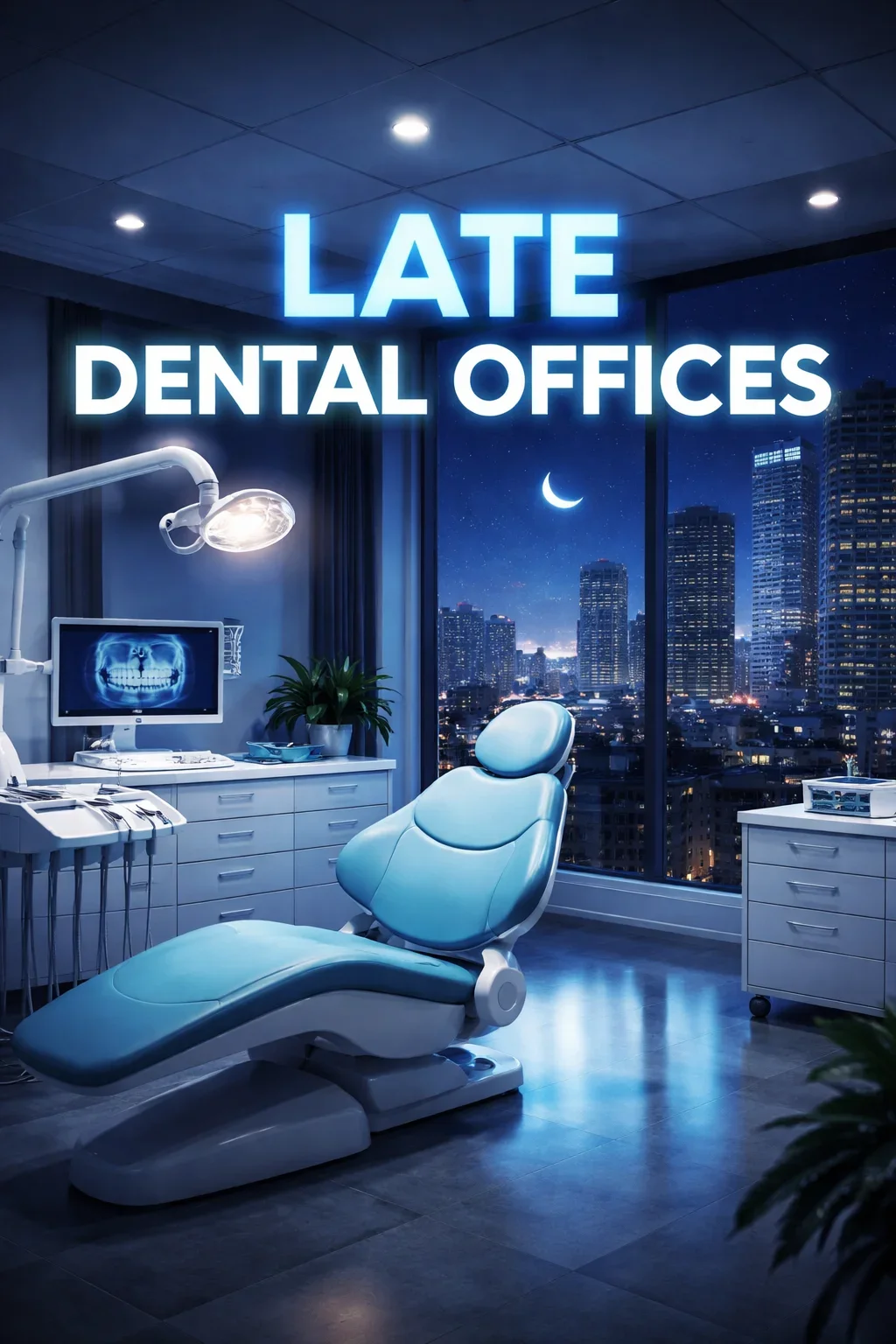
When Late Dental Offices Are the Best Choice for Emergencies
Late dental offices are often the most practical and effective solution when dental emergencies occur outside normal clinic hours. Dental emergencies rarely happen at convenient times, and pain or trauma can escalate quickly if not addressed. In these situations, late dental offices provide timely, specialized care that protects oral health and prevents serious complications 🦷.
Understanding when late dental offices are the best choice helps patients respond calmly and appropriately during stressful situations. Rather than waiting overnight or visiting a hospital emergency room that may not be equipped for dental treatment, patients can rely on late dental offices for focused, professional care.
Defining a Dental Emergency
A dental emergency is any situation involving the teeth, gums, or jaw that requires immediate attention to relieve pain, stop bleeding, or prevent permanent damage. Common examples include severe toothaches, dental infections, facial swelling, broken or knocked-out teeth, and uncontrolled bleeding.
Late dental offices are specifically structured to handle these urgent conditions. They offer diagnostic tools, trained professionals, and treatment options that go beyond temporary relief.
Severe Pain That Cannot Wait
Intense dental pain is one of the clearest signs that late dental offices are needed. Pain caused by infections, nerve inflammation, or cracked teeth often worsens at night and can become unbearable. Ignoring severe pain may allow the underlying problem to progress.
Late dental offices can identify the cause of pain and provide immediate treatment, such as temporary restorations, drainage of infections, or initiation of root canal therapy. Early intervention reduces suffering and limits long-term damage.
Dental Infections and Facial Swelling
Infections are among the most serious dental emergencies treated by late dental offices. Symptoms such as swelling, fever, pus, or difficulty swallowing indicate a potentially dangerous condition. Dental infections can spread to other parts of the body if left untreated.
Late dental offices are equipped to manage infections through professional evaluation, medication, and dental procedures. Prompt treatment protects both oral and overall health.
Traumatic Dental Injuries
Accidents involving the mouth often happen in the evening during sports, social activities, or daily routines. Broken teeth, chipped enamel, or knocked-out teeth require immediate attention to maximize the chances of successful treatment.
Late dental offices are the best choice for dental trauma because they can stabilize injuries, preserve damaged teeth, and reduce pain. Timing is critical, especially for knocked-out teeth, where rapid action can mean the difference between saving or losing the tooth.
Why Timing Matters in Dental Trauma
Delaying care after trauma increases the risk of infection, nerve damage, and tooth loss. Late dental offices provide rapid access to dental professionals who understand the urgency of these situations and act accordingly.
Lost Restorations and Sudden Tooth Damage
Lost fillings, crowns, or bridges may not always cause immediate pain, but they expose sensitive tooth structures and increase the risk of infection. Late dental offices can place temporary or permanent restorations to protect the tooth until full treatment is completed.
This quick response prevents minor issues from turning into major dental problems.
Late Dental Offices vs. Emergency Rooms
Many patients consider visiting an emergency room for dental emergencies, but this is often not the best option. Emergency rooms typically focus on life-threatening conditions and may only offer pain medication or antibiotics for dental issues.
Late dental offices specialize in oral health and provide definitive treatment. This makes them more effective and often more efficient for dental emergencies that are not life-threatening.
Clear Communication and Follow-Up Care
Reliable late dental offices prioritize clear communication during emergencies. Dentists explain the situation, treatment options, and next steps in a calm and understandable way. This helps patients feel reassured during stressful moments.
Clinics that maintain accessible contact channels, such as the Redent Klinik Contact Page, support continuity of care and easy follow-up after emergency treatment.
Professional Standards in Emergency Situations
Even during emergencies, late dental offices are expected to uphold professional and ethical standards. Many follow evidence-based guidelines supported by organizations like the American Dental Association. This ensures that urgent care is both safe and effective.
Making the Right Decision During a Dental Emergency
Knowing when to choose late dental offices empowers patients to act quickly and confidently. When pain is severe, infection is present, or trauma has occurred, late dental offices provide the right balance of urgency, expertise, and specialized care.
In conclusion, late dental offices are the best choice for most dental emergencies 🌙. They offer immediate access to qualified professionals, targeted treatment, and peace of mind when dental problems cannot wait. By choosing late dental offices during emergencies, patients protect their health and avoid unnecessary complications.