
Dental implants have transformed modern dentistry by providing a permanent and natural-looking solution for missing teeth. However, many people hesitate to pursue treatment because they assume implants are always expensive. The good news is that less expensive dental implants are now available in many parts of the world, making this life-changing treatment more accessible than ever before. Patients who research carefully can often find less expensive dental implants that offer excellent quality, durability, and aesthetics without compromising safety.
When discussing less expensive dental implants, it is important to understand what a dental implant actually is. A dental implant is a titanium or zirconia post that is surgically placed into the jawbone to replace a missing tooth root. Once the implant integrates with the bone through a process known as osseointegration, a custom-made crown, bridge, or denture is attached to restore the appearance and function of the missing tooth. This structure allows less expensive dental implants to provide a stable and long-lasting replacement option that closely mimics natural teeth.
One of the primary reasons patients seek less expensive dental implants is because traditional implant treatment can involve multiple procedures and materials. Costs may include consultations, diagnostic imaging, implant surgery, abutments, crowns, follow-up visits, and any additional treatments such as bone grafting. Fortunately, advancements in dental technology have helped reduce treatment expenses, allowing many clinics to offer less expensive dental implants while maintaining high clinical standards.
Modern digital dentistry has played a major role in making less expensive dental implants more widely available. Technologies such as 3D imaging, computer-guided implant placement, digital impressions, and CAD/CAM restorations have improved efficiency throughout the treatment process. These innovations reduce chair time, improve accuracy, and lower operational costs, helping clinics provide more affordable care to patients.
Another reason why less expensive dental implants are becoming increasingly popular is global competition among dental providers. Many reputable clinics now specialize in implant dentistry and offer comprehensive treatment packages. These packages often include examinations, scans, implant placement, temporary restorations, final crowns, medications, and aftercare. By combining services into one package, providers can often deliver less expensive dental implants compared to clinics that charge separately for each treatment component.
Patients should understand that affordable treatment does not necessarily mean low quality. In fact, many providers offering less expensive dental implants use internationally recognized implant brands and follow strict sterilization protocols. The success of implant treatment depends on factors such as proper planning, surgical expertise, patient health, and post-operative care rather than price alone. This means that carefully selected less expensive dental implants can provide outstanding long-term results.
For many individuals, dental tourism has become a practical solution when searching for less expensive dental implants. Countries with lower operating costs often provide significant savings compared to higher-cost markets. Patients frequently travel internationally to receive treatment while benefiting from experienced dental professionals, modern facilities, and competitive pricing. However, it is important to thoroughly research the clinic, dentist qualifications, patient reviews, and treatment guarantees before making a decision.
From a long-term perspective, less expensive dental implants may actually represent excellent value compared to alternative tooth replacement methods. Traditional dentures and bridges can require repairs, replacements, relining, or adjustments over time. Dental implants, when properly maintained, can last for decades. Because of their durability and ability to preserve jawbone health, less expensive dental implants may reduce future dental expenses and improve overall quality of life.
Patients considering less expensive dental implants should also focus on oral hygiene and preventive care. Daily brushing, flossing, routine dental checkups, and professional cleanings are essential for protecting implant health. Good maintenance helps ensure that implants remain functional and aesthetically pleasing for many years. This makes the investment in less expensive dental implants even more worthwhile over the long term.
In addition to restoring chewing ability, less expensive dental implants can provide significant emotional and social benefits. Missing teeth often affect confidence, speech, and facial appearance. Dental implants help preserve facial structure, improve smile aesthetics, and enhance self-esteem. Many patients report feeling more comfortable in social and professional situations after completing treatment with less expensive dental implants.
Anyone interested in learning more about implant treatment options can contact experienced professionals through the Redent Klinik Contact Page. Personalized consultations can help determine candidacy, treatment timelines, and the most suitable implant solution based on individual needs and goals.
For additional educational information regarding oral health and tooth replacement options, patients can also visit the American Dental Association, which provides reliable resources about modern dental treatments and patient care standards.
Ultimately, less expensive dental implants are helping more people restore their smiles without facing overwhelming financial barriers. Thanks to advances in technology, improved treatment efficiency, specialized implant centers, and global access to dental care, affordable implant solutions are more achievable than ever. By researching providers carefully and focusing on value rather than simply the lowest price, patients can enjoy the many functional, aesthetic, and health benefits that less expensive dental implants provide. 😊
What Are Less Expensive Dental Implants and How Do They Work?
For many people suffering from missing teeth, dental implants represent the most advanced and natural-looking tooth replacement option available today. However, the perception that implants are always costly prevents many patients from exploring treatment. Fortunately, less expensive dental implants have become increasingly available due to advances in technology, improved treatment methods, and greater competition among dental providers. Understanding what less expensive dental implants are and how they work can help patients make informed decisions about restoring their smiles without exceeding their budgets.
At their core, less expensive dental implants function exactly like standard dental implants. They are designed to replace missing tooth roots and provide a stable foundation for crowns, bridges, or implant-supported dentures. The primary difference is not how they work, but rather how treatment costs are optimized through efficient planning, specialized clinics, competitive pricing structures, and modern technology.
The Basic Components of Less Expensive Dental Implants
To fully understand less expensive dental implants, it is important to know the three primary components involved in implant treatment.
1. The Implant Post
The implant post is usually made from medical-grade titanium or zirconia. It is surgically placed into the jawbone where the missing tooth once existed. This artificial root provides stability and allows the restoration to function similarly to a natural tooth. Most less expensive dental implants use the same biocompatible materials that are used in premium implant systems.
2. The Abutment
The abutment acts as the connector between the implant post and the final restoration. Once healing is complete, the abutment is attached to the implant and serves as the support structure for the crown, bridge, or denture. High-quality less expensive dental implants include durable abutments designed for long-term performance.
3. The Restoration
The visible portion of the implant restoration may be a crown, bridge, or denture depending on the number of missing teeth. The final restoration is custom-made to match the shape, size, and color of surrounding teeth. Patients who choose less expensive dental implants can still achieve highly aesthetic results when treatment is performed by experienced professionals.
How Less Expensive Dental Implants Work
The process behind less expensive dental implants follows the same biological principles as any implant treatment. After placement, the implant gradually fuses with the jawbone through a process known as osseointegration. During this stage, bone cells grow around the implant surface, creating a strong and stable connection.
This fusion process is one of the reasons why less expensive dental implants are often considered superior to removable dentures. Unlike dentures, implants become a permanent part of the oral structure, helping patients chew, speak, and smile with confidence.
Once osseointegration is complete, the dentist attaches the abutment and places the final restoration. The result is a tooth replacement solution that closely resembles a natural tooth in both appearance and function.
Why Are Some Dental Implants Less Expensive?
Many patients assume that lower prices indicate lower quality, but this is not always true. Several factors contribute to the availability of less expensive dental implants without affecting treatment outcomes.
Advanced Technology
Digital scanners, 3D imaging systems, and computer-guided surgery have streamlined treatment procedures. These innovations reduce clinical time and improve efficiency, making it possible for clinics to offer less expensive dental implants while maintaining high standards.
Specialized Implant Centers
Clinics that focus heavily on implant dentistry often perform a high volume of procedures. This specialization allows them to purchase materials more efficiently and optimize workflows, helping them provide less expensive dental implants to patients.
Geographic Pricing Differences
Dental treatment costs vary significantly around the world. In some countries, lower operating expenses allow clinics to provide less expensive dental implants without sacrificing quality. This has contributed to the growth of dental tourism and international implant treatment options.
Benefits of Less Expensive Dental Implants
Patients choosing less expensive dental implants can enjoy many of the same advantages associated with traditional implant treatment.
- Permanent tooth replacement solution.
- Natural appearance and comfortable fit.
- Improved chewing efficiency.
- Enhanced speech clarity.
- Preservation of jawbone density.
- Long-lasting durability.
- Improved confidence and self-esteem.
- Reduced risk of shifting adjacent teeth.
These benefits explain why many people actively search for less expensive dental implants instead of settling for temporary alternatives.
Who Is a Good Candidate for Less Expensive Dental Implants?
Most healthy adults with missing teeth may qualify for less expensive dental implants. Ideal candidates generally have healthy gums, sufficient jawbone density, and a commitment to maintaining good oral hygiene. Even patients with bone loss may still be eligible after undergoing preparatory treatments such as bone grafting.
A comprehensive dental examination is essential for determining candidacy. During the consultation, the dentist evaluates bone quality, oral health, and medical history before recommending the most suitable implant solution.
Long-Term Value of Less Expensive Dental Implants
Although many patients initially focus on price, long-term value is equally important. Properly maintained less expensive dental implants can often last decades. Unlike traditional dentures that may require relining, adhesives, or periodic replacement, implants provide a stable solution that supports both function and aesthetics.
In many cases, investing in less expensive dental implants can actually reduce future dental expenses by preventing bone deterioration and minimizing the need for ongoing restorative treatment.
Ultimately, less expensive dental implants offer patients an opportunity to restore missing teeth using modern, reliable, and long-lasting technology at a more affordable cost. By understanding how implant systems work and what factors influence pricing, patients can confidently pursue treatment that balances quality, durability, aesthetics, and affordability. 😊
Factors That Influence the Cost of Less Expensive Dental Implants
One of the most common questions patients ask before beginning treatment is why implant prices vary so dramatically between clinics, cities, and countries. Understanding the factors that influence pricing can help patients make informed decisions and identify high-quality less expensive dental implants that provide excellent long-term value. While affordability is important, it is equally important to understand what contributes to the overall cost of implant treatment and why some providers can offer less expensive dental implants without compromising clinical standards.
The total price of dental implant treatment is determined by a combination of clinical, technical, material, and geographic factors. Patients who understand these variables are often better equipped to compare treatment plans and identify opportunities to obtain less expensive dental implants while still receiving reliable and safe care.
Implant Material and Manufacturing Quality
One of the primary factors influencing the cost of less expensive dental implants is the implant system itself. Most modern implants are manufactured from medical-grade titanium, which is highly biocompatible and capable of integrating with the jawbone. Some premium systems also use zirconia implants, which may increase costs.
Premium vs. Budget Implant Brands
There are numerous implant manufacturers worldwide. Well-known international brands often invest heavily in research, clinical studies, and long-term product development. These investments may contribute to higher pricing. However, many reputable mid-range manufacturers offer excellent implant systems that allow clinics to provide less expensive dental implants while maintaining high success rates.
Patients should remember that the most expensive implant brand is not always necessary. Many modern implant systems used in less expensive dental implants have demonstrated outstanding clinical performance and long-term reliability.
Diagnostic Imaging and Treatment Planning
Accurate diagnosis is essential for successful implant treatment. Clinics typically use panoramic X-rays, cone beam computed tomography (CBCT), and digital scans to evaluate bone structure and treatment needs.
Why Imaging Affects Cost
Advanced imaging technology improves precision and safety but also contributes to treatment expenses. Some providers include diagnostic services within implant packages, making less expensive dental implants more cost-effective. Others charge separately for imaging and treatment planning.
Patients comparing treatment quotes should always verify whether diagnostic imaging is included when evaluating offers for less expensive dental implants.
Number of Implants Required
The number of implants needed significantly influences total treatment costs. A patient replacing one missing tooth generally requires a single implant and crown, while someone restoring an entire arch may need multiple implants or an implant-supported full-arch restoration.
Single Tooth vs. Full-Arch Solutions
Single-tooth treatment naturally costs less than full-mouth rehabilitation. However, advanced solutions such as All-on-4 or All-on-6 systems can make full-mouth restoration more affordable by reducing the number of implants required. These innovative techniques often allow clinics to provide less expensive dental implants for patients requiring extensive tooth replacement.
Bone Grafting and Additional Procedures
Not every patient has sufficient jawbone density to support immediate implant placement. In cases involving bone loss, additional procedures may be necessary before implants can be placed successfully.
Common Additional Treatments
- Bone grafting.
- Sinus lift procedures.
- Tooth extractions.
- Periodontal treatment.
- Soft tissue grafting.
These supplementary procedures can increase treatment costs. Patients seeking less expensive dental implants should ask whether their treatment plan includes any preparatory procedures that may affect the final price.
Dentist Experience and Expertise
The qualifications and experience of the treating dentist play a major role in determining costs. Implant placement requires specialized training, surgical expertise, and ongoing education.
Does Higher Cost Always Mean Better Treatment?
Not necessarily. While highly experienced implant specialists may charge more, many skilled professionals working in competitive markets can provide less expensive dental implants while maintaining exceptional standards. Patients should focus on credentials, patient reviews, before-and-after cases, and treatment outcomes rather than selecting a clinic based solely on price.
Geographic Location and Operating Costs
Location remains one of the biggest factors affecting implant pricing. Dental clinics in major metropolitan areas often face higher overhead expenses, including rent, salaries, insurance, and regulatory compliance.
International Cost Differences
Many countries with lower operating expenses can offer less expensive dental implants compared to markets such as the United States, Canada, or the United Kingdom. This is one reason dental tourism has become increasingly popular among patients seeking affordable implant treatment.
In some cases, patients can save thousands of dollars while receiving treatment from experienced professionals using internationally recognized implant systems.
Laboratory and Restoration Costs
The custom crown, bridge, or denture attached to the implant also affects overall pricing. Dental laboratories create these restorations using various materials and manufacturing methods.
Common Restoration Materials
- Porcelain-fused-to-metal crowns.
- Full ceramic crowns.
- Zirconia restorations.
- Acrylic hybrid prostheses.
- Premium multilayer zirconia arches.
Higher-end materials generally increase costs, while still allowing clinics to offer less expensive dental implants through efficient production methods and package pricing.
Typical Price Ranges for Dental Implants
Although exact costs vary by location and treatment complexity, the following estimates provide a general overview:
| Treatment Type | Estimated Cost Range |
|---|---|
| Single Implant with Crown | $1,500 – $6,000 |
| Implant-Supported Bridge | $3,000 – $15,000 |
| All-on-4 Full Arch | $8,000 – $30,000+ |
| Full Mouth Restoration | $15,000 – $60,000+ |
These figures are general estimates and may vary depending on the factors discussed above. Many clinics offering less expensive dental implants provide treatment packages that help reduce overall costs while maintaining high-quality outcomes.
Finding the Best Value
Patients searching for less expensive dental implants should focus on overall value rather than the lowest advertised price. Important considerations include:
- Implant brand and quality.
- Dentist experience.
- Technology used during treatment.
- Clinic reputation.
- Included services and warranties.
- Patient reviews and success stories.
Ultimately, the cost of less expensive dental implants is influenced by many interconnected factors. Understanding implant materials, diagnostic requirements, restoration choices, practitioner expertise, and geographic pricing differences helps patients evaluate treatment options more effectively. By focusing on quality, transparency, and long-term value, individuals can confidently select less expensive dental implants that restore both oral health and confidence while remaining within budget. 🦷✨
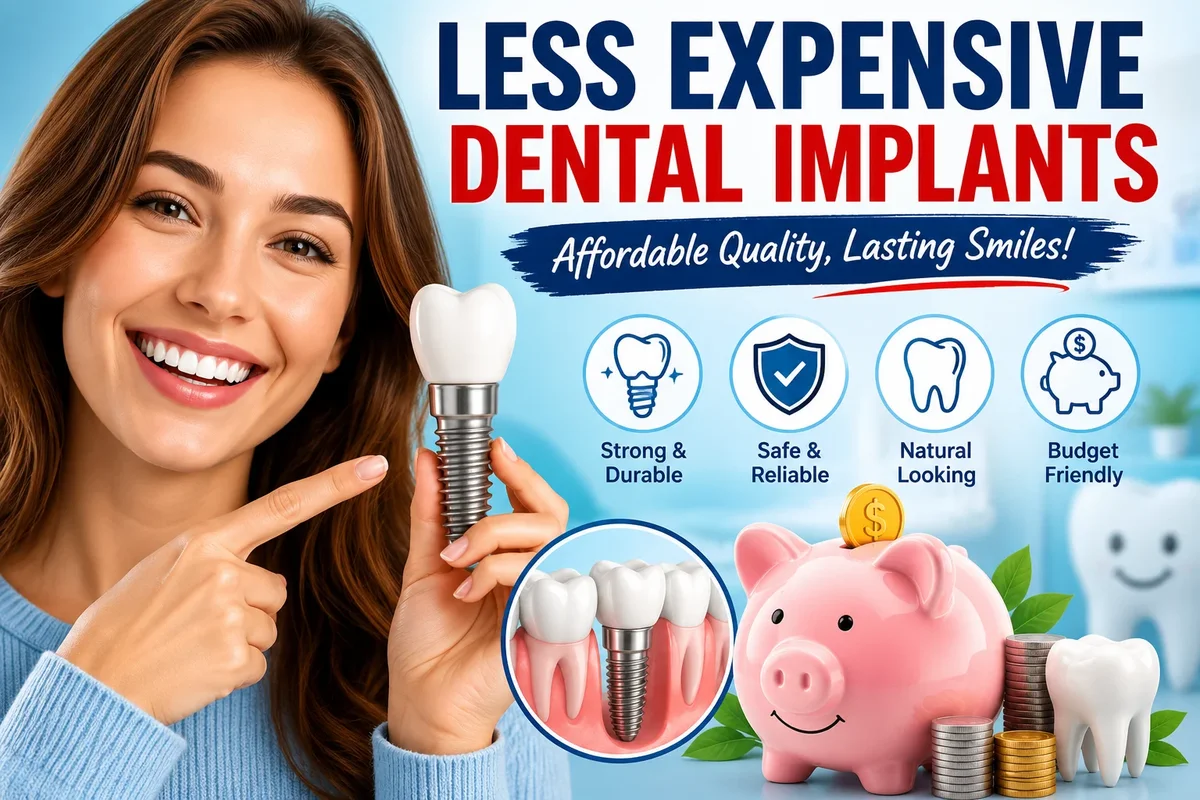
Comparing Less Expensive Dental Implants With Traditional Tooth Replacement Options
When considering tooth replacement solutions, many patients naturally focus on cost first. While affordability is important, understanding the long-term value of different treatment options is equally critical. Today, less expensive dental implants have become increasingly accessible, leading many patients to compare them with traditional alternatives such as removable dentures and dental bridges. Although these alternatives may seem cheaper initially, the long-term benefits of less expensive dental implants often make them a superior investment in oral health, functionality, and confidence.
Choosing the right tooth replacement method requires evaluating several factors, including durability, comfort, aesthetics, maintenance requirements, and future costs. Understanding how less expensive dental implants compare to traditional solutions can help patients make a well-informed decision that aligns with both their dental needs and financial goals.
Understanding the Main Tooth Replacement Options
Modern dentistry offers three primary solutions for replacing missing teeth:
- Less expensive dental implants
- Traditional dental bridges
- Removable partial or full dentures
Each option serves the same basic purpose of restoring missing teeth, but they differ significantly in terms of function, longevity, and maintenance.
Less Expensive Dental Implants vs. Removable Dentures
Removable dentures have been used for decades and remain one of the most affordable initial treatment options. However, dentures come with several limitations that patients should consider before making a decision.
Stability and Comfort
One of the biggest advantages of less expensive dental implants is stability. Because implants are anchored directly into the jawbone, they remain firmly in place during speaking, eating, and smiling. Dentures, on the other hand, rest on the gums and may shift or move unexpectedly.
Many denture wearers experience discomfort, sore spots, and difficulty chewing certain foods. In contrast, less expensive dental implants provide a secure foundation that closely mimics the performance of natural teeth.
Chewing Efficiency
Patients with removable dentures often experience reduced biting force. Hard foods such as apples, nuts, steak, and crusty bread can be difficult to eat comfortably. Because less expensive dental implants integrate with the jawbone, they restore significantly greater chewing power and allow patients to enjoy a wider variety of foods.
Bone Preservation
One major drawback of dentures is that they do not stimulate the jawbone. Over time, bone loss naturally occurs in areas where teeth are missing. This can cause facial changes, a sunken appearance, and denture instability.
Unlike dentures, less expensive dental implants stimulate the jawbone through normal chewing forces. This helps preserve bone density and maintain facial structure over the long term.
Less Expensive Dental Implants vs. Dental Bridges
Dental bridges are another popular tooth replacement solution. A bridge uses adjacent teeth as anchors to support an artificial replacement tooth.
Impact on Healthy Teeth
One of the biggest differences between bridges and less expensive dental implants is the effect on neighboring teeth. Traditional bridges often require healthy teeth to be reshaped in order to support the restoration.
With less expensive dental implants, adjacent teeth are left untouched. The implant functions independently, preserving the natural structure of surrounding teeth and reducing future complications.
Longevity Comparison
Dental bridges typically last between 7 and 15 years depending on maintenance and oral hygiene. By comparison, properly maintained less expensive dental implants can often last 20 years or more, and many patients keep their implants for life.
This longer lifespan frequently makes less expensive dental implants more cost-effective despite a higher initial investment.
Long-Term Cost Comparison
Many patients focus solely on upfront expenses when evaluating treatment options. However, ongoing maintenance costs should also be considered.
Typical Cost Overview
| Treatment Option | Initial Cost | Expected Longevity | Maintenance Needs |
|---|---|---|---|
| Removable Dentures | Low | 5–10 Years | Frequent Adjustments |
| Dental Bridges | Moderate | 7–15 Years | Replacement May Be Needed |
| Less Expensive Dental Implants | Moderate to Higher | 20+ Years | Minimal with Proper Care |
Although dentures and bridges may seem less expensive initially, replacement costs, repairs, and maintenance expenses often accumulate over time. As a result, many patients discover that less expensive dental implants provide greater long-term value.
Aesthetic Differences
Appearance plays an important role when selecting a tooth replacement option. Modern implant restorations are carefully designed to match the shape, size, and color of natural teeth.
Natural Appearance
Because implants emerge directly from the gum tissue, less expensive dental implants typically provide the most natural appearance among available treatment options. They closely replicate the way natural teeth look and function.
While modern dentures and bridges can also provide attractive results, they may not achieve the same level of realism as well-designed less expensive dental implants.
Daily Maintenance Requirements
Maintenance is another area where treatment options differ significantly.
Denture Care
Dentures often require removal for cleaning, overnight soaking, and occasional adjustments. Adhesives may also be necessary for some patients.
Bridge Care
Dental bridges require specialized flossing techniques to clean beneath the artificial tooth.
Implant Care
One of the advantages of less expensive dental implants is their simplicity. Patients typically care for implants using routine brushing, flossing, and regular dental checkups, similar to natural teeth.
Patient Satisfaction and Quality of Life
Numerous studies have shown high satisfaction rates among implant patients. Many individuals report improvements in speech, chewing ability, self-confidence, and social comfort after treatment.
The stability and natural feel of less expensive dental implants often lead to greater overall satisfaction compared to traditional dentures or bridges. Patients frequently describe implants as feeling like their own teeth rather than an artificial replacement.
Which Option Is Right for You?
The ideal solution depends on individual needs, oral health status, budget, and treatment goals. Some patients may benefit from dentures or bridges, while others may achieve the best long-term outcome with less expensive dental implants.
Ultimately, comparing all available options reveals why many dental professionals consider implants the gold standard for tooth replacement. While dentures and bridges continue to serve important roles in restorative dentistry, less expensive dental implants offer exceptional stability, bone preservation, aesthetics, comfort, and longevity. For patients seeking a durable and natural-looking solution, investing in less expensive dental implants can provide decades of improved oral function, confidence, and quality of life. 🦷✨
How to Find High-Quality Yet Less Expensive Dental Implants
Finding affordable implant treatment is often one of the biggest priorities for patients with missing teeth. However, affordability should never come at the expense of safety, durability, or long-term success. The good news is that high-quality less expensive dental implants are available when patients know what factors to evaluate and how to compare providers effectively. By focusing on value rather than simply selecting the lowest advertised price, patients can achieve excellent clinical outcomes while staying within their budget.
Today, many reputable clinics offer less expensive dental implants thanks to technological advancements, specialized implant programs, efficient treatment planning, and competitive market conditions. Understanding how to identify these opportunities can help patients avoid unnecessary expenses while still receiving high-quality care.
Understand What Is Included in the Price
One of the most important steps when searching for less expensive dental implants is understanding exactly what is included in the treatment quote. Advertised prices can sometimes be misleading because different clinics may include different services.
Services Commonly Included in Implant Packages
- Initial consultation.
- Digital X-rays or CBCT scans.
- Implant surgery.
- Abutment placement.
- Temporary restoration.
- Permanent crown or bridge.
- Follow-up appointments.
- Post-operative medications.
When comparing providers offering less expensive dental implants, always request a detailed treatment breakdown. A slightly higher package price may actually provide better value if more services are included.
Research the Dentist’s Qualifications
The success of implant treatment depends heavily on the skills and experience of the treating dentist. While searching for less expensive dental implants, patients should thoroughly investigate the qualifications of the dental team.
Key Credentials to Review
- Implant-specific training.
- Years of clinical experience.
- Professional memberships.
- Continuing education certifications.
- Documented implant success rates.
- Before-and-after treatment cases.
Highly experienced dentists can often provide less expensive dental implants through efficient workflows and specialized expertise without compromising treatment quality.
Evaluate the Implant System Being Used
Not all implant brands are identical. Some manufacturers have decades of clinical research supporting their products, while others are relatively new to the market.
Questions to Ask About Implant Brands
- How long has the implant system been available?
- Is there published clinical research supporting its success?
- Will replacement parts be available in the future?
- Does the brand have international recognition?
Many clinics providing less expensive dental implants use reputable mid-range implant systems that offer excellent reliability at a lower cost than premium brands.
Read Patient Reviews Carefully
Patient feedback can provide valuable insight into the quality of care offered by a clinic. Reviews often reveal information that is not available through marketing materials alone.
What to Look for in Reviews
- Treatment satisfaction.
- Communication quality.
- Cleanliness of the facility.
- Transparency regarding pricing.
- Post-treatment support.
- Long-term implant success.
Patients seeking less expensive dental implants should prioritize clinics with a strong history of positive patient experiences and consistent results.
Consider Dental Tourism Carefully
Dental tourism has become increasingly popular among patients searching for less expensive dental implants. Many countries offer implant treatment at significantly lower prices than those found in high-cost markets.
Advantages of Dental Tourism
- Lower treatment costs.
- Modern dental facilities.
- Experienced implant specialists.
- Access to comprehensive treatment packages.
Potential Considerations
- Travel expenses.
- Follow-up appointment logistics.
- Language barriers.
- Warranty limitations.
While dental tourism can provide access to less expensive dental implants, patients should carefully research clinics before making travel arrangements.
Compare Technology and Facilities
Advanced technology can improve treatment accuracy and reduce complications. Modern equipment often indicates a clinic’s commitment to providing high-quality care.
Technology Worth Looking For
- 3D CBCT imaging.
- Digital intraoral scanners.
- Computer-guided implant surgery.
- CAD/CAM restoration systems.
- Digital treatment planning software.
Many providers offering less expensive dental implants invest heavily in technology because improved efficiency allows them to reduce overall treatment costs while maintaining excellent outcomes.
Ask About Warranties and Guarantees
A trustworthy clinic should be willing to discuss treatment guarantees and warranty policies. While no medical procedure can be guaranteed completely, many providers offer protections related to implant components or restorative work.
Important Warranty Questions
- Are implant components covered?
- How long is the warranty period?
- What situations are excluded?
- What follow-up care is required?
Patients considering less expensive dental implants should evaluate warranty coverage as part of the overall treatment value.
Red Flags to Avoid
While searching for affordable treatment, patients should remain cautious of offers that appear unrealistically cheap.
Warning Signs
- Extremely low prices with no explanation.
- Lack of diagnostic imaging.
- No discussion of treatment planning.
- Limited information about implant brands.
- Absence of patient reviews.
- Poor communication regarding risks and benefits.
If a clinic cannot clearly explain how it provides less expensive dental implants, patients should proceed carefully and seek additional information.
Balancing Cost and Quality
The goal should not be to find the cheapest treatment available. Instead, patients should focus on finding the best balance between affordability, expertise, safety, and long-term success. High-quality less expensive dental implants are those that combine reasonable pricing with proven clinical results, durable materials, and comprehensive patient care.
When evaluating providers, it is helpful to compare multiple treatment plans, review credentials, ask detailed questions, and consider the total value being offered rather than focusing exclusively on upfront cost.
Making a Smart Implant Investment
Dental implants are often a long-term investment in oral health, function, and confidence. While many patients initially focus on finding less expensive dental implants, the most successful outcomes occur when affordability is balanced with quality and experience. A carefully selected provider can deliver less expensive dental implants that look natural, function effectively, and last for many years.
Ultimately, finding high-quality less expensive dental implants requires research, patience, and careful comparison. By evaluating implant systems, dentist qualifications, technology, treatment inclusions, warranties, and patient reviews, individuals can confidently choose a provider that offers excellent value without compromising safety or long-term results. 🦷✨
Countries and Cities Known for Less Expensive Dental Implants
One of the biggest reasons patients search for less expensive dental implants is the significant variation in treatment costs between countries and even between cities within the same country. Dental implant pricing is influenced by labor costs, facility expenses, local economies, taxation, competition, and healthcare infrastructure. As a result, many patients discover that traveling for treatment can provide substantial savings while still allowing them to receive high-quality care.
In recent years, dental tourism has grown rapidly as more patients seek less expensive dental implants without compromising treatment quality. Modern transportation, international accreditation standards, digital communication, and global access to patient reviews have made it easier than ever to compare clinics worldwide. Understanding which countries and cities are recognized for affordable implant treatment can help patients make informed decisions.
Why Implant Costs Differ Around the World
Before exploring specific destinations, it is important to understand why less expensive dental implants are available in some regions.
Lower Operating Costs
In many countries, clinic overhead expenses are significantly lower than in higher-cost regions such as the United States, Canada, Australia, and parts of Western Europe. Lower rent, staffing costs, and administrative expenses often allow providers to offer less expensive dental implants while maintaining excellent clinical standards.
Competitive Dental Markets
Cities with a strong focus on dental tourism often have many specialized implant clinics competing for international patients. This competition frequently results in attractive pricing packages that make less expensive dental implants more accessible.
Currency Exchange Advantages
Patients traveling from countries with stronger currencies may benefit from favorable exchange rates. These financial advantages can significantly reduce the overall cost of obtaining less expensive dental implants.
Turkey: A Global Leader in Affordable Implant Dentistry
Turkey has become one of the world’s most recognized destinations for less expensive dental implants. The country combines experienced dentists, modern facilities, advanced technology, and competitive pricing.
Popular Cities in Turkey
- Istanbul
- Antalya
- Ankara
- Izmir
Many clinics in these cities offer comprehensive implant packages that include consultations, imaging, implant placement, restorations, airport transfers, and accommodation assistance. Patients seeking less expensive dental implants often choose Turkey because of the balance between affordability and quality.
Estimated single implant treatment costs frequently range between $500 and $1,500 per implant, depending on the implant system and restoration type.
Hungary: A Long-Established Dental Tourism Destination
Hungary has been a leading destination for dental tourism in Europe for many years. Patients from neighboring countries often travel there specifically for less expensive dental implants.
Key Advantages
- Strong reputation for dental care.
- Experienced implant specialists.
- Modern clinics.
- Competitive European pricing.
Budapest remains one of the most popular cities for international patients seeking less expensive dental implants. Prices are often considerably lower than those found in Western Europe.
Mexico: Popular for North American Patients
For patients from the United States and Canada, Mexico is frequently chosen for less expensive dental implants. Proximity and lower treatment costs make it an attractive option.
Popular Dental Cities
- Tijuana
- Los Algodones
- Cancun
- Mexico City
Many clinics in these locations specialize in serving international patients and provide treatment at a fraction of the cost often found in the United States. As a result, Mexico has become a major destination for less expensive dental implants.
Thailand: Combining Tourism and Dental Care
Thailand is known for high-quality healthcare services and advanced dental facilities. The country attracts patients from across Asia, Australia, Europe, and North America who are searching for less expensive dental implants.
Popular Treatment Centers
- Bangkok
- Phuket
- Chiang Mai
Patients often combine treatment with vacation opportunities, making Thailand a unique option for obtaining less expensive dental implants while enjoying a memorable travel experience.
Poland: Affordable Care Within Europe
Poland has become another attractive destination for patients seeking less expensive dental implants within Europe. Modern clinics, highly trained professionals, and lower operating costs contribute to competitive pricing.
Popular Cities
- Warsaw
- Krakow
- Gdansk
- Wroclaw
Many European patients choose Poland because it provides access to quality implant treatment without the higher fees commonly seen in Western European countries.
Average International Implant Price Comparison
| Country | Estimated Single Implant Cost |
|---|---|
| United States | $3,000 – $6,000 |
| United Kingdom | $2,500 – $5,000 |
| Australia | $3,000 – $6,500 |
| Turkey | $500 – $1,500 |
| Mexico | $800 – $2,000 |
| Hungary | $900 – $2,000 |
| Thailand | $1,000 – $2,500 |
| Poland | $1,000 – $2,300 |
These figures are approximate estimates and may vary depending on implant brand, restoration material, case complexity, and additional procedures.
Factors to Evaluate Beyond Price
While cost savings are important, selecting a provider based solely on price is not recommended. Patients pursuing less expensive dental implants should carefully evaluate several additional factors.
Important Evaluation Criteria
- Dentist qualifications and certifications.
- Years of implant experience.
- Clinic accreditation.
- Patient reviews and testimonials.
- Technology and equipment.
- Treatment guarantees and warranties.
- Availability of follow-up care.
By considering these factors, patients can identify providers offering genuine value rather than simply the lowest price.
Travel Costs and Overall Savings
When considering international treatment, travel expenses should be included in the overall budget. Flights, accommodation, meals, local transportation, and potential follow-up visits can affect total costs.
However, even after accounting for these expenses, many patients still find substantial savings when pursuing less expensive dental implants abroad. In some cases, the combined cost of treatment and travel remains significantly lower than domestic treatment options.
Choosing the Right Destination
The best destination for less expensive dental implants depends on a patient’s budget, travel preferences, treatment complexity, and desired level of support. Some individuals prioritize convenience and proximity, while others focus on maximizing savings.
Ultimately, countries such as Turkey, Hungary, Mexico, Thailand, and Poland have earned strong reputations for providing less expensive dental implants through experienced professionals, modern technology, and competitive pricing. By conducting thorough research and comparing providers carefully, patients can achieve excellent treatment outcomes while benefiting from significant cost savings and high-quality dental care. 🌍🦷✨
Are Less Expensive Dental Implants Safe and Reliable?
One of the most common concerns among patients considering implant treatment is whether affordability affects safety and reliability. Many people assume that lower-cost treatment automatically means lower quality care. However, this assumption is often inaccurate. In reality, less expensive dental implants can be both safe and reliable when treatment is performed by qualified professionals using proven implant systems and appropriate clinical protocols.
As dental technology continues to advance and competition among providers increases, more clinics are able to offer less expensive dental implants without compromising treatment quality. Understanding the factors that determine implant success can help patients confidently evaluate affordable treatment options and avoid common misconceptions.
Understanding Implant Safety
Dental implants have one of the highest success rates among modern dental procedures. Numerous long-term studies have demonstrated success rates that frequently exceed 95% when treatment is properly planned and executed.
The safety of less expensive dental implants depends on several factors, including the patient’s overall health, bone quality, treatment planning, surgical technique, implant materials, and post-operative care. Price alone does not determine treatment safety.
What Makes Dental Implants Safe?
- Biocompatible implant materials.
- Comprehensive treatment planning.
- Proper sterilization procedures.
- Accurate implant placement.
- Experienced dental professionals.
- Appropriate patient selection.
When these standards are maintained, less expensive dental implants can provide outcomes comparable to more expensive treatment options.
The Role of Implant Materials
Material quality is often a major concern when patients evaluate less expensive dental implants. Most modern implants are manufactured from medical-grade titanium, which has been extensively researched and successfully used in implant dentistry for decades.
Titanium Implants
Titanium is widely recognized for its strength, durability, and ability to integrate with bone tissue. Many providers offering less expensive dental implants use titanium implants that meet international quality standards and regulatory requirements.
Zirconia Implants
Some patients prefer metal-free alternatives such as zirconia implants. While zirconia options may sometimes increase costs, certain clinics can still provide relatively less expensive dental implants using modern zirconia systems.
Regardless of material choice, patients should verify that the implant system has a strong clinical history and adequate scientific support.
How Dentist Experience Affects Reliability
The experience of the implant dentist is one of the most important predictors of treatment success. Even the highest-quality implant system cannot compensate for poor planning or improper surgical technique.
Why Experience Matters
- More accurate implant placement.
- Better management of complex cases.
- Reduced complication rates.
- Improved aesthetic outcomes.
- More predictable long-term success.
Many clinics specializing in less expensive dental implants perform large numbers of implant procedures every year. This high treatment volume often allows practitioners to refine their skills and improve efficiency while keeping costs competitive.
Technology Improves Safety
Modern technology has dramatically improved implant planning and placement. Many clinics offering less expensive dental implants utilize advanced digital tools that increase precision and reduce treatment risks.
Common Technologies Used
- CBCT 3D imaging.
- Digital treatment planning.
- Computer-guided surgery.
- Intraoral scanners.
- CAD/CAM restorations.
These technologies help ensure accurate implant positioning, minimize surgical complications, and contribute to the reliability of less expensive dental implants.
Potential Risks of Dental Implants
Like any surgical procedure, dental implant treatment carries certain risks. However, these risks are generally low when treatment is performed appropriately.
Possible Complications
- Infection.
- Implant failure.
- Nerve irritation.
- Sinus complications.
- Delayed healing.
- Peri-implantitis.
These risks exist regardless of whether a patient chooses premium-priced treatment or less expensive dental implants. Proper diagnosis, planning, and aftercare significantly reduce the likelihood of complications.
How to Identify Reliable Clinics
Patients seeking less expensive dental implants should focus on evaluating providers carefully rather than simply selecting the lowest price available.
Signs of a Reliable Implant Clinic
- Detailed consultations.
- Comprehensive diagnostic imaging.
- Transparent treatment plans.
- Documented patient results.
- Positive online reviews.
- Clear warranty policies.
- Qualified implant specialists.
Clinics that openly discuss treatment options and provide detailed information about implant systems often inspire greater confidence among prospective patients.
Common Myths About Less Expensive Dental Implants
Myth 1: Affordable Means Low Quality
This is perhaps the most widespread misconception. Many providers can offer less expensive dental implants because of lower operating costs, efficient workflows, or favorable geographic locations rather than inferior materials.
Myth 2: Lower Cost Means Lower Success Rates
Success rates are influenced by clinical expertise, patient health, implant design, and treatment planning. Well-managed less expensive dental implants can achieve outcomes comparable to more expensive alternatives.
Myth 3: Dental Tourism Is Always Risky
While research is essential, many international clinics providing less expensive dental implants maintain exceptionally high standards and serve thousands of satisfied patients annually.
Long-Term Reliability of Dental Implants
One of the strongest arguments in favor of less expensive dental implants is their impressive longevity. With proper maintenance, many implants remain functional for decades.
Factors That Support Long-Term Success
- Good oral hygiene.
- Regular dental checkups.
- Healthy lifestyle habits.
- Adequate bone support.
- Professional maintenance.
Patients who follow recommended aftercare instructions often experience excellent long-term outcomes regardless of whether they chose premium pricing or less expensive dental implants.
Making a Safe and Informed Decision
Safety and reliability should always be prioritized when evaluating implant treatment options. Fortunately, affordability and quality are not mutually exclusive. Many reputable clinics have developed efficient treatment models that allow them to provide less expensive dental implants without compromising patient safety or clinical excellence.
Ultimately, less expensive dental implants can be a safe, dependable, and highly effective solution for replacing missing teeth when treatment is delivered by experienced professionals using quality implant systems and modern technology. By carefully researching providers, reviewing credentials, and focusing on overall value rather than price alone, patients can confidently pursue implant treatment that delivers long-lasting function, aesthetics, and peace of mind. 🦷✅
Ways to Reduce the Cost of Less Expensive Dental Implants Without Sacrificing Quality
For many patients, the desire to restore missing teeth is often balanced against financial considerations. While dental implants are widely regarded as the gold standard for tooth replacement, treatment costs can sometimes seem intimidating. Fortunately, there are several proven strategies that can help patients obtain less expensive dental implants without compromising safety, functionality, aesthetics, or long-term success. Understanding these cost-saving opportunities allows individuals to make smarter treatment decisions while preserving the quality of their care.
The key to finding less expensive dental implants is not simply choosing the lowest advertised price. Instead, patients should focus on maximizing value through careful planning, provider selection, treatment timing, and informed decision-making. Many reputable clinics offer affordable implant solutions that maintain high standards while reducing unnecessary expenses.
Choose a Specialized Implant Clinic
One of the most effective ways to access less expensive dental implants is by selecting a clinic that focuses heavily on implant dentistry. Specialized implant centers often perform a high volume of procedures, allowing them to streamline workflows and reduce costs.
Benefits of Specialized Clinics
- Greater procedural efficiency.
- Experienced implant teams.
- Bulk purchasing power for materials.
- Reduced treatment times.
- More competitive pricing structures.
Because of these advantages, specialized providers can frequently offer less expensive dental implants while maintaining excellent clinical outcomes.
Address Missing Teeth Early
Many patients postpone treatment due to financial concerns. However, delaying implant therapy can actually increase costs in the long run.
Why Early Treatment Saves Money
When a tooth is lost, the surrounding jawbone begins to deteriorate over time. Significant bone loss may eventually require additional procedures such as bone grafting or sinus augmentation before implants can be placed.
By seeking treatment earlier, patients may avoid these extra procedures and obtain less expensive dental implants with fewer complications and lower overall costs.
Compare Multiple Treatment Plans
Obtaining consultations from several qualified providers is another excellent strategy. Different clinics may recommend varying treatment approaches based on their expertise, technology, and preferred implant systems.
Questions to Ask During Consultations
- What services are included in the quoted price?
- Which implant system is being used?
- Are diagnostic scans included?
- Will temporary restorations be provided?
- Are follow-up appointments included?
Comparing treatment plans often reveals opportunities to obtain less expensive dental implants without sacrificing quality.
Consider Implant-Supported Alternatives
Patients requiring extensive tooth replacement may benefit from treatment options that reduce the number of implants needed.
Popular Cost-Effective Solutions
- All-on-4 systems.
- All-on-6 restorations.
- Implant-supported overdentures.
- Implant-supported bridges.
These approaches can significantly lower costs while still delivering the benefits associated with less expensive dental implants, including improved stability and chewing efficiency.
Explore Dental Tourism Opportunities
Traveling for treatment has become increasingly popular among patients seeking less expensive dental implants. In many countries, lower operating costs allow clinics to provide high-quality care at significantly reduced prices.
Potential Savings
Depending on the destination and treatment complexity, patients may save thousands of dollars even after accounting for travel and accommodation expenses. However, it is essential to thoroughly research providers before committing to international treatment.
Many patients successfully obtain less expensive dental implants through reputable dental tourism destinations while enjoying modern facilities and experienced practitioners.
Take Advantage of Promotional Packages
Some clinics periodically offer promotional pricing, seasonal discounts, or comprehensive implant packages.
What Packages May Include
- Consultations.
- Diagnostic imaging.
- Implant placement.
- Temporary restorations.
- Final crowns.
- Follow-up visits.
Patients searching for less expensive dental implants should inquire about package options, as bundled services often reduce overall treatment expenses.
Select Appropriate Restoration Materials
The material used for the final restoration can influence total treatment costs. While premium materials offer certain advantages, more affordable options may still provide excellent durability and aesthetics.
Common Restoration Choices
- Porcelain-fused-to-metal crowns.
- Full ceramic crowns.
- Zirconia restorations.
- Acrylic hybrid prostheses.
Discussing material options with the dentist can help patients identify solutions that support less expensive dental implants while meeting functional and cosmetic expectations.
Maintain Excellent Oral Health
Preventive care is one of the most overlooked methods for reducing dental expenses. Healthy gums and adequate bone support simplify implant treatment and minimize the need for additional procedures.
Helpful Preventive Habits
- Brush twice daily.
- Floss regularly.
- Attend routine dental checkups.
- Avoid tobacco products.
- Address dental issues promptly.
Good oral health often contributes to more predictable treatment and can help patients qualify for less expensive dental implants without requiring costly preparatory procedures.
Understand Financing and Payment Options
Many clinics now offer financing plans that make implant treatment more accessible. While financing does not directly reduce treatment costs, it can make less expensive dental implants easier to manage within a patient’s budget.
Common Financing Solutions
- Monthly payment plans.
- Healthcare financing programs.
- Third-party lending services.
- Clinic-specific financing options.
Patients should review financing terms carefully and compare available options before making a commitment.
Avoid Choosing Based Solely on Price
One of the most important principles when pursuing less expensive dental implants is avoiding decisions based entirely on cost. Extremely low prices may sometimes indicate shortcuts in treatment planning, materials, sterilization procedures, or follow-up care.
Focus on Overall Value
- Dentist qualifications.
- Clinic reputation.
- Technology used.
- Treatment transparency.
- Patient reviews.
- Warranty coverage.
Evaluating these factors helps ensure that less expensive dental implants remain both affordable and reliable.
Achieving Affordable Quality
Reducing treatment costs does not have to mean accepting lower standards of care. Through careful provider selection, early intervention, package pricing, dental tourism, preventive care, and efficient treatment planning, patients can access less expensive dental implants that provide outstanding long-term value.
Ultimately, the best approach is to view implant treatment as an investment in oral health rather than simply a purchase. By focusing on quality, expertise, and long-term success while taking advantage of available cost-saving strategies, patients can confidently obtain less expensive dental implants that restore comfort, function, appearance, and confidence for many years to come. 🦷💰✨
Dental Implant Cost Breakdown: What You Are Actually Paying For
Many patients researching less expensive dental implants are surprised to learn that the advertised implant price often represents only one part of the overall treatment cost. Dental implant therapy is a comprehensive process involving diagnostics, planning, surgery, restorative work, materials, technology, and follow-up care. Understanding exactly where your money goes can help you evaluate treatment proposals more effectively and identify high-quality less expensive dental implants that provide genuine value rather than simply the lowest upfront price.
When patients receive quotes from different clinics, they often notice substantial price variations. These differences are not always related to the implant itself. In many cases, they reflect differences in included services, technology, practitioner expertise, laboratory costs, and treatment complexity. By understanding the individual components of implant treatment, patients can better assess offers for less expensive dental implants and make informed decisions.
Initial Consultation and Examination
The implant process begins with a comprehensive consultation. During this appointment, the dentist evaluates oral health, discusses treatment goals, and determines whether implants are appropriate.
What the Consultation May Include
- Medical history review.
- Oral examination.
- Assessment of missing teeth.
- Discussion of treatment options.
- Preliminary cost estimates.
Some clinics include consultations within packages for less expensive dental implants, while others charge separately. Understanding this distinction helps patients compare treatment plans more accurately.
Diagnostic Imaging Costs
Accurate imaging is one of the most important stages of implant treatment. Modern diagnostics help ensure precise planning and reduce surgical risks.
Common Imaging Technologies
- Panoramic X-rays.
- Cone Beam CT (CBCT) scans.
- Digital intraoral scans.
- Photographic records.
Advanced imaging contributes to the safety and predictability of less expensive dental implants. Some providers bundle these services into treatment packages, while others list them as separate expenses.
Treatment Planning and Case Design
Successful implant treatment requires detailed planning. Dentists use diagnostic information to determine implant positions, restoration designs, and surgical approaches.
Why Planning Matters
Careful planning reduces complications and improves long-term success rates. Clinics offering less expensive dental implants often utilize digital treatment planning software that improves efficiency while maintaining high standards of care.
Although patients may not always see this portion of the process, treatment planning represents an important investment in achieving predictable results.
The Implant Fixture Itself
The implant fixture is the titanium or zirconia post that is surgically placed into the jawbone. This component often receives the most attention because many advertisements focus on implant pricing.
Factors Affecting Implant Cost
- Implant brand.
- Material quality.
- Research and development history.
- Manufacturing standards.
- Warranty coverage.
Many providers of less expensive dental implants use well-established implant systems that offer excellent performance without the premium pricing associated with certain high-end brands.
Surgical Placement Costs
The implant placement procedure itself represents another significant portion of treatment expenses. Surgical fees reflect the expertise, equipment, and time required to perform the procedure safely.
What Surgical Fees Typically Cover
- Sterile surgical environment.
- Surgical instruments.
- Clinical staff support.
- Anesthesia or local anesthetic.
- Post-operative instructions.
Experienced providers offering less expensive dental implants often achieve cost efficiencies through specialization and procedural volume while maintaining patient safety.
The Abutment Component
After osseointegration is complete, an abutment is attached to the implant. This connector links the implant fixture to the final restoration.
Why Abutments Affect Pricing
Abutments may be prefabricated or custom-made depending on the patient’s needs. Custom abutments often improve aesthetics and fit but may increase treatment costs. Many less expensive dental implants treatment packages include standard abutments as part of the overall fee.
The Final Restoration
The visible portion of the implant restoration is often one of the most expensive components of treatment. Crowns, bridges, and implant-supported dentures require laboratory fabrication and customization.
Restoration Material Options
- Porcelain-fused-to-metal crowns.
- Full ceramic crowns.
- Zirconia crowns.
- Acrylic hybrid prostheses.
- Full-arch zirconia restorations.
The material selected can significantly influence the final cost of less expensive dental implants. Patients should discuss material options with their dentist to balance aesthetics, durability, and affordability.
Potential Additional Procedures
Some patients require supplementary treatments before implant placement can occur.
Common Additional Costs
- Tooth extractions.
- Bone grafting.
- Sinus lift procedures.
- Periodontal treatment.
- Soft tissue grafting.
These procedures are not always necessary, but when required, they can increase overall expenses. Patients evaluating less expensive dental implants should clarify whether these treatments are included in quoted prices.
Follow-Up Care and Maintenance
Successful implant treatment does not end when the restoration is placed. Ongoing maintenance plays an important role in long-term implant health.
Post-Treatment Services
- Healing assessments.
- Professional cleanings.
- Adjustment appointments.
- Periodic examinations.
- Maintenance recommendations.
Many clinics offering less expensive dental implants include certain follow-up visits within their treatment packages, which can provide additional value.
Example Cost Breakdown
| Treatment Component | Estimated Cost Range |
|---|---|
| Consultation & Diagnostics | $100 – $600 |
| Implant Fixture | $500 – $2,000 |
| Surgical Placement | $500 – $2,500 |
| Abutment | $200 – $800 |
| Final Crown | $500 – $3,000 |
| Additional Procedures | Varies Widely |
Actual costs vary by location, provider, and treatment complexity. Nevertheless, this breakdown illustrates why implant pricing can differ so dramatically between clinics.
Understanding Value Beyond Price
When reviewing treatment quotes, patients should remember that implant costs reflect far more than the implant fixture alone. Every stage—from diagnostics and planning to surgery and restoration—contributes to treatment success.
The best less expensive dental implants are not necessarily the cheapest options available. Instead, they are treatments that combine quality materials, experienced professionals, advanced technology, comprehensive care, and transparent pricing. By understanding exactly what they are paying for, patients can confidently choose less expensive dental implants that deliver exceptional long-term value, predictable outcomes, and a healthy, functional smile for years to come. 🦷💲✨
Frequently Asked Questions About Less Expensive Dental Implants
Patients researching less expensive dental implants often have many questions about treatment costs, safety, longevity, eligibility, and expected outcomes. Because dental implant therapy represents an important investment in oral health, it is natural to seek detailed information before making a decision. This comprehensive FAQ section addresses some of the most common concerns patients have when exploring less expensive dental implants and provides practical insights to help guide the decision-making process.
Understanding the facts behind implant treatment can help patients separate myths from reality and feel more confident about pursuing less expensive dental implants as a long-term tooth replacement solution.
Are Less Expensive Dental Implants Lower Quality?
No, not necessarily. One of the most common misconceptions is that affordable treatment automatically means poor quality. In many cases, less expensive dental implants are available because of lower operating costs, specialized implant centers, efficient treatment workflows, or geographic pricing differences.
What Really Determines Quality?
- Dentist experience and training.
- Implant system quality.
- Treatment planning accuracy.
- Clinic technology.
- Sterilization standards.
- Patient aftercare.
Patients should evaluate these factors rather than assuming that higher prices always indicate better treatment.
How Long Do Less Expensive Dental Implants Last?
With proper care, less expensive dental implants can last for decades. In many cases, the implant fixture itself may last a lifetime. The crown or restoration attached to the implant may eventually require replacement due to normal wear, but the implant foundation often remains stable for many years.
Factors Affecting Longevity
- Oral hygiene habits.
- Regular dental checkups.
- Smoking status.
- Overall health.
- Bone quality.
- Bite forces and grinding habits.
Patients who maintain excellent oral health often enjoy outstanding long-term results from less expensive dental implants.
Who Is a Good Candidate for Dental Implants?
Most healthy adults with one or more missing teeth may qualify for implant treatment. A comprehensive examination is necessary to determine eligibility.
Ideal Candidates Typically Have:
- Healthy gums.
- Adequate jawbone density.
- Good overall health.
- Commitment to oral hygiene.
- Realistic treatment expectations.
Even patients with bone loss may still be candidates for less expensive dental implants after undergoing preparatory procedures such as bone grafting.
Do Dental Implants Hurt?
Many patients are surprised to learn that implant placement is generally less uncomfortable than they expected. Local anesthesia is used during the procedure, ensuring that patients remain comfortable throughout treatment.
Typical Recovery Experience
- Mild swelling.
- Minor soreness.
- Temporary discomfort.
- Short recovery period.
Most patients return to normal activities within a few days following placement of less expensive dental implants.
How Much Do Less Expensive Dental Implants Cost?
The cost of less expensive dental implants varies significantly depending on location, implant system, treatment complexity, and additional procedures.
General Price Ranges
| Treatment Type | Estimated Cost Range |
|---|---|
| Single Implant | $500 – $6,000 |
| Implant Bridge | $3,000 – $15,000 |
| All-on-4 Restoration | $8,000 – $30,000+ |
| Full Mouth Rehabilitation | $15,000 – $60,000+ |
These estimates vary by region and provider. Patients should request detailed treatment plans when comparing options for less expensive dental implants.
Are Less Expensive Dental Implants Better Than Dentures?
For many patients, the answer is yes. While dentures remain a valuable treatment option, less expensive dental implants often provide superior stability, chewing function, comfort, and bone preservation.
Advantages Over Dentures
- Improved chewing ability.
- Greater stability.
- Natural appearance.
- Bone preservation.
- No need for adhesives.
- Long-term durability.
However, the most appropriate solution depends on individual circumstances and treatment goals.
Can Smokers Receive Dental Implants?
Yes, smokers can often receive less expensive dental implants, but smoking increases the risk of complications and implant failure. Dentists frequently recommend reducing or eliminating tobacco use before and after treatment.
Smoking-Related Risks
- Delayed healing.
- Higher infection risk.
- Reduced osseointegration.
- Increased implant failure rates.
Patients who quit smoking generally experience better outcomes following implant treatment.
How Can I Verify a Clinic’s Reputation?
Before choosing a provider, patients should thoroughly research clinics offering less expensive dental implants.
Helpful Verification Methods
- Read patient reviews.
- Examine before-and-after photos.
- Verify professional credentials.
- Review clinic certifications.
- Request treatment details.
- Ask about implant brands used.
Comprehensive research helps ensure that affordability is combined with quality and safety.
What Maintenance Do Dental Implants Require?
One of the advantages of less expensive dental implants is that they can be maintained similarly to natural teeth.
Recommended Maintenance Routine
- Brush twice daily.
- Floss regularly.
- Attend routine dental visits.
- Avoid tobacco products.
- Address dental problems promptly.
Consistent maintenance significantly contributes to long-term implant success.
Are Less Expensive Dental Implants Worth the Investment?
For many patients, the answer is absolutely yes. While the initial investment may exceed the cost of some traditional alternatives, less expensive dental implants often provide greater durability, functionality, comfort, and long-term value.
Reasons Patients Choose Implants
- Permanent tooth replacement.
- Improved confidence.
- Enhanced oral health.
- Natural appearance.
- Superior chewing efficiency.
- Long-term cost-effectiveness.
Ultimately, less expensive dental implants represent one of the most effective modern solutions for replacing missing teeth. By understanding the answers to these common questions, patients can approach treatment with greater confidence and realistic expectations. Whether replacing a single tooth or restoring an entire smile, less expensive dental implants offer an opportunity to regain oral function, preserve bone health, improve aesthetics, and enjoy long-lasting results without necessarily paying premium prices. With careful research and the guidance of experienced professionals, patients can successfully find less expensive dental implants that combine affordability, safety, reliability, and exceptional long-term value. 🦷❓✨