
Dental implants are one of the most effective and long-lasting solutions for missing teeth, but the cost can be a major concern for many patients. This is where loans for dental implants become an essential option. Instead of delaying treatment or compromising on oral health, patients can spread the cost over time and receive the care they need without financial stress. 😊
Understanding how loans for dental implants work is the first step toward making an informed decision. These financing options are specifically designed to help patients cover the cost of implant procedures, which often include consultations, surgical placement, abutments, and crowns. Since dental implants are considered a long-term investment in your health and confidence, many people choose financing to make the process more accessible.
Unlike paying the full amount upfront, loans for dental implants allow you to break the total cost into manageable monthly payments. This makes high-quality dental care achievable for a wider range of patients. Whether you are considering a single implant or a full-mouth restoration, financing ensures that you do not have to compromise on quality due to budget limitations.
There are several types of loans for dental implants, including personal loans, healthcare credit cards, and in-house dental financing plans. Each option comes with its own benefits and considerations. For example, personal loans often provide flexibility and fixed repayment terms, while dental financing plans may offer interest-free periods if paid within a certain timeframe. Understanding these options helps you choose the best solution for your specific needs.
One of the biggest advantages of loans for dental implants is the ability to start treatment immediately. Delaying dental care can lead to more serious oral health issues, such as bone loss or shifting teeth. By using financing, patients can address these problems early and avoid more complex and costly procedures in the future.
Additionally, many clinics today provide assistance in finding suitable loans for dental implants. They often work with trusted financial partners to offer tailored payment plans. If you are considering treatment, you can easily reach out through the Redent Klinik Contact Page to explore your options and get personalized guidance.
It is also important to understand that the cost of dental implants can vary significantly depending on factors such as the number of implants, the need for additional procedures like bone grafting, and the location of the clinic. On average, a single dental implant can range between $1,500 and $6,000. Full-mouth restorations can cost significantly more. This is why loans for dental implants play a crucial role in making these treatments accessible.
For reliable information about dental procedures and standards, you can also refer to trusted organizations like the American Dental Association, which provides valuable insights into oral health and treatment options.
Another key benefit of loans for dental implants is the flexibility they offer. Patients can choose repayment terms that fit their financial situation, whether that means shorter terms with higher monthly payments or longer terms with lower installments. This flexibility ensures that dental care does not become a financial burden.
In conclusion, loans for dental implants are a practical and increasingly popular solution for patients who want to restore their smile without financial strain. By understanding how these loans work, comparing different options, and choosing a plan that suits your needs, you can take a confident step toward better oral health and improved quality of life. 😁
What Are Loans for Dental Implants and How Do They Work?
Understanding loans for dental implants is essential if you are planning to restore your smile without paying a large upfront cost. Dental implants are widely recognized as one of the most effective long-term solutions for missing teeth, but their cost can be significant. This is why loans for dental implants have become increasingly popular, allowing patients to access high-quality care while managing their finances comfortably. 💡
At their core, loans for dental implants are financial products designed to help patients cover the cost of implant procedures. Instead of paying thousands of dollars in one payment, patients can divide the cost into smaller, manageable monthly installments. This approach ensures that necessary dental care is not delayed due to budget concerns.
How Loans for Dental Implants Function in Practice
When you apply for loans for dental implants, a lender evaluates your financial profile, including your income, credit score, and repayment ability. Based on this assessment, they offer a loan amount that can be used specifically for dental treatment. Once approved, the funds are either paid directly to the dental clinic or transferred to you, depending on the financing provider.
After receiving the loan, you will begin repaying it in monthly installments. These payments typically include both the principal amount and any interest applied. The repayment period for loans for dental implants can vary, usually ranging from 6 months to several years, depending on the loan type and your financial preferences.
Example of Monthly Payment Structure
To better understand how loans for dental implants work, consider this simple example:
- Total treatment cost: $4,000
- Loan term: 24 months
- Interest rate: 8%
- Estimated monthly payment: ~$180
This structure allows patients to receive immediate treatment while spreading the financial responsibility over time.
Types of Loans for Dental Implants Available
There are several forms of loans for dental implants, each designed to meet different financial needs. Choosing the right type can significantly impact your overall experience and repayment comfort.
1. Personal Loans
Personal loans are one of the most common forms of loans for dental implants. These loans are offered by banks, credit unions, and online lenders. They usually come with fixed interest rates and predictable monthly payments, making budgeting easier.
2. Healthcare Financing Plans
Healthcare-specific financing options are tailored for medical and dental expenses. Many clinics partner with financing companies to provide loans for dental implants with promotional benefits, such as interest-free periods if the balance is paid within a set timeframe.
3. Credit-Based Dental Payment Plans
Some clinics offer in-house financing or third-party credit plans. These loans for dental implants are convenient because they are directly linked to your treatment provider, simplifying the application and approval process.
Why Loans for Dental Implants Are Structured This Way
The structure of loans for dental implants is designed to make expensive treatments more accessible. Dental implants are not just cosmetic—they play a critical role in maintaining oral health, preventing bone loss, and improving chewing function. By offering financing, lenders and clinics ensure that patients can prioritize their health without facing financial hardship.
Additionally, the flexibility of loans for dental implants allows patients to choose repayment terms that align with their income. Whether you prefer shorter terms to minimize interest or longer terms for lower monthly payments, there is usually a suitable option available.
Key Factors That Affect Your Loan Terms
Not all loans for dental implants are the same. Several factors influence the terms you receive:
- Credit Score: Higher scores often lead to lower interest rates.
- Loan Amount: Larger loans may have longer repayment terms.
- Repayment Period: Shorter terms reduce total interest but increase monthly payments.
- Lender Type: Banks, online lenders, and dental clinics may offer different conditions.
Understanding these factors helps you select the most suitable loans for dental implants for your situation.
Advantages of Using Loans for Dental Implants
There are several compelling reasons why patients choose loans for dental implants:
- Immediate access to treatment without waiting to save money
- Improved oral health and prevention of future complications
- Flexible payment options tailored to your budget
- Ability to choose high-quality materials and experienced specialists
These benefits highlight why loans for dental implants are often considered a smart financial and health decision.
In summary, loans for dental implants provide a practical pathway to achieving a healthy, confident smile without financial strain. By understanding how they work, the types available, and the factors that influence your loan, you can make a well-informed decision that supports both your oral health and your financial well-being. 😁
Why Patients Choose Loans for Dental Implants Instead of Paying Cash
For many patients, the decision to restore their smile with dental implants comes with an important financial question: should they pay upfront or consider loans for dental implants? While paying cash may seem like the simplest option, a growing number of patients are choosing financing solutions instead. The reason is clear—loans for dental implants offer flexibility, accessibility, and the ability to receive immediate treatment without financial strain. 😊
Dental implants are not only a cosmetic improvement but also a critical investment in oral health. However, the total cost can be significant, especially when multiple implants or additional procedures are required. This is where loans for dental implants provide a practical alternative, helping patients avoid delays and prioritize their health.
Immediate Access to Treatment Without Delay
One of the biggest reasons patients prefer loans for dental implants is the ability to start treatment right away. Waiting to save enough money can take months or even years, during which oral health problems can worsen. Missing teeth can lead to bone loss, shifting teeth, and bite issues.
By choosing loans for dental implants, patients eliminate the waiting period and begin treatment immediately. This not only improves oral health but also prevents more complex and costly procedures in the future.
Health Risks of Delaying Dental Implants
- Jawbone deterioration due to missing teeth
- Changes in facial structure and appearance
- Increased risk of gum disease and infection
- Difficulty chewing and speaking properly
Using loans for dental implants helps patients avoid these complications and maintain long-term oral health.
Financial Flexibility and Budget Control
Another major advantage of loans for dental implants is the flexibility they provide. Instead of paying a large lump sum, patients can divide the cost into manageable monthly payments. This allows better control over personal finances and reduces financial stress.
For example, rather than paying $4,000–$10,000 upfront, patients using loans for dental implants can spread the cost over 12–60 months. This makes high-quality treatment accessible without disrupting other financial commitments such as rent, bills, or family expenses.
Typical Cost Breakdown with Financing
- Single implant: $1,500 – $6,000
- Full-mouth restoration: $20,000 – $50,000+
- Monthly payment (example): $150 – $500 depending on loan terms
These examples show how loans for dental implants transform large costs into manageable payments.
Access to Higher Quality Treatment Options
When patients rely solely on cash, they may feel pressured to choose cheaper or less effective treatment options. However, with loans for dental implants, patients can prioritize quality over cost.
This means access to experienced specialists, advanced implant technologies, and premium materials that ensure better long-term results. Loans for dental implants empower patients to make decisions based on health and durability rather than immediate affordability.
Benefits of Choosing Quality Over Cost
- Longer-lasting dental implants
- Reduced risk of complications or failures
- Better aesthetics and natural appearance
- Improved comfort and function
With loans for dental implants, patients can invest in treatments that truly enhance their quality of life.
Preserving Savings and Emergency Funds
Paying for dental implants in cash can significantly impact personal savings. Many patients prefer loans for dental implants because they allow them to preserve their emergency funds and maintain financial security.
Unexpected expenses such as medical emergencies, car repairs, or home maintenance can arise at any time. By choosing loans for dental implants, patients avoid depleting their savings and stay prepared for unforeseen situations.
Flexible Repayment Options for Different Needs
Modern loans for dental implants come with a wide range of repayment options. Patients can choose short-term plans to minimize interest or long-term plans to reduce monthly payments. This flexibility ensures that financing fits comfortably into any budget.
Some providers even offer promotional plans with zero interest for a limited period, making loans for dental implants even more attractive for patients who can repay quickly.
Common Repayment Choices
- Short-term (6–12 months): Higher payments, less interest
- Medium-term (12–36 months): Balanced approach
- Long-term (36–60 months): Lower payments, higher total interest
This adaptability is one of the key reasons why loans for dental implants are widely preferred.
Psychological Comfort and Peace of Mind
Financial stress can negatively impact overall well-being. Choosing loans for dental implants provides peace of mind by removing the burden of a large upfront payment. Patients can focus on their recovery and enjoy the benefits of their new smile without constant financial worry. 😁
Knowing that payments are structured and predictable helps patients feel more in control of their finances and their health journey.
In conclusion, loans for dental implants offer a practical, flexible, and patient-friendly solution for managing the cost of treatment. From immediate access to care and financial flexibility to preserving savings and improving overall quality of life, it is clear why so many patients choose financing over paying cash. By understanding these benefits, you can confidently decide whether loans for dental implants are the right choice for your dental and financial needs.
Types of Loans for Dental Implants You Should Know
When considering treatment, understanding the different loans for dental implants available is crucial for making the right financial decision. Not all financing options are the same, and each type of loan comes with unique benefits, requirements, and repayment structures. By exploring the various types of loans for dental implants, patients can choose a solution that aligns with both their oral health needs and financial situation. 😊
The growing demand for dental implants has led to a wide range of financing solutions. Today, patients can access multiple forms of loans for dental implants, each designed to make treatment more affordable and accessible. Let’s explore the most common and effective options in detail.
Personal Loans for Dental Implants
Personal loans are one of the most widely used loans for dental implants. These loans are typically offered by banks, credit unions, and online lenders. They are not limited to medical use, meaning you can use the funds for any purpose, including dental procedures.
Key Features of Personal Loans
- Fixed interest rates and predictable monthly payments
- Flexible loan amounts depending on your needs
- Repayment terms ranging from 1 to 5 years
- No restrictions on how the funds are used
Personal loans for dental implants are ideal for patients who prefer structured repayment plans and want full control over their financing. However, approval often depends on your credit score and financial history.
Healthcare Financing Plans
Healthcare financing is specifically designed for medical and dental treatments, making it one of the most tailored loans for dental implants. Many dental clinics partner with financing companies to offer these plans directly to patients.
Advantages of Healthcare Financing
- Special promotional offers, such as 0% interest for a limited time
- Quick and easy application process
- Direct payment to the dental clinic
- Customized plans based on treatment cost
These loans for dental implants are particularly appealing because they are designed with patients in mind. However, it is important to carefully review the terms, especially after the promotional period ends, as interest rates can increase significantly.
Dental Clinic In-House Financing
Some dental clinics offer their own in-house loans for dental implants, allowing patients to finance treatment directly through the provider. This option simplifies the process and often eliminates the need for third-party lenders.
Benefits of In-House Financing
- Streamlined approval process
- Flexible payment terms tailored to patients
- Less strict credit requirements in some cases
- Direct communication with the clinic
In-house loans for dental implants are a convenient option, especially for patients who may not qualify for traditional loans. However, availability may vary depending on the clinic.
Credit Card Financing for Dental Implants
Another option for loans for dental implants is using a credit card, particularly those designed for healthcare expenses. Some credit cards offer promotional 0% interest periods, making them a viable short-term solution.
Pros and Cons of Credit Card Financing
- Pros: Immediate access to funds, potential rewards, and promotional interest rates
- Cons: High interest rates after promotional periods, risk of accumulating debt
While credit cards can function as loans for dental implants, they are best suited for patients who can repay the balance quickly to avoid high interest charges.
Peer-to-Peer Lending Options
Peer-to-peer (P2P) lending platforms connect borrowers directly with individual investors. These platforms have emerged as an alternative source of loans for dental implants, often offering competitive interest rates.
Why Consider Peer-to-Peer Loans
- Potentially lower interest rates than traditional banks
- Flexible approval criteria
- Online application and quick funding
P2P loans for dental implants can be a good option for patients seeking alternatives to conventional lenders, but it is important to review platform fees and terms carefully.
Choosing the Right Type of Loan
With so many options available, selecting the right loans for dental implants requires careful consideration. Patients should evaluate their financial situation, credit score, and repayment preferences before making a decision.
Factors to Consider
- Interest rates and total repayment cost
- Monthly payment affordability
- Loan approval requirements
- Flexibility of repayment terms
By comparing these factors, patients can identify the most suitable loans for dental implants that align with their needs.
Final Thoughts on Loan Types
Understanding the different types of loans for dental implants empowers patients to make informed financial decisions. Each option offers unique advantages, whether it is the flexibility of personal loans, the tailored benefits of healthcare financing, or the convenience of in-house plans.
Ultimately, the best loans for dental implants are those that provide a balance between affordability, flexibility, and long-term financial comfort. By choosing wisely, patients can access high-quality dental care while maintaining control over their finances and achieving a confident, healthy smile. 😁
Personal Loans vs Dental Financing Plans: Key Differences
When evaluating loans for dental implants, one of the most important decisions patients face is choosing between personal loans and dental financing plans. Both options are widely used, but they serve different purposes and come with unique advantages and limitations. Understanding these differences is essential to selecting the best loans for dental implants for your situation. 💡
Dental implants are a long-term investment in your oral health, and the way you finance them can significantly impact your financial comfort. Whether you prioritize flexibility, low interest, or ease of approval, comparing these two main types of loans for dental implants will help you make an informed choice.
What Are Personal Loans for Dental Implants?
Personal loans are a general-purpose form of loans for dental implants offered by banks, credit unions, and online lenders. Once approved, you receive a lump sum that can be used for any expense, including dental procedures.
Key Characteristics of Personal Loans
- Fixed interest rates and predictable monthly payments
- Flexible loan amounts based on your credit profile
- Repayment terms typically ranging from 12 to 60 months
- No restrictions on how funds are used
Personal loans for dental implants are ideal for patients who want full control over their finances and prefer dealing with traditional financial institutions.
What Are Dental Financing Plans?
Dental financing plans are specialized loans for dental implants designed specifically for medical and dental expenses. These plans are often offered through partnerships between dental clinics and financing providers.
Main Features of Dental Financing Plans
- Quick application process, often completed at the clinic
- Promotional offers such as 0% interest for a limited period
- Direct payment to the dental provider
- Customized plans based on treatment costs
These loans for dental implants are tailored to patient needs, making them a convenient and accessible option for many individuals.
Key Differences Between Personal Loans and Dental Financing
Although both options fall under loans for dental implants, they differ in several important ways. Understanding these differences can help you avoid unexpected costs and choose the best financing method.
1. Interest Rates
Personal loans for dental implants typically offer fixed interest rates based on your credit score. Dental financing plans may offer 0% interest initially, but rates can increase significantly after the promotional period ends.
2. Approval Process
Personal loans often require a more detailed credit check, while dental financing plans may have faster and more flexible approval criteria. This makes some loans for dental implants easier to access for patients with lower credit scores.
3. Payment Flexibility
Personal loans for dental implants usually provide consistent monthly payments over a fixed term. Dental financing plans may offer more flexible payment structures but require careful management to avoid high interest after promotional periods.
4. Usage Restrictions
With personal loans, you can use the funds for any purpose. In contrast, dental financing plans are specifically designed for dental care, meaning those loans for dental implants are tied directly to your treatment.
Cost Comparison Example
To better understand the financial impact of different loans for dental implants, consider the following example:
- Total implant cost: $5,000
- Personal loan (8% interest, 36 months): ~$157/month, total ~$5,652
- Dental financing (0% for 12 months): ~$417/month if paid within promo period
- Dental financing (missed promo, 20% interest): significantly higher total cost
This comparison shows how choosing the right loans for dental implants can affect both monthly payments and overall expenses.
Which Option Is Better for You?
The best choice between these loans for dental implants depends on your financial situation and repayment ability.
Choose Personal Loans If:
- You want predictable monthly payments
- You have a strong credit score
- You prefer long-term repayment stability
Choose Dental Financing Plans If:
- You want quick approval and convenience
- You can pay off the balance during a 0% interest period
- You prefer a solution directly connected to your dental provider
Both types of loans for dental implants can be effective, but selecting the right one requires careful planning.
Common Mistakes to Avoid
When comparing loans for dental implants, patients should avoid these common pitfalls:
- Ignoring interest rates after promotional periods
- Choosing a loan without calculating total repayment cost
- Overextending monthly budgets
- Not reading the fine print of loan agreements
Avoiding these mistakes ensures that your chosen loans for dental implants remain manageable and beneficial.
Final Thoughts on Choosing Between Loan Types
Both personal loans and dental financing plans offer valuable solutions for covering treatment costs. The key is understanding how each type of loans for dental implants works and how it fits your financial goals.
By carefully comparing interest rates, repayment terms, and flexibility, you can select the most suitable option and move forward with confidence. Ultimately, the right loans for dental implants will not only make treatment affordable but also ensure long-term financial comfort while achieving a healthy, confident smile. 😁
How to Qualify for Loans for Dental Implants Easily
Qualifying for loans for dental implants may seem complicated at first, but with the right preparation and understanding, the process can be straightforward and stress-free. Many patients assume they need perfect financial credentials, but in reality, there are multiple options available for different financial situations. By learning how lenders evaluate applications, you can significantly improve your chances of approval for loans for dental implants. 😊
Dental implants are a long-term investment in both health and confidence, and financing makes them accessible to more people. However, lenders still need to assess your ability to repay the loan. Understanding these criteria will help you prepare effectively and secure the best possible loans for dental implants for your needs.
Key Requirements for Loans for Dental Implants
When applying for loans for dental implants, lenders typically evaluate several important factors. These criteria help determine your eligibility, interest rate, and repayment terms.
1. Credit Score
Your credit score is one of the most critical factors in qualifying for loans for dental implants. A higher credit score indicates responsible financial behavior and reduces the lender’s risk.
- Excellent (720+): Best rates and terms
- Good (680–719): Competitive options
- Fair (620–679): Limited but available financing
- Poor (<620): May require alternative solutions
Even if your score is not ideal, some loans for dental implants are specifically designed for patients with lower credit ratings.
2. Income and Employment Stability
Lenders want to ensure that you have a stable source of income to repay loans for dental implants. This can include employment income, self-employment earnings, or other reliable financial sources.
A steady income increases your chances of approval and may also help you secure better terms for loans for dental implants.
3. Debt-to-Income Ratio (DTI)
Your debt-to-income ratio measures how much of your monthly income goes toward existing debts. A lower ratio indicates better financial health and improves your eligibility for loans for dental implants.
- Ideal DTI: Below 36%
- Acceptable DTI: Up to 43%
- Higher DTI: May limit options
Reducing your existing debts before applying can increase your chances of approval for loans for dental implants.
Steps to Improve Your Chances of Approval
If you want to qualify easily for loans for dental implants, there are several practical steps you can take before applying.
Check and Improve Your Credit Score
Review your credit report for errors and address any outstanding issues. Paying off small debts and making timely payments can boost your score, making it easier to qualify for loans for dental implants.
Prepare Financial Documents
Lenders may require documents such as proof of income, bank statements, and identification. Having these ready can speed up the approval process for loans for dental implants.
Consider a Co-Signer
If your credit score is low, adding a co-signer with a strong financial profile can improve your chances of qualifying for loans for dental implants and may result in better interest rates.
Alternative Options for Easier Approval
Not everyone qualifies for traditional financing, but there are still options available. Some loans for dental implants are designed with flexible approval criteria.
Dental Clinic Financing
Many clinics offer in-house or partner financing programs with less strict requirements. These loans for dental implants are often easier to obtain and tailored to patient needs.
Healthcare Credit Programs
Healthcare-specific lenders may provide loans for dental implants with more flexible approval processes compared to traditional banks.
Peer-to-Peer Lending
Online platforms connect borrowers with individual investors, offering alternative loans for dental implants that may be easier to access.
Common Reasons for Loan Rejection
Understanding why applications are denied can help you avoid mistakes when applying for loans for dental implants.
- Low credit score or negative credit history
- High debt-to-income ratio
- Unstable or insufficient income
- Incomplete application or missing documents
By addressing these issues in advance, you can increase your chances of securing loans for dental implants.
How Long Does Approval Take?
The approval process for loans for dental implants varies depending on the lender. Some online lenders provide instant decisions, while traditional banks may take several days.
- Online lenders: Same day or within 24 hours
- Dental financing providers: Immediate or same-day approval
- Banks and credit unions: 2–5 business days
Choosing the right lender can speed up your access to loans for dental implants and allow you to begin treatment sooner.
Final Thoughts on Qualifying for Loans
Qualifying for loans for dental implants is achievable with proper preparation and understanding of lender requirements. By improving your credit score, maintaining a stable income, and exploring alternative financing options, you can secure the funding you need for your treatment.
Ultimately, loans for dental implants are designed to make life-changing dental care accessible to more people. With the right approach, you can confidently navigate the approval process and take the next step toward a healthier, more confident smile. 😁
Credit Score Requirements for Dental Implant Financing
Your credit score plays a critical role when applying for loans for dental implants. It directly influences whether you get approved, the interest rate you receive, and the overall affordability of your financing plan. Understanding how credit scores impact loans for dental implants can help you prepare effectively and secure better financial terms. 💳
Many patients worry that they need perfect credit to qualify for loans for dental implants, but this is not always the case. While higher scores offer better benefits, there are financing options available for a wide range of credit profiles. Let’s explore how credit scores affect your options and what you can do to improve your chances.
What Is a Credit Score and Why It Matters
A credit score is a numerical representation of your financial reliability. Lenders use this score to evaluate the risk of offering loans for dental implants. The higher your score, the more trustworthy you appear as a borrower.
Credit scores are typically calculated based on several factors:
- Payment history (on-time payments vs missed payments)
- Credit utilization (how much of your available credit you use)
- Length of credit history
- Types of credit accounts
- Recent credit inquiries
These factors collectively determine how easily you can access loans for dental implants and at what cost.
Credit Score Ranges and Their Impact
Different credit score ranges affect your eligibility for loans for dental implants in different ways. Here is a breakdown of how lenders typically evaluate borrowers:
Excellent Credit (720 and Above)
With excellent credit, you are likely to receive the best loans for dental implants available. This includes low interest rates, flexible repayment terms, and higher approval chances.
Good Credit (680–719)
Borrowers with good credit still qualify for competitive loans for dental implants, although interest rates may be slightly higher than those offered to top-tier applicants.
Fair Credit (620–679)
Fair credit opens the door to some loans for dental implants, but options may be more limited. Interest rates are typically higher, and repayment terms may be less flexible.
Poor Credit (Below 620)
Patients with lower credit scores may still access loans for dental implants, but they often need alternative solutions such as co-signers, in-house financing, or specialized lenders.
How Credit Score Affects Interest Rates
Your credit score directly impacts the cost of loans for dental implants. Higher scores usually result in lower interest rates, which reduces the total amount you pay over time.
Example Comparison
- Excellent credit: 6% interest → Lower monthly payments
- Average credit: 12% interest → Moderate payments
- Low credit: 18%+ interest → Higher total repayment
This difference highlights why improving your credit score before applying for loans for dental implants can lead to significant savings.
Ways to Improve Your Credit Score Before Applying
If you want better terms for loans for dental implants, taking steps to improve your credit score can make a big difference.
Pay Bills on Time
Consistent, on-time payments are one of the most important factors in boosting your score and qualifying for loans for dental implants.
Reduce Credit Card Balances
Lowering your credit utilization ratio can quickly improve your score and increase your chances of approval for loans for dental implants.
Avoid New Credit Applications
Too many recent credit inquiries can negatively impact your score, making it harder to secure favorable loans for dental implants.
Check for Errors on Your Credit Report
Correcting inaccuracies can instantly improve your credit profile and help you qualify for better loans for dental implants.
Options for Low Credit Borrowers
Even with a low credit score, there are still ways to access loans for dental implants. Many lenders and clinics offer alternative solutions designed to help more patients receive treatment.
Use a Co-Signer
A co-signer with strong credit can improve your approval chances and help you secure better loans for dental implants.
Choose In-House Financing
Some dental clinics offer financing options with less strict credit requirements, making loans for dental implants more accessible.
Explore Healthcare Credit Providers
Specialized lenders often provide loans for dental implants with flexible approval criteria tailored to medical expenses.
Common Mistakes to Avoid
When applying for loans for dental implants, avoiding common credit-related mistakes can improve your chances of success.
- Applying for multiple loans at once
- Ignoring your credit report
- Taking on additional debt before applying
- Missing existing payments
By avoiding these pitfalls, you can position yourself for better loans for dental implants and more favorable terms.
Final Thoughts on Credit Requirements
Your credit score is one of the most important factors in securing loans for dental implants, but it should not discourage you from exploring your options. With preparation, smart financial habits, and the right lender, patients across a wide range of credit profiles can access financing.
Ultimately, understanding credit score requirements allows you to approach loans for dental implants with confidence. By improving your financial profile and choosing the right strategy, you can make dental implants affordable while maintaining long-term financial stability. 😁
Step-by-Step Process to Apply for Loans for Dental Implants
Applying for loans for dental implants may feel overwhelming at first, but when you break the process down into clear steps, it becomes much easier to manage. Whether you are planning a single implant or a full-mouth restoration, understanding how to apply for loans for dental implants ensures that you can move forward with confidence and avoid unnecessary delays. 😊
This step-by-step guide will walk you through everything you need to know, from preparing your financial profile to receiving approval and starting your treatment. By following these steps, you can secure the best loans for dental implants and make your dental care more affordable.
Step 1: Assess Your Dental Treatment Needs
Before applying for loans for dental implants, you need a clear understanding of your treatment plan and total cost. This usually begins with a consultation at a dental clinic.
What Happens During the Consultation?
- Oral examination and imaging (X-rays or 3D scans)
- Discussion of treatment options
- Detailed cost breakdown
Knowing the exact cost helps you determine how much you need when applying for loans for dental implants.
Step 2: Check Your Financial Situation
Evaluating your financial health is a crucial step before applying for loans for dental implants. This includes reviewing your credit score, income, and existing debts.
Key Financial Factors to Review
- Your current credit score
- Monthly income and expenses
- Outstanding debts
Understanding these factors helps you choose the most suitable loans for dental implants and increases your chances of approval.
Step 3: Research Loan Options
Not all loans for dental implants are the same. Comparing different lenders and financing options allows you to find the best terms.
Where to Look for Loans
- Banks and credit unions
- Online lenders
- Healthcare financing providers
- Dental clinic financing programs
Each option offers different benefits, so take time to compare interest rates, repayment terms, and approval requirements for loans for dental implants.
Step 4: Gather Required Documents
To apply for loans for dental implants, you will need to provide certain documents. Having these ready can speed up the application process.
Commonly Required Documents
- Proof of identity (passport or ID)
- Proof of income (pay stubs or tax returns)
- Bank statements
- Employment details
Submitting complete and accurate documentation increases your chances of approval for loans for dental implants.
Step 5: Submit Your Loan Application
Once you have chosen a lender, the next step is to submit your application for loans for dental implants. This can usually be done online or directly at the dental clinic.
What to Expect During Application
- Filling out personal and financial information
- Consent for credit check
- Selection of loan amount and repayment term
The application process for loans for dental implants is often quick and user-friendly, especially with modern online platforms.
Step 6: Review Loan Offers Carefully
After submitting your application, you may receive multiple offers for loans for dental implants. It is important to review these carefully before making a decision.
Key Details to Compare
- Interest rates (fixed or variable)
- Monthly payment amount
- Total repayment cost
- Loan term length
- Additional fees or penalties
Choosing the right loans for dental implants requires careful evaluation of these factors to avoid unexpected costs.
Step 7: Accept the Loan and Begin Treatment
Once you select the best option, you can accept the loan offer. The funds from loans for dental implants are usually disbursed quickly, allowing you to proceed with your treatment.
What Happens Next?
- Funds are transferred to you or directly to the clinic
- Your dental implant procedure is scheduled
- You begin monthly repayments as agreed
This step marks the transition from planning to action, made possible by loans for dental implants.
Tips to Ensure a Smooth Application Process
To make your experience with loans for dental implants as smooth as possible, consider the following tips:
- Apply with a lender that matches your credit profile
- Avoid applying for multiple loans simultaneously
- Double-check all application details
- Ask questions if anything is unclear
Following these tips can help you secure the best loans for dental implants without unnecessary complications.
Final Thoughts on the Application Process
Applying for loans for dental implants is a structured process that becomes simple when broken down into steps. From understanding your treatment costs to selecting the right lender and reviewing loan terms, each stage plays a vital role in achieving a successful outcome.
By following this step-by-step guide, you can confidently navigate the process of obtaining loans for dental implants and take the next step toward restoring your smile. With the right preparation and careful decision-making, financing your dental implants can be both manageable and stress-free. 😁
Interest Rates and Hidden Costs in Dental Implant Loans
When considering loans for dental implants, many patients focus only on monthly payments and overlook a crucial aspect: the total cost of borrowing. Interest rates and hidden fees can significantly impact how much you ultimately pay. Understanding these financial details is essential to choosing the right loans for dental implants and avoiding unexpected expenses. 💡
While financing makes dental implants more accessible, not all loans for dental implants are equally affordable. Some may appear attractive at first but include hidden costs that increase the overall repayment amount. This section will help you understand how interest rates work and what hidden fees to watch out for.
How Interest Rates Work in Loans for Dental Implants
Interest is the cost of borrowing money. When you take out loans for dental implants, the lender charges interest as a percentage of the loan amount. This rate determines how much extra you will pay over time.
Fixed vs Variable Interest Rates
- Fixed Rates: The interest rate remains the same throughout the loan term, providing predictable payments.
- Variable Rates: The interest rate can change over time, potentially increasing your monthly payments.
Most loans for dental implants offer fixed rates, which are preferred for stability and easier budgeting.
Typical Interest Rate Ranges
- Excellent credit: 5% – 8%
- Good credit: 8% – 14%
- Fair credit: 14% – 20%
- Poor credit: 20%+
Your credit profile plays a major role in determining the interest rate on loans for dental implants.
Understanding APR (Annual Percentage Rate)
APR is a broader measure of the cost of loans for dental implants. It includes not only the interest rate but also additional fees associated with the loan.
Why APR Matters
Two loans with the same interest rate may have different APRs due to fees. Always compare APR when evaluating loans for dental implants to get a true picture of the cost.
Common Hidden Costs in Loans for Dental Implants
Some loans for dental implants include hidden fees that can increase the total repayment amount. Being aware of these costs helps you avoid financial surprises.
1. Origination Fees
Some lenders charge a fee for processing loans for dental implants. This is typically a percentage of the loan amount and may be deducted upfront.
2. Late Payment Fees
If you miss a payment, loans for dental implants may include penalties that increase your overall cost.
3. Prepayment Penalties
Some lenders charge a fee if you pay off loans for dental implants early. This can limit your ability to save on interest.
4. Deferred Interest Charges
Promotional financing plans often advertise 0% interest. However, if the balance is not fully paid within the promotional period, interest may be applied retroactively on loans for dental implants.
Real Cost Comparison Example
Let’s compare two scenarios for loans for dental implants:
- Loan A: $5,000 at 8% for 36 months → Total repayment: ~$5,650
- Loan B: $5,000 at 0% for 12 months (not fully paid) → Retroactive interest applied → Total repayment: ~$6,200+
This example shows how hidden costs in loans for dental implants can significantly increase your expenses.
How to Minimize Interest and Costs
There are several strategies to reduce the cost of loans for dental implants and make your financing more affordable.
Choose the Shortest Affordable Term
Shorter loan terms reduce the total interest paid on loans for dental implants, even if monthly payments are higher.
Improve Your Credit Score
A higher credit score can help you qualify for lower interest rates on loans for dental implants.
Pay More Than the Minimum
Making extra payments reduces the principal faster, lowering the overall cost of loans for dental implants.
Avoid Deferred Interest Plans Unless Certain
If you cannot guarantee full repayment within the promotional period, avoid these types of loans for dental implants.
Questions to Ask Before Signing
Before committing to loans for dental implants, ask the lender the following questions:
- What is the APR, not just the interest rate?
- Are there any hidden fees or penalties?
- Is there a prepayment penalty?
- What happens if I miss a payment?
These questions ensure transparency and help you choose the best loans for dental implants.
Final Thoughts on Interest and Costs
Understanding interest rates and hidden costs is essential when selecting loans for dental implants. While financing can make treatment accessible, overlooking these details can lead to higher expenses than expected.
By carefully reviewing loan terms, comparing APRs, and avoiding hidden fees, you can ensure that your chosen loans for dental implants remain affordable and manageable. A well-informed decision not only protects your finances but also allows you to focus on achieving a healthy, confident smile without unnecessary stress. 😁
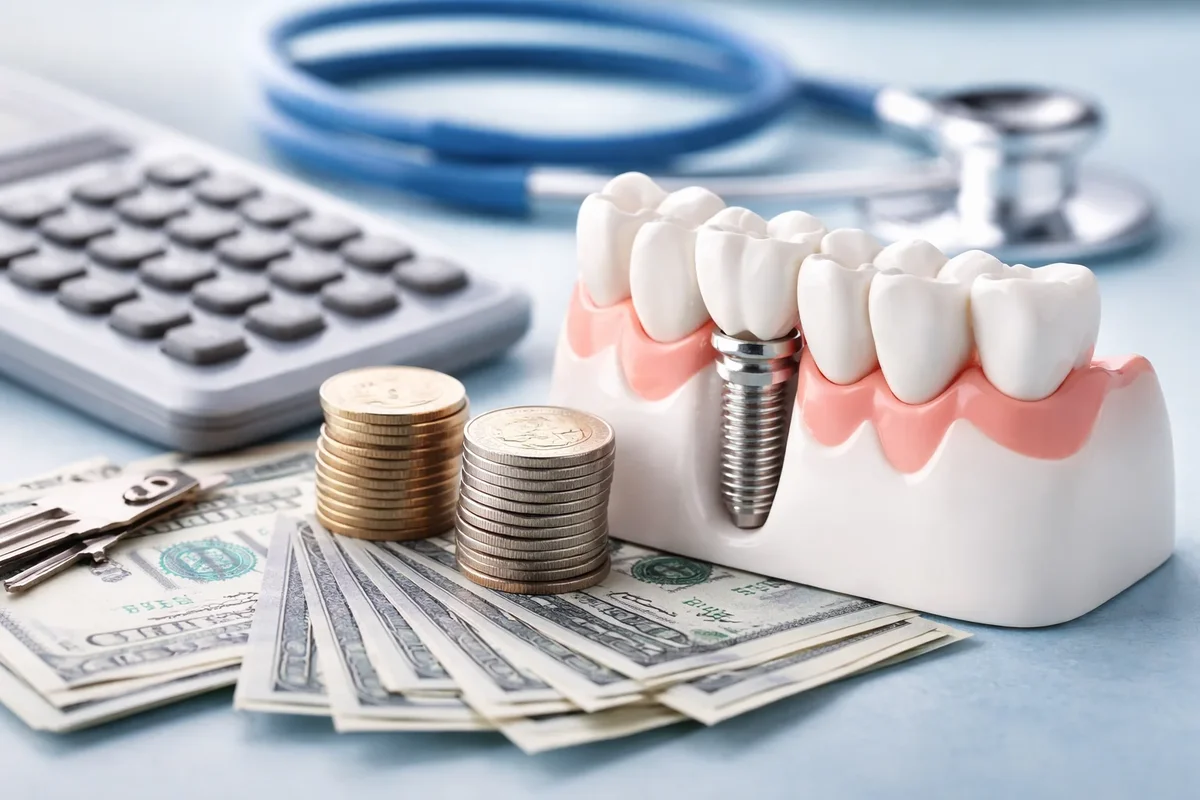
Best Tips to Choose the Right Loans for Dental Implants
Choosing the right loans for dental implants is one of the most important steps in your dental treatment journey. While many financing options are available, not all of them are equally suitable for every patient. The right choice depends on your financial situation, repayment ability, and long-term goals. By following expert tips, you can select the best loans for dental implants and avoid unnecessary financial stress. 😊
Dental implants are a long-term investment, and the way you finance them can significantly impact your overall experience. A well-chosen loan can make your treatment smooth and manageable, while a poor choice can lead to financial pressure. That’s why understanding how to evaluate loans for dental implants is essential.
Understand Your Budget Before Choosing
Before selecting among different loans for dental implants, it is crucial to assess your monthly budget. Knowing how much you can comfortably afford to pay each month will help you avoid overcommitting.
Key Questions to Ask Yourself
- What is my maximum comfortable monthly payment?
- Do I have other financial obligations?
- Can I handle unexpected expenses during repayment?
Answering these questions ensures that your chosen loans for dental implants fit your lifestyle and financial capacity.
Compare Interest Rates and APR Carefully
Interest rates play a major role in determining the cost of loans for dental implants. However, focusing only on interest rates can be misleading. Always compare the APR (Annual Percentage Rate), which includes fees and gives a clearer picture of total cost.
Why APR Matters
- Reflects the true cost of borrowing
- Helps compare different lenders accurately
- Prevents hidden surprises in repayment
Choosing loans for dental implants with a lower APR can save you a significant amount of money over time.
Choose the Right Loan Term
The repayment period is another critical factor when selecting loans for dental implants. Loan terms typically range from a few months to several years.
Short-Term vs Long-Term Loans
- Short-term: Higher monthly payments, lower total interest
- Long-term: Lower monthly payments, higher total interest
Balancing affordability and total cost is key when choosing loans for dental implants.
Check for Hidden Fees and Conditions
Not all loans for dental implants are transparent. Some include hidden fees that can increase your total repayment amount.
Common Fees to Watch Out For
- Origination fees
- Late payment penalties
- Prepayment penalties
- Deferred interest conditions
Always read the terms carefully before committing to loans for dental implants.
Evaluate Lender Reputation and Reliability
Choosing a reputable lender is just as important as selecting the right loan terms. Reliable providers of loans for dental implants offer transparency, customer support, and fair conditions.
How to Check a Lender
- Read customer reviews and ratings
- Check licensing and accreditation
- Evaluate customer service quality
Working with a trusted lender ensures that your loans for dental implants experience is smooth and secure.
Consider Prepayment Flexibility
Some loans for dental implants allow you to pay off your balance early without penalties, while others charge fees for early repayment.
Benefits of Prepayment Options
- Save on interest costs
- Pay off debt faster
- Improve financial flexibility
Choosing flexible loans for dental implants can give you more control over your finances.
Look for Promotional Offers Carefully
Many lenders offer promotional deals such as 0% interest for a limited period. While these offers can make loans for dental implants more attractive, they require careful attention.
Important Considerations
- Check the duration of the promotional period
- Understand what happens after the promotion ends
- Ensure you can repay within the interest-free period
Using promotional loans for dental implants wisely can result in significant savings.
Align Loan Choice with Treatment Goals
Your choice of loans for dental implants should align with your dental treatment plan. For example, more complex procedures may require longer repayment terms.
Factors to Consider
- Number of implants needed
- Additional procedures (bone grafting, sinus lift)
- Timeline of treatment
Matching your financing plan with your treatment ensures that your loans for dental implants fully support your dental goals.
Seek Professional Guidance When Needed
If you are unsure which option to choose, consulting with your dental clinic or financial advisor can help. Many clinics assist patients in finding suitable loans for dental implants.
For personalized assistance, you can visit the Redent Klinik Contact Page and explore financing options tailored to your needs.
Final Thoughts on Choosing the Right Loan
Selecting the best loans for dental implants requires careful planning, comparison, and understanding of your financial situation. By focusing on interest rates, repayment terms, lender reliability, and flexibility, you can make a confident decision.
The right loans for dental implants not only make treatment affordable but also ensure long-term financial comfort. With the right approach, you can achieve a healthy, beautiful smile without compromising your financial stability. 😁