
Finding a local dental hygienist is one of the most important steps you can take to maintain a healthy smile and prevent long-term oral health problems. While many people focus on visiting a dentist when they experience pain or discomfort, preventive care provided by a local dental hygienist is often the key to avoiding serious dental issues before they begin. A local dental hygienist specializes in professional teeth cleaning, oral health education, gum disease prevention, and early detection of dental concerns that could eventually require costly treatment.
Modern dental care is no longer just about fixing cavities. Today, a local dental hygienist plays a critical role in helping patients achieve and maintain excellent oral hygiene through regular preventive care. Whether you are a busy professional, a parent caring for your family, or a senior looking to preserve your natural teeth, working with a local dental hygienist can significantly improve your oral health outcomes. 😊
One major advantage of choosing a local dental hygienist is convenience. Regular dental hygiene appointments are easier to maintain when your provider is located close to your home or workplace. Consistent visits allow a local dental hygienist to monitor changes in your oral health over time and identify potential issues before they develop into major concerns. This continuity of care can make a substantial difference in preventing gum disease, tooth decay, and tooth loss.
A qualified local dental hygienist performs professional cleanings that remove plaque and tartar buildup from areas that are difficult to reach with daily brushing and flossing. Even individuals who maintain excellent oral hygiene at home can benefit from the specialized tools and expertise provided by a local dental hygienist. These professional cleanings help reduce harmful bacteria, freshen breath, and support overall oral health.
Research continues to show strong connections between oral health and general health. Poor oral hygiene has been associated with conditions such as cardiovascular disease, diabetes complications, respiratory infections, and adverse pregnancy outcomes. Because of these connections, visiting a local dental hygienist is not only beneficial for your teeth and gums but may also contribute to your overall well-being. Maintaining healthy gums reduces inflammation throughout the body and supports better long-term health outcomes.
Another valuable benefit of working with a local dental hygienist is education. During appointments, patients receive personalized advice about brushing techniques, flossing methods, dietary choices, and preventive care strategies. A local dental hygienist can identify habits that may be damaging your teeth and recommend practical improvements tailored to your specific needs. This guidance empowers patients to take greater control of their oral health between visits.
Many people are surprised to learn that gum disease often develops without noticeable symptoms in its early stages. A local dental hygienist is trained to recognize subtle signs of gingivitis and periodontal disease before they become severe. Early intervention can help prevent irreversible damage to the gums and supporting bone structures. Routine screenings performed by a local dental hygienist provide an important layer of protection against these common conditions.
Children also benefit greatly from regular visits to a local dental hygienist. Early exposure to preventive dental care helps establish positive oral hygiene habits that can last a lifetime. A local dental hygienist can educate both children and parents about cavity prevention, fluoride treatments, proper brushing techniques, and healthy nutrition choices that support strong teeth.
For adults, maintaining a relationship with a local dental hygienist becomes increasingly important with age. Factors such as medications, dry mouth, gum recession, and systemic health conditions can affect oral health. A local dental hygienist can monitor these changes and recommend preventive measures to protect your smile. Seniors, in particular, benefit from regular cleanings and oral health assessments that help preserve natural teeth for as long as possible.
Patients seeking trustworthy oral health information should rely on reputable organizations such as the American Dental Association. In addition, if you would like to schedule a consultation or discuss your dental care needs with experienced professionals, you can visit the Redent Klinik Contact Page.
A local dental hygienist is more than someone who cleans teeth. They are preventive care specialists, oral health educators, and valuable partners in maintaining lifelong dental wellness. By scheduling regular appointments with a local dental hygienist, you can reduce your risk of cavities, prevent gum disease, improve your oral hygiene habits, and enjoy greater confidence in your smile. Investing in preventive dental care today can help you avoid complex treatments tomorrow, making a local dental hygienist an essential part of your overall healthcare team. 🦷✨
Why Choosing a Local Dental Hygienist Matters for Your Smile
Selecting a local dental hygienist can have a significant impact on your long-term oral health, overall well-being, and confidence in your smile. While many people only think about dental visits when they experience pain or discomfort, preventive care is the foundation of healthy teeth and gums. A local dental hygienist provides essential services that help prevent common dental problems before they become serious, expensive, or painful to treat.
Regular visits to a local dental hygienist allow patients to maintain healthier teeth, reduce the risk of gum disease, and receive personalized oral hygiene guidance. Because oral health is closely connected to overall health, choosing a trusted local dental hygienist can contribute to better quality of life and fewer dental complications in the future. 🦷
The Convenience of Having a Local Dental Hygienist Nearby
One of the biggest advantages of choosing a local dental hygienist is convenience. Dental hygiene appointments should be scheduled consistently throughout the year. When a local dental hygienist is located close to your home, workplace, or school, it becomes much easier to maintain these regular visits.
Convenient access often means fewer missed appointments and better compliance with preventive care recommendations. Many people postpone dental visits due to travel time or scheduling difficulties. Having a local dental hygienist nearby removes these barriers and encourages patients to stay proactive about their oral health.
In addition, a nearby local dental hygienist can often provide quicker access to appointments when urgent dental concerns arise. Whether you notice bleeding gums, persistent bad breath, or increased tooth sensitivity, having an established relationship with a local dental hygienist allows you to seek professional guidance promptly.
Building a Long-Term Relationship with a Local Dental Hygienist
Consistency is one of the most important factors in preventive dental care. Seeing the same local dental hygienist over time creates continuity that benefits both the patient and the provider. A local dental hygienist becomes familiar with your oral health history, previous treatments, risk factors, and personal habits.
This long-term relationship enables a local dental hygienist to identify subtle changes that might otherwise go unnoticed. Small issues such as early gum inflammation, plaque accumulation, or enamel wear can be detected before they develop into more serious conditions requiring extensive treatment.
Patients also tend to feel more comfortable discussing concerns with a familiar local dental hygienist. This trust encourages open communication and helps ensure that any developing problems are addressed quickly and effectively.
Personalized Oral Health Recommendations
Every patient has unique oral health needs. A local dental hygienist can provide customized recommendations based on your age, medical history, lifestyle, and oral hygiene habits. For example, individuals with braces, dental implants, crowns, or bridges often require specialized cleaning techniques.
A local dental hygienist may recommend specific toothbrushes, interdental cleaning devices, mouth rinses, or fluoride products that are most appropriate for your situation. These personalized recommendations help maximize the effectiveness of your home care routine.
Early Detection of Dental Problems
Many oral health conditions begin silently. Gum disease, cavities, enamel erosion, and oral infections can progress for months without causing noticeable symptoms. During routine visits, a local dental hygienist carefully examines your teeth and gums for early warning signs.
Detecting problems at an early stage offers numerous advantages. Treatment is often simpler, less invasive, and more affordable. A local dental hygienist can identify issues before they result in pain, tooth loss, or extensive restorative procedures.
Professional monitoring by a local dental hygienist can also help identify lifestyle factors that contribute to oral health problems, such as smoking, excessive sugar consumption, poor brushing habits, or teeth grinding.
Supporting Overall Health Through Preventive Care
Research increasingly demonstrates a connection between oral health and systemic health. Conditions such as diabetes, heart disease, respiratory infections, and certain inflammatory disorders have been linked to poor oral hygiene. A local dental hygienist helps reduce harmful bacteria and inflammation that can negatively affect the entire body.
Regular cleanings performed by a local dental hygienist remove plaque and tartar that cannot be eliminated through brushing alone. These professional treatments reduce the risk of gum disease, which is one of the most common chronic health conditions affecting adults worldwide.
Maintaining healthy gums with the help of a local dental hygienist may contribute to improved overall health outcomes and lower the risk of complications associated with chronic inflammation.
Improving Confidence and Quality of Life
A healthy smile affects much more than appearance. Confidence in social situations, professional interactions, and daily communication is often influenced by oral health. A local dental hygienist helps patients maintain cleaner teeth, fresher breath, and healthier gums.
Many individuals notice significant improvements in self-confidence after regular appointments with a local dental hygienist. Professional cleanings remove surface stains, reduce plaque buildup, and enhance the overall appearance of the smile.
When oral health problems are prevented or treated early by a local dental hygienist, patients often experience less discomfort, fewer dental emergencies, and greater peace of mind.
Why Prevention Is Better Than Treatment
Preventive care remains one of the most cost-effective investments in healthcare. Visiting a local dental hygienist regularly can help prevent expensive treatments such as root canals, periodontal surgery, dental implants, or tooth extractions.
A local dental hygienist focuses on maintaining oral health rather than reacting to disease after it develops. This proactive approach saves time, reduces stress, and supports lifelong dental wellness.
Ultimately, choosing a qualified local dental hygienist is one of the smartest decisions you can make for your oral health. Through professional cleanings, early detection, patient education, and personalized preventive care, a local dental hygienist serves as an essential partner in protecting your smile for years to come. 😁
What Services Does a Local Dental Hygienist Provide?
A local dental hygienist plays a vital role in maintaining oral health and preventing dental diseases. While many people associate dental hygiene visits solely with teeth cleaning, the responsibilities of a local dental hygienist extend far beyond removing plaque and polishing teeth. These oral health professionals provide a wide range of preventive, educational, and diagnostic services that help patients maintain healthy teeth and gums throughout their lives.
Understanding the services offered by a local dental hygienist can help patients appreciate the importance of regular appointments and make informed decisions about their oral healthcare. Whether you are visiting for a routine cleaning, preventive treatment, or oral health consultation, a local dental hygienist serves as an essential partner in protecting your smile. 😊
Professional Teeth Cleaning
The most common service provided by a local dental hygienist is professional dental cleaning, often referred to as prophylaxis. Even with excellent brushing and flossing habits, plaque can accumulate in hard-to-reach areas of the mouth. Over time, plaque hardens into tartar, which cannot be removed by brushing alone.
A local dental hygienist uses specialized instruments to remove plaque and tartar from the surfaces of the teeth and around the gumline. This process helps prevent cavities, gingivitis, and periodontal disease. Professional cleanings also contribute to fresher breath and a cleaner-looking smile.
Many patients notice smoother teeth and a refreshed feeling after visiting a local dental hygienist. Regular cleanings are one of the simplest and most effective ways to maintain long-term oral health.
Comprehensive Oral Health Assessments
Another important responsibility of a local dental hygienist is conducting oral health evaluations. During routine appointments, the hygienist carefully examines the condition of the teeth, gums, tongue, cheeks, and other oral tissues.
A local dental hygienist looks for signs of gum disease, tooth decay, oral infections, excessive plaque buildup, and other abnormalities. Early identification of these issues allows for prompt treatment and helps prevent more serious complications.
Regular assessments performed by a local dental hygienist can detect subtle changes that may otherwise go unnoticed by patients. This proactive approach supports early intervention and better treatment outcomes.
Monitoring Changes Over Time
One significant advantage of seeing the same local dental hygienist consistently is continuity of care. Because the hygienist becomes familiar with your oral health history, they can identify gradual changes that may indicate emerging dental problems.
This long-term monitoring helps ensure that issues are addressed before they progress into conditions requiring extensive restorative treatment.
Gum Disease Prevention and Management
Gum disease is one of the most common oral health conditions worldwide. A local dental hygienist plays a critical role in both preventing and managing periodontal disease.
During appointments, a local dental hygienist evaluates gum health by measuring periodontal pockets, assessing gum inflammation, and identifying areas of concern. Early-stage gum disease, known as gingivitis, can often be reversed through professional care and improved oral hygiene habits.
If periodontal disease is present, a local dental hygienist may recommend specialized deep-cleaning procedures to remove bacteria and deposits beneath the gumline. These treatments help control infection and preserve supporting structures around the teeth.
Patient Education and Oral Hygiene Instruction
Education is a fundamental part of the services provided by a local dental hygienist. Many patients unknowingly develop brushing or flossing habits that are ineffective or potentially harmful.
A local dental hygienist offers personalized guidance on proper brushing techniques, flossing methods, and daily oral care routines. This education helps patients maximize the benefits of their home hygiene practices.
Additionally, a local dental hygienist can recommend oral care products tailored to individual needs. Whether a patient struggles with sensitivity, gum disease, dry mouth, or orthodontic appliances, the hygienist can suggest appropriate solutions.
Dietary Advice for Better Oral Health
Nutrition has a significant impact on oral health. A local dental hygienist may discuss dietary habits and identify foods or beverages that contribute to tooth decay or enamel erosion.
Patients often receive practical recommendations regarding sugar consumption, hydration, and nutrient-rich foods that support healthy teeth and gums.
Fluoride Treatments and Preventive Applications
Many local dental hygienist appointments include preventive treatments designed to strengthen teeth and reduce the risk of cavities. One of the most common preventive services is fluoride application.
Fluoride helps reinforce tooth enamel, making teeth more resistant to acid attacks from bacteria and dietary sugars. A local dental hygienist may recommend fluoride treatments for children, teenagers, adults with cavity risk factors, or patients experiencing enamel wear.
These treatments are quick, painless, and highly effective in supporting long-term oral health.
Dental X-Ray Assistance and Diagnostic Support
Depending on local regulations and clinical protocols, a local dental hygienist may assist with obtaining dental radiographs. X-rays provide valuable information about areas that cannot be examined visually.
A local dental hygienist helps ensure that diagnostic images are captured accurately and safely. These images assist dental professionals in identifying cavities, bone loss, impacted teeth, and other hidden conditions.
Combining visual assessments with diagnostic imaging allows a local dental hygienist and the dental team to develop comprehensive preventive care strategies.
Supporting Patients with Special Oral Health Needs
A local dental hygienist frequently works with patients who have unique oral healthcare requirements. Individuals with braces, dental implants, crowns, bridges, diabetes, dry mouth, or mobility challenges often require specialized hygiene recommendations.
The expertise of a local dental hygienist helps these patients maintain oral health despite additional challenges. Customized care plans and preventive strategies can significantly reduce the risk of complications.
The Value of Preventive Dental Care
Ultimately, the services provided by a local dental hygienist are centered on prevention. Rather than waiting for oral health problems to develop, a local dental hygienist helps patients take proactive steps to protect their teeth and gums.
From professional cleanings and gum disease management to personalized education and preventive treatments, a local dental hygienist contributes directly to healthier smiles and improved quality of life. By scheduling regular appointments with a trusted local dental hygienist, patients can enjoy the benefits of early detection, professional guidance, and comprehensive oral healthcare for years to come. 🦷✨
How Often Should You Visit a Local Dental Hygienist?
One of the most common questions patients ask is how often they should schedule appointments with a local dental hygienist. While many people have heard the general recommendation of visiting every six months, the ideal frequency can vary depending on individual oral health needs, lifestyle habits, age, and risk factors. A local dental hygienist can evaluate your specific situation and recommend an appropriate schedule that helps maintain healthy teeth and gums while preventing future dental problems.
Regular appointments with a local dental hygienist are an essential part of preventive dentistry. These visits help remove plaque and tartar buildup, monitor gum health, identify early signs of disease, and provide personalized oral hygiene guidance. Understanding how often you should see a local dental hygienist can help you make informed decisions about your long-term oral health. 😊
The Standard Recommendation for Most Adults
For many healthy adults, visiting a local dental hygienist every six months is considered an effective preventive care schedule. This timeframe allows a local dental hygienist to remove plaque and tartar before significant buildup occurs and to monitor changes in oral health.
Twice-yearly appointments provide consistent opportunities for professional cleaning and early detection of dental concerns. During these visits, a local dental hygienist can identify issues such as gingivitis, cavities, enamel wear, and oral hygiene deficiencies before they become more serious.
Many patients who maintain excellent oral hygiene at home find that a six-month schedule with a local dental hygienist is sufficient to support long-term dental wellness.
When More Frequent Visits May Be Necessary
Not everyone has the same oral health needs. Some individuals may benefit from seeing a local dental hygienist every three to four months instead of every six months. Patients with increased risk factors often require more frequent monitoring and preventive care.
A local dental hygienist may recommend additional visits for people who have a history of gum disease, excessive tartar accumulation, chronic dry mouth, diabetes, smoking habits, or weakened immune systems. More frequent appointments help control bacterial buildup and reduce the risk of disease progression.
Individuals undergoing orthodontic treatment may also benefit from additional visits with a local dental hygienist because braces and aligners can create areas where plaque accumulates more easily.
Patients with Gum Disease
For patients diagnosed with periodontal disease, routine six-month visits may not provide sufficient maintenance. A local dental hygienist often recommends periodontal maintenance appointments every three or four months.
These visits allow a local dental hygienist to monitor gum health closely, remove bacteria below the gumline, and prevent disease recurrence. Consistent maintenance is crucial for preserving gum tissue and supporting structures around the teeth.
Children and Teenagers
Children should begin receiving professional preventive care early in life. A local dental hygienist helps young patients establish healthy oral hygiene habits while monitoring tooth development and cavity risk.
Most children benefit from seeing a local dental hygienist every six months. However, children with a history of frequent cavities, orthodontic appliances, or poor oral hygiene habits may require more frequent visits.
Regular appointments allow a local dental hygienist to provide fluoride treatments, preventive education, and professional cleanings that support lifelong oral health.
Older Adults and Special Considerations
As people age, oral health needs often become more complex. A local dental hygienist may recommend additional visits for older adults experiencing gum recession, dry mouth, medication-related oral changes, or difficulties maintaining oral hygiene.
Many medications reduce saliva production, increasing the risk of cavities and gum disease. A local dental hygienist can monitor these conditions and provide targeted preventive recommendations.
Older adults with dental implants, crowns, bridges, or removable prosthetics also benefit from regular care provided by a local dental hygienist to ensure these restorations remain healthy and functional.
Factors That Influence Visit Frequency
Several factors influence how often you should visit a local dental hygienist. These include:
- History of gum disease
- Frequency of cavities
- Smoking or tobacco use
- Diabetes and other systemic conditions
- Pregnancy-related oral health changes
- Dry mouth or reduced saliva flow
- Orthodontic treatment
- Dental implants or extensive restorations
- Quality of daily oral hygiene habits
A local dental hygienist evaluates these risk factors and develops a preventive care schedule tailored to your needs. Personalized recommendations are often more effective than following a general guideline alone.
The Importance of Individualized Care
No two patients are exactly alike. A local dental hygienist understands that oral health risks vary significantly from person to person. Some individuals may maintain excellent oral health with biannual visits, while others require more frequent care to manage specific conditions.
By working closely with a local dental hygienist, patients receive customized guidance designed to maximize prevention and minimize future treatment needs.
What Happens If You Skip Visits?
Delaying or skipping appointments with a local dental hygienist can allow plaque and tartar to accumulate over time. This buildup increases the risk of cavities, gingivitis, periodontal disease, bad breath, and tooth loss.
Without regular professional monitoring, many oral health problems progress silently. A local dental hygienist often identifies issues long before symptoms become noticeable. Missing appointments may reduce opportunities for early intervention and preventive treatment.
Patients who consistently attend appointments with a local dental hygienist generally experience fewer dental emergencies and lower long-term treatment costs.
Creating a Preventive Care Routine
The ideal dental care strategy combines excellent home hygiene with regular professional visits. Brushing twice daily, flossing every day, maintaining a balanced diet, and scheduling appointments with a local dental hygienist all contribute to healthier teeth and gums.
A local dental hygienist can help establish a preventive care routine tailored to your needs and lifestyle. These personalized recommendations support long-term oral health and reduce the likelihood of future complications.
Ultimately, the best answer to how often you should visit a local dental hygienist depends on your individual oral health status. While many people benefit from appointments every six months, others may require more frequent care. By following the recommendations of a trusted local dental hygienist, you can protect your smile, prevent disease, and enjoy better oral health for years to come. 🦷✨
Benefits of Regular Professional Teeth Cleaning
Regular professional teeth cleaning is one of the most effective ways to maintain excellent oral health and prevent common dental problems. While daily brushing and flossing are essential habits, they cannot completely remove all plaque and tartar that accumulate over time. This is where a local dental hygienist becomes an invaluable part of your oral healthcare routine. Through professional cleanings and preventive care, a local dental hygienist helps patients maintain healthier teeth, stronger gums, and a brighter smile.
Many people underestimate the long-term benefits of routine dental cleanings. However, regular visits to a local dental hygienist can significantly reduce the risk of tooth decay, gum disease, tooth loss, and even certain systemic health issues. Professional cleanings are not only about appearance; they are an important investment in your overall health and well-being. 😊
Removal of Plaque and Tartar Buildup
Plaque is a sticky film of bacteria that constantly forms on the teeth. Even individuals who brush and floss diligently can miss certain areas of the mouth. Over time, plaque hardens into tartar, which cannot be removed with home oral care alone.
A local dental hygienist uses specialized instruments to safely remove plaque and tartar from the surfaces of the teeth and around the gumline. This process reduces bacterial accumulation and lowers the risk of cavities and periodontal disease.
Without regular visits to a local dental hygienist, tartar deposits can continue to grow, creating an environment where harmful bacteria thrive. Professional cleaning helps restore a healthier oral environment and supports long-term dental wellness.
Why Tartar Is a Serious Concern
Tartar provides a rough surface that attracts even more plaque. Once tartar develops, bacteria can become more difficult to control. A local dental hygienist removes these deposits before they contribute to inflammation, infection, or gum recession.
Routine cleanings performed by a local dental hygienist help prevent the cycle of plaque accumulation that often leads to more serious oral health problems.
Prevention of Gum Disease
Gum disease is one of the most common oral health conditions affecting adults worldwide. In its earliest stage, known as gingivitis, symptoms may include redness, swelling, and bleeding gums. Fortunately, early gum disease is often reversible with proper care.
A local dental hygienist plays a critical role in preventing gum disease by removing bacterial deposits that contribute to inflammation. During routine appointments, a local dental hygienist also evaluates gum health and identifies signs of disease progression.
By detecting problems early, a local dental hygienist can help prevent advanced periodontal disease, which may eventually result in bone loss and tooth loss if left untreated.
Reduced Risk of Cavities
Dental cavities develop when bacteria produce acids that damage tooth enamel. Plaque accumulation significantly increases the risk of decay. A local dental hygienist helps reduce cavity risk by removing plaque and educating patients about proper oral hygiene techniques.
Professional cleanings performed by a local dental hygienist target areas that are difficult to clean effectively at home. This preventive approach helps preserve natural tooth structure and reduces the need for restorative dental procedures.
Many patients who maintain regular appointments with a local dental hygienist experience fewer cavities and improved oral health over time.
Fresher Breath and Improved Oral Hygiene
Persistent bad breath, also known as halitosis, is often linked to bacterial buildup in the mouth. A local dental hygienist removes the plaque, tartar, and debris that contribute to unpleasant odors.
Following a professional cleaning, many patients notice a cleaner feeling in their mouths and significantly fresher breath. A local dental hygienist can also identify underlying causes of chronic bad breath and recommend appropriate solutions.
Maintaining appointments with a local dental hygienist supports a consistently healthier oral environment and helps improve daily confidence in social and professional settings.
Better Home Care Results
After a professional cleaning, teeth surfaces become smoother and easier to keep clean. A local dental hygienist often provides personalized recommendations that help patients improve their brushing and flossing effectiveness between appointments.
Early Detection of Oral Health Problems
One major benefit of seeing a local dental hygienist regularly is the opportunity for early detection of dental concerns. Many oral health problems develop gradually and may not cause symptoms until significant damage has occurred.
A local dental hygienist carefully examines the teeth, gums, and oral tissues during routine visits. This allows early identification of cavities, gum disease, enamel erosion, oral lesions, and other abnormalities.
Early diagnosis by a local dental hygienist often results in simpler, less invasive, and more affordable treatment options.
Enhanced Appearance of the Smile
Professional cleanings also provide cosmetic benefits. Surface stains caused by coffee, tea, wine, and tobacco products can often be reduced during cleaning appointments.
A local dental hygienist helps improve the appearance of the teeth by removing external discoloration and polishing tooth surfaces. While professional cleaning is not the same as whitening treatment, many patients notice a brighter smile after visiting a local dental hygienist.
Improved appearance often leads to increased self-confidence and greater satisfaction with overall oral health.
Supporting Overall Health
Research has demonstrated strong connections between oral health and general health. Chronic inflammation associated with gum disease has been linked to cardiovascular disease, diabetes complications, respiratory conditions, and other systemic health concerns.
By helping prevent gum disease and reduce oral bacteria, a local dental hygienist contributes to better overall health outcomes. Regular professional cleanings performed by a local dental hygienist help minimize inflammation and support a healthier body.
Many healthcare professionals now recognize preventive oral care as an important component of comprehensive health management.
Long-Term Cost Savings
Preventive care is generally far less expensive than restorative treatment. Regular appointments with a local dental hygienist can help patients avoid costly procedures such as root canal therapy, periodontal surgery, dental implants, and tooth replacements.
A local dental hygienist focuses on preventing problems before they develop into serious conditions. This proactive approach saves time, money, and discomfort over the long term.
Ultimately, routine visits to a local dental hygienist provide numerous benefits that extend beyond simply cleaning teeth. From cavity prevention and gum disease management to fresher breath, improved confidence, and better overall health, a local dental hygienist serves as a key partner in maintaining a healthy smile for life. 🦷✨
How a Local Dental Hygienist Helps Prevent Gum Disease
Gum disease is one of the most widespread oral health conditions affecting adults around the world. Despite its prevalence, many people are unaware of how gum disease develops, progresses, and impacts overall health. Fortunately, a local dental hygienist plays a crucial role in preventing gum disease through professional cleanings, early detection, patient education, and ongoing maintenance. By scheduling regular visits with a local dental hygienist, patients can significantly reduce their risk of developing serious periodontal problems and protect their long-term oral health.
Gum disease begins when plaque accumulates along the gumline. This sticky bacterial film can irritate the gums and trigger inflammation. If not removed, plaque hardens into tartar, creating an environment where harmful bacteria continue to grow. A local dental hygienist helps interrupt this process before it leads to irreversible damage. 🦷
Understanding the Stages of Gum Disease
To appreciate the value of preventive care, it is important to understand how gum disease develops. A local dental hygienist is trained to recognize each stage and provide appropriate intervention.
Stage 1: Gingivitis
Gingivitis is the earliest stage of gum disease. Common symptoms include red, swollen, and bleeding gums, especially during brushing or flossing. At this stage, the condition is typically reversible with professional care and improved oral hygiene.
A local dental hygienist can identify gingivitis early and provide professional cleaning to remove the plaque and tartar contributing to inflammation. Patients who follow the recommendations of a local dental hygienist often experience significant improvement in gum health.
Stage 2: Periodontitis
If gingivitis is left untreated, it can progress into periodontitis. In this stage, the infection extends below the gumline and begins damaging the supporting structures around the teeth.
A local dental hygienist monitors periodontal health by measuring gum pockets and evaluating tissue condition. Early detection by a local dental hygienist can help slow or stop disease progression before significant damage occurs.
Professional Plaque and Tartar Removal
The primary way a local dental hygienist helps prevent gum disease is through professional cleaning procedures. Even individuals with excellent brushing and flossing habits may develop plaque in hard-to-reach areas.
Over time, plaque hardens into tartar, which cannot be removed with home care alone. A local dental hygienist uses specialized instruments to remove these deposits safely and effectively.
Regular cleanings performed by a local dental hygienist reduce bacterial accumulation, decrease inflammation, and create a healthier environment for the gums. This preventive approach significantly lowers the risk of developing periodontal disease.
Monitoring Gum Health During Routine Visits
One of the most valuable services provided by a local dental hygienist is ongoing monitoring of gum health. Gum disease often develops gradually and may not cause noticeable symptoms during its early stages.
During appointments, a local dental hygienist carefully examines the gums for signs of redness, swelling, bleeding, recession, and pocket formation. These assessments allow potential problems to be identified before they become severe.
By maintaining regular visits with a local dental hygienist, patients benefit from continuous observation and timely intervention whenever concerns arise.
Detecting Hidden Problems
Many patients assume their gums are healthy simply because they do not experience pain. However, gum disease can progress silently. A local dental hygienist uses clinical measurements and visual examination techniques to identify issues that may not yet be visible to the patient.
This proactive approach enables a local dental hygienist to recommend treatment before irreversible damage occurs.
Educating Patients About Proper Oral Hygiene
Education is a key component of gum disease prevention. A local dental hygienist helps patients understand how daily habits influence gum health and provides personalized guidance for improving oral hygiene routines.
Many people brush incorrectly, floss inconsistently, or overlook areas where plaque commonly accumulates. A local dental hygienist can demonstrate proper brushing techniques, effective flossing methods, and the use of interdental cleaning tools.
These educational efforts empower patients to maintain healthier gums between appointments with a local dental hygienist.
Addressing Risk Factors for Gum Disease
Certain factors increase the likelihood of developing periodontal disease. A local dental hygienist evaluates these risk factors and provides tailored recommendations to reduce their impact.
Common risk factors include:
- Smoking and tobacco use
- Diabetes
- Poor oral hygiene habits
- Stress
- Hormonal changes
- Dry mouth
- Genetic predisposition
- Certain medications
A local dental hygienist works closely with patients to develop preventive strategies based on their individual circumstances. This personalized approach enhances the effectiveness of gum disease prevention efforts.
Supporting Long-Term Periodontal Maintenance
For patients who have previously experienced periodontal disease, ongoing maintenance is essential. A local dental hygienist provides specialized care designed to prevent recurrence and preserve oral health.
Periodontal maintenance appointments often occur more frequently than standard cleanings. During these visits, a local dental hygienist removes bacterial deposits, monitors gum pocket depths, and evaluates treatment outcomes.
Consistent maintenance by a local dental hygienist helps stabilize periodontal health and reduce the risk of future complications.
The Connection Between Gum Health and Overall Health
Modern research has revealed important links between gum disease and systemic health conditions. Chronic gum inflammation has been associated with cardiovascular disease, diabetes complications, respiratory conditions, and adverse pregnancy outcomes.
By helping prevent gum disease, a local dental hygienist contributes to improved overall health. Reducing oral inflammation may support better health outcomes throughout the body.
Many healthcare professionals now recognize that preventive care provided by a local dental hygienist plays a valuable role in comprehensive wellness strategies.
Why Regular Visits Matter
Preventing gum disease requires a combination of professional care and daily oral hygiene. A local dental hygienist serves as both a preventive specialist and an oral health educator, helping patients maintain healthier gums throughout their lives.
Through professional cleanings, early detection, personalized guidance, and ongoing monitoring, a local dental hygienist significantly reduces the risk of gum disease progression. Patients who maintain regular appointments with a local dental hygienist are far more likely to preserve healthy gums, retain their natural teeth, and enjoy better oral health for years to come. Healthy gums provide the foundation for a healthy smile, and a local dental hygienist is one of the most important partners in achieving that goal. ✨😁
What to Expect During Your Dental Hygiene Appointment
For many patients, knowing what happens during a dental hygiene appointment can help reduce anxiety and encourage regular preventive care. Whether it is your first visit or part of your ongoing oral healthcare routine, a visit with a local dental hygienist is designed to evaluate, protect, and improve your oral health. These appointments are much more than a simple teeth cleaning. A local dental hygienist performs comprehensive assessments, professional cleanings, preventive treatments, and personalized education that support long-term dental wellness.
Understanding what to expect during an appointment with a local dental hygienist allows patients to feel more comfortable and better prepared. Each stage of the visit serves a specific purpose and contributes to maintaining healthy teeth and gums. 🦷😊
Reviewing Your Medical and Dental History
At the beginning of your appointment, a local dental hygienist typically reviews your medical and dental history. This step is important because overall health conditions can influence oral health and treatment recommendations.
A local dental hygienist may ask about medications, allergies, recent illnesses, chronic conditions, smoking habits, and any dental symptoms you have experienced. Conditions such as diabetes, heart disease, autoimmune disorders, and dry mouth can affect oral health and require special attention.
Providing accurate information helps a local dental hygienist tailor preventive care to your specific needs and identify potential risk factors that may influence treatment planning.
Discussing Current Concerns
This is also an opportunity to discuss any concerns you may have. A local dental hygienist may ask about tooth sensitivity, bleeding gums, bad breath, jaw discomfort, or changes you have noticed in your oral health.
Open communication with a local dental hygienist ensures that any developing issues are properly evaluated and addressed during the visit.
Comprehensive Oral Examination
Before beginning the cleaning process, a local dental hygienist performs a thorough examination of your mouth. This assessment helps identify signs of dental disease and establishes a baseline for monitoring oral health over time.
A local dental hygienist carefully examines the teeth, gums, tongue, cheeks, and other oral tissues. The goal is to identify any abnormalities that may require additional attention or treatment.
During this examination, a local dental hygienist looks for:
- Plaque and tartar accumulation
- Signs of gum disease
- Gum recession
- Tooth decay
- Oral lesions or tissue changes
- Areas of inflammation
- Excessive wear on teeth
These evaluations help a local dental hygienist detect concerns early, often before symptoms become noticeable to the patient.
Periodontal Assessment and Gum Evaluation
One of the most important responsibilities of a local dental hygienist is assessing gum health. Healthy gums provide essential support for the teeth and play a major role in overall oral health.
A local dental hygienist may use a periodontal probe to measure the depth of spaces between the teeth and gums. These measurements help identify early signs of periodontal disease.
By tracking gum health over time, a local dental hygienist can monitor changes and recommend preventive or therapeutic interventions when necessary.
Why Gum Measurements Matter
Many patients are surprised to learn that gum disease can develop without pain. A local dental hygienist uses clinical measurements to detect disease before it causes significant damage.
Early identification by a local dental hygienist often results in more effective treatment and improved long-term outcomes.
Professional Teeth Cleaning
The cleaning portion of the appointment is often the service patients associate most closely with a local dental hygienist. This process involves removing plaque and tartar from the teeth and around the gumline.
A local dental hygienist uses specialized instruments designed to remove hardened deposits safely and effectively. These deposits cannot be eliminated through brushing and flossing alone.
Professional cleaning performed by a local dental hygienist helps reduce bacterial buildup, lower cavity risk, and prevent gum disease.
Once plaque and tartar have been removed, a local dental hygienist often polishes the teeth to remove surface stains and create a smooth, clean finish.
Personalized Oral Hygiene Education
Education is an important component of every visit with a local dental hygienist. After evaluating your oral health, the hygienist provides recommendations tailored to your individual needs.
A local dental hygienist may demonstrate proper brushing techniques, review flossing methods, and suggest tools that can improve daily oral care. These recommendations are customized based on factors such as age, dental restorations, orthodontic appliances, and gum health status.
The guidance provided by a local dental hygienist empowers patients to take a more active role in maintaining oral health between appointments.
Preventive Treatments When Needed
Depending on your oral health status, a local dental hygienist may recommend preventive treatments such as fluoride applications. Fluoride strengthens tooth enamel and helps reduce the risk of cavities.
Some patients may also receive recommendations for antimicrobial rinses, specialized cleaning schedules, or additional preventive care strategies. A local dental hygienist determines these recommendations based on individual risk factors and oral health goals.
Customized Prevention Plans
Every patient has unique needs. A local dental hygienist develops individualized prevention plans that support optimal oral health and address specific concerns.
These customized recommendations are one of the reasons why regular visits to a local dental hygienist are so valuable.
Discussing Future Care and Follow-Up
Before concluding the appointment, a local dental hygienist reviews findings and discusses any recommendations for future care. Patients receive information about their current oral health status and any areas that may require additional attention.
A local dental hygienist may recommend scheduling the next cleaning, increasing visit frequency, improving home care habits, or consulting with other dental professionals if necessary.
This collaborative approach helps patients stay informed and engaged in their oral healthcare journey.
A Comfortable and Preventive Experience
Overall, an appointment with a local dental hygienist is focused on prevention, education, and early detection. From reviewing your health history and assessing gum health to performing professional cleanings and providing personalized guidance, a local dental hygienist plays a vital role in protecting your smile.
Regular visits to a local dental hygienist help prevent dental problems, improve oral hygiene habits, and support lifelong dental wellness. Understanding what to expect during these appointments can make the experience more comfortable and encourage patients to prioritize preventive care. By partnering with a trusted local dental hygienist, you can maintain healthier teeth, healthier gums, and greater confidence in your smile for years to come. ✨😁
Tips for Finding the Best Local Dental Hygienist Near You
Choosing the right local dental hygienist is one of the most important decisions you can make for your oral health. While many people focus primarily on selecting a dentist, the role of a local dental hygienist is equally important when it comes to preventive care, oral health education, and long-term maintenance of healthy teeth and gums. The quality of care provided by a local dental hygienist can significantly influence your oral health outcomes, making it essential to find a professional who meets your individual needs and expectations.
With many dental practices available, identifying the best local dental hygienist may seem overwhelming. However, by evaluating qualifications, communication style, patient reviews, services offered, and overall practice standards, you can make an informed decision that supports your long-term oral wellness. 😊
Look for Professional Qualifications and Experience
The first step in choosing a local dental hygienist is verifying professional credentials and experience. A qualified local dental hygienist should have completed accredited dental hygiene training and hold all required certifications and licenses applicable in their region.
Education and continuing professional development are important indicators of a hygienist’s commitment to providing high-quality care. A local dental hygienist who regularly participates in professional training stays informed about new preventive techniques, technologies, and evidence-based practices.
Experience is another valuable factor. While newly qualified professionals can provide excellent care, an experienced local dental hygienist often brings additional insight and confidence when managing complex oral health situations.
Questions to Consider
- How long has the local dental hygienist been practicing?
- Do they regularly attend continuing education courses?
- Do they have experience treating patients with similar oral health needs?
- Are they knowledgeable about preventive care and periodontal health?
Read Patient Reviews and Testimonials
Patient feedback can provide valuable insight into the quality of care offered by a local dental hygienist. Online reviews often reveal information about professionalism, communication skills, appointment experiences, and patient satisfaction.
When researching a local dental hygienist, pay attention to consistent themes in reviews rather than focusing solely on individual comments. Positive feedback regarding gentle treatment, thorough cleanings, clear explanations, and patient comfort can indicate a strong commitment to quality care.
A highly recommended local dental hygienist often earns trust through excellent communication and a patient-centered approach.
Evaluate Communication and Patient Education
One of the most important qualities of an effective local dental hygienist is the ability to communicate clearly and educate patients about oral health. Preventive care works best when patients understand how daily habits affect their teeth and gums.
A skilled local dental hygienist takes time to explain findings, answer questions, and provide practical recommendations tailored to individual needs. Patients should feel comfortable discussing concerns and seeking clarification during appointments.
Good communication helps build trust and encourages long-term engagement with preventive care. A local dental hygienist who prioritizes education empowers patients to take an active role in maintaining oral health.
Signs of Excellent Communication
- Clear explanations of oral health conditions
- Personalized hygiene recommendations
- Willingness to answer questions
- Respectful and supportive interactions
- Focus on patient understanding
Consider the Services Offered
Different patients have different oral health needs. A local dental hygienist should offer services that align with your specific requirements. While professional cleanings are a standard service, many hygienists provide additional preventive and periodontal care.
A comprehensive local dental hygienist may offer:
- Routine dental cleanings
- Periodontal maintenance
- Gum disease assessments
- Fluoride treatments
- Oral hygiene education
- Preventive screenings
- Support for dental implants and restorations
Choosing a local dental hygienist who offers comprehensive services can simplify your long-term oral healthcare needs.
Assess the Practice Environment
The overall environment of the dental practice also influences the patient experience. A professional and well-maintained clinic reflects a commitment to high standards of care.
When visiting a practice, observe cleanliness, organization, and infection control procedures. A reputable local dental hygienist works within an environment that prioritizes patient safety and comfort.
Friendly staff, efficient scheduling, and a welcoming atmosphere contribute to a positive experience with a local dental hygienist. Patients are more likely to maintain regular appointments when they feel comfortable in the practice setting.
Technology and Modern Equipment
Many modern practices utilize advanced diagnostic and preventive technologies. A local dental hygienist working with updated equipment may be able to provide more efficient, accurate, and comfortable care.
While technology alone does not guarantee quality, it can enhance the effectiveness of services provided by a local dental hygienist.
Location and Appointment Availability
Convenience plays a major role in maintaining regular preventive care. Choosing a local dental hygienist located near your home, workplace, or school can make scheduling appointments easier.
Accessibility often improves consistency. Patients who can conveniently visit a local dental hygienist are more likely to keep appointments and follow preventive care recommendations.
Flexible scheduling options, online booking systems, and efficient appointment management are additional factors to consider when selecting a local dental hygienist.
Personal Comfort and Trust
Perhaps the most important factor when choosing a local dental hygienist is personal comfort. Oral healthcare involves trust, communication, and ongoing collaboration.
A local dental hygienist should make patients feel respected, valued, and comfortable discussing their oral health concerns. Building a positive relationship with a local dental hygienist encourages long-term commitment to preventive care and supports better health outcomes.
Patients who feel confident in their provider are more likely to follow recommendations and attend appointments consistently.
Making an Informed Decision
Finding the best local dental hygienist requires careful consideration of qualifications, experience, communication style, patient reviews, available services, and practice environment. A high-quality local dental hygienist serves as a trusted partner in maintaining healthy teeth and gums throughout life.
By taking the time to research your options and prioritize preventive care, you can establish a long-term relationship with a local dental hygienist who supports your oral health goals. The right local dental hygienist provides not only professional cleanings but also education, guidance, and personalized care that contribute to a healthier smile and improved quality of life for years to come. ✨🦷😁
Maintaining Oral Health Between Dental Hygiene Visits
Regular appointments with a local dental hygienist are essential for preventing dental disease and maintaining a healthy smile, but what you do between visits is equally important. Professional cleanings and examinations provide valuable preventive care, yet daily habits play the biggest role in protecting your teeth and gums throughout the year. A local dental hygienist can remove plaque and tartar during appointments, but maintaining oral health between visits requires consistent effort at home.
The combination of professional care from a local dental hygienist and a strong daily oral hygiene routine creates the best foundation for long-term dental wellness. By following effective preventive practices, patients can reduce their risk of cavities, gum disease, bad breath, and other oral health concerns. 🦷✨
Brush Your Teeth Properly Every Day
Brushing remains one of the most important oral hygiene habits recommended by every local dental hygienist. Proper brushing helps remove plaque, food particles, and bacteria from tooth surfaces before they contribute to decay or gum disease.
Most oral health professionals recommend brushing at least twice daily using fluoride toothpaste and a soft-bristled toothbrush. A local dental hygienist may also recommend an electric toothbrush for patients who struggle with effective plaque removal.
Brushing should last approximately two minutes and include all tooth surfaces. Many people unintentionally miss areas near the gumline, where plaque commonly accumulates. A local dental hygienist can demonstrate proper brushing techniques that improve cleaning effectiveness.
Common Brushing Mistakes
Even patients who brush regularly may develop habits that reduce effectiveness. A local dental hygienist often observes the following mistakes:
- Brushing too aggressively
- Using a worn toothbrush
- Brushing for less than two minutes
- Neglecting the gumline
- Skipping nighttime brushing
A local dental hygienist can help correct these habits and improve overall oral hygiene results.
Floss Daily to Clean Between Teeth
Brushing alone cannot effectively clean every area of the mouth. A local dental hygienist emphasizes the importance of flossing because it removes plaque and debris from between the teeth and beneath the gumline.
These areas are especially vulnerable to cavities and gum disease. Daily flossing disrupts bacterial colonies before they can cause inflammation or tooth decay.
A local dental hygienist may recommend traditional floss, floss picks, interdental brushes, or water flossers depending on your individual needs. Patients with braces, dental implants, or bridges often benefit from specialized interdental cleaning tools recommended by a local dental hygienist.
Maintain a Tooth-Friendly Diet
Nutrition plays a significant role in oral health. A local dental hygienist frequently discusses dietary habits because certain foods and beverages can either support or damage teeth and gums.
Limiting sugary snacks and acidic drinks helps reduce the risk of cavities and enamel erosion. Frequent sugar exposure provides fuel for harmful bacteria, increasing acid production within the mouth.
A local dental hygienist often encourages patients to consume foods rich in calcium, phosphorus, and vitamins that support strong teeth and healthy gums. Examples include dairy products, leafy greens, nuts, fish, and fresh vegetables.
Hydration Matters
Drinking water throughout the day helps wash away food particles and supports saliva production. Saliva is one of the body’s natural defenses against cavities. A local dental hygienist may recommend increasing water intake, especially for patients experiencing dry mouth.
Pay Attention to Gum Health
Healthy gums are essential for maintaining strong teeth. A local dental hygienist encourages patients to monitor their gums for signs of inflammation or disease between appointments.
Symptoms such as bleeding during brushing, redness, swelling, tenderness, or gum recession should not be ignored. These signs may indicate early gum disease and warrant evaluation by a local dental hygienist.
Prompt attention to these symptoms often prevents more serious periodontal problems from developing.
Replace Oral Hygiene Tools Regularly
A local dental hygienist often reminds patients that toothbrushes do not last forever. Worn bristles become less effective at removing plaque and can contribute to inadequate cleaning.
Most toothbrushes should be replaced every three to four months or sooner if the bristles become frayed. Patients recovering from illness may also benefit from replacing their toothbrush after recovery.
Maintaining effective oral hygiene tools ensures that recommendations provided by a local dental hygienist can be implemented successfully at home.
Avoid Harmful Oral Habits
Certain habits can damage teeth and compromise oral health between visits to a local dental hygienist. Examples include smoking, chewing tobacco, nail biting, chewing ice, and using teeth as tools.
Tobacco use is particularly harmful because it increases the risk of gum disease, oral cancer, and tooth loss. A local dental hygienist can provide education and support for patients seeking to reduce these risks.
Protecting teeth from unnecessary stress helps preserve oral health and reduce the likelihood of future complications.
Use Protective Devices When Needed
Patients who participate in contact sports or grind their teeth at night may benefit from protective appliances. A local dental hygienist can recommend mouthguards or night guards that help prevent dental injuries and tooth wear.
Follow Personalized Recommendations
Every patient has unique oral health needs. A local dental hygienist develops individualized recommendations based on factors such as age, medical history, oral hygiene habits, and risk factors.
Some patients may require specialized mouth rinses, additional fluoride products, or more frequent cleaning schedules. Following the guidance of a local dental hygienist helps optimize oral health outcomes and reduce disease risk.
Personalized preventive strategies are often more effective than generic oral hygiene advice because they address each patient’s specific circumstances.
Stay Consistent with Preventive Care
The most effective approach to oral health combines daily home care with regular professional visits. A local dental hygienist provides the expertise, monitoring, and preventive services necessary to support long-term dental wellness, but success depends on consistent habits between appointments.
By brushing properly, flossing daily, maintaining a healthy diet, monitoring gum health, avoiding harmful habits, and following personalized recommendations from a local dental hygienist, patients can significantly improve their oral health.
Maintaining oral health between visits requires commitment, but the rewards are substantial. Working together with a trusted local dental hygienist, patients can enjoy healthier teeth, stronger gums, fresher breath, fewer dental problems, and greater confidence in their smiles for years to come. A proactive partnership with a local dental hygienist is one of the best investments you can make in your long-term oral and overall health. 😁🦷
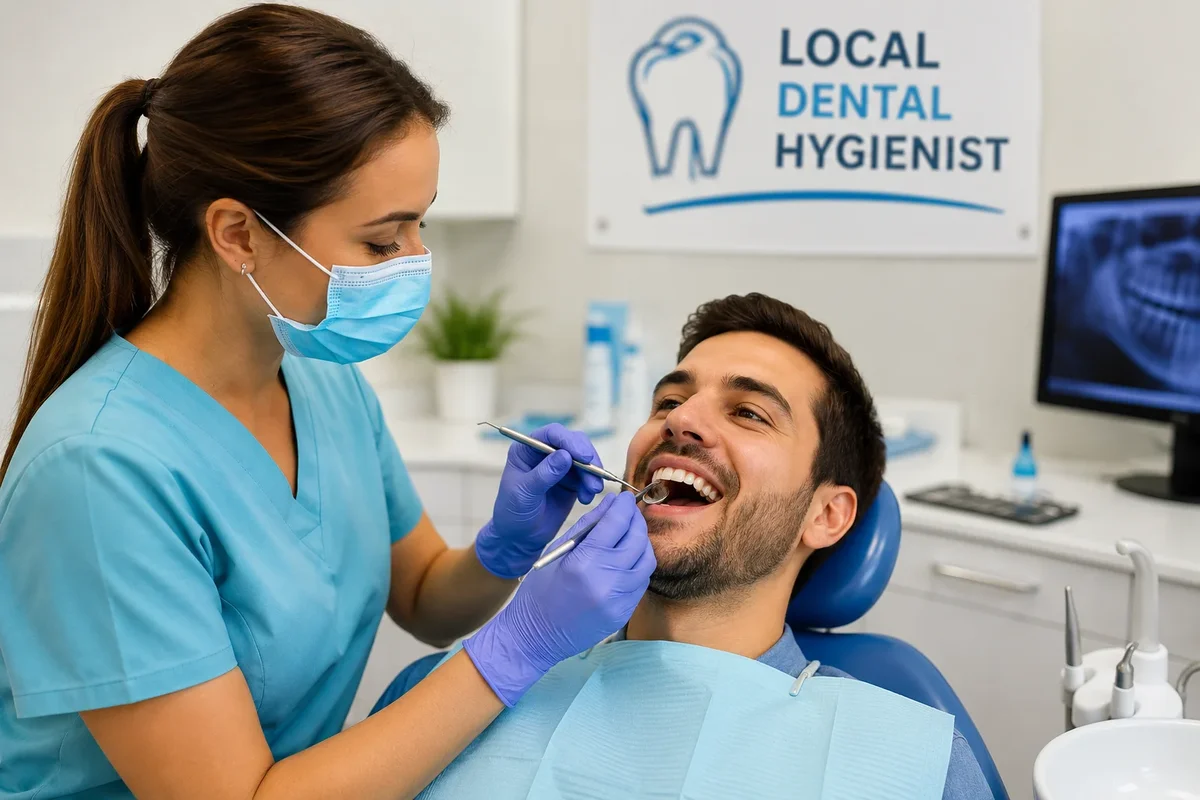
Frequently Asked Questions About Choosing a Local Dental Hygienist
Many patients have questions about what a local dental hygienist does, how often appointments are needed, and why preventive care is so important. Understanding the role of a local dental hygienist can help individuals make informed decisions about their oral health and feel more confident about seeking regular professional care. This frequently asked questions section addresses some of the most common concerns patients have when considering services provided by a local dental hygienist.
A trusted local dental hygienist serves as an essential partner in maintaining healthy teeth and gums. Through preventive care, professional cleanings, oral health education, and early detection of dental issues, a local dental hygienist helps patients avoid many common oral health problems before they become serious. 🦷😊
What Is the Difference Between a Dentist and a Local Dental Hygienist?
Many people wonder whether they need both a dentist and a local dental hygienist. Although these professionals often work together, their responsibilities are different.
A local dental hygienist primarily focuses on preventive care, professional cleanings, gum health assessments, patient education, and oral hygiene guidance. Dentists diagnose and treat dental diseases, perform restorative procedures, and manage more complex oral health conditions.
Regular appointments with a local dental hygienist complement dental examinations and help reduce the likelihood of requiring extensive treatment in the future.
Why Both Professionals Matter
The combination of routine care from a local dental hygienist and periodic examinations by a dentist provides comprehensive oral healthcare. Together, they help maintain healthy teeth, healthy gums, and early detection of potential concerns.
How Often Should I See a Local Dental Hygienist?
The ideal frequency depends on your individual oral health needs. Many patients benefit from visiting a local dental hygienist every six months. However, individuals with gum disease, diabetes, heavy plaque accumulation, or other risk factors may require more frequent visits.
A local dental hygienist evaluates your oral health status and recommends a personalized schedule designed to maximize prevention and maintain long-term dental wellness.
Following the recommendations of a local dental hygienist helps reduce the risk of cavities, gum disease, and other oral health complications.
Do Professional Cleanings Hurt?
For most patients, appointments with a local dental hygienist are comfortable and involve minimal discomfort. Individuals with sensitive teeth, inflamed gums, or significant tartar buildup may experience mild temporary sensitivity during cleaning procedures.
A skilled local dental hygienist uses techniques designed to maximize comfort while effectively removing plaque and tartar. Patients who communicate concerns openly with their local dental hygienist often find the experience much easier than expected.
Regular visits typically result in easier and more comfortable cleanings because less buildup accumulates between appointments.
Can a Local Dental Hygienist Help Prevent Tooth Loss?
Yes. One of the primary goals of a local dental hygienist is preventing conditions that may eventually lead to tooth loss. Gum disease remains one of the leading causes of adult tooth loss, and preventive care plays a critical role in reducing this risk.
A local dental hygienist monitors gum health, removes bacterial deposits, and provides personalized oral hygiene education that supports long-term tooth retention.
Patients who maintain regular appointments with a local dental hygienist are generally more successful at preserving their natural teeth throughout life.
Early Intervention Makes a Difference
Many oral health conditions can be successfully managed when detected early. A local dental hygienist helps identify concerns before they progress into severe problems requiring extensive treatment.
What Qualifications Should I Look For?
When selecting a local dental hygienist, it is important to verify professional credentials, licensing, education, and experience. A qualified local dental hygienist should have completed accredited training and maintain all required certifications.
Continuing education is also important because it demonstrates a commitment to staying current with advances in preventive dentistry and patient care. An experienced local dental hygienist can often provide valuable insights and personalized recommendations based on years of clinical practice.
What If I Have Dental Anxiety?
Dental anxiety is common, and a compassionate local dental hygienist understands how to help patients feel more comfortable during appointments. Open communication is essential.
A local dental hygienist can explain procedures in advance, answer questions, adjust techniques when necessary, and create a more relaxed experience. Many anxious patients find that regular visits with a supportive local dental hygienist gradually reduce their fear over time.
Building trust with a familiar local dental hygienist often leads to greater confidence and improved consistency with preventive care.
How Can I Get the Most Value from My Appointments?
To maximize the benefits of each visit, patients should arrive prepared to discuss any oral health concerns, symptoms, or changes they have noticed. A local dental hygienist can provide more effective recommendations when informed about specific challenges.
Following personalized guidance from a local dental hygienist regarding brushing, flossing, nutrition, and preventive care also improves long-term results. Consistency is the key to maintaining healthy teeth and gums.
Patients who actively engage with their local dental hygienist often experience better oral health outcomes and fewer dental complications.
Final Thoughts on Choosing a Local Dental Hygienist
A local dental hygienist is much more than a provider of professional cleanings. These oral healthcare professionals serve as educators, preventive care specialists, and long-term partners in maintaining healthy smiles. Through regular assessments, plaque and tartar removal, gum disease prevention, and personalized oral hygiene guidance, a local dental hygienist helps patients protect their oral health at every stage of life.
Whether you are searching for preventive care, looking to improve your oral hygiene habits, or seeking guidance on maintaining healthy teeth and gums, working with a qualified local dental hygienist is one of the most valuable investments you can make. Consistent appointments with a trusted local dental hygienist support healthier smiles, greater confidence, and improved overall well-being for years to come. ✨😁🦷