
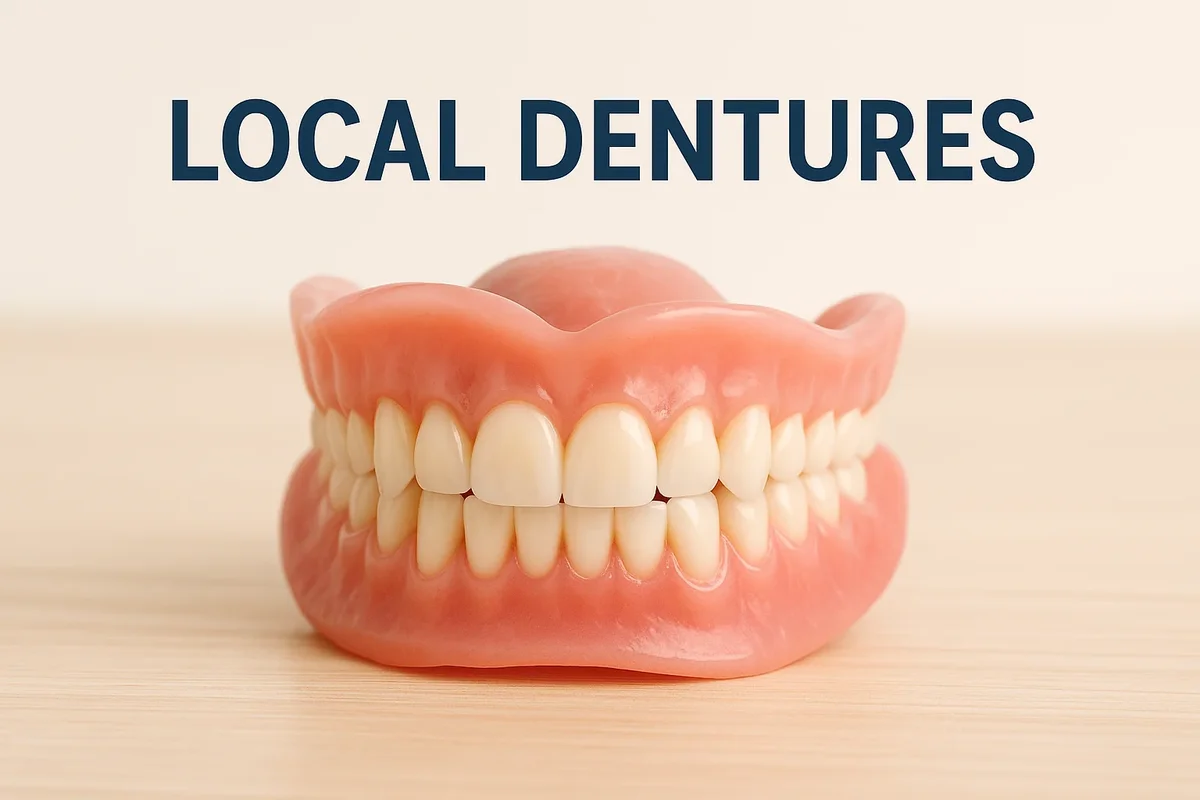
Choosing local dentures is one of the most important steps for individuals seeking a comfortable, natural-looking, and budget-friendly tooth replacement solution. In today’s dental landscape, patients want treatments that not only restore chewing function but also provide aesthetic confidence and long-term oral stability. This is why many people specifically search for local dentures — they want accessible care, faster appointments, trusted communication, and ongoing professional support. In this detailed guide, we will explore every essential aspect of choosing dentures near you, including types, benefits, adjustments, durability, maintenance, and how to navigate your first consultation with confidence. 🦷✨
One key reason people prioritize local dentures is the convenience of working with a nearby clinic. Regular follow-ups are an essential part of denture success — from fine-tuning bite alignment to adjusting pressure points and ensuring long-lasting comfort. A local professional makes this process dramatically easier compared to relying on distant clinics or dental tourism. While long-distance treatment may seem appealing for cost reasons, dentures require personalization, adaptation, and periodic refinements. Local care provides stability and continuity, which are crucial for a treatment that must fit harmoniously within your mouth every single day.
Another major advantage of choosing a nearby denture provider is communication. When you consult a practitioner in your own region, you benefit from clearer explanations, faster problem-solving, and an ongoing relationship with a specialist who understands your dental history. This connection helps prevent common issues such as soreness, speech difficulties, poor bite function, and plate looseness — all of which can be minimized with professional guidance. 😊 Many patients also feel more confident knowing they can return easily if their dentures require tightening, relining, or repair.
Understanding the types of dentures available is essential before making a decision. Local clinics typically provide several options, including full dentures, partial dentures, flexible resin designs, implant-supported dentures, and precision attachments. Each type has specific benefits depending on gum health, bone levels, lifestyle, and aesthetic preferences. For example, implant-supported dentures offer excellent stability, while flexible resin options provide lightweight comfort for patients with sensitive gums. By working with a nearby specialist, you can try different models, discuss your concerns, and receive recommendations tailored to your daily habits and long-term goals.
Local denture services also emphasize individualized measurements and fittings, which directly impact how natural your smile looks. Dentists use impressions, digital scans, jaw relation records, and facial aesthetic analysis to craft dentures that match your bone structure, lip support, and facial proportions. This attention to detail ensures that the final result is not only functional but also visually harmonious. High-quality local providers often collaborate with dental laboratories using advanced materials, including nanocomposite acrylics and high-definition teeth that mimic translucency and enamel texture. ✨
Maintenance is another critical topic for individuals researching local dentures. Proper cleaning routines, soaking methods, and periodic evaluations help improve longevity and comfort. A local clinic can provide in-person demonstrations, recommend professional-grade cleansers, and schedule regular assessments for gum health, tissue changes, and early signs of denture wear. Over time, your mouth naturally changes shape; local professional care ensures that your dentures evolve with you through relining, rebasing, or replacement when necessary.
Costs for dentures vary depending on material quality, fabrication technique, and whether implants are involved. While we avoid quoting universal prices due to regional differences, many clinics offer structured cost blocks, installment options, and package plans. Researching local providers gives you clarity on real-time pricing and allows you to compare services, warranties, and aftercare options. If you wish to take action immediately, you can contact your clinic directly here:
Redent Klinik Contact Page.
As part of reliable dental care information, we also encourage readers to review guidelines from trusted authorities such as the
American Dental Association,
which provides evidence-based recommendations on denture care, oral hygiene, and prosthetic materials.
Ultimately, selecting local dentures is about more than replacing missing teeth — it is about reclaiming your confidence, restoring functionality, and working with a nearby professional who supports you at every stage of your journey. With personalized fittings, accessible follow-ups, and advanced materials, local providers offer a powerful combination of comfort, stability, and natural aesthetics. Whether you are getting dentures for the first time or replacing an older set, choosing a trustworthy local clinic ensures a smoother, healthier, and more satisfying long-term experience. 🌟
Average Full Dental Implant Costs Worldwide in 2025
When researching tooth replacement options, many patients begin by comparing the price differences between implants and local dentures. While dentures remain a cost-effective option, understanding global implant costs helps patients make informed decisions about long-term value. In 2025, the growing demand for full dental implants, advancements in implant materials, and international variations in clinic pricing have created a wide range of cost expectations. This section explores worldwide averages, breaking down regional differences, treatment components, and key factors that shape overall pricing. 🦷🌍
Why Implant Costs Vary Between Countries
The global price gap for full dental implants can be significant. A patient in North America might pay several times more than a patient in Eastern Europe or parts of Asia. Meanwhile, individuals seeking affordable solutions often compare implants to local dentures as a more accessible option. Cost variations occur due to differences in operational expenses, sterilization standards, implant brands, digital technology availability, and dentist expertise levels. Countries with high living costs naturally charge more for clinical services, while regions with government-supported healthcare or competitive private sectors often offer lower rates. Still, quality standards matter — the cheapest option is not always the best long-term decision.
Average Implant Price Ranges by Region (2025)
Below is a detailed look at full-mouth dental implant costs across various regions. These ranges represent typical 2025 market observations and include surgery, implants, abutments, and final prosthetics. They help patients compare implant treatments with alternatives like local dentures, which remain significantly more affordable but require more maintenance and periodic replacement.
North America (United States & Canada)
In the U.S. and Canada, full dental implant reconstruction is among the most expensive worldwide. High clinical standards, advanced facilities, and elevated operational costs contribute to typical pricing:
United States Full Mouth Implants (2025):
• All-on-4 per arch: $25,000 – $35,000
• Full mouth reconstruction: $50,000 – $70,000
Canada:
• Per arch: $20,000 – $30,000
Compared to these prices, many patients explore local dentures as a temporary or long-term alternative, especially when insurance coverage is limited.
Western Europe (UK, Germany, France, Spain)
Western Europe maintains high clinical quality, with fees slightly lower than North America but still above global averages. Costs in 2025 typically fall within:
United Kingdom:
• Full mouth implants: £18,000 – £28,000
Germany:
• €16,000 – €28,000
Spain & Portugal:
• €12,000 – €18,000
In these regions, patients often consult both implant specialists and prosthodontists offering local dentures to compare long-term comfort, cost, and durability.
Eastern Europe & Türkiye
Countries such as Türkiye, Hungary, Poland, and Croatia have become global dental hubs offering internationally recognized implant systems at competitive prices. Their modern clinics and trained specialists attract thousands of medical tourists annually.
Türkiye:
• Full mouth implants: $6,000 – $10,000
Hungary/Poland:
• $7,000 – $12,000
Because prices are significantly lower, many patients who would normally choose local dentures in their home country consider implants when traveling abroad.
Asia (India, Thailand, South Korea)
Asia remains one of the most diverse regions for dental implant pricing. South Korea has premium services with higher fees, while India offers some of the world’s most affordable implant packages.
India:
• Full mouth implants: $4,000 – $7,000
Thailand:
• $8,000 – $12,000
South Korea:
• $15,000 – $25,000
What’s Included in Implant Cost Calculations?
Patients often wonder why implant quotes differ so dramatically. The answer lies in what is included. Some clinics offer complete packages, while others price each step separately. To accurately compare implants with local dentures, patients must understand line-by-line cost structures:
- Diagnostic imaging (CBCT scans, panoramic X-rays)
- Tooth extraction or bone grafting if needed
- Implant brand (premium vs. economy)
- Number of implants per arch
- Temporary prosthetics
- Final zirconia or acrylic bridge
- Follow-up appointments
Each of these elements influences the final bill. Dentures generally involve fewer steps, which explains their lower cost compared to implants.
Implants vs. Local Dentures: Cost Perspective
Although implants offer long-term stability, local dentures remain the more budget-friendly choice upfront. Many patients prioritize dentures because they require less invasive procedures, fewer clinical visits, and lower material costs. However, implants typically provide superior chewing power, bone preservation, and a more natural feel. The financial decision often depends on oral health needs, lifestyle goals, and long-term planning.
For patients wishing to consult directly with a professional, you may reach out through the
Redent Klinik Contact Page.
Additional clinical guidance may also be found at the
American Dental Association,
which offers research-based implant and denture insights.
Understanding worldwide pricing allows patients to evaluate whether implants or local dentures better match their expectations. Thorough research, clear communication with your provider, and accurate budgeting are the key components of making a confident treatment decision in 2025. 🌟
Factors That Influence Full Mouth Implant Pricing
When patients compare full dental implant treatment with alternatives such as local dentures, they often wonder why implant prices vary so dramatically from one clinic or country to another. Full mouth implant reconstruction is life-changing, involving advanced technology, surgical precision, and customized prosthetic design. Because every patient has a unique oral structure, health condition, and aesthetic expectation, the cost of implants cannot be simplified into a single figure. Instead, it is shaped by multiple clinical, biological, and logistical elements. This section explains these factors in detail, helping you understand the full picture before making an investment in your smile. 🦷💡
1. Implant Brand and Material Quality
One of the biggest contributors to implant pricing is the brand and material used. Premium implant manufacturers such as Nobel Biocare, Straumann, and Zimmer Biomet invest heavily in research, biocompatibility studies, and long-term clinical data. These implants typically integrate better with bone and come with lifetime guarantees. More economical brands still meet safety standards but may lack extensive long-term studies. Even patients who choose local dentures often discuss implant brands to compare future upgrade options since dentures and implants are part of a broader restorative plan.
Titanium vs. Zirconia Implants
Most full-mouth treatments use titanium implants due to their exceptional strength and biocompatibility. Zirconia implants, however, are an increasingly popular metal-free alternative. They are often more expensive because they require specialized handling and have fewer manufacturers. Material choice influences both price and aesthetics, especially for patients seeking a highly natural gumline finish.
2. Bone Density and Additional Surgical Needs
Not every patient has sufficient bone to support implants. Conditions such as long-term tooth loss, gum disease, or ill-fitting local dentures may lead to progressive bone resorption. In such cases, additional procedures may be needed:
- Sinus lifting
- Bone grafting
- Ridge expansion
- Soft tissue grafting
These surgeries increase both the cost and timeline of treatment. However, they also improve stability and longevity, reducing the risk of implant failure. By contrast, dentures require no bone integration, which is why some patients lean toward local dentures when bone loss is severe and implant reconstruction becomes more complex or costly.
3. Number of Implants Required
Full mouth implant treatments vary widely depending on the number of titanium screws placed. Some clinics offer an “All-on-4” protocol with four implants per arch, while others prefer 6–8 implants for improved stability. More implants mean higher costs but also increased durability, especially for active individuals who prefer strong bite force. Patients accustomed to local dentures often report a dramatic difference in chewing performance when upgrading to implant-supported prosthetics.
All-on-4 vs. All-on-6 vs. All-on-8
Each system has different price points:
- All-on-4: More affordable, requires fewer implants, recommended for patients with moderate bone density.
- All-on-6: Offers greater stability, preferred for long-term durability.
- All-on-8: Premium-level support, provides exceptional chewing power and load distribution.
These differences reflect why a “fixed price” for implants is unrealistic — each case depends on the patient’s anatomy and clinical goals.
4. Type of Prosthetic Material Used
After the implants are placed, the visible part — the dental bridge — is designed using materials such as:
- Acrylic (more affordable but less durable)
- Composite resin
- Porcelain fused to metal (PFM)
- Monolithic zirconia (premium, long-lasting, highly aesthetic)
Zirconia bridges significantly increase the price due to their superior strength and natural appearance. Patients transitioning from local dentures often find zirconia bridges to be the closest match to natural teeth in terms of translucency and lifelike texture.
5. Dentist Expertise and Clinic Technology
Highly trained surgeons, prosthodontists, and implant specialists typically charge higher fees because they offer predictable outcomes and reduced complication rates. Clinics equipped with 3D imaging, digital smile design, and in-house laboratories may also have higher costs, but they deliver faster turnaround times and more precise results. While local dentures remain accessible through general practitioners, full-mouth implant reconstruction is best handled by a specialist team for optimal function and longevity.
6. Geographic Location and Clinic Overhead
Treatment costs closely mirror the economic landscape of each country or city. Urban centers have higher rent, labor costs, and taxation, leading to elevated dental fees. Conversely, medical tourism hubs like Türkiye or Hungary can offer lower rates without sacrificing quality. Patients who rely on local dentures often explore implant options abroad when seeking more affordable alternatives.
7. Post-Treatment Follow-Up and Warranty Coverage
A comprehensive warranty and follow-up program often increases the initial cost but provides long-term peace of mind. Some clinics offer free adjustments, annual check-ups, and extended maintenance plans. Denture wearers are already familiar with the idea of periodic adjustments, which is why upgrading to implants requires understanding the long-term maintenance commitment.
For personalized pricing details, patients can reach out to the
Redent Klinik Contact Page.
Further evidence-based recommendations can be found via the
American Dental Association.
Ultimately, the cost of full mouth implants is influenced by a complex interplay of clinical factors, patient needs, and technological choices. Whether choosing implants or relying on local dentures, understanding these variables empowers patients to make confident, well-informed decisions about their oral health. 🌟
Full Dental Implant Procedures Explained Step-by-Step
For many patients comparing full dental implants with local dentures, understanding the complete treatment journey is essential. Full-mouth implant rehabilitation is a multi-phase procedure that restores chewing power, facial structure, and long-term oral stability. Unlike traditional denture treatments, which rely on gum support alone, implants integrate with the jawbone to form a secure, permanent foundation. This section explains each stage in detail—from the first clinical examination to the final prosthetic placement—so that patients can make informed decisions with clarity and confidence. 🦷✨
Initial Consultation and Comprehensive Assessment
The journey begins with a detailed dental examination. This step includes medical history review, intraoral inspection, gum evaluation, and detailed discussions about the patient’s aesthetic expectations. Those who have used local dentures previously may already have experience with tooth replacement, but implants require a deeper structural assessment.
Diagnostic Imaging
Clinics perform digital panoramic X-rays and 3D CBCT scans to evaluate:
- Bone density and volume
- Sinus anatomy
- Nerve pathways
- Existing infections or cysts
This imaging is crucial for planning implant placement angles and determining whether additional procedures like bone grafting are needed. Unlike local dentures, which rest on soft tissue, implants depend on strong bone support.
Treatment Planning and Digital Smile Design
Once diagnostic information is collected, the dentist creates a customized treatment plan. Digital smile design software helps visualize the final outcome. Many patients transitioning from local dentures find this step exciting, as they get their first preview of a stable, natural-looking smile.
Implant Position Mapping
Software determines the optimal number of implants needed, ensuring:
- Symmetrical bite force distribution
- Long-term durability
- Functional chewing efficiency
Careful mapping significantly reduces risk during surgery and improves aesthetic outcomes.
Tooth Extraction and Pre-Surgical Procedures
If remaining teeth are decayed or untreatable, extraction is performed. In some cases, immediate implant placement is possible. Patients who previously wore local dentures may already have no natural teeth, which simplifies this stage. However, long-term denture wear can cause bone resorption, making grafting more likely.
Bone Grafting (If Required)
Bone grafting is performed when the jawbone isn’t thick enough to support implants. Graft materials may include:
- Autogenous bone (from the patient)
- Allografts (processed donor bone)
- Xenografts (biocompatible bovine material)
- Synthetic grafting compounds
Grafting increases treatment time but enhances implant stability, especially important for patients switching from local dentures to permanent fixed teeth.
Implant Placement Surgery
This is a crucial stage where titanium or zirconia implants are inserted into the jawbone under local anesthesia or sedation. Using digital guides ensures precise angles and depths. Each implant acts as a synthetic tooth root. Patients often report that implant surgery feels less painful than extraction.
Healing Caps and Temporary Prosthetics
Healing caps protect the gum opening during recovery. Most full-mouth procedures also include temporary prosthetics, allowing patients to smile confidently throughout healing. Those familiar with local dentures may be surprised by the increased stability even during the temporary phase.
Osseointegration Period
Once implants are placed, a 3–6 month osseointegration period begins. During this time, the bone fuses tightly around the implant surface. This natural biological process transforms implants into solid foundations. Osseointegration is what differentiates implants from local dentures, as it provides unmatched stability and chewing strength.
Follow-Up Appointments
Regular visits ensure proper healing and alignment. Clinicians check for:
- Gum health and inflammation
- Implant stability
- Bite adjustments
- Healing progress
These appointments help optimize long-term success.
Abutment Placement
After osseointegration, the gum is gently reopened to attach abutments—the connectors between the implant and the final prosthesis. Once the gums heal around them, the foundation is ready for the custom bridge.
Designing and Creating the Final Prosthesis
The final stage involves crafting the permanent bridge or full arch prosthesis. Patients who used local dentures are often amazed by the dramatic improvement in stability, chewing power, and overall facial structure with implant-supported restorations.
Material Options
Final prosthetics may be made from:
- High-grade acrylic
- Composite resin
- Zirconia (most durable and aesthetic)
The chosen material directly affects longevity and visual appeal.
Final Placement and Bite Adjustment
The permanent prosthesis is secured, and the dentist fine-tunes occlusion to ensure natural chewing. A proper bite prevents complications and maximizes comfort.
Patients seeking further consultation may contact their provider through the
Redent Klinik Contact Page,
or review clinical guidance provided by the
American Dental Association.
Understanding these steps empowers patients to choose confidently between implants and local dentures, ensuring they select the option that best aligns with their comfort, budget, and long-term health goals. 🌟
Comparing Full Implants vs. Dentures for Long-Term Value
When choosing between full dental implants and local dentures, patients often focus primarily on upfront cost. However, long-term value, function, durability, comfort, and overall oral health benefits provide a clearer picture of which treatment option will serve them best over the years. While dentures remain a widely used solution, full implants offer transformative results that many patients find life-changing. In this section, we compare both treatments in detail—examining comfort levels, bone health, maintenance requirements, longevity, lifestyle impact, and long-term financial value—so patients can make an informed and confident decision. 🦷💡
1. Comfort and Natural Bite Function
One of the greatest differences between implants and local dentures is the level of comfort they provide. Traditional dentures rest on the gums, which can cause sore spots, shifting, and difficulty chewing harder foods. The instability of dentures often leads patients to avoid certain meals altogether.
Chewing Efficiency
Dental research shows that dentures restore only about 20–25% of natural chewing strength. In contrast, full dental implants—anchored directly into the jawbone—restore up to 90% of natural bite force. This allows patients to enjoy a wider variety of foods without discomfort. Many individuals who relied on local dentures for years report a remarkable improvement in quality of life after transitioning to implants.
2. Bone Preservation and Facial Structure
A major long-term consideration is jawbone preservation. When teeth are missing, the bone lacks stimulation and begins to shrink over time—a process known as bone resorption. Unfortunately, wearing local dentures accelerates this bone loss because dentures provide no internal support to the jaw.
How Implants Support the Jawbone
Dental implants mimic natural tooth roots. When placed into the bone, they stimulate the jaw during chewing, preventing bone deterioration. This helps maintain facial structure, preventing the “sunken” appearance often associated with long-term denture wear. Over many years, implants can save patients from dramatic facial aging effects that dentures alone cannot prevent.
3. Stability, Speech, and Daily Confidence
Many denture wearers report difficulty with pronunciation and slippage, especially when speaking or laughing. This can lead to anxiety and self-consciousness in social situations. The stability of implants eliminates these concerns.
Speech Improvements with Implants
Implants hold prosthetic teeth firmly in place, supporting natural speech patterns. Because there is no movement, patients experience clear pronunciation and improved confidence—something local dentures cannot always guarantee, even with adhesive use.
4. Maintenance Requirements Over Time
Dentures demand daily care, including soaking, brushing, and periodic relining. Over time, gum changes require the denture base to be reshaped. Some patients may replace their local dentures every 5–7 years due to wear and tear.
Implant Maintenance
Implants, on the other hand, are maintained similarly to natural teeth. Regular dental check-ups, brushing, flossing, and good oral hygiene keep them functional for decades. Although implants may require occasional professional cleaning and adjustments, their upkeep is generally simpler than that of dentures.
5. Longevity and Long-Term Value
Although full dental implants have a higher upfront cost, their long-term durability often makes them more cost-effective than local dentures. Dentures wear down, break, or loosen due to bone resorption, which leads to ongoing expenses. In some cases, patients spend more over a lifetime on replacements, adhesives, and adjustments than they would on implants.
Implant Lifespan
With proper care, implants can last 20–30 years or more. The prosthetic bridge may eventually need replacement, but the underlying implants remain fixed. Dentures, by comparison, rarely last beyond a decade without significant modifications.
6. Aesthetic Differences
Modern implant-supported bridges, especially those made of zirconia, provide an incredibly natural appearance. They are individually shaped to complement facial proportions, gumlines, and bite alignment.
Denture Aesthetics
High-quality local dentures can also look attractive, but they sometimes shift when smiling or speaking, affecting their natural appearance. Additionally, gum loss over time may alter how dentures fit the face, leading to subtle changes in lip support and lower facial height.
7. Lifestyle Impact
Dentures require users to avoid certain foods and may cause discomfort during physical activities. Implants allow patients to live more freely, enjoying sports, social events, and daily routines without worrying about slippage or soreness.
8. Cost Comparison Over Years
Initial implant costs are higher, but when reevaluated over 10–20 years, implants often prove to be the better financial investment. Patients with local dentures frequently incur repeated costs for relines, repairs, and replacements. On the other hand, implants offer long-term stability with minimal recurring expenses.
Patients seeking personalized guidance can contact their provider through the
Redent Klinik Contact Page.
Those looking for additional educational resources may explore material from the
American Dental Association.
In summary, full dental implants surpass local dentures in nearly every long-term category: stability, chewing power, bone health, aesthetics, maintenance, speech confidence, and overall lifestyle improvement. While dentures remain a trusted and affordable option, implants represent a durable and life-enhancing investment for patients seeking the highest possible level of function and natural appearance. 🌟
Hidden Costs to Know When Budgeting for Full Implants
When patients compare full dental implants with local dentures, the initial price is often the first factor they look at. However, full-mouth implant restoration includes several behind-the-scenes costs that can influence the final bill. Understanding these hidden expenses ensures you budget realistically and avoid unexpected surprises throughout the treatment journey. Although implants offer a permanent, stable, and natural-feeling solution, the pathway includes multiple clinical stages, materials, and maintenance requirements. This comprehensive guide explores every hidden cost so you can plan confidently and make a fully informed financial decision. 🦷💰
1. Diagnostic Imaging and Pre-Treatment Examinations
High-quality imaging is an essential component of implant planning. Unlike local dentures, which rely mainly on impressions and basic exams, implants require advanced diagnostic tools to ensure long-term success. These tests evaluate bone structure, nerve pathways, and sinus anatomy.
Types of Imaging
- CBCT Scan: A 3D digital scan that maps bone density and thickness.
- Panoramic X-ray: A full-jaw radiograph used for initial evaluation.
- Intraoral Photographs: Used for digital smile design and prosthetic planning.
These imaging services can add several hundred dollars to treatment costs, depending on the clinic and geographic location. For patients used to local dentures, which rarely require such technology, this can be an unexpected expense.
2. Tooth Extractions and Oral Surgery Preparations
Another hidden cost involves removing damaged or decayed teeth before implant placement. Even individuals who previously wore local dentures may require extraction of remaining roots or compromised teeth. Surgical extraction—especially for impacted or broken teeth—can significantly influence total pricing.
Pre-Implant Oral Conditions
- Severe gum disease
- Root infections
- Cracked tooth fragments
- Cyst removal
Each condition requires specialized treatment before implants can be safely placed.
3. Bone Grafting and Sinus Lifts
Bone density plays a crucial role in implant stability. Long-term use of local dentures often leads to progressive bone resorption because dentures do not stimulate bone tissue. As a result, many patients need bone grafting to rebuild structural support.
Types of Grafting
- Minor Bone Graft: Adds small volume around implant sites.
- Major Bone Graft: Reconstructs entire jaw segments.
- Sinus Lift: Elevates the sinus membrane in the upper jaw to create room for implants.
These procedures can add weeks or months to the treatment timeline and significantly increase overall costs.
4. Temporary Prosthetics and Healing Components
Many patients are unaware that the temporary teeth used during healing are not included in all implant quotes. These transitional restorations are essential for aesthetics and function while osseointegration occurs. Patients who previously wore local dentures may use their dentures temporarily, but most prefer implant-supported provisionals for improved comfort.
Common Temporary Options
- Acrylic provisional bridges
- Immediate-load prosthetics
- Modified local dentures adapted to implants
Temporary solutions ensure you can smile confidently throughout treatment, but they do add extra costs.
5. Upgrades in Implant or Prosthetic Materials
The material you choose has a direct impact on total pricing. Denture wearers are already familiar with acrylic-based materials; however, implants typically involve more durable and aesthetic materials such as zirconia.
Material Tiers
- Acrylic Bridge: Most affordable; not as durable long-term.
- Composite Resin: More aesthetic option with moderate durability.
- Zirconia: Premium option offering unmatched strength and natural translucency.
Patients transitioning from local dentures often choose zirconia for its lifelike appearance, but must budget accordingly.
6. Follow-Up Appointments and Adjustments
After implant placement, several follow-up appointments are required. These visits monitor healing, gum response, implant stability, and bite alignment. Patients familiar with adjustments for local dentures will find this concept familiar—but implant appointments can be more frequent and may incur additional fees.
Possible Post-Surgical Adjustments
- Occlusion correction
- Soft-tissue reshaping
- Replacement of healing caps
- Suture removal
7. Long-Term Maintenance and Cleanings
Even though implants function like natural teeth, they require professional cleaning to maintain optimal health. These maintenance visits ensure that tissues remain healthy and prevent peri-implantitis (inflammation around implants). While local dentures require periodic relining, implant systems require deep cleaning with specialized tools.
8. Warranty and Insurance Limitations
Some clinics charge additional fees for extended warranties or premium implant coverage plans. Additionally, many insurance providers limit their coverage for full-arch reconstruction, leaving patients responsible for a larger portion of the cost.
For personalized assessment and transparent pricing, patients may contact
Redent Klinik Contact Page.
Additional clinical information is available from the
American Dental Association.
In conclusion, while full dental implants provide exceptional long-term value, understanding the hidden costs—from imaging to bone grafting, temporary teeth, and maintenance—helps patients compare them realistically with local dentures and choose the treatment that best suits their lifestyle, budget, and oral health goals. 🌟
How to Save Money on Full Dental Implants Without Risks
Full dental implants offer life-changing stability, natural aesthetics, and long-term oral health benefits. However, due to their higher upfront cost compared to local dentures, many patients look for ways to reduce expenses while still maintaining quality and safety. Fortunately, there are several responsible and medically sound ways to save money on implants without compromising results. This section explains each strategy in detail—covering clinic selection, treatment planning, material choices, global dental destinations, warranties, financing, and timing. By understanding these options, patients can confidently make cost-effective decisions without exposing themselves to unnecessary risks. 🦷💡
1. Explore Dental Tourism in Reputable Countries
One of the most significant ways to reduce implant costs is by seeking treatment in countries known for affordable, high-quality dental care. Compared to the high prices seen in North America or Western Europe, many global destinations offer premium-quality implants at a fraction of the cost. This is especially appealing to patients accustomed to local dentures who want to upgrade to implants without exceeding their budget.
Most Popular Countries for Safe, Affordable Treatment
- Türkiye: Known for modern clinics, competitive prices, and internationally trained surgeons.
- Hungary: A European dental hub offering specialized full-mouth rehabilitation.
- Mexico: Convenient for U.S. patients seeking budget-friendly implant treatments.
- Thailand: Combines medical tourism with exceptionally advanced dental facilities.
While traveling for treatment adds costs such as flights and accommodation, the overall savings often remain substantial. Patients moving from local dentures to implants find this option highly cost-effective, especially when comprehensive packages are offered.
2. Consider Phased Treatment Plans
Full-mouth reconstruction can be broken into stages to reduce immediate financial pressure. Instead of completing implants for both arches at once, patients may begin with one arch (upper or lower) and complete the second later. This is particularly useful for individuals relying temporarily on local dentures while preparing financially for the full implant upgrade.
Staged Treatment Benefits
- Reduced upfront cost
- More time to save between phases
- Easier healing and recovery
- Improved budgeting accuracy
3. Compare Implant Brands and Material Options
Implant brands vary in price based on clinical research, manufacturing standards, surface technology, and long-term success rates. While premium brands are ideal, many mid-range implant systems also offer excellent results when placed by skilled professionals.
Choosing Materials Wisely
- Acrylic provisional bridges instead of more expensive zirconia during initial stages.
- Composite resin prosthetics for cost-conscious patients.
- Delaying zirconia until the patient transitions fully away from local dentures.
Material flexibility allows patients to manage expenses without sacrificing quality.
4. Ask About Package Deals and Seasonal Discounts
Many clinics—particularly those serving international patients—offer implant packages that bundle procedures such as extractions, bone grafting, temporary teeth, and accommodation. This can greatly reduce overall treatment cost compared to paying separately for each component. Patients familiar with the cost structure of local dentures often find these packages refreshingly transparent.
Typical Inclusions in Implant Packages
- Initial consultation and X-rays
- Implant surgery and abutments
- Temporary prosthetics
- Final zirconia or acrylic bridge
- Post-operative follow-ups
5. Choose Clinics With In-House Laboratories
Clinics with their own dental labs can significantly reduce costs by eliminating outsourcing fees. These in-house labs also offer faster turnaround times and more precise customization. Patients upgrading from local dentures appreciate the improved fit and efficiency.
6. Verify Insurance and Financing Options
Some insurance plans provide partial coverage for implants, even if they do not cover the full procedure. Additionally, many clinics offer payment plans with zero-interest financing for several months. This makes full implants more accessible for patients transitioning from local dentures and seeking a permanent solution.
Financing Benefits
- Predictable monthly payments
- No large upfront cost
- Greater flexibility for long-term planning
7. Prevent Extra Costs Through Healthy Preparation
Maintaining good oral hygiene before surgery can reduce the need for additional procedures like deep cleanings, gum treatments, or extractions. Individuals who wore local dentures for many years may require gum conditioning, but proactive preparation minimizes complications and cost.
Best Practices Before Implant Surgery
- Quit smoking to reduce implant failure risk
- Maintain good gum health
- Schedule regular hygiene appointments
8. Understand Warranty and Aftercare Policies
Some clinics offer free repairs, adjustments, or implant replacement under warranty. This reduces long-term expenses and provides peace of mind. Patients switching from local dentures appreciate these guarantees because they eliminate the recurring costs associated with denture relines and replacements.
For personalized financial guidance, patients may reach out via the
Redent Klinik Contact Page.
Evidence-based dental information can also be found through the
American Dental Association.
Overall, saving money on full dental implants is achievable when you take strategic steps—selecting reputable clinics, comparing materials, considering dental tourism, using financing, and planning treatment in phases. These methods allow patients to move beyond local dentures and experience the long-term benefits of stable, natural-looking implant-supported restorations without compromising safety or quality. 🌟
Best Countries to Get Affordable Full Dental Implants
When comparing full dental implant costs with the price and convenience of local dentures, many patients discover that international dental travel can offer exceptional value without compromising safety or quality. Over the past decade, global dental tourism has grown rapidly as more individuals seek affordable, expertly performed implant treatments abroad. Several countries now lead the world in providing advanced implant dentistry at competitive prices, thanks to modern technology, highly trained surgeons, and specialized clinics that focus on full-mouth restoration. This section explores the top international destinations for implant treatment, along with the benefits, risks, and key considerations for patients transitioning from local dentures to permanent implant-supported teeth. 🌍🦷
1. Türkiye: A Global Leader in Dental Tourism
Türkiye has become one of the most popular destinations for full dental implants due to its modern clinics, internationally accredited dentists, and highly competitive prices. Patients who previously relied on local dentures often find that Türkiye provides advanced implant solutions at a fraction of the cost seen in the U.S. or Western Europe.
Why Türkiye Stands Out
- Affordable full-mouth packages with transparent pricing
- State-of-the-art technology including digital smile design and 3D-guided surgery
- Short treatment timelines thanks to in-house laboratories
- Highly trained specialists with international certifications
Türkiye consistently ranks as a top choice for patients upgrading from local dentures, especially those seeking long-lasting zirconia restorations.
2. Hungary: Europe’s Dental Capital
Hungary, particularly the city of Budapest, is widely regarded as Europe’s premier destination for high-quality implant dentistry. The country attracts thousands of patients per year with its combination of affordability, expertise, and strict clinical standards.
Key Advantages of Hungarian Clinics
- Well-established dental tourism infrastructure
- Clinics specializing in full-mouth reconstruction
- Exceptional long-term outcomes backed by research
For individuals accustomed to local dentures in Europe, Hungary offers an accessible and cost-effective upgrade to implant-supported teeth without long-distance travel.
3. Mexico: Close and Affordable for North American Patients
Mexico is a leading choice for U.S. and Canadian patients seeking reasonably priced dental implants. Border cities like Tijuana and Los Algodones have become medical hubs offering high-quality implant services at drastically reduced costs.
Why Patients Choose Mexico
- Convenient location for North Americans
- Significant savings on full-mouth implant treatments
- Clinics with bilingual staff and international training
Many patients begin their dental journey with local dentures, then visit Mexico when they’re ready to invest in a permanent implant restoration.
4. Thailand: Advanced Dentistry in a Luxury Tourism Destination
Thailand combines cutting-edge dental technology with world-renowned hospitality. Facilities in cities like Bangkok and Phuket offer implant procedures that meet or exceed Western standards.
Thailand’s Strengths
- Internationally accredited dental centers
- Highly experienced surgeons
- Comfort-oriented treatment environments
Patients transitioning from local dentures often appreciate Thailand’s patient-centered approach and premium care experience.
5. India: Highly Affordable and Technologically Advanced
India is recognized for offering some of the lowest implant prices worldwide while also maintaining strong educational standards in dentistry. Its clinics use reputable global implant brands and follow international protocols.
Benefits of Getting Implants in India
- Extremely competitive pricing
- Expert prosthodontists and oral surgeons
- Advanced diagnostics similar to Western clinics
For those accustomed to local dentures, India provides one of the most affordable pathways to permanent implant-supported solutions.
6. Spain and Portugal: Western Europe’s Attractive Alternatives
Spain and Portugal offer a balance of cost, convenience, and high-quality treatment. While more expensive than Eastern Europe or Asia, these countries remain far more affordable than the U.K. or U.S.
Why These Countries Appeal to Dental Travelers
- Mild climate and comfortable recovery environment
- Clinics specializing in All-on-4 and All-on-6 systems
- Lower costs compared to northern European countries
Important Considerations Before Choosing a Country
Although international dental travel offers major savings, patients switching from local dentures to implants must research carefully to ensure safety and predictable outcomes. Key considerations include:
What to Look For
- Clinic accreditation and surgeon qualifications
- Clear treatment timelines
- Warranty conditions on implants and prosthetics
- Emergency care options upon returning home
For direct consultation and guidance, you can reach out via the
Redent Klinik Contact Page.
Further educational resources are available through the
American Dental Association.
Ultimately, the best country for dental implants depends on your goals, budget, and willingness to travel. Whether you are currently using local dentures or preparing for your first implant consultation, understanding global treatment options helps you make an informed, confident decision toward a permanent, functional, and natural-looking smile. 🌟
Who Is a Good Candidate for Full Mouth Dental Implants?
Many patients who have relied on local dentures for years eventually consider upgrading to full dental implants for improved stability, comfort, and long-term oral health. However, not everyone is immediately eligible for full-mouth implant treatment. Successful implant placement requires a combination of healthy gums, adequate bone structure, good general health, and realistic expectations about the treatment process. This section provides a deeply detailed breakdown of what makes someone a strong candidate, what may require additional preparation, and how patients can transition from local dentures to permanent implant-supported restorations with confidence. 🦷✨
1. Patients With Significant Tooth Loss or Complete Edentulism
Full dental implants are designed for individuals who have lost most or all of their teeth in one or both arches. People who currently wear local dentures are often prime candidates because they’ve already adapted to prosthetic devices and understand the functional challenges that implants can solve—such as instability, gum irritation, and reduced chewing performance.
Why Edentulous Patients Benefit the Most
- Implants restore stronger bite force than dentures
- They prevent jawbone deterioration
- They provide fixed stability without adhesives
- They improve speech clarity and daily comfort
Those tired of denture slippage or discomfort often see full implants as a life-changing upgrade.
2. Individuals With Adequate Jawbone Density
Bone volume and density are crucial for implant success. Many patients using local dentures may experience bone loss over time, especially if dentures were worn for many years. However, even those with resorbed bone can often still receive implants after appropriate preparatory procedures.
How Bone Is Evaluated
- CBCT scans to measure bone height and width
- Assessment of bone quality (density)
- Evaluation of sinus position in the upper jaw
Solutions for Low Bone Density
- Bone grafting to rebuild lost bone
- Sinus lift procedures for upper jaw implants
- Using angled implants or zygomatic implants for severe cases
These supportive procedures make full implants possible for most patients, even after extended use of local dentures.
3. Patients With Healthy Gums and Good Oral Hygiene
Gum health plays a major role in determining implant candidacy. While dentures rest on gum tissue, implants rely on healthy bones and gums to stay firmly anchored over the long term. Chronic gum disease must be treated before implant surgery.
Gum Issues That Must Be Addressed
- Active periodontal disease
- Tartar buildup
- Inflamed or bleeding gums
Patients who practice good oral hygiene—even those wearing local dentures—tend to have higher implant success rates because they maintain overall tissue health.
4. Non-Smokers or Patients Willing to Quit
Smoking significantly reduces implant success by impairing blood flow, slowing healing, and increasing the risk of implant failure. People who currently smoke can still become candidates if they commit to quitting before and after surgery.
Why Smoking Impacts Implant Success
- Reduced oxygenation in gum tissues
- Delayed integration between titanium and bone
- Higher risk of peri-implant inflammation
5. Individuals in Good General Health
General medical conditions influence healing and bone integration. Although implants are possible for most adults, patients should maintain stable health and inform their dentist of any chronic illnesses. Many long-term wearers of local dentures are older adults, and age alone is not a disqualifying factor.
Conditions That Require Extra Evaluation
- Diabetes (especially if uncontrolled)
- Autoimmune disorders
- Osteoporosis
- Cardiovascular disease
Dentists may collaborate with physicians to ensure safe treatment planning.
6. Patients Seeking a Permanent, Stable Solution
Full mouth implants are ideal for people who want lasting reliability. Unlike local dentures, which often loosen, break, or require frequent adjustments, implants provide a fixed, long-term alternative.
Who Benefits From a Permanent System?
- Those dissatisfied with denture adhesives
- Patients who want to eat without restrictions
- People seeking a natural-looking smile that doesn’t shift
7. Candidates With Realistic Expectations
Understanding the treatment timeline, healing phases, and long-term commitment is essential. Full implants require multiple appointments, proper maintenance, and follow-up visits. Patients transitioning from local dentures must understand that while implants provide superior results, they involve a more detailed surgical process.
8. Psychological Readiness and Motivation
Full dental implant treatment is transformative, and patients must be emotionally prepared for the journey. Those who wore local dentures for years often express strong motivation to regain natural chewing strength and facial structure. This motivation positively influences treatment success and satisfaction.
Patients seeking personalized evaluation may visit the
Redent Klinik Contact Page.
Additional educational guidance on oral health and implant suitability can be found at the
American Dental Association.
In summary, the ideal candidate for full mouth dental implants is someone with healthy gums, sufficient bone structure, stable general health, and realistic expectations—often including individuals currently using or transitioning from local dentures. With proper evaluation and planning, most adults can achieve the dramatic benefits of implant-supported restoration and enjoy a permanently stable, confident smile. 🌟
Expert Tips for Choosing the Right Implant Clinic
Selecting the right dental implant clinic is one of the most important decisions a patient can make—especially for individuals transitioning from local dentures to full-mouth implant solutions. Implants require precision, advanced technology, and long-term follow-up care, making clinic selection a crucial factor for treatment success. This comprehensive guide provides detailed, research-based criteria to help patients evaluate clinics, compare expertise levels, verify credentials, and understand what separates top-tier implant centers from standard dental practices. Whether you want to upgrade from local dentures or begin your first implant journey, these expert tips ensure your choice is safe, informed, and results-driven. 🦷✨
1. Verify Surgeon Experience and Credentials
The skill and experience of the implant surgeon directly influence long-term success rates. Full-mouth implant rehabilitation is a specialized field, and not all general dentists have the training required for complex cases—especially for patients who have worn local dentures for years and may need bone grafting or advanced planning.
What to Look For in a Surgeon
- Formal implantology certification
- Membership in international implant organizations
- Years of surgical experience (preferably 7+)
- Before-and-after case documentation
- Experience working with edentulous patients or denture wearers
The more comprehensive the surgeon’s background, the more predictable the outcome.
2. Choose Clinics That Use Advanced Diagnostic Technology
Modern implant dentistry relies heavily on technology. Clinics that use CBCT imaging, digital impressions, and 3D surgical guides can create more accurate treatment plans. These tools are especially beneficial for individuals moving from local dentures to implants because they ensure precise implant positioning even in areas with reduced bone density.
Essential Technologies
- CBCT (Cone Beam CT): Maps the jawbone in three dimensions.
- Digital Smile Design: Helps visualize the final result.
- Intraoral Scanners: Provide accurate, highly detailed impressions.
- 3D Printing & Milling: Enables custom provisional and final prosthetics.
Clinics lacking these technologies may rely on outdated methods, increasing risk and limiting precision.
3. Evaluate the Quality of Implant Brands Used
Not all implant systems offer the same level of research, durability, or long-term success. Premium implant brands such as Nobel Biocare, Straumann, and Zimmer Biomet have decades of clinical research behind them. Patients transitioning from local dentures should prioritize high-quality implant materials to ensure long-lasting results.
Why Brand Matters
- Higher success rates over 20+ years
- Better integration with bone
- Greater precision in abutment and prosthetic fit
- Worldwide availability for repairs or adjustments
4. Look for Clinics With In-House Laboratories
A clinic with an in-house dental laboratory offers faster turnaround times, better customization, and superior prosthetic design. This is especially useful when upgrading from local dentures, as in-house labs can precisely shape the prosthetic teeth to match facial proportions and natural aesthetics.
In-House Lab Advantages
- Improved accuracy in prosthetic design
- Immediate adjustments during visits
- Higher-quality materials and craftsmanship
- Reduced waiting time for final restorations
5. Prioritize Transparent Pricing and Written Treatment Plans
A reputable clinic should provide clear, itemized pricing that includes implants, abutments, imaging, surgery, temporary teeth, and final restorations. Patients who have used local dentures know how unexpected adjustments can add up over time. Implant clinics must avoid hidden costs and explain every step of the process.
What a Detailed Plan Should Include
- Number of implants per arch
- Type of prosthetic material (e.g., acrylic vs. zirconia)
- Estimated healing timeline
- Potential need for bone grafting
- Follow-up visit schedule
6. Examine Before-and-After Galleries and Real Patient Reviews
Visual results are a key indicator of clinic performance. Authentic before-and-after photos provide insight into the quality of work—especially for patients upgrading from local dentures who want a natural, stable smile.
How to Identify Authentic Results
- High-resolution images showing full facial context
- Consistent lighting and angles
- Detailed descriptions of each case
7. Ask About Warranty, Aftercare, and Follow-Up Support
Implants require occasional maintenance, and reputable clinics should offer warranty coverage for components such as implants, bridges, and abutments. Patients coming from local dentures appreciate predictable long-term care plans that reduce future expenses.
Important Warranty Considerations
- Duration (5 years, 10 years, or lifetime)
- Coverage scope (repairs, replacements, adjustments)
- Conditions that void the warranty
8. Communication, Comfort, and Patient Education
The right clinic should provide clear explanations of every step, from surgery to healing. Patients who previously wore local dentures often have many questions about transitioning to implants, and the clinic should offer supportive, educational guidance.
Signs of a Patient-Focused Clinic
- Detailed consultations
- Visual guides and models
- Realistic expectation-setting
- Friendly, responsive staff
For personalized evaluation and assistance in choosing the right clinic, patients may contact
Redent Klinik Contact Page.
Further educational resources are available through
American Dental Association.
In conclusion, choosing the right implant clinic requires careful research into surgeon expertise, technology, materials, laboratory capabilities, pricing transparency, and long-term support. By following these expert tips, patients—especially those transitioning from local dentures—can ensure a safe, successful, and aesthetically pleasing implant experience. 🌟