
If you have ever wondered how to restore your smile with a solution that feels natural, lasts for decades, and protects your oral health, you are not alone. Millions of people are researching long term dental implants because they want a permanent, stable, and functional alternative to missing teeth. Today, implants are considered the gold standard for long-lasting tooth replacement due to their durability, biocompatibility, and ability to integrate directly with the jawbone. 🦷✨
This comprehensive guide explains everything you need to know about long term dental implants, why they are trusted by dental professionals worldwide, and what makes them different from traditional replacement methods. Whether you are missing a single tooth, several teeth, or an entire arch, implants offer a stable foundation that mimics natural tooth roots. Patients often describe the experience as “getting their real teeth back,” thanks to the unmatched comfort and reliability implants provide.
One of the main reasons people choose long term dental implants is their lifespan. Unlike dentures and bridges that require frequent replacements, implants are designed to last decades—sometimes even a lifetime. With proper care, studies show success rates of over 95% even after 10–15 years of use. These results are supported by research from respected institutions such as the
American Dental Association, which confirms that implant dentistry remains one of the most predictable and successful treatments available.
Beyond long-term durability, implants also help preserve jawbone density. When a natural tooth is lost, the bone begins to shrink because it no longer receives stimulation from chewing forces. This process, known as bone resorption, can dramatically change facial structure over time. Thankfully, long term dental implants act like artificial roots that fuse with the bone through a natural process called osseointegration. This prevents bone loss, keeps facial contours intact, and supports long-term oral health far better than removable prosthetics.
Another major benefit is the improvement in daily function. Unlike dentures, which can slip while talking or eating, implants remain firmly anchored. You can speak confidently, bite into your favorite foods, and enjoy a lifestyle that feels completely natural. Many patients report a significant boost in self-esteem after choosing long term dental implants, noting that the stability and aesthetics dramatically improve their quality of life. 😁
From a clinical perspective, implants are also easier to maintain compared to bridges that require neighboring teeth to be shaved down. Because implants stand independently, they do not damage adjacent teeth and allow for better long-term hygiene. Conventional dentures, on the other hand, may lead to gum irritation, food entrapment, and difficulty maintaining cleanliness. With implants, you simply brush and floss as you would with natural teeth, which supports better gum health and reduces the risk of inflammation.
If you are considering this treatment, it is important to work with an experienced implant specialist who will evaluate your bone density, gum health, and overall medical history. Every patient is unique, and treatment planning is a critical part of achieving lasting success with long term dental implants. Most clinics also provide comprehensive examinations, including 3D imaging, to ensure precise placement and long-term stability.
For individuals who want a permanent solution that looks natural and supports oral health for decades, implants remain one of the most rewarding investments. If you would like to speak with a professional or schedule a consultation, you can reach our clinic through the
Redent Klinik Contact Page. Our team is always ready to guide you toward a healthier and more confident smile. 🌟
Whether you are exploring advanced tooth replacement options, researching ways to protect your jawbone, or simply seeking a long-lasting solution, long term dental implants stand out as the most durable and scientifically supported choice available today. As technology continues to evolve, implants are becoming safer, stronger, and more predictable than ever—cementing their place as the future of modern dentistry.
What Makes Long Term Dental Implants a Reliable Solution?
Understanding why long term dental implants are considered one of the most reliable dental solutions requires examining their structure, biological compatibility, and performance over decades. Patients often search for a treatment that not only restores aesthetics but also delivers true permanence. With success rates consistently above 95%, implants remain unmatched in stability, function, and predictability. Their durability comes from their ability to fuse with the jawbone, creating a secure foundation that behaves almost identically to natural tooth roots. 🦷✨
The Unique Structure Behind Implant Reliability
One of the defining features that make long term dental implants reliable is their three-part structure: the titanium or zirconia post, the abutment, and the custom-made crown. The post is surgically placed into the jawbone, where it undergoes osseointegration—a process in which bone cells attach directly to the implant surface. This creates a level of stability that traditional prosthetics cannot achieve. Titanium, in particular, is known for its exceptional biocompatibility, meaning the body recognizes it as a safe material. As a result, rejection rates are extremely low, and the implant becomes a permanent part of the oral anatomy.
The abutment then connects the implant post to the visible crown. This structure allows for individualized restoration, whether for a single tooth, multiple teeth, or even a full arch. Thanks to advancements in digital dentistry, the crowns placed on long term dental implants are custom-designed to match the color, shape, and bite of the patient’s natural teeth. The result is a restoration that feels, looks, and functions naturally.
How Long-Term Stability Improves Oral Health
When considering reliability, it is essential to look beyond aesthetics. One of the most significant long-term benefits of dental implants is their ability to preserve jawbone volume. After tooth loss, the bone begins to shrink due to the lack of stimulation—a process called bone resorption. Over time, this can lead to facial sagging, changes in bite, and further tooth loss. Long term dental implants prevent these issues by stimulating the bone during chewing, keeping it strong and healthy.
This improved bone health contributes to several functional advantages. Patients experience better chewing efficiency, clearer speech, and greater confidence in daily activities. Unlike dentures, which can slip or require adhesives, implants remain firmly anchored. This stability is one of the key reasons they are viewed as a superior long-term solution, especially for patients wanting independence from removable prosthetics.
Reliability Backed by Modern Technology
Modern diagnostic tools like 3D cone-beam CT scans and digital impressions have significantly improved the precision of implant placement. Today, dentists can evaluate bone density, nerve position, and sinus anatomy with exceptional accuracy before placing long term dental implants. This level of planning dramatically reduces complications and enhances long-term predictability. The digital workflow ensures that the implant is placed at the optimal angle and depth, maximizing the success of osseointegration.
Why Patient Satisfaction Rates Are Exceptionally High
Another reason implants are considered highly reliable is the overwhelming patient satisfaction reported across clinical studies. Individuals often experience improved comfort compared to dentures, which may rub against the gums or loosen over time. Many patients describe the experience of living with long term dental implants as having their natural teeth again. This psychological and functional benefit is invaluable, especially for those who have struggled with tooth loss for years.
Moreover, implants do not decay like natural teeth. While gum health must still be maintained, the implant post itself is immune to cavities. This contributes to long-term reliability, as patients can avoid many common dental issues that affect natural tooth structures. Proper oral hygiene and regular dental checkups allow implants to remain healthy for decades.
The Role of Professional Follow-Up in Ensuring Success
Regular follow-up visits are essential for maintaining the long-term reliability of implants. During these appointments, the dentist checks gum health, assesses bone stability, and ensures that no inflammation is present around the implant. Conditions like peri-implantitis—a gum infection that affects implant surfaces—can be prevented with early detection. When properly monitored, long term dental implants remain one of the most successful restorative treatments in modern dentistry.
Patients considering this treatment often seek expert evaluation to determine suitability. For personalized guidance or to schedule a consultation, you can connect with our specialists through the
Redent Klinik Contact Page. Professional assessment ensures individualized care and increases the likelihood of achieving a long-lasting, healthy smile.
Finally, the reliability of implants is reinforced by extensive research and clinical support from leading authorities such as the
American Dental Association. This scientific validation gives patients confidence that long term dental implants are a proven, safe, and dependable solution for tooth loss—making them an excellent investment in lifelong oral health. 🌟
How Long Term Dental Implants Compare to Traditional Tooth Replacements
When exploring the best solutions for missing teeth, many patients compare long term dental implants to traditional tooth replacement methods such as dentures and dental bridges. While each option has its own benefits, implants stand out for their ability to deliver exceptional long-term stability, natural aesthetics, and a level of functionality that closely resembles real teeth. This section provides a comprehensive comparison, helping you understand why implants are often considered the superior choice for lifelong oral restoration. 🦷✨
Structural Differences: Implants vs. Bridges vs. Dentures
Traditional dentures rest on the gums and rely on suction or adhesives for stability. Over time, this can lead to discomfort, slippage, and reduced chewing efficiency. Dental bridges, on the other hand, require the filing down of healthy neighboring teeth to support the prosthetic—a process that permanently alters natural tooth structure. In contrast, long term dental implants are surgically anchored into the jawbone, acting as artificial tooth roots that integrate with the bone. Because they stand independently, they do not compromise adjacent teeth or require routine readjustments.
Another structural advantage is the prevention of bone loss. Bridges and dentures do not stimulate the jawbone, leading to gradual shrinkage and facial sagging. Implants actively preserve bone health, ensuring long-term structural stability and improved oral function. Patients who choose long term dental implants often report feeling as if they regained their natural teeth because the implants transmit biting and chewing forces directly into the bone, keeping it strong.
Aesthetic Comparison: Natural Appearance and Smile Enhancement
Most patients want more than just dental function—they want a confident, attractive smile. Traditional dentures can sometimes appear bulky or artificial, and their fit may change over time due to bone resorption. Dental bridges offer a more natural appearance but may still show dark metal margins over the years. Meanwhile, crowns designed for long term dental implants are custom fabricated to mimic the translucency and shape of natural teeth. This results in a seamless, highly aesthetic smile that remains stable for decades.
Another aesthetic advantage is that implants maintain facial harmony. When teeth are lost and bone shrinks, the cheeks can appear sunken, making individuals look older than they are. By preserving jawbone volume, implants prevent premature aging and help maintain a youthful profile. 😁
Functional Comparison: Chewing Power, Speech, and Daily Comfort
Dentures often limit the types of foods patients can eat, especially hard, crunchy, or sticky foods. They may move while speaking or chewing, which can reduce confidence. Bridges improve bite comfort but still rely on surrounding teeth for support. In contrast, long term dental implants offer nearly identical chewing power to natural teeth. Because the implant integrates with the bone, it provides exceptional stability without fear of slippage or movement.
Speech also improves significantly with implants. Dentures can cause lisps or clicking sounds, while implants allow for clear, natural articulation. This functional reliability is one of the reasons many patients prefer implants over traditional options.
Impact on Oral Health and Longevity
Traditional tooth replacements typically require periodic adjustments, replacements, or repairs. Dentures may need relining every few years, while bridges can fail if the supporting teeth weaken or develop decay. Studies show that dental bridges last around 7–12 years on average. Dentures may last even less, depending on oral changes. Meanwhile, long term dental implants routinely last 20 years or longer, with many cases exceeding 30–40 years when cared for properly.
Because implants do not rely on other teeth, they also help maintain long-term oral health. There is no risk of decay affecting an implant post, and the surrounding bone remains strong due to ongoing stimulation. With regular oral hygiene and routine dental checkups, implants offer a longevity unmatched by traditional treatments.
Cost Considerations: Long-Term Value vs. Short-Term Savings
At first glance, dentures and bridges may appear more affordable, but their long-term costs often exceed those of implants due to frequent replacements and maintenance. Implant treatment is an investment that provides lasting value. Over time, the superior function, durability, and health benefits make long term dental implants the more cost-effective option. While we do not list specific treatment prices here, patients are encouraged to research average costs and compare them with the ongoing expenses of traditional prosthetics.
Patients who want personalized guidance can contact our clinic for detailed evaluations, treatment plans, and supportive information through the
Redent Klinik Contact Page.
Professional Support and Global Standards
The global dental community—including organizations such as the
American Dental Association—recognizes implants as one of the safest and most predictable long-term solutions for tooth loss. Research consistently shows that implant-supported restorations outperform traditional replacements in nearly every category of function, comfort, and longevity.
Overall, long term dental implants offer unmatched stability, aesthetic excellence, and oral health benefits. When comparing them to traditional tooth replacement options, it becomes clear that implants provide the most comprehensive, long-lasting solution for restoring both confidence and functionality. For individuals seeking a permanent solution that supports lifelong dental wellness, implants remain the superior choice. 🌟
Factors That Influence the Lifespan of Long Term Dental Implants
One of the most common questions patients ask is how long long term dental implants truly last. Although implants are designed to remain stable for decades, their lifespan depends on a combination of biological, mechanical, and lifestyle factors. Understanding these elements helps patients maintain the highest level of implant health and avoid complications that could shorten the longevity of their restoration. This section explores all major influences, from bone density to oral hygiene habits, and explains how each contributes to long-lasting implant success. 🦷✨
Bone Quality and Density: The Foundation of Implant Success
Healthy bone is essential for the stability of long term dental implants. During osseointegration, the bone fuses with the implant surface, creating a strong and stable foundation. Patients with dense, healthy bone tend to experience faster healing and better long-term outcomes. In contrast, individuals with bone loss—often caused by gum disease or long-term tooth absence—may require bone grafting before implant placement. This procedure rebuilds the bone structure and ensures the implant has sufficient support for lifelong success.
Advanced imaging technologies such as CBCT scans help clinicians assess bone volume before treatment. These tools allow for precise planning and detection of any anatomical challenges. Proper evaluation significantly increases the success rates of long term dental implants, ensuring they integrate smoothly and remain stable for many years.
Gum Health and the Role of Soft Tissue
Healthy gums act as a protective barrier around both natural teeth and implants. Patients with conditions such as gingivitis or periodontitis may have a higher risk of developing peri-implantitis—a gum infection that can lead to implant failure. Maintaining gum health is therefore crucial for the longevity of long term dental implants. Regular brushing, flossing, and professional cleanings help eliminate harmful bacteria and prevent inflammation from developing around the implant site.
Some patients may require soft tissue grafting to enhance gum thickness around the implant. This procedure not only improves aesthetics but also strengthens the long-term protective seal around the implant post, reducing the risk of infection or recession.
Systemic Health and Medical Conditions
Systemic health also plays a significant role in implant longevity. Conditions such as diabetes, autoimmune disorders, and osteoporosis can affect healing rates and bone metabolism. While these conditions do not automatically disqualify individuals from receiving long term dental implants, they require careful management. Patients with well-controlled medical conditions typically experience high success rates similar to healthy individuals.
Lifestyle factors such as smoking also influence implant health. Smoking reduces blood flow to the gums, slows healing, and increases the risk of complications during osseointegration. Many implant specialists recommend quitting smoking at least two weeks before surgery and remaining smoke-free during the healing process to ensure maximum long-term success.
Quality of the Implant Material and Surgical Technique
The materials used in implant construction significantly impact their lifespan. Titanium and zirconia implants are both known for biocompatibility and durability. High-quality implant systems undergo rigorous testing and are backed by clinical research. Choosing a reputable clinic that uses premium implant brands is essential for ensuring that long term dental implants remain stable over time.
Equally important is the surgical expertise of the implant dentist. Precise placement minimizes stress on the implant and surrounding bone. Modern digital workflows—including guided surgery—improve accuracy and reduce complications. A skilled surgeon considers factors such as bite force, implant angulation, soft tissue levels, and bone quality to achieve long-term stability.
Daily Care and Long-Term Maintenance
Even though implants are resistant to decay, they require consistent oral care. Bacteria can accumulate around the gums, leading to inflammation and potential implant failure. Patients must maintain daily brushing, flossing, and routine dental visits to protect their long term dental implants. Using interdental brushes or water flossers may also help clean areas that brushing alone cannot reach.
Regular dental checkups allow professionals to monitor bone health, detect early signs of inflammation, and ensure proper implant function. Most implant complications can be prevented with timely intervention, making maintenance appointments critical for preserving implant longevity.
Impact of Bite Force and Bruxism (Teeth Grinding)
Excessive bite force can place unnecessary stress on long term dental implants. Patients who grind or clench their teeth—especially during sleep—may experience higher wear on their restorations. To prevent damage, dentists often recommend using night guards. These protective devices distribute pressure evenly and shield the implant crown from fracture or loosening.
In addition, balanced bite alignment helps ensure that chewing forces are properly distributed. If necessary, minor bite adjustments can reduce stress on the implant and enhance long-term comfort.
Professional Guidance and Support
Patients who remain engaged with their dental team generally experience higher success rates. Routine follow-up care ensures that bone levels, gum health, and implant stability remain optimal. Dental professionals also offer personalized recommendations for maintaining implants based on individual risk factors and lifestyle habits.
If you would like personalized guidance or want to schedule an evaluation, you can reach our specialists through the
Redent Klinik Contact Page. Your dental team will assess your case and explain how best to protect your long term dental implants for decades to come.
Finally, extensive research from leading authorities such as the
American Dental Association supports the long-term success of dental implants. With proper care, high-quality materials, and professional monitoring, long term dental implants can last a lifetime—making them one of the most predictable and durable restorative treatments in modern dentistry. 🌟
Long Term Dental Implants for Full Mouth Restoration
For patients who are missing most or all of their teeth, long term dental implants offer one of the most transformative solutions in modern dentistry. Full mouth restoration using implants provides unparalleled functional stability, improved facial aesthetics, and a level of comfort that traditional dentures cannot match. This section explores how implants restore an entire arch of teeth, the treatment options available, and why this approach is considered the gold standard for long-lasting oral rehabilitation. 🦷✨
Understanding Full Mouth Restoration With Implants
Full mouth restoration refers to rebuilding or replacing all teeth in the upper or lower jaw. Instead of relying on removable dentures, patients now have access to advanced implant-based systems that provide permanent results. Using long term dental implants, dentists can anchor a fixed bridge or hybrid denture securely onto the jawbone, giving patients a stable and natural-feeling restoration. This treatment is ideal for individuals with severe tooth loss, advanced gum disease, or worn-down dentition where traditional methods are no longer effective.
The process typically begins with a comprehensive examination, including 3D imaging to assess bone density and determine the ideal implant placement. Once the jawbone is evaluated, the dentist can create a customized restoration plan tailored to the patient’s anatomy, bite pattern, and aesthetic goals. This personalized approach ensures optimal stability and long-term success.
Treatment Options for Full Arch Implant Rehabilitation
All-on-4 Implant Technique
One of the most popular full mouth restoration options is the All-on-4 concept. This method uses four strategically placed long term dental implants to support an entire arch of fixed prosthetic teeth. The angled placement of the posterior implants maximizes bone contact, allowing patients with reduced bone density to receive treatment without extensive grafting. The All-on-4 approach is known for its efficiency, reduced surgical time, and predictable outcomes, making it a preferred choice for many patients.
All-on-6 and All-on-8 Systems
For individuals who desire even greater stability or have denser bone, the All-on-6 or All-on-8 systems may be recommended. These techniques involve placing six or eight implants per arch to support a larger, more durable bridge. Since more implants share the functional load, these systems provide optimal chewing strength and superior long-term distribution of biting forces. Patients seeking maximum stability from their long term dental implants often choose these advanced full arch solutions.
Implant-Supported Overdentures
Another effective option is the implant-supported overdenture. Unlike traditional dentures, this version snaps securely onto a set of implants, preventing slippage and improving comfort. Overdentures are removable but significantly more stable than standard dentures. They also help preserve the jawbone because the implants provide stimulation during chewing. This hybrid approach works well for patients who want improved stability but prefer a removable restoration.
Benefits of Full Mouth Implant Restoration
Full arch rehabilitations using long term dental implants offer numerous advantages that dramatically improve quality of life. One of the most notable benefits is the ability to chew effectively. Traditional dentures often reduce chewing efficiency by 70–80%, limiting food choices and digestive comfort. Implants restore nearly full bite strength, allowing patients to enjoy a varied diet without discomfort or embarrassment.
Aesthetic improvements are equally important. Implant-supported bridges mimic the shape, color, and size of natural teeth, resulting in a radiant and youthful smile. They also prevent sunken cheeks, an unfortunate consequence of tooth loss that can make individuals look older. By maintaining bone structure, implants support facial contours and promote a balanced facial appearance. 😁
Another advantage is enhanced psychological well-being. Patients often regain confidence in social, professional, and personal interactions because their new teeth feel authentic and remain stable during speaking and eating. Many report that choosing long term dental implants for full mouth restoration is a life-changing decision that restores both their oral function and emotional well-being.
The Role of Bone Preservation in Full Arch Solutions
When teeth are missing, bone resorption occurs as the jawbone loses stimulation. Full mouth implant restoration prevents this process by transferring chewing forces directly to the bone. This stimulation encourages natural bone maintenance and contributes to the long-term health of the jaw. Traditional dentures cannot provide this function and may even accelerate bone loss. The preservation of bone integrity is one of the key reasons long term dental implants outperform all other full mouth replacement options.
Immediate Loading and Same-Day Teeth
Many clinics now offer immediate loading, meaning temporary teeth can be attached to the implants on the same day as surgery. This allows patients to walk out of the office with a functional and attractive smile while the implants heal. Over time, once osseointegration is complete, the temporary teeth are replaced with a permanent, durable prosthesis. This accelerated approach has made full mouth restoration with long term dental implants more convenient and accessible than ever before.
Ongoing Care and Long-Term Maintenance
Although implants cannot decay, the surrounding gums must remain healthy to ensure long-term success. Patients are encouraged to maintain excellent oral hygiene, attend regular checkups, and use special cleaning tools to reach areas beneath the bridge. With proper care, full arch implant restorations can last decades, providing outstanding comfort and function.
For personalized treatment planning or professional guidance, patients may reach out through the
Redent Klinik Contact Page. A thorough evaluation helps determine the best full mouth restoration option based on your unique needs.
Extensive research from the
American Dental Association continues to support the long-term success of implant-based full arch solutions. Whether using the All-on-4 system or a multi-implant bridge, long term dental implants offer the most durable, functional, and reliable method for complete smile restoration. 🌟
Common Problems and How to Avoid Long Term Dental Implant Failure
While long term dental implants are known for their exceptional durability and high success rates, it is still possible for complications to occur if proper care and professional guidelines are not followed. Implant dentistry remains one of the safest and most predictable fields in modern oral health, yet understanding potential risks—and how to prevent them—helps patients protect their investment for decades to come. This section explores the most common implant-related problems, early warning signs, prevention strategies, and the clinical practices that ensure long-term implant success. 🦷✨
Understanding Why Implant Complications Occur
Dental implants achieve long-term stability through osseointegration, the process by which the bone fuses with the implant. When this fusion is successful, the implant becomes a permanent and reliable part of the oral structure. However, if bone density is insufficient, oral hygiene is neglected, or systemic health issues interfere with healing, complications may arise. Identifying these risks early is essential to prevent compromising long term dental implants.
In many cases, implant failure results not from the implant itself but from preventable factors such as smoking, untreated gum disease, and poor oral hygiene habits. Understanding these influences allows patients to take proactive steps toward maintaining optimal implant health.
Early Implant Failure vs. Late Implant Failure
Early Implant Failure: Causes and Symptoms
Early implant failure occurs before osseointegration is complete, typically within the first few months of surgery. Contributing factors include insufficient bone quality, improper placement, surgical contamination, or excessive pressure on the implant during healing. Patients may experience swelling, mobility, pain, or delayed healing. Because long term dental implants depend on strong bone integration, early intervention is crucial.
Dentists can often address early failure by adjusting the implant site, performing bone grafting, or replacing the implant with a more suitable model. Thanks to modern diagnostic tools like 3D imaging, early failures are becoming increasingly rare.
Late Implant Failure: Causes and Long-Term Risks
Late implant failure occurs months or years after placement. The most common cause is peri-implantitis, a gum infection that leads to bone loss around the implant. This condition is similar to periodontitis affecting natural teeth. If untreated, peri-implantitis can compromise the stability of long term dental implants and may require surgical correction or replacement.
Other late failure factors include excessive bite force, bruxism (teeth grinding), poorly fitted prosthetics, and rare allergic reactions to implant materials. Regular dental checkups help detect early signs and prevent progression.
Preventing Infection and Inflammation
Infection remains the most significant threat to the long-term success of implants. Bacteria can accumulate around the implant and cause inflammation, eventually damaging the surrounding bone. Fortunately, maintaining strong oral hygiene habits can prevent most cases of peri-implantitis. Patients should brush twice daily, floss carefully around the implant, and use antibacterial mouth rinses when recommended.
Professional cleanings are equally vital. Dental hygienists use special tools designed for implant surfaces, ensuring that plaque and tartar do not accumulate. With consistent care, the risk of infection around long term dental implants is dramatically reduced.
The Impact of Lifestyle Choices
Lifestyle habits play an enormous role in implant health. Smoking is one of the most well-documented risk factors, as it reduces blood flow to the gums and delays healing. Studies show significantly higher failure rates in smokers compared to non-smokers. Reducing or quitting smoking improves the long-term outcomes of long term dental implants.
Additionally, patients who grind or clench their teeth place unnecessary pressure on the implant crown and surrounding bone. Wearing a night guard, especially during the healing phase, protects the implant from excessive force and prevents long-term complications.
Mechanical Problems and Prosthetic Complications
Although the implant post rarely fails, the prosthetic components—such as the abutment or crown—may experience wear over time, particularly if subjected to uneven bite forces. Loose abutment screws, chipped crowns, or misaligned bites can lead to discomfort and reduced stability. These issues do not typically compromise the implant itself but should be addressed promptly to maintain the comfort and function of long term dental implants.
Routine dental visits allow clinicians to check the tightness of components, examine wear patterns, and ensure that the bite remains balanced. Correcting these minor issues early helps avoid major complications later.
How Regular Dental Visits Prevent Implant Failure
Many implant complications develop silently without noticeable symptoms in their early stages. That is why scheduled dental checkups are essential. During these visits, the dentist evaluates gum health, bone levels, prosthetic stability, and overall implant function. X-rays and clinical examinations help detect early signs of bone loss or inflammation.
Patients who follow recommended maintenance routines experience significantly higher success rates. The predictability of long term dental implants improves dramatically when professional monitoring is combined with excellent home care.
Best Practices for Ensuring Long-Term Success
To protect your implants for decades, consider the following guidelines:
- Brush with a soft toothbrush twice daily
- Floss or use an interdental brush around implant sites
- Attend dental cleanings every 6 months
- Avoid smoking or reduce tobacco use
- Wear a night guard if you grind your teeth
- Monitor gum changes and report symptoms promptly
These preventive strategies significantly improve the lifespan of long term dental implants. With proper care, most implants last a lifetime.
If you suspect any issues or simply want professional advice on maintaining your implants, you can contact our specialists through the
Redent Klinik Contact Page.
For additional scientific validation regarding implant success rates, long-term outcomes, and prevention methods, you may explore trusted resources from the
American Dental Association. Their extensive research confirms that long term dental implants remain one of the most reliable and predictable treatments in restorative dentistry. 🌟
Daily Care Tips to Maximize the Longevity of Long Term Dental Implants
Maintaining the health and durability of long term dental implants requires consistent daily care, much like caring for natural teeth. Although implants are resistant to decay, the surrounding gums and bone remain vulnerable to inflammation, infection, and mechanical stress. By implementing a structured oral hygiene routine, adopting healthy lifestyle habits, and attending regular professional checkups, patients can ensure their implants last for decades—often a lifetime. This section provides a detailed guide to daily care practices designed to preserve function, protect soft tissue health, and maintain the integrity of implant-supported restorations. 🦷✨
Establishing an Effective Oral Hygiene Routine
A strong daily hygiene routine is the foundation of preserving long term dental implants. Because bacterial plaque can accumulate around the gums just as easily as it does on natural teeth, patients must brush twice per day using a soft-bristled toothbrush. Soft bristles prevent irritation while effectively removing plaque around the implant crown and abutment. Electric toothbrushes are also highly recommended because they provide consistent, gentle cleaning motions that reduce manual brushing errors.
Flossing is equally important. Standard dental floss may not always reach implant surfaces effectively, especially under bridges or between prosthetic components. For this reason, many dentists recommend using implant-specific floss, water flossers, or interdental brushes. These tools clean hard-to-reach areas and help prevent peri-implantitis, a gum infection that can compromise long term dental implants. Patients should clean around each implant at least once daily to maintain healthy soft tissue.
The Role of Antibacterial Mouth Rinses
Antibacterial mouth rinses can significantly reduce the risk of inflammation by lowering bacterial levels in the mouth. Chlorhexidine-based rinses may be prescribed for patients experiencing early signs of gum irritation, although they should be used short-term due to potential staining. Alcohol-free antimicrobial rinses are better suited for long-term daily use. Adding a rinse to the hygiene routine enhances overall protection and promotes healthy implant sites.
Professional Cleaning Tools for Home Use
Several home-care tools can help ensure deeper cleaning around implants:
- Water flossers that flush plaque from below the gumline
- Interdental brushes designed for implant posts
- Implant-safe polishing tips used occasionally to maintain smooth surfaces
These tools are not replacements for brushing and flossing but serve as helpful additions. When used consistently, they help keep gums healthy and protect the stability of long term dental implants.
Lifestyle Habits That Support Implant Health
Lifestyle choices directly affect the longevity of implants. Smoking, for instance, significantly increases the risk of peri-implant inflammation due to reduced blood flow and slower healing. Patients who quit smoking enjoy dramatically improved outcomes and greater long-term stability with long term dental implants.
Diet also plays a major role. While implants can withstand normal biting forces, excessively hard foods—such as ice, hard candy, or un-popped popcorn kernels—can damage implant crowns or prosthetics. A balanced diet rich in vitamins and minerals supports gum health and bone maintenance, which are essential for implant longevity.
Hydration and Oral pH Balance
Drinking plenty of water contributes to healthy saliva production. Saliva naturally cleanses the mouth, neutralizes acids, and prevents bacterial buildup. Maintaining a balanced oral pH reduces the likelihood of inflammation around the implant, preserving the long-term stability of long term dental implants.
The Importance of Regular Dental Checkups
Professional monitoring is one of the most influential factors in ensuring long-term implant success. Dentists recommend routine checkups every six months, although some patients may require more frequent visits depending on their oral health history. During these appointments, your dentist evaluates gum tissue, checks bite alignment, and performs radiographic examinations to assess bone stability.
Implant maintenance appointments also include professional cleaning. Hygienists use specialized tools that are gentle on titanium or zirconia surfaces, ensuring the implant structure remains intact. This professional care complements daily home hygiene and significantly reduces the risk of peri-implantitis or mechanical complications.
Managing Bruxism and Bite Forces
Patients who grind or clench their teeth place excess pressure on both natural teeth and implants. Over time, this stress can lead to bone loss or damage to the implant crown. If bruxism is suspected, a custom night guard can help. These devices act as shock absorbers, protecting long term dental implants from harmful mechanical forces.
Additionally, maintaining a balanced bite helps distribute chewing forces evenly. If bite irregularities arise due to shifting teeth or new restorations, your dentist can make precise adjustments to reduce pressure on the implant.
Recognizing Early Warning Signs
Awareness is a key component of implant maintenance. Patients should monitor for symptoms such as:
- Gum redness or swelling
- Bleeding when brushing or flossing
- Persistent bad breath
- Pain or discomfort near the implant
- Movement or instability of the crown
Addressing issues promptly prevents complications and protects the longevity of long term dental implants. Early intervention is often the difference between minor inflammation and major bone loss.
Professional Support and Long-Term Care Planning
Dental professionals play a critical role in helping patients maintain implants for life. Tailored advice, regular evaluations, and ongoing education ensure patients understand how to care for their implants effectively. Whether you need a personalized hygiene plan or advanced implant monitoring, your dental team is an essential partner in long-term success.
For individualized guidance or to schedule a professional evaluation, you may contact our team through the
Redent Klinik Contact Page. We are committed to helping every patient protect their investment in long term dental implants and enjoy lifelong comfort and confidence.
For additional scientific resources and clinical insights into implant care and maintenance, trusted guidance is available from the
American Dental Association. Their research reinforces the importance of proper home care and professional support for maintaining long term dental implants over a lifetime. 🌟
Are Long Term Dental Implants Worth the Investment? Expert Insights
Many patients considering tooth replacement options ultimately ask whether long term dental implants are truly worth the investment. This question is understandable, as implants typically carry a higher upfront cost than traditional dentures or bridges. However, when evaluating long-term value, durability, oral health outcomes, comfort, and overall quality of life, implants consistently stand out as the most cost-effective and beneficial solution. In this section, we break down the financial, medical, and emotional advantages of investing in implants, supported by expert insights and scientific research. 🦷✨
A Look at the Long-Term Financial Value
While the initial cost of long term dental implants may appear higher than other treatment options, the long-term financial advantages are significant. Traditional dentures and bridges often require regular adjustments, repairs, and replacements due to wear, bone loss, or structural weakening. These ongoing costs accumulate over the years, often surpassing the one-time investment of implant therapy.
Implants, on the other hand, are designed to last for decades. The implant post—which acts as the tooth root—can remain stable for a lifetime when properly cared for. Even if the crown requires replacement after many years of use, the underlying implant typically does not. This dramatically reduces long-term expenses compared to recurring replacements of dentures and bridges.
The Cost of Maintenance vs. Long-Term Stability
Dentures require routine relining due to bone shrinkage, and bridges may fail if adjacent natural teeth become damaged. These issues lead to additional appointments, material costs, and potential complications. In contrast, long term dental implants require minimal maintenance beyond standard oral hygiene and biannual dental checkups.
With implants, patients avoid the expenses associated with adhesives, special cleaning materials, or frequent repairs. Over the span of 10 to 20 years, the financial benefits of implants become increasingly clear.
Health Benefits That Increase Implant Value
Beyond financial considerations, implants offer crucial oral health benefits that contribute significantly to their value. Because implants stimulate the jawbone like real teeth, they help prevent bone loss—a major concern following tooth extraction. When missing teeth are not replaced with implants, the bone gradually deteriorates, leading to facial sagging and a weakened oral foundation.
This preservation of bone is one of the primary reasons long term dental implants are considered a superior investment. Maintaining bone volume keeps the facial structure youthful, improves bite strength, and prevents additional oral health problems that may require costly intervention in the future.
Improved Quality of Life and Daily Function
Patients consistently report that implant-supported restorations feel and function like natural teeth. This is a major advantage over dentures, which may slip, cause soreness, or require removal for cleaning. With implants, patients can enjoy their favorite foods, speak with confidence, and smile comfortably without worrying about movement or discomfort.
These functional improvements contribute immensely to the perceived value of long term dental implants. The psychological boost from restored confidence cannot be understated. Many patients describe their implant treatment as life-changing, improving both their emotional well-being and social interactions.
Enhanced Aesthetics and Long-Term Confidence
Implant crowns are custom-designed to match the color, shape, and translucency of natural teeth. This level of aesthetic customization provides a more natural, harmonious smile compared to removable dentures or older bridge designs. Patients often find that implants help them look younger by maintaining facial volume and recreating a bright, symmetrical smile.
Long-term aesthetic stability is another reason implants are considered a high-value investment. While dentures frequently lose their fit over time due to bone resorption, implants remain stable and continue to support the facial structure for years.
The Role of Expert Dental Evaluation
Before recommending implant treatment, a dental professional will perform a detailed assessment to determine whether the patient is an ideal candidate. This includes evaluating bone density, gum health, bite alignment, and overall oral hygiene. A well-planned treatment increases the success rate of long term dental implants and ensures a predictable, comfortable experience.
Experts emphasize that choosing an experienced implant dentist significantly impacts the quality, longevity, and overall value of the treatment. With advanced planning tools such as digital mapping, guided surgery, and high-quality implant materials, clinicians can optimize outcomes and reduce the risk of complications.
Comparing Implants to Alternative Solutions
When evaluating whether implants are worth the investment, it’s helpful to compare them to alternative options:
- Dentures: Lower upfront cost but frequent adjustments and reduced chewing strength.
- Bridges: Require filing down healthy teeth and typically last 7–12 years.
- Implants: Preserve bone, protect surrounding teeth, and provide long-term durability.
When these factors are weighed together, long term dental implants emerge as the most comprehensive and lasting solution.
Emotional and Social Benefits
The ability to smile confidently, eat comfortably, and speak clearly contributes greatly to a person’s overall quality of life. Dental implants support these everyday experiences, making them much more than a cosmetic enhancement—they are a functional, psychological, and social investment.
Patients often say their decision to invest in implants ranks among the best health decisions they’ve ever made. This emotional value is a key part of why implants are widely viewed as worth the investment.
Professional Guidance and Support
Patients who want personalized cost assessments, treatment comparisons, or expert clinical recommendations can consult directly with implant specialists. An in-person evaluation provides clarity on costs, available restoration options, and long-term expectations.
To speak with our dental team or request a tailored consultation, please contact us through the
Redent Klinik Contact Page. Our specialists offer transparent guidance to help you decide whether long term dental implants align with your goals.
Extensive clinical data and ongoing studies from the
American Dental Association further support the long-term value of implants. Experts confirm that long term dental implants offer unmatched durability, oral health benefits, and daily comfort, making them one of the most rewarding investments in modern dentistry. 🌟
Who Is the Ideal Candidate for Long Term Dental Implants?
Deciding whether you are a suitable candidate for long term dental implants is a crucial step in your oral health journey. While implants are one of the most versatile and successful tooth replacement solutions available today, not every patient begins treatment with the same biological conditions. Factors such as bone density, gum health, lifestyle habits, and systemic medical conditions all play an important role in determining eligibility. This section explores every aspect of candidacy with expert-level detail to help you understand whether implants may be the right restorative option for you. 🦷✨
Core Requirements for Implant Candidates
The primary requirement for receiving long term dental implants is having adequate jawbone density to support the implant post. Implants rely on osseointegration—the fusion of bone with the implant surface—to ensure long-term stability. Patients who have experienced bone loss due to gum disease, tooth extraction, or prolonged denture use may still qualify but might require bone grafting beforehand.
Healthy gums are equally essential. Implants must be surrounded by healthy, infection-free soft tissue to avoid complications such as peri-implantitis. Patients with untreated gum disease must undergo periodontal therapy before implant placement to create a stable foundation for long-term healing.
Understanding Age and Overall Health Considerations
There is no upper age limit for receiving long term dental implants. Many older adults successfully receive implants and enjoy excellent outcomes. What matters most is bone quality, general health, and the ability to undergo minor surgical procedures. Younger patients can also qualify as long as their jawbone has fully developed.
Systemic health conditions must also be evaluated. Patients with well-controlled diabetes, hypertension, or autoimmune disorders can often receive implants with proper medical coordination. Poorly controlled conditions, however, may affect healing rates and increase the risk of complications.
Medications and Their Impact on Implant Success
Certain medications, particularly bisphosphonates used for osteoporosis, may affect bone healing and should be carefully reviewed with your dentist. Blood thinners, immunosuppressants, and corticosteroids may influence surgical decisions as well. A complete medical history enables clinicians to tailor implant planning safely and effectively.
Lifestyle Factors That Influence Implant Candidacy
Lifestyle choices, especially smoking, play a major role in determining suitability for long term dental implants. Smoking reduces blood flow to the gums and impairs healing, increasing the risk of implant failure. While smoking does not automatically disqualify a patient, professionals strongly advise reducing or quitting before treatment.
Oral hygiene habits also matter. Implants require consistent cleaning and long-term maintenance. Patients must be committed to brushing, flossing, and attending regular checkups to ensure lasting implant health. Those who struggle with oral hygiene may benefit from additional guidance or periodontal support before treatment begins.
Assessing Bite Alignment and Bruxism
Bite alignment affects how chewing forces are distributed across the implant. Patients with severe bite irregularities, crossbites, or untreated orthodontic issues may require adjustments to prevent excess pressure on long term dental implants. Bruxism (teeth grinding) is another factor that can influence candidacy. While it does not prevent implant placement, bruxism must be managed—usually with a night guard—to protect the implants from excessive force.
Single-Tooth, Multi-Tooth, and Full Arch Candidates
One of the strengths of implant dentistry is its versatility. Patients missing one tooth, several teeth, or an entire arch can all benefit from implants. Ideal candidates for single-tooth replacement typically have good localized bone quality and healthy surrounding teeth. Those requiring multi-tooth replacements may need additional bone support, depending on the size of the gap and the condition of adjacent teeth.
Patients seeking full arch restorations—such as All-on-4 or All-on-6 systems—must undergo a comprehensive evaluation to determine implant placement options. These individuals often experience some level of bone loss due to long-term tooth absence but may still qualify thanks to modern grafting techniques and angled implant placement strategies.
Gum Tissue Thickness and Aesthetic Considerations
Soft tissue quality affects both function and appearance. Patients with thin or receded gums may require soft tissue grafting to achieve optimal results. Implants placed in the front of the mouth must be carefully planned to achieve proper gum contours and aesthetic balance. For this reason, implant candidates who prioritize appearance often receive additional treatments to ensure that long term dental implants blend seamlessly with natural teeth.
The Importance of Diagnostic Imaging and Professional Evaluation
Before treatment, dentists use CBCT scans, digital impressions, and detailed medical evaluations to confirm implant suitability. These technologies allow professionals to evaluate bone structure, detect hidden anatomical concerns, and plan implant placement with precision. Thorough diagnostics dramatically increase the success rates of long term dental implants and ensure a more predictable treatment experience.
A comprehensive evaluation may include the following:
- Bone density analysis
- Gum health assessment
- Bite alignment examination
- Systemic health review
- Smoking and lifestyle evaluation
This holistic approach ensures that each patient receives personalized recommendations tailored to their unique oral health profile.
What to Do If You Are Not an Ideal Candidate
If initial assessments show that you do not yet qualify for implants, modern dentistry offers several solutions to help you become a candidate. Bone grafting, sinus lifts, soft tissue grafts, and bite correction procedures can all restore the conditions necessary for successful implant placement. With these treatments, many patients who were previously ineligible can successfully receive long term dental implants.
Commitment to improving oral hygiene, quitting smoking, or stabilizing systemic medical conditions can also dramatically improve candidacy. This collaborative approach between patient and dental team often leads to excellent long-term outcomes.
Professional Consultation for Accurate Assessment
To determine whether you are an ideal candidate for implant therapy, a personalized consultation with a dental specialist is essential. During this visit, the dentist will review your goals, evaluate clinical findings, and present treatment options based on your current oral health status.
To speak with an expert or schedule an evaluation, you may contact our clinic through the
Redent Klinik Contact Page. Our team provides professional guidance to help you determine if long term dental implants are the right choice for restoring your smile.
Extensive studies and guidelines published by the
American Dental Association continue to validate implant dentistry as a safe, predictable, and highly effective solution for qualifying candidates. These professional standards ensure that patients receive the highest quality care and long-lasting results from long term dental implants. 🌟
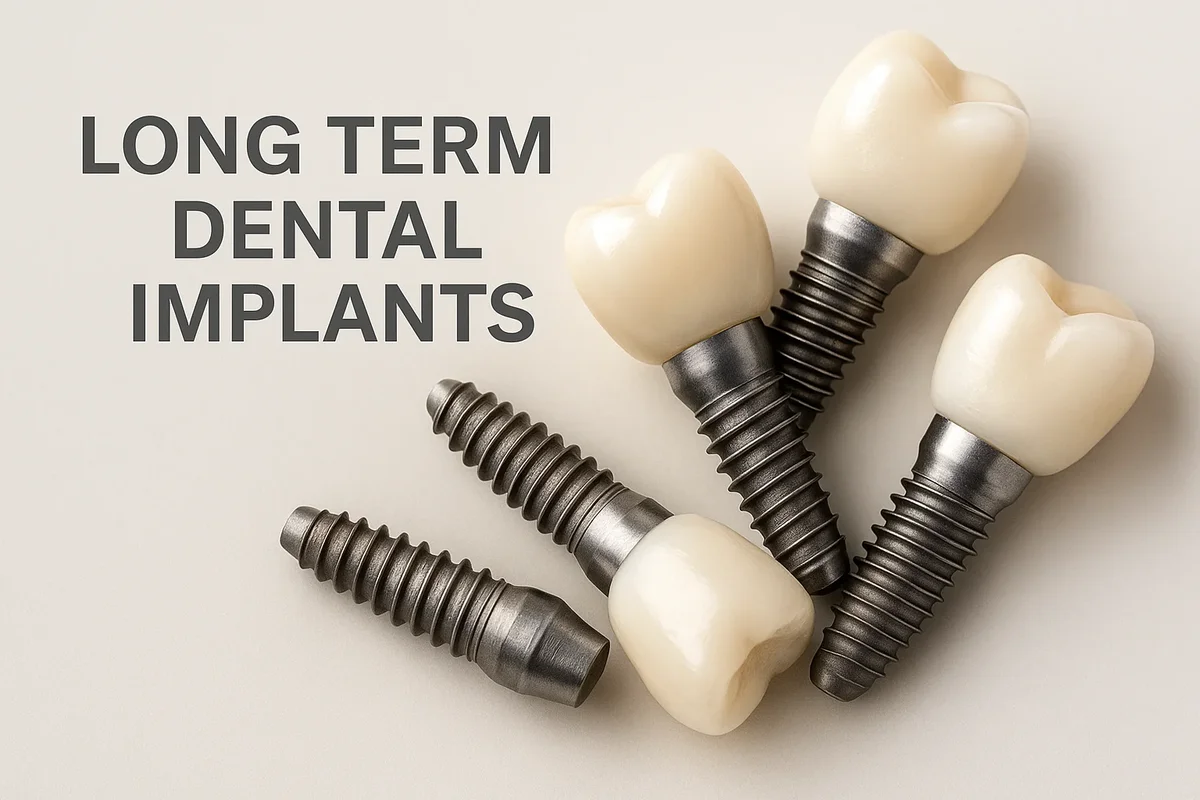
The Science Behind Bone Integration and Long Term Dental Implants
The remarkable long-term success of long term dental implants is rooted in a biological process known as osseointegration—an intricate interaction between implant materials and living bone. This process transforms a biocompatible implant post into a secure, fully functional component of the jaw, capable of supporting chewing forces, maintaining bone density, and restoring natural tooth function. Understanding the science behind bone integration helps patients appreciate why implants last for decades and why they remain superior to traditional restorative options. 🦷✨
The Osseointegration Process Explained
Osseointegration refers to the direct structural connection between living bone and the surface of a load-bearing implant. After the implant post is placed into the jawbone, the body initiates a series of biological responses that encourage bone cells—osteoblasts—to grow and adhere to the implant surface. Over time, this fusion becomes so strong that long term dental implants function almost identically to natural tooth roots.
This healing period typically lasts between 3 to 6 months, depending on bone quality, implant design, and the patient’s overall health. During this phase, avoiding excessive pressure or impact on the implant is crucial to ensure proper integration.
Material Science: Why Titanium and Zirconia Are Ideal
Not all materials are capable of forming a strong bond with bone. Titanium and zirconia, the two most commonly used implant materials, possess exceptional biocompatibility. Titanium has been used for decades and is known for its ability to resist corrosion, support bone cell growth, and withstand heavy chewing forces. Zirconia, a metal-free alternative, offers similar integration properties with enhanced aesthetics due to its tooth-colored appearance.
The Advantages of Modern Implant Surface Technology
Implant manufacturers have developed sophisticated surface treatments that enhance osseointegration. These include:
- Micro-roughened surfaces that increase the surface area for bone contact
- Hydrophilic coatings that attract blood and accelerate healing
- Nanostructured surfaces that promote rapid cell attachment
These advancements reduce healing time and improve long-term stability, giving long term dental implants their exceptional success rate.
The Role of Bone Density in Implant Stability
Healthy bone is essential for successful osseointegration. The jawbone must be strong enough to support the implant and distribute biting forces efficiently. Patients with dense, high-quality bone typically experience faster healing and stronger integration. Conversely, individuals with bone loss—often due to gum disease or long-term denture use—may require bone grafting to rebuild the structure before receiving long term dental implants.
Dentists evaluate bone quality using CBCT scans, which provide detailed 3D imaging of the jaw. These scans help identify the ideal implant placement site and reduce the risk of surgical complications.
How Bone Remodeling Supports Implant Longevity
Bone is a dynamic tissue that constantly rebuilds itself in response to mechanical forces. When a natural tooth is lost, the bone beneath it begins to shrink due to lack of stimulation. Implants reverse this process by transmitting chewing forces into the bone, activating bone remodeling and maintaining bone mass. This is one of the key reasons long term dental implants prevent facial sagging and preserve oral structure far better than dentures or bridges.
Biological Compatibility and Immune Response
A major reason implants succeed is their ability to integrate without triggering a significant immune reaction. Titanium forms a protective oxide layer that prevents corrosion and reduces the likelihood of rejection. The body identifies the implant as a neutral, safe object, allowing bone cells to grow organically around it. This harmonious relationship is essential for the stability of long term dental implants.
Zirconia implants offer similar benefits and are ideal for patients seeking a metal-free alternative. Their hypoallergenic properties make them suitable for individuals with sensitivities to metals.
How Implant Shape and Design Enhance Integration
Implant design has evolved significantly. Modern implants are shaped like natural tooth roots, promoting better load distribution and maximizing bone contact. Threaded surfaces improve initial stability by allowing the implant to “lock” into the bone immediately after placement.
Cone-shaped implants help distribute forces evenly, while platform-switching designs protect the bone around the implant neck, reducing the risk of long-term bone loss. These engineering innovations enhance the success and longevity of long term dental implants.
Immediate Loading vs. Traditional Healing
In some cases, temporary crowns may be placed on the implant immediately after surgery—a process called immediate loading. This technique is ideal for patients who meet certain criteria, such as having excellent bone quality and stable implant placement.
While traditional healing allows for uninterrupted osseointegration, immediate loading offers aesthetic and functional benefits. Both approaches are safe when performed by experienced professionals and supported by strong biological conditions.
The Importance of Surgical Precision
Even the most advanced implant materials depend on precise placement for successful integration. Surgeons use digital workflows, including guided implant surgery, to ensure the implant is positioned at the correct angle, depth, and location. This precision reduces trauma, enhances healing, and improves the long-term stability of long term dental implants.
Post-surgical care also matters. Patients must follow instructions carefully, avoid smoking, and maintain excellent oral hygiene to protect the developing bone-implant bond.
Scientific Validation and Long-Term Outcomes
Decades of research confirm that osseointegration is a reliable and predictable process. Long-term studies show success rates exceeding 95% when implants are placed correctly and maintained properly. Leading global organizations, including the
American Dental Association, support implant therapy as a safe and effective solution for tooth loss.
If you wish to learn whether your bone structure is suitable for implants or want a professional assessment, you can reach out through the
Redent Klinik Contact Page. Our specialists provide personalized evaluations to determine your readiness for long term dental implants.
With advanced materials, innovative surface technologies, and precise surgical techniques, the science behind osseointegration continues to evolve—ensuring that long term dental implants remain one of the most successful and enduring restorative treatments in modern dentistry. 🌟