
Are you looking for dental implants to restore your smile, confidence, and oral health? You’re not alone. Millions of people around the world experience tooth loss due to decay, injury, or gum disease—and dental implants have become the gold standard solution. Unlike removable dentures or bridges, dental implants are a permanent, natural-looking replacement that can last a lifetime with proper care. In this comprehensive guide, we’ll explore what you should know before making a decision, including how dental implants work, their benefits, and what to expect during the process. 🦷
When someone is looking for dental implants, the main goal is often to regain both function and aesthetics. A missing tooth can affect how you eat, speak, and smile. But beyond cosmetics, tooth loss can lead to jawbone deterioration—a problem that dental implants effectively prevent. An implant mimics a real tooth root, integrating with your jawbone to provide a stable foundation for a crown, bridge, or even full-arch restoration.
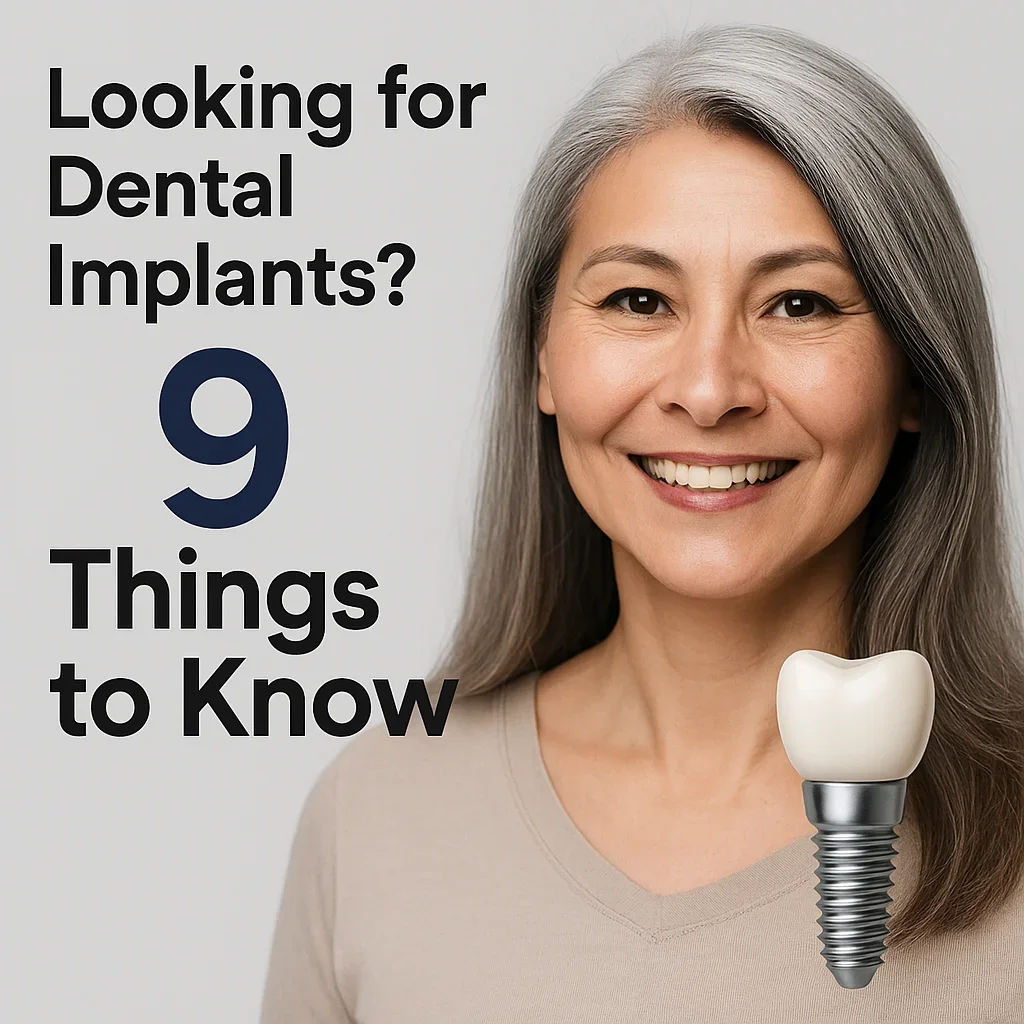
Dental implants are composed of three main parts: the titanium post (which acts as the root), the abutment (which connects the post to the visible tooth), and the dental crown. This structure allows implants to behave and feel like real teeth. For individuals looking for dental implants, understanding this anatomy helps in making an informed decision about their long-term dental investment.
Why Dental Implants Are the Gold Standard of Modern Dentistry
When you’re looking for dental implants, you’re choosing the most advanced and predictable tooth replacement method available today. Unlike traditional dentures, which may slip or cause discomfort, implants remain firmly in place. They also preserve bone density and facial structure—something that no removable alternative can guarantee. Furthermore, with advancements in technology such as 3D imaging and guided surgery, implant placement has become safer and more precise than ever before.
Modern dental clinics like Redent Klinik Contact Page use digital scans to design custom implant treatments tailored to your mouth’s anatomy. This ensures that every patient who is looking for dental implants receives a solution that fits comfortably, functions naturally, and looks aesthetically pleasing. Whether replacing one tooth or a full arch, implants provide the confidence to eat, talk, and smile again without hesitation.
Ideal Candidates for Dental Implants
Many patients assume that implants are only for those who’ve lost multiple teeth—but even if you’re missing just one, you may still benefit. The best candidates are people with healthy gums and sufficient jawbone density to support the implant. If you’re looking for dental implants but have bone loss, modern solutions like bone grafting or zygomatic implants may still make you eligible. Smokers, diabetics, or those with gum disease may need additional treatment first, but most people can successfully receive implants with proper preparation.
The Emotional and Functional Benefits 🌟
Tooth loss can impact more than just your appearance—it can affect your self-esteem, speech, and even nutrition. People who are looking for dental implants often report emotional relief after treatment because implants restore not only their smiles but also their sense of normalcy. Being able to eat favorite foods again, laugh freely, and smile in photos creates a profound positive shift in daily life.
Additionally, implants improve pronunciation by stabilizing the tongue and lips in their natural positions. This helps restore clear speech—something that dentures can’t always achieve. Over time, the enhanced comfort and confidence from implants contribute to overall well-being and quality of life.
Long-Term Health Advantages
Beyond aesthetics, dental implants offer significant oral health benefits. By replacing the root structure of missing teeth, they stimulate the jawbone and prevent the bone resorption that typically occurs after tooth loss. This makes implants the only restorative option that actively maintains bone density. For anyone looking for dental implants, this means protection against facial sagging and premature aging caused by bone shrinkage.
Moreover, implants don’t rely on adjacent teeth for support, unlike dental bridges. This preserves the integrity of surrounding teeth and helps maintain the natural alignment of your bite. Over the long term, this results in better chewing efficiency, digestion, and gum health—creating a positive ripple effect on your entire body.
Choosing a Reliable Clinic
When you’re looking for dental implants, it’s essential to find a clinic that combines experience with technology. Trusted institutions such as the American Dental Association emphasize the importance of credentials and sterilization standards in implantology. Always verify your dentist’s training, certifications, and success rates. Clinics like Redent Klinik in Turkey are globally recognized for offering high-quality dental implants at affordable prices while maintaining world-class standards.
Conclusion
In summary, if you’re looking for dental implants, you’re investing in a life-changing dental solution that enhances both health and confidence. With innovations in digital dentistry and biocompatible materials, implants today are safer, faster to place, and more natural-looking than ever before. By choosing a reputable clinic and following proper care, you can enjoy a lifelong smile that feels as good as it looks. 🌿
Ready to take the next step? Visit the Redent Klinik Contact Page today to book your consultation and start your journey toward a radiant, confident smile.
Why You Might Be Looking for Dental Implants 🦷
There are many reasons why people start looking for dental implants—from aesthetic concerns to serious oral health issues. Tooth loss can occur due to accidents, gum disease, decay, or even genetics. No matter the cause, missing teeth can significantly affect your confidence, nutrition, and overall well-being. Dental implants offer a life-changing solution for individuals who want to restore their smile permanently, without the discomfort or limitations of traditional dentures. Understanding why you might be searching for implants is the first step toward achieving a healthier and more confident life.
Common Reasons for Tooth Loss
Tooth loss is more common than most people think. Adults may lose teeth as a result of untreated cavities, periodontal disease, or trauma. If you’re looking for dental implants, it’s often because these problems have already compromised your natural teeth. Gum disease, for instance, is the leading cause of adult tooth loss and affects millions globally. Over time, it damages the tissues that support teeth, eventually leading to tooth mobility and loss. In such cases, dental implants become the most stable and long-lasting replacement option available.
Other causes include poor oral hygiene, smoking, and even chronic illnesses like diabetes, which can slow healing and promote infection. By understanding what led to tooth loss, patients can prevent similar problems from affecting their new implants. Many people who start looking for dental implants are motivated not just by appearance but by the desire to regain full function and prevent further oral health deterioration.
The Emotional Impact of Missing Teeth 😔
Beyond physical health, missing teeth can have a deep psychological effect. People who are looking for dental implants often feel embarrassed to smile or speak in public. This can lead to social withdrawal, anxiety, and a decline in self-esteem. Smiling is a universal expression of confidence, and losing that can affect personal and professional relationships. Dental implants restore not only your ability to eat and talk normally but also your self-image and emotional balance.
According to studies from the American Dental Association, individuals with missing teeth are more likely to experience reduced life satisfaction compared to those with complete smiles. That’s why looking for dental implants is not merely a cosmetic pursuit—it’s about regaining a fundamental part of one’s identity.
Functional Problems That Lead to Implant Consideration
Tooth loss can disrupt basic oral functions like chewing and speaking. When one or more teeth are missing, surrounding teeth may shift out of alignment, causing bite problems and jaw pain. People who are looking for dental implants usually notice that eating hard or chewy foods becomes difficult. They may also experience slurred speech or discomfort due to pressure imbalances in the jaw.
Implants solve these problems by mimicking natural tooth roots. They integrate directly with the bone, maintaining stability and restoring normal bite pressure. This allows patients to eat a variety of foods again—something that’s often impossible with removable dentures. If you’ve been looking for dental implants because you’re tired of dietary restrictions or discomfort, you’re seeking one of the most effective functional dental restorations available today.
How Jawbone Deterioration Plays a Role
After losing a tooth, the jawbone begins to shrink because it no longer receives stimulation from chewing forces. Over time, this leads to a sunken facial appearance and makes wearing dentures difficult. Patients looking for dental implants are often advised to act quickly before significant bone loss occurs. The sooner implants are placed, the more likely the bone will remain strong enough to support them. For those who have already experienced bone loss, bone grafting or sinus lift procedures can rebuild the necessary support.
Age Is Not a Limiting Factor
Many adults mistakenly believe they are too old for implants. In reality, age is rarely a barrier. As long as you’re in good general health and your gums and bone structure are suitable, you can benefit from dental implants. Whether you’re 30 or 70, if you’re looking for dental implants, modern techniques make the procedure safer and more successful than ever before. Elderly patients often report dramatic improvements in quality of life, including better digestion, speech clarity, and confidence.
When Aesthetic Motivation Meets Health Benefits 🌟
For many, the initial reason for looking for dental implants is cosmetic—a desire for a complete and natural-looking smile. But the advantages go far beyond appearance. Replacing missing teeth helps preserve jawbone integrity, prevent shifting of neighboring teeth, and reduce the risk of gum disease. Moreover, implants are color-matched to your natural teeth, creating a seamless blend that enhances both function and beauty.
The Confidence of a Natural Smile
Patients often report that after getting implants, they smile more freely, feel more approachable, and experience boosts in both personal and professional life. When you’re looking for dental implants, you’re really seeking a long-term emotional and physical transformation—one that brings back not only your smile but your confidence to face the world.
Economic and Long-Term Considerations
Some hesitate to get implants due to cost concerns. While the upfront investment can be higher than dentures or bridges, implants often prove more economical in the long run. They require minimal maintenance and, with proper care, can last a lifetime. For patients looking for dental implants, this durability translates into fewer replacements, fewer dental visits, and consistent comfort over decades. Clinics such as Redent Klinik Contact Page offer personalized consultations and transparent pricing to help patients understand the long-term value of dental implants.
Final Thoughts
Ultimately, the reasons for looking for dental implants are as personal as they are practical. Whether you’ve lost teeth due to age, injury, or illness, implants represent a second chance—a way to restore your natural bite, protect your oral health, and reclaim your smile’s beauty. As more patients discover their long-term success, dental implants continue to redefine what’s possible in modern dentistry. If you’re ready to transform your oral health, explore your options with a trusted professional and take the first step toward a lifetime of confident smiles. 🌿
The Step-by-Step Dental Implant Procedure Explained
If you are looking for dental implants, understanding the full procedure from consultation to recovery will help you feel more confident and informed about your decision. Dental implant surgery is one of the most successful treatments in modern dentistry, with a success rate exceeding 95%. The process is methodical and tailored to each patient, ensuring both functional and aesthetic results. Let’s explore every stage of this transformative journey so you know exactly what to expect.
Initial Consultation and Assessment 🦷
The first step for anyone looking for dental implants is a comprehensive consultation. During this stage, your dentist or oral surgeon will perform a detailed examination of your mouth, teeth, and jawbone. Using advanced digital imaging and 3D cone-beam CT scans, they evaluate bone density and the precise locations where implants can be placed. This diagnostic phase ensures your treatment plan is safe, customized, and highly accurate.
If the examination reveals gum disease, tooth decay, or bone loss, your dentist may recommend preliminary treatments such as scaling, root planing, or bone grafting. Patients who are actively looking for dental implants often undergo these preparatory steps to create a strong foundation for their future implants. This ensures long-term stability and minimizes the risk of failure.
Bone Grafting and Sinus Lift (If Needed)
Some patients don’t have enough natural bone to support implants. In such cases, a bone graft or sinus lift procedure may be performed. Bone grafting involves adding natural or synthetic bone material to strengthen the jaw. A sinus lift, on the other hand, raises the sinus membrane to make room for bone growth in the upper jaw. These steps are essential for individuals looking for dental implants who have been missing teeth for a long time or have experienced bone shrinkage.
The Implant Placement Surgery
Once the mouth is ready, the next phase begins: the surgical placement of the titanium implant post. This step is usually performed under local anesthesia or mild sedation, ensuring patient comfort throughout. The dentist creates a small incision in the gum, drills a tiny hole in the jawbone, and inserts the implant fixture. This titanium screw acts as an artificial tooth root and provides the structural base for the future crown.
For patients looking for dental implants who may be anxious about surgery, modern clinics utilize digital implant navigation systems for precision and minimal invasiveness. The procedure typically takes about one to two hours, depending on the number of implants placed. Once completed, a healing cap is placed over the implant to protect it during recovery.
Osseointegration: The Healing Phase
After the implant post is placed, the most critical part of the process begins—osseointegration. This is the biological process in which the titanium implant fuses with the surrounding bone, creating a stable and permanent foundation. For individuals looking for dental implants, this phase can take anywhere from 3 to 6 months, depending on their healing capacity and bone density.
During this time, it’s essential to maintain excellent oral hygiene and follow your dentist’s instructions. Avoid smoking and excessive alcohol consumption, as these can delay healing. Some patients are fitted with temporary crowns during this period, allowing them to maintain their smile and normal eating habits while the bone integrates.
Post-Surgical Care and Monitoring
Regular check-ups are crucial during the osseointegration phase. Your dentist will monitor healing progress and ensure there are no signs of infection or implant movement. For those looking for dental implants, understanding that patience pays off is key—this stage is what ensures long-term durability and success.
Placement of the Abutment
Once osseointegration is complete, the next step involves attaching the abutment. The abutment is a small connector that links the implant post to the final crown. This minor surgical procedure is typically done under local anesthesia. The gums are reopened, the healing cap is removed, and the abutment is screwed into place. Afterward, the gum tissue is allowed to heal for another couple of weeks around the new structure.
For patients looking for dental implants, this phase marks the transition from healing to restoration. It’s the point at which your replacement tooth begins to take shape and functionality returns.
The Final Restoration: Attaching the Crown 👑
The final stage is the placement of the dental crown—the visible part of your new tooth. Impressions of your mouth are taken to craft a custom-made crown that perfectly matches your surrounding teeth in color, shape, and size. The crown can be cemented or screwed onto the abutment depending on the design. When patients who were looking for dental implants see their completed smile, the transformation is often emotional and life-changing.
Clinics such as Redent Klinik Contact Page specialize in designing crowns using advanced CAD/CAM technology for exceptional precision and natural aesthetics. This ensures that every implant restoration not only feels like a real tooth but also looks indistinguishable from one.
Types of Implant Restorations
- Single Tooth Implant: Used to replace a single missing tooth.
- Implant-Supported Bridge: Ideal for patients missing several teeth in a row.
- All-on-4 or All-on-6 Implants: A full-arch solution using four to six implants to support an entire set of teeth.
Each option serves a different purpose, and those looking for dental implants can choose based on their oral condition, bone structure, and budget.
Recovery and Post-Procedure Instructions
After crown placement, most patients experience only mild swelling or sensitivity for a few days. Proper care, including gentle brushing, regular check-ups, and avoiding excessive pressure on the new implant, ensures long-term success. For individuals looking for dental implants, this is the moment they can finally smile, chew, and speak with full confidence again.
Longevity and Success Rate
With proper care, dental implants can last 25 years or more—often a lifetime. Studies by the American Dental Association confirm their high success rate when placed by skilled professionals. Patients who have gone through the process of looking for dental implants often find that the investment pays off through improved quality of life, stability, and self-assurance.
Conclusion
In summary, the dental implant process is a meticulously planned journey that restores both function and beauty. For anyone looking for dental implants, knowing each stage—from consultation to crown placement—provides clarity and peace of mind. It’s not just about replacing missing teeth; it’s about rebuilding confidence, health, and happiness. When performed by experts at trusted clinics like Redent Klinik, dental implants become a lifelong solution that truly transforms smiles and lives. 🌿
Benefits of Choosing Dental Implants Over Other Treatments
When you’re looking for dental implants, you’re not just seeking a cosmetic upgrade—you’re searching for a long-term, life-changing dental solution. Dental implants stand out among all restorative options because they replicate the natural structure of real teeth, preserve bone health, and restore full oral functionality. Compared to bridges, dentures, or removable partials, implants are a modern, medically advanced solution that offers unmatched stability and aesthetics. This section explains in detail why dental implants are the preferred choice for millions of patients worldwide and how they can positively impact your health, appearance, and quality of life.
1. Natural Look and Feel 🌟
One of the top reasons people are looking for dental implants is that they want a smile that feels as natural as possible. Implants are designed to imitate real teeth—from the root to the crown—providing seamless integration into your mouth. Unlike dentures, which can shift or click when you speak or chew, implants remain firmly anchored in the bone, offering complete comfort and realism.
Modern implant crowns are crafted from durable, high-quality materials such as zirconia or porcelain, customized to match the color, size, and shape of your natural teeth. This ensures that once your treatment is complete, even you may forget which teeth are implants. For patients looking for dental implants to achieve a confident smile, this natural appearance is a major advantage that boosts self-esteem and social comfort.
The Psychological Advantage
Beyond physical restoration, implants offer profound psychological benefits. They restore confidence in speech, laughter, and social interactions. Many individuals who were previously self-conscious about gaps or dentures report an immediate improvement in self-image after receiving implants. When you’re looking for dental implants, you’re really investing in emotional wellness as much as dental health.
2. Long-Term Durability and Stability
Dental implants are built to last a lifetime. Unlike bridges or dentures that may require replacement every 5–10 years, implants can endure for decades with proper care. This makes them a long-term investment in both health and finances. For people looking for dental implants, durability is a deciding factor because it eliminates the need for constant maintenance or refitting.
The reason implants last so long lies in the process of osseointegration—the fusion of the titanium implant with the jawbone. This creates a stable foundation that acts like a natural tooth root. With regular dental check-ups, good oral hygiene, and a healthy lifestyle, your implant can remain in perfect condition for life.
Comparing Longevity: Implants vs. Other Treatments
- Dental Bridges: Typically last 7–10 years and require grinding of adjacent teeth.
- Dentures: Usually last 5–8 years, but need frequent adjustments and adhesives.
- Dental Implants: Often last 25 years or more, maintaining their original strength and function.
These statistics clearly demonstrate why individuals looking for dental implants prefer them over other options—there’s simply no comparison in terms of longevity and reliability.
3. Bone Preservation and Oral Health Benefits
After tooth loss, the jawbone begins to resorb due to a lack of stimulation from chewing. Over time, this can lead to facial sagging and premature aging. Dental implants are the only restorative option that prevents this bone loss by mimicking the pressure and stimulation of a real tooth root. This is one of the key reasons patients looking for dental implants are advised not to delay treatment—acting early helps preserve natural bone structure and facial symmetry.
Unlike bridges, implants don’t require the alteration of adjacent healthy teeth. This protects your remaining natural teeth from unnecessary wear or decay. For anyone looking for dental implants as a long-term solution, these biological advantages make implants the healthiest choice available.
Improved Gum Health and Alignment
Missing teeth can lead to shifting of surrounding teeth and misalignment over time. Dental implants prevent this domino effect by filling the empty space and maintaining proper bite alignment. Additionally, implants are easier to clean than dentures or bridges, reducing the risk of plaque buildup and gum infections. Patients looking for dental implants often notice that maintaining oral hygiene becomes simpler and more effective after the procedure.
4. Enhanced Chewing Power and Functionality 🍎
When comparing options, chewing ability is one of the most practical benefits that attracts people looking for dental implants. Unlike removable dentures that can slip or restrict what you eat, implants allow you to enjoy your favorite foods again—from crisp apples to steak—without discomfort. Because the implant integrates into your jawbone, it restores nearly 90% of your original bite force, something no other restorative method can achieve.
For older adults or patients who have struggled with loose dentures, this improvement in chewing ability significantly enhances nutrition and digestion. When you’re looking for dental implants, you’re investing not only in appearance but also in better long-term health.
5. A Permanent, Cost-Effective Investment
While the initial cost of dental implants may seem higher than other treatments, their longevity and minimal maintenance make them more economical in the long run. Dentures and bridges often require repairs, replacements, and adhesives that add up over time. By contrast, implants are a one-time investment that pays off for decades. Many clinics, including Redent Klinik Contact Page, provide flexible payment options and advanced consultation plans for patients looking for dental implants to ensure affordability and transparency.
Estimated Price Range (2025)
Average cost per dental implant (including crown): $1,000 – $3,000 in Turkey 🇹🇷
Full arch restoration (All-on-4): $4,000 – $8,000
Prices may vary based on bone condition, implant brand, and the number of teeth replaced.
6. Proven Clinical Success and Safety
According to the American Dental Association, dental implants have one of the highest success rates in dentistry—over 95%. This statistic reassures patients looking for dental implants that they are choosing a well-established, scientifically validated treatment. Titanium, the primary material used, is biocompatible and integrates safely with the human body. Furthermore, ongoing advancements in digital planning and surgical techniques continue to increase accuracy and comfort for patients.
Conclusion
In conclusion, there are countless reasons why more people are looking for dental implants every year. They look natural, function like real teeth, and help preserve both bone and gum health. Beyond aesthetics, implants improve speech, chewing efficiency, and self-confidence—while eliminating the daily frustrations of removable dentures. With clinics like Redent Klinik offering expert care and cutting-edge technology, patients can enjoy a beautiful, lasting smile for life. If you’re ready to take control of your oral health and experience the gold standard in tooth replacement, dental implants are the clear and confident choice. 🌿
How to Choose the Right Dentist When Looking for Dental Implants
Choosing the right professional is one of the most crucial steps when you are looking for dental implants. A dental implant is not just a cosmetic treatment—it’s a surgical procedure that requires skill, precision, and experience. Selecting the right dentist ensures long-term success, comfort, and safety. Many patients mistakenly focus solely on price, but the true value lies in the dentist’s expertise, the clinic’s technology, and the overall patient experience. This section provides a comprehensive guide on how to find the ideal implant specialist for your needs and what qualifications, technologies, and indicators you should pay attention to before committing to treatment.
1. Verify the Dentist’s Credentials and Specialization 🩺
When looking for dental implants, always start by confirming that your dentist has advanced training in implantology or oral surgery. General dentists can perform implant procedures, but specialists such as prosthodontists, periodontists, and oral surgeons have additional years of education focused specifically on implant placement, bone structure, and restoration. You can check professional memberships such as those listed by the American Dental Association or similar regional dental associations to verify their expertise.
Ask your dentist about their education, number of successful implant placements, and complication rate. The more experience a dentist has, the higher the likelihood of a flawless result. People looking for dental implants should prioritize clinics that are transparent about their team’s credentials and success statistics. A reputable professional will never hesitate to share their qualifications.
Tip: Check for International Certifications
If you are considering dental tourism—such as traveling to Turkey for treatment—it’s even more important to confirm international certifications. Many dentists at clinics like Redent Klinik Contact Page hold global accreditations in implantology and restorative dentistry, ensuring world-class standards for patients looking for dental implants abroad.
2. Evaluate Clinic Technology and Equipment
The quality of technology used during your procedure directly impacts precision and success. When you’re looking for dental implants, choose a clinic that uses advanced imaging systems such as 3D CBCT (cone beam computed tomography), digital intraoral scanners, and guided implant surgery software. These technologies allow dentists to plan the exact angle, depth, and placement of each implant, minimizing risks and ensuring optimal alignment.
Modern clinics also use CAD/CAM systems to design and mill crowns, ensuring the perfect fit and color match. Clinics investing in cutting-edge tools demonstrate commitment to both safety and excellence, making them a top choice for patients looking for dental implants who want long-term reliability and aesthetic results.
Red Flags to Avoid 🚫
- Clinics that don’t use digital scans or imaging before implant placement.
- Practitioners who rush consultations or provide unrealistic guarantees.
- Unclear treatment costs or refusal to provide a written treatment plan.
These are warning signs that the clinic may not meet professional standards expected by individuals looking for dental implants with safe and effective outcomes.
3. Assess the Dentist’s Communication and Transparency
A trustworthy dentist should clearly explain every stage of the procedure—from diagnosis to aftercare. When you’re looking for dental implants, pay attention to how the dentist communicates. Do they take time to answer your questions? Do they explain potential risks and benefits without pressuring you into a quick decision? Clear and honest communication builds trust and helps ensure you are fully prepared for the journey ahead.
During consultation, a professional dentist should provide a comprehensive treatment plan detailing the number of implants, estimated healing time, and final costs. This transparency is especially important for patients looking for dental implants who want to avoid hidden expenses or unnecessary procedures.
4. Check Patient Reviews and Case Studies
Before making a decision, research the dentist’s reputation. Online reviews, before-and-after photos, and patient testimonials provide valuable insight into the quality of their work. When you’re looking for dental implants, look for clinics that showcase real results and verified patient feedback. This not only proves credibility but also gives you a realistic idea of what to expect.
Trusted clinics often share full case studies with X-ray comparisons, success stories, and videos of patients discussing their experiences. Clinics like Redent Klinik, for instance, maintain transparency by providing detailed galleries and testimonials for patients researching where to get dental implants.
Questions to Ask Previous Patients
- Were you satisfied with your results?
- How was the recovery process?
- Would you recommend the same clinic to others?
Asking these questions can help those looking for dental implants make confident, informed decisions about their treatment provider.
5. Compare Treatment Costs and Financing Options
Cost is often a major factor for anyone looking for dental implants, but price should never be the only deciding element. The most affordable clinic isn’t always the safest or most reliable. Implants require precision surgery, quality materials, and meticulous aftercare—all of which contribute to pricing. However, many clinics offer financing plans, staged payments, or package deals for full-mouth restorations.
Average 2025 Pricing Guide:
• Single Implant (with Crown): $1,200 – $2,500
• All-on-4 Full Arch: $4,000 – $7,500
• Bone Grafting (if needed): $300 – $600
*Costs vary by implant brand, country, and dental lab quality.*
Clinics like Redent Klinik Contact Page often provide transparent cost breakdowns, ensuring that patients looking for dental implants fully understand what is included—such as surgery, abutments, and crown placement—before treatment begins.
6. Observe Clinic Hygiene and Sterilization Protocols 🧴
Cleanliness is non-negotiable when undergoing any surgical dental procedure. As you’re looking for dental implants, ensure that your chosen clinic adheres to strict sterilization standards. The dentist and assistants should always wear gloves, masks, and sterilized instruments. Operating rooms should be spotless and equipped with disposable covers for each patient. Clinics following ADA and international safety protocols minimize the risk of infection and complications.
7. Consider Location and Post-Treatment Care
Follow-up visits are essential for implant success. Patients looking for dental implants should choose a clinic that offers convenient access and responsive post-surgical care. Whether you live locally or are visiting from abroad, ensure that your dentist provides clear aftercare instructions and is available for follow-up check-ups. Good communication during recovery significantly increases implant longevity.
Traveling for Dental Implants? ✈️
Turkey has become a leading destination for patients looking for dental implants due to its high standards of care and affordability. Clinics like Redent Klinik cater specifically to international patients, offering airport transfers, translation support, and comfortable accommodation recommendations to make the entire process stress-free.
Conclusion
When you’re looking for dental implants, choosing the right dentist can make the difference between success and disappointment. A skilled, transparent, and well-equipped professional not only ensures aesthetic perfection but also long-term oral health. Take your time, do your research, and don’t hesitate to ask detailed questions. By selecting an experienced and certified specialist, you’ll be investing in a smile that lasts a lifetime—both in beauty and strength. 🌿
Cost of Dental Implants: What to Expect in 2025 💰
When you’re looking for dental implants, understanding the costs involved is one of the most important steps in your decision-making process. Dental implant treatment is an investment in both health and aesthetics, but the price can vary depending on several factors such as the country, the clinic’s expertise, the number of implants needed, and additional procedures like bone grafting. In 2025, dental implant technology has advanced significantly, making the treatment more efficient, safer, and more accessible—but cost transparency remains key for patients. This section will provide an in-depth overview of implant pricing, influencing factors, and practical tips for managing expenses wisely.
1. Factors That Influence the Cost of Dental Implants
For anyone looking for dental implants, the total cost depends on the complexity of your case and the type of restoration required. A single implant can be relatively affordable, while full-arch restorations or cases involving bone grafting naturally cost more. The following factors have the greatest impact on final pricing:
- Number of implants: Replacing a single tooth is much less expensive than a full-mouth restoration.
- Type of implant system: Premium brands such as Straumann, Nobel Biocare, or Astra Tech typically cost more due to advanced engineering and higher success rates.
- Material quality: Titanium and zirconia implants have different price ranges, with zirconia being slightly more costly for its aesthetics and hypoallergenic properties.
- Location and clinic reputation: Clinics with international accreditation and advanced technology may charge more, but they also ensure safety and precision.
- Additional procedures: Bone grafting, sinus lifts, or extractions can increase overall costs by 20–40%.
Patients looking for dental implants should always request a personalized treatment plan that breaks down each element of the cost before starting the procedure.
2. Average Dental Implant Prices in 2025 🌍
Dental implant prices vary significantly by region. Below is an approximate global comparison for 2025 based on typical single-tooth implant treatments, including abutment and crown:
| Country | Average Cost (USD) |
|---|---|
| Turkey 🇹🇷 | $1,000 – $2,000 |
| United States 🇺🇸 | $3,500 – $6,000 |
| United Kingdom 🇬🇧 | $2,800 – $4,500 |
| Germany 🇩🇪 | $2,500 – $4,000 |
| Thailand 🇹🇭 | $1,200 – $2,200 |
For patients looking for dental implants at affordable rates without compromising quality, Turkey continues to be one of the top destinations in 2025. Clinics like Redent Klinik Contact Page offer world-class implant procedures performed by certified specialists at competitive prices, making it a popular choice for international dental travelers.
Estimated Cost for Different Procedures
- Single Dental Implant (with Crown): $1,000 – $2,000
- Implant-Supported Bridge (3–4 teeth): $2,500 – $4,000
- All-on-4 Implants (Full Arch): $4,000 – $7,000
- All-on-6 Implants (Full Arch): $5,000 – $8,000
- Bone Graft (if required): $300 – $600
- Sinus Lift (if required): $400 – $900
These figures give patients looking for dental implants a realistic view of the total expenses, helping them plan ahead and avoid hidden costs.
3. Why Dental Implants Are Worth the Cost
When looking for dental implants, it’s natural to wonder why they are more expensive than bridges or dentures. The reason lies in the longevity, health benefits, and advanced materials used. Unlike other restorations that require replacements or cause damage to surrounding teeth, implants are permanent. They preserve bone density, prevent jawbone shrinkage, and maintain facial structure—all of which contribute to long-term oral health.
Moreover, implants don’t rely on adhesives or compromise the health of adjacent teeth. This means fewer follow-up procedures, less discomfort, and lower long-term maintenance costs. Patients who are looking for dental implants are essentially investing in a durable, natural-looking solution that can last a lifetime.
Cost vs. Value Comparison
Let’s compare dental implants with other common restorative options:
- Dentures: $800–$2,000 but often uncomfortable, require adhesives, and may slip.
- Dental Bridges: $1,500–$3,000 but require grinding of adjacent healthy teeth.
- Dental Implants: $1,000–$2,500 but last 25+ years and protect bone health.
For those looking for dental implants, this comparison demonstrates that while implants have a higher initial cost, they are far more cost-effective over time.
4. Financing and Payment Options
Most reputable clinics provide flexible financing options to make treatment more affordable. When you’re looking for dental implants, inquire whether the clinic offers installment plans, credit-based payment options, or partnerships with insurance providers. While many dental insurances don’t fully cover implants, partial reimbursement may be possible for the surgical or prosthetic portion of the treatment.
Insurance and Tax Benefits
In some countries, dental implants are classified as restorative medical procedures, allowing partial reimbursement or tax deductions. Patients looking for dental implants should check their local health insurance policies to see if implant-related expenses can be claimed as part of medical coverage.
5. Cost-Saving Tips for Implant Patients
Here are some smart strategies to save money without compromising quality:
- Get multiple consultations before deciding on a clinic.
- Travel abroad to reputable dental tourism destinations like Turkey.
- Choose clinics that include aftercare and warranty services in the package.
- Ask about implant brands—some affordable options still offer excellent durability.
- Book treatments during off-peak seasons for potential discounts.
Following these tips helps patients looking for dental implants make informed, financially responsible decisions while still receiving top-tier dental care.
6. Hidden Costs to Be Aware Of ⚠️
Always request a full treatment breakdown. Some clinics may quote only the surgical portion, excluding the cost of abutments, crowns, or aftercare. Patients looking for dental implants should ask for all-inclusive pricing that covers X-rays, consultation, anesthesia, and temporary restorations. This transparency helps avoid unexpected expenses mid-treatment.
7. Why Turkey Is Leading in Affordable Quality Care 🇹🇷
Turkey has become a global hub for patients looking for dental implants due to its combination of affordability, modern facilities, and internationally trained dentists. Clinics like Redent Klinik Contact Page provide advanced implant systems using world-renowned brands at a fraction of Western prices. Moreover, dental tourism packages often include hotel accommodation and transportation, making the process seamless for international patients.
Conclusion
Understanding the financial aspects of implant treatment helps you plan effectively and make the best choice for your health and budget. While the upfront investment may seem significant, patients looking for dental implants should consider the lifelong benefits—improved confidence, oral function, and bone preservation. In 2025, advanced techniques and global competition have made dental implants more accessible than ever before. Whether you choose a local or international clinic, ensure that your investment aligns with quality, safety, and long-term success. A healthy, confident smile is always worth it. 🌿
Healing and Aftercare Tips for Successful Dental Implants
For patients looking for dental implants, understanding the healing and aftercare process is just as crucial as the surgery itself. Even though dental implants boast a success rate of over 95%, proper post-operative care determines whether your implants fully integrate with the bone and last a lifetime. Healing is not merely about waiting—it involves disciplined hygiene, nutrition, and follow-up care that support osseointegration and prevent infection. In this section, we’ll walk you through each stage of recovery and provide expert aftercare tips to ensure the best possible results after implant surgery.
1. The First 48 Hours After Surgery 🕒
The first two days following surgery are critical for anyone looking for dental implants and undergoing placement. During this period, your body begins its natural healing response. Slight swelling, mild discomfort, and light bleeding are normal and typically subside within 24–48 hours. Dentists usually recommend using an ice pack for 15 minutes on and off to minimize swelling. Avoid touching the implant site or rinsing forcefully, as this can dislodge the clot and delay healing.
Patients looking for dental implants should also avoid smoking or consuming alcohol, as both interfere with blood flow and slow down bone recovery. Stick to soft foods such as yogurt, soups, or smoothies to reduce strain on the surgical site.
Recommended First-Day Routine
- Apply ice packs intermittently for swelling control.
- Rest with your head elevated to reduce inflammation.
- Take prescribed pain relievers and antibiotics as directed.
- Avoid physical exertion for 24–48 hours.
Maintaining discipline during these early days is key for patients looking for dental implants who want smooth, complication-free healing.
2. Maintaining Oral Hygiene During Recovery 🪥
Proper hygiene is one of the most important aftercare factors for those looking for dental implants. However, cleaning must be done gently to prevent irritation. For the first few days, you should avoid brushing directly over the surgical site. Instead, use a soft-bristled toothbrush to clean surrounding teeth and rinse with a prescribed antibacterial mouthwash or saline solution.
Oral Hygiene Best Practices
- Brush twice daily using a soft or surgical toothbrush.
- Rinse with salt water (½ teaspoon salt in a glass of warm water) after meals.
- Avoid using alcohol-based mouthwashes for the first week.
- Never use toothpicks or sharp objects near the implant area.
Patients looking for dental implants should remember that bacteria accumulation is the number one cause of early implant failure. Consistent yet gentle cleaning helps the implant site heal properly and promotes faster osseointegration.
3. Diet and Nutrition During the Healing Phase 🍲
Your diet plays a pivotal role in the healing process. For anyone looking for dental implants, following a nutrient-rich, soft food plan accelerates recovery and minimizes discomfort. Avoid hot, spicy, or crunchy foods for at least one week, as they can irritate the surgical site. Instead, opt for soft and nourishing meals that provide essential vitamins and minerals for tissue regeneration.
Foods That Support Healing
- Protein-rich foods: Eggs, fish, and Greek yogurt help tissue repair.
- Vitamin C sources: Smoothies with berries and oranges strengthen gums.
- Calcium and zinc: Milk and nuts enhance bone regeneration.
- Hydration: Drink plenty of water to flush toxins and maintain circulation.
Patients looking for dental implants should also avoid caffeine during the early stages, as it can slow bone growth and cause dehydration.
4. Osseointegration: The Critical Healing Stage 🦴
Osseointegration is the biological process where the titanium implant fuses with your jawbone, forming a stable foundation for your artificial tooth. For most patients looking for dental implants, this stage takes 3–6 months, depending on bone density and overall health. This period is crucial; even though discomfort subsides after a few days, internal healing continues for months.
During osseointegration, it’s vital to follow your dentist’s recommendations closely. Avoid chewing hard foods on the implant side, don’t skip follow-up visits, and notify your dentist immediately if you notice excessive pain or swelling. Patience during this stage ensures long-term success for individuals looking for dental implants who want a lifetime of comfort and durability.
Signs of Healthy Osseointegration
- Absence of pain or inflammation after 1–2 weeks.
- Firmness and stability at the implant site.
- Gradual improvement in bite strength.
5. Avoiding Complications During Recovery
Even though dental implants are highly successful, poor aftercare can lead to complications like infection, implant mobility, or peri-implantitis (gum inflammation around the implant). For people looking for dental implants, understanding these risks helps prevent them. Follow-up appointments allow your dentist to detect early issues and perform necessary cleanings or adjustments.
Common Causes of Implant Complications
- Neglecting oral hygiene or skipping follow-ups.
- Smoking, which reduces blood supply to gums and bone.
- Uncontrolled medical conditions like diabetes.
- Using excessive force while brushing near the implant area.
Patients looking for dental implants should also avoid grinding their teeth or clenching their jaw during the healing phase, as this can place undue pressure on the implant before it’s fully integrated.
6. The Role of Follow-Up Visits and Professional Care
Follow-up visits are essential to track your healing progress. Dentists typically schedule check-ups at one week, one month, and three months after surgery. Patients looking for dental implants should attend every appointment, as this allows professionals to ensure proper integration and detect any early warning signs. Professional cleanings and imaging help confirm that the bone and implant are bonding correctly.
Clinics like Redent Klinik Contact Page provide comprehensive post-operative care programs, ensuring every patient looking for dental implants receives continuous monitoring until full recovery. This long-term support greatly enhances implant longevity and success.
7. Lifestyle Adjustments for Better Healing 🌿
Good overall health accelerates healing. If you’re looking for dental implants or have recently undergone the procedure, maintain a balanced lifestyle by eating nutritious meals, staying hydrated, and avoiding tobacco. Sleep also plays a significant role—aim for at least 7–8 hours per night to allow your body to repair tissue efficiently. Incorporating light exercise after the first week (such as walking) can also improve blood circulation, helping nutrients reach the implant site faster.
What to Avoid During Recovery
- Smoking and alcohol consumption for at least two weeks.
- Hard, sticky foods like nuts, candy, or crusty bread.
- Touching or poking the implant area with your tongue or fingers.
- Skipping medications or post-operative appointments.
By avoiding these mistakes, patients looking for dental implants can significantly reduce the risk of implant failure and enjoy faster recovery times.
Conclusion
Healing after dental implant surgery requires patience, consistency, and commitment. For those looking for dental implants, understanding aftercare is as important as choosing the right dentist. By maintaining excellent oral hygiene, following dietary recommendations, and attending follow-up appointments, you give your implants the best chance to integrate successfully and last for decades. A well-healed implant not only restores your ability to chew and smile naturally but also protects your bone health and overall oral function. Follow these proven recovery tips, and your new smile will reward you with a lifetime of confidence and comfort. 🌟
Common Mistakes to Avoid When Looking for Dental Implants
When you’re looking for dental implants, it’s easy to focus on the excitement of regaining a beautiful, functional smile. However, dental implants are a medical investment that requires careful planning, patience, and commitment. Many patients unknowingly make mistakes before, during, or after treatment that can lead to complications, extended recovery times, or even implant failure. By understanding these pitfalls and learning how to avoid them, you can ensure that your implant journey is smooth, successful, and long-lasting.
1. Choosing a Dentist Based Only on Price 💸
One of the most common mistakes people make when looking for dental implants is choosing a clinic solely based on cost. While affordability matters, low prices can sometimes indicate compromises in materials, technology, or expertise. Dental implant placement is a surgical procedure that requires precision and experience. Selecting a provider without verifying their qualifications can result in improper implant placement, bone damage, or aesthetic problems.
Patients looking for dental implants should always check a dentist’s certifications, years of experience, and success rates before committing. Clinics like Redent Klinik Contact Page maintain transparency about credentials and use globally recognized implant brands for maximum reliability and safety.
Tip:
Ask how many implants the dentist places per year. Specialists with hundreds of successful cases annually are far more likely to deliver precise, long-lasting results.
2. Ignoring the Importance of a Comprehensive Consultation
Another mistake patients make when looking for dental implants is rushing into surgery without a full diagnostic evaluation. A proper consultation should include 3D imaging, digital X-rays, and a detailed review of your medical history. Skipping this stage increases the risk of bone insufficiency, sinus complications, or improper implant sizing.
Experienced clinics conduct bone density assessments and use digital planning software to ensure precise placement. Individuals looking for dental implants should insist on receiving a customized treatment plan that outlines every step, from surgery to aftercare, before agreeing to the procedure.
3. Overlooking Bone and Gum Health Before Surgery
Healthy gums and sufficient bone density are essential for successful implant integration. Some patients looking for dental implants underestimate the importance of pre-surgical preparation. If gum disease or bone loss is left untreated, the implant may not fuse properly with the bone, leading to early failure. Periodontal treatment or bone grafting may be necessary before implantation to strengthen the foundation.
When you’re looking for dental implants, choose a clinic that performs a full periodontal evaluation and offers bone augmentation if needed. This step ensures that your implant will remain stable for decades.
Warning Signs of Poor Implant Candidacy
- Chronic gum bleeding or inflammation
- Loose or shifting teeth
- History of severe bone loss in the jaw
- Uncontrolled diabetes or smoking habit
Addressing these issues early can make all the difference for patients looking for dental implants who want lasting results.
4. Failing to Follow Post-Surgery Instructions
Even if the surgery goes perfectly, improper aftercare can compromise the outcome. Patients looking for dental implants often resume normal activities too soon, neglect oral hygiene, or ignore follow-up visits. These actions can lead to infection or implant loosening.
After your surgery, follow every instruction given by your dentist: maintain a soft diet, avoid smoking, and use antiseptic rinses regularly. Patients who adhere strictly to post-surgical care have a much higher rate of implant success. Remember, the healing phase is when the implant becomes part of your body—treat it with care and patience.
Example of a Common Mistake:
Drinking through a straw after surgery may seem harmless, but the suction can dislodge the blood clot and delay healing. Small habits like this can make a big difference for individuals looking for dental implants to achieve flawless results.
5. Neglecting Regular Dental Check-Ups 🦷
Another major oversight is skipping post-operative appointments. Patients looking for dental implants sometimes assume that once the implant is placed, no further care is needed. However, follow-ups allow your dentist to monitor osseointegration, detect early inflammation, and ensure proper gum adaptation.
Most specialists recommend check-ups at one week, one month, three months, and then every six months. Missing these visits increases the risk of long-term complications like peri-implantitis. Regular professional cleanings also prevent plaque buildup around the implant, ensuring its longevity.
6. Choosing the Wrong Implant System or Materials
Not all implants are the same. Some patients looking for dental implants unknowingly accept outdated or low-quality systems to save money. High-quality implants from trusted brands like Nobel Biocare, Straumann, or MIS offer proven biocompatibility and durability. These materials integrate with bone more efficiently and resist corrosion or mechanical wear.
Why Implant Brand Matters
Cheaper, unverified implants might not fit accurately, leading to discomfort or premature failure. Patients looking for dental implants should always ask their dentist about the manufacturer, material composition, and warranty. Reputable clinics only use CE- or FDA-approved implants for guaranteed safety.
7. Smoking During the Healing Period 🚭
Smoking is one of the biggest enemies of dental implants. For people looking for dental implants who smoke, it’s crucial to understand that nicotine constricts blood vessels, reducing oxygen and nutrient supply to the surgical area. This can delay healing and significantly increase the risk of implant rejection.
Ideally, patients should quit smoking at least two weeks before surgery and avoid it for two months afterward. Those committed to quitting permanently will experience improved healing, better gum health, and greater implant success rates.
8. Not Researching the Clinic’s Reputation
Before deciding where to get your implants, always research online reviews, patient testimonials, and before-and-after images. Clinics with consistent positive feedback and transparent communication are the safest options for anyone looking for dental implants. Websites, Google reviews, and dental forums can provide insights into patient satisfaction and results.
Trusted facilities like Redent Klinik Contact Page feature detailed portfolios and case studies, allowing potential patients to verify quality before traveling or booking an appointment.
Checklist for Evaluating a Clinic
- Do they provide digital imaging and 3D planning?
- Are their dentists internationally certified?
- Do they offer transparent, written treatment plans?
- Is there an aftercare and warranty policy?
9. Expecting Immediate Perfection
Some patients looking for dental implants expect instant results, assuming they’ll walk out with a brand-new smile right after surgery. In reality, dental implants require a healing phase of several months before the permanent crown can be attached. Temporary restorations are often used during this time to protect the site and maintain aesthetics. Understanding this process helps set realistic expectations and prevents disappointment.
Implants are a gradual, biological process that rewards patience with long-term success. Rushing the timeline can lead to failed osseointegration or misalignment.
10. Underestimating Maintenance Needs
Dental implants require regular cleaning, flossing, and professional maintenance—just like natural teeth. Patients looking for dental implants sometimes assume they are “set and forget,” but neglecting hygiene can lead to gum inflammation or infection. Use interdental brushes and non-abrasive toothpaste, and schedule routine check-ups every six months. Proper care ensures your implants remain healthy and functional for decades.
Conclusion
Avoiding these common mistakes can dramatically improve your success and satisfaction with dental implants. For those looking for dental implants, taking time to choose a qualified professional, following post-surgical care instructions, and maintaining regular check-ups will ensure lasting results. Remember, dental implants are not just about restoring your smile—they’re about restoring your health, confidence, and quality of life. Choose wisely, care diligently, and your new smile will truly last a lifetime. 🌿
Long-Term Benefits of Dental Implants: Why They’re Worth It
When you’re looking for dental implants, it’s important to understand that this treatment offers much more than just aesthetic improvement. Dental implants are a long-term investment in your health, confidence, and quality of life. They provide permanent, natural-looking results that preserve your bone, improve chewing function, and maintain facial harmony. Unlike dentures or bridges that may need frequent adjustments, implants are designed to last for decades—sometimes even a lifetime—when properly cared for. In this section, we’ll explore the many long-term benefits of dental implants and explain why they’re considered the gold standard in modern dentistry.
1. Permanent and Durable Tooth Replacement ⚙️
For people looking for dental implants, durability is one of the main reasons to choose them over other tooth replacement options. Dental implants are made from high-grade titanium or zirconia, materials that naturally integrate with bone through a process called osseointegration. Once fused, the implant becomes a part of your jaw’s structure, providing the same strength as a natural root. With proper hygiene and maintenance, implants can last 25 years or more, outlasting bridges and dentures many times over.
Unlike dentures that can loosen or break, implants offer stability and peace of mind. Patients looking for dental implants appreciate that they can eat, speak, and smile without worrying about movement or discomfort.
Comparison Table: Implant vs. Traditional Restorations
| Feature | Dental Implants | Bridges/Dentures |
|---|---|---|
| Longevity | 25+ years (lifetime potential) | 5–10 years |
| Bone Preservation | Yes ✅ | No ❌ |
| Natural Feel | Feels like real teeth | Can feel artificial |
| Maintenance | Simple daily hygiene | Frequent adjustments needed |
2. Preservation of Jawbone Health 🦴
When a tooth is lost, the underlying bone begins to deteriorate due to lack of stimulation. This bone loss can lead to facial collapse and premature aging. For those looking for dental implants, one of the greatest long-term advantages is bone preservation. Implants mimic the function of natural tooth roots, providing necessary stimulation to the jawbone each time you chew.
This process not only maintains bone density but also prevents the “sunken face” look often associated with denture wearers. People looking for dental implants will notice that their facial shape remains youthful and stable for years.
Did You Know?
Studies published by the American Dental Association show that dental implants reduce bone loss by up to 90% compared to traditional dentures, highlighting their significant long-term benefit.
3. Improved Chewing Efficiency and Digestion 🍽️
Chewing efficiency is another key benefit for patients looking for dental implants. Dentures can slip or cause sore spots, reducing your ability to enjoy hard or crunchy foods. Implants, on the other hand, allow you to eat normally and comfortably. Since they function like real teeth, you can chew thoroughly, which aids in digestion and overall nutrition.
Better chewing also contributes to healthier eating habits. Patients looking for dental implants often find themselves enjoying fruits, vegetables, and proteins they once avoided due to discomfort, leading to improved overall health and well-being.
4. Natural Appearance and Confidence Boost 😁
When you’re looking for dental implants, aesthetics are often a top concern—and rightly so. Implants are custom-designed to match your natural teeth in color, size, and shape, creating a flawless smile. This natural look enhances self-confidence, allowing you to laugh, talk, and interact freely without worrying about dentures shifting or slipping.
For professionals, social individuals, and anyone who values appearance, dental implants provide a permanent confidence boost. The psychological impact of regaining a beautiful smile cannot be overstated—it influences how others perceive you and how you feel about yourself.
Before and After: The Confidence Transformation
- Before: Avoiding social gatherings or photographs due to missing teeth.
- After: Smiling naturally in public, speaking confidently, and feeling rejuvenated.
Patients looking for dental implants frequently describe the transformation as life-changing, restoring both function and happiness.
5. Long-Term Cost-Effectiveness 💰
Although the initial investment may seem higher, patients looking for dental implants should view them as a one-time expense rather than an ongoing cost. Unlike dentures or bridges that need frequent replacements, adjustments, or adhesives, implants rarely require major maintenance after healing. Over 10–20 years, implants prove significantly more cost-effective than alternative treatments.
Example Calculation
Average 20-Year Cost:
• Dental Implants: $3,000–$5,000 (one-time)
• Dentures: $1,500–$2,000 every 5 years → $6,000–$8,000 total
• Bridges: $2,500–$3,000 every 10 years → $6,000+ total
Thus, for those looking for dental implants, the long-term savings and convenience far outweigh the upfront expense.
6. No Impact on Neighboring Teeth
Bridges require grinding down adjacent healthy teeth to support the prosthetic. For people looking for dental implants, this is a major advantage—implants do not harm or depend on neighboring teeth. Each implant stands independently, preserving natural tooth structure and promoting long-term oral health.
By avoiding unnecessary stress on nearby teeth, implants help prevent future complications such as enamel wear or cavities. Patients looking for dental implants can rest assured that their remaining natural teeth will stay strong and intact.
7. Enhanced Speech and Comfort
Dentures sometimes slip, causing speech difficulties or slurred words. For patients looking for dental implants, this is never a problem. Implants are securely anchored, allowing for clear pronunciation and comfortable speaking. Because they feel natural, most patients forget they even have implants after a short period of adjustment.
Comfort is another overlooked yet significant benefit. Implants eliminate the need for messy adhesives or uncomfortable acrylic bases, offering a truly seamless and natural experience.
8. Lifelong Oral Health Benefits
Implants promote better oral hygiene and gum health. When patients are looking for dental implants, they often don’t realize that missing teeth can lead to shifting of adjacent teeth, gum recession, and bite misalignment. Implants prevent these issues by filling the gap and maintaining balance in your mouth.
Additionally, because implants are easier to clean than bridges, they reduce the risk of gum disease and decay. Maintaining daily brushing, flossing, and routine dental checkups ensures long-term oral stability for those looking for dental implants.
9. Psychological and Social Benefits 🌟
The emotional transformation that comes with restored teeth cannot be overstated. Many patients looking for dental implants report improved self-esteem, better social relationships, and renewed motivation to engage in public life. Smiling confidently enhances mood and influences how others perceive your friendliness and approachability. These psychological benefits often extend far beyond dental health, improving one’s overall quality of life.
Conclusion
In summary, dental implants are not just a tooth replacement—they’re a life improvement. For people looking for dental implants, the long-term benefits include strength, comfort, aesthetics, and health preservation. They prevent bone loss, restore natural function, and enhance confidence, making them the best choice for those seeking a permanent solution. Whether you’re replacing one tooth or an entire arch, dental implants offer value that lasts a lifetime. To learn more about getting started, contact the professionals at Redent Klinik Contact Page for a personalized consultation today. 🌿
Top Questions People Ask When Looking for Dental Implants (FAQ)
When you’re looking for dental implants, it’s natural to have questions about the process, results, and long-term expectations. Dental implants are one of the most advanced and reliable solutions for replacing missing teeth, but patients often want to understand every detail before committing. This comprehensive FAQ section addresses the most common and important questions asked by patients worldwide. Whether you’re curious about the cost, procedure, healing time, or durability, this guide will help you make an informed decision and feel confident about your dental implant journey.
1. What Are Dental Implants and How Do They Work?
Dental implants are artificial tooth roots made from biocompatible materials like titanium or zirconia. For patients looking for dental implants, it’s important to understand that these devices are surgically inserted into the jawbone, where they fuse naturally through a process known as osseointegration. Once integrated, they provide a stable foundation for crowns, bridges, or dentures, restoring both functionality and aesthetics.
Key Components of a Dental Implant:
- Implant Fixture: The root-like structure inserted into the bone.
- Abutment: The connector piece that attaches the crown to the implant.
- Crown: The visible part that resembles a natural tooth.
For people looking for dental implants, this system offers the closest experience to having real teeth, providing strength, durability, and comfort for decades.
2. Who Is a Good Candidate for Dental Implants?
Not everyone automatically qualifies for implant surgery. Patients looking for dental implants should have healthy gums, adequate jawbone density, and no uncontrolled medical conditions such as diabetes or severe heart disease. Non-smokers tend to have a higher success rate because smoking interferes with healing.
Even if you’ve suffered bone loss, don’t worry—modern bone grafting techniques can restore volume and make implants possible. A qualified implant specialist will evaluate your oral condition through digital scans and 3D imaging before recommending a treatment plan.
Ideal Candidate Checklist ✅
- Good overall health
- Healthy gums with no active infection
- Adequate jawbone structure
- Commitment to oral hygiene
- Non-smoker or willing to quit temporarily
Clinics like Redent Klinik Contact Page specialize in advanced evaluation to ensure every patient looking for dental implants gets a customized, safe treatment plan suited to their specific needs.
3. Is the Dental Implant Procedure Painful? 😷
Many people looking for dental implants fear that the surgery might be painful. In reality, the procedure is performed under local anesthesia, making it virtually painless. Patients typically report feeling pressure rather than pain during surgery. Post-operative discomfort is manageable with over-the-counter pain relievers, and swelling generally subsides within a few days.
Pain Management Tips
- Follow your dentist’s instructions for prescribed medication.
- Use ice packs to reduce swelling.
- Sleep with your head elevated for the first 48 hours.
With proper care and rest, most patients looking for dental implants recover comfortably within one week.
4. How Long Does It Take to Get Dental Implants?
The overall timeline depends on your specific case. For most people looking for dental implants, the process takes 3–6 months from start to finish. The steps include consultation, surgery, healing (osseointegration), and crown placement. However, some patients may qualify for “immediate load” or “same-day implants,” where temporary teeth are placed right after surgery.
Typical Implant Timeline:
- Consultation & Imaging: 1–2 days
- Surgery: 1–2 hours per implant
- Healing Phase: 3–6 months
- Permanent Crown Placement: 1–2 weeks after healing
Individuals looking for dental implants abroad—such as in Turkey—often enjoy streamlined treatment schedules designed for international patients, allowing completion within two short visits.
5. How Much Do Dental Implants Cost in 2025? 💰
Costs vary depending on the number of implants, materials used, and the clinic’s location. In 2025, patients looking for dental implants can expect the following average price ranges:
| Procedure Type | Average Cost (USD) |
|---|---|
| Single Implant (with Crown) | $1,000 – $2,000 (Turkey) |
| All-on-4 Full Arch | $4,000 – $7,000 |
| Bone Grafting (if needed) | $300 – $600 |
Remember that while cost is important, expertise and technology should never be compromised. Trusted clinics like Redent Klinik offer transparent pricing and international patient packages, making them ideal for anyone looking for dental implants with quality assurance.
6. How Successful Are Dental Implants?
Success rates for modern implants exceed 95% when placed by skilled professionals. Patients looking for dental implants should understand that proper aftercare and regular dental check-ups are essential for maintaining this success. Avoiding smoking, maintaining oral hygiene, and attending follow-up visits dramatically improve longevity.
Longevity Factors
- Proper osseointegration (bone fusion)
- Routine professional cleaning
- Healthy diet and lifestyle
- Use of top-quality implant materials
With consistent care, implants can last a lifetime, offering excellent value for patients looking for dental implants who seek durability and reliability.
7. Can Dental Implants Fail?
Although rare, implant failure can occur due to infection, poor bone integration, or neglecting oral hygiene. People looking for dental implants should avoid habits such as smoking or grinding teeth excessively, as these can weaken the implant’s stability. Early detection and professional intervention can usually resolve minor issues before they become serious.
Warning Signs to Watch For:
- Persistent pain or swelling beyond two weeks
- Movement or loosening of the implant
- Bleeding or pus near the implant site
If you notice any of these symptoms, contact your dentist immediately. Prompt attention ensures successful recovery for anyone looking for dental implants and wishing to maintain lifelong results.
8. Are Dental Implants Safe?
Yes—dental implants are a medically approved, biocompatible, and highly researched solution. For patients looking for dental implants, safety is paramount. Titanium and zirconia implants are designed to integrate with the human body without triggering allergic reactions. Reputable clinics also follow strict sterilization and surgical protocols that meet global standards such as those set by the American Dental Association.
Choosing an experienced implantologist and a well-equipped clinic significantly reduces risks. Always ensure that your dental team performs 3D scans and uses guided implant surgery for precise placement.
9. How Do I Care for My Dental Implants?
Post-surgery, patients looking for dental implants should maintain excellent oral hygiene. Brush twice daily using a soft toothbrush, floss gently, and rinse with an antimicrobial mouthwash. Regular dental check-ups every six months help ensure early detection of any potential issues. Implants do not decay, but the surrounding gums must remain healthy to support them long-term.
Daily Care Checklist:
- Use non-abrasive toothpaste and a soft-bristled brush.
- Clean between implants using interdental brushes.
- Rinse after meals to prevent bacterial buildup.
- Attend routine dental cleanings and X-rays annually.
10. How Do I Get Started with Dental Implants?
The first step for anyone looking for dental implants is scheduling a consultation with a qualified specialist. The dentist will perform a detailed assessment, review your medical history, and create a personalized treatment plan. If bone loss is detected, preparatory procedures like grafting may be recommended before implant placement. Clinics such as Redent Klinik Contact Page offer complete start-to-finish services, including consultation, surgery, and follow-up care—all under one roof.
Steps to Begin Your Implant Journey
- Book a professional consultation.
- Undergo diagnostic imaging (3D CBCT scan).
- Review your treatment options and pricing.
- Schedule your surgery with a certified specialist.
Conclusion
Understanding the answers to these common questions helps patients make confident, informed decisions. For those looking for dental implants, knowledge is power—knowing what to expect, how to care for your implants, and where to seek treatment ensures the best possible outcome. Dental implants represent not just a functional solution, but a lifelong investment in oral health and self-confidence. 🌿