
Dental implants are designed to be a long-lasting, stable solution for missing teeth. They are built from three main components: the titanium implant post placed into the jawbone, the abutment that connects the post to the restoration, and the crown that looks and functions like a natural tooth. However, even with advanced materials and precise placement, complications can occur. One of the most common mechanical issues patients experience is loose dental implant screws. Understanding why loose dental implant screws happen, what they mean for your oral health, and how they are treated is essential for protecting your investment and maintaining a healthy smile. 😊
Loose dental implant screws refer to the condition where the small screw that secures the abutment or crown to the implant fixture becomes unstable or partially unscrewed. This is different from complete implant failure. In most cases, the implant itself remains integrated with the bone, but the connecting screw loses its tightness due to mechanical stress or other factors. When loose dental implant screws are detected early, they are usually straightforward to correct. However, ignoring them can lead to more serious complications.
The screw inside a dental implant system plays a critical role in maintaining structural integrity. It is precisely torqued during placement using calibrated instruments to ensure optimal clamping force. This force keeps the components tightly connected under normal chewing pressure. Over time, repeated biting forces, especially in patients who grind their teeth (bruxism), can cause micro-movements. These micro-movements may gradually reduce the preload of the screw, resulting in loose dental implant screws.
It is important to understand that loose dental implant screws are primarily a mechanical complication, not an infection. Many patients worry that looseness automatically means the implant has failed or that the bone has rejected it. In reality, the titanium implant post often remains fully fused with the jawbone in a process known as osseointegration. The problem usually lies in the connection between components, not the bone-implant interface.
Another term sometimes used interchangeably with loose dental implant screws is “implant screw loosening” or “abutment screw instability.” These related terms describe the same issue: the loss of tight contact between implant parts. Regardless of terminology, the core concern remains ensuring that the implant restoration remains stable and functional.
Why does this matter so much? Because stability is key to both comfort and longevity. When loose dental implant screws are present, patients may feel slight movement in the crown, hear clicking sounds while chewing, or notice discomfort when biting down. If left untreated, this instability can place additional strain on surrounding components. Over time, this may cause wear of the screw threads, fracture of the screw, or even damage to the implant fixture itself.
Loose dental implant screws can occur at any stage after treatment. Some cases appear within the first year due to functional adjustments, while others may arise several years later as a result of cumulative bite forces. Factors such as improper torque during placement, misaligned bite (occlusal imbalance), long-span bridges, or insufficient implant support can increase the likelihood of screw loosening.
Fortunately, modern implant systems are designed with this possibility in mind. Dentists use advanced torque control devices to achieve manufacturer-recommended preload levels. Additionally, high-quality implant brands use precision-engineered screws to reduce the risk of loose dental implant screws. According to clinical guidelines supported by the American Dental Association, regular follow-up visits are essential to detect and manage mechanical complications early.
If you suspect loose dental implant screws, do not attempt to tighten anything yourself. This can cause cross-threading or permanent damage. Instead, contact your dental professional promptly. At specialized clinics, the dentist will remove the crown if necessary, inspect the components, and retighten or replace the screw using calibrated instruments. If you need expert evaluation, you can easily reach out through the Redent Klinik Contact Page to schedule an assessment.
In summary, loose dental implant screws are a manageable and relatively common mechanical issue rather than a catastrophic failure. Early recognition is the key to preventing complications. With proper maintenance, professional monitoring, and timely intervention, most cases of loose dental implant screws can be resolved quickly and effectively, allowing you to continue enjoying the comfort, function, and confidence that dental implants are meant to provide. 🦷✨
1. What Are Loose Dental Implant Screws?
To fully understand loose dental implant screws, it is important to first understand how a dental implant system works. A dental implant is not a single solid piece. Instead, it is a carefully engineered structure made of multiple components that must function together under daily chewing pressure. When any part of this system loses stability, complications may arise. Loose dental implant screws specifically refer to the mechanical loosening of the tiny screw that connects the implant fixture to the abutment or crown.
In a standard implant restoration, the titanium implant post is surgically placed into the jawbone. After healing and osseointegration, an abutment is attached to the implant. This connection is secured with a small but extremely strong screw. The crown is then placed on top. The integrity of this screw joint is essential. When loose dental implant screws develop, the connection between these components becomes unstable, even if the implant itself remains firmly integrated in the bone.
The Role of the Implant Screw in Stability
The screw inside an implant system is designed to create what dentists call “preload.” Preload is the clamping force generated when the screw is tightened to a specific torque value using calibrated instruments. This clamping force keeps the abutment and implant tightly connected. Without sufficient preload, micro-movements can occur during chewing. Over time, these repeated forces may lead to loose dental implant screws.
The screw is typically made of titanium or a titanium alloy to ensure strength and biocompatibility. Despite its durability, it remains vulnerable to mechanical fatigue. Chewing forces can reach up to 200–300 newtons in normal function and even higher in patients who grind their teeth. If the forces exceed the screw’s resistance or if the initial torque was insufficient, loose dental implant screws may develop.
Mechanical vs. Biological Complications
It is essential to distinguish loose dental implant screws from biological complications such as peri-implantitis. Loose dental implant screws are mechanical issues, meaning they involve movement between components. They do not necessarily indicate infection or bone loss. In most cases, the bone surrounding the implant remains healthy.
However, if loose dental implant screws are left untreated, the instability may create small gaps that trap bacteria. Over time, this can increase the risk of inflammation around the implant. That is why early detection and treatment are critical.
How Loose Dental Implant Screws Differ from Implant Failure
Many patients panic when they hear the word “loose.” They often assume the entire implant has failed. In reality, loose dental implant screws do not automatically mean implant failure. Implant failure typically involves loss of osseointegration, infection, or severe bone loss. With loose dental implant screws, the implant post itself is usually still firmly anchored in the jawbone.
This distinction is very important. Mechanical complications like loose dental implant screws are often easier and less invasive to treat compared to full implant replacement. In many cases, the dentist simply removes the crown, retightens the screw to the correct torque, and monitors the area.
Common Situations Where Screw Loosening Occurs
Loose dental implant screws can occur under several circumstances. One common cause is improper bite alignment. If the crown receives excessive pressure from opposing teeth, uneven force distribution can gradually weaken the screw joint. Bruxism, or nighttime grinding, is another major contributor to loose dental implant screws.
Another situation involves long-span bridges supported by implants. When multiple units are connected, force distribution becomes more complex. If design planning is not optimal, stress concentration can increase the likelihood of loose dental implant screws.
Single-Tooth vs. Multi-Unit Restorations
In single-tooth implants, loose dental implant screws are usually related to bite forces or torque issues. In multi-unit restorations, passive fit becomes critical. If the bridge does not fit perfectly, tension may remain within the framework. This internal strain can eventually result in loose dental implant screws.
Why Early Detection Matters
When loose dental implant screws are addressed early, treatment is generally simple and cost-effective. Ignoring minor mobility may lead to screw fracture, thread damage, or even implant platform wear. Once structural damage occurs, treatment becomes more complicated and expensive.
According to professional guidelines supported by the American Dental Association, routine dental check-ups are essential for identifying mechanical complications before they escalate. If you notice any unusual movement, clicking sounds, or discomfort, seeking professional evaluation promptly is critical. You can contact experienced professionals through the Redent Klinik Contact Page for an expert assessment.
In summary, loose dental implant screws represent a mechanical instability within the implant system rather than a biological rejection. They occur when the connecting screw loses preload due to bite forces, torque issues, or design factors. While loose dental implant screws can be concerning, they are usually manageable when detected early. Understanding their nature empowers patients to respond quickly and protect the long-term success of their dental implants. 🦷✨
2. Common Causes of Loose Dental Implant Screws
Understanding the root causes of loose dental implant screws is essential for both prevention and long-term implant success. While dental implants are engineered to withstand significant bite forces, they are still subject to mechanical stress and biological influences. Loose dental implant screws typically develop when the internal screw joint loses its preload, meaning the clamping force that keeps implant components tightly connected gradually weakens. This section explains in detail why loose dental implant screws occur and what risk factors increase their likelihood.
Insufficient Initial Torque During Placement
One of the primary causes of loose dental implant screws is improper torque application during installation. When the abutment screw is tightened, it must reach a specific torque value recommended by the implant manufacturer. This ensures optimal preload and minimizes micromovement. If the screw is under-tightened, the clamping force will not be strong enough to resist chewing pressure. Over time, repeated functional forces can lead to loose dental implant screws.
Modern implant systems use torque-controlled drivers to reduce this risk. However, variations in technique, tool calibration, or early loading before complete stabilization can still contribute to loose dental implant screws. Even a small deviation in torque can significantly affect long-term stability.
Excessive Bite Forces and Bruxism
Another very common cause of loose dental implant screws is excessive occlusal force. Patients who grind or clench their teeth—especially at night—apply extreme pressure on implant restorations. Unlike natural teeth, implants lack the periodontal ligament, which normally absorbs shock. As a result, implants transfer force directly to the screw joint and bone.
Over time, this constant mechanical loading can gradually reduce the screw’s preload. This process is known as screw settling or embedment relaxation. As the micro-gaps between contacting surfaces flatten under pressure, tension decreases, increasing the risk of loose dental implant screws.
Night Guards and Protective Solutions
For patients diagnosed with bruxism, dentists often recommend custom night guards. These protective appliances distribute pressure more evenly and significantly reduce the risk of loose dental implant screws caused by grinding. Early intervention is key to preventing mechanical fatigue.
Improper Occlusion (Bite Misalignment)
When the bite is not properly balanced, certain teeth or implants may receive disproportionate force. High contact points or uneven load distribution create localized stress. Over time, this imbalance contributes to loose dental implant screws, especially in molar regions where chewing forces are strongest.
A well-designed implant crown should allow even contact during biting and smooth guidance during lateral movements. If the occlusion is not carefully adjusted, repeated overload may compromise the screw joint. Routine bite evaluations are therefore critical to prevent loose dental implant screws.
Implant Position and Prosthetic Design Issues
The positioning of the implant in the jaw and the design of the final restoration also influence screw stability. If an implant is placed at an angle that does not align with the direction of chewing forces, stress concentration increases. Similarly, poorly fitting crowns or bridges may create internal tension.
Multi-unit bridges require a passive fit. If tension exists within the framework, constant strain may gradually lead to loose dental implant screws. Accurate impressions, digital scanning, and precise laboratory fabrication significantly reduce this risk.
Long-Span Bridges and Cantilever Forces
When implants support long bridges or include cantilever extensions, leverage forces increase dramatically. These bending forces place extra strain on the abutment screws. Without proper planning, this biomechanical stress can accelerate the development of loose dental implant screws.
Component Wear and Material Fatigue
Even with ideal placement and bite alignment, mechanical wear can occur over time. Implant components are engineered for durability, but they are still subject to fatigue after years of use. Repeated tightening and loosening during maintenance may also weaken threads. As microscopic wear accumulates, the stability of the screw joint may decrease, eventually leading to loose dental implant screws.
In some cases, minor contamination such as saliva or debris inside the implant connection during placement can prevent full preload achievement. This subtle issue may later contribute to loose dental implant screws as the screw settles under function.
Patient-Related Risk Factors
Systemic and behavioral factors can indirectly influence the risk of loose dental implant screws. Poor oral hygiene, smoking, or inconsistent follow-up appointments may not directly loosen screws, but they increase the likelihood of complications that destabilize the restoration. Regular professional monitoring ensures early detection before minor screw loosening becomes a major issue.
According to clinical standards supported by the American Dental Association, patients with dental implants should attend periodic maintenance visits. If you notice slight movement or discomfort, immediate professional evaluation is recommended. You can easily schedule an expert consultation through the Redent Klinik Contact Page.
In conclusion, loose dental implant screws rarely occur without cause. They are typically the result of insufficient torque, excessive bite forces, bruxism, prosthetic misalignment, or long-term mechanical fatigue. By understanding these contributing factors, patients and clinicians can work together to reduce risk. Early diagnosis, protective appliances, and proper implant planning significantly lower the chance of developing loose dental implant screws and help maintain the long-term stability of dental restorations. 🦷✨
3. Warning Signs and Symptoms You Should Never Ignore
Recognizing the early warning signs of loose dental implant screws is crucial for preventing further complications. While dental implants are designed to feel and function like natural teeth, any change in stability, comfort, or sound should be taken seriously. Loose dental implant screws rarely occur without subtle symptoms first. The key to protecting your implant investment is identifying these signals early and seeking professional evaluation before minor instability turns into structural damage. 🦷
Slight Movement or Mobility in the Crown
One of the earliest and most noticeable signs of loose dental implant screws is slight movement in the crown. Patients may describe it as a “wobble” when chewing or touching the tooth with their tongue. Unlike natural teeth, implants should not move at all once osseointegration is complete. If movement is present, it often indicates loose dental implant screws rather than implant failure.
It is important to differentiate between crown mobility and implant mobility. In cases of loose dental implant screws, the implant post typically remains stable in the bone. The movement occurs at the abutment connection. This distinction is critical because mechanical loosening is usually easier to fix than bone-related implant instability.
How to Self-Check Safely
If you suspect loose dental implant screws, gently bite down and pay attention to any unusual shifting sensation. Do not apply excessive pressure or attempt to tighten anything yourself. Manipulating the restoration can worsen loose dental implant screws or damage internal threads.
Clicking or Popping Sounds While Chewing
Another common symptom of loose dental implant screws is an audible clicking or popping sound during chewing. This sound often occurs when the abutment slightly shifts under pressure. The noise may be subtle at first and only noticeable during certain movements.
These sounds should never be ignored. Even if there is no pain, clicking can signal progressive instability. When loose dental implant screws are left untreated, the repeated movement may wear down the screw head or internal implant connection, making repair more complex.
Discomfort or Pressure Sensitivity
While loose dental implant screws are typically mechanical rather than biological issues, they can still cause discomfort. Patients may feel mild pressure, especially when biting on harder foods. The sensation is often described as “something feels off” rather than sharp pain.
This discomfort happens because the crown does not distribute force evenly when loose dental implant screws are present. The micro-movements alter how pressure transfers through the implant structure. Over time, this irregular loading can increase strain on surrounding tissues.
Difference Between Pain and Instability
Severe pain is less common with loose dental implant screws unless additional complications exist. If intense pain or swelling occurs, infection or peri-implantitis may also be involved. However, mild discomfort combined with mobility often points specifically to loose dental implant screws.
Inflammation Around the Implant Area
Although loose dental implant screws are mechanical in nature, instability can create tiny gaps between components. These gaps may trap bacteria and food debris. If oral hygiene becomes compromised, gum inflammation may develop around the implant.
Redness, slight swelling, or bleeding when brushing near the implant may accompany loose dental implant screws if plaque accumulation occurs. This does not necessarily mean the implant is failing, but it does indicate the need for professional assessment.
Changes in Bite Alignment
Patients with loose dental implant screws may notice subtle changes in their bite. The implant crown might feel slightly higher or lower than before. You may unconsciously adjust your chewing pattern to compensate. These bite changes can gradually worsen screw instability if not corrected.
An uneven bite increases mechanical stress on the connection. When loose dental implant screws persist, additional strain may accelerate wear of implant components.
Why Immediate Action Is Essential
Early intervention is critical when symptoms of loose dental implant screws appear. The longer instability continues, the greater the risk of screw fracture or internal damage. Once a screw breaks inside the implant, removal becomes more technically demanding and may require specialized instruments.
Professional organizations such as the American Dental Association emphasize the importance of routine implant maintenance visits. Regular examinations allow dentists to detect loose dental implant screws before patients even notice symptoms.
If you experience any of the warning signs mentioned above, it is best to schedule an evaluation promptly. Expert clinicians can assess stability, retighten components, and restore function safely. You can arrange a professional consultation through the Redent Klinik Contact Page to ensure timely care.
Long-Term Consequences of Ignoring Symptoms
Ignoring loose dental implant screws can lead to more serious mechanical failures. Continuous movement may damage the screw threads or implant platform. In advanced cases, component replacement may be required. Early management is far simpler and less invasive than delayed treatment.
In conclusion, loose dental implant screws often present with subtle yet detectable signs: crown mobility, clicking sounds, mild discomfort, inflammation, or bite changes. Paying attention to these symptoms allows for early correction and protects the longevity of your implant. Prompt professional care ensures that loose dental implant screws remain a manageable mechanical issue rather than a complex restorative problem. ✨
4. Are Loose Dental Implant Screws Dangerous?
When patients discover movement or unusual sensations around their implant, one of the first questions they ask is whether loose dental implant screws are dangerous. The short answer is: not immediately life-threatening, but potentially harmful if ignored. Loose dental implant screws are primarily a mechanical complication rather than a biological failure. However, if left untreated, they can trigger a chain reaction of structural and biological problems that may compromise the long-term success of the implant. Understanding the level of risk helps patients respond appropriately and avoid unnecessary panic. 😊
Mechanical Instability and Progressive Damage
At the early stage, loose dental implant screws usually cause minor instability between the implant fixture and the abutment. The implant itself often remains fully integrated into the jawbone. In this phase, the condition is generally reversible with professional retightening or screw replacement. However, if loose dental implant screws continue to experience repeated chewing forces, the micromovements can gradually damage internal threads.
The implant system is engineered with precise tolerances. Even slight instability can lead to wear of the screw head, deformation of the connection interface, or loss of structural integrity. Over time, untreated loose dental implant screws may increase the risk of screw fracture. A broken screw inside the implant can be significantly more complicated to remove than a simply loosened one.
Risk of Screw Fracture
One of the most serious mechanical consequences of loose dental implant screws is fracture. When a screw repeatedly loosens and tightens under functional stress, metal fatigue may develop. If fracture occurs, retrieval often requires specialized instruments and advanced clinical expertise. Early intervention dramatically reduces this risk.
Impact on Surrounding Gum and Bone Tissue
Although loose dental implant screws are mechanical in origin, they can indirectly affect surrounding tissues. Micromovements may create tiny gaps between components where bacteria can accumulate. Over time, plaque buildup may irritate the gum tissue around the implant.
If oral hygiene is compromised, inflammation may develop. In advanced situations, untreated loose dental implant screws combined with bacterial accumulation could increase the risk of peri-implant mucositis or even peri-implantitis. While the screw loosening itself does not cause infection, the resulting instability may contribute to an environment where inflammation can occur.
Is Bone Loss Likely?
In most early cases, loose dental implant screws do not immediately cause bone loss. However, persistent instability may allow bacteria to penetrate the microgap between components. If this situation continues without professional care, inflammation may extend deeper and potentially affect supporting bone. This is why early diagnosis is essential.
Functional and Comfort-Related Risks
Beyond structural concerns, loose dental implant screws can interfere with normal chewing function. Patients may unconsciously shift their bite to avoid discomfort, placing additional stress on other teeth. Over time, this compensation can cause jaw discomfort or uneven wear on natural teeth.
Loose dental implant screws may also cause embarrassment or anxiety. Clicking sounds while eating or the sensation of instability can reduce confidence, especially in social situations. While these effects are not medically dangerous, they significantly impact quality of life.
Are Loose Dental Implant Screws an Emergency?
In most situations, loose dental implant screws are not considered a dental emergency requiring immediate same-day intervention. However, they should never be ignored. Prompt scheduling of a dental appointment within a reasonable timeframe is strongly recommended.
According to professional standards supported by the American Dental Association, patients with implants should seek evaluation whenever unusual movement or mechanical symptoms occur. Early professional assessment ensures that loose dental implant screws are managed before more serious complications develop.
Long-Term Prognosis with Proper Treatment
The good news is that when addressed promptly, loose dental implant screws typically have an excellent prognosis. In many cases, the dentist simply removes the crown, inspects the components, and retightens the screw using a calibrated torque device. If necessary, a new screw may be placed to restore optimal preload.
Modern implant systems are designed to allow maintenance and component replacement without removing the entire implant. This means that loose dental implant screws can often be corrected without surgical intervention.
When to Seek Professional Care
If you notice mobility, clicking, discomfort, or bite changes, professional evaluation should not be delayed. Specialized implant clinics can quickly determine whether loose dental implant screws are the source of the issue. If you need expert guidance, you can schedule an assessment through the Redent Klinik Contact Page for personalized support.
In conclusion, loose dental implant screws are not inherently dangerous in the early stages, but they carry increasing risk if neglected. Mechanical instability may lead to screw fracture, structural wear, inflammation, or functional discomfort. The key to preventing serious consequences is early recognition and timely professional management. With proper care, loose dental implant screws can be corrected effectively, preserving both your implant and your long-term oral health. 🦷✨
5. How Dentists Diagnose Implant Screw Loosening
Accurate diagnosis is the foundation of successful treatment when dealing with loose dental implant screws. While patients may notice movement or unusual sensations, only a detailed clinical evaluation can confirm whether the issue truly involves loose dental implant screws or another implant-related complication. Dentists use a structured diagnostic approach combining clinical examination, radiographic analysis, and mechanical testing to determine the exact cause of instability. Early and precise identification significantly increases the likelihood of simple, conservative treatment. 🦷
Comprehensive Clinical Examination
The first step in diagnosing loose dental implant screws is a thorough clinical examination. The dentist will begin by asking about symptoms such as movement, clicking sounds, pressure sensitivity, or bite discomfort. These patient-reported signs often provide the first indication of loose dental implant screws.
Next, the dentist carefully evaluates the implant crown for mobility. Specialized dental instruments are used to gently test stability without applying excessive force. If the crown moves but the implant itself remains stable in the bone, loose dental implant screws are strongly suspected. The clinician will also assess gum health to rule out infection or inflammation that may mimic mechanical loosening.
Differentiating Between Crown Mobility and Implant Failure
One critical diagnostic distinction is determining whether the mobility originates from loose dental implant screws or from loss of osseointegration. If the implant post itself moves within the bone, this may indicate implant failure. However, if only the crown or abutment moves while the implant remains firm, the issue typically involves loose dental implant screws.
Radiographic Evaluation (X-Rays)
Radiographs play a key role in confirming the diagnosis. Dentists commonly take periapical X-rays to examine the bone surrounding the implant. In cases of loose dental implant screws, the bone level is often normal and stable. The absence of bone loss supports the conclusion that the problem is mechanical rather than biological.
X-rays may also reveal subtle gaps between implant components or show signs of component misfit. While radiographs cannot always directly visualize loose dental implant screws, they help exclude other causes such as peri-implantitis or implant fracture.
When Advanced Imaging Is Needed
In rare or complex cases, a CBCT (cone beam computed tomography) scan may be recommended. This 3D imaging provides a more detailed view of the implant’s position and surrounding bone. Although most cases of loose dental implant screws can be diagnosed clinically, advanced imaging may be helpful if complications are suspected.
Mechanical Testing and Screw Access
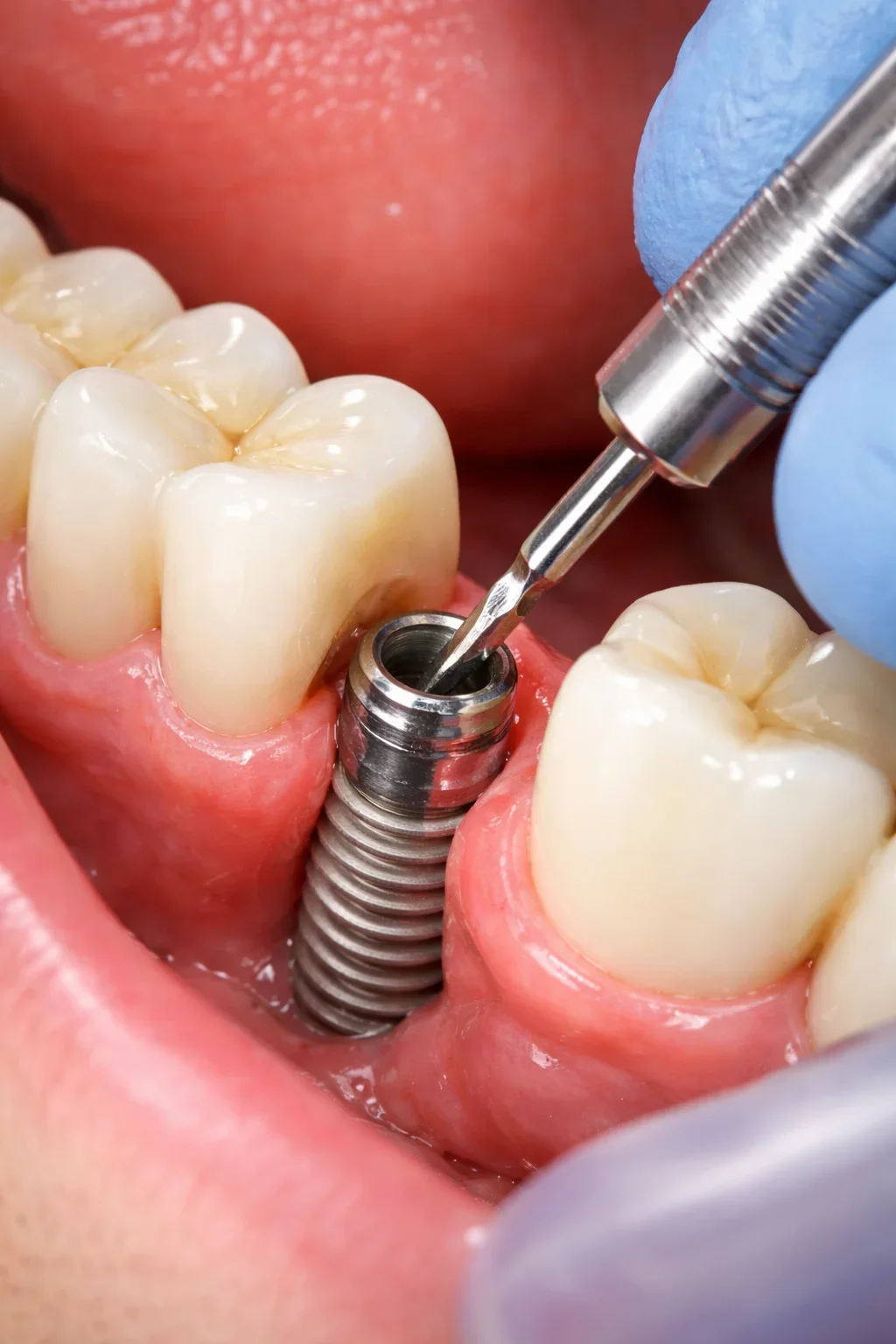
If loose dental implant screws are suspected, the dentist may remove the crown to directly access the abutment screw. Once exposed, the screw can be tested using a torque wrench. If the screw turns easily without resistance, this confirms the presence of loose dental implant screws.
The clinician will inspect the screw head and internal threads for wear or deformation. In some cases, the screw may show signs of fatigue or minor damage. Identifying these details ensures that appropriate corrective action—retightening or replacement—is taken.
Occlusal (Bite) Analysis
Another essential diagnostic step involves analyzing the patient’s bite. Improper occlusion is a common contributing factor to loose dental implant screws. The dentist evaluates how the implant crown contacts opposing teeth during chewing and lateral movements.
High-pressure contact points or uneven load distribution can increase mechanical stress on the screw joint. By identifying occlusal imbalances, the dentist addresses the root cause of loose dental implant screws rather than only treating the symptom.
Identifying Bruxism as a Risk Factor
Patients who grind or clench their teeth often place excessive pressure on implant restorations. During diagnosis, signs of bruxism such as worn enamel or jaw tenderness may indicate that loose dental implant screws developed due to excessive functional force. In such cases, protective night guards are typically recommended.
Why Professional Diagnosis Is Essential
Attempting self-diagnosis or ignoring symptoms can lead to worsening instability. Loose dental implant screws require calibrated torque instruments and professional expertise for proper management. Tightening a screw without correct torque control can damage internal threads or reduce preload effectiveness.
Professional organizations such as the American Dental Association emphasize the importance of regular implant maintenance visits. Routine check-ups allow dentists to detect loose dental implant screws even before noticeable symptoms develop.
If you suspect instability in your implant, prompt evaluation is strongly advised. Early diagnosis prevents complications such as screw fracture or connection wear. You can schedule a professional assessment through the Redent Klinik Contact Page to ensure your implant remains secure and functional.
Prognosis After Accurate Diagnosis
When loose dental implant screws are correctly diagnosed at an early stage, treatment is usually straightforward and minimally invasive. Most cases involve simple retightening to the manufacturer’s recommended torque value. If necessary, replacing the screw restores optimal preload and long-term stability.
In summary, diagnosing loose dental implant screws involves careful clinical examination, radiographic evaluation, mechanical testing, and occlusal analysis. By accurately identifying the source of instability, dentists can provide targeted treatment and prevent further complications. Early professional assessment ensures that loose dental implant screws remain a manageable mechanical issue rather than a serious structural problem. ✨
6. Treatment Options for Loose Dental Implant Screws
When loose dental implant screws are diagnosed, the good news is that treatment is often straightforward and highly successful. In most cases, loose dental implant screws represent a mechanical complication rather than implant failure. This means that with timely professional intervention, the problem can usually be corrected without removing the implant itself. The specific treatment approach depends on the severity of the instability, the condition of the screw, and whether any secondary damage has occurred. 🦷✨
Simple Retightening of the Implant Screw
The most common and conservative treatment for loose dental implant screws is retightening. During this procedure, the dentist removes the crown (if necessary) to access the abutment screw. Using a calibrated torque wrench, the screw is tightened to the manufacturer’s recommended torque value. Proper torque application restores the preload, which is the clamping force that stabilizes the implant components.
In many early cases of loose dental implant screws, retightening alone is sufficient. Once the correct torque is applied, the implant system regains stability and normal function. Patients typically experience immediate improvement in comfort and confidence.
Why Correct Torque Matters
Applying the correct torque is critical. Under-tightening may lead to recurring loose dental implant screws, while over-tightening can damage internal threads or increase the risk of screw fracture. This is why professional instruments and expertise are essential.
Replacing the Implant Screw
If loose dental implant screws have been present for an extended period, the screw may show signs of wear or fatigue. In such cases, simply retightening may not provide long-term stability. The dentist may recommend replacing the screw with a new one from the same implant system.
New screws are manufactured to precise specifications and provide optimal preload when torqued correctly. Replacing worn components reduces the risk of future loose dental implant screws and restores the structural integrity of the implant restoration.
Inspection of the Internal Implant Connection
During screw replacement, the dentist carefully inspects the internal implant threads. If loose dental implant screws have caused thread wear, further intervention may be necessary. Fortunately, early detection usually prevents serious internal damage.
Occlusal Adjustment (Bite Correction)
Loose dental implant screws often develop due to excessive or uneven bite forces. In these situations, retightening alone may not prevent recurrence. The dentist will evaluate the occlusion and make necessary adjustments to balance force distribution.
By reshaping minor high points on the crown or adjusting contact patterns, stress on the implant system is reduced. Proper occlusal adjustment plays a crucial role in preventing repeated loose dental implant screws.
Managing Bruxism
If grinding or clenching contributed to loose dental implant screws, a custom night guard may be recommended. This protective device reduces pressure on implant components during sleep and significantly lowers mechanical stress.
Repairing or Replacing the Crown
In some cases, loose dental implant screws are accompanied by crown damage or poor fit. If the crown does not seat properly, internal tension may persist. The dentist may remove and reseat the crown or fabricate a new one to ensure passive fit.
Ensuring accurate crown fit is essential for preventing future loose dental implant screws. Modern digital scanning and CAD/CAM technology allow highly precise restorations that reduce stress on the screw joint.
Managing Complications from Prolonged Loosening
If loose dental implant screws have been ignored for an extended period, complications such as screw fracture or minor inflammation may occur. In cases of fractured screws, specialized instruments are used to carefully retrieve broken fragments without damaging the implant.
If inflammation is present, professional cleaning around the implant may be necessary. Addressing both mechanical and biological factors ensures long-term success.
Cost of Treating Loose Dental Implant Screws
The cost of treating loose dental implant screws varies depending on the complexity of the case. Simple retightening is generally a minor procedure and may cost between $100 and $300 in many dental clinics. Screw replacement may range from $200 to $500 depending on the implant system and location.
If additional procedures such as crown replacement or advanced imaging are required, the cost may increase accordingly. However, treating loose dental implant screws early is significantly more affordable than replacing a damaged implant.
According to professional standards supported by the American Dental Association, regular maintenance visits help reduce the likelihood of costly complications. If you suspect loose dental implant screws, early consultation is the most cost-effective solution. You can schedule a professional evaluation through the Redent Klinik Contact Page.
Long-Term Outlook After Treatment
When managed properly, loose dental implant screws have an excellent prognosis. Most patients regain full stability and function without invasive procedures. With proper torque application, bite adjustment, and routine monitoring, recurrence is uncommon.
In summary, treatment options for loose dental implant screws range from simple retightening to screw replacement and occlusal correction. Early intervention prevents complications, reduces cost, and preserves implant longevity. With professional care and preventive measures, loose dental implant screws can be resolved effectively, allowing patients to continue enjoying the benefits of their dental implants with confidence. 🦷✨
7. Cost of Fixing Loose Dental Implant Screws
One of the most common concerns patients have after discovering loose dental implant screws is the cost of treatment. The financial aspect naturally becomes important, especially for individuals who have already invested significantly in their dental implant procedure. Fortunately, in most cases, treating loose dental implant screws is far less expensive and less invasive than replacing a failed implant. The total cost depends on the severity of the problem, the type of implant system, and whether additional restorative work is required. 💰🦷
Cost of Simple Screw Retightening
When loose dental implant screws are detected early and no structural damage has occurred, the solution is often straightforward retightening. In many dental clinics across the United States and Europe, this procedure typically ranges between $100 and $300. The appointment usually involves removing the crown (if necessary), cleaning the internal connection, and tightening the screw to the manufacturer’s recommended torque.
Because loose dental implant screws at this stage are considered a minor mechanical adjustment, the treatment is relatively quick and minimally invasive. Addressing the issue promptly prevents more expensive complications later.
Is Retightening Covered by Warranty?
Some implant manufacturers and clinics offer limited warranties on their implant systems. If loose dental implant screws occur within the warranty period, the cost may be reduced or covered entirely. However, policies vary depending on the provider and location.
Cost of Replacing the Implant Screw
If the dentist determines that the existing screw shows signs of wear or fatigue, replacement may be necessary. The cost for replacing loose dental implant screws generally ranges from $200 to $500, depending on the implant brand and region. High-quality implant systems often require original manufacturer components to maintain compatibility and long-term stability.
Replacing worn screws is often recommended when loose dental implant screws have recurred multiple times. A new screw restores proper preload and significantly reduces the risk of future loosening.
Additional Costs If Complications Occur
When loose dental implant screws are ignored for an extended period, complications may increase overall treatment costs. For example, if screw fracture occurs and retrieval is required, fees may range from $300 to $800 depending on case complexity.
If damage to the internal implant threads or crown structure is detected, additional restorative work may be necessary. In rare situations where structural damage is severe, partial or full restoration replacement could cost $800 to $2,000 or more.
Cost of Crown Replacement
If loose dental implant screws have caused repeated instability leading to crown damage, replacing the crown may cost between $800 and $2,500, depending on materials such as zirconia or porcelain. Fortunately, this is uncommon when loosening is treated early.
Cost Variations by Country
The cost of treating loose dental implant screws varies significantly depending on geographic location. In the United States and Western Europe, dental fees are generally higher due to operating costs and regulatory standards. In countries known for dental tourism, such as Turkey or Eastern European nations, treatment may be 40–60% more affordable while maintaining high clinical standards.
Patients seeking cost-effective solutions often choose reputable international clinics. However, quality and expertise should always be prioritized over price alone when addressing loose dental implant screws.
Why Early Treatment Saves Money
The most cost-effective strategy for managing loose dental implant screws is early detection. Retightening a screw is far less expensive than dealing with screw fracture, implant thread damage, or restoration replacement. Regular follow-up visits significantly reduce the risk of costly complications.
Professional organizations such as the American Dental Association emphasize the importance of implant maintenance and routine check-ups. These preventive visits help identify loose dental implant screws before they escalate into larger financial burdens.
Insurance and Payment Considerations
Dental insurance coverage for loose dental implant screws varies widely. Some plans may partially cover maintenance procedures, while others categorize implant-related repairs as elective treatments. Patients are encouraged to verify coverage details directly with their provider.
Many clinics also offer flexible payment plans to make treatment more accessible. If you suspect loose dental implant screws and would like a personalized cost estimate, you can contact experienced specialists through the Redent Klinik Contact Page.
Long-Term Financial Perspective
While the idea of additional dental expenses can be stressful, it is important to view loose dental implant screws within the broader context of implant longevity. Dental implants are designed to last decades with proper care. Minor mechanical adjustments are part of maintaining complex prosthetic systems.
Addressing loose dental implant screws promptly ensures that your implant remains stable and functional for many years. Compared to the cost of implant removal and replacement, early corrective treatment represents a small and worthwhile investment in long-term oral health.
In summary, the cost of fixing loose dental implant screws typically ranges from $100 for simple retightening to several hundred dollars if replacement or additional procedures are required. Early intervention keeps expenses low and preserves implant stability. By maintaining regular dental check-ups and responding quickly to symptoms, patients can manage loose dental implant screws efficiently and protect both their smile and their budget. 😊
8. How to Prevent Loose Dental Implant Screws
Prevention is always better than repair, especially when it comes to dental implants. Although loose dental implant screws are generally manageable, preventing them from occurring in the first place is the best strategy for protecting your investment and ensuring long-term stability. Dental implants are highly durable, but like any mechanical system, they require proper planning, maintenance, and patient cooperation. By understanding how loose dental implant screws develop and taking proactive steps, you can significantly reduce the risk of future complications. 🦷✨
Ensure Proper Implant Planning and Placement
Prevention of loose dental implant screws begins even before the implant is placed. Proper diagnosis, digital planning, and accurate surgical positioning are critical. When implants are placed at ideal angles that align with natural chewing forces, mechanical stress on the screw joint is minimized.
Modern implant dentistry often uses 3D imaging and guided surgery techniques to improve precision. Accurate alignment reduces off-axis loading, which is one of the mechanical factors contributing to loose dental implant screws. Choosing an experienced implant specialist greatly lowers the risk of complications later.
Use of High-Quality Implant Systems
Not all implant systems are manufactured with the same engineering standards. Premium implant brands invest heavily in precision machining and material durability. High-quality components maintain preload more effectively and reduce the likelihood of loose dental implant screws over time.
Follow Manufacturer-Recommended Torque Protocols
One of the most important technical factors in preventing loose dental implant screws is applying the correct torque during installation. Dentists use calibrated torque drivers to achieve the manufacturer’s recommended preload. Proper preload ensures that the screw joint remains stable under normal chewing forces.
Re-torque protocols may also be applied shortly after placement to compensate for initial settling of components. This extra step helps maintain stability and reduces the chance of loose dental implant screws developing in the first months after restoration.
Maintain Regular Dental Check-Ups
Routine follow-up visits are essential for early detection and prevention of loose dental implant screws. During maintenance appointments, dentists evaluate implant stability, check bite alignment, and ensure that components remain properly secured.
Professional organizations such as the American Dental Association recommend regular implant monitoring as part of long-term oral health care. Even if no symptoms are present, subtle changes can be identified during professional examinations before loose dental implant screws become noticeable to the patient.
Control Bite Forces and Bruxism
Excessive bite forces are one of the leading contributors to loose dental implant screws. Patients who grind or clench their teeth, particularly at night, place significant stress on implant components. Managing bruxism is therefore critical for prevention.
Use of Custom Night Guards
Custom-fitted night guards distribute occlusal forces evenly and reduce pressure on implant restorations. Wearing a night guard consistently can dramatically decrease the risk of loose dental implant screws caused by chronic grinding.
Additionally, dentists may adjust the occlusion of the implant crown to eliminate high-pressure contact points. Balanced bite distribution protects both natural teeth and implant components.
Practice Excellent Oral Hygiene
Although loose dental implant screws are primarily mechanical, poor oral hygiene can indirectly contribute to complications. Plaque accumulation around the implant may cause gum inflammation, which can affect stability over time.
Brushing twice daily, flossing carefully around implants, and using recommended interdental brushes help maintain healthy tissues. Healthy gums provide a supportive environment that reduces secondary risks associated with loose dental implant screws.
Avoid Excessive Force on the Implant
Patients should avoid habits that place unusual stress on implants. Biting extremely hard foods such as ice, hard candies, or nutshells can strain implant components. While implants are strong, repetitive extreme force increases the likelihood of loose dental implant screws.
If you participate in contact sports, wearing a protective mouthguard is advisable. Trauma can contribute to mechanical complications and destabilize implant components.
Early Response to Warning Signs
One of the simplest preventive measures is responding quickly to early symptoms. Slight mobility, clicking sounds, or bite discomfort should never be ignored. Addressing minor instability promptly prevents progression to more serious loose dental implant screws complications.
If you notice any unusual changes, professional evaluation is recommended. You can schedule an expert consultation through the Redent Klinik Contact Page to ensure your implant remains secure.
Long-Term Maintenance Strategy
Preventing loose dental implant screws is not a one-time effort but an ongoing partnership between patient and dentist. Regular professional cleaning, periodic torque checks, bite monitoring, and protective appliances when needed all contribute to implant longevity.
In summary, preventing loose dental implant screws involves precise placement, correct torque application, routine dental visits, bite management, and excellent oral hygiene. With proper care and proactive monitoring, most cases of loose dental implant screws can be avoided entirely. By following these preventive strategies, patients can enjoy the full benefits of their dental implants for decades with confidence and peace of mind. 😊
9. When to Contact a Dental Implant Specialist
Knowing exactly when to seek professional help is critical if you suspect loose dental implant screws. While some minor mechanical issues may not feel urgent at first, delaying evaluation can lead to more complex and costly complications. Loose dental implant screws rarely resolve on their own. In fact, continued chewing forces usually worsen the instability over time. Understanding the right moment to contact a dental implant specialist can protect your oral health, preserve your implant, and prevent avoidable damage. 🦷
Immediate Signs That Require Professional Attention
If you notice movement in your implant crown, you should contact a specialist as soon as possible. Mobility is one of the clearest signs of loose dental implant screws. Even if the movement is slight and painless, it indicates that the mechanical connection between components has weakened.
Clicking or popping sounds while chewing are another strong indicator. These noises often result from micro-movement at the screw joint. Ignoring these early symptoms of loose dental implant screws increases the risk of screw fracture or internal thread damage.
Pain or Swelling Around the Implant
While loose dental implant screws are primarily mechanical issues, discomfort, redness, or swelling around the implant site should never be ignored. These symptoms may suggest secondary inflammation or bacterial accumulation. Prompt evaluation ensures that both mechanical and biological factors are addressed.
If the Crown Feels “High” or Bite Feels Different
Changes in bite alignment are subtle but important warning signs. If your implant suddenly feels higher than your other teeth or your bite feels uneven, loose dental implant screws may be altering the stability of the crown. Even minor bite shifts can increase stress on the implant system.
A dental implant specialist can assess occlusion and determine whether loose dental implant screws are responsible. Early bite correction often prevents recurring mechanical complications.
After Trauma or Sudden Impact
If you experience trauma to the mouth—such as a fall, sports injury, or accident—it is wise to schedule an implant evaluation even if symptoms seem minor. Sudden force can destabilize components and contribute to loose dental implant screws. Early assessment helps confirm whether the implant remains structurally sound.
Recurring Screw Loosening
If loose dental implant screws have been retightened previously and the problem recurs, a more in-depth evaluation is necessary. Repeated loosening may indicate underlying issues such as improper bite alignment, bruxism, component wear, or prosthetic misfit.
Why Recurrence Should Not Be Ignored
Repeated episodes of loose dental implant screws increase the risk of metal fatigue and screw fracture. A specialist may recommend replacing the screw, adjusting occlusion, or evaluating the restoration design to prevent further recurrence.
Routine Maintenance Visits
Even if no symptoms are present, regular implant maintenance visits are essential. Professional guidelines supported by the American Dental Association recommend periodic examinations for all implant patients. During these visits, dentists can detect early-stage loose dental implant screws before noticeable symptoms develop.
Routine monitoring allows for preventive retightening if necessary and ensures that torque values remain optimal. Preventive care significantly reduces long-term risks associated with loose dental implant screws.
When Traveling or Living Abroad
If you received implant treatment abroad or are traveling when symptoms arise, it is still important to seek professional evaluation locally. Loose dental implant screws should not be ignored simply because you are away from your original provider. Most implant systems are internationally recognized, and experienced specialists can assess compatibility and provide appropriate care.
If you are unsure where to seek help, you can reach out for guidance through the Redent Klinik Contact Page for expert advice and appointment scheduling.
Choosing the Right Specialist
When dealing with loose dental implant screws, it is advisable to consult a dentist experienced in implant dentistry rather than a general practitioner without implant training. Specialists have access to manufacturer-specific torque drivers, original components, and advanced diagnostic tools.
Comprehensive evaluation ensures that loose dental implant screws are properly managed without causing additional damage. Attempting to self-tighten or delaying care increases risk significantly.
The Importance of Acting Early
Many patients delay treatment because the symptoms seem minor. However, loose dental implant screws typically worsen with time. Continuous chewing forces can enlarge micro-gaps, damage threads, or even cause screw fracture. Early professional care is simpler, less expensive, and far more predictable.
In summary, you should contact a dental implant specialist immediately if you notice mobility, clicking sounds, bite changes, discomfort, or recurrence of instability. Loose dental implant screws are manageable when treated promptly, but neglecting them may lead to structural damage and increased treatment costs. By seeking expert care at the first sign of instability, you protect both your implant and your long-term oral health. 😊✨