
Low income dental implants are becoming one of the most searched solutions for people who want to restore their smile without facing overwhelming financial pressure. Tooth loss can affect not only your appearance but also your confidence, speech, and ability to eat properly. However, many individuals assume that dental implants are out of reach due to high costs. The truth is, low income dental implants programs and options now make this advanced treatment more accessible than ever before.
Understanding how low income dental implants work is the first step toward making an informed decision. Dental implants are artificial tooth roots, typically made of titanium, that are surgically placed into the jawbone. They provide a strong and permanent foundation for replacement teeth such as crowns, bridges, or dentures. Unlike traditional dentures, implants are stable, durable, and feel much more natural. For patients with limited financial resources, low income dental implants offer a life-changing opportunity to regain oral health and confidence 😊.
Many people hesitate to explore low income dental implants because they believe eligibility requirements are strict. In reality, there are multiple pathways to qualify. These may include income-based programs, nonprofit dental services, dental school clinics, and even international treatment options. Each pathway is designed to help individuals access high-quality dental care at a significantly reduced cost. This means that low income dental implants are not just a dream but a realistic option for many patients.
Another important factor to consider is the long-term value of low income dental implants. While the upfront cost may still seem higher than alternatives like dentures, implants are a long-term investment. They can last for decades with proper care, reducing the need for replacements or adjustments. This makes low income dental implants more cost-effective over time. Additionally, implants help preserve jawbone structure, preventing bone loss and maintaining facial shape, which is something dentures cannot fully achieve.
Patients who choose low income dental implants often report significant improvements in their quality of life. Eating becomes easier, speech improves, and social confidence increases. You no longer have to worry about dentures slipping or discomfort during daily activities. This level of comfort and stability is one of the main reasons why low income dental implants are considered the gold standard in tooth replacement.
It is also essential to understand the process involved in getting low income dental implants. Typically, the procedure begins with a comprehensive dental examination, including X-rays or 3D scans. This helps determine whether you are a suitable candidate. If necessary, preliminary treatments such as tooth extraction or bone grafting may be recommended. After the implant is placed, a healing period follows, allowing the implant to fuse with the bone. Finally, a custom-made crown or prosthetic tooth is attached, completing the restoration.
One of the biggest misconceptions about low income dental implants is that lower cost means lower quality. This is not true. Many clinics offering low income dental implants maintain high standards of care, often using the same materials and technologies as premium clinics. The cost is reduced through subsidies, training programs, or lower operational expenses, not by compromising quality. Patients can still expect safe, effective, and long-lasting results.
When considering low income dental implants, it is crucial to research your options carefully. Look for reputable clinics, verify credentials, and read patient reviews. You can also consult trusted organizations such as the American Dental Association for guidance and information about safe dental practices. Taking the time to evaluate your options ensures that you receive the best possible care within your budget.
If you are ready to explore low income dental implants further, reaching out to a professional clinic is a smart next step. You can contact experienced specialists through the Redent Klinik Contact Page to discuss your needs and receive a personalized treatment plan. This can help you understand your eligibility, available options, and estimated costs in detail.
In conclusion, low income dental implants are a powerful solution for individuals seeking affordable and reliable tooth replacement. They combine advanced dental technology with accessible pricing, making it possible for more people to enjoy a healthy, confident smile. By understanding the process, exploring available programs, and choosing the right provider, you can take a significant step toward improving your oral health and overall well-being. With the growing availability of low income dental implants, achieving a beautiful smile is no longer limited by financial barriers.
What Are Low Income Dental Implants and Who Qualifies?
Low income dental implants are specially designed solutions that make advanced tooth replacement treatments accessible to individuals who cannot afford traditional implant pricing. These programs aim to bridge the gap between high-quality dental care and financial limitations, ensuring that everyone has the opportunity to restore their smile and oral health. Understanding what low income dental implants are and who qualifies is essential if you are considering this life-changing procedure 😊.
Understanding Low Income Dental Implants
Low income dental implants refer to dental implant treatments offered at reduced costs through various channels such as government programs, nonprofit organizations, dental schools, and specialized clinics. These implants function exactly the same as standard implants, meaning they are surgically placed into the jawbone and act as a stable foundation for artificial teeth. The difference lies in the cost structure, not the quality.
Many clinics providing low income dental implants use the same materials, such as titanium posts and high-quality crowns, ensuring durability and long-term success. These programs are often subsidized, partially funded, or offered at reduced rates because they are part of training programs or public health initiatives. As a result, low income dental implants allow patients to benefit from modern dental technology without paying premium prices.
Why Low Income Dental Implants Exist
The demand for low income dental implants has increased significantly because tooth loss is a common issue that affects people across all age groups. Unfortunately, many individuals delay treatment due to financial concerns, leading to further complications such as bone loss, gum disease, and difficulty eating. Low income dental implants exist to prevent these long-term problems by providing early and affordable intervention.
Who Qualifies for Low Income Dental Implants?
Eligibility for low income dental implants varies depending on the program or clinic, but several common criteria are used to determine qualification. These criteria are designed to prioritize individuals who genuinely need financial assistance while still ensuring that patients are suitable candidates for the procedure.
Income-Based Eligibility
Most low income dental implants programs consider your financial situation. This may involve providing proof of income, tax documents, or employment status. Individuals earning below a certain threshold are more likely to qualify. Some programs are specifically designed for unemployed individuals, retirees, or those receiving social assistance.
Medical and Dental Suitability
Even if you qualify financially, you must also meet certain health requirements. Dentists will evaluate your oral health to determine if low income dental implants are a safe option. Factors such as gum health, bone density, and overall medical condition are assessed. In some cases, additional procedures like bone grafting may be required before implants can be placed.
Age and Lifestyle Factors
There is no strict age limit for low income dental implants, but candidates must have fully developed jawbones, which typically occurs in adulthood. Lifestyle factors such as smoking or chronic illnesses may also influence eligibility. However, many clinics offering low income dental implants provide guidance on how to improve your candidacy, such as quitting smoking or maintaining better oral hygiene.
Common Programs Offering Low Income Dental Implants
There are several pathways through which patients can access low income dental implants. Each option has its own benefits and requirements, making it important to explore multiple avenues.
Dental Schools
Dental schools are one of the most popular options for low income dental implants. Students perform procedures under the supervision of experienced professionals, allowing patients to receive treatment at significantly reduced costs. While the process may take longer, the quality of care remains high.
Nonprofit Organizations
Various nonprofit organizations offer low income dental implants to underserved communities. These programs often focus on individuals with severe dental needs who cannot afford treatment otherwise. Availability may be limited, so early application is recommended.
Government Assistance Programs
In some regions, government-funded healthcare programs may cover part of the cost of low income dental implants. While full coverage is rare, partial assistance can significantly reduce the financial burden. Checking local healthcare policies can help you identify available options.
Benefits of Qualifying for Low Income Dental Implants
Qualifying for low income dental implants can have a profound impact on your life. Beyond restoring your smile, implants improve your ability to chew, speak, and maintain proper oral hygiene. They also help preserve jawbone structure, preventing the sunken facial appearance often associated with missing teeth.
Additionally, low income dental implants can boost self-confidence and social interactions. Many patients report feeling more comfortable in professional and personal settings after completing their treatment. This emotional benefit is just as important as the physical improvements.
How to Apply for Low Income Dental Implants
The application process for low income dental implants typically begins with research. Identify clinics, programs, or organizations that offer affordable implant services. Next, schedule a consultation where your financial and medical eligibility will be assessed. Be prepared to provide documentation and discuss your dental history in detail.
For personalized assistance and professional evaluation, you can reach out through the Redent Klinik Contact Page. This allows you to explore whether low income dental implants are suitable for your situation and receive guidance tailored to your needs.
In summary, low income dental implants are a valuable solution for individuals seeking affordable tooth replacement. By understanding what these implants are and who qualifies, you can take the first step toward restoring your oral health without financial stress. With multiple programs and flexible eligibility criteria, low income dental implants continue to open doors for patients worldwide 🌍.
Why Low Income Dental Implants Are Important for Oral Health
Low income dental implants play a critical role in improving oral health, especially for individuals who might otherwise delay or avoid treatment due to financial limitations. Missing teeth are not just a cosmetic issue—they can lead to serious health complications if left untreated. By making advanced dental solutions more accessible, low income dental implants help patients restore both function and confidence without overwhelming costs 😊.
The Impact of Missing Teeth on Oral Health
When a tooth is lost, the surrounding structures begin to change. The jawbone in that area starts to deteriorate because it no longer receives stimulation from chewing. Over time, this bone loss can lead to changes in facial structure, making a person appear older. Low income dental implants help prevent this process by acting as artificial tooth roots that stimulate the bone and maintain its density.
Additionally, missing teeth can cause neighboring teeth to shift out of alignment. This misalignment may lead to bite problems, uneven wear, and even jaw pain. By choosing low income dental implants, patients can stabilize their dental structure and prevent further complications.
Functional Problems Caused by Tooth Loss
Tooth loss can significantly impact daily activities such as eating and speaking. Many individuals with missing teeth struggle to chew certain foods, leading to dietary restrictions and potential nutritional deficiencies. Low income dental implants restore full chewing ability, allowing patients to enjoy a balanced diet without discomfort.
Speech can also be affected when teeth are missing, especially front teeth. Pronunciation may become difficult, leading to reduced confidence in social interactions. Low income dental implants provide a stable and natural-feeling solution that improves speech clarity.
How Low Income Dental Implants Support Long-Term Health
Low income dental implants are not only about replacing missing teeth—they are about preserving overall health. Oral health is closely linked to systemic health, meaning that untreated dental issues can contribute to conditions such as heart disease, diabetes complications, and infections. By addressing tooth loss early with low income dental implants, patients can reduce the risk of these broader health concerns.
Prevention of Bone Loss
One of the most important benefits of low income dental implants is their ability to prevent bone resorption. Unlike dentures, which sit on top of the gums, implants integrate with the jawbone. This integration stimulates the bone and keeps it strong over time. Without this stimulation, the bone gradually shrinks, leading to further dental and facial issues.
Improved Oral Hygiene
Maintaining oral hygiene is easier with low income dental implants compared to other tooth replacement options. Implants can be brushed and flossed like natural teeth, reducing the risk of plaque buildup and gum disease. This simplicity encourages better daily care and long-term oral health.
Psychological and Social Benefits
The importance of low income dental implants goes beyond physical health. Tooth loss can have a significant emotional impact, affecting self-esteem and social confidence. Many individuals feel embarrassed about their smile and may avoid social situations altogether. Low income dental implants help restore a natural appearance, allowing patients to smile, speak, and interact with confidence again.
Patients who receive low income dental implants often report feeling more comfortable in professional settings, such as job interviews or workplace interactions. This improved confidence can open new opportunities and enhance overall quality of life.
Comparing Low Income Dental Implants to Other Options
While there are alternative solutions such as dentures and bridges, low income dental implants offer unique advantages. Dentures can slip or cause discomfort, while bridges may require altering adjacent teeth. In contrast, low income dental implants are independent, stable, and designed to last for many years.
Durability and Longevity
Low income dental implants are known for their durability. With proper care, they can last decades, making them a long-term solution. This longevity reduces the need for frequent replacements, ultimately saving money over time.
Natural Look and Feel
Another major advantage of low income dental implants is their natural appearance. The crowns attached to implants are custom-designed to match the color and shape of existing teeth. This ensures a seamless and aesthetically pleasing result.
Access to Reliable Information and Care
When considering low income dental implants, it is essential to rely on trusted sources and professional guidance. Organizations like the American Dental Association provide valuable information about dental health and treatment options. Educating yourself helps you make informed decisions and choose the best solution for your needs.
If you are ready to improve your oral health with low income dental implants, reaching out to a qualified clinic is a crucial step. You can connect with experienced professionals through the Redent Klinik Contact Page to explore your options and receive personalized recommendations.
Conclusion: A Health Investment Worth Making
In conclusion, low income dental implants are essential for maintaining oral health, preventing complications, and improving overall well-being. They offer a reliable, long-lasting solution that addresses both functional and aesthetic concerns. By making this treatment accessible to more people, low income dental implants empower individuals to take control of their dental health without financial stress.
Choosing low income dental implants is not just about replacing missing teeth—it is about investing in your health, confidence, and future. With the right information and support, you can achieve a healthy, beautiful smile that lasts a lifetime 🌟.
Types of Low Income Dental Implants Available Today
Low income dental implants come in several types, each designed to meet different patient needs, budgets, and clinical conditions. Understanding the available options is essential for making the right decision, especially if you are trying to balance affordability with long-term results. Thanks to advancements in dental technology, low income dental implants are now more flexible and accessible than ever before 😊.
Standard Endosteal Low Income Dental Implants
The most common type of low income dental implants is the endosteal implant. These implants are placed directly into the jawbone and act as artificial tooth roots. They are typically made from titanium and are highly durable. Once the implant integrates with the bone, a crown is attached to restore the tooth.
Endosteal low income dental implants are suitable for patients with good bone density and overall oral health. They provide excellent stability and a natural look, making them one of the most recommended options by dental professionals. Even within low income dental implants programs, this type remains widely available due to its reliability and long-term success rate.
Advantages of Endosteal Implants
These low income dental implants offer strong support, long-lasting results, and a natural feel. They also help maintain jawbone health by providing the necessary stimulation. For many patients, this is the ideal balance between cost and performance.
Subperiosteal Low Income Dental Implants
Subperiosteal low income dental implants are placed on top of the jawbone but beneath the gum tissue. This type is often recommended for patients who do not have sufficient bone density and cannot undergo bone grafting procedures.
Although less common than endosteal implants, subperiosteal low income dental implants provide an alternative for patients who would otherwise not qualify for traditional implants. They are custom-designed to fit the patient’s jaw structure, ensuring a secure fit.
When to Choose Subperiosteal Implants
This type of low income dental implants is ideal for individuals seeking a less invasive solution. It reduces the need for additional surgeries, which can lower overall treatment costs and recovery time.
Mini Low Income Dental Implants
Mini implants are a smaller and more affordable version of traditional implants. These low income dental implants are often used to stabilize dentures or replace small teeth. Because they require less invasive procedures, they are typically quicker to place and involve shorter healing times.
Mini low income dental implants are particularly beneficial for patients with limited budgets or those who want a faster solution. While they may not be suitable for all cases, they provide a practical option for many individuals.
Benefits of Mini Implants
These low income dental implants are cost-effective, minimally invasive, and require less recovery time. They are an excellent choice for stabilizing loose dentures and improving comfort.
All-on-4 Low Income Dental Implants
All-on-4 is a revolutionary technique that uses four strategically placed implants to support a full arch of teeth. This method is often included in low income dental implants programs because it reduces the number of implants needed, lowering overall costs.
All-on-4 low income dental implants are ideal for patients who have lost most or all of their teeth. They provide a fixed, permanent solution that looks and feels natural. This approach also minimizes the need for bone grafting in many cases.
Why All-on-4 Is Popular
These low income dental implants offer a complete smile restoration with fewer implants, making them more affordable and efficient. Patients benefit from improved function, aesthetics, and confidence.
Zygomatic Low Income Dental Implants
Zygomatic implants are a specialized type of low income dental implants designed for patients with severe bone loss in the upper jaw. Instead of anchoring in the jawbone, these implants are placed in the cheekbone (zygoma).
While this option is more complex, it can eliminate the need for extensive bone grafting procedures. Some clinics offering low income dental implants include this option for patients with advanced cases.
When Zygomatic Implants Are Needed
These low income dental implants are typically used when traditional implants are not possible due to insufficient bone. They provide a stable and long-lasting solution for challenging cases.
Implant-Supported Dentures
Implant-supported dentures combine the affordability of dentures with the stability of implants. These low income dental implants use a few implants to secure a removable or fixed denture in place.
This option is particularly popular among patients looking for a balance between cost and functionality. Low income dental implants in this category significantly improve comfort compared to traditional dentures.
Advantages of Implant-Supported Dentures
These low income dental implants prevent slipping, improve chewing ability, and enhance overall comfort. They are a practical solution for patients who want better stability without the cost of full implant restoration.
Choosing the Right Type of Low Income Dental Implants
Selecting the right type of low income dental implants depends on several factors, including your oral health, bone density, budget, and personal preferences. A professional dental evaluation is essential to determine the most suitable option.
Consulting trusted resources like the American Dental Association can provide valuable insights into implant procedures and safety standards. Additionally, reaching out to a specialized clinic through the Redent Klinik Contact Page allows you to receive personalized recommendations tailored to your needs.
Conclusion: A Flexible Solution for Every Budget
In conclusion, low income dental implants are available in a wide range of types, each designed to address specific dental conditions and financial situations. From standard implants to innovative solutions like All-on-4 and mini implants, there is an option for nearly every patient.
By understanding the different types of low income dental implants, you can make an informed decision that aligns with your goals and budget. With the right choice, you can achieve a healthy, functional, and confident smile that lasts for years to come 🌟.
Cost Breakdown of Low Income Dental Implants in 2026
Understanding the cost structure of low income dental implants in 2026 is essential for patients who want to plan their treatment wisely and avoid unexpected expenses. While dental implants are often considered expensive, the rise of low income dental implants programs has made this advanced solution significantly more accessible. The total cost of low income dental implants can vary depending on multiple factors, including location, clinic expertise, materials used, and the complexity of the procedure 😊.
Average Cost of Low Income Dental Implants
In 2026, the average cost of a single dental implant in standard clinics can range between $3,000 and $6,000 per tooth. However, low income dental implants programs can reduce this cost dramatically, often bringing it down to between $800 and $2,500 per implant depending on the provider and country.
Estimated Price Table for 2026
Single Tooth Implant:
- Standard Clinics: $3,000 – $6,000
- Low Income Dental Implants Programs: $800 – $2,500

Full Mouth Implants (All-on-4):
- Standard Clinics: $20,000 – $50,000
- Low Income Dental Implants Programs: $7,000 – $15,000

Mini Implants:
- Standard Clinics: $1,500 – $3,000
- Low Income Dental Implants Programs: $500 – $1,500
These numbers clearly show how low income dental implants can reduce financial burden while still providing high-quality care. Patients should always request a detailed quote before starting treatment to understand exactly what is included.
Factors That Influence the Cost
The cost of low income dental implants is not fixed and can vary based on several key factors. Understanding these elements will help you make a more informed decision.
Number of Implants Needed
The more implants required, the higher the total cost. However, low income dental implants programs often offer package deals for multiple implants, making full-mouth restorations more affordable.
Type of Implant Used
Different implant types, such as mini implants or All-on-4 systems, come with different price points. Low income dental implants programs typically provide a range of options to suit various budgets.
Additional Procedures
Some patients may require extra treatments such as bone grafting, sinus lifts, or tooth extractions before receiving implants. These procedures can increase the overall cost of low income dental implants but are sometimes included in discounted packages.
Location of the Clinic
Geographical location plays a major role in pricing. Clinics in countries known for dental tourism often provide low income dental implants at significantly lower costs due to reduced operational expenses.
What Is Included in Low Income Dental Implants Pricing?
When evaluating low income dental implants, it is important to understand what is included in the quoted price. Some clinics offer comprehensive packages, while others charge separately for each step.
Typical Inclusions
- Initial consultation and examination
- X-rays or 3D imaging
- Implant placement surgery
- Abutment and crown placement
- Follow-up visits
Many providers of low income dental implants aim to simplify the process by offering all-inclusive pricing, which helps patients avoid hidden fees.
Comparing Costs: Local vs. International Options
One of the most effective ways to access low income dental implants is through dental tourism. Countries such as Turkey, Mexico, and Hungary offer high-quality treatments at a fraction of the cost compared to the United States or Western Europe.
Example Comparison
In the United States, low income dental implants might still cost around $2,000 per tooth, while in countries like Turkey, the same procedure could cost between $800 and $1,500, often including accommodation and transportation packages.
Patients considering international options should research clinics carefully and verify credentials through trusted organizations like the American Dental Association to ensure safety and quality standards.
Financing Options for Low Income Dental Implants
Even with reduced pricing, some patients may still find low income dental implants challenging to afford upfront. Fortunately, many clinics offer flexible financing options.
Payment Plans
Monthly installment plans allow patients to spread the cost of low income dental implants over time, making the treatment more manageable.
Insurance and Assistance Programs
While dental insurance rarely covers the full cost of implants, some plans may cover parts of the procedure, such as extractions or crowns. Additionally, nonprofit organizations may provide grants or financial assistance for low income dental implants.
How to Get an Accurate Cost Estimate
The best way to determine the exact cost of low income dental implants is to schedule a professional consultation. During this visit, the dentist will evaluate your oral health, discuss your goals, and provide a personalized treatment plan.
You can easily start this process by contacting a trusted clinic through the Redent Klinik Contact Page. This allows you to receive a detailed breakdown of costs and explore the most suitable options for your budget.
Long-Term Value of Low Income Dental Implants
While the initial cost of low income dental implants may seem significant, it is important to consider their long-term value. Unlike dentures or bridges, implants are designed to last for decades with proper care. This durability reduces the need for replacements and additional expenses over time.
Low income dental implants also contribute to better oral health, preventing complications that could lead to costly treatments in the future. In this sense, they are not just an expense but a smart investment in your health and quality of life.
Conclusion: Affordable Solutions Without Compromise
In conclusion, the cost of low income dental implants in 2026 is more manageable than ever thanks to various programs, clinics, and financing options. By understanding the cost breakdown and exploring available opportunities, patients can access high-quality dental care without financial strain.
Low income dental implants provide a realistic path to restoring your smile, improving your health, and boosting your confidence. With careful planning and the right provider, achieving a healthy and beautiful smile is within reach 🌟.
Government Programs Supporting Low Income Dental Implants
Government programs play a vital role in making low income dental implants accessible to individuals who cannot afford private dental care. While full coverage for dental implants is still limited in many countries, various public initiatives, healthcare systems, and assistance programs have evolved to reduce costs and improve accessibility. Understanding how these government-supported pathways work can significantly increase your chances of receiving affordable treatment 😊.
How Government Support for Low Income Dental Implants Works
Government assistance for low income dental implants typically focuses on partial coverage, subsidies, or access to reduced-cost clinics rather than fully free implant procedures. This is because dental implants are often categorized as elective or cosmetic treatments in many healthcare systems. However, when implants are deemed medically necessary—for example, due to trauma, severe tooth loss, or functional impairment—some programs may offer more extensive support.
Low income dental implants programs supported by governments often operate through public healthcare providers, contracted dental clinics, or community health centers. These services aim to ensure that essential oral health needs are met, even for patients with limited financial resources.
Key Features of Government-Supported Programs
- Income-based eligibility criteria
- Subsidized treatment costs
- Access to approved dental clinics
- Priority for medically necessary cases
Medicaid and Similar Programs
In the United States, Medicaid is one of the most recognized government programs that may help with low income dental implants. However, coverage varies significantly by state. Some states provide limited dental benefits, while others may cover certain procedures related to implants, such as extractions or crowns.
What Medicaid Typically Covers
Although Medicaid does not always fully cover low income dental implants, it may contribute to related procedures. For example, diagnostic exams, X-rays, and preparatory treatments are often included. Patients should check their state-specific Medicaid policies to understand what is available.
Even when full implant coverage is not provided, combining Medicaid benefits with low income dental implants programs can significantly reduce overall costs.
National Health Services in Other Countries
In countries with national healthcare systems, such as the UK, Canada, or certain European nations, low income dental implants may be partially supported through public dental services. These systems prioritize essential treatments, and implants may be approved in cases where they are medically necessary rather than purely cosmetic.
Examples of Public Healthcare Support
In the UK, the National Health Service (NHS) may cover implants in specific situations, such as patients who have lost teeth due to cancer or accidents. Similarly, some European countries offer subsidized low income dental implants through public clinics or insurance systems.
Patients should consult local healthcare authorities to determine eligibility and available benefits.
Community Health Centers and Public Clinics
Government-funded community health centers are another important resource for accessing low income dental implants. These centers often provide dental services at reduced costs based on income levels. While not all centers offer implant procedures directly, many collaborate with specialists who provide low income dental implants at discounted rates.
Benefits of Community Clinics
- Sliding fee scales based on income
- Access to qualified dental professionals
- Integration with other healthcare services
These clinics are especially valuable for patients who need comprehensive care but cannot afford private treatment options.
Veterans and Special Assistance Programs
In some countries, veterans and individuals with disabilities may qualify for additional support for low income dental implants. Government programs designed for these groups often provide more extensive coverage, recognizing the importance of oral health in overall well-being.
Eligibility for Special Programs
Eligibility typically depends on service history, disability status, or specific medical conditions. These programs may cover a larger portion of the cost of low income dental implants compared to standard public healthcare options.
Combining Government Aid with Other Options
One of the most effective strategies for accessing low income dental implants is combining government assistance with other cost-saving options. For example, patients may use public healthcare benefits to cover initial procedures and then complete the implant treatment through dental schools or affordable clinics.
This hybrid approach can significantly reduce the total cost while maintaining high-quality care. Consulting reliable sources like the American Dental Association can help you understand safe practices and available options.
How to Apply for Government-Supported Low Income Dental Implants
The application process for government-supported low income dental implants typically involves several steps:
Step-by-Step Application Process
- Research available programs in your region
- Check eligibility criteria and required documents
- Submit an application through the appropriate agency
- Attend a dental evaluation if required
- Receive approval and begin treatment planning
For personalized guidance, you can contact a professional clinic through the Redent Klinik Contact Page to explore how government programs and private options can work together for your benefit.
Limitations of Government Programs
While government programs provide valuable support, they do have limitations. Waiting lists can be long, coverage may be partial, and not all patients will qualify. Additionally, the availability of low income dental implants through public systems may vary depending on location and funding.
Despite these challenges, government assistance remains a crucial pathway for many patients seeking affordable dental care.
Conclusion: A Valuable Support System
In conclusion, government programs play an essential role in supporting access to low income dental implants. Although full coverage may not always be available, these programs can significantly reduce costs and open doors to necessary treatment.
By understanding how these systems work and combining them with other affordable options, patients can achieve a healthy and confident smile without overwhelming financial stress. Low income dental implants are becoming increasingly accessible, and government support is a key factor in this positive trend 🌍.
Dental Schools Offering Low Income Dental Implants Services
Dental schools are one of the most reliable and cost-effective ways to access low income dental implants. For patients who are looking to restore their smile without paying high private clinic fees, dental schools provide an excellent balance between affordability and quality care. These institutions combine education and real-world clinical practice, allowing patients to receive treatment at significantly reduced costs while students gain hands-on experience under expert supervision 😊.
How Dental Schools Provide Low Income Dental Implants
Dental schools operate teaching clinics where students perform procedures as part of their training. These students are in the final stages of their education and are closely supervised by licensed dentists and specialists. This ensures that low income dental implants provided in these settings meet professional standards.
The reduced cost of low income dental implants in dental schools is mainly due to the educational nature of the service. Patients are not paying for the dentist’s expertise alone but also contributing to the training of future professionals. As a result, fees are often significantly lower than those in private practices.
Supervision and Quality Assurance
One of the biggest concerns patients may have is the quality of care. However, low income dental implants performed in dental schools are carefully monitored by experienced faculty members. Every step of the procedure is reviewed and approved, ensuring safety and effectiveness.
Benefits of Choosing Dental Schools for Low Income Dental Implants
There are several advantages to choosing dental schools when considering low income dental implants. These benefits go beyond just cost savings and include access to modern technology and comprehensive care.
Significantly Lower Costs
Dental schools offer some of the most affordable low income dental implants available. Patients can often save 30% to 70% compared to private clinics. This makes dental schools an attractive option for individuals with limited budgets.
Access to Advanced Technology
Many dental schools are equipped with the latest dental technologies, including 3D imaging and digital planning tools. This means that patients receiving low income dental implants still benefit from modern techniques and high-quality materials.
Comprehensive Treatment Plans
Dental schools often provide a full range of services in one location. From initial consultation to final restoration, patients can complete their low income dental implants treatment without needing to visit multiple clinics.
Potential Drawbacks to Consider
While dental schools offer many advantages, there are also some limitations to keep in mind when choosing this option for low income dental implants.
Longer Treatment Times
Because procedures are performed by students and reviewed by instructors, treatments may take longer than in private clinics. Patients seeking low income dental implants should be prepared for extended appointment times and multiple visits.
Limited Availability
Dental schools may have limited slots for low income dental implants, and waiting lists can be long. It is important to apply early and remain flexible with scheduling.
Eligibility for Low Income Dental Implants in Dental Schools
Most dental schools have eligibility requirements for patients seeking low income dental implants. These criteria help ensure that cases are suitable for student training while also prioritizing those in financial need.
Common Requirements
- Proof of income or financial need
- Willingness to participate in longer treatment sessions
- Medical and dental suitability for implants
Each institution may have its own guidelines, so it is important to contact the dental school directly for specific details about their low income dental implants programs.
How to Find Dental Schools Offering Low Income Dental Implants
Finding a dental school that provides low income dental implants is easier than many people think. Most universities with dental programs operate teaching clinics that are open to the public.
Research Tips
- Search for accredited dental schools in your region
- Visit official university websites for clinic information
- Contact admissions or patient services departments
- Check reviews and patient testimonials
You can also consult trusted resources like the American Dental Association to find accredited institutions and ensure high standards of care.
Combining Dental Schools with Other Low Income Dental Implants Options
Dental schools can be combined with other strategies to further reduce the cost of low income dental implants. For example, patients may use government assistance programs to cover initial procedures and then complete the implant placement at a dental school.
This approach maximizes savings while ensuring access to quality treatment. Additionally, some patients choose to travel internationally after initial consultations to complete their low income dental implants at even lower costs.
Getting Started with a Dental School Consultation
The first step to accessing low income dental implants through a dental school is scheduling a consultation. During this visit, your oral health will be evaluated, and a treatment plan will be created based on your needs and budget.
If you are unsure where to begin, you can reach out to professionals through the Redent Klinik Contact Page to receive guidance on whether dental schools or other options are best suited for your situation.
Conclusion: A Smart and Affordable Choice
In conclusion, dental schools are a highly effective pathway for accessing low income dental implants. They offer reduced costs, high-quality care, and access to modern technology, making them an excellent option for budget-conscious patients.
While there may be some trade-offs, such as longer treatment times, the overall benefits make dental schools a valuable resource. With proper research and planning, low income dental implants through dental schools can help you achieve a healthy, confident smile without financial strain 🌟.
How to Find the Best Clinics for Low Income Dental Implants
Finding the right clinic for low income dental implants is one of the most important steps in achieving a safe, affordable, and long-lasting smile transformation. With so many options available today, patients must carefully evaluate clinics to ensure they receive high-quality care without unnecessary risks. Low income dental implants are widely offered through various providers, but not all clinics maintain the same standards. Knowing what to look for can make a significant difference in both results and overall experience 😊.
Start with Research and Online Reviews
The first step in finding reliable low income dental implants providers is conducting thorough research. Online reviews, testimonials, and ratings can provide valuable insights into patient experiences. Look for clinics that consistently receive positive feedback, especially regarding implant success rates, patient care, and transparency in pricing.
Where to Research Clinics
- Google Reviews and Maps listings
- Healthcare review platforms
- Dental forums and patient communities
- Official clinic websites
When researching low income dental implants, pay attention to detailed reviews that mention the full treatment process rather than just initial impressions. This helps you understand long-term satisfaction.
Verify Credentials and Experience
Not all clinics offering low income dental implants have the same level of expertise. It is essential to verify the qualifications of the dental professionals who will perform the procedure. Experienced implant specialists significantly increase the chances of a successful outcome.
Key Credentials to Check
- Dental degrees and certifications
- Specialization in implantology
- Years of clinical experience
- Membership in professional organizations
Trusted organizations such as the American Dental Association can help you confirm whether a clinic follows recognized standards. Choosing a qualified provider ensures that your low income dental implants are both safe and effective.
Evaluate Technology and Facilities
Modern dental technology plays a crucial role in the success of low income dental implants. Clinics equipped with advanced tools can provide more accurate diagnoses, better planning, and improved outcomes.
Important Technologies to Look For
- 3D imaging and digital scans
- Computer-guided implant placement
- Sterilization and hygiene systems
- High-quality implant materials
Even when choosing low income dental implants, you should not compromise on technology. Many affordable clinics invest in modern equipment to ensure high standards of care.
Compare Pricing and Transparency
One of the main reasons patients seek low income dental implants is affordability. However, low prices should always be accompanied by transparency. A trustworthy clinic will provide a detailed breakdown of costs, including consultations, procedures, and follow-up care.
Questions to Ask About Pricing
- What is included in the quoted price?
- Are there any hidden fees?
- Does the package include aftercare?
- Are financing options available?
Comparing multiple clinics helps you identify the best value for low income dental implants without sacrificing quality.
Check Before-and-After Results
Visual evidence of previous treatments is a powerful way to تقييم the quality of low income dental implants offered by a clinic. Most reputable providers showcase before-and-after photos of real patients.
What to Look for in Results
- Natural appearance of restored teeth
- Consistency across different cases
- Clear improvement in dental function
Reviewing these results helps you set realistic expectations and choose a clinic that delivers reliable outcomes.
Consider Location and Accessibility
The location of the clinic is another important factor when selecting a provider for low income dental implants. Some patients prefer local clinics for convenience, while others explore international options for lower costs.
Local vs. International Clinics
Local clinics offer easier follow-up visits and communication, while international clinics often provide significantly lower prices. Many patients combine travel with treatment to access high-quality low income dental implants at reduced costs.
Regardless of location, ensure the clinic maintains international standards of hygiene and patient care.
Consultation and Communication
A professional consultation is essential before committing to low income dental implants. During this stage, the dentist should evaluate your oral health, explain treatment options, and answer your questions clearly.
Signs of Good Communication
- Clear explanation of procedures
- Honest discussion of risks and benefits
- Personalized treatment plans
- Responsive support team
Good communication builds trust and ensures that you fully understand your low income dental implants journey.
Use Trusted Contact Points
To simplify your search, it is helpful to connect with established clinics that specialize in affordable dental care. You can start by visiting the Redent Klinik Contact Page to explore professional guidance and personalized treatment options.
This allows you to receive expert advice tailored to your needs and helps you identify the most suitable low income dental implants solutions.
Conclusion: Making the Right Choice
In conclusion, finding the best clinic for low income dental implants requires careful research, verification, and comparison. By focusing on credentials, technology, pricing transparency, and patient reviews, you can confidently choose a provider that meets your expectations.
Low income dental implants are a valuable investment in your health and confidence. Taking the time to select the right clinic ensures that you receive safe, effective, and long-lasting results. With the right approach, achieving a beautiful smile is entirely within reach 🌟.
Financing and Payment Plans for Low Income Dental Implants
Financing plays a crucial role in making low income dental implants accessible to a wider range of patients. Even though low income dental implants are significantly more affordable than standard implant procedures, many individuals still require flexible payment solutions to manage costs comfortably. Fortunately, modern dental clinics and financial institutions offer a variety of financing and payment plan options designed specifically to support patients seeking low income dental implants 😊.
Why Financing Is Important for Low Income Dental Implants
Low income dental implants reduce the overall cost of treatment, but they may still require a financial commitment that cannot always be paid upfront. Financing allows patients to break down the total cost into manageable monthly payments, making treatment more accessible without delaying necessary care.
Delaying treatment due to financial constraints can lead to worsening oral health conditions, including bone loss and gum disease. By using financing options for low income dental implants, patients can start treatment earlier and avoid more expensive procedures in the future.
Key Benefits of Financing
- Immediate access to treatment
- Affordable monthly payments
- Reduced financial stress
- Improved long-term oral health
Common Financing Options for Low Income Dental Implants
There are several financing methods available for low income dental implants, each with its own advantages. Understanding these options helps patients choose the most suitable plan based on their financial situation.
In-House Payment Plans
Many dental clinics offering low income dental implants provide in-house financing. This means the clinic itself allows patients to pay for treatment in installments rather than requiring full payment upfront. These plans are often interest-free or have very low interest rates, making them one of the most attractive options.
Third-Party Financing Companies
Specialized healthcare financing companies work with dental clinics to offer loans for low income dental implants. These companies provide structured payment plans with fixed monthly payments over a set period. Approval is usually based on credit history, but some providers offer options for patients with limited credit.
Credit Cards and Personal Loans
Some patients choose to use credit cards or personal loans to finance low income dental implants. While this option provides immediate funds, it is important to consider interest rates and repayment terms carefully to avoid long-term financial strain.
Insurance Coverage and Assistance
Dental insurance typically does not fully cover low income dental implants, as implants are often considered elective procedures. However, many insurance plans cover related treatments such as consultations, extractions, and crowns, which can reduce the overall cost.
Maximizing Insurance Benefits
Patients can combine insurance coverage with low income dental implants programs to minimize expenses. Reviewing your policy and consulting with your provider can help you understand what is covered.
For additional guidance, resources like the American Dental Association provide valuable information on dental insurance and treatment options.
Flexible Payment Strategies
In addition to formal financing plans, there are practical strategies that can make low income dental implants more affordable. These approaches help patients manage costs effectively without compromising treatment quality.
Saving and Budgeting
Setting aside a monthly budget specifically for dental care can help cover the cost of low income dental implants over time. Even small, consistent savings can make a significant difference.
Phased Treatment Plans
Some clinics allow patients to complete low income dental implants treatment in stages. For example, implant placement may be done first, followed by crown placement at a later date. This spreads the cost over a longer period.
Choosing the Right Financing Option
Selecting the best financing method for low income dental implants depends on your financial situation, credit history, and treatment urgency. It is important to compare different options and understand the terms before making a decision.
Questions to Ask Before Choosing
- What is the total cost including interest?
- Are there any hidden fees?
- What is the repayment period?
- Is early repayment allowed without penalties?
Taking the time to evaluate these factors ensures that your low income dental implants remain affordable in the long term.
Getting Professional Guidance
Consulting with a dental professional is essential when planning financing for low income dental implants. Clinics often have dedicated staff who can guide you through available payment options and help you choose the most suitable plan.
You can start by contacting experts through the Redent Klinik Contact Page to receive personalized advice and explore financing solutions tailored to your needs.
Conclusion: Affordable Treatment Through Smart Planning
In conclusion, financing and payment plans make low income dental implants achievable for a wide range of patients. By offering flexible options such as in-house plans, third-party financing, and phased treatments, clinics ensure that cost is no longer a barrier to quality dental care.
Low income dental implants combined with smart financial planning provide a practical pathway to restoring your smile and improving your overall well-being. With the right approach, you can achieve a healthy, confident smile without overwhelming financial pressure 🌟.
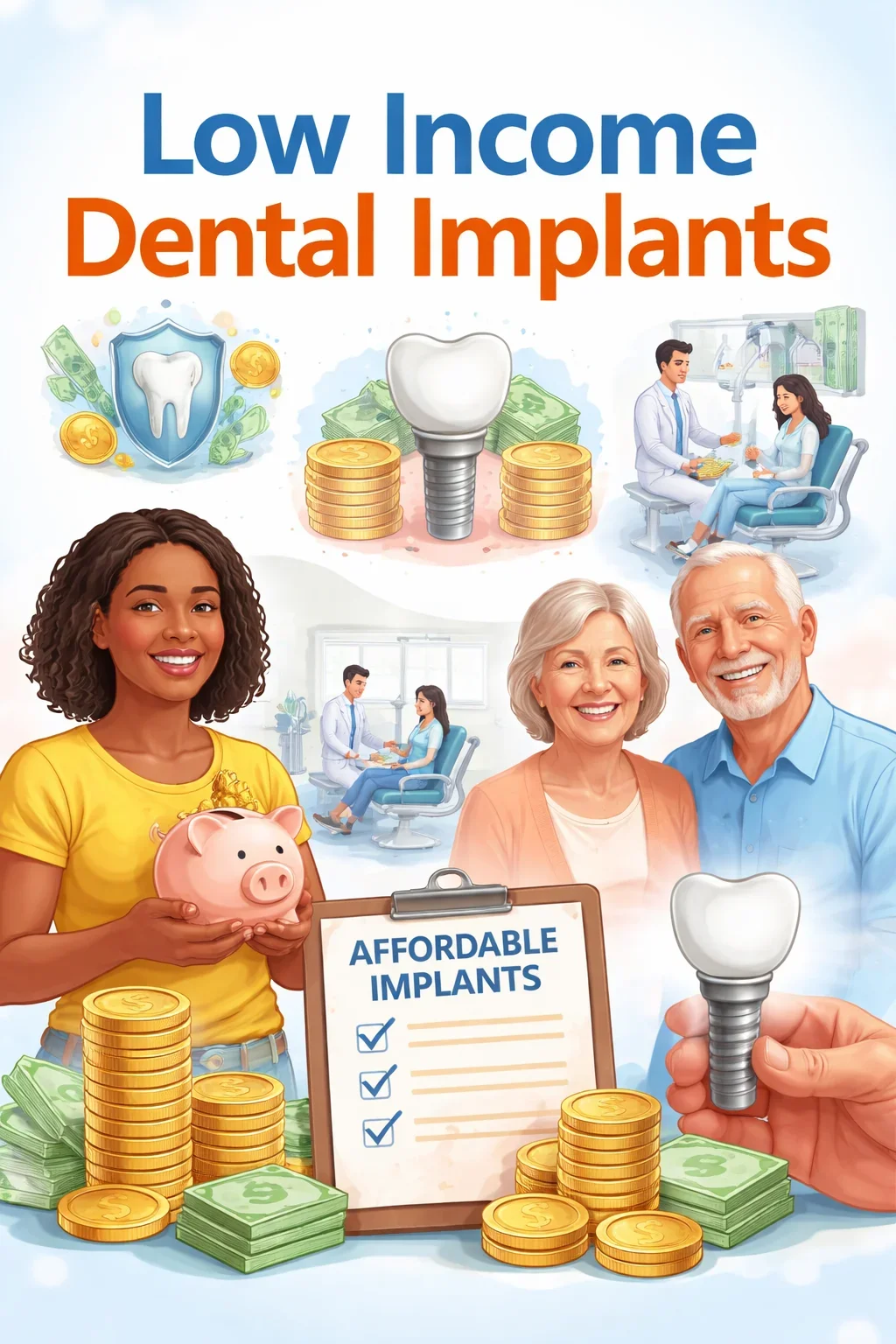
Tips to Save Money on Low Income Dental Implants Treatments
Saving money on low income dental implants is not only possible but also practical when you understand the right strategies. Even though low income dental implants are already designed to be more affordable than traditional implant procedures, there are still several ways to reduce costs further without compromising quality. By planning carefully and exploring all available options, patients can achieve excellent results while staying within budget 😊.
Start with Early Planning
One of the most effective ways to save money on low income dental implants is to plan ahead. Early diagnosis and treatment can prevent complications that may require additional procedures, such as bone grafting or gum treatment. The earlier you address tooth loss, the simpler and more affordable your low income dental implants treatment will be.
Why Timing Matters
Delaying treatment often leads to bone deterioration and shifting teeth, which can increase the complexity and cost of low income dental implants. Acting early ensures a more straightforward procedure and lower overall expenses.
Compare Multiple Clinics
Not all providers of low income dental implants offer the same pricing or services. Comparing multiple clinics allows you to identify the best value for your investment. Look beyond just the price and consider factors such as experience, technology, and patient reviews.
What to Compare
- Total treatment cost
- Included services (consultation, imaging, follow-ups)
- Quality of materials used
- Success rates and patient feedback
By evaluating these aspects, you can find a clinic that offers high-quality low income dental implants at a competitive price.
Consider Dental Tourism
Dental tourism has become a popular option for patients seeking low income dental implants. Traveling to countries where dental care is more affordable can significantly reduce costs while maintaining high standards of treatment.
Popular Destinations
Countries like Turkey, Mexico, and Hungary are known for offering low income dental implants at much lower prices compared to the United States or Western Europe. Many clinics also provide package deals that include accommodation and transportation.
Before choosing this option, ensure that the clinic follows international standards and verify credentials through trusted sources such as the American Dental Association.
Use Dental Schools and Training Clinics
As discussed earlier, dental schools are an excellent way to access low income dental implants at reduced costs. These institutions offer treatments performed by students under professional supervision, ensuring both affordability and quality.
Maximizing Savings
Combining dental school services with other cost-saving strategies can further reduce the expense of low income dental implants. This approach is especially beneficial for patients with limited budgets.
Take Advantage of Payment Plans
Flexible payment plans can make low income dental implants more manageable by spreading the cost over time. Many clinics offer interest-free or low-interest financing options, allowing patients to pay in installments.
Smart Financing Tips
- Choose plans with low or no interest
- Avoid hidden fees
- Pay more than the minimum when possible
Using financing wisely ensures that low income dental implants remain affordable without creating long-term financial stress.
Look for Promotions and Discounts
Many clinics offering low income dental implants run seasonal promotions or special discounts. These offers can significantly reduce the overall cost of treatment.
Where to Find Deals
- Clinic websites and newsletters
- Social media pages
- Local healthcare events
Staying informed about these opportunities can help you secure low income dental implants at even lower prices.
Maintain Good Oral Hygiene
Proper oral hygiene is essential not only for maintaining your implants but also for avoiding additional costs. Healthy gums and teeth reduce the likelihood of complications that could increase the cost of low income dental implants.
Daily Care Tips
- Brush twice a day with fluoride toothpaste
- Floss regularly
- Attend routine dental check-ups
By maintaining good oral health, you protect your investment in low income dental implants and ensure long-term success.
Consult Professionals for Personalized Advice
Every patient’s situation is unique, so professional guidance is essential when planning low income dental implants. A qualified dentist can recommend the most cost-effective treatment options based on your needs.
You can start by contacting experts through the Redent Klinik Contact Page to receive personalized recommendations and explore the best ways to save on low income dental implants.
Conclusion: Smart Strategies for Affordable Implants
In conclusion, saving money on low income dental implants requires a combination of planning, research, and smart decision-making. By comparing clinics, exploring dental tourism, using payment plans, and maintaining good oral hygiene, patients can significantly reduce costs while achieving excellent results.
Low income dental implants are already a step toward affordable dental care, and with the right strategies, they become even more accessible. Taking control of your treatment plan ensures that you can enjoy a healthy, confident smile without financial burden 🌟.