
Finding reliable and affordable dental care can feel overwhelming, especially when tooth loss begins to affect your daily life. For many individuals and families, low income dentures offer a practical, life-changing solution that restores both function and confidence. If you are struggling with missing teeth but worried about the cost, understanding your options for low income dentures is the first step toward reclaiming your smile 😊.
Low income dentures are specifically designed to make tooth replacement accessible to people with limited financial resources. These dentures are typically offered at reduced prices through government programs, nonprofit organizations, dental schools, or clinics that prioritize affordable care. The goal is simple: ensure that everyone, regardless of income level, can access essential dental treatment without compromising their health.
Missing teeth can lead to more than just cosmetic concerns. Without proper tooth replacement, individuals may experience difficulty chewing, speaking, and maintaining proper oral hygiene. Over time, this can also result in jawbone deterioration and facial structure changes. That is why low income dentures are not just about appearance—they are critical for maintaining overall oral health and quality of life.
There are several types of low income dentures available depending on your needs. Full dentures are ideal for patients who have lost all their teeth, while partial dentures are designed for those who still have some natural teeth remaining. In many cases, affordable denture programs also provide basic customization to ensure a comfortable fit and natural look. While these options may not include premium materials, they are still highly functional and effective for daily use.
One of the most important aspects of low income dentures is accessibility. Many people assume that dentures are always expensive, but there are numerous pathways to reduce costs. For example, Medicaid and other public healthcare programs in certain regions may cover part or all of the denture cost. Additionally, community health clinics often provide sliding-scale fees, meaning the amount you pay is adjusted based on your income level.
Another valuable resource for obtaining low income dentures is dental schools. These institutions allow supervised students to perform procedures at significantly reduced costs. While the treatment may take a bit longer, the quality of care is carefully monitored by experienced professionals. This makes dental schools an excellent option for patients seeking affordable solutions without sacrificing safety.
Nonprofit organizations and charities also play a major role in providing low income dentures. Programs like free dental days or volunteer-driven clinics can offer dentures at little to no cost. Although availability may be limited and require some waiting time, these services are invaluable for individuals who cannot afford traditional dental care.
When considering low income dentures, it is essential to evaluate not only the price but also the long-term value. Properly fitted dentures can last several years with good care, making them a worthwhile investment even at a reduced cost. Regular cleaning, proper storage, and routine dental checkups will help extend their lifespan and maintain oral health.
In addition to affordability, comfort and fit should always be a priority. Poorly fitted dentures can cause irritation, sores, and difficulty eating. That is why even when choosing low income dentures, it is important to work with a qualified dental professional who can ensure proper measurements and adjustments.
If you are unsure where to begin, reaching out to a trusted dental clinic can make the process much easier. For personalized guidance and professional support, you can visit the Redent Klinik Contact Page to explore your options. A qualified dental team can assess your needs and help you find the best solution for low income dentures based on your situation.
For additional information about oral health standards and denture care, you can also refer to the American Dental Association, which provides trusted guidelines and recommendations.
Ultimately, low income dentures are about more than affordability—they are about restoring dignity, improving health, and enhancing everyday life. Whether you are dealing with recent tooth loss or long-term dental issues, there is a solution available for you. With the right information and resources, achieving a confident, functional smile is absolutely within reach 💙.
What Are Low Income Dentures and Who Qualifies?
Understanding what low income dentures are and who qualifies for them is essential if you are searching for affordable ways to restore your smile. Many people delay dental treatment because of cost concerns, but low income dentures exist specifically to bridge that gap and make tooth replacement accessible to everyone. These solutions are designed for individuals who cannot afford traditional dental pricing yet still need reliable, functional dentures for daily life 😊.
Definition and Purpose of Low Income Dentures
Low income dentures refer to denture services that are offered at reduced prices or subsidized rates. These dentures are typically provided through public healthcare systems, nonprofit organizations, dental schools, or clinics that offer sliding-scale fees. The primary goal of low income dentures is to ensure that financial limitations do not prevent individuals from receiving essential dental care.
Unlike premium denture options, low income dentures may use more basic materials or simplified processes to reduce costs. However, this does not mean they are ineffective. In fact, these dentures are carefully designed to restore chewing ability, improve speech, and enhance overall appearance. For many patients, low income dentures provide a life-changing improvement in both health and confidence.
Why Low Income Dentures Are Important
The importance of low income dentures goes beyond aesthetics. Missing teeth can lead to serious oral health problems, including gum disease, jawbone loss, and difficulty eating nutritious foods. By making dentures more accessible, low income dentures help prevent these complications and support long-term well-being.
Additionally, low income dentures play a key role in social and psychological health. People with missing teeth often feel self-conscious or avoid social interactions. Affordable denture solutions allow individuals to regain their confidence and participate fully in daily life without embarrassment.
Who Qualifies for Low Income Dentures?
Eligibility for low income dentures typically depends on financial status, healthcare coverage, and location. While the exact criteria may vary, most programs are designed to assist individuals who fall below a certain income threshold or who lack access to private dental insurance.
Common groups that may qualify for low income dentures include:
- Individuals with limited or no income
- Senior citizens living on fixed pensions
- Uninsured or underinsured patients
- People receiving government assistance programs
- Students or individuals in transitional financial situations
Many clinics and organizations require proof of income, residency, or participation in assistance programs to determine eligibility for low income dentures. This ensures that resources are directed to those who need them most.
Income-Based Qualification Systems
Some providers use a sliding-scale system to offer low income dentures. This means the cost of treatment is adjusted based on your income level. For example, someone earning significantly below the average income may receive dentures at a much lower cost compared to someone with a moderate income.
These systems are particularly beneficial because they allow a wider range of individuals to access low income dentures without being excluded due to strict eligibility requirements. Instead of a fixed price, patients pay what they can reasonably afford.
Types of Programs Offering Low Income Dentures
There are several pathways through which you can access low income dentures. Each option has its own advantages, and understanding them can help you choose the best solution for your needs.
Government Assistance Programs
In many regions, government healthcare programs provide coverage for low income dentures. These programs may fully or partially cover the cost of dentures depending on your eligibility. While coverage varies, this is often one of the most affordable ways to obtain dentures.
Nonprofit and Charity Services
Charitable organizations frequently organize events or clinics that provide low income dentures at little to no cost. These services are often funded by donations and supported by volunteer dental professionals. Although availability may be limited, they are a valuable resource for those in urgent need.
Dental Schools and Training Clinics
Dental schools offer another excellent option for obtaining low income dentures. Students perform procedures under the supervision of experienced dentists, allowing costs to be significantly reduced. While appointments may take longer, the quality of care remains high.
Key Considerations Before Applying
Before applying for low income dentures, it is important to understand what is included in the treatment. Some programs may cover only basic dentures, while others may include adjustments and follow-up care. Always ask about what services are included so you can avoid unexpected costs.
You should also consider the timeline. Due to high demand, there may be waiting periods for low income dentures. Planning ahead and applying early can help you secure treatment sooner.
For professional guidance tailored to your situation, you can visit the Redent Klinik Contact Page. Their team can help you explore available options for low income dentures and guide you through the process.
Additionally, for trusted oral health recommendations, the American Dental Association provides valuable information about denture care and treatment standards.
In summary, low income dentures are a vital solution for individuals who need affordable dental care. By understanding eligibility requirements and available programs, you can take the first step toward restoring your smile and improving your quality of life 💙.
Top Affordable Denture Options for Low Income Patients
When exploring solutions for missing teeth, it is important to understand that low income dentures come in several different forms. Each option is designed to balance affordability with functionality, ensuring that patients with limited financial resources can still receive effective dental care. Choosing the right type of low income dentures depends on your oral health condition, budget, and long-term needs. In this section, we will explore the most common and practical options available today 😊.
Complete Dentures for Full Tooth Replacement
One of the most widely used forms of low income dentures is complete dentures. These are ideal for patients who have lost all their teeth in either the upper or lower jaw. Complete low income dentures are designed to rest directly on the gums and provide a full set of artificial teeth that restore both appearance and function.
Despite being a cost-effective option, modern complete low income dentures are designed to look natural and provide a reasonable level of comfort. They help improve chewing ability, speech clarity, and facial structure. However, they may require periodic adjustments as the shape of the gums changes over time.
Advantages of Complete Dentures
- Affordable compared to implant-supported options
- Quick to fabricate and fit
- Restores full smile and facial aesthetics
- Widely available through clinics offering low income dentures
Partial Dentures for Patients with Remaining Teeth
For individuals who still have some natural teeth, partial low income dentures are an excellent choice. These dentures are designed to fill the gaps left by missing teeth while preserving the remaining natural ones. Partial low income dentures typically consist of a metal or acrylic base with artificial teeth attached.
One major advantage of partial low income dentures is that they prevent the remaining teeth from shifting out of place. This helps maintain proper alignment and reduces the risk of further dental complications. They are also generally more affordable than full-mouth restorations.
Why Choose Partial Dentures?
Partial low income dentures are often recommended because they provide a balance between cost and functionality. They are less invasive than other treatments and can be easily removed for cleaning. This makes them a practical and budget-friendly option for many patients.
Flexible Dentures for Enhanced Comfort
Flexible dentures are another option within the category of low income dentures. These are made from softer, more adaptable materials that conform to the shape of your gums. While slightly more expensive than basic acrylic dentures, flexible low income dentures are still considered affordable compared to premium solutions.
Patients often prefer flexible low income dentures because they are lightweight and less likely to cause irritation. They also offer a more natural appearance, as the material blends well with the gums.
Benefits of Flexible Dentures
- Improved comfort and fit
- Reduced risk of sore spots
- Natural-looking appearance
- Durable and resistant to breakage
Immediate Dentures for Quick Results
Immediate dentures are a practical solution for patients who need tooth replacement right after extraction. These low income dentures are prepared in advance and placed immediately after the removal of natural teeth. This means you never have to go without teeth during the healing process.
Although immediate low income dentures may require adjustments as your gums heal, they provide an immediate improvement in appearance and function. This makes them a popular choice for individuals who want a fast and affordable solution.
Implant-Supported Dentures (Budget Options)
While dental implants are typically more expensive, some clinics offer budget-friendly versions of implant-supported low income dentures. These dentures are anchored to implants for better stability and comfort. Although the upfront cost is higher, they can be more durable and require fewer replacements over time.
In certain cases, financial assistance programs or payment plans can make implant-supported low income dentures more accessible. This option is worth considering if you are looking for a long-term solution.
Comparing Costs of Low Income Dentures
Here is a general overview of pricing for low income dentures based on typical market data:
Complete Dentures: $300 – $1,500 per arch
Partial Dentures: $200 – $1,200
Flexible Dentures: $600 – $2,000
Immediate Dentures: $400 – $1,800
Implant-Supported Dentures: $1,500 – $5,000+
These prices can vary depending on location, materials, and provider. However, they demonstrate that low income dentures are significantly more accessible than traditional high-end dental solutions.
Choosing the Right Option for Your Needs
Selecting the best type of low income dentures requires careful consideration of your oral health, lifestyle, and budget. It is always recommended to consult with a dental professional who can evaluate your condition and suggest the most suitable option.
If you are unsure where to start, you can visit the Redent Klinik Contact Page to receive personalized advice. Their team can guide you through the available options for low income dentures and help you make an informed decision.
For additional professional standards and recommendations, you can also refer to the American Dental Association, which provides trusted information about denture treatments.
In conclusion, there are many effective and affordable options available when it comes to low income dentures. By understanding these choices, you can find a solution that restores your smile, improves your oral health, and fits within your budget 💙.
Government Programs That Cover Low Income Dentures
For many individuals struggling with tooth loss, government assistance programs can be the most reliable pathway to accessing low income dentures. These programs are specifically designed to support people who cannot afford private dental care, ensuring that essential treatments like dentures remain within reach. Understanding how these systems work can significantly increase your chances of receiving low income dentures at little to no cost 😊.
Medicaid and Public Health Coverage
One of the primary sources of funding for low income dentures is Medicaid or similar public healthcare programs. Medicaid is a government-funded insurance program that provides health coverage to individuals and families with limited income. In many regions, Medicaid includes dental benefits, which may cover part or all of the cost of low income dentures.
However, coverage varies depending on the state or country. Some programs fully cover basic low income dentures, while others may only cover extractions or partial treatments. It is important to check the specific benefits available in your area to understand what portion of low income dentures is included.
What Medicaid Typically Covers
- Tooth extractions before denture placement
- Basic complete or partial low income dentures
- Initial fittings and adjustments
- Limited follow-up care
Even if Medicaid does not fully cover premium options, it still plays a crucial role in reducing the overall cost of low income dentures, making them far more accessible.
Medicare and Denture Coverage Limitations
Unlike Medicaid, Medicare generally does not cover routine dental procedures, including low income dentures. This can be a surprise for many seniors who rely on Medicare as their primary health insurance. However, there are exceptions in certain medical cases, such as when dentures are required after surgery or trauma.
Some Medicare Advantage plans (Part C) may offer additional dental benefits, including partial coverage for low income dentures. These plans vary widely, so reviewing your policy details is essential to determine eligibility.
Alternative Options for Medicare Patients
If you are a Medicare recipient, you can still access low income dentures through other channels such as state-funded programs, nonprofit organizations, or dental schools. Combining multiple resources can help reduce costs significantly.
State and Local Assistance Programs
In addition to federal programs, many states and local governments offer their own initiatives to support low income dentures. These programs are often tailored to the needs of the community and may provide more flexible eligibility requirements.
For example, some states offer emergency dental funds, senior dental programs, or disability-based assistance that includes low income dentures. Local health departments can be a valuable resource for discovering these opportunities.
How to Find Local Programs
To locate programs offering low income dentures, you can:
- Contact your local health department
- Visit community health clinics
- Search for state dental assistance programs online
- Ask dental providers about available subsidies
These local resources often have shorter waiting times compared to national programs, making them a practical option for faster access to low income dentures.
Veterans Affairs (VA) Dental Benefits
For eligible veterans, the Department of Veterans Affairs (VA) provides dental care that may include low income dentures. Qualification depends on service-related conditions, disability status, or other eligibility criteria set by the VA.
Veterans who qualify can receive comprehensive dental services, including the provision and maintenance of low income dentures. This is one of the most complete coverage options available for those who meet the requirements.
Eligibility for VA Denture Benefits
Eligibility for low income dentures through the VA typically includes:
- Service-connected dental disabilities
- Former prisoners of war
- Veterans with 100% disability ratings
- Specific medical conditions requiring dental care
If you are a veteran, it is highly recommended to explore VA benefits as a potential source for low income dentures.
Application Process for Government Programs
Applying for programs that provide low income dentures usually involves several steps. While the process may seem complex, being prepared can make it much smoother.
Steps to Apply
- Gather proof of income and identification
- Complete the application form for the program
- Provide medical or dental history if required
- Attend an evaluation appointment
- Wait for approval and scheduling
Patience is important, as demand for low income dentures is often high. However, once approved, these programs can significantly reduce or eliminate treatment costs.
Why Government Programs Matter
Government-funded initiatives are essential for ensuring access to low income dentures. Without these programs, many individuals would be unable to afford basic dental care, leading to long-term health issues and reduced quality of life.
These programs not only provide financial relief but also promote preventive care and early treatment, reducing the risk of more serious dental problems in the future.
If you need assistance navigating your options, you can visit the Redent Klinik Contact Page for expert guidance. Their team can help you identify the best pathways to obtain low income dentures based on your eligibility.
For official guidelines and additional information on dental care standards, refer to the American Dental Association, a trusted authority in oral health.
In conclusion, government programs play a crucial role in making low income dentures accessible to those who need them most. By understanding the available options and taking the time to apply, you can secure affordable dental care and improve your overall well-being 💙.
Charities and Nonprofits Offering Free or Low Cost Dentures
For individuals who cannot afford traditional dental care, charities and nonprofit organizations provide a vital pathway to accessing low income dentures. These organizations are often driven by a mission to improve public health and restore confidence in underserved communities. If you are searching for reliable and compassionate solutions, exploring nonprofit options for low income dentures can be one of the most effective strategies 😊.
How Charities Support Low Income Dentures
Charitable organizations play a major role in making low income dentures accessible to those in need. They often partner with volunteer dentists, dental hygienists, and clinics to provide free or heavily discounted services. These programs are typically funded through donations, grants, and community support.
In many cases, charities organize special dental events where patients can receive low income dentures in a single visit. These events are especially helpful for individuals who require immediate assistance and cannot afford to wait for long-term treatment plans.
Types of Services Offered
- Free or discounted low income dentures
- Tooth extractions prior to denture placement
- Basic oral health screenings
- Follow-up adjustments and maintenance
While services may vary depending on the organization, the core focus remains the same: ensuring that low income dentures are available to those who need them most.
Well-Known Nonprofit Dental Programs
Several reputable nonprofit organizations are dedicated to providing low income dentures and other essential dental services. These programs operate at local, national, and even international levels.
Mission of Mercy Clinics
Mission of Mercy is a well-known initiative that organizes large-scale dental clinics offering free care, including low income dentures. These events often serve hundreds of patients in a short period and rely on volunteer professionals to deliver high-quality treatment.
Dental Lifeline Network
The Dental Lifeline Network provides comprehensive dental care, including low income dentures, to elderly individuals, people with disabilities, and those with serious medical conditions. This program connects patients with volunteer dentists who offer services at no cost.
Local Community Clinics
In addition to national programs, many local community clinics offer low income dentures through nonprofit funding. These clinics are often easier to access and may have shorter waiting lists compared to larger organizations.
Eligibility for Charity-Based Dentures
Eligibility requirements for low income dentures through charities vary depending on the organization. However, most programs prioritize individuals who are unable to afford dental care through any other means.
Common Qualification Criteria
- Proof of low income or financial hardship
- Lack of dental insurance coverage
- Medical conditions requiring dental intervention
- Age-related factors (such as seniors)
Because demand for low income dentures is often high, some programs may also have waiting lists or limited appointment availability. Applying early and providing complete documentation can improve your chances of approval.
Advantages of Choosing Nonprofit Denture Services
One of the biggest advantages of obtaining low income dentures through charities is the significant cost reduction. In many cases, patients receive treatment entirely free of charge. This makes nonprofit programs an essential resource for those facing financial barriers.
Additionally, the quality of care provided through these programs is often excellent. Volunteer dentists are licensed professionals who are committed to delivering safe and effective treatment. This ensures that low income dentures meet basic functional and aesthetic standards.
Emotional and Social Benefits
Receiving low income dentures through a charitable program can also have a profound emotional impact. Many patients report increased confidence, improved social interactions, and a better overall quality of life after treatment. These benefits highlight the importance of accessible dental care.
Potential Limitations to Consider
While nonprofit programs offer incredible support, there are some limitations to keep in mind when seeking low income dentures.
Availability and Waiting Times
Due to high demand, there may be waiting periods for appointments or treatment. Some programs operate only on specific dates or locations, which can limit accessibility.
Scope of Services
Not all programs provide comprehensive denture solutions. Some may only offer basic low income dentures without advanced customization or long-term follow-up care.
Understanding these limitations can help you plan accordingly and explore multiple options for obtaining low income dentures.
How to Find Charity Denture Programs
Finding organizations that offer low income dentures requires some research, but the effort can lead to significant savings and improved oral health.
Search Strategies
- Check local nonprofit directories
- Contact community health centers
- Search online for free dental clinics
- Ask dental professionals for referrals
You can also visit the Redent Klinik Contact Page to receive guidance on available options for low income dentures. Their team can help you identify suitable programs and navigate the application process.
For trusted oral health information and professional standards, refer to the American Dental Association, which provides valuable resources on denture care.
Final Thoughts on Nonprofit Denture Solutions
Charities and nonprofit organizations are a cornerstone in the effort to provide low income dentures to underserved populations. By offering free or reduced-cost services, they ensure that financial challenges do not prevent individuals from receiving essential dental care.
If you are facing difficulties affording dentures, exploring nonprofit options for low income dentures can open doors to life-changing treatment. With the right resources and support, achieving a healthy, confident smile is entirely possible 💙.
Dental Schools: A Smart Way to Get Low Income Dentures
When searching for affordable dental care, one of the most overlooked yet highly effective options is dental schools. These institutions provide an excellent pathway for patients to access low income dentures without sacrificing quality. Dental schools combine professional supervision with hands-on student training, making them a reliable and budget-friendly solution for individuals who need low income dentures but cannot afford private clinic prices 😊.
How Dental Schools Provide Low Income Dentures
Dental schools operate as educational institutions where students train to become licensed dentists. As part of their training, they perform procedures such as denture fabrication and fitting under the close supervision of experienced professionals. This setup allows patients to receive low income dentures at significantly reduced costs.
The reason low income dentures are more affordable in dental schools is simple: the procedures are part of the educational process. While students gain practical experience, patients benefit from lower fees. Despite the reduced cost, every step of the process is monitored by qualified instructors to ensure safety and quality.
What to Expect During Treatment
Receiving low income dentures at a dental school typically involves multiple appointments. This is because students must follow structured procedures and receive approval at each stage. While this may take longer than visiting a private clinic, the savings and quality make it worthwhile.
- Initial consultation and oral examination
- Impressions and measurements for dentures
- Trial fittings and adjustments
- Final denture placement
- Follow-up visits for comfort and fit
Each of these steps ensures that low income dentures are properly fitted and comfortable for long-term use.
Advantages of Choosing Dental Schools
There are several compelling reasons to consider dental schools when looking for low income dentures. These advantages go beyond cost savings and include quality assurance and comprehensive care.
Cost Savings
The most obvious benefit is affordability. Dental schools offer low income dentures at a fraction of the cost compared to private practices. This makes them an ideal choice for individuals on a tight budget.
Supervised Professional Care
Although students perform the procedures, they are closely supervised by experienced dentists. This ensures that low income dentures meet professional standards and are safe for patients.
Access to Modern Techniques
Dental schools often use the latest technology and methods in their training programs. This means patients receiving low income dentures may benefit from up-to-date practices and materials.
Potential Drawbacks to Consider
While dental schools are an excellent option for low income dentures, there are some factors to consider before choosing this route.
Longer Treatment Time
Because procedures are part of a learning process, appointments may take longer and require multiple visits. Patients seeking low income dentures should be prepared for a more extended timeline.
Limited Availability
Dental schools may have limited appointment slots due to high demand. Scheduling low income dentures treatment may require patience and flexibility.
Cost Comparison of Dental School Dentures
Dental schools are known for offering some of the most affordable low income dentures. Below is a general cost comparison based on typical data:
Full Dentures at Dental Schools: $200 – $800
Partial Dentures: $150 – $600
Adjustments and Repairs: Often included or low cost
These prices are significantly lower than traditional dental clinics, making dental schools a top choice for low income dentures.
Who Should Consider Dental Schools?
Dental schools are ideal for a wide range of patients seeking low income dentures. They are particularly suitable for individuals who:
- Have limited financial resources
- Do not have dental insurance
- Are not in urgent need of immediate treatment
- Are willing to attend multiple appointments
If you fall into any of these categories, dental schools can be a highly effective way to obtain low income dentures.
Tips for Getting the Best Experience
To make the most of your experience with low income dentures at a dental school, consider the following tips:
Be Patient and Flexible
Allow extra time for appointments and procedures. The process may be slower, but the results are worth it.
Ask Questions
Students and supervisors are usually happy to explain each step. This helps you better understand your low income dentures treatment.
Follow Aftercare Instructions
Proper care ensures that your low income dentures last longer and remain comfortable.
Getting Started with Dental School Dentures
If you are interested in obtaining low income dentures through a dental school, the first step is to locate an accredited institution in your area. Most schools have dedicated clinics that accept patients from the public.
For personalized guidance and assistance, you can visit the Redent Klinik Contact Page. Their team can help you explore all available options for low income dentures and determine whether dental schools are the right choice for you.
You can also refer to the American Dental Association for trusted information about dental education and treatment standards.
Conclusion
Dental schools offer a smart, practical, and affordable way to access low income dentures. With professional supervision, modern techniques, and significantly reduced costs, they provide an excellent balance between quality and affordability. If you are willing to invest a bit more time in the process, dental schools can help you achieve a healthy, confident smile without financial stress 💙.
Comparing Costs: Low Income Dentures vs Traditional Dentures
When deciding on the best tooth replacement option, cost is often the most important factor. Understanding the financial differences between low income dentures and traditional dentures can help you make a confident and informed decision. While both options aim to restore your smile and oral function, they differ significantly in pricing, materials, customization, and long-term value. In this section, we will explore these differences in detail so you can determine which type of low income dentures or standard dentures best fits your needs 😊.
What Are Traditional Dentures?
Traditional dentures are typically provided by private dental clinics and are often made using higher-end materials and advanced customization techniques. These dentures are designed for maximum comfort, durability, and aesthetics. However, this level of quality comes at a higher cost compared to low income dentures.
Traditional dentures may include features such as premium acrylics, precise fittings, and enhanced natural appearance. While they can provide excellent results, the price can be a major barrier for many individuals, which is why low income dentures have become such an important alternative.
Typical Features of Traditional Dentures
- High-quality materials for durability
- Custom-fit design for better comfort
- Advanced aesthetic appearance
- Faster treatment timelines
What Are Low Income Dentures?
Low income dentures are designed to provide essential functionality at a significantly reduced cost. These dentures are often offered through government programs, nonprofit organizations, dental schools, or clinics with sliding-scale pricing. While they may not include premium materials, low income dentures still effectively restore chewing ability, speech, and appearance.
The primary goal of low income dentures is accessibility. They ensure that individuals with limited financial resources can still receive necessary dental care without compromising their overall health.
Key Characteristics of Low Income Dentures
- Affordable pricing structures
- Basic but functional materials
- Available through multiple support programs
- May require longer treatment timelines
Cost Breakdown: Low Income Dentures vs Traditional Dentures
The most noticeable difference between low income dentures and traditional dentures is cost. Below is a general comparison to help you understand the price range:
Low Income Dentures:
Full Dentures: $300 – $1,500 per arch
Partial Dentures: $200 – $1,200
Repairs/Adjustments: Often low cost or included

Traditional Dentures:
Full Dentures: $1,500 – $5,000 per arch
Partial Dentures: $1,000 – $3,000
Premium Options: $5,000+
As shown above, low income dentures are significantly more affordable, making them accessible to a wider population. Traditional dentures, while offering enhanced features, may not be financially feasible for many patients.
Quality and Durability Comparison
When comparing low income dentures with traditional dentures, quality and durability are important considerations. Traditional dentures typically use stronger materials and may last longer with proper care. However, modern low income dentures have improved significantly and can still provide reliable performance for several years.
Material Differences
Traditional dentures often use premium acrylics or porcelain teeth, while low income dentures may use standard acrylic materials. Although this affects durability and aesthetics, the difference is not always noticeable in daily use.
Lifespan Expectations
Both types of dentures require maintenance and eventual replacement. With proper care, low income dentures can last 5–7 years, while traditional dentures may last slightly longer. Regular checkups are essential for both options.
Comfort and Fit Considerations
Comfort is another key factor when comparing low income dentures and traditional dentures. Traditional options often provide a more precise fit due to advanced customization. However, properly fitted low income dentures can still offer a comfortable and functional experience.
Adjustment Period
Both types of dentures require an adjustment period. Patients using low income dentures may need additional follow-up visits to ensure optimal comfort and fit.
Accessibility and Availability
One of the biggest advantages of low income dentures is accessibility. They are available through various programs and institutions, making them easier to obtain for individuals with financial limitations. Traditional dentures, on the other hand, require full payment or insurance coverage.
Where to Get Each Option
- Low income dentures: Community clinics, dental schools, nonprofits
- Traditional dentures: Private dental practices
If you need help finding the best solution, you can visit the Redent Klinik Contact Page for expert advice on choosing between low income dentures and traditional options.
For additional guidance on denture standards and care, refer to the American Dental Association, which provides trusted information for patients.
Which Option Is Right for You?
The choice between low income dentures and traditional dentures ultimately depends on your budget, expectations, and oral health needs. If affordability is your primary concern, low income dentures offer a practical and effective solution. If you are seeking premium aesthetics and long-term durability, traditional dentures may be worth the investment.
In conclusion, both options have their advantages. The key is to choose the one that aligns with your financial situation and personal preferences. With the right choice, you can restore your smile, improve your oral health, and regain confidence in your daily life 💙.
How to Apply for Low Income Dentures Step by Step
Applying for low income dentures may seem complicated at first, but when you break the process into clear steps, it becomes much more manageable. Many individuals miss out on valuable opportunities simply because they are unsure where to start. In reality, obtaining low income dentures is achievable if you follow a structured approach and prepare the necessary documents in advance 😊.
This guide will walk you through the complete process of applying for low income dentures, helping you avoid common mistakes and improve your chances of approval.
Step 1: Assess Your Eligibility
The first step in applying for low income dentures is determining whether you qualify. Eligibility is typically based on income level, insurance status, and sometimes medical need. Programs offering low income dentures are designed to support individuals who cannot afford traditional dental care.
What You Need to Check
- Your monthly or annual income level
- Whether you have dental insurance
- Your eligibility for government assistance programs
- Your dental health condition and urgency
Understanding these factors will help you identify the most suitable programs for low income dentures.
Step 2: Research Available Programs
Once you confirm your eligibility, the next step is to research programs that provide low income dentures. There are multiple sources, including government programs, nonprofit organizations, dental schools, and community clinics.
Where to Look
- Government health program websites
- Local health departments
- Charity and nonprofit dental organizations
- Dental school clinics
Each of these sources may offer different types of low income dentures, so comparing options is essential.
Step 3: Gather Required Documents
Before applying for low income dentures, you will need to prepare the necessary documentation. Having everything ready in advance will speed up the process and reduce the risk of delays.
Common Documents Needed
- Proof of income (pay stubs, tax returns)
- Identification (ID card or passport)
- Proof of residence
- Medical or dental records (if available)
Providing accurate and complete information is critical when applying for low income dentures.
Step 4: Submit Your Application
After gathering your documents, you can proceed to submit your application for low income dentures. Depending on the program, this may be done online, in person, or by mail.
Application Tips
- Double-check all information before submission
- Ensure all required documents are included
- Keep copies of your application for reference
Submitting a complete and accurate application increases your chances of receiving low income dentures without unnecessary delays.
Step 5: Attend the Dental Evaluation
Most programs require a dental evaluation before approving low income dentures. This step allows the dentist to assess your oral health and determine the most appropriate treatment.
What Happens During the Evaluation
- Oral examination and assessment
- X-rays if necessary
- Discussion of treatment options
- Cost and coverage explanation
This evaluation ensures that your low income dentures are tailored to your specific needs.
Step 6: Wait for Approval
After completing the evaluation, your application for low income dentures will be reviewed. This process may take some time, especially if the program has high demand.
What to Expect
Waiting times can vary from a few weeks to several months. Staying patient and following up when necessary can help you stay informed about your application status for low income dentures.
Step 7: Begin Treatment
Once approved, you can begin the process of receiving your low income dentures. This typically involves multiple appointments to ensure proper fit and comfort.
Treatment مراحل
- Impressions and measurements
- Trial fittings
- Final denture placement
- Adjustments and follow-up visits
Each step is important to ensure your low income dentures function properly and feel comfortable.
Common Mistakes to Avoid
When applying for low income dentures, avoiding common mistakes can save you time and frustration.
Frequent Errors
- Submitting incomplete applications
- Missing required documents
- Not researching multiple programs
- Ignoring follow-up communication
Being thorough and proactive will improve your chances of successfully obtaining low income dentures.
Get Professional Guidance
If you feel unsure about the process, seeking professional guidance can make a significant difference. You can visit the Redent Klinik Contact Page for personalized assistance with low income dentures. Their team can help you navigate applications and choose the best available options.
Additionally, the American Dental Association offers trusted resources on dental care and treatment standards, which can help you better understand your options for low income dentures.
Conclusion
Applying for low income dentures may require time and effort, but the results are well worth it. By following these steps—assessing eligibility, researching programs, preparing documents, and completing the application—you can successfully access affordable dental care.
With the right preparation and support, obtaining low income dentures becomes a realistic and achievable goal, helping you restore your smile and improve your quality of life 💙.
Tips to Maintain Your Dentures and Save Money Long Term
Once you have successfully obtained low income dentures, the next crucial step is maintaining them properly. Many patients underestimate how important denture care is, but the truth is that proper maintenance can significantly extend the lifespan of your low income dentures and help you avoid unnecessary costs in the future. With the right habits and simple routines, you can keep your dentures clean, comfortable, and functional for years 😊.
In this section, we will explore practical and proven tips to help you take care of your low income dentures while also saving money in the long run.
Daily Cleaning Routine for Low Income Dentures
One of the most important aspects of maintaining low income dentures is daily cleaning. Just like natural teeth, dentures can accumulate plaque, bacteria, and food particles. Without proper cleaning, this buildup can lead to bad breath, infections, and even damage to your dentures.
How to Clean Dentures Properly
- Rinse your low income dentures after every meal
- Brush them gently with a soft denture brush
- Use a non-abrasive denture cleaner
- Avoid regular toothpaste, as it can damage the surface
By following these simple steps, you can keep your low income dentures in excellent condition and reduce the need for repairs.
Soaking Dentures Overnight
Another essential habit for maintaining low income dentures is soaking them overnight. Dentures need to stay moist to retain their shape and fit properly. Leaving them dry can cause warping, which may lead to discomfort and additional expenses.
Best Soaking Practices
- Use a denture soaking solution or clean water
- Ensure your low income dentures are fully submerged
- Avoid hot water, as it can distort the material
Proper soaking helps preserve the structure of your low income dentures and ensures they remain comfortable to wear.
Handle Dentures with Care
Low income dentures are durable, but they are not indestructible. Dropping them or handling them roughly can cause cracks or breakage, leading to repair costs that could have been avoided.
Safe Handling Tips
- Always handle your low income dentures over a soft surface
- Use a towel or basin filled with water when cleaning
- Avoid bending or forcing them into place
Being gentle with your low income dentures can prevent damage and extend their lifespan.
Maintain Good Oral Hygiene
Even if you wear low income dentures, maintaining good oral hygiene is still essential. Your gums, tongue, and any remaining teeth need to be cleaned regularly to prevent infections and ensure a healthy environment for your dentures.
Oral Care Routine
- Brush your gums and tongue daily
- Use an antibacterial mouthwash
- Massage your gums to improve circulation
Healthy oral tissues help your low income dentures fit better and feel more comfortable.
Regular Dental Checkups
Many people assume that once they have low income dentures, they no longer need to visit the dentist. This is a common mistake. Regular checkups are essential to ensure that your dentures fit properly and that your oral health remains in good condition.
Why Checkups Matter
Dentists can identify early signs of wear, damage, or gum issues. Addressing these problems early can save you money and prevent the need for new low income dentures.
If you need professional advice, you can visit the Redent Klinik Contact Page for expert support regarding your low income dentures.
Avoid Common Mistakes
To protect your investment in low income dentures, it is important to avoid common mistakes that can lead to damage or discomfort.
What Not to Do
- Do not use harsh chemicals or bleach
- Do not attempt to repair dentures yourself
- Do not ignore discomfort or poor fit
- Do not sleep with dentures unless advised
Avoiding these mistakes will help keep your low income dentures in optimal condition.
Cost-Saving Benefits of Proper Maintenance
Taking care of your low income dentures is not just about hygiene—it is also about saving money. Proper maintenance reduces the need for repairs, adjustments, and replacements, which can add up over time.
Long-Term Savings
By maintaining your low income dentures, you can extend their lifespan by several years. This means fewer expenses and more value from your initial investment.
When to Replace Your Dentures
Even with excellent care, low income dentures will eventually need to be replaced. Recognizing the signs early can help you plan ahead and avoid discomfort.
Signs You Need New Dentures
- Loose or poor fit
- Visible cracks or damage
- Difficulty chewing or speaking
- Persistent discomfort or irritation
Replacing worn-out low income dentures ensures continued comfort and functionality.
Trusted Resources for Denture Care
For additional information on maintaining low income dentures, you can refer to the American Dental Association. They provide reliable guidelines and recommendations for denture care.
Conclusion
Proper maintenance is the key to getting the most out of your low income dentures. By following daily cleaning routines, handling them carefully, and attending regular checkups, you can extend their lifespan and avoid unnecessary costs.
With consistent care and attention, your low income dentures can continue to provide comfort, functionality, and confidence for years to come 💙.
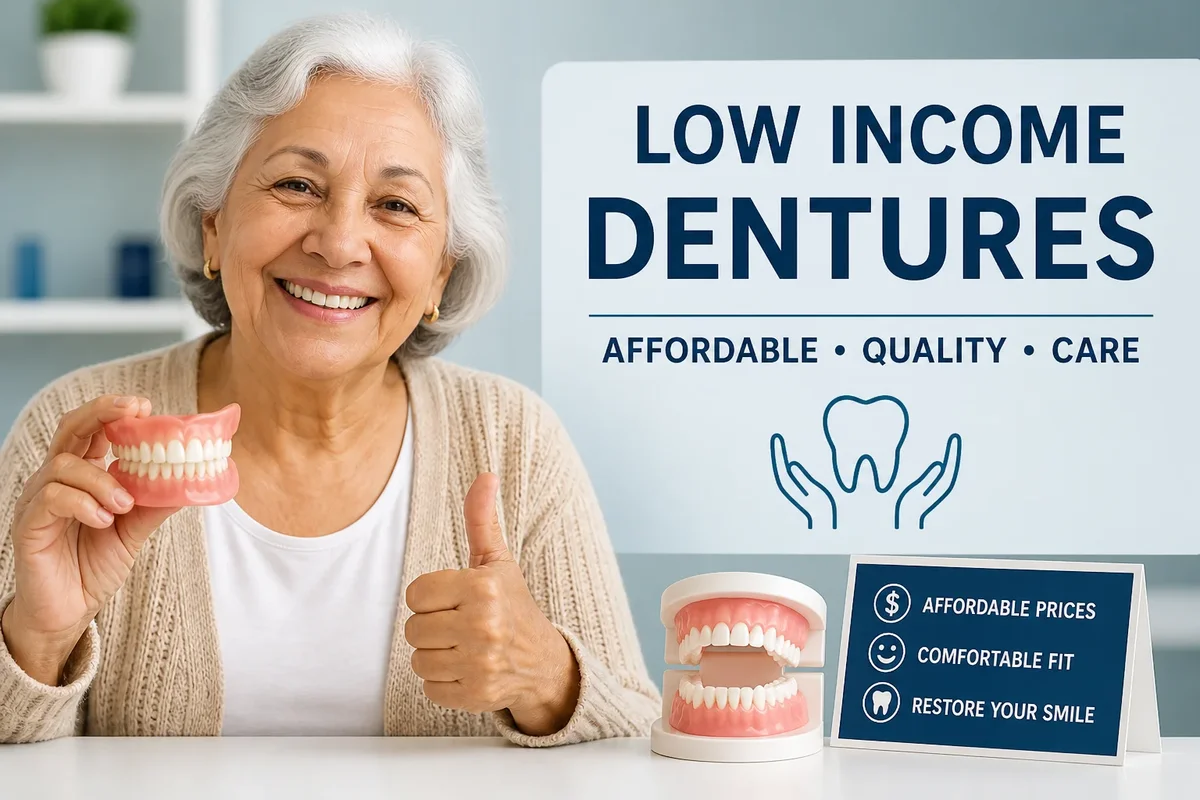
Choosing the Right Clinic for Low Income Dentures
Selecting the right clinic is one of the most important decisions you will make when seeking low income dentures. While affordability is a major factor, it should not be the only consideration. The quality of care, expertise of the dental team, hygiene standards, and long-term support all play a crucial role in ensuring your low income dentures are comfortable, durable, and effective 😊.
Many patients make the mistake of choosing the cheapest option without evaluating other important factors. However, the right clinic for low income dentures should offer a balance between cost, quality, and patient care. In this section, we will guide you through everything you need to consider before making your choice.
Why Choosing the Right Clinic Matters
Low income dentures are not just a product—they are a medical solution that requires proper diagnosis, fitting, and follow-up care. A poorly fitted denture can lead to discomfort, sores, difficulty eating, and even long-term oral health problems.
Choosing a reputable clinic ensures that your low income dentures are designed to fit properly and function effectively. This reduces the need for frequent adjustments and additional costs in the future.
Impact on Long-Term Results
The quality of your low income dentures depends heavily on the skill of the dental professional. A well-chosen clinic will provide accurate measurements, proper alignment, and ongoing support, ensuring long-lasting results.
Key Factors to Consider When Choosing a Clinic
When evaluating clinics that offer low income dentures, it is important to look beyond pricing and consider several essential factors.
Experience and Qualifications
Always check the qualifications and experience of the dental team. Clinics specializing in low income dentures should have trained professionals who understand the specific needs of patients seeking affordable care.
Technology and Equipment
Modern equipment and updated techniques can significantly improve the quality of low income dentures. Clinics that invest in technology are more likely to provide accurate fittings and better results.
Patient Reviews and Reputation
Reading patient reviews is a great way to assess the reliability of a clinic. Positive feedback from other patients who received low income dentures can give you confidence in your choice.
Comparing Different Types of Clinics
There are several types of clinics that offer low income dentures, each with its own advantages and limitations.
Private Dental Clinics
Some private clinics offer affordable packages or payment plans for low income dentures. These clinics often provide faster service and more personalized care.
Community Health Centers
Community clinics are a popular choice for low income dentures. They typically offer sliding-scale fees based on income, making them accessible to a wider range of patients.
Dental Schools
Dental schools provide low income dentures at reduced costs, as discussed earlier. While treatment may take longer, the quality is supervised and reliable.
Questions to Ask Before Choosing a Clinic
Before committing to a provider for low income dentures, it is important to ask the right questions. This will help you avoid unexpected issues and ensure you receive the best possible care.
Important Questions
- What is included in the cost of low income dentures?
- Are adjustments and follow-up visits covered?
- How long will the treatment process take?
- What materials are used for the dentures?
- What happens if the dentures need repairs?
Getting clear answers to these questions will help you make an informed decision about your low income dentures.
Red Flags to Watch Out For
Not all clinics offering low income dentures provide the same level of quality. Being aware of warning signs can help you avoid poor experiences.
Common Red Flags
- Extremely low prices with no clear explanation
- Lack of proper consultation or evaluation
- No follow-up care or adjustment services
- Poor hygiene or outdated equipment
If you notice any of these issues, it may be best to look for another provider for your low income dentures.
Importance of Follow-Up Care
Follow-up care is a critical part of the denture process. Even the best low income dentures may require adjustments after initial placement. A good clinic will provide ongoing support to ensure your dentures remain comfortable and functional.
What Follow-Up Includes
- Fit adjustments
- Minor repairs
- Oral health monitoring
Choosing a clinic that offers comprehensive follow-up care ensures that your low income dentures continue to meet your needs over time.
Getting Professional Support
If you are unsure which clinic to choose, seeking professional guidance can simplify the process. You can visit the Redent Klinik Contact Page to receive expert advice on selecting the best provider for low income dentures.
For additional information on dental care standards, the American Dental Association is a trusted resource that offers valuable insights.
Conclusion
Choosing the right clinic is essential for ensuring the success of your low income dentures. By considering factors such as experience, technology, patient reviews, and follow-up care, you can find a provider that meets both your financial and medical needs.
With the right clinic, your low income dentures will not only restore your smile but also improve your overall quality of life 💙.