
Finding a low income orthodontist can feel overwhelming, especially when families are already balancing essential expenses. Yet orthodontic care is not just cosmetic—it affects bite function, long-term oral health, confidence, and even facial development. Many people assume braces or clear aligners are out of reach, but thanks to modern programs, payment assistance, community clinics, and government-backed options, receiving high-quality orthodontic treatment is more possible than ever. This guide explains every major solution available today so individuals and families can make confident, informed decisions about accessing affordable orthodontic care without financial stress. 😄
In today’s dental landscape, affordability and accessibility are essential. A low income orthodontist specializes in providing care tailored to patients with limited budgets, often offering reduced fees, sliding scales, flexible payment plans, or partnerships with public health programs. These providers understand the financial constraints that many households face and intentionally structure their services to ensure people don’t have to choose between dental health and basic needs. Whether you’re seeking braces for your child or discreet adult orthodontic solutions, affordability does not mean compromising on quality.
One of the biggest advantages of seeking a low-cost orthodontic provider is the wide range of public and private resources available to support treatment. Dental schools, nonprofit clinics, statewide healthcare programs, and charitable foundations all contribute to lowering orthodontic expenses for qualifying families. Additionally, many orthodontists who work with low-income patients offer transparent pricing, allowing you to see what you’re paying for and plan ahead. Some clinics even provide free initial consultations to minimize financial pressure during the decision-making process.
Before starting treatment, many patients worry about how orthodontic expenses compare. Braces typically include diagnostic imaging, treatment planning, regular adjustments, and retainer follow-up. While full orthodontic treatment can be costly, a low income orthodontist focuses on non-luxury, medically essential approaches that keep pricing as conservative as possible. These professionals may recommend traditional metal braces—often the cheapest option—as they are highly effective for most bite issues. They also ensure that patients understand long-term expectations, treatment duration, and lifestyle adjustments required to achieve optimal results.
A key part of understanding affordability is learning how external programs help reduce costs. For example, many states offer coverage for medically necessary orthodontic care for patients who meet specific criteria. Children with severe malocclusions may qualify for government assistance, while adults with structural or functional complications might access specialty programs. Additionally, community care groups, charities, and local dental societies often run initiatives that cover partial or full orthodontic expenses for individuals who demonstrate financial need. These resources work hand-in-hand with low income orthodontic providers to ensure treatment remains accessible.
What truly sets a low income orthodontist apart is their commitment to personalized, compassionate care. They understand that financial hardship can be stressful, so they prioritize clarity, communication, and emotional support throughout treatment. Many practices offer bilingual staff, extended office hours, and simplified paperwork to help reduce barriers. Patients are guided step-by-step—from initial assessment to final retainer placement—so they always know what to expect. Clinics also provide education on at-home oral care to help protect treatment progress and avoid unnecessary emergency visits.
When researching options, it’s important to use reliable and authoritative sources. Many orthodontists follow guidelines provided by organizations such as the American Dental Association, ensuring treatments meet safety and quality standards. These guidelines help low income orthodontic clinics maintain consistency and professionalism, giving patients peace of mind that cost-friendly care still adheres to the highest dental standards.
If you need personalized guidance or want to speak directly with an expert for further information about cost-effective orthodontic solutions, you can reach out through the
Redent Klinik Contact Page. Their team can help point you toward options that match your budget and needs.
Whether you’re a parent seeking braces for your child, a teenager wanting to correct alignment, or an adult searching for an affordable orthodontic pathway, accessing a low income orthodontist can transform your smile and confidence without overwhelming your finances. With the right support, treatment becomes not only affordable but empowering, opening the door to lifelong oral health, improved function, and a boost in well-being. 💙
Best Affordable Orthodontic Options for Low Income Families
Finding the best orthodontic options can feel overwhelming when you’re on a tight budget, but families today have more solutions than ever. A low income orthodontist can dramatically reduce the financial burden of braces or aligners by offering structured programs, cost-saving techniques, and access to community resources. This section breaks down every major option available—so you can clearly understand where to begin, how much to expect, and how to choose the right treatment without sacrificing quality. 😄
Why Affordability Matters in Orthodontics
Orthodontic treatment is a long-term investment in oral health. Poor alignment affects speech, digestion, gum health, and tooth function. Families with limited income often delay treatment due to cost, but this can actually increase long-term expenses because untreated bite problems worsen over time. A low income orthodontist helps stop this cycle by making early, preventive, and corrective treatment possible with flexible pricing and realistic payment strategies. They focus on function, stability, and health—not high-end cosmetic upgrades—ensuring affordability without compromising results.
Most Budget-Friendly Orthodontic Treatments
Not every orthodontic option carries the same price tag. Some systems are naturally more affordable, while others are designed for cosmetic appeal and can be more expensive. The goal is to match your needs with the treatment type that provides maximum benefit at the lowest realistic cost.
1. Traditional Metal Braces
Metal braces are the most affordable and widely recommended option for low income families. They are durable, effective for nearly every type of malocclusion, and often included in nonprofit or government-supported programs.
Metal braces also allow patients to spread payments over longer periods without impacting the success of treatment. These systems prioritize predictable, steady tooth movement—ideal for anyone working with a low income orthodontist.
2. Ceramic Braces
Ceramic braces offer a more discreet appearance but can cost slightly more. However, some clinics provide ceramic brackets at reduced rates for patients who qualify for financial assistance. Families who want a balance between appearance and affordability can request mixed systems—ceramic on top, metal on bottom—which reduces costs while maintaining aesthetics.
3. Clear Aligners (Budget Options)
Though premium aligners can be expensive, some clinics offer lower-cost versions using in-house technology. These systems use 3D printing or simplified aligner trays to reduce lab fees. A low income orthodontist may recommend clear aligners for mild-to-moderate orthodontic concerns if they can be produced affordably. This solution works best for adults who prefer removable options at a reduced cost.
4. Limited-Orthodontic Treatment
Sometimes patients do not need full-mouth orthodontics. Limited treatment focuses on correcting a few critical teeth or a specific bite issue. This approach costs significantly less and shortens the treatment timeline, making it a popular choice among families facing financial constraints.
Community, Nonprofit, and Discount-Based Treatment Paths
Families often overlook powerful resources available in their own communities. These programs are specifically designed to help households access orthodontic care at minimal cost.
Dental Schools
Dental schools and postgraduate orthodontic programs provide supervised treatment at reduced rates—often 40–60% cheaper than private clinics. Patients receive care from trainees who follow strict academic standards, with professors overseeing every step. Many families prefer this model because it balances affordability with quality assurance.
Nonprofit Dental Clinics
Nonprofit organizations and community health centers deliver orthodontic services at sliding-scale fees. Eligibility is based on household income, and in many cases, orthodontics may be partially or entirely subsidized. These clinics collaborate closely with low income orthodontist specialists who volunteer or work on reduced-fee schedules.
Faith-Based and Charity Programs
Many charities run orthodontic support initiatives for children and teens from low-income backgrounds. They may cover costs for severe cases where function or long-term health is impacted. Coverage can include X-rays, braces, and retainers.
Flexible Financial Solutions for Families
Even if you don’t qualify for nonprofit or government assistance, most orthodontic clinics offer payment structures designed for accessibility. A low income orthodontist typically provides:
- Zero-interest monthly payment plans
- Extended financing over 24–36 months
- No-credit-check payment options
- Family discounts for multiple children
- In-office installment plans without third-party lenders
These solutions ensure that orthodontic care can begin immediately—even without large upfront payments. Parents particularly appreciate no-credit-check plans, which prevent interruptions in treatment due to financial fluctuations.
How to Choose the Best Affordable Option
Selecting the right treatment requires balancing cost, clinical needs, age, and lifestyle. For younger patients, metal braces remain the gold standard for affordability and effectiveness. Teens who want aesthetics may choose ceramic braces at slightly higher but manageable rates. Adults with mild alignment concerns may opt for low-cost clear aligners.
A low income orthodontist will evaluate diagnostic scans, bite function, and dental history to recommend the least expensive option that still guarantees long-term stability.
If you want guidance or need help exploring affordable orthodontic pathways, you can contact a specialist through the
Redent Klinik Contact Page. Their experts can walk you through treatment choices based on your budget and needs.
For professional guidelines, orthodontists often follow clinical standards set by the
American Dental Association.
By understanding each option and working with a skilled low income orthodontist, families can finally access the safe, effective orthodontic care they deserve—without financial strain. 💙
How to Qualify for Low Income Orthodontist Programs
Qualifying for assistance-based orthodontic programs can feel confusing, but the process becomes much simpler when you understand how clinics, nonprofits, and government-supported services evaluate eligibility. A low income orthodontist uses structured guidelines to determine whether a patient qualifies for discounted braces, sliding-scale fees, or fully funded orthodontic treatment. In this section, you will learn exactly how eligibility is assessed, what documents you need, and how families can maximize their chances of approval. 😄
These programs exist because orthodontic treatment plays a crucial role in long-term oral health, bite correction, and facial development. Without financial help, many families delay care for years, worsening dental conditions and increasing future treatment costs. Fortunately, qualification methods are designed to make the process fair and accessible. Whether you are applying for government coverage, nonprofit assistance, or clinic-level reduced-fee braces, understanding how to navigate the system will place you in the best position for success.
Understanding Eligibility Criteria
Most orthodontic assistance programs follow a structured evaluation system that considers income, family size, dental health needs, and overall medical necessity. A low income orthodontist usually participates in state, federal, or community-based guidelines that help determine who qualifies. The most common criteria include:
- Household income relative to the Federal Poverty Level (FPL)
- Number of dependents supported in the home
- Severity of orthodontic issues (moderate to severe malocclusion)
- Oral health history and any existing dental risks
- Age requirements—many programs prioritize children, but some accept adults
- Residency status within the program’s jurisdiction
These criteria help ensure that patients with the highest need receive assistance first. The goal is to prioritize individuals whose quality of life, health, or development may be impacted without treatment.
Financial Requirements for Approval
Most assistance programs evaluate applicants using one of two methods: a percentage of the Federal Poverty Level or proof of significant financial hardship. A low income orthodontist typically follows these benchmarks to determine eligibility:
- Household income at or below 150–250% of the Federal Poverty Level
- Recent job loss or reduction in work hours
- Medical bills that create financial strain
- Support for multiple dependents
- Lack of private dental insurance
These factors help create a complete picture of the family’s financial status. Applicants who can demonstrate clear financial hardship are more likely to qualify for reduced-fee orthodontic care.
Clinical Requirements for Orthodontic Assistance
Though financial need is important, orthodontic severity also plays a major role. Programs often require patients to have bite issues that impact oral function or long-term health, not just cosmetic concerns. A low income orthodontist performs a clinical evaluation that may include:
- X-rays to assess jaw structure and tooth positioning
- A bite analysis to evaluate challenges such as overbite, underbite, crowding, or crossbite
- Photographs to document severity for approval boards
- Orthodontic scoring systems (like IOTN or Salzmann Index)
These assessments help determine whether the condition qualifies as “medically necessary,” which greatly improves eligibility for subsidized treatment.
Common Documents Required for Application
To make the process smooth and efficient, it helps to prepare all documents beforehand. Most programs require:
- Pay stubs or income statements from the last 2–3 months
- Tax returns from the previous year
- Proof of residency (ID, utility bill, lease agreement)
- Insurance documentation, if applicable
- School enrollment records for minors
A low income orthodontist may also request letters explaining financial hardship or medical necessity if the case requires additional clarification.
Special Priority Groups
Some programs prioritize certain patients because orthodontic treatment may strongly impact development or long-term oral health. These priority groups include:
- Children with severe bite problems affecting chewing or speech
- Teens experiencing self-esteem challenges due to dental appearance
- Individuals with congenital dental issues
- Patients with orthodontic complications causing discomfort or pain
These cases often move through the approval system faster because the need is more urgent.
Where to Apply for Low Income Orthodontic Programs
There are several types of programs available. Understanding each category helps you determine where to apply:
1. Government Programs (Medicaid / CHIP)
These programs typically cover orthodontics for children when treatment is medically necessary. A low income orthodontist works directly with these systems to submit clinical documentation for approval.
2. Nonprofit Organizations
Charities and dental foundations often offer discounted or fully sponsored orthodontic care for children and teens from low-income families.
3. Dental School Clinics
These programs provide highly supervised orthodontic treatment at significantly reduced rates—often 40–60% cheaper than private offices.
4. In-House Financial Assistance Programs
Many orthodontists offer internal sliding-scale fees and payment plans designed specifically for families applying through a low income orthodontist pathway.
If you need help beginning the application process or want personalized guidance, you can contact an expert directly through the
Redent Klinik Contact Page. Orthodontists often follow standards recommended by the
American Dental Association when evaluating eligibility.
By understanding financial requirements, clinical evaluations, and available programs, patients can confidently apply for orthodontic assistance and increase their chances of qualifying. Working with a dedicated low income orthodontist ensures that every step—from documentation to approval—is handled with clarity, compassion, and expertise. 💙
Government & Community Resources That Reduce Orthodontic Costs
Accessing orthodontic care becomes significantly more achievable when families understand the wide range of government and community resources designed specifically to support individuals with financial limitations. A low income orthodontist often collaborates with these programs to ensure patients receive safe, effective, and affordable treatment—regardless of budget. This section provides an in-depth, practical guide to every major government and community-based program available, how they work, and how you can benefit from them. 😄
Many families do not realize the number of assistance pathways open to them. From federal programs like Medicaid to nonprofit clinics, statewide dental initiatives, and charity foundations, these resources work hand-in-hand with orthodontists to make care accessible. By the end of this guide, you will know exactly which programs align with your needs, how to apply, and what to expect during the approval process.
Major Government Programs for Orthodontic Assistance
Government resources are among the most powerful tools for reducing orthodontic costs. These programs often cover essential care for children and sometimes adults, depending on medical necessity. A low income orthodontist frequently submits the documentation required for approval, making the process easier for families.
1. Medicaid Orthodontic Coverage
Medicaid remains the most widely used government resource for orthodontic coverage. While it typically does not cover cosmetic treatment, it often covers braces for children under 21 who meet the medical necessity requirements. Common qualifying issues include severe overbite, underbite, crossbite, open bite, impacted teeth, and jaw misalignment.
To qualify, families must:
- Meet state-specific income guidelines
- Submit diagnostic imaging (X-rays and photos)
- Undergo a clinical evaluation by a low income orthodontist
- Provide proof of residency
Because Medicaid regulations vary by state, some states offer more comprehensive orthodontic benefits than others. Parents should check local Medicaid guidelines or consult an orthodontist familiar with Medicaid evaluations.
2. CHIP (Children’s Health Insurance Program)
CHIP provides coverage for children whose families earn too much to qualify for Medicaid but still cannot afford private insurance. Orthodontic coverage through CHIP usually requires proof that the treatment is medically necessary.
A low income orthodontist plays a crucial role by preparing a clinical justification report that explains why braces are essential for the child’s oral health. This often includes bite analysis, jaw measurements, and growth assessment.
Community-Based Resources for Orthodontic Support
Beyond government health plans, many communities offer programs that substantially reduce orthodontic costs. These initiatives are typically designed for families who fall between financial brackets and need extra support.
1. Nonprofit Dental Clinics
Nonprofits such as community health centers, dental charities, and regional free clinics offer orthodontic services at reduced fees. These clinics serve families who experience financial hardship but cannot obtain coverage through insurance or government programs.
A low income orthodontist may volunteer at these clinics or work part-time to ensure quality care is delivered at sustainable rates. Patients often receive sliding-scale pricing based on documented income and family size.
2. Faith-Based Organizations
Many religious communities sponsor dental and orthodontic support programs. These organizations may fund a portion—or in some cases, all—of orthodontic treatment for qualifying children and teenagers. Requirements vary, but most programs prioritize:
- Single-parent households
- Families facing medical or financial hardship
- Low-income families with multiple dependents
These programs are especially beneficial for families needing immediate assistance.
3. Dental School Orthodontic Clinics
University dental programs provide some of the most affordable orthodontic care available. Treatment is performed by graduate orthodontic residents and supervised closely by experienced instructors and specialists. Costs are typically 40–70% lower than private practice fees.
Families working with a low income orthodontist are often referred to dental schools for reduced pricing and comprehensive treatment options, including metal braces, ceramic braces, and advanced imaging.
State and Local Orthodontic Assistance Programs
Many states operate their own dental initiatives dedicated to helping low-income residents access orthodontic treatment. These programs often partner with private clinics, dental schools, and nonprofit organizations.
Examples of State Assistance Models
- Reduced-fee orthodontic programs for children with severe malocclusions
- Voucher systems that subsidize a portion of treatment costs
- Referral-based orthodontic programs run by state dental societies
- Emergency orthodontic care coverage for qualifying conditions
Each program varies, but working with a low income orthodontist who understands local requirements increases the likelihood of approval.
Charitable Organizations Offering Orthodontic Scholarships
Several national charities offer orthodontic scholarships to children in financial need. These organizations evaluate applicants based on income, family challenges, and clinical necessity.
- Scholarships for full orthodontic treatment (metal braces)
- Discounted treatment provided through partner orthodontists
- Emergency orthodontic care for children in crisis situations
Applicants usually must submit essays, photographs, financial records, and clinical assessments prepared by a low income orthodontist.
How Clinics Help Patients Access These Resources
A major benefit of choosing an orthodontist experienced in low-income care is their expertise in navigating assistance systems. Many offer:
- Help completing forms
- Pre-authorization requests
- Submission of clinical documentation
- Payment planning for uncovered expenses
- Connections to community-level dental support programs
These services remove stress and help ensure no eligible resource is overlooked.
For guidance on which programs may best match your situation, you can reach out through the
Redent Klinik Contact Page. Orthodontists also follow standards promoted by the
American Dental Association to ensure care aligns with best practices.
With the combined help of government programs, community resources, and a dedicated low income orthodontist, families can finally access orthodontic care that once felt out of reach—ensuring healthier smiles and brighter futures. 💙
Nonprofit Clinics and Dental Schools Offering Budget Orthodontics
Nonprofit clinics and university-based dental programs play a transformative role in making orthodontic treatment accessible for families who cannot afford traditional private practice fees. Many patients are surprised to learn that these institutions offer high-quality braces, aligners, and corrective care at 40–70% lower costs compared to standard clinics. A low income orthodontist often partners with these organizations to ensure underserved communities receive effective and affordable treatment options. This section provides a comprehensive look at how nonprofit clinics and dental schools operate, what services they provide, and how families can qualify. 😄
These treatment centers are built on a mission of community service, accessibility, and education. Their ultimate goal is to remove financial barriers so that every child, teen, and adult—regardless of income—can experience the benefits of orthodontic correction. With knowledgeable faculty supervision and state-of-the-art technology, these programs offer exceptional care that meets national standards set by organizations like the
American Dental Association.
How Nonprofit Clinics Support Low Income Patients
Nonprofit dental clinics are funded through community organizations, charitable grants, donations, and federal healthcare programs. They are specifically structured to serve individuals who do not have dental insurance, who fall below certain income levels, or who demonstrate financial hardship. A low income orthodontist may volunteer at these clinics or serve as part of the clinical team, ensuring that orthodontic cases receive expert-level planning and supervision.
1. Sliding-Scale Fee Structures
One of the biggest advantages of nonprofit clinics is their sliding-scale pricing model. Treatment costs are calculated based on household income, family size, and overall financial circumstances. This allows even the lowest-income families access to vital orthodontic services. Many sliding-scale systems break treatment into small monthly payments, which significantly reduces financial strain.
2. Reduced-Cost Diagnostic Services
Initial diagnostic services—such as panoramic X-rays, digital scans, and consultations—are often offered at very low fees. This reduces the upfront cost barrier that discourages many families from seeking early orthodontic evaluation. Clinics ensure that evaluations remain thorough, and all major orthodontic issues are accurately diagnosed.
3. Multi-Lingual and Community-Oriented Care
Nonprofit clinics frequently employ multilingual staff who help patients understand their treatment plans, payment options, and follow-up care. This inclusive environment supports diverse families and ensures that language does not become a barrier to orthodontic treatment.
Dental School Orthodontic Programs
Dental schools are among the most valuable resources for budget-conscious patients seeking braces or aligners. These programs are run by graduate-level orthodontic residents who are completing advanced specialty training. Every treatment step is supervised by experienced, board-certified instructors. While the care is provided by residents, the quality is exceptionally high because each case is carefully reviewed and guided by experts.
1. Why Dental Schools Are So Affordable
Dental school clinics offer lower prices because the primary purpose is education rather than profit. Costs are structured to cover materials and basic administrative overhead but remain far below private practice fees. A low income orthodontist may refer patients to these programs when full orthodontic treatment is needed but the patient cannot afford private care.
- Metal braces are typically 40–70% cheaper.
- Ceramic braces may be available at reduced rates.
- Advanced treatments like 3D aligners may be offered at cost.
This makes dental school clinics ideal for families needing full orthodontic correction without the financial pressure of private-practice pricing.
2. Treatment Quality and Safety
Many people worry that residents lack experience, but dental school environments are among the safest in orthodontics. Each treatment plan must be approved by supervising faculty—experienced orthodontists who guide residents through complex cases. Every adjustment appointment is monitored to ensure predictable tooth movement and healthy progress.
3. Technology Used at Dental Schools
Dental schools often have access to the latest orthodontic technologies, including:
- 3D digital scanners
- CBCT imaging systems
- Digital workflow aligners
- Advanced treatment planning software
This ensures patients receive modern, effective orthodontic solutions—even at significantly reduced cost.
How to Apply for Nonprofit and Dental School Programs
Applying for treatment is straightforward, but families should prepare documentation in advance. Most programs require:
- Proof of income (pay stubs, tax returns)
- Identification and proof of residency
- Medical or dental history forms
- School enrollment documents for minors
A low income orthodontist may also prepare clinical assessments or referral documentation to help streamline the application process. Families who qualify typically begin treatment soon after evaluation, especially for severe cases that require prompt intervention.
Additional Community-Oriented Orthodontic Support
Many communities also operate hybrid programs that combine nonprofit funding with volunteer orthodontists. These initiatives often cover:
- Full braces for children with severe malocclusion
- Partial orthodontic treatment for functional corrections
- Aligner-based treatment for mild cases
Even if a family does not qualify for government assistance, these community clinics help ensure nobody is left without orthodontic care.
Families seeking guidance or referrals can contact specialists through the
Redent Klinik Contact Page. Clinicians at many nonprofit programs also follow evidence-based standards recommended by the
American Dental Association.
With the combined help of nonprofit clinics, dental schools, and a compassionate low income orthodontist, patients can access high-quality orthodontic care that fits within their financial means—ensuring long-term oral health and confident smiles for years to come. 💙
Medicaid & CHIP Coverage for Braces: What You Should Know
Understanding how Medicaid and CHIP (Children’s Health Insurance Program) work is essential for families seeking affordable orthodontic treatment. These government-backed programs often provide full or partial coverage for braces when the treatment is deemed medically necessary. A low income orthodontist plays a key role in evaluating eligibility, submitting documentation, and guiding families through the approval process. This detailed section explains how Medicaid and CHIP work, what conditions typically qualify, how to apply, and how to maximize your chances of receiving coverage. 😄
Unlike private insurance companies that may label orthodontics as “cosmetic,” Medicaid and CHIP focus on health-based criteria. If orthodontic issues affect a child’s ability to chew, speak, breathe, or maintain proper oral hygiene, these programs often step in to support treatment. Many families mistakenly believe braces are not covered at all, but in reality, thousands of children receive medically necessary orthodontic care every year through these programs—with the help of experienced orthodontic providers.
How Medicaid Determines Orthodontic Eligibility
Medicaid coverage varies by state, but most states follow similar evaluation standards. Eligibility is based on medical necessity rather than cosmetic desire. A low income orthodontist will assess bite alignment, jaw development, and overall oral function to determine whether a child meets the clinical requirements.
Common Conditions That Qualify
- Severe overbite or underbite that affects function
- Crossbite causing abnormal wear or jaw discomfort
- Open bite due to abnormal growth or habits
- Severe crowding leading to hygiene challenges
- Impacted teeth or abnormal eruption patterns
- Jaw alignment problems affecting speech or breathing
These conditions must significantly impact daily function or long-term health. Cosmetic alignment improvements alone typically do not qualify, unless they are linked to functional issues. The low income orthodontist performs a detailed evaluation to gather clinical evidence required by Medicaid.
Diagnostic Records Required
To receive approval, Medicaid usually requires detailed diagnostic documentation:
- Panoramic X-rays
- Cephalometric X-rays
- Digital scans or impressions
- Intraoral and extraoral photographs
- A written justification report prepared by the orthodontist
These records help state evaluators understand the severity of the orthodontic need. A seasoned low income orthodontist knows how to format and submit these documents for best results.
Understanding CHIP Orthodontic Coverage
CHIP serves children whose families earn too much to qualify for Medicaid but still cannot afford private dental insurance. While CHIP programs vary across states, many offer orthodontic coverage under similar medical necessity guidelines.
A low income orthodontist may evaluate a child for CHIP eligibility based on functional, developmental, or health-related criteria. If braces are needed to prevent future dental complications, CHIP may partially or fully cover treatment costs.
CHIP Benefits Compared to Medicaid
- CHIP sometimes offers broader coverage for mild to moderate issues.
- Some states provide partial coverage instead of full support.
- Copays may apply but are usually very low.
- Coverage is more flexible in certain regions.
Both Medicaid and CHIP prioritize care for children with orthodontic needs tied to function and health, rather than aesthetics.
Age Requirements for Medicaid and CHIP
Most Medicaid orthodontic coverage is limited to children under 21 under the Early and Periodic Screening, Diagnostic, and Treatment (EPSDT) program. CHIP follows similar guidelines but may differ slightly by state.
That said, in rare cases, adults may qualify for Medicaid orthodontic coverage if their condition is severe enough to impair daily functioning. A low income orthodontist will determine whether the case meets the threshold for adult eligibility.
How to Apply for Medicaid or CHIP Orthodontic Coverage
Applying requires several administrative and clinical steps, but families working with an experienced orthodontist usually find the process straightforward. The typical steps include:
- Schedule an initial consultation with a low income orthodontic provider.
- Receive diagnostic imaging (X-rays, photos, digital scans).
- Complete financial and medical forms for Medicaid/CHIP.
- Submit documentation prepared by the orthodontist.
- Wait for approval—this may take 2–8 weeks depending on the state.
A knowledgeable low income orthodontist will guide families through form submissions, appeals, and additional documentation if requested.
Appealing a Denial
Families sometimes receive a denial on the first attempt, but many cases are approved after appeal—especially when additional diagnostic evidence is provided. Common reasons for denial include missing documentation, incomplete records, or unclear justification.
During an appeal, the low income orthodontist may provide:
- More detailed photographs
- Updated growth and development assessments
- Functional reports on speech or chewing difficulties
- Letters from pediatricians or other specialists
Successful appeals often lead to full coverage of braces for qualifying children.
How Medicaid and CHIP Reduce Financial Pressure
When a child is approved for coverage, the program may fully or partially cover:
- Braces (metal or ceramic, depending on clinic)
- Diagnostic records
- Adjustment appointments
- Emergency repairs
- Retainers after treatment
This can eliminate thousands of dollars in expenses for families. Medicaid-covered orthodontic treatment is typically identical to private orthodontic care in terms of quality and outcome, especially when overseen by a skilled low income orthodontist.
If you believe your child may qualify or if you want direct guidance, you can contact specialists through the
Redent Klinik Contact Page. Orthodontists often follow clinical guidelines recommended by the
American Dental Association when evaluating cases for Medicaid and CHIP.
By understanding how Medicaid and CHIP function—and by working with a caring low income orthodontist—families can secure affordable orthodontic care that supports long-term oral health, confidence, and quality of life. 💙
Flexible Payment Plans and Zero-Interest Financing Solutions
One of the biggest challenges families face when seeking orthodontic care is managing the financial commitment. Even when treatment is medically necessary, the cost of braces, aligners, and long-term follow-up can create significant stress. This is where flexible payment plans and zero-interest financing options become essential tools for affordability. A low income orthodontist understands the financial limitations many households experience and offers structured payment solutions to ensure every patient—regardless of income—can access high-quality orthodontic treatment without hardship. 😄
Flexible financing options are designed to remove immediate financial pressure and allow treatment to begin as soon as clinically necessary. These programs break the cost of orthodontics into manageable monthly payments that fit within a family’s budget. Whether you’re considering traditional metal braces, ceramic braces, or clear aligners, understanding how orthodontic payment structures work can help you make confident decisions about choosing the right provider and treatment plan.
Why Payment Flexibility Matters
Orthodontic care is a long-term investment in health, confidence, and function. However, many families hesitate to begin treatment due to high upfront costs. By offering extended financing and zero-interest plans, a low income orthodontist ensures that financial limitations do not interfere with essential care. Instead of delaying treatment—which can worsen dental issues—families can begin immediately with predictable, budget-friendly payments.
Types of Payment Plans Available
Every clinic offers slightly different financial structures, but most affordable orthodontic providers offer a range of flexible options. Understanding each one helps patients select the plan that best matches their needs and long-term budget.
1. Zero-Interest Monthly Payment Plans
Zero-interest financing is one of the most popular solutions offered by low-income–friendly orthodontic providers. These plans allow families to spread treatment costs over 12–36 months without paying extra interest. A low income orthodontist typically partners with in-house financing services to avoid third-party fees and keep payments as low as possible.
- No credit check required in many practices
- No added charges for extended payment duration
- Predictable monthly payments
- Low risk of financial strain for families
This type of plan is extremely beneficial for parents who want to start their child’s treatment immediately but need time to manage the cost.
2. Extended Payment Plans (Up to 48 Months)
Extended payment plans allow families to stretch payments across a longer timeline—sometimes up to four years. While not always interest-free, these plans significantly reduce monthly payments, making them ideal for families with multiple children in treatment or households with limited disposable income.
A low income orthodontist might recommend extended financing for full orthodontic cases requiring longer treatment, such as complex bite correction or jaw adjustments.
3. In-House Installment Plans
In-house installment plans are managed directly by the orthodontic clinic, avoiding third-party financing entirely. These plans are flexible and can often be adjusted based on financial hardship or unexpected changes in a family’s income.
- No third-party approval required
- Simple monthly or bi-weekly payments
- Adjustable timelines based on family needs
This approach allows a low income orthodontist to work directly with patients and customize payments without strict external requirements.
4. Low Down Payment Options
Many orthodontists offer minimal or even zero-down payment plans to help families begin treatment immediately. Rather than requiring a large upfront fee, these clinics distribute the initial cost across the entire financing term.
This is particularly beneficial for parents seeking braces for children during developmental windows when early correction provides long-term benefits.
Financing for Aligners vs. Braces
Not all payment plans are equal across treatment types. Understanding financing differences helps families make informed decisions about whether to choose aligners or braces.
Clear Aligners
Clear aligners—especially premium brands—can cost more than metal braces. However, many clinics now offer in-house, budget-friendly aligner systems that qualify for the same zero-interest plans offered for braces. A low income orthodontist may recommend aligners for mild to moderate cases that benefit from removable appliances.
Metal Braces
Traditional braces are often the most affordable orthodontic option and usually come with the widest range of payment plans, including extended and interest-free financing. Metal braces are the most common choice for families looking to control costs while ensuring reliable long-term results.
Credit Check Policies
Many families hesitate to apply for financing due to concerns about credit checks. Fortunately:
- Most in-house plans do not require credit checks.
- Zero-interest plans may require a soft check that does not affect credit score.
- Third-party financing sometimes requires full credit checks but offers longer terms.
A low income orthodontist will explain which financing options require credit approval and which do not, ensuring families choose the least stressful option.
Discounts and Family-Based Financial Incentives
Many orthodontic clinics offer special discounts that help families reduce total treatment costs, such as:
- Sibling or multi-child discounts
- Pay-in-full savings (usually 5–10%)
- Military family discounts
- Teacher and first responder discounts
- Seasonal promotions for new patients
These incentives help keep orthodontic treatment accessible and affordable for families working with a low income orthodontist.
How Clinics Protect Families From Overpayment
An orthodontic office dedicated to low-income accessibility will ensure transparency at every stage. This includes:
- Clear breakdown of fees
- No hidden interest charges
- No unexpected appointment fees
- Guaranteed pricing for the entire treatment duration
This transparency builds trust and allows families to plan confidently without fear of surprise expenses.
Getting Assistance Choosing the Right Plan
If you need help deciding which payment plan or financing model suits your situation, you can speak directly with an orthodontic consultant through the
Redent Klinik Contact Page. They can explain financing options, estimate costs, and help compare braces and aligner plans. Orthodontists often follow advisory guidelines from the
American Dental Association to ensure ethical and transparent financial practices.
With the right flexible payment plan—and guidance from a compassionate low income orthodontist—affordable orthodontic care becomes achievable for every family, ensuring healthy smiles and improved confidence without financial strain. 💙
Tips to Find Legitimate Low Income Orthodontists Near You
Finding a trustworthy and affordable orthodontic provider can be challenging—especially when you’re searching for someone who offers reduced fees, sliding-scale pricing, or flexible financing options. A low income orthodontist specializes in delivering high-quality care to patients who face financial limitations, but not every clinic advertising “cheap braces” is reputable. This comprehensive guide walks you through the most reliable strategies to identify legitimate providers, verify credentials, avoid scams, and secure the best possible orthodontic treatment within your budget. 😄
Choosing the right orthodontist is crucial because orthodontic care directly impacts dental health, jaw development, overall oral function, and long-term well-being. By following structured research methods, checking credentials, comparing payment plans, and knowing what red flags to avoid, families can make confident decisions that align with both their oral health needs and their financial circumstances.
Start With Verified Professional Directories
The first step in finding a legitimate provider is searching through trusted professional databases. These directories list licensed orthodontists who meet strict educational and ethical standards.
1. American Dental Association Directory
The American Dental Association provides a nationwide database of dental professionals, including orthodontic specialists. This ensures the orthodontist you choose meets official credentialing standards and maintains high-quality patient care practices.
2. State Orthodontic Associations
Nearly every state has its own orthodontic association that lists board-certified providers. These organizations also publish resources for low-income patients, helping you identify clinics that participate in community assistance programs.
A low income orthodontist who appears in official directories is far more likely to offer ethical, evidence-based treatment.
Evaluate Clinic Credentials and Experience
Once you’ve identified potential clinics, the next step is to evaluate their qualifications. Not all orthodontists have the same level of experience working with financially challenged patients or government assistance programs.
1. Board Certification
Board-certified orthodontists undergo specialized education beyond dental school and must pass rigorous examinations. This ensures they have advanced knowledge in tooth movement, jaw alignment, and growth management.
2. Experience Working With Low-Income Programs
A low income orthodontist often participates in Medicaid, CHIP, dental school partnerships, and nonprofit clinics. These providers understand program requirements, medical necessity criteria, and documentation needed for families seeking financial assistance.
3. Community Reputation
Online reviews, testimonials, and community discussions can provide insight into clinic professionalism. Look for comments about transparency, kindness, affordability, and quality of care.
Check Whether the Clinic Offers Financial Flexibility
Legitimate low-income–focused clinics provide clear, ethical payment structures without surprise charges.
What to Look For
- Zero-interest payment plans
- Extended financing (up to 36–48 months)
- Sliding-scale fees
- Low or no down payment options
- Transparent cost breakdowns
If a clinic offers unclear pricing or pushes unnecessary upgrades, it may not be a trustworthy option for families seeking a reliable low income orthodontist.
Consult Local Nonprofit and Government Resources
Many communities maintain lists of orthodontists who partner with assistance programs. These include nonprofit dental organizations, public health departments, and state-run children’s healthcare initiatives.
Common Places to Ask
- Community health centers
- School nurse offices
- Local dental societies
- Social service organizations
- Children’s hospitals
These institutions often refer families to ethical orthodontic providers who specifically serve low-income households.
Red Flags to Avoid When Searching
Unfortunately, some clinics advertise extremely cheap braces but fail to deliver safe or effective care. Being aware of red flags can protect your family from poor treatment outcomes.
Warning Signs
- Prices that seem “too good to be true”
- Unlicensed or unverified orthodontists
- High-pressure sales tactics
- No written treatment plan or financial agreement
- Limited or no patient reviews
- Unwillingness to show qualifications or certifications
A legitimate low income orthodontist will provide written plans, transparent pricing, verifiable credentials, and ethical communication.
Visit the Clinic for an In-Person Consultation
Meeting the orthodontist in person is one of the best ways to evaluate their professionalism and commitment to serving low-income patients. During the consultation, observe:
- How clearly treatment options are explained
- Whether diagnostic images are reviewed with you
- How openly payment options are discussed
- Whether you feel pressured or supported
- The cleanliness and organization of the clinic
A compassionate low income orthodontist will prioritize education, comfort, and patient empowerment—not sales tactics.
Ask Questions Before Committing
Asking the right questions helps ensure you’re choosing a trustworthy provider:
- What financing options do you offer?
- Do you participate in Medicaid, CHIP, or nonprofit programs?
- Is the initial consultation free?
- Do you offer metal, ceramic, or clear aligner options?
- What costs are included in the treatment plan?
- How long will treatment take?
A reputable orthodontist will answer each question clearly and honestly.
How to Get Personalized Help
If you feel overwhelmed or unsure where to begin, you can speak directly with a specialist through the
Redent Klinik Contact Page. Their team can guide you based on your budget, treatment needs, and location.
Orthodontic care providers also follow guidelines promoted by the
American Dental Association, ensuring safety and ethical standards.
By following these steps—verifying credentials, comparing financial plans, consulting community resources, and avoiding red flags—you can confidently find a reliable low income orthodontist committed to providing affordable, high-quality care for your family. 💙
Types of Braces Suitable for Low Income Patients
When families search for orthodontic care on a budget, one of the most important questions is: “Which types of braces are affordable, effective, and long-lasting?” A low income orthodontist understands this concern and offers treatment options that balance price, durability, and results. While some types of braces are more expensive due to material and technology, others provide outstanding outcomes at a fraction of the cost. This guide explains each type in detail—metal braces, ceramic braces, self-ligating systems, and clear aligners—so you can make a confident, cost-effective decision for yourself or your child. 😄
Orthodontic treatment is not one-size-fits-all. Every smile requires a customized approach, and financial limitations should never stop you from receiving proper care. Many budget-friendly options exist that still ensure high-quality alignment, bite correction, and long-term stability. Below, you’ll find an in-depth breakdown of braces systems ideal for low-income households, along with their pros, cons, and cost-saving opportunities.
Traditional Metal Braces: The Most Affordable Option
Metal braces remain the most common and accessible orthodontic solution. They are sturdy, effective for all levels of severity, and available in nearly every clinic. A low income orthodontist often recommends metal braces because they typically cost less and qualify for most government, nonprofit, and dental school assistance programs.
Advantages of Metal Braces
- Lowest cost: No other orthodontic system matches their affordability.
- Universal availability: All orthodontists are trained to use them.
- High durability: Resistant to breakage and suited for complex cases.
- Fast treatment: Often produces quicker results in severe misalignments.
These qualities make metal braces the top choice for budget-conscious families, especially those using Medicaid or CHIP coverage.
Who Benefits Most?
- Children and teenagers
- Patients with moderate to severe bite issues
- Families seeking the lowest possible orthodontic cost
Ceramic Braces: Aesthetic but Still Affordable
Ceramic braces function like metal braces but use tooth-colored or clear brackets for a more discreet appearance. While slightly more expensive than metal braces, many clinics still offer affordable pricing, and some low income orthodontist providers include them in flexible payment plans.
Advantages of Ceramic Braces
- Blend with natural tooth color
- Less noticeable in photos
- Suitable for teens and adults seeking a discreet option
Drawbacks
- Higher cost compared to metal braces
- Brackets may stain without proper hygiene
- Not always covered by assistance programs
Despite these drawbacks, ceramic braces are an excellent middle-ground option for families wanting improved aesthetics without paying the high price of aligners.
Self-Ligating Braces: Faster Appointments, Potentially Lower Costs
Self-ligating braces use special clips instead of elastic bands, reducing friction and sometimes shortening treatment time. While not always the cheapest option, they can reduce the total number of appointments—saving both time and money over months of treatment.
A low income orthodontist may recommend this option for patients seeking efficient treatment with fewer office visits.
Benefits of Self-Ligating Braces
- Shorter visits
- Potentially faster alignment
- Less discomfort due to reduced friction
Potential Downsides
- Slightly higher upfront cost
- Not ideal for every type of misalignment
For busy families or households with transportation challenges, self-ligating systems can be a smart financial and logistical choice.
Clear Aligners: Removable and Comfortable
Clear aligners are popular because they are virtually invisible, removable, and comfortable. However, they tend to cost more than braces. Some low income orthodontist clinics offer in-house aligner systems that reduce costs significantly—sometimes by 50% compared to brand-name aligners.
When Aligners Are a Good Option
- Mild to moderate alignment issues
- Adults seeking discreet treatment
- Patients capable of wearing aligners 20–22 hours per day
Why Aligners Can Be Costly
- Multiple sets of trays must be fabricated
- Advanced technology used for digital scanning and planning
- Brand-name aligners carry higher lab costs
If aligners interest you, ask whether the clinic offers their own in-house version—this is often much more affordable.
Lingual Braces: Not Ideal for Low Income Patients
Lingual braces attach to the inner side of the teeth, making them invisible from the outside. While aesthetically appealing, they are usually the most expensive option and require advanced orthodontic training. Because of the high cost, a low income orthodontist rarely recommends lingual braces for budget-sensitive families.
Why Lingual Braces Are Expensive
- Customization required for each bracket
- Longer chairside time
- Specialized training and equipment
For families prioritizing affordability, lingual braces are typically not the best choice.
How to Choose the Best Type of Braces for Your Budget
Choosing the right orthodontic system involves balancing appearance, treatment goals, and financial capability. Here’s a simplified guide:
- Best low-cost option: Metal braces
- Best aesthetic budget option: Ceramic braces
- Best for fewer appointments: Self-ligating braces
- Most discreet: Clear aligners
A qualified low income orthodontist will review these options with you, explain long-term costs, and match treatment to your financial situation.
Where to Get Personal Cost Guidance
If you want personalized help selecting the best type of braces for your budget, you can reach out through the
Redent Klinik Contact Page.
Orthodontists frequently follow safety and quality guidelines recommended by the
American Dental Association to ensure effective, ethical, and patient-centered care.
By understanding the different types of braces available—and working with a supportive low income orthodontist—families can confidently choose an affordable treatment plan that leads to a healthy, beautiful smile without unnecessary financial strain. 💙
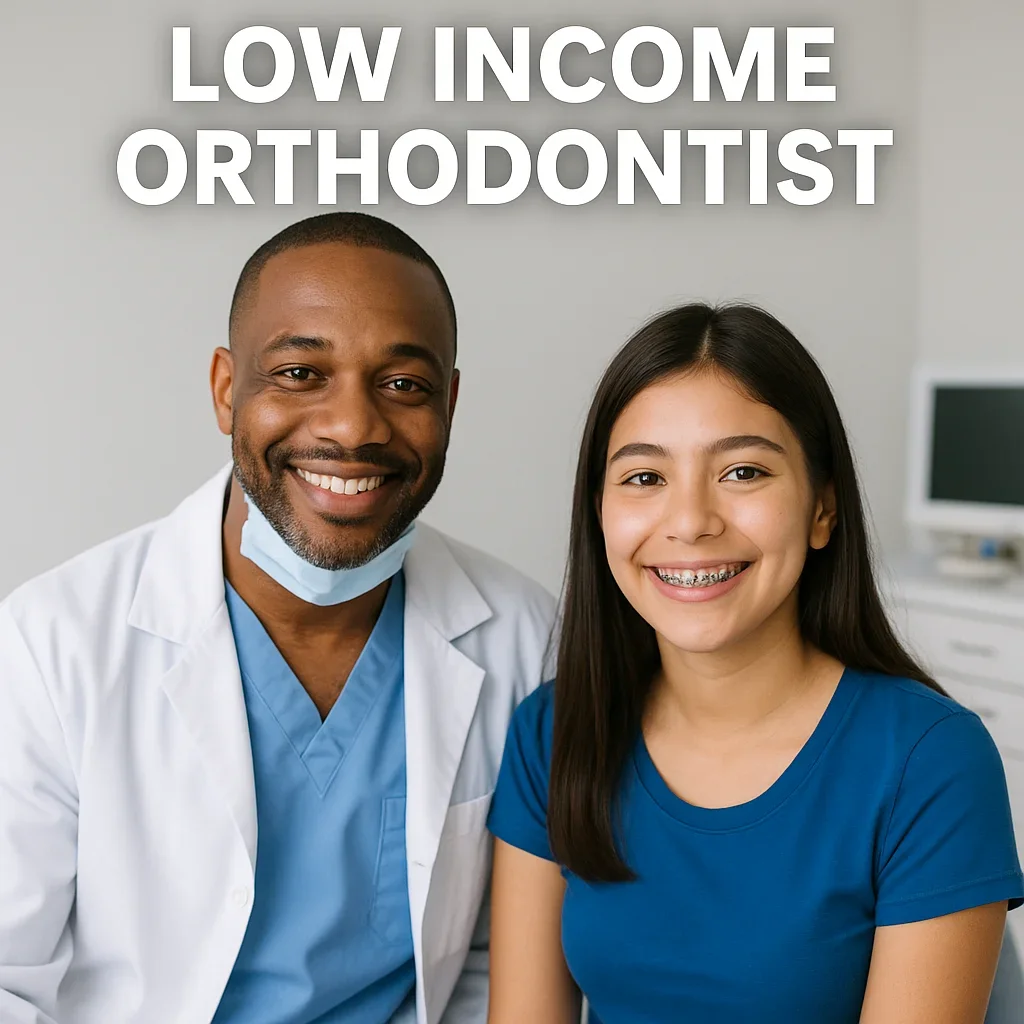
How to Maintain Orthodontic Results on a Budget
Completing orthodontic treatment is a major accomplishment, but keeping your results long-term is just as important. Whether you received metal braces, ceramic braces, self-ligating systems, or aligners, maintaining your new smile requires consistency, discipline, and smart financial planning. A low income orthodontist understands that patients may have limited resources after treatment, so they often provide budget-friendly strategies to help families protect their investment without overspending. This section breaks down how to maintain beautiful orthodontic results while minimizing costs and avoiding preventable dental issues. 😄
Many patients mistakenly assume that once braces come off, their teeth remain permanently straight. Unfortunately, teeth naturally shift over time due to age, oral habits, jaw movement, and even daily chewing pressure. Without proper maintenance—especially retainer use—orthodontic relapse can occur, requiring retreatment. This is why long-term care is crucial, and the right approach can save families thousands of dollars. Below, you’ll find detailed, practical, cost-effective tips designed specifically for low-income patients looking to preserve their orthodontic transformation.
The Importance of Retainers After Treatment
After braces or aligners, retainers are the most essential tool for keeping your teeth in their new positions. A low income orthodontist often emphasizes that retainers are not optional—they are mandatory for long-term success.
Types of Retainers
- Hawley Retainers: Durable, adjustable, and designed to last years.
- Clear Plastic Retainers: More aesthetic but may require more frequent replacement.
- Permanent (Bonded) Retainers: Fixed behind the teeth for convenience.
If you’re on a budget, Hawley retainers are often the best long-term investment because they rarely crack and can be repaired easily. Clear retainers, while more invisible, may break or warp faster, increasing replacement costs.
Budget-Friendly Retainer Tips
- Keep retainers stored in a proper case at all times.
- Clean them daily with mild soap instead of expensive cleaning pellets.
- Avoid hot water, which can warp plastic models.
- Ask about discounted replacement retainers during follow-up visits.
Many clinics also offer low-cost retainer replacement plans, especially when managed by a low income orthodontist committed to affordability.
Establish a Long-Term Oral Hygiene Routine
Maintaining straight teeth also requires excellent oral hygiene. Poor brushing and flossing can lead to gum disease or shifting teeth due to inflammation. Fortunately, maintaining a strong routine doesn’t have to be expensive.
Budget-Friendly Hygiene Tools
- A soft-bristle manual toothbrush (affordable and effective)
- Fluoride toothpaste for enamel strength
- Waxed floss or budget flossers
- Low-cost fluoride rinses
A low income orthodontist may also recommend brushing twice a day, flossing nightly, and visiting the dentist every six months to prevent plaque buildup that can shift teeth out of alignment.
Protect Your Smile From Damage
Daily habits can either preserve or ruin orthodontic results. Knowing what to avoid—and what to do regularly—helps protect your teeth without any added cost.
Habits to Avoid
- Chewing ice or hard candy
- Biting nails or pens
- Using teeth to open packages
- Skipping dental checkups
Helpful Habits
- Wearing a mouthguard during sports
- Sleeping on your back if you grind your teeth
- Replacing toothbrushes every 3–4 months
Grinding (bruxism) can shift teeth over time. Ask a low income orthodontist about affordable night guard options—they often offer budget models that cost a fraction of store-bought ones.
Scheduling Affordable Follow-Up Appointments
Even after braces are removed, occasional follow-up appointments ensure your bite remains stable. These visits are generally inexpensive, and many orthodontists offer:
- Free retainer checks
- Low-cost adjustment appointments
- Discounted repairs for bonded retainers
If finances are tight, ask about annual checkup packages—a low income orthodontist may offer bundled services at a lower rate.
Eating Habits That Support Orthodontic Stability
Certain foods help maintain healthy gums and strong teeth, reducing the risk of shifting. Fortunately, a nutrient-rich diet doesn’t have to be expensive.
Affordable Smile-Friendly Foods
- Leafy greens for gum health
- Low-fat dairy for calcium
- Apples and carrots for natural cleaning
- Beans and lentils for minerals
Avoid frequent acidic or sugary snacks, which can soften enamel and affect tooth position over time.
Recognizing Early Signs of Orthodontic Relapse
The earlier you detect shifting, the easier—and cheaper—it is to correct. Watch for:
- Gaps returning between the front teeth
- Crowding of lower front teeth
- Bite changes while chewing
- Retainers feeling tight
If retainers suddenly feel tight, it means your teeth have already begun shifting. Contact a low income orthodontist immediately to prevent further movement.
Affordable Retreatment Options If Needed
If significant shifting occurs, budget-friendly retreatment options exist:
- In-house aligners (far cheaper than commercial brands)
- Limited braces for small adjustments
- Partial aligner packages
- Discounted re-treatment plans for former patients
Many clinics offer loyalty discounts for returning patients, making retreatment more manageable for low-income families.
Where to Get Guidance and Long-Term Care
If you need help maintaining your orthodontic results or want advice tailored to your budget, you can get assistance through the
Redent Klinik Contact Page.
Orthodontists often rely on evidence-based recommendations from the
American Dental Association to ensure long-term oral health stability.
By following these tips—consistent retainer use, excellent hygiene, mindful habits, and affordable checkups—you can maintain your orthodontic results for life. With the support of a dedicated low income orthodontist, protecting your smile doesn’t require a large budget, just the right knowledge and daily commitment. 💙