
Losing one or more teeth can affect every part of daily life, from eating and speaking to smiling confidently in public. Many people assume that dental implants are only for wealthy patients, but modern dentistry has made low income teeth implants more accessible than ever before. Today, there are multiple affordable options, financing programs, dental schools, nonprofit organizations, and international treatment solutions that help patients receive quality care without overwhelming financial stress. If you have been searching for realistic ways to improve your oral health on a limited budget, understanding how low income teeth implants work can help you make a smarter and healthier decision. 😊
Dental implants are artificial tooth roots that are surgically placed into the jawbone to support crowns, bridges, or dentures. Unlike removable dentures, implants offer long-term stability and function much like natural teeth. Many patients prefer implants because they look natural, improve chewing ability, and help prevent bone loss in the jaw. However, the traditional cost of implants can be high, especially in countries where dental care is expensive. This is why many patients actively search for low income teeth implants and affordable dental implant programs that fit their budget.
One of the biggest misconceptions about low income teeth implants is that affordable treatment automatically means poor quality. In reality, many reputable clinics provide cost-effective implant procedures by reducing overhead expenses, offering payment plans, or operating in countries with lower treatment costs. Patients can often receive high-quality care while spending significantly less than they would at traditional premium clinics. Affordable tooth replacement solutions are now available to a much wider range of people, including retirees, students, unemployed individuals, and families managing strict monthly budgets.
People who benefit most from low income teeth implants usually include individuals missing one or multiple teeth, patients struggling with unstable dentures, and those experiencing discomfort while eating. Missing teeth can also lead to long-term oral health complications such as jawbone deterioration, shifting teeth, gum problems, and facial structure changes. Choosing affordable implant dentistry early can help reduce future dental costs while improving overall quality of life.
Several types of affordable implant solutions exist today. Single-tooth implants are commonly recommended for patients missing one tooth, while implant-supported bridges may be ideal for those missing several teeth in the same area. Full-mouth implant systems, such as All-on-4 or implant-supported dentures, can also be adapted into more budget-friendly treatment plans for eligible patients. These options allow people seeking low income teeth implants to restore full dental function without paying for individual implants for every missing tooth.
Dental schools are another important resource for patients looking for low income teeth implants. Universities with dental programs often provide implant treatments performed by supervised students at significantly reduced prices. While procedures may take longer than private clinics, many patients save thousands of dollars while still receiving professional care under experienced instructors. Community health clinics and nonprofit dental organizations may also assist low-income individuals with discounted implant procedures or partial financial support.
For patients without dental insurance, financing plans have become increasingly common. Many dental clinics now allow monthly installment payments, making low income teeth implants more manageable financially. Instead of paying the full amount upfront, patients can spread costs over several months or years. Some clinics also provide interest-free financing periods depending on eligibility. Flexible payment systems help more people access affordable tooth replacement solutions without delaying necessary care.
Dental tourism has also become one of the fastest-growing solutions for affordable implants. Countries such as Turkey, Mexico, and Hungary attract international patients by offering modern clinics, experienced implant specialists, and lower treatment costs. In many cases, patients can receive treatment, accommodation, and transportation for less than the price of implants alone in higher-cost countries. Clinics like Redent Klinik Contact Page help international patients explore cost-effective treatment plans while maintaining professional standards and patient-focused care.
Although prices vary depending on the patient’s oral condition and treatment complexity, the average cost of a single implant in the United States may range from $3,000 to $6,000 per tooth. By comparison, clinics specializing in low income teeth implants abroad may offer similar procedures at much lower prices. Implant-supported dentures and affordable implant packages can further reduce costs for patients requiring extensive restoration.
Estimated Affordable Dental Implant Prices
| Treatment Type | Average USA Price | Affordable International Price |
|---|---|---|
| Single Dental Implant | $3,000 – $6,000 | $700 – $1,500 |
| Implant-Supported Bridge | $5,000 – $15,000 | $2,000 – $5,000 |
| All-on-4 Dental Implants | $20,000 – $50,000 | $6,000 – $12,000 |
Before choosing any clinic, patients should always verify credentials, reviews, sterilization standards, and implant brands used during treatment. Affordable dental implants should never compromise safety or long-term success. Reading educational resources from trusted organizations such as the American Dental Association can help patients better understand implant procedures and oral health recommendations.
Ultimately, low income teeth implants are no longer an impossible dream for budget-conscious patients. With proper research, flexible payment plans, dental tourism opportunities, and affordable implant programs, millions of people can now restore their smile and confidence at a manageable cost. Whether you need one implant or a complete smile restoration, affordable dental implants can improve both oral health and everyday comfort while helping you regain the ability to smile with confidence again. 😁
What Are Low Income Teeth Implants and Who Can Benefit?
Many people avoid replacing missing teeth because they believe dental implants are too expensive. However, low income teeth implants are designed to make modern tooth replacement solutions more accessible for patients with limited financial resources. These affordable implant options help individuals restore oral function, improve appearance, and protect long-term dental health without paying premium prices. Today, many clinics, nonprofit organizations, dental schools, and international treatment centers provide cost-effective implant services specifically aimed at helping budget-conscious patients. 😊
Low income teeth implants refer to affordable dental implant treatments that are offered through discounted programs, financing options, lower-cost clinics, or international dental tourism services. These implant solutions use the same basic technology as traditional implants but are structured to reduce financial barriers for patients. Affordable implant dentistry has become increasingly popular because millions of adults struggle with tooth loss while lacking the savings or insurance coverage needed for expensive procedures.
Why Missing Teeth Should Never Be Ignored
Missing teeth affect more than just appearance. When a tooth is lost and not replaced, the jawbone in that area begins to weaken over time. Neighboring teeth may shift into empty spaces, leading to bite problems and increased risk of gum disease. People with missing teeth may also avoid smiling, experience difficulty chewing certain foods, and struggle with speech confidence.
This is why low income teeth implants can provide life-changing benefits for many patients. Affordable implants help restore normal oral function while preventing additional dental complications. Compared to removable dentures, implants offer a more stable and natural-feeling solution that can last for many years when properly maintained.
Who Is a Good Candidate for Low Income Teeth Implants?
Not every patient has the same dental needs, but many people qualify for low income teeth implants. Candidates generally include adults who have healthy gums, sufficient jawbone density, and good overall oral health. Even patients who have experienced bone loss may still qualify after bone grafting or alternative implant procedures.
Patients Missing One Tooth
Single-tooth implants are often ideal for individuals who lost a tooth due to injury, decay, or gum disease. Replacing one missing tooth with an implant helps preserve surrounding teeth while restoring a natural appearance.
Patients Missing Multiple Teeth
Patients missing several teeth may benefit from implant-supported bridges or partial implant systems. These affordable options reduce the number of implants needed while still improving stability and chewing function.
Patients Struggling With Dentures
Many denture wearers experience slipping, discomfort, and difficulty eating certain foods. Implant-supported dentures provide a more secure fit and improve overall confidence. For this reason, many seniors actively search for low income teeth implants as a long-term alternative to traditional dentures.
Low-Income Families and Uninsured Patients
People without dental insurance frequently delay treatment because of cost concerns. Fortunately, affordable implant clinics now offer flexible payment plans and reduced-cost procedures that make treatment more realistic for low-income households.
Different Types of Affordable Implant Solutions
Patients searching for low income teeth implants should understand that there are multiple treatment approaches available depending on oral health conditions and financial limitations.
Single Dental Implants
A single implant replaces one missing tooth using a titanium post and crown. This is one of the most common and predictable implant procedures.
Implant-Supported Bridges
Instead of placing one implant per missing tooth, implant-supported bridges use fewer implants to support multiple replacement teeth. This helps lower treatment costs significantly.
All-on-4 Dental Implants
The All-on-4 technique uses four implants to support a full arch of replacement teeth. Although it may initially seem expensive, it is often more affordable than replacing every missing tooth individually.
Mini Dental Implants
Mini implants are smaller than traditional implants and may cost less. They are commonly used for stabilizing dentures and may require less invasive surgery.
Where to Find Low Income Teeth Implants
Finding quality low income teeth implants requires research and careful planning. Patients should compare clinic reputations, treatment packages, financing options, and dentist qualifications before making a decision.
Dental Schools
Dental universities often provide reduced-cost implant treatment performed by supervised dental students. This can significantly lower overall expenses while maintaining professional oversight.
Community Health Clinics
Some nonprofit clinics and public health centers offer affordable implant programs for qualifying low-income patients.
Dental Tourism Clinics
International clinics in countries like Turkey often provide modern implant treatments at lower costs due to reduced operating expenses. Patients researching affordable treatment options may consider clinics such as Redent Klinik Contact Page for personalized treatment planning and international patient support.
How Much Do Low Income Teeth Implants Usually Cost?
The cost of low income teeth implants varies depending on location, implant type, materials, and additional procedures such as bone grafting. However, many affordable clinics provide significantly lower prices compared to traditional private practices.
Affordable Implant Price Comparison
| Procedure | Traditional Cost | Affordable Cost Range |
|---|---|---|
| Single Implant | $3,000 – $6,000 | $700 – $1,500 |
| Implant Bridge | $5,000 – $15,000 | $2,000 – $5,000 |
| All-on-4 Implants | $20,000 – $50,000 | $6,000 – $12,000 |
Important Things to Consider Before Treatment
Patients should never choose a clinic based only on low prices. Quality, sterilization standards, dentist experience, implant brands, and patient reviews are all important factors. Reading information from trusted organizations like the American Dental Association can help patients better understand implant safety and long-term oral health care.
Ultimately, low income teeth implants provide hope for patients who once believed dental restoration was financially impossible. Affordable implants can improve nutrition, confidence, speech, and daily comfort while helping patients regain a healthier smile. With proper research and treatment planning, many people can now access high-quality implant care at prices that better fit their financial situation. 😁
Best Affordable Dental Implant Programs for Low Income Patients
Finding affordable dental care can feel overwhelming for people living on a limited budget. Many patients delay treatment for years because they assume implants are only available to wealthy individuals. Fortunately, several modern programs now make low income teeth implants more accessible than ever before. Affordable dental implant programs are specifically designed to help patients restore missing teeth while managing costs through discounts, payment plans, educational clinics, nonprofit organizations, and international treatment options. These programs provide realistic opportunities for patients who need high-quality tooth replacement solutions without facing extreme financial pressure. 😊
The increasing popularity of low income teeth implants is closely connected to growing awareness about oral health. Missing teeth are not just cosmetic concerns. Tooth loss can lead to bone deterioration, difficulty chewing, speech problems, jaw imbalance, and emotional stress. Affordable implant programs help patients avoid these long-term complications while improving overall quality of life. Many people who once relied on removable dentures are now turning to implant-supported restorations because they provide greater comfort and stability.
Why Affordable Implant Programs Are Growing Rapidly
Dental implants have traditionally been expensive due to surgical costs, implant materials, laboratory work, and advanced technology requirements. However, more clinics now recognize that millions of patients cannot afford premium pricing. As a result, affordable implant programs have expanded significantly across many countries and treatment centers.
Modern low income teeth implants programs reduce costs in several ways. Some clinics lower operating expenses, while others partner with financing companies or use treatment bundles that combine procedures into more affordable packages. Dental schools and nonprofit organizations may also subsidize care for eligible patients. These developments allow more individuals to receive professional implant treatment while staying within their financial limits.
Dental Schools Offering Low Income Teeth Implants
One of the most popular solutions for low income teeth implants is treatment through dental universities. Dental schools often provide reduced-cost procedures performed by supervised students who are completing advanced clinical training. Although appointments may take longer than in private clinics, patients usually receive treatment under the close supervision of experienced implant specialists.
Advantages of Dental School Implant Programs
- Significantly reduced treatment costs
- Professional supervision by licensed dentists
- Access to modern dental equipment
- Comprehensive treatment planning
- Educational institutions focused on patient safety
Dental schools may reduce implant costs by 30% to 60% compared to private clinics. This makes them a strong option for patients searching for affordable tooth replacement solutions.
Possible Disadvantages
Patients should understand that dental school appointments often require more time and multiple visits. Because procedures are part of educational training, treatments may progress more slowly than at private clinics. However, many patients feel the cost savings are worth the additional time commitment.
Community Health Clinics and Nonprofit Programs
Another important resource for low income teeth implants includes nonprofit dental organizations and community health centers. Some public health clinics offer reduced-cost implant services for qualifying patients based on income level, disability status, or age.
Charitable Dental Organizations
Certain charities organize volunteer dental events where patients may receive discounted or even free treatments. Although full implant procedures are less common during these programs, some organizations help patients cover portions of implant-related costs such as extractions, consultations, or dentures.
Government-Assisted Programs
In some regions, public healthcare systems may partially assist with oral surgery or medically necessary dental procedures. Coverage varies significantly depending on the country and healthcare policy.
Private Clinics With Flexible Payment Plans
Many private dental clinics now understand that affordability is essential for attracting patients. Because of this, flexible financing options have become one of the most common ways to access low income teeth implants.
Monthly Installment Plans
Instead of requiring full payment upfront, clinics may divide costs into monthly payments spread over one to five years. This helps patients receive immediate treatment while managing expenses more comfortably.
Interest-Free Financing
Some dental offices offer temporary interest-free financing promotions. Patients who qualify may complete treatment without paying additional financing charges if balances are paid within the agreed period.
Package Discounts
Clinics may also reduce overall costs by combining implant surgery, crowns, x-rays, and consultations into one treatment package. These bundled services can make low income teeth implants much more financially manageable.
Dental Tourism and International Implant Programs
Dental tourism has become one of the fastest-growing solutions for affordable implant treatment. Patients from high-cost countries frequently travel abroad to receive professional care at significantly lower prices.
Why Turkey Is Popular for Affordable Implants
Turkey has become a leading destination for low income teeth implants because clinics can provide advanced treatment at lower operating costs. Patients often receive modern implant systems, digital imaging, and experienced specialist care while paying far less than in the United States or Western Europe.
Many international clinics also provide complete treatment packages that include transportation, accommodation, consultation services, and multilingual patient support. Patients interested in exploring affordable implant options may contact the Redent Klinik Contact Page for detailed treatment planning and international patient guidance.
Comparing Average Implant Costs
| Treatment | Average USA Cost | Affordable International Cost |
|---|---|---|
| Single Implant | $3,000 – $6,000 | $700 – $1,500 |
| Implant Bridge | $5,000 – $15,000 | $2,000 – $5,000 |
| All-on-4 Implants | $20,000 – $50,000 | $6,000 – $12,000 |
How to Choose the Right Affordable Implant Program
Patients searching for low income teeth implants should carefully evaluate clinics before starting treatment. Low prices should never come at the expense of patient safety or long-term success.
Check Dentist Qualifications
Always verify implant certifications, years of experience, and patient reviews before selecting a clinic.
Review Implant Brands
Reputable clinics use internationally recognized implant systems that offer durability and long-term support.
Understand the Full Treatment Cost
Some clinics advertise low prices but exclude additional procedures such as bone grafting, extractions, or temporary restorations. Patients should request a complete written treatment plan.
Research Trusted Oral Health Resources
Patients can learn more about implant safety and oral health standards through organizations like the American Dental Association.
Ultimately, the growing availability of low income teeth implants means more people now have realistic opportunities to restore their smile, oral function, and confidence. Whether through dental schools, nonprofit programs, payment plans, or international clinics, affordable implant solutions continue to expand worldwide. With proper research and careful planning, patients can achieve long-lasting dental restoration without facing impossible financial burdens. 😁
How to Find Clinics Offering Low Income Teeth Implants Near You
Searching for affordable dental care can feel stressful, especially for patients already struggling with missing teeth and financial limitations. Fortunately, finding clinics that provide low income teeth implants has become easier due to the growing number of affordable implant centers, nonprofit dental programs, dental schools, and international treatment providers. Modern patients now have access to more information, financing options, and treatment alternatives than ever before. Understanding how to properly research clinics can help you save money while still receiving safe and professional dental implant care. 😊
Many people assume that lower-cost implants automatically mean poor-quality treatment, but this is not always true. Numerous reputable clinics specialize in low income teeth implants by reducing overhead costs, offering flexible payment systems, or operating in regions where dental services are naturally less expensive. The key is learning how to identify trustworthy clinics that balance affordability with professional standards.
Start With Local Dental Research
The first step in finding low income teeth implants is researching local implant providers in your area. Patients should compare multiple clinics instead of selecting the first option they find online.
Search for Implant Specialists
Look for clinics that specifically advertise affordable dental implants, implant-supported dentures, or budget-friendly implant packages. Clinics focused on implant dentistry often provide more competitive pricing and specialized experience.
Read Verified Patient Reviews
Patient reviews can reveal valuable information about treatment quality, communication, cleanliness, and pricing transparency. Focus on reviews that discuss long-term implant success rather than only cosmetic results.
Check Before-and-After Photos
Many implant clinics share treatment examples online. Reviewing before-and-after photos can help patients understand the clinic’s aesthetic quality and treatment capabilities.
Visit Dental School Clinics
Dental universities are one of the best resources for patients searching for low income teeth implants. Most dental schools provide advanced procedures at significantly reduced prices because treatments are performed by supervised students completing clinical education.
Why Dental Schools Offer Lower Prices
Educational institutions focus on training future dentists rather than maximizing profit. Because of this, treatment costs are often much lower than private practices.
Safety and Supervision
Although students may perform portions of treatment, experienced implant specialists supervise procedures carefully. This provides additional safety and educational oversight.
Possible Drawbacks
Appointments at dental schools may require more time because procedures are part of educational training. However, many patients feel the cost savings make the longer process worthwhile.
Explore Community Health Clinics
Some nonprofit organizations and community health centers offer low income teeth implants or discounted oral surgery services for qualifying patients. These clinics may provide affordable care for seniors, veterans, disabled individuals, or low-income households.
Income-Based Assistance Programs
Certain clinics adjust treatment costs according to household income levels. Patients may qualify for reduced consultation fees, discounted extractions, or partial implant support.
Charitable Dental Events
Volunteer dental programs occasionally organize free treatment days for underserved communities. While complete implant procedures may not always be included, these programs can help reduce related treatment expenses.
Compare Implant Prices Carefully
When researching low income teeth implants, patients should always request detailed treatment plans before making a final decision. Some clinics advertise low starting prices while excluding essential procedures such as x-rays, bone grafting, or crowns.
Ask for Full Cost Breakdowns
A complete implant treatment plan should clearly explain:
- Consultation fees
- X-rays and CT scans
- Implant surgery costs
- Crown or bridge costs
- Bone grafting expenses
- Temporary restoration fees
- Follow-up appointments
Transparent pricing helps patients avoid unexpected financial surprises during treatment.
Average Affordable Implant Costs
| Treatment Type | Traditional Price | Affordable Price Range |
|---|---|---|
| Single Dental Implant | $3,000 – $6,000 | $700 – $1,500 |
| Implant Bridge | $5,000 – $15,000 | $2,000 – $5,000 |
| All-on-4 Implants | $20,000 – $50,000 | $6,000 – $12,000 |
Consider Dental Tourism for Lower Costs
Dental tourism has become one of the most popular ways to access low income teeth implants. Patients from countries with expensive dental care often travel abroad to receive treatment at a fraction of the price.
Benefits of International Implant Clinics
- Lower treatment costs
- Modern implant technology
- Experienced implant specialists
- Complete treatment packages
- Multilingual patient coordinators
Countries like Turkey are particularly popular because they combine affordable pricing with modern dental infrastructure. Many international patients choose clinics such as Redent Klinik Contact Page to receive personalized treatment planning and support throughout their dental journey.
Important Questions to Ask International Clinics
Before choosing an overseas clinic, patients should ask:
- Which implant brands are used?
- Are dentists internationally certified?
- What guarantees are offered?
- What is included in the treatment package?
- How are emergencies handled?
Verify Clinic Credentials and Implant Brands
Patients should never select clinics based only on low pricing. Successful low income teeth implants require proper planning, sterile surgical environments, and durable implant systems.
Check Professional Certifications
Always verify dentist qualifications, implant training, and years of clinical experience.
Research Implant Manufacturers
Trusted implant brands usually provide better long-term reliability and replacement support if future maintenance becomes necessary.
Look for Digital Technology
Modern clinics often use digital x-rays, 3D scanning, and guided implant surgery to improve treatment precision and safety.
Learn From Trusted Oral Health Resources
Patients researching low income teeth implants should also educate themselves using reliable dental organizations. The American Dental Association offers valuable information about implant safety, oral hygiene, and treatment planning.
Ultimately, finding affordable implant care requires patience, careful research, and price comparison. Fortunately, the growing number of affordable clinics, dental schools, nonprofit programs, and international treatment centers means that low income teeth implants are now accessible to far more patients than in the past. By focusing on quality, transparency, and professional standards, patients can restore their smile and oral health without facing impossible financial burdens. 😁
Government Assistance and Charity Programs for Dental Implants
For many people struggling with missing teeth, the biggest obstacle to treatment is cost. Dental implants are often considered one of the most effective long-term tooth replacement options, but traditional implant procedures can be financially difficult for low-income families, retirees, and uninsured individuals. Fortunately, several government assistance programs, nonprofit organizations, community health services, and charitable dental initiatives now help patients access low income teeth implants at significantly reduced prices. These programs are especially important for patients who suffer from pain, difficulty eating, speech problems, or emotional distress due to missing teeth. 😊
Understanding how assistance programs work can help patients find realistic ways to receive affordable treatment. While not every program covers full implant costs, many reduce important expenses such as consultations, extractions, dentures, oral surgery, or implant-supported restorations. Combining financial assistance with financing plans or dental tourism may make low income teeth implants much more achievable for patients with limited budgets.
Why Government and Charity Programs Matter
Tooth loss affects millions of adults worldwide, especially seniors and low-income households. Missing teeth are not simply cosmetic concerns. Poor oral health can lead to nutritional problems, digestive issues, bone loss, social anxiety, and reduced self-confidence. Unfortunately, many public healthcare systems provide limited dental coverage, leaving patients responsible for expensive restorative procedures.
This is why assistance programs focused on low income teeth implants are becoming increasingly valuable. These programs aim to improve oral health access for vulnerable populations while reducing long-term health complications associated with untreated tooth loss.
Government Dental Assistance Programs
Some government-supported healthcare systems provide limited financial help for dental procedures. Coverage varies greatly depending on location, income level, disability status, and age.
Medicaid and Public Dental Coverage
In certain regions, Medicaid or public healthcare programs may cover portions of oral surgery or medically necessary dental procedures. However, implant coverage is often limited because implants are sometimes classified as cosmetic treatments rather than essential care.
Even when implants themselves are not fully covered, some government programs may help reduce expenses related to:
- Dental examinations
- X-rays and CT scans
- Tooth extractions
- Infection treatment
- Partial dentures
- Bone grafting procedures
Patients interested in low income teeth implants should contact local public health offices to determine eligibility requirements and available dental benefits.
Senior Assistance Programs
Some healthcare systems provide additional dental support for elderly patients who struggle with chewing difficulties caused by missing teeth. Seniors may qualify for reduced-cost implant-supported dentures or discounted restorative treatment plans.
Veteran Dental Benefits
Veterans in some countries may qualify for government-supported dental care programs depending on medical history and service-related conditions. Implant coverage policies vary significantly, but certain veterans can receive restorative dental support through public healthcare networks.
Nonprofit Organizations Supporting Low Income Teeth Implants
Many nonprofit organizations now work directly with dentists, oral surgeons, and volunteers to improve access to affordable dental care. These programs may not always provide completely free implants, but they often reduce costs substantially.
Dental Lifeline Network
Some nonprofit groups connect financially vulnerable patients with volunteer dentists willing to provide discounted or donated services. These programs may prioritize seniors, disabled individuals, or medically fragile patients.
Mission-Based Dental Clinics
Certain charitable organizations organize temporary dental events where volunteer professionals provide treatment for underserved communities. While complete implant procedures may not always be available during these events, patients may receive diagnostic services or preliminary oral surgery support.
Faith-Based and Community Charities
Local religious groups and community organizations occasionally help patients raise funds for low income teeth implants through sponsorship programs or financial assistance campaigns.
Dental Schools as Affordable Alternatives
Dental universities are among the most reliable options for patients seeking low income teeth implants. Educational institutions often provide advanced procedures at lower prices because treatments are performed by supervised dental students.
Benefits of University Implant Clinics
- Lower treatment costs
- Professional supervision
- Modern dental technology
- Access to specialist consultation
- Detailed treatment planning
Patients may save thousands of dollars compared to traditional private practices. Although appointments can take longer, dental schools remain one of the safest low-cost implant solutions available.
Combining Charity Programs With Financing Plans
Some patients combine nonprofit assistance with private clinic financing options to make low income teeth implants more affordable. For example, a charity may help cover extractions while the patient finances implant placement through monthly installments.
Monthly Payment Options
Many dental clinics now provide flexible financing systems that divide treatment costs into smaller monthly payments. This approach allows patients to begin treatment immediately without paying the full amount upfront.
Interest-Free Promotions
Certain clinics occasionally offer temporary interest-free payment plans for qualified patients. These programs reduce financial pressure and improve access to affordable care.
Dental Tourism and International Implant Assistance
Dental tourism has become another major solution for patients searching for low income teeth implants. Many international clinics offer affordable treatment packages that include accommodation, transportation assistance, consultation services, and implant procedures.
Why International Clinics Are More Affordable
Countries such as Turkey often provide lower treatment costs because operational expenses, labor costs, and facility expenses are lower than in many Western countries. Despite lower prices, many clinics still use advanced digital technology and internationally recognized implant systems.
Patients researching affordable treatment options may contact the Redent Klinik Contact Page for information about personalized implant treatment plans and international patient services.
Average Implant Cost Comparison
| Treatment Type | Average USA Cost | Affordable International Cost |
|---|---|---|
| Single Implant | $3,000 – $6,000 | $700 – $1,500 |
| Implant-Supported Bridge | $5,000 – $15,000 | $2,000 – $5,000 |
| All-on-4 Implants | $20,000 – $50,000 | $6,000 – $12,000 |
Important Safety Tips Before Applying
Patients should always carefully evaluate clinics and programs before committing to treatment. Low prices alone should never determine the final decision.
Verify Dentist Qualifications
Always research implant certifications, years of experience, and clinic reputation.
Understand Treatment Inclusions
Some advertised prices exclude essential procedures such as x-rays, bone grafts, temporary restorations, or follow-up visits.
Use Trusted Oral Health Resources
Educational organizations like the American Dental Association provide valuable information about implant safety and oral health standards.
Ultimately, government programs, nonprofit organizations, educational clinics, and international treatment providers continue expanding access to low income teeth implants. While finding affordable treatment may require research and patience, many patients can now restore their smile, confidence, and oral function through programs specifically designed to reduce financial barriers. With the right support system, affordable dental implants are becoming increasingly accessible for people who once believed treatment was completely out of reach. 😁
Comparing Dental Implant Costs for Budget-Conscious Patients
One of the biggest concerns for patients considering dental restoration is the price of treatment. Dental implants are widely recognized as one of the best long-term solutions for missing teeth, but traditional implant procedures can appear financially overwhelming at first. Fortunately, modern clinics, financing systems, nonprofit organizations, and international treatment centers have made low income teeth implants more accessible for patients who need affordable care. Understanding the real cost differences between implant options helps patients make smarter decisions while avoiding unnecessary expenses. 😊
Many people incorrectly assume that all dental implants cost the same. In reality, implant pricing varies significantly depending on the country, clinic reputation, dentist experience, implant brand, materials used, and additional procedures required. Budget-conscious patients who carefully compare prices and treatment plans can often save thousands of dollars while still receiving professional care.
Why Dental Implant Prices Vary So Much
The cost of low income teeth implants depends on several important factors. Every patient has a different oral condition, which means treatment plans are rarely identical.
Number of Missing Teeth
A patient replacing one missing tooth will naturally pay less than someone requiring full-mouth restoration. Single implants are typically the most affordable implant procedure, while full-arch restorations require more extensive planning and materials.
Bone Grafting and Additional Procedures
Some patients experience jawbone loss after tooth extraction. In these situations, bone grafting or sinus lift procedures may be necessary before implant placement. These additional treatments can increase the total price.
Implant Material and Brand
Different implant manufacturers offer varying levels of quality, durability, and international warranty coverage. Premium implant systems may cost more but often provide excellent long-term reliability.
Clinic Location
Geographic location has a major impact on treatment costs. Clinics in countries with high labor and operating expenses generally charge more than clinics in countries with lower healthcare costs.
Average Cost of Dental Implants in Different Countries
Patients researching low income teeth implants are often surprised by the large price differences between countries. Dental tourism has grown rapidly because many patients can receive high-quality treatment abroad for a fraction of domestic prices.
Average Single Implant Cost Comparison
| Country | Average Single Implant Cost |
|---|---|
| United States | $3,000 – $6,000 |
| United Kingdom | $2,500 – $5,000 |
| Canada | $3,000 – $5,500 |
| Turkey | $700 – $1,500 |
| Mexico | $900 – $1,800 |
| Hungary | $1,000 – $2,000 |
These price differences explain why many patients travel internationally for low income teeth implants. Lower operating expenses in certain countries allow clinics to provide more affordable treatment without necessarily sacrificing quality.
Comparing Implant Types for Budget-Friendly Solutions
Not all implant treatments require the same investment. Patients with financial limitations should understand the differences between available options.
Single Dental Implants
Single implants replace one missing tooth using a titanium implant and dental crown. This option provides excellent long-term stability and natural appearance.
Implant-Supported Bridges
Instead of placing one implant for every missing tooth, implant-supported bridges use fewer implants to support multiple teeth. This can significantly reduce overall treatment costs.
All-on-4 Implants
The All-on-4 method replaces a full arch of teeth using only four implants. Although the initial investment may appear high, it is often more affordable than replacing every tooth individually.
Mini Dental Implants
Mini implants are smaller and sometimes less expensive than traditional implants. They are commonly used for stabilizing dentures and may require less invasive surgery.
What Is Usually Included in Implant Pricing?
Patients searching for low income teeth implants should always request a complete treatment breakdown. Some clinics advertise low prices but exclude important procedures.
Services Commonly Included
- Consultation and examination
- Digital x-rays or CT scans
- Implant placement surgery
- Temporary restoration
- Permanent crown or bridge
- Follow-up appointments
Additional Costs That May Apply
- Bone grafting
- Tooth extractions
- Sinus lift procedures
- Sedation or anesthesia
- Extra laboratory work
Understanding these details helps patients accurately compare treatment offers and avoid hidden fees.
How Financing Makes Low Income Teeth Implants More Accessible
Many patients cannot pay for implants upfront, even when treatment is affordable. Because of this, financing options have become extremely important for individuals seeking low income teeth implants.
Monthly Payment Plans
Many clinics now divide treatment costs into monthly installments spread over one to five years. This makes treatment much easier to manage financially.
Interest-Free Promotions
Some clinics provide temporary interest-free financing periods for qualified patients. These offers can reduce financial pressure significantly.
Package Discounts
International clinics often bundle consultations, accommodation, transportation, and implant procedures into one lower-cost package.
Dental Tourism as a Cost-Saving Strategy
Traveling abroad for treatment has become one of the most popular ways to access low income teeth implants. Countries such as Turkey have developed strong reputations for combining affordability with advanced dental technology.
Many international patients choose clinics such as Redent Klinik Contact Page because they offer personalized treatment planning, multilingual support, and cost-effective implant solutions tailored to international visitors.
Advantages of Dental Tourism
- Lower treatment prices
- Modern clinics and technology
- Experienced implant specialists
- Comprehensive patient packages
- Shorter waiting times
How to Avoid Poor-Quality Cheap Implants
Although affordability is important, patients should never choose clinics based only on the lowest price. Successful low income teeth implants require proper planning, sterilization standards, and durable implant systems.
Check Dentist Experience
Always review implant certifications, training, and patient reviews before starting treatment.
Ask About Implant Brands
Internationally recognized implant systems generally provide stronger long-term support and replacement availability.
Research Trusted Oral Health Sources
Educational organizations such as the American Dental Association provide valuable guidance about implant safety and oral care standards.
Ultimately, comparing treatment prices carefully can help patients find affordable solutions without sacrificing safety or quality. Thanks to financing plans, international clinics, dental schools, and nonprofit programs, low income teeth implants are now achievable for many patients who once believed dental restoration was impossible. With careful planning and proper research, budget-conscious individuals can restore their smile, confidence, and oral function while keeping treatment costs manageable. 😁
Low Income Teeth Implants vs Dentures: Which Is Better?
Choosing between dental implants and dentures can be difficult for patients dealing with tooth loss on a limited budget. Many people automatically assume dentures are the only realistic option because implants are often viewed as expensive. However, the growing availability of low income teeth implants has changed this situation dramatically. Today, affordable implant programs, financing options, dental schools, and international clinics make implants more accessible than ever before. Understanding the differences between implants and dentures helps patients choose the best long-term solution for their oral health, comfort, and financial situation. 😊
Both dentures and implants are designed to replace missing teeth, but they function very differently. Traditional dentures are removable appliances placed on the gums, while dental implants are fixed titanium posts surgically inserted into the jawbone to support replacement teeth. Each option has advantages and disadvantages depending on the patient’s oral condition, lifestyle, and budget.
Understanding Traditional Dentures
Dentures have been used for decades as a common tooth replacement method. They are typically divided into two categories: full dentures for complete tooth loss and partial dentures for patients missing several teeth.
Advantages of Dentures
- Lower upfront cost
- Non-surgical treatment
- Faster completion time
- Widely available at most clinics
- Suitable for patients with severe bone loss
For patients with very limited budgets, dentures often appear more financially accessible at the beginning. Basic dentures may cost significantly less than implants initially, which is why many people first explore dentures before considering low income teeth implants.
Disadvantages of Dentures
Despite their affordability, dentures also have several limitations. Many patients complain about slipping, instability, sore spots, and difficulty chewing harder foods. Dentures may also affect speech and reduce overall confidence in social situations.
One of the biggest long-term problems with dentures is jawbone loss. Because dentures rest on the gums instead of stimulating the jawbone like natural tooth roots, bone deterioration gradually continues over time. This can eventually change facial appearance and reduce denture stability.
How Dental Implants Differ From Dentures
Low income teeth implants provide a more permanent and stable solution for missing teeth. Unlike dentures, implants are surgically anchored into the jawbone, creating a strong foundation for crowns, bridges, or implant-supported dentures.
Advantages of Dental Implants
- Natural appearance and feel
- Improved chewing strength
- Better speech stability
- Long-lasting durability
- Jawbone preservation
- Reduced slipping and discomfort
Many patients who switch from dentures to implants report dramatic improvements in confidence and daily comfort. Eating becomes easier, speech often improves, and implants feel more similar to natural teeth.
Long-Term Financial Value
Although implants may cost more initially, they often provide better long-term value. Dentures frequently require adjustments, replacements, adhesives, and relining over time. By comparison, properly maintained implants can last for many years or even decades.
This is one reason why many patients eventually choose low income teeth implants despite the higher starting cost. Affordable implant programs now make these long-term benefits more achievable for budget-conscious individuals.
Comparing Costs: Dentures vs Low Income Teeth Implants
Cost remains one of the most important considerations for patients deciding between implants and dentures.
Average Cost Comparison
| Treatment Type | Average USA Cost | Affordable International Cost |
|---|---|---|
| Basic Full Dentures | $1,000 – $3,000 | $500 – $1,500 |
| Implant-Supported Dentures | $8,000 – $20,000 | $3,000 – $7,000 |
| All-on-4 Dental Implants | $20,000 – $50,000 | $6,000 – $12,000 |
At first glance, dentures may appear significantly cheaper. However, patients should consider long-term maintenance expenses, comfort, and durability when comparing costs. Many affordable clinics now provide financing plans and international treatment packages that reduce the overall expense of low income teeth implants.
Implant-Supported Dentures: A Middle Ground
For patients who want better stability without the cost of replacing every tooth individually, implant-supported dentures can provide an excellent compromise.
How Implant-Supported Dentures Work
Instead of resting entirely on the gums, these dentures attach securely to dental implants placed in the jawbone. This improves stability while reducing movement during eating and speaking.
Benefits Compared to Traditional Dentures
- Greater chewing strength
- Reduced slipping
- Improved comfort
- Better jawbone support
- More natural feel
Patients researching low income teeth implants often discover that implant-supported dentures provide an effective balance between affordability and functionality.
Who Should Choose Dentures?
Dentures may still be appropriate for certain patients, especially those who:
- Cannot undergo oral surgery
- Have severe medical complications
- Need immediate temporary tooth replacement
- Have extremely limited financial resources
However, patients should understand the potential long-term limitations associated with removable dentures.
Who Benefits Most From Low Income Teeth Implants?
Low income teeth implants are especially beneficial for patients seeking long-term stability, improved appearance, and stronger chewing ability. Candidates often include:
- Patients frustrated with loose dentures
- Individuals missing multiple teeth
- Patients wanting permanent restoration
- People seeking improved confidence and comfort
Dental Tourism and Affordable Implant Solutions
International dental tourism has become one of the fastest-growing solutions for patients seeking affordable implants. Countries such as Turkey offer advanced implant care at significantly lower prices compared to many Western countries.
Many international patients explore clinics such as Redent Klinik Contact Page for personalized implant treatment plans and cost-effective restorative solutions.
Advantages of International Implant Clinics
- Reduced treatment costs
- Modern technology
- Experienced implant specialists
- Comprehensive patient support
- Flexible financing opportunities
Learning More About Oral Health Choices
Patients considering dentures or implants should educate themselves using trusted dental resources. Organizations such as the American Dental Association provide valuable information about oral health care, restorative dentistry, and implant safety.
Ultimately, the choice between dentures and low income teeth implants depends on personal goals, oral health condition, lifestyle, and budget. Dentures may offer lower upfront costs, but implants often provide better long-term comfort, stability, and confidence. Thanks to affordable implant programs, financing plans, and international treatment centers, more patients can now access high-quality implant care without facing impossible financial burdens. With careful research and professional guidance, patients can choose the solution that best restores both their smile and quality of life. 😁
Payment Plans and Financing Options for Affordable Tooth Implants
One of the main reasons people delay dental treatment is fear of high costs. Dental implants are often considered a premium solution for missing teeth, but modern financing systems have made treatment much more accessible than in the past. Today, many clinics provide flexible payment plans, installment options, and special financing programs that help patients receive low income teeth implants without paying the entire cost upfront. These financial solutions allow patients to restore their smile and oral health while managing expenses more comfortably over time. 😊
Missing teeth can affect chewing ability, speech clarity, confidence, and long-term oral health. Delaying treatment may also lead to jawbone deterioration and shifting teeth, which can create even more expensive dental problems later. For this reason, many patients now explore financing options for low income teeth implants instead of postponing treatment indefinitely.
Why Financing Has Become So Important
Dental implants involve advanced technology, surgical procedures, laboratory work, and restorative materials. Because of these factors, the initial cost can seem overwhelming for patients with limited savings or no dental insurance.
Flexible financing programs solve this problem by dividing treatment costs into smaller monthly payments. Instead of paying several thousand dollars at once, patients can spread costs across manageable installments. This approach has made low income teeth implants increasingly accessible for working families, retirees, students, and uninsured individuals.
Types of Payment Plans for Dental Implants
Patients researching low income teeth implants should understand the different financing options available through dental clinics and third-party lenders.
Monthly Installment Plans
Many clinics offer direct installment plans that allow patients to divide treatment costs over several months or years. Monthly payments are often customized according to the patient’s financial situation.
Interest-Free Financing
Some dental offices provide temporary interest-free financing promotions for qualified patients. These plans can significantly reduce financial pressure if balances are paid within the promotional period.
Third-Party Healthcare Financing
External financing companies specialize in medical and dental payment plans. Patients apply for financing approval and repay treatment costs through monthly installments.
Credit-Based Financing
Certain clinics work with financing providers that evaluate credit history before approving payment plans. Patients with stronger credit scores may receive lower interest rates and better repayment terms.
How Much Do Monthly Implant Payments Usually Cost?
The monthly cost of low income teeth implants depends on treatment complexity, financing length, interest rates, and total procedure cost.
Estimated Monthly Payment Examples
| Treatment Type | Total Cost | Estimated Monthly Payment |
|---|---|---|
| Single Implant | $1,500 – $4,000 | $80 – $200/month |
| Implant Bridge | $4,000 – $10,000 | $150 – $450/month |
| All-on-4 Implants | $6,000 – $20,000 | $250 – $900/month |
Patients should remember that financing costs vary significantly depending on interest rates and repayment periods. Longer financing terms may lower monthly payments but increase total repayment amounts over time.
Dental Insurance and Implant Coverage
Although many insurance plans still provide limited implant coverage, some policies now partially support restorative procedures. Patients considering low income teeth implants should carefully review their dental insurance benefits.
What Insurance May Cover
- Dental examinations
- X-rays and CT scans
- Tooth extractions
- Partial crowns or bridges
- Sedation or anesthesia
- Bone grafting procedures
Some insurance providers may contribute toward portions of implant-supported restorations even if they do not fully cover implant surgery itself.
Annual Maximum Limitations
Many dental insurance policies include annual benefit limits. Patients may need to divide treatment into multiple stages across different calendar years to maximize coverage.
Affordable Implant Packages From International Clinics
Dental tourism has become one of the most effective strategies for reducing implant costs. Patients traveling abroad often combine lower treatment prices with flexible financing solutions to obtain low income teeth implants.
Why International Clinics Offer Lower Prices
Countries such as Turkey often have lower labor and operating costs compared to the United States or Western Europe. This allows clinics to provide advanced implant procedures at significantly reduced prices.
What Is Usually Included in Implant Packages?
- Consultations
- Digital imaging
- Implant surgery
- Temporary restorations
- Hotel accommodation
- Transportation assistance
- Multilingual patient support
Many patients researching affordable implant solutions choose clinics such as Redent Klinik Contact Page because they provide personalized treatment plans and cost-effective international patient services.
How to Qualify for Implant Financing
Patients interested in financing for low income teeth implants should understand common approval requirements.
Proof of Income
Some financing providers require proof of stable income or employment before approving installment plans.
Credit History
Certain lenders evaluate credit scores when determining financing eligibility and interest rates.
Co-Signers
Patients with limited credit history may improve approval chances by applying with a co-signer.
Tips for Reducing Overall Implant Costs
Patients can often reduce expenses significantly by planning treatment carefully.
Compare Multiple Clinics
Different clinics may offer very different prices for similar procedures. Always request detailed treatment plans before making a decision.
Choose Implant-Supported Bridges
Replacing multiple teeth with implant-supported bridges instead of individual implants may lower overall costs.
Use Dental Schools
University dental programs often provide reduced-cost procedures performed under specialist supervision.
Maintain Excellent Oral Hygiene
Preventing gum disease and implant complications reduces future treatment expenses.
Avoiding Financial Mistakes During Treatment
Patients should never focus only on low pricing when searching for low income teeth implants. Extremely cheap treatment without proper standards can create expensive complications later.
Ask About Hidden Fees
Always confirm whether prices include crowns, x-rays, bone grafting, sedation, and follow-up appointments.
Research Implant Brands
High-quality implant systems generally offer better durability and long-term success rates.
Use Trusted Dental Information Sources
Patients can learn more about implant procedures and oral health through organizations such as the American Dental Association.
Ultimately, financing plans and payment programs have transformed access to low income teeth implants. Patients no longer need to postpone treatment simply because they cannot pay large amounts upfront. With installment plans, affordable international clinics, insurance support, and flexible financing options, more people can now restore their smile, confidence, and oral health while keeping treatment costs manageable. Careful financial planning and professional guidance can help patients achieve long-term dental restoration without overwhelming financial stress. 😁
How Dental Tourism Can Lower the Cost of Teeth Implants
Dental tourism has become one of the fastest-growing solutions for patients seeking affordable dental care. Many people who cannot afford treatment in their home country now travel abroad to receive high-quality procedures at significantly lower prices. This trend has especially increased among patients searching for low income teeth implants, because international clinics often provide advanced implant treatment for a fraction of the cost charged in countries such as the United States, Canada, or the United Kingdom. 😊
For budget-conscious patients, dental tourism offers an opportunity to combine professional dental care with substantial financial savings. Modern clinics in countries like Turkey, Mexico, and Hungary now attract thousands of international patients every year by providing affordable implant procedures, experienced specialists, and complete treatment packages. Understanding how dental tourism works can help patients decide whether international implant treatment is the right option for them.
Why Dental Implants Cost Less Abroad
One of the most common questions patients ask is why low income teeth implants can cost so much less in certain countries. The answer is usually related to lower operating expenses rather than lower treatment quality.
Lower Labor and Facility Costs
Dental clinics in some countries operate with significantly lower staffing, rent, and facility expenses compared to clinics in North America or Western Europe. These savings allow clinics to reduce treatment prices while still maintaining profitability.
Reduced Administrative Expenses
Healthcare systems and insurance structures differ between countries. International clinics often face fewer administrative costs, allowing them to offer more competitive pricing.
High Patient Volume
Popular dental tourism destinations frequently treat large numbers of international patients. Higher patient volume allows clinics to lower individual treatment costs while still maintaining advanced technology and specialist staff.
Most Popular Countries for Affordable Dental Implants
Several countries have become internationally recognized for providing low income teeth implants and affordable restorative dentistry.
Turkey
Turkey has become one of the world’s leading destinations for affordable dental implants. Patients often choose Turkish clinics because they combine modern dental technology, experienced implant specialists, and lower treatment costs.
Many clinics also provide complete international patient support, including airport transfers, hotel accommodation, treatment coordination, and multilingual communication.
Mexico
Mexico is especially popular among patients from the United States because of its close geographic location and lower dental treatment prices.
Hungary
Hungary has developed a strong reputation for dental tourism in Europe, particularly for implant-supported restorations and cosmetic dentistry.
Average Implant Cost Comparison
Patients researching low income teeth implants are often surprised by the dramatic price differences between countries.
International Dental Implant Cost Comparison
| Country | Single Implant Cost | All-on-4 Implant Cost |
|---|---|---|
| United States | $3,000 – $6,000 | $20,000 – $50,000 |
| United Kingdom | $2,500 – $5,000 | $18,000 – $40,000 |
| Turkey | $700 – $1,500 | $6,000 – $12,000 |
| Mexico | $900 – $1,800 | $7,000 – $14,000 |
| Hungary | $1,000 – $2,000 | $8,000 – $15,000 |
These lower costs make international treatment highly attractive for patients who need extensive restorative procedures but cannot afford domestic prices.
What Is Usually Included in Dental Tourism Packages?
Many international clinics simplify the treatment process by offering all-inclusive packages for low income teeth implants.
Consultation and Digital Imaging
Most clinics include detailed examinations, digital x-rays, and CT scans in their treatment packages.
Implant Surgery and Restorations
Packages often include implant placement, temporary restorations, and final crowns or bridges.
Accommodation and Transportation
Many clinics arrange hotel stays, airport transfers, and transportation between the clinic and accommodation.
Multilingual Patient Coordinators
International clinics commonly employ patient coordinators who assist visitors throughout the treatment process.
Patients interested in exploring affordable implant solutions may contact the Redent Klinik Contact Page to receive detailed treatment information and personalized international patient support.
Advantages of Dental Tourism for Low Income Teeth Implants
Dental tourism provides several important benefits for patients seeking affordable restorative care.
Significant Cost Savings
Patients may save thousands of dollars even after including travel and accommodation expenses.
Access to Advanced Technology
Many international clinics use modern equipment such as 3D imaging, guided implant surgery, and digital smile design systems.
Experienced Implant Specialists
High-volume implant clinics often develop extensive experience treating international patients with complex restorative needs.
Faster Treatment Scheduling
Some countries offer shorter waiting times compared to overloaded healthcare systems elsewhere.
Possible Risks and Challenges of Dental Tourism
Although dental tourism can make low income teeth implants much more accessible, patients should also understand potential risks.
Travel Requirements
International treatment may require multiple trips depending on healing time and restoration stages.
Communication Barriers
Language differences may occasionally create misunderstandings if clinics lack multilingual support staff.
Follow-Up Care
Patients should clarify how follow-up care and emergency situations are handled after returning home.
Quality Differences Between Clinics
Not all clinics maintain the same professional standards. Careful research is essential before selecting a provider.
How to Choose a Safe International Implant Clinic
Patients searching for low income teeth implants abroad should carefully evaluate clinic quality before making travel plans.
Review Dentist Qualifications
Always verify implant certifications, education, and years of clinical experience.
Check Patient Reviews
Independent patient testimonials often provide valuable insight into treatment quality and clinic communication.
Research Implant Brands
Clinics using internationally recognized implant systems generally provide stronger long-term reliability.
Ask for Transparent Pricing
Patients should request complete treatment plans that clearly explain all included services and possible additional costs.
Learning More About Implant Safety
Patients considering dental tourism should educate themselves using trusted dental resources such as the American Dental Association. Reliable information helps patients make safer and more informed treatment decisions.
Ultimately, dental tourism has transformed access to low income teeth implants for millions of patients worldwide. By combining lower treatment costs with modern technology and experienced specialists, international clinics now offer realistic solutions for people who previously believed implants were financially impossible. With proper research, careful planning, and responsible clinic selection, dental tourism can provide safe, affordable, and life-changing restorative treatment while helping patients regain both oral function and confidence. 😁
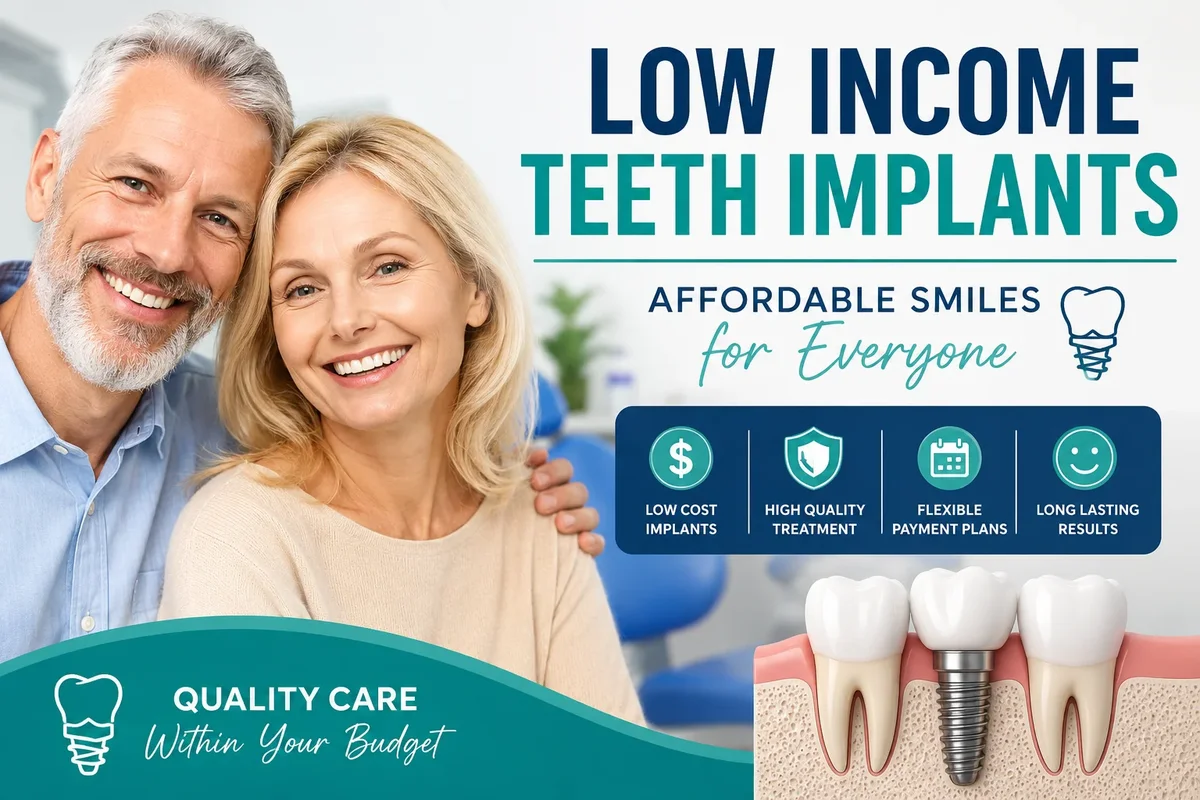
Tips to Maintain Your Dental Implants and Avoid Extra Expenses
Dental implants are considered one of the most durable and long-lasting solutions for missing teeth. However, proper maintenance is essential to protect your investment and prevent unnecessary future costs. Patients who receive low income teeth implants often work carefully within a limited budget, which makes long-term implant care even more important. Good oral hygiene habits, regular dental visits, and healthy lifestyle choices can significantly increase implant longevity while helping patients avoid expensive complications or corrective procedures. 😊
Although dental implants are highly successful, they are not completely maintenance-free. Just like natural teeth, implants require daily cleaning and professional monitoring. Poor oral hygiene can lead to gum inflammation, bone loss, implant failure, and costly repairs. Patients who understand how to properly care for low income teeth implants can often enjoy excellent function and appearance for many years.
Why Implant Maintenance Matters
Dental implants consist of titanium posts surgically placed into the jawbone. Once healed, these implants support crowns, bridges, or dentures. Although the titanium itself cannot develop cavities like natural teeth, the surrounding gum tissue and bone remain vulnerable to infection.
The most common implant complication is peri-implantitis, a condition similar to gum disease that affects tissues around implants. If untreated, this infection can lead to bone loss and implant failure. Preventing these complications is especially important for patients who invested significant time and money into low income teeth implants.
Daily Oral Hygiene for Dental Implants
Maintaining excellent oral hygiene is the most important step for protecting dental implants.
Brush at Least Twice Daily
Patients should brush carefully around implant restorations using a soft-bristled toothbrush. Gentle brushing removes plaque and bacteria that can damage surrounding gum tissue.
Use Non-Abrasive Toothpaste
Harsh toothpaste products may scratch implant crowns or irritate soft tissue. Dentists often recommend low-abrasion toothpaste designed for sensitive dental restorations.
Floss Every Day
Flossing around implants helps remove food particles and plaque from areas that toothbrushes cannot easily reach. Special implant floss or interdental brushes may improve cleaning effectiveness.
Use Antibacterial Mouthwash
Antibacterial rinses may help reduce harmful bacteria around implants and support healthier gums.
Regular Dental Checkups Are Essential
Even patients with excellent home care routines still require professional dental examinations. Regular checkups help dentists detect early problems before they become severe and expensive.
Professional Implant Cleaning
Dental hygienists use specialized instruments designed to clean implants without damaging their surfaces.
X-Rays and Bone Monitoring
Routine x-rays allow dentists to monitor bone levels around implants and identify early signs of complications.
Checking Bite Alignment
Excessive bite pressure can damage implant restorations over time. Dentists evaluate bite balance during follow-up visits to reduce unnecessary stress on implants.
Patients who received low income teeth implants should never skip maintenance appointments simply to save money. Preventive care is usually far less expensive than repairing implant complications later.
Foods and Habits to Avoid
Certain lifestyle habits can shorten implant lifespan and increase the risk of costly dental problems.
Avoid Smoking
Smoking significantly increases the risk of implant failure because it reduces blood circulation and slows healing. Smokers are more likely to develop gum infections and bone loss around implants.
Limit Excessive Sugar Consumption
Although implants themselves cannot decay, sugary diets contribute to gum disease and bacterial growth that may damage surrounding tissue.
Avoid Chewing Hard Objects
Chewing ice, pens, hard candy, or similar objects can crack implant crowns or place excessive pressure on restorations.
Reduce Teeth Grinding
Patients who grind their teeth while sleeping may place excessive force on implants. Night guards can help protect restorations from damage.
How Long Do Dental Implants Usually Last?
With proper care, low income teeth implants can last for many years or even decades. The titanium implant itself often remains stable long-term, while crowns or dentures may occasionally require replacement after years of wear.
Average Implant Lifespan and Maintenance Costs
| Implant Component | Average Lifespan | Possible Maintenance Cost |
|---|---|---|
| Titanium Implant Post | 20+ years | Usually minimal |
| Implant Crown | 10 – 15 years | $500 – $2,000 |
| Implant Denture | 7 – 15 years | $1,000 – $5,000 |
Proper maintenance helps reduce the likelihood of expensive restorative repairs and increases overall implant longevity.
Signs of Implant Problems to Watch For
Patients with low income teeth implants should monitor their oral health carefully and seek professional care if symptoms appear.
Bleeding Gums
Bleeding around implants may indicate gum inflammation or infection.
Pain or Swelling
Persistent discomfort around implants should never be ignored, especially if symptoms worsen over time.
Loose Implant Restorations
Loose crowns, bridges, or dentures may require professional adjustment or repair.
Bad Breath or Unpleasant Taste
These symptoms can sometimes indicate bacterial infection around implant tissues.
How Dental Tourism Patients Can Protect Their Implants
Patients who travel abroad for low income teeth implants should create a long-term maintenance plan before returning home.
Request Detailed Care Instructions
International clinics should provide written aftercare instructions and follow-up recommendations.
Schedule Local Checkups
Even if implants were placed abroad, regular local dental visits remain extremely important.
Ask About Warranty Policies
Some international clinics provide warranties for implant restorations or corrective procedures.
Patients interested in affordable implant treatment and long-term support may contact the Redent Klinik Contact Page for additional information about implant care and international patient services.
Preventive Care Saves Money Long-Term
One of the greatest benefits of proper implant maintenance is avoiding expensive future treatment. Patients who neglect oral hygiene may eventually face bone grafting, gum surgery, or implant replacement procedures.
By comparison, patients who consistently maintain low income teeth implants often experience fewer complications and lower long-term dental expenses.
Learn More About Implant Safety and Oral Health
Patients can continue learning about oral hygiene and implant care through trusted organizations such as the American Dental Association. Reliable education helps patients protect both their oral health and financial investment.
Ultimately, maintaining low income teeth implants requires daily attention, professional monitoring, and healthy lifestyle habits. Although implants are highly durable, their long-term success depends heavily on proper care. Patients who follow good oral hygiene practices, attend regular dental visits, and avoid harmful habits can enjoy stable, functional, and natural-looking implants for many years while minimizing future dental costs. Protecting your implants today helps preserve both your smile and your budget in the future. 😁
Disclosure: this page may contain affiliate links. We may earn a commission if you use them, at no extra cost to you.