
Searching for lowest cost dental implants is no longer just about saving money—it’s about finding a safe, long-lasting, and medically sound solution that fits your budget without sacrificing quality. Dental implants are considered the gold standard for tooth replacement, yet their price can feel intimidating for many patients. This guide is designed to answer the most common questions patients have when researching affordable implant options, while helping you understand what “low cost” really means in modern dentistry.
Dental implants replace missing teeth by mimicking the natural structure of a tooth. A titanium or zirconia implant post is placed into the jawbone, acting as an artificial root. Over time, the bone fuses with the implant in a process called osseointegration, creating a stable foundation for a crown. When patients look for lowest cost dental implants, they are often worried that affordability may mean lower durability or safety. In reality, cost differences usually come from geographic factors, clinic operating expenses, and healthcare systems—not from compromised materials.
Understanding what defines the lowest cost dental implants starts with knowing what is included in the treatment. A complete implant procedure typically consists of the implant post, abutment, crown, diagnostic imaging (such as 3D CBCT scans), surgical placement, and follow-up care. Some clinics advertise extremely low prices but exclude essential steps, which can lead to unexpected expenses later. A truly affordable implant solution is one that includes transparent pricing and comprehensive care from start to finish.
Another important factor is materials. Most modern clinics use medical-grade titanium implants, which are biocompatible, durable, and backed by decades of clinical research. Clinics offering lowest cost dental implants are often able to reduce prices because they purchase implants in high volumes, operate in countries with lower labor costs, or benefit from government-supported healthcare infrastructure. This allows patients to receive the same internationally recognized implant systems at a fraction of the price found in high-cost countries.
From a patient perspective, the appeal of lowest cost dental implants is not only financial. Tooth loss affects chewing ability, speech, facial aesthetics, and self-confidence. Dental implants help preserve jawbone density, prevent facial sagging, and restore full oral function. Unlike removable dentures, implants are fixed in place and feel like natural teeth. When chosen carefully, affordable implants can deliver the same long-term success rates as premium-priced options.
It’s also essential to understand the difference between “cheap” and “cost-effective.” Cheap treatments may cut corners on sterilization, diagnostics, or aftercare. In contrast, lowest cost dental implants should still meet international hygiene standards, be placed by experienced implantologists, and use certified materials. Organizations such as the American Dental Association emphasize that implant success depends on proper planning, surgical expertise, and patient-specific evaluation—not price alone.
Patients exploring lowest cost dental implants should also consider long-term value. An implant that lasts 20–30 years with minimal maintenance is far more economical than a cheaper alternative that fails within a few years. Factors such as bone quality, oral hygiene habits, and regular dental check-ups all play a role in implant longevity. A well-planned, affordable implant solution can provide decades of comfort and function.
Another key aspect of patient intent is trust. Many patients want reassurance that they are making a medically sound decision. Reputable clinics offering lowest cost dental implants will provide detailed treatment plans, before-and-after cases, implant brand information, and clear communication. If you are considering treatment abroad or at a specialized clinic, direct communication is crucial. You can always reach out through the Redent Klinik Contact Page to ask specific questions about implant systems, procedures, and follow-up care.
In summary, lowest cost dental implants do not mean low quality when chosen wisely. They represent a balance between affordability, safety, and long-term oral health. By understanding what influences implant pricing and focusing on total treatment value rather than headline numbers, patients can confidently restore their smile without unnecessary financial strain. This guide will continue to explore candidates, global price differences, safety considerations, and how to make the best possible choice for your dental health.
What Are the Lowest Cost Dental Implants and How Do They Work?
Lowest cost dental implants refer to implant treatments that provide the same medical function, safety, and durability as standard implants but at a significantly reduced overall price. For patients, this usually means accessing modern implant dentistry through clinics or countries where operational, labor, and healthcare costs are lower—without compromising clinical standards. Understanding how these implants work is essential for making an informed and confident decision.
At their core, lowest cost dental implants function exactly the same way as higher-priced alternatives. The goal is to replace the missing tooth root and crown in a way that restores full chewing ability, speech clarity, and facial structure. The difference lies not in the biology or mechanics of the implant, but in how the treatment is delivered and priced.
The Basic Structure of Dental Implants
Every implant system, including lowest cost dental implants, is built around three essential components:
- Implant post: A screw-like structure, usually made of medical-grade titanium or zirconia, placed into the jawbone.
- Abutment: A connector that sits on top of the implant post and supports the crown.
- Dental crown: The visible tooth replacement, custom-made to match natural teeth.
Once placed, the implant post integrates with the jawbone through osseointegration. This biological process allows bone cells to grow around the implant surface, anchoring it firmly. This is why lowest cost dental implants can still achieve high success rates when placed correctly—because the body responds to the material, not the price.
How the Implant Procedure Works Step by Step
Patients often assume that lower-cost treatment means a simplified or rushed procedure. In reality, the steps for lowest cost dental implants remain medically identical to premium implant treatments:
1. Initial Examination and Planning
The process begins with a comprehensive oral examination. This typically includes digital X-rays and 3D CBCT scans to assess bone density, nerve location, and sinus anatomy. Proper planning is crucial, regardless of whether a patient chooses lowest cost dental implants or high-end alternatives.
2. Implant Placement Surgery
The implant is surgically inserted into the jawbone under local anesthesia or sedation. The procedure is minimally invasive and usually takes 30–60 minutes per implant. Clinics offering lowest cost dental implants often streamline this step through advanced surgical protocols and experienced implantologists who perform high volumes of procedures.
3. Healing and Osseointegration
After placement, the implant requires a healing period of 2–4 months, depending on bone quality. During this time, the implant bonds with the bone. This stage is critical for long-term success and is identical for all implant treatments, including lowest cost dental implants.
4. Crown Placement
Once healing is complete, the abutment and crown are placed. The crown is custom-designed for color, shape, and bite alignment. High-quality clinics ensure that even lowest cost dental implants provide natural aesthetics and proper occlusion.
Why Lower Cost Does Not Mean Lower Quality
A common misconception is that lowest cost dental implants are made from inferior materials. In fact, most affordable implant clinics use internationally certified implant brands that meet CE, FDA, or ISO standards. Cost savings typically come from:
- Lower clinic operating costs
- Reduced labor and administrative expenses
- Government-supported healthcare systems
- High patient volume and streamlined workflows
These factors allow clinics to offer lowest cost dental implants while maintaining strict sterilization, modern technology, and experienced dental teams.
Functional Benefits for Patients
From a patient perspective, lowest cost dental implants deliver the same functional benefits as standard implants. These include improved chewing efficiency, clearer speech, prevention of bone loss, and enhanced facial aesthetics. Unlike removable dentures, implants do not shift or require adhesives, making them a long-term and stable solution.
Additionally, implants help distribute chewing forces evenly across the jawbone, reducing stress on neighboring teeth. This is especially important for patients seeking lowest cost dental implants as a permanent solution rather than a temporary fix.
Who Should Consider This Option?
Patients who are missing one or more teeth, have sufficient jawbone volume, and maintain good oral hygiene are generally suitable candidates. Even patients with bone loss may still qualify for lowest cost dental implants with additional procedures such as bone grafting, which can also be more affordable in certain regions.
Ultimately, lowest cost dental implants work by following the same biological principles, surgical steps, and restorative techniques as higher-priced treatments. The key difference lies in smart cost optimization—not in medical compromise. When performed by qualified professionals, affordable implants can restore smiles safely, predictably, and for decades.
Who Is the Best Candidate for Lowest Cost Dental Implants?
Choosing lowest cost dental implants is not only a financial decision—it is also a medical one. While affordability is important, implant success depends heavily on whether a patient is a suitable candidate. The good news is that modern dentistry has expanded eligibility significantly, meaning many people who once thought implants were not an option may now qualify for safe and effective treatment.
Understanding candidacy helps patients avoid complications, unexpected costs, and disappointment. Clinics that responsibly offer lowest cost dental implants always begin with a thorough evaluation to ensure the treatment is appropriate for the individual patient.
General Health Requirements for Dental Implant Candidates
Overall health plays a critical role in implant success. Ideal candidates for lowest cost dental implants are generally in good systemic health, as the body must heal properly after surgery. Certain medical conditions do not automatically disqualify patients, but they must be well controlled.
- Controlled diabetes (not uncontrolled or unstable)
- No active immune system disorders affecting healing
- No ongoing cancer treatments in the jaw area
- Ability to undergo minor oral surgery
Patients who smoke can still receive lowest cost dental implants, but smoking increases the risk of implant failure. Most clinics strongly advise reducing or stopping smoking during the healing phase to improve long-term success.
Jawbone Quality and Bone Density
One of the most important factors for implant candidacy is jawbone health. Dental implants rely on the jawbone for stability, so sufficient bone volume and density are essential. Patients seeking lowest cost dental implants often worry that bone loss automatically disqualifies them—but this is not always the case.
Patients With Adequate Bone
Patients who have recently lost teeth or maintained bone structure are ideal candidates. In these cases, implant placement is straightforward, healing is faster, and the overall cost of lowest cost dental implants remains predictable.
Patients With Bone Loss
Bone loss does not necessarily prevent implant treatment. Many clinics offering lowest cost dental implants also provide affordable bone grafting or sinus lift procedures. These treatments rebuild the bone and create a stable foundation for implants, often at a much lower cost than in high-priced countries.
Oral Health and Gum Condition
Healthy gums are essential for implant success. Gum disease, if left untreated, can compromise both natural teeth and implants. Before proceeding with lowest cost dental implants, any signs of active infection or periodontal disease must be treated.
Once gum health is stabilized, patients can safely move forward with implant placement. Clinics that prioritize long-term success will never place implants into infected tissue, regardless of cost considerations.
Age Considerations: Young and Older Patients
Age alone is not a limiting factor for lowest cost dental implants. Adults of all ages—from their 20s to their 80s—can be successful candidates.
- Younger patients: Jawbone growth must be complete, usually after age 18.
- Older patients: As long as general health and bone quality are sufficient, implants are highly successful.
In fact, many older patients choose lowest cost dental implants to replace uncomfortable dentures and improve their quality of life.
Patients Replacing One Tooth vs. Multiple Teeth
Another advantage of lowest cost dental implants is flexibility. Candidates include:
- Patients missing a single tooth
- Patients missing several teeth
- Fully edentulous patients (no teeth)
Modern techniques such as All-on-4 or All-on-6 allow full-arch restoration using fewer implants, making full-mouth rehabilitation far more accessible. This is a major reason patients seek lowest cost dental implants instead of traditional dentures.
Commitment to Oral Hygiene and Follow-Up Care
Dental implants require ongoing care, just like natural teeth. Ideal candidates for lowest cost dental implants are willing to maintain proper oral hygiene, attend regular check-ups, and follow post-treatment instructions.
Patients who view implants as a long-term investment—rather than a quick fix—achieve the highest satisfaction rates. Affordable implants still require responsibility from the patient to ensure durability and health.
Psychological and Lifestyle Factors
Confidence, comfort, and lifestyle also matter. Patients who struggle with removable dentures, avoid social situations, or experience difficulty eating often benefit greatly from lowest cost dental implants. Restoring a stable, natural-feeling smile can significantly improve mental well-being and daily comfort.
Clinics offering lowest cost dental implants often emphasize patient education and realistic expectations. Understanding the treatment timeline, healing process, and long-term care requirements leads to higher satisfaction and better outcomes.
Final Evaluation by a Qualified Professional
Ultimately, the best way to determine candidacy is through a professional assessment. A qualified implant dentist will evaluate medical history, bone structure, oral health, and personal goals. Responsible providers of lowest cost dental implants never skip this step, because proper candidate selection is the foundation of successful implant treatment.
In summary, the best candidates for lowest cost dental implants are those who combine reasonable oral and general health with realistic expectations and a commitment to long-term care. With modern techniques and proper planning, affordable implants are accessible to far more patients than ever before.
Why Dental Implant Prices Vary So Much Worldwide
One of the most common questions patients ask when researching lowest cost dental implants is why prices can differ so dramatically from one country to another. In some regions, a single implant may cost several times more than the exact same treatment offered elsewhere. Understanding these differences helps patients make informed, confident decisions—and avoid the assumption that higher prices automatically mean better quality.
The reality is that dental implant pricing is influenced by economic, structural, and systemic factors rather than just materials or clinical outcomes. Clinics that successfully offer lowest cost dental implants usually optimize these factors without compromising medical standards.
Cost of Living and Local Economic Conditions
The cost of living is one of the strongest drivers of price variation in dentistry. Countries with higher wages, rent, utilities, insurance, and administrative expenses naturally charge more for healthcare services. In contrast, countries with lower operating costs can offer lowest cost dental implants while still maintaining modern facilities and advanced technology.
For example, a clinic in a high-income country must factor in:
- High staff salaries
- Expensive commercial rent
- Insurance and legal compliance costs
- Administrative overhead
Clinics in lower-cost regions face fewer financial pressures, allowing them to pass those savings directly to patients seeking lowest cost dental implants.
Healthcare System Structure and Government Support
Another major factor is how healthcare systems are structured. In some countries, dental care is heavily privatized with minimal government support. In others, clinics benefit from tax advantages, subsidies, or reduced operational costs through public healthcare frameworks.
Countries known for offering lowest cost dental implants often have systems that reduce:
- Import taxes on dental materials
- Licensing and compliance fees
- Malpractice insurance costs
These systemic advantages allow clinics to focus spending on patient care rather than administrative burden.
Labor Costs and Specialist Availability
Labor costs vary significantly worldwide, even among equally trained professionals. Dentists, oral surgeons, and dental technicians in some countries earn considerably less while maintaining the same educational standards.
This does not mean lower skill. In fact, many clinics offering lowest cost dental implants employ specialists who:
- Have international training or certifications
- Perform a high volume of implant procedures annually
- Use standardized global implant systems
High procedure volume often leads to greater efficiency, shorter chair time, and more predictable outcomes—all contributing to lower overall costs.
Implant Brand Selection and Purchasing Power
Dental implant brands also influence pricing, but not always in the way patients expect. Many globally recognized implant systems are manufactured in Europe, South Korea, or the United States. Clinics that place large numbers of implants can negotiate better pricing through bulk purchasing.
This purchasing power allows providers of lowest cost dental implants to use certified, high-quality implant systems while keeping treatment affordable. The material itself—usually medical-grade titanium—remains the same across regions.
Local Manufacturing Advantages
Some countries benefit from domestic implant manufacturers that meet international standards. Local production reduces shipping costs, import duties, and supply delays, further lowering the final price of lowest cost dental implants for patients.
Regulatory and Legal Environment
Strict regulatory environments increase costs. While regulation is important for patient safety, excessive bureaucracy can significantly raise treatment prices. Clinics in highly regulated markets often face:
- Lengthy approval processes
- High compliance and inspection fees
- Extensive documentation requirements
Countries that maintain strong clinical oversight without excessive administrative layers are better positioned to offer lowest cost dental implants without reducing safety standards.
Dental Tourism and International Patient Demand
Global demand has also reshaped pricing. Countries that actively serve international patients have invested heavily in modern clinics, multilingual staff, and streamlined workflows. High patient volume allows these clinics to reduce per-patient costs.
This is why dental tourism hubs are often associated with lowest cost dental implants. Competition encourages transparency, efficiency, and value-based pricing.
What Price Differences Do Not Usually Reflect
Importantly, price variation rarely reflects:
- Lower implant success rates
- Inferior materials
- Shorter implant lifespan
When performed correctly, lowest cost dental implants follow the same biological principles and clinical protocols worldwide. Long-term success depends more on diagnosis, planning, and surgical precision than on geographic location.
Understanding Value vs. Price
For patients, the key takeaway is to focus on total value rather than headline price. The best lowest cost dental implants are those that include comprehensive diagnostics, transparent treatment plans, quality materials, and proper follow-up care.
In summary, global price differences exist because of economic and systemic factors—not because some implants are “real” and others are not. By understanding why costs vary, patients can confidently pursue lowest cost dental implants that meet both their financial needs and long-term oral health goals.
Comparing Lowest Cost Dental Implants vs Traditional Implants
When patients begin researching lowest cost dental implants, one of the first comparisons they make is against traditional, higher-priced implant treatments. The assumption is often that affordability comes with trade-offs in quality, durability, or aesthetics. In reality, the difference between these two options is far more nuanced. Understanding how lowest cost dental implants compare to traditional implants helps patients choose the option that best aligns with their health goals, expectations, and budget.
Both treatment types are designed to restore missing teeth using the same biological principles. The implant integrates with the jawbone, supports a crown, and functions like a natural tooth. The core question is not whether they work—but how value is delivered.
Core Similarities Between Both Implant Types
From a medical standpoint, lowest cost dental implants and traditional implants share several fundamental similarities:
- Both rely on osseointegration for stability
- Both use biocompatible materials such as titanium or zirconia
- Both aim for long-term tooth replacement
- Both restore chewing function and aesthetics
This means that, when placed by experienced professionals, lowest cost dental implants can achieve success rates comparable to those of higher-priced treatments.
Key Differences That Influence Patient Choice
While the end goal is the same, several factors distinguish traditional implants from lowest cost dental implants. These differences often relate to the treatment environment rather than the implant itself.
Cost Structure and Pricing Transparency
Traditional implant pricing often includes high overhead costs—such as premium clinic locations, extensive administrative staffing, and higher insurance expenses. In contrast, lowest cost dental implants benefit from streamlined clinic operations, lower labor costs, and high treatment volume.
Importantly, reputable clinics offering lowest cost dental implants provide clear, itemized treatment plans. Patients should always compare what is included, such as imaging, abutments, crowns, and follow-up visits.
Clinic Location and Operating Expenses
Traditional implants are often performed in countries with high costs of living. This inflates prices without necessarily improving outcomes. Clinics specializing in lowest cost dental implants are typically located in regions where rent, staffing, and utilities are more affordable—allowing savings to be passed on to patients.
Materials and Implant Systems Used
A common misconception is that lowest cost dental implants use inferior materials. In practice, most clinics rely on internationally certified implant systems that meet strict safety and quality standards.
Many traditional clinics and affordable clinics use the same manufacturers. The difference lies in procurement strategy. Clinics offering lowest cost dental implants often purchase implants in bulk or work directly with manufacturers, reducing per-unit costs.
Aesthetic Outcomes and Functionality
From the patient’s perspective, aesthetics and comfort matter just as much as cost. Properly designed crowns placed on lowest cost dental implants can be indistinguishable from natural teeth.
Both implant types:
- Support natural-looking crowns
- Maintain facial structure
- Prevent bone loss
- Provide stable chewing function
When treatment planning and laboratory work are done correctly, aesthetic results depend on expertise—not price.
Treatment Time and Workflow Efficiency
Traditional clinics may spread treatment over extended timelines due to scheduling limitations or conservative protocols. Clinics specializing in lowest cost dental implants often operate with optimized workflows, allowing:
- Faster diagnostics
- Efficient surgical scheduling
- Coordinated prosthetic fabrication
This efficiency benefits international and local patients alike, reducing overall treatment time without compromising safety.
Long-Term Success and Maintenance
Long-term success depends on patient care, oral hygiene, and professional follow-up—not initial cost. Studies show that implant survival rates are similar when clinical standards are met.
Patients choosing lowest cost dental implants must still commit to regular dental check-ups and proper home care. When maintained well, these implants can last decades, offering exceptional value over time.
Who Should Choose Which Option?
Traditional implants may appeal to patients who prioritize local treatment convenience or have complex medical histories requiring close monitoring. On the other hand, lowest cost dental implants are ideal for patients who:
- Seek high-quality treatment at a lower cost
- Are open to treatment in specialized clinics or abroad
- Value transparency and efficiency
Both options can deliver excellent results when chosen thoughtfully.
Final Comparison Summary
Ultimately, the comparison between traditional implants and lowest cost dental implants comes down to value—not quality. Affordable implants leverage economic efficiency, not clinical shortcuts. For informed patients, lowest cost dental implants represent a smart, responsible way to restore oral health while respecting financial realities.
By understanding these differences, patients can confidently select an implant solution that meets both their dental needs and long-term expectations.
Hidden Costs to Watch Out for When Choosing Dental Implants
While searching for lowest cost dental implants, many patients focus primarily on the advertised price. However, the real cost of dental implants is not always reflected in headline figures. Hidden or unexpected expenses can quickly turn what seems like an affordable option into a costly experience. Understanding these potential hidden costs is essential for patients who want truly lowest cost dental implants without unpleasant surprises.
Reputable clinics prioritize transparency, but not all providers follow the same standards. Patients who educate themselves about common hidden costs are far more likely to make safe, financially sound decisions.
Incomplete Price Advertisements
One of the most common issues when researching lowest cost dental implants is incomplete pricing. Some clinics advertise only the implant post price, excluding essential components required for a functional tooth replacement.
Commonly excluded items may include:
- Abutment fees
- Dental crown costs
- Diagnostic imaging (X-rays or CBCT scans)
- Surgical consumables and anesthesia
Patients should always ask whether the quoted price represents a complete implant package. True lowest cost dental implants are those that include all medically necessary steps from diagnosis to final crown placement.
Additional Surgical Procedures
Not every patient has ideal jawbone conditions. Some may require additional treatments to ensure implant stability. These procedures are often not included in initial quotes for lowest cost dental implants.
Bone Grafting
Bone grafting may be required if bone density or volume is insufficient. While affordable clinics often offer this procedure at reduced rates, it still represents an added cost. Patients should confirm whether bone grafting is included or priced separately when considering lowest cost dental implants.
Sinus Lift Procedures
For upper jaw implants, especially in the molar region, a sinus lift may be necessary. This specialized procedure increases treatment complexity and cost, making it crucial to discuss during the planning stage.
Temporary Restorations and Interim Solutions
During the healing period, patients may need temporary teeth or provisional crowns. Some clinics charge extra for these interim solutions, even when offering lowest cost dental implants.
Temporary restorations improve comfort and aesthetics during healing, so patients should clarify:
- Whether temporary teeth are included
- How long they can be worn
- If adjustments are covered
A transparent provider of lowest cost dental implants will clearly outline these details before treatment begins.
Follow-Up Visits and Aftercare Fees
Implant success depends on proper follow-up care. Some clinics charge separately for post-operative check-ups, suture removal, or minor adjustments.
Patients seeking lowest cost dental implants should ask:
- How many follow-up visits are included?
- Are post-surgical medications included?
- Is emergency care covered if complications arise?
Long-term value comes from comprehensive care, not just a low initial price.
Travel and Accommodation Expenses
Many patients pursue lowest cost dental implants through dental tourism. While treatment itself may be affordable, travel-related costs must be considered.
Potential additional expenses include:
- Flights and local transportation
- Hotel accommodations
- Extended stays due to healing requirements
Some clinics offset these costs by offering treatment packages that include airport transfers or accommodation support, making lowest cost dental implants more predictable financially.
Implant Brand and Warranty Limitations
Not all implant warranties are equal. Some low-priced offers use systems with limited global support. If future maintenance is required elsewhere, costs may increase.
Patients should confirm:
- The implant brand used
- Availability of replacement components
- Warranty coverage duration
Clinics offering responsible lowest cost dental implants typically use globally recognized brands with long-term support.
Revision and Correction Costs
If implant placement is poorly planned, revision procedures may be needed. These costs can far exceed initial savings. Choosing a qualified clinic reduces the risk of complications and protects the long-term affordability of lowest cost dental implants.
Patients should never compromise on diagnostics, surgical expertise, or sterilization standards simply to save money.
How to Avoid Hidden Costs
To truly benefit from lowest cost dental implants, patients should:
- Request a written, itemized treatment plan
- Ask about all possible additional procedures
- Confirm aftercare and follow-up coverage
- Clarify what happens if complications arise
In summary, the most affordable implant solution is not the one with the lowest advertised price—but the one with the fewest surprises. By understanding potential hidden costs, patients can confidently choose lowest cost dental implants that deliver both financial clarity and long-term oral health success.
Countries Offering the Lowest Cost Dental Implants Without Compromising Quality
Patients searching for lowest cost dental implants are often surprised to discover how dramatically prices vary between countries—sometimes by thousands of dollars for the same procedure. This has led to the rapid growth of global dental travel, where patients receive high-quality implant treatment abroad while saving significantly. The key concern, however, is ensuring that affordability does not come at the expense of safety, quality, or long-term success.
The good news is that several countries have built strong reputations for delivering lowest cost dental implants while maintaining international clinical standards. These destinations combine modern dental infrastructure, skilled professionals, and favorable economic conditions that allow clinics to offer exceptional value.
What Makes Certain Countries More Affordable?
Countries known for lowest cost dental implants typically share a few structural advantages:
- Lower cost of living and wages
- Government support or regulation of healthcare costs
- High patient volume and medical tourism focus
- Access to globally certified implant systems
These factors allow clinics to reduce prices without cutting corners on materials, sterilization, or professional expertise.
Turkey: A Global Leader in Affordable Dental Implants
Turkey has emerged as one of the most trusted destinations for lowest cost dental implants. The country combines advanced dental technology with internationally trained dentists and significantly lower operational costs.
Why Turkey Stands Out
- Modern, internationally accredited dental clinics
- Dentists with European and global certifications
- Use of CE- and FDA-approved implant brands
- Transparent treatment packages for international patients
Patients often choose Turkey for lowest cost dental implants because they can receive comprehensive care—including diagnostics, surgery, and crowns—at a fraction of the price found in the US or UK, without sacrificing outcomes.
Hungary: Europe’s Dental Hub
Hungary has long been recognized within Europe for offering lowest cost dental implants, particularly for patients from Western Europe. Budapest alone hosts hundreds of specialized dental clinics catering to international patients.
The country benefits from:
- EU-regulated healthcare standards
- Lower labor and operational costs
- Strong dental education system
These advantages make Hungary a reliable choice for patients seeking affordable yet high-quality implant treatment.
Mexico: Accessible Care for North American Patients
For patients in the United States and Canada, Mexico is a popular destination for lowest cost dental implants. Border cities and major urban centers offer modern clinics that cater specifically to international patients.
Mexico’s affordability is driven by:
- Lower clinic overhead costs
- High competition among dental providers
- Geographic proximity reducing travel expenses
Many Mexican clinics use the same implant brands found in North America, making them an appealing option for cost-conscious patients.
Thailand: Combining Dentistry and Medical Tourism
Thailand is well known for its medical tourism industry and is another country offering lowest cost dental implants. Clinics in Bangkok and other major cities are equipped with cutting-edge technology and multilingual staff.
Thailand’s strengths include:
- Internationally accredited hospitals and clinics
- Highly trained dental specialists
- Competitive pricing due to tourism-driven healthcare models
Patients often combine dental treatment with recovery in a comfortable, patient-friendly environment.
How Quality Is Maintained Despite Lower Costs
A common concern is whether lowest cost dental implants in these countries compromise quality. In reputable clinics, quality is maintained through:
- Strict sterilization and infection control protocols
- Use of certified implant systems
- Experienced implantologists performing high volumes of procedures
In many cases, dentists abroad perform more implant procedures annually than their counterparts in high-cost countries, leading to refined skills and consistent outcomes.
What Patients Should Verify Before Choosing a Country
To safely pursue lowest cost dental implants abroad, patients should confirm:
- Dentist qualifications and experience
- Implant brand and certification
- Comprehensive treatment planning
- Aftercare and follow-up policies
Clear communication and documentation are essential for long-term success.
Balancing Savings and Safety
The most successful outcomes occur when patients balance cost savings with clinical responsibility. The best countries for lowest cost dental implants are those that invest in healthcare infrastructure while benefiting from favorable economic conditions.
In summary, countries such as Turkey, Hungary, Mexico, and Thailand demonstrate that affordable implant dentistry can coexist with high medical standards. By choosing the right destination and clinic, patients can achieve durable, natural-looking results while benefiting from lowest cost dental implants that truly deliver value.
How to Safely Choose a Clinic for Lowest Cost Dental Implants
Finding lowest cost dental implants is only half of the journey. The most critical step is choosing a clinic that delivers affordability without compromising safety, quality, or long-term success. With the rise of dental tourism and online marketing, patients are exposed to countless offers that promise extremely low prices. Knowing how to evaluate a clinic properly protects both your health and your investment.
A safe choice is not about selecting the cheapest option—it is about identifying providers who responsibly offer lowest cost dental implants through efficiency, experience, and transparency rather than shortcuts.
Verify Dentist Qualifications and Experience
The foundation of successful implant treatment is the clinician’s expertise. When choosing a provider for lowest cost dental implants, always verify the dentist’s education, certifications, and implant-specific training.
Key points to confirm include:
- Dental degree from an accredited institution
- Advanced training in implantology or oral surgery
- Years of experience placing dental implants
- Number of implant cases performed annually
Clinics that safely provide lowest cost dental implants are often high-volume centers where dentists perform implant procedures daily, leading to refined skills and predictable outcomes.
Check the Implant Brands and Materials Used
Not all implant systems are created equal. While affordability is important, the implant brand must meet international quality and safety standards.
Before committing to lowest cost dental implants, patients should ask:
- Which implant brand will be used?
- Is it CE, FDA, or ISO certified?
- Is the implant system globally recognized?
Reliable clinics are transparent about the materials they use and explain why a particular system is suitable. Quality implant materials behave the same in the body regardless of geography, which is why lowest cost dental implants can still achieve excellent longevity.
Evaluate Diagnostic and Treatment Planning Standards
Accurate diagnosis is essential for implant success. Clinics that cut costs by skipping proper imaging or planning put patients at risk.
Advanced Imaging and Digital Planning
Responsible providers of lowest cost dental implants use modern diagnostic tools such as:
- Digital panoramic X-rays
- 3D CBCT scans
- Digital smile and bite analysis
These tools allow precise implant placement, minimize surgical risk, and improve long-term stability.
Personalized Treatment Plans
No two patients are the same. A safe clinic offering lowest cost dental implants creates individualized treatment plans based on bone quality, oral health, and functional needs—not one-size-fits-all pricing.
Assess Hygiene, Sterilization, and Clinic Standards
Cost savings should never come at the expense of hygiene. Infection control is non-negotiable in implant dentistry.
Patients should look for clinics that:
- Use hospital-grade sterilization protocols
- Follow international infection control guidelines
- Maintain clean, modern treatment rooms
Clinics that safely deliver lowest cost dental implants often proudly display their hygiene standards and certifications.
Review Transparency in Pricing and Communication
One of the strongest indicators of a trustworthy provider is transparency. Clinics offering lowest cost dental implants should clearly explain what is included in the price.
Patients should request:
- A written, itemized treatment plan
- Clear explanations of any potential additional costs
- Defined timelines for each treatment stage
Clear communication builds trust and helps patients feel confident that affordability is achieved through efficiency—not hidden fees.
Understand Aftercare and Follow-Up Support
Dental implants are a long-term treatment, not a one-day procedure. Clinics that responsibly provide lowest cost dental implants include structured aftercare plans.
Important questions to ask include:
- How many follow-up visits are included?
- What happens if complications arise?
- Is there guidance for long-term maintenance?
Aftercare support is essential for protecting the lifespan of lowest cost dental implants.
Patient Reviews and Real Case Evidence
Patient testimonials and before-and-after cases provide valuable insight. Look for consistent, detailed reviews rather than vague praise.
Strong indicators of a reliable clinic include:
- Documented implant cases with images
- Consistent patient satisfaction feedback
- Clear explanations of complex cases
Clinics confident in their ability to deliver lowest cost dental implants are usually transparent about their results.
Red Flags to Avoid
Patients should be cautious if a clinic:
- Refuses to disclose implant brand information
- Offers unrealistically low prices without explanation
- Skips diagnostic imaging
- Provides vague or inconsistent answers
Extreme bargains often signal compromised standards rather than true lowest cost dental implants.
Making a Confident, Safe Decision
Choosing a clinic for lowest cost dental implants requires careful evaluation, not rushed decisions. When affordability is paired with expertise, transparency, and proper planning, patients can achieve excellent outcomes that last for decades.
In summary, safe and successful implant treatment is defined not by price alone, but by professional standards. The best providers of lowest cost dental implants understand that patient safety, education, and long-term value are inseparable from affordability.
Long-Term Value: Are Lowest Cost Dental Implants Worth It?
When evaluating lowest cost dental implants, many patients understandably focus on the upfront price. However, the true measure of value goes far beyond initial savings. Dental implants are a long-term medical investment, often expected to last decades. The real question patients should ask is whether lowest cost dental implants deliver durability, comfort, and satisfaction over time—and in most well-planned cases, the answer is yes.
To properly assess long-term value, patients must consider longevity, maintenance requirements, quality of life improvements, and potential future costs. When these factors are examined together, lowest cost dental implants frequently outperform cheaper temporary alternatives and even rival higher-priced implant treatments.
Implant Longevity and Survival Rates
Dental implants are one of the most successful procedures in modern dentistry. Clinical studies consistently show implant survival rates above 95% over 10–15 years when placed correctly. Importantly, these success rates apply equally to lowest cost dental implants when the same medical protocols and materials are used.
Longevity depends more on:
- Proper diagnosis and planning
- Implant placement accuracy
- Bone quality and healing
- Patient oral hygiene habits
Price alone has little influence on how long an implant lasts. As a result, lowest cost dental implants can provide decades of function when chosen responsibly.
Cost Over Time vs. Initial Expense
While traditional implant treatments may appear more prestigious, their higher price does not necessarily translate to better long-term outcomes. In contrast, lowest cost dental implants often provide a lower cost per year of use.
Consider this comparison:
- A removable denture may require frequent replacement and adjustments
- A bridge may compromise adjacent teeth and require replacement
- An implant can function independently for decades
Over a 20–30 year period, lowest cost dental implants are often the most economical tooth replacement option available.
Maintenance and Ongoing Care Requirements
One of the strongest arguments in favor of lowest cost dental implants is their low maintenance. Unlike dentures, implants do not require special adhesives, soaking solutions, or frequent relining.
Long-term care typically includes:
- Daily brushing and flossing
- Routine dental check-ups
- Occasional professional cleanings
These requirements are the same regardless of implant price. Patients who maintain good oral hygiene protect the lifespan of their lowest cost dental implants just as effectively as those with higher-priced implants.
Quality of Life and Functional Benefits
The true value of dental implants lies in their impact on daily life. Patients who choose lowest cost dental implants often report significant improvements in:
- Chewing efficiency and dietary freedom
- Speech clarity
- Facial aesthetics and confidence
- Social comfort and self-esteem
These benefits contribute to both physical and emotional well-being. When measured against quality-of-life improvements, lowest cost dental implants deliver exceptional long-term value.
Risk Management and Failure Considerations
No medical procedure is entirely risk-free. However, implant failure rates remain low when proper standards are followed. Patients sometimes worry that lowest cost dental implants carry a higher risk—but evidence does not support this when clinics use certified materials and experienced clinicians.
Key risk factors include:
- Smoking during healing
- Poor oral hygiene
- Untreated gum disease
- Uncontrolled systemic health conditions
These risks apply equally to all implant treatments, regardless of cost.
Warranty, Repair, and Long-Term Security
Many reputable clinics offering lowest cost dental implants provide warranties on implant components. Additionally, globally recognized implant systems ensure that replacement parts remain available worldwide.
This long-term security allows patients to confidently invest in lowest cost dental implants without fear of future compatibility issues.
Comparing Value vs. Alternative Treatments
When compared to other tooth replacement options, lowest cost dental implants often emerge as the most cost-effective solution:
- Dentures may be cheaper initially but require frequent replacement
- Bridges can weaken adjacent teeth and need future repairs
- Implants preserve bone and function independently
From a lifetime perspective, implants reduce cumulative dental expenses.
Patient Satisfaction and Long-Term Confidence
Patient satisfaction rates for implants are among the highest in dentistry. Individuals who choose lowest cost dental implants frequently report that the treatment exceeded expectations, particularly when affordability did not compromise comfort or aesthetics.
Confidence in eating, speaking, and smiling freely adds intangible value that far outweighs initial cost considerations.
Final Verdict: Are They Worth It?
When evaluated through the lens of durability, comfort, and lifetime cost, lowest cost dental implants are absolutely worth it—provided they are placed by qualified professionals using certified materials.
Affordable implants are not a compromise; they are a strategic choice. For patients who prioritize informed decision-making, transparency, and long-term oral health, lowest cost dental implants represent one of the smartest investments in modern dentistry.
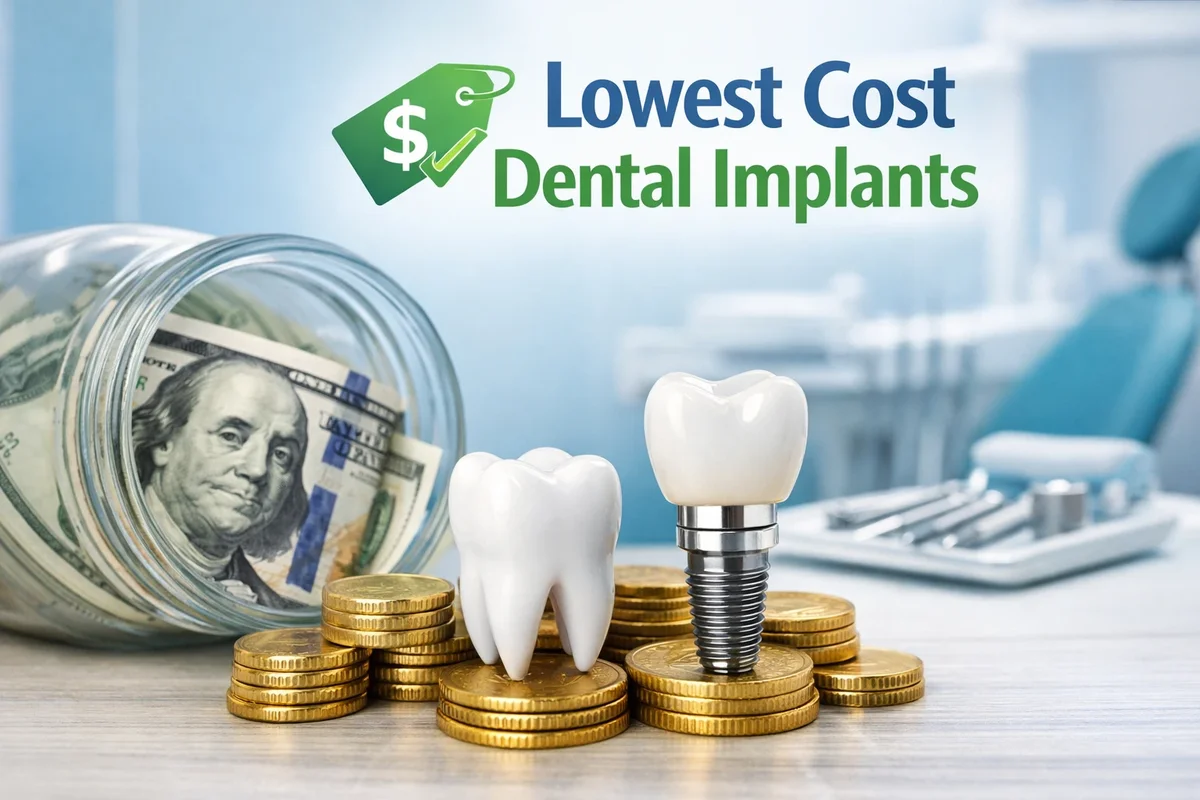
Final Thoughts: Making an Informed Decision About Lowest Cost Dental Implants
Reaching the end of your research on lowest cost dental implants means you are likely weighing affordability against safety, quality, and long-term success. This final stage is where informed decision-making matters most. Dental implants are not an impulse purchase—they are a medical solution intended to restore health, function, and confidence for many years. Understanding how to balance cost with value is the key to a successful outcome.
The purpose of choosing lowest cost dental implants is not to find the cheapest possible option, but to identify a treatment pathway that delivers reliable results without unnecessary financial burden. When patients approach this decision strategically, affordable implants can offer exceptional outcomes comparable to premium-priced alternatives.
Reframing the Meaning of “Lowest Cost”
One of the most important mindset shifts patients can make is redefining what “lowest cost” truly means. In implant dentistry, the lowest cost option is not always the one with the smallest upfront number.
True lowest cost dental implants are defined by:
- Complete and transparent treatment pricing
- Minimal risk of complications or revisions
- Long implant lifespan with low maintenance needs
- High patient satisfaction and functional success
An implant that fails early or requires repeated corrections ultimately costs far more than a well-planned, affordable solution.
The Importance of Education and Patient Awareness
Patients who achieve the best outcomes with lowest cost dental implants are those who actively educate themselves. Understanding the procedure, materials, healing process, and long-term care requirements empowers patients to ask the right questions and avoid misleading offers.
Key areas every patient should understand include:
- The full implant process from diagnosis to crown placement
- Potential additional procedures and why they may be needed
- Expected healing timelines and lifestyle adjustments
- Long-term oral hygiene responsibilities
This knowledge ensures that lowest cost dental implants remain a positive and predictable experience.
Balancing Budget With Medical Responsibility
Budget considerations are valid and necessary. However, medical responsibility must always come first. Responsible clinics offering lowest cost dental implants never compromise on diagnostics, sterilization, or surgical expertise.
Patients should be cautious of offers that:
- Pressure quick decisions
- Provide vague or incomplete treatment details
- Refuse to disclose implant systems or credentials
Affordability achieved through efficiency and experience is safe. Affordability achieved through shortcuts is not.
The Role of Patient Commitment in Long-Term Success
Dental implants are a partnership between clinician and patient. Even the best-placed lowest cost dental implants require patient commitment to oral hygiene and follow-up care.
Long-term success depends on:
- Consistent brushing and flossing
- Regular dental check-ups
- Avoiding harmful habits such as smoking
- Prompt attention to any discomfort or changes
Patients who view implants as a long-term investment—and care for them accordingly—maximize both health outcomes and financial value.
Emotional and Lifestyle Impact of Dental Implants
The value of lowest cost dental implants extends beyond numbers. Restoring missing teeth often has a profound impact on quality of life. Patients frequently report renewed confidence, improved social interactions, and freedom to eat without discomfort or embarrassment.
These emotional and functional benefits are identical whether implants are high-priced or affordable—reinforcing the idea that lowest cost dental implants can deliver life-changing results.
Making a Confident, Informed Choice
A confident decision is one grounded in facts, transparency, and realistic expectations. Patients who take the time to compare clinics, ask detailed questions, and understand the full scope of treatment are far more likely to be satisfied with their choice of lowest cost dental implants.
Before finalizing treatment, patients should ensure they have:
- A written and detailed treatment plan
- Clear information about implant materials and brands
- An understanding of aftercare and long-term maintenance
- Confidence in the clinic’s professionalism and communication
The Bigger Picture: Oral Health as an Investment
Dental implants are not just about replacing teeth—they are about preserving bone, maintaining facial structure, and supporting overall health. When chosen wisely, lowest cost dental implants contribute to better nutrition, clearer speech, and long-term oral stability.
From this perspective, affordable implants are not an expense, but an investment in long-term well-being.
Conclusion: Smart Choices Lead to Lasting Results
In conclusion, lowest cost dental implants are absolutely a viable, safe, and effective option when selected with care. Affordability and quality are not opposites—they can coexist when patients focus on value, transparency, and professional standards.
By staying informed, asking the right questions, and committing to long-term care, patients can confidently choose lowest cost dental implants that deliver durable results, restored confidence, and lasting oral health.