
When considering cosmetic dentistry, one of the most common questions patients ask is about lumineers cost. Lumineers are an ultra-thin type of dental veneer made from high-quality porcelain that requires little to no tooth preparation. They have become an increasingly popular choice for individuals who want to improve the aesthetics of their smile without undergoing invasive procedures. In this comprehensive guide, we will explore what affects the price of Lumineers, average costs in different countries, and what you should expect before making a financial commitment. Understanding lumineers cost is essential because it allows patients to plan their budget effectively while ensuring they receive safe and professional treatment.
First, let’s clarify what Lumineers are. Unlike traditional veneers, which require reshaping or reducing natural teeth, Lumineers are designed to fit directly onto existing enamel. This means that the process is faster, less invasive, and often more comfortable for patients. However, these advantages do influence the overall lumineers cost. Patients typically seek Lumineers not only for cosmetic reasons but also for functional improvements such as correcting chips, cracks, or small gaps between teeth. As a result, the investment goes beyond aesthetics—it also contributes to long-term oral health and confidence.
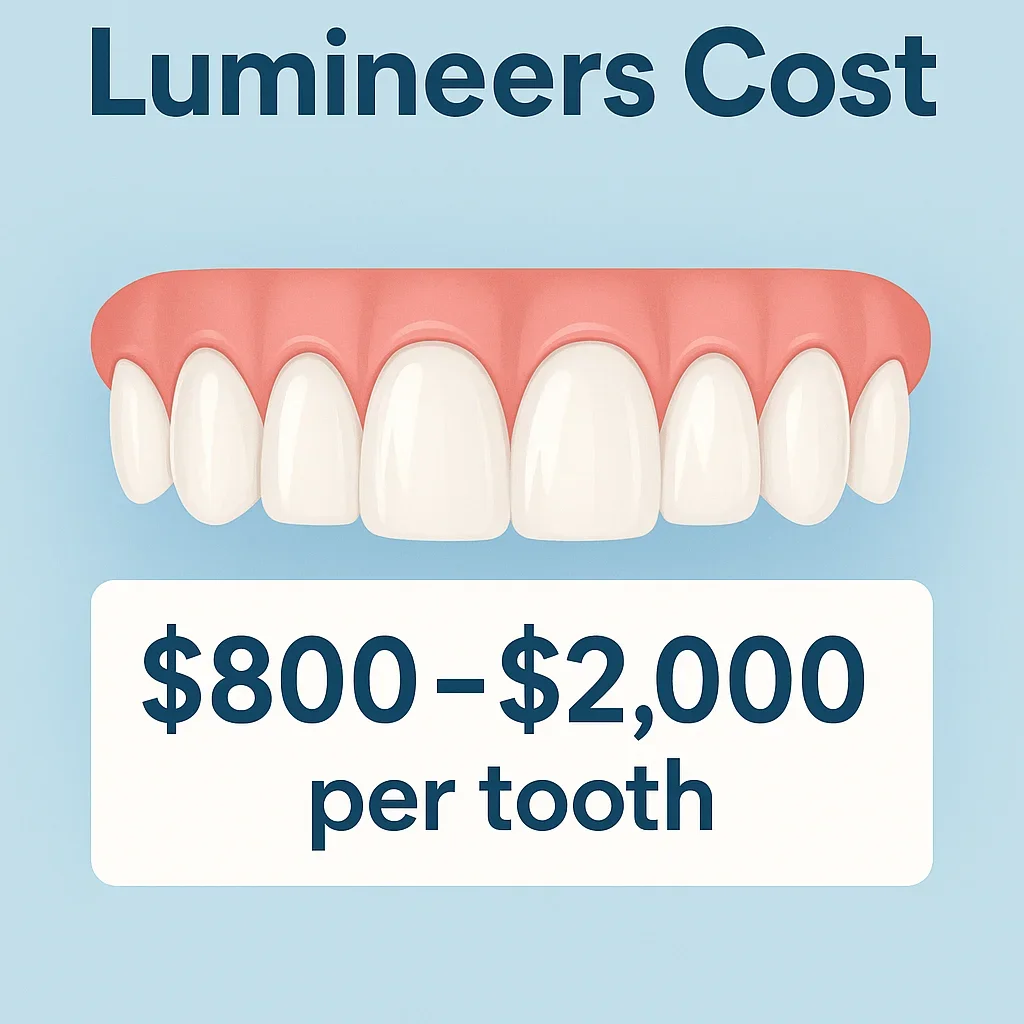
When evaluating lumineers cost, it is important to recognize that prices vary widely depending on location, dentist expertise, and the materials used. On average, in the United States, the cost ranges between $800 and $2,500 per tooth. In the United Kingdom, prices may fall between £650 and £1,800 per tooth. In medical tourism destinations like Turkey, the average price is significantly lower, usually around €300 to €600 per tooth, while maintaining high standards of care. These differences show how geography plays a significant role in determining lumineers cost. For patients seeking affordability without compromising quality, international dental clinics can be an attractive solution.
It is equally important to understand what is included in the quoted price. Many clinics advertise a base lumineers cost per tooth, but additional fees may apply for consultations, X-rays, impressions, or follow-up appointments. Some practices include these in package deals, especially in countries specializing in dental tourism. For example, clinics in Turkey and Hungary often provide comprehensive packages that cover not only the Lumineers themselves but also accommodation, transportation, and translation services. When comparing clinics, patients should always ask for a breakdown of the lumineers cost to avoid unexpected charges later in the treatment process.
Beyond regional differences, the lumineers cost is influenced by the dentist’s qualifications and experience. A highly skilled cosmetic dentist may charge more, but their expertise reduces the risk of complications and ensures natural-looking results. Lumineers require precise placement because even small errors can affect the bite or appearance. Choosing a cheaper option without proper credentials might lead to costly corrections in the future. Therefore, while saving money is important, patients should always prioritize quality and safety over the lowest possible lumineers cost.
Another factor that contributes to overall lumineers cost is the dental laboratory that fabricates the veneers. Premium labs use advanced digital technology and superior materials to create durable, ultra-thin shells that look completely natural. These labs often work closely with top cosmetic dentists, which enhances the final results. While this increases expenses, it ensures that patients receive veneers that blend seamlessly with their natural teeth and last for 15 to 20 years with proper care. Lower-cost labs may compromise on material quality, which can shorten the lifespan of Lumineers, ultimately increasing the long-term lumineers cost.
Patients should also consider the potential savings over time. Although the upfront lumineers cost may seem high, their durability and minimal maintenance can make them more cost-effective compared to other cosmetic dental solutions. Unlike whitening treatments that must be repeated regularly, Lumineers maintain their brightness and appearance for many years. This reduces the need for frequent dental visits, additional whitening procedures, or replacements. Viewed from this perspective, investing in Lumineers can actually reduce future dental expenses, balancing the initial lumineers cost with long-term savings.
It is worth noting that most dental insurance plans do not cover Lumineers because they are considered a cosmetic treatment. However, some insurance policies may partially reimburse patients if Lumineers are placed for restorative purposes, such as repairing a cracked tooth. To manage the lumineers cost, many clinics offer financing options, allowing patients to pay in monthly installments rather than a lump sum. This flexibility makes the treatment more accessible to a wider audience, helping more people achieve their dream smile without overwhelming financial stress.
For those interested in scheduling a consultation, reaching out to a reputable clinic is the best next step. Patients can get an accurate quote, learn about available financing options, and understand the exact procedures involved. If you would like to discuss your options with experienced specialists, visit the Redent Klinik Contact Page to get personalized guidance. Additionally, for professional standards and further information on dental practices, you can explore resources provided by the American Dental Association.
In summary, the lumineers cost is shaped by many variables, including geographic location, dentist expertise, laboratory quality, and whether package deals are available. While the investment can be significant, Lumineers offer long-lasting aesthetic and functional benefits that justify their price. Patients should carefully evaluate both the financial and medical aspects of the treatment to make the best decision for their oral health and overall appearance. With the right choice, Lumineers can be a life-changing solution, delivering a radiant, confident smile for years to come. 😊
What Are Lumineers and How Do They Differ from Veneers?
When exploring the world of cosmetic dentistry, one of the first questions patients encounter is: what exactly are Lumineers, and how are they different from traditional veneers? Understanding this distinction is essential because it directly influences the overall lumineers cost and helps patients make an informed decision about their dental treatment. Both Lumineers and veneers aim to improve the appearance of teeth by addressing discoloration, misalignment, chips, and gaps. However, the techniques, materials, and preparation processes vary, leading to unique benefits and cost considerations for each option.
Defining Lumineers: Ultra-Thin Porcelain Shells
Lumineers are a specific brand of dental veneers that are ultra-thin—about 0.2 to 0.3 millimeters thick—crafted from patented Cerinate porcelain. Their design allows them to be placed over the natural tooth structure without significant reduction of the enamel. This minimally invasive approach preserves the tooth’s natural integrity, making the procedure less painful and quicker compared to traditional veneers. The technology behind Lumineers also makes them highly translucent, mimicking the appearance of natural enamel more closely. These qualities partly explain why lumineers cost can be higher than some other cosmetic solutions, as they involve specialized materials and advanced manufacturing.
Traditional Veneers: Thicker and More Invasive
In contrast, traditional veneers are generally thicker, ranging from 0.5 to 0.7 millimeters. To accommodate this thickness, dentists often remove a small portion of enamel from the tooth’s surface. While this ensures a secure fit, it makes the procedure irreversible. Traditional veneers can provide stunning results, but the preparation phase is more invasive, potentially leading to tooth sensitivity. Additionally, because they require more dental work, traditional veneers can influence both the procedure time and cost. Patients comparing both options should understand that while veneers may sometimes have a lower initial price, the preservation of natural tooth structure with Lumineers makes them more attractive despite the higher lumineers cost.
Key Differences Between Lumineers and Veneers
- Thickness: Lumineers are ultra-thin, while veneers are thicker and require enamel removal.
- Preparation: Lumineers involve little to no preparation, whereas veneers require reshaping teeth.
- Reversibility: Lumineers are often reversible, veneers are not.
- Longevity: Both can last 10–20 years, depending on care and materials.
- Cost: Lumineers generally involve a higher initial lumineers cost due to specialized technology.
Impact on Smile Design and Aesthetics
The choice between Lumineers and veneers also impacts the final look of your smile. Because Lumineers are so thin, they can be bonded directly without creating a bulky appearance. They are especially effective for patients with minor cosmetic issues, such as small gaps or discoloration. Veneers, on the other hand, may be more suitable for patients with significant enamel damage or larger cosmetic concerns. This functional difference is a major factor in determining whether the higher lumineers cost is worthwhile for each patient.
Durability and Lifespan Considerations
Both Lumineers and veneers can last more than a decade with proper care, but the lifespan depends on factors like oral hygiene, biting habits, and dentist expertise. Lumineers’ minimal preparation technique reduces the likelihood of sensitivity or damage to the natural tooth, potentially prolonging their usability. Veneers, while durable, may eventually need replacement if enamel damage worsens. In terms of long-term investment, some patients find that the initial lumineers cost is justified by the reduced need for invasive procedures in the future.
Comfort and Patient Experience
Many patients prefer Lumineers because the process is quicker and more comfortable. Since little to no enamel is removed, there is minimal discomfort during and after placement. Temporary veneers, which are often required during traditional veneer preparation, are usually unnecessary with Lumineers. This streamlined approach not only saves time but also enhances the overall treatment experience. For patients who value convenience and minimal discomfort, the slightly higher lumineers cost often feels justified.
Financial Implications of Choosing Lumineers
When comparing costs, Lumineers are typically priced slightly higher per tooth than veneers. For example, traditional veneers may cost $600 to $1,500 per tooth, while Lumineers often range from $800 to $2,500. These differences arise from specialized laboratory work, proprietary materials, and less invasive techniques. Patients should consider not just the initial price tag but also the long-term benefits, comfort, and reversibility when evaluating the true value of the lumineers cost.
Insurance and Financing Factors
Since Lumineers are considered cosmetic, insurance rarely covers them. However, financing programs are widely available in most dental clinics. Patients can spread out the lumineers cost over monthly payments, making treatment more accessible. Some clinics even offer bundled packages, especially in dental tourism hubs, which include travel, accommodation, and aftercare, providing better overall value. These factors play a crucial role when weighing Lumineers against veneers.
In conclusion, Lumineers differ from traditional veneers in thickness, preparation requirements, comfort, and reversibility. While they may come with a higher upfront lumineers cost, their advantages often outweigh the price difference for patients seeking a minimally invasive, long-lasting, and natural-looking smile enhancement. By understanding these distinctions, patients can confidently decide which option aligns best with their dental goals, budget, and lifestyle. 🌟
Average Lumineers Cost in the USA, UK, and Worldwide 🌍
One of the most important factors patients consider when choosing a cosmetic dental treatment is the overall lumineers cost. Because dental care pricing varies significantly from one region to another, understanding the global landscape of costs can help patients make more informed choices. Lumineers are a premium cosmetic solution, and their price is influenced by regional economics, dental industry standards, and the expertise of practitioners. Below, we explore average costs in major regions like the USA, UK, and other parts of the world, while also highlighting options for patients seeking more affordable alternatives without sacrificing quality.
Lumineers Cost in the United States
In the United States, Lumineers are among the most expensive cosmetic dental treatments due to high operational costs, dental industry regulations, and advanced technology requirements. On average, the lumineers cost ranges from $800 to $2,500 per tooth. This wide range depends on location, dentist expertise, and additional services such as X-rays, consultations, or follow-up care. For instance, in metropolitan cities like New York or Los Angeles, patients are likely to face costs on the higher end of the spectrum due to increased demand and higher clinic overheads.
Breakdown of U.S. Pricing
- Low-End Range: $800 – $1,200 per tooth (typically in smaller towns or less populated regions).
- Mid-Range: $1,200 – $1,800 per tooth (common in suburban dental practices).
- High-End Range: $1,800 – $2,500 per tooth (premium clinics in large cities).
While the U.S. is one of the costliest locations for dental treatment, patients often value the reassurance of strict safety standards and access to highly trained cosmetic dentists. However, the steep lumineers cost makes many patients explore alternatives abroad.
Lumineers Cost in the United Kingdom
In the UK, the average lumineers cost ranges from £650 to £1,800 per tooth. Similar to the U.S., clinics in London or other major cities tend to charge higher fees compared to regional practices. The National Health Service (NHS) does not cover Lumineers since they are considered purely cosmetic, which means patients must rely on private practices. This out-of-pocket expense can be significant, especially for individuals who require multiple teeth treated.
UK Pricing Insights
Patients in the UK may find bundled packages offered by cosmetic clinics, which sometimes reduce the per-tooth price when multiple Lumineers are applied. Additionally, financing options are common, allowing patients to spread out the lumineers cost over several months. Despite these options, many UK patients choose to travel abroad for treatment because dental tourism destinations offer competitive prices while maintaining high standards.
Lumineers Cost in Europe and Turkey
Outside the UK, countries like Turkey, Hungary, and Poland have become leading hubs for dental tourism. In Turkey, the lumineers cost is significantly lower, usually ranging from €300 to €600 per tooth. This affordability does not necessarily reflect lower quality. In fact, many clinics in Turkey use the same high-grade materials and follow international standards. The competitive pricing is largely due to lower operational costs, favorable exchange rates, and a strong focus on attracting international patients.
Why Turkey Leads in Affordability
- Lower overhead costs for dental practices.
- Government support for medical tourism.
- Highly experienced dentists trained internationally.
- Comprehensive treatment packages including travel and lodging.
Patients choosing Turkey for Lumineers often save up to 70% compared to the U.S. or UK while still achieving exceptional results. This affordability makes Turkey one of the top choices for patients worldwide considering the overall lumineers cost.
Lumineers Cost in the Middle East and Asia
In the Middle East, especially in countries like the UAE and Saudi Arabia, the lumineers cost falls between $700 and $1,500 per tooth. These regions have invested heavily in advanced dental infrastructure, catering to both local and international patients. In Asia, countries like Thailand and India offer competitive rates ranging from $350 to $700 per tooth. Many clinics here cater to dental tourists, combining high-quality treatment with affordable vacation packages.
Comparison of Regional Price Averages
| Country/Region | Average Cost Per Tooth |
|---|---|
| USA | $800 – $2,500 |
| UK | £650 – £1,800 |
| Turkey | €300 – €600 |
| Middle East (UAE, KSA) | $700 – $1,500 |
| Thailand / India | $350 – $700 |
Global Perspective on Lumineers Cost
The global variation in lumineers cost reflects not just differences in economies but also the rise of medical tourism. Many patients from the USA and UK travel abroad to reduce their expenses, often paying less for an entire set of Lumineers—including flights and accommodations—than they would for just a few teeth at home. While lower prices abroad are attractive, patients must carefully evaluate clinic reputation, dentist qualifications, and treatment guarantees to ensure safe and effective results.
Making the Right Choice
Ultimately, choosing where to undergo treatment depends on balancing budget, safety, and convenience. Patients who prioritize cost savings often select destinations like Turkey, while those who value staying local may prefer the U.S. or UK despite higher costs. Regardless of location, consulting with a trusted clinic and asking for a detailed breakdown of the lumineers cost ensures there are no hidden fees. This transparency is essential to making a confident and well-informed decision.
In conclusion, the lumineers cost varies significantly worldwide, ranging from $300 per tooth in dental tourism hubs to $2,500 in premium U.S. clinics. Patients must weigh the pros and cons of each region, considering not only price but also quality, convenience, and aftercare. By understanding these global averages, individuals can better plan their cosmetic dental journey and maximize both value and results. 🌍
Factors That Influence Lumineers Cost (Dentist, Location, Materials)
When patients research lumineers cost, they often notice significant differences from one clinic or region to another. These variations are not random; rather, they are shaped by several important factors that directly impact the final price. Understanding these variables helps patients make smarter financial and medical decisions while planning their cosmetic dental journey. The three most influential aspects are the dentist’s expertise, the location of the clinic, and the quality of the materials used. Each of these plays a crucial role in determining how much patients will pay and what results they can expect.
The Dentist’s Expertise and Reputation
Perhaps the single most important factor affecting lumineers cost is the dentist’s skill level and reputation. Cosmetic dentistry is an art as much as it is a science, requiring a deep understanding of dental anatomy, facial aesthetics, and precision techniques. A highly experienced dentist with years of successful cases and advanced training is likely to charge more than someone relatively new in the field. However, paying for expertise usually ensures better results, reduced risks, and longer-lasting Lumineers.
Why Expertise Raises Costs
- Advanced Training: Dentists who attend international conferences or complete specialized programs bring added value.
- Track Record: Established practitioners often have testimonials, before-and-after galleries, and a solid reputation that justifies higher fees.
- Precision and Customization: Skilled dentists dedicate more time to customization, ensuring natural results and proper bite alignment.
Although the upfront lumineers cost may be higher when choosing a well-known dentist, the benefits often outweigh the price difference. Patients avoid corrective procedures, which could otherwise add unexpected expenses in the future.
Geographic Location of the Clinic
Another key factor influencing lumineers cost is where the dental treatment takes place. The country, city, and even neighborhood can dramatically affect pricing. For instance, a dental practice in central London or Beverly Hills will typically charge more than a clinic in a smaller city or a medical tourism destination.
Regional Economic Impact
Local economic conditions, currency strength, and the cost of living all impact lumineers cost. Clinics in the U.S. and Western Europe face higher overhead costs such as rent, utilities, and staff salaries, which are reflected in their fees. Conversely, countries like Turkey or Hungary benefit from lower operational costs, allowing them to offer affordable packages without compromising quality. This explains why a tooth that may cost $2,000 in the U.S. could be priced at €400 in Turkey.
Dental Tourism and Location-Based Savings
Medical tourism has become a major industry, and many patients travel abroad specifically to reduce the lumineers cost. Popular destinations like Turkey, Thailand, and Mexico offer not only competitive pricing but also comprehensive care packages including airport transfers, accommodation, and aftercare. By traveling internationally, patients can save thousands of dollars, even when factoring in travel expenses.
The Quality of Materials and Laboratory Work
Materials used in crafting Lumineers play an equally important role in determining lumineers cost. Lumineers are made from high-grade porcelain, specifically Cerinate, which is known for its strength, translucency, and ultra-thin design. The use of advanced technology and premium materials ensures a natural look and long-lasting durability.
Impact of Dental Laboratories
The dental laboratory responsible for creating Lumineers is another factor to consider. Top-tier labs employ digital scanning, 3D modeling, and state-of-the-art milling machines, which guarantee a superior fit and finish. Dentists who collaborate with these labs may charge higher fees because the laboratory itself requires more resources. However, this investment results in veneers that are indistinguishable from natural teeth and have a longer lifespan, reducing future costs.
Lower-Quality Alternatives
Patients may come across clinics that advertise dramatically cheaper lumineers cost. While tempting, these low-cost options may use subpar materials or non-specialized labs, leading to issues such as poor fit, discoloration, or chipping. In the long run, this increases expenses because replacements or corrective treatments become necessary. Thus, choosing clinics that use authentic Cerinate porcelain and certified labs is crucial to ensure both quality and durability.
Additional Influencing Factors
Beyond expertise, location, and materials, other factors can influence lumineers cost as well:
- Number of Teeth Treated: A full smile makeover (8–10 teeth) will cost more overall but may reduce the per-tooth price.
- Technology Used: Clinics using digital impressions and CAD/CAM systems may charge more but offer faster, more precise results.
- Aftercare Services: Follow-up visits, warranty policies, and adjustments can also add to the overall lumineers cost.
Balancing Cost with Quality
Patients often wonder if it’s worth paying more for a well-known clinic or dentist. The answer depends on priorities. If the goal is the lowest possible price, dental tourism may be the best option. However, for those who want peace of mind, local access to aftercare, and guaranteed results, investing in a more expensive dentist may be the better path. Ultimately, patients should focus on value rather than price alone when analyzing the lumineers cost.
In summary, the lumineers cost is shaped by multiple factors: the dentist’s experience, the geographic location of the clinic, and the quality of materials and lab work. While patients may save money by choosing a cheaper option, long-term results and durability often depend on making smart investments upfront. By carefully weighing these influences, individuals can find the perfect balance between affordability and quality, ensuring a confident smile that lasts for years. 😁
Lumineers vs. Porcelain Veneers: Cost, Longevity, and Results
When deciding on a smile makeover, most patients compare Lumineers with traditional porcelain veneers. Both treatments enhance aesthetics by correcting discoloration, gaps, or misaligned teeth, but they differ in preparation, durability, and price. Since finances often play a central role in dental decisions, understanding how lumineers cost compares to porcelain veneers is critical. In this section, we’ll break down these differences in detail, covering cost variations, expected lifespan, and the kind of results patients can anticipate from each option.
Cost Comparison Between Lumineers and Veneers
On average, porcelain veneers cost between $600 and $1,500 per tooth, while Lumineers are usually priced between $800 and $2,500 per tooth. This means the lumineers cost is slightly higher, reflecting the premium materials used and the minimal preparation required. Patients choosing Lumineers pay not only for the procedure itself but also for advanced laboratory technology and specialized expertise. By contrast, porcelain veneers—though sometimes less expensive—require more enamel reduction and chair time, which can add hidden costs, particularly if temporary veneers are needed.
Why Lumineers Are More Expensive
- Brand Technology: Lumineers use patented Cerinate porcelain, which is thinner yet durable.
- Less Invasive Prep: Minimal or no enamel removal preserves natural teeth but requires high precision.
- Laboratory Costs: Custom fabrication from specialized labs adds to the overall lumineers cost.
Although veneers can sometimes offer a lower upfront price, Lumineers often prove to be more cost-effective in the long run by reducing additional dental work, sensitivity issues, and the need for replacements.
Longevity and Durability
Both Lumineers and veneers are designed to last, but their lifespans depend on patient habits and the quality of the procedure. Traditional veneers typically last 10 to 15 years, while Lumineers can last 15 to 20 years or longer with proper care. This difference makes the higher lumineers cost more appealing when viewed as a long-term investment.
Factors Affecting Lifespan
Several elements contribute to how long veneers or Lumineers will last:
- Oral Hygiene: Brushing, flossing, and regular dental visits significantly prolong lifespan.
- Diet: Avoiding hard foods and staining beverages prevents chips and discoloration.
- Grinding/Clenching: Patients with bruxism may need night guards to protect their investment.
When maintained properly, the extended lifespan of Lumineers reduces the need for replacements, making the initial lumineers cost a wise financial choice.
Results and Aesthetics
From an aesthetic standpoint, Lumineers provide a natural, translucent look due to their ultra-thin design. They mimic real enamel more closely, which is why patients often choose them for subtle yet impactful enhancements. Traditional veneers, while also visually appealing, sometimes require more enamel removal, which can make the smile appear slightly less natural if not done by a skilled dentist. This distinction is a major reason why some patients are willing to pay a higher lumineers cost for the best cosmetic outcome.
Reversibility and Patient Comfort
Another advantage of Lumineers is that they are often reversible. Since little to no enamel is removed, patients can choose to return to their natural teeth in the future. Veneers, however, permanently alter the tooth structure, meaning once applied, they cannot be undone. This flexibility adds to the value of Lumineers, even if the lumineers cost is higher at the start.
Patient Experience During Treatment
The treatment process also differs. Veneers usually require multiple appointments, enamel reduction, and temporary coverings. Lumineers, by contrast, typically involve only two visits: one for impressions and one for placement. Because no extensive drilling or anesthesia is needed, patients experience less discomfort and faster results. For many, this convenience alone justifies the higher lumineers cost.
Hidden Costs of Veneers
Although veneers might appear cheaper upfront, patients should account for the additional expenses such as temporary veneers, potential sensitivity treatments, and more extensive enamel preparation. When all these elements are added up, the overall price difference between veneers and Lumineers narrows considerably.
Financial and Long-Term Value
Looking at cost, longevity, and aesthetics together, Lumineers often provide better value for patients who prioritize natural results, durability, and comfort. While porcelain veneers remain an excellent choice in many cases, the combination of convenience and reversibility makes the higher lumineers cost more justifiable. Patients should think of Lumineers not just as a purchase but as a long-term investment in their appearance and self-confidence.
In conclusion, both veneers and Lumineers offer pathways to a radiant smile, but differences in preparation, durability, and comfort must be weighed carefully. Though Lumineers carry a higher initial lumineers cost, their long-lasting results, patient comfort, and natural aesthetics make them a worthwhile investment for many individuals. By comparing these two popular treatments side by side, patients can confidently choose the best option for their needs, lifestyle, and budget. ✨
Insurance Coverage and Financing Options for Lumineers
One of the biggest concerns patients have when considering cosmetic dentistry is whether their insurance plan will cover part of the treatment. Since Lumineers are often categorized as an elective cosmetic procedure, most insurance companies do not provide direct coverage. This makes the lumineers cost an out-of-pocket expense for the majority of patients. However, understanding how insurance works, exploring potential exceptions, and learning about financing solutions can make the treatment far more manageable. In this section, we’ll break down the reality of insurance coverage and the many ways patients can finance their smile makeover effectively.
Insurance Coverage: The Reality
Most dental insurance policies classify Lumineers under cosmetic treatments, meaning they are not deemed “medically necessary.” As a result, insurers typically refuse to reimburse patients for the procedure. This is why patients often must prepare to handle the full lumineers cost on their own. However, there are a few exceptions to this rule.
Possible Exceptions for Insurance Assistance
- Functional Repair: If Lumineers are placed to repair chipped or cracked teeth, some insurers may cover part of the cost.
- Medical Necessity: In rare cases, when Lumineers are used to restore dental function (such as after an accident), coverage may apply.
- Employer-Sponsored Plans: Certain premium dental insurance plans include partial coverage for cosmetic treatments.
Even when coverage is available, it usually represents a small portion of the overall lumineers cost. Therefore, patients should always review their policy carefully and speak with both their insurance provider and their dentist’s office for clarification.
Financing Options for Lumineers
Since insurance rarely covers Lumineers, financing becomes the most common way patients manage the lumineers cost. Many dental practices partner with financing companies or offer in-house payment plans that spread the expense across several months or years. This makes the treatment more accessible without requiring a large lump-sum payment upfront.
Common Financing Methods
- Dental Credit Cards: Specialized healthcare credit cards allow patients to pay over time, sometimes with interest-free periods.
- Installment Plans: Many clinics break down the lumineers cost into monthly payments, ranging from 6 to 24 months.
- Personal Loans: Patients can secure loans through banks or credit unions to finance their treatment.
- Medical Financing Companies: Services like CareCredit in the U.S. focus specifically on healthcare-related expenses.
These solutions provide flexibility, enabling patients to balance their dental goals with their financial reality. For example, a $6,000 total lumineers cost could be divided into $250 monthly payments, making the procedure more manageable for a wider audience.
Cost Transparency and Clinic Policies
It’s important for patients to choose clinics that are upfront about pricing and financing options. Reputable dental practices will provide a detailed breakdown of the lumineers cost, including any additional charges for consultations, imaging, or follow-up appointments. Many clinics also employ financial coordinators to help patients navigate their options and apply for payment plans on the spot. This transparency reduces anxiety and ensures there are no hidden surprises once treatment begins.
Bundled Packages Abroad
In dental tourism destinations such as Turkey, Mexico, or Hungary, clinics often include financing-like benefits in their package pricing. For example, a clinic may offer Lumineers at €400 per tooth and include accommodations, transfers, and aftercare in the total price. These packages make the overall lumineers cost appear more affordable compared to paying for every aspect separately. For international patients, this can feel similar to financing because it consolidates multiple expenses into one payment.
Tips for Managing Lumineers Cost
Patients can take proactive steps to make the lumineers cost easier to manage:
- Shop Around: Compare multiple clinics both locally and abroad for the best value.
- Ask About Promotions: Some practices offer seasonal discounts or multi-tooth packages.
- Combine Insurance and Financing: If partial coverage is available, combine it with a payment plan for maximum savings.
- Budget Ahead: Start saving early to reduce the need for large financing commitments.
Weighing Insurance and Financing Together
Since insurance rarely covers cosmetic procedures, financing often becomes the practical route for patients pursuing Lumineers. By spreading payments out over time, patients can enjoy the benefits of their new smile immediately without waiting to save the full amount. Even though the lumineers cost may seem high initially, financing structures make it far more approachable for middle-income individuals and families. This approach allows patients to prioritize their dental health and aesthetics without sacrificing financial stability.
In conclusion, while insurance coverage for Lumineers is limited, financing options make the treatment accessible to a much broader audience. Whether through dental credit cards, personal loans, or in-house plans, patients can manage the lumineers cost without overwhelming financial stress. Those exploring dental tourism packages may find even greater value, with bundled services lowering the overall expense. Ultimately, combining transparency, careful planning, and flexible financing ensures that achieving a perfect smile with Lumineers remains within reach. 💳🦷
Affordable Alternatives: Can You Save on Lumineers Cost?
For many patients, the appeal of Lumineers is undeniable: they offer a minimally invasive, long-lasting, and natural-looking solution for transforming smiles. However, not everyone can comfortably afford the full lumineers cost. This raises the question: are there alternatives that can deliver comparable results at a lower price point? The answer is yes—several affordable options exist. In this section, we will explore cost-saving strategies, alternative treatments, and practical approaches that allow patients to enhance their smiles without overspending.
Dental Bonding as a Budget-Friendly Alternative
One of the most common alternatives to Lumineers is dental bonding. This procedure involves applying a tooth-colored composite resin directly onto the teeth to fix chips, cracks, or discoloration. The process is relatively quick, often completed in a single appointment, and it requires little to no enamel removal. Most importantly, dental bonding is much more affordable. The cost ranges between $100 and $400 per tooth in most countries, which is a fraction of the lumineers cost.
Pros and Cons of Dental Bonding
- Pros: Low cost, quick procedure, non-invasive.
- Cons: Less durable than Lumineers, prone to staining, may require touch-ups every 3–5 years.
While bonding is not a long-term substitute, it is a practical solution for patients on a tight budget who want immediate aesthetic improvements without bearing the higher lumineers cost.
Porcelain Veneers as a Middle-Ground Option
Porcelain veneers are often compared directly with Lumineers, and in some cases, they may present a slightly cheaper option. Traditional veneers usually cost between $600 and $1,500 per tooth, depending on location and dentist expertise. Although veneers require enamel removal, they still deliver excellent cosmetic results and can last over a decade with proper care. For patients who find the lumineers cost prohibitive but still want a permanent solution, veneers can be a balanced choice.
Key Considerations
Patients should keep in mind that veneers are not reversible, unlike Lumineers. While they may cost less upfront, the invasive preparation may increase long-term expenses if complications arise. This is why some patients still prefer to invest in Lumineers despite the higher lumineers cost.
Teeth Whitening for Discoloration Issues
For individuals whose main concern is tooth discoloration rather than chips or misalignment, professional whitening treatments may be a suitable low-cost alternative. Whitening is significantly less expensive than Lumineers, with costs ranging from $300 to $800 per session in many clinics. Although whitening does not correct structural issues, it is a quick way to improve smile aesthetics without incurring the full lumineers cost.
Limitations of Whitening
Unlike Lumineers, whitening treatments must be repeated periodically, especially for patients who consume staining foods or drinks. Over time, the cumulative expense may approach the initial lumineers cost. Still, for those seeking a short-term or budget-friendly option, whitening remains popular.
Dental Tourism: Saving Through International Treatment
Another way to reduce lumineers cost is to consider dental tourism. Countries like Turkey, Hungary, Poland, and Mexico have become international hubs for cosmetic dentistry, offering high-quality treatments at a fraction of Western prices. In Turkey, for example, Lumineers can cost between €300 and €600 per tooth, compared to up to $2,500 per tooth in the United States. Many clinics also bundle costs with accommodation and transportation, making the overall package highly attractive.
Benefits and Risks of Dental Tourism
- Benefits: Substantial cost savings, high-quality treatment, and often luxurious patient care packages.
- Risks: Language barriers, limited legal recourse if complications arise, and travel-related expenses.
For patients open to traveling, dental tourism offers one of the most effective ways to reduce the lumineers cost while still enjoying high-quality results.
Financing Plans and Payment Options
Even if alternatives are not appealing, patients can still manage the lumineers cost by taking advantage of flexible financing plans. Many clinics partner with financing companies that allow patients to spread the expense over 6, 12, or even 24 months. In some cases, interest-free options are available, making Lumineers more affordable without compromising quality.
Strategic Use of Financing
Instead of choosing a lower-quality alternative, patients may find that financing allows them to comfortably afford Lumineers by paying smaller monthly installments. For example, a $6,000 treatment can be broken into $250 monthly payments over two years, making the investment much more manageable.
Long-Term Value vs. Short-Term Savings
When comparing alternatives, it’s essential to weigh short-term savings against long-term value. While dental bonding and whitening may be cheaper initially, they often require frequent maintenance. This can increase total costs over time. In contrast, Lumineers and porcelain veneers are more expensive upfront but last much longer, making the higher lumineers cost more reasonable as a long-term investment.
In conclusion, while the lumineers cost may seem prohibitive at first, patients have multiple options to save money or find alternative treatments. From dental bonding and porcelain veneers to whitening and dental tourism, there are solutions for every budget. Patients should carefully consider their goals, long-term expectations, and available financing before making a decision. Ultimately, whether choosing a lower-cost alternative or committing to Lumineers with payment support, the most important outcome is a confident, radiant smile that feels worth every penny. 💎
Real Patient Reviews and Experiences with Lumineers
While researching lumineers cost, many patients also want to know what the real-life experiences of others have been. Beyond statistics and professional claims, patient reviews provide valuable insights into the overall journey—from consultations and procedures to long-term results and financial satisfaction. Reading firsthand stories helps potential patients set realistic expectations, understand the benefits, and anticipate possible challenges. In this section, we’ll explore authentic perspectives regarding comfort, durability, satisfaction, and whether patients felt the investment justified the lumineers cost.
First Impressions After Placement
One of the most common themes in patient reviews is the immediate transformation of their smile. Many individuals describe feeling an instant boost in confidence after seeing their new teeth for the first time. The natural appearance of Lumineers, thanks to their thin porcelain structure, is frequently praised. Patients often report that friends and colleagues notice a difference in their smile but can’t quite pinpoint what changed. For most, this subtle enhancement justifies the lumineers cost, as it delivers results without looking artificial.
Comfort During the Procedure
Patients frequently highlight that Lumineers require little to no enamel removal, which means the procedure is generally painless. Unlike veneers, which may involve local anesthesia and temporary coverings, Lumineers are often placed within two visits without significant discomfort. Reviews repeatedly emphasize how stress-free the process feels compared to other dental treatments. For many, the easy experience makes the higher lumineers cost more acceptable because it saves time and minimizes anxiety.
Long-Term Durability Feedback
Reviews from patients who have had Lumineers for five years or longer often mention their durability. Most agree that the investment pays off in terms of longevity. Many note that their Lumineers still look as good as the day they were placed, with minimal staining and no visible wear. Some patients even share stories of their Lumineers lasting over 15 years with proper care. For them, the higher lumineers cost feels justified because replacements or repairs are rarely needed, unlike cheaper alternatives such as bonding.
Maintenance and Daily Experience
Patients consistently point out that Lumineers require no special maintenance beyond standard oral hygiene practices like brushing, flossing, and regular dental checkups. Unlike whitening procedures, which require repeat sessions, Lumineers maintain their color for years. This convenience is another reason why patients report being satisfied with their choice, even if the lumineers cost seemed steep at first.
Financial Perspectives from Patients
Patient reviews often mention the financial aspect, sometimes describing the lumineers cost as “an investment in self-confidence.” Many patients admit that while the upfront cost felt daunting, spreading the expense through financing made it manageable. Reviews also show that patients who traveled abroad for dental tourism often felt they received excellent results for half or even one-third of the price they would have paid at home. These individuals highlight that the reduced lumineers cost abroad didn’t compromise quality, provided they chose reputable clinics.
Mixed Experiences and Common Complaints
Not all reviews are entirely positive. A minority of patients report issues such as slight bulkiness if their natural teeth were not ideally suited for no-prep veneers. Others mention that while Lumineers looked fantastic, they experienced minor speech adjustments in the first few days. Some also felt the lumineers cost was too high for the results they achieved, particularly if their dentist lacked experience. These reviews emphasize the importance of selecting a skilled, qualified dentist to avoid dissatisfaction and maximize value.
Before-and-After Stories
Many clinics showcase before-and-after pictures accompanied by patient testimonials. These stories typically highlight transformations involving discolored teeth, gaps, or chips. Patients often describe feeling hesitant about smiling in photos before treatment but gaining newfound confidence afterward. For them, the lumineers cost is viewed as a life-changing investment, not merely a cosmetic upgrade. In fact, several reviews compare the impact of Lumineers to a “mini facelift,” underscoring the broader emotional benefits of the treatment.
Comparisons to Other Treatments
Patients who previously tried whitening, bonding, or even traditional veneers often compare their outcomes. Many report that while whitening treatments were cheaper, the results were short-lived and required frequent repetition. Those who had veneers before Lumineers often highlight that Lumineers felt less invasive and more comfortable, even if the lumineers cost was slightly higher. These comparative reviews provide valuable guidance for others weighing different treatment options.
Overall Patient Satisfaction
Across thousands of testimonials, one theme emerges clearly: most patients feel Lumineers improved their quality of life. The ability to smile confidently in social and professional settings is repeatedly described as priceless. While some patients acknowledge the significant lumineers cost, they often stress that the emotional and psychological benefits outweighed the financial burden. In many reviews, patients emphasize that they would make the same decision again without hesitation.
In conclusion, patient reviews reveal that Lumineers consistently deliver natural-looking, durable, and confidence-boosting results. While the lumineers cost is higher than some alternatives, the comfort, longevity, and satisfaction levels reported by patients make them a worthwhile investment. By learning from real experiences, prospective patients can better prepare for their journey and choose the right dentist and financial plan to achieve their dream smile. 😁
How to Maintain Lumineers and Avoid Extra Costs 🦷
Investing in Lumineers is a significant decision, and given the relatively high lumineers cost, patients want to ensure they get the longest possible lifespan from their new smile. Proper maintenance not only preserves aesthetics but also prevents additional dental expenses down the road. Lumineers are designed to be durable and stain-resistant, but they are not completely immune to wear and tear. By following smart oral care practices, making lifestyle adjustments, and scheduling regular dental visits, patients can maximize the value of their Lumineers while avoiding unnecessary extra costs. This section provides a comprehensive breakdown of best practices for maintaining Lumineers and keeping overall treatment expenses low.
Daily Oral Hygiene Habits
Just like natural teeth, Lumineers require consistent oral hygiene. While the porcelain material resists staining and decay, the underlying teeth and gums must remain healthy to support them. Poor hygiene can lead to gum disease or decay around the Lumineers, which could compromise results and increase the total lumineers cost due to repairs or replacements.
Key Habits for Protecting Lumineers
- Brushing: Use a soft-bristled toothbrush and non-abrasive fluoride toothpaste at least twice daily.
- Flossing: Clean between teeth daily to prevent plaque buildup around the Lumineers.
- Mouthwash: Use alcohol-free mouthwash to protect gum health without weakening the bonding agent.
These habits help maintain not only the veneers but also the natural teeth underneath, ensuring patients don’t end up paying additional lumineers cost for corrective procedures.
Dietary Choices and Their Impact
Food and drink choices play a huge role in maintaining the brightness and integrity of Lumineers. While they are stain-resistant, they are not completely stain-proof. Patients who consume large amounts of coffee, tea, red wine, or dark-colored sauces may notice gradual discoloration over time. Acidic foods and sugary drinks can also weaken natural teeth and gums supporting the Lumineers, potentially leading to higher maintenance costs.
Diet Tips to Avoid Extra Costs
- Limit dark beverages or use a straw to reduce staining.
- Avoid chewing ice, hard candy, or nuts, which can chip Lumineers.
- Rinse with water after consuming acidic or staining foods.
By adjusting dietary habits, patients reduce the risk of damage and extend the value of their original lumineers cost.
Protecting Lumineers from Physical Damage
Although Lumineers are durable, they are not indestructible. Accidents, teeth grinding, or poor habits can shorten their lifespan and lead to unexpected expenses. Protecting Lumineers physically is just as important as brushing and flossing.
Common Habits to Avoid
- Biting fingernails or pens.
- Opening packages with teeth.
- Clenching or grinding teeth, especially during sleep.
Patients with bruxism (grinding) should consider wearing a custom night guard, which protects both Lumineers and natural teeth. While this adds a small expense initially, it prevents much higher replacement costs if Lumineers are damaged, keeping the lumineers cost under control.
Regular Dental Checkups
Routine dental visits are critical for maintaining Lumineers. Dentists can identify small issues before they escalate, provide professional cleaning, and ensure the bonding remains secure. Most experts recommend visiting every six months for checkups and cleanings. While these appointments add to ongoing dental expenses, they actually help reduce long-term lumineers cost by preventing costly repairs or replacements.
Professional Cleaning Benefits
Dental hygienists use specialized tools that polish Lumineers without scratching the porcelain. They also remove tartar and plaque buildup that could otherwise compromise gum health. By keeping the supporting teeth and gums strong, patients extend the life of their Lumineers and avoid unnecessary additional costs.
Managing Stains and Whitening Options
Although Lumineers resist stains better than natural teeth, lifestyle habits can still affect their appearance. Professional cleanings usually restore their brightness, but in rare cases, dentists may suggest touch-up whitening treatments. However, whitening works only on natural teeth, not Lumineers themselves. This means patients should whiten their teeth before Lumineers are placed to ensure a perfect shade match. By following this strategy, patients prevent mismatched colors and reduce the likelihood of needing cosmetic adjustments later—another way to manage overall lumineers cost.
Addressing Potential Complications Early
Minor chips, cracks, or debonding issues can occur if Lumineers are exposed to excessive force. Patients who notice unusual sensitivity, discomfort, or visible damage should visit their dentist immediately. Early intervention is typically inexpensive and quick. Waiting too long, however, can result in more severe problems requiring full replacement, which significantly increases the lumineers cost.
Warranty and Aftercare Policies
Some dental clinics provide warranties or extended aftercare policies for Lumineers. These may cover partial costs of repair or replacement if problems arise within a certain timeframe. Patients should always ask about warranties when first discussing lumineers cost with their dentist, as this can provide financial protection in the long run.
Long-Term Perspective on Value
Although the upfront lumineers cost may seem high, proper maintenance ensures a long-lasting smile that minimizes additional expenses. When compared with alternatives like bonding or whitening, Lumineers often prove more cost-effective over 15 to 20 years. The key is for patients to see maintenance not as an extra chore but as an investment in their oral health and financial savings.
In conclusion, maintaining Lumineers is straightforward but requires consistency. With excellent oral hygiene, smart dietary choices, protective habits, and regular dental visits, patients can enjoy their beautiful smiles for decades. By protecting their investment, individuals ensure that the original lumineers cost remains their only major expense, avoiding unnecessary replacements or repairs. With proper care, Lumineers are not just a cosmetic solution but a durable, cost-effective path to lifelong confidence. 🦷✨
Finding the Best Dentist for Lumineers: Tips and Red Flags
Choosing the right dentist is one of the most critical steps in your Lumineers journey. Since the lumineers cost is a significant investment, patients must ensure they receive treatment from a skilled, trustworthy professional. A poorly performed procedure can lead to discomfort, unnatural results, or even costly replacements. On the other hand, the right dentist can deliver a flawless smile that lasts for decades. This section provides a detailed guide on how to find the best cosmetic dentist for Lumineers, what credentials to look for, and the warning signs that suggest you should walk away.
Qualifications and Training to Look For
Not every dentist has the same level of expertise in cosmetic dentistry. Lumineers require precision and artistry, so it’s important to choose a practitioner who has advanced training in smile design and veneer placement. Patients should verify that their dentist has undergone continuing education in cosmetic dentistry, ideally from reputable institutions or through certification programs. The higher the dentist’s qualifications, the more likely it is that the lumineers cost will result in superior, long-lasting outcomes.
Key Credentials That Matter
- Memberships: Look for dentists affiliated with organizations like the American Academy of Cosmetic Dentistry (AACD).
- Specialized Training: Ask about courses or certifications specifically in veneers and Lumineers.
- Experience: A track record of hundreds of successful veneer cases is a strong indicator of competence.
When patients confirm these credentials, they can feel more confident that the lumineers cost will translate into safe and predictable results.
Evaluating Before-and-After Portfolios
One of the best ways to assess a dentist’s skill is by reviewing before-and-after photos of previous patients. These photos provide real evidence of the dentist’s artistry and attention to detail. High-quality Lumineers should appear natural, not bulky, with the correct shade and translucency. If the portfolio looks consistent and impressive, the lumineers cost is more likely to deliver the results you desire.
Questions to Ask When Reviewing Portfolios
- Were the cases similar to my dental issues?
- Do the results look natural, or do they seem artificial?
- How consistent are the results across multiple patients?
Asking these questions ensures you evaluate not only the quality of the dentist’s work but also whether their style aligns with your personal preferences.
Consultation and Communication Skills
The initial consultation is an essential step in determining whether a dentist is the right fit. A good dentist will take time to explain the procedure, discuss expectations, and provide a detailed breakdown of the lumineers cost. Clear communication builds trust and allows patients to make fully informed decisions. Conversely, if a dentist rushes through explanations or seems vague about pricing, this is a red flag.
Signs of a Positive Consultation
- The dentist listens carefully to your concerns and goals.
- They explain all treatment options, not just Lumineers.
- You receive a transparent cost estimate with no hidden fees.
When dentists take the time to build trust during consultations, patients can feel reassured that their investment in lumineers cost is justified.
Red Flags to Watch Out For
Unfortunately, not every clinic prioritizes patient care. Recognizing warning signs early can prevent financial loss and disappointing results. Patients should be cautious if they encounter the following:
- Unrealistic Promises: Claims of “perfect smiles in one hour” may be misleading.
- Lack of Transparency: If the dentist avoids providing detailed costs, proceed with caution.
- No Portfolio: A dentist unwilling to share examples of past work may lack experience.
- Pressure Tactics: High-pressure sales pitches often indicate profit-driven practices rather than patient-centered care.
Falling for these red flags can lead to subpar results and even higher lumineers cost if corrections are required later.
Importance of Clinic Facilities and Technology
The technology and facilities a clinic uses also influence both results and the overall patient experience. Modern clinics equipped with digital scanners, CAD/CAM systems, and advanced imaging tools offer more precise and comfortable treatments. Patients who select clinics with up-to-date technology often feel that the lumineers cost is well worth the investment, as accuracy and efficiency reduce the risk of future complications.
Technology to Look For
- Intraoral cameras for detailed visual assessments.
- Digital impressions for enhanced accuracy.
- 3D smile preview software to show potential results before treatment.
These innovations not only improve comfort but also maximize the value of the lumineers cost by ensuring optimal outcomes.
Patient Testimonials and Online Reviews
Beyond portfolios, reading patient testimonials and online reviews offers additional insight. Patients frequently comment on the dentist’s professionalism, quality of results, and overall treatment experience. Consistently positive reviews signal reliability and help justify the lumineers cost. However, a pattern of negative feedback regarding customer service, billing transparency, or outcomes should raise concern.
Balancing Cost with Quality
While patients may be tempted to choose the cheapest option available, this can backfire if the results are unsatisfactory. A slightly higher lumineers cost is often justified if it means better materials, advanced technology, and a more experienced dentist. Ultimately, value should be measured not by the lowest price but by the combination of skill, safety, and lasting results.
In conclusion, finding the right dentist is crucial to ensure your lumineers cost results in a healthy, natural, and long-lasting smile. By checking credentials, reviewing portfolios, evaluating communication skills, and watching for red flags, patients can confidently select a dentist who will deliver results worth every penny. With the right choice, Lumineers become more than just a cosmetic upgrade—they become a reliable investment in your confidence and quality of life. 🌟