
Mail order braces have become a popular orthodontic option for people seeking a more convenient and affordable way to improve their smile. Unlike traditional orthodontic treatment that requires frequent in-office visits, mail order braces typically involve receiving custom aligners or orthodontic appliances directly at home after a remote assessment. As technology continues to reshape healthcare, many consumers are exploring whether mail order braces can provide effective teeth straightening results without the time commitment associated with conventional treatment.
The process for obtaining mail order braces usually begins with an online consultation. Patients may complete a dental questionnaire, submit photographs of their teeth, or use an at-home impression kit to create molds. In some cases, a digital scan is performed at a partner location. Once the information is reviewed by a licensed dental professional, a customized treatment plan is developed. If the case is approved, the mail order braces or aligners are manufactured and shipped directly to the patient’s address.
One of the primary reasons consumers choose mail order braces is affordability. Traditional orthodontic treatment can be expensive, particularly when extensive monitoring and adjustments are required. Many direct-to-consumer orthodontic companies offer payment plans and lower overall treatment costs, making smile correction more accessible. In addition, patients appreciate the convenience of managing much of the process from home, reducing travel time and the need for frequent appointments.
Another significant advantage of mail order braces is flexibility. Busy professionals, students, and individuals living in areas with limited orthodontic access may find remote treatment appealing. Digital communication tools allow providers to monitor progress through uploaded photos and virtual check-ins. This remote model can simplify treatment while still providing professional oversight in appropriate cases.
However, it is important to understand that mail order braces are not suitable for every orthodontic issue. Mild to moderate alignment concerns are generally the most common cases accepted for remote treatment. More complex problems, such as severe crowding, significant bite discrepancies, impacted teeth, or jaw alignment issues, often require direct supervision from an orthodontist. In these situations, traditional treatment methods may deliver safer and more predictable outcomes.
Before choosing mail order braces, patients should carefully evaluate the qualifications of the dental professionals involved. Understanding who reviews the case, how treatment is monitored, and what support is available during the process is essential. Consumers should also verify whether the company provides access to licensed dentists or orthodontists who can address concerns if complications arise.
Potential risks associated with mail order braces should not be overlooked. Teeth movement is a biological process that affects not only tooth position but also gum tissue, bone structure, and bite relationships. Without appropriate monitoring, some individuals may experience discomfort, shifting bite patterns, gum irritation, or treatment outcomes that do not meet expectations. This is why a thorough evaluation and ongoing communication with dental professionals remain critical components of successful orthodontic care.
The cost of mail order braces varies depending on treatment complexity, provider, and geographic location. Many programs include impression kits, aligner manufacturing, shipping, and remote monitoring within a single package price. Some companies also offer financing options that spread payments over several months, making treatment more manageable for budget-conscious patients.
Maintaining excellent oral hygiene is particularly important while using mail order braces. Patients should brush and floss regularly, clean aligners according to provider instructions, and attend routine dental examinations. Healthy teeth and gums create a stronger foundation for successful orthodontic treatment and help minimize potential complications during the alignment process.
When comparing treatment options, consumers should weigh the convenience and affordability of mail order braces against the benefits of in-person orthodontic supervision. Every smile is unique, and treatment decisions should be based on individual dental needs rather than cost alone. Reviewing treatment plans carefully, asking questions, and understanding the limitations of remote orthodontics can help patients make informed decisions.
In conclusion, mail order braces represent an innovative approach to teeth straightening that appeals to many modern consumers. They offer convenience, accessibility, and potential cost savings while leveraging digital technology to connect patients with dental professionals. Nevertheless, success depends on proper case selection, realistic expectations, and ongoing monitoring throughout treatment. Individuals considering mail order braces should seek detailed information, compare available providers, and ensure that their orthodontic needs are appropriate for remote care before beginning treatment.
How Mail Order Braces Work: Step-by-Step Treatment Process
Understanding the treatment journey is essential before choosing mail order braces. While the overall concept is simple, several important stages are involved in creating a personalized orthodontic plan. Most providers use digital technology, remote monitoring, and custom-made aligners to help patients achieve straighter teeth from the comfort of their homes. Knowing how mail order braces work can help consumers determine whether this treatment approach aligns with their expectations and dental needs.
Initial Assessment and Eligibility Screening
The first stage of obtaining mail order braces is the initial assessment. During this phase, patients typically complete an online questionnaire regarding their dental history, oral health status, and smile goals. The provider may request photographs of the teeth from multiple angles to evaluate alignment concerns.
Some companies also require an at-home impression kit or a digital scan performed at a partner location. These records allow dental professionals to examine tooth positioning and determine whether mail order braces are appropriate for the case. Mild spacing issues, minor crowding, and small alignment corrections are often suitable for remote treatment. More severe orthodontic conditions may require in-person care instead.
Why Eligibility Matters
Not every patient is an ideal candidate for mail order braces. Complex bite problems, jaw discrepancies, impacted teeth, or significant rotations often need direct orthodontic supervision. A careful screening process helps reduce the risk of ineffective treatment and ensures that patients receive recommendations appropriate for their specific conditions.
Creation of a Customized Treatment Plan
Once a patient is approved, dental professionals use the collected impressions or digital scans to design a customized treatment plan. Advanced software maps out the anticipated movement of each tooth throughout the treatment process. This planning stage is critical because the success of mail order braces depends heavily on precise calculations and carefully controlled tooth movement.
Many providers offer a digital smile preview that shows the expected results before treatment begins. This allows patients to visualize potential improvements and decide whether they wish to proceed.
Digital Modeling Technology
Modern mail order braces systems rely on sophisticated three-dimensional modeling technology. These digital tools help create aligners that apply gradual pressure to teeth, encouraging movement toward the desired position over time. Accurate modeling improves treatment predictability and enhances patient confidence.
Manufacturing and Delivery of Aligners
After the treatment plan is finalized, a series of custom aligners is manufactured. These aligners are designed to be worn sequentially, with each set moving the teeth slightly closer to the desired alignment. The complete series is usually shipped directly to the patient.
The convenience of home delivery is one of the primary reasons many people choose mail order braces. Instead of scheduling frequent office visits for adjustments, patients receive most or all aligners at the beginning of treatment. This streamlined process saves time while maintaining a structured treatment schedule.
Receiving and Organizing Aligners
Each aligner set is labeled according to the treatment timeline. Patients are instructed to switch to the next set after a specified period, often every one to two weeks. Following these instructions carefully is essential for achieving the desired results with mail order braces.
Daily Wear and Treatment Compliance
Consistent wear is one of the most important factors influencing treatment success. Most providers recommend wearing aligners for 20 to 22 hours per day, removing them only for eating, drinking beverages other than water, brushing, and flossing.
Patients using mail order braces must remain committed to the prescribed schedule. Failure to wear aligners for the recommended amount of time can delay progress and negatively affect final outcomes. Compliance plays a significant role in determining how efficiently teeth move throughout treatment.
Maintaining Oral Hygiene During Treatment
Good oral hygiene practices are particularly important while using mail order braces. Aligners should be cleaned regularly to prevent odor, staining, and bacterial buildup. Patients should also brush and floss thoroughly before reinserting aligners to support healthy teeth and gums throughout the treatment period.
Remote Monitoring and Progress Tracking
A defining feature of mail order braces is remote monitoring. Rather than attending routine adjustment appointments, patients typically submit photographs of their teeth through an online portal or mobile application. Dental professionals review these images to evaluate treatment progress and identify potential concerns.
Regular monitoring allows providers to determine whether teeth are moving as expected. If issues arise, additional instructions or treatment modifications may be recommended. Effective communication between patients and providers contributes significantly to successful outcomes.
When Additional Support Is Needed
Although remote care offers convenience, patients should contact their provider whenever they experience unusual discomfort, poor aligner fit, or unexpected tooth movement. Reputable mail order braces companies generally provide customer support and professional guidance throughout treatment.
Completion and Retention Phase
After the final aligner has been worn, patients enter the retention phase. This stage is crucial because teeth naturally tend to shift after orthodontic treatment. Most providers recommend retainers to help preserve the results achieved with mail order braces.
Retainers are usually worn according to a schedule provided by the dental professional. Long-term retention helps maintain alignment improvements and protects the investment made in treatment. Patients who consistently wear retainers are more likely to enjoy lasting results after completing their mail order braces journey.
Overall, the treatment process for mail order braces combines digital technology, customized planning, home delivery, and remote supervision to create a convenient orthodontic experience. By understanding each stage—from eligibility assessment to retention—patients can make informed decisions and maximize their chances of achieving a healthier, more confident smile.
Benefits and Potential Risks of Mail Order Braces
As remote orthodontic treatment continues to gain popularity, many consumers are evaluating whether mail order braces offer the right balance of convenience, affordability, and effectiveness. While this treatment option can provide significant advantages for certain individuals, it is equally important to understand the potential limitations and risks involved. A thorough evaluation of both the benefits and challenges of mail order braces can help patients make informed decisions about their oral health and smile goals.
Key Benefits of Mail Order Braces
The growing demand for mail order braces is largely driven by the unique advantages they offer compared to traditional orthodontic treatment. For many patients with mild to moderate alignment concerns, remote treatment can provide an efficient and practical alternative.
Greater Convenience and Flexibility
One of the most attractive features of mail order braces is convenience. Traditional orthodontic treatment often requires multiple office visits for consultations, adjustments, and progress evaluations. In contrast, remote treatment allows patients to complete much of the process from home.
This flexibility is particularly beneficial for busy professionals, students, parents, and individuals who live far from orthodontic offices. Because mail order braces rely on digital communication and remote monitoring, patients can often maintain their treatment schedule without significant disruptions to their daily routines.
Lower Treatment Costs
Affordability is another major reason many people consider mail order braces. Traditional orthodontic care can represent a substantial financial investment, especially when treatment extends over several years. Remote orthodontic programs frequently cost less because they reduce the number of in-office appointments and streamline treatment delivery.
Many providers also offer flexible financing options, making mail order braces accessible to individuals who might otherwise postpone orthodontic care due to budget concerns. Lower upfront costs can help more people pursue smile improvements without significant financial strain.
Discreet Appearance
Most modern mail order braces systems use clear aligners rather than traditional metal brackets and wires. These transparent aligners are less noticeable during daily activities, making them appealing to adults and older teenagers who prefer a subtle orthodontic solution.
The nearly invisible appearance of many mail order braces products allows patients to feel more confident during treatment, particularly in professional or social environments.
Improved Accessibility
For individuals living in rural communities or regions with limited access to orthodontic specialists, mail order braces can provide a valuable alternative. Remote treatment models help bridge geographic barriers by connecting patients with licensed dental professionals through online platforms.
This increased accessibility enables more people to receive orthodontic guidance and treatment planning without traveling long distances for routine appointments.
Potential Risks and Limitations of Mail Order Braces
Although there are many advantages, consumers should also understand the possible drawbacks associated with mail order braces. Orthodontic treatment involves complex biological processes, and remote care may not be suitable for every situation.
Limited Suitability for Complex Cases
One of the most significant limitations of mail order braces is that they are generally intended for relatively straightforward alignment issues. Severe crowding, major bite discrepancies, jaw irregularities, and complex tooth movements often require direct supervision by an orthodontist.
Patients with complicated orthodontic needs may not achieve optimal results through remote treatment alone. In some situations, traditional orthodontic care provides greater control and more comprehensive treatment options.
Reduced In-Person Monitoring
Unlike conventional orthodontic treatment, mail order braces typically rely on virtual check-ins and patient-submitted progress photos. While remote monitoring can be effective for appropriate cases, it does not fully replace in-person clinical examinations.
Dental professionals may have fewer opportunities to identify subtle concerns that become apparent during physical evaluations. As a result, some treatment complications could take longer to detect and address.
Possibility of Unpredictable Tooth Movement
Teeth do not always move exactly as planned. Biological differences between patients can influence treatment outcomes, even when advanced digital planning is used. Although many people experience successful results with mail order braces, unexpected tooth movement may occur in some cases.
If teeth fail to track properly with aligners, treatment modifications may be necessary. Patients should be prepared to communicate regularly with their provider and report any concerns promptly.
Potential Bite and Alignment Issues
In certain circumstances, incomplete monitoring or improper aligner fit may contribute to bite changes or alignment problems. While these situations are not inevitable, they represent a potential risk associated with mail order braces. Maintaining close communication with dental professionals can help minimize these concerns and support successful treatment progression.
Factors That Influence Treatment Success
Patient Compliance
The effectiveness of mail order braces depends heavily on patient cooperation. Aligners must typically be worn for 20 to 22 hours per day to achieve the intended tooth movements. Inconsistent wear can delay treatment, reduce effectiveness, and compromise final results.
Oral Health Status
Healthy teeth and gums are essential before beginning mail order braces. Existing dental problems such as untreated cavities, gum disease, or significant plaque buildup should be addressed before orthodontic treatment starts. A strong oral health foundation supports safer and more predictable tooth movement.
Quality of Provider Support
The level of professional oversight can significantly affect outcomes. Reputable providers offering mail order braces typically maintain clear communication channels, provide regular progress reviews, and make licensed dental professionals available when questions arise. Patients should carefully research providers and understand the support structure offered before committing to treatment.
Balancing Advantages and Risks
When evaluating mail order braces, it is important to consider both the benefits and limitations rather than focusing solely on convenience or cost. For appropriate candidates with relatively minor alignment concerns, remote orthodontic treatment can deliver satisfying results while offering flexibility and affordability. However, patients with more complex needs may benefit from comprehensive in-person orthodontic care.
Ultimately, the decision to pursue mail order braces should be based on individual dental circumstances, treatment goals, and professional recommendations. By understanding both the opportunities and challenges associated with this treatment approach, patients can make confident choices that support long-term oral health and smile improvement.
Cost of Mail Order Braces and How They Compare to Traditional Orthodontic Treatment
Cost is one of the most important factors people consider when evaluating orthodontic treatment options. For many consumers, mail order braces have become an attractive alternative because they often provide a more affordable path to straighter teeth. However, understanding the true cost of treatment involves more than simply comparing price tags. Patients should evaluate what is included in the treatment package, the level of professional supervision provided, potential additional expenses, and how mail order braces compare with traditional orthodontic care in terms of overall value.
While lower costs can make treatment more accessible, affordability should always be balanced with treatment quality, patient safety, and expected outcomes. Understanding these factors can help individuals determine whether mail order braces represent the best investment for their particular dental needs.
Average Cost of Mail Order Braces
The price of mail order braces varies depending on the provider, treatment complexity, and geographic market. In most cases, remote orthodontic treatment is significantly less expensive than comprehensive in-office orthodontic care. This price difference is often possible because remote treatment models reduce overhead costs associated with frequent office visits and chairside adjustments.
Most mail order braces programs include several essential services within a single treatment package. These may include an initial assessment, impression kit or digital scan, treatment planning, custom aligner manufacturing, shipping, remote monitoring, and customer support throughout treatment.
What Is Typically Included in the Price?
When comparing providers, patients should carefully review what their treatment fee covers. Many mail order braces packages include:
- Initial eligibility evaluation
- Digital treatment planning
- Custom aligner production
- Home delivery of aligners
- Remote progress monitoring
- Online support services
- Limited treatment refinements in qualifying cases
Understanding these inclusions helps patients make accurate cost comparisons and avoid unexpected expenses later in treatment.
Factors That Affect the Cost of Mail Order Braces
Not every patient receives the same treatment plan. Several variables can influence the total cost of mail order braces, even within the same provider network.
Treatment Complexity
Mild alignment corrections generally require fewer aligners and shorter treatment durations. More involved cases may require additional aligners, refinements, or extended monitoring. As treatment complexity increases, the overall price of mail order braces may also rise.
Length of Treatment
The duration of orthodontic treatment directly affects manufacturing requirements and provider oversight. Patients who need longer treatment plans may incur higher costs because additional aligners and monitoring resources are necessary to complete the process successfully.
Retainers and Post-Treatment Care
After completing treatment, most patients require retainers to maintain their new smile. Some mail order braces providers include retainers in the original package, while others charge separately. Understanding retention costs before beginning treatment can prevent financial surprises after active treatment ends.
Comparing Mail Order Braces to Traditional Braces
While affordability is a major advantage, patients should compare more than just pricing when evaluating mail order braces against traditional orthodontic solutions. Both approaches offer distinct benefits and limitations.
Professional Supervision Differences
Traditional braces involve regular in-person appointments with an orthodontist who can directly assess tooth movement, oral health, and bite development. In contrast, mail order braces primarily rely on remote communication and digital monitoring.
For straightforward alignment cases, remote supervision may be sufficient. However, patients with complex orthodontic issues may benefit from the enhanced oversight available through traditional treatment.
Treatment Scope and Capabilities
One important distinction is treatment capability. Traditional braces can address a wider range of orthodontic concerns, including severe crowding, complex bite problems, and significant tooth rotations. Although mail order braces can effectively treat many mild to moderate alignment issues, they are generally not designed for the most challenging orthodontic cases.
Convenience Comparison
Convenience remains one of the strongest advantages of mail order braces. Patients can often complete consultations, progress checks, and treatment management from home. Traditional orthodontic treatment requires more frequent office visits, which may be difficult for individuals with demanding schedules.
For many adults seeking minor cosmetic improvements, the convenience factor alone makes mail order braces an appealing option.
Insurance and Financing Options
Many consumers are surprised to learn that some dental insurance plans may provide orthodontic benefits that can help reduce treatment costs. Coverage varies widely, and patients should review their specific policy details before beginning treatment.
Using Insurance Benefits
Certain providers of mail order braces accept orthodontic insurance benefits or assist patients with reimbursement documentation. While coverage amounts differ among plans, insurance can significantly lower out-of-pocket expenses for eligible individuals.
Flexible Payment Plans
Most major mail order braces companies offer financing arrangements that allow patients to spread costs across multiple monthly payments. These plans often make treatment more accessible for individuals who prefer not to pay the entire amount upfront.
Before selecting a financing option, patients should carefully review interest rates, repayment terms, and any applicable administrative fees.
Evaluating Long-Term Value
Although affordability is important, the lowest price does not always represent the best value. The effectiveness of treatment, quality of customer support, professional oversight, and likelihood of achieving desired results should all factor into the decision-making process.
Successful orthodontic treatment can provide benefits that extend beyond cosmetic improvements. Proper tooth alignment may contribute to easier oral hygiene, improved confidence, and enhanced overall dental health. When considering mail order braces, patients should evaluate the complete treatment experience rather than focusing solely on initial costs.
Questions to Ask Before Choosing a Provider
- What services are included in the quoted price?
- Are retainers included after treatment?
- How are treatment refinements handled?
- What level of professional monitoring is provided?
- Are financing options available?
- Can insurance benefits be applied?
Asking these questions helps consumers accurately compare treatment options and identify the provider that best meets their needs.
Ultimately, mail order braces offer an appealing combination of affordability and convenience for many individuals seeking mild to moderate orthodontic correction. While traditional braces remain the preferred solution for more complex cases, remote treatment can provide excellent value for suitable candidates. By carefully evaluating costs, included services, financing opportunities, and treatment limitations, patients can make informed decisions and choose the orthodontic path that aligns with their goals, budget, and long-term oral health needs.
Who Is a Good Candidate for Mail Order Braces?
Choosing the right orthodontic treatment begins with determining whether a patient is an appropriate candidate. While mail order braces have become increasingly popular due to their convenience and affordability, they are not designed to address every type of orthodontic concern. Understanding who can benefit most from mail order braces helps individuals make informed treatment decisions and establish realistic expectations before beginning the process.
The effectiveness of mail order braces depends largely on the complexity of the dental issue being treated, the patient’s commitment to following instructions, and the overall health of the teeth and gums. Candidates who meet the appropriate criteria are generally more likely to achieve successful and predictable outcomes.
Ideal Candidates for Mail Order Braces
In general, mail order braces are best suited for individuals with mild to moderate orthodontic concerns. These cases typically involve cosmetic alignment improvements rather than major structural corrections.
Mild Tooth Crowding
Mild crowding occurs when teeth overlap slightly due to limited space within the dental arch. Many providers offering mail order braces accept patients with minor crowding because these movements can often be achieved through a series of carefully designed aligners.
When crowding is relatively minor, remote treatment may provide an effective solution without requiring extensive orthodontic intervention.
Small Gaps Between Teeth
Patients with small spaces between their teeth are frequently considered strong candidates for mail order braces. These gaps may result from genetics, tooth size variations, or previous tooth movement.
Many remote treatment systems are capable of gradually closing minor spacing issues, improving both appearance and overall smile symmetry.
Minor Relapse After Previous Orthodontic Treatment
Some adults who previously wore braces experience slight tooth shifting years after treatment, especially if retainers were not worn consistently. In these situations, mail order braces may help correct mild relapse and restore alignment without requiring comprehensive orthodontic treatment.
This category represents a significant portion of individuals who pursue remote orthodontic care.
Oral Health Requirements Before Starting Treatment
Even if a person has suitable alignment concerns, healthy teeth and gums are essential before beginning mail order braces. Orthodontic treatment moves teeth through supporting bone and tissue, making oral health an important foundation for success.
Healthy Gums and Supporting Structures
Patients should not have active periodontal disease before starting mail order braces. Gum inflammation, infection, or bone loss can complicate tooth movement and increase the risk of treatment-related problems.
A dental examination is often recommended to verify that the gums are healthy enough to support orthodontic movement safely.
Absence of Untreated Cavities
Untreated tooth decay should be addressed before beginning mail order braces. Moving teeth while cavities remain untreated can potentially worsen oral health issues and create additional complications during treatment.
Completing necessary restorative care before orthodontic treatment helps ensure a smoother and more predictable experience.
Patients Who May Not Be Suitable Candidates
Although mail order braces can be highly effective for many individuals, certain orthodontic conditions typically require more advanced treatment methods and direct supervision by an orthodontist.
Severe Crowding
When teeth are significantly overlapped or rotated, treatment often requires more complex biomechanical control than mail order braces can provide. Severe crowding may necessitate attachments, specialized appliances, tooth reshaping, or other procedures that are not typically available through remote treatment systems.
Major Bite Problems
Issues involving overbites, underbites, crossbites, and open bites frequently require comprehensive orthodontic planning and ongoing in-person evaluations. While some minor bite corrections may be possible, significant bite discrepancies are generally not ideal cases for mail order braces.
Correcting these conditions often involves movements that require greater precision and monitoring than remote systems can consistently provide.
Jaw Alignment Concerns
Problems involving jaw growth, skeletal discrepancies, or temporomandibular joint complications typically require evaluation by orthodontic specialists. Because mail order braces primarily focus on tooth movement, they may not adequately address underlying jaw-related issues.
The Importance of Patient Commitment
Even ideal candidates may not achieve successful results if they fail to follow treatment instructions. Compliance is one of the most important factors affecting the outcome of mail order braces.
Consistent Aligner Wear
Most providers recommend wearing aligners for approximately 20 to 22 hours each day. Patients considering mail order braces should be confident in their ability to maintain this schedule throughout treatment.
Frequent removal or inconsistent use can delay tooth movement and reduce treatment effectiveness.
Following Monitoring Requirements
Remote treatment relies on regular communication between patients and providers. Individuals using mail order braces must be willing to submit progress photos, respond to provider requests, and report any concerns promptly.
Active participation helps ensure that treatment remains on track and allows providers to identify potential issues before they become significant problems.
Questions to Ask Before Choosing Mail Order Braces
Before beginning treatment, prospective patients should carefully evaluate whether their needs align with the capabilities of mail order braces. Asking the right questions can improve decision-making and reduce the likelihood of disappointment.
Important Considerations
- Is my orthodontic issue mild, moderate, or severe?
- Have I recently received a dental examination?
- Are my gums and teeth healthy enough for treatment?
- Can I wear aligners consistently every day?
- Am I comfortable with remote monitoring?
- Do I understand the limitations of mail order braces?
Answering these questions honestly can help determine whether remote orthodontic treatment is an appropriate option.
Making the Right Treatment Choice
Ultimately, successful orthodontic treatment depends on matching the right patient with the right treatment approach. Mail order braces can provide excellent results for individuals with mild to moderate alignment concerns, healthy oral conditions, and a strong commitment to following treatment guidelines. These patients often benefit from the affordability, convenience, and accessibility that remote orthodontic care provides.
However, individuals with severe crowding, significant bite abnormalities, or complex orthodontic needs may achieve better outcomes through traditional orthodontic treatment under direct clinical supervision. By carefully assessing candidacy, understanding treatment limitations, and seeking professional guidance when necessary, prospective patients can determine whether mail order braces are the most suitable solution for achieving a healthier, straighter, and more confident smile.
How to Choose the Best Mail Order Braces Provider
As the popularity of remote orthodontic treatment continues to grow, consumers are faced with an increasing number of companies offering mail order braces. While having multiple options can be beneficial, it can also make the selection process more challenging. Not all providers offer the same level of professional oversight, customer support, treatment planning, or overall quality. Choosing the right provider is one of the most important decisions a patient can make because the effectiveness and safety of mail order braces depend heavily on the expertise and systems behind the treatment.
Before committing to a treatment program, individuals should carefully evaluate several factors, including provider qualifications, treatment transparency, monitoring procedures, pricing structures, and patient support services. A thorough comparison can help ensure that mail order braces deliver the desired results while minimizing potential risks.
Verify Professional Oversight
One of the first considerations when evaluating mail order braces providers is understanding who is responsible for reviewing and supervising treatment. Orthodontic tooth movement is a complex process that should always involve qualified dental professionals.
Licensed Dentists and Orthodontists
Patients should determine whether licensed dentists or orthodontists review cases before treatment begins. Reputable mail order braces providers generally disclose information about their professional network and explain how treatment decisions are made.
A provider that offers access to qualified professionals throughout treatment can help improve patient confidence and provide valuable support if questions or concerns arise.
Clear Clinical Review Process
Before purchasing mail order braces, consumers should understand how their impressions, scans, and photographs are evaluated. A transparent clinical review process demonstrates that the provider prioritizes patient safety and appropriate case selection.
Providers that clearly explain their assessment procedures often inspire greater trust and accountability.
Evaluate Treatment Planning and Technology
The quality of treatment planning directly influences the success of mail order braces. Advanced digital tools can improve precision, predictability, and overall treatment outcomes.
Digital Smile Simulations
Many leading providers offer a digital preview that illustrates how teeth are expected to move throughout treatment. This feature allows prospective patients to visualize anticipated results before committing to mail order braces.
Reviewing these simulations can help individuals develop realistic expectations and better understand the proposed treatment plan.
Modern Manufacturing Standards
The quality of aligner production is another important consideration. High-quality mail order braces systems use advanced manufacturing technologies to create custom aligners that fit accurately and apply consistent pressure.
Poorly manufactured aligners may affect comfort, fit, and treatment efficiency, making production quality an essential factor when comparing providers.
Understand Monitoring and Communication Systems
Unlike traditional orthodontic care, mail order braces rely heavily on remote communication. Patients should understand how progress is monitored and what resources are available throughout treatment.
Regular Progress Reviews
Reliable providers typically require periodic progress submissions through a secure online platform or mobile application. These reviews allow professionals to evaluate whether mail order braces are producing the expected tooth movements.
Consistent monitoring helps identify concerns early and supports successful treatment completion.
Accessibility of Customer Support
Customer service quality can significantly affect the treatment experience. Patients should investigate how easily they can contact representatives or dental professionals when using mail order braces.
Fast response times and accessible communication channels can provide reassurance if unexpected issues arise during treatment.
Review Pricing Transparency
Cost remains an important consideration, but consumers should avoid selecting a provider based solely on the lowest advertised price. The overall value of mail order braces depends on what is included within the treatment package.
Included Services
Patients should request detailed information regarding what is covered by the quoted price. Common inclusions may involve:
- Initial evaluation
- Impression kits or digital scans
- Custom aligners
- Remote monitoring
- Treatment refinements
- Retainers
- Customer support services
Understanding these details allows consumers to accurately compare different mail order braces providers.
Hidden Fees and Additional Costs
Some providers may charge extra for replacement aligners, refinements, retainers, or shipping. Before beginning treatment, patients should clarify whether any additional expenses could arise while using mail order braces.
Transparent pricing reduces surprises and supports better financial planning.
Research Patient Reviews and Reputation
Customer experiences can provide valuable insights into the quality and reliability of a provider’s services. While individual reviews should be interpreted carefully, broader trends may reveal important information about mail order braces companies.
Consistent Positive Feedback
Providers with strong reputations often receive positive comments regarding communication, aligner quality, treatment results, and customer support. Reviewing patient experiences can help prospective users assess whether a provider consistently delivers satisfactory outcomes with mail order braces.
Handling of Complaints
No company is immune to occasional complaints. However, the way a provider responds to concerns can reveal much about its commitment to patient satisfaction. Reputable mail order braces companies typically address issues professionally and offer solutions when problems occur.
Questions to Ask Before Making a Decision
Before selecting a provider, prospective patients should gather as much information as possible. Asking thoughtful questions can help identify differences between treatment programs and improve confidence in the final decision.
Helpful Questions for Prospective Patients
- Who reviews and approves treatment plans?
- How often is progress monitored?
- What happens if treatment does not proceed as expected?
- Are retainers included after treatment?
- How are refinements handled?
- What support is available during treatment?
- Are there any hidden costs?
Obtaining clear answers to these questions can help patients compare providers more effectively and choose a program that aligns with their expectations.
Making a Confident Choice
Selecting the best provider is one of the most important steps in achieving successful results with mail order braces. A reputable company should combine professional oversight, transparent communication, quality manufacturing, reliable monitoring systems, and responsive customer support. Patients who carefully evaluate these factors are more likely to enjoy a positive treatment experience and achieve their desired smile improvements.
Ultimately, the ideal mail order braces provider is not simply the least expensive option but the one that offers the best combination of safety, expertise, support, and value. By conducting thorough research and asking informed questions, consumers can confidently choose a provider that supports both their orthodontic goals and long-term oral health.
Frequently Asked Questions About Mail Order Braces
As interest in remote orthodontic treatment continues to grow, many consumers have questions about how mail order braces work, what results they can realistically achieve, and whether they are a safe alternative to traditional orthodontic care. Understanding the answers to these common questions can help prospective patients make informed decisions and determine whether mail order braces are appropriate for their specific dental needs.
Although every treatment plan is unique, the following frequently asked questions address many of the concerns people have before starting treatment with mail order braces.
Are Mail Order Braces Effective?
One of the most common questions involves treatment effectiveness. In suitable cases, mail order braces can successfully correct mild to moderate alignment issues such as minor crowding, small gaps, and limited tooth movement requirements.
The effectiveness of mail order braces depends on several factors, including the complexity of the case, the quality of treatment planning, and the patient’s willingness to follow instructions carefully throughout the process.
What Influences Treatment Success?
Successful outcomes are typically influenced by:
- Accurate initial assessment
- Proper case selection
- Consistent aligner wear
- Regular progress monitoring
- Good oral hygiene practices
- Prompt communication with providers
When these factors are present, many patients experience positive results with mail order braces.
How Long Does Treatment Usually Take?
Treatment duration varies depending on the individual’s orthodontic needs. Most mail order braces programs are designed to address relatively minor alignment concerns, which often results in shorter treatment times than complex orthodontic cases managed with traditional braces.
Many patients complete treatment within several months, although some cases may require additional refinement phases to achieve optimal results.
Can Treatment Take Longer Than Expected?
Yes. Treatment with mail order braces may take longer if aligners are not worn consistently, if teeth do not move as predicted, or if refinements become necessary. Following provider instructions carefully can help minimize delays and support efficient progress.
Are Mail Order Braces Safe?
Safety is a major concern for prospective patients. Generally speaking, mail order braces can be safe when used by appropriate candidates under professional supervision. However, safety depends on careful treatment planning, proper monitoring, and realistic case selection.
Because orthodontic treatment involves moving teeth within bone and supporting tissues, professional oversight remains an important component of successful care.
How Can Patients Improve Safety?
Individuals considering mail order braces can enhance safety by:
- Obtaining a recent dental examination
- Addressing existing oral health problems first
- Choosing a reputable provider
- Following all treatment instructions
- Reporting concerns immediately
These steps help reduce risks and support positive treatment outcomes.
Do Mail Order Braces Hurt?
Some discomfort is normal during orthodontic treatment because teeth are gradually moving into new positions. Most users of mail order braces experience mild pressure or soreness when switching to a new aligner set.
This sensation is typically temporary and often decreases after a few days as the teeth adjust to the new aligner.
How Can Discomfort Be Managed?
Patients using mail order braces often manage temporary discomfort by following provider recommendations, staying hydrated, and wearing aligners consistently. In many cases, discomfort is considered a normal sign that treatment is progressing as intended.
Can Mail Order Braces Fix Bite Problems?
This question is particularly important because bite correction often requires more complex orthodontic movements. While some minor bite adjustments may be possible, mail order braces are generally designed for mild to moderate alignment improvements rather than significant bite corrections.
Patients with severe overbites, underbites, crossbites, or open bites may require comprehensive orthodontic treatment under direct supervision.
Why Are Bite Issues More Complex?
Bite relationships involve the interaction of upper and lower teeth, jaw positioning, and overall facial structure. Because these factors are more complex than simple tooth alignment, certain cases may exceed the treatment capabilities of mail order braces.
What Happens After Treatment Is Complete?
Completing active treatment is only one part of maintaining a straight smile. After finishing mail order braces, patients typically transition into the retention phase.
Why Are Retainers Important?
Teeth naturally tend to shift over time. Retainers help stabilize results after treatment with mail order braces and are often considered essential for long-term success. Consistent retainer use can significantly improve the durability of treatment outcomes.
How Do Mail Order Braces Compare to Traditional Braces?
Many consumers wonder whether mail order braces are better than traditional orthodontic treatment. The answer depends on individual needs, treatment goals, and case complexity.
Main Differences
- Mail order braces prioritize convenience and remote monitoring.
- Traditional braces offer direct clinical supervision.
- Mail order braces are often more affordable.
- Traditional braces can treat more complex orthodontic issues.
- Remote treatment requires strong patient compliance.
- Traditional treatment allows frequent in-person adjustments.
Neither approach is universally superior. The best option depends on the patient’s specific circumstances.
When Should Someone Consult an Orthodontist Directly?
Although many people can benefit from mail order braces, certain situations warrant direct consultation with an orthodontist. Individuals experiencing severe crowding, major bite abnormalities, jaw alignment concerns, impacted teeth, or significant dental health issues should seek professional evaluation before pursuing remote treatment.
An orthodontist can provide a comprehensive assessment and recommend the most appropriate treatment approach based on the complexity of the case.
Final Thoughts on Common Questions
The growing popularity of mail order braces reflects increasing demand for affordable and convenient orthodontic solutions. While remote treatment offers many advantages, patients should understand both the capabilities and limitations of this approach before beginning treatment.
By asking informed questions, researching providers carefully, and maintaining realistic expectations, individuals can determine whether mail order braces are the right choice for their smile goals. A thorough understanding of the treatment process, safety considerations, expected outcomes, and post-treatment responsibilities can help patients approach orthodontic care with confidence and make decisions that support long-term oral health.
Tips for Achieving the Best Results With Mail Order Braces
Successfully straightening teeth with mail order braces requires more than simply receiving aligners and following a schedule. While treatment plans are designed by dental professionals, the outcome depends heavily on patient participation, consistency, and oral health habits. Unlike traditional orthodontic treatment, which often involves frequent in-person supervision, mail order braces place greater responsibility on the patient to follow instructions carefully and monitor progress throughout the treatment journey.
Understanding best practices before and during treatment can significantly improve the likelihood of achieving predictable, long-lasting results. Patients who actively participate in their treatment process are often more satisfied with their experience and final smile transformation.
Wear Aligners Exactly as Directed
One of the most important factors affecting the success of mail order braces is consistent aligner wear. Every aligner in the treatment series is designed to move teeth gradually according to a carefully planned schedule.
Follow Daily Wear Requirements
Most providers recommend wearing aligners for approximately 20 to 22 hours each day. Removing aligners too frequently can interrupt tooth movement and delay progress. Patients using mail order braces should only remove aligners when eating, drinking beverages other than water, brushing, or flossing.
Consistent wear helps ensure that each aligner performs its intended function and prepares the teeth for the next stage of treatment.
Avoid Skipping Aligner Stages
Patients should never attempt to advance through aligner sets faster than instructed. Each stage of mail order braces treatment is carefully timed to allow teeth and supporting tissues to adapt safely. Moving ahead too quickly can reduce treatment effectiveness and potentially create unwanted complications.
Maintain Excellent Oral Hygiene
Healthy teeth and gums are essential throughout orthodontic treatment. Poor oral hygiene can lead to dental problems that interfere with the success of mail order braces.
Brush and Floss Consistently
Patients should brush after meals whenever possible and floss daily. Food particles trapped beneath aligners may contribute to plaque buildup, bad breath, and an increased risk of cavities. Maintaining good oral hygiene helps create a healthy environment for successful treatment with mail order braces.
Clean Aligners Properly
Aligners should be cleaned regularly according to provider recommendations. Proper cleaning helps prevent staining, odors, and bacterial accumulation. Clean aligners also remain more comfortable and visually discreet throughout treatment.
Attend Routine Dental Checkups
Although mail order braces reduce the need for frequent orthodontic office visits, routine dental examinations remain important. General dentists can identify oral health issues that may affect treatment outcomes.
Monitor Overall Oral Health
Regular checkups allow dental professionals to detect cavities, gum disease, and other concerns before they become serious. Maintaining good oral health helps ensure that mail order braces can function as intended without unnecessary complications.
Address Problems Early
If any dental issues develop during treatment, prompt attention can prevent delays and protect treatment progress. Ignoring oral health concerns may compromise the effectiveness of mail order braces and increase the likelihood of additional treatment needs later.
Follow Monitoring Instructions Carefully
Remote monitoring is a central component of most mail order braces programs. Providers rely on patient-submitted photographs and updates to evaluate progress and determine whether treatment is proceeding as expected.
Submit Progress Photos on Time
Patients should follow all instructions regarding photo submissions and progress reports. Timely updates help providers identify concerns early and ensure that mail order braces continue to produce the desired tooth movements.
Communicate Any Concerns Immediately
If aligners do not fit properly, discomfort becomes excessive, or unexpected tooth movement occurs, patients should contact their provider promptly. Early communication can often prevent small issues from becoming larger treatment challenges.
Maintain Realistic Expectations
While mail order braces can provide impressive results for suitable candidates, patients should understand the limitations of remote orthodontic treatment. Expectations should align with the goals outlined in the approved treatment plan.
Understand Treatment Limitations
Most mail order braces programs are designed to address mild to moderate alignment concerns. Patients should recognize that highly complex orthodontic issues may require more advanced treatment approaches.
Having realistic expectations can improve satisfaction and reduce frustration during treatment.
Focus on Long-Term Improvement
Orthodontic treatment is a gradual process. Small changes accumulate over time, eventually producing meaningful improvements. Patients using mail order braces should remain patient and trust the treatment timeline provided by their dental professionals.
Protect Your Results After Treatment
Completing active treatment does not mark the end of orthodontic care. Long-term success depends on maintaining the alignment achieved through mail order braces.
Wear Retainers as Recommended
After treatment, retainers help prevent teeth from shifting back toward their original positions. Most providers emphasize retainer use as a critical component of maintaining results achieved through mail order braces.
Consistent retainer wear often determines whether treatment outcomes remain stable for years to come.
Monitor Long-Term Changes
Even after treatment ends, patients should periodically evaluate their alignment and seek professional guidance if noticeable shifting occurs. Early intervention may prevent more significant relapse and help preserve the benefits of mail order braces.
Common Mistakes to Avoid
Ignoring Provider Instructions
One of the most common reasons for unsatisfactory outcomes is failure to follow treatment guidelines. Patients should carefully adhere to all recommendations associated with mail order braces to maximize success.
Inconsistent Aligner Use
Skipping aligner wear, frequently removing aligners, or failing to switch aligners according to schedule can significantly affect treatment outcomes. Consistency remains one of the strongest predictors of success with mail order braces.
Neglecting Oral Health
Good oral hygiene supports both treatment effectiveness and overall dental wellness. Patients should never allow orthodontic treatment to interfere with routine dental care and preventive practices.
Final Guidance for Treatment Success
Achieving excellent results with mail order braces requires commitment, consistency, and active participation. Patients who wear aligners as directed, maintain excellent oral hygiene, follow monitoring requirements, and use retainers after treatment often experience the most successful outcomes. By approaching treatment responsibly and maintaining realistic expectations, individuals can maximize the benefits of mail order braces while supporting their long-term oral health and smile confidence.
The Future of Mail Order Braces and Remote Orthodontic Care
The orthodontic industry has undergone significant changes in recent years, with digital technology transforming how patients access treatment and communicate with dental professionals. As telehealth services continue to expand across healthcare, mail order braces have emerged as one of the most recognizable examples of remote dental care. What began as an alternative solution for minor teeth straightening has evolved into a broader movement toward digitally supported orthodontic treatment. Understanding the future of mail order braces can help patients appreciate how technological advancements may continue to improve convenience, accessibility, and treatment outcomes in the years ahead.
Although traditional orthodontics remains an essential part of dental care, many experts believe that remote treatment options will continue to develop alongside conventional services. The future of mail order braces is likely to be shaped by innovations in artificial intelligence, digital scanning, treatment planning software, patient monitoring systems, and communication technologies.
Advancements in Digital Treatment Planning
One of the most important factors driving the growth of mail order braces is the ongoing improvement of digital treatment planning systems. Modern orthodontic software allows dental professionals to create highly detailed simulations of tooth movement before treatment even begins.
Improved Three-Dimensional Modeling
Future developments in three-dimensional imaging technology may provide even greater accuracy when designing treatment plans. Enhanced digital models could allow providers of mail order braces to predict tooth movement more precisely and reduce the likelihood of unexpected treatment outcomes.
As software becomes more sophisticated, treatment plans may become increasingly customized to each patient’s unique dental anatomy.
More Predictable Outcomes
Greater computational power and improved treatment algorithms may help providers deliver more predictable results with mail order braces. Enhanced planning tools can support better decision-making during case selection and improve overall treatment efficiency.
The Growing Role of Artificial Intelligence
Artificial intelligence is expected to play a larger role in many healthcare fields, including orthodontics. AI-powered systems may eventually assist professionals in evaluating treatment progress and identifying potential concerns earlier than traditional monitoring methods.
Automated Progress Analysis
Future mail order braces platforms may incorporate advanced image-recognition technology capable of analyzing patient-submitted photographs automatically. These systems could compare current tooth positions with projected treatment milestones and alert providers when deviations occur.
Such innovations may improve efficiency while enhancing the overall patient experience.
Enhanced Patient Support
Artificial intelligence may also help improve communication between patients and providers. Future mail order braces programs could use intelligent support tools to answer routine questions, provide treatment reminders, and encourage better compliance with aligner wear schedules.
Expansion of Remote Monitoring Technologies
Remote monitoring already plays a central role in many mail order braces programs. However, monitoring technology is expected to become increasingly advanced and user-friendly.
Higher-Quality Imaging Systems
As smartphone cameras and scanning applications continue to improve, patients may be able to submit more detailed images of their teeth from home. Enhanced image quality could provide professionals overseeing mail order braces with more accurate information regarding treatment progress.
This may reduce uncertainty and allow providers to make more informed treatment decisions.
Real-Time Monitoring Possibilities
Future innovations could enable near real-time monitoring of orthodontic progress. While such technology is still evolving, advanced digital tools may eventually help providers track treatment more efficiently and respond to concerns faster than ever before.
Greater Accessibility for Patients
One of the most significant contributions of mail order braces has been increased access to orthodontic care. As technology becomes more widely available, remote treatment options may continue to expand access for underserved populations.
Reaching Rural Communities
Individuals living in remote or rural areas often face challenges when seeking specialized orthodontic care. The continued growth of mail order braces may help bridge geographic barriers by connecting patients with qualified dental professionals regardless of location.
This increased accessibility can support broader participation in orthodontic treatment and improve smile health for many communities.
Improved Convenience for Busy Lifestyles
Modern consumers increasingly value flexibility and convenience. The future success of mail order braces will likely depend on the industry’s ability to provide effective treatment while accommodating demanding schedules and changing patient expectations.
Potential Challenges for the Industry
While the future of mail order braces appears promising, several challenges remain. Balancing convenience with patient safety will continue to be a critical priority for providers and regulatory authorities.
Maintaining High Standards of Care
As competition increases, providers must ensure that treatment quality remains a central focus. Successful mail order braces programs will likely be those that combine technological innovation with strong professional oversight and responsible patient screening.
Managing Complex Cases Appropriately
Despite technological progress, not every orthodontic condition can be managed remotely. Providers of mail order braces will need to continue identifying cases that require direct in-person care and referral to orthodontic specialists when necessary.
Responsible case selection will remain essential for protecting patient outcomes and maintaining public confidence.
The Evolving Relationship Between Traditional and Remote Orthodontics
Rather than replacing conventional orthodontic treatment entirely, mail order braces are likely to become one component of a broader orthodontic ecosystem. Many experts anticipate a future in which remote care and traditional care work together to provide patients with a wider range of treatment options.
Hybrid Treatment Models
Hybrid models that combine digital monitoring with periodic in-person evaluations may become increasingly common. Such approaches could offer the convenience associated with mail order braces while preserving many of the benefits of direct professional supervision.
This combination may appeal to patients seeking both flexibility and enhanced clinical oversight.
Looking Ahead
The future of mail order braces will likely be shaped by continuing advances in digital dentistry, artificial intelligence, telehealth infrastructure, and patient-centered care models. As technology evolves, treatment planning may become more accurate, monitoring may become more sophisticated, and access to orthodontic services may continue to improve.
For patients considering orthodontic treatment, the ongoing development of mail order braces represents an exciting shift toward greater convenience and accessibility. While professional evaluation and responsible treatment planning will always remain essential, future innovations may further enhance the effectiveness, safety, and overall patient experience associated with remote orthodontic care.
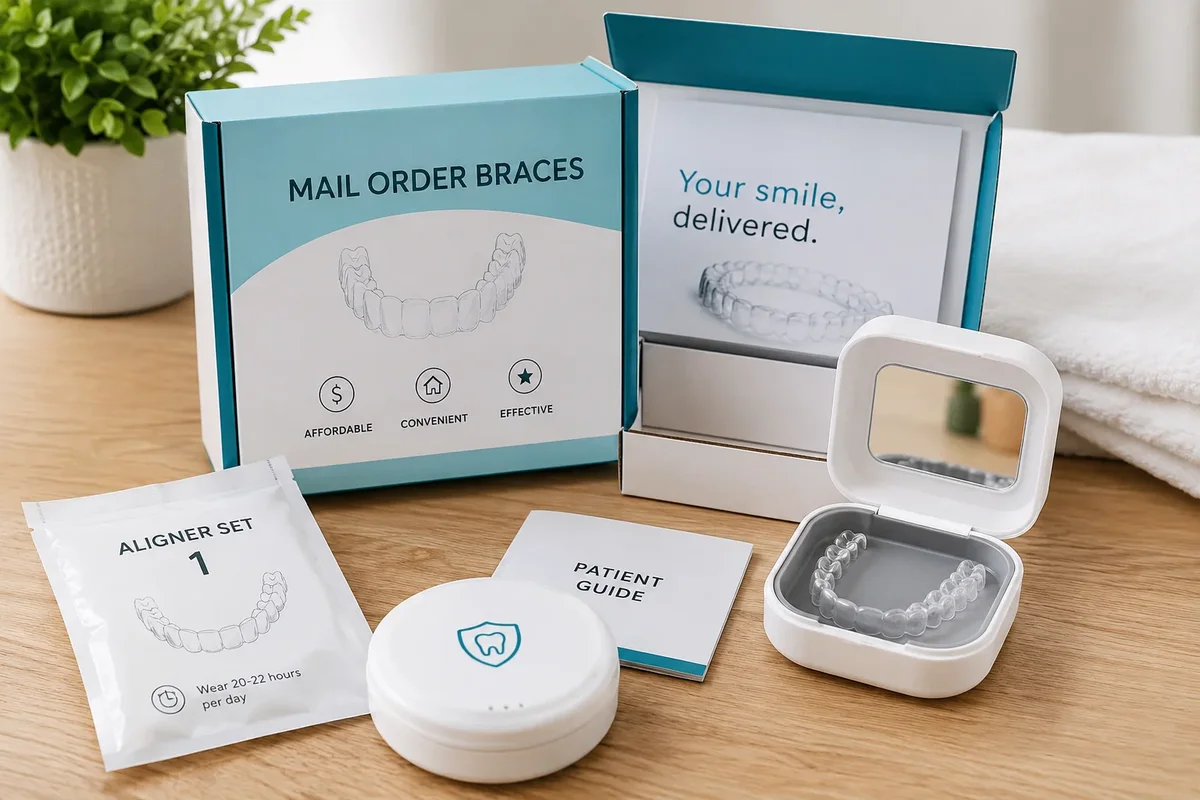
Conclusion: Are Mail Order Braces the Right Choice for You?
The decision to pursue orthodontic treatment is an important investment in both oral health and personal confidence. As technology continues to reshape healthcare, mail order braces have emerged as a convenient and often more affordable alternative to traditional orthodontic treatment. Throughout this guide, we have explored how mail order braces work, their benefits and limitations, treatment costs, candidate requirements, provider selection strategies, and best practices for achieving successful results. Bringing all of these factors together can help prospective patients determine whether this treatment option aligns with their individual goals and expectations.
For many people, the appeal of mail order braces lies in their accessibility. The ability to begin treatment from home, receive custom aligners through the mail, and communicate with providers remotely has transformed the orthodontic experience for countless patients. This model can be especially attractive for busy professionals, students, parents, and individuals who live in areas where access to orthodontic specialists may be limited.
Understanding the Primary Advantages
The popularity of mail order braces is largely driven by several key benefits that distinguish them from conventional orthodontic treatment.
Convenience and Flexibility
One of the most significant advantages of mail order braces is convenience. Traditional orthodontic care often requires multiple office visits throughout treatment, while remote systems allow many patients to manage much of the process from home. This flexibility can make orthodontic care more accessible to individuals with demanding schedules.
Affordability
Cost is another major consideration. In many cases, mail order braces are less expensive than traditional braces or comprehensive in-office aligner treatment. Lower treatment costs have helped expand access to orthodontic care for individuals who may have previously viewed treatment as financially unattainable.
Aesthetic Appeal
Most modern mail order braces systems utilize clear aligners rather than metal brackets and wires. This discreet appearance allows patients to pursue smile improvements while maintaining confidence in social and professional settings.
Recognizing the Limitations
Although mail order braces offer many advantages, they are not appropriate for every orthodontic situation. Understanding their limitations is just as important as understanding their benefits.
Complex Cases Often Require Traditional Care
Patients with severe crowding, major bite discrepancies, impacted teeth, or significant jaw alignment concerns may require direct supervision from an orthodontist. While mail order braces can effectively address many mild to moderate alignment issues, they are generally not intended to replace comprehensive orthodontic treatment for complex cases.
Patient Responsibility Is Greater
Remote treatment requires a high level of personal responsibility. Individuals using mail order braces must wear aligners consistently, maintain communication with providers, submit progress updates, and follow treatment instructions carefully. Success often depends on patient commitment throughout the process.
How to Determine Whether Mail Order Braces Are Right for You
Every smile is unique, and treatment decisions should be based on individual needs rather than marketing claims or pricing alone. Before choosing mail order braces, patients should carefully evaluate their oral health, orthodontic goals, and treatment expectations.
Consider Your Orthodontic Needs
If your concerns involve mild crowding, small gaps, or minor relapse after previous orthodontic treatment, mail order braces may be an effective solution. However, individuals with more complex orthodontic conditions should seek professional evaluation before making a decision.
Evaluate Your Commitment Level
Successful treatment requires consistent aligner wear and active participation. Patients considering mail order braces should be prepared to follow instructions carefully and remain engaged throughout the treatment process.
The Importance of Professional Guidance
Even though mail order braces rely heavily on digital technology and remote communication, professional oversight remains essential. Prospective patients should choose providers that offer clear treatment planning, access to qualified dental professionals, ongoing monitoring, and responsive customer support.
A thorough dental examination before beginning treatment can also help identify potential concerns and ensure that the patient is an appropriate candidate for remote orthodontic care.
Ask Questions Before Starting
Patients should never hesitate to ask providers about treatment expectations, monitoring procedures, retainer requirements, and available support services. The more informed a patient is before beginning mail order braces, the more confident they can be throughout treatment.
Long-Term Success After Treatment
Completing active treatment is only part of the orthodontic journey. Maintaining results requires ongoing attention and proper retention practices.
Retainers Are Essential
After finishing treatment with mail order braces, retainers help prevent teeth from gradually shifting back toward their previous positions. Consistent retainer use is one of the most important factors influencing long-term success.
Continue Prioritizing Oral Health
Healthy teeth and gums support the longevity of orthodontic results. Regular dental checkups, daily brushing, flossing, and preventive care remain important even after treatment with mail order braces has been completed.
Final Thoughts
Mail order braces represent a significant advancement in modern orthodontic care, offering a combination of convenience, affordability, and accessibility that appeals to many patients. For suitable candidates with mild to moderate alignment concerns, this treatment option can provide meaningful smile improvements without the frequent office visits associated with traditional orthodontics.
However, the best outcomes occur when patients approach treatment with realistic expectations, a commitment to following instructions, and a clear understanding of both the benefits and limitations of mail order braces. By selecting a reputable provider, maintaining excellent oral hygiene, participating actively in treatment, and wearing retainers after completion, patients can maximize their chances of achieving lasting results.
Ultimately, whether mail order braces are the right choice depends on your unique orthodontic needs, lifestyle preferences, and treatment goals. By carefully evaluating all available information and seeking professional guidance when necessary, you can make an informed decision that supports a healthier, straighter, and more confident smile for years to come.