
Are you curious about mail order Invisalign and whether it really works as effectively as visiting an orthodontist? 🤔 In recent years, the concept of straightening your teeth from the comfort of home has grown rapidly — offering a convenient, affordable, and time-saving alternative to traditional dental visits. This detailed guide will walk you through everything you need to know about mail order Invisalign, including how it works, its pros and cons, costs, and professional recommendations. Whether you’re a busy professional or someone who prefers privacy during treatment, understanding how these systems operate will help you make an informed decision.
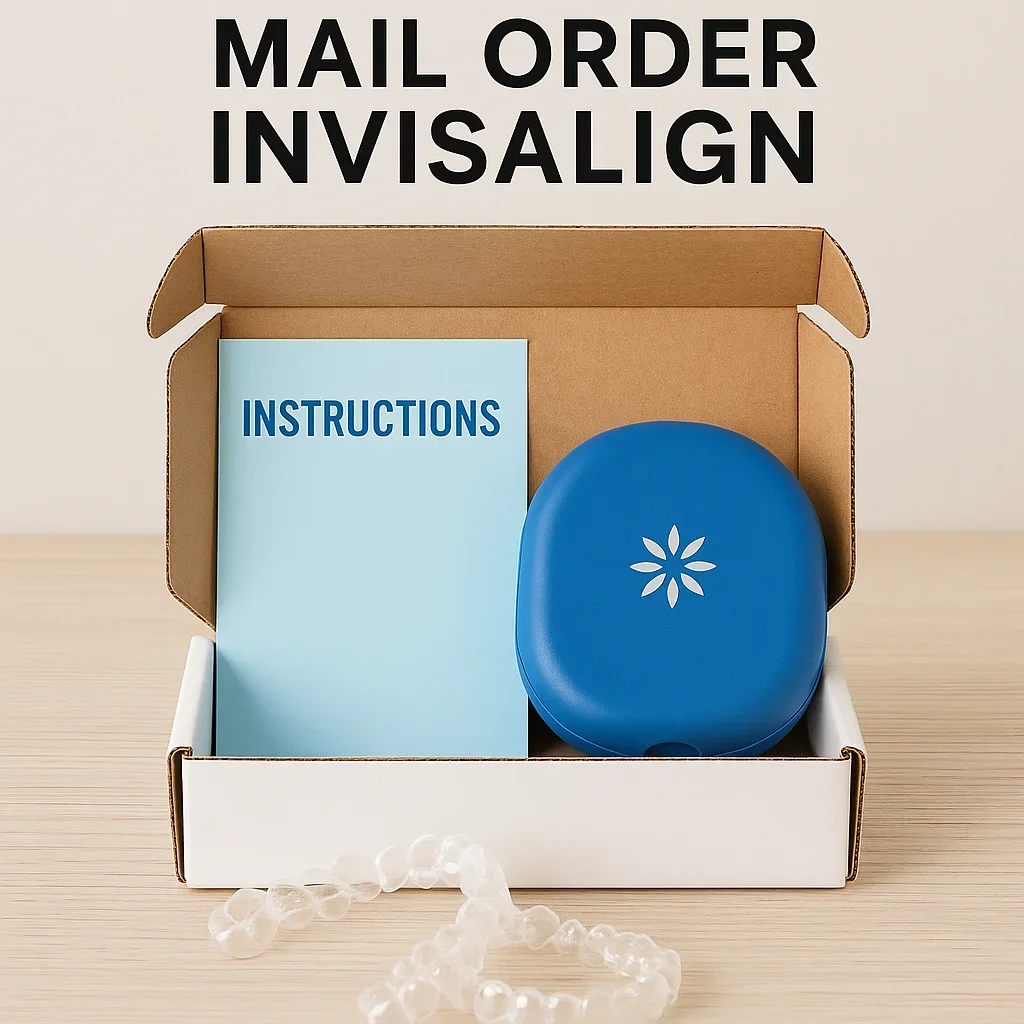
Mail order Invisalign refers to at-home clear aligner systems that allow patients to straighten their teeth without physically visiting a dental office. Instead, you receive your aligners directly at home after submitting dental impressions or 3D scans. 📦 These systems use advanced digital technology to map your teeth and create a customized plan for alignment. The process usually starts with a mail-in kit or an in-person scan at a partner center. Then, using 3D modeling, orthodontists design a sequence of clear aligners that gradually shift your teeth into the desired position.
Unlike traditional orthodontic visits that require monthly appointments, mail order Invisalign systems use remote monitoring through apps or online check-ins. You can upload photos of your smile to track progress, making it easier for dentists to adjust your treatment virtually. This convenience has made at-home aligners incredibly popular among adults who want discreet orthodontic solutions without the hassle of frequent clinic visits.
However, it’s important to understand that not all teeth alignment cases are suitable for mail order Invisalign. These systems are typically recommended for mild to moderate crowding or spacing issues. If you have complex bite problems, severe misalignment, or jaw irregularities, an in-person evaluation might still be necessary. Dentists and orthodontists usually advise patients to get an initial assessment before committing to mail order treatments. This ensures that the aligners will deliver safe and predictable results.
The technology behind mail order Invisalign has evolved significantly in recent years. Most companies now use artificial intelligence and advanced digital imaging to create precise treatment plans. The aligners themselves are made from medical-grade thermoplastic materials, designed for both comfort and durability. You’ll typically wear each set of aligners for about two weeks, gradually transitioning to the next set as your teeth move into alignment. The total treatment time can range from four to eighteen months, depending on your case.
One of the main advantages of mail order Invisalign is its cost-effectiveness. Since you’re eliminating multiple in-office appointments, overhead costs are reduced — making it a more affordable option for many people. 🦷 Some mail order aligner brands also offer flexible payment plans and money-back guarantees, providing reassurance to new users. Still, cost should never be the only deciding factor; proper supervision and professional guidance remain essential for long-term dental health.
Another key benefit of mail order Invisalign is convenience. Everything arrives at your doorstep — from impression kits to your complete set of aligners. You can manage your progress remotely, communicate with support teams via apps, and avoid taking time off work or school for dental appointments. For travelers or those living in remote areas, this accessibility can make orthodontic treatment possible where traditional options are limited. 🌍
Nevertheless, some dental professionals raise concerns about unsupervised treatment. The American Dental Association (ADA) emphasizes that while mail order aligners can be effective, professional oversight ensures safe and optimal outcomes. In some cases, patients may develop gum irritation, bite misalignment, or incomplete corrections if their progress is not adequately monitored. Therefore, it’s highly recommended to consult with a licensed dentist before beginning your treatment.
If you decide to explore this option, consider reaching out to a professional for guidance through the Redent Klinik Contact Page. Their dental experts can help determine whether mail order Invisalign is the right solution for your smile goals. 🦷 Having a professional opinion ensures that your treatment aligns not just with your aesthetic expectations but also with your oral health needs.
In summary, mail order Invisalign offers a modern, flexible, and often more affordable approach to achieving a confident smile. With clear aligners delivered straight to your door, digital progress tracking, and personalized treatment plans, it’s no wonder that thousands of adults are turning to these systems in 2025. However, successful outcomes depend on proper planning, consistent wear, and periodic professional supervision. If used correctly, mail order Invisalign can be a safe, efficient, and life-changing path to straighter teeth — right from the comfort of your home. 😁
1. What Is Mail Order Invisalign and How Does It Work?
In today’s digital age, convenience and accessibility have reshaped almost every industry — and dentistry is no exception. One of the most notable innovations is mail order Invisalign, a modern solution that lets patients straighten their teeth at home using clear aligners shipped directly to their door. 🏠 This approach eliminates frequent dental visits while still leveraging advanced orthodontic technology for effective results. But how does this process actually work, and is it truly comparable to traditional Invisalign treatments performed in a clinic? Let’s explore every detail.
Understanding the Mail Order Invisalign Concept
Mail order Invisalign (also known as remote clear aligner therapy) is an orthodontic service that allows users to receive custom-made aligners without in-person consultations. Instead of visiting a dentist for checkups and impressions, patients order an at-home impression kit or visit a partner scanning center for a digital 3D scan. These impressions are analyzed by licensed orthodontists or dental technicians who design a step-by-step alignment plan based on the patient’s unique dental structure. The clear aligners are then delivered to the patient’s home — typically in sets — to be worn over several months as their teeth gradually shift into position.
Each set of aligners in a mail order Invisalign system is slightly different, applying gentle pressure to guide teeth toward proper alignment. Users generally wear each tray for about 20–22 hours per day and replace it every 10–14 days. Over time, this consistent adjustment leads to noticeable improvements in spacing, crowding, and overall smile aesthetics. 📦 The convenience of receiving aligners directly by mail has made this option especially appealing for adults who prefer discreet orthodontic treatment.
The Step-by-Step Process Behind Mail Order Invisalign
Understanding how mail order Invisalign works helps patients set realistic expectations. Here’s a breakdown of the typical treatment journey:
Step 1: Initial Consultation or Online Assessment
Most companies offering mail order aligners begin with an online assessment. You’ll answer a few questions about your dental history, upload photos of your teeth, and sometimes provide details about your goals. If you appear to be a good candidate for remote aligner therapy, you’ll be invited to take impressions or visit a scanning center.
Step 2: Taking Impressions or 3D Scans
After the consultation, you’ll receive an at-home impression kit or be directed to a partner facility for a professional scan. The accuracy of this step is crucial, as it determines how well your mail order Invisalign aligners will fit. The impressions or scans are used to build a 3D model of your teeth, which is then reviewed by a licensed dentist or orthodontist.
Step 3: Treatment Planning and Simulation
Once your dental data is analyzed, specialists create a digital treatment plan. This plan shows how your teeth will move over time and provides a virtual preview of your final results. It’s one of the most exciting parts of the process — you can literally see your future smile before the treatment even begins! 😁 Many companies use artificial intelligence and digital mapping software to ensure precision.
Step 4: Receiving and Wearing Your Aligners
Your aligners are manufactured based on the approved plan and shipped to your address. You’ll receive all trays in advance or in batches, depending on the provider. Each aligner should be worn as instructed, and it’s essential to maintain consistent usage for optimal results. Mail order Invisalign systems usually include an online tracking app where patients can upload photos and monitor progress with dental professionals remotely.
Step 5: Monitoring Progress and Support
Throughout the process, digital check-ins replace physical visits. Dentists review submitted photos and data to ensure your teeth are moving correctly. If adjustments are needed, new aligners can be produced. This remote system minimizes disruptions to your daily routine while ensuring that expert guidance is still part of the journey.
Who Can Benefit from Mail Order Invisalign?
Mail order Invisalign is ideal for individuals with mild to moderate alignment issues — such as minor crowding, spacing, or rotated teeth. It’s especially beneficial for adults who missed orthodontic treatment earlier in life or those who experienced relapse after braces. However, for complex bite problems, jaw misalignment, or significant rotations, in-office Invisalign treatment is often more suitable since it allows hands-on adjustments by an orthodontist. 🦷
Advantages of Choosing Mail Order Invisalign
One of the biggest reasons people choose mail order Invisalign is convenience. You can start and maintain treatment from home, track your progress online, and avoid scheduling multiple clinic visits. It’s also more affordable because it cuts down on overhead and chair time. Many providers even offer flexible payment plans and guarantees. Additionally, mail order aligners are nearly invisible — making them perfect for professionals or anyone who values discretion while improving their smile.
Important Considerations and Professional Oversight
While mail order aligners are a breakthrough in orthodontic accessibility, they’re not without risks. The American Dental Association warns that unsupervised orthodontic treatment can lead to unforeseen complications such as gum irritation, tooth root damage, or incorrect bite alignment. To minimize these risks, experts recommend consulting with a qualified dental clinic like Redent Klinik Contact Page before starting your journey. Their specialists can help assess whether mail order Invisalign is right for your individual needs.
Ultimately, the process behind mail order Invisalign demonstrates how digital technology is revolutionizing oral healthcare. Through 3D modeling, AI-driven simulations, and remote monitoring, patients now have the power to achieve straighter teeth from home — safely and efficiently. With proper professional support, this innovation bridges the gap between convenience and clinical precision, making it a trusted orthodontic option for 2025 and beyond. 🌟
2. The Rise of Mail Order Invisalign in Modern Dentistry
In the last decade, dentistry has undergone a remarkable transformation, and one of the most revolutionary changes is the emergence of mail order Invisalign systems. 🌍 The concept of straightening teeth at home with professional oversight has become a global trend, particularly after the COVID-19 pandemic accelerated the adoption of remote healthcare solutions. People no longer want to spend hours in waiting rooms or commit to frequent dental visits when they can achieve comparable results from the comfort of their own homes. This section explores how mail order Invisalign became one of the most sought-after dental innovations and what factors are driving its rapid rise in modern orthodontics.
From Traditional Braces to Digital Aligners
Before the rise of mail order Invisalign, orthodontic treatment was primarily associated with metal braces — a process that was time-consuming, often uncomfortable, and required regular clinic visits. Then came Invisalign, introducing a new era of clear aligners that could move teeth discreetly and effectively. Initially, these systems were available only through in-office treatment plans managed by orthodontists. However, technological progress in 3D scanning, teledentistry, and digital modeling opened the door for mail-order alternatives. These at-home systems mimic the core Invisalign concept but integrate digital monitoring and direct-to-consumer logistics, making them more accessible and affordable to the general public.
The Impact of Technology on Mail Order Invisalign Growth
The evolution of mail order Invisalign has been made possible by rapid advancements in digital dentistry. AI-driven smile simulations, computer-aided design (CAD), and 3D printing have redefined how aligners are designed, produced, and delivered. Patients can now receive precise, customized aligners created through sophisticated modeling that ensures every stage of tooth movement is carefully planned. 🧠
Moreover, telehealth platforms enable virtual consultations and remote progress tracking. Patients simply upload images or videos of their teeth via mobile apps, and orthodontists monitor results without requiring in-person checkups. This model has democratized access to professional dental care, particularly for people living in rural areas or countries where orthodontic services are limited. As a result, the adoption of mail order Invisalign has skyrocketed among adults seeking convenient and cost-effective ways to improve their smiles.
Key Factors Behind the Popularity of Mail Order Invisalign
Several major factors have contributed to the increasing demand for mail order Invisalign treatments worldwide:
1. Convenience and Time Efficiency
Patients can now avoid multiple dental appointments by completing most of their treatment steps online. Aligners are delivered directly to their doorsteps, allowing them to manage the process independently while still receiving professional support.
2. Cost-Effectiveness
Traditional orthodontic treatments often cost thousands of dollars due to clinic overhead and professional time. In contrast, mail order Invisalign options are significantly more affordable because they cut out unnecessary in-person visits and middleman expenses. Many providers even offer monthly payment plans, making smile correction financially accessible to a wider audience.
3. Privacy and Aesthetic Appeal
Adults are increasingly drawn to discreet orthodontic options that do not interfere with their social or professional lives. Clear aligners are almost invisible, and since the treatment occurs at home, patients enjoy a higher level of privacy. 😁
4. Digital Transformation and Remote Healthcare
The global shift toward telemedicine has also boosted the popularity of mail order Invisalign. Patients have become more comfortable managing health-related treatments online, making remote orthodontics a natural next step in dental evolution.
The Role of the Pandemic in Accelerating the Trend
The COVID-19 pandemic was a major turning point for remote healthcare services. Dental clinics worldwide faced temporary closures, and patients sought safe alternatives to maintain their oral health. During this period, mail order Invisalign systems gained significant traction because they provided a contactless and efficient way to continue orthodontic care. Aligners could be shipped directly to homes, eliminating the need for in-person interaction while maintaining effective results. Even after clinics reopened, many patients continued preferring this model for its convenience and reduced exposure risk.
Professional Support and Regulatory Evolution
While mail order Invisalign treatments are primarily home-based, they are not completely devoid of professional oversight. Reputable providers employ licensed orthodontists or dentists who design, approve, and monitor each case remotely. This hybrid model of dentistry — combining remote technology with expert supervision — has proven successful in delivering reliable outcomes. Additionally, regulatory bodies such as the American Dental Association have established guidelines to ensure patient safety, emphasizing the importance of periodic professional evaluations even during at-home treatments.
The Future of Mail Order Invisalign in the Dental Industry
The growing demand for mail order Invisalign reflects a larger trend in personalized, digital-driven healthcare. As artificial intelligence becomes more sophisticated, future aligner systems will likely offer real-time feedback, adaptive treatment plans, and even predictive outcome analysis. Dental clinics are also adapting — integrating hybrid care models that blend in-person and remote monitoring for maximum convenience. Clinics like Redent Klinik are already leveraging digital dentistry to provide a seamless combination of professional guidance and technological innovation, ensuring safe and effective treatment results.
In conclusion, the rise of mail order Invisalign is not just a passing trend but a lasting shift in how orthodontic care is delivered. The blend of convenience, affordability, and cutting-edge technology has made it one of the most influential dental movements of the 21st century. As awareness and confidence grow, millions more people are expected to embrace remote aligner systems as a safe, smart, and efficient way to achieve the perfect smile. ✨
3. Comparing Mail Order Invisalign vs In-Office Invisalign Treatments
As dental technology advances, patients now face a new question when pursuing teeth straightening treatments — should they choose mail order Invisalign or traditional in-office Invisalign therapy? 🦷 Both methods use clear aligners to achieve similar results, but the processes, oversight, and patient experience differ significantly. Understanding these differences is crucial before making a decision that affects your long-term dental health. This section provides a detailed, unbiased comparison between mail order Invisalign and professional in-office Invisalign treatments, helping you determine which option fits your needs best.
Overview of Both Treatment Models
At their core, both mail order Invisalign and in-office Invisalign systems share a common goal: straightening teeth discreetly and comfortably through a series of custom-fit, transparent aligners. However, the key distinction lies in the treatment environment. In-office Invisalign involves regular visits to a licensed orthodontist or dentist who oversees every stage of your progress. By contrast, mail order Invisalign delivers aligners directly to your home, and progress is tracked remotely through digital check-ins, photos, and online consultations.
Detailed Comparison: Mail Order Invisalign vs In-Office Invisalign
1. Professional Supervision
In traditional in-office Invisalign, you benefit from face-to-face supervision by a trained orthodontist who can make precise adjustments and detect potential issues early. This hands-on care ensures that treatment stays on track and that your oral health remains in optimal condition. Conversely, mail order Invisalign relies on virtual assessments and photo submissions to track progress. While most mail order providers have licensed dental professionals reviewing cases, the absence of in-person examinations means subtle dental problems might go unnoticed.
2. Accuracy of Dental Impressions
In-office Invisalign treatments typically use 3D intraoral scanners to capture highly accurate images of your teeth. This advanced imaging ensures aligners fit perfectly and function as intended. In contrast, mail order Invisalign often begins with at-home impression kits that patients use themselves. While convenient, this method can introduce human error if impressions aren’t taken correctly. Poor impressions may lead to ill-fitting aligners or less precise tooth movement. Some mail order companies now offer physical scan centers to improve accuracy, bridging this gap.
3. Level of Personalization
In-office Invisalign allows orthodontists to fully customize treatment plans based on your bite, jaw alignment, and overall dental structure. Adjustments can be made in real-time, and new aligners can be produced if necessary. Mail order Invisalign treatments, while still personalized through digital modeling, tend to follow a standardized sequence of aligners without physical re-evaluations. This can work well for mild alignment cases but may not address complex bite issues requiring hands-on intervention.
4. Treatment Duration
On average, both systems take anywhere from 6 to 18 months to complete. However, mail order Invisalign cases may progress slightly faster because they focus on aesthetic corrections rather than comprehensive bite realignment. In-office treatments, guided by orthodontic expertise, prioritize both function and aesthetics — sometimes requiring more time but ensuring a healthier long-term outcome.
5. Cost Comparison
Cost is one of the main reasons many people choose mail order Invisalign. Traditional Invisalign treatments can cost between $3,500 and $7,000 depending on the complexity of the case and the dentist’s fees. On the other hand, most mail order aligner brands charge between $1,000 and $2,500 for complete treatment packages. This substantial difference comes from reduced clinic overhead, remote monitoring, and direct-to-consumer logistics. While the lower cost is appealing, it’s important to remember that professional oversight in traditional Invisalign can prevent costly corrections in the future.
Advantages of In-Office Invisalign
- Comprehensive oral exams and X-rays before treatment.
- Regular in-person adjustments and consultations.
- Ability to address complex orthodontic cases, such as crossbites or open bites.
- Immediate access to professional advice and dental emergency care.
Advantages of Mail Order Invisalign
- Lower treatment costs and convenient monthly payment options. 💳
- No need for frequent clinic visits — ideal for remote or busy patients.
- Discrete packaging and nearly invisible aligners.
- Digital monitoring and support via smartphone apps.
Potential Risks and Limitations of Mail Order Invisalign
Despite its growing popularity, mail order Invisalign has certain limitations that users should consider carefully. Without direct dentist supervision, hidden oral health problems — such as gum disease, cavities, or bone density loss — may go undetected before starting treatment. This could lead to tooth mobility or gum irritation during aligner use. Additionally, mail order aligners typically focus on cosmetic alignment and may not fully correct deeper orthodontic issues like jaw misalignment or complex rotations.
Expert and Association Opinions
According to the American Dental Association, while mail order aligners can be effective for suitable candidates, they should not replace professional orthodontic evaluation. The ADA stresses that every patient deserves a personalized assessment by a qualified dentist before beginning any aligner treatment. Clinics like Redent Klinik provide such comprehensive evaluations to ensure safety and long-term success for patients considering mail order Invisalign.
Choosing the Right Option for You
Ultimately, deciding between mail order Invisalign and in-office Invisalign depends on your dental condition, lifestyle, and budget. If your teeth are only slightly misaligned and you’re seeking a convenient, low-cost solution, mail order aligners may be ideal. However, if you need detailed orthodontic corrections, personalized adjustments, or have existing dental concerns, visiting a licensed orthodontist for traditional Invisalign remains the safer choice. Whichever path you choose, consistent wear, proper oral hygiene, and professional guidance are key to achieving a confident and healthy smile. 😁
In summary, mail order Invisalign represents the future of accessible orthodontic care, while in-office Invisalign continues to set the gold standard in precision and personalization. By understanding the pros and cons of both systems, you can make an informed decision that supports both your smile and your oral health for years to come. 🌟
4. Pros and Cons of Choosing Mail Order Invisalign
The increasing popularity of mail order Invisalign systems has made teeth straightening more accessible than ever before. However, as with any dental treatment, this approach comes with both advantages and drawbacks. While many patients appreciate the convenience and affordability of at-home aligners, others express concern about the lack of in-person supervision and potential risks. Understanding these pros and cons will help you make an informed, confident decision about whether mail order Invisalign is right for you. 😷
Understanding the Appeal of Mail Order Invisalign
Before diving into the specifics, it’s important to understand why mail order Invisalign has become so appealing to patients worldwide. The rise of teledentistry and remote care has reshaped traditional healthcare, giving individuals the freedom to manage treatments from home. In orthodontics, this means fewer clinic visits, lower costs, and a streamlined experience that aligns with modern lifestyles. However, while convenience is a strong motivator, there are also potential limitations that need careful consideration before starting treatment.
Advantages of Mail Order Invisalign
1. Convenience and Accessibility
One of the most compelling benefits of mail order Invisalign is its convenience. You no longer need to schedule multiple appointments or take time off work. The entire process — from impression kits to treatment tracking — happens remotely. Patients can order a kit, complete dental impressions at home, and receive customized aligners shipped directly to their doorsteps. 📦 This accessibility has made orthodontic care more inclusive, especially for people living in rural areas or those with demanding schedules.
2. Cost Savings
Traditional orthodontic treatments can be expensive, often ranging between $3,500 and $7,000. In contrast, mail order Invisalign typically costs between $1,000 and $2,500 for a complete treatment plan. The lower price point is achieved by cutting down on clinic overhead and offering direct-to-consumer models. Many companies also provide flexible payment options, making smile correction financially attainable for a wider audience. 💳
3. Aesthetic and Comfort Benefits
Mail order Invisalign aligners are made from smooth, medical-grade thermoplastic that minimizes irritation to the gums and cheeks. They are virtually invisible, which appeals to professionals, students, and individuals who value discretion. Since aligners can be removed while eating or brushing, maintaining oral hygiene is much easier compared to traditional braces. 😁
4. Digital Progress Tracking
Most mail order Invisalign providers use advanced mobile apps and AI-based systems to track patient progress. Users can upload photos of their teeth regularly for review by dental professionals. This system not only saves time but also ensures patients remain motivated and engaged throughout treatment. Digital tracking also provides a record of improvements, making the transformation process visually rewarding.
5. Shorter Treatment Times for Minor Corrections
Because mail order Invisalign typically focuses on mild to moderate alignment issues, treatment duration is often shorter compared to in-office options. Many patients see visible results within 4–8 months, although this depends on individual cases. The streamlined digital planning allows for efficient sequencing of aligners, delivering faster aesthetic results without compromising safety — when used correctly.
Disadvantages of Mail Order Invisalign
1. Lack of In-Person Supervision
The most significant limitation of mail order Invisalign is the reduced level of direct professional oversight. Without regular visits to a dentist or orthodontist, potential complications such as gum inflammation, uneven tooth movement, or bite issues may go unnoticed. While many companies employ licensed professionals to review cases, remote evaluations cannot replace hands-on care when more complex adjustments are required.
2. Limited Suitability for Complex Dental Problems
Mail order aligners are ideal for mild spacing and crowding issues, but they may not effectively treat severe bite misalignments, rotated teeth, or skeletal discrepancies. For these cases, in-office Invisalign or traditional orthodontics are better suited. Attempting to correct complex conditions through mail order treatment may lead to incomplete or unsatisfactory results.
3. Risk of Improper Impressions
Many mail order Invisalign systems rely on self-administered impression kits. While convenient, this process can be prone to human error. An inaccurate dental impression can result in ill-fitting aligners, discomfort, or uneven tooth movement. Some companies now offer in-person scan centers to improve accuracy, but these are not always available in every region.
4. No Immediate Access to Dental Emergency Care
If a problem arises during treatment — such as gum irritation, pain, or an unexpected tooth shift — patients using mail order Invisalign must rely on online communication channels. Unlike in-office patients, they cannot receive same-day adjustments or physical examinations, which can delay proper care.
5. Quality Variations Between Providers
As demand for mail order Invisalign increases, new companies are entering the market, and not all maintain the same quality standards. Patients should thoroughly research provider reputation, orthodontist involvement, and safety protocols before committing. It’s advisable to verify that the company complies with the standards outlined by the American Dental Association and consult trusted dental experts through clinics such as Redent Klinik before starting treatment.
Balancing Benefits and Risks
When weighing the pros and cons of mail order Invisalign, it’s clear that this system offers exceptional convenience, affordability, and accessibility for suitable candidates. However, it may not be ideal for everyone. Those with complex dental structures, prior orthodontic treatments, or active oral health issues should seek professional evaluation first. For mild corrections, mail order aligners can deliver excellent cosmetic improvements under careful remote monitoring. But for comprehensive bite and jaw adjustments, in-person treatment remains the gold standard.
In conclusion, mail order Invisalign stands as a groundbreaking innovation in modern dentistry — bridging the gap between professional orthodontic care and digital convenience. When chosen wisely and under expert supervision, it offers a safe, effective, and budget-friendly path toward a confident, radiant smile. 🌟
5. Is Mail Order Invisalign Safe and Effective?
When considering any dental treatment, safety and effectiveness are top priorities — and mail order Invisalign is no exception. With the rapid rise of remote orthodontic services, many patients wonder if at-home aligners are as reliable and secure as traditional, in-office Invisalign treatments. 🦷 The short answer: for the right candidate and under proper guidance, mail order Invisalign can be both safe and effective. However, understanding the conditions, limitations, and best practices surrounding these systems is crucial before starting treatment.
How Safe Are Mail Order Invisalign Systems?
Most mail order Invisalign providers follow stringent safety protocols to ensure their aligners meet medical-grade standards. The aligners are typically made from BPA-free, thermoplastic materials approved for dental use, ensuring they’re safe to wear for long periods. Additionally, many providers work with licensed orthodontists or dentists who review and approve each treatment plan before production begins.
However, the safety of mail order Invisalign depends largely on the accuracy of your impressions or 3D scans, as well as proper monitoring during treatment. If impressions are poorly taken, the aligners may not fit correctly, potentially causing discomfort, gum irritation, or unwanted tooth movement. That’s why reputable providers often offer in-person scanning centers or provide detailed instructions for at-home kits to minimize error. Still, no remote system can fully replace the precision of hands-on evaluations performed by orthodontists in a clinical setting.
Key Safety Factors to Consider
1. Pre-Treatment Evaluation
Before beginning mail order Invisalign, it’s vital to ensure that your teeth, gums, and jaw are healthy. Any untreated cavities, gum disease, or structural abnormalities should be addressed first. Unfortunately, many mail-order systems skip in-person X-rays or oral exams, meaning some patients might begin aligner treatment without a comprehensive health assessment. Consulting with a licensed dental professional — such as the team at Redent Klinik — helps verify your candidacy and ensures a safer outcome.
2. Professional Oversight and Monitoring
Some mail order aligner companies provide limited follow-up care or only monitor patients through periodic photo submissions. While this can be sufficient for mild alignment cases, it might not detect complex issues such as improper bite alignment or tooth root movement. Without consistent oversight, there’s a risk that treatment may not progress as planned. To enhance safety, choose a provider that includes regular remote check-ins with licensed professionals.
3. Product Quality and Manufacturing Standards
Not all mail order Invisalign providers use the same production standards. High-quality aligners are created using precision 3D printing and strict sterilization processes. They are designed to apply gentle, consistent pressure that aligns with your specific dental anatomy. It’s recommended to verify whether a provider’s products meet medical-grade compliance standards and follow best practices set by the American Dental Association.
Evaluating the Effectiveness of Mail Order Invisalign
Effectiveness depends on two major factors — the complexity of the case and patient compliance. Mail order Invisalign systems are best suited for mild to moderate alignment issues such as crowding, spacing, and minor bite adjustments. These systems are not typically recommended for cases involving severe crossbites, overbites, or jaw misalignments that require orthodontic intervention. When used correctly and consistently, mail order aligners can deliver visible results comparable to professional in-office treatments.
1. Treatment Planning Accuracy
Each mail order treatment plan is developed using 3D modeling and AI-driven software. These systems map out tooth movements in incremental stages, ensuring that the progression from one aligner to the next remains safe and predictable. Patients often receive a virtual simulation of their expected results, providing clear expectations before starting. When impressions are accurate, and the treatment plan is reviewed by qualified dental professionals, mail order Invisalign can be very effective in achieving cosmetic alignment goals.
2. Patient Compliance and Care
The success of mail order Invisalign also depends on how diligently patients follow instructions. Aligners must typically be worn for 20–22 hours daily to achieve desired results. Skipping days or inconsistent wear can delay progress or lead to misalignment. Maintaining good oral hygiene — including brushing and flossing before reinserting aligners — also contributes to treatment success and prevents plaque buildup.
3. Realistic Expectations
It’s important for patients to have realistic expectations. While mail order Invisalign can deliver impressive cosmetic improvements, it’s not a one-size-fits-all solution. It focuses mainly on front-tooth adjustments rather than complex structural changes. Results vary depending on individual dental anatomy, consistency of wear, and the quality of professional oversight provided throughout the process.
Potential Risks to Be Aware Of
Although rare, complications can occur if mail order Invisalign treatment is used improperly or without sufficient evaluation. These risks include gum irritation, enamel wear, tooth mobility, and changes in bite alignment. In severe cases, patients may require corrective orthodontic treatment afterward. To minimize such risks, professionals recommend beginning treatment only after a comprehensive examination and under periodic professional supervision. 🩺
Expert Opinions on Safety and Success Rates
Dental professionals widely agree that when administered responsibly, mail order Invisalign can be both safe and effective for appropriate candidates. The American Dental Association advises that patients maintain open communication with licensed providers throughout the process. Clinics like Redent Klinik echo this view, emphasizing that safety lies in combining digital convenience with expert evaluation. They highlight that a brief consultation before starting treatment can prevent most complications associated with at-home aligners.
Final Verdict: Balancing Safety and Effectiveness
When applied correctly, mail order Invisalign offers an innovative, efficient, and affordable way to enhance your smile. It merges cutting-edge digital design with modern orthodontic principles, making it a practical choice for many adults. However, its effectiveness hinges on patient responsibility and the integrity of the provider. Always choose companies that employ licensed professionals, maintain open communication, and adhere to dental safety standards. By doing so, you can enjoy all the benefits of this transformative technology — safely, confidently, and with lasting results. 🌟
6. Real Patient Experiences and Results
While expert reviews and clinical data are important, nothing speaks louder than the voices of real patients who have undergone mail order Invisalign treatment. 📦 Hearing about others’ experiences helps potential users understand what to expect — the successes, challenges, and everything in between. From convenience and cost to the emotional journey of achieving a perfect smile, these firsthand accounts paint a realistic picture of what life with mail order Invisalign is truly like.
The Growing Community of Mail Order Invisalign Users
Over the past few years, millions of adults have turned to mail order Invisalign and similar at-home aligner systems to discreetly improve their smiles. Online forums, social media groups, and dental communities have become gathering spaces where users share their progress photos, tips, and advice. The general consensus? When used properly and under some level of professional oversight, mail order Invisalign can produce impressive results for mild to moderate alignment issues — often at a fraction of the cost of traditional treatments. 😁
Patients frequently report feeling more confident and empowered throughout the process. Many enjoy the flexibility of not having to schedule in-person visits, especially those with busy lifestyles or limited access to orthodontic clinics. The ability to manage progress through a smartphone app or email updates has created a sense of independence in dental care that was nearly unthinkable a decade ago.
Common Positive Outcomes Reported by Patients
1. Noticeable Improvement in Smile Aesthetics
Most users of mail order Invisalign report significant visual improvements after just a few months of consistent aligner use. Teeth appear straighter, gaps close, and crowding diminishes. These visible transformations have a profound psychological effect — boosting self-esteem and encouraging healthier oral hygiene habits. For many, the ability to smile confidently again is life-changing. ✨
2. Comfortable Treatment Experience
Compared to metal braces, mail order Invisalign aligners offer a much smoother and more comfortable experience. Patients rarely experience pain; instead, they describe mild pressure that indicates the aligners are working effectively. Many appreciate that the aligners are removable, allowing them to eat, drink, and brush without restrictions. The convenience and comfort factor consistently rank as the top reasons people choose this treatment option.
3. Flexibility and Control
One of the unique aspects of mail order Invisalign is the control it gives patients over their treatment timeline. With clear instructions and digital monitoring, users can manage their progress with minimal disruption to their daily lives. Remote check-ins, rather than physical appointments, mean patients can continue treatment even while traveling or managing tight schedules.
Challenges and Limitations from Real Experiences
1. Initial Discomfort and Adjustment Period
Almost every patient mentions a short adjustment phase during the first week of wearing mail order Invisalign. This includes minor soreness, difficulty speaking clearly, or increased saliva production. These symptoms typically subside as the mouth adapts to the aligners, but it’s a phase that nearly all users experience. Understanding this early discomfort helps set realistic expectations and reduces frustration during the initial stage.
2. Risk of Improper Fit
Some users have reported issues with poorly fitting aligners due to inaccurate at-home impressions. Ill-fitting trays can cause discomfort or uneven tooth movement. However, reputable mail order Invisalign providers offer replacement aligners or re-scan options if the problem is detected early. This reinforces the importance of following impression instructions carefully or opting for an in-person scan when available.
3. Limited Support During Complex Cases
Patients with more advanced orthodontic issues occasionally find that their treatment results plateau or fail to achieve complete correction. This usually happens when underlying bite or jaw alignment problems were overlooked at the start. Unlike in-office Invisalign, mail order Invisalign treatments are not designed to manage complex cases requiring hands-on adjustments. Users in such scenarios often transition to professional orthodontic care midway through their journey.
Statistical Insights: Satisfaction and Success Rates
Recent surveys across dental communities and health forums reveal that approximately 83–87% of mail order Invisalign users are satisfied with their results. The most common reasons for satisfaction include affordability, convenience, and cosmetic improvement. Around 10% of users reported needing additional refinement aligners after completing their initial treatment, while only a small percentage expressed dissatisfaction due to unrealistic expectations or lack of proper dental assessment before starting.
Professional Opinions on Patient Outcomes
Orthodontic experts generally acknowledge that mail order Invisalign can produce successful outcomes when used responsibly. According to the American Dental Association, patient satisfaction correlates strongly with case selection and supervision quality. They emphasize that patients who undergo a proper pre-treatment assessment and maintain regular communication with dental professionals experience the best long-term results. Clinics such as Redent Klinik also note that individuals who follow wear-time guidelines and perform recommended hygiene routines show consistent success with mail order aligners.
Before and After Transformations
Visual transformations remain one of the most motivating aspects of mail order Invisalign treatments. Many users share before-and-after photos on social media, showcasing stunning improvements in tooth alignment, symmetry, and smile aesthetics. These transformations demonstrate the real potential of mail order systems — proving that with dedication, even remote orthodontic methods can yield professional-grade results. 📸
Long-Term Patient Feedback
Months and years after completing treatment, most mail order Invisalign patients report stable results as long as they continue wearing their retainers as instructed. Those who maintain good oral hygiene and regular dental checkups sustain their results and avoid relapse. A minority of patients who skipped post-treatment retention experienced minor tooth shifting, which underscores the importance of ongoing maintenance after aligner therapy.
Final Thoughts on Real Experiences
Real-world feedback confirms that mail order Invisalign can be a safe, effective, and satisfying alternative for individuals seeking affordable and convenient smile correction. However, the key to success lies in being an informed patient: verifying provider credibility, following wear-time instructions, and consulting professionals when in doubt. The combination of self-discipline, digital technology, and professional oversight makes this modern approach one of the most transformative advancements in today’s dental world. 🌟
7. Mail Order Invisalign Cost: What You Should Expect
One of the most frequently asked questions about mail order Invisalign is how much it costs compared to traditional in-office orthodontic treatments. With affordability being a major appeal of this modern system, understanding the full financial picture — including potential hidden fees and value for money — is essential before beginning your smile journey. 💳 In this section, we’ll break down every component of mail order Invisalign costs, compare pricing across providers, and explain what patients can realistically expect in 2025.
Understanding the Pricing Structure of Mail Order Invisalign
Unlike traditional braces or in-office Invisalign, mail order Invisalign uses a direct-to-consumer model that reduces overhead costs. By eliminating multiple office visits, chair time, and manual adjustments, companies can pass on savings directly to patients. However, the total cost varies depending on several factors — including the provider’s reputation, level of dental oversight, geographic region, and whether you require refinements after initial treatment.
1. Average Cost Range
As of 2025, the average cost of mail order Invisalign ranges between $1,000 and $2,500 for the full course of treatment. This price typically includes an impression kit, a complete set of aligners, a retainer at the end of treatment, and access to remote monitoring platforms. In contrast, in-office Invisalign usually costs between $3,500 and $7,000 depending on case complexity and clinic fees. The lower price of mail order systems reflects their streamlined operational model — not necessarily a compromise in material quality.
2. Upfront vs. Monthly Payment Options
Most mail order Invisalign providers offer flexible payment plans to make treatment accessible to a wider audience. Patients can choose to pay upfront for a discounted rate or opt for monthly installments, which typically range from $80 to $120 per month over 12–24 months. Some providers even include 0% financing for approved applicants. This flexibility allows more people to begin treatment without financial strain, making orthodontic care more democratic and inclusive. 🌍
3. Impression Kit Fees
While some companies offer free impression kits, others charge between $50 and $100 for them. This kit includes dental trays, putty, and detailed instructions for capturing your teeth impressions at home. If your case isn’t suitable for mail order Invisalign, most providers refund this fee or credit it toward in-person scanning services. Some providers now operate physical scanning centers that eliminate the need for at-home impressions entirely — improving both accuracy and convenience.
Additional or Hidden Costs You Should Be Aware Of
1. Refinement Aligners
After the initial treatment phase, some patients require additional aligners to fine-tune their results. These “refinement aligners” are usually included in the base price, but not always. If not covered, they can cost between $100 and $300 depending on the provider. Reputable mail order Invisalign companies specify whether refinements are included in their guarantees, so it’s vital to confirm before purchasing.
2. Replacement Aligners
If aligners are lost or damaged, replacement trays may cost around $50 to $100 each. To avoid interruptions in your treatment, most providers recommend storing old aligners as backups. However, some premium brands include one free replacement per treatment plan as part of their customer service policy.
3. Retainers
Upon completing mail order Invisalign treatment, wearing retainers is crucial to maintaining your results. Retainers generally cost between $90 and $150 and must be replaced every 6–12 months depending on wear and tear. Some companies include the first set of retainers free, while others sell them separately through subscription-based models.
4. Consultation or Professional Support Fees
Although mail order Invisalign is designed for remote management, some providers offer optional consultations with orthodontists or dentists for an additional fee. This may range from $50 to $200 per session. However, clinics like Redent Klinik recommend combining remote aligner use with periodic in-person checkups to ensure treatment safety and oral health stability.
Comparing Mail Order Invisalign Providers
Different mail order aligner brands structure their pricing and services differently. For instance, some include lifetime retainers and premium packaging, while others focus on affordability by minimizing extras. A few major brands even offer hybrid treatment models — combining online oversight with occasional in-office visits — at slightly higher prices. Patients are encouraged to evaluate total value rather than just base price when comparing providers.
Sample Price Comparison Table (2025 Estimates)
| Provider | Average Total Cost | Refinements Included? | First Retainer Free? |
|---|---|---|---|
| AlignerCo | $1,195 | Yes | Yes |
| SmileDirectClub | $2,050 | Yes | No |
| Candid | $2,400 | Yes | Yes |
| Bite | $1,995 | Yes | Yes |
Note: Prices are average estimates for 2025 and may vary depending on location, promotions, and individual treatment complexity.
Value Beyond Cost: Evaluating What You Get
While mail order Invisalign is more affordable than traditional orthodontics, the true measure of value lies in quality, safety, and results. Patients should prioritize providers that offer transparent pricing, licensed dental oversight, and reliable customer service. In many cases, paying a bit more for a provider that ensures professional monitoring can prevent complications and costly re-treatments later. 🦷
Professional Insight: Cost vs. Clinical Oversight
According to the American Dental Association, the affordability of mail order Invisalign makes orthodontic treatment more attainable, but they caution that cost savings should never compromise patient safety. A quick professional consultation can confirm whether mail order aligners are appropriate for your specific dental needs. This minor step helps prevent potential misalignments or bite issues that may otherwise require corrective treatment down the line.
Final Thoughts on Mail Order Invisalign Cost
Ultimately, mail order Invisalign offers one of the most cost-effective paths to a straighter, more confident smile in 2025. By eliminating unnecessary clinic visits, leveraging digital scanning technology, and offering flexible payment plans, it democratizes access to orthodontic care worldwide. However, affordability should go hand in hand with safety and realistic expectations. Before committing, consult with an expert — such as those at Redent Klinik — to ensure your investment yields lasting, healthy results. 🌟
8. Expert Opinions: What Dentists Think About Mail Order Aligners
While patients often share positive experiences with mail order Invisalign, it’s equally important to consider how dental professionals view this growing trend. Dentists and orthodontists play a vital role in ensuring that teeth-straightening treatments are both safe and effective. Their insights offer a balanced perspective — recognizing the technological benefits of remote orthodontic systems while cautioning against potential risks when treatment lacks professional oversight. 🦷
The Dental Community’s General Perspective
Overall, the dental community acknowledges that mail order Invisalign has democratized access to orthodontic care, making it more affordable and convenient for patients. However, professionals stress that orthodontic treatment isn’t simply about cosmetic alignment — it’s also about preserving long-term oral health, bite functionality, and bone stability. For this reason, many dentists advocate for hybrid models that combine digital convenience with periodic in-person evaluations.
According to the American Dental Association, remote aligner treatments are most effective when guided by licensed professionals who review patient data, X-rays, and photos before and during the treatment process. The ADA cautions that skipping physical exams can result in undetected oral health problems, such as gum disease, cavities, or bone loss, which may worsen during aligner use. This guidance underlines that while mail order Invisalign systems can be safe, professional involvement remains critical to optimal results.
Key Points from Orthodontic Experts
1. Proper Diagnosis Is Crucial
Orthodontists emphasize that every treatment should begin with a proper diagnosis — including panoramic X-rays, periodontal evaluations, and bite assessments. These diagnostic steps ensure that mail order Invisalign aligners are suitable for a patient’s specific needs. Without them, hidden issues may interfere with progress or even cause damage. Experts note that even minor misjudgments in tooth movement can affect bite balance and lead to long-term complications.
2. The Importance of Monitoring and Adjustments
Dental specialists agree that the absence of in-person supervision is one of the primary limitations of mail order Invisalign. Traditional in-office Invisalign treatments include periodic adjustments based on progress, while remote systems depend solely on patient-submitted photos. Although AI-assisted tracking software has improved accuracy, it still lacks the tactile feedback of manual examinations. That’s why many professionals recommend at least one or two physical evaluations throughout treatment, particularly for patients with complex alignment needs.
3. Professional Oversight Improves Long-Term Success
Studies show that patients under direct dental supervision achieve better alignment stability after treatment. Orthodontists at clinics such as Redent Klinik report that combining mail order Invisalign convenience with professional oversight minimizes risks and improves retention results. Even remote monitoring platforms that feature real-time communication with dentists contribute to better patient compliance and satisfaction.
Dentists’ Main Concerns About Mail Order Invisalign
1. Lack of Comprehensive Oral Health Assessment
Many dentists express concern that patients starting mail order Invisalign treatments without a physical oral exam may overlook existing dental issues. For example, untreated cavities, receding gums, or early-stage periodontal disease could worsen under aligner pressure. Without early detection, these conditions may compromise both the health of the teeth and the effectiveness of the treatment. That’s why dental professionals recommend consulting a clinic before purchasing an at-home aligner kit.
2. Misaligned Bite and TMJ Risks
Some professionals warn that improper use of mail order Invisalign could lead to bite misalignment or temporomandibular joint (TMJ) discomfort if tooth movement is not closely monitored. Orthodontists note that while remote systems can correct cosmetic crowding, they might not fully address the deeper structural alignment needed for proper jaw balance. These concerns highlight the need for personalized adjustments that only a trained specialist can provide.
3. Ethical and Regulatory Oversight
Dental associations are increasingly calling for stronger regulations in the remote orthodontics industry. The American Dental Association advocates for patient safety by ensuring that only licensed professionals design and approve mail order Invisalign treatment plans. They argue that clear accountability standards must be established, as not all mail order companies adhere to the same quality or ethical guidelines.
Balanced Perspectives from Progressive Dentists
Despite concerns, many forward-thinking dentists view mail order Invisalign as a positive step toward inclusive dental care. They acknowledge that digital innovation allows patients who might never have visited a dentist to begin their orthodontic journey. Moreover, when managed correctly, these systems can achieve clinically sound results for appropriate cases. The integration of teledentistry tools — including 3D scanning, AI simulations, and virtual check-ins — has elevated the credibility of mail order aligners in recent years.
Expert Insight from Hybrid Clinics
Hybrid dental clinics, such as Redent Klinik, have begun bridging the gap between at-home and in-office treatment. Their approach allows patients to start with remote impressions while ensuring that a licensed professional oversees every step of the process. This hybrid model effectively combines the affordability of mail order Invisalign with the reliability of traditional care — a balance that experts believe represents the future of orthodontics. 🦷
Scientific Findings Supporting Mail Order Invisalign
Recent clinical studies published in orthodontic journals have found that, for mild to moderate crowding cases, remote aligners can achieve comparable tooth movement outcomes to in-office systems when professionally designed. However, these studies emphasize that proper patient selection and adherence to treatment protocols are essential for success. In other words, mail order Invisalign is safe and effective — but only when patients follow their treatment plans diligently and maintain open communication with dental professionals.
Conclusion: The Expert Verdict
After reviewing various professional opinions, the consensus is clear: mail order Invisalign represents an exciting advancement in dental technology, but it must be implemented responsibly. Dentists recognize its potential to expand access to orthodontic care and improve patient satisfaction, yet they continue to emphasize the irreplaceable value of expert supervision. For anyone considering this treatment, consulting a qualified clinic such as Redent Klinik ensures that your journey to a perfect smile is not only convenient but also clinically sound and safe. 🌟
9. Alternatives to Mail Order Invisalign You Should Know
Although mail order Invisalign has revolutionized orthodontic treatment by offering convenience and affordability, it’s not the only option available. 🦷 Many patients still benefit from traditional or hybrid approaches that offer varying levels of professional supervision, customization, and cost. Understanding the full range of alternatives helps you make an informed decision that matches your dental goals, lifestyle, and budget. Let’s explore all the key alternatives to mail order Invisalign and evaluate their pros, cons, and suitability for different dental needs.
Why Consider Alternatives?
While mail order Invisalign works well for mild to moderate alignment issues, it may not be ideal for everyone. People with complex bite problems, significant crowding, or jaw misalignment often require more hands-on, professionally guided treatments. In such cases, traditional or hybrid orthodontic systems may provide more predictable and lasting results. Additionally, some patients prefer in-office consultations for the reassurance of direct expert oversight.
Top Alternatives to Mail Order Invisalign
1. In-Office Invisalign Treatment
The most obvious alternative to mail order Invisalign is the traditional Invisalign treatment administered by licensed orthodontists. This method uses the same type of aligners but includes comprehensive supervision and regular adjustments. In-office Invisalign starts with 3D scans, X-rays, and detailed assessments to ensure that every stage of tooth movement is safe and precise. The main advantage is accuracy — since a dentist monitors progress in person, adjustments can be made quickly if something doesn’t go as planned.
However, the cost of in-office Invisalign is higher, ranging from $3,500 to $7,000 on average. This reflects the additional value of professional expertise, diagnostic imaging, and clinic support. For patients with more complex dental issues, this extra cost is often justified. Moreover, many clinics — including Redent Klinik — now combine in-person care with digital tracking, offering the best of both worlds.
2. Traditional Metal Braces
Traditional braces remain one of the most reliable orthodontic options, especially for severe misalignments or bite corrections that mail order Invisalign cannot handle. Metal braces use brackets and wires that apply constant pressure to move teeth into the desired position. Though not as discreet as aligners, braces allow orthodontists to precisely control each stage of movement, making them highly effective for even the toughest cases.
Today’s metal braces are much smaller, more comfortable, and more aesthetic than in previous decades. Patients can choose ceramic or tooth-colored brackets for a subtler look. The average cost ranges from $3,000 to $6,000, depending on case complexity. The main downside is maintenance — braces require regular tightening sessions and special cleaning routines to prevent plaque buildup.
3. Ceramic or Clear Braces
For patients seeking a balance between aesthetics and control, ceramic braces are an appealing alternative to mail order Invisalign. These braces function like traditional ones but use clear or tooth-colored brackets that blend seamlessly with your smile. They are particularly suitable for adults who prefer a discreet yet supervised treatment. Costs typically range from $4,000 to $6,500. The main drawback is fragility; ceramic brackets are more delicate and can stain without proper care.
4. Lingual Braces (Behind-the-Teeth Braces)
Lingual braces are an advanced orthodontic solution placed on the back of your teeth, making them completely invisible from the front. This option is ideal for those who want professional orthodontic correction without visible hardware. Although more expensive (ranging from $7,000 to $10,000), lingual braces offer the same precision and durability as metal braces. However, they require a skilled orthodontist and can initially cause minor tongue irritation or speech adjustment.
5. Hybrid Orthodontic Systems
Hybrid systems combine elements of both mail order Invisalign and traditional treatment. In this model, patients receive digital scans and remote tracking tools, but they also attend periodic in-person checkups at clinics. This approach reduces overall costs while maintaining professional oversight. Many clinics, including Redent Klinik, have adopted hybrid systems that allow patients to start with at-home impressions and still enjoy the confidence of dentist-guided care. 🌍
Emerging Technological Alternatives
1. AI-Guided Orthodontic Platforms
Recent advancements in AI have led to the development of intelligent dental monitoring systems. These platforms analyze patient-submitted photos and automatically adjust treatment plans if needed. While still in early stages, they enhance the effectiveness of mail order Invisalign and other remote systems by providing more precise feedback and early issue detection. This technology is particularly promising for future orthodontic innovations.
2. 3D Printed Personalized Aligners
Some dental startups now offer fully custom, in-office 3D-printed aligners made from biocompatible materials. Unlike generic mail order Invisalign trays, these aligners are designed and produced locally, reducing waiting time and ensuring a perfect fit. This approach merges cutting-edge technology with professional control — a trend likely to dominate orthodontics in the coming decade. 🖨️
Choosing the Right Alternative for You
When deciding between mail order Invisalign and its alternatives, consider factors such as:
- Case complexity: Minor misalignments suit mail order systems; major ones need orthodontist supervision.
- Budget: Remote systems are more affordable, while braces and hybrid treatments offer greater control.
- Convenience: If you travel often or have limited time, mail order systems are practical.
- Aesthetic preference: Clear or lingual braces are ideal for those seeking discreet professional solutions.
It’s wise to consult with a qualified clinic such as Redent Klinik to determine which approach best suits your dental anatomy and lifestyle. Their experts can assess whether you’re an ideal candidate for mail order Invisalign or recommend another method that ensures a healthy, lasting smile.
Expert Insights on Future Orthodontic Choices
According to studies from the American Dental Association, patient satisfaction with aligner-based systems continues to rise, but demand for hybrid and in-office care remains strong. This suggests that the future of orthodontics will not be one-size-fits-all. Instead, flexible treatment pathways will merge the best elements of remote technology and hands-on expertise. 🌟
Final Thoughts on Mail Order Invisalign Alternatives
While mail order Invisalign stands out as a groundbreaking, accessible option, alternatives like in-office Invisalign, ceramic braces, lingual braces, and hybrid models each have unique advantages. Choosing the right path depends on your dental condition, commitment level, and comfort with remote care. By exploring these options under professional guidance, you can ensure your journey toward a perfect smile is not only cost-effective but also clinically safe and tailored to your needs. 🦷