
Making the decision to make an appointment for braces is a major step toward achieving a healthier,
straighter, and more confident smile. Whether you are a teenager preparing for your first orthodontic visit or an
adult finally ready to align your teeth, booking that appointment sets the foundation for long-term oral health. Today,
patients want clarity, convenience, and expert guidance—and this comprehensive guide is designed to provide exactly
that. By understanding what to expect, why early evaluation matters, and how the process unfolds, you can approach your
braces journey with confidence. 😄
Most people search for reliable information before they make an appointment for braces, because they want
assurance, transparency, and a smooth experience. Orthodontic treatment has evolved significantly over the past decade,
offering new technologies, faster results, and more comfortable options. This article explains everything you need to
know—from preparation to aftercare—so that you can make informed decisions. If at any point you need to contact a
professional directly, you can reach your clinic through the
Redent Klinik Contact Page.
One of the biggest advantages of deciding to make an appointment for braces early is early detection.
Orthodontists can identify developing issues long before they become severe. Crowding, spacing issues, misaligned bites,
and jaw irregularities often progress with age. Early appointments help tailor treatment options to your needs, offering
long-term benefits. Research-backed standards set by organizations like the
American Dental Association
highlight the importance of timely orthodontic assessments—emphasizing that preventive care leads to healthier outcomes.
When you make an appointment for braces, you are not just checking off a task—you are taking control of
your oral health journey. Many people are surprised to learn that braces can improve not only appearance but also daily
function. Properly aligned teeth are easier to clean, reducing the risk of cavities, gum disease, and tartar
accumulation. They also help balance bite forces, preventing jaw discomfort, headaches, and enamel wear. These benefits
make early action essential, especially for growing children whose jawbones are still developing.
Still, many hesitate before they make an appointment for braces due to misconceptions. Common fears
include pain, limited lifestyle choices, or social concerns. In reality, modern orthodontic systems use gentler,
efficient technologies that minimize discomfort. Clear aligners, ceramic braces, and self-ligating brackets give
patients flexibility and aesthetic options. This shift in orthodontics has made treatment more appealing for adults,
many of whom postponed braces in the past but now feel comfortable taking the next step.
Another reason patients choose to make an appointment for braces is the improvement in self-esteem.
A straight smile often boosts confidence in social, professional, and personal interactions. Whether you want to feel
more comfortable speaking in public, smiling in photos, or simply enhancing your quality of life, orthodontic treatment
offers meaningful, long-term benefits. This motivation is especially strong for those who have lived with crooked or
overlapping teeth for many years.
When you make an appointment for braces, the clinic will assess your dental history, current
oral health, and treatment goals. This initial evaluation is comprehensive and personalized. It may include digital
scans, X-rays, or 3D imaging—allowing orthodontists to design a precise treatment plan tailored to your needs. The
goal is not only straight alignment but also functional harmony between your teeth and jaw. This thorough evaluation
ensures your braces journey begins with clarity and confidence.
Many patients appreciate how easy it has become to make an appointment for braces using online
platforms or digital scheduling tools. Clinics today prioritize accessibility, offering chat-based booking, flexible
appointment times, and detailed instructions before your visit. Whether you choose to schedule through a clinic website
or make a quick phone call, the process is streamlined for convenience. Some patients even refer to it as “booking a
braces consultation,” a useful synonym that reflects the same intent and supports natural language search relevance.
Ultimately, choosing to make an appointment for braces is an investment in your future. The long-term
benefits—from improved oral health to enhanced aesthetics—far outweigh the temporary adjustments required during
treatment. With the right guidance, advanced technology, and supportive professionals, your orthodontic journey can
be smooth and empowering. This guide will walk you step-by-step through each phase, helping you feel educated and fully
prepared for your braces experience. 🌟
Why You Should Make an Appointment for Braces Early
Choosing to make an appointment for braces early is one of the most effective steps you can take toward achieving optimal oral health and long-term dental stability.
Early evaluation provides patients with a strategic advantage because orthodontic issues often progress silently. Crowding, overbite, underbite, and misalignment conditions rarely stay the same; they typically worsen over time as the jaw and teeth shift naturally.
By taking action early, you give yourself or your child an excellent opportunity to prevent more complicated treatment needs later.
Orthodontists worldwide—including those who follow the guidelines of the
American Dental Association—emphasize that early assessment creates a foundation for efficient, effective, and predictable results.
Understanding the benefits of early scheduling helps patients feel more confident and motivated when planning their treatment journey. 😊
The Advantages of Early Orthodontic Evaluation
When you make an appointment for braces early, the orthodontist is able to detect small irregularities that may not yet be causing noticeable symptoms.
Early detection means that treatment options can be simpler, shorter in duration, and more comfortable.
For example, children between ages 7 and 12 respond exceptionally well to orthodontic correction because their jawbone is still developing, making it easier to guide teeth into ideal positions.
Adults, on the other hand, also benefit from early action because waiting too long can lead to shifting, bite complications, or even enamel wear.
In many cases, early intervention prevents the need for tooth extractions or surgical procedures in the future.
Taking this proactive step significantly increases the chances of achieving a naturally aligned smile with minimal complications.
Another key advantage of taking action early is the financial benefit.
Orthodontic problems that worsen over time may require longer treatment plans or more advanced appliances.
When patients make an appointment for braces before the condition escalates, they usually experience lower overall treatment costs because the process becomes more straightforward.
In addition, early consultations allow the orthodontic team to provide flexible payment options and detailed cost breakdowns so families can plan ahead comfortably.
This clarity is especially important for individuals who want to avoid financial surprises during their orthodontic journey.
Why Early Appointments Improve Treatment Outcomes
Many people are surprised to learn that the earlier they make an appointment for braces, the more predictable their long-term results tend to be.
A major reason for this is biological responsiveness.
Teeth and bone structures adapt more efficiently when treatment begins at an optimal developmental stage.
Even for adults, early planning allows orthodontists to take control of alignment issues before they begin affecting daily comfort or chewing function.
Improved results do not just mean straighter teeth—they also mean enhanced bite balance, clearer speech, and reduced risk of temporomandibular joint (TMJ) discomfort.
Furthermore, when you choose to make an appointment for braces ahead of time, your orthodontist can coordinate the best possible timeline for your treatment.
This helps ensure that you avoid delays and allows you to fit the process into your lifestyle, school schedule, or work commitments.
For families with children who are active in extracurricular activities, early planning helps reduce conflicts with sports seasons, exams, or holiday travel.
Early scheduling supports smoother follow-up appointments and increases the effectiveness of each adjustment session.
Preventing Oral Health Complications Through Early Action
Misaligned teeth do more than affect appearance—they contribute directly to oral health challenges.
Crowded or overlapping teeth create tight spaces where plaque, bacteria, and food debris accumulate.
This buildup increases the risk of gum disease, tooth decay, and chronic inflammation.
By choosing to make an appointment for braces early, patients can prevent many of these complications before they become severe.
A straighter alignment improves brushing efficiency, flossing ability, and long-term gum health.
Children who begin orthodontic evaluations early often avoid speech difficulties, abnormal chewing patterns, and breathing issues such as mouth breathing.
Adults who schedule early assessments are able to address bite problems before they cause enamel erosion or premature tooth wear.
In both groups, early planning promotes a lifetime of better oral function.
This is why professionals strongly encourage patients to act sooner rather than later—your future dental health depends on the decisions you make today.
Emotional and Social Benefits of Early Scheduling
Beyond physical health, early orthodontic planning also has emotional and psychological benefits.
Individuals who make an appointment for braces early feel more in control of their appearance and oral health journey.
Teenagers who begin treatment at a convenient time often feel more confident in school, social interactions, and extracurricular activities.
Adults who choose timely orthodontic care frequently report improved self-esteem, especially as they witness their smile transformation over time.
Taking action early also reduces anxiety.
Instead of waiting until problems worsen or become urgent, early appointments help patients feel prepared and informed.
This clarity empowers individuals to make smart, confident decisions about their treatment path.
If you ever have questions or wish to consult a professional directly, you can easily reach out through the
Redent Klinik Contact Page.
Proactive care is always easier than reactive care—and your smile deserves the best possible start.
How to Prepare Before You Make an Appointment for Braces
Taking the time to prepare before you make an appointment for braces can dramatically improve your overall orthodontic experience. Whether you are seeking treatment for yourself or your child, a well-planned approach helps you feel confident, reduces stress, and ensures that your first consultation is as productive as possible. This preparation stage is often underestimated, yet it plays a crucial role in evaluating your oral health, clarifying your expectations, and identifying your long-term goals. Because orthodontic treatment is a significant investment in both time and health, every patient benefits from entering the process informed and organized. 😊
Before you make an appointment for braces, you should understand that the orthodontist will assess not only your teeth but also your bite, jaw alignment, oral hygiene habits, medical history, and lifestyle needs. This level of detail is necessary to design a customized treatment plan. For this reason, preparation goes beyond basic brushing; it involves gathering information, understanding your concerns, and taking proactive steps that allow for an accurate evaluation. The better prepared you are, the smoother your orthodontic journey will be from start to finish.
Gathering Important Dental and Medical Information
One of the first things to do before you make an appointment for braces is to collect your dental and medical history. This may include records from your general dentist, such as recent X-rays, previous orthodontic evaluations, or notes regarding gum disease, cavities, or tooth extractions. Orthodontists rely on this information to understand your oral condition and ensure that your teeth and gums are healthy enough for treatment.
Additionally, certain medical conditions can influence orthodontic planning. Conditions such as diabetes, bruxism (teeth grinding), TMJ issues, or medications that affect bone density are important for your orthodontist to know. Bringing a list of medications, allergies, and previous dental treatments makes your consultation faster and more accurate. Being open and thorough helps the specialist create a well-tailored treatment plan that protects your health and ensures optimal results.
Evaluating Your Orthodontic Goals
Before you officially make an appointment for braces, spend time considering what you want to achieve. Patients often focus only on straightening their teeth, but orthodontics offers far more benefits. Think about your goals in terms of aesthetics, comfort, bite function, confidence, and long-term wellness.
Ask yourself questions such as:
- Do I want a more symmetrical smile?
- Am I concerned about bite problems or jaw discomfort?
- Do I prefer traditional braces, ceramic braces, or clear aligners?
- Is treatment time more important, or is appearance my priority?
Clarifying expectations ensures that when you make an appointment for braces, the orthodontist can guide you toward the most appropriate treatment options. This self-assessment process also helps you communicate more effectively during your consultation.
Improving Oral Hygiene Before Your Appointment
A vital step in preparing to make an appointment for braces is focusing on oral hygiene. Braces require exceptionally clean teeth for safe and effective treatment. If plaque buildup or gum inflammation is present, your orthodontist may need to postpone treatment until your oral hygiene improves.
Before your visit, be sure to:
- Brush at least twice a day with fluoride toothpaste.
- Floss daily to remove debris between teeth.
- Use an antibacterial mouthwash to reduce inflammation.
- Schedule a professional cleaning if it has been more than 6 months.
Good oral hygiene not only protects your teeth but also helps ensure a smoother, faster orthodontic experience. Preparing your gums and enamel before you make an appointment for braces reduces the risk of cavities, irritation, and other complications throughout treatment.
Budgeting and Financial Planning
It is natural to think about cost when planning to make an appointment for braces. Orthodontic treatment is a long-term investment, and preparing financially helps avoid uncertainty later.
To budget effectively:
- Research average pricing in your region.
- Ask the clinic about payment plans or financing options.
- Check whether your dental insurance covers orthodontic care.
- Set aside funds for retainers or follow-up visits after treatment.
Understanding these financial elements before you make an appointment for braces empowers you to make decisions based on both quality and affordability. Orthodontists are typically transparent about costs and can provide detailed breakdowns during your first consultation.
Preparing Questions for Your Orthodontist
Patients who prepare questions ahead of time feel more confident during their visit. Asking the right questions ensures that you fully understand the treatment process before committing.
Common questions include:
- How long will my treatment take?
- Which type of braces best fits my lifestyle?
- Will I need extractions or additional treatments?
- How often will I need follow-up visits?
- What level of maintenance is required?
Bringing these questions shows your orthodontist that you are serious about your goals and ready to plan effectively. The more informed you are when you make an appointment for braces, the smoother your orthodontic journey will be.
Final Steps Before Scheduling Your Appointment
As a final preparation step, consider visiting your clinic’s booking page—such as the
Redent Klinik Contact Page—to review available appointment dates, clinic hours, and consultation instructions.
Ultimately, preparing before you make an appointment for braces reduces stress, improves communication, and sets you up for a successful orthodontic experience. Taking these steps ensures that your journey begins with clarity, confidence, and a strong foundation for long-term dental health.
What Happens During Your First Consultation for Braces
When you make an appointment for braces, the first consultation becomes the foundational step that determines the direction of your entire orthodontic journey. Many patients are unsure of what to expect during this initial visit, but understanding the process helps reduce anxiety and prepares you for a smooth, organized experience. Orthodontists follow a structured, detailed evaluation process designed to diagnose your dental needs, identify treatment options, and create a personalized plan that fits both your goals and oral health condition. This first consultation is not just a basic check-up—it is a comprehensive, educational, and informative session that ensures your orthodontic treatment begins with complete clarity. 😄
During the consultation, the orthodontist will analyze everything from tooth alignment to jaw symmetry. This appointment often includes digital imaging, bite assessments, medical reviews, and detailed discussions about treatment expectations. Patients who make an appointment for braces often report that the initial visit provides significant relief because they finally gain answers to long-standing concerns. Whether you are addressing crowding, gaps, bite problems, or cosmetic improvements, the consultation is the gateway to achieving a healthier and more confident smile.
Step 1: Comprehensive Medical and Dental History Review
Once you make an appointment for braces and arrive for your first consultation, the orthodontist begins by reviewing your dental and medical background. This is a crucial first step because your history directly influences the type and duration of treatment recommended.
The specialist will ask questions such as:
- Have you had previous orthodontic treatment?
- Do you have gum disease or a history of dental infections?
- Do you grind or clench your teeth?
- Are you taking any medications that affect bone density?
- Do you experience jaw pain or clicking?
This information ensures the safest, most effective orthodontic planning. Patients who take time to prepare this information before they make an appointment for braces experience a smoother consultation since the orthodontist can quickly assess the foundation of their oral health.
Step 2: Digital Scans, Photographs, and X-Rays
One of the most detailed parts of the consultation occurs when the orthodontic team takes digital records of your teeth, mouth, and facial structure. These records may include panoramic X-rays, cephalometric imaging, intraoral scans, and high-resolution photographs.
Modern clinics use advanced imaging technologies to create accurate 3D models, which allow orthodontists to analyze tooth root positions, jaw relationships, airway structures, and overall symmetry. This step is essential because it reveals issues that cannot be seen during a visual exam alone.
Patients who make an appointment for braces often find this part fascinating, as it provides a clear, visual representation of their dental condition and the possibilities for improvement.
Why Imaging Is Important
Digital imaging helps the orthodontist:
- Identify hidden dental problems
- Evaluate bone structure and tooth roots
- Measure jaw alignment and bite pressure points
- Predict tooth movement accurately
- Create a customized, step-by-step treatment plan
Without these visual tools, it is impossible to diagnose orthodontic issues with precision. This is why every patient should expect these evaluations when they make an appointment for braces.
Step 3: Full Orthodontic Examination
After imaging, the orthodontist performs a hands-on clinical examination. This evaluation includes a detailed inspection of your teeth, gum health, bite pattern, crowding levels, and jaw function.
The orthodontist may ask you to bite down, relax your jaw, or move it in different directions to assess functionality. If you experience popping, grinding, or discomfort, this is the perfect time to mention it.
This examination is important because it reveals issues such as:
- Overbite, underbite, crossbite, or open bite
- Dental rotations or severe misalignments
- Impacted teeth or spacing abnormalities
- Oral habits like tongue thrusting or mouth breathing
A thorough exam ensures the orthodontist fully understands your situation before recommending treatment. Patients who make an appointment for braces gain deep insight into how their current alignment affects their oral health and what improvements are achievable.
Step 4: Discussion of Treatment Options
Once all evaluations are complete, the orthodontist presents your personalized treatment plan. This includes detailed explanations of possible options such as metal braces, ceramic braces, self-ligating brackets, or clear aligners.
You will learn:
- Which treatment is most suitable for your dental condition
- Estimated treatment duration
- Expected stages of tooth movement
- Differences between appliance types
- Lifestyle considerations (diet, hygiene, sports, etc.)
Patients who make an appointment for braces often feel empowered at this stage because the orthodontist provides a clear roadmap of how their smile will transform.
Understanding Your Treatment Timeline
Your orthodontist will explain how long treatment will likely take and outline each major stage of progress. Many people are surprised to learn that treatment timelines vary widely depending on age, bone density, tooth movement response, and the severity of alignment issues.
Going over these details ensures realistic expectations from day one.
Step 5: Financial Consultation and Scheduling
The final step in your consultation involves discussing cost, insurance coverage, payment plans, and scheduling. Treatment fees vary based on complexity, appliance choice, and therapy length.
This part of the appointment answers questions such as:
- How much will braces cost in total?
- Are payment plans available?
- What does insurance cover?
- Are follow-up visits included in the price?
After reviewing these details, you can choose to schedule your treatment start date. Some patients begin immediately, while others take time to plan.
Either way, taking the step to make an appointment for braces marks the beginning of a life-changing transformation.
If you ever need assistance with scheduling or contacting your clinic, you can easily reach out through the
Redent Klinik Contact Page.
This ensures your first consultation remains organized, accessible, and fully supported.
Types of Braces to Consider When You Make an Appointment
When you decide to make an appointment for braces, one of the most important parts of your orthodontic journey is choosing the right type of braces. Modern orthodontics offers a wide variety of systems designed for different lifestyles, aesthetic preferences, and treatment needs. Understanding your options ahead of time not only prepares you for an informed discussion with your orthodontist but also helps you feel confident about the choice that will shape your smile transformation.
Today’s patients value comfort, appearance, advanced technology, and treatment efficiency—qualities that orthodontic innovations now deliver with impressive precision. 😊
Each type of braces comes with unique advantages, and the best option for you depends on your dental alignment, age, bite issues, personal preferences, and treatment goals. By exploring the features, benefits, and considerations of popular orthodontic systems, you will feel more prepared when you make an appointment for braces and begin discussing your treatment plan.
Traditional Metal Braces
Traditional metal braces remain the most widely used orthodontic system, especially for children and teenagers. Despite their long history, today’s metal braces are far more comfortable and efficient than the versions used decades ago.
When you make an appointment for braces, your orthodontist may recommend metal braces if you have complex alignment issues that require precise, strong control over tooth movement. Metal brackets and wires allow for predictable progress and can correct even severe cases of crowding, spacing, or bite irregularities.
Benefits of Metal Braces
- Highly durable and effective for all types of orthodontic corrections
- Often the most affordable treatment option
- Suitable for patients of all ages
- Colorful elastics allow personal expression for younger patients
Metal braces offer outstanding value, which is why many individuals choose them after they make an appointment for braces and review available options.
Ceramic Braces (Clear Braces)
Ceramic braces function similarly to traditional braces but use clear or tooth-colored brackets that blend more naturally with your teeth. This makes them a popular choice among adults and teens who want effective orthodontic treatment without highly visible brackets.
Patients who prefer a more discreet appearance but still want the control of braces often select ceramic systems after they make an appointment for braces and consult their orthodontist.
Advantages of Ceramic Braces
- Blend with the natural tooth color for a more subtle appearance
- Provide reliable and predictable alignment results
- Suitable for mild, moderate, and complex cases
However, ceramic braces may require more careful oral hygiene habits because their brackets are slightly larger and can stain if not cleaned properly. Your orthodontist will explain how to care for them when you make an appointment for braces.
Self-Ligating Braces
Self-ligating braces use a special clip mechanism instead of elastic bands to hold the archwire in place. This reduces friction, allows teeth to move more freely, and generally shortens appointment times.
Patients who make an appointment for braces and want a smoother treatment experience often appreciate how self-ligating systems require fewer adjustments and may feel more comfortable.
Benefits of Self-Ligating Braces
- Shorter and less frequent adjustment visits
- Potentially faster tooth movement
- Easier cleaning due to fewer attachments
Self-ligating braces are ideal for individuals who want a low-maintenance option with consistent results. They are available in both metal and ceramic versions.
Lingual Braces (Behind-the-Teeth Braces)
Lingual braces are completely hidden from view because they are attached to the backside of your teeth. These braces offer the same effectiveness as traditional systems but provide unmatched aesthetics.
If you prioritize invisibility when you make an appointment for braces, lingual systems may be the perfect choice. They are popular among working professionals, public speakers, performers, and anyone who wants orthodontic treatment without visible appliances.
Pros of Lingual Braces
- 100% invisible from the outside
- Customized to fit the shape of your teeth
- Effective for most alignment and bite issues
Lingual braces require specialized application and typically cost more due to customization, but many patients consider them worth the investment.
Clear Aligners (Invisalign-Style Systems)
Clear aligners represent the most modern orthodontic alternative. These removable trays straighten teeth gradually using controlled pressure.
Patients who make an appointment for braces but want the flexibility of removable appliances often prefer aligners because they offer discreet treatment and minimal lifestyle disruption.
Why Many Patients Choose Aligners
- Clear and nearly invisible during daily activities
- Removable for eating, brushing, and special events
- No metal wires or brackets
- Comfortable and smooth design
Clear aligners work best for mild to moderate alignment issues but can also treat more complex cases with advanced planning. Compliance is essential—patients must wear them consistently to achieve desired results.
How to Choose the Right Type of Braces
When discussing options during your consultation, your orthodontist will evaluate factors such as treatment complexity, budget, lifestyle, and aesthetic preferences. This personalized approach ensures that you select a system that aligns with your goals.
Whether you prefer discreet aligners, durable metal braces, or advanced self-ligating brackets, reviewing these options before you make an appointment for braces gives you a significant advantage.
For additional guidance or to speak directly with an orthodontic professional, you may visit the
Redent Klinik Contact Page.
Understanding your options empowers you to make the best possible decision for your smile.
Benefits of Scheduling a Braces Appointment for Oral Health
When you decide to make an appointment for braces, you are taking a powerful step toward improving not only the appearance of your smile but also your long-term oral health. Many people assume braces are simply for cosmetic enhancement, yet orthodontic treatment provides deep functional and medical benefits that affect daily comfort, dental stability, speech, chewing efficiency, and overall oral hygiene. The decision to schedule this appointment becomes an investment in lifelong wellness—one that offers advantages far beyond straighter teeth. 😄
Modern orthodontics focuses on preventive, therapeutic, and structural corrections that support jaw alignment and healthy tooth positioning. By choosing to make an appointment for braces early, patients can avoid potential complications, reduce dental treatment costs later in life, and enjoy improved oral health habits. This section explores these benefits in comprehensive detail, helping you understand why braces are recommended by experts around the world—including organizations such as the
American Dental Association.
Improved Alignment for Better Oral Hygiene
One of the most significant benefits of deciding to make an appointment for braces is the way braces improve your ability to maintain proper oral hygiene. Crooked, crowded, or overlapping teeth create tight spaces where plaque and bacteria accumulate, making brushing and flossing more challenging. Over time, this buildup increases the risk of tooth decay, gum disease, inflammation, and tartar formation.
When braces gradually reposition teeth into proper alignment, these hard-to-reach spaces become more accessible. Patients quickly notice cleaner teeth, fresher breath, and fewer plaque-related issues. Straight teeth are scientifically proven to reduce the likelihood of periodontal disease because gums fit more securely around properly aligned teeth.
How Alignment Affects Gum Health
- Reduces periodontal pocket formation
- Improves blood circulation in gum tissues
- Supports stronger attachments between teeth and gums
- Prevents long-term gum recession
These advantages make oral hygiene more effective, safer, and easier—especially when patients commit to early orthodontic evaluation.
Correction of Bite Problems
Many individuals who make an appointment for braces discover that their bite misalignment—also known as malocclusion—is contributing to oral complications. Common bite issues include overbite, underbite, crossbite, and open bite. Even minor bite irregularities can place uneven pressure on teeth, jaw joints, and supporting structures.
Orthodontic treatment corrects these problems by guiding the teeth and jaw into a balanced, harmonious position. This reduces the risk of enamel erosion, jaw discomfort, chewing challenges, and tooth fractures.
Long-Term Bite Stability
Correcting bite issues helps:
- Distribute chewing pressure evenly across all teeth
- Prevent long-term jaw strain
- Improve chewing efficiency and digestion
- Eliminate harmful grinding or clenching habits
When you make an appointment for braces, your orthodontist evaluates your bite using advanced imaging to ensure proper function and long-term comfort.
Reduced Risk of Tooth Damage
Misaligned teeth are more vulnerable to chipping, cracking, and uneven wear. Teeth that protrude significantly are at higher risk during sports, falls, or accidental impacts. Even daily chewing can cause excessive wear on certain areas of enamel when alignment is off.
By choosing to make an appointment for braces, you can protect your teeth from unnecessary stress. Proper alignment distributes pressure more evenly, protecting enamel and increasing the durability of your natural teeth. This prevents costly dental treatments in the future, such as crowns, bonding, or veneers.
Improved Facial and Jaw Balance
Orthodontic treatment also influences facial aesthetics and jaw structure. Braces help align the jaw so that facial symmetry is enhanced, particularly in patients with significant overbites or underbites.
Patients often report improvements in:
- Jawline definition
- Cheek symmetry
- Lip support and posture
These subtle but meaningful enhancements contribute to a balanced facial profile and long-term confidence.
Enhanced Speech and Bite Function
Speech difficulties often stem from misaligned teeth or improper jaw positioning. Issues such as whistling, lisps, or unclear articulation can be significantly improved by orthodontic treatment.
When you make an appointment for braces, the orthodontist evaluates how your tooth positioning affects speech. Straightening teeth improves airflow and tongue placement, resulting in clearer pronunciation.
Better Chewing and Digestion
Properly aligned teeth break down food more efficiently, improving digestion and nutrient absorption. Chewing becomes smoother, more comfortable, and more effective.
Patients often don’t realize how much misaligned teeth affect daily functions until after they begin treatment.
Boosted Confidence and Mental Well-Being
Beyond oral health, braces contribute to emotional and psychological benefits. Many individuals who make an appointment for braces do so because they are self-conscious about their smile. As treatment progresses, patients often feel more confident in social interactions, professional environments, and personal relationships.
A straight smile is frequently linked to higher self-esteem, improved body language, and greater overall well-being.
Prevention of Future Dental Costs
Correcting alignment and bite issues early prevents costly dental problems later in life.
- Fewer fillings and crowns
- Reduced risk of root canals
- Less gum disease treatment
- Lower likelihood of jaw surgery
By choosing to make an appointment for braces, you invest in long-term dental stability and financial savings.
For direct assistance or questions about orthodontic care, you can contact your clinic through the
Redent Klinik Contact Page.
Your smile deserves professional, forward-thinking care—starting with your very first appointment.
Common Questions Patients Ask Before Booking a Braces Appointment
Before patients decide to make an appointment for braces, they often have a long list of questions about treatment, expectations, comfort, and cost. These questions are completely natural—orthodontic treatment is a major step that influences health, appearance, and lifestyle. The more informed a patient is before the consultation, the more confident and prepared they feel. This section provides detailed, accurate answers to the most frequently asked questions, helping you gain clarity and reassurance before you take the important step of booking your braces appointment.
The decision to make an appointment for braces is not only about straightening teeth; it is also about improving oral health, preventing future complications, and enhancing your smile. Therefore, understanding treatment requirements, timelines, options, and responsibilities is essential. Below, you’ll find a comprehensive overview of the questions asked by both adults and children preparing for orthodontic care. 😊
Is Getting Braces Painful?
One of the most common questions patients ask before they make an appointment for braces is whether the process will be painful.
The truth is: braces are not painful during placement, but mild discomfort may occur within the first few days as your teeth adjust to the new pressure.
This discomfort is temporary and can be managed with:
- Over-the-counter pain relievers
- Orthodontic wax for bracket irritation
- Soft foods during the first 48 hours
- Warm saltwater rinses to soothe gums
As your mouth adapts, the discomfort decreases significantly. Most patients report that the anticipation is far worse than the actual experience.
How Long Does Orthodontic Treatment Take?
Before they make an appointment for braces, patients often want a clear idea of how long treatment will last.
The average orthodontic treatment takes between 12 and 24 months, depending on individual factors such as:
- Severity of misalignment
- Type of braces used
- Jaw structure and tooth movement speed
- Age and bone density
- Patient compliance with instructions
Some minor cases may finish in as little as 6 months, while complex cases may require up to 3 years. During your first consultation, your orthodontist will give you a personalized timeline based on your diagnostic imaging.
What Type of Braces Should I Choose?
Patients who make an appointment for braces are often unsure about which type of braces best suits their needs. Modern orthodontics offers several options, including metal braces, ceramic braces, lingual braces, and clear aligners.
Your orthodontist will recommend the best option based on:
- Cosmetic preferences
- Budget
- Complexity of your case
- Lifestyle considerations
- Treatment goals
For example, clear aligners may be ideal for adults who want a discreet option, while metal braces are often recommended for more complex dental corrections.
Which Braces Move Teeth the Fastest?
Self-ligating braces and modern metal braces tend to produce results more quickly due to efficient wire systems and reduced friction. Aligners may also work rapidly when used consistently. Your orthodontist will explain the differences once you make an appointment for braces.
How Much Do Braces Cost?
Cost is a major factor for many patients who are preparing to make an appointment for braces. Although prices vary depending on the clinic, location, and treatment complexity, the following approximate ranges provide a helpful guideline:
Estimated Braces Cost Range (based on typical online research):
Metal Braces: $3,000 – $7,000
Ceramic Braces: $4,000 – $8,500
Lingual Braces: $8,000 – $12,000
Clear Aligners: $3,500 – $8,000
Factors influencing cost include:
- Type of braces selected
- Treatment duration
- Diagnostic imaging and records
- Follow-up appointments
- Retainers and aftercare
If you have insurance, your plan may cover part of the treatment. During your visit, the orthodontic team will provide full cost transparency to help you make an informed decision.
Do I Need Tooth Extractions Before Braces?
Not all patients need extractions, but some individuals with severe crowding or jaw size discrepancies may benefit from removing one or more teeth. This creates space for proper alignment and prevents long-term complications.
Your orthodontist will determine whether extractions are necessary when you make an appointment for braces and undergo diagnostic imaging.
How Often Will I Need Appointments?
Orthodontic treatment typically requires visits every 4–8 weeks for adjustments. Patients using clear aligners may need check-ins every 6–12 weeks instead.
These appointments allow the orthodontist to:
- Monitor tooth movement
- Replace wires or elastics
- Track progress and adjust the treatment plan
Keeping regular visits ensures efficient, timely progress.
Will Braces Affect My Daily Life?
Braces do not significantly disrupt daily activities, but some adjustments are necessary. Before you make an appointment for braces, it’s important to know that certain foods—such as sticky candies, hard snacks, and gum—should be avoided to protect brackets and wires.
You may also need to spend extra time on oral hygiene, especially flossing. Despite these small changes, most patients quickly adapt and resume normal routines.
How Soon Will I See Results?
Many patients begin noticing visible changes as early as 6–12 weeks after starting treatment.
Teeth move gradually, but early improvements often boost confidence and motivation.
Your orthodontist will track your progress at each appointment to ensure treatment is on schedule.
How Can I Book My Appointment?
If you feel ready to make an appointment for braces, you can easily schedule one online or by contacting your orthodontic clinic directly.
For example, you may reach out through the
Redent Klinik Contact Page
to speak with a specialist or request a consultation date.
Getting answers to these common questions helps you approach your orthodontic journey with confidence. The more informed you are now, the more empowered you will feel when taking the next step toward achieving a healthier, straighter, and more beautiful smile.
How to Choose the Right Clinic When You Make an Appointment for Braces
Choosing the right orthodontic clinic is one of the most important steps you will take when you decide to
make an appointment for braces. The clinic you choose directly affects your treatment outcome, comfort level,
overall experience, and long-term oral health. Because braces require months or even years of follow-up visits, selecting
a clinic with skilled professionals, modern technology, and transparent communication is essential. Patients often feel
overwhelmed during this selection process, but with the right guidance, you can confidently choose a clinic that aligns
with your needs, goals, and expectations. This section provides a complete, research-based breakdown of how to evaluate
and select the best orthodontic provider for your braces journey. 😊
When preparing to make an appointment for braces, consider factors such as clinic reputation, treatment
options, technology, pricing transparency, and accessibility. A high-quality clinic will always prioritize patient comfort,
use advanced imaging equipment, and offer personalized treatment plans tailored to each individual’s bite, alignment, and
oral health condition. Understanding these components will help you make a smart, informed decision that supports your
long-term dental health and overall confidence.
Evaluating the Clinic’s Professional Qualifications
One of the first steps before you make an appointment for braces is verifying the orthodontist’s
qualifications. Orthodontists are specialized dental professionals who undergo extensive training beyond general dentistry.
Look for certifications, credentials, and professional memberships, especially those associated with reputable organizations
such as the
American Dental Association.
Reputable orthodontists will:
- Display their certifications and licenses publicly
- Use evidence-based treatment methods
- Participate in ongoing professional development
- Demonstrate expertise in handling complex orthodontic cases
A well-qualified orthodontist ensures that your treatment is safe, efficient, and scientifically supported. The more confident
you feel in your provider’s credentials, the more comfortable you will be when you make an appointment for braces.
Assessing Treatment Options and Technology
Modern orthodontic clinics offer a wide range of treatment options including metal braces, ceramic braces, lingual braces,
and clear aligners. When evaluating clinics, consider whether they provide advanced treatment technologies such as 3D digital
scanning, AI-driven alignment predictions, and digital treatment simulations.
A clinic equipped with advanced tools ensures more precise diagnosis, faster appointments, and more comfortable experiences.
Patients who make an appointment for braces at clinics with innovative technology typically enjoy fewer
complications and more predictable results.
Why Technology Matters
- Improved accuracy in tracking tooth movement
- Faster treatment planning
- Less invasive imaging compared to traditional molds
- Better visualization of expected outcomes
These improvements can significantly enhance your overall orthodontic journey.
Reading Reviews and Patient Testimonials
Patient reviews are one of the most reliable ways to assess a clinic’s reputation before you make an appointment for braces.
Reviews provide insights into real patient experiences, including professionalism, cleanliness, waiting times, staff friendliness,
and treatment results.
Pay attention to:
- Overall satisfaction ratings
- Consistency of positive reviews
- Before-and-after photos
- Responsiveness to negative feedback
A clinic with consistently high ratings is far more likely to deliver a smooth, positive experience than one with mixed or unclear reviews.
Understanding Pricing and Payment Options
Transparent pricing is crucial when choosing a clinic, especially since orthodontic treatment is a long-term investment.
Before you make an appointment for braces, inquire about total treatment costs, payment plans, insurance coverage,
and what services are included in the quoted price.
Typical questions to ask:
• Does the price include X-rays, diagnostic scans, and retainers?
• Are monthly payment plans available?
• What happens if treatment takes longer than expected?
• Are follow-up visits included in the cost?
A reputable clinic will explain every detail clearly, without hidden fees or unclear estimates.
Evaluating the Clinic Environment and Staff
The quality of the clinic environment significantly impacts patient comfort.
When preparing to make an appointment for braces, consider whether the clinic is clean, modern, organized, and
welcoming. Friendly, patient-focused staff can make each visit more enjoyable, especially for children or anxious individuals.
Strong indicators of a patient-friendly clinic include:
- Polite, attentive reception staff
- Clean treatment rooms and waiting areas
- Clear communication about appointment instructions
- Short waiting times and well-managed appointment scheduling
Comfort and Communication
A caring team enhances your entire orthodontic journey by providing emotional support, answering questions, and guiding you at every step.
This level of communication is essential when you make an appointment for braces, ensuring you feel confident and informed.
Location, Accessibility, and Convenience
Because braces require frequent follow-up visits over months or years, choosing a conveniently located clinic is important.
When you make an appointment for braces, consider travel time, parking availability, office hours, and whether the clinic
offers online appointment scheduling.
Some clinics also offer weekend or extended hours for busy patients, which can greatly reduce scheduling conflicts.
Personal Connection and Trust
Ultimately, the best clinic is the one where you feel comfortable, trusted, and genuinely cared for.
The relationship between you and your orthodontist should be open and collaborative.
Trust your instincts—if a clinic feels reassuring, transparent, and supportive, it is likely the right choice for you.
If you are ready to take the next step or need more information, you can easily reach a professional through the
Redent Klinik Contact Page.
Choosing the right clinic makes your decision to make an appointment for braces more meaningful, ensuring the journey
toward your new smile begins with confidence and clarity.
Timeline and Expectations After You Make an Appointment
Once you make an appointment for braces, it’s natural to wonder what happens afterward, how long the process will take, and what kinds of changes to expect during your orthodontic journey. Braces treatment is a well-structured, multi-stage process designed to gradually move teeth into healthier, more functional positions. Understanding the timeline helps you prepare mentally, emotionally, and physically for the months ahead. Orthodontists aim to create predictable, safe progress, and this section explains each step in detail so you know exactly what to expect once your journey officially begins. 😊
Every patient’s experience is unique, but the general phases after you make an appointment for braces follow similar patterns: preparation, initial placement, adjustment periods, monitoring, and the final retention phase. Knowing these stages empowers you to stay compliant with treatment instructions and feel confident throughout the entire process. The following breakdown highlights the most important milestones.
Phase 1: Pre-Treatment Preparation
Before the braces are placed, your orthodontist may require one or more preparatory steps. These steps ensure a healthy foundation for orthodontic movement and help avoid complications later.
Common pre-treatment preparations after you make an appointment for braces include:
- Professional dental cleaning
- Completion of fillings or gum treatments
- Tooth extraction (only when necessary)
- Placement of spacers to create room between teeth
- Finalization of diagnostic imaging and digital scans
These steps may take one to three weeks depending on your oral health condition. Proper preparation ensures that the braces can work smoothly and efficiently throughout your treatment timeline.
Phase 2: Braces Placement Day
The day your braces are placed is an exciting milestone. Patients who make an appointment for braces often have questions about what happens during the installation process. The appointment typically lasts 60–120 minutes depending on the type of braces you’re receiving.
Your orthodontist will:
- Clean and dry your teeth
- Apply bonding material to attach brackets
- Position the brackets precisely
- Place the archwire and secure it
Most patients feel no pain during the procedure, but mild pressure is normal. The bonding material cures quickly, and by the end of the appointment, your braces will be fully active.
What to Expect in the First 48 Hours
After you make an appointment for braces and the braces are applied, some discomfort is expected. Teeth may feel tender, especially when chewing.
To ease the transition:
- Eat soft foods (soups, smoothies, yogurt, mashed potatoes)
- Use orthodontic wax to protect your cheeks
- Rinse with warm saltwater to soothe irritation
- Take mild pain relievers if needed
These symptoms fade within a few days as your mouth adjusts.
Phase 3: The Adjustment Period
The adjustment period lasts from the first few weeks to several months. This is when your teeth begin responding to the gentle pressure applied by the archwire. Patients who make an appointment for braces often notice visible changes within the first 8–12 weeks.
During this period, you may experience:
- Slight soreness after wire changes
- Increased awareness of your braces when eating
- Changes in bite as teeth shift into new positions
- Improved confidence as alignment becomes noticeable
Orthodontists usually schedule adjustment visits every 4–8 weeks to tighten wires, change elastics, and monitor movement. These appointments are essential for steady, long-term progress.
Compliance During This Phase
Your results depend heavily on how well you follow instructions after you make an appointment for braces and begin treatment.
Patients must:
- Brush and floss carefully around brackets
- Avoid hard, sticky, or crunchy foods
- Use elastics exactly as prescribed
- Attend all scheduled visits
Good compliance often leads to faster treatment and better long-term stability.
Phase 4: The Major Alignment Stage
This stage usually occurs between months 4 and 12 of your orthodontic journey. Teeth begin moving into noticeably straighter positions, and major bite corrections take effect.
Patients who make an appointment for braces often feel increasingly confident during this stage because changes become visually significant.
Your orthodontist may incorporate additional tools such as:
- Power chains for closing gaps
- Elastics for bite correction
- Auxiliary wires for fine adjustments
Regular check-ins ensure that alignment is progressing safely and effectively.
Phase 5: Finishing and Detailing Stage
Near the end of treatment, braces adjustments become more precise. This phase involves perfecting the final tooth positions to create ideal alignment and bite functionality.
After you make an appointment for braces and have undergone several months of treatment, this final detailing step ensures a polished, symmetrical, stable smile.
During this phase, orthodontists focus on:
- Fine-tuning tooth angles
- Correcting minor spacing issues
- Ensuring the bite is balanced
- Making final cosmetic adjustments
Phase 6: Braces Removal Day
Braces removal is a rewarding moment for every patient. The process is painless and usually completed within 30 minutes.
After the brackets and wires are removed, the orthodontist will polish your teeth to eliminate bonding material and reveal your newly aligned smile.
The First Look at Your New Smile
Patients often feel a boost in confidence and happiness once they see the results of the decision to make an appointment for braces.
But the journey isn’t completely over yet.
Phase 7: Retention Phase
Retention is the most important phase for maintaining your results. Without retainers, teeth can shift back to their previous positions.
Your orthodontist will provide removable or fixed retainers and instructions for long-term wear.
- Most retainers are worn full-time for the first 3–6 months
- Nighttime wear continues for several years
- Some patients need permanent bonded retainers
Commitment to retention protects the investment you made when choosing to make an appointment for braces.
If you need assistance with scheduling follow-up appointments or have questions about long-term care, you can reach your orthodontic team through the
Redent Klinik Contact Page.
Understanding this full orthodontic timeline ensures that your braces journey is smooth, predictable, and deeply rewarding from start to finish.
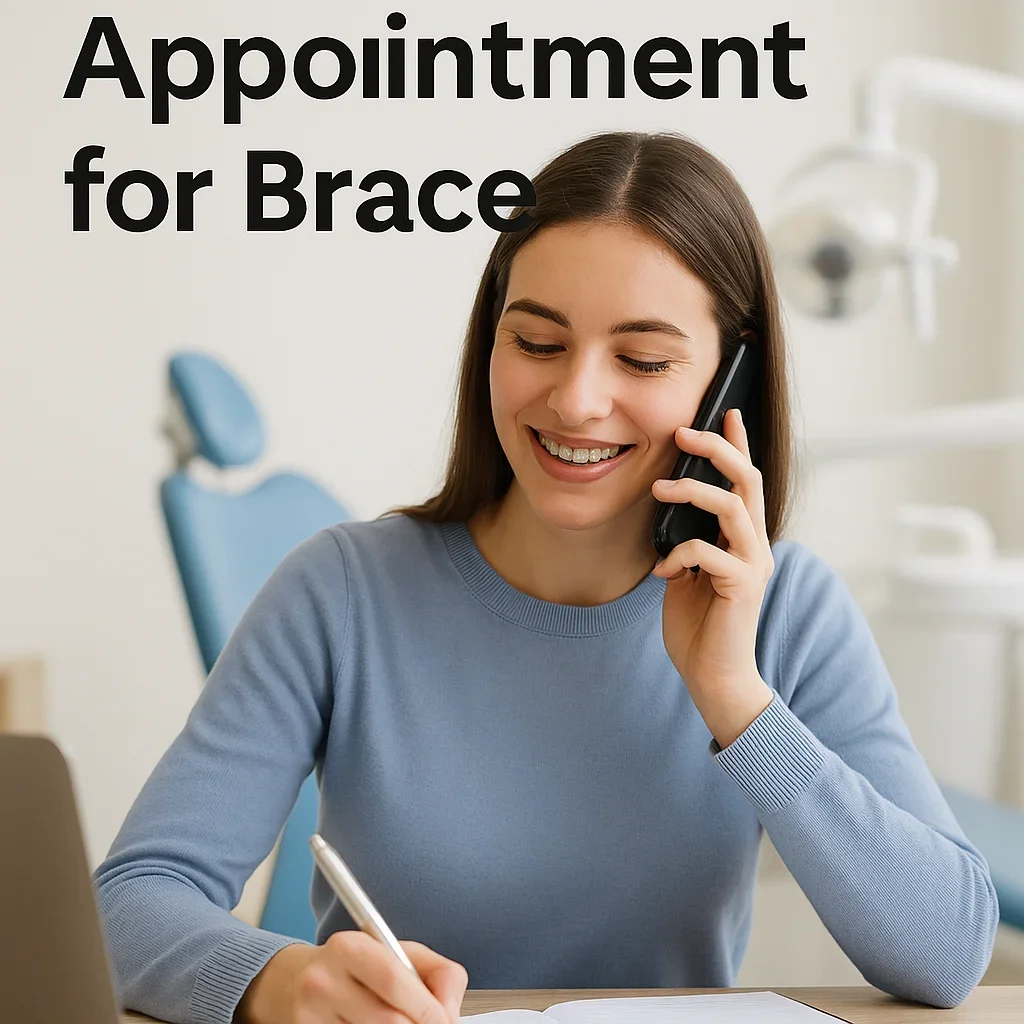
How to Book Your Braces Appointment Online Step by Step
Learning how to book your orthodontic consultation online is one of the easiest and most convenient ways to
make an appointment for braces. Modern clinics increasingly rely on digital scheduling systems to help
patients find appointment times quickly, avoid long phone calls, and enjoy a smooth, stress-free booking experience.
Whether you are scheduling for yourself or a family member, knowing the correct steps ensures efficiency and eliminates
confusion. This detailed guide walks you through the full online booking process—from researching clinics to receiving
your confirmation message—so that your orthodontic journey begins with clarity, confidence, and convenience. 😊
Taking the step to make an appointment for braces online offers several benefits, including flexible
time selection, instant confirmations, and the ability to upload medical documents or complete forms electronically.
The following breakdown provides an easy, actionable, and comprehensive explanation of each stage so you feel fully
prepared when booking your visit.
Step 1: Research the Clinic and Its Online Booking Options
Before you make an appointment for braces, spend a few minutes researching the orthodontic clinic you
want to visit. Many clinics clearly display online booking options on their websites, often linked from the home page,
services menu, or contact section.
When researching clinics online, consider the following important factors:
- Whether the clinic provides digital scheduling
- Office hours and available appointment slots
- Treatment options (metal braces, ceramic, aligners, lingual braces)
- Online reviews and patient experiences
- Clear explanations of the consultation process
This research ensures that once you decide to make an appointment for braces, you are selecting a
clinic that matches your expectations for care, technology, and customer support.
Many patients also compare local clinics based on convenience, pricing transparency, and orthodontist credentials before booking.
Step 2: Visit the Clinic’s Online Booking Page
After choosing your clinic, navigate to its designated booking page. For example, patients can reach out to Redent Klinik
using the
Redent Klinik Contact Page,
which provides a simplified method for submitting appointment requests.
Most online booking pages will ask you to complete a short form. This may include:
- Your name and contact information
- Preferred appointment date and time
- Reason for your visit (orthodontic consultation, braces evaluation, etc.)
- Any symptoms or concerns you want addressed
Submitting accurate information ensures quicker communication and smoother scheduling.
Step 3: Select Your Appointment Type
Many clinics offer different appointment categories such as:
- Initial braces consultation
- Follow-up visits
- Diagnostic imaging sessions
- Emergency evaluations
If your goal is to make an appointment for braces, be sure to select the correct appointment type so
the clinic allocates enough time to complete imaging, evaluation, and treatment planning.
Why Appointment Type Matters
- Orthodontic consultations require more detailed assessments
- Clinics need time to explain braces options and pricing
- Additional diagnostic procedures may be needed
Choosing the correct category ensures that the orthodontist is fully prepared to evaluate your smile during the visit.
Step 4: Upload Dental Records or Provide Medical Information
When booking online, some clinics allow or request patients to upload recent dental records, X-rays, or medical notes.
Doing so allows your orthodontist to review your oral condition before your appointment—making the consultation more
efficient and more accurate.
If you choose to make an appointment for braces without uploading documents, you can still bring them
to the clinic on the day of your visit. However, sharing them ahead of time often speeds up the diagnostic process.
Step 5: Confirm Your Appointment Details
Before finalizing your booking, double-check the following information:
- Date and time of your appointment
- Clinic address and contact number
- Your personal details
- Purpose of your visit: braces evaluation
Accurate information ensures that your attempt to make an appointment for braces is successful and
prevents scheduling misunderstandings.
After reviewing your details, click the “Submit” or “Book Now” button to finalize your request.
Step 6: Receive Confirmation and Next-Step Instructions
Most clinics send an automated email or SMS confirmation immediately after the booking form is submitted. This message
typically includes:
- Your appointment date and time
- Instructions on what to bring
- Parking or travel information
- Links to online medical forms
You may also receive reminders 24–48 hours before your scheduled visit. This helps ensure you do not miss the day you
took the time to make an appointment for braces.
Preparing for the Appointment After Booking
Once your booking is confirmed, take the following steps:
- Complete any required medical or dental questionnaires
- Gather dental records or X-rays if needed
- Prepare a list of questions for your orthodontist
- Review treatment options such as ceramic braces, aligners, or metal braces
These small preparations make your consultation more productive and ensure you receive precise guidance during your
orthodontic evaluation.
Step 7: Arrive on Time for Your Appointment
Finally, once you make an appointment for braces, it is important to arrive early on the day of your
visit. Doing so ensures you have enough time to complete any remaining forms and settle in before the evaluation begins.
Braces consultations typically involve digital scans, X-rays, detailed examinations, and treatment planning discussions.
Arriving on time helps the clinic stay on schedule and gives you the full attention your smile deserves.
With these detailed steps, booking your braces appointment becomes a simple, streamlined process. By choosing the right
clinic, following these online scheduling guidelines, and preparing yourself before the consultation, your journey toward
a healthier and more confident smile begins smoothly and successfully.