
When researching tooth replacement options, one of the first questions patients ask is about the maryland bonded bridge cost. If you are missing a front tooth or a small visible tooth, understanding the real maryland bonded bridge cost can help you make a confident and informed decision. This guide explains everything you need to know about the maryland bonded bridge cost, including how it is calculated, what affects pricing, and whether it offers long-term value compared to other restorative treatments.
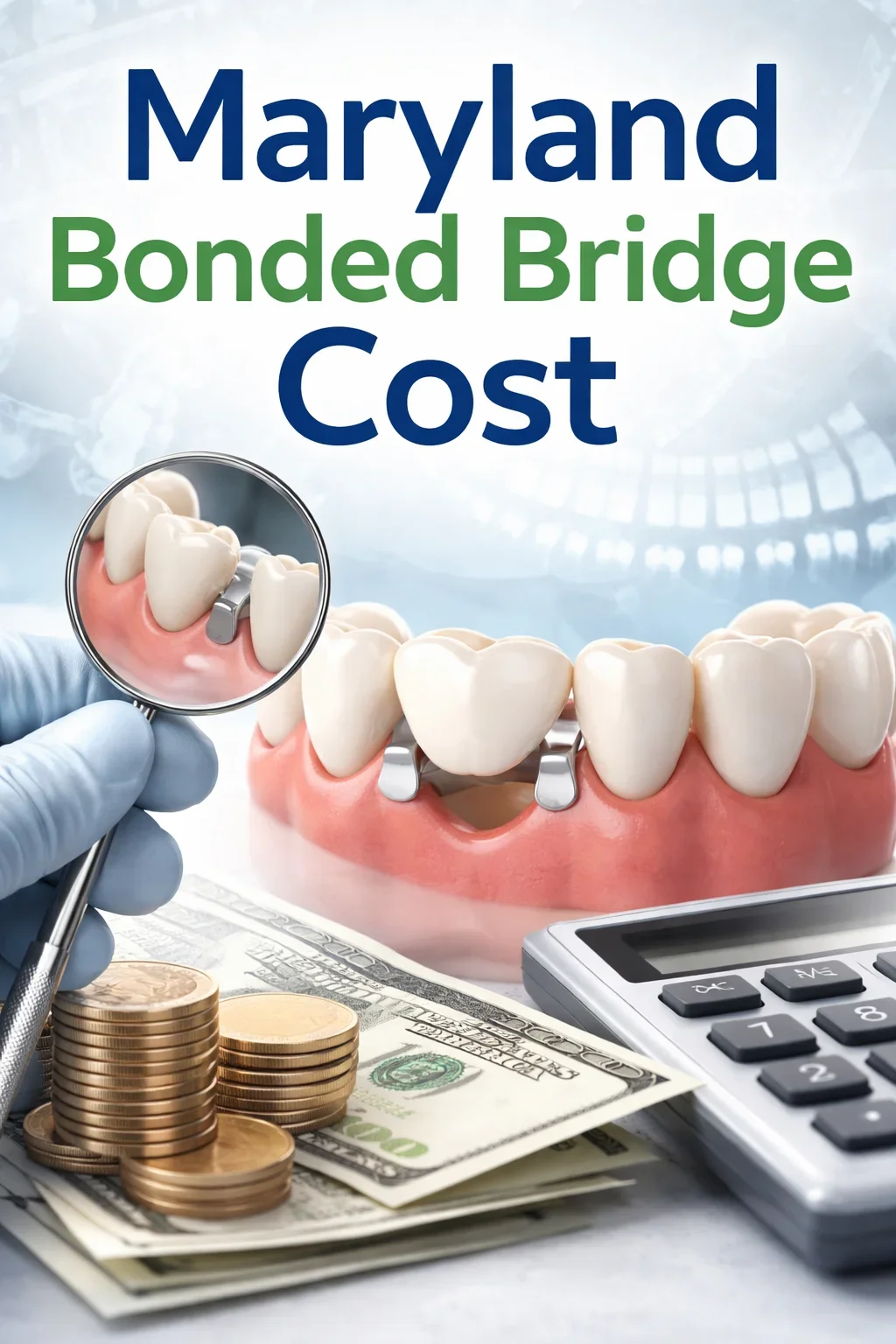
A Maryland bonded bridge is a conservative dental restoration designed to replace a single missing tooth. Unlike traditional bridges, it does not require extensive reshaping of neighboring teeth. Instead, it uses a metal or ceramic framework with small “wings” that are bonded to the back of adjacent teeth. Because this technique preserves more natural enamel, many patients prefer it when evaluating maryland bonded bridge cost versus more invasive alternatives.
In 2026, the average maryland bonded bridge cost in the United States typically ranges between $1,500 and $2,500 per tooth. However, pricing can vary significantly depending on location, dentist expertise, materials used, and laboratory fees. For example:
- Basic metal framework bridge: $1,500 – $1,800
- Porcelain-fused-to-metal Maryland bridge: $1,800 – $2,200
- All-ceramic Maryland bridge: $2,000 – $2,500
These figures represent national averages based on dental fee surveys and clinical estimates. The final maryland bonded bridge cost will depend on your unique case and whether additional procedures (such as X-rays or minor enamel preparation) are required.
One major reason patients explore the maryland bonded bridge cost is affordability. Compared to dental implants, which can cost $3,000 to $6,000 per tooth, the maryland bonded bridge cost is generally lower. While implants offer exceptional durability, they involve surgery, bone integration, and longer treatment times. For patients seeking a quicker and more budget-friendly solution, the maryland bonded bridge cost can be appealing.
Another key factor influencing maryland bonded bridge cost is the material selected. Metal frameworks are typically less expensive but may slightly affect translucency in very thin front teeth. All-ceramic options provide superior aesthetics, especially for front teeth, but they may increase the overall maryland bonded bridge cost. Patients who prioritize natural appearance often accept the slightly higher maryland bonded bridge cost for improved cosmetic results.
Location also plays a significant role. Dental clinics in large metropolitan areas often have higher overhead costs, which may increase the maryland bonded bridge cost. In contrast, smaller cities or international clinics may offer a more competitive maryland bonded bridge cost without compromising quality. It is always advisable to request a detailed treatment plan outlining the exact maryland bonded bridge cost before proceeding.
From a long-term perspective, evaluating maryland bonded bridge cost also means considering durability. On average, a Maryland bridge lasts between 5 and 15 years, depending on oral hygiene, bite force, and bonding quality. While this may be shorter than implants, the lower initial maryland bonded bridge cost often balances the overall investment for suitable candidates.
Insurance coverage may reduce your out-of-pocket maryland bonded bridge cost. Many dental insurance plans classify it as a major restorative procedure and may cover 40–60% of the approved amount after deductibles. Always check with your provider to determine how much of the maryland bonded bridge cost will be reimbursed.
In summary, the maryland bonded bridge cost represents a middle-ground solution between removable partial dentures and dental implants. It offers conservative tooth preparation, quicker treatment time, and moderate pricing. If you are searching for a fixed, aesthetic tooth replacement without surgical intervention, understanding the full scope of the maryland bonded bridge cost will help you make an informed and financially sound decision.
Before making your final choice, consult a qualified dentist who can assess your oral health and explain your personalized maryland bonded bridge cost. A professional evaluation ensures that the investment aligns with your expectations, aesthetic goals, and long-term dental stability.
What Is a Maryland Bonded Bridge and How Does It Work?
Before evaluating the maryland bonded bridge cost, it is essential to understand what this restoration is and how it functions. A Maryland bonded bridge is a conservative fixed dental prosthesis designed primarily to replace a single missing tooth, especially in the front of the mouth. Patients often research the maryland bonded bridge cost because they want a solution that is both affordable and minimally invasive.
Unlike traditional dental bridges that require significant reshaping of adjacent teeth, a Maryland bonded bridge uses a metal or ceramic framework with thin “wings” that are bonded to the back surfaces of neighboring teeth. This conservative technique reduces enamel removal, which can positively influence the long-term value of the maryland bonded bridge cost.
Structure and Components of a Maryland Bonded Bridge
Understanding the components helps clarify why the maryland bonded bridge cost may vary depending on materials and laboratory complexity. The bridge consists of:
- A pontic (the artificial tooth replacing the missing one)
- Metal or ceramic wings bonded to adjacent teeth
- Specialized dental adhesive cement
The pontic is custom-designed to match the color, shape, and size of your natural teeth. The framework may be made of metal alloy, porcelain-fused-to-metal, or all-ceramic material. The choice of material directly affects the maryland bonded bridge cost, as ceramic options generally require advanced lab fabrication and higher aesthetic precision.
Step-by-Step Procedure
Patients considering the maryland bonded bridge cost often want to know what they are paying for. The procedure typically involves the following steps:
1. Consultation and Examination
Your dentist evaluates oral health, bite alignment, and the condition of adjacent teeth. Diagnostic X-rays may be taken. These preliminary steps are often included in the total maryland bonded bridge cost, although some clinics bill them separately.
2. Minimal Tooth Preparation
Unlike traditional bridges, preparation is minimal. A small amount of enamel may be roughened to improve bonding strength. Because preparation is conservative, the overall maryland bonded bridge cost can sometimes be lower compared to full-coverage bridge procedures that require crowns.
3. Impression and Laboratory Fabrication
An impression or digital scan is taken and sent to a dental laboratory. The lab creates a customized bridge that precisely fits your mouth. The complexity of lab work plays a significant role in determining the final maryland bonded bridge cost.
4. Bonding Appointment
Once fabricated, the bridge is bonded to the back of adjacent teeth using high-strength dental cement. Proper bonding technique is critical for longevity, and skilled placement justifies part of the maryland bonded bridge cost.
Who Is an Ideal Candidate?
Not every patient is suitable for this restoration. Understanding candidacy helps determine whether the maryland bonded bridge cost is a worthwhile investment. Ideal candidates typically:
- Are missing a single front tooth
- Have healthy adjacent teeth with strong enamel
- Do not have heavy bite pressure or severe grinding habits
Patients with significant bite forces may experience debonding, which could increase long-term maintenance expenses beyond the initial maryland bonded bridge cost. Therefore, careful case selection is essential.
Advantages Compared to Other Bridges
Many patients compare treatment options before deciding on the maryland bonded bridge cost. Some notable advantages include:
- Minimal removal of natural tooth structure
- Shorter treatment timeline than implants
- Lower upfront cost compared to surgical options
- Excellent aesthetic results for front teeth
Because it preserves natural enamel, this treatment is often considered reversible in certain cases. This conservative approach makes the maryland bonded bridge cost appealing for younger patients who may not yet be candidates for implants.
Limitations to Consider
Although the maryland bonded bridge cost is generally more affordable, there are limitations. The restoration relies heavily on adhesive bonding strength. Over time, debonding may occur, especially in patients with strong bite forces. While rebonding is usually simple and inexpensive, it should be considered when evaluating the overall maryland bonded bridge cost over many years.
Additionally, this type of bridge is best suited for replacing a single tooth rather than multiple missing teeth. For larger gaps, alternative restorations may provide better durability despite a higher initial cost.
How It Compares Functionally
Functionally, the Maryland bridge restores speech,
Maryland Bonded Bridge Cost in 2026: Average Price Breakdown
Understanding the maryland bonded bridge cost in 2026 requires a detailed look at national averages, regional variations, material choices, and clinical complexity. While many patients search for a simple number, the truth is that the final maryland bonded bridge cost depends on multiple factors that influence both laboratory fabrication and professional fees. In this section, we provide a transparent and comprehensive breakdown so you can clearly understand what you are paying for.
National Average Maryland Bonded Bridge Cost in the United States
In 2026, the average maryland bonded bridge cost in the United States typically ranges between $1,500 and $2,500 per tooth. However, this is a general estimate and may fluctuate depending on your location and dental provider.
- Lower range: $1,500 – $1,800 (metal framework)
- Mid-range: $1,800 – $2,200 (porcelain-fused-to-metal)
- Higher range: $2,200 – $2,500 (all-ceramic option)
These figures reflect the total maryland bonded bridge cost including clinical procedures and laboratory fabrication. Clinics in large cities such as New York, Los Angeles, or Chicago may charge slightly more due to higher operating costs.
Regional Variations in Maryland Bonded Bridge Cost
Geographic location significantly influences the maryland bonded bridge cost. For example:
Urban Dental Clinics
In metropolitan areas, the maryland bonded bridge cost may range from $2,000 to $2,800. Higher rent, staff salaries, and advanced equipment contribute to these prices.
Suburban or Rural Areas
In smaller cities or rural regions, the maryland bonded bridge cost may fall between $1,400 and $2,000. Lower overhead expenses often translate to more competitive pricing.
When comparing prices, it is important not to focus solely on the lowest maryland bonded bridge cost. The experience of the dentist and the quality of materials are equally important.
Material Costs and Their Impact
The materials selected directly influence the maryland bonded bridge cost. There are three primary material categories:
Metal Framework
This is the most affordable option and keeps the maryland bonded bridge cost at the lower end of the price range. It offers strength but may be slightly less aesthetic in certain lighting conditions.
Porcelain-Fused-to-Metal
This option balances strength and appearance. The maryland bonded bridge cost increases moderately because of additional ceramic layering performed in the dental lab.
All-Ceramic or Zirconia
For maximum aesthetics, many patients choose all-ceramic restorations. While this option increases the maryland bonded bridge cost, it provides superior translucency and a natural look, especially for front teeth.
What Is Included in the Total Maryland Bonded Bridge Cost?
Patients often wonder what is included in the final maryland bonded bridge cost. A comprehensive treatment fee typically covers:
- Initial consultation and examination
- Digital X-rays or scans
- Tooth preparation
- Impression or digital scanning
- Laboratory fabrication
- Final bonding appointment
Some clinics bundle these services into a single maryland bonded bridge cost, while others itemize each step. Always request a detailed treatment estimate before proceeding.
Additional Costs to Consider
Although the advertised maryland bonded bridge cost may appear straightforward, there are potential additional expenses to keep in mind:
Diagnostic Imaging
Advanced 3D imaging or CBCT scans may increase the overall maryland bonded bridge cost if required for complex cases.
Temporary Restorations
In some situations, a temporary bridge may be placed while the permanent one is fabricated. This may slightly increase the maryland bonded bridge cost.
Future Rebonding
Over time, the bridge wings may require rebonding. While generally affordable, this maintenance cost should be considered when evaluating long-term maryland bonded bridge cost value.
Maryland Bonded Bridge Cost Compared to Other Tooth Replacement Options
For comparison purposes:
- Dental implant: $3,000 – $6,000 per tooth
- Traditional dental bridge: $2,000 – $5,000 (depending on number of crowns)
- Removable partial denture: $800 – $2,000
The maryland bonded bridge cost generally falls between removable dentures and implants. It offers a fixed solution without surgery, making the maryland bonded bridge cost an attractive middle-ground option.
Is the Maryland Bonded Bridge Cost Worth the Investment?
When analyzing the maryland bonded bridge cost, it is important to consider both immediate affordability and long-term value. While it may not last as long as an implant, its conservative design preserves natural teeth. For many patients, the balance between affordability and aesthetics makes the maryland bonded bridge cost highly reasonable.
Ultimately, the final maryland bonded bridge cost should be evaluated alongside durability, appearance, treatment time, and personal budget. A detailed consultation with a qualified dentist will provide an exact estimate tailored to your specific oral health condition.
Factors That Influence Maryland Bonded Bridge Cost
When evaluating the maryland bonded bridge cost, it is important to understand that no two cases are identical. While average pricing provides a helpful starting point, the final maryland bonded bridge cost depends on multiple clinical, geographic, and technical variables. Patients often focus only on the base price, but a detailed breakdown reveals why the maryland bonded bridge cost can vary significantly from one clinic to another.
1. Geographic Location of the Dental Clinic
One of the most significant factors affecting the maryland bonded bridge cost is the clinic’s location. Dental practices in large metropolitan areas typically have higher operational expenses, including rent, utilities, advanced technology, and staffing costs. As a result, the maryland bonded bridge cost in major cities may be noticeably higher than in suburban or rural areas.
Urban Areas
In high-demand cities, the maryland bonded bridge cost may increase due to overhead expenses and specialist-level services.
Smaller Cities or International Clinics
In contrast, clinics outside major urban centers may offer a more competitive maryland bonded bridge cost while still maintaining high-quality standards.
2. Dentist’s Experience and Expertise
The skill and experience of the treating dentist directly influence the maryland bonded bridge cost. A highly experienced cosmetic or restorative dentist may charge more because of advanced training, precision techniques, and predictable aesthetic outcomes.
Although this may increase the maryland bonded bridge cost, it often reduces the risk of complications such as debonding or improper alignment. Paying slightly more upfront can improve long-term value and stability.
3. Materials Used in Fabrication
Material selection plays a crucial role in determining the maryland bonded bridge cost. There are several framework and pontic material options, each affecting durability and aesthetics.
Metal Framework
This option generally keeps the maryland bonded bridge cost lower. It provides strength but may slightly impact translucency for very thin front teeth.
Porcelain-Fused-to-Metal
This hybrid material increases the maryland bonded bridge cost moderately while offering a better aesthetic appearance.
All-Ceramic or Zirconia
All-ceramic restorations often raise the maryland bonded bridge cost, but they provide superior natural appearance and light reflection, making them ideal for visible front teeth.
4. Laboratory Fees and Technology
The dental laboratory responsible for fabricating the bridge significantly impacts the maryland bonded bridge cost. High-end labs using digital scanning, CAD/CAM technology, and premium ceramics may increase costs.
However, advanced lab techniques improve precision and bonding strength, which enhances the long-term value of the maryland bonded bridge cost.
5. Complexity of the Case
The complexity of your dental condition can affect the overall maryland bonded bridge cost. For example, if the adjacent teeth require minor reshaping or enamel preparation, this may slightly increase treatment time and cost.
Bite Alignment Issues
If a patient has strong bite pressure or alignment problems, additional adjustments may be required, influencing the final maryland bonded bridge cost.
Gum Health and Preparatory Treatments
If gum disease or decay is present, these conditions must be treated first, potentially adding to the total maryland bonded bridge cost.
6. Diagnostic Imaging and Consultation Fees
Some clinics include diagnostic X-rays and consultation fees within the quoted maryland bonded bridge cost, while others list them separately. Digital scans and advanced imaging can slightly increase the total maryland bonded bridge cost, but they ensure precise planning and optimal fit.
7. Insurance Coverage and Payment Plans
Dental insurance may reduce your out-of-pocket maryland bonded bridge cost. Many plans classify this restoration as a major procedure and may cover a percentage after deductibles.
Additionally, flexible payment plans offered by dental clinics can make the maryland bonded bridge cost more manageable without compromising quality.
8. Longevity and Maintenance Considerations
Another factor influencing perceived maryland bonded bridge cost is expected lifespan. On average, a Maryland bridge lasts between 5 and 15 years. While the initial maryland bonded bridge cost may be lower than implants, occasional rebonding or adjustments may be necessary.
When evaluating long-term value, patients should consider maintenance expenses alongside the original maryland bonded bridge cost.
9. Clinic Reputation and Quality Standards
Established dental clinics with strong reputations often reflect their service quality in the maryland bonded bridge cost. Clinics adhering to guidelines from trusted organizations such as the American Dental Association often maintain high treatment standards.
Choosing a reputable provider ensures that the maryland bonded bridge cost reflects quality materials, sterilization protocols, and professional expertise.
Final Thoughts on Cost Variability
In summary, the maryland bonded bridge cost is influenced by multiple interconnected factors, including location, dentist experience, materials, laboratory quality, and case complexity. Rather than focusing solely on price, patients should evaluate the overall value and expected longevity.
A personalized consultation will provide a detailed estimate tailored to your oral health condition. Understanding these influencing factors empowers you to assess whether the quoted maryland bonded bridge cost aligns with your expectations, aesthetic goals, and long-term dental health plan.
Maryland Bonded Bridge vs Dental Implant Cost Comparison
When patients research the maryland bonded bridge cost, they almost always compare it with the price of a dental implant. Both treatments replace a missing tooth, but they differ significantly in procedure, longevity, invasiveness, and overall financial investment. Understanding how the maryland bonded bridge cost compares to implant pricing helps patients make a financially and clinically informed decision.
Average Maryland Bonded Bridge Cost vs Implant Cost
The maryland bonded bridge cost in 2026 typically ranges between $1,500 and $2,500 per tooth. In contrast, a single dental implant—including implant placement, abutment, and crown—usually ranges between $3,000 and $6,000 per tooth in the United States.
- Maryland bonded bridge cost: $1,500 – $2,500
- Dental implant cost: $3,000 – $6,000
This immediate price difference is one of the main reasons patients initially lean toward the maryland bonded bridge cost as the more affordable solution.
Upfront Cost vs Long-Term Investment
Although the maryland bonded bridge cost is significantly lower upfront, it is important to evaluate long-term value. Dental implants are designed to last 15–25 years or longer with proper care. A Maryland bonded bridge typically lasts between 5 and 15 years, depending on bonding strength and oral habits.
Short-Term Affordability
The lower maryland bonded bridge cost makes it ideal for patients who need a quick and conservative solution without surgical intervention.
Long-Term Durability
While the maryland bonded bridge cost is lower initially, implants may provide better long-term cost efficiency if they last significantly longer without replacement.
Therefore, patients should consider whether they prioritize immediate affordability or long-term durability when comparing the maryland bonded bridge cost to implant expenses.
Surgical vs Non-Surgical Treatment Costs
One major distinction influencing maryland bonded bridge cost comparisons is the surgical nature of implants. Dental implants require:
- Surgical placement into the jawbone
- Healing time (3–6 months for osseointegration)
- Potential bone grafting if bone density is insufficient
Bone grafting alone can add $500–$3,000 to implant treatment. In contrast, the maryland bonded bridge cost does not involve surgery, bone integration, or lengthy healing periods, making the overall financial and physical commitment lower.
Impact on Adjacent Teeth
The maryland bonded bridge cost reflects a conservative procedure that requires minimal enamel preparation. Traditional bridges often require full crowns on adjacent teeth, but a Maryland bridge preserves more natural tooth structure.
Dental implants, on the other hand, do not rely on neighboring teeth at all. While the implant cost is higher, it avoids placing stress on adjacent teeth. Patients weighing the maryland bonded bridge cost should consider how important tooth preservation is to their long-term oral health goals.
Maintenance and Repair Costs
Another important factor in comparing maryland bonded bridge cost and implant cost is maintenance. Maryland bridges may occasionally require rebonding if the wings loosen. Rebonding is generally affordable but should be factored into lifetime maryland bonded bridge cost considerations.
Implants rarely loosen but may require crown replacement after many years. While implant maintenance costs are less frequent, they can be higher when needed.
Aesthetic Considerations and Cost Value
For front teeth, aesthetics are critical. The maryland bonded bridge cost often includes highly aesthetic ceramic materials that blend naturally with surrounding teeth. However, implants also offer excellent aesthetic outcomes when properly placed.
Patients who prioritize minimal surgery and faster cosmetic results often find the maryland bonded bridge cost more appealing, especially when replacing a single front tooth.
Treatment Time Comparison
Time is another hidden cost factor. The maryland bonded bridge cost typically covers a procedure completed in two visits over a few weeks. Implant treatment may take several months due to surgical healing time.
For patients seeking immediate restoration, the faster timeline associated with the maryland bonded bridge cost may outweigh the long-term advantages of implants.
Insurance Coverage Differences
Dental insurance may partially cover the maryland bonded bridge cost as a major restorative procedure. Implant coverage varies widely by provider, and some plans classify implants as elective.
Understanding your policy can significantly affect how manageable the maryland bonded bridge cost is compared to implant treatment.
Which Option Is More Cost-Effective for You?
Ultimately, deciding between implant treatment and the maryland bonded bridge cost depends on individual priorities. If you want a conservative, non-surgical, and more affordable option, the maryland bonded bridge cost may offer excellent value. If you prioritize maximum longevity and bone preservation, the higher implant cost may be justified.
Before making a decision, consult a qualified dental professional who can assess your oral health and provide a personalized estimate. Understanding both the immediate and long-term implications of the maryland bonded bridge cost ensures you choose a treatment that aligns with your financial situation and smile goals.
Is Maryland Bonded Bridge Cost Covered by Insurance?
One of the most common questions patients ask after learning about the maryland bonded bridge cost is whether dental insurance will help reduce the financial burden. Understanding insurance coverage is essential because even though the maryland bonded bridge cost is generally lower than implant treatment, it is still considered a major restorative procedure. In this section, we will break down how insurance works, what percentage may be covered, and how you can estimate your real out-of-pocket maryland bonded bridge cost.
How Dental Insurance Classifies Maryland Bridges
Most dental insurance providers categorize the maryland bonded bridge cost under “major restorative services.” Major procedures typically include crowns, bridges, dentures, and sometimes implants. Unlike preventive services (which are often covered at 80–100%), major restorative procedures usually receive partial coverage.
Typical Coverage Percentage
On average, insurance plans cover 40% to 60% of the approved maryland bonded bridge cost after the deductible has been met. This means if your total maryland bonded bridge cost is $2,000, your insurance may pay between $800 and $1,200, leaving you responsible for the remaining balance.
Annual Maximum Limits
Many dental plans have an annual maximum benefit, commonly between $1,000 and $2,000 per year. If your maryland bonded bridge cost exceeds this annual limit, you may need to pay the remaining amount out of pocket or split treatment across two benefit years.
Pre-Authorization and Treatment Planning
Before proceeding, your dentist may submit a pre-authorization request to your insurance provider. This step clarifies how much of the maryland bonded bridge cost will be approved. Pre-authorization prevents financial surprises and allows you to plan your payment accordingly.
During your consultation, ask for a written breakdown of the estimated maryland bonded bridge cost along with insurance reimbursement details. Transparency is key to managing expenses confidently.
Waiting Periods and Eligibility Requirements
Some insurance plans include waiting periods for major restorative services. If you recently enrolled in a dental plan, you may need to wait 6–12 months before coverage applies to the maryland bonded bridge cost. Always review your policy carefully to confirm eligibility.
Replacement Clauses
If you previously had a bridge in the same area, your insurance may only cover a new maryland bonded bridge cost after a specified number of years (often 5–7 years). These replacement clauses can affect your eligibility for reimbursement.
How Deductibles Affect Maryland Bonded Bridge Cost
Most insurance policies require patients to meet an annual deductible before benefits apply. For example, if your deductible is $100 and your total maryland bonded bridge cost is $2,000, you must first pay the deductible before insurance calculates its percentage contribution.
This deductible is an important part of determining your final out-of-pocket maryland bonded bridge cost. Factoring it into your financial planning ensures realistic budgeting.
In-Network vs Out-of-Network Coverage
Your total maryland bonded bridge cost may also vary depending on whether your dentist is in-network or out-of-network with your insurance provider.
In-Network Providers
In-network dentists have pre-negotiated fee schedules with insurance companies. This often reduces the overall maryland bonded bridge cost and ensures predictable reimbursement rates.
Out-of-Network Providers
If you choose an out-of-network dentist, your maryland bonded bridge cost may be higher, and reimbursement may be based on a lower “usual and customary” fee.
Alternative Financing Options
If insurance only partially covers your maryland bonded bridge cost, many dental clinics offer flexible financing options. Payment plans, third-party healthcare financing programs, and monthly installment arrangements can make the maryland bonded bridge cost more manageable.
Some clinics also offer promotional financing periods with low or zero interest, allowing patients to distribute the maryland bonded bridge cost over time without significant financial strain.
Comparing Insurance Coverage with Implant Coverage
Interestingly, insurance coverage for the maryland bonded bridge cost is often more consistent than implant coverage. Some insurance plans still consider implants elective or partially cosmetic, which can limit reimbursement. In many cases, patients find that insurance contributes more reliably toward the maryland bonded bridge cost than toward implant surgery.
How to Accurately Estimate Your Final Cost
To calculate your realistic out-of-pocket maryland bonded bridge cost, follow these steps:
- Confirm total treatment estimate from your dentist
- Verify deductible amount
- Check coverage percentage for major services
- Review annual maximum benefits
- Confirm network status
By combining these factors, you can determine your true financial responsibility for the maryland bonded bridge cost.
Final Thoughts on Insurance and Maryland Bonded Bridge Cost
Insurance can significantly reduce the overall maryland bonded bridge cost, but coverage varies widely depending on your plan. While most policies contribute 40–60% toward major restorative treatments, annual maximums and deductibles may limit reimbursement.
Before scheduling treatment, request a detailed cost estimate and insurance breakdown. Understanding how your policy applies to the maryland bonded bridge cost allows you to move forward with clarity and financial confidence. With proper planning, this conservative and aesthetic tooth replacement option can remain both accessible and affordable.
Pros and Cons Affecting Maryland Bonded Bridge Cost Value
When evaluating the maryland bonded bridge cost, price alone should never be the only deciding factor. True value comes from balancing affordability, longevity, aesthetics, and functional performance. While the maryland bonded bridge cost is generally lower than many alternative tooth replacement options, understanding its advantages and limitations helps determine whether the investment is worthwhile for your specific situation.
Key Advantages That Support Maryland Bonded Bridge Cost Value
Several benefits make the maryland bonded bridge cost attractive to patients seeking a conservative and budget-conscious solution.
1. Conservative Tooth Preparation
One of the most significant advantages impacting maryland bonded bridge cost value is minimal enamel removal. Unlike traditional bridges that require full crowns on adjacent teeth, this technique preserves natural tooth structure. Preserving enamel reduces long-term risks and adds value beyond the initial maryland bonded bridge cost.
2. Lower Upfront Expense
The maryland bonded bridge cost typically ranges between $1,500 and $2,500, making it more affordable than dental implants. For patients seeking immediate tooth replacement without surgery, the lower maryland bonded bridge cost provides financial accessibility.
3. No Surgical Procedure Required
Because the maryland bonded bridge cost does not include surgical placement into the jawbone, patients avoid additional expenses related to anesthesia, bone grafting, and extended healing time. This non-surgical nature enhances both affordability and comfort.
4. Faster Treatment Timeline
Most cases are completed within two appointments over a few weeks. The quicker process increases the perceived value of the maryland bonded bridge cost, especially for patients who prefer immediate cosmetic restoration.
5. Aesthetic Benefits
When replacing a front tooth, aesthetics are crucial. High-quality ceramic options ensure that the maryland bonded bridge cost delivers natural-looking results. The restoration blends seamlessly with surrounding teeth, making it an appealing cosmetic solution.
Limitations That May Affect Long-Term Cost Value
Although the maryland bonded bridge cost offers many advantages, it is important to understand potential drawbacks that may influence overall value.
1. Risk of Debonding
Since the restoration relies on adhesive bonding, the bridge wings may occasionally loosen. Rebonding is typically affordable, but repeated visits may increase the lifetime maryland bonded bridge cost.
2. Limited Durability Compared to Implants
Dental implants can last 20 years or longer, while the average lifespan of a Maryland bridge ranges from 5 to 15 years. Although the initial maryland bonded bridge cost is lower, potential replacement in the future should be considered.
3. Not Suitable for All Bite Conditions
Patients with heavy bite pressure or teeth grinding habits may not be ideal candidates. In such cases, the maryland bonded bridge cost may not provide optimal long-term value due to increased stress on bonding wings.
4. Limited Use for Multiple Missing Teeth
This restoration works best for replacing a single front tooth. If multiple teeth are missing, the maryland bonded bridge cost may not be the most effective long-term solution.
Comparing Functional Value to Financial Investment
The real value of the maryland bonded bridge cost depends on patient expectations. If you prioritize preserving natural teeth, avoiding surgery, and minimizing upfront expense, this option delivers excellent cost-to-benefit balance.
However, if you seek maximum durability and bone preservation, the higher implant cost may offer stronger long-term financial efficiency. Evaluating the maryland bonded bridge cost requires considering both immediate affordability and future maintenance.
Emotional and Psychological Value
Beyond financial analysis, restoring a missing front tooth improves confidence and quality of life. For many patients, the emotional value gained outweighs the numerical maryland bonded bridge cost. The ability to smile, speak clearly, and socialize comfortably adds intangible benefits that cannot be measured solely in dollars.
Maintenance and Hygiene Considerations
Proper oral hygiene directly influences how long your restoration lasts. Good brushing, flossing, and regular dental visits maximize the return on your maryland bonded bridge cost. Neglecting oral care can reduce lifespan and increase long-term expenses.
When Maryland Bonded Bridge Cost Offers the Best Value
The maryland bonded bridge cost often offers optimal value for:
- Young patients not yet ready for implants
- Patients seeking a non-surgical solution
- Individuals replacing a single front tooth
- Those prioritizing enamel preservation
In these scenarios, the maryland bonded bridge cost represents a strategic balance between aesthetics, function, and financial practicality.
Final Evaluation of Maryland Bonded Bridge Cost Value
In conclusion, the maryland bonded bridge cost delivers strong value when carefully matched to the right candidate. Its conservative design, faster treatment time, and lower upfront expense make it an appealing restorative option. However, understanding its limitations ensures realistic expectations and long-term satisfaction.
Ultimately, assessing the maryland bonded bridge cost involves more than comparing numbers. It requires evaluating your oral health condition, lifestyle habits, and long-term dental goals. A personalized consultation will help determine whether this treatment offers the best overall value for your smile.
How Long Does a Maryland Bonded Bridge Last for the Cost?
When evaluating the maryland bonded bridge cost, longevity is one of the most important considerations. Patients naturally want to know how long their investment will last and whether the maryland bonded bridge cost provides good long-term value compared to other tooth replacement options. While the upfront maryland bonded bridge cost is generally more affordable than implants, durability plays a crucial role in determining overall cost-effectiveness.
Average Lifespan of a Maryland Bonded Bridge
On average, a Maryland bonded bridge lasts between 5 and 15 years. In some cases, with excellent oral hygiene and favorable bite conditions, it may last even longer. The realistic lifespan directly influences whether the maryland bonded bridge cost is considered a short-term or mid-term investment.
Compared to dental implants, which can last 20 years or more, the maryland bonded bridge cost reflects a restoration with moderate longevity. However, when balanced against its lower price and non-surgical nature, many patients find the maryland bonded bridge cost justifiable.
Factors That Influence Longevity
The durability of your restoration—and therefore the true value of your maryland bonded bridge cost—depends on several important factors.
1. Quality of Bonding Technique
The strength of the adhesive bond is critical. Skilled placement ensures maximum retention, improving the lifespan relative to the initial maryland bonded bridge cost. Poor bonding technique may result in early debonding, increasing long-term expenses.
2. Bite Force and Occlusion
Patients with heavy bite pressure or teeth grinding (bruxism) may experience shorter restoration lifespan. Excessive force can weaken the bonding wings, potentially reducing the overall value of the maryland bonded bridge cost.
3. Location of the Missing Tooth
Maryland bridges are most successful in the front of the mouth where bite forces are lower. In these cases, the maryland bonded bridge cost often translates into a longer-lasting restoration.
4. Oral Hygiene Habits
Good oral hygiene significantly extends the life of the bridge. Regular brushing, flossing, and professional cleanings protect surrounding teeth and gums, maximizing the return on your maryland bonded bridge cost.
Maintenance and Rebonding Considerations
Over time, some patients may experience minor loosening of the metal or ceramic wings. Fortunately, rebonding is usually simple and affordable. While this may add small maintenance expenses, it typically does not dramatically increase the overall maryland bonded bridge cost over many years.
Rebonding procedures are often much less expensive than replacing the entire restoration, making the maryland bonded bridge cost manageable even if minor maintenance is required.
Comparing Lifespan Value to Implant Alternatives
Although implants generally last longer, they come with significantly higher initial costs and surgical requirements. When comparing longevity to financial investment, the maryland bonded bridge cost can still represent strong value, especially for patients who prefer a non-invasive option.
For younger patients who may not yet be candidates for implants, the maryland bonded bridge cost offers an interim solution that preserves natural tooth structure while providing aesthetic restoration.
How to Extend the Lifespan of Your Bridge
Maximizing the return on your maryland bonded bridge cost requires proactive care. Here are key recommendations:
- Brush twice daily with fluoride toothpaste
- Use floss or interdental brushes carefully around the bridge
- Avoid biting hard objects like ice or pens
- Wear a night guard if you grind your teeth
- Attend regular dental check-ups
Following these guidelines helps protect your investment and ensures the maryland bonded bridge cost delivers maximum long-term benefit.
When Replacement May Be Necessary
Eventually, some restorations may require replacement due to wear, material fatigue, or changes in surrounding teeth. Even in such cases, the cumulative maryland bonded bridge cost over many years may still remain lower than implant treatment, depending on timing and individual circumstances.
Is the Lifespan Worth the Cost?
Ultimately, determining whether the maryland bonded bridge cost is worthwhile depends on your expectations. If you seek a conservative, aesthetically pleasing, and moderately durable solution, the maryland bonded bridge cost often represents a balanced choice.
While it may not offer the same longevity as implants, the lower initial maryland bonded bridge cost, combined with easier maintenance and non-surgical placement, makes it an attractive option for many patients.
Before making a final decision, consult with your dentist to evaluate your bite, oral health condition, and lifestyle habits. A personalized assessment ensures that your maryland bonded bridge cost aligns with both your financial planning and long-term smile goals.
Ways to Reduce Your Maryland Bonded Bridge Cost
For many patients, affordability is a primary concern when evaluating the maryland bonded bridge cost. Although the maryland bonded bridge cost is generally lower than implant treatment, it can still represent a significant financial commitment. The good news is that there are several practical strategies to reduce your out-of-pocket maryland bonded bridge cost without compromising quality or safety. Understanding these options allows you to make a cost-effective decision while maintaining high treatment standards.
1. Maximize Your Dental Insurance Benefits
One of the most effective ways to lower your maryland bonded bridge cost is by fully utilizing your dental insurance coverage. As discussed earlier, many plans cover 40–60% of major restorative procedures.
Schedule Treatment Strategically
If your annual maximum benefit is limited, you may reduce your maryland bonded bridge cost by splitting treatment across two calendar years. This approach allows you to access two benefit cycles.
Confirm Pre-Authorization
Requesting a pre-treatment estimate ensures your provider confirms how much of the maryland bonded bridge cost will be reimbursed before starting the procedure.
2. Choose In-Network Providers
Selecting a dentist who is in-network with your insurance company can significantly reduce the total maryland bonded bridge cost. In-network providers follow negotiated fee schedules, which may lower the approved maryland bonded bridge cost compared to out-of-network clinics.
3. Compare Material Options
The material used directly impacts the maryland bonded bridge cost. While all-ceramic restorations offer superior aesthetics, metal framework options are often more affordable.
Balance Aesthetics and Budget
If the bridge is located in a less visible area, choosing a metal-supported design may reduce the overall maryland bonded bridge cost while still maintaining functionality.
4. Ask About Payment Plans
Many dental clinics provide flexible financing options to help patients manage the maryland bonded bridge cost. Monthly installment plans allow you to distribute payments over time instead of paying the full maryland bonded bridge cost upfront.
Some clinics partner with third-party healthcare financing companies that offer promotional interest rates, making the maryland bonded bridge cost more manageable.
5. Consider Dental Tourism Carefully
Some patients explore treatment abroad to lower their maryland bonded bridge cost. International clinics may offer competitive pricing due to lower operating expenses.
Quality and Standards Matter
While lower international maryland bonded bridge cost options can be appealing, ensure that the clinic follows internationally recognized standards and sterilization protocols.
6. Maintain Excellent Oral Hygiene
Preventive care is a powerful way to protect your investment. By maintaining excellent oral hygiene, you reduce the risk of complications that could increase your long-term maryland bonded bridge cost.
- Brush twice daily
- Floss carefully around the bridge
- Attend routine dental cleanings
Preventing gum disease or decay ensures that your initial maryland bonded bridge cost remains a one-time investment rather than an ongoing expense.
7. Address Dental Issues Early
Delaying treatment can increase overall expenses. If surrounding teeth develop decay or gum disease, additional procedures may raise the total maryland bonded bridge cost. Early intervention often keeps the maryland bonded bridge cost predictable and controlled.
8. Discuss Alternative Treatment Plans
In some cases, minor adjustments in treatment planning may reduce the maryland bonded bridge cost. For example, if the missing tooth is in a low-pressure area, a simpler design may be appropriate.
Always discuss all available options with your dentist to determine which approach offers the best balance between quality and maryland bonded bridge cost.
9. Look for Promotional Offers
Occasionally, dental clinics offer seasonal promotions or bundled treatment discounts. While you should never compromise on safety, these offers can slightly reduce the maryland bonded bridge cost without affecting treatment quality.
10. Use Health Savings Accounts (HSA) or Flexible Spending Accounts (FSA)
If you have access to an HSA or FSA, you can use pre-tax dollars to pay for your maryland bonded bridge cost. This effectively lowers the net maryland bonded bridge cost by reducing your taxable income.
Balancing Cost and Quality
While reducing the maryland bonded bridge cost is important, quality and safety should always come first. Choosing the cheapest option without evaluating expertise, materials, and long-term reliability may lead to higher expenses later.
Ultimately, lowering your maryland bonded bridge cost is possible through strategic insurance planning, smart provider selection, preventive care, and financing options. By approaching treatment thoughtfully, you can manage the maryland bonded bridge cost responsibly while achieving a healthy, confident smile.
Is the Maryland Bonded Bridge Cost Worth It for You?
After reviewing pricing, insurance coverage, longevity, and alternatives, the final and most important question remains: is the maryland bonded bridge cost truly worth it for your individual needs? The answer depends on your oral health condition, financial situation, aesthetic expectations, and long-term dental goals. While the maryland bonded bridge cost is generally more affordable than implants, determining real value requires a personalized perspective.
Evaluating Your Personal Dental Situation
The suitability of the maryland bonded bridge cost largely depends on your specific clinical case. This restoration is ideal for replacing a single missing front tooth where adjacent teeth are healthy and strong.
Best Candidates
- Patients missing one front tooth
- Individuals with healthy adjacent enamel
- Patients seeking a non-surgical solution
- Younger patients not yet ready for implants
If you fall into these categories, the maryland bonded bridge cost may provide excellent value by delivering aesthetic restoration without aggressive tooth preparation or surgery.
Less Suitable Cases
If you have heavy bite pressure, severe bruxism, or multiple missing teeth, the maryland bonded bridge cost may not offer optimal long-term durability. In such situations, alternative solutions may provide better structural stability despite higher upfront costs.
Balancing Cost vs Longevity
One of the biggest considerations when deciding if the maryland bonded bridge cost is worth it is longevity. While implants may last longer, the initial investment is significantly higher. The maryland bonded bridge cost offers a mid-range lifespan (5–15 years) at a substantially lower price point.
For patients prioritizing conservative treatment and immediate affordability, the maryland bonded bridge cost often represents a practical compromise between cost and function.
Aesthetic and Emotional Value
The psychological benefits of replacing a missing tooth should not be underestimated. The maryland bonded bridge cost delivers immediate cosmetic improvement, restoring your smile, speech clarity, and confidence.
For many patients, the emotional and social benefits justify the maryland bonded bridge cost. A restored smile can positively impact professional interactions and personal relationships.
Comparing with Other Cost Options
To determine whether the maryland bonded bridge cost is worthwhile, compare it with alternative treatments:
- Dental implants: Higher cost, longer lifespan, surgical procedure required
- Traditional bridges: Moderate to high cost, more invasive tooth preparation
- Removable dentures: Lower cost, but less stable and less aesthetic
When viewed in this context, the maryland bonded bridge cost often stands out as a balanced option between affordability and fixed restoration benefits.
Long-Term Financial Perspective
Even if replacement is needed after several years, the cumulative maryland bonded bridge cost may still remain competitive compared to implants. Maintenance and occasional rebonding are typically affordable, which helps control overall lifetime maryland bonded bridge cost.
Patients who maintain excellent oral hygiene and avoid excessive bite pressure can maximize the lifespan of their restoration, increasing the overall value of the maryland bonded bridge cost.
Professional Guidance Is Essential
Determining whether the maryland bonded bridge cost is right for you requires professional evaluation. A qualified dentist will assess:
- Bite alignment and occlusion
- Enamel strength of adjacent teeth
- Gum health
- Long-term treatment goals
If you would like a personalized consultation and cost estimate, you can visit our Redent Klinik Contact Page to schedule an appointment. A tailored assessment ensures that the maryland bonded bridge cost aligns with both your dental needs and financial planning.
Final Conclusion
Ultimately, the maryland bonded bridge cost is worth it for patients seeking a conservative, aesthetically pleasing, and moderately priced solution for single-tooth replacement. While it may not offer the same longevity as implants, its lower upfront expense, shorter treatment timeline, and enamel-preserving approach make it highly attractive.
The key to deciding whether the maryland bonded bridge cost is worthwhile lies in balancing affordability, durability, and personal comfort. With proper case selection and professional placement, the maryland bonded bridge cost can provide a confident smile and reliable function for many years.