
When it comes to maintaining both oral and overall health, choosing the right dental insurance plan is one of the most important steps you can take. Among the available options, maximum care PPO (Preferred Provider Organization) plans have become a preferred choice for families, professionals, and individuals who want comprehensive coverage, flexibility in choosing dentists, and affordable out-of-pocket costs. In this detailed guide, we will explore everything you need to know about maximum care PPO, including what it is, how it works, its advantages, costs, and why it might be the right choice for your dental care needs. 🦷
A maximum care PPO is designed to provide extensive dental coverage while giving patients the freedom to choose their dentist. Unlike restrictive plans such as HMOs, a PPO structure offers a wide network of providers but does not confine you to that network. This flexibility is particularly attractive for patients who already have a trusted dentist but still want to benefit from insurance reimbursements and cost savings. It means that whether you see a dentist within the network or outside, you still receive a portion of coverage, though the benefits are usually greater if you remain in-network.
One of the major reasons people prefer a maximum care PPO plan is its emphasis on preventive care. Preventive services, such as dental exams, cleanings, and X-rays, are typically covered at little or no cost to the patient. Preventive dentistry not only keeps your smile bright but also helps in detecting early signs of gum disease, cavities, and oral cancers. By catching these issues early, you avoid more complicated and costly treatments later on. This proactive approach aligns with recommendations from organizations like the American Dental Association, which emphasizes the importance of preventive dental care for long-term oral health.
Another benefit of a maximum care PPO plan is its comprehensive coverage. Beyond preventive care, PPO plans often cover restorative treatments such as fillings, crowns, bridges, and dentures. They may also provide partial coverage for orthodontic treatments, which can be a significant financial relief for families with children. Cosmetic treatments are usually less covered, but some enhanced PPO plans may contribute toward services like teeth whitening or veneers. Understanding these coverage levels helps patients plan their dental journey with both health and finances in mind.
Cost is always a primary concern when selecting dental insurance. With a maximum care PPO, patients benefit from reduced fees when visiting in-network providers, thanks to negotiated rates between insurance companies and dental offices. Even when using out-of-network dentists, patients still receive reimbursement, though the percentage may be lower. Deductibles, co-pays, and annual maximums are common in PPO structures, and knowing these terms ensures that you are never surprised by unexpected bills. The transparency of costs is another reason many find a maximum care PPO attractive compared to other insurance models.
Accessibility and choice are further reasons patients lean toward PPO coverage. For individuals who travel frequently, or for families that may need different specialists, a maximum care PPO provides access to a wide variety of dentists and specialists across different regions. This flexibility ensures you’re not tied down to one office or city, which is particularly helpful if you relocate or need treatment while away from home.
It’s also worth mentioning that maximum care PPO plans often come with wellness perks. These may include additional preventive services, access to dental health apps, or discounts on procedures not typically covered by insurance. Many patients also value the seamless coordination between general dentists and specialists, as PPO networks often include orthodontists, periodontists, and oral surgeons, giving you a full spectrum of care under one insurance umbrella.
When exploring your options, it’s crucial to compare plan details, coverage percentages, and provider networks. Many dental clinics, including Redent Klinik Contact Page, accept PPO insurance and can help guide patients in understanding which services are covered and how to make the most of their benefits. Consulting directly with your dentist about your insurance coverage ensures that you align treatment plans with your financial capabilities.
Ultimately, choosing a maximum care PPO is about investing in peace of mind. By securing a plan that balances affordability with comprehensive coverage, you are not only protecting your smile but also your overall health. Research consistently shows that oral health is closely connected to systemic conditions like heart disease and diabetes, making regular dental care a cornerstone of long-term wellness. A strong PPO plan ensures that preventive visits, restorative treatments, and even unexpected dental emergencies are managed without placing a heavy financial burden on you or your family.
In conclusion, a maximum care PPO offers the perfect combination of flexibility, affordability, and comprehensive care. Whether you are a parent planning for your child’s orthodontics, a professional seeking preventive checkups, or a retiree focusing on long-term dental health, a PPO plan can be tailored to meet your needs. By understanding how these plans work and utilizing them strategically, you can enjoy both excellent oral health and financial security for years to come. 🌟
Understanding What Maximum Care PPO Really Means
Before choosing any dental insurance, it’s essential to understand what the plan type covers, how it works, and why it may be the right choice for you. A maximum care PPO (Preferred Provider Organization) is a dental insurance model designed to give patients the perfect balance between comprehensive coverage and freedom of choice. Unlike restrictive plans, PPOs provide both flexibility in selecting providers and extensive benefits that cover preventive, restorative, and sometimes even orthodontic or cosmetic treatments. This section will break down the essentials of maximum care PPO, so you can make an informed decision for yourself and your family. 🦷
Definition of a Maximum Care PPO
At its core, a maximum care PPO is a dental insurance plan that contracts with a wide network of dentists and specialists. These in-network providers agree to offer services at discounted rates. However, the distinguishing feature of PPOs is that patients are not limited to these providers. You can still choose an out-of-network dentist, and the insurance will reimburse a portion of the cost. This freedom makes PPOs attractive to those who already have a trusted dentist or frequently move between cities. The term “maximum care” reflects the plan’s broad and inclusive benefits, ensuring coverage for everything from preventive cleanings to complex procedures like implants or oral surgery.
How Maximum Care PPO Differs from Other Plans
Understanding the difference between a maximum care PPO and other dental insurance models can clarify its value. For instance, Health Maintenance Organization (HMO) plans are cheaper but highly restrictive: you can only visit providers within the network, and referrals are often required for specialists. Indemnity plans, on the other hand, give you total freedom but come with higher out-of-pocket costs and less predictable reimbursements. PPOs stand in the middle ground, offering structure and discounts without the rigidity of HMOs. This hybrid approach is why millions of Americans prefer PPO dental plans for themselves and their families.
Comparison at a Glance
- Maximum Care PPO: Flexible, large network, partial coverage out-of-network.
- HMO Plans: Low cost, restricted network, limited choice.
- Indemnity Plans: High cost, complete freedom, fewer negotiated discounts.
Key Features of Maximum Care PPO Plans
To appreciate the full value of a maximum care PPO, it’s important to highlight its defining features:
- Large Network Access: Thousands of participating dentists and specialists.
- Preventive Care Focus: Cleanings, exams, and X-rays often covered 100%.
- Tiered Coverage: Preventive, basic, and major services reimbursed at different percentages.
- Annual Maximum: Clear cap on what the insurance pays each year, often $1,000–$3,000.
- Choice of Providers: Out-of-network coverage still available, albeit at reduced reimbursement rates.
Preventive vs. Restorative Coverage
A maximum care PPO emphasizes preventive dental care, covering routine checkups and cleanings at little to no cost. This approach saves both patients and insurers money in the long run by preventing serious dental problems. For restorative care—like fillings, crowns, bridges, and dentures—the plan typically covers a portion of the expense, often 50–80% depending on whether you choose an in-network provider. Major services, such as oral surgery or implants, may also be included, making PPOs one of the most comprehensive plan types available.
Flexibility for Families and Individuals
One of the greatest advantages of a maximum care PPO is its adaptability for different life stages. Families benefit from orthodontic coverage for children, while adults can enjoy coverage for restorative treatments. Retirees often choose PPOs because they may need more complex dental care as they age, and a PPO provides reassurance that such treatments won’t create overwhelming financial strain. This adaptability ensures long-term satisfaction with the plan.
Real-Life Example
Consider a family with two children. With a maximum care PPO, the parents can schedule preventive checkups every six months at no additional cost, ensuring their kids’ teeth remain healthy. When the older child needs braces, part of the orthodontic treatment may be covered, reducing overall expenses. Meanwhile, if a parent requires a crown, the PPO will typically cover 50% of the cost, significantly lowering the financial burden compared to paying out-of-pocket.
Why Terminology Matters
Insurance terms can be confusing, and understanding the specific language of a maximum care PPO plan is essential. Key terms include:
- Deductible: The amount you must pay before the plan begins covering services.
- Copay: The fixed fee paid for certain services.
- Annual Maximum: The cap on how much the insurer will pay in a year.
- Coinsurance: The percentage of costs shared between you and the insurer after the deductible.
By understanding these terms, patients can avoid unexpected bills and use their insurance more effectively.
The Patient Experience with Maximum Care PPO
Patients often describe maximum care PPO plans as a stress-reliever because of the predictable coverage and freedom to choose providers. Unlike more rigid plans, PPO members rarely feel restricted and can seek second opinions or specialized care without complex referral systems. This patient-centered design improves satisfaction and trust in the insurance system, contributing to better adherence to preventive visits and treatments.
Conclusion: Why Maximum Care PPO Matters
In summary, understanding a maximum care PPO involves recognizing its flexibility, comprehensive benefits, and patient-first design. It bridges the gap between affordability and freedom of choice, offering preventive services, restorative care, and specialist coverage under one umbrella. Families, individuals, and retirees can all benefit from such a plan, ensuring long-term dental health and financial stability. By taking time to grasp how a PPO works, you’re empowering yourself to make informed decisions that positively impact both your oral health and your overall well-being. 🌟
Key Advantages of Choosing a Maximum Care PPO Plan
Choosing the right dental insurance is about more than just cost—it’s about ensuring your long-term oral health and financial security. A maximum care PPO plan is designed to deliver a wide range of benefits that address the needs of individuals, families, and retirees. From preventive care to flexible provider choice, PPO plans consistently stand out as a balanced, patient-friendly option. Below, we will explore the most important advantages of maximum care PPO in detail, so you can see why so many people select this plan for peace of mind and quality dental care. 🦷
Comprehensive Preventive Coverage
One of the greatest strengths of a maximum care PPO is its strong focus on preventive services. Routine checkups, professional cleanings, fluoride treatments, and X-rays are usually covered at little or no cost. Preventive care not only keeps your smile healthy but also reduces the likelihood of serious issues like gum disease, cavities, or oral cancer going unnoticed. By making preventive care accessible and affordable, PPO plans save patients thousands of dollars in potential treatment costs later on.
Long-Term Health Benefits
Preventive care has a ripple effect: patients who take advantage of covered checkups are more likely to maintain overall well-being. Studies show that oral health is linked to cardiovascular health, diabetes management, and even pregnancy outcomes. By offering strong preventive benefits, a maximum care PPO supports whole-body health, not just dental wellness.
Flexibility in Choosing Providers
A major advantage of a maximum care PPO plan is the freedom to select your own dentist. Unlike HMO models, where you’re confined to a limited network, PPOs allow you to see both in-network and out-of-network providers. While you’ll save more with in-network dentists, having the choice to visit your trusted family dentist outside of the network—and still receive partial reimbursement—gives you unmatched flexibility.
Nationwide Accessibility
Because PPO networks are vast, patients who travel frequently, move to a new city, or study in another state benefit from a seamless experience. No matter where you are, chances are high that a participating dentist is nearby. This accessibility is invaluable for professionals, students, and retirees who spend time in different regions.
Cost Savings with Negotiated Rates
Another key benefit of a maximum care PPO plan lies in the negotiated rates insurance providers set with in-network dentists. These discounted rates reduce the cost of procedures significantly. Even for major services like crowns, bridges, and root canals, patients can expect savings compared to paying out-of-pocket. Additionally, with partial coverage for out-of-network care, PPOs provide protection against overwhelming dental bills regardless of where you receive treatment.
Transparency and Predictability
PPO plans typically outline clear coverage tiers: 100% for preventive care, 70–80% for basic restorative treatments, and 50% for major services. This transparency makes it easier for patients to plan financially. You can enter an appointment knowing what portion of the bill you’ll pay, reducing stress and surprise expenses. Budgeting for dental care becomes predictable with a maximum care PPO.
Coverage for Advanced and Specialized Treatments
For families and individuals alike, access to specialists is often crucial. A maximum care PPO usually includes orthodontists, oral surgeons, periodontists, and endodontists within its network. Coverage for braces, dental implants, or gum treatments means that you don’t need separate insurance for specialized procedures. Having all dental needs under one umbrella plan simplifies healthcare management and lowers costs overall.
Family-Oriented Advantages
Children and teenagers often require orthodontic care, while adults may need restorative procedures like implants or dentures. A maximum care PPO adapts to these diverse needs by offering benefits across different life stages. This makes it ideal for families who want one plan that covers everyone effectively.
Balance Between Freedom and Affordability
What makes a maximum care PPO especially appealing is its ability to balance patient freedom with cost-effectiveness. It offers many of the cost savings of HMOs while preserving the freedom of indemnity plans. For individuals who want choice but don’t want to pay excessive out-of-pocket expenses, PPOs represent the perfect middle ground.
Added Perks Beyond Standard Coverage
Many maximum care PPO plans include value-added services that enhance the patient experience. These perks may include discounts on cosmetic treatments like whitening, access to dental health mobile apps, and 24/7 helplines for emergencies. Some providers also bundle vision or hearing care with dental PPOs, making the plan even more comprehensive.
Peace of Mind for Emergencies
Dental emergencies can be stressful, painful, and expensive. With a maximum care PPO, patients gain peace of mind knowing they have coverage in emergencies, whether they’re at home or traveling. Reimbursement policies and network flexibility ensure you’re never left without care when you need it most. 🌟
Conclusion: Why These Advantages Matter
In summary, the key advantages of a maximum care PPO plan include extensive preventive coverage, freedom of provider choice, cost savings through negotiated rates, access to specialists, and long-term adaptability for families. By combining affordability with flexibility, PPOs deliver a patient-centered approach that prioritizes health and financial stability. If you’re seeking a dental insurance model that truly supports your lifestyle and long-term wellness goals, maximum care PPO is one of the most reliable and comprehensive options available today.
Comparing Maximum Care PPO with Other Dental Insurance Options
When choosing the right dental insurance, understanding how a maximum care PPO compares to other plan types is essential. Every insurance model—PPO, HMO, indemnity, or discount dental plan—comes with unique features, strengths, and limitations. By making a side-by-side comparison, patients can clearly see why PPOs often stand out as the most balanced and patient-friendly choice. In this section, we will explore these comparisons in detail, giving you the knowledge to confidently select the dental plan that best suits your health and financial needs.
Maximum Care PPO vs. HMO Plans
Health Maintenance Organization (HMO) plans are often praised for their low monthly premiums, but they come with strict limitations. An HMO requires patients to stay within a small network of dentists, and referrals are usually needed to see specialists. While HMOs may work well for individuals who want the lowest upfront cost, they can feel restrictive for those who want more choice.
Advantages of Maximum Care PPO Over HMO
- Provider Choice: With a maximum care PPO, you can see any dentist you want, whether in-network or out-of-network. HMOs limit you to contracted dentists only.
- Specialist Access: PPOs allow direct access to orthodontists, periodontists, or oral surgeons without needing referrals, whereas HMOs often require one.
- Coverage Flexibility: Even if you go out-of-network, a PPO still reimburses a portion of the cost, while HMOs usually provide no coverage outside the network.
Maximum Care PPO vs. Indemnity Insurance Plans
Indemnity plans, sometimes called “traditional” insurance, give patients total freedom to see any dentist. However, this freedom often comes at a higher cost, with less predictable reimbursements. Patients may need to pay the full bill upfront and then file claims for partial reimbursement.
Advantages of Maximum Care PPO Over Indemnity
- Lower Costs: A maximum care PPO offers negotiated discounts with in-network dentists, while indemnity plans usually do not.
- Predictable Payments: PPOs typically cover a set percentage of services (e.g., 80% for basic care), making expenses easier to plan. Indemnity reimbursements vary and can feel uncertain.
- Convenience: PPOs often handle billing directly with in-network providers, while indemnity plan holders may need to file claims themselves.
Maximum Care PPO vs. Discount Dental Plans
Discount dental plans are not insurance; instead, they provide reduced rates through participating dentists. While inexpensive, they do not offer true insurance benefits, meaning you bear the full financial responsibility for treatments beyond the discount.
Advantages of Maximum Care PPO Over Discount Plans
- Insurance Coverage: A maximum care PPO covers preventive, restorative, and even some orthodontic procedures. Discount plans simply reduce fees without coverage.
- Financial Security: PPOs protect against high-cost emergencies like root canals or implants, while discount plans require you to pay out-of-pocket.
- Comprehensive Benefits: Preventive exams, X-rays, and cleanings are often fully covered in PPOs, but discount plans require payment, albeit at a reduced price.
Cost Comparison Across Plans
When comparing dental plans, cost is a central factor. Let’s look at how a maximum care PPO typically stacks up:
- PPO: Moderate monthly premiums ($25–$50 per month), coverage for preventive and major services, and partial out-of-network reimbursement.
- HMO: Low premiums (around $15–$30 per month) but restrictive networks and limited coverage for complex services.
- Indemnity: High premiums ($50–$70 per month) with maximum flexibility but fewer negotiated discounts.
- Discount Plans: Very low cost (around $10 per month) but no real insurance protection.
Sample Fee Savings: A dental crown might cost $1,200 out-of-pocket. With a maximum care PPO, in-network coverage may reduce this to $600, while an HMO might cover only certain materials, and a discount plan might lower the fee to $900 without reimbursement.
Which Plan Is Best for Different Lifestyles?
The right choice depends on your needs:
- Families: A maximum care PPO is ideal due to orthodontic coverage for children and preventive care for all family members.
- Budget-Conscious Individuals: HMOs may appeal to those who prioritize low premiums and are comfortable with limited networks.
- Frequent Travelers: PPOs win for their nationwide accessibility, making them perfect for professionals or retirees who move or travel often.
- High-Income Professionals: Indemnity plans may suit those who want complete provider freedom and don’t mind higher costs.
Conclusion: Why PPO Strikes the Balance
After comparing different dental insurance models, it becomes clear that a maximum care PPO offers the best balance between cost, flexibility, and comprehensive coverage. While HMOs and discount plans may seem attractive for their affordability, they lack the freedom and robust benefits of PPOs. Indemnity plans, though flexible, can be costly and unpredictable. A maximum care PPO, on the other hand, combines negotiated rates, wide provider choice, preventive focus, and financial protection into one dependable package. For patients seeking both peace of mind and long-term oral health support, PPOs remain the leading option in today’s dental insurance market. 🌟
How Maximum Care PPO Supports Preventive Dental Care 🦷
Preventive dental care is the cornerstone of long-term oral health, and a maximum care PPO is specifically structured to prioritize prevention. By covering routine exams, cleanings, and diagnostic procedures, these plans help patients avoid costly and painful dental problems in the future. In fact, preventive coverage is one of the top reasons people choose PPO plans over other dental insurance models. In this section, we will explore exactly how a maximum care PPO supports preventive dental care, why it matters for overall health, and how patients can maximize their benefits for long-term wellness. 🪥
The Core Role of Preventive Care
A maximum care PPO recognizes that prevention is far more cost-effective than treatment. For example, a regular cleaning might cost $150 without insurance, but when covered by a PPO, it is typically free or nearly free for the patient. By lowering or eliminating the financial barrier, PPOs encourage patients to maintain regular checkups, which significantly reduces the risk of tooth decay, gum disease, and other oral health problems. Preventive dental care is not just about keeping teeth clean—it’s about protecting long-term health and saving money.
Services Commonly Covered
- Bi-annual dental cleanings and exams
- Annual or bi-annual X-rays
- Fluoride treatments for children and adults
- Sealants to protect molars from decay
- Early screenings for oral cancer and gum disease
All of these services are usually included in a maximum care PPO with little to no out-of-pocket costs, making prevention both accessible and affordable.
Connection Between Oral Health and Overall Health
Modern research has shown that oral health is directly linked to systemic health. Conditions such as diabetes, cardiovascular disease, and even complications during pregnancy are associated with poor oral hygiene. By making preventive care routine, a maximum care PPO not only protects your smile but also contributes to overall well-being. This holistic approach aligns with recommendations from the American Dental Association, which strongly advocates preventive dentistry as the foundation of lifelong health.
Financial Benefits of Prevention
Preventive dental care saves patients money by avoiding major procedures later. For instance, catching a small cavity during a covered exam may lead to a simple filling that costs $150–$200. Without prevention, that cavity could progress into a root canal, costing $1,000 or more. A maximum care PPO eliminates cost barriers to these early interventions, ensuring patients stay on top of oral health while keeping financial burdens low.
Example Cost Breakdown
Scenario: A patient attends two annual cleanings and X-rays with a maximum care PPO. Total cost without insurance: $400. With PPO coverage: $0.
If preventive care is skipped, the same patient may later require a crown costing $1,200. Preventive care with a PPO saves both money and health.
Encouraging Healthy Habits
Because a maximum care PPO removes cost as a barrier, patients are more likely to develop consistent dental habits. Families, in particular, benefit since children learn from an early age that visiting the dentist regularly is a normal part of life. Many PPO plans also include educational resources, reminder systems, and digital apps to keep patients engaged with preventive health routines.
Support for Families and Children
Children benefit greatly from preventive care, as early intervention can prevent orthodontic issues, cavities, and gum disease. A maximum care PPO often covers sealants and fluoride treatments for young patients, which can reduce cavity risk by up to 80%. This proactive approach helps establish lifelong oral health habits and significantly reduces the likelihood of expensive treatments later in life.
Real-World Impact
For example, a family of four with a maximum care PPO can schedule bi-annual checkups for all members at no cost. Over the course of a year, this represents thousands of dollars in covered preventive services, ensuring every family member is protected without adding financial stress.
Emergency Prevention
Regular preventive visits covered by a maximum care PPO can also reduce the risk of dental emergencies. Untreated cavities, gum infections, or cracked teeth often escalate into urgent problems that require costly and painful emergency procedures. By addressing issues early through routine exams, PPO plans act as a safeguard against unexpected crises.
Conclusion: Prevention as a Priority
In conclusion, preventive care is at the heart of every maximum care PPO plan. By providing comprehensive coverage for exams, cleanings, X-rays, and other essential services, PPOs empower patients to take control of their oral health. This not only prevents disease and reduces long-term costs but also strengthens overall wellness. For families, individuals, and retirees alike, a PPO ensures that prevention remains a priority, creating healthier smiles and healthier lives for years to come. 🌟
Costs, Coverage, and Hidden Savings with Maximum Care PPO
Understanding the financial side of dental insurance is just as important as knowing its health benefits. A maximum care PPO plan is built to balance affordability with extensive coverage, but patients often wonder: How much will it really cost? What is covered? And are there hidden savings that go beyond the obvious benefits? This section will break down the financial aspects of maximum care PPO, highlight what you can expect to pay, and reveal the hidden savings that make these plans a smart long-term investment. 💰
Breaking Down the Costs
A maximum care PPO generally includes three types of costs: premiums, deductibles, and co-payments. Premiums are the monthly fees you pay to keep your insurance active. Deductibles are the out-of-pocket amounts you must spend before insurance begins to cover more complex procedures. Co-payments or coinsurance are the percentages you share with the insurer for certain treatments. Together, these costs form the financial framework of your PPO plan.
Typical Cost Ranges
- Monthly Premiums: $25–$50 for individuals, $70–$150 for families.
- Annual Deductible: Usually $50–$100 per person.
- Coinsurance: 0% for preventive care, 20–30% for basic treatments, and 50% for major services.
- Annual Maximum: Between $1,000 and $3,000 depending on the plan.
While these costs may vary by provider, a maximum care PPO typically strikes a balance, offering affordable monthly premiums while reducing out-of-pocket expenses for the services you need most.
Coverage Across Dental Services
Coverage in a maximum care PPO is tiered, meaning services are grouped into preventive, basic, and major categories, each with different reimbursement rates. This structure encourages preventive visits while still providing strong support for restorative and advanced treatments.
Examples of Coverage Tiers
- Preventive Care: Exams, cleanings, and X-rays often covered 100%.
- Basic Services: Fillings, extractions, and periodontal treatments typically covered at 70–80%.
- Major Services: Crowns, bridges, implants, and dentures generally covered at 50%.
- Orthodontics: Some plans cover braces or aligners for children and adults, though often with lifetime maximums.
Hidden Savings Patients Often Overlook
Beyond the obvious cost-sharing, a maximum care PPO offers hidden savings that make it even more valuable. Many patients underestimate how much they save by avoiding dental emergencies, lowering systemic health risks, and using in-network discounts.
In-Network Negotiated Rates
PPOs negotiate lower fees with participating dentists. For example, a crown that costs $1,200 out-of-pocket might only cost $700 under negotiated PPO pricing. Even before insurance coverage is applied, these discounts save patients hundreds of dollars per procedure.
Preventive Care Savings
Since preventive visits are usually covered 100%, families can save thousands of dollars per year. For example, a family of four attending bi-annual cleanings would pay $1,200–$1,500 per year without insurance. With a maximum care PPO, the cost is typically $0 for in-network care.
Reduced Emergency Costs
By encouraging early detection of dental issues, a maximum care PPO helps avoid high-cost emergencies like root canals or extractions. The savings extend beyond the dental chair: fewer missed workdays and less time in pain translate to indirect financial benefits as well.
Comparing PPO Savings to Out-of-Pocket Payments
Patients without insurance often delay care due to costs, leading to more severe problems later. A maximum care PPO spreads out expenses into predictable monthly premiums, making dental care manageable and consistent. This stability prevents small problems from escalating into financial burdens.
Example: Without insurance, a root canal and crown might cost $2,000. With a maximum care PPO, the negotiated fee could drop to $1,200, and with 50% coverage, the patient pays only $600. Total savings: $1,400.
Additional Value-Added Perks
Many maximum care PPO providers include perks that further reduce costs. These may include discounts on cosmetic procedures like whitening, bundled vision or hearing care, or access to health apps that monitor oral hygiene. While not always highlighted in plan brochures, these extras add tangible value.
Balancing Cost and Flexibility
While HMOs may appear cheaper at first glance, their limited networks often force patients into restrictive care. Indemnity plans, though flexible, are often more expensive. A maximum care PPO strikes the balance: affordable costs combined with wide provider choice and strong coverage. This makes it one of the most efficient and patient-friendly dental insurance models available today.
Conclusion: Long-Term Financial Security
Ultimately, a maximum care PPO isn’t just about reducing today’s dental bill—it’s about long-term financial security. By covering preventive care, reducing costs for restorative procedures, and offering negotiated savings, PPOs help patients maintain their oral health without breaking the bank. For families, professionals, and retirees alike, these plans provide hidden savings that ensure both dental wellness and financial peace of mind for years to come. 🌟
Choosing the Best Maximum Care PPO Provider for Your Needs
Selecting a maximum care PPO provider is not just about choosing the lowest premium—it’s about finding a plan that aligns with your health priorities, financial situation, and lifestyle. With so many insurers offering different PPO products, it’s essential to evaluate the details carefully. The right choice can ensure affordable preventive visits, comprehensive coverage for major treatments, and a wide network of trusted dentists. In this section, we’ll break down the critical steps to selecting the best maximum care PPO provider, exploring what to look for, what to avoid, and how to make an informed decision. 🦷
Understanding Your Dental Needs
The first step in choosing the right maximum care PPO provider is assessing your personal and family dental needs. If you only need preventive checkups, then a basic PPO plan with lower premiums may suffice. However, if you anticipate more complex treatments—such as orthodontics for children, implants, or periodontal care—you should seek a plan that offers broader coverage for major services.
Key Considerations
- Family Size: Larger families may benefit from PPOs with higher annual maximums and orthodontic benefits.
- Age and Lifestyle: Seniors often need more restorative care, while younger families may prioritize preventive and orthodontic coverage.
- Existing Dental Conditions: If you already need crowns, bridges, or implants, prioritize a PPO that covers major services generously.
Evaluating Provider Networks
One of the strongest advantages of a maximum care PPO is the wide provider network, but not all insurers have equally broad participation. Before choosing a plan, check if your current dentist is included in-network. Visiting in-network dentists typically ensures the greatest savings, as PPOs negotiate discounted rates.
Questions to Ask
- Does the provider have a strong local network of dentists and specialists?
- Are there options available nationwide if you travel or move?
- Can you keep your current dentist and still benefit from PPO coverage?
Comparing Costs and Benefits
Cost comparison is crucial when selecting a maximum care PPO. Premiums, deductibles, and co-payments differ across providers, as do annual maximums and coverage tiers. It’s not always the cheapest plan that delivers the best value; rather, it’s the plan that balances affordability with comprehensive benefits.
Example Cost Comparison
Provider A: $30/month premium, $1,000 annual maximum, no orthodontic coverage.
Provider B: $45/month premium, $2,000 annual maximum, orthodontic coverage included.
In this scenario, Provider B may cost more monthly, but offers significantly better long-term savings for families with children.
Coverage for Specialized Treatments
A strong maximum care PPO should provide access to a wide range of specialists, including orthodontists, oral surgeons, and periodontists. Many plans also include partial coverage for implants, which can be a critical factor for adults seeking permanent tooth replacement. The more comprehensive the coverage for specialized services, the more value you’ll gain over the lifetime of the plan.
Reputation and Customer Support
Not all insurance companies deliver the same level of customer service. A reliable maximum care PPO provider should offer clear communication, easy-to-access online portals, and responsive support for claims. Reading reviews, asking your dentist for recommendations, and checking consumer ratings can help you avoid providers with poor service.
Signs of a Strong Provider
- Quick claims processing with minimal paperwork.
- Transparent explanations of benefits (EOBs).
- 24/7 customer support or online chat availability.
Hidden Perks and Added Benefits
Some maximum care PPO plans include hidden perks such as wellness discounts, free access to oral health apps, or reduced fees for cosmetic treatments. While these extras may not be the deciding factor, they can enhance the value of your plan over time. Bundled options, where dental is combined with vision or hearing care, may also add convenience and cost savings.
How to Make the Final Decision
After evaluating your dental needs, provider networks, and costs, compare the final short-list of PPOs side by side. Make use of insurer comparison tools, or consult with your dentist’s office—they often know which plans provide the best value for patients. You can also ask for a sample “explanation of benefits” (EOB) from providers to see exactly how claims are processed.
Conclusion: Matching Needs with Benefits
Choosing the best maximum care PPO provider requires a balance of cost, network strength, coverage for specialized care, and reliable customer support. Families should look for orthodontic and preventive perks, while individuals may prioritize coverage for restorative treatments. Ultimately, the right PPO provider should make dental care predictable, affordable, and accessible. By carefully comparing options, you ensure your plan aligns perfectly with both your current and future dental health goals, giving you peace of mind and long-term financial stability. 🌟
Common Questions Patients Ask About Maximum Care PPO
When considering a maximum care PPO plan, patients often have similar concerns: What’s covered? How much does it cost? Can I see my own dentist? Is it really worth it in the long run? By addressing these common questions, we can eliminate confusion and empower individuals and families to make informed decisions about their dental health coverage. In this section, we’ll answer frequently asked questions in detail, providing clarity and peace of mind. 🦷
Is My Current Dentist Covered Under Maximum Care PPO?
This is one of the most frequently asked questions. A maximum care PPO gives you the freedom to visit any licensed dentist, but costs are typically lower when you stay in-network. If your dentist is part of the PPO network, you benefit from negotiated rates and higher coverage percentages. If not, you can still receive partial reimbursement, though your out-of-pocket expenses will be higher. The flexibility is one of the primary reasons PPO plans are so popular.
Tip for Patients
Always check the provider directory before committing to a plan. Many insurance companies allow you to search for participating dentists by ZIP code, ensuring you know whether your current dentist is included.
How Much Does a Maximum Care PPO Cost?
Another common question is about affordability. Costs vary depending on whether you’re buying an individual plan or family coverage. On average, a maximum care PPO premium ranges from $25–$50 per month for individuals and $70–$150 for families. Deductibles usually fall between $50–$100 per person. While this may seem like an added expense, the savings from covered preventive visits and negotiated discounts on major procedures quickly outweigh the monthly premiums.
Real-World Example
A crown might cost $1,200 without insurance. With a maximum care PPO, negotiated pricing could lower the cost to $800, and 50% coverage reduces the patient’s bill to only $400. In this scenario, the plan pays for itself in just one procedure.
Does Maximum Care PPO Cover Braces or Orthodontics?
Orthodontic coverage is often a deciding factor for families. Many maximum care PPO plans offer partial coverage for braces or aligners, though these benefits may include age restrictions (often for children under 19) or lifetime maximums. Adults seeking Invisalign or braces may receive partial reimbursement depending on the plan. Because orthodontics is expensive, having even limited coverage can represent thousands of dollars in savings.
What Services Are Fully Covered?
Patients frequently ask what’s included at no cost. In most maximum care PPO plans, preventive services such as exams, cleanings, and routine X-rays are covered 100%. This ensures patients maintain good oral hygiene without worrying about unexpected bills. Preventive coverage is one of the strongest selling points of a PPO and reflects the plan’s focus on long-term dental health.
Are There Waiting Periods?
Many patients are concerned about whether they need to wait before using their benefits. With a maximum care PPO, preventive services often begin immediately after enrollment. However, basic and major services—such as fillings, crowns, or implants—may have waiting periods ranging from 3 to 12 months. This varies by provider, so it’s important to confirm waiting periods before choosing a plan.
Important Note
Some employers waive waiting periods when offering PPOs through group insurance. Always check the policy details to understand how soon you can access full coverage.
What Is the Annual Maximum and Why Does It Matter?
Every maximum care PPO has an annual maximum, which is the limit the insurer will pay in a given year. Typical amounts range from $1,000 to $3,000. Once you reach that limit, you must pay out-of-pocket for additional services until the next policy year. While some patients rarely exceed the maximum, those needing extensive restorative work should select a plan with a higher limit to minimize personal costs.
Does Maximum Care PPO Cover Cosmetic Dentistry?
Patients often hope insurance will help with teeth whitening, veneers, or bonding. Most maximum care PPO plans do not cover elective cosmetic treatments since they aren’t considered medically necessary. However, some enhanced PPO plans may offer discounts or partial coverage on cosmetic procedures as an added perk. It’s best to review the fine print to understand exactly what is included.
Can I Use Maximum Care PPO While Traveling?
Yes. One of the great advantages of a maximum care PPO is nationwide accessibility. If you travel frequently, you can usually find in-network providers in most cities. If you need to visit an out-of-network dentist, you’ll still receive partial reimbursement. This makes PPOs an excellent choice for students, professionals, or retirees who live in multiple locations throughout the year.
Conclusion: Answers That Provide Peace of Mind
By addressing these common questions, patients gain a clearer understanding of how a maximum care PPO works. From coverage for preventive care to orthodontics, waiting periods, annual maximums, and cosmetic options, PPO plans provide flexibility and strong financial protection. The answers reveal why PPOs are trusted by families, individuals, and retirees alike. Ultimately, when patients understand the details, they feel more confident using their benefits to the fullest and investing in a plan that truly supports their dental health and long-term financial stability. 🌟
Maximizing Your Dental Health with a Maximum Care PPO Plan
Having a maximum care PPO plan is only the first step toward excellent oral health—the key lies in using the plan effectively to achieve the best results. A PPO is designed to give patients flexibility, cost savings, and broad coverage, but many policyholders fail to fully utilize their benefits. By making the most of preventive services, scheduling regular visits, and strategically planning restorative treatments, you can unlock the full value of your plan while ensuring optimal dental health. In this section, we will explore how to maximize your dental health with a maximum care PPO, offering practical strategies and insights for individuals and families. 🦷
Making the Most of Preventive Services
One of the greatest advantages of a maximum care PPO is that preventive care is usually covered 100%. This includes bi-annual exams, cleanings, and routine X-rays. By attending these visits consistently, you can prevent cavities, gum disease, and other oral issues before they become severe. Preventive services are the foundation of both oral health and financial savings—after all, avoiding a $1,200 crown by catching a cavity early is both healthier and more cost-effective.
Action Step
Schedule both preventive visits at the beginning of the year, and add reminders to your calendar. Using all your covered preventive appointments is the simplest way to maximize your PPO benefits.
Strategic Planning for Restorative Care
When more complex procedures are required, such as fillings, crowns, or implants, a maximum care PPO can significantly reduce costs. However, to maximize coverage, you should plan treatments around your annual maximum and deductible. If you require multiple procedures, spacing them across two benefit years can reduce your out-of-pocket expenses dramatically.
Example
If your plan has a $2,000 annual maximum and you need two crowns totaling $2,400, you can schedule one in December and the second in January. By dividing treatments across years, your maximum care PPO helps you receive both crowns with substantially lower personal costs.
Choosing In-Network Dentists
Although a maximum care PPO covers out-of-network care, in-network dentists offer the best value due to negotiated fee reductions. Sticking with in-network providers can cut your dental bills by 20–40% before insurance coverage is even applied. This ensures your annual maximum stretches further, allowing you to complete more treatments within the covered limit.
Tip for Families
When selecting an in-network dentist, ensure the practice also provides pediatric services or has a strong referral network for orthodontics. This keeps the entire family under one PPO umbrella, maximizing both health outcomes and financial savings.
Taking Advantage of Orthodontic Benefits
For families, orthodontic coverage is one of the most valuable aspects of a maximum care PPO. Plans often include partial reimbursement for braces or clear aligners, which can otherwise cost $4,000–$6,000. By timing orthodontic treatment strategically—such as beginning during the covered age range or ensuring deductibles are met—you can save thousands of dollars while improving your child’s dental health.
Coordinating Dental Care with Overall Health
A maximum care PPO doesn’t just protect your teeth—it plays an important role in overall wellness. Poor oral health has been linked to systemic conditions like diabetes, heart disease, and even Alzheimer’s. By maintaining routine care, you reduce risks associated with these health conditions. Patients who prioritize dental checkups are also more likely to catch early signs of oral cancer and gum disease, which can have life-saving implications.
Preventive Connection
For example, gum disease is linked to cardiovascular problems. By using your PPO to cover deep cleanings and periodontal treatments, you protect both your mouth and your heart health.
Using Additional PPO Perks
Many maximum care PPO plans include hidden perks, such as discounts on whitening, cosmetic bonding, or sealants for adults. Some insurers also provide mobile apps for dental health reminders or tele-dentistry consultations for minor issues. Leveraging these extra benefits ensures you’re not leaving value on the table.
Budgeting with Annual Maximums in Mind
Because PPOs have an annual maximum, patients should budget and prioritize treatments. Always use preventive services first, then schedule restorative work strategically. If you anticipate needing multiple treatments, ask your dentist for a phased plan that aligns with your coverage year. This proactive approach ensures your maximum care PPO delivers the maximum possible savings.
Conclusion: Proactive Use Equals Maximum Value
Ultimately, maximizing your dental health with a maximum care PPO means being proactive. Take full advantage of preventive visits, plan restorative care around your annual maximum, choose in-network providers, and leverage orthodontic and cosmetic perks where possible. By using your plan strategically, you not only protect your smile but also enhance your overall health and financial stability. Patients who actively manage their benefits consistently report higher satisfaction and fewer unexpected dental expenses. 🌟
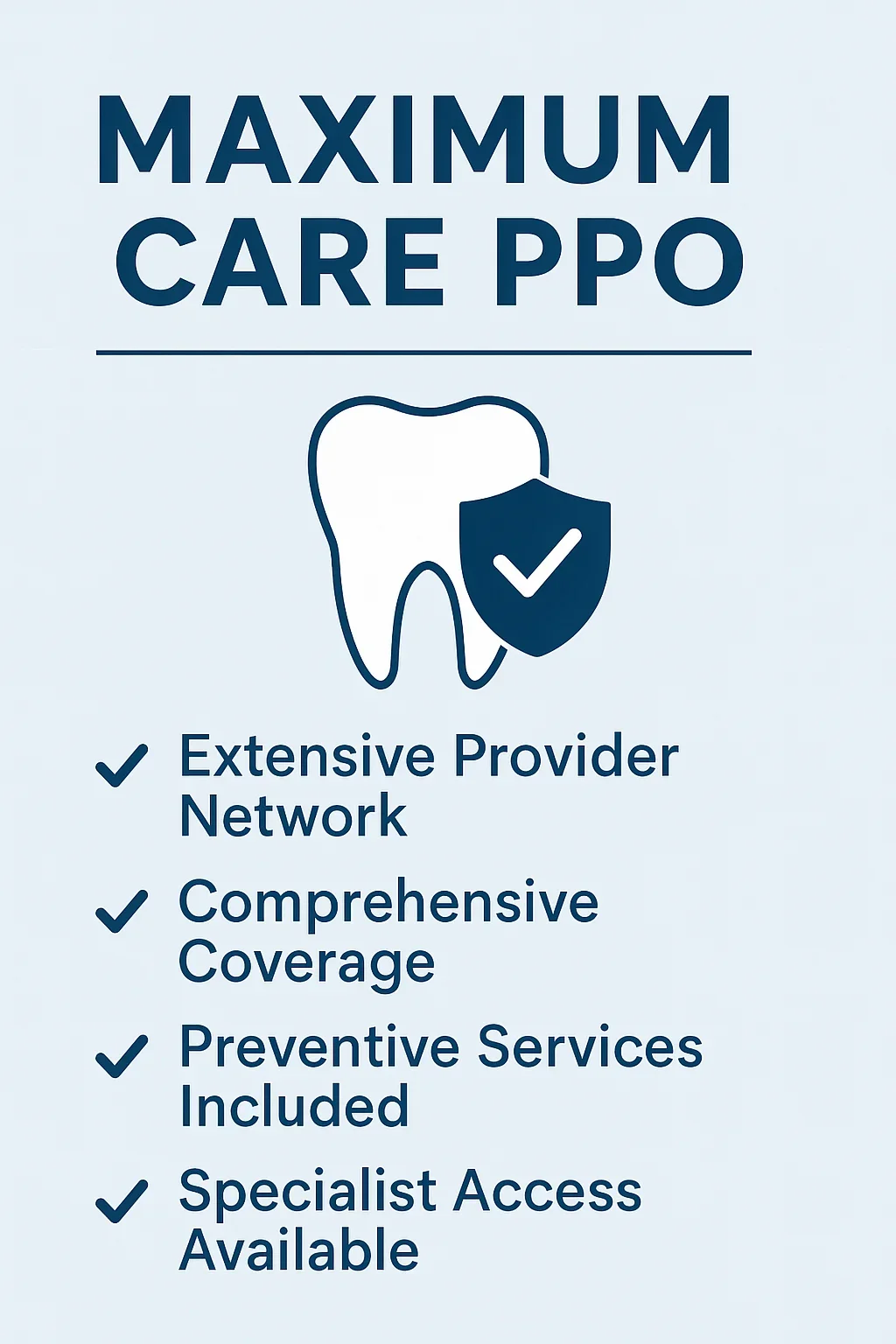
Future of Dental Insurance: The Role of Maximum Care PPO
The dental insurance landscape is evolving rapidly, driven by rising healthcare costs, growing awareness of oral health’s link to overall well-being, and technological advancements in both dentistry and insurance management. In this dynamic environment, the maximum care PPO model is expected to play a central role. By combining flexibility, comprehensive coverage, and affordability, PPOs are well positioned to remain a dominant choice for individuals, families, and employers. This section will explore how maximum care PPO fits into the future of dental insurance, the trends shaping it, and the innovations that will make it even more valuable in the years to come. 🦷
Growing Emphasis on Preventive Care
As healthcare systems worldwide increasingly emphasize prevention over treatment, the maximum care PPO aligns perfectly with this shift. Preventive services such as cleanings, exams, and X-rays are already covered at no cost under most PPO plans, and this focus will likely expand. Insurers may begin to cover advanced preventive tools like genetic screenings for gum disease or digital scans for cavity detection, reducing long-term costs and improving patient health outcomes.
Why Prevention Matters for the Future
Preventive coverage is not only good for patient health but also financially sustainable for insurers. A $100 cleaning twice a year prevents the need for a $1,200 crown later. As insurers adopt more data-driven models, preventive benefits will expand, and maximum care PPO plans will remain at the forefront of this transformation.
Technology Integration in Dental Insurance
Technology is reshaping how patients use their maximum care PPO benefits. Mobile apps now allow patients to schedule appointments, check coverage, and even submit claims directly. Artificial intelligence is being used to predict patient needs, while tele-dentistry allows initial consultations to be conducted online. In the near future, these innovations will further streamline how PPO members access care.
Examples of Emerging Tech Trends
- AI-Driven Diagnostics: Dentists may use AI software to detect cavities or gum disease earlier, and PPOs may cover these tools.
- Blockchain Billing: Secure, transparent billing could reduce disputes between patients, providers, and insurers.
- Tele-Dentistry: Remote consultations can be covered for emergencies or minor concerns, improving accessibility.
Adapting to an Aging Population
The global population is aging, and dental insurance must adapt. Seniors often face higher risks of tooth loss, gum disease, and oral cancers. A maximum care PPO can play a critical role by covering restorative treatments such as dentures, implants, and periodontal therapy. As insurers adapt to demographic changes, PPOs will likely expand benefits for geriatric dentistry to ensure older adults maintain both oral function and overall quality of life.
Employer-Sponsored PPO Plans
Employers remain a major driver of dental insurance adoption. In the future, more companies are expected to offer maximum care PPO options as part of employee wellness packages. With competition for top talent, dental coverage will continue to be a valued benefit. PPO plans, with their balance of cost and flexibility, are likely to remain the preferred option for businesses seeking to provide comprehensive health packages to their workforce.
Integration with Overall Health Insurance
The connection between oral health and systemic health is becoming more recognized. In the future, a maximum care PPO may be bundled with general health insurance. This integration would allow for coordinated care, where dentists and physicians share patient data to manage conditions like diabetes or cardiovascular disease more effectively. By linking dental and medical care, insurers can improve outcomes while lowering costs.
Potential Benefits of Integration
- Earlier detection of systemic conditions through oral exams.
- Shared wellness programs encouraging holistic health management.
- Reduced insurance costs by preventing expensive medical complications.
Affordability and Accessibility Concerns
While PPOs provide excellent coverage, affordability remains a concern for some patients. In the future, insurers may experiment with new models such as sliding-scale premiums or employer subsidies to make maximum care PPO plans more accessible to lower-income families. Expansion of government-supported PPO programs could also ensure broader access to dental care nationwide.
Environmental and Ethical Considerations
As sustainability becomes a priority across industries, dental insurance providers may begin incorporating eco-friendly practices. Digital-only billing, paperless claims, and support for dental offices that adopt sustainable practices may become incentives in maximum care PPO offerings. Ethical considerations, such as expanding coverage for underserved communities, will also shape the future of PPO plans.
Conclusion: A Strong Future for PPOs
The future of dental insurance is evolving, but one constant remains: the maximum care PPO will continue to be a reliable and comprehensive choice for patients. With its focus on preventive care, adaptability to technology, support for aging populations, and integration with general health, the PPO model is built to thrive in the decades ahead. As dental care becomes more essential to overall wellness, PPOs will not just insure smiles—they will protect long-term health and financial security. 🌟