
Medi Cal dental implants are one of the most searched dental treatment topics among patients who rely on California’s public health insurance system and are looking for a long-term solution to missing teeth. If you have lost one or more teeth due to decay, injury, or gum disease, you may be wondering whether medi cal dental implants are available to you, how they work, and what level of coverage you can realistically expect. This guide is designed to answer those exact questions in clear, accurate, and patient-friendly language 😊.
Dental implants are artificial tooth roots—usually made of titanium—that are surgically placed into the jawbone. Over time, they fuse with the bone through a natural process called osseointegration. Once healed, the implant acts as a stable foundation for a crown, bridge, or denture. When patients search for medi cal dental implants, they are typically looking for implant-based tooth replacement options that may be partially or fully supported under the Medi-Cal dental program.
It is important to understand from the beginning that medi cal dental implants are not universally covered in the same way as basic dental services. Medi-Cal focuses primarily on essential and medically necessary dental treatments. However, in certain cases, implant-related procedures may be approved when they are deemed necessary for function, oral health, or overall medical well-being. This is why accurate information and proper clinical evaluation are crucial.
Medi cal dental implants are often considered when traditional solutions—such as removable dentures—fail to provide adequate chewing ability, speech support, or jawbone stability. Missing teeth are not just a cosmetic issue. Over time, tooth loss leads to bone resorption, facial collapse, bite misalignment, and difficulty eating nutritious foods. Implant-supported restorations help prevent these problems by stimulating the jawbone and maintaining natural facial structure 🦷.
Another key reason patients explore medi cal dental implants is quality of life. Loose dentures can slip while speaking or eating, causing embarrassment and discomfort. Implant-supported teeth, on the other hand, feel and function much like natural teeth. They allow patients to eat confidently, smile freely, and maintain better oral hygiene compared to removable prosthetics.
From a medical perspective, medi cal dental implants may also be considered when tooth loss contributes to digestive problems, nutritional deficiencies, or jaw joint disorders. In such cases, dentists and oral surgeons may submit detailed documentation to demonstrate medical necessity. Approval decisions are made on a case-by-case basis, which is why choosing an experienced clinic is essential.
It is also important to clarify a common misconception: medi cal dental implants do not automatically mean that the entire implant procedure is fully covered. Coverage may apply to certain preparatory treatments, extractions, bone preservation procedures, or prosthetic components depending on the patient’s eligibility and clinical condition. Understanding these distinctions helps set realistic expectations and prevents disappointment later in the treatment journey.
Patients considering medi cal dental implants should always seek care from licensed professionals who follow evidence-based standards. Authoritative organizations such as the American Dental Association provide clinical guidelines that help ensure patient safety, long-term success, and ethical treatment planning. Clinics that align with these standards are better equipped to deliver predictable and durable implant outcomes.
If you are exploring medi cal dental implants and want personalized guidance, professional consultation is the most important first step. Every patient’s oral health condition, bone structure, and medical history are different. A comprehensive examination—including X-rays or 3D imaging—allows the dental team to determine whether implant therapy is suitable and how Medi-Cal may apply to your case.
For patients seeking expert evaluation and clear answers, you can reach out directly through the Redent Klinik Contact Page. A qualified dental team can review your situation, explain your options in detail, and help you navigate the process with confidence and transparency.
In summary, medi cal dental implants represent a powerful and life-changing tooth replacement solution for eligible patients. While coverage rules can be complex, implants remain one of the most effective ways to restore oral function, protect jawbone health, and improve overall quality of life. With the right information, the right clinic, and the right expectations, medi cal dental implants can be a transformative step toward a healthier smile 🌟.
What Are Medi Cal Dental Implants and How Do They Work?
Medi cal dental implants are a tooth replacement solution explored by patients who receive dental benefits through California’s Medi-Cal program and want a stable, long-term alternative to missing teeth. To fully understand how medi cal dental implants work, it is important to first understand what a dental implant is, how it integrates with the body, and how Medi-Cal considerations affect treatment planning 🦷.
At their core, medi cal dental implants are based on the same clinical principles as standard dental implants used worldwide. A dental implant is a small post—most commonly made of medical-grade titanium—that is surgically placed into the jawbone. This post replaces the root of a missing tooth and serves as a strong anchor for a replacement tooth or prosthetic restoration.
How Dental Implants Function in the Jawbone
The success of medi cal dental implants relies on a biological process known as osseointegration. After the implant is placed, the surrounding bone gradually grows and bonds directly to the implant surface. This creates a solid and permanent connection between the implant and the jawbone. Unlike removable dentures, medi cal dental implants become part of the oral structure, providing unmatched stability and chewing strength.
This fusion process usually takes several weeks to a few months, depending on bone quality, overall health, and healing capacity. Once osseointegration is complete, the implant can support a crown, bridge, or implant-supported denture. This makes medi cal dental implants one of the most durable and functional tooth replacement options available today.
Main Components of Medi Cal Dental Implants
Medi cal dental implants typically consist of three primary components. Each part plays a crucial role in restoring both function and appearance:
1. The Implant Fixture
The implant fixture is the titanium post that is surgically placed into the jawbone. It replaces the natural tooth root and provides the foundation for the entire restoration. For medi cal dental implants, the implant fixture must meet strict medical and dental safety standards to ensure long-term success.
2. The Abutment
The abutment is a connector piece placed on top of the implant after healing. It links the implant fixture to the visible tooth restoration. In medi cal dental implants, abutments are carefully selected to ensure proper bite alignment, comfort, and durability.
3. The Dental Restoration
The final restoration may be a single crown, a bridge, or an implant-supported denture. This is the visible part that looks and functions like a natural tooth. With medi cal dental implants, restorations are designed to restore chewing efficiency, speech clarity, and facial balance.
How Medi-Cal Considerations Affect Implant Treatment
While the biological process behind medi cal dental implants is the same as private implant treatment, the difference lies in coverage evaluation and medical necessity. Medi-Cal primarily focuses on essential dental care, meaning that medi cal dental implants may be considered when they are necessary to restore basic oral function rather than purely cosmetic reasons.
For example, if tooth loss significantly interferes with eating, speaking, or jaw stability, medi cal dental implants may be proposed as part of a medically justified treatment plan. Dentists must document clinical findings, bone loss, functional limitations, and overall health impact when submitting implant-related cases for review.
This process highlights why professional diagnosis is critical. Not every missing tooth automatically qualifies for medi cal dental implants, but many patients may be surprised to learn that implant-supported solutions are possible when properly evaluated.
Why Medi Cal Dental Implants Feel More Natural
One of the most important advantages of medi cal dental implants is how closely they mimic natural teeth. Because implants are anchored in the jawbone, they transmit chewing forces in a way similar to real tooth roots. This helps preserve bone density and prevents the sunken facial appearance that often occurs after tooth loss.
Patients with medi cal dental implants often report improved confidence, clearer speech, and the ability to eat a wider variety of foods 🍎. Unlike removable dentures, implants do not rely on adhesives, do not shift during use, and do not irritate the gums.
Long-Term Impact on Oral Health
Medi cal dental implants also play a preventive role in long-term oral health. When a tooth is lost, neighboring teeth may drift into the empty space, leading to bite problems and uneven wear. Implants help maintain proper spacing and alignment, protecting the remaining natural teeth.
Additionally, implant-supported restorations make oral hygiene easier compared to traditional bridges that rely on adjacent teeth. This reduces the risk of decay and gum disease, supporting overall dental health for years to come.
In summary, medi cal dental implants work by replacing missing tooth roots with stable, biocompatible implants that integrate directly with the jawbone. When combined with proper evaluation, skilled clinical care, and realistic expectations, medi cal dental implants can restore function, comfort, and confidence in a way few other treatments can match 🌟.
Who Qualifies for Medi Cal Dental Implants?
One of the most common and important questions patients ask is whether they qualify for medi cal dental implants. Eligibility is not always straightforward, because Medi-Cal dental benefits are designed to prioritize medical necessity rather than elective or cosmetic procedures. Understanding who may qualify for medi cal dental implants requires looking at clinical, functional, and medical factors together 😊.
In general, medi cal dental implants may be considered when tooth loss significantly affects a patient’s ability to eat, speak, or maintain overall oral health. Unlike private insurance plans that may offer broader implant coverage, Medi-Cal evaluates each case individually, focusing on whether implant-supported treatment is necessary to restore basic oral function.
Basic Eligibility Requirements for Medi-Cal Dental Coverage
Before medi cal dental implants can even be discussed, a patient must meet the foundational eligibility requirements for Medi-Cal dental benefits. These typically include:
1. Active Medi-Cal Enrollment
The patient must be actively enrolled in Medi-Cal with dental benefits. Coverage can vary depending on age, disability status, and specific Medi-Cal plans, but active enrollment is the first essential step when considering medi cal dental implants.
2. Clinical Evidence of Tooth Loss or Severe Damage
Medi cal dental implants are only considered when there is documented tooth loss or teeth that are non-restorable due to advanced decay, trauma, or infection. Simple cosmetic gaps or minor dental imperfections generally do not qualify.
Medical and Functional Criteria for Medi Cal Dental Implants
The core factor in qualifying for medi cal dental implants is medical necessity. Dentists must demonstrate that the absence of teeth creates functional limitations or health risks. This is where detailed clinical documentation becomes critical.
Functional Limitations
Patients who struggle to chew properly, experience speech difficulties, or cannot tolerate removable dentures may be candidates for medi cal dental implants. If traditional dentures repeatedly fail or cause sores, instability, or nutritional problems, implant-supported solutions may be considered more appropriate.
Jawbone and Oral Health Conditions
Adequate jawbone volume is typically required for medi cal dental implants. However, some patients with bone loss may still qualify if bone preservation or medically justified preparatory procedures are indicated. Healthy gums and controlled oral infections are also essential to move forward safely.
Health Conditions That May Support Eligibility
Certain medical conditions may strengthen a case for medi cal dental implants when tooth loss contributes to broader health concerns. These can include:
- Digestive problems caused by poor chewing ability
- Unintended weight loss or nutritional deficiencies
- Jaw joint disorders related to missing teeth
- Speech impairments affecting daily communication
In these situations, medi cal dental implants may be viewed not as a luxury, but as a necessary intervention to support overall health and quality of life.
Who May Not Qualify for Medi Cal Dental Implants?
While many patients hope to receive medi cal dental implants, there are circumstances where approval is unlikely. Patients with uncontrolled systemic conditions—such as poorly managed diabetes, active cancer therapy, or severe immune disorders—may not be suitable candidates until their health stabilizes.
Additionally, individuals who can successfully use conventional dentures without functional problems may not meet the medical necessity threshold for medi cal dental implants. Medi-Cal generally expects conservative treatments to be attempted first unless there is clear evidence they are ineffective.
Age and Lifestyle Considerations
Age alone does not automatically disqualify someone from medi cal dental implants. Both younger and older adults may qualify if they meet the medical criteria. However, lifestyle factors such as smoking, oral hygiene habits, and commitment to follow-up care play an important role in determining candidacy.
Because implants require proper healing and long-term maintenance, patients must be willing to attend appointments, maintain oral cleanliness, and follow professional guidance. These factors are often reviewed during the evaluation process.
The Importance of Professional Evaluation
The final decision regarding medi cal dental implants is never made based on assumptions alone. A comprehensive dental examination—including X-rays or 3D imaging—is required to assess bone structure, oral health status, and functional needs. Dentists then prepare detailed reports to support implant consideration when appropriate.
This is why consulting an experienced dental clinic is essential. Skilled professionals understand how to assess eligibility accurately and explain realistic outcomes without false promises. They also help patients understand alternative treatments if medi cal dental implants are not approved.
In summary, qualifying for medi cal dental implants depends on much more than simply having missing teeth. Medical necessity, functional impact, oral health condition, and overall well-being all play a role. With proper evaluation and documentation, medi cal dental implants may become a viable and life-improving option for eligible patients 🌟.
Benefits of Medi Cal Dental Implants for Oral Health
Medi cal dental implants offer far more than a cosmetic improvement. For eligible patients, they provide meaningful, long-term benefits that directly impact oral health, overall wellness, and daily quality of life. Understanding these benefits helps clarify why medi cal dental implants are often considered the gold standard for tooth replacement when medical necessity is established 😊.
When teeth are missing, the mouth no longer functions as designed. Chewing becomes inefficient, speech can change, and the jawbone begins to weaken over time. Medi cal dental implants address these problems at their root by replacing missing tooth structures in a way that closely mimics natural anatomy.
Preservation of Jawbone Health
One of the most significant oral health benefits of medi cal dental implants is their ability to preserve jawbone density. Natural tooth roots stimulate the jawbone every time you chew. When a tooth is lost, that stimulation disappears, causing the bone in that area to gradually shrink—a process known as bone resorption.
Medi cal dental implants restore this stimulation. Because the implant is anchored directly into the jawbone, it transfers chewing forces just like a natural tooth root. This helps maintain bone volume, prevents facial collapse, and supports long-term oral stability 🦴.
Improved Chewing Efficiency and Nutrition
Patients with missing teeth or unstable dentures often avoid hard or fibrous foods such as fruits, vegetables, and proteins. Over time, this can lead to poor nutrition and digestive issues. Medi cal dental implants dramatically improve chewing strength, allowing patients to eat a balanced diet with confidence.
Unlike removable dentures, medi cal dental implants do not shift or slip while eating. This stability restores natural biting force and reduces strain on remaining teeth. As a result, patients can enjoy a wider variety of foods without discomfort or embarrassment.
Protection of Remaining Natural Teeth
Medi cal dental implants also help protect the teeth that remain in the mouth. When a gap is left untreated, neighboring teeth often drift into the empty space. This movement can cause misalignment, uneven wear, and bite problems that increase the risk of decay and gum disease.
By filling the space left by missing teeth, medi cal dental implants maintain proper spacing and alignment. Unlike traditional bridges, implants do not require grinding down adjacent healthy teeth for support. This preserves natural tooth structure and supports long-term dental health.
Healthier Gums and Easier Oral Hygiene
Good oral hygiene is essential for preventing gum disease, especially in patients with missing teeth. Medi cal dental implants are easier to clean than many traditional restorations. Because they function like natural teeth, patients can brush and floss normally around implant-supported crowns.
In contrast, removable dentures and some bridges can trap food and bacteria, increasing the risk of gum inflammation. Medi cal dental implants help maintain healthier gums by reducing irritation and making daily oral care more effective 🪥.
Improved Speech and Confidence
Missing teeth and unstable dentures can significantly affect speech clarity. Clicking sounds, slurring, or difficulty pronouncing certain words are common complaints. Medi cal dental implants provide a fixed, stable solution that allows the tongue and lips to move naturally.
This stability not only improves speech but also boosts self-confidence. Patients with medi cal dental implants often feel more comfortable smiling, speaking, and interacting socially without fear of embarrassment.
Long-Term Durability and Reliability
Another major advantage of medi cal dental implants is their durability. With proper care and regular dental checkups, implants can last many years—and often decades. This makes them a cost-effective solution over time compared to treatments that require frequent replacement or adjustment.
Because medi cal dental implants integrate with the jawbone, they provide a level of reliability that removable options cannot match. This long-term stability reduces the need for ongoing dental interventions and supports consistent oral function.
Psychological and Emotional Well-Being
Oral health is closely tied to mental and emotional health. Tooth loss can lead to self-consciousness, social withdrawal, and reduced self-esteem. Medi cal dental implants help restore a sense of normalcy by allowing patients to smile, eat, and speak naturally.
This psychological benefit is especially important for individuals whose tooth loss has affected their daily interactions or professional life. Feeling comfortable with one’s smile can have a profound positive impact on overall well-being 🌟.
A Comprehensive Oral Health Solution
In summary, medi cal dental implants offer a comprehensive solution that addresses the functional, structural, and emotional consequences of tooth loss. From preserving jawbone health to improving nutrition, speech, and confidence, the benefits extend far beyond aesthetics.
For patients who qualify, medi cal dental implants can play a vital role in restoring oral health and supporting long-term quality of life. When evaluated and placed by experienced professionals, they represent one of the most effective and health-focused treatments available today.
Step-by-Step Process of Getting Medi Cal Dental Implants
Understanding the step-by-step process of getting medi cal dental implants helps patients feel more confident and prepared before starting treatment. While the biological principles of dental implants are consistent worldwide, the process for medi cal dental implants includes additional evaluation steps to determine medical necessity and eligibility. Knowing what to expect at each stage can reduce anxiety and set realistic expectations 😊.
The journey toward medi cal dental implants is not a single appointment but a carefully planned sequence of evaluations, treatments, healing periods, and follow-ups. Each phase plays a critical role in ensuring long-term success and patient safety.
Initial Consultation and Comprehensive Evaluation
The first step in obtaining medi cal dental implants is a thorough dental consultation. During this visit, the dentist evaluates your oral health, reviews your medical history, and discusses your symptoms and concerns. This stage is essential for determining whether medi cal dental implants are appropriate for your specific condition.
Diagnostic tools such as digital X-rays, panoramic imaging, or 3D cone beam scans may be used to assess bone quality, nerve location, and overall jaw structure. These images help identify whether there is sufficient bone to support medi cal dental implants or if additional procedures may be necessary.
Medical Necessity Documentation for Medi-Cal
One of the unique steps in the medi cal dental implants process is the documentation of medical necessity. Dentists must clearly demonstrate that implant treatment is required to restore essential oral function, not just aesthetics.
Functional Assessment
The dental team documents difficulties with chewing, speaking, denture intolerance, or jaw discomfort. These functional limitations are critical when submitting a case for medi cal dental implants consideration.
Clinical and Radiographic Evidence
Supporting records such as X-rays, periodontal assessments, and treatment history are gathered. This information helps justify why medi cal dental implants may be the most appropriate solution for the patient.
Treatment Planning and Patient Education
Once eligibility is evaluated, a personalized treatment plan is created. This plan outlines each phase of the medi cal dental implants process, expected timelines, potential alternatives, and healing requirements.
Patient education is a major focus at this stage. The dentist explains the procedure in simple terms, discusses possible risks, and answers questions. Understanding the process helps patients commit to proper aftercare and long-term maintenance.
Preparatory Dental Procedures
Before placing medi cal dental implants, some patients may require preparatory treatments. These procedures ensure a healthy oral environment and increase the chances of implant success.
Tooth Extractions
If damaged or infected teeth remain, they may need to be removed. Proper healing after extraction is essential before moving forward with medi cal dental implants.
Bone Preservation or Conditioning
In some cases, bone loss must be addressed before implant placement. While not every patient needs this step, adequate bone support is crucial for medi cal dental implants to function properly.
Surgical Placement of Medi Cal Dental Implants
The surgical phase is when medi cal dental implants are placed into the jawbone. This procedure is typically performed under local anesthesia and is generally well tolerated by patients.
During surgery, the dentist or oral surgeon carefully positions the implant into the bone. Precision is essential to ensure proper alignment and long-term stability. After placement, the gum tissue is closed over or around the implant to allow healing.
Most patients experience mild swelling or discomfort for a few days, which is manageable with prescribed or over-the-counter medications.
Healing and Osseointegration Period
After surgery, a healing phase begins. This period allows the implant to fuse with the jawbone through osseointegration. For medi cal dental implants, this step is critical and cannot be rushed.
Healing time typically ranges from several weeks to a few months, depending on individual health factors. During this time, patients may use temporary restorations or dentures if needed.
Placement of the Final Restoration
Once healing is complete, the final stage of medi cal dental implants begins. An abutment is attached to the implant, followed by the placement of the custom dental restoration.
The final crown, bridge, or denture is designed to match natural teeth in shape, color, and function. This restores full chewing ability, speech clarity, and smile aesthetics.
Follow-Up Care and Long-Term Maintenance
The process does not end once medi cal dental implants are restored. Regular follow-up visits ensure that the implant remains healthy and functional. Dentists monitor gum health, bite alignment, and oral hygiene practices.
With proper care—brushing, flossing, and routine dental checkups—medi cal dental implants can provide reliable function for many years 🌟.
In summary, the step-by-step process of getting medi cal dental implants is carefully structured to ensure safety, effectiveness, and long-term success. From initial evaluation to final restoration, each phase plays a vital role in restoring oral health and improving quality of life.
Costs, Coverage, and Realistic Expectations for Medi Cal Dental Implants
When patients research medi cal dental implants, one of the first concerns that arises is cost. Tooth replacement treatments are often perceived as expensive, and understanding what Medi-Cal may or may not cover is essential for setting realistic expectations. This section explains how costs are structured, how coverage decisions are made, and what patients should realistically expect when pursuing medi cal dental implants 😊.
Unlike private dental insurance, Medi-Cal is designed to provide access to medically necessary care rather than elective or cosmetic services. As a result, medi cal dental implants are evaluated differently than treatments paid for out of pocket. Coverage depends heavily on clinical need, documentation, and individual circumstances.
How Medi-Cal Evaluates Implant-Related Costs
Medi-Cal does not apply a simple “yes or no” rule to medi cal dental implants. Instead, it evaluates whether implant-related treatment is essential to restore oral function. This means that some components of implant care may be considered eligible while others may not.
Medically Necessary vs. Elective Treatment
If medi cal dental implants are deemed medically necessary—for example, when severe tooth loss prevents proper nutrition or speech—certain services may be considered for coverage. However, purely cosmetic implant placement is typically not approved.
This distinction is important because it affects which parts of the treatment process may be supported. Medi cal dental implants are viewed through a functional health lens rather than an aesthetic one.
Typical Cost Components of Medi Cal Dental Implants
To better understand coverage, it helps to break down the total cost of medi cal dental implants into individual components. Each step may be evaluated separately:
Diagnostic and Evaluation Costs
Initial exams, X-rays, and imaging studies are often part of the diagnostic phase. These evaluations are necessary to determine eligibility and may be covered as standard dental services under Medi-Cal.
Surgical Implant Placement
The surgical placement of the implant is one of the most significant cost components. For medi cal dental implants, this step may be reviewed closely to determine whether it is essential for restoring oral function.
Restorative Components
The final crown, bridge, or implant-supported denture represents another portion of the overall cost. Medi-Cal may assess whether the restoration is required to complete functional rehabilitation.
Average Market Costs vs. Medi-Cal Considerations
In the general dental market, a single dental implant—including surgery and restoration—can range widely depending on location and complexity. While private treatment costs are often substantial, medi cal dental implants may reduce certain expenses when services are approved.
However, patients should understand that Medi-Cal approval does not always mean zero out-of-pocket responsibility. Some aspects of treatment may fall outside coverage guidelines, and alternative solutions may be suggested when costs cannot be justified medically.
Why Coverage Decisions Vary by Patient
No two medi cal dental implants cases are exactly alike. Coverage decisions depend on a combination of factors, including:
- Severity of tooth loss and functional impairment
- Medical history and overall health status
- Response to previous treatments such as dentures
- Clinical documentation provided by the dental team
This individualized approach is why some patients may qualify for medi cal dental implants while others may not, even with similar dental conditions.
Managing Expectations and Avoiding Misunderstandings
One of the most important aspects of pursuing medi cal dental implants is having clear and realistic expectations. Patients should understand from the beginning that Medi-Cal does not guarantee full implant coverage in all cases.
Open communication with your dental provider is essential. Dentists should explain which parts of the treatment are likely to be reviewed, which alternatives may be considered, and what outcomes are achievable within Medi-Cal guidelines.
Alternative Solutions When Full Coverage Is Not Approved
If medi cal dental implants are not fully approved, patients are not left without options. Dentists may recommend alternative treatments such as conventional dentures or other restorative approaches that meet Medi-Cal’s criteria.
In some cases, a phased treatment plan may be suggested, allowing patients to address urgent functional needs first while exploring future options.
The Value Perspective of Medi Cal Dental Implants
Although the approval process can be complex, medi cal dental implants offer significant long-term value when medically justified. By preserving jawbone health, improving nutrition, and reducing the need for repeated dental interventions, implants can lower overall oral health complications over time.
For eligible patients, medi cal dental implants represent not just a dental procedure, but an investment in long-term health and quality of life 🌟.
In summary, understanding costs and coverage for medi cal dental implants requires patience, professional guidance, and realistic expectations. With proper evaluation and documentation, patients can make informed decisions and pursue the best possible outcome within Medi-Cal guidelines.
Risks, Limitations, and Common Concerns About Medi Cal Dental Implants
While medi cal dental implants offer many long-term benefits, it is equally important for patients to understand the potential risks, limitations, and common concerns associated with this treatment. Being well-informed allows patients to make confident decisions and approach medi cal dental implants with realistic expectations rather than uncertainty 😊.
Every medical and dental procedure carries some level of risk, and medi cal dental implants are no exception. However, when properly planned and performed by qualified professionals, implant treatment is considered highly predictable and safe. The key lies in understanding possible challenges and addressing them early in the treatment process.
Common Surgical Risks of Medi Cal Dental Implants
The placement of medi cal dental implants involves minor oral surgery. As with any surgical procedure, certain risks may occur, although they are relatively uncommon.
Infection Risk
One potential risk is infection at the implant site. This can occur if bacteria enter the surgical area during or after placement. Maintaining excellent oral hygiene and following post-operative instructions significantly reduces this risk. Dental professionals carefully monitor healing to ensure medi cal dental implants integrate safely.
Swelling and Discomfort
Mild swelling, bruising, or discomfort is normal after implant surgery. These symptoms typically resolve within a few days. For medi cal dental implants, pain management strategies are used to keep patients comfortable during recovery.
Nerve or Sinus Complications
In rare cases, improper implant placement may affect nearby nerves or sinus cavities. This is why detailed imaging and careful planning are essential steps in the medi cal dental implants process. Advanced diagnostics help minimize these risks.
Healing and Osseointegration Challenges
For medi cal dental implants to succeed, the implant must properly fuse with the jawbone. This healing process is critical and can be influenced by several factors.
Bone Quality and Density
Insufficient bone density can limit the success of medi cal dental implants. Patients with advanced bone loss may require additional evaluation or alternative treatments if adequate support cannot be achieved.
Delayed Healing
Some individuals heal more slowly due to age, systemic health conditions, or medication use. Delayed healing does not automatically mean implant failure, but it may extend the overall treatment timeline for medi cal dental implants.
Medical and Lifestyle Limitations
Certain health and lifestyle factors may limit candidacy for medi cal dental implants or require additional precautions.
Chronic Health Conditions
Uncontrolled diabetes, immune system disorders, or conditions that affect bone healing may increase the risk of complications. Patients must be medically stable before proceeding with medi cal dental implants.
Smoking and Tobacco Use
Smoking significantly increases the risk of implant failure by impairing blood flow and healing. Patients considering medi cal dental implants are often encouraged to reduce or stop tobacco use to improve success rates.
Coverage and Approval Limitations
One of the most common concerns surrounding medi cal dental implants is coverage. Even when implants are clinically appropriate, Medi-Cal approval depends on strict criteria.
Not all implant-related procedures are automatically covered. This can create frustration for patients who expect full coverage. Understanding these limitations early helps avoid disappointment and confusion.
Emotional and Psychological Concerns
Dental procedures can cause anxiety, especially when surgery is involved. Patients may worry about pain, recovery, or treatment outcomes. These concerns are completely normal.
Clear communication with the dental team plays a vital role in reducing anxiety. When patients understand each step of the medi cal dental implants process, they often feel more relaxed and in control.
Longevity and Maintenance Expectations
Although medi cal dental implants are designed to be long-lasting, they are not maintenance-free. Implants require daily oral hygiene and regular dental visits to remain healthy.
Peri-implant conditions—such as inflammation around the implant—can develop if oral hygiene is neglected. Proper care significantly reduces this risk and supports long-term success.
Balancing Benefits and Risks
When weighing medi cal dental implants, it is essential to balance the potential risks against the substantial benefits. For most eligible patients, the advantages—improved function, bone preservation, and quality of life—far outweigh the risks.
Careful patient selection, thorough planning, and professional follow-up dramatically reduce complications. Medi cal dental implants have a strong track record when these standards are met.
Making an Informed Decision
The best way to address concerns about medi cal dental implants is through professional consultation. Dentists can evaluate individual risk factors, explain alternatives, and recommend the safest and most effective treatment plan.
In summary, medi cal dental implants are a reliable and proven solution, but they require informed decision-making. Understanding risks, limitations, and responsibilities empowers patients to move forward with confidence and realistic expectations 🌟.
Medi Cal Dental Implants vs Other Tooth Replacement Options
When patients explore solutions for missing teeth, they often compare medi cal dental implants with other common tooth replacement options. Each treatment has its own advantages, limitations, and suitability depending on oral health needs and Medi-Cal guidelines. Understanding how medi cal dental implants compare to alternatives helps patients make informed, realistic decisions 😊.
Tooth replacement is not a one-size-fits-all solution. Factors such as chewing ability, comfort, bone health, long-term stability, and maintenance requirements all play a role. Medi cal dental implants are frequently evaluated alongside removable dentures and traditional dental bridges.
Medi Cal Dental Implants vs Removable Dentures
Removable dentures are one of the most common tooth replacement options covered by Medi-Cal. They are often considered the first-line solution for missing teeth due to their lower initial cost and non-surgical nature.
Stability and Comfort
Medi cal dental implants provide superior stability compared to removable dentures. Dentures rest on the gums and rely on suction or adhesives, which can lead to movement, slipping, and sore spots. In contrast, medi cal dental implants are anchored in the jawbone, eliminating movement and discomfort during eating or speaking.
Chewing Efficiency
Dentures typically restore only a fraction of natural chewing force. Many patients struggle with hard or chewy foods. Medi cal dental implants restore significantly greater bite strength, allowing patients to eat a more varied and nutritious diet.
Bone Preservation
One of the biggest disadvantages of dentures is ongoing bone loss beneath them. Medi cal dental implants stimulate the jawbone and help prevent bone resorption, preserving facial structure and long-term oral health.
Medi Cal Dental Implants vs Dental Bridges
Dental bridges replace missing teeth by anchoring an artificial tooth to neighboring natural teeth. While bridges can be effective in certain cases, they differ significantly from medi cal dental implants.
Impact on Adjacent Teeth
Bridges require reshaping healthy adjacent teeth to support the restoration. This can weaken those teeth over time. Medi cal dental implants stand independently and do not compromise neighboring teeth, preserving natural tooth structure.
Longevity and Maintenance
Traditional bridges often need replacement after several years due to wear or decay around supporting teeth. Medi cal dental implants, when properly cared for, are designed for long-term durability and often last much longer.
Functional and Health Considerations
From a functional perspective, medi cal dental implants most closely mimic natural teeth. They restore normal biting, speaking, and jaw movement patterns. Other tooth replacement options may address appearance but often fall short in function.
Health-wise, medi cal dental implants help maintain jawbone density, reduce gum irritation, and simplify oral hygiene. Dentures and bridges can sometimes trap food and bacteria, increasing the risk of gum disease if not meticulously cleaned.
Suitability Under Medi-Cal Guidelines
Medi-Cal typically favors conservative treatments first, such as dentures, especially when they adequately restore basic function. Medi cal dental implants are considered when these alternatives fail or cannot meet functional needs.
This does not mean implants are inferior or optional—it simply reflects Medi-Cal’s focus on medical necessity. In cases where dentures cause pain, instability, or nutritional issues, medi cal dental implants may be viewed as a more appropriate long-term solution.
Quality of Life Differences
Patients often report a higher quality of life with medi cal dental implants compared to removable options. Improved confidence, comfort, and ease of eating are common themes. Implants feel like natural teeth, whereas dentures may feel foreign or cumbersome.
Speech clarity is also typically better with medi cal dental implants, as there is no bulky appliance interfering with tongue movement.
Long-Term Cost Perspective
While the initial evaluation process for medi cal dental implants may be more complex, implants can reduce long-term dental costs by minimizing the need for adjustments, relines, or replacements associated with dentures.
This long-term perspective is especially important for patients seeking durable, low-maintenance solutions that support lifelong oral health.
Choosing the Right Option
The best tooth replacement option depends on individual needs, health status, and functional goals. Medi cal dental implants offer unmatched stability and health benefits but require surgical placement and strict eligibility evaluation.
Dentures and bridges remain valuable options for many patients and may be appropriate depending on circumstances.
In summary, medi cal dental implants stand out as the most comprehensive and natural-feeling tooth replacement option when compared to dentures and bridges. When medically justified and properly planned, medi cal dental implants provide superior function, comfort, and long-term oral health benefits 🌟.
Choosing the Right Dental Clinic for Medi Cal Dental Implants
Choosing the right dental clinic is one of the most critical decisions when pursuing medi cal dental implants. Because this treatment involves detailed evaluation, surgical precision, and long-term follow-up, the experience and approach of the clinic can directly influence outcomes. For patients navigating Medi-Cal guidelines, selecting a clinic that understands both clinical excellence and coverage requirements is essential 😊.
Medi cal dental implants are not a routine, one-size-fits-all procedure. They require careful diagnosis, thorough documentation, and a patient-centered treatment plan. The right clinic acts not only as a treatment provider but also as a guide throughout the entire process.
Experience and Qualifications Matter
The first factor to consider is the clinic’s experience with implant dentistry. Dental implants demand advanced training and practical expertise. Clinics that regularly perform medi cal dental implants are more likely to anticipate challenges, manage risks, and deliver predictable results.
Specialized Training in Implant Dentistry
Dentists who place medi cal dental implants should have formal training in implantology, oral surgery, or prosthodontics. This ensures that implant placement is accurate, safe, and aligned with long-term oral health goals.
Understanding Medi-Cal Procedures
Equally important is familiarity with Medi-Cal requirements. Clinics experienced with medi cal dental implants understand how to document medical necessity, submit appropriate records, and communicate clearly with patients about realistic outcomes.
Comprehensive Diagnostic Capabilities
High-quality diagnostics are the foundation of successful medi cal dental implants. A reputable clinic should offer modern imaging technologies such as digital X-rays or 3D scans to evaluate bone structure and implant positioning.
Accurate diagnostics reduce surgical risks, improve implant placement accuracy, and help determine whether additional procedures are necessary before proceeding.
Patient-Centered Communication
Clear, honest communication is a defining trait of a trustworthy clinic. Patients considering medi cal dental implants should feel informed, not pressured. The dental team should explain each step of the process, possible alternatives, and expected timelines in plain language.
Transparent Expectations
A reliable clinic sets realistic expectations regarding approval, treatment duration, and outcomes. They avoid guarantees and focus on evidence-based recommendations tailored to the patient’s needs.
Accessibility and Support
Patients may have questions or concerns throughout the medi cal dental implants journey. Clinics that prioritize accessibility—through follow-up appointments and responsive communication—help reduce stress and build confidence.
Emphasis on Safety and Standards
Safety protocols and adherence to professional standards are non-negotiable. Clinics offering medi cal dental implants should follow strict sterilization procedures, use high-quality implant materials, and comply with recognized dental guidelines.
Following established standards protects patients and increases the likelihood of successful, long-lasting implants.
Long-Term Care and Maintenance Planning
Medi cal dental implants require ongoing care. The right clinic does not view treatment as complete once the implant is placed. Instead, they emphasize long-term maintenance, regular checkups, and patient education.
Clinics that provide structured follow-up plans help patients protect their investment and maintain oral health for years to come.
Comfort and Trust Environment
Comfort plays a major role in dental care, especially when surgery is involved. Patients should feel at ease in the clinic environment and confident in the dental team’s professionalism.
Trust is built through consistency, empathy, and competence—qualities that are especially important when navigating medi cal dental implants under public health guidelines.
Questions Patients Should Ask
Before committing to a clinic, patients should feel empowered to ask questions such as:
- How often do you perform medi cal dental implants?
- What diagnostic tools do you use for implant planning?
- How do you handle Medi-Cal documentation and approvals?
- What does follow-up care involve?
Clear, confident answers are a strong indicator of a clinic’s reliability.
Making an Informed Choice
Ultimately, choosing the right clinic for medi cal dental implants is about aligning expertise, transparency, and patient care. The best clinics combine clinical excellence with compassionate communication and a deep understanding of Medi-Cal processes.
In summary, the success of medi cal dental implants depends not only on the procedure itself but also on the professionals who provide it. Selecting the right dental clinic ensures safer treatment, clearer expectations, and better long-term outcomes 🌟.
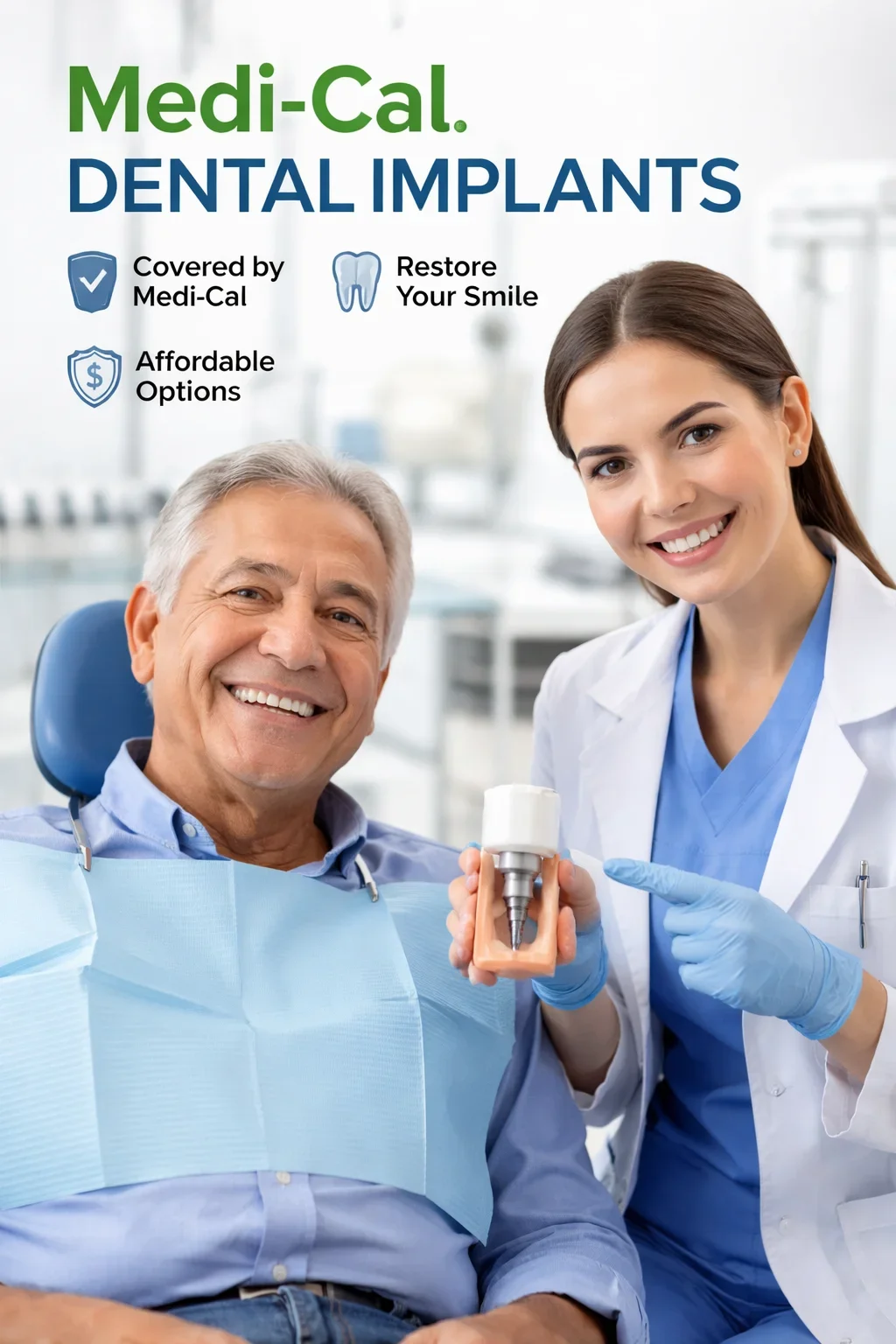
Frequently Asked Questions About Medi Cal Dental Implants
Patients considering medi cal dental implants often have many questions before starting treatment. Because implant care under Medi-Cal involves medical, functional, and administrative considerations, it is natural to seek clear and reliable answers. This section addresses the most frequently asked questions about medi cal dental implants in a detailed and patient-friendly way 😊.
Are Medi Cal Dental Implants Fully Covered?
This is one of the most common questions. Medi cal dental implants are not automatically or universally fully covered. Medi-Cal evaluates implant treatment based on medical necessity rather than cosmetic preference. Some components of care may be considered eligible if implants are required to restore essential oral function.
Coverage decisions vary depending on clinical findings, documentation, and individual circumstances. This is why professional evaluation and realistic expectations are critical when exploring medi cal dental implants.
How Long Do Medi Cal Dental Implants Last?
When properly placed and maintained, medi cal dental implants are designed to be long-lasting. Many implants function successfully for decades. Their longevity depends on factors such as oral hygiene, regular dental visits, overall health, and lifestyle habits.
Unlike dentures, medi cal dental implants do not wear out quickly or require frequent replacement when cared for appropriately.
Is the Implant Procedure Painful?
The surgical placement of medi cal dental implants is typically performed under local anesthesia, making the procedure itself comfortable. Most patients report mild discomfort or swelling afterward, similar to other routine dental surgeries.
Post-operative symptoms usually subside within a few days and are managed with prescribed or over-the-counter pain relief. Patients often report that the process is easier than expected.
How Long Does the Entire Process Take?
The timeline for medi cal dental implants varies by patient. From initial evaluation to final restoration, the process may take several months. This includes time for healing and osseointegration, which is essential for implant stability.
While this timeline may seem long, it ensures that medi cal dental implants integrate properly and function reliably for the long term.
Can Anyone Receive Medi Cal Dental Implants?
Not everyone automatically qualifies for medi cal dental implants. Eligibility depends on oral health status, bone quality, medical history, and functional needs. Patients with uncontrolled systemic conditions or inadequate bone support may need alternative treatments.
A thorough dental examination is the only way to determine candidacy accurately.
What Happens If Medi Cal Dental Implants Are Not Approved?
If medi cal dental implants are not approved, dentists will recommend alternative treatments that meet Medi-Cal guidelines. These may include removable dentures or other restorative options designed to restore basic function.
Patients are never left without care; the goal is always to provide the best possible solution within approved guidelines.
Do Medi Cal Dental Implants Look Natural?
Yes, medi cal dental implants are designed to closely resemble natural teeth. The final restorations are custom-made to match the color, shape, and size of surrounding teeth.
Most people cannot distinguish implant-supported teeth from natural teeth, making medi cal dental implants both functional and aesthetically pleasing.
What Maintenance Is Required?
Medi cal dental implants require daily brushing, flossing, and routine dental checkups—just like natural teeth. Proper oral hygiene is essential to prevent gum inflammation around the implant.
Regular professional monitoring helps ensure long-term success and early detection of potential issues.
Are Medi Cal Dental Implants Safe?
Dental implants are one of the most researched and predictable treatments in modern dentistry. When placed by trained professionals using proper diagnostics, medi cal dental implants have a high success rate.
Following professional guidelines and maintaining good oral health significantly reduces risks.
Why Professional Guidance Matters
Many misconceptions about medi cal dental implants come from incomplete or misleading information. Consulting experienced dental professionals ensures that patients receive accurate advice tailored to their situation.
Dentists help patients understand benefits, risks, timelines, and alternatives clearly and honestly.
Final Thoughts on Medi Cal Dental Implants
In summary, medi cal dental implants raise many important questions, and seeking answers is a vital part of the decision-making process. With the right information, realistic expectations, and professional support, patients can confidently explore whether medi cal dental implants are the right solution for their oral health needs 🌟.