
In today’s digital world, a media dentist plays a unique and increasingly important role in public healthcare education. While traditional dentists primarily focus on treating patients in a clinical setting, a media dentist extends their influence beyond the dental chair by sharing professional knowledge through television interviews, podcasts, social media platforms, news articles, YouTube videos, online publications, and public speaking engagements. As millions of people search online for reliable oral health information every day, the presence of a qualified media dentist helps bridge the gap between professional dental expertise and public understanding. 🦷
A media dentist is not simply a dental professional who appears on television or social media occasionally. Instead, this individual actively communicates evidence-based oral health information to large audiences. Through educational content, a media dentist can explain common dental conditions, preventive care strategies, cosmetic dentistry options, orthodontic treatments, dental implant procedures, and emerging dental technologies in a way that is easy for the public to understand. This educational role has become especially valuable as misinformation spreads rapidly across the internet.
The growing popularity of digital media has transformed how people make healthcare decisions. Before booking an appointment, many patients spend hours researching symptoms, treatment options, and provider credentials online. During this process, a trusted media dentist often becomes an important source of information. By presenting accurate, transparent, and scientifically supported advice, a media dentist helps individuals make informed decisions about their oral health and overall well-being.
One reason the concept of a media dentist matters so much today is the increasing connection between oral health and general health. Scientific research continues to demonstrate links between oral diseases and systemic conditions such as diabetes, cardiovascular disease, respiratory infections, and pregnancy complications. When a media dentist discusses these topics publicly, audiences gain a broader understanding of why preventive dental care is essential. This educational impact can encourage individuals to seek regular dental examinations and maintain healthier daily habits.
Another important responsibility of a media dentist is combating myths and misconceptions. Social media platforms frequently circulate misleading claims regarding teeth whitening, orthodontic treatments, dental implants, gum disease remedies, and cosmetic procedures. Without professional guidance, individuals may attempt unsafe practices that can damage their oral health. A knowledgeable media dentist can correct misinformation by explaining the facts clearly and providing recommendations based on established clinical evidence.
Trust is one of the most valuable assets a media dentist can build. Unlike traditional advertising, educational content allows patients to evaluate a professional’s expertise before scheduling an appointment. When viewers consistently receive useful information from a media dentist, they often develop confidence in that professional’s knowledge and integrity. This trust can lead to stronger patient relationships and greater public awareness of preventive dentistry.
In addition to education, a media dentist often serves as an advocate for public health initiatives. Topics such as oral cancer awareness, children’s dental health, smoking cessation, fluoride education, and preventive screenings can reach significantly larger audiences through media channels. By participating in interviews, community campaigns, and educational programs, a media dentist contributes to improving oral health literacy on a broader scale.
The rise of influencer culture has also increased the demand for credible healthcare voices. While many online personalities discuss health-related topics, not all possess professional qualifications. A licensed media dentist provides a reliable alternative by combining clinical expertise with effective communication skills. This combination helps audiences distinguish evidence-based recommendations from unverified opinions.
Modern dental practices also benefit from the work of a media dentist. Educational content often showcases treatment processes, patient experiences, technological innovations, and preventive strategies. Rather than focusing solely on promotion, a successful media dentist prioritizes patient education, which naturally builds credibility and visibility. As a result, potential patients gain a better understanding of available dental services and what to expect during treatment.
Many people discover a media dentist through online videos, podcasts, or social networking platforms before ever visiting a dental clinic. This first interaction frequently shapes perceptions about professionalism, expertise, and patient care. A trustworthy media dentist can reduce dental anxiety by explaining procedures in simple language and addressing common concerns. For individuals who fear dental treatment, this reassurance may encourage them to seek care sooner rather than delaying necessary treatment.
Professional organizations continue to emphasize the importance of evidence-based dental education. Resources from the American Dental Association support many of the principles that a responsible media dentist shares with the public. By referencing established guidelines and current scientific knowledge, a media dentist helps ensure that educational content remains accurate and beneficial.
Patients seeking personalized guidance or professional consultation can also connect with qualified dental professionals through resources such as the Redent Klinik Contact Page. Access to professional care remains essential because educational content from a media dentist should complement, not replace, individual clinical evaluation and treatment planning.
Ultimately, the role of a media dentist continues to evolve alongside digital communication technologies. As healthcare information becomes increasingly accessible online, the demand for qualified dental experts who can communicate clearly, responsibly, and effectively will only continue to grow. By educating the public, correcting misinformation, promoting preventive care, and building trust, a media dentist serves as a valuable link between professional dentistry and the communities that rely on accurate oral health information every day. 🌟
What Is a Media Dentist and Why Does It Matter?
As digital communication continues to shape how people access healthcare information, the role of the media dentist has become more important than ever. A media dentist is a licensed dental professional who actively educates the public through television appearances, online videos, podcasts, newspapers, blogs, social media platforms, webinars, and other communication channels. Unlike traditional dental professionals who primarily interact with patients in clinical settings, a media dentist reaches thousands or even millions of people through educational content designed to improve oral health awareness.
The emergence of the media dentist reflects a major shift in how patients learn about dentistry. Before booking an appointment, many individuals search online for answers to questions about dental implants, teeth whitening, veneers, gum disease, orthodontics, oral hygiene, and cosmetic dentistry. In many cases, the first professional voice they encounter is that of a media dentist. This makes the quality and accuracy of shared information critically important.
The Definition of a Media Dentist
A media dentist combines clinical expertise with strong communication skills. Their goal is not only to provide treatment but also to educate the public using accessible language that non-professionals can understand. Through educational content, a media dentist explains complex dental concepts in a simple and engaging way, helping audiences make informed decisions about their oral health.
Many people mistakenly believe that a media dentist is simply a dentist who is active on social media. In reality, the role goes far beyond posting photos or marketing services. A reputable media dentist serves as a trusted source of evidence-based information, helping audiences separate scientific facts from common misconceptions.
Why the Media Dentist Has Become So Important
The internet provides immediate access to healthcare information, but not all online content is accurate. Every day, millions of users encounter misleading claims regarding home whitening remedies, orthodontic shortcuts, dental implant procedures, and oral hygiene practices. A qualified media dentist helps combat misinformation by providing professional guidance based on current research and accepted clinical standards.
For example, social media trends sometimes encourage unsafe dental practices. Without proper knowledge, individuals may attempt treatments that damage enamel, irritate gum tissues, or create long-term oral health problems. The presence of a knowledgeable media dentist helps reduce these risks by offering reliable explanations and scientifically supported recommendations.
Providing Evidence-Based Information
One of the primary responsibilities of a media dentist is ensuring that educational content is supported by scientific evidence. Professional organizations such as the American Dental Association regularly publish guidelines that help dental professionals deliver accurate information to the public.
When discussing treatment options, a responsible media dentist explains both benefits and limitations. This balanced approach builds credibility and helps patients develop realistic expectations regarding dental procedures. Instead of promoting unrealistic promises, a trustworthy media dentist focuses on education and transparency.
How a Media Dentist Influences Patient Decisions
Modern patients are more informed than ever before. Many arrive at consultations after spending hours researching symptoms, treatments, and providers online. During this research process, educational content produced by a media dentist often plays a significant role in shaping perceptions and influencing decisions.
When patients consistently receive valuable information from a media dentist, they begin to develop trust in that professional’s expertise. This trust can reduce anxiety, improve communication, and encourage patients to seek preventive care rather than waiting until serious problems develop.
A media dentist can also increase awareness of conditions that might otherwise go unnoticed. Educational discussions about gum disease, oral cancer screenings, tooth decay, and preventive dentistry help individuals recognize warning signs and seek professional evaluation earlier.
The Connection Between Public Health and the Media Dentist
Beyond individual patient education, the media dentist contributes to broader public health initiatives. Oral health is closely connected to overall health, with research linking periodontal disease to conditions such as cardiovascular disease, diabetes, and respiratory illnesses. By discussing these connections publicly, a media dentist helps audiences understand the importance of maintaining good oral hygiene habits.
Public awareness campaigns often benefit from the participation of a media dentist. Topics such as children’s oral health, fluoride use, oral cancer prevention, tobacco cessation, and regular dental checkups become more accessible when explained by a qualified professional who understands how to communicate effectively with diverse audiences.
Building Trust Through Transparency
Trust remains one of the most valuable assets a media dentist can develop. Unlike traditional advertising, educational content allows potential patients to evaluate a professional’s expertise before scheduling an appointment. By consistently sharing useful, accurate, and understandable information, a media dentist establishes credibility that extends far beyond a dental clinic.
Transparency is particularly important when discussing cosmetic treatments such as veneers, smile makeovers, orthodontics, and dental implants. A responsible media dentist explains who may benefit from treatment, potential risks, recovery expectations, and long-term maintenance requirements.
The Future of the Media Dentist Role
The influence of the media dentist is expected to continue growing as digital platforms evolve. Video content, podcasts, livestreams, webinars, and artificial intelligence-powered communication tools are creating new opportunities for dental professionals to connect with patients worldwide.
Future generations of patients will likely rely even more heavily on digital education before making healthcare decisions. As a result, the role of the media dentist will become increasingly valuable in promoting oral health literacy, correcting misinformation, and encouraging preventive care.
Individuals seeking personalized dental guidance should remember that educational content complements—but does not replace—professional examination and treatment planning. For direct communication with experienced dental professionals, patients can visit the Redent Klinik Contact Page to discuss their specific oral health concerns.
Ultimately, the media dentist serves as a bridge between clinical dentistry and public understanding. By combining professional expertise with effective communication, the media dentist helps millions of people make smarter decisions about their oral health, supports preventive care efforts, and contributes to a more informed and healthier society. 🦷✨
How a Media Dentist Educates the Public About Oral Health
The modern media dentist plays a critical role in improving public understanding of oral health. In an age where people often search online before consulting healthcare professionals, access to accurate dental information has become increasingly important. A media dentist serves as a trusted educator who helps the public understand dental conditions, treatment options, preventive care strategies, and oral hygiene best practices through various communication channels. By transforming complex clinical concepts into easy-to-understand information, a media dentist contributes significantly to public health awareness and patient empowerment.
Historically, dental education occurred primarily inside the dental clinic. Patients learned about oral health during appointments, often after a problem had already developed. Today, however, the internet has changed how healthcare information is consumed. Millions of individuals search for answers regarding tooth pain, gum disease, dental implants, veneers, orthodontic treatment, and cosmetic dentistry every day. In many cases, a media dentist becomes the first professional source of information they encounter.
The Educational Mission of a Media Dentist
The primary goal of a media dentist is education rather than promotion. While visibility may help increase professional recognition, the true value of a media dentist lies in providing reliable, evidence-based information that helps audiences make informed decisions about their oral health.
Educational content created by a media dentist often focuses on topics such as:
- Preventing tooth decay
- Maintaining healthy gums
- Understanding dental implants
- Exploring cosmetic dentistry options
- Recognizing signs of oral disease
- Improving oral hygiene habits
- Understanding orthodontic treatments
- Learning about oral cancer prevention
- Managing dental anxiety
By consistently addressing these subjects, a media dentist helps bridge the knowledge gap between dental professionals and the general public.
Using Digital Platforms to Reach Larger Audiences
One of the reasons the media dentist has become so influential is the wide range of digital communication tools available today. Social media platforms, YouTube channels, podcasts, blogs, online magazines, webinars, and television appearances allow a media dentist to reach audiences that would never otherwise receive direct dental education.
Short educational videos can explain proper brushing techniques, while long-form interviews may explore advanced topics such as full-mouth rehabilitation or implant-supported restorations. A media dentist can adapt content to suit different platforms and audience needs while maintaining scientific accuracy.
Educational Videos and Visual Learning
Video content has become one of the most effective educational tools available to the media dentist. Visual demonstrations help viewers understand procedures and concepts that may be difficult to explain using text alone. Through videos, a media dentist can demonstrate flossing techniques, explain dental implant placement, discuss orthodontic treatment stages, or show how gum disease develops over time.
Visual learning often improves retention and engagement, making educational videos a powerful resource for oral health promotion.
Combating Dental Misinformation
One of the most important responsibilities of a media dentist is correcting misinformation. The internet contains countless claims regarding miracle dental cures, unverified whitening methods, and unsafe DIY treatments. Unfortunately, some individuals attempt these methods without understanding the risks involved.
A qualified media dentist provides clarity by explaining what is scientifically supported and what is not. For example, social media trends occasionally promote abrasive whitening techniques that may permanently damage enamel. A responsible media dentist educates audiences about safer alternatives and explains why professional guidance matters.
By addressing misconceptions proactively, the media dentist helps protect public health and encourages evidence-based decision-making.
Making Complex Dental Topics Easy to Understand
Dental terminology can often be intimidating for patients. Terms such as periodontitis, osseointegration, endodontics, occlusion, and temporomandibular disorders may seem confusing to those without a healthcare background. A skilled media dentist translates these complex concepts into language that everyday audiences can understand.
For example, instead of focusing exclusively on technical terminology, a media dentist might explain periodontitis as a serious gum infection that can damage the structures supporting the teeth. This approach improves comprehension and encourages patients to take preventive action.
Building Confidence Through Education
Many individuals experience anxiety when considering dental treatment. Fear of pain, uncertainty about procedures, or concerns regarding outcomes often prevent people from seeking care. Through educational content, a media dentist can reduce these fears by providing realistic explanations and setting appropriate expectations.
When audiences understand how treatments work, they often feel more comfortable pursuing necessary care. This educational role allows the media dentist to improve not only knowledge but also patient confidence.
Promoting Preventive Dentistry
Preventive care remains one of the most important themes addressed by the media dentist. Rather than focusing solely on treatment, educational content often emphasizes habits that help individuals avoid dental problems altogether.
Topics commonly covered include:
- Brushing twice daily with fluoride toothpaste
- Flossing correctly
- Limiting sugar consumption
- Attending routine dental examinations
- Receiving professional cleanings
- Avoiding tobacco products
- Protecting teeth during sports activities
By encouraging preventive behaviors, a media dentist contributes to improved oral health outcomes across entire communities.
The Long-Term Impact of a Media Dentist
The influence of a media dentist extends far beyond individual educational posts or videos. Consistent public education can improve oral health literacy, encourage early diagnosis of dental conditions, reduce treatment delays, and increase awareness of preventive care.
As digital communication continues to evolve, the importance of the media dentist is expected to grow. Patients increasingly seek trustworthy healthcare information online, making qualified dental educators more valuable than ever. Resources from organizations such as the American Dental Association provide valuable scientific foundations that many media-based dental educators use when developing public content.
Individuals who require personalized advice or professional consultation should seek direct evaluation from licensed dental professionals. Educational resources can help improve understanding, but clinical assessment remains essential. Patients interested in learning more about available treatments or scheduling consultations can visit the Redent Klinik Contact Page.
Ultimately, the media dentist serves as a vital educational bridge between dentistry and society. By delivering accurate information, correcting myths, promoting prevention, and improving public understanding, the media dentist helps create a more informed population that is better equipped to maintain lifelong oral health. 🦷📚✨
The Role of a Media Dentist in Television, Podcasts, and Online Platforms
The influence of the media dentist extends far beyond the walls of a traditional dental clinic. In today’s interconnected world, television programs, podcasts, websites, blogs, social media channels, and video-sharing platforms have become major sources of healthcare information. As a result, the media dentist has emerged as an important figure in public education, helping audiences understand oral health topics through engaging, accessible, and evidence-based communication. Whether appearing on national television, hosting a podcast, participating in online interviews, or creating educational videos, a media dentist serves as a bridge between professional dentistry and the general public.
The modern patient often encounters a media dentist long before visiting a dental office. Many individuals search online for information about symptoms, cosmetic procedures, dental implants, orthodontics, oral hygiene, or treatment alternatives. Through multiple media channels, the media dentist provides valuable guidance that helps people better understand their oral health needs and treatment options.
The Growing Presence of the Media Dentist on Television
Television remains one of the most influential forms of mass communication. Health segments on news channels, lifestyle programs, morning shows, and medical documentaries frequently invite a media dentist to discuss important oral health topics. Television appearances allow dental experts to reach audiences that may not actively seek information online.
A media dentist appearing on television may discuss subjects such as:
- The importance of preventive dentistry
- Dental implant innovations
- The relationship between oral and overall health
- Children’s oral hygiene habits
- Teeth whitening safety
- Oral cancer awareness
- Gum disease prevention
- Dental technology advancements
Through these appearances, the media dentist helps viewers understand essential healthcare topics while promoting informed decision-making. Television also provides opportunities to address widespread misconceptions and answer frequently asked questions from the public.
Building Credibility Through Broadcast Media
Many viewers associate television appearances with professional credibility. When a qualified media dentist participates in reputable programs, audiences often perceive the information as trustworthy and authoritative. However, credibility must always be supported by accurate, evidence-based communication rather than popularity alone.
A responsible media dentist uses television platforms to educate rather than sensationalize. This commitment to factual information strengthens public trust and enhances oral health literacy.
The Rise of the Media Dentist in Podcasts
Podcasts have become one of the fastest-growing educational media formats worldwide. Unlike short television segments, podcasts allow a media dentist to explore complex topics in greater depth. Listeners can consume podcast content while commuting, exercising, working, or relaxing at home, making this format highly accessible.
A podcast hosted by a media dentist may cover topics including:
- Dental implant success factors
- Smile design principles
- Orthodontic treatment options
- Dental anxiety management
- Preventive oral healthcare
- Nutrition and oral health
- Emerging dental technologies
- Patient success stories
The conversational nature of podcasts allows a media dentist to provide detailed explanations without the time limitations often associated with television interviews.
Long-Form Education Through Audio Content
One major advantage of podcasts is the ability to discuss nuanced topics thoroughly. A media dentist can explain treatment planning, recovery expectations, clinical procedures, and scientific research findings in ways that are difficult to achieve within short media appearances.
This long-form format helps listeners gain a deeper understanding of oral health topics while fostering stronger connections between healthcare professionals and audiences.
How Online Platforms Have Expanded the Influence of the Media Dentist
The internet has transformed healthcare communication more dramatically than any previous technology. Today, a media dentist can educate global audiences through blogs, YouTube channels, social media platforms, webinars, online publications, and virtual conferences.
Unlike traditional media, online platforms provide immediate access to educational content at any time. Patients researching symptoms or treatments often discover information from a media dentist before consulting a healthcare provider.
Popular online channels used by a media dentist include:
- YouTube educational videos
- Instagram informational posts
- Facebook health discussions
- LinkedIn professional articles
- TikTok educational clips
- Dental blogs and websites
- Live webinars and Q&A sessions
These platforms allow a media dentist to communicate directly with audiences while responding to common concerns and emerging healthcare trends.
The Importance of Accurate Information Online
While digital platforms provide tremendous educational opportunities, they also present challenges. Healthcare misinformation can spread rapidly online, making the role of the media dentist increasingly important. False claims regarding teeth whitening, orthodontics, implants, and home remedies frequently circulate on social media.
A qualified media dentist helps counter misinformation by presenting scientifically supported explanations and encouraging audiences to seek professional evaluation when necessary. Resources published by the American Dental Association often support many of the evidence-based recommendations shared by dental educators.
Encouraging Informed Decision-Making
The goal of a media dentist is not to replace clinical consultations but to improve public understanding. Educational content helps individuals ask better questions, recognize potential oral health problems earlier, and make more informed treatment decisions.
When audiences understand the realities of dental care, they are less likely to be influenced by unrealistic marketing claims or unsafe treatment trends.
The Future of the Media Dentist Across Multiple Platforms
The future of the media dentist is closely tied to technological innovation. Artificial intelligence, interactive webinars, virtual reality demonstrations, and advanced digital communication tools are creating new opportunities for dental education. As patient expectations evolve, the demand for accessible, reliable healthcare information will continue to grow.
The successful media dentist of the future will combine clinical expertise with communication skills, digital literacy, and a commitment to evidence-based education. These professionals will play a vital role in helping individuals understand oral health while promoting preventive care and responsible treatment decisions.
Patients interested in obtaining personalized advice beyond general educational content should seek professional consultation. For direct communication with experienced dental professionals, individuals can visit the Redent Klinik Contact Page to discuss their unique dental needs.
Ultimately, television, podcasts, websites, and social media have transformed how healthcare information is delivered. Through these channels, the media dentist serves as an educator, advocate, and trusted source of knowledge. By improving public awareness, correcting misconceptions, and encouraging preventive care, the media dentist continues to shape the future of oral health communication worldwide. 🎙️📺🦷🌍
Benefits of Following Advice From a Trusted Media Dentist
In an era where health information is available at the touch of a button, knowing whom to trust has become increasingly important. The internet contains an overwhelming amount of dental advice, ranging from evidence-based recommendations to misleading claims and unverified home remedies. This is where a trusted media dentist becomes invaluable. A qualified media dentist provides accurate, scientifically supported information that helps individuals make informed decisions about their oral health. By following guidance from a reputable media dentist, patients can better understand preventive care, recognize early signs of dental problems, and feel more confident when exploring treatment options.
The role of the media dentist extends beyond simply sharing facts. Through educational content distributed via television, podcasts, blogs, social media, webinars, and online publications, a media dentist helps audiences navigate complex oral health topics in a clear and understandable way. This accessibility offers numerous benefits for individuals seeking reliable information about dental care.
Access to Accurate and Evidence-Based Information
One of the greatest advantages of following a trusted media dentist is gaining access to accurate information based on current scientific evidence. Dental research continues to evolve, and treatment recommendations often change as new studies become available. A qualified media dentist stays informed about these developments and communicates them to the public in a responsible manner.
Rather than relying on rumors, marketing claims, or social media trends, audiences who follow a respected media dentist receive information that reflects accepted clinical practices and professional standards. This helps reduce confusion and allows patients to make healthcare decisions with greater confidence.
Protection Against Misinformation
Dental misinformation can be surprisingly harmful. Unverified whitening techniques, DIY orthodontics, and questionable home remedies frequently gain popularity online. A knowledgeable media dentist can identify these risks and explain why certain approaches may be ineffective or even dangerous.
By following a trusted media dentist, individuals are less likely to adopt harmful practices that could lead to enamel damage, gum irritation, tooth sensitivity, or other oral health complications.
Improved Understanding of Preventive Dentistry
Preventive care remains the foundation of long-term oral health. A media dentist regularly educates audiences about habits that reduce the risk of cavities, gum disease, and other dental conditions. Through consistent exposure to preventive advice, individuals often become more proactive about protecting their teeth and gums.
Common preventive topics discussed by a media dentist include:
- Proper brushing techniques
- Effective flossing methods
- Healthy dietary habits
- Routine dental examinations
- Professional dental cleanings
- Fluoride benefits
- Oral cancer screenings
- Sports mouthguard protection
These educational efforts help individuals understand that many dental problems are preventable when proper habits are maintained consistently.
Greater Confidence When Making Treatment Decisions
Many patients feel overwhelmed when considering dental treatment options. Procedures such as dental implants, veneers, crowns, orthodontics, or full-mouth rehabilitation can seem complicated, especially when unfamiliar terminology is involved. A trusted media dentist helps simplify these topics by explaining procedures in accessible language.
When patients understand how treatments work, what benefits they provide, and what limitations may exist, they become more confident participants in their own healthcare decisions. A media dentist empowers audiences by providing the knowledge necessary to ask informed questions during consultations.
Reducing Fear and Dental Anxiety
Dental anxiety affects millions of people worldwide. Fear of discomfort, uncertainty about procedures, or previous negative experiences often prevent individuals from seeking timely care. A compassionate media dentist can help reduce these fears by explaining treatment processes openly and honestly.
Educational content produced by a media dentist frequently addresses common concerns, helping patients develop realistic expectations and feel more comfortable about visiting a dental clinic. This reassurance can encourage individuals to seek treatment before problems become more serious.
Early Recognition of Oral Health Problems
Another major benefit of following a trusted media dentist is learning how to recognize early warning signs of dental disease. Many oral health conditions begin with subtle symptoms that patients may overlook. Through educational content, a media dentist helps audiences identify potential concerns before they progress.
Examples include:
- Persistent bad breath
- Bleeding gums
- Tooth sensitivity
- Loose teeth
- Mouth sores that do not heal
- Jaw discomfort
- Changes in bite alignment
By understanding these warning signs, individuals are more likely to seek professional evaluation early, often leading to simpler and more effective treatment outcomes.
Better Understanding of Modern Dental Technologies
Dentistry continues to advance rapidly through technological innovation. Digital imaging, 3D treatment planning, guided implant surgery, clear aligners, laser dentistry, and CAD/CAM restorations have transformed patient care. However, many people remain unfamiliar with these developments.
A trusted media dentist helps explain how modern technologies improve accuracy, comfort, efficiency, and treatment outcomes. This education allows patients to better understand available options and make informed decisions regarding their care.
Supporting Lifelong Oral Health Literacy
Perhaps the most important long-term benefit of following a media dentist is improved oral health literacy. Individuals who regularly engage with reliable educational content often develop a stronger understanding of preventive care, disease prevention, and treatment planning.
This knowledge extends beyond individual patients. Parents may apply lessons learned from a media dentist to help their children develop healthier habits, while caregivers can use educational information to support elderly family members. The impact of quality dental education often extends across entire households and communities.
Choosing a Trustworthy Media Dentist
Not every online personality discussing dental topics qualifies as a trusted source. When evaluating a media dentist, audiences should consider professional credentials, clinical experience, transparency, and commitment to evidence-based information. Reliable educational content often aligns with recommendations from respected organizations such as the American Dental Association.
Educational resources can significantly improve understanding, but they should never replace personalized professional care. Individuals seeking treatment recommendations or clinical evaluation should consult licensed dental professionals directly. Those interested in speaking with experienced dental experts can visit the Redent Klinik Contact Page for additional guidance.
Ultimately, following a trusted media dentist offers numerous benefits, including access to accurate information, protection against misinformation, improved preventive habits, greater confidence in treatment decisions, and enhanced oral health literacy. As digital healthcare communication continues to expand, the influence of the media dentist will remain essential in helping individuals make informed choices that support long-term oral health and overall well-being. 🦷💡🌟
How Media Dentists Influence Modern Dental Trends
The dental industry has experienced significant transformation over the past decade, largely driven by advancements in technology, changing patient expectations, and the rapid growth of digital communication. At the center of this evolution stands the media dentist, a professional who not only provides clinical care but also helps shape public perceptions of oral health, cosmetic dentistry, preventive care, and emerging treatment options. Through television appearances, podcasts, blogs, social media platforms, online publications, and educational videos, the media dentist plays an increasingly influential role in determining which dental trends gain public attention and acceptance.
Unlike traditional marketing campaigns, the influence of a media dentist is often based on education and trust. When patients consistently receive useful information from a respected dental expert, they are more likely to follow recommendations and explore treatments that align with current best practices. As a result, the media dentist has become an important force in shaping the future of dentistry.
The Growing Impact of Digital Communication
Before the rise of digital media, dental trends were primarily driven by academic research, professional conferences, and clinical innovation. While these factors remain important, modern patients increasingly discover new treatments through online content. A media dentist often serves as the connection between advanced dental science and public awareness.
Through educational videos, blog articles, interviews, and social media discussions, a media dentist introduces audiences to emerging procedures, technologies, and preventive strategies. This exposure helps patients become more informed about available options and encourages meaningful conversations with dental professionals.
Today, many individuals first learn about treatments such as clear aligners, dental implants, digital smile design, laser dentistry, and minimally invasive cosmetic procedures through content created by a media dentist.
Making New Technologies Easier to Understand
Advanced dental technologies can seem intimidating to patients who are unfamiliar with technical terminology. A skilled media dentist explains these innovations in simple language, helping audiences understand how they work and why they may be beneficial.
For example, digital scanning technology replaces traditional impression materials in many practices. Through educational content, a media dentist can demonstrate how digital scans improve comfort, accuracy, and treatment planning. This understanding often increases patient acceptance of newer technologies.
Influencing Cosmetic Dentistry Trends
One area where the media dentist has had a particularly noticeable impact is cosmetic dentistry. Treatments such as veneers, teeth whitening, smile makeovers, and clear aligners have gained widespread popularity in part because of educational content shared through various media channels.
A responsible media dentist helps audiences understand both the advantages and limitations of cosmetic procedures. Rather than promoting unrealistic expectations, the goal is to provide balanced information that supports informed decision-making.
Patients who follow a trusted media dentist often gain a clearer understanding of factors such as:
- Candidate suitability
- Treatment longevity
- Maintenance requirements
- Potential risks
- Expected outcomes
- Alternative treatment options
This educational approach contributes to more realistic expectations and improved patient satisfaction.
Promoting Preventive Dental Trends
While cosmetic dentistry often receives significant public attention, one of the most valuable contributions of the media dentist involves promoting preventive care. Preventive dentistry remains the most effective strategy for maintaining long-term oral health, and educational content helps reinforce this message.
A media dentist frequently discusses:
- Daily oral hygiene routines
- Professional dental cleanings
- Fluoride benefits
- Dietary influences on oral health
- Early disease detection
- Routine examinations
- Gum disease prevention
- Children’s oral health habits
By consistently emphasizing prevention, the media dentist helps shift public focus from treatment to proactive health maintenance.
Encouraging Earlier Intervention
One important trend influenced by the media dentist is the growing emphasis on early diagnosis and intervention. Educational campaigns often teach audiences how to recognize symptoms of dental disease before serious complications develop.
This awareness encourages patients to seek professional care earlier, leading to simpler treatment plans and better long-term outcomes. The educational influence of the media dentist therefore extends beyond awareness and directly contributes to improved healthcare behavior.
Driving Interest in Evidence-Based Dentistry
As healthcare information becomes more accessible, patients are increasingly interested in understanding the science behind treatment recommendations. A reputable media dentist supports this trend by presenting evidence-based information rather than relying solely on marketing claims.
Educational discussions often reference clinical studies, professional guidelines, and accepted treatment standards. Organizations such as the American Dental Association provide valuable resources that help ensure information remains accurate and scientifically grounded.
By emphasizing evidence-based care, the media dentist encourages audiences to evaluate treatments based on clinical effectiveness rather than popularity alone.
Shaping Patient Expectations
Patient expectations have a significant impact on treatment satisfaction. Through consistent education, a media dentist helps individuals develop realistic expectations regarding dental procedures, recovery timelines, and maintenance requirements.
For example, when discussing dental implants, a media dentist may explain healing phases, osseointegration, maintenance responsibilities, and long-term success factors. This transparency helps patients understand that successful outcomes require ongoing care and commitment.
The Importance of Responsible Influence
Because the media dentist reaches large audiences, ethical communication is essential. Educational content should prioritize patient welfare over popularity. A responsible media dentist focuses on accuracy, transparency, and evidence-based recommendations rather than sensational claims.
This commitment to ethical communication strengthens public trust and contributes to healthier patient-provider relationships.
The Future Influence of the Media Dentist
The influence of the media dentist is expected to expand as digital communication technologies continue to evolve. Artificial intelligence, virtual consultations, interactive educational platforms, and personalized content delivery systems will create new opportunities for public engagement.
Future dental trends will likely be shaped not only by clinical innovation but also by how effectively information is communicated to patients. In this environment, the media dentist will remain an essential educational figure who helps translate scientific advancements into understandable and actionable knowledge.
While educational content provides valuable insights, personalized care remains essential for treatment planning. Individuals seeking professional evaluation or specific recommendations should consult qualified dental professionals directly. For additional guidance or consultation opportunities, patients can visit the Redent Klinik Contact Page.
Ultimately, the media dentist plays a powerful role in shaping modern dental trends by influencing public awareness, encouraging preventive care, promoting evidence-based treatment decisions, and introducing new technologies to wider audiences. As dentistry continues to evolve, the educational contributions of the media dentist will remain a driving force behind informed patient choices and improved oral health outcomes worldwide. 🦷📈🌍
Media Dentist vs. General Dentist: Key Differences Explained
Many people assume that a media dentist and a general dentist perform identical roles. While both professionals share the same foundation in dental education, diagnosis, treatment planning, and patient care, there are important differences in how they interact with the public and contribute to oral health awareness. Understanding these distinctions can help patients appreciate the unique value that a media dentist brings to modern healthcare communication while recognizing the essential role of the general dentist in providing direct clinical treatment.
At the core of both professions is a commitment to improving oral health. However, a media dentist extends that mission beyond the dental clinic by educating large audiences through television, podcasts, social media, blogs, webinars, online publications, and public speaking engagements. A general dentist primarily focuses on diagnosing, preventing, and treating oral health conditions within a clinical setting. Both roles are important, but their responsibilities and reach often differ significantly.
What Does a General Dentist Do?
A general dentist serves as the primary provider of dental care for most patients. These professionals perform routine examinations, diagnose oral health conditions, create treatment plans, and carry out a wide variety of procedures designed to maintain or restore oral health.
Typical responsibilities of a general dentist include:
- Routine dental examinations
- Professional cleanings
- Cavity treatment and fillings
- Preventive care recommendations
- Gum disease management
- Dental crowns and bridges
- Tooth extractions
- Oral health screenings
- Patient education during appointments
Most patients develop long-term relationships with a general dentist who monitors their oral health over many years. This direct clinical relationship remains the foundation of modern dental care.
What Makes a Media Dentist Different?
A media dentist typically possesses the same professional qualifications as a general dentist but assumes an additional role as a public educator. Rather than limiting communication to individual appointments, a media dentist shares dental knowledge with broader audiences using various media platforms.
The goal of a media dentist is not only to treat patients but also to improve public understanding of oral health topics. Through educational content, a media dentist helps people learn about preventive care, treatment options, oral disease prevention, cosmetic dentistry, and emerging technologies.
Many individuals encounter a media dentist before ever visiting a dental clinic. Educational videos, podcasts, articles, interviews, and social media posts often serve as their first exposure to professional dental guidance.
Clinical Care vs. Public Education
The most significant distinction between a general dentist and a media dentist involves the scale of communication. A general dentist typically educates patients one-on-one during appointments. A media dentist, on the other hand, may communicate with thousands or even millions of people through digital and traditional media channels.
This broader educational reach allows the media dentist to influence public awareness on a much larger scale. Topics such as oral cancer prevention, children’s dental health, gum disease awareness, and proper oral hygiene practices can reach audiences far beyond a single dental practice.
Differences in Communication Skills
While communication is important for all healthcare professionals, a media dentist must develop additional skills related to public engagement. Explaining complex dental concepts to a large audience requires clarity, simplicity, and adaptability.
A successful media dentist understands how to:
- Translate technical terminology into everyday language
- Create engaging educational content
- Speak effectively during interviews
- Address audience concerns clearly
- Present evidence-based information responsibly
- Adapt communication styles for different platforms
These skills allow a media dentist to make dental education accessible to individuals with varying levels of health literacy.
The Importance of Trust and Credibility
Trust plays a central role in both professions. Patients rely on their general dentist for diagnosis and treatment recommendations, while audiences depend on a media dentist for accurate educational information.
Because a media dentist often reaches large audiences, maintaining credibility is especially important. Information shared publicly must be evidence-based, transparent, and consistent with accepted professional standards. Many trusted dental educators align their recommendations with guidelines supported by organizations such as the American Dental Association.
How Their Impact Differs
The impact of a general dentist is often measured through direct patient outcomes. Successful treatments, preventive care, and long-term oral health improvements reflect the value of clinical dentistry.
The impact of a media dentist extends beyond individual patients. Educational content can influence public attitudes toward oral health, encourage preventive behaviors, and improve healthcare literacy across entire communities. By addressing misconceptions and promoting evidence-based practices, a media dentist contributes to broader public health goals.
For example, a single educational video created by a media dentist may help thousands of viewers understand the importance of routine dental examinations or recognize symptoms of gum disease. This influence can encourage earlier intervention and healthier habits.
Can One Professional Be Both?
Absolutely. In fact, many respected media dentist professionals actively practice clinical dentistry while simultaneously educating the public. Their direct patient experience enhances the quality of the information they share because it is based on real-world clinical observations and professional expertise.
By combining patient care with public education, a media dentist can bridge the gap between clinical dentistry and public understanding. This dual role benefits both patients and the broader community.
Why Both Roles Are Essential
Neither role replaces the other. A media dentist can educate and inform, but personalized diagnosis and treatment require direct clinical evaluation. Similarly, while a general dentist provides individualized care, broader public education often depends on professionals who actively communicate through media channels.
Together, general dentists and media dentist professionals contribute to a healthier society by combining clinical expertise with accessible education.
Choosing the Right Source of Dental Information
When seeking oral health guidance online, patients should verify that information comes from qualified professionals. A reputable media dentist will typically emphasize evidence-based recommendations, transparency, and patient education rather than sensational claims.
Educational content is valuable for improving understanding, but it should complement—not replace—professional consultation. Individuals seeking personalized advice, diagnosis, or treatment recommendations should consult licensed dental professionals directly. Those interested in speaking with experienced dental experts can visit the Redent Klinik Contact Page.
Ultimately, both the general dentist and the media dentist play essential roles in modern oral healthcare. While the general dentist focuses on direct patient treatment, the media dentist expands the reach of dental education to wider audiences. Together, these professionals help improve oral health awareness, encourage preventive care, and support better outcomes for patients around the world. 🦷📚🌍
Qualities That Make a Successful Media Dentist
The rise of digital healthcare communication has created new opportunities for dental professionals to educate, inform, and engage with the public. However, not every dental professional automatically becomes an effective media dentist. Success in this role requires a unique combination of clinical expertise, communication skills, credibility, ethical responsibility, and adaptability. A successful media dentist serves as more than a healthcare provider; they become a trusted source of information for individuals seeking guidance about oral health, preventive care, cosmetic dentistry, and emerging treatment options.
As audiences increasingly turn to online platforms for healthcare information, the expectations placed on a media dentist continue to grow. Viewers, readers, and listeners expect content that is accurate, understandable, engaging, and supported by scientific evidence. The professionals who excel in this environment possess specific qualities that distinguish them from others in the field.
Strong Clinical Knowledge and Expertise
The foundation of every successful media dentist is comprehensive clinical knowledge. Regardless of communication skills or online popularity, credibility ultimately depends on professional competence. A media dentist must possess a deep understanding of oral health, dental diseases, preventive care, treatment planning, restorative procedures, cosmetic dentistry, and emerging technologies.
Because audiences often seek answers to complex healthcare questions, a media dentist must be able to explain concepts accurately while remaining consistent with accepted clinical standards and current scientific evidence.
Patients and viewers are more likely to trust information when it comes from a media dentist who demonstrates genuine expertise and a commitment to lifelong professional education.
Commitment to Continuing Education
Dentistry evolves rapidly through ongoing research and technological advancement. A successful media dentist stays informed about new treatment techniques, diagnostic tools, preventive strategies, and scientific findings.
By continuously updating their knowledge, a media dentist ensures that public education remains accurate and reflects the latest developments in modern dentistry.
Excellent Communication Skills
Perhaps the most recognizable quality of a successful media dentist is the ability to communicate effectively. Dental terminology can be difficult for the general public to understand. Terms such as periodontitis, osseointegration, malocclusion, and endodontics may seem intimidating to non-professionals.
A skilled media dentist transforms complex concepts into clear, understandable explanations without sacrificing accuracy. This ability helps audiences feel informed rather than overwhelmed.
Effective communication involves more than simplifying language. A successful media dentist also understands how to structure information logically, address common concerns, and anticipate questions that patients may have.
The Ability to Educate Without Oversimplifying
One challenge faced by every media dentist is balancing simplicity with accuracy. Oversimplification can sometimes lead to misunderstandings, while excessive technical detail may confuse audiences.
A successful media dentist finds the right balance by presenting information in an accessible manner while preserving important scientific context. This approach builds trust and encourages informed decision-making.
Credibility and Professional Integrity
Trust is one of the most valuable assets a media dentist can develop. Because audiences often rely on educational content when making healthcare decisions, maintaining professional integrity is essential.
A reputable media dentist prioritizes evidence-based information over sensationalism. Rather than making unrealistic promises or promoting unnecessary treatments, they focus on providing balanced, transparent guidance.
Professional integrity also requires acknowledging limitations. A responsible media dentist understands that educational content cannot replace individualized diagnosis or treatment planning.
Transparency Builds Long-Term Trust
Transparency plays a major role in establishing credibility. A successful media dentist openly discusses both benefits and limitations of dental procedures, helping audiences develop realistic expectations.
This honest approach distinguishes a trusted media dentist from sources that prioritize marketing over patient education.
Adaptability Across Different Media Platforms
The modern media dentist often communicates through multiple channels, including television, podcasts, YouTube videos, blogs, webinars, social media platforms, and online publications. Each platform requires a different communication style.
For example:
- Television interviews require concise explanations.
- Podcasts allow deeper discussions.
- Social media favors short, engaging content.
- Blogs support detailed educational articles.
- Webinars encourage interactive learning.
A successful media dentist understands how to adapt content to different formats while maintaining consistency and accuracy.
Empathy and Audience Awareness
Technical knowledge alone does not guarantee effective communication. A successful media dentist understands the concerns, fears, and motivations of patients.
Many people experience anxiety when thinking about dental treatment. Others may feel embarrassed about oral health problems or uncertain about available options. An empathetic media dentist addresses these emotions respectfully and compassionately.
By understanding audience perspectives, a media dentist can create content that feels relevant, supportive, and trustworthy.
Reducing Dental Anxiety Through Education
One of the most valuable contributions of a media dentist is helping reduce fear through education. Clear explanations about procedures, recovery expectations, and treatment outcomes often make patients feel more comfortable seeking care.
This educational support can encourage earlier intervention and improve overall oral health outcomes.
Commitment to Evidence-Based Dentistry
The most respected media dentist professionals rely on evidence-based dentistry when creating educational content. Recommendations should align with established clinical research, professional guidelines, and recognized standards of care.
Organizations such as the American Dental Association provide valuable resources that support evidence-based communication. A trustworthy media dentist uses these types of resources to ensure information remains accurate and current.
By emphasizing scientific evidence, a media dentist helps audiences distinguish credible information from misinformation.
The Importance of Consistency
Building an audience requires consistency. A successful media dentist regularly produces educational content that maintains a high standard of quality. Consistent communication helps strengthen audience trust and reinforces key oral health messages.
Over time, individuals begin to view the media dentist as a reliable source of information they can return to whenever questions arise.
Supporting Better Public Health Outcomes
Ultimately, the purpose of a media dentist extends beyond visibility or popularity. The true goal is to improve oral health literacy, encourage preventive care, and help people make informed healthcare decisions.
Educational content should always guide audiences toward healthier behaviors and professional evaluation when necessary. Individuals seeking personalized recommendations should consult qualified dental professionals directly. Those interested in speaking with experienced clinicians can visit the Redent Klinik Contact Page.
In conclusion, a successful media dentist combines clinical expertise, communication skills, credibility, empathy, adaptability, and a commitment to evidence-based education. These qualities allow the media dentist to serve as a trusted voice in modern healthcare communication, helping audiences understand oral health while promoting better outcomes for individuals and communities alike. 🦷🎙️📚✨
How to Find Reliable Information From a Media Dentist
The internet has made healthcare information more accessible than ever before. With a simple search, individuals can find thousands of articles, videos, podcasts, social media posts, and online discussions related to oral health. While this abundance of information offers many benefits, it also creates a significant challenge: determining which sources can actually be trusted. This is where understanding how to evaluate a media dentist becomes extremely important. A qualified media dentist can provide valuable educational content that improves oral health awareness, but not every online source claiming expertise meets the same standards of credibility and professionalism.
As the popularity of digital healthcare communication continues to grow, patients must develop the skills necessary to identify trustworthy educational content. Learning how to evaluate a media dentist helps ensure that the information being consumed supports informed healthcare decisions rather than contributing to confusion or misinformation.
Why Reliable Dental Information Matters
Oral health decisions often have long-term consequences. Choosing the wrong treatment, delaying professional care, or following inaccurate advice can negatively affect both oral and overall health. A trustworthy media dentist helps audiences avoid these risks by providing evidence-based information supported by current scientific knowledge.
Reliable educational content can help individuals:
- Understand treatment options
- Recognize symptoms early
- Improve oral hygiene habits
- Prevent common dental diseases
- Reduce dental anxiety
- Make informed healthcare decisions
- Identify when professional evaluation is necessary
Because many people rely on online information before visiting a dental clinic, the quality of guidance provided by a media dentist can significantly influence patient outcomes.
Verify Professional Credentials
The first step in evaluating a media dentist is confirming professional qualifications. A reputable media dentist should be a licensed dental professional with appropriate education, training, and clinical experience.
Before relying on educational content, consider whether the media dentist clearly provides information regarding:
- Dental degree and qualifications
- Professional licenses
- Clinical experience
- Areas of specialization
- Professional affiliations
- Practice information
Transparency regarding credentials helps audiences determine whether information comes from a qualified healthcare professional rather than an unverified source.
Look for Clinical Experience
A successful media dentist often combines public education with active clinical practice. Real-world patient experience enhances the quality of educational content because explanations are grounded in practical dentistry rather than theory alone.
Clinical experience allows a media dentist to discuss treatment options, patient concerns, and preventive strategies from a perspective informed by everyday practice.
Evaluate the Quality of the Information
Not all dental content online is created equally. A trustworthy media dentist prioritizes accuracy over popularity and education over sensationalism. When reviewing content, pay attention to how information is presented.
Reliable educational material from a media dentist typically:
- Uses evidence-based explanations
- Avoids exaggerated claims
- Acknowledges limitations
- Explains risks and benefits
- Encourages professional consultation
- Provides balanced perspectives
If a media dentist promotes unrealistic outcomes or guarantees results without discussing potential limitations, audiences should approach such claims with caution.
Check Whether Information Is Evidence-Based
A reputable media dentist relies on scientific research and accepted professional standards. While educational content should remain easy to understand, it should also reflect current clinical evidence.
Many trusted dental educators reference information consistent with recommendations from respected organizations such as the American Dental Association. These organizations provide guidance based on extensive research and expert review.
When evaluating a media dentist, consider whether statements appear supported by established knowledge rather than personal opinion alone.
Beware of Extraordinary Claims
One warning sign of unreliable content is the promise of extraordinary results without scientific support. A responsible media dentist understands that dentistry involves individual variation and that outcomes depend on multiple factors.
Be cautious if a source claims that a single product, technique, or home remedy can solve every dental problem. A trustworthy media dentist will typically present realistic expectations and encourage professional evaluation when necessary.
Assess Communication Style and Transparency
Effective communication is one of the defining characteristics of a successful media dentist. Complex dental topics should be explained clearly without creating unnecessary confusion.
A reliable media dentist communicates in a way that is:
- Easy to understand
- Respectful and professional
- Educational rather than promotional
- Transparent about uncertainties
- Responsive to common patient concerns
Transparency builds trust. A credible media dentist openly discusses both advantages and limitations of treatments rather than focusing exclusively on positive aspects.
Look for Consistency Across Platforms
Many professionals share content through multiple channels, including blogs, podcasts, social media accounts, webinars, and video platforms. A trustworthy media dentist generally maintains consistent messaging across these different formats.
Consistency suggests that educational content is based on stable professional principles rather than temporary trends. If information changes dramatically between platforms without explanation, audiences should investigate further.
Observe Long-Term Educational Commitment
A genuine media dentist often demonstrates a long-term commitment to public education. Regularly producing informative content requires significant effort and reflects a desire to improve oral health awareness.
Individuals who consistently provide useful information over time often earn greater credibility than sources focused solely on viral content or promotional messaging.
Understand the Limits of Online Information
Even the most qualified media dentist cannot diagnose specific conditions through general educational content. Oral health concerns vary significantly between individuals, making personalized clinical evaluation essential.
A responsible media dentist acknowledges these limitations and encourages viewers to seek professional consultation when appropriate. Educational resources should complement—not replace—direct dental care.
Patients who require personalized recommendations, treatment planning, or diagnostic evaluation should consult qualified dental professionals directly. Those interested in discussing their oral health needs with experienced clinicians can visit the Redent Klinik Contact Page.
Making Smarter Decisions Online
As healthcare information continues to expand across digital platforms, the ability to evaluate a media dentist becomes increasingly valuable. By verifying credentials, assessing evidence-based communication, recognizing transparency, and understanding the limitations of online content, individuals can identify trustworthy educational resources that support better healthcare decisions.
Ultimately, a reliable media dentist serves as a valuable educational partner who helps audiences navigate complex oral health topics with confidence. Through accurate information, ethical communication, and a commitment to public education, the media dentist plays an essential role in helping people make informed choices that support lifelong oral health and overall well-being. 🦷🔍📚✨
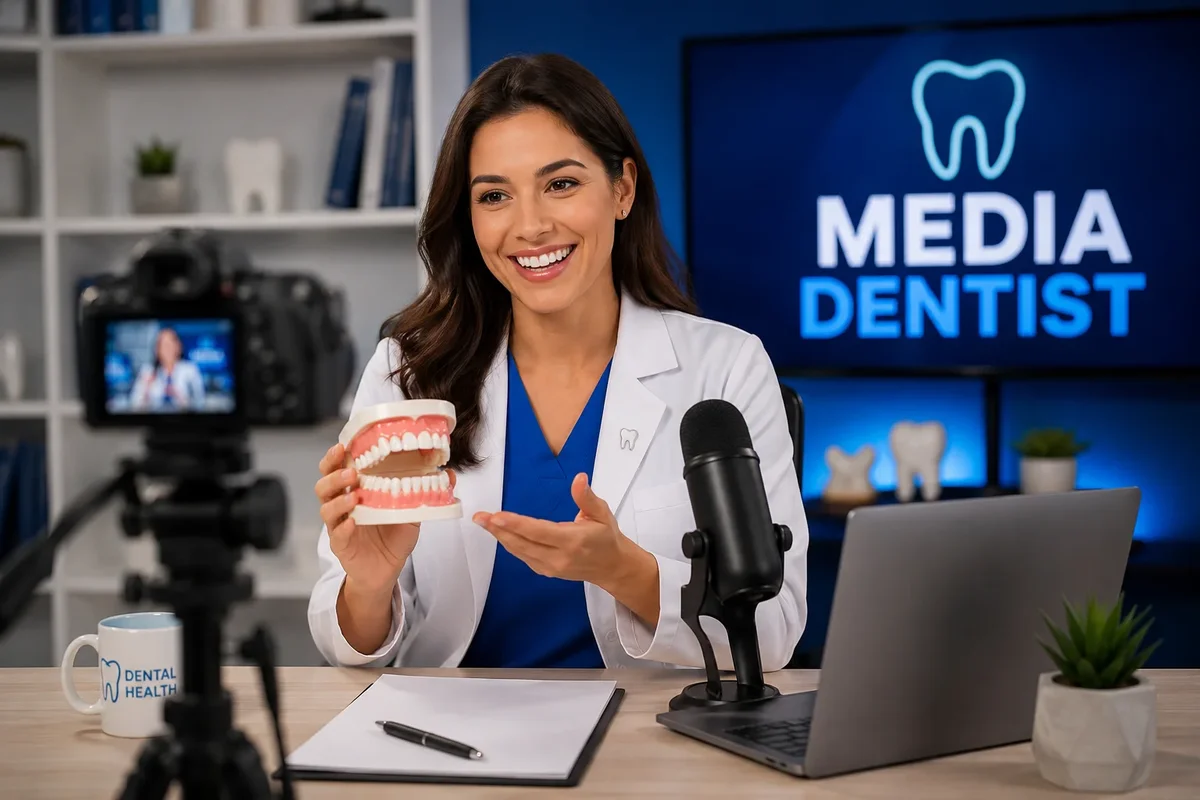
The Future of the Media Dentist in Digital Healthcare
The healthcare industry is undergoing one of the most significant digital transformations in its history. Advances in communication technology, artificial intelligence, telehealth, mobile applications, and online education platforms are fundamentally changing how people access medical and dental information. Within this rapidly evolving environment, the role of the media dentist is becoming increasingly important. As patients rely more heavily on digital resources to learn about oral health, treatment options, and preventive care, the media dentist is positioned to play a central role in shaping the future of healthcare communication.
Over the past decade, the media dentist has evolved from a professional occasionally featured in newspapers or television interviews into a highly visible healthcare educator who can reach global audiences through multiple digital platforms. This evolution is expected to continue as technology creates new opportunities for public engagement and patient education.
The Digital Transformation of Patient Education
Historically, patient education occurred primarily during in-person appointments. While face-to-face consultations remain essential, modern patients increasingly seek information before scheduling treatment. Search engines, social media platforms, podcasts, webinars, and video-sharing websites have become major sources of healthcare information.
As a result, the media dentist has become an important bridge between professional dentistry and public understanding. By creating educational content that is accurate, accessible, and engaging, a media dentist helps individuals better understand oral health topics before they enter the dental office.
This trend is expected to accelerate as younger generations become even more accustomed to digital learning environments. Future patients may consume the majority of their healthcare education through content created by a trusted media dentist.
Meeting Patients Where They Already Are
One reason the media dentist will remain highly relevant is the ability to reach audiences where they naturally spend their time. Whether through social media feeds, streaming platforms, podcasts, or online communities, educational content can be delivered directly to individuals who may not actively seek traditional healthcare resources.
This accessibility allows a media dentist to influence health behaviors long before clinical intervention becomes necessary.
The Growing Role of Artificial Intelligence
Artificial intelligence is expected to reshape many aspects of healthcare communication. AI-powered search tools, virtual assistants, personalized educational platforms, and intelligent content recommendation systems are already changing how information is delivered.
In the future, a media dentist may use artificial intelligence to provide more personalized educational experiences. Content could be adapted based on a patient’s age, oral health concerns, treatment interests, or learning preferences.
For example, someone researching dental implants may receive educational resources specifically focused on implant procedures, maintenance requirements, and recovery expectations. A media dentist could use AI-enhanced platforms to deliver this information more efficiently and effectively.
Balancing Technology With Human Expertise
Although technology will continue to advance, the expertise of a qualified media dentist will remain essential. Artificial intelligence can organize information and improve accessibility, but it cannot replace professional judgment, clinical experience, or ethical decision-making.
The future will likely involve collaboration between advanced technologies and healthcare professionals, with the media dentist serving as the trusted human voice behind educational content.
The Expansion of Telehealth and Virtual Consultations
Telehealth services have experienced substantial growth in recent years, and dentistry is beginning to explore new ways to incorporate virtual communication into patient care. While many dental procedures require in-person treatment, preliminary consultations, educational discussions, and treatment planning conversations can often occur remotely.
The media dentist is well-positioned to support this transition by helping patients understand what telehealth services can and cannot provide. Educational content can explain how virtual consultations work, when professional examinations are necessary, and how digital tools may improve access to care.
As telehealth continues to develop, the media dentist may become an important guide for patients navigating these new healthcare delivery models.
Increased Demand for Trusted Healthcare Voices
One challenge associated with digital communication is the rapid spread of misinformation. Social media platforms and online forums often contain inaccurate or misleading healthcare advice. This problem highlights the growing importance of the media dentist as a reliable source of evidence-based information.
Patients increasingly recognize the value of receiving guidance from qualified professionals rather than anonymous online sources. A trustworthy media dentist can help audiences distinguish between scientifically supported recommendations and unverified claims.
Combating Misinformation More Effectively
The future media dentist will likely devote even greater attention to correcting misconceptions and promoting health literacy. Educational content that addresses common myths, explains treatment realities, and encourages professional evaluation can help protect public health.
By providing accurate information consistently, a media dentist contributes to a more informed society and helps reduce confusion surrounding oral healthcare decisions.
The Evolution of Interactive Learning
Digital education is becoming increasingly interactive. Future healthcare communication may involve virtual reality demonstrations, augmented reality treatment simulations, live educational events, interactive webinars, and personalized learning experiences.
A media dentist who embraces these innovations can create more engaging educational content that improves understanding and retention. Patients may one day explore treatment processes through immersive virtual experiences before undergoing procedures in real life.
These advancements have the potential to reduce anxiety, improve patient preparedness, and enhance overall treatment satisfaction.
Global Reach and International Education
Digital communication eliminates many geographical barriers. A single video, podcast episode, or educational article created by a media dentist can reach audiences across multiple countries and cultures.
This global reach creates opportunities to improve oral health awareness on an unprecedented scale. A media dentist can share preventive care recommendations, discuss treatment innovations, and contribute to international conversations about public health.
As internet access expands worldwide, the educational influence of the media dentist is expected to grow significantly.
The Continued Importance of Professional Standards
Despite technological advancements, professional standards will remain essential. Trusted organizations such as the American Dental Association continue to provide evidence-based guidance that supports responsible healthcare communication.
A successful media dentist will continue to prioritize scientific accuracy, transparency, ethical communication, and patient welfare regardless of which technologies emerge in the future.
The Future Relationship Between Patients and the Media Dentist
The relationship between patients and the media dentist is likely to become more interactive, personalized, and continuous. Rather than receiving information only during appointments, individuals may engage with educational content throughout their healthcare journey.
From prevention and diagnosis to treatment planning and long-term maintenance, the media dentist can provide valuable support at every stage. This ongoing educational relationship has the potential to improve oral health literacy, encourage preventive care, and enhance patient outcomes.
While digital education offers tremendous benefits, personalized clinical care remains essential. Individuals seeking treatment recommendations or professional evaluation should consult qualified dental professionals directly. Those interested in discussing their oral health needs can visit the Redent Klinik Contact Page.
In conclusion, the future of the media dentist in digital healthcare is exceptionally promising. As technology continues to reshape how information is delivered and consumed, the media dentist will play an increasingly important role in public education, preventive care promotion, health literacy improvement, and evidence-based communication. By combining professional expertise with innovative communication tools, the media dentist will remain a trusted guide for patients navigating the evolving world of oral healthcare. 🦷🚀🌍📱
Disclosure: this page may contain affiliate links. We may earn a commission if you use them, at no extra cost to you.