
Dental implants are a life-changing solution for many seniors who have lost teeth due to aging, disease, or injury. However, the cost and complexity of these procedures can leave many wondering: Are medicare dental implants covered? In this comprehensive guide, we’ll explore everything seniors and their families need to know about medicare dental implants — from what’s included in your coverage to how to save money and access the best care. 🦷💡
As we age, our dental health becomes more critical. Missing teeth can impact not just your appearance but your ability to chew and speak. Dental implants offer a durable and natural-looking alternative to dentures or bridges. But the real question remains — can you get medicare dental implants through your health plan?
This article is designed to provide a clear understanding of how Medicare works when it comes to dental care, especially for implants. Whether you’re new to Medicare or exploring options for a loved one, you’re in the right place. Let’s break down the facts and options available to you in 2025. ✅
What Are Dental Implants?
Dental implants are titanium posts that are surgically inserted into the jawbone to replace missing teeth. These posts act as artificial roots, supporting crowns or dentures. They offer a permanent solution compared to removable dentures, and they maintain the structure of your jawbone, preventing the bone loss that often follows tooth loss. 🛠️🦷
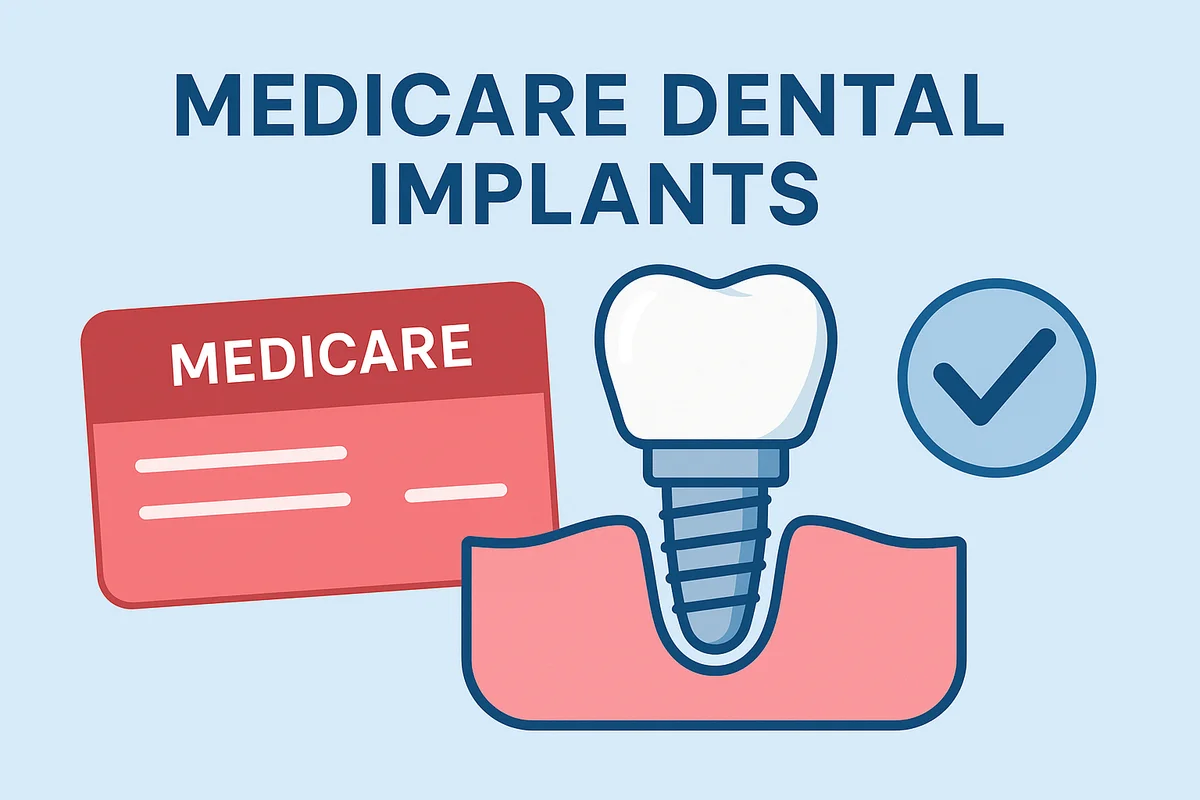
Here’s a breakdown of the standard components of dental implants:
- 📌 Implant Post: Inserted into the jawbone surgically.
- 📌 Abutment: Connector between implant and crown.
- 📌 Crown: Visible artificial tooth.
The entire process typically requires multiple appointments and can take several months from start to finish, depending on healing time and bone density.
Why Are Medicare Dental Implants Important?
Tooth loss doesn’t just affect appearance — it affects speech, nutrition, and confidence. For many seniors, dental implants are the most functional and comfortable option. Traditional Medicare, however, often falls short of covering such procedures. That’s why understanding medicare dental implants coverage is crucial.
When comparing dental options, seniors often prioritize comfort and longevity. Dental implants, while expensive, can last a lifetime with proper care. They outperform bridges and dentures in stability and aesthetics, making them a worthwhile investment for many.
How Many People Seek Medicare Dental Implants?
According to the American Dental Association, over 36 million Americans have lost all of their teeth, and approximately 3 million have dental implants — a number that’s growing by 500,000 annually. Many of these individuals are aged 65 and older and are enrolled in Medicare. This makes the need for clear information about medicare dental implants more urgent than ever.
Redent Klinik: Personalized Guidance for Seniors
For patients looking for high-quality care and help navigating implant coverage, Redent Klinik Contact Page offers expert consultation and affordable dental solutions. 🏥
Whether you’re just starting to research your options or are ready to move forward with dental implants, Redent Klinik can guide you every step of the way, from verifying insurance coverage to performing the procedure itself.
Stay tuned as we dive into the specifics of coverage in the next section: Does Medicare Cover Dental Implants in 2025? ✅
When it comes to the financial side, one of the most pressing concerns is cost. A single dental implant in the United States can range anywhere from $3,000 to $6,000 depending on the complexity of the case and region. For seniors living on a fixed income, these figures can be intimidating. That’s why understanding your options under medicare dental implants is not just helpful—it’s essential.
Unfortunately, Original Medicare (Parts A & B) typically does not cover routine dental care or procedures like implants. However, there are exceptions. In some cases, Medicare Part A may help pay for certain dental services you get in a hospital if it’s part of an emergency or complicated medical procedure. Still, this is rare. Most coverage for dental implants would come through a Medicare Advantage (Part C) plan that includes supplemental dental benefits. These plans vary widely, so checking what’s included is critical. 🔍
As we continue, we’ll break down each of these options to help you make the most informed decision possible regarding medicare dental implants and how to obtain the care you need without breaking the bank.
Does Medicare Cover Dental Implants in 2025?
One of the most frequently asked questions among seniors today is: Does Medicare cover dental implants in 2025? The answer isn’t straightforward, but it’s essential to understand how different parts of Medicare apply to dental care, especially when considering costly procedures like medicare dental implants. 🧓🦷
Traditional Medicare, also known as Original Medicare, is made up of Part A (Hospital Insurance) and Part B (Medical Insurance). While these parts provide comprehensive coverage for a wide range of medical needs, they generally do not cover routine dental procedures. This includes cleanings, fillings, tooth extractions, and yes — dental implants. 😕
However, there are a few exceptions where medicare dental implants may be partially covered. Let’s break it down:
📌 Medicare Part A
Part A may cover certain dental services if you need them as part of a hospital stay. For instance, if you suffer a severe jaw injury and need reconstructive surgery, which includes implants, Medicare may cover part of the cost. But it will not cover elective dental implants or those done outside of hospital-based medical necessity.
📌 Medicare Part B
Medicare Part B covers outpatient medical services but, again, routine dental is excluded. If your dental implants are tied to a medically necessary procedure — such as reconstruction following an accident or cancer treatment — you might receive limited assistance, but this is uncommon.
📌 Medicare Part C (Medicare Advantage)
Here’s where things get interesting! Many seniors are turning to Medicare Advantage plans because some of these do offer dental coverage, including medicare dental implants. However, coverage varies by plan, region, and provider. Some plans may include implant-related procedures with a co-payment, annual limits, or tiered pricing. 📊
When reviewing Medicare Advantage plans, pay close attention to:
- Annual dental coverage caps (usually $1,000–$3,000)
- Waiting periods for major dental services
- Network restrictions (preferred dental providers)
- Co-pay or co-insurance rates for implants
📝 Quick Tip:
If you’re considering switching or enrolling in a new Medicare Advantage plan, fall during the Open Enrollment Period (October 15 – December 7) is the ideal time to compare plans that may offer medicare dental implants as part of their benefits. ✔️
2025 Policy Changes to Watch
With the rising demand among seniors for better dental support, 2025 might bring expanded options. There are ongoing discussions in Congress and among Medicare advocacy groups about adding broader dental benefits to Medicare Part B. While no changes are confirmed yet, the landscape could shift soon, potentially bringing improved access to medicare dental implants. 🗳️
To stay updated on policy changes, visit the American Dental Association or speak directly with a Medicare advisor or dental clinic.
Want Help Navigating Your Coverage?
Redent Klinik Contact Page provides assistance in understanding your eligibility, verifying your plan’s dental benefits, and planning your dental implant treatment. Their experienced patient coordinators can guide you through each step. 🧑⚕️💬
So, does Medicare cover dental implants in 2025? In short: only in rare medical cases under Parts A or B, but increasingly through Advantage plans with supplemental dental benefits. To truly benefit from medicare dental implants, research your options early and plan ahead. 🧠💸
Types of Medicare Plans That May Help With Implant Costs
When exploring options for medicare dental implants, understanding the different Medicare plans is crucial. While Original Medicare leaves a gap in dental coverage, several other plan types can bridge that gap — if you know what to look for. 🧐
Let’s break down the key types of Medicare plans and how each one may (or may not) help cover the cost of dental implants:
1. Original Medicare (Part A & B)
As previously mentioned, Original Medicare typically does not offer dental benefits. This means that services like medicare dental implants are not covered under standard Part A (hospital coverage) or Part B (medical insurance). Even if your implants are medically necessary, chances are slim unless they’re tied to a covered hospital procedure. ❌
If you rely solely on Original Medicare, you’ll likely have to pay the full cost of dental implants out-of-pocket — which can be several thousand dollars per tooth. For this reason, many people add supplemental dental plans or choose a Medicare Advantage option instead.
2. Medicare Advantage (Part C)
Medicare Advantage plans are offered by private insurance companies approved by Medicare. These plans must provide all the benefits of Original Medicare, and many also include additional coverage such as dental, vision, and hearing. 📋
This is the most popular option for seniors seeking medicare dental implants. Depending on the plan, you may get:
- Annual dental allowances (up to $3,000 or more)
- Coverage for implant placement, crowns, and related procedures
- Preferred provider networks for dental implant specialists
- Bundled services like cleanings, exams, and x-rays
However, there are limitations. Many plans impose caps, waiting periods, or percentage-based co-insurance. Always check the fine print or consult a licensed insurance agent before selecting a plan.
3. Medicare Supplement Plans (Medigap)
Unlike Medicare Advantage, Medigap plans are designed to cover out-of-pocket costs associated with Original Medicare — such as deductibles, coinsurance, and copayments. However, Medigap plans do not include dental benefits. ❗
If you’re enrolled in Medigap, you’ll need to buy a separate dental insurance plan or pay out-of-pocket for your medicare dental implants. This makes Medigap less ideal for those specifically seeking dental implant coverage.
4. Standalone Dental Insurance Plans
Some seniors pair their Medicare coverage with private dental insurance to get coverage for procedures like dental implants. These plans typically have:
- Monthly premiums ranging from $30–$70
- Annual coverage caps of $1,000–$2,500
- Waiting periods for major services (6–12 months)
While not technically part of Medicare, these plans can complement your existing coverage and reduce out-of-pocket costs for medicare dental implants.
5. Medicaid and Dual-Eligibility Plans
If you qualify for both Medicare and Medicaid (called “dual-eligibility”), you may be eligible for special plans that include enhanced dental benefits. Some state Medicaid programs provide limited implant coverage, but availability and rules vary by location. 🌍
These plans are especially valuable for low-income seniors who need extensive dental work but cannot afford it through traditional Medicare options.
Choosing the Right Plan for Your Needs
To choose the right Medicare plan that supports dental implant procedures, consider the following:
- ✔️ Your current and future dental needs
- ✔️ Your budget for premiums and copays
- ✔️ Provider networks and availability
- ✔️ Annual dental coverage limits
We recommend speaking with a Medicare advisor or contacting a reputable dental provider for plan comparisons. If you need personalized guidance, Redent Klinik Contact Page can help review your options and even assist with treatment plans tailored to your coverage. 🏥
In summary, while not all Medicare plans offer implant coverage, Medicare Advantage and supplemental dental insurance can significantly reduce your out-of-pocket costs for medicare dental implants. Choosing the right plan can make all the difference between affordable care and an unexpected financial burden.
Eligibility Requirements for Medicare Dental Implants
Before planning for medicare dental implants, it’s crucial to determine whether you’re eligible for coverage — and if so, under which plan type. Eligibility can vary widely depending on the Medicare plan you have, your medical history, income level, and even your geographic location. Let’s break down who qualifies and what steps you need to take to receive coverage or financial support for dental implants. 🧾🦷
1. Basic Medicare Eligibility
To be considered for any type of medicare dental implants assistance, you must first be eligible for Medicare itself. You qualify for Medicare if you:
- Are age 65 or older
- Have a qualifying disability (e.g., end-stage renal disease or ALS)
- Are a U.S. citizen or permanent legal resident
Enrollment in Medicare Part A and/or Part B is required before you can consider Medicare Advantage (Part C) or supplemental options that may provide dental coverage.
2. Qualification for Medicare Advantage Dental Benefits
To access medicare dental implants through a Medicare Advantage plan, you must enroll in a plan that explicitly includes major dental procedures such as implants. Not all Medicare Advantage plans offer this, and those that do typically have:
- Annual maximum coverage limits (usually $1,000–$3,500)
- Waiting periods for major dental services
- Eligibility based on your zip code and plan availability
Some plans may also require prior authorization or referrals before implant procedures can be covered. It’s essential to review plan documents or call your provider to confirm eligibility.
3. Medical Necessity Requirements
Although most medicare dental implants are considered elective, there are scenarios in which Medicare will pay for them — especially if they are medically necessary. You may qualify if:
- You require reconstructive jaw surgery following trauma or disease
- You’ve lost teeth due to oral cancer treatment
- You have conditions that make other dental solutions (like dentures) medically unsafe
In these rare cases, Medicare may partially fund the implant procedure as part of an overall treatment plan under Part A or B, especially if performed in a hospital setting.
4. Low-Income Assistance Programs
If your income and resources are limited, you may qualify for Medicaid or state-level assistance that covers part or all of the costs associated with medicare dental implants. Dual-eligible individuals — those who qualify for both Medicare and Medicaid — often receive enhanced dental benefits.
Some states provide Medicaid dental coverage for adults, which may include implants if deemed medically necessary. Keep in mind that these rules vary significantly by state, and some programs may have waiting lists or restricted providers.
5. Documentation and Evaluation
Regardless of your plan type, you’ll need to provide documentation to prove the need for dental implants. This often includes:
- Dental X-rays and panoramic scans
- A treatment plan from your dentist or oral surgeon
- Medical records supporting necessity (e.g., cancer treatment history, jawbone deterioration)
It’s best to consult with your dental provider before beginning treatment. Clinics like Redent Klinik offer personalized guidance on gathering the necessary paperwork for coverage approval. 🏥📂
6. Open Enrollment Periods Matter
Eligibility for Medicare Advantage and supplemental plans is also dependent on enrollment windows. To switch or sign up for plans that include medicare dental implants:
- Use the Medicare Open Enrollment Period (Oct 15–Dec 7) to switch plans
- Enroll in a new plan during your Initial Enrollment Period (IEP), which starts 3 months before you turn 65
- Qualify for a Special Enrollment Period (SEP) if you lose employer coverage or move to a new area
7. Final Thoughts on Eligibility
In short, not everyone is automatically eligible for coverage of medicare dental implants. Your eligibility depends on your age, Medicare plan type, income, medical necessity, and timing. Being proactive in researching your options can save you thousands and help you access high-quality care with confidence. 🎯
If you need help checking your eligibility or want to begin the implant process, contact a dental office like Redent Klinik for expert assistance and a free consultation.
How to Apply for Dental Implant Coverage Through Medicare
Applying for coverage for medicare dental implants might seem overwhelming, but with the right guidance, the process can be manageable and even stress-free. Whether you’re enrolling in Medicare for the first time or considering switching to a plan that includes dental benefits, it’s essential to understand the correct steps to take. 📝🦷
Step 1: Enroll in Medicare
If you’re not already enrolled, your first step is to sign up for Medicare. You can enroll through the official Social Security website, by phone, or by visiting your local Social Security office. The Initial Enrollment Period begins three months before your 65th birthday and continues for three months afterward. ⏳
To get started, visit www.ssa.gov and follow the instructions to enroll in Medicare Part A and Part B. These are the foundations upon which you can later add coverage for medicare dental implants via Medicare Advantage or supplemental dental plans.
Step 2: Compare Medicare Advantage Plans
Once you’re enrolled in Parts A and B, it’s time to research Medicare Advantage (Part C) plans that include dental benefits. Not all Advantage plans cover implants, so be selective. Look for plans that clearly state coverage for major dental services like crowns, bridges, and medicare dental implants.
Use the official Medicare Plan Finder at www.medicare.gov to compare:
- ✔️ Monthly premiums and annual dental caps
- ✔️ Coverage for implant-specific procedures
- ✔️ Participating dental networks
- ✔️ Waiting periods for major dental work
Be sure to filter results to show plans that include dental benefits. Some plans may only cover routine care like cleanings and X-rays — which won’t help with medicare dental implants.
Step 3: Confirm Eligibility With Plan Providers
Once you identify a plan that appears to cover dental implants, contact the insurance provider directly. Ask the following questions:
- Is implant surgery covered under this plan?
- What are the annual or lifetime maximums?
- Is there a waiting period before coverage begins?
- Do I need referrals or prior authorizations?
This step is essential to avoid surprises later in the treatment process. If a dental office like Redent Klinik is in-network with your plan, you may also consult them directly to verify benefits. 🏥
Step 4: Gather Medical and Dental Records
Insurance providers often require documentation to approve procedures like medicare dental implants. This documentation may include:
- Full-mouth X-rays or panoramic scans
- Periodontal evaluation
- Statements from your dentist justifying medical necessity
Your dental provider will typically help you compile and submit these documents as part of the pre-authorization process. Without this, claims may be denied, especially for high-cost services like implants. 📑
Step 5: Apply During Enrollment Periods
Apply for or switch to a Medicare Advantage plan with dental coverage during one of the official Medicare enrollment periods:
- Initial Enrollment Period (IEP): 3 months before and after turning 65
- Open Enrollment Period: October 15 – December 7 (annually)
- Special Enrollment Period (SEP): Triggered by specific life events like moving or losing employer coverage
It’s important to apply during these windows, or you may have to wait up to a year for the next opportunity.
Step 6: Schedule an Evaluation With a Medicare Dental Provider
Once approved, your final step is to schedule an implant consultation with a dental office that accepts your coverage. Providers like Redent Klinik can perform the full evaluation, confirm your eligibility, and start treatment planning for medicare dental implants. 🧑⚕️🦷
Final Advice
Applying for dental implant coverage under Medicare requires research, timely action, and documentation. But with persistence and the right provider, it’s possible to reduce the out-of-pocket cost of medicare dental implants significantly. Don’t hesitate to ask questions and advocate for your health — a confident smile is worth it!
Alternative Financing Options If Medicare Falls Short
While many seniors hope that medicare dental implants will be covered through Medicare Advantage or other supplemental plans, the reality is that full coverage is rare. Even with dental benefits, high out-of-pocket expenses often remain. Fortunately, there are several alternative financing options available to help bridge the gap between what Medicare covers and what you owe. 💰🦷
1. Dental Discount Plans
Dental discount plans are not insurance but offer significant savings for a wide variety of dental procedures — including dental implants. Members pay an annual fee (typically $100–$200) and receive discounted rates from participating dentists. Discounts on medicare dental implants can range from 20% to 60%, depending on the provider and location. 🏷️
These plans are ideal for seniors who may not qualify for a Medicare Advantage plan that includes dental or who need implants before a plan’s waiting period ends.
2. CareCredit and Medical Financing
Many dental offices offer third-party financing through services like CareCredit, LendingClub, or Sunbit. These medical credit cards allow you to pay for medicare dental implants over time in monthly installments — often with low or zero interest for a promotional period. 💳
Key benefits include:
- Flexible repayment terms (6 to 60 months)
- Fast online approval
- No upfront payment needed
These financing options are especially useful for seniors living on a fixed income or dealing with emergency dental needs.
3. Health Savings Accounts (HSAs) and Flexible Spending Accounts (FSAs)
If you are still working or have access to an HSA or FSA through a spouse or employer, you can use those funds for qualified dental expenses, including medicare dental implants. These accounts allow you to save pre-tax dollars and use them toward healthcare, reducing your overall taxable income. 🧾
Note: HSAs are only available if you’re enrolled in a high-deductible health plan, which is typically not compatible with Medicare. However, any funds already in your HSA before enrolling in Medicare can still be used for qualified dental care.
4. Dental Schools and Nonprofit Clinics
Some dental schools and nonprofit clinics offer low-cost or sliding-scale services, including implants. These procedures are often performed by supervised students or residents at a significantly reduced cost. While availability can be limited, it’s worth researching local options for affordable medicare dental implants.
Look for institutions affiliated with the American Dental Association or local dental societies to find trustworthy programs near you. 🏫
5. Personal Loans and Credit Lines
If other options aren’t feasible, a personal loan or line of credit from your bank or credit union can help cover the cost of medicare dental implants. Many lenders offer loans specifically for healthcare expenses, and you can often apply online with fast approval.
Just be sure to compare interest rates, terms, and any fees before proceeding, as these can vary widely.
6. In-House Payment Plans From Dental Clinics
Some dental clinics, like Redent Klinik, offer in-house payment plans for patients undergoing complex procedures. These plans may require a small deposit upfront and allow you to pay the balance over several months with little or no interest. 💼
This is one of the most convenient and accessible ways to manage costs for medicare dental implants, especially when combined with partial insurance reimbursement.
7. Charitable Foundations and Dental Grants
Certain nonprofit organizations and dental charities provide grants or subsidies for those who can’t afford necessary treatments like implants. Examples include:
- Dental Lifeline Network
- Smile for a Lifetime Foundation
- United Way Dental Grant Programs
While competitive and based on financial need, these programs can be life-changing for seniors in desperate need of dental restoration but unable to pay for medicare dental implants.
Final Thoughts
If your Medicare plan doesn’t provide full coverage for dental implants, don’t be discouraged. There are multiple ways to make treatment affordable. From discount programs and financing to nonprofit grants and in-house options, seniors have more choices than ever. 💡
To explore the best combination of insurance, financing, and care options, contact a trusted provider like Redent Klinik for a personalized consultation. Together, you can create a realistic and affordable treatment plan for your medicare dental implants.
Top Benefits of Dental Implants for Seniors
For older adults considering medicare dental implants, understanding the true value of implants is essential. While the initial cost may seem high, the long-term benefits — both functional and psychological — make dental implants one of the best investments seniors can make for their health. 🧓🦷
1. Improved Chewing and Nutrition
One of the most significant advantages of dental implants is improved chewing function. Dentures often shift or cause discomfort, limiting the ability to eat solid, nutritious foods like nuts, vegetables, or meats. Medicare dental implants provide a secure, permanent solution, restoring full bite strength and allowing seniors to maintain a healthy diet. 🥦🍎
This directly impacts overall health. Poor nutrition in older adults is linked to muscle loss, weakened immunity, and slower healing — issues that can be prevented with the stability of dental implants.
2. Long-Term Durability
Unlike bridges or dentures, dental implants are built to last. With proper care, they can endure for 20+ years, and in many cases, for a lifetime. This makes them a more cost-effective solution in the long run. 🔩
Though the upfront cost may not be fully covered by Medicare, the long-term benefit of investing in medicare dental implants often outweighs the initial expense. No more repeated fittings or denture replacements!
3. Bone Preservation and Facial Structure
Tooth loss leads to jawbone deterioration, which can cause facial sagging and premature aging. Dental implants stimulate the jawbone, similar to natural teeth, preventing bone loss and maintaining the shape of your face. 💀➡️😊
This is a significant advantage over traditional dentures, which do nothing to prevent bone atrophy. That’s why many seniors opt for medicare dental implants if they qualify — it’s not just cosmetic, it’s structural preservation.
4. Enhanced Speech Clarity
Loose-fitting dentures can slip while speaking, leading to slurred speech or mumbling. Implants eliminate this issue. Because they are fixed and stable, they allow for clearer pronunciation and confidence in conversation. 🗣️✅
This has a direct impact on social interactions, mental health, and quality of life — aspects often overlooked when evaluating the benefits of medicare dental implants.
5. Increased Self-Confidence and Quality of Life
Smiling without hesitation. Laughing in public. Eating with friends. Dental implants dramatically improve confidence and mental well-being. For many seniors, implants represent a new chapter — one filled with dignity and self-esteem. 😊🌟
Studies show that oral health is strongly correlated with mental health, especially in older adults. Having a functional, attractive smile with the help of medicare dental implants can lead to better mood, lower rates of depression, and greater social engagement.
6. Easier Oral Hygiene Routine
Implants are maintained just like natural teeth — brushing, flossing, and regular checkups. This makes them more hygienic than dentures, which require removal, soaking, and special cleaning solutions. 🪥
This simplicity is a key factor in the popularity of medicare dental implants among older adults. The daily routine remains familiar and manageable, reducing the risk of oral infections or inflammation.
7. No Impact on Adjacent Teeth
Dental bridges require grinding down adjacent teeth for support, which weakens otherwise healthy teeth. Implants are standalone structures, preserving the integrity of surrounding teeth. 🧱
This makes implants not only a restorative solution but also a preventive one — protecting overall oral health for years to come.
8. Better Stability for Denture Wearers
For seniors who already use dentures, implant-supported dentures (like All-on-4 or All-on-6) offer the perfect compromise. These are more stable and comfortable than traditional removable plates, with no need for adhesives. 🔒
Many seniors inquire about medicare dental implants specifically for this reason — they’re looking for a hybrid solution that improves stability without replacing every tooth individually.
9. Long-Term Cost Savings
Though not always covered fully, medicare dental implants can save money over time by reducing the need for repeat dental visits, replacements, and complications. The lifetime value of implants should be weighed against the recurring costs of temporary solutions.
10. Personalized Treatment Planning
Each implant case is unique. Providers like Redent Klinik offer customized implant planning, ensuring the right materials, placement, and care for optimal results. 🏥🧑⚕️
This tailored approach is why more seniors are turning to clinics with experience in medicare dental implants — it’s not a one-size-fits-all procedure.
Final Thoughts
The physical, emotional, and financial advantages of dental implants make them one of the most rewarding solutions for seniors today. If you’re eligible for medicare dental implants or exploring financing options, don’t delay — the benefits begin with the very first smile. 😁
What Is the Average Cost of Medicare Dental Implants?
One of the most common questions seniors ask is: “How much do medicare dental implants really cost?” While dental implants are considered one of the most reliable and long-lasting solutions for missing teeth, they also come with a significant price tag. Understanding the cost breakdown — and how Medicare may or may not help — is key to making an informed decision. 💸🦷
Average Cost of Dental Implants in 2025
On average, a single dental implant in the United States ranges between $3,000 and $6,000. This price can vary based on location, the experience of the dentist, the materials used, and whether additional procedures like bone grafting or sinus lifts are needed.
Here’s a typical cost breakdown:
- 🚩 Implant Post (Titanium Screw): $1,200 – $2,000
- 🚩 Abutment (Connector Piece): $300 – $500
- 🚩 Dental Crown (Tooth Cap): $1,000 – $2,000
In cases where multiple teeth need replacement, such as All-on-4 or full mouth restoration, the total cost can soar between $15,000 and $50,000. That’s why understanding your options for medicare dental implants coverage and financing is so important. 📊
Does Medicare Cover These Costs?
Original Medicare (Parts A and B) generally does not cover any part of dental implant procedures unless they are medically necessary due to trauma or disease — and even then, coverage is minimal.
Medicare Advantage (Part C) plans may offer partial coverage, but benefits vary by provider. Some plans offer annual dental allowances ranging from $1,000 to $3,000, which may be applied toward medicare dental implants. Keep in mind that if your implant procedure exceeds the cap, you’ll be responsible for the remaining balance.
Sample Out-of-Pocket Costs After Medicare Advantage
Let’s assume your Medicare Advantage plan covers $2,000 toward dental implants, and your total procedure costs $4,800. Here’s how it might break down:
- Total Procedure Cost: $4,800
- Medicare Advantage Contribution: $2,000
- Out-of-Pocket Cost: $2,800
In this case, the plan significantly helps reduce your burden, but it still leaves a large remaining balance. That’s why seniors often explore payment plans, third-party financing, or supplemental dental insurance to cover the rest.
Additional Costs to Consider
Implants often involve more than just placing the titanium screw. Here are some potential extra costs that may not be covered by medicare dental implants benefits:
- 🦴 Bone grafts: $500 – $3,000
- 🦷 Tooth extractions: $75 – $300 per tooth
- 🩻 CT scans and imaging: $200 – $500
- 🏥 Anesthesia/sedation: $150 – $500
Each case is unique, and costs can vary based on your oral health and the complexity of the procedure. It’s always best to get a detailed treatment plan and itemized cost estimate upfront.
International Dental Travel (Dental Tourism)
Some patients choose to travel abroad for affordable medicare dental implants. Popular destinations like Turkey, Mexico, and Costa Rica offer high-quality care at a fraction of U.S. prices. For example:
- Single Implant in Turkey: $700 – $1,200
- Full Mouth Restoration: $8,000 – $15,000
Clinics such as Redent Klinik in Turkey offer state-of-the-art dental care for international patients, making it a viable solution for those with limited Medicare coverage. 🌍✈️
Tips to Reduce Implant Costs
To make medicare dental implants more affordable, consider the following tips:
- Compare multiple treatment plans and quotes
- Choose a Medicare Advantage plan with the highest dental allowance
- Use in-house payment plans or third-party financing
- Ask your dentist for bundled service pricing
- Travel abroad to certified clinics for affordable dental tourism
Final Thoughts
The cost of medicare dental implants can vary widely based on your location, provider, and insurance coverage. While Medicare doesn’t always cover the full cost, understanding your options and planning ahead can help you secure the care you need without breaking the bank. 🧠💰
For personalized cost estimates and coverage verification, contact a trusted clinic like Redent Klinik. They can help you understand your dental implant options and provide affordable solutions tailored to your needs.
Choosing a Medicare Dentist for Implants Near You
Finding the right dental provider is one of the most critical steps in successfully getting medicare dental implants. Not all dentists accept Medicare plans, and even fewer have experience working with the intricacies of Medicare Advantage dental benefits. If you’re a senior looking for implants, it’s important to know how to locate and evaluate qualified professionals near you. 🧑⚕️🦷
1. Search Within Your Medicare Advantage Network
Most Medicare Advantage plans that include dental coverage work with a specific network of providers. This means you must choose a dentist who is in-network to receive full benefits for medicare dental implants.
You can usually find this information by logging into your insurance provider’s portal or by calling the customer service number on your Medicare Advantage card. Look for dentists who specifically offer implant services — not just general cleanings or fillings.
2. Verify Implant Experience and Credentials
Implant dentistry is a specialized field that requires additional training. Look for the following qualifications in your dentist:
- ✅ Board certification in oral surgery or prosthodontics
- ✅ Continuing education in implantology
- ✅ Positive patient reviews, especially from seniors
- ✅ Membership in organizations like the American Dental Association
Choosing an experienced implant dentist is key to minimizing complications and ensuring long-term success with your medicare dental implants.
3. Ask the Right Questions
During your consultation, be sure to ask the dentist:
- Do you accept my Medicare Advantage plan?
- Are medicare dental implants covered under my plan here?
- Do you provide pre-authorization support for claims?
- Is the full procedure performed in-house?
This helps ensure you won’t be referred elsewhere for parts of the procedure — which could increase costs or affect coverage.
4. Consider Clinics That Specialize in Medicare Patients
Some dental offices specialize in treating seniors and working with Medicare Advantage plans. These clinics often have dedicated billing departments that know how to navigate the Medicare system efficiently. 🧾
Redent Klinik, for example, assists patients with understanding their benefits, submitting paperwork, and creating affordable treatment plans for medicare dental implants. This kind of support is especially helpful if it’s your first time receiving dental care under Medicare.
5. Look for Full-Service Implant Centers
A full-service implant center offers all parts of the procedure in one location — including consultations, imaging, surgery, and restoration. This reduces time, travel, and potential miscommunications between providers.
For seniors managing multiple health conditions or limited mobility, these one-stop-shop clinics make getting medicare dental implants significantly more convenient.
6. Use Online Tools for Search
Several platforms can help you locate dentists near you who accept Medicare plans:
- 🔍 Medicare.gov Care Compare
- 🔍 Your Medicare Advantage provider’s online directory
- 🔍 Dental associations or local dental societies
- 🔍 Google Maps or Yelp, filtered for “Medicare dentist implants near me”
Use multiple sources to ensure the provider is both qualified and well-reviewed by other patients, especially those seeking medicare dental implants.
7. Check for Accessibility and Senior-Friendly Facilities
Many seniors need clinics that are physically accessible and offer conveniences like wheelchair ramps, nearby parking, flexible appointment times, and patient education. 🅿️♿
Make sure your chosen clinic is senior-friendly and patient-centered — this ensures a smoother experience throughout your implant journey.
8. Don’t Forget Second Opinions
If you’re unsure about your first consultation, don’t hesitate to get a second opinion. A reputable provider will support your decision to compare and will offer transparent pricing and honest recommendations for your medicare dental implants.
Final Advice
Choosing the right Medicare-approved implant dentist involves more than checking a list — it means finding a professional who understands your health, budget, and goals. By staying informed and proactive, you’ll maximize your chances of a successful outcome.
Ready to begin your implant journey? Contact Redent Klinik for a no-obligation consultation and discover how you can receive high-quality medicare dental implants with confidence and clarity. 📞
Medicare Dental Implants vs. Other Senior Dental Solutions
When evaluating dental options for older adults, it’s important to compare medicare dental implants with alternative solutions such as dentures, bridges, and partials. Each method has its own advantages and drawbacks depending on a senior’s oral health, budget, and Medicare coverage. Understanding the differences can help you make the right decision for both comfort and long-term satisfaction. 🦷📊
1. Dental Implants: The Gold Standard
Medicare dental implants offer a permanent, stable solution for missing teeth. Unlike removable appliances, implants are anchored into the jawbone, mimicking natural tooth roots. They preserve bone density, maintain facial structure, and function like real teeth.
✅ Benefits of Dental Implants:
- Long-term durability (20+ years)
- Prevents bone loss and gum recession
- No slipping or adhesive required
- Improved chewing, speaking, and confidence
❌ Downsides:
- High upfront cost (average $3,000–$6,000 per implant)
- Not fully covered by Original Medicare
- Requires sufficient jawbone for placement
Still, many seniors opt for medicare dental implants due to their natural feel, longevity, and overall impact on quality of life. 🧓✨
2. Traditional Dentures
Dentures have been the go-to solution for tooth loss for decades. They are custom-made, removable appliances that replace several or all teeth. Compared to implants, dentures are more affordable and often covered under certain dental plans or Medicaid programs.
✅ Benefits:
- Lower initial cost
- Quick to fabricate and fit
- Non-surgical option
❌ Downsides:
- Can slip or cause sore spots
- Require adhesives and maintenance
- Accelerate jawbone loss over time
While dentures are suitable for many, they don’t offer the same stability or longevity as medicare dental implants.
3. Dental Bridges
Bridges are another fixed solution for tooth loss, anchored by crowns on adjacent teeth. They are often less invasive and more affordable than implants, but they come with compromises.
✅ Pros:
- Less expensive than implants
- Faster treatment time
- No surgery required
❌ Cons:
- Damage to healthy adjacent teeth
- May need replacement every 7–10 years
- Do not preserve jawbone like implants
Compared to medicare dental implants, bridges may be a quicker fix but aren’t always the most sustainable in the long term.
4. Implant-Supported Dentures
Implant-supported dentures are a hybrid between traditional dentures and implants. Instead of resting on the gums, these dentures snap onto implants placed in the jaw, providing greater stability. 🔩
This option is increasingly popular among Medicare patients seeking partial coverage for medicare dental implants without the full cost of replacing every tooth individually.
✅ Pros:
- Improved fit and comfort
- Better chewing and speech function
- Preserves jawbone health
❌ Cons:
- Higher cost than traditional dentures
- Still may not be fully covered by Medicare
5. Which Is Best for You?
The best solution depends on multiple factors:
- Your overall oral and bone health
- Budget and insurance plan limitations
- Desire for convenience vs. long-term durability
If your goal is to restore full function, aesthetics, and confidence, and if you can access financial help or insurance support, medicare dental implants are the superior choice. For those with medical or financial constraints, traditional dentures or bridges may be more suitable.
Need Help Deciding?
It’s important to consult with professionals who understand your dental and insurance options. Clinics like Redent Klinik can walk you through the pros and cons of each treatment and even help verify your Medicare plan to determine implant eligibility. 🧑⚕️📋
Final Word
Whether you’re comparing dentures, bridges, or medicare dental implants, the right dental solution should enhance your lifestyle — not complicate it. Weigh all factors, consult with experts, and invest in a smile that gives you confidence every day. 😁