
Medicare Part C dental coverage is becoming a hot topic among seniors who want to protect both their overall health and their smiles 🦷. With traditional Medicare (Part A and B) offering limited dental benefits, many individuals are turning to Medicare Advantage plans — known as Medicare Part C — to access more comprehensive dental care. But what exactly does this coverage include, and is it right for you? Let’s break it down in simple terms.
Medicare Part C dental coverage is offered through private insurance companies approved by Medicare. These plans bundle hospital (Part A), medical (Part B), and often prescription drug coverage (Part D), and may also include additional benefits — such as dental, vision, and hearing. One of the most popular reasons people opt for a Medicare Advantage plan is to gain access to routine and advanced dental services that Original Medicare does not cover.
Understanding the basics of Medicare Part C dental coverage can help you make an informed decision about your healthcare. These plans are structured to offer benefits like cleanings, exams, X-rays, and even more extensive procedures such as fillings, extractions, dentures, and crowns, depending on the provider and specific plan. That means you could potentially reduce your out-of-pocket costs while maintaining strong dental health.
Why Dental Health Matters in Medicare
Dental health isn’t just about maintaining a bright smile 😁. Poor oral health is directly linked to various chronic conditions like heart disease, diabetes, and even respiratory infections. For older adults, regular dental care is essential to preventing more serious complications. That’s why the added value of medicare part c dental coverage makes such a difference for millions of Americans age 65 and up.
Unlike Original Medicare, which excludes most routine dental care, Medicare Advantage plans address this gap. They offer preventive and sometimes even comprehensive dental services. This makes medicare part c dental coverage a practical and often cost-effective choice for seniors who value long-term oral care.
Coverage Highlights You Should Know
- Two routine cleanings per year 🪥
- Annual dental exams
- Dental X-rays (usually once a year)
- Fillings and tooth extractions
- Dentures or partials (in some plans)
- Root canals and crowns (select plans)
Each Medicare Advantage plan varies, so you’ll need to review the plan’s Evidence of Coverage (EOC) or Summary of Benefits to know what’s included. For example, one plan may cover dentures fully while another only covers 50%. This variability is why understanding your medicare part c dental coverage options is crucial before enrolling.
Financial Benefits of Coverage
The financial perks of medicare part c dental coverage can be significant. Here’s a sample breakdown of potential costs:
🧾 Common Dental Services & Average Costs (U.S. Market)
--------------------------------------------------------
Dental Cleaning (Twice a year)        - $0 to $75
Dental Exam                          - $0 to $100
X-rays                               - $0 to $150
Fillings                             - $50 to $300
Tooth Extraction                     - $75 to $300
Root Canal                           - $300 to $1,500
Crowns                               - $500 to $2,000
Dentures (Full Set)                  - $1,000 to $3,000
With medicare part c dental coverage, many of these services are discounted or fully covered. Depending on your plan, you may only pay a small copay or nothing at all for preventive services.
Next Steps and Helpful Resources
It’s always wise to consult with an insurance advisor or your local Medicare office to find plans in your zip code that offer the best dental benefits. You can also visit the official resource from the American Dental Association for broader dental care guidelines.
If you’re ready to ask questions or book a dental consultation, check out the Redent Klinik Contact Page to get personalized advice and learn how to maximize your medicare part c dental coverage.
What Is Medicare Part C and How Does Dental Fit In?
Medicare Part C, also known as Medicare Advantage, is a private health insurance plan approved by Medicare that combines Parts A (hospital insurance) and B (medical insurance), and often includes Part D (prescription drug coverage) as well. One of the biggest advantages of choosing a Medicare Advantage plan is the ability to get extra benefits not offered in Original Medicare — such as dental, vision, hearing, and even wellness programs 🧘♀️.
But how does dental fit into all of this? With medicare part c dental coverage, you’re stepping beyond the limitations of Original Medicare. Traditional Medicare does not cover routine dental care, meaning no cleanings, exams, or fillings — unless it’s part of a hospital stay or medically necessary procedure. On the other hand, many Medicare Part C plans offer robust dental coverage designed to protect your oral health long term 🦷.
Understanding the Integration of Dental Benefits
Insurance providers offering Medicare Advantage plans have the freedom to include additional benefits to attract enrollees. Medicare part c dental coverage typically comes as part of this extra value. While not all plans are equal, most include at least preventive dental services, and some even offer comprehensive coverage for procedures like dentures, crowns, and implants.
Here’s how dental fits in:
- 🪥 Preventive Care: Cleanings, fluoride treatments, and exams are often fully covered.
- 📸 Diagnostic Services: X-rays and oral exams help detect early signs of dental issues.
- 🦷 Restorative Services: Fillings, crowns, and root canals are commonly included in advanced plans.
- 😬 Prosthodontics: Services like bridges and dentures may be offered with partial coverage.
The degree of coverage depends on the insurance company and the specific plan you choose. This is why reviewing the “Summary of Benefits” document for any Medicare Advantage plan is essential before enrolling. Understanding the fine print of your medicare part c dental coverage ensures there are no surprises when it’s time for a procedure.
Does Every Medicare Advantage Plan Include Dental?
Not necessarily. Some Medicare Advantage plans include medicare part c dental coverage automatically, while others offer it as an optional benefit (also known as a dental rider) for an additional monthly premium. If dental health is a priority for you, be sure to look for plans that advertise comprehensive dental care as part of their core offerings.
Here are three common dental coverage structures in Medicare Part C plans:
- Embedded Dental: Dental benefits included at no extra cost.
- Optional Supplemental Benefits: Available as an add-on for a fee.
- No Dental: Some plans exclude dental, so read carefully.
How Does Dental Billing Work Under Part C?
Billing for dental services under medicare part c dental coverage is typically handled through a network of dentists contracted with the insurance company. Many plans follow a “pay-as-you-go” model, where preventive services are covered entirely, but more advanced treatments require a copayment or coinsurance.
It’s also common for these plans to include an annual dental benefit limit — often ranging from $500 to $2,000. That means once your insurer pays that amount, you’re responsible for the rest. Always check these details in the plan’s Evidence of Coverage (EOC) document before committing.
Benefits of Choosing a Part C Plan With Dental
✅ Access to preventive and comprehensive dental services
✅ Cost savings on expensive procedures like crowns and root canals
✅ Streamlined benefits in one plan with medical and dental included
✅ Reduced need for separate private dental insurance
When deciding whether a Medicare Advantage plan is right for you, consider your overall health needs, budget, and long-term dental goals. For those who frequently visit the dentist or anticipate needing major procedures, medicare part c dental coverage is a valuable addition to your healthcare plan.
To learn more about how dental care is structured in Medicare Advantage plans, explore trusted resources such as the American Dental Association. And if you’re looking for expert dental consultation, don’t hesitate to visit the Redent Klinik Contact Page.
Which Dental Services Are Included in Medicare Advantage Plans?
One of the most appealing features of medicare part c dental coverage is the wide range of dental services it can provide, depending on the specific Medicare Advantage plan you choose. While Original Medicare generally excludes dental services unless deemed medically necessary, Medicare Part C plans fill this critical gap — giving seniors the opportunity to maintain optimal oral health without breaking the bank 🏦.
Let’s explore the types of dental services you can typically expect under medicare part c dental coverage, starting from preventive care to more complex procedures.
🪥 Preventive Dental Services
Preventive services are essential for maintaining good oral hygiene and catching potential issues early. Fortunately, these are often covered in full under medicare part c dental coverage. They include:
- Routine dental cleanings (usually twice a year)
- Oral examinations
- Fluoride treatments (especially for those at high risk of cavities)
- Dental X-rays (bitewing or panoramic, depending on plan)
These services help prevent tooth decay, gum disease, and other oral issues, which can also lead to more serious health conditions such as heart disease and diabetes if left untreated.
🦷 Basic Dental Services
Most Medicare Advantage plans offering medicare part c dental coverage also include basic restorative procedures. These services typically involve a copay or coinsurance:
- Fillings (composite or amalgam)
- Simple tooth extractions
- Treatment for gum disease (scaling and root planing)
These types of procedures are considered essential for managing and restoring oral function and can help you avoid more costly dental work in the future.
😬 Major Dental Services
While not every Medicare Advantage plan includes major dental coverage, some do — and it’s where the true value of medicare part c dental coverage becomes evident. Major services may include:
- Root canals
- Dental crowns
- Bridges
- Complete or partial dentures
- Oral surgery (non-hospital based)
Coverage percentages vary widely. Some plans cover 50% of the cost, while others may include a yearly dental allowance that helps pay for these services. Always consult your Summary of Benefits to understand your specific plan.
🧾 Sample Coverage Table
Service                          | Coverage (Typical)
--------------------------------|--------------------
Dental Cleaning (2x/year)       | 100%
Oral Exam                       | 100%
Dental X-rays                   | 100%
Fillings                        | 70–100%
Tooth Extractions               | 50–80%
Root Canal                      | 50%
Crown                           | 50%
Dentures                        | 50% or fixed allowance
Limitations and Exclusions
Although medicare part c dental coverage is generous compared to Original Medicare, there are some limitations:
- Annual maximums: Most plans have an annual dental benefit cap (e.g., $1,000–$2,000).
- Network restrictions: You may need to visit in-network providers to receive full benefits.
- Waiting periods: Some plans require a waiting period before covering major services.
- Cosmetic services: Teeth whitening and veneers are typically excluded.
How to Check Your Plan’s Specific Benefits
Every Medicare Advantage plan is different. The best way to confirm what services are included in your medicare part c dental coverage is by checking your plan’s documentation:
- 📄 Summary of Benefits
- 📘 Evidence of Coverage (EOC)
- 🔍 Insurance Provider’s Website
Some plans also provide customer service lines or local agents who can help you understand the fine print — especially when it comes to dental benefits.
Take Advantage of Comprehensive Dental Care
If you need multiple types of dental care each year — such as cleanings, fillings, and the occasional crown — enrolling in a Medicare Advantage plan with dental makes financial sense. Medicare part c dental coverage ensures you’re not left with high out-of-pocket expenses for these necessary treatments.
Still unsure which services your plan covers? You can always reach out for a consultation. Visit the Redent Klinik Contact Page for assistance, or learn more general information from the American Dental Association.
Eligibility Requirements for Medicare Part C Dental Benefits
If you’re looking to take advantage of medicare part c dental coverage, it’s essential to understand the eligibility requirements. While Medicare Part C, also known as Medicare Advantage, is open to most individuals age 65 and older, specific criteria must be met before you can enroll and start receiving dental benefits. Let’s explore who qualifies, when you can enroll, and what documentation or steps may be required ✅.
👵 Who Is Eligible for Medicare Part C?
To be eligible for medicare part c dental coverage, you must first meet the baseline requirements for Medicare Advantage. These include:
- Being 65 years old or older, or under 65 with a qualifying disability
- Already enrolled in both Medicare Part A and Part B
- Living within the plan’s service area
- Being a U.S. citizen or lawful resident for at least five consecutive years
Once you’re enrolled in Original Medicare (Parts A and B), you become eligible to switch to a Medicare Advantage plan that includes dental benefits. This gives you access to enhanced options, such as preventive dental care, fillings, dentures, and more — all as part of your medicare part c dental coverage.
📅 Enrollment Periods to Know
You can’t enroll in a Medicare Advantage plan with dental benefits at just any time of the year. Timing matters! Here are the key periods to be aware of:
- Initial Enrollment Period (IEP): Starts 3 months before you turn 65, includes your birthday month, and ends 3 months after.
- Annual Enrollment Period (AEP): October 15 – December 7 each year. During this window, you can switch from Original Medicare to a plan offering medicare part c dental coverage.
- Medicare Advantage Open Enrollment (MA-OEP): January 1 – March 31. Allows you to switch Medicare Advantage plans or return to Original Medicare.
- Special Enrollment Periods (SEPs): Triggered by specific life events like moving, losing employer coverage, or eligibility for Medicaid.
Missing these dates can delay your access to medicare part c dental coverage until the next applicable window, so plan accordingly.
📄 Required Documentation and Steps
Signing up for Medicare Advantage with dental benefits is relatively straightforward, but here’s what you’ll generally need:
- Your Medicare number (found on your red, white, and blue card)
- Start dates for Part A and Part B coverage
- Proof of residency in the service area of the plan
- Personal identification (e.g., driver’s license, ID card)
You can enroll online at Medicare.gov, by phone, or through an insurance agent. It’s wise to compare plans to ensure your chosen provider includes sufficient medicare part c dental coverage for your needs.
🧠 What If You’re Already on Medicare?
If you’re already on Original Medicare and want to switch to a Medicare Advantage plan that offers dental, you’ll have to wait for the proper enrollment window. During that time, you can drop Original Medicare and join a plan that includes medicare part c dental coverage. Just remember — your new plan must serve your geographic area and accept new enrollees.
💡 Tips for Maximizing Eligibility
- Enroll early — don’t wait until the last day of the enrollment window
- Compare multiple plans side by side using Medicare’s Plan Finder tool
- Check if your preferred dentists are in-network with the new plan
- Verify coverage limits, annual caps, and included services
Many people assume that just having Medicare guarantees dental care, but that’s not the case. To enjoy the benefits of medicare part c dental coverage, you must take action during the right timeframes and select a plan that meets your needs.
🦷 Need Personalized Guidance?
If you’re unsure about your eligibility or need help choosing the right Medicare Advantage plan, don’t hesitate to contact a licensed agent. You can also explore expert dental advice by visiting the Redent Klinik Contact Page or browsing additional information from the American Dental Association.
How to Compare Medicare Part C Dental Coverage Plans
With so many insurance companies offering different Medicare Advantage options, comparing medicare part c dental coverage plans can feel overwhelming. But with the right approach, you can confidently evaluate and choose the dental benefits that meet your healthcare needs and budget. Whether you’re seeking basic preventive care or more extensive procedures, this guide will help you identify the key features to look for when reviewing plans 🧐.
🔍 Start with Your Dental Needs
Before diving into the sea of plan options, take a moment to assess your current and future dental care needs. Do you typically only need cleanings and checkups? Or are you anticipating procedures like crowns, bridges, or dentures? Understanding your own health situation will help guide you toward a medicare part c dental coverage plan that truly supports your goals.
- If you need only preventive care → Focus on plans with 100% coverage for cleanings and exams.
- If you expect major work → Look for higher annual benefit limits and coverage for restorative care.
- If you prefer your current dentist → Choose a plan that includes them in the provider network.
📄 Compare Key Plan Features
When evaluating plans, always review the Summary of Benefits and the Evidence of Coverage (EOC). These documents give detailed breakdowns of what each plan covers under medicare part c dental coverage. Pay close attention to:
- Covered services: Are preventive, basic, and major dental services included?
- Copays and coinsurance: What are the out-of-pocket costs per service?
- Annual benefit caps: Is there a yearly limit (e.g., $1,000, $1,500, $2,000)?
- Waiting periods: How long before major procedures are covered?
- Network restrictions: Can you use your preferred dentist, or must you switch?
💰 Cost Comparison: Premiums vs. Value
While some Medicare Advantage plans include medicare part c dental coverage at no additional cost, others may charge a small monthly premium. Be sure to weigh this cost against the value of services provided.
Sample Comparison Table:
-----------------------------------------------
Plan Feature             | Plan A | Plan B | Plan C
-------------------------|--------|--------|--------
Monthly Premium          | $0     | $15    | $30
Preventive Coverage      | 100%   | 100%   | 100%
Basic Services (Fillings)| 50%    | 70%    | 80%
Major Services (Crowns)  | Not Covered | 50% | 80%
Annual Dental Limit      | $1,000 | $1,500 | $2,000
Paying a slightly higher premium could result in significant savings if you require major dental work. Don’t just focus on monthly costs — look at the big picture 📊.
⭐ Star Ratings and Customer Reviews
Medicare assigns a star rating to each Medicare Advantage plan (1 to 5 stars) based on overall performance, including member satisfaction and quality of care. Use these ratings to compare providers offering medicare part c dental coverage. You can also check customer reviews and testimonials to gauge real-world experiences.
📍 Consider Your Location
Dental networks and plan availability vary by region. A plan offering excellent medicare part c dental coverage in California may not be available in Texas. Always enter your ZIP code when searching plans through Medicare.gov or the insurance company’s website to see accurate options for your area.
🦷 Questions to Ask Before Choosing a Plan
- Does the plan cover my current dentist?
- Are there any waiting periods for major services?
- What is the annual maximum dental benefit?
- How are emergency dental situations handled?
- Are implants or dentures covered?
By answering these questions, you’ll be able to better compare medicare part c dental coverage options and select a plan that fits your lifestyle and oral health needs.
🧠 Helpful Resources
To simplify your search, consider using Medicare’s official plan comparison tool. You can also reach out to a licensed insurance agent or dental provider for expert advice. For trusted dental information and national guidelines, check the American Dental Association.
If you’re seeking professional support or need dental treatment guidance, contact the experts through the Redent Klinik Contact Page for personalized assistance with choosing the right medicare part c dental coverage plan.
Average Costs of Dental Services Under Part C
Understanding the financial side of medicare part c dental coverage is just as important as knowing what services are included. One of the biggest concerns seniors have when selecting a Medicare Advantage plan is, “How much will I actually pay for dental care?” 🧾 The good news is that Medicare Part C can significantly reduce your dental expenses — but costs still vary based on your plan, provider, and service area.
💰 What Factors Affect Dental Costs?
Several variables influence how much you’ll pay for dental services under medicare part c dental coverage:
- Plan Design: Different plans cover different percentages of each service.
- Provider Network: Using in-network dentists typically results in lower costs.
- Annual Maximum Benefit: Plans often cap yearly coverage at $1,000–$2,000.
- Service Type: Preventive care is usually fully covered, while major procedures may only be partially covered.
While the cost of services can differ based on your region and provider, here is a general idea of what you might expect with medicare part c dental coverage:
📊 Average Dental Costs with and without Coverage
Dental Service            | Without Coverage | With Part C Coverage
--------------------------|------------------|-----------------------
Routine Cleaning          | $75–$150         | $0–$25
Oral Exam                 | $50–$100         | $0
Dental X-rays             | $100–$250        | $0–$50
Tooth Filling             | $150–$300        | $30–$100
Simple Extraction         | $100–$250        | $25–$75
Root Canal                | $800–$1,500      | $300–$600
Crown (Porcelain)         | $1,000–$2,000    | $500–$1,200
Full Denture (Set)        | $1,500–$3,000    | $750–$1,500
As shown above, enrolling in a plan with medicare part c dental coverage can cut your dental costs by 50% or more — especially for major procedures like crowns and dentures.
🪥 Preventive Services: Often Free
One of the key advantages of medicare part c dental coverage is the zero-cost or low-cost preventive care. Most plans offer:
- Two free cleanings per year
- Annual oral exams
- Routine X-rays
These are usually covered at 100% with no deductible or copay, helping you stay ahead of dental issues at no cost 💡.
🦷 Basic and Major Services: Shared Costs
Basic services like fillings or simple extractions usually involve a 20–50% coinsurance or set copay. For major procedures — such as bridges, crowns, or root canals — patients often pay 50% or more of the cost unless their plan offers a dental allowance or extended benefit tier. That’s why choosing the right medicare part c dental coverage plan can make a significant difference financially.
📉 Watch Out for Annual Maximums
Nearly all Medicare Advantage dental plans include an annual maximum benefit. This is the cap on what the plan will pay for dental services in a calendar year. Common limits include:
- $1,000 (entry-level plans)
- $1,500–$2,000 (mid-tier plans)
- Unlimited or $3,000+ (premium plans)
Once this cap is reached, any additional dental work is paid fully out-of-pocket. Be sure to calculate how much dental work you expect in a given year and choose medicare part c dental coverage accordingly.
🏦 Hidden Costs to Be Aware Of
Even with dental coverage, you might face unexpected expenses if you’re not careful:
- Out-of-network fees: Using a dentist outside the approved network could cost you more.
- Waiting periods: Some plans impose a delay before you can use major dental benefits.
- Non-covered services: Teeth whitening or implants may not be included in your plan.
🎯 Pro Tips to Minimize Dental Expenses
- Choose a plan with a high annual limit and broad coverage options.
- Stay in-network to avoid surprise billing.
- Schedule major procedures early in the year to maximize benefit usage.
Understanding the average costs of services under medicare part c dental coverage empowers you to make smarter choices. You’ll not only save money but also enjoy peace of mind knowing your oral health is protected.
Need help selecting a plan or calculating your costs? Contact a specialist through the Redent Klinik Contact Page, or check out comprehensive dental care advice from the American Dental Association.
Top Insurance Providers Offering Dental Coverage Through Part C
Not all Medicare Advantage plans are created equal — and the provider you choose plays a significant role in the quality and scope of your medicare part c dental coverage. While dozens of insurance companies offer Medicare Part C plans across the U.S., only a few stand out for their comprehensive dental benefits, large provider networks, and strong customer satisfaction ratings 🌟.
If you’re shopping for the best dental coverage under Medicare Advantage, here are the top insurance providers to consider and what sets them apart.
🩺 1. UnitedHealthcare
UnitedHealthcare is the largest Medicare Advantage provider in the nation and a leader in dental benefit integration. Their plans often include extensive medicare part c dental coverage with:
- Preventive and comprehensive dental services
- Large national dental provider network
- No-cost routine exams and cleanings
- Annual dental coverage limits up to $2,000
Many UnitedHealthcare plans also include extra dental allowances and discounts on orthodontics, making them a favorite among seniors seeking all-inclusive benefits.
🦷 2. Humana
Humana offers some of the most flexible and budget-friendly medicare part c dental coverage options. Their Medicare Advantage plans typically feature:
- 100% coverage for preventive care
- Coverage for dentures, crowns, and root canals
- Tiered benefit structures for different dental needs
- Low or $0 monthly premiums on select plans
Humana is also praised for its member tools and easy-to-use plan finder, which allows seniors to assess dental benefits side by side.
💡 3. Aetna
Aetna’s Medicare Advantage plans are known for offering strong medicare part c dental coverage with minimal out-of-pocket costs. Most plans include:
- Twice-yearly dental exams and cleanings
- Coverage for fillings and simple extractions
- Affordable copays for advanced procedures
- Access to a large PPO and HMO dental network
Aetna also excels in customer service and has high satisfaction ratings among its Medicare members nationwide.
🛡️ 4. Blue Cross Blue Shield (BCBS)
Blue Cross Blue Shield affiliates operate independently across the country, but many offer robust medicare part c dental coverage. Their strengths include:
- Customizable plans with optional dental riders
- Coverage for crowns, bridges, and partial dentures
- Special plans for retirees and veterans
- Dental networks that span both urban and rural areas
Check your local BCBS affiliate to explore region-specific options and benefits.
🏥 5. Kaiser Permanente
Kaiser offers Medicare Advantage plans in select states with integrated medical and dental services. Their medicare part c dental coverage highlights include:
- Preventive dental services covered at 100%
- Clear cost structures and no surprise fees
- Coordinated care within Kaiser’s health system
- Comprehensive coverage for fillings, crowns, and more
If you live in a Kaiser region, their all-in-one healthcare system may provide unmatched convenience and reliability.
📍 How to Choose the Right Provider
When comparing insurance companies offering medicare part c dental coverage, keep these tips in mind:
- Check plan availability in your ZIP code: Not all providers operate in every region.
- Evaluate dental networks: Ensure your preferred dentist is in-network.
- Compare costs and coverage: Review premiums, deductibles, copays, and benefit caps.
- Read member reviews: Use tools like Medicare.gov’s star ratings to evaluate satisfaction.
📞 Get Expert Help Today
Still unsure which provider is best for your needs? You can reach out directly to trusted dental professionals through the Redent Klinik Contact Page for personalized guidance. For national guidelines and plan regulations, visit the American Dental Association.
Choosing the right provider for medicare part c dental coverage ensures you’ll not only save money, but also gain peace of mind knowing your dental health is in good hands 🧘♂️.
How to Enroll in a Medicare Advantage Plan With Dental
Enrolling in a Medicare Advantage plan that includes medicare part c dental coverage is a smart move if you want to maintain your oral health while keeping costs manageable 🦷💸. But how exactly do you enroll? Whether you’re just turning 65, switching from Original Medicare, or looking to enhance your benefits, this step-by-step guide will help you navigate the enrollment process with confidence.
✅ Step 1: Confirm Your Eligibility
Before you can enroll in a Medicare Advantage plan with dental benefits, ensure that you meet the basic criteria:
- You must be enrolled in both Medicare Part A and Part B.
- You must live within the service area of the plan you choose.
- You must be a U.S. citizen or legal resident living in the U.S. for at least 5 consecutive years.
Once these boxes are checked, you can begin exploring medicare part c dental coverage options available in your region.
📅 Step 2: Choose the Right Enrollment Period
Timing is critical. You can’t enroll just any time of year unless you qualify for a Special Enrollment Period. Key windows for enrolling in a plan with medicare part c dental coverage include:
- Initial Enrollment Period (IEP): 3 months before and after turning 65.
- Annual Enrollment Period (AEP): October 15 – December 7.
- Medicare Advantage Open Enrollment: January 1 – March 31 (if you already have a Medicare Advantage plan).
- Special Enrollment Period (SEP): Triggered by life events like relocation, loss of other insurance, or Medicaid eligibility.
During these windows, you can enroll in or switch to a Medicare Advantage plan that includes dental coverage.
🔍 Step 3: Research Available Plans
Not all Medicare Advantage plans offer the same dental benefits. Compare your options using the Medicare Plan Finder tool or a licensed insurance broker. Focus on these elements when evaluating medicare part c dental coverage:
- Does the plan include preventive and major dental services?
- What are the annual maximum benefits for dental care?
- Are your preferred dentists in-network?
- What are the monthly premiums and out-of-pocket costs?
💻 Step 4: Enroll Online, by Phone, or In-Person
Once you’ve selected a plan, you can enroll using one of several convenient methods:
- Online: Visit Medicare.gov or the provider’s official site.
- By Phone: Call 1-800-MEDICARE (1-800-633-4227) or speak with a licensed agent.
- In-Person: Meet with a Medicare consultant or local agent who can walk you through the process.
Be prepared to provide your Medicare number, Parts A and B effective dates, and proof of residency.
📨 Step 5: Confirmation and Plan Materials
After enrolling in a plan that offers medicare part c dental coverage, you will receive:
- A welcome packet and plan ID card
- Summary of Benefits (listing your dental coverage in detail)
- Provider directory and instructions on how to schedule appointments
Make sure to review this information thoroughly and contact your provider if anything is unclear. Understanding your benefits early can help you take full advantage of your new coverage immediately 🦷.
📝 Pro Tips for a Smooth Enrollment
- Check the plan’s star rating on Medicare.gov before enrolling.
- Ask about hidden costs like coinsurance, deductibles, or exclusions.
- Enroll early in your enrollment window to avoid delays in coverage start dates.
- Confirm whether the plan requires a separate dental rider or includes dental benefits by default.
🏁 Final Thoughts
Enrolling in a plan with medicare part c dental coverage is easier than it seems — and the payoff is huge. From reduced dental bills to improved long-term health, the benefits are undeniable. With proper research and timely action, you can gain access to the preventive and comprehensive dental care you deserve.
Need expert advice during the enrollment process? The team at Redent Klinik is here to help you navigate your options. You can also refer to the American Dental Association for nationwide dental care guidance and support.
Pros and Cons of Medicare Part C Dental Coverage
Like any healthcare benefit, medicare part c dental coverage comes with its own set of advantages and potential limitations. Understanding both sides will help you decide whether enrolling in a Medicare Advantage plan with dental benefits is the right move for your specific health and financial situation 💡.
✅ Pros of Medicare Part C Dental Coverage
1. Comprehensive Preventive Care
One of the top benefits of medicare part c dental coverage is access to preventive services — often at no additional cost. These typically include:
- Twice-yearly dental cleanings 🪥
- Routine oral exams
- X-rays and fluoride treatments
Preventive care helps detect dental issues early, saving you from costly treatments down the road.
2. Cost Savings on Major Procedures
Without dental coverage, procedures like root canals or crowns can cost thousands of dollars. Many Medicare Advantage plans include coverage for:
- Fillings
- Tooth extractions
- Root canals
- Bridges and dentures
With medicare part c dental coverage, your copays and coinsurance for these treatments are often significantly reduced.
3. Bundled Convenience
Medicare Advantage plans bundle your hospital, medical, and often prescription coverage into one plan — with dental added. This simplifies billing, claims, and customer service because everything is managed by one insurance company 🧾.
4. Access to Large Provider Networks
Top providers like UnitedHealthcare, Humana, and Aetna offer expansive dental networks, giving you access to thousands of in-network dental professionals. This enhances your ability to find a qualified dentist close to home.
5. No Need for Separate Dental Insurance
Standalone dental plans can be expensive. With medicare part c dental coverage, you often receive similar or better benefits without needing to purchase an additional policy.
⚠️ Cons of Medicare Part C Dental Coverage
1. Annual Benefit Caps
Most plans impose an annual maximum on dental benefits — often between $1,000 and $2,000. Once you reach this cap, any additional dental work is paid fully out-of-pocket, which can be a surprise for those needing major dental care late in the year.
2. Limited Coverage for Major Services
While some plans offer partial coverage for major procedures, others exclude services like implants, orthodontics, or cosmetic dentistry. Always check your plan’s fine print to see what’s included in your medicare part c dental coverage.
3. Network Restrictions
If your preferred dentist isn’t in-network, you may face higher costs or no coverage at all. Unlike Original Medicare, many Advantage plans use managed care networks (HMO or PPO), which restrict provider access.
4. Waiting Periods
Some plans require a waiting period of several months before you can access certain services, especially major procedures. This can delay critical dental care if you’re in urgent need 🕒.
5. Regional Variability
Not all dental benefits are available in all areas. Coverage and provider networks can differ widely depending on your ZIP code, making it harder to find the same plan nationwide.
🤔 Should You Choose a Plan with Dental Coverage?
If dental health is a priority — and you want to avoid surprise costs for preventive and major dental work — enrolling in a plan with medicare part c dental coverage makes sense. But be sure to:
- Review your personal dental history
- Compare plans side by side
- Check provider networks and coverage limits
📞 Get Personalized Help
Still weighing the pros and cons? Contact a professional through the Redent Klinik Contact Page for tailored advice based on your dental needs and budget. Or visit the American Dental Association to explore national dental care standards and best practices.
Understanding the full picture — both advantages and disadvantages — of medicare part c dental coverage will empower you to make a confident, informed decision for your smile 😁.
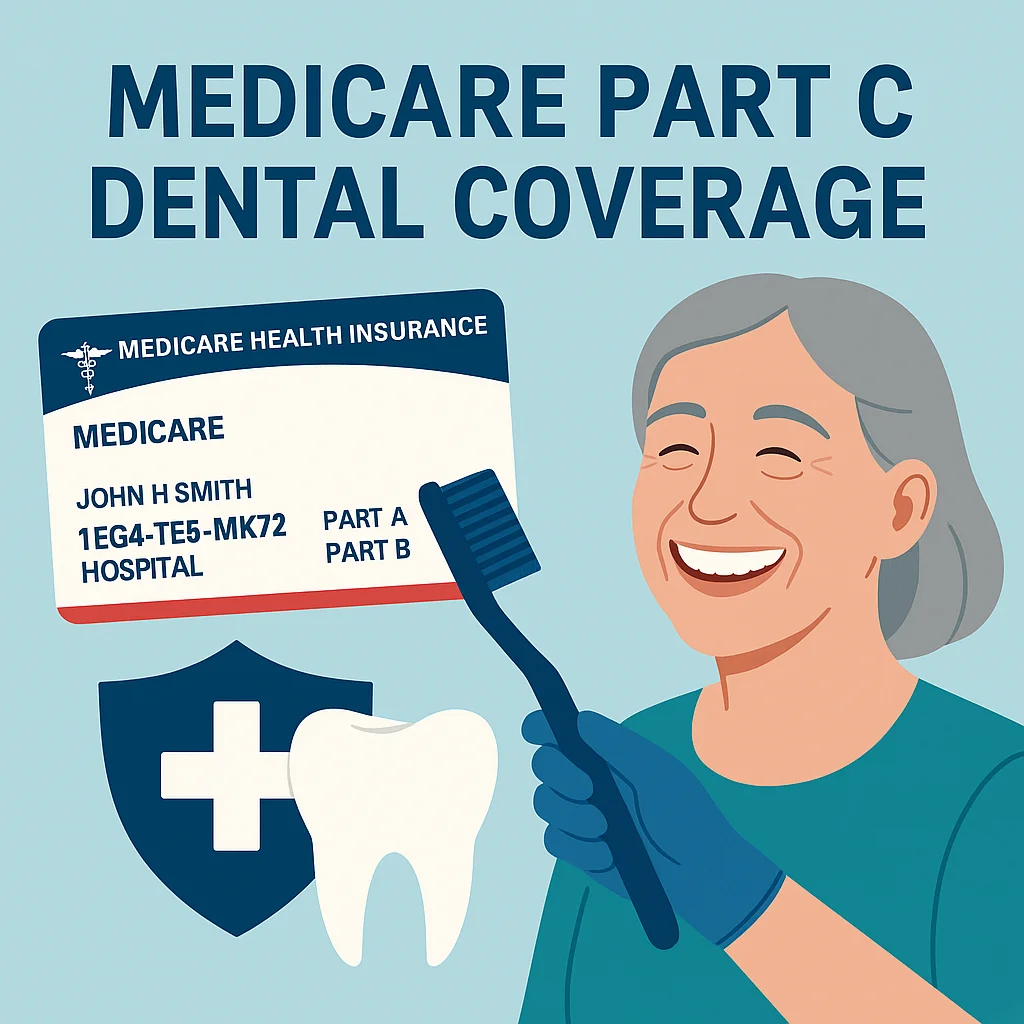
Common Mistakes to Avoid When Choosing Dental Coverage
Selecting a Medicare Advantage plan with medicare part c dental coverage can greatly improve your oral health and financial wellbeing. But choosing the wrong plan — or overlooking critical details — can result in unexpected costs, limited access to care, and unnecessary stress. To help you make the smartest choice, here are the most common mistakes people make when selecting dental coverage under Medicare Part C — and how to avoid them 🧠❌.
🚫 Mistake #1: Assuming All Plans Offer Dental
Not every Medicare Advantage plan includes medicare part c dental coverage. Some plans offer it as an optional rider for an added premium, while others exclude it altogether. If dental care is important to you, make sure the plan you’re considering clearly outlines dental benefits in the Summary of Benefits or Evidence of Coverage.
🚫 Mistake #2: Ignoring the Provider Network
Medicare Advantage plans often use networks (HMO or PPO). Choosing a plan without confirming whether your preferred dentist is in-network can result in higher fees or uncovered services. Always check the provider directory before enrolling in a plan that offers medicare part c dental coverage.
🚫 Mistake #3: Overlooking the Annual Benefit Cap
Nearly all dental benefits in Medicare Part C plans have an annual maximum — often between $1,000 and $2,000. Once you exceed this limit, you’ll pay 100% of additional dental costs out-of-pocket. When comparing medicare part c dental coverage, look for plans with higher limits if you expect to need significant dental work.
🚫 Mistake #4: Not Reviewing Covered Services
Dental coverage varies widely between plans. Some cover only preventive services, while others include fillings, crowns, root canals, and dentures. Failing to review what’s included in your medicare part c dental coverage can leave you underinsured when it matters most.
🚫 Mistake #5: Overlooking Waiting Periods
Certain dental services may not be available immediately after enrollment. Waiting periods of 6–12 months for major dental procedures are common. If you need urgent dental work, choose a plan with no waiting period or minimal delays.
🚫 Mistake #6: Focusing Only on Monthly Premiums
Low or $0 monthly premiums can be attractive — but don’t be fooled. These plans may come with higher copays, stricter networks, or fewer dental benefits. Evaluate the full cost picture of your medicare part c dental coverage, including copays, deductibles, and service caps.
🚫 Mistake #7: Not Checking for Excluded Services
Services like dental implants, veneers, or orthodontics are often excluded under standard medicare part c dental coverage. If these are important to you, make sure the plan explicitly includes them — or be prepared for out-of-pocket costs.
🚫 Mistake #8: Skipping Plan Reviews Each Year
Medicare Advantage plans change yearly. Benefits, networks, and costs can shift. Failing to review your plan annually may result in losing coverage for dental services you rely on. Always revisit your medicare part c dental coverage during the Annual Enrollment Period (Oct 15 – Dec 7).
🚫 Mistake #9: Forgetting to Ask for Help
Choosing the right plan can be complex. Many people make uninformed choices simply because they didn’t ask for assistance. Licensed Medicare agents, dental professionals, and online tools can help you compare and enroll in a plan with optimal medicare part c dental coverage.
✅ Avoid Mistakes with Expert Guidance
To steer clear of these pitfalls, be proactive:
- Read the full plan documentation
- Verify provider network participation
- Use comparison tools at Medicare.gov
- Ask providers like Redent Klinik for personalized advice
- Stay informed via the American Dental Association
By avoiding these common mistakes, you’ll make a smart, informed choice — and get the most out of your medicare part c dental coverage 📘💪.