
In recent years, mini dental implants have emerged as a popular alternative to traditional implants, offering patients a less invasive and more affordable option for tooth replacement. These small but mighty dental solutions are gaining traction among dentists and patients alike, especially for those who may not qualify for conventional implants due to insufficient bone structure or budget limitations.
Mini dental implants are typically about half the diameter of traditional implants, making them ideal for narrow spaces or patients with reduced jawbone density. Their minimally invasive placement procedure often eliminates the need for bone grafting, which is commonly required with standard implants. This results in quicker recovery times, fewer complications, and reduced overall costs.
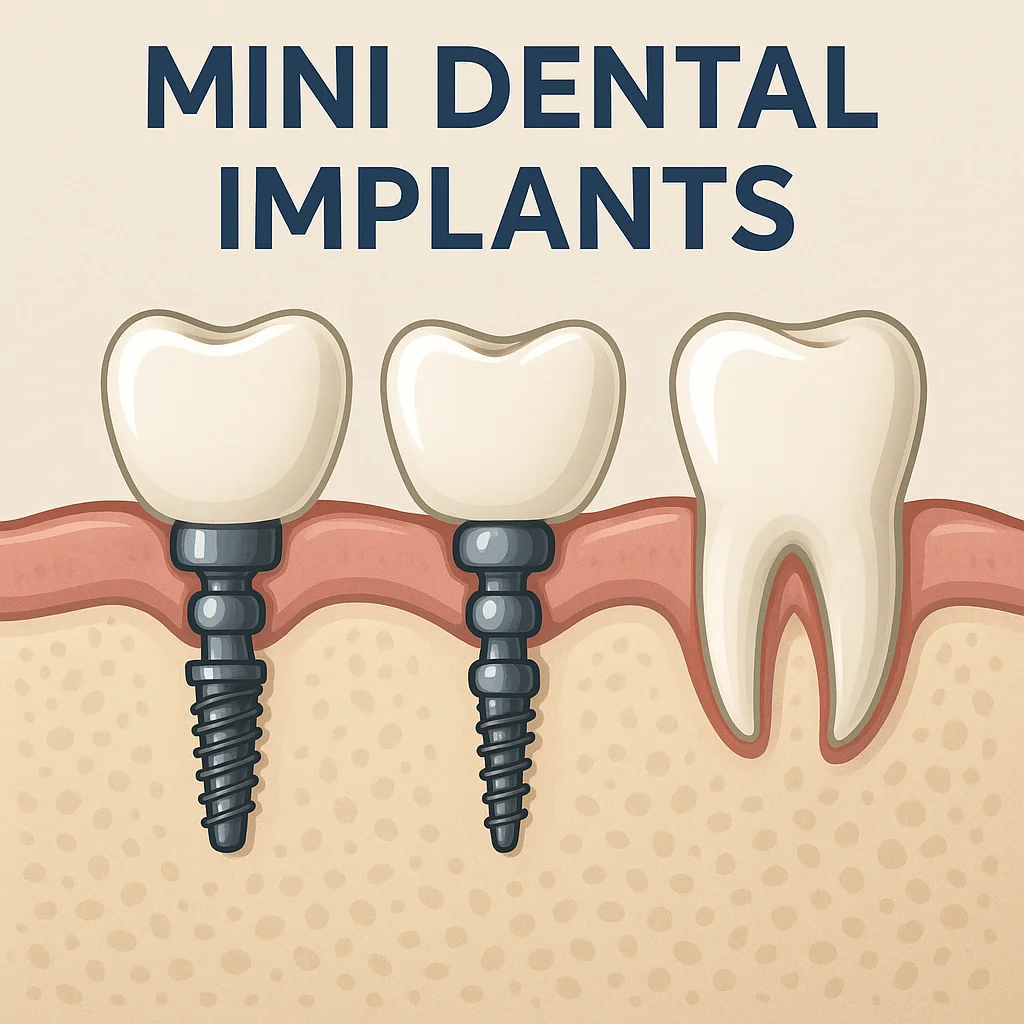
The structure of a mini implant includes a titanium post that is inserted into the jawbone and a small ball-shaped head that protrudes above the gum line. This head acts as the anchor point for various dental restorations, such as crowns, bridges, or dentures. Unlike conventional implants, which may take several months to integrate with the jawbone, mini implants often allow for same-day restoration in many cases.
One of the standout features of mini dental implants is their versatility. Whether you are missing a single tooth or need full-mouth restoration, these implants can be customized to meet a wide range of dental needs. They’re particularly beneficial for stabilizing lower dentures, providing improved retention and eliminating the discomfort of loose-fitting dentures.
Patients also appreciate the reduced healing time. Since the procedure involves smaller incisions and minimal disturbance to the bone and soft tissues, most individuals experience little to no swelling or pain post-operation. Many patients return to their daily routines within a day or two, making mini dental implants an attractive option for those with busy lifestyles.
From a cosmetic perspective, mini implants help restore not only function but also confidence. Missing teeth can have a significant impact on a person’s self-esteem, speech, and ability to chew food properly. Thanks to the modern design and materials used in mini dental implants, patients can achieve a natural-looking smile that feels and functions just like real teeth.
Furthermore, mini dental implants are backed by organizations like the American Dental Association, which continually supports research and innovation in dental implantology. Their studies show promising long-term success rates, especially when patients follow proper oral hygiene practices and attend regular check-ups.
At Redent Klinik Contact Page, we specialize in mini dental implants and tailor each treatment plan to the patient’s unique oral health condition. Whether you’re missing one tooth or several, our team can assess your eligibility and explain every step of the process.
In summary, mini dental implants represent a breakthrough in dental care by combining convenience, affordability, and high success rates. With modern technology and skilled practitioners, they are a reliable and efficient solution for tooth replacement, especially when time and comfort are of the essence.
What Are Mini Dental Implants and How Do They Work?
Mini dental implants are small-diameter titanium posts used to replace missing teeth or to stabilize dentures. Unlike traditional implants, which typically measure between 3.5mm and 6mm in diameter, mini implants are usually around 2mm to 3mm wide. This narrower design allows them to be placed in areas with minimal bone structure, making them an ideal choice for patients who have experienced bone loss.
The main components of mini dental implants include a one-piece titanium screw and a ball-shaped head that protrudes above the gum line. This ball acts as the anchoring mechanism for a dental prosthetic, such as a crown, bridge, or denture. The simplicity of this design not only reduces surgical complexity but also speeds up the placement and healing process.
The procedure for placing mini dental implants is relatively straightforward. After a thorough examination and 3D imaging, the dentist identifies the optimal implant sites. Local anesthesia is applied, and the titanium screws are gently inserted into the jawbone without the need for large incisions or sutures. In many cases, the prosthetic device can be attached immediately after the implant is placed.
One of the most compelling advantages of mini dental implants is that they don’t require bone grafting. Traditional implants often require bone augmentation when the patient’s jawbone isn’t thick enough to support a large implant. With mini implants, their slim profile fits comfortably into available bone, reducing surgical steps and costs.
Over time, mini dental implants undergo a process called osseointegration, where the titanium post fuses with the jawbone. This integration creates a stable foundation for dental prosthetics, ensuring long-term durability and functionality. Patients can chew, speak, and smile with confidence, knowing that their new teeth are firmly anchored.
For patients with loose or ill-fitting dentures, mini dental implants can be life-changing. When used as denture stabilizers, they dramatically improve fit and comfort by preventing the dentures from slipping or shifting. This means no more messy adhesives or embarrassing moments when eating or talking.
Another benefit of mini dental implants is their minimal healing time. Most patients experience mild discomfort, if any, and can resume normal activities the same day. The entire process can often be completed in one visit, especially when attaching dentures or temporary crowns.
According to studies from the American Dental Association, mini implants show high success rates when placed correctly and maintained through good oral hygiene. With proper care, they can last for many years, offering a durable and reliable tooth replacement solution.
Patients interested in learning more about their options for mini dental implants are encouraged to consult a specialist. At Redent Klinik Contact Page, we offer free consultations to assess eligibility and customize a treatment plan based on individual needs.
In conclusion, mini dental implants are a practical and efficient solution for those seeking to restore their smile without the invasiveness or cost of traditional implants. Their streamlined design, fast healing, and long-term success make them one of the best innovations in modern dentistry.
Benefits of Choosing Mini Dental Implants Over Traditional Implants
When comparing dental solutions, the advantages of mini dental implants over traditional implants become quickly apparent. While both aim to replace missing teeth and restore oral functionality, mini implants provide unique benefits in terms of cost, procedure time, and overall convenience. For patients looking for an efficient and minimally invasive alternative, mini dental implants offer several compelling advantages.
One of the primary benefits is the **minimally invasive procedure**. Traditional implants often require surgical flap creation, bone grafting, and months of healing before the final crown or denture can be placed. In contrast, mini dental implants are placed using a less invasive technique, typically without incisions or sutures. This not only reduces trauma to the gums and bone but also significantly shortens the recovery time.
Secondly, mini dental implants are often more **affordable**. Because they require fewer materials, no bone grafts, and less chair time, the overall cost is much lower than traditional implants. This makes them more accessible to a wider range of patients, especially those without dental insurance or with limited budgets.
The **speed of the treatment** is another standout advantage. In many cases, mini dental implants can be placed and restored on the same day. Traditional implants, on the other hand, usually require multiple appointments spread over several months. The ability to walk into a dental office with missing teeth and leave with a restored smile in just a few hours is life-changing for many.
Patients who suffer from **bone loss** often find traditional implants are not an option without bone grafting. Mini dental implants are narrower and can fit into areas with reduced bone density, avoiding the need for costly and time-consuming grafting procedures. This is especially beneficial for older adults or those with medical conditions that affect bone health.
**Improved denture stability** is another area where mini dental implants shine. For patients with full dentures, especially in the lower jaw, mini implants provide superior retention and eliminate common issues like slipping, sore spots, and speech difficulties. Many patients report a dramatic improvement in comfort and function.
The **low risk of complications** is also worth noting. Because the procedure is less invasive and involves fewer surgical steps, there is a reduced risk of infection, bleeding, or nerve damage. Additionally, the healing process is quicker, and patients often return to normal eating and speaking within 24-48 hours.
Cosmetic results are another huge win. Mini dental implants support natural-looking restorations that blend seamlessly with existing teeth. Patients regain not only function but also confidence, with improved aesthetics that positively impact social interactions and self-esteem.
From a clinical standpoint, the success rates of mini dental implants are highly favorable. Studies cited by the American Dental Association show excellent long-term outcomes when implants are placed in suitable candidates and maintained properly.
Finally, the convenience factor cannot be overstated. For many patients, visiting a dental clinic like Redent Klinik and receiving a same-day solution that’s both durable and aesthetic is invaluable. Mini dental implants offer a practical, patient-friendly solution in today’s fast-paced world.
Who Is the Ideal Candidate for Mini Dental Implants?
Not every patient is a candidate for traditional dental implants, but mini dental implants open up new possibilities for a broader group of people. These implants are especially beneficial for individuals who have been told they lack sufficient bone density for conventional implants or who are seeking a quicker, less invasive solution for tooth replacement.
The ideal candidate for mini dental implants is someone who is missing one or more teeth and desires a permanent, stable replacement. Patients should be in good general health and have healthy gums free from active infections such as periodontal disease. While mini implants are smaller in size, they still require enough bone in the jaw to anchor the titanium posts securely.
One of the most common groups who benefit from mini dental implants are older adults. As we age, bone loss in the jaw becomes more prevalent, particularly among denture wearers. Traditional implants may not be suitable for these patients without bone grafting. However, mini implants are ideal because they require less bone and avoid invasive procedures.
Patients who wear loose or ill-fitting dentures also make excellent candidates. Mini dental implants can be used to anchor full or partial dentures securely, dramatically improving function and comfort. Many patients report a life-changing difference in their ability to speak, chew, and enjoy meals without embarrassment.
Those seeking a faster dental solution due to busy schedules or upcoming life events (like weddings or travel) may also opt for mini dental implants. Since the placement procedure is quick and often completed in a single visit, it appeals to individuals who want immediate results without months of waiting.
Smokers or patients with systemic health conditions such as diabetes are typically considered higher risk for traditional implants. While these individuals still require a careful assessment, mini dental implants can sometimes be placed successfully due to their less invasive nature. A personalized evaluation at a clinic such as Redent Klinik will help determine eligibility.
Additionally, patients who prefer a less expensive dental solution are often better suited for mini dental implants. The overall treatment is significantly more affordable compared to traditional implants, especially since it often avoids additional surgeries like sinus lifts or bone grafting.
According to the American Dental Association, success with dental implants—whether traditional or mini—depends heavily on good oral hygiene. Candidates should be committed to brushing, flossing, and attending routine dental check-ups to ensure long-term success of their implants.
In summary, ideal candidates for mini dental implants include:
- Adults with missing teeth and minimal bone volume
- Denture wearers seeking better stability
- Patients desiring same-day dental solutions
- Those looking for more affordable implant alternatives
- Individuals with medical conditions that make invasive surgery risky
To find out if you are a good candidate for mini dental implants, book a consultation with a dental expert. At Redent Klinik, our specialists evaluate each case individually and help guide patients toward the best treatment for their smile goals.
Mini Dental Implant Procedure: Step-by-Step Overview
Understanding the process of receiving mini dental implants can help ease anxiety and set realistic expectations. One of the key reasons patients choose this option is the simplicity and speed of the procedure. Unlike traditional implants, which may take months and multiple surgeries, the placement of mini implants is often completed in a single visit with minimal discomfort.
Here is a step-by-step overview of what to expect when receiving mini dental implants:
1. Initial Consultation
The first step is a comprehensive dental examination. At this stage, your dentist will take 3D scans and X-rays to assess your bone density, gum health, and overall oral condition. This consultation helps determine if mini dental implants are suitable for your needs. You’ll also receive a personalized treatment plan, including expected costs and timeline.
2. Treatment Planning
A digital model of your mouth is created to plan the exact positioning of each implant. Because mini dental implants are smaller in diameter, they can be placed more precisely and in narrower bone areas than traditional implants. Proper planning ensures optimal stability and alignment of your restoration.
3. Local Anesthesia
On the day of the procedure, local anesthesia is administered to numb the treatment area. The minimally invasive nature of mini dental implants usually means no need for general anesthesia or sedation, which is safer and allows for quicker recovery.
4. Implant Placement
The dentist uses a specialized drill to create a small pilot hole in the jawbone. Then, the mini implant is carefully inserted using gentle pressure. Thanks to their narrow size and one-piece design, mini dental implants are placed without the need for incisions, stitches, or bone grafts in most cases.
5. Immediate Loading (When Applicable)
In many cases, prosthetics like crowns or dentures can be placed immediately on top of the implants. This is known as “immediate loading,” a major advantage of mini dental implants. It allows patients to leave the dental office with a restored smile the same day.
6. Healing and Integration
Although less invasive, mini dental implants still require time to integrate with the bone—a process called osseointegration. However, healing is much faster compared to traditional implants. Most patients resume daily activities within 24–48 hours.
7. Final Adjustments
After a few weeks, a follow-up appointment ensures that everything is functioning well. Any needed adjustments to the prosthetic’s fit or bite are made. If temporary restorations were used, they may be replaced with permanent ones at this stage.
At Redent Klinik, we specialize in streamlining this entire procedure. Our team uses state-of-the-art equipment and techniques to ensure your mini dental implants are placed accurately and comfortably.
According to the American Dental Association, proper planning and technique are key to the long-term success of dental implants. With mini dental implants, the procedure is shorter, healing is faster, and the success rate remains impressively high.
This simplified, patient-friendly process makes mini dental implants one of the best options available today for replacing missing teeth quickly, safely, and effectively.
Recovery and Aftercare Tips for Mini Dental Implants 🦷
One of the key advantages of mini dental implants is the quick and relatively easy recovery process. Because the procedure is minimally invasive and does not require incisions or sutures in most cases, healing tends to be faster and less painful than with traditional implants. However, proper aftercare is still essential to ensure the long-term success and stability of your new implants.
Immediately after the placement of mini dental implants, you may experience slight discomfort, swelling, or sensitivity in the treated area. This is perfectly normal and usually subsides within 24 to 48 hours. Your dentist may recommend over-the-counter pain relievers such as ibuprofen to manage any initial soreness.
During the first 24 hours, it’s important to avoid eating hard or chewy foods that could disturb the implant site. Stick to soft foods like mashed potatoes, yogurt, smoothies, or soup. This reduces the risk of implant movement and helps the healing process begin smoothly.
Good oral hygiene is crucial after receiving mini dental implants. Brush gently around the surgical site using a soft-bristled toothbrush, and avoid using electric toothbrushes for at least a few days. Rinsing your mouth with warm salt water can help reduce bacteria and promote healing, but avoid vigorous rinsing for the first day.
Avoid smoking and alcohol during the healing period. These substances can impair blood flow and delay osseointegration, the process by which the mini dental implants fuse with your jawbone. For optimal results, maintain a healthy lifestyle and eat a balanced diet rich in vitamins and minerals that support bone and gum health.
Attend all scheduled follow-up appointments at your dental clinic. At Redent Klinik, our team monitors the healing progress and makes any necessary adjustments to ensure your mini dental implants are integrating correctly. These visits are vital for catching potential issues early and maintaining implant health.
In some cases, patients may receive temporary crowns or dentures immediately after implant placement. These should be treated with care, as the underlying mini dental implants are still stabilizing in the bone. Avoid excessive pressure or biting on hard objects during this phase.
Once healing is complete—typically within a few weeks—you can resume normal eating and oral care routines. However, continue to avoid habits like chewing on ice, biting fingernails, or using your teeth to open packages, as these can damage your restorations and even affect the mini dental implants themselves.
According to the American Dental Association, proper maintenance is the cornerstone of implant longevity. This includes brushing twice a day, flossing, and scheduling professional cleanings every six months. With consistent care, mini dental implants can last for many years—often as long as traditional implants.
In summary, while the recovery process for mini dental implants is generally short and comfortable, attention to aftercare is essential. With the right habits and dental guidance, your implants will provide lasting comfort, functionality, and confidence in your smile.
Cost of Mini Dental Implants: What to Expect in 2025 💸
One of the most appealing aspects of mini dental implants is their affordability compared to traditional dental implants. As we step into 2025, more patients are exploring these cost-effective options to restore their smiles without breaking the bank. But how much do mini dental implants really cost, and what factors influence the final price?
On average, the cost of a single mini dental implant in 2025 ranges between $500 and $1,500 per implant. This price often includes the implant post and the crown or denture attachment, but it may vary depending on individual needs and clinic pricing. In comparison, a traditional dental implant can cost between $3,000 and $5,000 per tooth, making mini implants a more budget-friendly solution.
Several variables influence the overall price of mini dental implants:
- Number of implants needed: The more implants required, the higher the total cost. Full denture stabilization may require 4–6 mini implants per arch.
- Type of restoration: Whether you’re receiving a crown, bridge, or implant-supported denture will affect the final cost.
- Location of the dental clinic: Prices can vary significantly depending on the country, region, or city. Dental tourism destinations like Turkey often offer lower costs with high-quality service.
- Additional procedures: While mini implants usually eliminate the need for bone grafting, some patients may still require preliminary treatments such as deep cleaning or minor gum therapy.
At Redent Klinik, we offer transparent pricing and free initial consultations to help patients understand their treatment options and financial commitments. Our packages for mini dental implants are tailored to individual needs, ensuring affordability without compromising quality.
Another factor to consider is whether dental insurance covers mini dental implants. Some insurance plans may partially reimburse the cost if the procedure is deemed medically necessary. It’s advisable to check with your provider in advance and request a pre-authorization to understand your benefits.
Despite being more economical, mini dental implants offer long-lasting value. When maintained properly, they can last for many years—sometimes even decades—making them a wise investment for both functionality and aesthetics. Their durability, combined with the lower upfront cost, provides excellent return on investment.
For patients comparing treatment options, it’s essential to look beyond just the price. The convenience, faster recovery, and fewer appointments associated with mini dental implants reduce both financial and time-related burdens in the long run.
According to the American Dental Association, implant dentistry is evolving to become more accessible, and mini implants are playing a big role in this shift. They allow more patients to benefit from permanent tooth replacement solutions at a fraction of the cost.
In conclusion, the cost of mini dental implants in 2025 remains one of their most attractive features. With a balance of affordability, effectiveness, and longevity, they are an excellent choice for patients seeking quality dental care on a budget.
Comparing Mini Dental Implants with Other Tooth Replacement Options
Choosing the right tooth replacement solution is a critical decision that impacts not only oral function but also your long-term health and confidence. While there are several options available—including bridges, dentures, and traditional implants—mini dental implants offer a unique blend of convenience, affordability, and functionality that sets them apart.
Let’s compare mini dental implants with other common solutions to understand the advantages and limitations of each:
Mini Dental Implants vs. Traditional Dental Implants
Traditional implants are larger in diameter (typically 3.5mm–6mm) and often require more bone structure for placement. This means that patients with bone loss might need grafting before implant surgery, which increases the cost and healing time.
In contrast, mini dental implants are smaller (1.8mm–3mm), often placed without grafting, and usually completed in a single appointment. While traditional implants may offer slightly more strength for heavy chewing in some cases, mini dental implants are ideal for most patients and deliver excellent functionality with less downtime.
Mini Dental Implants vs. Dental Bridges
Dental bridges require the grinding down of healthy adjacent teeth to support the prosthetic. This irreversible process can weaken surrounding teeth and increase the risk of future dental issues. Furthermore, bridges do not prevent bone loss in the jaw since they do not stimulate the bone.
Mini dental implants are independent, meaning no neighboring teeth are altered. They are anchored directly into the jawbone, preserving bone density and promoting long-term oral health. Plus, their placement is typically more affordable than a bridge spanning multiple teeth.
Mini Dental Implants vs. Removable Dentures
Traditional dentures are a common solution for full-mouth tooth loss. However, they can slip, cause sore spots, and make eating or speaking uncomfortable. Over time, dentures may lead to bone resorption in the jaw, further complicating future restorations.
Mini dental implants can be used to stabilize dentures, making them secure and comfortable. This hybrid approach—implant-supported dentures—offers the best of both worlds: affordability and stability. Patients no longer need messy adhesives or worry about their dentures shifting mid-meal.
Functionality and Aesthetic Appeal
Among all options, mini dental implants provide some of the most natural-feeling and looking results. The crown or denture attachment mimics the appearance of real teeth and restores full functionality, including the ability to chew most foods without difficulty.
Cost-Effectiveness and Time Efficiency
Bridges and traditional implants often require multiple appointments and high upfront costs. Mini dental implants, however, are placed quickly, usually in one day, and involve fewer complications and follow-ups, making them one of the most cost-effective options on the market.
At Redent Klinik, we help patients evaluate all available tooth replacement options. Our specialists guide you based on your oral condition, budget, and long-term goals, often recommending mini dental implants for their impressive versatility and success rate.
According to research supported by the American Dental Association, implant-based restorations offer superior outcomes compared to removable options, and mini dental implants now make this option more accessible to the general population.
In conclusion, while other options have their place in dental care, mini dental implants consistently provide the best mix of durability, function, and affordability. They stand out as a leading choice for patients who want permanent results with minimal hassle.
Potential Risks and How to Avoid Complications
While mini dental implants are widely regarded as a safe and effective solution for tooth replacement, like any medical procedure, they come with potential risks. Fortunately, these risks are rare and can often be prevented with proper care, professional expertise, and patient awareness.
The most common issues associated with mini dental implants include:
- Initial discomfort or swelling: Mild pain, swelling, or bruising may occur shortly after placement. These symptoms typically resolve within a few days and can be managed with over-the-counter pain relievers.
- Implant failure or loosening: In rare cases, an implant may not integrate properly with the bone. This can be due to insufficient bone density, poor placement, or excessive biting force on the implant too soon.
- Infection at the implant site: Although uncommon, infections can develop if oral hygiene is neglected or the site is disturbed during healing.
- Gum recession or irritation: Improper fitting or overloading of the implant can lead to soft tissue complications over time.
To minimize these risks, the first step is to choose an experienced provider. At Redent Klinik, our specialists have performed hundreds of successful mini dental implants procedures using advanced 3D imaging and guided placement techniques to ensure precision and long-term stability.
Patients also play a crucial role in the success of their mini dental implants. Here are some tips to reduce the risk of complications:
- Follow post-op instructions exactly as provided, including dietary restrictions and oral care routines.
- Maintain excellent oral hygiene by brushing twice daily, flossing, and using antimicrobial mouth rinses during recovery.
- Avoid smoking, as it significantly reduces blood flow and impairs bone healing, increasing the chance of implant failure.
- Attend all follow-up visits to ensure that the implants are integrating properly and that no early signs of issues are missed.
- Report any unusual symptoms immediately, such as persistent pain, bleeding, or movement of the implant post.
According to the American Dental Association, overall success rates for dental implants—including mini implants—range between 90–98% when placed in the right conditions and maintained correctly. These statistics are encouraging and reflect the technological advancements and clinical experience now available.
It’s also important to consider bite pressure and occlusion. Mini dental implants are highly effective but are best suited for small-to-moderate biting forces. In cases where heavy grinding or clenching is present, a night guard may be recommended to protect the implants and surrounding restorations.
In rare cases, patients may require a replacement of the implant or the prosthetic component, especially after many years of wear. However, regular check-ups and proactive care dramatically reduce the likelihood of such outcomes.
In conclusion, while mini dental implants are generally safe and successful, understanding and mitigating potential risks is key to maximizing their longevity and performance. With the right provider and proper care, patients can enjoy their new smile for many years to come.
Why More Dentists Recommend Mini Dental Implants in 2025
As dental technology continues to evolve, more professionals are turning to mini dental implants as a preferred solution for restoring missing teeth. In 2025, the recommendation rate among dentists has significantly increased due to improvements in materials, techniques, and patient satisfaction outcomes. But what makes mini dental implants the go-to option for many dental experts today?
First and foremost, the success rate of mini dental implants continues to impress. With long-term studies and real-world clinical data supporting their reliability, dentists are confident in recommending them for a wide range of patients. According to the American Dental Association, mini implants now rival traditional implants in many clinical scenarios, particularly when placed by experienced professionals.
Dentists also appreciate the minimally invasive nature of the procedure. The ability to place mini dental implants without extensive surgery or bone grafting means less chair time, fewer complications, and quicker healing. This allows clinics to serve patients more efficiently and with higher satisfaction rates.
In 2025, there’s a strong push for same-day dentistry and patient convenience. Mini dental implants are ideal for immediate loading, meaning patients can receive their implants and prosthetics in a single appointment. This appeals not only to busy patients but also to dentists looking to streamline procedures and improve clinic workflow.
Another reason for the rise in recommendation is the expanded eligibility pool. Many patients who were once disqualified from traditional implants due to bone loss, age, or medical conditions are now great candidates for mini dental implants. This allows dentists to provide solutions to patients who might have otherwise had no fixed restorative options.
From a training and technological standpoint, the tools used to place mini dental implants have become more sophisticated. 3D cone beam imaging, guided surgery systems, and advanced implant materials allow dentists to plan with greater accuracy and execute with increased confidence.
Financially, offering mini dental implants makes sense for both patients and clinics. Patients benefit from lower costs, and dental practices can offer a competitively priced service with fewer appointments and lower overhead costs. It’s a win-win for both sides of the dental chair.
Moreover, patient satisfaction with mini dental implants is extremely high. Feedback consistently shows that patients experience better comfort, improved function, and enhanced confidence after their mini implant procedures. This positive reception encourages dentists to offer and promote them as a first-line treatment.
At Redent Klinik, our expert team has fully embraced mini dental implants as part of our core treatment offerings. With extensive training and hundreds of successful cases, we continue to see how mini implants improve patients’ lives daily.
In conclusion, the widespread recommendation of mini dental implants in 2025 is backed by solid evidence, practical benefits, and real-world success stories. As they continue to evolve, mini implants are no longer just an alternative—they are becoming the standard of care in modern implant dentistry.