
Access to quality dental care is essential for maintaining overall health, yet many individuals face significant obstacles when trying to visit a traditional dental office. Long travel distances, limited transportation options, physical disabilities, demanding work schedules, and a lack of nearby dental providers can all prevent people from receiving regular oral healthcare. This challenge has led to the rapid growth of mobile dental clinics, an innovative healthcare solution that brings professional dental services directly to patients where they live, work, study, or receive care.
Mobile dental clinics are specially designed vehicles or portable treatment units equipped with modern dental technology. These clinics function similarly to conventional dental offices and can provide a wide range of preventive, diagnostic, and restorative services. By eliminating the need for patients to travel long distances, mobile dental clinics help improve access to care and encourage more people to seek regular dental treatment.
One of the primary goals of mobile dental clinics is to serve communities that have limited access to oral healthcare. Rural populations often struggle to find nearby dental providers, while elderly individuals living in nursing homes may face transportation challenges. Children attending schools in underserved areas may also lack regular access to preventive dental services. By bringing dental professionals directly to these populations, mobile dental clinics help close important healthcare gaps and support better oral health outcomes.
The way mobile dental clinics operate is remarkably efficient. These units are typically equipped with dental chairs, digital X-ray systems, sterilization equipment, lighting systems, water supplies, and computerized patient management tools. Many patients are surprised to discover that the environment inside mobile dental clinics closely resembles that of a traditional dental practice. Dentists and dental hygienists can perform examinations, professional cleanings, fluoride applications, sealants, fillings, and emergency treatments using advanced portable equipment.
Preventive care is one of the most valuable services offered by mobile dental clinics. Regular dental checkups allow healthcare providers to detect potential problems before they become serious. Early identification of tooth decay, gum disease, oral infections, and other conditions can significantly reduce the need for complex procedures later. Through education and preventive treatments, mobile dental clinics help patients maintain healthier teeth and gums over the long term.
Another important advantage of mobile dental clinics is convenience. Many individuals postpone dental visits because taking time off work or arranging transportation can be difficult. By visiting workplaces, schools, community centers, and residential facilities, mobile dental clinics reduce these barriers and make oral healthcare more accessible. This convenience often leads to higher participation rates and improved continuity of care.
Modern mobile dental clinics also emphasize patient comfort and safety. Strict infection control protocols are followed to ensure a clean treatment environment. Instruments are sterilized according to professional standards, and many units use advanced digital technologies that improve diagnostic accuracy while enhancing patient comfort. As a result, patients can receive high-quality care with confidence.
Technology has played a major role in the success of mobile dental clinics. Digital radiography allows dentists to obtain detailed images quickly, while electronic health records improve treatment coordination and patient communication. Some providers even integrate teledentistry solutions, enabling consultations with specialists when needed. These technological advancements allow mobile dental clinics to deliver services that were once available only in fixed dental facilities.
In addition to serving underserved populations, mobile dental clinics are increasingly being used by organizations seeking to improve employee wellness. Employers may arrange on-site dental visits to promote preventive care among staff members. This approach can reduce absenteeism, improve productivity, and encourage healthier lifestyles. As awareness of oral health’s connection to overall well-being grows, the demand for mobile dental clinics continues to increase.
The impact of mobile dental clinics extends beyond individual patients. Communities benefit when more residents receive regular dental care because untreated oral diseases can contribute to broader health problems. Better access to preventive services helps reduce healthcare costs and supports public health initiatives focused on disease prevention. Many healthcare organizations, educational institutions, and government agencies recognize the value of mobile dental clinics as part of a comprehensive approach to community healthcare.
Parents particularly appreciate the role of mobile dental clinics in schools. Children can receive examinations, cleanings, fluoride treatments, and oral health education without leaving campus. This early exposure to preventive dental care helps establish healthy habits that can last a lifetime. By making dental services more accessible during childhood, mobile dental clinics contribute to improved oral health outcomes across entire communities.
Elderly individuals also benefit significantly from mobile dental clinics. Many seniors face mobility limitations that make visiting a traditional dental office difficult. Mobile care services allow these patients to receive professional treatment in familiar surroundings, reducing stress while ensuring they maintain proper oral health. This is especially important because oral health can directly influence nutrition, speech, and overall quality of life.
As healthcare continues to evolve, mobile dental clinics are expected to play an increasingly important role in expanding access to oral healthcare services. Their ability to combine convenience, advanced technology, preventive care, and community outreach makes them a valuable component of modern dentistry. Whether serving rural communities, schools, workplaces, senior living facilities, or underserved populations, mobile dental clinics represent an innovative and effective solution for delivering high-quality dental care where it is needed most. Through improved accessibility and patient-centered care, mobile dental clinics are helping create healthier smiles and stronger communities around the world.
What Are Mobile Dental Clinics and How Do They Work?
Understanding how mobile dental clinics operate is essential for patients who are exploring convenient alternatives to traditional dental offices. As access to healthcare continues to evolve, mobile dental clinics have become one of the most effective ways to deliver professional oral healthcare directly to communities. These innovative facilities combine modern dental technology, trained dental professionals, and flexible transportation systems to ensure that quality dental care reaches people wherever they are.
Unlike a conventional dental practice that remains in a fixed location, mobile dental clinics travel to patients. They are commonly housed inside specially designed buses, trailers, recreational vehicles, or portable treatment units. These mobile healthcare facilities are equipped with many of the same tools and technologies found in a traditional dental office, allowing dentists to provide preventive, diagnostic, and restorative services without compromising quality.
The Basic Structure of Mobile Dental Clinics
Most mobile dental clinics are carefully designed to function as complete dental treatment environments. Although they may appear compact from the outside, the interior space is optimized to maximize efficiency and patient comfort.
A typical mobile unit may include:
- Dental examination and treatment chairs
- Digital X-ray equipment
- Sterilization systems
- Handpieces and dental instruments
- Portable suction systems
- Electronic patient record software
- Water supply and waste management systems
- Climate control and ventilation equipment
These features allow mobile dental clinics to provide a professional healthcare environment that closely resembles a conventional dental office. Many patients are surprised to discover that their experience inside these clinics feels nearly identical to visiting a permanent practice.
How Mobile Dental Clinics Reach Patients
The primary purpose of mobile dental clinics is to bring dental care directly to populations that may otherwise struggle to access it. Instead of requiring patients to travel, these clinics travel to the patients.
Common locations served by mobile dental clinics include:
- Schools and educational institutions
- Nursing homes and senior living communities
- Rural towns and remote regions
- Corporate offices and workplaces
- Community health centers
- Public health events
- Military facilities
- Special needs care centers
This flexibility allows healthcare providers to reach large numbers of patients efficiently while eliminating transportation barriers that often delay treatment.
School-Based Dental Programs
One of the most successful applications of mobile dental clinics involves school dental programs. Children can receive examinations, preventive cleanings, fluoride treatments, sealants, and oral health education without leaving school grounds. Early preventive care significantly reduces the risk of cavities and helps establish lifelong healthy habits.
Senior Care Services
Elderly patients frequently face transportation challenges and mobility limitations. Mobile dental clinics provide an ideal solution by delivering treatment directly to assisted living facilities and nursing homes. This approach ensures seniors continue receiving essential oral healthcare while remaining in a familiar and comfortable environment.
Dental Services Available in Mobile Dental Clinics
Many people mistakenly believe that mobile dental clinics only offer basic services. In reality, modern mobile units are capable of providing a surprisingly broad range of treatments.
Common services include:
- Comprehensive oral examinations
- Professional dental cleanings
- Digital dental X-rays
- Fluoride applications
- Dental sealants
- Cavity fillings
- Emergency dental care
- Oral cancer screenings
- Patient education programs
- Preventive maintenance visits
Some advanced mobile dental clinics also collaborate with specialists through teledentistry systems, allowing patients to receive expert consultations without visiting a specialist’s office.
The Role of Technology in Mobile Dental Clinics
Technology has dramatically improved the effectiveness of mobile dental clinics. Modern equipment allows dental teams to perform accurate diagnoses and provide efficient treatment while operating in a mobile environment.
Digital radiography enables immediate image capture and review. Electronic health records simplify documentation and treatment planning. Cloud-based systems allow providers to securely access patient information from multiple locations. In addition, teledentistry platforms connect mobile providers with specialists for consultation and treatment recommendations.
These technological advancements have helped mobile dental clinics deliver care that meets the same professional standards expected in traditional dental facilities.
Infection Control and Patient Safety
Safety remains a top priority within mobile dental clinics. Dental professionals follow strict infection prevention protocols that comply with healthcare regulations and industry standards.
Measures commonly include:
- Instrument sterilization procedures
- Disposable protective materials
- Surface disinfection between patients
- Air filtration systems
- Protective equipment for staff
- Regular equipment maintenance
These protocols ensure that patients receive safe, high-quality treatment regardless of whether care occurs in a traditional office or inside mobile dental clinics.
Why Mobile Dental Clinics Continue to Grow
The increasing popularity of mobile dental clinics reflects a growing demand for accessible and patient-centered healthcare. Many individuals struggle to schedule appointments around work, school, family responsibilities, or transportation limitations. Mobile care removes many of these obstacles by bringing services directly to communities.
Public health organizations, educational institutions, employers, and healthcare providers increasingly recognize the value of mobile dental clinics in improving oral health outcomes. By reducing barriers to care, these clinics encourage more frequent preventive visits and earlier treatment of dental problems.
In addition to convenience, mobile dental clinics support healthcare equity. They help ensure that underserved populations—including children, seniors, rural residents, and individuals with disabilities—have access to professional oral healthcare services. As healthcare systems continue emphasizing prevention and accessibility, mobile dental clinics are expected to become an even more important part of modern dentistry.
Ultimately, mobile dental clinics represent a practical and highly effective solution for expanding dental care access. By combining mobility, technology, professional expertise, and patient-focused care, these clinics help bridge healthcare gaps and make quality oral health services available to a broader population than ever before.
Top Benefits of Mobile Dental Clinics for Patients
The healthcare industry has undergone significant changes in recent years, with patient convenience and accessibility becoming major priorities. One of the most impactful innovations in oral healthcare has been the rise of mobile dental clinics. These modern facilities bring professional dental services directly to patients, eliminating many of the barriers that prevent individuals from receiving timely treatment. Whether serving children, seniors, busy professionals, or residents of remote communities, mobile dental clinics offer numerous advantages that contribute to better oral health and improved quality of life.
For many patients, accessing traditional dental care can be challenging. Transportation issues, long travel distances, physical disabilities, work obligations, and financial concerns often delay necessary treatment. Mobile dental clinics address these challenges by delivering dental care directly to convenient locations, making oral healthcare more accessible than ever before.
Improved Access to Dental Care
Perhaps the greatest benefit of mobile dental clinics is their ability to improve access to oral healthcare services. Millions of people worldwide live in areas where dental providers are scarce or difficult to reach. Rural communities are particularly affected by shortages of dental professionals, leaving many residents without routine dental care.
By traveling directly to these underserved areas, mobile dental clinics ensure that patients receive preventive and restorative treatments that might otherwise be unavailable. This increased accessibility helps reduce untreated dental disease and supports healthier communities overall.
Supporting Rural Communities
In many rural regions, patients may need to travel several hours to visit a dentist. Mobile dental clinics eliminate this burden by bringing services directly to local schools, community centers, and healthcare facilities. This convenience significantly increases participation in preventive dental programs.
Helping Patients with Limited Mobility
Individuals with disabilities or mobility challenges often struggle to visit traditional dental offices. Mobile dental clinics provide an effective solution by offering care closer to home, reducing transportation difficulties and improving healthcare access.
Greater Convenience for Busy Lifestyles
Modern life is increasingly busy, making it difficult for many people to schedule dental appointments. Parents balancing family responsibilities, employees working full-time jobs, and students managing academic commitments often postpone dental care because of time constraints.
Mobile dental clinics help solve this problem by bringing services directly to workplaces, schools, and community locations. Instead of spending hours traveling and waiting for appointments, patients can receive treatment in a convenient setting close to their daily activities.
This convenience encourages more consistent dental visits, which are essential for maintaining long-term oral health.
Earlier Detection of Dental Problems
Regular dental examinations play a crucial role in preventing serious oral health issues. Unfortunately, many people delay treatment until they experience pain or visible symptoms. By making dental services more accessible, mobile dental clinics encourage earlier diagnosis and intervention.
Routine examinations performed in mobile dental clinics can help identify:
- Tooth decay
- Gum disease
- Oral infections
- Damaged restorations
- Oral cancer signs
- Bite and alignment issues
Early detection often leads to simpler, less invasive, and more affordable treatment options.
Enhanced Preventive Care
Prevention remains one of the most effective ways to maintain oral health. Mobile dental clinics place a strong emphasis on preventive services designed to reduce the risk of dental disease before problems develop.
Common preventive services offered by mobile dental clinics include:
- Professional cleanings
- Fluoride treatments
- Dental sealants
- Oral hygiene education
- Routine examinations
- Digital X-rays
By increasing access to preventive care, mobile dental clinics help patients avoid complex procedures and maintain healthier smiles over time.
Reduced Anxiety and Improved Patient Comfort
Dental anxiety affects millions of individuals and often prevents them from seeking necessary care. Interestingly, many patients report feeling more comfortable in mobile dental clinics because the environment can seem less intimidating than a large dental office.
Receiving treatment at a familiar location such as a school, workplace, or community center can reduce stress and make dental visits feel more approachable. This positive experience encourages patients to continue receiving regular care.
Cost and Time Savings
Although treatment costs vary depending on services provided, mobile dental clinics often help patients save money in indirect ways. Travel expenses, fuel costs, parking fees, and lost work hours can add significant expenses to a traditional dental appointment.
Because mobile dental clinics bring services directly to patients, these additional costs are often reduced or eliminated. Patients benefit from improved convenience while maintaining access to professional dental care.
Reduced Transportation Costs
Patients no longer need to arrange lengthy trips to distant dental offices. This benefit is particularly valuable for elderly individuals, families with young children, and residents of rural communities.
Less Time Away from Work or School
Workplace and school-based mobile dental clinics allow individuals to receive treatment without disrupting their daily schedules. This flexibility improves appointment attendance and promotes preventive care.
Improved Oral Health Education
Education is a critical component of preventive dentistry. Many mobile dental clinics dedicate time to teaching patients about proper brushing techniques, flossing habits, dietary choices, and disease prevention strategies.
These educational efforts help patients develop healthy behaviors that support long-term oral health. Children, in particular, benefit greatly from interactive educational programs delivered through mobile dental clinics.
Serving Vulnerable Populations
One of the most valuable contributions of mobile dental clinics is their ability to serve populations that are often overlooked by traditional healthcare systems. These include:
- Senior citizens
- Individuals with disabilities
- Low-income communities
- Rural residents
- School-aged children
- Patients without reliable transportation
By reaching these groups directly, mobile dental clinics promote healthcare equity and ensure that more individuals have access to essential dental services.
Supporting Better Overall Health
Oral health is closely connected to overall health. Untreated dental disease has been linked to numerous systemic conditions, including cardiovascular disease, diabetes complications, and respiratory infections. Through regular preventive care and early intervention, mobile dental clinics contribute not only to healthier smiles but also to better overall wellness.
As awareness of the connection between oral health and general health continues to grow, the role of mobile dental clinics becomes even more important. Their ability to deliver high-quality, patient-centered care directly to communities makes them a valuable healthcare resource.
Ultimately, the benefits of mobile dental clinics extend far beyond convenience. They improve accessibility, enhance preventive care, support vulnerable populations, reduce healthcare barriers, and encourage healthier lifestyles. As demand for flexible healthcare solutions increases, mobile dental clinics are likely to remain an essential part of modern dentistry, helping more people achieve and maintain excellent oral health regardless of their location or circumstances.
Who Can Benefit Most from Mobile Dental Clinics?
One of the greatest strengths of mobile dental clinics is their ability to serve a wide variety of populations with unique healthcare needs. While traditional dental offices remain an important part of oral healthcare delivery, not everyone can easily access these facilities. Transportation challenges, mobility limitations, geographic isolation, financial barriers, and busy lifestyles often prevent individuals from receiving regular dental treatment. By bringing professional dental services directly to communities, mobile dental clinics help ensure that more people can maintain healthy teeth and gums regardless of their circumstances.
The flexibility of mobile dental clinics allows dental professionals to reach populations that have historically faced difficulties obtaining routine care. From children in schools to elderly residents in long-term care facilities, these mobile healthcare units play a critical role in improving oral health outcomes and reducing healthcare disparities.
Children and School-Aged Students
Children represent one of the most important groups served by mobile dental clinics. Tooth decay remains one of the most common chronic health conditions affecting children worldwide. Unfortunately, many children do not receive regular preventive dental care due to transportation challenges, parental work schedules, or limited access to nearby dental providers.
School-based mobile dental clinics help address this issue by bringing dental services directly to educational institutions. Students can receive examinations, cleanings, fluoride treatments, sealants, and oral health education without leaving school grounds.
Benefits for Students
- Early detection of cavities and dental problems
- Reduced absenteeism caused by dental pain
- Access to preventive treatments
- Improved oral hygiene education
- Greater convenience for parents
Through regular visits from mobile dental clinics, children can develop healthy habits that support lifelong oral wellness.
Senior Citizens and Elderly Patients
Older adults often face unique challenges when it comes to dental care. Many seniors experience reduced mobility, chronic health conditions, or transportation limitations that make visiting a traditional dental office difficult. Yet maintaining oral health remains critically important throughout the aging process.
Mobile dental clinics provide a practical solution by delivering care directly to nursing homes, assisted living facilities, retirement communities, and senior centers. This allows elderly patients to receive professional treatment in familiar surroundings without the stress associated with transportation and lengthy appointments.
Common Dental Needs of Seniors
- Denture evaluations and adjustments
- Gum disease management
- Treatment of tooth decay
- Oral cancer screenings
- Preventive cleanings
- Management of dry mouth conditions
By improving access to care, mobile dental clinics help seniors maintain their comfort, nutrition, speech, and overall quality of life.
People Living in Rural Communities
Many rural regions face significant shortages of dental professionals. In some areas, patients may need to travel long distances simply to receive a routine dental examination. These travel requirements often lead to delayed treatment and worsening oral health conditions.
Mobile dental clinics play an essential role in bridging this healthcare gap. By visiting rural towns, community centers, and healthcare facilities, these mobile units bring essential services directly to underserved populations.
Residents benefit from:
- Reduced travel requirements
- Greater access to preventive care
- Earlier diagnosis of dental issues
- Lower transportation expenses
- More consistent treatment opportunities
For many rural families, mobile dental clinics provide access to professional dental care that might otherwise be unavailable.
Individuals with Disabilities
People living with physical, developmental, or cognitive disabilities frequently encounter barriers when seeking dental treatment. Transportation difficulties, accessibility concerns, and specialized care requirements can make traditional dental visits challenging.
Mobile dental clinics improve accessibility by bringing dental services closer to patients and reducing many of the obstacles associated with traveling to a fixed clinic location. Some mobile programs are specifically designed to accommodate individuals with special healthcare needs, ensuring that patients receive compassionate and appropriate treatment.
Advantages for Patients with Disabilities
- Reduced transportation stress
- Improved physical accessibility
- Familiar treatment environments
- Personalized patient care
- Enhanced continuity of treatment
These benefits allow mobile dental clinics to support more inclusive access to oral healthcare.
Low-Income and Underserved Populations
Financial barriers often prevent individuals from seeking preventive dental care. When routine treatment is postponed, minor dental problems can develop into serious oral health conditions that require more extensive intervention.
Many mobile dental clinics operate through partnerships with public health agencies, charitable organizations, educational institutions, and community programs. These collaborations help expand access to care for underserved populations while promoting preventive healthcare initiatives.
As a result, individuals who might otherwise avoid dental treatment can receive examinations, cleanings, education, and basic restorative services through mobile dental clinics.
Busy Working Professionals
Modern work schedules can make it difficult to find time for dental appointments. Many employees postpone routine checkups because they cannot easily leave work during business hours.
Workplace-based mobile dental clinics offer a convenient solution by providing on-site dental services. Employees can receive preventive care, examinations, and screenings without traveling to a separate dental office.
This convenience benefits both employers and employees by:
- Reducing time away from work
- Promoting preventive healthcare
- Improving employee wellness
- Increasing appointment attendance
- Supporting long-term oral health
As workplace wellness programs continue to expand, mobile dental clinics are becoming increasingly popular among employers seeking to support workforce health.
Patients Requiring Community-Based Healthcare
Community outreach remains one of the most valuable functions of mobile dental clinics. Public health events, community centers, shelters, and local health fairs often host mobile dental programs designed to increase awareness and improve access to care.
These initiatives help identify untreated dental conditions, provide education, and connect patients with ongoing treatment resources. Through community engagement, mobile dental clinics contribute to healthier populations and stronger public health outcomes.
Why Mobile Dental Clinics Serve Such Diverse Groups
The reason mobile dental clinics are so effective lies in their flexibility. Unlike traditional practices that require patients to travel, mobile units bring services directly to the people who need them most. This patient-centered approach reduces barriers, increases convenience, and encourages preventive care.
Whether serving children, seniors, rural residents, individuals with disabilities, underserved populations, or busy professionals, mobile dental clinics provide an accessible pathway to better oral health. Their ability to adapt to different environments and patient needs makes them an increasingly valuable component of modern healthcare systems.
As demand for accessible healthcare continues to grow, mobile dental clinics will likely expand their reach even further. By focusing on convenience, prevention, and community outreach, these innovative dental programs help ensure that high-quality oral healthcare is available to everyone, regardless of age, income, location, or physical ability.
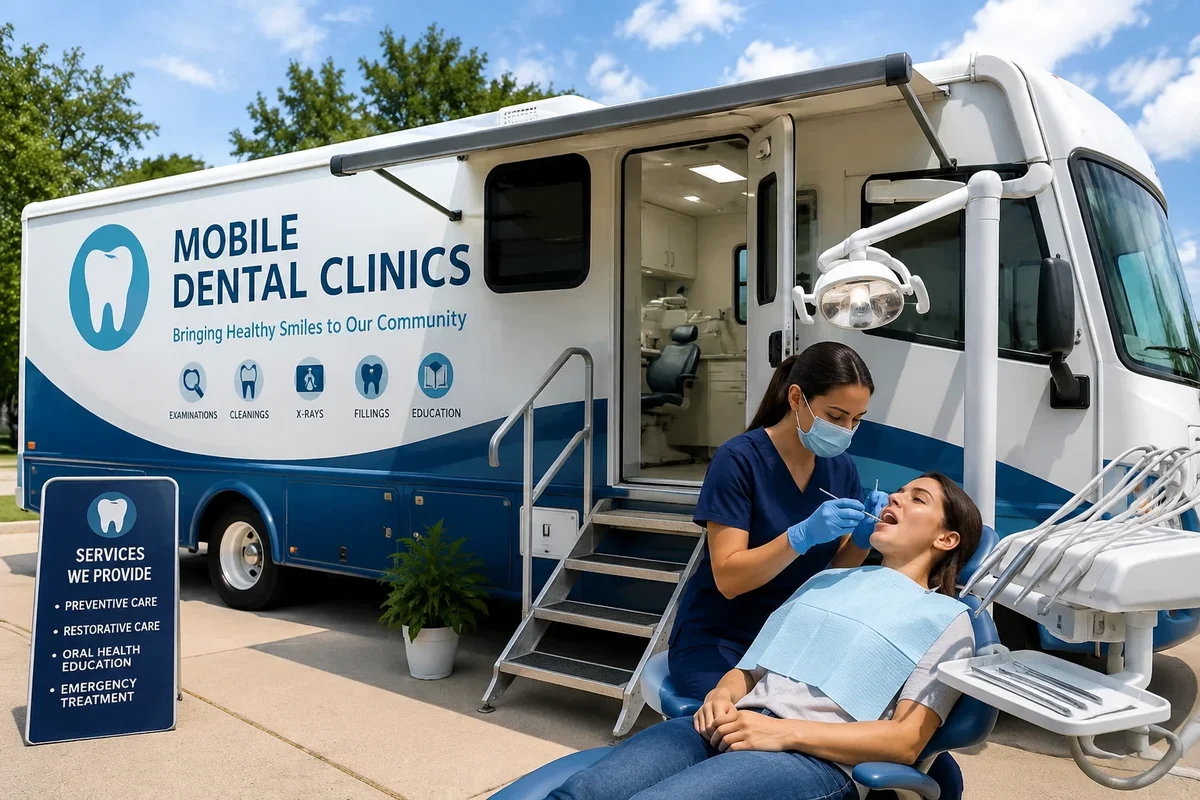
Services Commonly Offered by Mobile Dental Clinics
One of the most common misconceptions about mobile dental clinics is that they provide only basic dental services. In reality, modern mobile dental clinics are equipped with advanced technology and professional equipment that allow them to deliver a wide range of preventive, diagnostic, and restorative treatments. Thanks to ongoing advancements in portable dental technology, many procedures that were once available only in traditional dental offices can now be performed efficiently within mobile treatment units.
The exact services available through mobile dental clinics may vary depending on the provider, vehicle size, equipment, staffing, and local regulations. However, most programs are designed to address the most common oral health needs while promoting preventive care and improving access to treatment.
Understanding the services typically offered by mobile dental clinics helps patients make informed decisions about their oral healthcare options and determine whether mobile dentistry can meet their specific needs.
Comprehensive Dental Examinations
Dental examinations form the foundation of oral healthcare. Most mobile dental clinics provide comprehensive evaluations that allow dentists to assess the condition of the teeth, gums, jaw, and surrounding oral tissues.
During an examination, the dental team may evaluate:
- Tooth decay and cavities
- Gum health
- Bite alignment
- Existing dental restorations
- Signs of oral infection
- Oral cancer risk factors
- Jaw joint function
Regular examinations through mobile dental clinics help identify potential problems early, often preventing more complex and costly treatments later.
Importance of Routine Checkups
Preventive examinations remain one of the most effective ways to maintain oral health. By visiting communities regularly, mobile dental clinics encourage patients to seek routine care rather than waiting until pain or discomfort develops.
Professional Dental Cleanings
Professional dental cleanings are among the most frequently requested services provided by mobile dental clinics. Even individuals who brush and floss consistently can develop plaque and tartar buildup that requires professional removal.
During a cleaning appointment, dental hygienists typically:
- Remove plaque deposits
- Eliminate hardened tartar
- Polish tooth surfaces
- Assess gum health
- Provide oral hygiene guidance
Regular cleanings offered through mobile dental clinics play a significant role in preventing gum disease, cavities, and other oral health complications.
Digital Dental X-Rays
Modern mobile dental clinics often include advanced digital radiography systems. These technologies allow dentists to capture detailed images of teeth and supporting structures quickly and efficiently.
Digital X-rays help detect:
- Hidden cavities
- Bone loss
- Impacted teeth
- Dental infections
- Root abnormalities
- Developmental issues
The use of digital imaging enables mobile dental clinics to provide more accurate diagnoses while minimizing radiation exposure compared to older imaging technologies.
Fluoride Treatments and Dental Sealants
Preventive dentistry is a major focus of mobile dental clinics. Fluoride applications and dental sealants are commonly provided to reduce the risk of tooth decay, particularly among children and adolescents.
Fluoride Treatments
Fluoride strengthens tooth enamel and helps protect teeth against acid attacks from bacteria and food particles. Many mobile dental clinics incorporate fluoride treatments into preventive care programs.
Dental Sealants
Sealants are thin protective coatings applied to the chewing surfaces of molars. These coatings help prevent food particles and bacteria from becoming trapped in grooves where cavities frequently develop. School-based mobile dental clinics often provide sealants as part of preventive dental initiatives.
Restorative Dental Treatments
Many mobile dental clinics are equipped to perform basic restorative procedures that repair damaged or decayed teeth. These treatments help restore function, reduce discomfort, and prevent further oral health complications.
Common restorative services include:
- Tooth-colored fillings
- Temporary restorations
- Minor repairs to existing dental work
- Protective treatments for weakened teeth
The availability of restorative care allows mobile dental clinics to address dental issues before they progress into more serious conditions.
Emergency Dental Care
Dental emergencies can occur unexpectedly and often require prompt attention. Many mobile dental clinics offer emergency services to help patients experiencing pain, swelling, infections, or dental trauma.
Emergency care may include:
- Pain management
- Evaluation of dental injuries
- Treatment of infections
- Temporary restorations
- Emergency referrals when necessary
By providing timely intervention, mobile dental clinics can help prevent complications and improve patient comfort.
Oral Cancer Screenings
Early detection significantly improves outcomes for many serious health conditions, including oral cancer. As part of routine examinations, many mobile dental clinics perform oral cancer screenings.
These evaluations involve examining the mouth, tongue, throat, gums, and surrounding tissues for abnormalities that may require further investigation. Regular screenings help identify concerns at earlier stages when treatment may be more effective.
Patient Education and Preventive Counseling
Education remains one of the most valuable services offered by mobile dental clinics. Many oral health problems can be prevented through proper home care and healthy lifestyle choices.
Dental teams frequently provide guidance on:
- Correct brushing techniques
- Effective flossing methods
- Nutritional habits that support oral health
- Tobacco cessation information
- Cavity prevention strategies
- Gum disease awareness
These educational efforts help patients take an active role in maintaining their oral health between appointments.
Teledentistry and Specialist Referrals
Advanced mobile dental clinics increasingly incorporate teledentistry technologies that allow patients to connect with dental specialists remotely. Through secure digital communication platforms, dentists can share images, radiographs, and clinical findings with specialists for consultation.
This capability expands the range of services available through mobile dental clinics and helps patients receive appropriate referrals when specialized treatment is required.
How Mobile Dental Clinics Continue Expanding Services
As portable dental technology continues to evolve, the capabilities of mobile dental clinics are expanding rapidly. New diagnostic tools, digital imaging systems, electronic health records, and treatment equipment allow mobile providers to deliver increasingly comprehensive care.
Today’s mobile dental clinics serve as fully functional healthcare environments capable of addressing a broad range of oral health needs. From preventive care and education to restorative treatments and emergency services, these mobile facilities play an essential role in improving access to quality dental care.
For patients seeking convenient and accessible treatment options, mobile dental clinics offer a practical solution that combines professional expertise, modern technology, and patient-centered care. Their ability to deliver essential services directly to communities makes them an increasingly important component of modern dentistry and public health initiatives worldwide.
Mobile Dental Clinics vs Traditional Dental Offices
As access to healthcare continues to evolve, patients increasingly have more options when seeking dental treatment. One of the most important developments in modern dentistry has been the growth of mobile dental clinics. While traditional dental offices remain the standard model for delivering oral healthcare, mobile dental clinics offer unique advantages that address many of the barriers patients face when trying to obtain regular dental care.
Understanding the differences between mobile dental clinics and traditional dental practices can help patients determine which option best meets their needs. Both models aim to provide high-quality oral healthcare, but they differ significantly in terms of accessibility, convenience, patient experience, and service delivery.
Location and Accessibility
The most obvious difference between traditional dental offices and mobile dental clinics is location. Traditional dental practices operate from permanent facilities where patients must travel to receive care. In contrast, mobile dental clinics bring dental services directly to communities, schools, workplaces, senior living facilities, and underserved areas.
For many individuals, transportation represents a significant obstacle to healthcare access. Patients living in rural regions may need to travel long distances to reach a dentist. Elderly individuals, people with disabilities, and those without reliable transportation often face similar challenges.
Because mobile dental clinics travel to patients rather than requiring patients to travel to them, they dramatically improve accessibility for many populations.
Advantages of Mobile Access
- Reduced travel time
- Improved convenience
- Greater access in underserved areas
- Enhanced outreach to vulnerable populations
- More opportunities for preventive care
Convenience for Patients
Convenience is one of the primary reasons many individuals prefer mobile dental clinics. Scheduling appointments at traditional offices often requires patients to arrange transportation, take time away from work, or coordinate childcare responsibilities.
When mobile dental clinics visit schools, workplaces, community centers, or residential facilities, patients can receive treatment without significantly disrupting their daily schedules. This convenience often leads to higher appointment attendance rates and better continuity of care.
For busy professionals, parents, and students, mobile dental clinics provide an efficient alternative that minimizes time commitments while maintaining access to professional dental services.
Range of Services Available
Traditional dental offices generally offer the broadest range of dental services because they have larger facilities and access to specialized equipment. Procedures such as complex oral surgery, advanced implant treatment, full-mouth rehabilitation, and extensive orthodontic care are more commonly performed in permanent dental practices.
However, modern mobile dental clinics have expanded their capabilities significantly. Many mobile units now provide:
- Dental examinations
- Professional cleanings
- Digital X-rays
- Fluoride treatments
- Dental sealants
- Tooth-colored fillings
- Emergency dental care
- Oral health education
- Preventive screenings
For routine preventive and restorative care, mobile dental clinics often provide services comparable to those available in traditional offices.
When Traditional Offices May Be Necessary
Although mobile dental clinics are highly effective for many treatments, certain complex procedures may require referral to a permanent dental facility. Advanced surgical procedures, specialized prosthodontic treatment, and certain orthodontic services may still be best performed in traditional settings.
Technology and Equipment
Years ago, mobile dentistry faced limitations due to equipment size and portability. Today, technological advancements have transformed the capabilities of mobile dental clinics.
Many mobile units now feature:
- Digital radiography systems
- Portable dental units
- Electronic patient records
- Advanced sterilization systems
- Intraoral cameras
- Cloud-based diagnostic tools
As a result, patients visiting mobile dental clinics often receive care using technology similar to that found in conventional dental offices.
Traditional practices may still possess additional specialized equipment due to their larger physical footprint, but the technological gap continues to narrow.
Patient Experience and Comfort
Patient comfort is another important factor when comparing traditional practices and mobile dental clinics. Some individuals appreciate the familiarity and larger space provided by permanent dental offices. Others prefer the convenience and community-based approach offered by mobile services.
Interestingly, many patients report feeling less anxious when receiving treatment in mobile dental clinics. The smaller, more personal environment can feel less intimidating than a large clinical setting.
Additionally, receiving care in familiar locations such as schools, workplaces, or community centers often helps reduce dental anxiety and improves the overall patient experience.
Public Health Impact
One area where mobile dental clinics often outperform traditional offices is public health outreach. Traditional dental practices generally rely on patients scheduling appointments and traveling to the clinic. In contrast, mobile dental clinics actively bring services into communities.
This outreach model allows providers to:
- Reach underserved populations
- Expand preventive care programs
- Increase oral health education
- Improve healthcare equity
- Reduce untreated dental disease
Many public health initiatives depend heavily on mobile dental clinics to improve access to care among vulnerable populations.
Cost Considerations
The direct cost of treatment may be similar between traditional offices and mobile dental clinics, depending on the provider and services performed. However, patients often experience significant indirect savings when utilizing mobile care.
These savings may include:
- Reduced transportation expenses
- Lower fuel costs
- Less time away from work
- Reduced childcare requirements
- Fewer scheduling disruptions
For many families, these practical benefits make mobile dental clinics an attractive option.
Which Option Is Better?
The answer depends on the patient’s needs. Traditional dental offices remain essential for comprehensive and highly specialized dental care. However, mobile dental clinics excel at improving accessibility, convenience, preventive care, and community outreach.
For routine examinations, preventive services, school programs, workplace wellness initiatives, senior care, and underserved populations, mobile dental clinics provide a highly effective solution. They help bridge healthcare gaps while ensuring that more people receive the dental care they need.
Rather than viewing these models as competitors, many healthcare experts consider mobile dental clinics and traditional dental offices to be complementary components of a modern oral healthcare system. Together, they expand access, improve patient outcomes, and support healthier communities.
As dental technology continues to advance and healthcare systems place greater emphasis on accessibility, the role of mobile dental clinics is expected to grow even further. Their ability to bring quality dental care directly to patients makes them an increasingly valuable resource for individuals, communities, and public health organizations worldwide.
How Mobile Dental Clinics Improve Access to Oral Healthcare
Access to oral healthcare remains a significant challenge for millions of people around the world. Despite growing awareness of the importance of oral health, many individuals still face barriers that prevent them from receiving regular dental care. Geographic isolation, transportation difficulties, financial constraints, physical disabilities, and limited availability of dental providers can all contribute to poor oral health outcomes. This is where mobile dental clinics have become a transformative force in modern healthcare.
By bringing professional dental services directly to patients, mobile dental clinics help overcome many of the obstacles associated with traditional dental care delivery. Their flexible and patient-centered approach expands access to preventive, diagnostic, and restorative services while promoting healthier communities.
The ability of mobile dental clinics to reach underserved populations has made them one of the most effective tools for improving oral healthcare accessibility and reducing disparities in dental treatment.
Breaking Geographic Barriers
One of the most significant ways mobile dental clinics improve access to care is by reaching patients who live in remote or rural areas. Many rural communities face severe shortages of dental professionals, making routine dental visits difficult or even impossible for some residents.
In traditional healthcare systems, patients often need to travel long distances to reach a dental office. These journeys can be costly, time-consuming, and inconvenient, especially for individuals with limited transportation options.
Mobile dental clinics eliminate much of this burden by bringing care directly into communities. Instead of traveling hours to receive treatment, patients can access services closer to home through scheduled mobile visits.
Benefits for Rural Residents
- Reduced travel requirements
- Lower transportation expenses
- Improved access to preventive care
- Earlier detection of dental disease
- Greater treatment consistency
Through community outreach programs, mobile dental clinics help ensure that geographic location does not determine access to oral healthcare.
Supporting Underserved Communities
Many low-income communities face significant challenges when seeking dental treatment. Limited financial resources, lack of nearby providers, and inadequate healthcare infrastructure often contribute to higher rates of untreated dental disease.
Mobile dental clinics frequently partner with public health organizations, schools, charities, and community health programs to address these disparities. By delivering services directly to underserved neighborhoods, these clinics increase opportunities for preventive care and early intervention.
This approach allows dental professionals to reach populations that might otherwise delay or avoid treatment due to financial or logistical barriers.
Common Community Outreach Locations
- Community centers
- Public health events
- Faith-based organizations
- Local healthcare facilities
- Neighborhood outreach programs
As a result, mobile dental clinics play a critical role in advancing healthcare equity and reducing oral health disparities.
Improving Access for Children
Children benefit tremendously from the services provided by mobile dental clinics. School-based dental programs have proven highly effective in increasing preventive care access while reducing untreated tooth decay among students.
Many children miss dental appointments because parents face transportation challenges, work obligations, or scheduling difficulties. By bringing services directly to schools, mobile dental clinics remove many of these barriers.
Students can receive:
- Routine dental examinations
- Professional cleanings
- Fluoride treatments
- Dental sealants
- Oral health education
- Early cavity detection
Regular visits from mobile dental clinics help establish healthy habits early in life while preventing many common childhood dental problems.
Increasing Access for Senior Citizens
Elderly individuals often face unique challenges when accessing oral healthcare. Mobility limitations, chronic medical conditions, transportation difficulties, and dependence on caregivers can make dental visits difficult.
Mobile dental clinics provide a practical solution by visiting nursing homes, assisted living communities, retirement centers, and long-term care facilities. This approach allows seniors to receive essential dental services without leaving familiar surroundings.
Routine care delivered through mobile dental clinics helps seniors maintain oral health, improve nutrition, and enhance overall quality of life.
Important Services for Older Adults
- Denture evaluations
- Preventive cleanings
- Oral cancer screenings
- Gum disease monitoring
- Management of dry mouth conditions
- Routine examinations
Helping Individuals with Disabilities
People living with disabilities often encounter barriers that make traditional dental appointments more challenging. Transportation issues, accessibility concerns, and specialized care requirements can discourage regular dental visits.
Mobile dental clinics improve access by bringing services closer to patients and reducing the logistical difficulties associated with traveling to a fixed dental facility.
Many mobile programs are specifically designed to accommodate individuals with special healthcare needs, ensuring a more comfortable and accessible treatment experience.
This patient-centered model demonstrates how mobile dental clinics can improve inclusivity within oral healthcare systems.
Reducing Healthcare Delays
Many dental problems worsen when treatment is delayed. Small cavities can progress into severe decay, mild gum inflammation can develop into advanced periodontal disease, and minor discomfort can become significant pain.
Because mobile dental clinics improve convenience and accessibility, they encourage patients to seek care sooner. Earlier intervention often results in simpler treatment, lower healthcare costs, and better outcomes.
Regular access to preventive services through mobile dental clinics helps identify issues before they become serious, supporting a proactive approach to oral health.
Promoting Preventive Healthcare
Preventive care remains one of the most effective strategies for improving oral health outcomes. Mobile dental clinics place strong emphasis on education, routine examinations, professional cleanings, fluoride applications, and other preventive services.
Patients who receive preventive care are often less likely to require extensive restorative treatment in the future. By increasing access to preventive services, mobile dental clinics help reduce the overall burden of dental disease.
Many programs also provide educational resources that teach proper brushing techniques, flossing habits, dietary recommendations, and cavity prevention strategies.
Strengthening Public Health Initiatives
Public health organizations increasingly recognize the value of mobile dental clinics in expanding healthcare access. These mobile programs support community-based prevention efforts while helping identify untreated dental conditions within vulnerable populations.
By working alongside schools, healthcare providers, government agencies, and nonprofit organizations, mobile dental clinics contribute to broader public health goals aimed at improving community wellness.
Their ability to reach large populations efficiently makes them an important component of preventive healthcare infrastructure.
The Future of Accessible Oral Healthcare
As healthcare systems continue prioritizing accessibility, convenience, and preventive care, the role of mobile dental clinics will likely continue to expand. Technological advancements, improved portability, and growing community partnerships are making mobile dentistry more effective than ever.
Through their ability to break geographic, financial, and logistical barriers, mobile dental clinics help ensure that more people receive the dental care they need. Whether serving children, seniors, rural communities, individuals with disabilities, or underserved populations, these innovative healthcare programs are transforming access to oral healthcare around the world.
Ultimately, mobile dental clinics demonstrate how healthcare innovation can improve lives by bringing essential services directly to the communities that need them most. Their continued growth represents a major step forward in creating a more accessible and equitable oral healthcare system for future generations.
Safety, Hygiene, and Technology in Mobile Dental Clinics
When patients first hear about mobile dental clinics, one of the most common questions they ask concerns safety and quality standards. Many people wonder whether treatment delivered in a mobile environment can match the standards of a traditional dental office. The answer is yes. Modern mobile dental clinics are designed to meet strict healthcare regulations while utilizing advanced technology, professional sterilization procedures, and comprehensive infection control protocols.
Today’s mobile dental clinics are not simply vehicles with basic equipment. They are sophisticated healthcare environments equipped with modern dental technology that enables providers to deliver safe, effective, and high-quality care. As mobile dentistry continues to evolve, safety, hygiene, and technological innovation remain central to the success of mobile dental clinics.
Strict Infection Control Standards
Infection prevention is one of the most important aspects of any healthcare setting. Whether treatment occurs in a traditional office or within mobile dental clinics, patients deserve the same high level of protection against cross-contamination and infectious disease transmission.
Dental professionals working in mobile dental clinics follow rigorous infection control protocols based on established healthcare guidelines. These procedures help maintain a safe treatment environment for both patients and staff.
Common infection control measures include:
- Instrument sterilization after every use
- Disposable protective barriers
- Use of personal protective equipment (PPE)
- Surface disinfection between patients
- Safe handling of medical waste
- Routine sanitation procedures
These practices ensure that mobile dental clinics provide treatment environments that meet professional healthcare standards.
Sterilization of Dental Instruments
All reusable instruments used in mobile dental clinics undergo strict sterilization procedures. Specialized equipment eliminates bacteria, viruses, and other microorganisms before instruments are reused. Sterilization cycles are carefully monitored to maintain compliance with healthcare regulations and professional standards.
This process helps ensure that patients receive treatment using properly sterilized instruments during every visit.
Personal Protective Equipment and Staff Safety
Healthcare providers working in mobile dental clinics utilize personal protective equipment to minimize infection risks and maintain safe clinical environments.
Protective equipment commonly includes:
- Gloves
- Face masks
- Protective eyewear
- Face shields
- Protective gowns
These measures help protect both patients and dental professionals while supporting high standards of infection prevention.
The commitment to safety demonstrated by mobile dental clinics reflects the same principles followed in conventional dental facilities.
Advanced Dental Technology in Mobile Clinics
Technology has played a major role in expanding the capabilities of mobile dental clinics. Modern mobile units are equipped with advanced systems that allow dentists to provide accurate diagnoses, efficient treatment, and improved patient experiences.
Many patients are surprised by the level of technology available within today’s mobile dental clinics. These mobile facilities often contain equipment comparable to what is found in permanent dental offices.
Digital Radiography Systems
Digital X-ray technology has become a standard feature in many mobile dental clinics. Digital imaging offers several advantages over traditional film-based radiography.
Benefits include:
- Faster image acquisition
- Improved diagnostic accuracy
- Lower radiation exposure
- Enhanced image storage capabilities
- Immediate image review
By utilizing digital radiography, mobile dental clinics can diagnose dental problems quickly and accurately while enhancing patient safety.
Intraoral Cameras
Many mobile dental clinics use intraoral cameras to capture detailed images of the teeth and oral tissues. These cameras allow patients to see exactly what the dentist sees, improving communication and treatment understanding.
Visual documentation also supports more accurate diagnoses and treatment planning.
Electronic Health Records and Data Security
Modern mobile dental clinics frequently utilize electronic health record systems to manage patient information efficiently and securely.
Digital records provide several advantages:
- Improved documentation accuracy
- Faster access to patient history
- Enhanced treatment coordination
- Secure information storage
- Better continuity of care
Cloud-based technologies allow providers working in mobile dental clinics to access patient records while maintaining strict privacy and security standards.
These systems help ensure that mobile healthcare delivery remains efficient without compromising patient confidentiality.
Air Quality and Environmental Controls
Maintaining a clean clinical environment extends beyond sterilization and surface disinfection. Many mobile dental clinics incorporate ventilation and air filtration systems designed to improve indoor air quality and support infection control efforts.
Advanced environmental controls may include:
- High-efficiency air filtration systems
- Climate control technologies
- Ventilation management systems
- Humidity regulation equipment
These features contribute to a safer and more comfortable treatment environment for patients receiving care in mobile dental clinics.
Teledentistry and Remote Consultation Technology
Another significant technological advancement influencing mobile dental clinics is teledentistry. Through secure digital communication platforms, mobile providers can collaborate with specialists and obtain expert consultations when necessary.
Teledentistry supports:
- Remote treatment planning
- Specialist referrals
- Diagnostic consultations
- Follow-up evaluations
- Expanded access to expertise
This technology allows mobile dental clinics to extend the range of services available to patients while improving clinical decision-making.
Patient Comfort and Treatment Experience
Safety and technology are important, but patient comfort also plays a significant role in the success of mobile dental clinics. Modern mobile units are designed to provide comfortable treatment environments that help reduce anxiety and encourage regular dental visits.
Features often include:
- Ergonomic dental chairs
- Efficient lighting systems
- Climate-controlled interiors
- Noise reduction technologies
- Private treatment areas
These design elements create positive patient experiences while supporting high-quality care.
Continuous Quality Improvement
Like traditional dental practices, mobile dental clinics regularly evaluate their procedures, equipment, and safety protocols. Continuous quality improvement initiatives help ensure that mobile services remain effective, compliant, and patient-centered.
Staff training, equipment maintenance, infection control audits, and technology upgrades all contribute to the ongoing success of mobile dental clinics.
As dental technology continues to advance, mobile providers are increasingly able to deliver sophisticated care while maintaining exceptional safety standards.
The Future of Safety and Innovation in Mobile Dentistry
The future of mobile dental clinics is closely tied to continued improvements in technology, infection control, and patient-centered healthcare delivery. Innovations in digital diagnostics, portable treatment systems, artificial intelligence, and remote consultation platforms are expected to further enhance the capabilities of mobile dentistry.
Patients can feel confident knowing that modern mobile dental clinics operate under strict safety standards while utilizing advanced equipment designed to provide high-quality oral healthcare. Through their commitment to hygiene, technology, and professional excellence, mobile dental clinics continue to expand access to safe and effective dental care for communities around the world.
Costs and Insurance Coverage for Mobile Dental Clinics
One of the most common questions patients ask about mobile dental clinics concerns cost. Many people assume that receiving dental care through a mobile service is either significantly more expensive or dramatically cheaper than visiting a traditional dental office. In reality, the cost of treatment provided by mobile dental clinics depends on several factors, including the type of service performed, the geographic location, the provider operating the clinic, available insurance coverage, and whether the program receives support from public health organizations or community initiatives.
Understanding how pricing works in mobile dental clinics can help patients make informed decisions about their oral healthcare. It can also provide reassurance that mobile dentistry is often an affordable and practical solution for individuals who face barriers to accessing traditional dental care.
How Mobile Dental Clinics Determine Treatment Costs
Like conventional dental practices, mobile dental clinics typically base their fees on the services provided. Preventive treatments generally cost less than restorative procedures, while complex dental interventions may require referrals to traditional dental facilities.
The pricing structure used by mobile dental clinics often reflects factors such as:
- Equipment and technology utilized
- Staffing requirements
- Travel and operational expenses
- Type of treatment performed
- Local healthcare market conditions
- Partnerships with healthcare organizations
Although operational costs differ from traditional practices, many mobile dental clinics strive to maintain competitive pricing while improving accessibility.
Typical Costs for Common Dental Services
While fees vary by region and provider, patients often encounter pricing similar to what they would find at conventional dental offices. The following estimates represent common ranges for services frequently offered through mobile dental clinics in many healthcare markets.
Preventive Services
- Dental examination: approximately $50–$150
- Professional cleaning: approximately $75–$250
- Fluoride treatment: approximately $20–$60
- Dental sealants: approximately $30–$80 per tooth
- Digital X-rays: approximately $25–$200 depending on complexity
Basic Restorative Services
- Tooth-colored filling: approximately $100–$400 per tooth
- Emergency examination: approximately $75–$250
- Simple extraction: approximately $100–$400
- Temporary restorative treatment: variable based on clinical needs
Patients should understand that pricing within mobile dental clinics may differ based on local regulations, provider policies, and community funding arrangements.
Indirect Cost Savings for Patients
Even when treatment fees are similar to those charged by traditional dental offices, mobile dental clinics often provide significant indirect financial benefits.
Many patients save money through:
- Reduced transportation expenses
- Lower fuel costs
- Elimination of parking fees
- Reduced need for childcare arrangements
- Less time away from work
- Fewer travel-related expenses
For individuals living in rural communities or those with mobility challenges, these savings can make mobile dental clinics substantially more affordable than traveling long distances for care.
Insurance Coverage for Mobile Dental Clinics
Many patients are pleasantly surprised to learn that insurance plans often cover services provided through mobile dental clinics. Coverage typically depends on the specific insurance provider, policy terms, and the services being performed.
Because licensed dentists and dental hygienists provide care in mobile dental clinics, many insurers treat covered procedures similarly to services performed in traditional dental offices.
Insurance coverage may apply to:
- Routine examinations
- Preventive cleanings
- Diagnostic X-rays
- Fluoride treatments
- Fillings
- Emergency dental care
Patients are encouraged to verify benefits directly with their insurance provider before receiving treatment through mobile dental clinics.
Private Dental Insurance Plans
Many private dental insurance plans cover preventive and restorative services regardless of whether care is delivered in a traditional office or through mobile dental clinics. Coverage levels vary depending on deductibles, annual maximums, waiting periods, and policy specifics.
Government Healthcare Programs
Some mobile dental clinics participate in government-supported healthcare programs designed to improve access to care for eligible populations. Coverage may vary based on local regulations and program requirements.
These partnerships often allow mobile dental clinics to provide affordable services to children, seniors, low-income individuals, and underserved communities.
Community-Funded and Nonprofit Mobile Dental Programs
Many mobile dental clinics operate through partnerships with nonprofit organizations, educational institutions, healthcare systems, charitable foundations, and public health agencies. These programs often receive funding specifically intended to expand access to oral healthcare.
As a result, some patients may qualify for:
- Reduced-cost services
- Sliding-scale fees
- Free preventive care programs
- School-based dental initiatives
- Community outreach treatment events
These programs demonstrate how mobile dental clinics contribute to healthcare equity by making essential services available to individuals who might otherwise struggle to afford care.
Value Beyond Immediate Treatment Costs
When evaluating the affordability of mobile dental clinics, patients should consider long-term value rather than focusing solely on individual treatment fees.
Routine preventive care provided through mobile dental clinics helps identify problems before they become severe. Early detection often reduces the need for costly procedures such as root canal therapy, extensive restorative work, or tooth replacement.
By encouraging regular examinations and preventive treatment, mobile dental clinics can help patients reduce overall dental expenses over time.
Financial Benefits for Employers and Organizations
Workplace-based mobile dental clinics are becoming increasingly popular because they provide economic benefits not only for employees but also for organizations.
Employers may experience:
- Reduced employee absenteeism
- Improved workplace productivity
- Enhanced employee satisfaction
- Better participation in preventive healthcare programs
- Reduced healthcare-related disruptions
These benefits have contributed to growing interest in employer-sponsored access to mobile dental clinics.
Questions Patients Should Ask About Costs
Before scheduling treatment, patients should ask providers operating mobile dental clinics several important financial questions:
- Which insurance plans are accepted?
- Are payment plans available?
- Are preventive services covered?
- Are there additional travel-related fees?
- Do community assistance programs apply?
- What services require referral elsewhere?
Understanding these details helps patients make confident and informed healthcare decisions.
Making Affordable Dental Care More Accessible
One of the most important contributions of mobile dental clinics is their ability to make dental care more accessible from both a logistical and financial perspective. By reducing transportation barriers, expanding insurance-supported services, and participating in community health initiatives, these clinics help more people receive the care they need.
Whether funded through private practice, nonprofit organizations, educational institutions, or public health programs, mobile dental clinics continue to demonstrate their value as an affordable and practical healthcare solution. Through a combination of convenience, preventive care, insurance compatibility, and community outreach, mobile dental clinics play an increasingly important role in improving access to oral healthcare while helping patients manage treatment costs effectively.
How to Choose the Right Mobile Dental Clinics Near You
The growing popularity of mobile dental clinics has created more options than ever for patients seeking convenient and accessible oral healthcare. While increased availability is beneficial, it can also make choosing the right provider more challenging. Not all mobile dental clinics offer the same services, technology, staffing, or patient experience. Taking the time to evaluate your options carefully can help ensure that you receive safe, effective, and high-quality dental care that meets your individual needs.
Whether you are searching for preventive services, routine examinations, emergency treatment, or community-based dental programs, understanding how to assess mobile dental clinics will help you make a well-informed decision. Several important factors should be considered before scheduling your appointment.
Verify Professional Credentials and Licensing
The first step when evaluating mobile dental clinics is confirming that the dental professionals providing care are properly licensed and qualified. Licensed dentists, dental hygienists, and dental assistants should meet all applicable regulatory requirements within their jurisdiction.
Patients should never hesitate to ask about:
- Dentist qualifications
- Professional licenses
- Specialized training
- Years of clinical experience
- Continuing education participation
- Professional organization memberships
Reputable mobile dental clinics are transparent about their credentials and maintain compliance with healthcare regulations.
Importance of Professional Standards
Choosing properly licensed providers ensures that treatment delivered through mobile dental clinics meets accepted standards of care. Professional qualifications are one of the strongest indicators of patient safety and treatment quality.
Evaluate Available Services
Not all mobile dental clinics provide the same range of services. Some focus primarily on preventive care, while others offer diagnostic, restorative, and emergency treatments.
Before scheduling an appointment, determine whether the clinic provides the services you require.
Common services offered by mobile dental clinics may include:
- Routine examinations
- Professional cleanings
- Digital X-rays
- Fluoride treatments
- Dental sealants
- Fillings
- Emergency care
- Oral health education
- Oral cancer screenings
Patients with more complex needs should also ask whether referrals are available if specialized treatment becomes necessary.
Assess Technology and Equipment
Modern technology plays a major role in the quality of care delivered by mobile dental clinics. Advanced equipment can improve diagnostic accuracy, enhance patient comfort, and increase treatment efficiency.
When comparing providers, consider whether the clinic utilizes:
- Digital radiography systems
- Electronic health records
- Portable diagnostic tools
- Intraoral cameras
- Modern sterilization equipment
- Teledentistry capabilities
Well-equipped mobile dental clinics are often better positioned to provide comprehensive and efficient care while maintaining high safety standards.
Why Technology Matters
Advanced technology helps dental teams identify problems earlier, communicate more effectively with patients, and improve treatment outcomes. Patients should view technological investment as a positive indicator of quality within mobile dental clinics.
Review Safety and Hygiene Practices
Patient safety should always be a top priority when selecting mobile dental clinics. High-quality providers follow strict infection control protocols and maintain clean treatment environments.
Questions worth asking include:
- How are instruments sterilized?
- What infection control procedures are followed?
- How frequently is equipment maintained?
- Are staff members trained in safety protocols?
- What cleaning procedures occur between patients?
Professional mobile dental clinics should be able to explain their safety procedures clearly and confidently.
Check Insurance Acceptance and Payment Options
Financial considerations are important when selecting any healthcare provider. Before choosing among available mobile dental clinics, verify whether your dental insurance plan is accepted.
Important financial questions include:
- Which insurance plans are accepted?
- Are preventive services covered?
- Are payment plans available?
- Do community assistance programs apply?
- Are there additional fees?
Many mobile dental clinics work with private insurance providers, community organizations, and public health programs to improve affordability.
Read Reviews and Patient Testimonials
Patient feedback can provide valuable insight into the quality of care offered by mobile dental clinics. Reviews often reveal information about professionalism, communication, appointment scheduling, treatment outcomes, and overall patient satisfaction.
When reviewing testimonials, look for consistent comments regarding:
- Friendly staff
- Professional treatment
- Clean facilities
- Convenient scheduling
- Positive patient experiences
- Reliable follow-up care
While no provider receives perfect reviews, consistently positive feedback is often a strong indicator of quality.
Consider Accessibility and Scheduling
One of the primary advantages of mobile dental clinics is convenience. However, scheduling availability and service locations can vary considerably between providers.
Patients should determine:
- How frequently the clinic visits their area
- Available appointment times
- Emergency care availability
- Accessibility accommodations
- Follow-up care procedures
Reliable scheduling and consistent availability are important factors when selecting among different mobile dental clinics.
Look for Community Involvement
Many highly respected mobile dental clinics actively participate in community outreach programs. These initiatives often demonstrate a provider’s commitment to improving public health and expanding access to care.
Examples of community involvement include:
- School dental programs
- Senior care partnerships
- Health fairs
- Public health campaigns
- Preventive education initiatives
- Services for underserved populations
Community engagement often reflects a strong commitment to patient-centered healthcare delivery.
Evaluate Communication and Patient Education
Excellent communication is a hallmark of quality healthcare. The best mobile dental clinics take time to educate patients about treatment options, preventive care, and long-term oral health maintenance.
Dental teams should be willing to:
- Explain procedures clearly
- Answer patient questions
- Provide preventive guidance
- Discuss treatment alternatives
- Offer follow-up instructions
Strong communication helps patients feel informed, comfortable, and confident throughout their care experience.
Trusted Resources for Additional Information
Patients seeking reliable information about oral healthcare standards can consult resources provided by the American Dental Association. These educational materials can help individuals better understand preventive care recommendations, treatment options, and oral health best practices.
Patients interested in learning more about available treatment options or scheduling professional dental care may also visit the Redent Klinik Contact Page for additional guidance and support.
Making the Right Choice
Selecting the best mobile dental clinics requires careful consideration of professional credentials, available services, technology, safety protocols, insurance acceptance, patient reviews, and accessibility. By evaluating these factors thoroughly, patients can confidently choose a provider that delivers safe, convenient, and high-quality oral healthcare.
As the demand for accessible dentistry continues to grow, mobile dental clinics are becoming an increasingly important part of modern healthcare. Their ability to combine convenience, preventive care, advanced technology, and community outreach makes them an excellent option for many patients. By choosing reputable mobile dental clinics, individuals can enjoy the benefits of professional dental care while overcoming many of the traditional barriers that have historically limited access to treatment.