
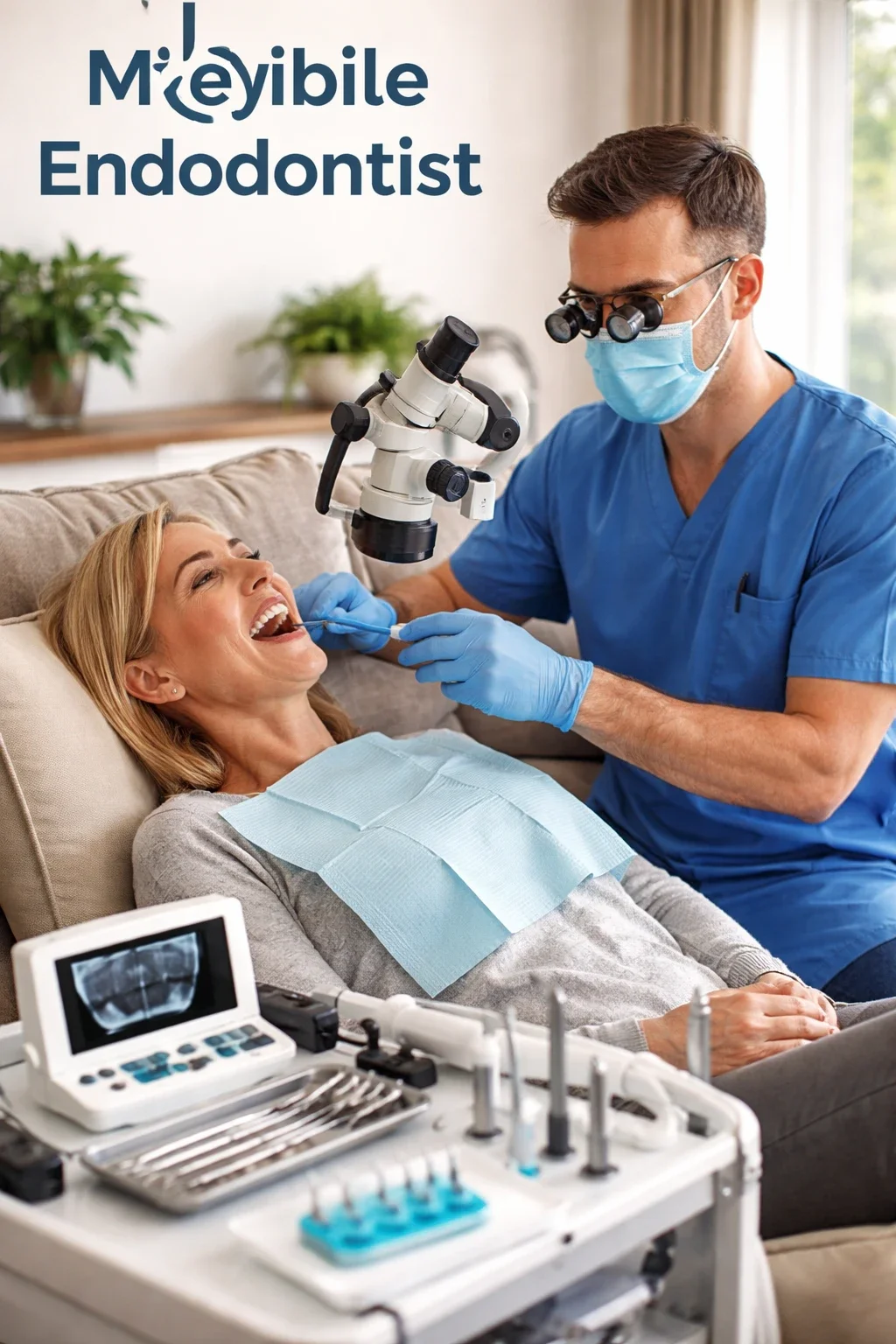
A mobile endodontist is a highly specialized dental professional who brings advanced root canal and endodontic care directly to the patient’s location instead of requiring a visit to a traditional dental clinic. This innovative approach is transforming how complex dental treatments are delivered, especially for patients who face mobility challenges, time constraints, medical limitations, or severe dental anxiety. In simple terms, a mobile endodontist combines the expertise of a root canal specialist with the flexibility of on-site dental care, offering hospital-level precision in a more accessible and patient-centered way 😊.
Endodontists are dentists who focus exclusively on diagnosing and treating problems related to the dental pulp, tooth nerves, and root canal systems. A mobile endodontist performs these same advanced procedures but does so in environments such as private homes, nursing facilities, hospitals, outpatient clinics, or partner dental offices. This model is becoming increasingly popular as healthcare shifts toward convenience, comfort, and personalized treatment without compromising clinical quality.
One of the most important advantages of a mobile endodontist is accessibility. Many patients delay or avoid root canal treatment because traveling to a clinic is difficult or stressful. Elderly patients, individuals with disabilities, patients recovering from surgery, or those with complex medical conditions often struggle to sit through long appointments in unfamiliar environments. A mobile endodontist removes this barrier by delivering care in a familiar and controlled setting, which can significantly improve patient cooperation and overall treatment outcomes.
From a clinical perspective, a mobile endodontist is not a “simplified” version of an endodontist. On the contrary, mobile endodontists use state-of-the-art portable equipment, including digital X-ray systems, apex locators, rotary instrumentation, and advanced irrigation technologies. These tools allow the mobile endodontist to perform precise diagnoses and high-quality root canal treatments that meet the same standards expected in a fixed clinic environment. Infection control protocols, sterilization procedures, and clinical guidelines strictly follow professional standards set by organizations such as the American Dental Association.
Another key reason patients search for a mobile endodontist is pain management and urgency. Dental infections and inflamed tooth pulp can cause severe pain, swelling, and even systemic health risks if left untreated. A mobile endodontist can often respond more quickly than traditional referral-based systems, providing prompt relief and preventing complications. This rapid response is especially valuable in hospitals or long-term care facilities, where transporting patients to external dental clinics can be logistically complex and medically risky.
The role of a mobile endodontist also extends beyond direct-to-patient care. Many general dentists collaborate with mobile endodontists to manage complex root canal cases within their own practices. In these situations, the mobile endodontist travels to the dental office, performs the specialized procedure, and allows the general dentist to maintain continuity of care with their patient. This collaborative model improves treatment efficiency and ensures patients receive expert-level endodontic care without unnecessary referrals or delays.
Patient comfort is another central pillar of mobile endodontic care. Anxiety is one of the most common reasons patients avoid root canal treatment, often fueled by fear of pain or unfamiliar clinical settings. A mobile endodontist can adapt the environment to the patient’s needs, offering a calmer experience with fewer sensory triggers. When patients feel relaxed and safe, procedures are smoother, treatment times are often shorter, and healing outcomes tend to improve 🌿.
From an SEO and patient-education standpoint, it is important to understand that a mobile endodontist is not a replacement for routine dentistry but a specialized solution for complex cases requiring advanced expertise. Root canal retreatments, cracked teeth, traumatic dental injuries, and persistent infections are all scenarios where a mobile endodontist plays a critical role. By addressing these conditions promptly and accurately, the mobile endodontist helps preserve natural teeth and prevent the need for extractions or more invasive procedures.
If you are considering specialized dental care or have been advised that you need advanced root canal treatment, exploring the option of a mobile endodontist may be a practical and patient-friendly solution. For professional guidance, referrals, or appointment coordination, you can always reach out through the Redent Klinik Contact Page to learn how expert endodontic care can be tailored to your specific needs.
In summary, a mobile endodontist represents the intersection of expertise, technology, and convenience. By bringing high-level root canal treatment directly to patients, this model improves access to care, reduces stress, and maintains uncompromising clinical standards. As demand for flexible healthcare solutions continues to grow, the role of the mobile endodontist is becoming an essential part of modern, patient-centered dentistry 🦷✨.
What Is a Mobile Endodontist and How Do They Work?
A mobile endodontist is a dental specialist trained in advanced root canal and endodontic procedures who delivers care directly at the patient’s location rather than in a fixed dental clinic. To fully understand how a mobile endodontist works, it is helpful to first understand the role of an endodontist in general. Endodontists are dentists with additional years of specialized training focused on the inner structures of the tooth, including the dental pulp, nerve tissues, and complex root canal systems. A mobile endodontist applies this same high-level expertise in a flexible, location-independent care model designed around patient needs.
The Core Role of a Mobile Endodontist
The primary responsibility of a mobile endodontist is diagnosing and treating diseases of the tooth pulp and surrounding tissues. This includes managing severe tooth pain, infections, abscesses, traumatic dental injuries, and previously failed root canal treatments. What makes a mobile endodontist unique is not the scope of treatment, but the delivery method. Instead of requiring patients to travel, the specialist travels to the patient or to a partner dental facility, ensuring that expert-level care is accessible even in challenging circumstances.
In practical terms, a mobile endodontist often works with elderly patients, individuals with disabilities, post-surgical patients, or people with complex medical conditions who cannot easily attend traditional dental appointments. Hospitals, nursing homes, rehabilitation centers, and private residences are common treatment locations. This approach minimizes physical strain on patients while maintaining the same diagnostic accuracy and procedural quality expected from a specialist.
How a Mobile Endodontist Prepares for On-Site Treatment
Before any appointment, a mobile endodontist conducts a detailed case review. This may include evaluating previous dental records, X-rays, referral notes from general dentists, and medical histories. Because many patients treated by a mobile endodontist have underlying health conditions, careful planning is essential. Medication use, cardiovascular conditions, immune status, and pain tolerance are all factored into the treatment strategy.
On the day of treatment, the mobile endodontist arrives with a complete portable clinical setup. This typically includes digital radiography systems, rotary endodontic instruments, apex locators, high-powered illumination, and sterile instrument packs. Every piece of equipment is designed to replicate the precision of a fixed clinic environment. The goal is to ensure that the quality of care never depends on location.
Portable Technology and Clinical Precision
Modern portable dental technology plays a central role in how a mobile endodontist works. Digital imaging allows for immediate diagnosis and treatment planning, while advanced rotary tools enable efficient and accurate cleaning of root canal systems. Infection control is handled with strict sterilization protocols that meet professional guidelines recognized by organizations such as the American Dental Association. These standards ensure patient safety regardless of where treatment occurs.
The Treatment Process Step by Step
When treatment begins, the mobile endodontist follows the same clinical steps used in a traditional endodontic practice. After confirming the diagnosis, local anesthesia is administered to ensure patient comfort. The affected tooth is isolated, and access to the pulp chamber is created. Using magnification and precision instruments, the mobile endodontist removes infected tissue, disinfects the root canals, and shapes them for filling.
Once cleaning and disinfection are complete, the canals are sealed with biocompatible materials to prevent reinfection. Depending on the situation, the mobile endodontist may complete the procedure in a single visit or recommend follow-up care with a general dentist for final restoration. Throughout the process, patient comfort, communication, and clinical accuracy remain top priorities.
Collaboration With Dentists and Medical Teams
A mobile endodontist rarely works in isolation. Collaboration is a defining feature of this care model. Many general dentists rely on mobile endodontists to handle complex root canal cases within their own offices. In hospital settings, mobile endodontists may coordinate with physicians, nurses, and caregivers to ensure dental treatment aligns with the patient’s overall medical plan.
This collaborative approach improves outcomes and reduces delays in care. Patients benefit from seamless communication between providers, while dentists can offer advanced services without referring patients elsewhere. The mobile endodontist acts as a bridge between specialized dental expertise and patient-centered accessibility.
In essence, a mobile endodontist works by combining advanced clinical skill, portable technology, and flexible logistics. The result is a modern model of endodontic care that prioritizes accessibility without compromising safety or effectiveness. As healthcare continues to evolve toward more personalized solutions, the mobile endodontist stands out as a practical and highly effective option for delivering expert root canal treatment wherever it is needed 🦷.
Benefits of Choosing a Mobile Endodontist for Root Canal Treatment
Choosing a mobile endodontist for root canal treatment offers a wide range of benefits that go far beyond simple convenience. As patient expectations evolve and healthcare becomes more personalized, mobile endodontic care has emerged as a powerful solution for individuals who need expert-level treatment without the stress, delays, or logistical challenges of traditional clinic visits. Understanding these benefits helps patients make informed decisions and clarifies why demand for a mobile endodontist continues to grow worldwide.
Convenience Without Compromising Quality
One of the most obvious advantages of a mobile endodontist is convenience. Traveling to a dental clinic can be physically demanding, time-consuming, or even medically risky for some patients. Elderly individuals, patients with disabilities, post-operative patients, or those experiencing severe dental pain often struggle with transportation and long waiting times. A mobile endodontist eliminates these obstacles by bringing specialized care directly to the patient.
Importantly, convenience does not mean reduced quality. A mobile endodontist delivers the same level of diagnostic accuracy, procedural precision, and clinical outcomes as a traditional endodontic practice. Advanced portable equipment, digital imaging, and strict infection control protocols ensure that treatment quality remains consistent regardless of location.
Reduced Stress and Dental Anxiety
Dental anxiety is one of the most common reasons patients delay or avoid root canal treatment. The unfamiliar sounds, smells, and environment of a dental clinic can significantly increase stress levels. A mobile endodontist addresses this issue by treating patients in familiar surroundings, such as their home, a long-term care facility, or a trusted medical environment.
When patients feel relaxed, procedures tend to go more smoothly. Reduced anxiety can lead to better cooperation, shorter treatment times, and improved healing outcomes. For patients with severe dental phobia or special needs, the presence of a mobile endodontist can be the difference between receiving timely care and avoiding treatment altogether 😊.
Ideal for Medically Complex Patients
Patients with chronic illnesses, compromised immune systems, or mobility limitations often face additional risks when traveling for dental care. A mobile endodontist can coordinate treatment with physicians, caregivers, and nursing staff, ensuring that dental procedures align with the patient’s overall medical plan. This integrated approach reduces complications and enhances patient safety.
Faster Access to Emergency Care
Dental infections and inflamed pulp tissue can escalate quickly, leading to severe pain, swelling, and systemic health risks. Traditional referral systems may involve long wait times before a patient can see a specialist. A mobile endodontist can often provide faster access to care, especially in urgent or emergency situations.
By responding promptly, a mobile endodontist helps relieve pain sooner and prevents infections from spreading. This rapid intervention is particularly valuable in hospitals, nursing homes, and rehabilitation centers, where transporting patients to outside dental clinics can be complex and disruptive.
Continuity of Care With General Dentists
Another major benefit of choosing a mobile endodontist is improved continuity of care. Many general dentists collaborate with mobile endodontists to manage complex root canal cases within their own practices. This allows patients to remain under the care of their trusted dentist while still receiving specialized treatment.
For dentists, this collaboration reduces the need for external referrals and keeps treatment timelines efficient. For patients, it means fewer appointments, less travel, and a smoother overall experience. The mobile endodontist integrates seamlessly into the existing dental care plan, enhancing both efficiency and outcomes.
Advanced Technology in a Mobile Setting
Modern mobile endodontic care is supported by sophisticated portable technology. Digital radiography, electronic apex locators, rotary instrumentation, and high-intensity illumination allow a mobile endodontist to perform procedures with exceptional accuracy. These tools ensure thorough cleaning, shaping, and sealing of root canal systems, which is critical for long-term success.
All equipment is maintained and sterilized according to professional guidelines recognized by authorities such as the American Dental Association. This ensures that patients receive safe, evidence-based care no matter where treatment takes place.
Improved Outcomes and Tooth Preservation
The ultimate goal of endodontic treatment is to save natural teeth whenever possible. A mobile endodontist specializes in complex cases, including retreatments and traumatic dental injuries, that might otherwise result in extraction. By providing timely and expert intervention, a mobile endodontist increases the likelihood of preserving the natural tooth structure.
Preserving natural teeth supports better chewing function, jaw health, and overall oral stability. In the long term, this approach can reduce the need for implants or prosthetics, benefiting both oral health and quality of life.
In summary, choosing a mobile endodontist offers unmatched convenience, reduced stress, faster access to care, and uncompromising clinical quality. Whether for medically complex patients, emergency situations, or individuals seeking a more comfortable treatment experience, a mobile endodontist represents a modern, patient-centered solution for advanced root canal care 🦷✨.
Mobile Endodontist vs Traditional Dental Clinic: Key Differences
When patients are told they need a root canal, one of the first questions that comes to mind is where and how the treatment will take place. Understanding the differences between a mobile endodontist and a traditional dental clinic can help patients choose the option that best fits their medical needs, lifestyle, and comfort level. While both models aim to deliver effective endodontic care, the way that care is provided differs significantly in terms of accessibility, experience, and logistics.
Treatment Location and Accessibility
The most obvious difference between a mobile endodontist and a traditional dental clinic is location. In a conventional model, patients must travel to a dental office, often navigating transportation challenges, waiting rooms, and fixed appointment schedules. This can be especially difficult for elderly patients, people with disabilities, or those experiencing acute dental pain.
A mobile endodontist, by contrast, brings the treatment directly to the patient. Whether the setting is a private home, nursing facility, hospital, or partner dental office, the mobile endodontist adapts the clinical setup to the patient’s environment. This level of accessibility removes a major barrier to care and allows more patients to receive timely root canal treatment.
Impact on Vulnerable Patient Groups
For medically compromised or mobility-limited patients, the difference is significant. A mobile endodontist reduces the physical strain and medical risks associated with travel. This approach often results in earlier intervention, which can prevent infections from worsening and improve overall health outcomes.
Patient Experience and Comfort
Traditional dental clinics are designed to treat many patients efficiently, which can sometimes feel impersonal or stressful. Bright lights, clinical sounds, and unfamiliar surroundings may increase anxiety, particularly for patients with dental phobia. Even though clinics strive to be comfortable, the environment itself can still be intimidating.
A mobile endodontist offers a more personalized experience. Treating patients in familiar surroundings helps reduce stress and anxiety, leading to a calmer procedure. When patients feel more at ease, they tend to tolerate treatment better, communicate more openly, and recover more smoothly 😊.
Technology and Clinical Standards
A common misconception is that a mobile endodontist provides a lower level of care due to portability. In reality, modern mobile endodontic practices are equipped with advanced portable technology that matches the capabilities of traditional clinics. Digital radiography, apex locators, rotary instruments, and high-powered lighting systems are standard tools for a mobile endodontist.
Traditional clinics benefit from fixed infrastructure, but this does not automatically mean superior care. A mobile endodontist follows the same evidence-based protocols and sterilization standards outlined by professional bodies such as the American Dental Association. Infection control, diagnostic accuracy, and procedural precision remain consistent across both models.
Scheduling and Speed of Care
Another key difference lies in scheduling flexibility. Traditional dental clinics often operate on tight schedules, and patients may experience delays due to referrals or specialist availability. In urgent cases, waiting days or weeks for treatment can prolong pain and increase the risk of complications.
A mobile endodontist often offers faster access to care, particularly for emergencies. By eliminating the need for external referrals and travel coordination, treatment can be delivered more efficiently. This is especially valuable in hospital settings or long-term care facilities, where coordination between departments can otherwise slow down dental interventions.
Collaboration With Other Healthcare Providers
In a traditional dental clinic, collaboration usually occurs through referrals and follow-up reports. While effective, this process can sometimes feel fragmented for patients. A mobile endodontist operates within a more integrated care model, frequently working alongside general dentists, physicians, nurses, and caregivers.
This close collaboration ensures that dental treatment aligns with the patient’s overall medical plan. For example, medication management, infection risks, and post-procedure care can be coordinated in real time. The result is a more holistic and patient-centered approach to endodontic care.
Cost Structure and Perceived Value
Cost is another area where patients often compare a mobile endodontist to a traditional clinic. While mobile services may sometimes appear more expensive due to travel and specialized logistics, the overall value can be higher. Reduced travel costs, fewer missed appointments, and faster treatment can offset initial fees.
Additionally, preventing complications through timely care may reduce the need for more invasive and costly procedures later. When viewed from a long-term perspective, the services of a mobile endodontist can be both cost-effective and clinically beneficial.
In conclusion, the choice between a mobile endodontist and a traditional dental clinic depends on individual needs and circumstances. Traditional clinics offer structured environments and routine accessibility, while a mobile endodontist provides flexibility, personalized care, and enhanced accessibility. For patients seeking expert root canal treatment with minimal disruption to their daily lives, the mobile endodontist model represents a modern and highly effective alternative 🦷✨.
Advanced Technology Used by a Mobile Endodontist
One of the most common misconceptions about a mobile endodontist is that portability means limited technology or reduced clinical capability. In reality, modern mobile endodontic care is built on highly advanced, compact, and precision-driven technology that allows specialists to deliver the same — and sometimes even more focused — level of care as a traditional clinic. Today’s mobile endodontist relies on cutting-edge tools designed specifically for accuracy, efficiency, and patient safety, regardless of location.
Portable Digital Imaging and Diagnostics
Accurate diagnosis is the foundation of successful endodontic treatment. A mobile endodontist typically uses portable digital radiography systems that provide high-resolution images in real time. These systems allow the specialist to assess root canal anatomy, detect infections, identify fractures, and evaluate previous dental work without delay.
Unlike older film-based X-rays, digital imaging exposes patients to significantly lower radiation while offering superior image clarity. This is particularly important when treating medically vulnerable patients in home or hospital settings. The ability to instantly view, enlarge, and enhance images enables the mobile endodontist to make precise clinical decisions on the spot.
Electronic Apex Locators for Precision
Determining the exact length of a root canal is critical for long-term treatment success. A mobile endodontist uses electronic apex locators to accurately measure canal length, reducing the risk of over- or under-instrumentation. These devices enhance precision, minimize tissue irritation, and improve healing outcomes.
Rotary Endodontic Instruments
Modern rotary instrumentation is a cornerstone of advanced endodontic care. A mobile endodontist uses nickel-titanium rotary files that are flexible, durable, and specifically engineered to navigate complex root canal systems. These instruments allow for more efficient cleaning and shaping of canals compared to manual files.
Rotary systems not only improve accuracy but also reduce treatment time, which is especially beneficial for patients who may have difficulty tolerating long procedures. Shorter treatment times combined with better canal shaping contribute to higher success rates and improved patient comfort 😊.
Enhanced Illumination and Magnification
Clear visibility is essential when working within the microscopic anatomy of a tooth. A mobile endodontist uses high-intensity LED illumination and magnification systems to enhance visual access during procedures. While traditional clinics may use large dental microscopes, mobile endodontists rely on compact magnification solutions that offer exceptional clarity without sacrificing portability.
Improved visibility allows the mobile endodontist to locate hidden canals, identify microfractures, and ensure thorough cleaning of infected tissue. This level of detail is particularly important in retreatment cases or teeth with complex internal structures.
Advanced Irrigation and Disinfection Systems
Successful root canal treatment depends not only on mechanical cleaning but also on effective disinfection. A mobile endodontist uses advanced irrigation solutions and activation techniques to eliminate bacteria and debris from the root canal system. These systems enhance the penetration of disinfectants into hard-to-reach areas, reducing the risk of reinfection.
Proper irrigation is especially critical in mobile settings, where preventing post-treatment complications is a top priority. By combining mechanical instrumentation with chemical disinfection, the mobile endodontist ensures a comprehensive and predictable treatment outcome.
Sterilization and Infection Control Technology
Infection control is non-negotiable in any dental procedure, and a mobile endodontist follows the same stringent standards as a fixed clinic. Portable sterilization units, sealed instrument packs, and disposable barriers are used to maintain a sterile environment. These protocols align with guidelines supported by professional organizations such as the American Dental Association.
All instruments are either single-use or properly sterilized before and after each procedure. This commitment to safety ensures patient protection and reinforces trust in mobile endodontic care.
Digital Documentation and Case Management
Technology also plays a role beyond the clinical procedure itself. A mobile endodontist often uses secure digital systems to document findings, treatment steps, and post-procedure recommendations. These records can be shared instantly with referring dentists, physicians, or caregivers, ensuring seamless continuity of care.
Digital documentation reduces errors, improves communication, and allows patients to receive coordinated follow-up care without unnecessary delays. This integrated approach is particularly valuable for patients receiving multidisciplinary medical treatment.
In summary, the technology used by a mobile endodontist is both advanced and purpose-built for flexibility. From digital imaging and rotary instruments to enhanced disinfection and sterilization systems, every tool is designed to deliver precise, safe, and effective root canal care. Far from being a compromise, mobile endodontic technology represents a modern evolution of dental specialization — bringing high-level expertise directly to where patients need it most 🦷✨.
Safety, Sterilization, and Clinical Standards in Mobile Endodontics
Safety is one of the most important concerns for patients considering treatment from a mobile endodontist. A common question is whether receiving advanced root canal care outside of a traditional clinic can meet the same clinical and hygiene standards. The clear and reassuring answer is yes. Modern mobile endodontics operates under strict safety, sterilization, and professional guidelines designed to protect patients, clinicians, and caregivers at every stage of treatment.
Infection Control as a Core Priority
Infection control is non-negotiable in endodontic care, regardless of location. A mobile endodontist follows the same evidence-based infection prevention protocols used in fixed dental clinics. These protocols are guided by national and international standards, including those recognized by the American Dental Association.
Every procedure begins with a controlled clinical setup. Surfaces are covered with disposable barriers, personal protective equipment is worn, and treatment zones are carefully organized to maintain a sterile field. A mobile endodontist is trained to adapt these protocols to different environments while maintaining absolute consistency in safety practices.
Single-Use and Sealed Instrument Systems
To minimize any risk of cross-contamination, a mobile endodontist relies heavily on single-use instruments and pre-sterilized, sealed instrument packs. Items that are designed for reuse undergo rigorous sterilization in accordance with professional standards before and after each appointment. This system ensures that every patient is treated with instruments that meet the highest hygiene requirements.
Sterilization Technology in a Mobile Setting
A mobile endodontist uses portable sterilization and disinfection systems specifically designed for mobile healthcare environments. These systems allow instruments to be properly cleaned, disinfected, and stored safely during transport and between procedures. Biological indicators and routine monitoring are used to verify sterilization effectiveness, just as they are in traditional clinics.
Waste management is also handled carefully. Sharps, contaminated materials, and medical waste are collected and disposed of according to healthcare regulations. This disciplined approach ensures that mobile endodontic care is not only effective but also environmentally responsible.
Patient Safety and Medical Risk Management
Many patients treated by a mobile endodontist have complex medical histories. For this reason, safety extends beyond sterilization to include comprehensive medical risk assessment. Before treatment, the mobile endodontist reviews the patient’s health conditions, medications, allergies, and recent medical events.
This information guides treatment decisions such as anesthesia choice, appointment duration, and post-procedure care. In cases involving cardiovascular disease, diabetes, immune compromise, or neurological conditions, the mobile endodontist may collaborate with physicians or nursing staff to ensure treatment is delivered safely and appropriately.
Emergency Preparedness and On-Site Protocols
A professional mobile endodontist is fully prepared to manage medical emergencies, even outside a traditional clinic. Emergency kits, monitoring equipment, and medications are part of the standard mobile setup. The specialist is trained to recognize early warning signs and respond promptly to unexpected reactions or complications.
Clear emergency protocols are established before treatment begins, especially in home or long-term care settings. This preparedness reassures patients and caregivers that safety is never compromised, regardless of location.
Clinical Standards and Professional Accountability
A mobile endodontist is held to the same professional and ethical standards as any dental specialist. Licensing, continuing education, and adherence to clinical guidelines are mandatory. Mobile endodontists routinely update their knowledge to stay aligned with the latest research, technologies, and treatment protocols.
Documentation is another key aspect of clinical accountability. Every procedure performed by a mobile endodontist is carefully documented, including diagnostic findings, treatment steps, and post-operative instructions. These records are shared with referring dentists or healthcare providers to ensure continuity of care.
Building Patient Trust Through Transparency
Trust plays a vital role in patient satisfaction and treatment success. A mobile endodontist builds trust by clearly explaining safety measures, sterilization processes, and treatment plans. Patients and caregivers are encouraged to ask questions and understand how their safety is protected at every step.
This transparency helps dispel myths about mobile dental care and reinforces confidence in the treatment process. When patients understand that safety standards are equal to — or even exceed — those of traditional clinics, they are more likely to proceed with timely and necessary care.
In conclusion, safety, sterilization, and clinical standards form the backbone of modern mobile endodontist practice. Through strict infection control, advanced sterilization systems, thorough medical assessments, and professional accountability, mobile endodontic care delivers expert root canal treatment without compromising patient safety. This commitment to excellence ensures that patients receive high-quality, reliable care wherever they are 🦷🛡️.
Common Procedures Performed by a Mobile Endodontist
A mobile endodontist is not limited to basic dental services. On the contrary, this specialist is trained and equipped to perform a wide range of complex endodontic procedures that require advanced expertise, precision, and clinical judgment. Understanding the common procedures performed by a mobile endodontist helps patients and caregivers appreciate the full scope of care that can be delivered outside a traditional dental clinic without sacrificing quality or safety.
Primary Root Canal Treatment
The most common procedure performed by a mobile endodontist is primary root canal treatment. This procedure is necessary when the dental pulp becomes inflamed or infected due to deep decay, cracks, trauma, or repeated dental work. A mobile endodontist carefully removes the infected pulp, disinfects the root canal system, and seals the tooth to prevent reinfection.
What distinguishes treatment by a mobile endodontist is the ability to perform this procedure in settings such as private homes, hospitals, or long-term care facilities. Patients who are unable to travel due to pain, illness, or mobility issues can still receive timely and definitive care, reducing the risk of complications and tooth loss.
Root Canal Retreatment
Root canal retreatment is another procedure frequently handled by a mobile endodontist. In some cases, a previously treated tooth may develop new infection due to missed canals, incomplete sealing, or restoration failure. Retreatment is more complex than initial treatment and requires advanced diagnostic skills and specialized instruments.
A mobile endodontist uses digital imaging, magnification, and rotary instruments to locate hidden canals and remove old filling materials. By addressing the underlying cause of failure, the mobile endodontist can often save a tooth that might otherwise require extraction.
Managing Persistent Infections
Persistent infections can cause chronic pain, swelling, and bone loss if left untreated. A mobile endodontist is trained to manage these challenging cases by thoroughly disinfecting the canal system and applying evidence-based treatment strategies to promote healing. Early intervention through mobile care can prevent the spread of infection and improve long-term outcomes.
Emergency Endodontic Care
Dental emergencies often require immediate attention, especially when severe pain or swelling is present. A mobile endodontist plays a crucial role in emergency situations by providing rapid pain relief and infection control. This is particularly valuable in hospital settings, nursing homes, or rehabilitation centers where transporting patients to an external dental clinic may be difficult or unsafe.
Emergency procedures may include pulpotomy, drainage of abscesses, or initiation of root canal therapy to stabilize the condition. By addressing the problem promptly, the mobile endodontist helps reduce patient discomfort and prevents further medical complications.
Treatment of Traumatic Dental Injuries
Trauma to the teeth, such as fractures or dislodgement due to accidents or falls, often requires specialized endodontic care. A mobile endodontist is trained to assess traumatic injuries and determine the appropriate course of action, whether that involves root canal treatment, pulp therapy, or long-term monitoring.
For patients in hospitals or long-term care facilities, immediate access to a mobile endodontist can significantly improve the prognosis of injured teeth. Early and accurate intervention helps preserve natural tooth structure and supports optimal healing.
Endodontic Care for Medically Compromised Patients
Many patients treated by a mobile endodontist have complex medical conditions that require special consideration. These may include cardiovascular disease, diabetes, neurological disorders, or compromised immune systems. The mobile endodontist carefully tailors treatment plans to accommodate these conditions, often collaborating with physicians and nursing staff.
By providing endodontic care in a controlled and familiar environment, the mobile endodontist reduces medical risks and ensures that dental treatment aligns with the patient’s overall healthcare plan.
Pain Management and Palliative Procedures
In some cases, the primary goal of treatment is pain relief rather than definitive care. A mobile endodontist may perform palliative procedures to manage symptoms until full treatment can be completed. This approach is especially helpful for patients who are medically unstable or awaiting further evaluation.
Effective pain management improves quality of life and allows patients to rest, heal, and prepare for subsequent treatment if needed.
In summary, the range of procedures performed by a mobile endodontist is broad and highly specialized. From primary root canal treatment and retreatment to emergency care and trauma management, the mobile endodontist delivers expert-level services wherever patients need them. This flexibility ensures that even the most vulnerable or medically complex individuals can access timely, effective, and compassionate endodontic care 🦷✨.
How to Find a Qualified and Licensed Mobile Endodontist
Finding a qualified and trustworthy mobile endodontist is a critical step in ensuring safe, effective, and long-lasting root canal treatment. Because mobile endodontic care operates outside traditional clinic settings, patients and caregivers often want reassurance that the specialist they choose meets the highest professional, legal, and clinical standards. Knowing what to look for can make the difference between a successful treatment experience and unnecessary complications.
Verify Education, Specialization, and Licensing
The first and most important factor when choosing a mobile endodontist is professional qualification. A mobile endodontist must first be a licensed dentist and then complete additional years of postgraduate training in endodontics. This advanced education focuses specifically on root canal anatomy, infection management, pain control, and complex diagnostic techniques.
Patients should always confirm that the mobile endodontist holds an active license in the region where treatment is provided. Licensing ensures that the specialist meets regulatory standards and participates in ongoing professional oversight. A qualified mobile endodontist will have no hesitation in providing credentials or explaining their training background.
Board Certification and Continuing Education
While not mandatory in all regions, board certification is a strong indicator of expertise. A mobile endodontist who pursues board certification demonstrates commitment to the highest level of clinical excellence. In addition, regular participation in continuing education programs ensures that the mobile endodontist stays current with evolving technologies, techniques, and safety protocols.
Experience in Mobile and Complex Care Settings
Not all endodontists are suited for mobile practice. A skilled mobile endodontist must be comfortable working in diverse environments such as private homes, hospitals, nursing facilities, and multidisciplinary medical settings. Experience in these environments requires adaptability, strong clinical judgment, and excellent communication skills.
When evaluating a mobile endodontist, patients or caregivers should ask about experience with similar cases. This may include treating elderly patients, medically compromised individuals, or emergency situations. An experienced mobile endodontist understands how to modify treatment approaches without compromising safety or effectiveness.
Technology and Equipment Transparency
A professional mobile endodontist should be transparent about the technology and equipment used during treatment. Advanced portable tools such as digital imaging systems, rotary instrumentation, and electronic apex locators are essential for high-quality care. Patients should feel confident that the mobile endodontist is equipped to perform procedures to the same standard as a traditional clinic.
Asking about sterilization methods, infection control protocols, and equipment maintenance is not only acceptable but encouraged. A reputable mobile endodontist will clearly explain how instruments are sterilized and how patient safety is ensured at every step.
Professional Affiliations and Ethical Standards
Membership in recognized professional organizations can further validate the credibility of a mobile endodontist. Affiliations with dental and endodontic associations indicate adherence to ethical guidelines and evidence-based practice standards. Organizations such as the American Dental Association help set benchmarks for quality and professionalism in dental care.
Ethical practice also includes clear communication, informed consent, and respect for patient autonomy. A trustworthy mobile endodontist takes time to explain diagnoses, treatment options, risks, and expected outcomes in a way that patients can easily understand.
Coordination With Dentists and Healthcare Providers
A reliable mobile endodontist does not work in isolation. Collaboration with general dentists, physicians, and caregivers is a key indicator of quality care. Patients should look for a mobile endodontist who emphasizes communication and continuity of care rather than one-time treatment.
This collaborative approach ensures that follow-up care, restorations, and long-term monitoring are properly managed. It also reduces the risk of miscommunication or fragmented treatment planning.
Patient Reviews and Professional Reputation
While clinical credentials are essential, reputation also matters. Reviews from patients, caregivers, or referring dentists can provide valuable insight into a mobile endodontist’s professionalism, reliability, and bedside manner. Consistent positive feedback often reflects strong clinical skills and a patient-centered approach.
However, patients should prioritize verified professional experience and licensing over marketing claims. A truly qualified mobile endodontist builds trust through transparency, results, and ethical practice rather than exaggerated promises.
In conclusion, finding the right mobile endodontist requires careful evaluation of credentials, experience, technology, and professional integrity. By verifying licensing, assessing mobile-specific expertise, and prioritizing communication and safety standards, patients can confidently choose a mobile endodontist who delivers expert root canal care with convenience and reliability. This thoughtful selection process ensures not only effective treatment but also peace of mind throughout the entire care journey 🦷✔️.
Mobile Endodontist Costs, Insurance, and What to Expect
Understanding the costs and financial aspects of treatment with a mobile endodontist is essential for patients planning advanced root canal care. While mobile endodontic services may look different from traditional clinic visits, pricing is influenced by many of the same factors — with a few important additions related to convenience, logistics, and personalized care. Knowing what to expect helps patients make informed decisions without surprises.
What Factors Influence Mobile Endodontist Costs?
The cost of treatment provided by a mobile endodontist depends on several variables. Case complexity is one of the most significant factors. A straightforward single-root canal procedure generally costs less than a complex retreatment or a tooth with multiple canals. Emergency care, trauma-related procedures, or medically complex cases may also affect pricing.
Location plays an important role as well. Travel distance, setup requirements, and treatment environment can influence the overall fee. For example, a mobile endodontist providing care in a private home may have different logistical considerations than one working within a hospital or partner dental office.
Typical Price Ranges (General Estimates)
While exact fees vary by region and provider, general price ranges for mobile endodontic services are often similar to or slightly higher than traditional specialist fees due to the added convenience and on-site delivery. Based on commonly reported market ranges:
- Single-root root canal treatment: approximately $700–$1,200
- Multi-root root canal treatment: approximately $900–$1,800
- Root canal retreatment: approximately $1,000–$2,200
- Emergency or after-hours mobile endodontist visits: may include an additional service fee
These figures are provided for general orientation only and may vary depending on clinical needs and geographic location. A professional mobile endodontist will always provide a clear estimate before treatment begins.
Insurance Coverage and Reimbursement
Many patients wonder whether insurance covers treatment by a mobile endodontist. In most cases, dental insurance plans cover endodontic procedures based on the treatment itself rather than the location where it is performed. This means that root canal therapy provided by a mobile endodontist is often eligible for the same coverage as treatment in a traditional clinic.
However, certain travel or convenience-related service fees may not always be fully reimbursed. Patients are encouraged to review their insurance policy and discuss coverage details in advance. A reputable mobile endodontist or care coordinator can often assist with documentation and insurance inquiries.
Transparency and Pre-Treatment Expectations
One hallmark of professional mobile endodontic care is transparency. Before any procedure, a mobile endodontist should explain the diagnosis, recommended treatment, estimated costs, and potential alternatives. This discussion allows patients or caregivers to make confident decisions without pressure.
Clear communication also includes explaining what is included in the fee, such as diagnostic imaging, anesthesia, sterilization measures, and follow-up coordination. Patients should never feel uncertain about what they are paying for.
What Happens During and After the Appointment?
On the day of treatment, the mobile endodontist arrives with all necessary equipment and sets up a sterile treatment area. The procedure itself follows the same clinical standards as a traditional endodontic office. After treatment, patients receive post-procedure instructions, pain management guidance, and recommendations for restoration or follow-up care.
One advantage of working with a mobile endodontist is seamless coordination with other providers. Treatment notes and recommendations are shared with the referring dentist or healthcare team, ensuring continuity of care and minimizing delays.
Long-Term Value and Cost Efficiency
While the upfront cost of a mobile endodontist may appear higher in some cases, many patients find the long-term value compelling. Reduced travel expenses, fewer missed appointments, faster access to care, and prevention of complications can offset initial costs. Preserving natural teeth through timely endodontic treatment can also reduce the need for more expensive restorative procedures in the future.
Planning Your Care With Confidence
If you are considering specialized root canal treatment and want personalized guidance on costs, insurance, or scheduling, professional support is essential. For coordinated care, referrals, or detailed treatment planning, you can reach out through the Redent Klinik Contact Page to explore how expert endodontic services can be adapted to your needs.
In summary, understanding the costs and expectations associated with a mobile endodontist empowers patients to plan care confidently. With transparent pricing, potential insurance coverage, and significant added value in comfort and accessibility, mobile endodontic care represents a practical and patient-focused investment in long-term oral health 🦷💡.
The Future of Dental Care With a Mobile Endodontist
The role of the mobile endodontist is rapidly expanding as healthcare systems worldwide shift toward more patient-centered, flexible, and accessible models of care. What was once considered a niche service is now becoming a core component of modern dental and medical collaboration. Understanding where mobile endodontics is heading helps patients, caregivers, and healthcare providers appreciate its long-term value and growing importance.
Changing Patient Expectations and Accessibility
Today’s patients expect healthcare to adapt to their lives, not the other way around. Long travel times, crowded waiting rooms, and fragmented care are increasingly viewed as outdated barriers. A mobile endodontist directly responds to these expectations by delivering specialized dental care exactly where it is needed.
As populations age and chronic health conditions become more common, accessibility will continue to drive demand. Elderly patients, individuals with disabilities, and those recovering from medical procedures often require dental care that fits seamlessly into their overall health plan. The mobile endodontist model is uniquely positioned to meet these needs without compromising clinical quality.
Integration With Broader Healthcare Systems
One of the most significant trends shaping the future of the mobile endodontist is deeper integration with hospitals, long-term care facilities, and multidisciplinary medical teams. Oral health is increasingly recognized as a critical component of overall health, influencing conditions such as cardiovascular disease, diabetes, and systemic infections.
By working directly within medical environments, a mobile endodontist helps bridge the gap between dentistry and medicine. This integration allows for faster decision-making, coordinated treatment plans, and improved outcomes for medically complex patients. In the future, mobile endodontists are likely to become standard partners in comprehensive patient care teams.
Supporting Preventive and Early Intervention Models
Early intervention is one of the most effective ways to reduce healthcare costs and improve quality of life. A mobile endodontist enables earlier diagnosis and treatment of dental infections, especially in settings where patients might otherwise delay care. This proactive approach helps prevent minor issues from escalating into severe infections or tooth loss.
Technological Advancements Driving Growth
Ongoing advancements in portable dental technology are accelerating the adoption of mobile endodontic care. Improvements in digital imaging, wireless diagnostics, battery-powered rotary systems, and secure digital record-sharing make it easier than ever for a mobile endodontist to deliver clinic-level care in non-traditional settings.
As technology becomes more compact and efficient, the scope of procedures a mobile endodontist can perform will continue to expand. This evolution ensures that mobility never limits treatment quality, but instead enhances precision and efficiency.
Economic and System-Level Benefits
From a broader perspective, the mobile endodontist model offers significant economic benefits. Reducing hospital transfers, preventing dental emergencies from escalating, and minimizing missed appointments all contribute to lower system-wide costs. For patients, fewer complications and preserved natural teeth translate into long-term savings and better health outcomes.
Healthcare providers also benefit from this model. Dentists can retain patients while accessing specialist-level care, and medical facilities can address dental issues without disrupting patient care pathways. This efficiency makes mobile endodontics an attractive solution for both private and institutional healthcare systems.
Patient Trust and Education Moving Forward
As awareness grows, patient education will play a key role in the continued success of mobile endodontic care. Many patients are still unfamiliar with the concept of a mobile endodontist and may initially question safety or effectiveness. Clear communication, transparency, and consistent clinical results are essential for building long-term trust.
Professional standards supported by organizations such as the American Dental Association will continue to guide ethical practice and reinforce public confidence in mobile dental services.
A Long-Term Shift, Not a Temporary Trend
The rise of the mobile endodontist is not a temporary response to convenience demands but a long-term shift in how specialized dental care is delivered. As healthcare systems prioritize flexibility, integration, and patient experience, mobile endodontics will become an increasingly standard option rather than an exception.
For patients seeking expert root canal care without unnecessary stress or disruption, and for healthcare providers aiming to deliver comprehensive, coordinated treatment, the mobile endodontist represents the future of endodontic care. This model combines advanced expertise, modern technology, and human-centered design — ensuring that high-quality dental treatment is accessible wherever it is needed most 🦷🚀.