
😁 Mouth aligners have become one of the most popular modern orthodontic treatments for people who want straighter teeth without traditional metal braces. These transparent trays are designed to gradually move teeth into better alignment while offering comfort, convenience, and a more discreet appearance. Today, millions of patients worldwide choose mouth aligners because they are nearly invisible and easy to remove during meals or oral hygiene routines.
Unlike conventional braces that rely on brackets and wires, mouth aligners use a series of custom-made plastic trays that gently shift teeth over time. Every set of aligners is carefully created using advanced digital scanning technology. The patient changes to a new aligner tray every one or two weeks, depending on the treatment plan provided by the dentist or orthodontist. This gradual movement helps achieve a straighter smile in a controlled and predictable way.
One major reason patients prefer mouth aligners is comfort. Traditional braces can sometimes irritate the gums and cheeks because of metal components. In contrast, mouth aligners are made from smooth BPA-free plastic material that feels more comfortable inside the mouth. Since there are no sharp edges or tightening wires, many patients experience less irritation during treatment.
Another advantage of mouth aligners is their removable design. Patients can easily remove the aligners before eating, brushing, or flossing. This makes oral hygiene significantly easier compared to metal braces. Maintaining healthy gums and teeth during orthodontic treatment is essential, and removable clear aligners allow patients to continue their normal dental cleaning routine without difficulty. 🪥
The treatment process for mouth aligners usually begins with a consultation at a dental clinic. During this appointment, the dentist examines the teeth, jaw structure, and bite condition. Digital scans, photographs, and X-rays may be taken to create a customized treatment plan. Advanced 3D software is then used to simulate the movement of the teeth from the beginning of treatment to the final desired result.
Many patients are surprised by how versatile mouth aligners can be. They are commonly used to treat crowded teeth, gaps between teeth, mild bite issues, overbites, underbites, and crossbites. However, the complexity of the dental problem determines whether mouth aligners are the ideal solution. Severe orthodontic problems may still require traditional braces or other specialized treatments.
Patients using mouth aligners are generally advised to wear them for 20 to 22 hours per day. Consistency is extremely important because removing the aligners too often may delay results. Most people only remove their aligners while eating, drinking hot beverages, or cleaning their teeth. Following the dentist’s instructions carefully helps ensure successful treatment outcomes.
One of the biggest aesthetic advantages of mouth aligners is their nearly invisible appearance. Adults and teenagers often feel more confident wearing clear aligners because they are much less noticeable during social interactions, professional meetings, or photographs. This discreet treatment option has made mouth aligners especially popular among working professionals and image-conscious individuals. 📸
Patients often ask whether mouth aligners are painful. Mild pressure and temporary discomfort are normal when switching to a new aligner tray because the teeth are actively moving. However, most people describe the sensation as manageable and far less uncomfortable than traditional braces adjustments. The pressure usually decreases after a few days as the mouth adapts to the new tray.
Cleaning mouth aligners properly is essential for oral health. Patients should rinse the aligners regularly and clean them using a soft toothbrush and lukewarm water. Hot water should never be used because it can warp the plastic material. Proper aligner hygiene helps prevent odor, bacteria buildup, and staining during treatment.
The cost of mouth aligners varies depending on several factors, including treatment complexity, treatment duration, clinic location, and the experience of the dental provider. In many countries, average prices range between $2,000 and $8,000. Some dental clinics also offer payment plans to make treatment more affordable for patients seeking smile correction.
Average Mouth Aligners Prices
| Treatment Type | Estimated Cost |
|---|---|
| Mild Alignment Cases | $2,000 – $3,500 |
| Moderate Cases | $3,500 – $5,500 |
| Complex Orthodontic Cases | $5,500 – $8,000+ |
Patients interested in learning more about treatment options can visit the Redent Klinik Contact Page to schedule a professional consultation. Receiving a personalized examination is the best way to determine whether mouth aligners are suitable for your dental needs.
It is also important to choose a trusted dental provider when starting treatment with mouth aligners. A qualified dentist or orthodontist monitors tooth movement throughout the process and ensures that the treatment progresses safely. According to the American Dental Association, regular dental evaluations play a critical role in maintaining oral health during orthodontic care.
Modern clear aligners and invisible braces technology continue to improve every year. Advanced scanning systems, artificial intelligence treatment planning, and improved aligner materials make mouth aligners more effective and comfortable than ever before. Patients can now achieve straighter teeth with shorter treatment times and highly predictable results.
✨ Overall, mouth aligners provide an excellent solution for patients who want a comfortable, discreet, and modern orthodontic treatment. Their removable design, transparent appearance, and ability to improve smile aesthetics make them one of the most requested dental treatments today. With proper use, regular dental supervision, and consistent wear, mouth aligners can help patients achieve healthier alignment, improved confidence, and a beautiful smile that lasts for years.
What Are Mouth Aligners and How Do They Work?
🦷 Mouth aligners are transparent orthodontic devices designed to straighten teeth gradually without using traditional metal braces. These custom-made trays fit tightly over the teeth and apply gentle pressure to move them into better alignment over time. Today, mouth aligners are one of the most advanced cosmetic and orthodontic solutions available for patients who want a discreet way to improve their smile.
Unlike conventional braces that use brackets and wires, mouth aligners rely on a sequence of removable clear trays. Each tray is slightly different from the previous one, allowing the teeth to shift little by little throughout the treatment process. Modern clear aligners are designed using advanced digital technology, making treatment more predictable and comfortable than many older orthodontic methods.
The Basic Structure of Mouth Aligners
Mouth aligners are usually made from durable BPA-free transparent plastic. This material is specially designed to remain comfortable while applying controlled orthodontic force to the teeth. Because the trays are transparent, they are often called invisible braces or clear aligners.
The aligners are customized for every patient. Dentists or orthodontists create a detailed treatment plan based on digital scans, X-rays, and photographs of the patient’s mouth. Each set of mouth aligners is manufactured to fit the patient’s teeth precisely, ensuring effective movement and a secure fit.
Custom Fit Technology
Modern dental clinics use advanced 3D scanning systems instead of traditional dental impressions in many cases. This technology creates a digital model of the patient’s teeth and jaw structure. The software predicts how the teeth will move during each stage of treatment with mouth aligners. Patients can often see a virtual preview of their future smile before treatment even begins. 😁
How Mouth Aligners Move Teeth
The science behind mouth aligners is based on controlled orthodontic pressure. Each aligner tray gently pushes specific teeth in carefully planned directions. Over time, the bone around the teeth adapts to the movement, allowing the teeth to settle into new positions.
Patients typically wear each set of mouth aligners for one to two weeks before switching to the next tray in the series. Every new tray continues the alignment process until the final desired smile is achieved. Depending on the complexity of the case, treatment may involve anywhere from a few trays to dozens of aligners.
Consistency is extremely important for successful results. Most dentists recommend wearing mouth aligners for 20 to 22 hours per day. Removing them too often can slow treatment progress and reduce effectiveness.
What Dental Problems Can Mouth Aligners Correct?
Mouth aligners are highly versatile and can correct many common orthodontic problems. However, the suitability of treatment depends on the severity of the dental issue.
- Crowded teeth
- Gaps between teeth
- Minor overbites
- Underbites
- Crossbites
- Open bites
- Mild tooth rotations
Many patients choose mouth aligners to improve both dental function and cosmetic appearance. Straighter teeth are often easier to clean, which may reduce the risk of gum disease and tooth decay in the future.
Cases That May Require Traditional Braces
Although mouth aligners are effective for many orthodontic concerns, severe jaw misalignment or highly complex bite problems may still require traditional braces or other specialized treatments. An experienced orthodontist can determine the best treatment option after a professional evaluation.
The Daily Experience of Wearing Mouth Aligners
Most patients adjust quickly to wearing mouth aligners. During the first few days, mild pressure or tightness is common as the teeth begin moving. This discomfort is usually temporary and much less intense than the adjustments associated with metal braces.
Patients can remove their mouth aligners during meals, which means there are no major food restrictions. Unlike traditional braces, patients can continue eating crunchy foods, nuts, popcorn, and many other items without worrying about damaging brackets or wires. 🍎
Oral hygiene is also easier with mouth aligners. Since the trays are removable, patients can brush and floss normally. This helps maintain healthy gums and cleaner teeth during orthodontic treatment.
Cleaning and Maintaining Mouth Aligners
Proper hygiene is extremely important when using mouth aligners. Dirty aligners may collect bacteria, develop odors, or become stained over time.
To keep mouth aligners clean and clear, patients should:
- Rinse aligners with lukewarm water regularly
- Brush aligners gently with a soft toothbrush
- Avoid hot water that may warp the plastic
- Clean teeth before reinserting aligners
- Store aligners safely in their protective case
Good hygiene habits help maintain both oral health and the appearance of the aligners throughout treatment.
Advantages of Modern Mouth Aligners
One major reason for the popularity of mouth aligners is their discreet appearance. Adults and teenagers often prefer invisible orthodontic options because they are far less noticeable during conversations, work meetings, and social events.
Modern clear aligners and invisible braces technology have improved significantly in recent years. Digital planning systems now allow dentists to create more accurate treatment plans with predictable outcomes. Many patients also experience shorter treatment times compared to older orthodontic methods.
Patients interested in improving their smile with mouth aligners can visit the Redent Klinik Contact Page for professional guidance and personalized treatment planning.
Additionally, organizations such as the American Dental Association emphasize the importance of professional dental supervision during orthodontic treatment to maintain healthy teeth and gums.
Are Mouth Aligners Worth It?
✨ For many patients, mouth aligners provide an ideal combination of aesthetics, comfort, and effectiveness. Their removable design, transparent appearance, and advanced treatment technology make them one of the most popular orthodontic solutions worldwide.
Patients who follow their dentist’s instructions carefully often achieve excellent results with mouth aligners. Straighter teeth can improve not only smile appearance but also confidence, speech clarity, and oral hygiene. With proper care and regular dental monitoring, mouth aligners can transform both dental health and overall self-esteem.
Benefits of Choosing Mouth Aligners for Teeth Straightening
✨ Mouth aligners have changed modern orthodontic treatment by offering patients a comfortable, discreet, and highly effective way to straighten their teeth. Millions of people now prefer mouth aligners over traditional braces because of their aesthetic advantages, removable design, and advanced technology. Whether someone wants to improve smile appearance, fix mild bite issues, or increase confidence, mouth aligners provide many important benefits for both teenagers and adults.
Unlike traditional metal braces that use brackets and wires, mouth aligners are transparent trays made from smooth plastic material. These aligners gradually move teeth into proper positions while remaining almost invisible during daily activities. The popularity of modern clear aligners continues to grow because patients can achieve straighter teeth without significantly changing their lifestyle.
Discreet Appearance and Improved Confidence
One of the biggest advantages of mouth aligners is their nearly invisible appearance. Many patients feel uncomfortable wearing noticeable metal braces, especially adults who work in professional environments or frequently interact with clients and coworkers. Transparent mouth aligners allow patients to smile confidently during treatment without drawing unwanted attention to their orthodontic care.
For teenagers, social confidence can also be extremely important. Many younger patients choose mouth aligners because they feel more comfortable at school, during sports activities, or while taking photographs. 📸 Since the aligners are clear, most people will not even notice they are being worn.
Ideal for Professional and Social Settings
Patients who attend business meetings, public events, or social gatherings often prefer mouth aligners because they maintain a natural appearance. This discreet orthodontic solution makes treatment less stressful for people who are concerned about aesthetics during long-term dental correction.
Greater Comfort Compared to Traditional Braces
Comfort is another major reason why many patients choose mouth aligners. Traditional braces use metal wires and brackets that can sometimes irritate the lips, cheeks, and gums. In comparison, mouth aligners are made from smooth BPA-free plastic that fits comfortably over the teeth.
There are no sharp edges, tightening wires, or metal components that can scratch the inside of the mouth. Although patients may feel mild pressure when changing to a new set of mouth aligners, the discomfort is usually temporary and manageable.
Many people find clear aligners and invisible braces easier to adapt to because they cause less irritation during everyday speaking and eating activities.
Removable Design Makes Eating Easier
Unlike metal braces, mouth aligners can be removed before meals. This gives patients much greater freedom when eating. Traditional braces often come with dietary restrictions because sticky or hard foods may damage brackets and wires. However, patients wearing mouth aligners can continue enjoying many foods without concern.
Patients simply remove the aligners before eating and place them back in after brushing their teeth. 🍎 This flexibility allows people to maintain their normal diet during treatment.
No Major Food Restrictions
With mouth aligners, patients can still enjoy:
- Popcorn
- Nuts
- Crunchy vegetables
- Chewing gum
- Hard bread
- Sticky foods
This convenience is one of the most appreciated advantages of removable orthodontic treatment.
Improved Oral Hygiene During Treatment
Maintaining good oral hygiene is much easier with mouth aligners. Traditional braces make brushing and flossing more complicated because food particles can become trapped around brackets and wires. Poor cleaning during orthodontic treatment may increase the risk of plaque buildup, cavities, and gum disease.
Since mouth aligners are removable, patients can brush and floss normally without special tools. This helps maintain cleaner teeth and healthier gums throughout the treatment process.
Dentists often recommend cleaning the aligners regularly using lukewarm water and a soft toothbrush. Keeping both the teeth and the mouth aligners clean helps prevent bacteria accumulation and bad odors.
Predictable and Advanced Treatment Technology
Modern mouth aligners use highly advanced digital technology. During treatment planning, dentists create detailed 3D scans of the patient’s teeth. Specialized software then predicts tooth movement throughout every stage of treatment.
This advanced planning process allows patients to preview their expected smile results before starting treatment. 😁 The precision of digital treatment planning helps improve predictability and treatment accuracy.
Customized Treatment for Every Patient
Every set of mouth aligners is designed specifically for the individual patient. No two treatment plans are exactly the same. Customized aligners provide more controlled tooth movement and a more comfortable fit.
Because of this personalized approach, many patients experience highly successful outcomes with modern clear aligners.
Fewer Dental Visits and Greater Convenience
Another benefit of mouth aligners is the reduced number of dental appointments required during treatment. Traditional braces often require frequent visits for wire adjustments and repairs. In contrast, patients using mouth aligners typically receive several sets of trays in advance.
Routine follow-up appointments are still necessary, but they are often shorter and less frequent. This convenience is especially valuable for busy professionals, students, and parents with demanding schedules.
Boost in Self-Esteem and Smile Aesthetics
Straighter teeth can have a major positive effect on self-confidence and facial appearance. Many patients feel happier smiling in photographs, speaking in public, or interacting socially after completing treatment with mouth aligners.
Orthodontic correction may also improve speech clarity, bite function, and overall dental balance. Patients who once felt embarrassed by crooked or crowded teeth often report significant emotional and psychological benefits after treatment.
Individuals interested in improving their smile can contact the Redent Klinik Contact Page for professional consultation and personalized treatment planning.
Professional Monitoring Ensures Safe Results
Although mouth aligners are highly convenient, professional supervision remains extremely important. Dentists and orthodontists monitor tooth movement throughout treatment to ensure healthy progress and proper bite alignment.
According to the American Dental Association, orthodontic treatment should always be supervised by qualified dental professionals to protect long-term oral health.
Long-Term Advantages of Mouth Aligners
🌟 The long-term benefits of mouth aligners extend beyond cosmetic improvements. Straighter teeth are often easier to clean and maintain, which may reduce the risk of cavities and gum disease in the future. Properly aligned teeth can also distribute bite pressure more evenly, helping protect tooth enamel and jaw health.
For many patients, mouth aligners offer the ideal balance of aesthetics, convenience, comfort, and effectiveness. Their removable design, nearly invisible appearance, and advanced treatment planning make them one of the most popular orthodontic solutions available today. With proper use and regular dental supervision, mouth aligners can create lasting improvements in both oral health and self-confidence.
Who Is a Good Candidate for Mouth Aligners?
🦷 Mouth aligners are an increasingly popular orthodontic treatment for people who want straighter teeth without traditional metal braces. However, not every dental condition is suitable for clear aligner treatment. Understanding who is a good candidate for mouth aligners is essential before beginning orthodontic care. A professional dental evaluation helps determine whether this modern treatment option can effectively correct alignment issues while maintaining long-term oral health.
In general, mouth aligners are ideal for patients with mild to moderate orthodontic problems. These transparent trays are designed to move teeth gradually into improved positions using controlled pressure. Thanks to advances in clear aligners and invisible braces technology, more patients than ever can benefit from discreet orthodontic correction.
Adults Seeking a Discreet Orthodontic Solution
Adults are among the most common users of mouth aligners. Many adult patients avoided orthodontic treatment earlier in life because they did not want noticeable metal braces. Today, modern mouth aligners offer a nearly invisible alternative that fits comfortably into professional and social lifestyles.
Adults often choose mouth aligners because they are removable, comfortable, and aesthetically appealing. Business professionals, public speakers, healthcare workers, and individuals who frequently interact with clients appreciate the discreet appearance of clear aligners. 😁
Additionally, adults usually have the discipline required to wear mouth aligners consistently for the recommended 20 to 22 hours per day. Compliance is extremely important because aligners only work effectively when worn properly.
Why Adults Prefer Mouth Aligners
- Nearly invisible appearance
- Greater comfort compared to braces
- Easy removal during meals
- Improved oral hygiene access
- Fewer dietary restrictions
- Convenient treatment process
Teenagers With Mild or Moderate Alignment Problems
Teenagers are also excellent candidates for mouth aligners in many cases. Clear aligners can effectively treat crowded teeth, gaps, mild bite problems, and crooked smiles during adolescence.
Many teenagers feel self-conscious about traditional braces, especially during school years and social activities. Because mouth aligners are transparent, they allow teens to straighten their teeth more discreetly. This often improves confidence during sports, social events, and photographs. 📸
However, teenage patients must demonstrate responsibility and consistency. Since mouth aligners are removable, younger patients who frequently forget to wear them may experience delayed treatment results.
Teen Compliance Is Very Important
Dentists often evaluate whether a teenager is mature enough to follow treatment instructions before recommending mouth aligners. Patients who repeatedly remove aligners or fail to wear them consistently may not achieve successful outcomes.
Patients With Mild Crowding or Spacing Issues
One of the most common reasons patients choose mouth aligners is to correct mild crowding or spacing problems. Teeth that overlap slightly or have small gaps can often be corrected effectively with modern aligner systems.
Clear aligners gradually shift the teeth into more balanced positions using customized treatment planning. Patients with mild orthodontic issues often experience excellent cosmetic improvements with mouth aligners.
Improved alignment may also help patients clean their teeth more effectively, reducing plaque buildup and improving gum health over time.
Patients With Certain Bite Problems
Mouth aligners may also help correct several mild to moderate bite issues, including:
- Overbite
- Underbite
- Crossbite
- Open bite
- Minor tooth rotations
Advanced treatment planning technology allows dentists to control tooth movement with impressive precision. However, severe jaw misalignment or complex bite problems may still require traditional braces or specialized orthodontic treatment.
Complex Cases May Need Alternative Treatment
Although mouth aligners are highly effective in many situations, not every orthodontic case can be treated with aligners alone. Patients with severe skeletal issues, impacted teeth, or significant jaw irregularities may require more advanced orthodontic techniques.
An experienced orthodontist can determine whether mouth aligners are appropriate after evaluating dental X-rays, bite relationships, and jaw structure.
Patients With Healthy Teeth and Gums
Good oral health is another important requirement for successful treatment with mouth aligners. Before starting orthodontic care, patients should ideally have healthy gums and teeth free from active decay or severe periodontal disease.
If untreated dental problems are present, the dentist may recommend treating those issues before beginning aligner therapy. This helps prevent complications during tooth movement.
Patients using mouth aligners should also maintain excellent oral hygiene habits throughout treatment. Because the aligners fit closely around the teeth, poor cleaning routines may increase the risk of plaque accumulation and cavities.
People Looking for a More Comfortable Orthodontic Experience
Patients who dislike the idea of metal wires and brackets are often strong candidates for mouth aligners. The smooth plastic material used in aligners generally causes less irritation than traditional braces.
Most patients experience only mild pressure when changing to a new aligner tray. This discomfort usually decreases after a few days as the mouth adjusts to the new set of mouth aligners.
For patients with active lifestyles, sports participation, or professional speaking responsibilities, the comfort and flexibility of clear aligners can be extremely beneficial.
Patients Willing to Follow Treatment Instructions
Successful treatment with mouth aligners depends heavily on patient cooperation. Unlike fixed braces, aligners can be removed at any time. While this flexibility is convenient, it also means patients must remain disciplined.
Good candidates for mouth aligners are individuals who:
- Wear aligners consistently
- Clean aligners properly
- Attend follow-up appointments
- Practice good oral hygiene
- Follow dentist instructions carefully
Patients who fail to wear their aligners regularly may experience delayed progress or unsatisfactory results.
Professional Evaluation Is Essential
Although many people are interested in mouth aligners, only a professional dental examination can confirm candidacy. Dentists use digital scans, X-rays, and bite analysis to determine the most appropriate orthodontic solution.
Patients interested in personalized treatment planning can contact the Redent Klinik Contact Page for a professional consultation.
Organizations such as the American Dental Association also emphasize the importance of professional supervision during orthodontic treatment to ensure patient safety and long-term oral health.
Final Thoughts About Candidacy for Mouth Aligners
🌟 Overall, mouth aligners are an excellent solution for many teenagers and adults seeking straighter teeth with a discreet and comfortable treatment method. Patients with mild to moderate alignment problems, healthy oral conditions, and strong treatment compliance often achieve excellent results.
Modern clear aligners continue to evolve with improved digital technology and advanced treatment planning. As a result, mouth aligners now provide effective orthodontic correction for a wider range of patients than ever before. A professional consultation remains the best way to determine whether mouth aligners are the right option for achieving a healthier, more confident smile.
Mouth Aligners vs Traditional Braces: Key Differences
🦷 When choosing an orthodontic treatment, many patients compare mouth aligners with traditional metal braces to determine which option best suits their dental needs and lifestyle. Both treatments are designed to straighten teeth, improve bite alignment, and enhance oral health, but they differ significantly in appearance, comfort, maintenance, and treatment experience. Understanding these differences helps patients make informed decisions about orthodontic care.
Modern mouth aligners have become extremely popular because they offer a discreet alternative to conventional braces. However, traditional braces still remain highly effective for complex orthodontic problems. The right choice depends on the patient’s age, dental condition, treatment goals, and personal preferences.
Appearance and Aesthetic Differences
One of the biggest differences between mouth aligners and traditional braces is appearance. Traditional braces use visible metal brackets and wires attached directly to the teeth. Although newer braces are smaller and less noticeable than older versions, they are still highly visible during speaking and smiling.
In contrast, mouth aligners are made from transparent plastic material that fits closely over the teeth. Their nearly invisible appearance makes them especially attractive for adults and teenagers who want a more discreet orthodontic treatment option.
Many patients feel more confident in social and professional settings while wearing mouth aligners. 📸 Since the aligners are clear, most people will not immediately notice them during daily conversations.
Who Usually Prefers the Aesthetic Advantage?
- Business professionals
- Teenagers concerned about appearance
- Public speakers
- Social media creators
- Adults attending frequent meetings
For image-conscious patients, the cosmetic advantage of mouth aligners is often one of the main deciding factors.
Comfort and Daily Wear Experience
Comfort is another important distinction between mouth aligners and traditional braces. Metal braces use brackets and wires that may sometimes irritate the cheeks, lips, and gums. Adjustments performed during orthodontic appointments can also create temporary soreness.
On the other hand, mouth aligners are made from smooth BPA-free plastic material without sharp edges or metal parts. Most patients experience only mild pressure when switching to a new aligner tray.
Although both treatments involve some level of discomfort as teeth move, many patients report that mouth aligners feel gentler and easier to tolerate overall. 😁
Speech Adaptation Period
Some patients notice a temporary change in speech during the first few days of wearing mouth aligners. Minor lisps or pronunciation adjustments are common initially but usually disappear quickly as the mouth adapts.
Traditional braces may also affect speech temporarily, especially immediately after adjustments.
Removability and Eating Flexibility
One of the greatest advantages of mouth aligners is that they are removable. Patients can take them out before eating, drinking, brushing, and flossing. This flexibility allows people to continue eating most foods without restrictions.
Traditional braces, however, remain fixed to the teeth throughout treatment. Patients wearing braces are often advised to avoid:
- Sticky candy
- Popcorn
- Hard nuts
- Chewing gum
- Crunchy foods
- Hard bread
Because mouth aligners can be removed during meals, patients generally enjoy a much more comfortable eating experience. 🍎
Importance of Wearing Aligners Consistently
Although removable aligners are convenient, successful treatment requires discipline. Patients must wear mouth aligners for approximately 20 to 22 hours daily. Removing them too frequently may slow treatment progress and reduce effectiveness.
Oral Hygiene and Cleaning Differences
Maintaining oral hygiene is usually easier with mouth aligners. Since the trays are removable, patients can brush and floss normally without navigating around wires or brackets.
Traditional braces can make oral hygiene more difficult because food particles may become trapped around the metal components. Specialized flossing tools and extra cleaning time are often necessary.
Patients using mouth aligners should still clean their aligners regularly to prevent bacteria buildup and staining. Proper hygiene is essential regardless of the orthodontic method used.
Treatment Complexity and Effectiveness
Both mouth aligners and traditional braces can successfully straighten teeth, but they are not always equally effective for every orthodontic problem.
Mouth aligners work best for:
- Mild crowding
- Moderate spacing issues
- Minor bite problems
- Small tooth rotations
Traditional braces may still be more suitable for:
- Severe crowding
- Complex bite problems
- Significant jaw misalignment
- Impacted teeth
- Large tooth rotations
Orthodontists carefully evaluate each patient before recommending the most appropriate treatment option.
Advanced Technology Improves Mouth Aligners
Modern clear aligners and invisible braces technology continue to improve rapidly. Advanced digital treatment planning now allows mouth aligners to address increasingly complex orthodontic cases with greater precision than ever before.
Dental Appointments and Maintenance
Traditional braces often require frequent adjustment appointments to tighten wires and monitor progress. Broken brackets or wires may also require emergency visits.
Patients using mouth aligners usually receive multiple trays in advance and may require fewer office visits. This convenience is particularly helpful for busy professionals and students with demanding schedules.
However, patients must store their mouth aligners carefully to avoid losing or damaging them. Misplaced aligners can interrupt treatment progress.
Cost Differences Between Treatments
The price of mouth aligners and traditional braces varies depending on case complexity, clinic location, and treatment duration. In many cases, clear aligners may cost slightly more because of advanced digital planning technology.
Estimated Orthodontic Treatment Costs
| Treatment Type | Average Price Range |
|---|---|
| Mouth Aligners | $2,000 – $8,000 |
| Traditional Metal Braces | $2,500 – $7,000 |
Some dental clinics provide installment plans or financing options for both orthodontic treatments.
Professional Evaluation Is Essential
Choosing between mouth aligners and braces should always involve professional dental guidance. Dentists and orthodontists evaluate tooth positioning, bite alignment, jaw structure, and patient lifestyle before recommending treatment.
Patients interested in orthodontic consultation can visit the Redent Klinik Contact Page for personalized treatment planning.
Additionally, the American Dental Association emphasizes the importance of professional supervision during orthodontic treatment to protect oral health and ensure safe results.
Final Comparison Between Mouth Aligners and Braces
🌟 Both mouth aligners and traditional braces are highly effective orthodontic treatments when used appropriately. Patients who prioritize aesthetics, comfort, and flexibility often prefer mouth aligners. Meanwhile, traditional braces may remain the best option for severe or highly complex dental corrections.
The ideal treatment depends on each patient’s individual needs, oral health condition, and lifestyle preferences. With proper professional supervision, both orthodontic methods can create healthier smiles, improved confidence, and long-term dental benefits.
How Long Does Treatment With Mouth Aligners Take?
⏳ One of the most common questions patients ask before starting orthodontic treatment is how long mouth aligners take to straighten teeth. The answer depends on several important factors, including the severity of the dental problem, patient compliance, age, and the complexity of the treatment plan. In many cases, mouth aligners can successfully improve tooth alignment within a relatively predictable timeframe when worn consistently and monitored by a qualified dental professional.
Modern mouth aligners are designed using advanced digital technology that allows orthodontists to plan tooth movement step by step. Each aligner tray gradually shifts the teeth into better positions over time. Patients typically switch to a new aligner every one to two weeks, depending on the dentist’s instructions and treatment progress.
While some mild orthodontic cases may be completed in only a few months, more complex cases can require longer treatment periods. Understanding the factors that influence treatment duration helps patients maintain realistic expectations before beginning treatment with mouth aligners.
Average Treatment Time for Mouth Aligners
For most patients, treatment with mouth aligners generally lasts between 6 and 24 months. Mild spacing or crowding problems may be corrected much faster, while more complex orthodontic issues require extended treatment.
Estimated Mouth Aligners Treatment Duration
| Orthodontic Problem | Estimated Treatment Time |
|---|---|
| Mild Crowding or Gaps | 6 – 9 Months |
| Moderate Alignment Issues | 12 – 18 Months |
| Complex Bite Problems | 18 – 24+ Months |
These estimates may vary depending on individual patient circumstances. A professional orthodontic consultation provides the most accurate prediction for treatment length with mouth aligners.
Severity of Dental Problems Matters
The complexity of the orthodontic issue is one of the biggest factors affecting how long mouth aligners take to work. Patients with minor crowding or small gaps often see visible improvements quickly because less tooth movement is required.
However, severe crowding, bite irregularities, rotated teeth, or jaw alignment problems usually require more extensive treatment. In these situations, mouth aligners must gradually reposition the teeth over a longer period to ensure safe and stable results.
Common Conditions That May Require Longer Treatment
- Severe overcrowding
- Deep overbite
- Crossbite
- Open bite
- Large spacing problems
- Significant tooth rotation
Orthodontists carefully evaluate these conditions before developing a personalized treatment plan using mouth aligners.
Patient Compliance Greatly Affects Results
One of the most important factors influencing treatment speed is patient cooperation. Unlike traditional braces, mouth aligners are removable. This flexibility is convenient, but it also means patients must wear the aligners consistently for effective tooth movement.
Most dentists recommend wearing mouth aligners for 20 to 22 hours per day. Patients should only remove them while eating, drinking hot beverages, brushing, or flossing.
Patients who frequently forget to wear their aligners or leave them out for long periods often experience delayed treatment progress. 😬 Inconsistent wear can even cause teeth to shift backward, extending the overall treatment timeline.
Tips for Faster and More Successful Treatment
- Wear aligners for the recommended hours daily
- Switch trays according to schedule
- Attend follow-up appointments regularly
- Keep aligners clean and undamaged
- Follow orthodontist instructions carefully
Patients who remain disciplined with their mouth aligners often achieve faster and more predictable results.
Age Can Influence Tooth Movement
Age may also affect how quickly mouth aligners work. Younger patients, especially teenagers, often experience slightly faster tooth movement because their jawbones are still developing.
Adults can still achieve excellent orthodontic results with mouth aligners, but treatment may sometimes progress more slowly because adult bone structures are fully matured. Nevertheless, millions of adults successfully complete treatment every year using modern clear aligners.
Regardless of age, consistent aligner wear remains the most important factor for treatment success.
Advanced Technology Improves Treatment Efficiency
Modern mouth aligners benefit from advanced digital treatment planning systems. Orthodontists use 3D scanning technology and specialized software to map tooth movement very precisely.
This technology allows dentists to predict how teeth will move during every stage of treatment. As a result, modern clear aligners and invisible braces can often achieve more accurate and efficient outcomes compared to older orthodontic methods. 😁
Digital Smile Simulations
Many dental clinics now offer digital smile previews before treatment begins. Patients can often see a simulated version of their future smile and understand the expected timeline for their mouth aligners treatment.
Follow-Up Visits During Treatment
Patients using mouth aligners usually attend regular follow-up appointments every few weeks or months. During these visits, the dentist checks treatment progress, monitors tooth movement, and provides new aligner trays if necessary.
Compared to traditional braces, mouth aligners often require fewer adjustment appointments because there are no wires to tighten or brackets to repair. This convenience makes aligners especially attractive for busy professionals and students.
Retention After Mouth Aligners Treatment
After active treatment is complete, patients usually need retainers to maintain their new smile. Teeth naturally tend to shift over time, so retention is an important final phase of orthodontic treatment.
Many orthodontists recommend wearing retainers nightly after completing treatment with mouth aligners. This helps preserve the alignment results and prevents relapse.
Can Treatment Be Accelerated?
Some patients ask whether they can speed up treatment with mouth aligners. While advanced technologies and additional orthodontic tools may sometimes help optimize treatment, the safest approach is gradual and controlled tooth movement.
Attempting to rush orthodontic treatment can increase the risk of complications such as root damage or gum problems. Professional supervision is essential to ensure healthy tooth movement throughout treatment.
Professional Guidance Is Essential
Choosing experienced dental professionals can significantly improve treatment planning and overall results with mouth aligners. Patients interested in personalized orthodontic care can visit the Redent Klinik Contact Page for professional consultation and treatment planning.
The American Dental Association also recommends regular professional supervision during orthodontic treatment to maintain long-term oral health and ensure safe tooth movement.
Final Thoughts About Mouth Aligners Treatment Time
🌟 Overall, treatment time with mouth aligners varies depending on the patient’s orthodontic needs, consistency, and treatment complexity. Mild cases may be completed within several months, while more advanced dental problems require longer correction periods.
Patients who wear their mouth aligners consistently, attend regular dental appointments, and follow professional instructions carefully often achieve excellent results within the expected timeline. With modern technology, personalized treatment planning, and proper compliance, mouth aligners provide an effective and predictable path toward a healthier, straighter, and more confident smile.
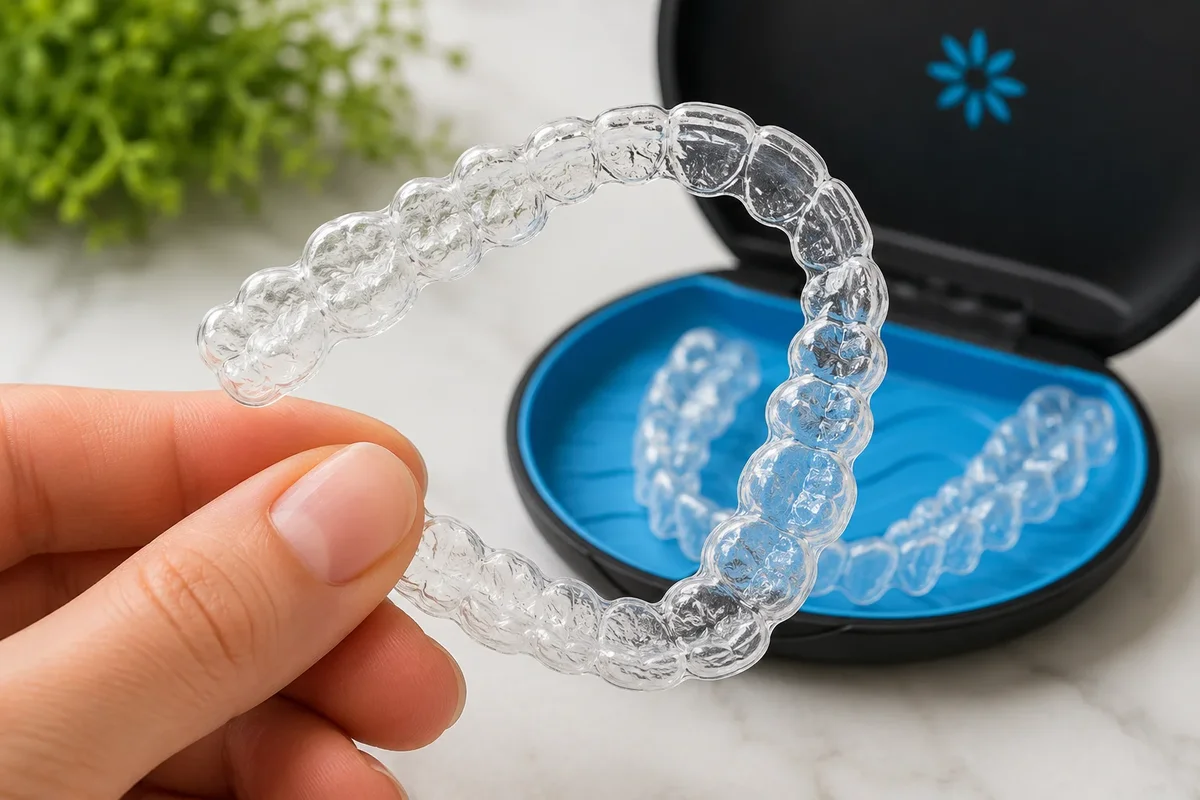
Daily Care Tips for Keeping Mouth Aligners Clean
🪥 Proper hygiene is one of the most important parts of successful orthodontic treatment with mouth aligners. Since these transparent trays fit closely over the teeth for most of the day, keeping them clean is essential for maintaining oral health, preventing bad odors, and preserving the clear appearance of the aligners. Patients who neglect cleaning routines may experience plaque buildup, staining, bacteria accumulation, or unpleasant smells during treatment.
Modern mouth aligners are designed to be comfortable, removable, and easy to maintain, but they still require consistent daily care. Developing strong hygiene habits not only protects the aligners themselves but also helps keep the teeth and gums healthy throughout treatment.
Understanding how to clean and care for mouth aligners correctly can improve treatment comfort, reduce complications, and help patients achieve better orthodontic results.
Why Cleaning Mouth Aligners Is Important
Mouth aligners are worn for approximately 20 to 22 hours each day. During this time, saliva, food particles, plaque, and bacteria can collect on the trays if they are not cleaned properly.
Dirty mouth aligners may cause:
- Bad breath
- Staining or discoloration
- Bacteria buildup
- Tooth decay risk
- Gum irritation
- Unpleasant taste
Maintaining clean aligners helps preserve both oral hygiene and the transparent appearance that makes clear aligners so attractive. 😁
Clear Aligners Need Consistent Maintenance
Although mouth aligners are removable, patients should not assume they remain clean automatically. Bacteria can quickly multiply on the aligners if they are neglected. Daily cleaning routines are essential for long-term oral health.
How to Clean Mouth Aligners Properly
The best way to clean mouth aligners is with gentle and consistent daily care. Most dentists recommend cleaning the aligners every morning and evening, as well as rinsing them throughout the day.
Recommended Cleaning Steps
- Remove the aligners carefully
- Rinse them with lukewarm water
- Use a soft toothbrush to clean gently
- Avoid abrasive toothpaste
- Allow aligners to dry briefly before reinserting
- Store aligners safely when not in use
Patients should always use lukewarm water because hot water may warp the plastic material used in mouth aligners. Warped aligners may no longer fit properly and could negatively affect treatment progress.
Should You Use Toothpaste on Mouth Aligners?
Many patients assume regular toothpaste is safe for cleaning mouth aligners, but this is not always recommended. Some toothpastes contain abrasive ingredients that can scratch the plastic surface.
Scratches may cause mouth aligners to appear cloudy instead of transparent. This reduces the aesthetic advantage of invisible orthodontic treatment.
Instead, dentists often recommend:
- Clear antibacterial soap
- Special aligner cleaning products
- Gentle non-abrasive cleansers
Using appropriate cleaning products helps maintain the smooth and transparent appearance of mouth aligners.
Always Brush Teeth Before Reinserting Aligners
One of the most important hygiene habits during treatment with mouth aligners is brushing the teeth before putting the aligners back in.
If food particles or sugar remain on the teeth, the aligners may trap bacteria against the enamel for extended periods. This can increase the risk of cavities and gum irritation.
Patients should ideally brush and floss after every meal before reinserting their mouth aligners. 🦷 Even rinsing the mouth with water is better than reinserting aligners immediately after eating.
Foods and Drinks That Increase Staining
Certain beverages and foods can stain both teeth and mouth aligners if proper hygiene is not maintained.
- Coffee
- Tea
- Red wine
- Dark sodas
- Curry dishes
- Colored sauces
Patients should remove their mouth aligners before consuming staining beverages whenever possible.
How to Store Mouth Aligners Safely
When not being worn, mouth aligners should always be stored in their protective case. Leaving them exposed increases the risk of contamination, damage, or accidental loss.
Many patients accidentally wrap aligners in napkins during meals and later throw them away unintentionally. Using the official aligner case helps protect the trays and maintain cleanliness.
Never Leave Aligners in Hot Environments
Heat can damage mouth aligners. Patients should avoid leaving aligners:
- Inside hot cars
- Near heaters
- In direct sunlight
- In boiling water
Excessive heat may distort the plastic and prevent the aligners from fitting correctly.
Cleaning Products Designed for Mouth Aligners
Many companies now offer specialized cleaning systems for mouth aligners. These products help remove bacteria, odors, and stains more effectively than water alone.
Popular options include:
- Aligner cleaning tablets
- Ultrasonic cleaning devices
- Antibacterial soaking solutions
- Foaming aligner cleansers
Patients should follow their dentist’s recommendations before using any specialized cleaning products with mouth aligners.
Bad Habits to Avoid During Treatment
Certain habits may damage mouth aligners or negatively affect oral hygiene.
Common Mistakes Patients Make
- Eating while wearing aligners
- Drinking sugary beverages with aligners in place
- Skipping brushing before reinserting aligners
- Using hot water for cleaning
- Leaving aligners exposed to bacteria
- Not cleaning aligners daily
Avoiding these mistakes helps maintain both the condition of the mouth aligners and overall oral health.
Importance of Regular Dental Checkups
Routine dental visits remain important during treatment with mouth aligners. Dentists monitor tooth movement, gum health, and aligner fit throughout the treatment process.
Professional supervision also helps identify hygiene problems early before they become more serious.
Patients interested in professional orthodontic care can visit the Redent Klinik Contact Page for personalized guidance and treatment support.
The American Dental Association also recommends maintaining strong oral hygiene habits during orthodontic treatment to reduce the risk of cavities and gum disease.
Final Thoughts on Caring for Mouth Aligners
🌟 Keeping mouth aligners clean is essential for achieving healthy, successful orthodontic results. Proper daily hygiene protects the aligners from staining and odor while also reducing the risk of dental problems during treatment.
Patients who clean their mouth aligners consistently, brush their teeth regularly, and follow professional dental advice often experience a smoother and more comfortable treatment process. With proper care, modern clear aligners can remain transparent, hygienic, and highly effective throughout the entire orthodontic journey.
Common Problems People Experience With Mouth Aligners
🦷 Although mouth aligners are considered one of the most comfortable and discreet orthodontic treatments available today, patients may still experience certain challenges during treatment. Most issues are temporary and manageable, especially when patients follow professional dental instructions carefully. Understanding the common problems associated with mouth aligners helps patients feel more prepared and confident throughout the orthodontic process.
Modern clear aligners and invisible braces technology continue to improve every year, but successful treatment still depends on proper aligner use, oral hygiene, and regular professional monitoring. Many patients experience minor discomfort or temporary adjustments during the first weeks of wearing mouth aligners.
Fortunately, most common aligner problems can be solved easily with simple care routines and guidance from an experienced dentist or orthodontist.
Mild Pain and Pressure During Treatment
One of the most common experiences with mouth aligners is temporary pressure or soreness when switching to a new tray. This sensation occurs because the aligners are actively moving the teeth into new positions.
Most patients describe the discomfort as mild and manageable compared to traditional braces. The pressure usually lasts for a few days after inserting a new set of mouth aligners.
Why the Pressure Happens
Every aligner tray is designed slightly differently from the previous one. The new tray applies gentle orthodontic force to continue moving the teeth gradually. This controlled movement creates temporary pressure in the teeth and gums.
Patients can often reduce discomfort by:
- Wearing new aligners before bedtime
- Using cold water rinses
- Eating soft foods temporarily
- Taking dentist-approved pain relievers if necessary
😁 Mild soreness is generally considered a sign that the mouth aligners are working properly.
Speech Changes and Temporary Lisp
Some patients notice temporary speech changes when they first begin wearing mouth aligners. A mild lisp or difficulty pronouncing certain sounds may occur during the adjustment period.
This happens because the tongue must adapt to the presence of the aligners inside the mouth. Fortunately, speech usually improves quickly after several days of regular wear.
How to Adapt Faster
Patients can improve speech adaptation by:
- Speaking aloud regularly
- Reading books out loud
- Practicing difficult words
- Wearing aligners consistently
The more consistently patients wear their mouth aligners, the faster the mouth adapts to them.
Dry Mouth or Excess Saliva
Some individuals experience changes in saliva production during the early stages of treatment with mouth aligners. The body may initially react to the aligners as a foreign object, leading to either excessive saliva or temporary dry mouth.
These symptoms are usually temporary and improve as the mouth becomes accustomed to the aligners.
Tips for Managing Dry Mouth
- Drink more water throughout the day
- Avoid excessive caffeine
- Use sugar-free gum if approved
- Maintain proper oral hygiene
Staying hydrated is particularly important during treatment with mouth aligners.
Difficulty Removing Mouth Aligners
New patients sometimes struggle to remove their mouth aligners, especially during the first few days of treatment. Because aligners fit tightly over the teeth, removing them may initially feel difficult.
Patients should remove mouth aligners slowly and carefully using gentle pressure rather than forcing them aggressively.
Helpful Removal Techniques
Dentists often recommend:
- Starting removal from the back teeth
- Using clean fingers
- Removing aligners evenly from both sides
- Using specialized aligner removal tools if needed
With practice, most patients quickly become comfortable removing and reinserting their mouth aligners.
Staining and Bad Odors
Poor cleaning habits may cause mouth aligners to develop stains or unpleasant odors over time. Because the trays remain inside the mouth for many hours each day, bacteria and food particles can accumulate if proper hygiene is neglected.
Drinking coffee, tea, wine, or dark-colored beverages while wearing mouth aligners may also increase discoloration.
How to Prevent Odors and Stains
- Brush teeth before reinserting aligners
- Clean aligners daily
- Rinse aligners frequently
- Avoid smoking while wearing aligners
- Remove aligners before colored beverages
🪥 Good oral hygiene is essential for keeping mouth aligners clean, transparent, and odor-free.
Lost or Damaged Aligners
Because mouth aligners are removable, some patients accidentally lose or damage them. Aligners may be misplaced during meals, wrapped in napkins, or exposed to heat.
Hot environments can warp the plastic material and prevent the aligners from fitting properly.
How to Protect Mouth Aligners
- Always store aligners in their protective case
- Never leave aligners in hot cars
- Avoid placing aligners near heat sources
- Keep aligners away from pets
If mouth aligners become damaged or lost, patients should contact their dentist immediately for instructions.
Treatment Delays From Poor Compliance
One of the biggest challenges with mouth aligners is inconsistent wear. Since aligners are removable, some patients forget to wear them for the recommended 20 to 22 hours daily.
Failing to wear mouth aligners consistently can lead to:
- Slower tooth movement
- Poor fit of future trays
- Extended treatment time
- Unsatisfactory results
Unlike fixed braces, aligner treatment depends heavily on patient cooperation.
How to Stay Consistent
Patients often improve compliance by:
- Using smartphone reminders
- Tracking daily wear time
- Keeping aligners nearby during meals
- Following a regular routine
Patients who wear their mouth aligners properly usually achieve faster and more predictable results.
Attachment Discomfort and Irritation
Some orthodontic treatments using mouth aligners require small tooth-colored attachments bonded to the teeth. These attachments help guide tooth movement more effectively.
Initially, patients may feel slight irritation from these attachments, but most people adapt quickly within several days.
The attachments are usually discreet and significantly less noticeable than traditional braces.
Importance of Professional Monitoring
Regular dental checkups help prevent and manage many common problems associated with mouth aligners. Orthodontists monitor tooth movement, aligner fit, and oral health throughout treatment.
Patients experiencing issues with their aligners should seek professional guidance rather than attempting to solve problems independently.
Patients interested in professional orthodontic care can contact the Redent Klinik Contact Page for personalized consultation and treatment support.
The American Dental Association also recommends regular professional supervision during orthodontic treatment to maintain healthy teeth and gums.
Final Thoughts About Problems With Mouth Aligners
🌟 Although patients may experience temporary challenges while using mouth aligners, most problems are minor and manageable. Mild discomfort, speech adjustments, cleaning concerns, and occasional compliance difficulties are all common during treatment.
With proper oral hygiene, consistent wear habits, and regular professional monitoring, most patients successfully complete treatment with mouth aligners and achieve healthier, straighter, and more confident smiles. Understanding these common challenges helps patients prepare realistically and enjoy a smoother orthodontic experience.
Cost of Mouth Aligners and What Affects Pricing
💰 One of the most important considerations for patients interested in orthodontic treatment is the cost of mouth aligners. Modern clear aligners have become increasingly popular because they offer a discreet and comfortable alternative to traditional braces, but treatment costs can vary significantly depending on several factors. Understanding what influences the price of mouth aligners helps patients plan their budget more effectively and make informed decisions about their dental care.
The total cost of mouth aligners is influenced by treatment complexity, treatment duration, clinic location, dentist experience, and the type of aligner system used. While some mild cases may require only a short treatment period with lower costs, more advanced orthodontic cases often require longer treatment plans and additional aligner trays.
Although the price of mouth aligners may initially seem high to some patients, many people consider the investment worthwhile because of the aesthetic, functional, and confidence-related benefits they provide.
Average Cost of Mouth Aligners
In many countries, the average price range for mouth aligners typically falls between $2,000 and $8,000. However, pricing varies depending on the complexity of the orthodontic case and the treatment provider.
Estimated Mouth Aligners Price Ranges
| Treatment Complexity | Estimated Cost |
|---|---|
| Mild Cases | $2,000 – $3,500 |
| Moderate Cases | $3,500 – $5,500 |
| Complex Cases | $5,500 – $8,000+ |
These estimates generally include digital scans, treatment planning, aligner production, follow-up appointments, and retention devices after treatment. However, patients should always confirm exactly what is included in the treatment package before beginning treatment with mouth aligners.
Treatment Complexity Strongly Affects Price
One of the biggest factors influencing the cost of mouth aligners is the complexity of the orthodontic problem being treated.
Patients with mild spacing issues or minor crowding often require fewer aligner trays and shorter treatment durations. These simpler cases are generally less expensive.
On the other hand, patients with severe crowding, bite irregularities, rotated teeth, or jaw alignment problems may require:
- More aligner trays
- Longer treatment duration
- Additional dental attachments
- More frequent monitoring
- Refinement stages
As treatment becomes more complex, the overall cost of mouth aligners typically increases.
Refinement Aligners May Increase Costs
In some situations, patients require additional refinement trays after completing the initial aligner series. Refinements help improve small details of tooth alignment and bite correction.
Some treatment packages include refinements within the original price, while others charge extra fees for additional mouth aligners.
Experience of the Dentist or Orthodontist
The experience and qualifications of the dental provider can also influence the cost of mouth aligners. Highly experienced orthodontists or dentists with advanced training in clear aligner systems may charge higher fees.
However, experienced providers often offer more accurate treatment planning and better overall outcomes. Choosing a highly qualified professional may reduce the risk of complications or prolonged treatment.
Many patients consider the expertise of the orthodontist an important investment when selecting treatment with mouth aligners.
Location of the Dental Clinic
Geographic location also affects the pricing of mouth aligners. Dental clinics located in large metropolitan cities or regions with higher living costs may charge more than clinics in smaller areas.
For example, orthodontic treatment prices in major cities such as New York, London, or Los Angeles are often significantly higher than prices in smaller towns or international dental tourism destinations.
Dental Tourism and Mouth Aligners
Many international patients now travel abroad for affordable orthodontic treatment with mouth aligners. Countries offering lower dental treatment costs while maintaining high-quality standards have become popular destinations for dental tourism. 🌍
However, patients considering treatment abroad should carefully research clinic reputation, professional credentials, and follow-up care availability.
Technology and Brand Differences
Different clear aligners and invisible braces systems use varying technologies, materials, and manufacturing methods. Premium aligner brands often use advanced digital treatment planning systems and proprietary plastic materials.
These advanced technologies may increase the price of mouth aligners, but they can also improve comfort, treatment precision, and predictability.
Some lower-cost aligner systems may provide more affordable treatment, but patients should ensure they still receive professional supervision and quality care.
Insurance Coverage for Mouth Aligners
Dental insurance coverage for mouth aligners varies depending on the insurance provider and policy details. Some insurance plans partially cover orthodontic treatment, while others exclude cosmetic orthodontic procedures.
Patients should contact their insurance company to verify:
- Orthodontic coverage limits
- Age restrictions
- Waiting periods
- Coverage percentages
- Approved treatment providers
Insurance benefits may significantly reduce out-of-pocket costs for mouth aligners.
Flexible Payment Plans
Many dental clinics offer installment plans or financing options to make mouth aligners more affordable. Monthly payment programs help patients spread treatment costs over time instead of paying the full amount upfront.
This flexibility has made clear aligner treatment accessible to a much larger number of patients.
Are Mouth Aligners Worth the Cost?
For many patients, the benefits of mouth aligners justify the financial investment. Straighter teeth can improve:
- Smile appearance
- Self-confidence
- Speech clarity
- Oral hygiene access
- Bite function
- Long-term dental health
Because mouth aligners are removable and nearly invisible, many adults and teenagers prefer them over traditional braces despite the potential price difference.
😁 Patients often value the comfort, convenience, and aesthetic advantages provided by modern aligner systems.
Professional Consultation Helps Determine Exact Costs
Since every orthodontic case is unique, professional consultation is the best way to receive an accurate estimate for mouth aligners. Dentists evaluate tooth alignment, bite condition, treatment complexity, and expected duration before creating a personalized treatment plan.
Patients interested in professional orthodontic evaluation can visit the Redent Klinik Contact Page for personalized consultation and pricing information.
The American Dental Association also emphasizes the importance of professional dental supervision during orthodontic treatment to ensure safe and healthy results.
Final Thoughts About the Cost of Mouth Aligners
🌟 The cost of mouth aligners depends on many factors, including treatment complexity, provider experience, treatment duration, and clinic location. While pricing varies widely, modern clear aligners offer significant aesthetic and functional advantages that many patients consider valuable long-term investments.
Patients who choose experienced dental professionals, maintain strong treatment compliance, and follow professional instructions carefully often achieve excellent orthodontic results with mouth aligners. With flexible payment options and improving technology, clear aligner treatment continues to become more accessible for patients seeking healthier and more confident smiles.
How to Choose the Best Dental Clinic for Mouth Aligners
🏥 Choosing the right dental clinic for mouth aligners is one of the most important decisions patients make during their orthodontic journey. Although modern clear aligners are highly effective, successful treatment depends heavily on professional expertise, advanced technology, accurate treatment planning, and ongoing patient support. Selecting a qualified and experienced dental provider can significantly improve treatment results, comfort, and overall patient satisfaction.
Today, many clinics offer mouth aligners, but not all providers have the same level of orthodontic training or experience. Patients should carefully evaluate several factors before beginning treatment. A trusted clinic will not only provide clear aligners but also create a customized treatment plan designed specifically for the patient’s dental condition and long-term oral health goals.
Understanding what to look for in a clinic helps patients feel more confident and informed when investing in treatment with mouth aligners.
Check the Experience of the Dentist or Orthodontist
One of the first things patients should evaluate is the professional experience of the dentist or orthodontist providing mouth aligners. Orthodontic treatment involves precise tooth movement and careful bite correction, so expertise plays a major role in achieving successful results.
Experienced providers usually have a deeper understanding of:
- Tooth movement mechanics
- Bite alignment correction
- Treatment planning
- Complication management
- Advanced orthodontic technology
Patients should ask how many mouth aligners cases the clinic has treated and whether the provider has specialized orthodontic training.
Why Orthodontic Experience Matters
Even though modern clear aligners use advanced digital systems, treatment success still depends on professional decision-making. An experienced provider can identify potential issues early and adjust treatment if necessary.
😁 Skilled orthodontists also improve the likelihood of achieving stable and aesthetically pleasing results with mouth aligners.
Look for Advanced Digital Technology
Modern orthodontic clinics often use advanced digital scanning and 3D treatment planning systems for mouth aligners. These technologies improve accuracy, comfort, and treatment predictability.
Instead of traditional dental impressions, many clinics now use intraoral scanners that create detailed digital models of the teeth and jaw structure.
Benefits of Digital Scanning Technology
- More comfortable for patients
- Highly accurate treatment planning
- Better aligner fit
- Faster treatment preparation
- Digital smile simulations
Clinics using modern technology often provide a more efficient and comfortable experience for patients receiving mouth aligners.
Review Before-and-After Cases
Before starting treatment, patients should ask to see before-and-after photographs of previous mouth aligners cases treated at the clinic. Reviewing real patient results helps demonstrate the provider’s experience and treatment quality.
Successful case examples can help patients understand what types of orthodontic issues the clinic commonly treats and what results may be achievable.
Patients should look for improvements involving:
- Crowded teeth
- Spacing problems
- Bite correction
- Smile aesthetics
- Overall alignment balance
Real case examples often provide reassurance before beginning treatment with mouth aligners.
Read Patient Reviews and Testimonials
Online reviews can provide valuable insight into the patient experience at a clinic offering mouth aligners. Reading testimonials allows patients to learn about treatment quality, professionalism, communication, and overall satisfaction.
Important factors mentioned in reviews may include:
- Friendliness of staff
- Treatment success
- Clinic cleanliness
- Communication quality
- Appointment scheduling
- Professional support during treatment
🌟 Positive reviews from previous aligner patients often indicate a trustworthy clinic environment.
Be Careful With Unrealistic Marketing
Patients should remain cautious of clinics promising unrealistically fast results or guaranteed outcomes with mouth aligners. Orthodontic treatment requires individualized planning, and every patient’s case is different.
Trustworthy clinics provide realistic timelines and explain potential treatment limitations honestly.
Understand What Is Included in the Treatment Price
The cost of mouth aligners varies between clinics, so patients should carefully ask what services are included in the quoted treatment fee.
Some clinics include:
- Initial consultation
- Digital scans
- All aligner trays
- Follow-up appointments
- Refinement aligners
- Retainers after treatment
Other clinics may charge separately for certain services. Understanding pricing details helps patients avoid unexpected costs during treatment with mouth aligners.
Compare Value, Not Only Price
Choosing the cheapest clinic is not always the best decision. Lower prices may sometimes reflect limited experience, reduced treatment monitoring, or lower-quality materials.
Patients should focus on overall treatment quality, professional expertise, and patient support rather than selecting a clinic based solely on price.
Evaluate Communication and Patient Support
Good communication is extremely important during orthodontic treatment with mouth aligners. Patients should feel comfortable asking questions and discussing concerns throughout the process.
A quality dental clinic should provide:
- Clear treatment explanations
- Honest expectations
- Detailed instructions
- Regular follow-up support
- Easy appointment scheduling
Patients often feel more confident when their provider explains every stage of treatment with mouth aligners clearly and professionally.
Importance of Personalized Treatment Planning
Every smile is unique, so treatment with mouth aligners should always be customized. High-quality clinics develop individualized treatment plans based on detailed examinations and digital analysis.
Personalized planning improves:
- Tooth movement accuracy
- Bite correction
- Treatment efficiency
- Long-term stability
Clinics that offer personalized orthodontic planning generally achieve better outcomes with mouth aligners.
Check Hygiene and Clinic Standards
Professional clinics offering mouth aligners should maintain excellent hygiene and sterilization standards. Clean treatment rooms, organized equipment, and professional infection control procedures help protect patient safety.
Patients should also feel comfortable with the overall clinic environment and professionalism of the dental team.
Why Follow-Up Care Matters
Orthodontic treatment does not end after receiving the aligners. Regular monitoring appointments are essential during treatment with mouth aligners to track progress and make adjustments if necessary.
Clinics providing strong follow-up care can identify potential issues early and help maintain healthy tooth movement throughout treatment.
Patients interested in professional orthodontic care and customized treatment planning can visit the Redent Klinik Contact Page for consultation and personalized support.
The American Dental Association also recommends professional supervision during orthodontic treatment to ensure safe and effective results.
Final Thoughts About Choosing a Clinic for Mouth Aligners
✨ Selecting the right clinic for mouth aligners is essential for achieving healthy, attractive, and long-lasting orthodontic results. Patients should evaluate provider experience, treatment technology, patient reviews, pricing transparency, and communication quality before beginning treatment.
Modern mouth aligners can dramatically improve smile appearance and confidence when guided by skilled dental professionals. By choosing a trusted and experienced clinic, patients increase their chances of achieving successful orthodontic outcomes with comfort, safety, and long-term satisfaction.