
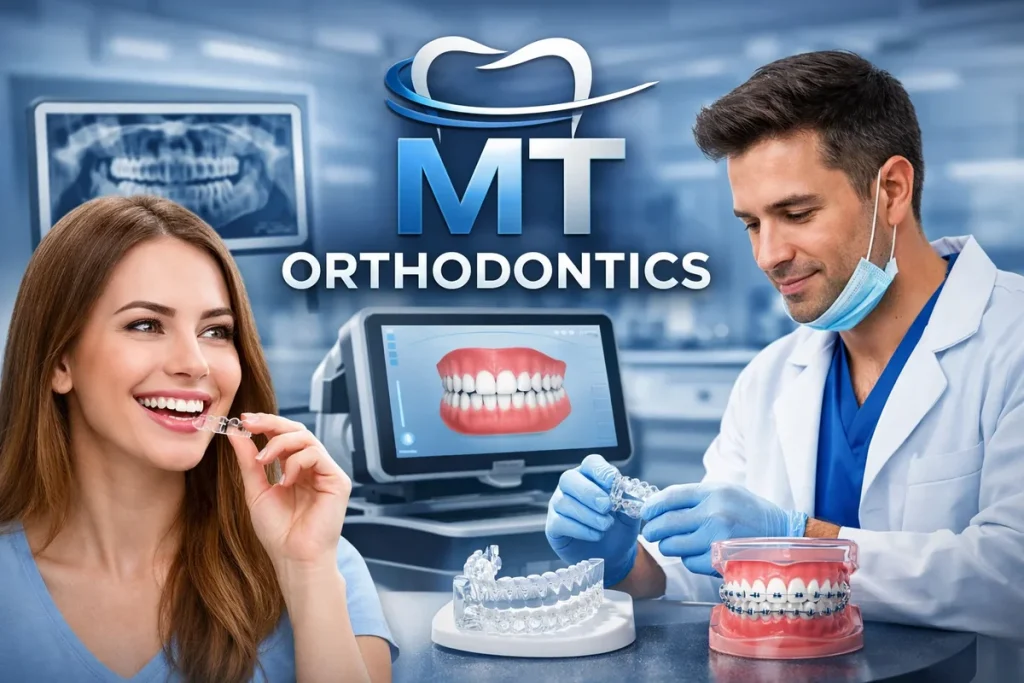
MT orthodontics is a modern, patient-centered approach to orthodontic care that focuses on achieving optimal tooth alignment, jaw balance, and long-term oral health through advanced techniques and personalized treatment planning. Unlike older orthodontic methods that relied almost exclusively on traditional metal braces, mt orthodontics integrates technology, biomechanics, and aesthetics to deliver more predictable, comfortable, and efficient results 😁. Today, people of all ages are looking for orthodontic solutions that fit into their daily lives without compromising appearance, comfort, or treatment outcomes—and mt orthodontics was developed precisely to meet these expectations.
At its core, mt orthodontics is not just about straightening teeth. It is a comprehensive system designed to correct bite problems (malocclusions), improve facial harmony, and support overall dental function. Crowded teeth, spacing issues, overbites, underbites, crossbites, and jaw misalignment are all addressed using carefully planned forces that move teeth safely and gradually. With mt orthodontics, every movement is calculated to protect tooth roots, gums, and surrounding bone, making it a biologically respectful method of orthodontic care 🦷.
One of the defining characteristics of mt orthodontics is customization. No two patients have the same dental structure, lifestyle, or aesthetic goals. For this reason, mt orthodontics relies heavily on digital diagnostics such as 3D scans, digital impressions, facial analysis, and bite simulations. These tools allow orthodontists to design highly individualized treatment plans that consider both functional needs and cosmetic expectations. This level of precision significantly reduces guesswork and enhances treatment efficiency compared to conventional orthodontic approaches.
Another important aspect of mt orthodontics is its strong focus on comfort and patient experience. Traditional orthodontic treatments often involved frequent adjustments, discomfort, and long chair times. In contrast, mt orthodontics emphasizes gentle, continuous forces that reduce pain and inflammation. Many patients report less soreness after adjustments and fewer emergency visits due to broken brackets or wires. This makes mt orthodontics particularly appealing to adults and professionals who want effective treatment with minimal disruption to their daily routines 😊.
From an aesthetic perspective, mt orthodontics offers a wide range of discreet treatment options. Depending on the case, patients may benefit from clear aligners, ceramic braces, low-profile brackets, or hybrid systems that combine different appliances for optimal results. These solutions are designed to be far less noticeable than traditional metal braces, allowing patients to smile, speak, and socialize with confidence throughout their treatment. This emphasis on aesthetics has made mt orthodontics one of the fastest-growing areas in modern dentistry.
Functionality is just as important as appearance. Proper tooth alignment plays a crucial role in chewing efficiency, speech clarity, and long-term dental stability. Misaligned teeth can lead to uneven wear, jaw pain, headaches, and even temporomandibular joint (TMJ) disorders. MT orthodontics addresses these functional issues by aligning teeth in harmony with the jaw and facial muscles. The result is not only a straighter smile but also improved oral function and reduced risk of future dental problems.
Oral hygiene is another key benefit of mt orthodontics. Crowded or overlapping teeth can make brushing and flossing difficult, increasing the risk of cavities and gum disease. By creating proper spacing and alignment, mt orthodontics makes daily oral care more effective and easier to maintain. Many patients notice improved gum health and fresher breath as their treatment progresses, which contributes positively to overall well-being 🌿.
MT orthodontics is also strongly guided by evidence-based dentistry and international standards. Orthodontic protocols are continuously refined based on clinical research and professional guidelines published by trusted organizations such as the American Dental Association. This ensures that mt orthodontics treatments are safe, effective, and aligned with the latest advancements in dental science. Patients can feel confident knowing that their treatment is grounded in proven methodologies rather than outdated practices.
Choosing mt orthodontics is often the first step toward a long-term investment in oral health. While the visible result is a beautifully aligned smile, the deeper benefits include improved bite balance, reduced dental complications, and enhanced self-confidence. If you are considering orthodontic treatment and want a solution that combines technology, comfort, and lasting results, mt orthodontics stands out as a modern and reliable choice. For personalized guidance or to begin your consultation journey, you can easily reach out through the Redent Klinik Contact Page and take the first step toward a healthier, more confident smile ✨.
What Is MT Orthodontics and How Does It Work?
MT orthodontics is an advanced orthodontic treatment philosophy that combines modern technology, biomechanics, and individualized care to correct tooth and jaw alignment in a safe, efficient, and aesthetically pleasing way. Rather than relying on a one-size-fits-all approach, mt orthodontics focuses on understanding how each patient’s teeth, jaw structure, facial muscles, and bite work together as a system. This holistic perspective allows orthodontists to create treatment plans that are not only effective but also stable and long-lasting 😊.
At a basic level, mt orthodontics works by applying controlled, gentle forces to move teeth into their ideal positions over time. These forces stimulate natural bone remodeling: bone is resorbed where pressure is applied and rebuilt where space is created. What makes mt orthodontics different is how precisely these forces are planned and delivered. Thanks to digital diagnostics and customized appliances, every tooth movement is calculated in advance, reducing unnecessary stress on teeth and surrounding tissues.
The Core Principles Behind MT Orthodontics
The foundation of mt orthodontics rests on three main principles: precision, personalization, and prevention. Precision is achieved through digital imaging, 3D scans, and computer-assisted treatment simulations. These tools allow orthodontists to visualize the final outcome before treatment even begins. Personalization ensures that each patient receives a treatment plan tailored to their specific dental anatomy and lifestyle needs. Prevention focuses on minimizing future dental problems by correcting bite issues early and accurately 🦷.
Unlike traditional orthodontic methods that may focus primarily on straightening visible teeth, mt orthodontics pays close attention to how upper and lower teeth come together. A balanced bite reduces uneven tooth wear, jaw strain, and muscle tension. This approach is especially important for patients who suffer from jaw discomfort, headaches, or clicking sounds when chewing. By addressing these functional concerns, mt orthodontics supports both comfort and oral health in the long term.
Diagnostic Technologies Used in MT Orthodontics
Modern mt orthodontics relies heavily on advanced diagnostic tools to gather accurate data. Digital impressions replace traditional messy molds, providing highly detailed 3D images of the teeth and gums. Cone-beam computed tomography (CBCT) scans may be used to evaluate jawbone structure, tooth roots, and airway space. Facial analysis software helps orthodontists assess symmetry and profile balance. All of this information is integrated to design a precise and predictable treatment plan.
These technologies also allow orthodontists to show patients a visual preview of their expected results. Seeing a digital simulation of how the smile will improve over time helps patients understand the value of mt orthodontics and feel more confident about starting treatment 😄. Transparency and education are key components of this modern approach.
Customized Appliances and Treatment Options
Another important aspect of how mt orthodontics works is the use of customized appliances. Depending on the patient’s needs, treatment may involve clear aligners, ceramic braces, self-ligating brackets, or a combination of systems. Each appliance is selected based on factors such as the severity of misalignment, aesthetic preferences, and lifestyle considerations. In mt orthodontics, appliances are not chosen randomly; they are part of a carefully designed strategy.
Clear aligners, for example, are often used for mild to moderate alignment issues and are popular among adults due to their nearly invisible appearance. Ceramic or low-profile braces may be recommended for more complex cases that require greater control. Regardless of the appliance, mt orthodontics ensures that forces are applied efficiently and comfortably, reducing treatment time and discomfort compared to older methods.
The Role of the Orthodontist in MT Orthodontics
While technology plays a major role, the expertise of the orthodontist remains central to mt orthodontics. Advanced tools are only effective when used by a trained professional who understands facial growth, dental biomechanics, and treatment sequencing. The orthodontist continuously monitors progress, makes precise adjustments, and ensures that tooth movement follows the planned path. This active supervision is what transforms digital planning into real-world success.
Regular check-ups are typically less frequent and shorter with mt orthodontics, thanks to the efficiency of modern systems. However, each visit is purposeful, focusing on fine-tuning movements and maintaining optimal comfort. Patients are also educated on proper oral hygiene and appliance care, which plays a crucial role in achieving the best results 🌿.
In summary, mt orthodontics works by combining scientific principles, cutting-edge technology, and personalized care into a unified treatment approach. It is designed not just to straighten teeth, but to enhance function, aesthetics, and long-term oral health. For patients seeking a modern, efficient, and patient-friendly orthodontic solution, mt orthodontics represents a significant evolution in the field of orthodontic care.
Benefits of MT Orthodontics for Teens and Adults
MT orthodontics offers a wide range of benefits for both teenagers and adults, making it one of the most versatile and patient-friendly orthodontic approaches available today. While the core goal of mt orthodontics is to achieve proper tooth alignment and bite correction, the advantages extend far beyond aesthetics. From improved oral health to enhanced self-confidence and long-term stability, mt orthodontics addresses the unique needs of different age groups with precision and care 😊.
One of the most important benefits of mt orthodontics is its adaptability. Teenagers and adults have very different orthodontic requirements due to differences in jaw development, lifestyle, and aesthetic concerns. MT orthodontics is designed to accommodate these differences by offering flexible treatment options and personalized planning. This ensures that every patient, regardless of age, receives a solution tailored to their specific situation.
Key Advantages of MT Orthodontics for Teenagers
For teenagers, mt orthodontics plays a crucial role during a period of active growth and development. Because the jaw and facial bones are still forming, orthodontic treatment during adolescence can be highly effective and efficient. MT orthodontics takes advantage of this natural growth by guiding teeth and jaws into proper alignment, often reducing the need for more complex interventions later in life 🦷.
Another major benefit of mt orthodontics for teens is early prevention. Addressing crowding, spacing, and bite issues at the right time helps prevent future problems such as uneven tooth wear, speech difficulties, or jaw pain. By correcting these issues early, mt orthodontics supports healthier oral development and minimizes long-term dental risks.
Confidence and Social Comfort for Teens
Adolescence is a sensitive time when self-image and confidence are especially important. MT orthodontics offers discreet treatment options, such as ceramic braces or clear aligners, that are less noticeable than traditional metal braces. This allows teens to smile, speak, and socialize more confidently during treatment 😄. Feeling comfortable with their appearance can have a positive impact on emotional well-being and social interactions.
Additionally, mt orthodontics often involves fewer emergencies and less discomfort compared to older methods. Gentle forces and modern appliances mean teens can continue their daily activities, including sports and school, with minimal disruption. Parents also benefit from fewer emergency visits and a more predictable treatment timeline.
Why Adults Choose MT Orthodontics
For adults, mt orthodontics offers a second chance at achieving a healthy, attractive smile. Many adults did not have access to orthodontic treatment earlier in life, while others experienced relapse after previous treatment. MT orthodontics provides modern solutions that fit seamlessly into adult lifestyles, addressing both functional and aesthetic concerns.
One of the biggest advantages of mt orthodontics for adults is discretion. Clear aligners and low-profile braces allow adults to undergo treatment without drawing attention in professional or social settings. This is especially important for individuals who interact frequently with clients, colleagues, or the public. MT orthodontics makes it possible to improve your smile without feeling self-conscious ✨.
Functional and Health Benefits for Adults
Beyond aesthetics, mt orthodontics delivers significant functional benefits for adult patients. Misaligned teeth can contribute to headaches, jaw discomfort, uneven tooth wear, and difficulty chewing. By correcting bite issues and aligning teeth properly, mt orthodontics helps reduce strain on the jaw joints and muscles. Many adult patients report improved comfort and reduced pain as treatment progresses.
Oral hygiene is another critical factor. Crowded or rotated teeth can make brushing and flossing difficult, increasing the risk of gum disease and cavities. MT orthodontics creates better spacing and alignment, making oral care more effective and reducing the likelihood of long-term dental problems 🌿. This is particularly valuable for adults who are focused on preserving their natural teeth as they age.
Shared Benefits for Teens and Adults
Regardless of age, one of the standout benefits of mt orthodontics is treatment efficiency. Thanks to advanced planning and precise force application, treatment times are often shorter and more predictable than with traditional orthodontics. Patients also experience fewer adjustments and less discomfort, which contributes to a more positive overall experience.
Another shared benefit is long-term stability. MT orthodontics emphasizes correct bite alignment and proper tooth positioning, which reduces the risk of relapse after treatment. When combined with appropriate retention strategies, the results of mt orthodontics are designed to last for years, protecting the investment patients make in their smiles.
In summary, mt orthodontics offers tailored benefits for both teenagers and adults, addressing their unique needs while delivering shared advantages such as comfort, efficiency, and lasting results. Whether guiding a teen’s developing smile or helping an adult achieve renewed confidence and oral health, mt orthodontics stands out as a modern, comprehensive solution that supports patients at every stage of life 😁.
MT Orthodontics vs Traditional Braces: Key Differences
When considering orthodontic treatment, many patients find themselves comparing mt orthodontics with traditional braces. While both aim to straighten teeth and improve bite alignment, the methods, experience, and outcomes can differ significantly. MT orthodontics represents a modern evolution of orthodontic care, focusing on precision, comfort, and personalization, whereas traditional braces follow a more standardized approach. Understanding these differences helps patients make informed decisions that align with their expectations, lifestyle, and long-term oral health goals 😊.
At a glance, traditional braces typically involve metal brackets and wires that apply continuous force to move teeth over time. This system has been used for decades and can be effective, especially in complex cases. However, mt orthodontics builds on this foundation by integrating advanced diagnostics, customized appliances, and modern biomechanics. The result is a treatment experience that is often more efficient, comfortable, and aesthetically pleasing.
Treatment Planning: Precision vs Standardization
One of the most significant differences between mt orthodontics and traditional braces lies in treatment planning. Traditional braces often rely on physical impressions and manual adjustments made throughout treatment. While experienced orthodontists can achieve good results, the process involves a degree of trial and error. In contrast, mt orthodontics emphasizes detailed digital planning from the very beginning.
With mt orthodontics, orthodontists use 3D scans, digital bite analysis, and treatment simulation software to map out every stage of tooth movement in advance 🦷. This allows for a highly precise and predictable plan tailored to the individual patient. As a result, fewer unexpected adjustments are needed, and treatment progress is easier to monitor and control.
Comfort and Patient Experience
Comfort is another area where mt orthodontics clearly stands apart from traditional braces. Traditional systems often rely on stronger forces that can cause significant soreness after adjustments. Patients may experience irritation from wires and brackets, leading to discomfort and emergency visits for repairs.
MT orthodontics, on the other hand, focuses on applying gentle, biologically optimized forces that move teeth more comfortably. Customized appliances and advanced materials reduce friction and pressure on the teeth and gums. Many patients report less pain, shorter adjustment periods, and an overall smoother treatment experience 😄. This makes mt orthodontics especially appealing to adults and teens who want effective treatment with minimal discomfort.
Aesthetic Considerations
Appearance during treatment is an important factor for many patients. Traditional braces are often highly visible due to metal components, which can affect confidence in social or professional settings. MT orthodontics offers a wider range of aesthetic options, including clear aligners, ceramic brackets, and low-profile systems designed to blend in with natural teeth.
These discreet options allow patients to smile and speak confidently throughout treatment. While traditional braces may still be recommended for certain complex cases, mt orthodontics provides flexible alternatives that prioritize both function and appearance ✨.
Efficiency and Treatment Duration
Treatment time is a common concern for anyone considering orthodontics. Traditional braces can be effective, but treatment durations are often longer due to less precise planning and the need for frequent manual adjustments. In some cases, patients may wear braces for several years.
MT orthodontics often achieves results more efficiently thanks to its data-driven approach. By planning tooth movements in advance and using optimized force systems, treatment timelines can be more predictable and, in many cases, shorter. While the exact duration depends on the complexity of the case, many patients appreciate the streamlined nature of mt orthodontics 🌿.
Oral Health and Long-Term Outcomes
Both mt orthodontics and traditional braces aim to improve oral health, but the long-term outcomes can differ based on how comprehensively the bite and alignment are addressed. Traditional braces may focus primarily on straightening visible teeth, sometimes overlooking subtle bite imbalances.
MT orthodontics places strong emphasis on functional harmony. By aligning teeth in relation to the jaw joints, muscles, and facial structure, mt orthodontics helps reduce the risk of uneven tooth wear, jaw pain, and relapse after treatment. This holistic approach supports long-term stability and overall oral health 🦷.
Maintenance and Follow-Up
Maintenance during treatment also varies between the two approaches. Traditional braces often require more frequent in-office visits for adjustments and repairs. Broken brackets or poking wires can interrupt treatment and cause discomfort.
With mt orthodontics, customized appliances and modern materials tend to be more durable and require fewer emergency visits. Follow-up appointments are typically more focused on monitoring progress and fine-tuning movements rather than fixing issues. This can be especially beneficial for busy patients who value convenience.
In summary, while traditional braces remain a reliable option in orthodontics, mt orthodontics offers a more advanced, patient-focused alternative. Through precise planning, enhanced comfort, aesthetic flexibility, and improved efficiency, mt orthodontics delivers a modern orthodontic experience that aligns with today’s expectations. For patients seeking not just straight teeth but a comprehensive improvement in function, comfort, and confidence, mt orthodontics represents a clear step forward in orthodontic care 😁.
Who Is an Ideal Candidate for MT Orthodontics?
MT orthodontics is designed to be a highly adaptable orthodontic approach, making it suitable for a wide range of patients. However, not everyone has the same dental needs, expectations, or biological conditions. Understanding who is an ideal candidate for mt orthodontics helps patients set realistic expectations and ensures the best possible outcomes. Thanks to its personalized and technology-driven nature, mt orthodontics can successfully treat many cases that were once considered challenging or unsuitable for modern orthodontic solutions 😊.
In general, mt orthodontics is ideal for patients who want more than just straight teeth. It is particularly suited for individuals who value long-term oral health, functional bite alignment, and aesthetic improvement combined into one comprehensive treatment plan. Because mt orthodontics emphasizes precision and customization, it can be adapted for both simple and complex orthodontic cases.
Common Dental Issues Treated with MT Orthodontics
MT orthodontics is effective for treating a wide variety of orthodontic problems. These include crowded teeth, spacing issues, overbites, underbites, crossbites, open bites, and midline discrepancies. Patients who experience uneven tooth wear, jaw discomfort, or difficulty chewing often benefit significantly from mt orthodontics because it focuses on correcting the underlying bite mechanics rather than just surface-level alignment 🦷.
Additionally, mt orthodontics can help patients who have experienced relapse after previous orthodontic treatment. Teeth can shift over time due to natural aging, missing retainers, or changes in jaw structure. Because mt orthodontics uses detailed diagnostics and controlled force systems, it is well-suited for retreatment cases that require careful planning and stability-focused correction.
Age Considerations: Teens vs Adults
One of the strengths of mt orthodontics is that it can be applied successfully across different age groups. Teenagers are often excellent candidates because their jaws are still developing, allowing orthodontists to guide growth and alignment more efficiently. MT orthodontics can take advantage of this growth phase to correct bite issues early, potentially shortening treatment time and reducing the need for future interventions.
Adults are also ideal candidates for mt orthodontics, even if they believe they are “too old” for braces. In reality, age is rarely a limiting factor as long as the teeth and gums are healthy. MT orthodontics is especially popular among adults because it offers discreet options and focuses on comfort, making it easier to integrate treatment into a busy professional and social life 😄.
Lifestyle and Aesthetic Preferences
Patients who prioritize aesthetics during treatment are often excellent candidates for mt orthodontics. Clear aligners, ceramic brackets, and low-profile systems are commonly used within mt orthodontics to minimize visual impact. This makes the approach ideal for professionals, public speakers, and anyone who wants orthodontic treatment without drawing attention.
Lifestyle factors also play an important role. MT orthodontics is well-suited for patients who value efficiency and convenience. Fewer emergency visits, shorter appointments, and predictable treatment progress make it easier for busy individuals to commit to orthodontic care without major disruptions 🌿.
Oral Health Requirements for MT Orthodontics
While mt orthodontics is highly versatile, certain oral health conditions must be addressed before treatment begins. Ideal candidates should have healthy gums and sufficient bone support around the teeth. Gum disease, untreated cavities, or active infections need to be managed prior to starting mt orthodontics to ensure safe and successful tooth movement.
During the initial consultation, orthodontists evaluate gum health, bone levels, and overall dental condition using digital scans and clinical examination. This thorough assessment ensures that mt orthodontics is applied in a way that protects long-term oral health rather than compromising it 🦷.
Patient Commitment and Compliance
Another important factor in determining candidacy for mt orthodontics is patient commitment. While modern systems are more comfortable and efficient, successful treatment still requires cooperation. Patients must attend scheduled appointments, maintain good oral hygiene, and follow instructions related to aligner wear or appliance care.
MT orthodontics works best for individuals who are motivated and engaged in their treatment journey. Clear communication between patient and orthodontist, combined with realistic expectations, plays a crucial role in achieving optimal results. Fortunately, the user-friendly nature of mt orthodontics often makes it easier for patients to stay compliant and motivated 😊.
In summary, the ideal candidate for mt orthodontics is someone seeking a modern, personalized, and comprehensive orthodontic solution. Whether a teenager needing early intervention or an adult looking for discreet and effective treatment, mt orthodontics offers flexible options tailored to individual needs. With proper oral health, commitment, and professional guidance, most patients can benefit greatly from the advanced approach that mt orthodontics provides, achieving both a healthier bite and a more confident smile 😁.
The MT Orthodontics Treatment Process Step by Step
Understanding the mt orthodontics treatment process helps patients feel confident, informed, and prepared before starting their orthodontic journey. One of the defining strengths of mt orthodontics is its structured, step-by-step approach that combines advanced diagnostics, personalized planning, and continuous monitoring. Unlike older orthodontic systems that rely heavily on periodic manual adjustments, mt orthodontics follows a carefully mapped pathway designed to deliver predictable, efficient, and long-lasting results 😊.
Each stage of mt orthodontics is intentional and interconnected. From the initial consultation to the final retention phase, every step is designed to protect oral health, optimize comfort, and achieve ideal alignment. This systematic process is one of the reasons mt orthodontics has gained trust among both patients and dental professionals.
Step 1: Comprehensive Consultation and Evaluation
The mt orthodontics journey begins with a detailed consultation. During this first visit, the orthodontist conducts a thorough evaluation of the teeth, gums, jaw structure, and facial profile. Digital photographs, 3D scans, and bite records are typically taken to gather accurate diagnostic data. Unlike traditional impressions, digital scans are comfortable, fast, and extremely precise 🦷.
This evaluation also includes a discussion about the patient’s goals, concerns, and lifestyle preferences. Whether the priority is aesthetics, comfort, treatment speed, or long-term stability, mt orthodontics integrates these factors into the planning process. This patient-centered approach ensures that treatment aligns with both medical needs and personal expectations.
Step 2: Digital Treatment Planning and Simulation
Once diagnostic data is collected, the orthodontist creates a customized digital treatment plan. This is a critical phase in mt orthodontics, as it sets the foundation for the entire process. Using specialized software, tooth movements are planned step by step, allowing the orthodontist to visualize how the smile and bite will change over time.
One of the major advantages of mt orthodontics is the ability to simulate the final outcome before treatment begins 😄. Patients can see a digital preview of their expected results, which increases transparency and trust. This level of planning also helps reduce unnecessary adjustments and ensures that forces are applied efficiently and safely throughout treatment.
Appliance Selection and Customization
Based on the treatment plan, the most suitable orthodontic appliances are selected. MT orthodontics may involve clear aligners, ceramic braces, self-ligating brackets, or hybrid systems depending on the complexity of the case. Each appliance is customized to fit the patient’s dental anatomy and treatment goals.
Customization is a key feature of mt orthodontics. Brackets, aligners, and wires are chosen or designed to deliver precise forces, minimizing discomfort and maximizing control. This tailored approach is a major reason why mt orthodontics often achieves results more efficiently than conventional methods.
Step 3: Active Treatment Phase
The active treatment phase is where tooth movement begins. Once appliances are placed or aligners are delivered, mt orthodontics relies on gentle, continuous forces to guide teeth into their planned positions. Patients typically experience mild pressure during the first few days, but discomfort is usually less intense than with traditional braces 😊.
Regular follow-up visits are scheduled to monitor progress and make fine adjustments. These appointments are often shorter and less frequent because mt orthodontics is guided by precise digital planning. During this phase, orthodontists ensure that teeth are moving as expected and that oral health remains optimal.
Step 4: Monitoring, Adjustments, and Patient Guidance
Ongoing monitoring is essential to the success of mt orthodontics. Orthodontists track tooth movement, bite changes, and overall progress using digital records and clinical evaluations. If minor adjustments are needed, they are made strategically to keep treatment on track.
Patient cooperation also plays a vital role during this step. Proper oral hygiene, appliance care, and adherence to instructions—such as wearing aligners for the recommended hours—are crucial. MT orthodontics is designed to be user-friendly, making it easier for patients to stay compliant and engaged 🌿.
Managing Daily Life During Treatment
One of the advantages of mt orthodontics is its compatibility with daily life. Patients can continue eating, speaking, and socializing with minimal disruption. Clear aligners can often be removed for meals, while modern braces are designed to reduce irritation and maintenance issues.
Orthodontists also provide guidance on diet, hygiene, and habits to protect appliances and ensure smooth progress. This supportive approach helps patients feel confident and informed throughout their mt orthodontics journey.
Step 5: Completion and Retention Phase
Once the active treatment phase is complete, the focus shifts to maintaining results. Teeth naturally tend to shift over time, which is why retention is a critical part of mt orthodontics. Retainers are custom-made to hold teeth in their new positions and preserve the achieved alignment.
The orthodontist provides clear instructions on retainer use and long-term care. With proper retention and follow-up, the results of mt orthodontics can remain stable for many years, protecting both function and aesthetics 🦷.
In summary, the mt orthodontics treatment process is a carefully structured journey built on precision, personalization, and patient collaboration. From advanced diagnostics to long-term retention, each step is designed to deliver predictable results with comfort and efficiency. This comprehensive, step-by-step approach is what makes mt orthodontics a trusted and modern solution for achieving a healthier, well-aligned smile 😁.
Advanced Technologies Used in MT Orthodontics
One of the defining reasons mt orthodontics has transformed modern orthodontic care is its reliance on advanced technologies. Unlike traditional orthodontic systems that depend largely on manual techniques and visual estimation, mt orthodontics integrates digital tools, smart materials, and data-driven planning to achieve more accurate, comfortable, and predictable results. These technologies are not added for convenience alone; they fundamentally change how orthodontic treatment is designed, delivered, and monitored 😊.
Advanced technology allows mt orthodontics to move beyond surface-level alignment and address the full functional relationship between teeth, jaws, muscles, and facial structure. By leveraging innovation at every stage of treatment, mt orthodontics delivers outcomes that are both aesthetically pleasing and biologically sound.
3D Digital Scanning and Imaging
One of the most important technologies used in mt orthodontics is 3D digital scanning. Traditional orthodontics often relied on physical impressions made from trays and dental putty, which could be uncomfortable and imprecise. MT orthodontics replaces this outdated method with high-resolution intraoral scanners that capture detailed, three-dimensional images of the teeth and gums 🦷.
These scans provide a precise digital model of the patient’s mouth, allowing orthodontists to analyze tooth position, spacing, rotation, and bite alignment with exceptional accuracy. Because the data is digital, it can be stored, compared over time, and used to track progress throughout the mt orthodontics treatment journey.
Digital Treatment Planning and Simulation Software
Another cornerstone of mt orthodontics technology is advanced treatment planning software. This software allows orthodontists to design a complete, step-by-step plan for tooth movement before treatment begins. Every shift in tooth position is mapped digitally, ensuring that forces are applied in a controlled and biologically safe manner.
One major advantage of this technology is simulation. Patients undergoing mt orthodontics can often see a digital preview of how their smile and bite are expected to change over time 😄. This transparency helps patients understand the process, builds trust, and allows orthodontists to refine the plan before appliances are placed.
Precision and Predictability
Because mt orthodontics relies on simulation-based planning, treatment outcomes become more predictable. Orthodontists can anticipate challenges, adjust force vectors, and optimize sequences in advance. This reduces unnecessary adjustments, shortens treatment duration, and improves overall patient comfort.
Custom-Manufactured Orthodontic Appliances
Customization is a major technological advantage in mt orthodontics. Modern manufacturing techniques, including computer-aided design and manufacturing (CAD/CAM), are used to create appliances tailored to each patient’s anatomy. Brackets, aligners, and wires are selected or fabricated based on the digital treatment plan rather than generic sizing.
Clear aligners used in mt orthodontics, for example, are produced in a precise sequence that matches the planned tooth movements. Each aligner represents a small step toward the final alignment, ensuring smooth and controlled progress. This level of customization significantly improves comfort and effectiveness compared to traditional, standardized systems 🌿.
Low-Friction and Smart Materials
MT orthodontics also benefits from advances in orthodontic materials. Modern wires and brackets are designed to reduce friction and deliver consistent, gentle forces. These materials respond to body temperature and oral conditions, allowing for more efficient tooth movement with less discomfort.
Low-friction systems used in mt orthodontics minimize pressure on teeth and surrounding tissues, reducing soreness after adjustments. This is particularly beneficial for adult patients and those with sensitive gums. The use of smart materials aligns with the mt orthodontics philosophy of respecting natural biology while achieving optimal results 🦷.
Enhanced Comfort and Safety
Advanced materials also improve safety and durability. Appliances are less likely to break or cause irritation, reducing emergency visits and interruptions to treatment. This reliability enhances the overall mt orthodontics experience and allows patients to maintain their daily routines with confidence.
Progress Monitoring and Digital Records
Ongoing monitoring is another area where technology plays a vital role in mt orthodontics. Digital records allow orthodontists to compare current tooth positions with the original treatment plan at any point during treatment. This makes it easier to detect minor deviations and correct them early.
Some mt orthodontics practices also use remote monitoring tools, allowing patients to share images or scans between visits. This supports proactive care and ensures that treatment stays on track even when in-person appointments are spaced further apart 😄.
The Role of Technology in Long-Term Stability
Technology in mt orthodontics does not stop once active treatment is complete. Digital records are used to design precise retainers that maintain tooth alignment and bite balance. This attention to detail helps reduce the risk of relapse and protects the long-term investment patients make in their smiles.
In summary, advanced technologies are the backbone of mt orthodontics. From 3D scanning and digital simulations to customized appliances and smart materials, each innovation enhances accuracy, comfort, and predictability. These technologies allow mt orthodontics to deliver results that go beyond straight teeth, supporting long-term oral health, function, and confidence 😁.
How Long Does MT Orthodontics Treatment Take?
One of the most common questions patients ask before starting orthodontic care is how long treatment will take. MT orthodontics is specifically designed to make treatment timelines more efficient and predictable compared to traditional approaches. However, the exact duration of mt orthodontics treatment varies from person to person, depending on multiple clinical and personal factors. Understanding these factors helps patients set realistic expectations and feel more confident about their orthodontic journey 😊.
Rather than offering a fixed timeline, mt orthodontics focuses on precision planning and controlled tooth movement. This allows orthodontists to estimate treatment duration more accurately while prioritizing safety, comfort, and long-term stability. In many cases, mt orthodontics achieves results in less time than conventional braces, without compromising quality.
Average Treatment Duration with MT Orthodontics
On average, mt orthodontics treatment can take anywhere from 6 months to 24 months. Mild alignment issues, such as minor crowding or spacing, may be corrected within 6 to 9 months. Moderate cases typically require 12 to 18 months, while more complex bite or jaw alignment problems may take closer to 18 to 24 months 🦷.
What distinguishes mt orthodontics is not just the length of treatment, but how efficiently time is used. Because tooth movements are digitally planned in advance, unnecessary delays and trial-and-error adjustments are minimized. Each phase of mt orthodontics is purposeful, contributing directly to the final outcome.
Factors That Influence MT Orthodontics Treatment Time
Several key factors determine how long mt orthodontics treatment will last. One of the most important is the severity of the orthodontic problem. Patients with complex malocclusions, significant crowding, or jaw discrepancies may require a longer treatment period to ensure safe and stable correction.
Age is another factor. Teenagers often respond faster to orthodontic forces because their jawbones are still developing. Adults can achieve equally excellent results with mt orthodontics, but tooth movement may occur slightly more slowly due to denser bone structure. This difference is carefully accounted for during treatment planning 😊.
Patient Compliance and Lifestyle Habits
Patient cooperation plays a crucial role in determining treatment duration. MT orthodontics is designed to be user-friendly, but success still depends on following professional guidance. Patients using clear aligners must wear them for the recommended number of hours each day. Those with braces need to maintain good oral hygiene and avoid habits that could damage appliances.
Consistent attendance at scheduled appointments also helps keep mt orthodontics treatment on track. Missed visits or prolonged gaps between adjustments can extend the overall timeline. Fortunately, the efficiency of mt orthodontics often results in fewer and shorter appointments, making compliance easier for busy individuals 🌿.
Why MT Orthodontics Can Be Faster Than Traditional Braces
MT orthodontics often reduces treatment time through advanced planning and technology. Digital simulations allow orthodontists to identify the most efficient sequence of tooth movements before treatment begins. This means that teeth move in a coordinated and biologically optimal way, rather than being corrected in stages through repeated adjustments.
Modern appliances used in mt orthodontics also contribute to efficiency. Low-friction brackets, customized aligners, and smart materials apply continuous, gentle forces that encourage steady tooth movement. As a result, teeth respond more predictably, reducing the need for corrective delays 😄.
Adjustments, Monitoring, and Timeline Control
Regular monitoring is essential to maintaining the planned mt orthodontics timeline. Orthodontists track progress using digital records and clinical evaluations, ensuring that tooth movement stays aligned with the original plan. If minor deviations occur, they can be corrected early without significantly affecting the overall duration.
In some cases, mt orthodontics allows for extended intervals between visits because appliances are designed to work efficiently over time. This flexibility is particularly valuable for patients with demanding schedules or those who travel frequently.
Can Treatment Be Accelerated?
Some patients ask whether mt orthodontics treatment can be sped up even further. While it may be tempting to rush the process, orthodontic treatment must always respect biological limits. Moving teeth too quickly can damage roots, gums, or bone.
That said, mt orthodontics already represents an optimized approach. By eliminating inefficiencies and focusing on precision, it achieves the shortest safe treatment duration for each individual case. Orthodontists may also recommend supportive techniques, such as improved hygiene or specific aligner wear habits, to help maintain momentum 😊.
Long-Term Perspective on Treatment Time
It is important to view mt orthodontics treatment time as an investment rather than an inconvenience. While the active phase may last several months or years, the benefits—improved bite function, oral health, and confidence—last far longer. Proper alignment achieved through mt orthodontics can reduce future dental problems and maintenance needs.
In summary, the length of mt orthodontics treatment depends on individual needs, but the process is designed to be efficient, predictable, and patient-friendly. Through advanced planning, modern technology, and personalized care, mt orthodontics delivers high-quality results within a timeframe that respects both biology and lifestyle. For patients seeking effective orthodontic care without unnecessary delays, mt orthodontics offers a balanced and modern solution 😁.
Aftercare, Retention, and Long-Term Results with MT Orthodontics
Completing active orthodontic treatment is a major milestone, but the success of mt orthodontics does not end when braces or aligners are removed. In fact, aftercare and retention are among the most critical phases of the entire mt orthodontics journey. These stages ensure that the hard-earned results remain stable, functional, and aesthetically pleasing for many years to come. Understanding how aftercare works—and why it matters—helps patients protect their investment in a healthy, confident smile 😊.
MT orthodontics places strong emphasis on long-term outcomes rather than short-term cosmetic fixes. Teeth naturally tend to shift throughout life due to aging, chewing forces, and changes in the jaw and surrounding muscles. Without proper retention and follow-up care, even the most successful orthodontic treatment can relapse. This is why mt orthodontics integrates retention planning into the treatment process from the very beginning.
Why Retention Is Essential After MT Orthodontics
After active treatment, teeth need time to stabilize in their new positions. The bone and soft tissues surrounding the teeth must adapt to these changes, a process that can take months or even years. MT orthodontics recognizes this biological reality and prioritizes retention as a non-negotiable step 🦷.
Retention helps prevent unwanted tooth movement, protects bite alignment, and preserves facial balance. Patients who follow proper retention protocols after mt orthodontics are far more likely to enjoy long-lasting results compared to those who neglect this phase.
Types of Retainers Used in MT Orthodontics
MT orthodontics uses customized retainers designed to match the patient’s final tooth position precisely. The two most common types are removable retainers and fixed (bonded) retainers. Each option has specific advantages, and in many cases, orthodontists recommend a combination of both.
Removable Retainers
Removable retainers are often made from clear, durable materials and are similar in appearance to clear aligners. They are easy to clean, discreet, and comfortable to wear. MT orthodontics typically recommends wearing removable retainers full-time initially, then transitioning to nighttime wear as stability improves.
Because they can be removed, patient compliance is essential. Consistent wear as instructed is key to maintaining the results achieved with mt orthodontics 😊.
Fixed (Bonded) Retainers
Fixed retainers consist of a thin wire bonded to the back of the teeth, usually on the lower front teeth where relapse is most common. These retainers work continuously without relying on patient memory, making them an excellent long-term support option in mt orthodontics.
Proper hygiene around fixed retainers is important, and orthodontists provide detailed guidance to ensure gums and teeth remain healthy 🌿.
Aftercare Guidelines Following MT Orthodontics
Aftercare in mt orthodontics extends beyond wearing retainers. Patients are advised to maintain excellent oral hygiene, attend follow-up appointments, and remain aware of any changes in how their teeth fit together. Regular dental check-ups help identify early signs of shifting or wear.
Diet and habits also play a role. Avoiding excessive pressure on teeth—such as nail-biting or chewing hard objects—helps preserve alignment. Patients who grind their teeth may be advised to use a night guard in addition to their retainer.
Monitoring Long-Term Stability
One of the advantages of mt orthodontics is the availability of detailed digital records. Orthodontists can compare post-treatment tooth positions with original plans to monitor stability over time. Periodic retention check-ups allow small adjustments to be made before major relapse occurs.
This proactive approach distinguishes mt orthodontics from older models of care, where patients were often discharged with minimal long-term guidance 😄. Continuous support ensures that results remain aligned with both functional and aesthetic goals.
What Happens If Teeth Start to Shift?
Minor shifts can sometimes occur despite proper retention, especially during periods of stress, growth, or aging. The advantage of mt orthodontics is that these changes are often detected early. Simple interventions—such as retainer adjustments or short-term aligner use—can usually correct minor movement without restarting full treatment.
Long-Term Benefits of Proper Aftercare with MT Orthodontics
Patients who commit to aftercare and retention enjoy the full spectrum of benefits mt orthodontics is designed to deliver. These include a stable, well-balanced bite; reduced risk of uneven tooth wear; improved gum health; and lasting confidence in their smile 🦷.
From a functional standpoint, long-term alignment supports efficient chewing, clear speech, and reduced jaw strain. From an aesthetic perspective, it preserves facial harmony and smile symmetry. Perhaps most importantly, proper aftercare protects the time, effort, and resources invested in mt orthodontics treatment.
In conclusion, aftercare and retention are not optional add-ons but essential components of mt orthodontics. By following professional guidance, wearing retainers as instructed, and attending follow-up visits, patients can enjoy stable, healthy, and beautiful results for years to come. MT orthodontics is designed with the future in mind—ensuring that a great smile today remains a great smile tomorrow 😁.

Choosing the Right Clinic for MT Orthodontics Treatment
Choosing the right clinic is one of the most important decisions you will make when starting mt orthodontics treatment. Even the most advanced orthodontic systems can only deliver optimal results when they are applied by experienced professionals in a well-equipped, patient-focused clinic. Because mt orthodontics emphasizes precision, customization, and long-term stability, the clinic you choose plays a direct role in the success, comfort, and durability of your treatment 😊.
MT orthodontics is not a one-size-fits-all service. It requires a combination of clinical expertise, modern technology, and clear communication. For this reason, patients should take time to evaluate clinics carefully, looking beyond marketing claims and focusing on real indicators of quality and professionalism.
Experience and Expertise in MT Orthodontics
The first factor to consider when selecting a clinic for mt orthodontics is the experience of the orthodontic team. MT orthodontics involves advanced diagnostics, digital planning, and biomechanical knowledge that go beyond basic orthodontic training. A qualified clinic should have orthodontists who are specifically experienced in modern orthodontic systems and continuously update their skills through education and clinical practice 🦷.
During a consultation, patients should feel confident asking about the orthodontist’s background, treatment philosophy, and experience with cases similar to their own. A trustworthy mt orthodontics provider will be transparent, informative, and willing to explain the reasoning behind their treatment recommendations.
Technology and Diagnostic Capabilities
Because mt orthodontics relies heavily on digital precision, the clinic’s technological infrastructure is a critical consideration. High-quality clinics invest in 3D scanners, digital imaging systems, and treatment planning software that allow for accurate diagnosis and predictable outcomes.
Advanced technology not only improves accuracy but also enhances patient comfort and communication. Clinics that fully embrace mt orthodontics technology can show patients digital simulations of their treatment progress and expected results, making the process more transparent and reassuring 😄.
Customization and Appliance Options
A strong mt orthodontics clinic should offer a range of treatment options rather than pushing a single solution for every patient. Clear aligners, ceramic braces, self-ligating systems, and hybrid approaches should all be available when clinically appropriate.
Customization is a core principle of mt orthodontics. Clinics that take the time to tailor appliance selection and treatment sequencing to each patient’s anatomy and lifestyle are far more likely to deliver satisfying, long-term results 🌿.
Patient-Centered Communication and Care
Orthodontic treatment is a journey that can last many months or even years. For this reason, patient-centered care is essential in mt orthodontics. The right clinic will prioritize clear communication, realistic expectations, and ongoing support throughout the treatment process.
From the first consultation, patients should feel heard and respected. A quality mt orthodontics clinic will explain each step of the process, discuss potential challenges, and provide practical guidance on oral hygiene, appliance care, and retention. This supportive environment helps patients stay motivated and compliant, which directly affects treatment success 😊.
Transparency, Ethics, and Professional Standards
Ethical practice and transparency are key indicators of a reliable mt orthodontics provider. Clinics should clearly explain treatment plans, timelines, and follow-up protocols without making unrealistic promises. Orthodontic care should always be based on evidence-based principles and recognized professional standards.
Clinics that align their practices with trusted professional organizations—such as those following guidelines promoted by the American Dental Association—demonstrate a commitment to quality, safety, and ongoing professional accountability 🦷.
Consultation Quality Matters
The initial consultation often reveals a great deal about a clinic’s approach to mt orthodontics. A thorough evaluation, clear explanation of findings, and a personalized treatment proposal are signs of a clinic that values accuracy over speed.
Patients should be cautious of clinics that rush consultations, avoid detailed explanations, or offer identical treatment plans to everyone. MT orthodontics thrives on personalization, and the consultation should reflect that philosophy.
Accessibility, Follow-Up, and Long-Term Support
Another important consideration is accessibility. Orthodontic treatment requires periodic follow-up visits, so choosing a clinic that is easy to reach and responsive to patient needs is essential. MT orthodontics often involves fewer emergency visits, but timely communication and support remain crucial.
Long-term support is equally important. A high-quality mt orthodontics clinic does not disappear after active treatment ends. Instead, it provides structured retention programs, follow-up evaluations, and guidance to maintain results over time 😄.
Making an Informed and Confident Choice
Ultimately, choosing the right clinic for mt orthodontics comes down to trust, expertise, and alignment with your personal goals. Patients should feel confident that their clinic combines advanced technology with human care, precision with empathy, and efficiency with long-term responsibility.
If you are seeking a clinic that prioritizes patient communication and professional guidance, you may begin by reaching out through the Redent Klinik Contact Page to explore consultation options and receive personalized information. Taking this first step with the right clinic sets the foundation for a successful mt orthodontics experience and a healthy, confident smile that lasts for years ✨.
Disclosure: this page may contain affiliate links. We may earn a commission if you use them, at no extra cost to you.