
Starting the journey with my braces can feel exciting, emotional, and sometimes even overwhelming. Many people choose braces because they want straighter teeth, a healthier smile, and better confidence in daily life. Whether you are a teenager or an adult, understanding how my braces work can make the treatment process much easier and less stressful. Orthodontic care has improved significantly over the years, and modern braces are now more comfortable, more effective, and more aesthetically pleasing than ever before. 😊
When people first hear the phrase my braces, they often think only about straight teeth. However, orthodontic treatment is about much more than appearance. Properly aligned teeth can improve oral health, help with chewing, support clear speech, and even reduce jaw discomfort. Crooked or crowded teeth are more difficult to clean, which can increase the risk of plaque buildup, cavities, and gum disease. Because of this, many dentists and orthodontists recommend braces as a long-term investment in overall dental wellness.
The process of getting my braces usually starts with a professional dental consultation. During this appointment, the orthodontist examines the teeth, takes digital scans or X-rays, and creates a treatment plan designed specifically for the patient. Every smile is different, so no two braces journeys are exactly the same. Some people may need traditional metal braces, while others may qualify for ceramic braces or clear aligners. The right treatment depends on the severity of alignment problems, bite issues, and personal preferences.
One of the most common questions patients ask is whether my braces will hurt. It is normal to experience mild discomfort during the first few days after braces are placed or adjusted. This happens because the braces apply gentle pressure to gradually move the teeth into their ideal positions. Fortunately, the discomfort usually fades within a few days. Orthodontists often recommend soft foods, cold drinks, and proper oral hygiene during this adjustment period.
Another important aspect of my braces journey is maintaining excellent oral hygiene. Brackets and wires create small spaces where food particles and plaque can collect easily. Brushing after meals, flossing carefully, and using orthodontic cleaning tools are essential habits. Patients who neglect oral hygiene during braces treatment may develop cavities or white spots on the teeth. Using fluoride toothpaste and attending regular dental cleanings can help keep the teeth healthy throughout treatment.
People also wonder how long my braces treatment will take. Treatment duration varies depending on the complexity of the case. Minor corrections may take less than a year, while more advanced orthodontic issues can require two years or longer. Consistency plays a major role in achieving the best results. Patients who follow their orthodontist’s instructions carefully, attend appointments regularly, and avoid damaging foods often experience smoother progress.
Food choices become especially important during the my braces process. Sticky candy, hard nuts, popcorn, and chewing ice can damage brackets or wires. Instead, orthodontists encourage softer foods such as yogurt, soup, pasta, eggs, rice, and smoothies. Adapting eating habits may seem difficult at first, but most patients adjust quickly. In fact, many people discover healthier eating routines while wearing braces.
The emotional side of my braces treatment is also worth discussing. Many patients feel self-conscious at the beginning, especially adults who are getting braces later in life. However, modern orthodontic solutions are far more discreet than older styles. Ceramic braces and clear aligners are popular options for people who want a less noticeable appearance. Over time, most patients become proud of their progress and excited about seeing their smile transform.
Financial planning is another key part of starting my braces. Orthodontic treatment costs can vary depending on the type of braces, treatment duration, and clinic location. In many countries, traditional metal braces can range between $3,000 and $7,000, while ceramic braces or invisible aligners may cost more. Some clinics offer payment plans to make treatment more accessible for families and individuals. Before beginning treatment, it is important to discuss all financial details clearly with the clinic.
Estimated Orthodontic Treatment Costs
- Traditional Metal Braces: $3,000 – $7,000
- Ceramic Braces: $4,000 – $8,000
- Clear Aligners: $4,500 – $9,000
- Retainers After Treatment: $150 – $600
Many patients researching my braces also want to know about life after treatment. Once braces are removed, retainers are typically required to keep the teeth in their new positions. Teeth naturally tend to shift over time, so retainers play a very important role in maintaining long-term results. Orthodontists may recommend wearing retainers full-time initially and then only at night later on.
Learning more about orthodontic care from trusted organizations is always a good idea. The American Dental Association provides useful information about dental health, oral hygiene, and orthodontic treatment. Patients can also contact professional clinics for personalized guidance and consultations regarding their smile goals.
If you are considering starting my braces journey and want expert support, you can visit the Redent Klinik Contact Page to learn more about treatment options and personalized care. A professional dental team can answer your questions, evaluate your oral health, and help you choose the most suitable orthodontic solution for your smile.
Ultimately, the journey with my braces is not only about appearance but also about improving oral function, confidence, and long-term dental health. Straight teeth are easier to clean, healthier for the gums, and often contribute to a more confident lifestyle. Although braces require patience and commitment, the final results can be life-changing. Many patients say that after completing treatment, they smile more often, feel more comfortable in social situations, and enjoy improved self-esteem. Investing in my braces today can lead to a healthier and brighter smile for many years to come. 😁
Why My Braces Journey Is Important for Oral Health
The journey with my braces is about much more than creating a beautiful smile. While straighter teeth certainly improve appearance and confidence, orthodontic treatment also plays a major role in maintaining long-term oral health. Many people begin researching my braces because they are unhappy with crooked teeth, gaps, or bite issues, but they later discover that braces can improve daily comfort, dental hygiene, and overall quality of life. Modern orthodontics combines advanced technology with personalized care, helping patients achieve healthier smiles safely and effectively. 😁
How My Braces Help Improve Dental Health
One of the biggest benefits of my braces is the improvement in oral hygiene. Crooked or crowded teeth create tight spaces where plaque and bacteria can build up easily. These hard-to-clean areas increase the risk of cavities, gum inflammation, and bad breath. When teeth are aligned correctly, brushing and flossing become far more effective. Patients often notice that maintaining oral hygiene becomes simpler after orthodontic treatment is completed.
People with overlapping teeth may struggle to remove food particles completely, even when brushing regularly. Over time, trapped bacteria can lead to enamel damage and periodontal disease. Orthodontists frequently recommend my braces treatment not only for cosmetic reasons but also to protect the long-term health of the gums and teeth. Straight teeth are healthier teeth because they are easier to clean and maintain consistently.
The Connection Between Straight Teeth and Gum Health
Healthy gums are essential for maintaining strong teeth. Misaligned teeth can place unnecessary stress on the gums, causing irritation and uneven pressure during chewing. By correcting alignment problems, my braces help distribute bite force more evenly across the mouth. This can reduce the risk of gum recession and improve overall periodontal stability over time.
Orthodontic treatment may also reduce inflammation caused by plaque accumulation. Patients who improve their dental cleaning habits during my braces treatment often continue these healthy routines long after the braces are removed. This long-term improvement in oral care habits contributes significantly to better dental health throughout adulthood.
Correcting Bite Problems with My Braces
Another important reason why my braces matter is bite correction. Bite problems, also known as malocclusions, occur when the upper and lower teeth do not meet properly. Common orthodontic issues include overbite, underbite, crossbite, and open bite. These conditions can create discomfort during eating, speaking, or even smiling.
When bite problems are left untreated, they may lead to jaw pain, headaches, uneven tooth wear, and difficulty chewing. Orthodontists use my braces to gradually guide the teeth and jaw into healthier positions. This process improves not only appearance but also oral function. Patients frequently report better chewing efficiency and increased comfort after completing treatment.
Correcting bite alignment with my braces can also reduce pressure on the temporomandibular joint, commonly known as the TMJ. Excessive strain on this joint may contribute to jaw stiffness, clicking sounds, and facial discomfort. Proper orthodontic alignment supports a healthier jaw structure and can improve overall comfort significantly.
The Emotional Benefits of My Braces
Confidence is another major factor in the my braces experience. Many individuals feel self-conscious about crooked teeth or gaps in their smile. This insecurity may affect social interactions, professional confidence, and self-esteem. Orthodontic treatment can transform not only the appearance of the teeth but also the emotional well-being of the patient.
As teeth gradually become straighter, patients often feel more motivated to smile and communicate openly. Teenagers may feel more comfortable at school, while adults may experience increased confidence during work meetings or social events. The psychological benefits of my braces are often just as important as the physical improvements.
Modern Orthodontics and Aesthetic Options
Today’s orthodontic treatments are far more advanced than older systems. Patients exploring my braces now have access to several discreet treatment options, including ceramic braces and clear aligners. These alternatives allow people to improve their smiles while maintaining a more natural appearance during treatment.
Clear aligners have become especially popular among adults because they are removable and nearly invisible. However, traditional braces may still provide the most effective results for complex orthodontic cases. Orthodontists carefully evaluate each patient’s needs before recommending the most suitable treatment method.
Healthy Habits Developed During My Braces Treatment
The process of caring for my braces often encourages patients to adopt healthier oral hygiene habits. Orthodontists typically recommend brushing after every meal, flossing carefully, and using fluoride mouthwash regularly. These habits reduce plaque buildup and help protect the teeth during treatment.
Patients wearing braces also become more mindful about food choices. Sticky candy, hard snacks, and sugary drinks may damage brackets or contribute to cavities. As a result, many people begin choosing healthier meals and snacks while wearing braces. This positive lifestyle adjustment can continue even after treatment ends.
Recommended Foods During My Braces Treatment
- Soft pasta and rice dishes 🍝
- Soup and yogurt 🥣
- Smoothies and bananas 🍌
- Eggs and soft vegetables 🥚
- Mashed potatoes and oatmeal 🥔
The Long-Term Value of My Braces
Investing in my braces can provide benefits that last for decades. Straight teeth are easier to clean, healthier for the gums, and more resistant to uneven wear. Orthodontic treatment may also reduce the likelihood of expensive restorative procedures later in life. Preventing future dental complications can save both time and money over the long term.
Patients considering orthodontic treatment should consult qualified dental professionals to understand their options clearly. The American Dental Association provides valuable educational resources about orthodontics and oral health. Patients can also seek personalized treatment guidance through the Redent Klinik Contact Page to learn more about modern orthodontic care.
Ultimately, the journey with my braces is about creating a healthier foundation for the future. Beyond aesthetics, braces improve oral hygiene, support proper bite function, encourage healthier habits, and strengthen self-confidence. While orthodontic treatment requires patience and commitment, the final results can positively impact many aspects of daily life. For countless patients around the world, my braces become one of the most rewarding investments they ever make for their smile and overall well-being. ✨
How My Braces Improve Teeth Alignment and Bite Problems
One of the most important reasons people begin the my braces journey is to improve teeth alignment and correct bite problems. Crooked teeth, crowded spacing, and jaw misalignment can affect much more than appearance alone. These issues may influence chewing ability, speech clarity, oral hygiene, and overall comfort. Orthodontic treatment helps guide the teeth into healthier positions over time, creating both functional and cosmetic improvements. Modern orthodontics has made the process safer, more effective, and more comfortable than ever before. 😊
Many patients initially think that my braces are only necessary for creating a straighter smile. However, orthodontists often recommend braces because poor alignment can lead to serious dental complications if left untreated. Teeth that do not align properly can place uneven pressure on the jaw and surrounding muscles. Over time, this pressure may contribute to headaches, jaw discomfort, tooth wear, and even gum problems. By correcting alignment gradually, braces help improve the balance and function of the entire mouth.
Understanding Teeth Alignment Problems
Teeth alignment issues occur when the teeth do not fit together properly. Some individuals are born with naturally crowded teeth, while others develop orthodontic problems because of habits such as thumb sucking, premature tooth loss, or jaw growth differences. Patients researching my braces are often dealing with conditions that make cleaning and maintaining oral hygiene more difficult.
Crowded teeth can trap food particles and plaque in tight spaces that toothbrushes cannot easily reach. This increases the risk of cavities and gum disease. Gaps between teeth may also create oral health concerns by allowing excessive plaque accumulation around the gums. Orthodontic treatment addresses these issues by gradually repositioning the teeth into healthier alignment.
Common Alignment Issues Treated with My Braces
- Crowded teeth
- Gaps between teeth
- Rotated teeth
- Overlapping teeth
- Teeth positioned too far forward
- Improper jaw alignment
Orthodontists carefully evaluate each patient before beginning my braces treatment. Digital scans, photographs, and X-rays help create a customized treatment plan based on the individual’s specific needs. Every smile is unique, which means orthodontic care must always be personalized for the best possible results.
How My Braces Correct Bite Problems
Bite problems, also called malocclusions, are another major reason patients seek orthodontic care. A healthy bite occurs when the upper and lower teeth fit together properly during chewing and speaking. When the bite is not aligned correctly, patients may experience discomfort or functional problems.
There are several different types of bite issues that my braces can help correct. Each condition affects oral health differently and may require a customized treatment approach.
Overbite
An overbite occurs when the upper front teeth overlap the lower front teeth excessively. Mild overbites are common, but severe cases may cause tooth wear, jaw pain, or speech difficulties. Orthodontic treatment gradually improves the position of the teeth and jaw to reduce excessive overlap.
Underbite
An underbite happens when the lower teeth extend in front of the upper teeth. This condition can affect chewing efficiency and facial balance. Many patients with underbites choose my braces to improve both appearance and oral function.
Crossbite
A crossbite occurs when some upper teeth fit inside the lower teeth instead of outside them. This issue may cause uneven tooth wear and jaw discomfort over time. Correcting crossbites early can prevent more serious complications later.
Open Bite
An open bite means the upper and lower front teeth do not touch when the mouth closes. This may make biting food difficult and sometimes affects speech pronunciation. Orthodontic appliances help reposition the teeth for improved function.
The Science Behind My Braces Treatment
Many patients wonder how my braces actually move the teeth. Braces use controlled and gentle pressure to gradually reposition teeth over time. The brackets attached to the teeth work together with wires and elastic bands to guide movement carefully. As pressure is applied, the bone surrounding the teeth slowly adapts, allowing the teeth to shift safely into better positions.
This biological process requires patience because moving teeth too quickly could damage the roots or surrounding bone. Orthodontists schedule regular adjustment appointments to monitor progress and ensure the movement remains healthy and controlled.
Key Components of My Braces
- Brackets attached to the teeth
- Archwires that guide tooth movement
- Elastic bands for bite correction
- Retainers used after treatment
Functional Benefits Beyond Appearance
Although aesthetics are important, the functional improvements from my braces are often even more valuable. Patients frequently notice that chewing becomes easier after orthodontic treatment. Properly aligned teeth distribute pressure evenly during eating, reducing strain on individual teeth and jaw joints.
Speech clarity may also improve after braces treatment. Certain bite issues can affect pronunciation and make some sounds difficult to produce clearly. Correcting alignment problems may support clearer communication and better oral function overall.
Another overlooked benefit of my braces is the reduction of uneven tooth wear. Teeth that are not aligned properly may grind against each other abnormally, causing enamel damage over time. Orthodontic correction helps protect the teeth from excessive wear and potential fractures.
Emotional and Social Confidence After My Braces
Many individuals begin the my braces process feeling self-conscious about their smile. Crooked teeth may affect confidence during conversations, photos, or professional interactions. As treatment progresses and alignment improves, patients often feel more comfortable smiling naturally.
The emotional transformation after orthodontic treatment can be significant. Teenagers may gain confidence at school, while adults may feel more relaxed in social or workplace situations. A healthy and balanced smile often contributes positively to self-esteem and emotional well-being.
Patients interested in learning more about orthodontic treatment can explore resources provided by the American Dental Association. Professional consultations are also important for understanding the most suitable treatment options for each case. The Redent Klinik Contact Page offers additional support for patients seeking personalized orthodontic care.
Ultimately, the purpose of my braces extends far beyond cosmetic improvement. Orthodontic treatment supports healthier teeth alignment, improves bite function, protects the jaw, and enhances daily comfort. Straight teeth are easier to clean, healthier for the gums, and more stable over the long term. Whether the goal is improved oral health, better function, or greater confidence, the journey with my braces can create life-changing benefits that last for many years. ✨
Common Types of My Braces and Their Benefits
Choosing the right type of my braces treatment is one of the most important decisions during an orthodontic journey. Modern dentistry offers several orthodontic solutions designed to fit different lifestyles, budgets, and dental conditions. While all braces aim to improve teeth alignment and bite function, each type has unique advantages and limitations. Understanding these differences helps patients make informed decisions and feel more confident about their treatment process. 😊
When patients begin researching my braces, they often discover that orthodontic technology has evolved significantly over the years. Traditional metal braces are no longer the only option available. Today, orthodontists may recommend ceramic braces, lingual braces, or clear aligners depending on the complexity of the case and the patient’s personal preferences. Each orthodontic system works differently, but the goal remains the same: healthier alignment, improved oral function, and a beautiful smile.
Traditional Metal Braces
Traditional metal braces are the most common and widely recognized form of my braces treatment. These braces use metal brackets attached to the front of the teeth along with wires and elastic bands to guide tooth movement gradually.
Modern metal braces are smaller, more comfortable, and more effective than older versions used decades ago. Orthodontists frequently recommend this option for patients with moderate to severe alignment issues because metal braces provide strong and precise control over tooth movement.
Benefits of Traditional Metal Braces
- Highly effective for complex orthodontic problems
- Usually more affordable than other orthodontic systems
- Durable and resistant to damage
- Suitable for patients of all ages
- Can treat severe bite and jaw alignment issues
One reason many orthodontists prefer traditional my braces systems is their reliability. Patients do not need to remove the braces daily, which helps maintain continuous treatment progress. However, patients must avoid sticky or hard foods that could damage brackets or wires.
Ceramic Braces
Ceramic braces function similarly to metal braces but use tooth-colored or clear brackets instead of silver metal brackets. This makes them less noticeable and more appealing to patients who want a discreet orthodontic appearance.
Adults and older teenagers often prefer ceramic my braces because they blend more naturally with the teeth. Ceramic braces can provide excellent treatment results while maintaining a more aesthetic appearance during the orthodontic process.
Advantages of Ceramic Braces
Ceramic braces offer several important benefits for patients seeking less visible orthodontic treatment:
- More discreet appearance
- Effective for many orthodontic problems
- Improved confidence during treatment
- Comfortable modern bracket designs
Although ceramic my braces are aesthetically appealing, they may require extra care. Ceramic brackets can sometimes stain if patients frequently consume coffee, tea, or strongly colored foods without proper oral hygiene. Orthodontists often recommend excellent brushing habits to maintain their appearance.
Lingual Braces
Lingual braces are attached to the back surfaces of the teeth instead of the front. This placement makes them almost invisible from the outside. Patients who want highly discreet orthodontic treatment sometimes choose lingual my braces because they remain hidden during everyday conversations and photos.
Lingual braces use customized brackets and wires designed specifically for each patient’s teeth. Because they are positioned behind the teeth, they require advanced orthodontic expertise and detailed treatment planning.
Challenges of Lingual Braces
Although lingual my braces provide excellent cosmetic advantages, they may not be ideal for every patient. Some individuals experience temporary speech changes or tongue irritation during the adjustment period. Lingual braces are also often more expensive because of their customized design and specialized placement.
Despite these challenges, many adults choose lingual braces because they offer highly discreet orthodontic treatment while still providing effective alignment correction.
Clear Aligners
Clear aligners have become one of the most popular alternatives to traditional my braces. These removable plastic trays gradually move the teeth using customized pressure. Patients wear each aligner set for a specific period before switching to the next stage of treatment.
Clear aligners are especially popular among adults and professionals who want minimal visibility during orthodontic treatment. Because aligners are removable, patients can eat and brush their teeth more comfortably compared to fixed braces.
Benefits of Clear Aligners
- Nearly invisible appearance ✨
- Removable for eating and cleaning
- No metal brackets or wires
- Reduced risk of food getting trapped
- Comfortable smooth plastic material
However, successful clear aligner treatment requires strong patient discipline. Patients must wear the aligners for the recommended number of hours each day. Removing aligners too often may slow treatment progress. Orthodontists carefully evaluate whether clear aligners are suitable for each patient’s orthodontic condition before recommending them.
Self-Ligating Braces
Self-ligating braces are another modern option for my braces treatment. These braces use special clips instead of elastic bands to hold the wires in place. The design reduces friction and may allow smoother tooth movement during treatment.
Some orthodontists believe self-ligating braces can reduce adjustment appointment times and improve patient comfort. They are available in both metal and ceramic versions, offering flexibility for patients seeking different aesthetic preferences.
Who Is the Best Candidate for My Braces?
The ideal type of my braces depends on several factors:
- Severity of alignment problems
- Bite correction needs
- Budget considerations
- Lifestyle and professional preferences
- Patient age and oral hygiene habits
Orthodontists perform detailed evaluations before recommending a treatment plan. Some patients require stronger correction methods such as metal braces, while others may benefit from discreet solutions like ceramic braces or clear aligners.
Comparing Costs of My Braces Options
The cost of my braces varies depending on the type of treatment selected. More advanced or customized systems often cost more because of specialized materials and laboratory work.
Estimated Orthodontic Costs
- Traditional Metal Braces: $3,000 – $7,000
- Ceramic Braces: $4,000 – $8,000
- Lingual Braces: $8,000 – $13,000
- Clear Aligners: $4,500 – $9,000
Patients should discuss all financial details clearly before beginning treatment. Some clinics provide installment plans or financing options to help make orthodontic care more affordable.
Learning about modern orthodontics through reliable resources is always beneficial. The American Dental Association offers valuable educational information about braces, oral health, and orthodontic care. Patients interested in professional orthodontic consultation can also visit the Redent Klinik Contact Page for personalized treatment support.
Ultimately, selecting the best type of my braces depends on individual goals, dental needs, and lifestyle preferences. Whether choosing metal braces, ceramic braces, lingual braces, or clear aligners, modern orthodontic treatment offers excellent opportunities to improve oral health and smile confidence. With the guidance of a skilled orthodontic team, patients can achieve long-lasting results that positively impact both appearance and daily comfort for many years to come. 😁
What to Expect During My Braces Treatment Process
Starting the my braces journey can feel exciting and a little overwhelming at the same time. Many patients have questions about appointments, discomfort, treatment duration, and daily life changes. Understanding what happens during orthodontic treatment helps reduce anxiety and allows patients to feel more prepared for every stage of the process. Modern orthodontics uses advanced technology and personalized treatment plans to create a smoother and more comfortable experience than ever before. 😊
The my braces treatment process usually begins with a detailed orthodontic consultation. During this first appointment, the orthodontist examines the teeth, jaw structure, bite alignment, and overall oral health. Diagnostic tools such as digital scans, X-rays, and photographs are often used to create a complete understanding of the patient’s dental condition. These evaluations help determine the most suitable orthodontic treatment plan for achieving healthy and long-lasting results.
The Initial Consultation for My Braces
The consultation stage is one of the most important parts of the my braces process because it allows the orthodontist to identify alignment issues and create realistic treatment goals. Patients often discuss concerns such as crowded teeth, spacing problems, jaw discomfort, or cosmetic preferences during this appointment.
What Happens During the Consultation?
- Oral examination and bite evaluation
- Digital X-rays and photographs
- Discussion of treatment options
- Estimated treatment timeline
- Cost and payment plan information
After analyzing the patient’s dental structure, the orthodontist recommends the best type of my braces based on the complexity of the case. Some patients may benefit from traditional metal braces, while others may qualify for ceramic braces or clear aligners.
Getting My Braces Placed
The day braces are placed is an important milestone in the orthodontic journey. Many patients feel nervous before the procedure, but the process is generally painless and straightforward. The orthodontist carefully cleans and prepares the teeth before attaching the brackets using special dental adhesive.
Once the brackets are secured, wires are connected to guide tooth movement gradually. Elastic bands may also be added depending on the treatment plan. The entire procedure for placing my braces usually takes one to two hours.
How Patients Feel After Placement
After the braces are attached, patients commonly experience mild pressure or soreness for several days. This happens because the teeth are beginning to respond to the gentle orthodontic force. Soft foods such as soup, yogurt, mashed potatoes, and smoothies are often recommended during the adjustment period.
Helpful Tips After Getting My Braces
- Use orthodontic wax for bracket irritation
- Choose soft foods during the first few days 🥣
- Drink cold water to reduce discomfort
- Brush gently after every meal
- Avoid sticky and hard foods
Most patients adapt to my braces within one or two weeks. As the mouth becomes familiar with the brackets and wires, speaking and eating gradually feel more natural again.
Regular Adjustment Appointments
Orthodontic treatment requires regular monitoring to ensure the teeth move correctly. Patients typically visit the orthodontist every four to eight weeks for adjustments and progress evaluations.
During these visits, the orthodontist may tighten wires, replace elastic bands, or make small modifications to continue guiding the teeth into proper alignment. These appointments are essential because they help maintain consistent progress throughout the my braces process.
Why Adjustments Matter
Each adjustment appointment allows the orthodontist to carefully control tooth movement. Teeth move gradually through changes in the surrounding bone structure, and proper monitoring ensures this movement remains healthy and stable.
Skipping appointments may delay treatment progress and affect final results. Patients who follow the recommended appointment schedule often complete my braces treatment more efficiently.
Daily Life with My Braces
Life with my braces involves some adjustments, but most patients quickly adapt to their new routines. Oral hygiene becomes especially important because brackets and wires create spaces where plaque and food particles can accumulate.
Oral Hygiene Routine
Patients wearing braces should brush after every meal using fluoride toothpaste and orthodontic-friendly toothbrushes. Flossing tools such as floss threaders or water flossers can make cleaning around wires easier.
Maintaining excellent oral hygiene during my braces treatment helps prevent cavities, gum inflammation, and staining around the brackets. Orthodontists may also recommend fluoride mouthwash to strengthen enamel during treatment.
Foods to Avoid
Certain foods can damage braces or increase the risk of dental problems. Orthodontists usually recommend avoiding:
- Hard candy 🍬
- Chewing ice
- Sticky caramel
- Popcorn kernels 🍿
- Crunchy nuts
- Chewy gum
Making smart food choices helps protect my braces from unnecessary repairs and keeps treatment progressing smoothly.
Emotional Changes During My Braces Journey
Orthodontic treatment often creates emotional changes as well as physical improvements. Some patients initially feel self-conscious about wearing braces, especially adults beginning treatment later in life. However, these feelings usually decrease as patients become more comfortable with their appearance.
Many individuals notice growing confidence as their smile gradually improves. Taking progress photos during my braces treatment can help patients stay motivated and appreciate the transformation over time.
When My Braces Finally Come Off
One of the most exciting moments in orthodontic treatment is the day my braces are removed. After months or years of gradual progress, patients finally see the full transformation of their smile. The removal process is usually quick and painless.
After braces are removed, the orthodontist thoroughly cleans the teeth and may take updated photographs or digital scans. Patients are then fitted for retainers, which help maintain the new tooth positions and prevent shifting.
The Importance of Retainers
Retainers are a critical part of life after my braces. Teeth naturally tend to shift back toward their previous positions over time. Wearing retainers as instructed helps preserve the results achieved during orthodontic treatment.
Patients interested in learning more about orthodontic care can review professional resources from the American Dental Association. Personalized consultations and treatment planning are also available through the Redent Klinik Contact Page.
Ultimately, understanding the full my braces treatment process helps patients feel more prepared and confident about orthodontic care. From the first consultation to the final retainer stage, every step plays an important role in creating a healthier, straighter, and more functional smile. Although braces require patience and commitment, the long-term rewards often include improved oral health, better self-confidence, and a smile that lasts for many years. ✨
Daily Care Tips to Keep My Braces Clean and Healthy
Maintaining proper oral hygiene during the my braces journey is one of the most important parts of successful orthodontic treatment. Braces create small spaces around brackets and wires where food particles and plaque can easily collect. Without proper cleaning habits, patients may develop cavities, gum inflammation, bad breath, or permanent stains on the teeth. Fortunately, with the right daily routine and a little consistency, keeping my braces clean and healthy becomes much easier over time. 😊
Orthodontists often explain that braces themselves do not damage the teeth. Instead, problems usually develop when plaque and bacteria are allowed to build up around the brackets. Patients who take excellent care of my braces often achieve better treatment results and maintain healthier teeth throughout the entire orthodontic process.
Why Oral Hygiene Matters with My Braces
Braces create extra surfaces inside the mouth where plaque can hide. Food particles may become trapped around brackets, under wires, and between teeth. If these areas are not cleaned properly, bacteria begin producing acids that weaken enamel and irritate the gums.
One of the biggest risks during the my braces process is the development of white spot lesions. These chalky white marks appear on the teeth when plaque remains around brackets for long periods. Although braces eventually come off, white spots may remain permanently if oral hygiene is neglected.
Common Dental Problems Caused by Poor Braces Hygiene
- Cavities and tooth decay
- Swollen or bleeding gums
- Bad breath
- White spot lesions
- Tartar buildup
- Enamel weakening
Developing a strong cleaning routine for my braces helps prevent these complications and protects the long-term health of the teeth and gums.
How to Brush My Braces Properly
Brushing becomes more detailed and important during orthodontic treatment. Patients should brush after every meal whenever possible to remove trapped food particles and reduce plaque buildup.
Best Brushing Technique for My Braces
Orthodontists often recommend using a soft-bristled toothbrush or an electric toothbrush designed for braces. The brush should be angled carefully around the brackets and gumline.
Recommended Brushing Steps
- Rinse the mouth with water first
- Brush above the brackets gently
- Brush below the brackets carefully
- Clean chewing surfaces thoroughly
- Brush the tongue to reduce bacteria 👅
Each brushing session for my braces should last at least two minutes. Patients should avoid brushing too aggressively because excessive force may damage the gums or orthodontic hardware.
Flossing with My Braces
Flossing can feel challenging at first when wearing braces, but it remains extremely important. Food and plaque often collect between the teeth where toothbrushes cannot reach. Daily flossing helps prevent gum disease and protects oral health during treatment.
Helpful Flossing Tools
Several orthodontic cleaning tools can make flossing easier during the my braces journey:
- Floss threaders
- Orthodontic floss picks
- Water flossers 💧
- Interdental brushes
Water flossers are especially popular among patients with braces because they use a stream of water to remove debris around brackets and wires. Many orthodontists recommend combining traditional flossing with water flossing for the best cleaning results.
Choosing the Right Toothpaste and Mouthwash
Fluoride toothpaste plays an important role in protecting teeth during my braces treatment. Fluoride strengthens enamel and helps reduce the risk of cavities around brackets.
Patients should avoid highly abrasive whitening toothpaste products because some whitening ingredients may create uneven coloration around the brackets. Instead, orthodontists usually recommend gentle fluoride toothpaste specifically designed for sensitive or orthodontic care.
Benefits of Fluoride Mouthwash
Using fluoride mouthwash daily can provide extra protection for patients wearing my braces. Mouthwash helps reduce bacteria, strengthen enamel, and freshen breath. Rinsing before bedtime may be especially helpful because saliva production naturally decreases during sleep.
Foods That Can Damage My Braces
Diet choices directly affect the health and condition of my braces. Certain foods can break brackets, bend wires, or increase the risk of plaque accumulation. Orthodontists usually provide patients with detailed dietary recommendations to protect their braces throughout treatment.
Foods to Avoid
- Sticky caramel and chewing gum
- Hard nuts and popcorn kernels 🍿
- Chewing ice
- Crunchy chips
- Hard candy 🍬
- Very chewy bread or bagels
Soft and easy-to-chew foods are generally safer during the early stages of my braces treatment, especially after adjustment appointments when the teeth may feel sensitive.
Managing Discomfort and Emergencies
Occasionally, patients wearing my braces may experience minor irritation or orthodontic emergencies. Brackets can sometimes rub against the cheeks or lips, especially during the first few weeks.
Orthodontic Wax for Comfort
Orthodontic wax is commonly used to cover sharp or irritating brackets temporarily. Applying a small amount of wax helps reduce friction and allows the mouth tissues to heal more comfortably.
If a wire becomes loose or a bracket breaks, patients should contact their orthodontist promptly. Attempting to repair my braces at home without professional guidance may cause additional complications.
Professional Dental Cleanings During My Braces Treatment
Regular dental checkups and professional cleanings remain essential during orthodontic care. Dentists can remove tartar buildup that may be difficult to clean with home brushing alone.
Patients wearing my braces should continue attending routine dental visits every six months or as recommended. These appointments help monitor gum health, detect early cavities, and ensure overall oral wellness during treatment.
Essential Daily Care Routine for My Braces
- Brush after every meal 🪥
- Floss carefully once daily
- Use fluoride mouthwash
- Avoid damaging foods
- Attend regular orthodontic appointments
- Schedule routine dental cleanings
Patients who want additional orthodontic care guidance can review resources from the American Dental Association. Personalized consultations and oral care support are also available through the Redent Klinik Contact Page.
Ultimately, maintaining proper hygiene during the my braces journey is essential for achieving healthy and beautiful results. Braces require extra attention and commitment, but the effort is worthwhile. Patients who care for their teeth consistently during orthodontic treatment often finish with healthier gums, stronger enamel, and a confident smile they can enjoy for many years. Developing strong oral hygiene habits during my braces treatment can also create lifelong dental health benefits that continue well after the braces are removed. ✨
Foods to Avoid While Wearing My Braces
Adjusting eating habits is an important part of the my braces journey. While braces help improve teeth alignment and create a healthier smile, they also require patients to be more careful about the foods they consume. Certain foods can damage brackets, bend wires, increase plaque buildup, or prolong orthodontic treatment time. Understanding which foods to avoid while wearing my braces helps protect the orthodontic appliances and keeps treatment progressing smoothly. 😊
Many patients are surprised to learn how much diet can affect orthodontic success. Eating the wrong foods may lead to broken brackets, loose wires, discomfort, or emergency orthodontic visits. Orthodontists often explain that caring for my braces involves not only brushing and flossing but also making smart nutritional choices every day.
Why Food Choices Matter with My Braces
Braces work by applying controlled pressure to move the teeth gradually into healthier positions. The brackets and wires used during my braces treatment are durable, but they are not indestructible. Hard or sticky foods may place excessive force on the orthodontic system, causing damage that interrupts treatment progress.
Food particles trapped around braces can also increase the risk of plaque buildup and cavities. Since cleaning around brackets and wires is already more difficult than normal brushing, avoiding problematic foods helps maintain better oral hygiene during orthodontic care.
Common Problems Caused by Unsafe Foods
- Broken brackets
- Bent wires
- Loose orthodontic bands
- Tooth sensitivity
- Increased plaque buildup
- Longer treatment time
Protecting my braces from unnecessary damage can help patients avoid delays and additional repair appointments.
Hard Foods That Can Damage My Braces
Hard foods are among the biggest risks during orthodontic treatment. Biting into hard objects places strong pressure on brackets and wires, which may cause them to crack or detach from the teeth.
Examples of Hard Foods to Avoid
- Hard candy 🍬
- Ice cubes
- Whole raw carrots
- Crunchy nuts
- Hard bread crusts
- Popcorn kernels 🍿
Orthodontists usually recommend cutting firm foods into smaller pieces before eating them. For example, apples can still be enjoyed during the my braces process if they are sliced into thin pieces instead of bitten directly.
Chewing ice is especially dangerous because it can crack brackets and weaken enamel. Patients who avoid hard foods generally experience fewer orthodontic emergencies during treatment.
Sticky Foods and My Braces
Sticky foods are another major challenge for patients wearing my braces. These foods often cling to brackets and wires, making them extremely difficult to clean properly.
Sticky Foods to Avoid
- Caramel
- Chewing gum
- Toffee
- Sticky gummy candies
- Chewy fruit snacks
Sticky foods may pull brackets away from the teeth or bend orthodontic wires. They also create ideal conditions for plaque accumulation because sugary residue remains trapped around the braces for extended periods.
Patients who frequently consume sticky foods during the my braces journey may face a higher risk of cavities and gum inflammation. Orthodontists strongly encourage minimizing sugary snacks to maintain healthier teeth throughout treatment.
Sugary Drinks and Oral Health
Sugary beverages can also negatively affect my braces treatment. Soda, sports drinks, energy drinks, and sweetened coffee beverages contain acids and sugars that increase the risk of enamel damage.
Because braces create additional areas where plaque can accumulate, sugary drinks may contribute to white spot lesions around the brackets. These visible white marks may remain even after braces are removed.
Healthier Drink Alternatives
- Water 💧
- Milk 🥛
- Unsweetened herbal tea
- Sugar-free beverages
- Smoothies with low sugar content
Drinking water regularly during the my braces process helps rinse away food particles and bacteria while supporting healthier oral hygiene.
Foods That Are Safe for My Braces
Fortunately, there are still many delicious foods patients can enjoy while wearing braces. Soft foods are generally safer because they place less pressure on orthodontic appliances.
Recommended Soft Foods
- Mashed potatoes 🥔
- Yogurt and soft cheese
- Soup and pasta 🍝
- Rice dishes
- Scrambled eggs 🍳
- Soft fruits like bananas and berries 🍌
During the first few days after orthodontic adjustments, patients may prefer especially soft foods because the teeth can feel temporarily sensitive. Choosing braces-friendly meals makes the my braces experience much more comfortable.
Eating Habits That Help Protect My Braces
In addition to avoiding harmful foods, patients should also pay attention to eating habits during orthodontic treatment.
Helpful Eating Tips
- Cut food into smaller bites
- Chew slowly and carefully
- Avoid biting directly into hard foods
- Brush after meals whenever possible 🪥
- Rinse the mouth with water after snacks
Developing mindful eating habits during the my braces process helps reduce the risk of damage and supports better oral health overall.
What Happens If My Braces Break?
Despite being careful, accidents can occasionally happen during orthodontic treatment. Brackets may loosen, wires may bend, or elastic bands may break.
If damage occurs to my braces, patients should contact their orthodontist promptly. Delaying repairs can interfere with tooth movement and extend treatment time. Orthodontists may recommend temporary solutions such as orthodontic wax until the patient can visit the clinic.
Signs You Should Contact Your Orthodontist
- Loose brackets
- Poking wires
- Broken elastics
- Persistent pain
- Difficulty chewing
Quick attention to orthodontic problems helps keep my braces functioning correctly and prevents unnecessary complications.
The Importance of Long-Term Discipline
Successful orthodontic treatment requires consistency and patience. Following dietary recommendations throughout the my braces journey helps protect the orthodontic appliances and allows teeth to move according to plan.
Patients who carefully follow food restrictions often experience fewer emergency appointments, shorter treatment times, and healthier smiles at the end of orthodontic care. The temporary sacrifices made during braces treatment can lead to long-lasting improvements in both appearance and oral function.
For additional oral health information, patients can review trusted educational materials from the American Dental Association. Personalized orthodontic consultations and treatment guidance are also available through the Redent Klinik Contact Page.
Ultimately, making smart food choices during the my braces process is essential for achieving successful results. Avoiding hard, sticky, and sugary foods helps protect braces from damage while reducing the risk of dental problems. With proper care, patience, and healthy eating habits, patients can complete my braces treatment more comfortably and enjoy a healthier, straighter smile for many years to come. ✨
How Long My Braces Treatment Usually Takes
One of the most common questions patients ask before starting orthodontic treatment is how long my braces will need to stay on. The answer depends on several important factors, including the severity of alignment problems, the type of braces used, age, oral hygiene habits, and how well the patient follows orthodontic instructions. While some patients complete treatment in less than a year, others may require two years or longer to achieve the best results. Understanding the timeline of my braces treatment helps patients stay realistic, motivated, and patient throughout the orthodontic journey. 😊
Orthodontic treatment works by applying gradual pressure to move the teeth safely into healthier positions. Because the surrounding bone and gum tissues need time to adapt, tooth movement must happen slowly and carefully. Trying to move teeth too quickly could damage the roots or supporting structures. This is why patience is such an important part of the my braces experience.
Average Treatment Time for My Braces
For most patients, the average duration of my braces treatment ranges between 18 and 24 months. However, mild orthodontic cases may require only 6 to 12 months, while more complex conditions can take up to 3 years.
Typical Orthodontic Treatment Durations
- Mild spacing issues: 6–12 months
- Moderate alignment problems: 12–24 months
- Severe bite correction cases: 24–36 months
- Retainer phase after braces: Long-term maintenance
Every patient’s smile is unique, which means no two my braces treatment timelines are exactly the same. Orthodontists carefully evaluate each case before providing an estimated treatment schedule.
Factors That Affect My Braces Treatment Time
Several factors influence how long orthodontic treatment will take. Understanding these factors helps patients cooperate more effectively and avoid unnecessary delays during the my braces process.
Severity of Dental Problems
The complexity of alignment and bite issues is one of the biggest factors affecting treatment time. Minor crowding or small gaps can often be corrected relatively quickly. However, severe overbites, underbites, crossbites, or jaw alignment problems usually require longer orthodontic care.
Patients with more complicated dental conditions often need additional adjustments and careful monitoring during my braces treatment to ensure safe and stable results.
Age of the Patient
Age can also influence orthodontic progress. Younger patients often experience faster tooth movement because their jawbones are still developing. Teenagers may complete my braces treatment slightly faster than adults in some cases.
However, adults can still achieve excellent orthodontic results. Modern orthodontics allows patients of all ages to improve their smiles safely and effectively. Adult treatment may simply require a little more patience because mature bone structures adapt more slowly.
Type of Braces Used
The type of orthodontic appliance selected may also affect treatment duration. Traditional metal braces are often considered highly efficient for complex tooth movement. Clear aligners and ceramic braces can also produce excellent results, but treatment speed depends on patient compliance and case difficulty.
Patients choosing removable aligners for my braces treatment must wear them consistently for the recommended number of hours each day. Failing to wear aligners properly may significantly extend treatment time.
The Importance of Orthodontic Appointments
Regular adjustment appointments are essential during the my braces journey. Orthodontists typically schedule visits every four to eight weeks to monitor progress and make necessary adjustments.
What Happens During Adjustments?
- Wire tightening
- Bracket evaluations
- Elastic band replacements
- Bite progress monitoring
- Cleaning recommendations
These appointments allow the orthodontist to continue guiding the teeth gradually into healthier positions. Missing appointments may delay treatment progress and increase overall treatment duration.
How Patient Habits Affect My Braces Timeline
Patient cooperation is extremely important during orthodontic care. The habits patients develop during the my braces process can either support or slow down treatment progress.
Good Habits That Support Faster Results
- Attending all appointments
- Maintaining excellent oral hygiene 🪥
- Avoiding damaging foods
- Wearing elastics correctly
- Following orthodontist instructions carefully
Patients who consistently follow professional guidance often complete my braces treatment more efficiently and experience fewer complications.
Habits That Can Delay Treatment
Several behaviors may extend orthodontic treatment unnecessarily:
- Breaking brackets by eating hard foods 🍿
- Skipping appointments
- Poor oral hygiene
- Not wearing rubber bands as instructed
- Removing clear aligners too often
Orthodontic repairs caused by damaged braces can interrupt tooth movement and add months to the treatment timeline.
Does My Braces Treatment Hurt Over Time?
Patients often worry about discomfort during long-term orthodontic care. Fortunately, most discomfort associated with my braces occurs temporarily after initial placement or adjustment appointments.
Mild soreness usually lasts only a few days after adjustments. As the mouth adapts to the orthodontic appliances, most patients become comfortable with daily life while wearing braces.
Tips for Managing Temporary Soreness
- Eat soft foods 🥣
- Drink cold water
- Use orthodontic wax
- Maintain gentle brushing
- Take approved pain relief if recommended
Life After My Braces Are Removed
Completing orthodontic treatment is an exciting milestone, but the process does not end immediately after my braces are removed. Retainers play a critical role in maintaining the new tooth positions.
Teeth naturally tend to shift over time, especially during the first several months after braces removal. Wearing retainers exactly as instructed helps preserve the results achieved through orthodontic treatment.
Retainer Timeline
Orthodontists may initially recommend wearing retainers full-time before transitioning to nighttime use. Long-term retainer wear helps protect the investment made during the my braces process.
The Emotional Side of Orthodontic Patience
Waiting for orthodontic results can sometimes feel challenging, especially during the early months of treatment when changes appear gradual. However, patients who stay patient and committed usually begin noticing visible improvements over time.
Taking progress photos during the my braces journey can help patients appreciate the transformation happening gradually. Many people become increasingly motivated as they see their smile improving month after month.
Patients interested in learning more about orthodontic timelines and oral health can review trusted educational materials from the American Dental Association. Personalized consultations and treatment planning are also available through the Redent Klinik Contact Page.
Ultimately, the duration of my braces treatment depends on many individual factors, but patience and consistency are key to achieving excellent results. Orthodontic care is a long-term investment in oral health, bite function, and smile confidence. While treatment may take months or even years, the final results often provide lifelong benefits that make the journey completely worthwhile. A healthy, balanced, and confident smile created through my braces can positively impact daily life for many years to come. ✨
Understanding the Cost of My Braces Treatment
One of the biggest concerns patients have before starting orthodontic care is the financial side of my braces treatment. While braces provide long-term benefits for oral health, appearance, and bite function, the cost can vary significantly depending on several important factors. Understanding what affects orthodontic pricing helps patients prepare financially and make informed treatment decisions. Modern orthodontics offers multiple treatment options, payment plans, and financing solutions that can make my braces more accessible for both teenagers and adults. 😊
Orthodontic treatment is often considered a long-term investment in oral health rather than simply a cosmetic procedure. Straight teeth are easier to clean, healthier for the gums, and less likely to experience uneven wear or future dental complications. Many patients who complete my braces treatment feel the benefits continue for decades through improved confidence, oral hygiene, and dental stability.
Average Cost of My Braces
The average cost of my braces depends largely on the type of orthodontic system selected. Traditional metal braces are usually the most affordable option, while more discreet solutions such as lingual braces or clear aligners may cost more due to specialized materials and customized treatment planning.
Estimated Orthodontic Treatment Costs
- Traditional Metal Braces: $3,000 – $7,000
- Ceramic Braces: $4,000 – $8,000
- Clear Aligners: $4,500 – $9,000
- Lingual Braces: $8,000 – $13,000
- Retainers After Treatment: $150 – $600
These estimates for my braces treatment may vary depending on geographic location, clinic reputation, orthodontist experience, and the complexity of the patient’s case.
Factors That Affect My Braces Cost
Several factors influence the final price of orthodontic treatment. Understanding these variables can help patients better understand why treatment costs differ between individuals.
Severity of Alignment Problems
Patients with mild spacing or crowding issues may require shorter treatment times and fewer orthodontic adjustments. Severe bite correction cases involving jaw alignment or significant crowding often require more extensive care and longer treatment duration.
The complexity of the case directly affects the total cost of my braces because advanced orthodontic problems demand more appointments, additional materials, and longer monitoring.
Type of Orthodontic System
The specific type of my braces selected also influences pricing significantly. Traditional metal braces are generally more affordable because they use standardized materials and techniques.
Ceramic braces, lingual braces, and clear aligners may cost more because they involve customized designs, aesthetic materials, or advanced digital technology. Patients who prioritize discreet orthodontic treatment often choose these options despite the higher price.
Treatment Duration
Longer orthodontic treatment typically increases the total cost of my braces. More adjustment appointments, additional orthodontic materials, and extended monitoring contribute to higher overall expenses.
Patients who follow orthodontic instructions carefully and avoid damaging their braces may complete treatment more efficiently, reducing unnecessary costs caused by repairs or delays.
Does Dental Insurance Cover My Braces?
Dental insurance coverage for orthodontic treatment varies widely depending on the insurance provider and policy details. Some insurance plans partially cover my braces treatment, especially for children and teenagers.
Common Insurance Coverage Options
- Partial orthodontic coverage for minors
- Lifetime orthodontic benefit limits
- Monthly payment reimbursement
- Coverage for medically necessary treatment
Adult orthodontic coverage may be more limited under some insurance plans. Patients should review policy details carefully and discuss insurance options directly with the orthodontic clinic before beginning treatment.
Payment Plans for My Braces
Many orthodontic clinics understand that braces represent a major financial commitment. To make my braces more affordable, clinics often provide flexible payment plans or financing solutions.
Common Financing Options
- Monthly installment plans 💳
- Low-interest financing
- Flexible down payments
- Family orthodontic discounts
- Health savings account usage
Payment plans allow patients to spread the cost of my braces treatment over time, making orthodontic care more manageable for families and individuals.
Additional Costs During My Braces Treatment
In addition to the primary orthodontic fee, patients should also consider other possible expenses associated with my braces.
Potential Extra Expenses
- Retainers after braces removal
- Emergency repair visits
- Professional dental cleanings 🪥
- Orthodontic hygiene tools
- Replacement aligners or retainers
Maintaining good oral hygiene and avoiding foods that damage braces can help reduce the likelihood of additional repair costs during treatment.
Why My Braces Are a Long-Term Investment
Although orthodontic treatment can feel expensive initially, many patients view my braces as a worthwhile long-term investment. Straight teeth are easier to clean and maintain, reducing the risk of future dental problems such as cavities, gum disease, and uneven enamel wear.
Correcting bite issues may also help prevent jaw discomfort, chewing problems, and excessive pressure on certain teeth. These improvements can reduce the need for more costly restorative procedures later in life.
The Emotional Value of My Braces
Many patients experience significant emotional benefits after completing orthodontic treatment. Improved smile confidence often positively affects social interactions, professional communication, and self-esteem.
For some individuals, the confidence gained through my braces treatment becomes just as valuable as the physical improvements to their smile.
How to Choose the Right Orthodontic Clinic
Selecting an experienced orthodontic provider is extremely important when beginning my braces treatment. Patients should research clinic reputation, orthodontist qualifications, technology used, and patient reviews before making a decision.
Questions to Ask During Consultation
- What type of braces do you recommend?
- How long will treatment likely take?
- What financing options are available?
- Are retainers included in the total cost?
- How often are adjustment appointments scheduled?
Choosing a skilled orthodontic team helps ensure safe treatment, realistic expectations, and high-quality long-term results.
Saving Money During My Braces Journey
Patients can take several steps to help manage orthodontic expenses during the my braces process:
- Follow orthodontist instructions carefully
- Avoid damaging foods 🍿
- Maintain excellent oral hygiene
- Attend appointments consistently
- Protect braces during sports activities
Preventing broken brackets and avoiding treatment delays can help reduce unnecessary costs throughout orthodontic care.
Patients seeking additional orthodontic guidance can review educational resources from the American Dental Association. Personalized consultations and detailed treatment planning are also available through the Redent Klinik Contact Page.
Ultimately, understanding the financial side of my braces treatment helps patients feel more prepared and confident about orthodontic care. Although braces require a financial commitment, the long-term benefits often include healthier teeth, improved oral function, and increased self-confidence. With proper planning, flexible payment options, and professional guidance, many patients discover that investing in my braces becomes one of the most rewarding decisions they make for their long-term oral health and overall well-being. ✨
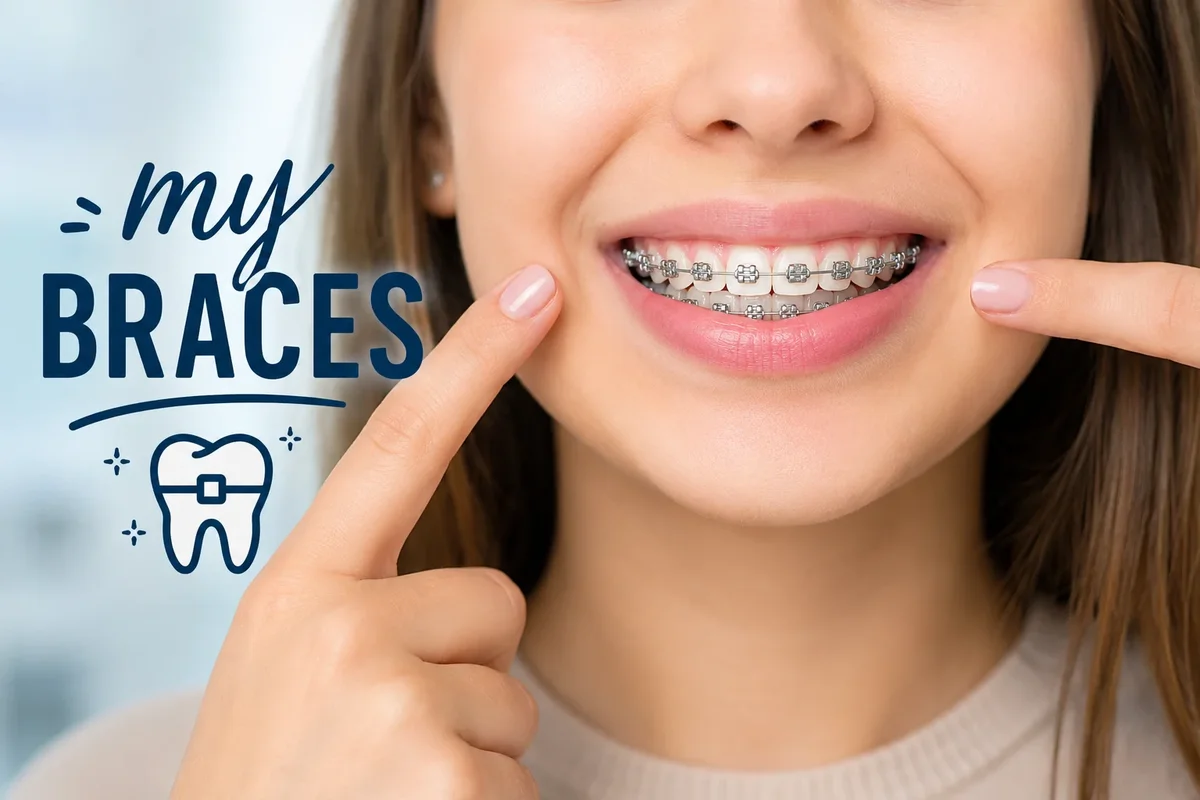
Life After My Braces: Retainers and Smile Maintenance
Completing the my braces journey is an exciting and emotional milestone for many patients. After months or even years of orthodontic treatment, seeing straight teeth and an improved smile for the first time can feel incredibly rewarding. However, orthodontic care does not completely end when the braces are removed. Maintaining the results achieved through my braces requires ongoing care, healthy habits, and proper retainer use. Without post-treatment maintenance, teeth may gradually shift back toward their previous positions over time. 😊
Orthodontists often explain that retainers are just as important as braces themselves. The teeth and surrounding bone structures need time to stabilize after treatment. Because the mouth naturally changes over time, retainers help preserve the alignment created during the my braces process. Patients who follow retainer instructions carefully usually maintain their beautiful results for many years.
Why Teeth Shift After My Braces
Many patients are surprised to learn that teeth can still move after orthodontic treatment ends. During the my braces journey, the teeth are gradually repositioned through controlled pressure. However, the bone and gum tissues surrounding the teeth require time to adapt fully to the new alignment.
Without proper retention, natural forces inside the mouth may slowly pull the teeth back toward their original positions. This process is called orthodontic relapse. Relapse can occur for several reasons, including aging, jaw growth changes, grinding habits, or inconsistent retainer use.
Common Causes of Teeth Shifting
- Not wearing retainers regularly
- Natural aging changes
- Wisdom teeth pressure
- Teeth grinding habits
- Jaw growth changes
- Gum disease or bone loss
Protecting the results of my braces requires long-term commitment and proper post-treatment care.
Different Types of Retainers After My Braces
Orthodontists use several different retainer types to maintain tooth alignment after braces removal. The most suitable retainer depends on the patient’s orthodontic condition and lifestyle preferences.
Removable Retainers
Removable retainers are one of the most common options after my braces. These retainers can be taken out during eating, brushing, and flossing.
Clear plastic retainers are especially popular because they are discreet and comfortable. Hawley retainers, which use acrylic material and metal wires, are another traditional option that remains effective for many patients.
Fixed Retainers
Fixed retainers consist of thin wires attached behind the teeth. These retainers remain in place continuously and help prevent unwanted tooth movement after my braces treatment.
Orthodontists often recommend fixed retainers for patients at higher risk of relapse, especially in the lower front teeth where shifting commonly occurs.
Advantages of Retainers
- Maintain straight teeth ✨
- Prevent orthodontic relapse
- Protect long-term smile results
- Support jaw stability
- Preserve bite alignment
How Often Should Retainers Be Worn?
Retainer instructions vary depending on the patient’s orthodontic needs. Immediately after my braces are removed, orthodontists often recommend wearing retainers full-time for several months.
As the teeth stabilize, many patients transition to nighttime-only wear. However, some orthodontists recommend long-term nighttime retainer use indefinitely to maintain ideal alignment.
The Importance of Consistency
Patients who stop wearing retainers too early may notice shifting surprisingly quickly. Even minor tooth movement can affect the appearance and bite alignment achieved during the my braces process.
Consistency is the key to maintaining orthodontic results successfully. Wearing retainers exactly as instructed helps protect the time, effort, and financial investment made during braces treatment.
Cleaning Retainers Properly
Retainer hygiene is an important part of life after my braces. Dirty retainers can collect bacteria, develop unpleasant odors, and increase the risk of oral health problems.
Tips for Cleaning Retainers
- Rinse retainers daily with lukewarm water 💧
- Use a soft toothbrush for cleaning
- Avoid hot water that may warp plastic
- Store retainers safely in protective cases
- Clean retainers before bedtime
Patients should avoid using harsh toothpaste or boiling water on retainers because these methods may damage the material. Orthodontists may also recommend specialized retainer cleaning tablets for deeper cleaning.
Oral Hygiene After My Braces
Once braces are removed, many patients enjoy easier brushing and flossing because the brackets and wires are no longer present. However, maintaining strong oral hygiene habits remains essential after the my braces journey.
Benefits of Straight Teeth for Oral Health
Straight teeth are often easier to clean effectively. Proper alignment reduces tight spaces where plaque and bacteria can accumulate.
Patients who continue practicing strong oral hygiene after my braces treatment may lower their risk of cavities, gum disease, and bad breath significantly.
Teeth Whitening After My Braces
Some patients choose professional teeth whitening after orthodontic treatment to enhance their new smile further. Whitening procedures may help remove stains and improve overall brightness.
Orthodontists often recommend waiting until after my braces are removed before beginning whitening treatments. This ensures even color improvement across all tooth surfaces.
Professional Whitening Options
- In-office whitening treatments
- Custom whitening trays
- Whitening toothpaste recommendations
Patients should consult dental professionals before starting whitening procedures to ensure the teeth and gums remain healthy.
Long-Term Smile Maintenance
Maintaining a healthy smile after the my braces process involves more than simply wearing retainers. Regular dental checkups and healthy lifestyle habits continue to play important roles.
Essential Smile Maintenance Habits
- Brush twice daily 🪥
- Floss every day
- Attend regular dental cleanings
- Wear retainers consistently
- Avoid smoking and excessive sugar
- Protect teeth during sports activities
Patients who continue prioritizing oral health after orthodontic treatment often enjoy long-lasting results and healthier smiles for decades.
Emotional Confidence After My Braces
One of the most rewarding parts of completing the my braces journey is the emotional confidence many patients experience afterward. Straight teeth often encourage people to smile more freely and feel more comfortable in social and professional situations.
Patients frequently report feeling happier with photographs, public speaking, and everyday conversations after orthodontic treatment. The self-confidence gained through my braces can positively influence many aspects of life.
Professional Guidance After My Braces
Even after braces are removed, regular follow-up visits with dental professionals remain important. Orthodontists monitor retainer fit, tooth stability, and overall oral health to ensure long-term success.
Patients interested in learning more about oral health maintenance can review educational resources from the American Dental Association. Personalized consultations and orthodontic follow-up care are also available through the Redent Klinik Contact Page.
Ultimately, life after my braces represents the beginning of a healthier and more confident smile. Retainers, proper oral hygiene, regular dental care, and healthy habits all work together to preserve orthodontic results. While braces treatment may eventually end, maintaining the smile achieved through my braces becomes an important long-term commitment that can provide lasting confidence, improved oral health, and a beautiful smile for many years to come. 😁