
Experiencing a situation where my crown cracked can be alarming, especially if it happens suddenly while eating or biting down. Dental crowns are designed to be durable and long-lasting, but they are not indestructible. If you are currently thinking “my crown cracked,” it is important to understand why this happens, what risks it poses, and what actions you should take immediately to protect your oral health.
When someone says my crown cracked, it usually indicates that the protective cap placed over a damaged or weakened tooth has developed a fracture. This can range from a small hairline crack to a complete break. Even though crowns are made from strong materials such as porcelain, ceramic, metal, or zirconia, everyday wear and tear or unexpected trauma can still lead to damage.
Why Did My Crown Cracked? Common Causes Explained
One of the most common questions patients ask after realizing my crown cracked is why it happened in the first place. There are several possible causes. Biting down on hard foods such as ice, nuts, or hard candies can create excessive pressure. Over time, repeated stress weakens the crown structure, making it more vulnerable.
Another major factor is teeth grinding, also known as bruxism. If you grind your teeth at night, you may wake up one day realizing my crown cracked without any obvious external cause. The constant pressure gradually damages the crown material. Additionally, poor fit or improper placement of the crown can lead to uneven force distribution, increasing the risk of cracking.
Age also plays a role. If your dental crown has been in place for many years, natural wear and tear can make it more susceptible to damage. In such cases, it is not uncommon to suddenly notice my crown cracked even without a specific triggering event.
Symptoms You May Notice After My Crown Cracked
When you realize my crown cracked, you may experience several noticeable symptoms. Some patients feel immediate sharp pain, especially when biting or chewing. Others may notice sensitivity to hot, cold, or sweet foods. In some cases, the crack may be visible, while in others it may only be detected through discomfort.
A cracked crown can also create rough or sharp edges that irritate your tongue or gums. If you keep thinking my crown cracked but do not feel pain, do not assume everything is fine. Even minor cracks can worsen over time and expose the underlying tooth structure to bacteria.
Is It Dangerous If My Crown Cracked?
Ignoring the situation after realizing my crown cracked can lead to serious complications. The crown’s primary purpose is to protect the underlying tooth. Once compromised, the tooth becomes vulnerable to decay, infection, and further structural damage.
If bacteria enter through the crack, it can lead to infections that may require more complex treatments such as root canal therapy. In severe cases, delaying treatment after saying my crown cracked could even result in tooth loss. Therefore, it is crucial to take immediate action rather than waiting for symptoms to worsen.
What Should I Do Immediately If My Crown Cracked?
The moment you realize my crown cracked, you should avoid chewing on that side of your mouth. This prevents further damage and reduces pain. Try to keep the area clean by gently rinsing with warm salt water. If there are sharp edges, dental wax can temporarily cover them to prevent irritation.
It is essential to contact your dentist as soon as possible. Even if the crack seems minor, professional evaluation is necessary. Dentists can assess whether the crown can be repaired or needs replacement. Acting quickly after noticing my crown cracked can save both time and money by preventing more serious complications.
Treatment Options After My Crown Cracked
Once your dentist confirms my crown cracked, the treatment will depend on the severity of the damage. For small cracks, polishing or minor repair may be sufficient. However, in many cases, the crown needs to be replaced entirely.
If the underlying tooth is still healthy, replacing the crown is usually straightforward. However, if damage has extended to the tooth structure, additional treatments may be required before placing a new crown. This is why addressing the issue early when you first think my crown cracked is so important.
How to Prevent My Crown Cracked Again
After dealing with the issue of my crown cracked, prevention becomes the next priority. Avoid chewing on hard objects such as ice, pens, or hard candies. If you grind your teeth, using a night guard can significantly reduce stress on your crown.
Regular dental check-ups are also essential. Dentists can identify early signs of wear and recommend preventive measures before you find yourself saying my crown cracked again. Maintaining good oral hygiene helps keep both your crown and natural teeth in optimal condition.
In conclusion, realizing my crown cracked is not something to ignore. While it may seem like a minor inconvenience at first, it can quickly escalate into a serious dental issue if left untreated. Understanding the causes, recognizing the symptoms, and taking immediate action are key steps to protecting your oral health and ensuring long-term durability of your dental restorations.
How Dentists Diagnose the Problem When My Crown Cracked
When a patient arrives at the clinic saying my crown cracked, the first step is always a detailed and systematic diagnostic process. Understanding the exact nature of the damage is critical because not all cases where my crown cracked are the same. Some cracks are superficial and only affect the outer layer, while others can extend deeper, potentially compromising the underlying tooth structure.
Dentists rely on a combination of visual inspection, patient-reported symptoms, and advanced imaging techniques to determine the severity of the issue. If you are thinking my crown cracked, knowing how this process works can help reduce anxiety and prepare you for what to expect during your dental visit.
Initial Visual Examination and Patient History
The diagnostic journey begins with a thorough visual inspection. When you explain to your dentist that my crown cracked, they will carefully examine the crown using magnification tools and proper lighting. They will look for visible fractures, chips, or irregularities in the crown’s surface.
At this stage, your dentist will also ask specific questions. When did you first notice that my crown cracked? Was there pain during chewing? Did it happen suddenly or gradually? These details help determine whether the crack resulted from trauma, wear, or underlying structural issues.
Assessing Symptoms and Sensitivity
Symptoms play a major role in diagnosis. If you say my crown cracked and report sharp pain when biting, it may indicate that the crack has reached deeper layers or that the underlying tooth is affected. Sensitivity to temperature changes can also signal exposure of the dentin beneath the crown.
In some cases, patients report no pain at all even though my crown cracked. This does not mean the issue is minor. Silent cracks can still allow bacteria to penetrate, making professional evaluation essential.
Use of Dental Imaging and X-Rays
When visual inspection is not enough, dentists move on to imaging techniques. If you arrive saying my crown cracked, dental X-rays are often taken to assess the condition beneath the crown. X-rays help identify hidden damage, such as decay, infection, or fractures in the tooth root.
In more complex situations, advanced imaging like 3D scans may be used. These tools provide a clearer picture of how severe the problem is after realizing my crown cracked, ensuring that no hidden complications are overlooked.
Detecting Underlying Tooth Damage
One of the most important goals is to determine whether the underlying tooth is still healthy. When patients say my crown cracked, the real concern is often what lies beneath. If the tooth structure is intact, treatment is usually simpler. However, if there is decay or fracture, additional procedures may be necessary.
This step ensures that dentists do not just treat the visible issue when my crown cracked, but also address any deeper problems that could lead to long-term complications.
Bite Analysis and Functional Evaluation
Another crucial part of diagnosis involves analyzing your bite. If you frequently think my crown cracked, it could be due to uneven pressure distribution. Dentists will check how your teeth come together when you bite and chew.
High-pressure points can weaken a crown over time. Identifying these areas helps prevent recurrence after treatment. If your dentist determines that bite imbalance contributed to the issue of my crown cracked, they may recommend adjustments or protective appliances like night guards.
Identifying Bruxism and Habitual Stress
Teeth grinding is a common hidden cause. Many patients who say my crown cracked are unaware that they grind their teeth during sleep. Dentists look for signs such as flattened tooth surfaces or muscle tension in the jaw.
If bruxism is confirmed, addressing it becomes essential. Otherwise, even a newly replaced crown may suffer the same fate, leading you to once again say my crown cracked in the future.
Evaluating the Crown Material and Age
Not all crowns are created equal. When diagnosing a case where my crown cracked, dentists consider the material used—whether porcelain, ceramic, metal, or zirconia. Each material has different strengths and weaknesses.
The age of the crown is also important. Older crowns are more prone to wear and fracture. If you have had your crown for many years and suddenly notice my crown cracked, natural aging of the material could be the primary cause.
Material Fatigue and Structural Integrity
Over time, repeated stress can lead to material fatigue. Even the strongest crowns can weaken after years of use. When patients report my crown cracked, dentists assess whether the fracture is due to long-term wear rather than a single incident.
This helps determine whether replacing the crown with a stronger or more suitable material might be beneficial.
Final Diagnosis and Treatment Planning
After completing all evaluations, the dentist forms a comprehensive diagnosis. When you initially came in saying my crown cracked, the goal was to understand not just the crack itself but the entire context—your oral health, habits, and risk factors.
The treatment plan is then tailored to your specific situation. Whether it involves repair, replacement, or additional procedures, every step is designed to ensure that you do not have to face the same issue again after experiencing my crown cracked.
In summary, diagnosing a case where my crown cracked is a multi-step process that goes far beyond a simple visual check. It involves careful analysis, advanced imaging, and functional evaluation. This thorough approach ensures accurate treatment and long-term success, helping you restore both comfort and confidence in your smile.
Cost Implications and Financial Considerations When My Crown Cracked
One of the first concerns patients have after realizing my crown cracked is the financial impact of treatment. Dental procedures can vary significantly in complexity and cost, and understanding what to expect helps reduce stress and allows you to make informed decisions. When you say my crown cracked, the total cost will depend on multiple factors, including the severity of the damage, the condition of the underlying tooth, and the type of crown material selected for repair or replacement.
It is important to remember that delaying treatment after noticing my crown cracked can often lead to higher costs in the long run. Early intervention typically requires simpler procedures, whereas postponing care may result in additional treatments such as root canal therapy or even tooth extraction.
Factors That Influence the Cost When My Crown Cracked
When evaluating the situation where my crown cracked, dentists consider several variables that directly impact the overall cost. The extent of the crack is one of the most important factors. Minor cracks may only require polishing or small repairs, while severe fractures often necessitate full crown replacement.
The material of the crown also plays a significant role. Porcelain and zirconia crowns tend to be more expensive than metal-based options. If you find yourself saying my crown cracked, your dentist may recommend upgrading to a more durable material depending on your bite and lifestyle.
Underlying Tooth Condition
Another critical factor is the condition of the tooth beneath the crown. When patients report my crown cracked, dentists must determine whether the underlying structure is intact. If the tooth is healthy, replacing the crown is relatively straightforward. However, if decay or structural damage is present, additional procedures will increase the total cost.
For example, if the tooth has become infected after my crown cracked, root canal treatment may be required before placing a new crown. This adds both time and financial investment to the process.
Repair vs. Replacement: Cost Differences
Not every situation where my crown cracked leads to full replacement. In some cases, minor chips or surface cracks can be repaired. Repairs are generally less expensive and quicker, making them an attractive option when feasible.
However, many cases where my crown cracked involve structural compromise, meaning replacement is the safer and more durable solution. While replacement costs more upfront, it ensures long-term stability and reduces the likelihood of recurring issues.
Temporary vs. Permanent Solutions
After realizing my crown cracked, some patients consider temporary fixes to save money. Temporary crowns or bonding solutions can provide short-term relief, but they are not designed for long-term use. Dentists often recommend permanent solutions to avoid repeated expenses.
Choosing a temporary option after saying my crown cracked may seem cost-effective initially, but it can lead to higher cumulative costs if the issue persists or worsens.
Insurance Coverage and Payment Options
Dental insurance can significantly influence the financial burden when dealing with a situation like my crown cracked. Many insurance plans cover a portion of crown replacement, especially if the procedure is deemed medically necessary rather than cosmetic.
When you report my crown cracked, your dental clinic will typically help you understand your coverage and estimate out-of-pocket expenses. It is advisable to check your policy details in advance to avoid unexpected costs.
Flexible Payment Plans
For patients without comprehensive insurance, many clinics offer flexible payment plans. If you are worried after realizing my crown cracked, these options can make treatment more accessible by spreading the cost over time.
Some clinics also provide financing solutions, allowing patients to proceed with necessary treatment immediately rather than delaying care due to financial concerns after saying my crown cracked.
Long-Term Value and Cost Efficiency
While the immediate reaction to my crown cracked often focuses on cost, it is important to consider long-term value. Investing in high-quality materials and proper treatment reduces the likelihood of future complications. A well-made crown can last many years, providing both durability and peace of mind.
Repeated repairs or low-quality replacements may initially seem cheaper, but they often result in higher long-term expenses. When dealing with my crown cracked, choosing a durable and professionally recommended solution is usually the most cost-effective approach over time.
Preventive Measures to Avoid Future Costs
After resolving the issue of my crown cracked, prevention becomes essential. Using a night guard if you grind your teeth, avoiding hard foods, and maintaining regular dental check-ups can significantly extend the lifespan of your crown.
Preventive care reduces the chances of experiencing my crown cracked again, ultimately saving money and protecting your oral health.
Balancing Quality and Budget
When facing the reality of my crown cracked, it is natural to look for the most affordable solution. However, balancing cost with quality is crucial. Your dentist can guide you toward options that fit your budget while still ensuring durability and effectiveness.
In many cases, investing slightly more upfront after realizing my crown cracked leads to better outcomes and fewer complications. Open communication with your dentist about your financial situation can help identify the most suitable treatment plan.
In conclusion, dealing with the situation of my crown cracked involves not only clinical decisions but also financial considerations. By understanding the factors that influence cost, exploring insurance and payment options, and prioritizing long-term value, you can make informed choices that protect both your oral health and your budget.
Step-by-Step Treatment Process After My Crown Cracked
When a patient realizes my crown cracked, one of the most important questions is what will happen next at the dental clinic. Understanding the full treatment process helps reduce anxiety and allows you to prepare mentally and practically. The journey from the moment you say my crown cracked to complete restoration involves several carefully planned steps, each designed to protect your tooth and restore full function.
The treatment process is not identical for every case. The exact approach depends on the severity of the damage, the health of the underlying tooth, and the type of crown originally used. However, most situations where my crown cracked follow a structured sequence that ensures both safety and long-term success.
Initial Emergency Assessment and Protection
The first step after noticing my crown cracked is an emergency evaluation. Your dentist will examine the crown and surrounding structures to determine the urgency of the situation. If the crack has created sharp edges or exposed sensitive areas, immediate protective measures are taken.
During this phase, dentists may smooth rough edges or apply temporary materials to prevent irritation. If you arrive saying my crown cracked and experience pain, desensitizing agents may also be used to provide relief. This stage focuses on stabilizing the situation before moving on to definitive treatment.
Temporary Protection Measures
In many cases, a temporary crown or protective covering is placed. When patients report my crown cracked, this temporary solution shields the tooth from bacteria and physical damage. It also allows you to continue normal daily activities with minimal discomfort while waiting for the final restoration.
This step is especially important if there is a delay between diagnosis and permanent treatment after realizing my crown cracked.
Removal of the Damaged Crown
Once the area is stabilized, the next step is removing the damaged crown. If you have been dealing with the issue of my crown cracked, your dentist will carefully detach the existing crown without harming the underlying tooth.
This process requires precision. Even if my crown cracked seems minor, improper removal can cause additional damage. Dentists use specialized tools to gently lift the crown and assess the condition beneath it.
Cleaning and Preparing the Tooth
After removal, the tooth is thoroughly cleaned. When patients say my crown cracked, there is always a concern about bacteria entering through the damaged area. Cleaning eliminates debris, bacteria, and any residual cement.
If necessary, the tooth is reshaped to ensure proper fit for the new crown. This preparation is crucial for long-term success and prevents future situations where you might again say my crown cracked.
Evaluating the Need for Additional Treatment
Not every case of my crown cracked is limited to the crown itself. Dentists must evaluate whether the underlying tooth requires further treatment. If decay or infection is detected, additional procedures such as fillings or root canal therapy may be needed.
This step ensures that the foundation is strong before placing a new crown. Ignoring underlying issues after realizing my crown cracked could lead to repeated failures and more complex problems.
Root Canal Considerations
If the tooth pulp is affected, a root canal may be necessary. Patients who initially say my crown cracked may not expect this, but it becomes essential if infection is present. Treating the root canal first ensures that the new crown will have a healthy base.
Although this adds an extra step, it significantly improves the long-term outcome after experiencing my crown cracked.
Impression and Custom Crown Fabrication
After preparing the tooth, the dentist takes impressions or digital scans. When you say my crown cracked, the goal is not just replacement but precise customization. The new crown must match your bite, shape, and color for both function and aesthetics.
These impressions are sent to a dental laboratory, where the crown is fabricated using advanced materials. Whether porcelain, zirconia, or another option, the choice is tailored to your needs following the incident where my crown cracked.
Choosing the Right Material
Material selection is critical. If you previously experienced my crown cracked, your dentist may recommend a stronger or more suitable material. Factors such as bite pressure, tooth location, and personal habits influence this decision.
This ensures that the new crown is more resistant to future damage and reduces the likelihood of repeating the experience of my crown cracked.
Final Placement and Adjustment
Once the new crown is ready, it is placed and carefully adjusted. When patients return after saying my crown cracked, this is the final and most satisfying step. The dentist ensures that the crown fits perfectly and aligns with your bite.
Adjustments are made to eliminate high-pressure points, which are a common cause of crown damage. Proper alignment is essential to prevent future issues and ensure comfort after resolving my crown cracked.
Bite Testing and Polishing
The dentist will ask you to bite down and perform various movements to test the crown. If you previously experienced my crown cracked, extra care is taken to ensure that no excessive force is placed on the new crown.
Finally, the crown is polished for a smooth and natural finish. This completes the restoration process and restores full functionality.
Post-Treatment Care and Follow-Up
After completing treatment for my crown cracked, proper aftercare is essential. Your dentist will provide instructions on how to care for your new crown, including oral hygiene practices and dietary recommendations.
Follow-up appointments may be scheduled to ensure that everything is functioning correctly. If you ever feel discomfort again after experiencing my crown cracked, early evaluation can prevent complications.
Long-Term Maintenance
Maintaining your new crown involves regular brushing, flossing, and dental check-ups. If you previously faced the issue of my crown cracked, adopting preventive habits such as avoiding hard foods and using a night guard can significantly extend the lifespan of your restoration.
In conclusion, the step-by-step treatment process after realizing my crown cracked is thorough and carefully designed to ensure lasting results. From initial assessment to final placement, each stage plays a crucial role in restoring both function and confidence in your smile.
Long-Term Risks and Complications If My Crown Cracked Is Ignored
When patients first realize my crown cracked, it may seem like a minor inconvenience, especially if there is no immediate pain. However, ignoring the situation can lead to serious long-term risks that affect not only the crowned tooth but also overall oral health. Understanding what can happen if my crown cracked is left untreated is essential for making timely and informed decisions.
A dental crown acts as a protective barrier for a weakened or treated tooth. Once that barrier is compromised and you find yourself thinking my crown cracked, the tooth underneath becomes vulnerable. Even small cracks can allow bacteria, moisture, and food particles to enter, setting the stage for progressive damage.
Increased Risk of Tooth Decay
One of the most common consequences when my crown cracked is ignored is the development of decay beneath the crown. The crack creates an entry point for bacteria, which can slowly invade the underlying tooth structure. Over time, this can lead to cavities that are not immediately visible.
Patients who delay treatment after noticing my crown cracked often do not realize that decay can progress silently. By the time symptoms appear, the damage may already be extensive, requiring more complex procedures than a simple crown replacement.
Hidden Decay Beneath the Crown
Unlike regular cavities that are visible on exposed tooth surfaces, decay under a crown is harder to detect without professional evaluation. When you say my crown cracked, dentists become concerned about hidden bacterial activity that may not yet be causing discomfort.
This makes early diagnosis critical. Ignoring the issue after realizing my crown cracked allows decay to spread deeper into the tooth, weakening its structure significantly.
Risk of Infection and Abscess Formation
Another serious complication of ignoring my crown cracked is infection. When bacteria penetrate through the crack and reach the inner layers of the tooth, they can infect the pulp. This can lead to severe pain, swelling, and the formation of an abscess.
Patients who initially think my crown cracked may not experience pain right away, but infection can develop gradually. Once it reaches an advanced stage, treatment becomes more invasive and may require root canal therapy or even surgical intervention.
Spread of Infection Beyond the Tooth
If left untreated, infections resulting from my crown cracked can spread to surrounding tissues, including the gums and jawbone. In rare cases, the infection can even affect other parts of the body.
This highlights why it is dangerous to ignore the problem after realizing my crown cracked. What begins as a small crack can escalate into a serious health concern.
Structural Damage to the Underlying Tooth
When a crown is intact, it distributes biting forces evenly across the tooth. However, once my crown cracked, this balance is disrupted. Uneven pressure can cause the underlying tooth to fracture or weaken further.
Over time, repeated stress on a compromised crown can lead to irreversible damage. Patients who delay treatment after saying my crown cracked may eventually face the possibility of losing the tooth entirely.
Tooth Fracture and Irreversible Damage
In severe cases, the underlying tooth may crack beyond repair. When this happens after ignoring my crown cracked, restorative options become limited. Extraction may be the only solution, followed by more complex treatments such as implants or bridges.
This outcome is often preventable with early intervention when you first notice my crown cracked.
Gum Irritation and Periodontal Issues
A cracked crown can also affect the surrounding gum tissue. Rough edges and gaps created when my crown cracked can trap food particles and bacteria, leading to gum irritation and inflammation.
If oral hygiene becomes difficult due to the damaged crown, plaque accumulation increases. This can contribute to gum disease, which further complicates the situation after realizing my crown cracked.
Progression to Periodontal Disease
Persistent irritation can develop into more serious periodontal issues. When patients ignore the signs and continue living with my crown cracked, gum inflammation can progress to infection and bone loss around the tooth.
This not only affects the stability of the crowned tooth but can also impact neighboring teeth and overall oral health.
Impact on Bite and Jaw Function
When my crown cracked, the alignment of your bite may change. Even slight irregularities can cause discomfort and strain on the jaw. Over time, this can lead to issues such as temporomandibular joint (TMJ) disorders.
Patients often underestimate how much a single damaged crown can affect overall function. Ignoring the issue after noticing my crown cracked can result in chronic discomfort and difficulty chewing.
Development of Jaw Pain and Tension
Uneven bite pressure caused by a cracked crown can lead to muscle tension and jaw pain. If you continue to ignore the problem after saying my crown cracked, these symptoms may worsen and require additional treatment.
Addressing the issue early helps maintain proper bite alignment and prevents unnecessary complications.
Increased Financial and Treatment Burden
One of the most overlooked consequences of ignoring my crown cracked is the financial impact. What could have been resolved with a simple repair or replacement may turn into a series of complex and costly treatments.
Patients who delay care after realizing my crown cracked often face higher expenses due to additional procedures such as root canals, gum treatments, or tooth replacement solutions.
Escalation of Treatment Complexity
As the condition worsens, treatment becomes more time-consuming and invasive. Ignoring the initial warning sign of my crown cracked can lead to multiple appointments and extended recovery periods.
Early intervention is not only better for your health but also more cost-effective in the long run.
Conclusion: Why Immediate Action Matters
In conclusion, ignoring the situation after realizing my crown cracked can lead to a cascade of complications, ranging from decay and infection to structural damage and financial burden. What may seem like a minor issue can quickly escalate into a serious dental problem if left untreated.
Taking prompt action when you first notice my crown cracked is the best way to protect your oral health, avoid unnecessary pain, and ensure long-term success of your dental restoration. Early diagnosis and treatment not only preserve your tooth but also provide peace of mind and lasting comfort.
Home Care and Temporary Solutions When My Crown Cracked
When you suddenly realize my crown cracked, immediate professional treatment is always the best course of action. However, there are situations where you cannot visit a dentist right away. In such cases, knowing how to manage the problem at home becomes extremely important. While home care is not a permanent solution, taking the right steps after my crown cracked can prevent further damage, reduce discomfort, and protect the underlying tooth until you receive proper dental treatment.
It is essential to understand that temporary solutions are only meant to stabilize the situation. If you keep thinking my crown cracked, your priority should always be to schedule a dental appointment as soon as possible. Delaying professional care increases the risk of complications.
Immediate Actions to Take When My Crown Cracked
The moment you notice my crown cracked, you should stop chewing on the affected side. Applying pressure to a damaged crown can worsen the crack and potentially harm the underlying tooth. Even if the damage seems minor, continued use can turn a manageable issue into a serious one.
Rinsing your mouth with warm salt water is one of the simplest and most effective first steps. When you say my crown cracked, keeping the area clean helps reduce the risk of bacterial infection. This simple habit can make a significant difference while waiting for professional care.
Avoiding Certain Foods and Habits
After realizing my crown cracked, your diet plays a crucial role in preventing further damage. Avoid hard, sticky, or chewy foods such as nuts, caramel, or chewing gum. These can place additional stress on the weakened crown.
It is also advisable to avoid extremely hot or cold foods if you feel sensitivity after my crown cracked. Temperature changes can trigger discomfort and indicate exposure of sensitive tooth layers.
Managing Pain and Sensitivity
Some patients experience pain immediately after noticing my crown cracked, while others may only feel mild discomfort. Over-the-counter pain relievers can help manage symptoms temporarily. However, they do not address the root cause of the problem.
If sensitivity is an issue after my crown cracked, using toothpaste designed for sensitive teeth may provide short-term relief. Applying a cold compress to the outside of your cheek can also help reduce swelling and discomfort.
Protecting Exposed Areas
When my crown cracked, parts of the underlying tooth may become exposed. This can lead to sharp pain or irritation. Dental wax, which is often used for braces, can be applied over rough edges to protect your tongue and gums.
Some pharmacies also offer temporary dental repair kits. These products can be used to cover the damaged area after realizing my crown cracked, but they should only be considered a short-term solution until you see a dentist.
Handling a Loose or Broken Crown Piece
In some cases, my crown cracked may result in a loose or partially detached crown. If the crown piece comes off completely, it is important to keep it safe and clean. Rinse it gently with water and store it in a clean container.
Do not attempt to force the crown back into place without guidance. When patients try to fix the issue themselves after saying my crown cracked, they may accidentally cause further damage or misalignment.
Temporary Reattachment Tips
If the crown is intact and you feel comfortable, temporary dental cement from a pharmacy can be used to reposition it. However, this should only be done cautiously. If you are unsure, it is better to leave the crown out rather than risk improper placement after my crown cracked.
Improper reattachment can affect your bite and complicate professional treatment later.
Maintaining Oral Hygiene After My Crown Cracked
Good oral hygiene becomes even more critical when my crown cracked. Brush your teeth gently around the affected area to avoid causing additional damage. Using a soft-bristled toothbrush is recommended.
Flossing should be done carefully. If the crown is loose, avoid pulling the floss upward, as this may dislodge it further. Instead, slide the floss out gently. Maintaining cleanliness after realizing my crown cracked helps prevent infection and supports overall oral health.
Using Antibacterial Mouthwash
An antibacterial mouthwash can provide additional protection. When patients say my crown cracked, reducing bacterial load in the mouth is a key priority. This helps minimize the risk of complications while waiting for dental care.
However, avoid alcohol-based mouthwashes if you experience sensitivity, as they may cause irritation.
What Not to Do When My Crown Cracked
Knowing what to avoid is just as important as knowing what to do. When my crown cracked, do not ignore the problem or assume it will resolve on its own. Dental crowns do not heal, and the damage will not reverse without treatment.
Avoid using strong adhesives like household glue to fix the crown. Many patients who panic after realizing my crown cracked make this mistake, which can lead to serious complications and make professional repair more difficult.
Delaying Professional Treatment
The biggest mistake after saying my crown cracked is delaying a dental visit. Temporary measures are only meant to buy time, not replace proper care. The longer you wait, the higher the risk of infection, decay, and structural damage.
Even if symptoms seem mild, early evaluation ensures that the issue is addressed before it worsens.
Conclusion: Stabilize First, Then Seek Professional Care
In conclusion, when you realize my crown cracked, taking immediate home care steps can help stabilize the situation and reduce discomfort. Avoiding pressure, maintaining hygiene, and using temporary protective measures are all valuable strategies.
However, these solutions are not permanent. The most important step after recognizing my crown cracked is to seek professional dental care as soon as possible. Prompt treatment ensures that your tooth remains protected and that your dental restoration continues to function effectively for years to come.
How to Choose the Best Replacement Option After My Crown Cracked
After going through the situation where my crown cracked, one of the most important decisions you will face is choosing the right replacement option. Not all crowns are the same, and selecting the appropriate material and design can significantly impact durability, comfort, and long-term success. If you have experienced my crown cracked, this is an opportunity to improve your restoration and prevent similar issues in the future.
The decision should not be based solely on appearance or cost. When patients say my crown cracked, dentists evaluate several factors such as bite force, tooth location, aesthetic expectations, and lifestyle habits. A well-informed choice ensures that the new crown will withstand daily use and reduce the risk of recurring problems.
Understanding Different Crown Materials
One of the first steps after realizing my crown cracked is understanding the available materials. Each type of crown has unique advantages and limitations, and the right choice depends on your individual needs.
Porcelain and Ceramic Crowns
Porcelain and ceramic crowns are popular for their natural appearance. If you experienced my crown cracked on a front tooth, these materials are often preferred because they blend seamlessly with surrounding teeth. They provide excellent aesthetics but may be more prone to chipping under heavy pressure.
For patients who previously said my crown cracked due to biting hard foods, dentists may recommend reinforced ceramic options to improve durability.
Zirconia Crowns
Zirconia is known for its exceptional strength. After dealing with my crown cracked, many patients opt for zirconia crowns because they are highly resistant to fractures. These crowns are particularly suitable for back teeth, where chewing forces are strongest.
If your previous experience of my crown cracked was caused by grinding or heavy bite pressure, zirconia is often considered one of the most reliable choices.
Metal and Porcelain-Fused-to-Metal Crowns
Metal-based crowns offer durability but are less aesthetic. Porcelain-fused-to-metal crowns provide a balance between strength and appearance. When patients report my crown cracked, these options may be considered depending on the location of the tooth and functional requirements.
However, over time, the metal underneath may become visible near the gum line, which is a consideration for those concerned about aesthetics after experiencing my crown cracked.
Factors to Consider When Choosing a New Crown
Choosing the right crown after my crown cracked involves more than selecting a material. Several personal and clinical factors must be evaluated to ensure the best outcome.
Bite Force and Tooth Location
Back teeth endure more pressure than front teeth. If you said my crown cracked on a molar, your dentist will likely recommend a stronger material such as zirconia or metal. For front teeth, aesthetics may take priority.
Understanding where my crown cracked occurred helps guide the selection process and ensures the new crown can handle functional demands.
Personal Habits and Lifestyle
Habits such as teeth grinding, nail biting, or chewing hard objects can influence crown longevity. Patients who frequently experience issues like my crown cracked often need additional protective measures, such as a night guard.
Your lifestyle plays a significant role in determining which material will perform best over time after dealing with my crown cracked.
Advanced Technologies in Crown Replacement
Modern dentistry offers advanced technologies that improve the accuracy and durability of crowns. When patients come in saying my crown cracked, digital scanning and CAD/CAM systems are often used to create highly precise restorations.
These technologies ensure a better fit, reducing the risk of future complications. A precise fit is crucial because poorly fitted crowns are a common reason why patients later report my crown cracked again.
Same-Day Crowns
In some clinics, same-day crowns are available. After experiencing my crown cracked, this option allows you to receive a new crown in a single visit. While convenient, it is important to ensure that quality is not compromised for speed.
Your dentist will determine whether this option is suitable based on your specific case after evaluating my crown cracked.
Balancing Aesthetics and Durability
One of the biggest challenges after my crown cracked is balancing appearance with strength. While some materials look more natural, others offer superior durability. The ideal solution often involves finding a compromise that meets both functional and aesthetic needs.
For example, layered zirconia crowns provide both strength and a natural look, making them a popular choice for patients who previously experienced my crown cracked.
Color Matching and Natural Appearance
Achieving a natural look is especially important for visible teeth. When replacing a crown after my crown cracked, dentists carefully match the color and translucency to surrounding teeth.
This attention to detail ensures that the new crown not only functions well but also enhances your smile.
Preventing Future Issues After Replacement
Once you have replaced the crown after my crown cracked, prevention becomes a priority. Proper care and maintenance can significantly extend the lifespan of your new restoration.
Avoiding hard foods, maintaining good oral hygiene, and attending regular dental check-ups are essential steps. If your previous experience of my crown cracked was related to grinding, using a night guard can protect your new crown from excessive force.
Regular Monitoring and Maintenance
Routine dental visits allow your dentist to monitor the condition of your crown and detect early signs of wear. Patients who stay proactive after experiencing my crown cracked are less likely to face similar issues again.
Early intervention ensures that minor problems are addressed before they develop into major complications.
Conclusion: Making the Right Choice After My Crown Cracked
In conclusion, choosing the best replacement option after my crown cracked requires careful consideration of materials, personal habits, and clinical factors. A well-chosen crown not only restores function but also provides long-term durability and aesthetic satisfaction.
By working closely with your dentist and understanding your options, you can turn the experience of my crown cracked into an opportunity to achieve a stronger, more reliable dental restoration that supports your oral health for years to come.
How to Prevent Future Problems After My Crown Cracked
After experiencing the situation where my crown cracked, prevention becomes the most important priority. While modern dental crowns are designed to be strong and durable, they still require proper care and attention. If you have already gone through the concern of my crown cracked, understanding how to protect your new crown will help you avoid repeating the same issue and ensure long-term oral health.
Preventive strategies are not complicated, but they must be applied consistently. Many patients who once said my crown cracked later realize that simple daily habits and regular dental care could have prevented the problem. By making small adjustments to your routine, you can significantly extend the lifespan of your crown.
Maintain Proper Oral Hygiene
One of the most effective ways to prevent the issue of my crown cracked from happening again is maintaining excellent oral hygiene. Although crowns themselves do not decay, the tooth underneath them can still be affected by plaque and bacteria.
Brushing your teeth at least twice a day and flossing daily helps remove plaque buildup around the crown. If you neglect hygiene after experiencing my crown cracked, bacteria can accumulate at the margins of the crown, weakening the tooth structure and increasing the risk of complications.
Using the Right Tools
Choosing the right dental tools is essential. A soft-bristled toothbrush and non-abrasive toothpaste are recommended to avoid unnecessary wear on the crown surface. Patients who previously faced my crown cracked should also consider using interdental brushes or water flossers for more effective cleaning.
These tools help maintain a clean environment around the crown and reduce the likelihood of future damage after dealing with my crown cracked.
Avoid Hard and Damaging Foods
Diet plays a major role in crown longevity. Many cases where patients report my crown cracked are linked to biting down on hard foods such as ice, nuts, or hard candies. These foods create excessive pressure that can weaken or fracture the crown.
After experiencing my crown cracked, it is important to be mindful of what you eat. Cutting hard foods into smaller pieces and chewing evenly on both sides of your mouth can reduce stress on the crown.
Be Cautious with Sticky Foods
Sticky foods like caramel and chewing gum can also pose a risk. They can pull on the crown and potentially loosen it. Patients who previously said my crown cracked should limit consumption of such foods to protect their dental work.
Being aware of these dietary factors is a simple yet effective way to prevent repeating the experience of my crown cracked.
Protect Against Teeth Grinding (Bruxism)
Teeth grinding is one of the leading causes behind situations where my crown cracked. Many people grind their teeth unconsciously during sleep, placing continuous pressure on crowns and natural teeth alike.
If you suspect grinding or have already experienced my crown cracked, your dentist may recommend a custom night guard. This protective device absorbs pressure and prevents direct contact between teeth, significantly reducing the risk of damage.
Recognizing Signs of Bruxism
Common signs include jaw pain, headaches, and worn tooth surfaces. Patients who frequently say my crown cracked often discover that bruxism is the underlying cause.
Addressing this habit early can make a significant difference in preserving both your crown and overall dental health.
Ensure Proper Bite Alignment
An uneven bite can place excessive force on certain teeth, increasing the risk of crown damage. If you have experienced my crown cracked, your dentist should evaluate your bite to ensure proper alignment.
Even small imbalances can lead to repeated stress on the crown. Correcting these issues helps distribute pressure evenly and reduces the likelihood of future problems after my crown cracked.
Regular Bite Adjustments
In some cases, minor adjustments are needed over time. Patients who remain proactive after experiencing my crown cracked benefit from periodic evaluations to maintain optimal alignment.
This preventive step helps ensure that your crown functions comfortably and efficiently.
Attend Regular Dental Check-Ups
Routine dental visits are essential for long-term success. After going through the issue of my crown cracked, regular check-ups allow your dentist to monitor the condition of your crown and detect early signs of wear or damage.
Professional cleanings also help maintain oral hygiene and prevent complications. Patients who stay consistent with their appointments are less likely to encounter the same problem of my crown cracked again.
Early Detection of Problems
During check-ups, dentists can identify minor issues before they become serious. If small cracks or wear patterns are detected early, they can often be corrected without major intervention. This proactive approach is key to avoiding another situation where my crown cracked.
Early detection saves both time and cost while preserving your dental restoration.
Avoid Using Teeth as Tools
Many people unknowingly use their teeth to open packages, bite nails, or hold objects. These habits can place unnecessary stress on crowns. If you have ever experienced my crown cracked, it is crucial to eliminate these behaviors.
Your teeth are designed for chewing food, not for handling external objects. Avoiding such habits significantly reduces the risk of damage after dealing with my crown cracked.
Developing Safer Habits
Replacing harmful habits with safer alternatives is essential. For example, use scissors instead of your teeth to open packaging. Patients who previously said my crown cracked often find that changing these small habits has a big impact on preventing future issues.
Consistency in these practices ensures long-term protection.
Conclusion: Protecting Your Investment After My Crown Cracked
In conclusion, experiencing my crown cracked is not only a dental issue but also a learning opportunity. By maintaining proper hygiene, avoiding harmful foods, addressing grinding habits, and attending regular dental visits, you can significantly reduce the risk of recurrence.
Taking preventive measures after realizing my crown cracked helps protect your investment and ensures that your new crown remains strong, functional, and aesthetically pleasing for many years. With the right care and awareness, you can confidently move forward without worrying about facing the same issue again.
When to Seek Emergency Dental Care After My Crown Cracked
When you suddenly realize my crown cracked, it can be difficult to determine whether the situation requires immediate emergency care or if it can wait for a scheduled dental visit. Understanding the warning signs and knowing how to respond is essential for protecting your tooth and avoiding serious complications. While not every case of my crown cracked is an emergency, certain symptoms clearly indicate the need for urgent professional attention.
Many patients underestimate the seriousness of the issue when they first think my crown cracked, especially if there is little or no pain. However, the absence of pain does not always mean the absence of damage. Recognizing critical signs early can make the difference between a simple fix and a complex dental procedure.
Signs That My Crown Cracked Requires Immediate Attention
There are specific symptoms that indicate urgency when my crown cracked. Severe or persistent pain is one of the most obvious signs. If you experience sharp pain when biting or even at rest, it may suggest that the underlying tooth or nerve is affected.
Swelling around the gums or face is another warning sign. When patients report my crown cracked along with swelling, it often indicates infection, which requires immediate treatment. Ignoring these symptoms can lead to more serious health risks.
Bleeding and Visible Damage
If you notice bleeding around the affected tooth after realizing my crown cracked, it could indicate trauma to the surrounding tissues. Visible cracks, missing pieces, or a completely detached crown are also strong indicators that you should seek emergency care.
In such cases, delaying treatment after saying my crown cracked increases the likelihood of further complications, including infection or structural damage.
Severe Sensitivity and Nerve Exposure
Another critical situation arises when my crown cracked leads to extreme sensitivity. If you feel intense discomfort when consuming hot, cold, or sweet foods, it may indicate that the dentin or even the nerve is exposed.
This type of sensitivity should not be ignored. Patients who delay treatment after experiencing my crown cracked with sensitivity often face worsening pain and potential nerve damage.
Signs of Pulp Involvement
If the pulp is affected, symptoms may include throbbing pain, prolonged sensitivity, or spontaneous discomfort. When these signs appear after realizing my crown cracked, immediate dental intervention is necessary to prevent infection from spreading.
Early treatment can often preserve the tooth, whereas delay may require more invasive procedures.
Loose or Completely Detached Crown
In some cases, my crown cracked results in the crown becoming loose or falling off entirely. This situation exposes the underlying tooth to bacteria and physical damage.
If the crown is completely detached, it is important to keep it safe and clean while seeking dental care. Patients who ignore the issue after saying my crown cracked risk further deterioration of the tooth structure.
Protecting the Exposed Tooth
An exposed tooth is highly vulnerable. When my crown cracked leads to exposure, even normal activities like eating or drinking can cause discomfort or damage. Covering the area with temporary dental material can help, but it is not a substitute for professional care.
Prompt action ensures that the tooth remains viable and reduces the risk of complications.
Infection and Abscess Formation
One of the most serious consequences of ignoring my crown cracked is the development of infection. Symptoms such as swelling, pus discharge, bad taste, or fever indicate that an abscess may be forming.
This is a true dental emergency. Patients who delay treatment after realizing my crown cracked and experiencing these symptoms may face systemic health risks if the infection spreads.
Systemic Health Risks
In rare but serious cases, dental infections can affect other parts of the body. When my crown cracked leads to untreated infection, bacteria can enter the bloodstream, posing significant health risks.
This highlights the importance of immediate care when symptoms escalate.
Difficulty Chewing or Jaw Pain
If my crown cracked affects your ability to chew or causes jaw discomfort, it may indicate bite misalignment or deeper structural issues. Continuing to use the affected tooth can worsen the damage.
Patients who ignore these functional problems after saying my crown cracked may develop chronic jaw pain or temporomandibular joint issues over time.
Impact on Daily Function
Chewing is a fundamental daily activity. When my crown cracked interferes with this function, it not only affects nutrition but also overall comfort. Seeking timely care helps restore normal function and prevents further complications.
Addressing the issue early ensures that your bite remains balanced and pain-free.
Situations That May Not Require Immediate Emergency Care
Not every case where my crown cracked requires urgent intervention. Minor chips without pain or sensitivity can often wait for a scheduled dental appointment. However, even in these cases, evaluation should not be delayed for too long.
Patients who assume that a minor issue after realizing my crown cracked will resolve on its own often face worsening conditions later. Early assessment is always the safest approach.
Monitoring Mild Symptoms
If symptoms are mild, monitor the situation closely. Avoid using the affected tooth and maintain good oral hygiene. Even if my crown cracked seems minor, scheduling a dental visit ensures that hidden problems are not overlooked.
This proactive approach helps prevent escalation.
Conclusion: Knowing When to Act After My Crown Cracked
In conclusion, understanding when to seek emergency dental care after my crown cracked is essential for protecting your oral health. Severe pain, swelling, infection, or exposure of the tooth are clear signs that immediate attention is required.
Even in less urgent cases, timely evaluation ensures that minor issues do not become major problems. By recognizing the warning signs and acting promptly when my crown cracked, you can safeguard your tooth, avoid complications, and maintain long-term dental health.
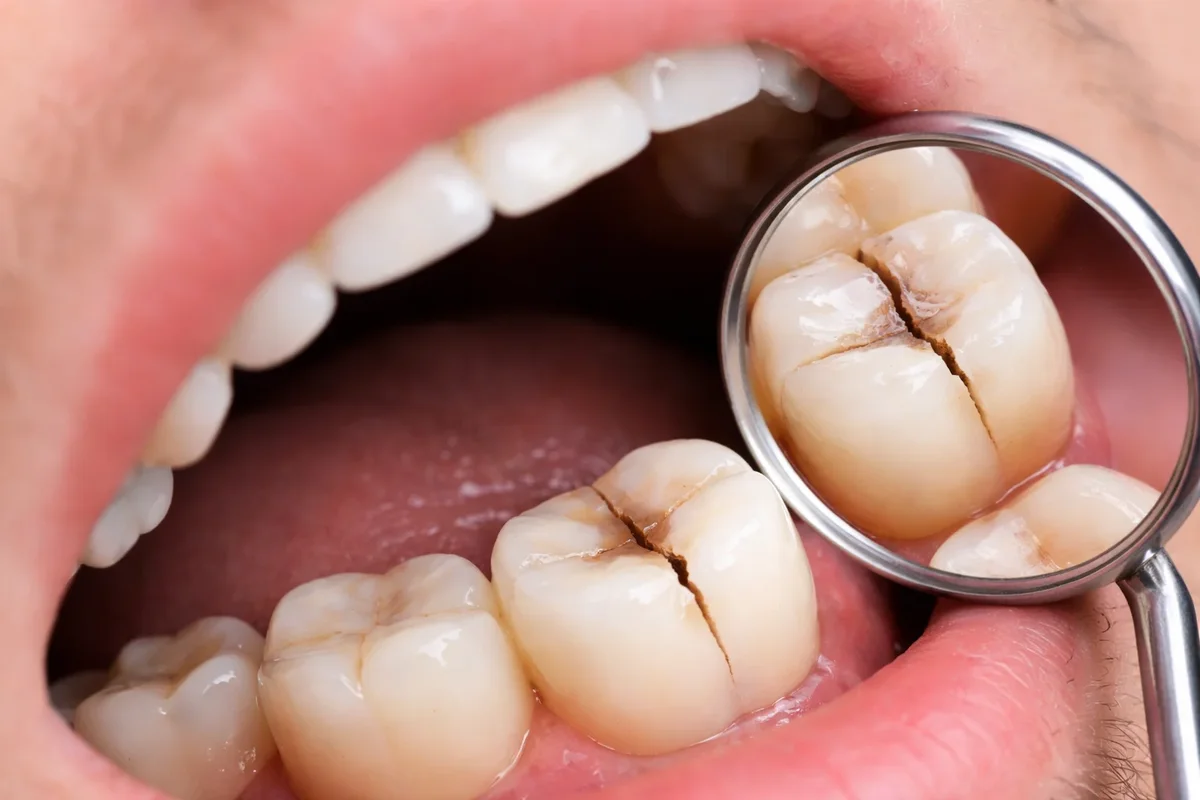
Long-Term Consequences If My Crown Cracked Is Ignored
When patients say my crown cracked, they often underestimate how serious the situation can become if left untreated. A cracked dental crown is not just a cosmetic issue; it is a structural failure that can expose the underlying tooth to bacteria, pressure, and further damage. Ignoring the problem after noticing my crown cracked can lead to complications that require more complex and costly dental interventions over time. Understanding the long-term consequences helps emphasize why immediate action is critical.
Structural Damage to the Underlying Tooth
One of the biggest risks when you think my crown cracked is that the natural tooth beneath the crown becomes vulnerable. Crowns are designed to protect weakened or treated teeth, especially after procedures like root canals or large fillings. Once the crown integrity is compromised, chewing forces are no longer distributed evenly. This can lead to microfractures in the tooth structure.
Increased Risk of Tooth Fracture
If you delay treatment after realizing my crown cracked, the tooth underneath may eventually fracture completely. Unlike a crown, which can be replaced, a fractured natural tooth may require extraction. This significantly complicates treatment and may lead to the need for dental implants or bridges.
Loss of Tooth Stability
A compromised crown means reduced support. Over time, the tooth can become unstable, especially when exposed to daily biting forces. Patients who ignore the issue after saying my crown cracked often report sensitivity, mobility, or discomfort when chewing.
Bacterial Infiltration and Infection Risk
When you notice my crown cracked, it often creates small openings where bacteria can enter. These gaps allow food particles and plaque to accumulate beneath the crown, creating an ideal environment for bacterial growth.
Development of Decay Under the Crown
A cracked crown can no longer seal the tooth properly. As a result, decay can develop underneath without immediate visible signs. Patients who ignore my crown cracked may later discover extensive decay that compromises the tooth entirely.
Risk of Root Infection
In more severe cases, bacteria can reach the pulp of the tooth, leading to infection. Even if the tooth has had a root canal, reinfection is possible. This may result in pain, swelling, and the need for retreatment or surgical intervention.
Gum Irritation and Periodontal Issues
Another overlooked consequence when saying my crown cracked is the effect on surrounding gum tissue. A damaged crown can create rough edges or improper fit, which irritates the gums over time.
Inflammation and Bleeding
Gums around a cracked crown often become inflamed. Patients may notice redness, bleeding during brushing, or discomfort. Ignoring my crown cracked can lead to chronic gum irritation.
Progression to Periodontal Disease
If bacteria accumulate due to the damaged crown, gum disease may develop. This can eventually affect the bone supporting the tooth, increasing the risk of tooth loss.
Functional Problems in Daily Life
When you think my crown cracked, you may initially only notice minor discomfort. However, over time, the issue can significantly affect your ability to eat and speak properly.
Difficulty Chewing
A cracked crown can cause uneven pressure distribution, making chewing uncomfortable or even painful. Many patients avoid using that side of the mouth, which can lead to imbalances in bite and jaw strain.
Speech Alterations
Depending on the location of the crown, damage can affect speech clarity. This is especially noticeable with front teeth, where even minor structural changes can impact pronunciation.
Aesthetic Deterioration Over Time
For many patients, the first concern after saying my crown cracked is appearance. While this is valid, the aesthetic issue often worsens if not addressed promptly.
Visible Cracks and Discoloration
Cracks can become more pronounced over time, and the crown may discolor or stain more easily. This can affect confidence and overall smile aesthetics.
Changes in Facial Symmetry
If chewing is affected and one side of the mouth is used less frequently, subtle changes in facial muscle balance may occur over time.
Increased Treatment Complexity and Cost
Perhaps the most practical consequence of ignoring my crown cracked is that treatment becomes more complicated and expensive the longer you wait.
Simple Replacement vs Advanced Procedures
If addressed early, a cracked crown can often be replaced بسهولة. However, if complications arise, treatment may involve root canal therapy, gum treatment, or even implants.
Longer Recovery Time
Advanced procedures require more appointments and longer healing periods. Patients who delay care after saying my crown cracked often face extended treatment timelines.
Psychological and Comfort Impact
Living with a damaged crown can also affect mental well-being. Constant awareness of the issue, discomfort, and concern about worsening damage can create stress.
Ongoing Sensitivity and Pain
Exposure of the underlying tooth can lead to sensitivity to hot, cold, or sweet foods. Over time, this discomfort can become persistent.
Reduced Confidence
Patients may feel self-conscious about their smile, especially if the crown is visible. Addressing my crown cracked promptly helps restore both function and confidence.
In summary, ignoring the situation after realizing my crown cracked can lead to a cascade of dental problems affecting structure, health, aesthetics, and overall quality of life. Early intervention is always the best strategy to prevent complications and maintain long-term oral health.