
When it comes to maintaining a healthy, confident smile, scheduling my dentist appointment is one of the smartest things I can do. 🦷 Visiting a dental professional regularly not only prevents future oral problems but also ensures early detection of issues like cavities, gum disease, and enamel wear before they become painful or costly. Whether it’s my first visit or a routine check-up, understanding what happens during my dentist appointment helps reduce anxiety, build trust, and promote lifelong dental health.
At the start of my dentist appointment, I’m usually greeted by a friendly dental hygienist who reviews my medical and dental history. This step is crucial because certain health conditions and medications can affect oral care. After that, I’m guided to the examination chair, where the dentist performs a thorough evaluation of my teeth, gums, tongue, and overall mouth structure. Using modern tools and gentle techniques, the dentist looks for any signs of decay, plaque buildup, or gum inflammation. The goal of my dentist appointment isn’t just cleaning—it’s about prevention, education, and personalized care.
During my dentist appointment, one of the most common procedures is professional dental cleaning, known as prophylaxis. This process removes hardened plaque (tartar) and surface stains that can’t be eliminated by regular brushing. Dental hygienists use special instruments and ultrasonic devices to clean around each tooth meticulously. Then comes polishing, which smooths the surface and helps prevent future plaque accumulation. Many patients, including me, are surprised by how refreshed and smooth their teeth feel after the cleaning session. 😁
Another key part of my dentist appointment is the dental exam itself. The dentist may use small mirrors and digital scanners to detect cavities or micro-cracks invisible to the naked eye. Sometimes, X-rays are taken to evaluate areas between teeth or below the gum line. This step ensures a complete understanding of my oral health condition. Thanks to technological advancements like digital radiography and intraoral cameras, the process is now faster, safer, and more comfortable than ever.
One of the biggest advantages of attending my dentist appointment regularly is preventive care. The dentist can identify risk factors for gum disease, tooth erosion, or misalignment early on. They might recommend fluoride treatments, dental sealants, or even a night guard if I grind my teeth while sleeping. Such proactive steps protect not only my smile but also my overall well-being. In fact, several studies link oral health to systemic conditions like heart disease and diabetes—proof that taking care of my mouth is essential for total body health.
Many people feel nervous before my dentist appointment, but modern clinics focus heavily on patient comfort. From relaxing waiting rooms to pain-free anesthesia techniques, dental offices are now designed to create a soothing environment. Communicating concerns with the dentist also helps—they can explain each step and make adjustments if needed. Understanding what’s happening during my dentist appointment transforms fear into confidence. For anyone seeking a compassionate and professional team, I recommend checking out the Redent Klinik Contact Page to book a visit with experienced experts who prioritize patient comfort and satisfaction.
Depending on my dental health, the dentist might also discuss cosmetic improvements during my dentist appointment. Options like whitening, veneers, or bonding can enhance the smile’s appearance. However, the dentist always ensures that health comes before aesthetics—meaning any underlying issues like cavities or gum inflammation are treated first. It’s this holistic approach that makes my dentist appointment both preventive and transformative.
It’s also important to remember that proper aftercare determines the success of my dentist appointment. The dentist usually gives personalized advice about brushing techniques, flossing habits, and diet choices that protect enamel. For instance, avoiding acidic drinks, using a fluoride mouthwash, and replacing toothbrushes every three months are common recommendations. Consistency is key—following these guidelines helps extend the positive effects of professional cleaning and prevents future problems from developing.
According to the American Dental Association, most people should visit their dentist every six months for an exam and cleaning. However, those with specific conditions—such as gum disease, braces, or a history of cavities—might need more frequent checkups. By scheduling my dentist appointment on time and maintaining daily hygiene habits, I ensure my oral health remains strong, bright, and free of complications. 🌟
In conclusion, my dentist appointment isn’t just about fixing problems—it’s about preventing them, improving confidence, and safeguarding my overall health. From the initial greeting to the final polish, every moment at the clinic contributes to a healthier smile and a happier me. Investing time in regular dental visits today guarantees a lifetime of strong, radiant teeth tomorrow.
What to Expect During My Dentist Appointment 🦷
Walking into my dentist appointment can feel like a mix of curiosity and concern — especially if it’s been a while since my last checkup. Knowing exactly what to expect removes uncertainty and helps me relax. Every step of my dentist appointment is carefully designed to evaluate, clean, and protect my oral health. From check-in to aftercare instructions, the experience is far more detailed and personalized than most people imagine. In this section, I’ll explain each phase of the visit in detail so I can approach my next dentist appointment with full confidence and understanding.
1. The Check-In Process and Initial Review
When I arrive for my dentist appointment, the first step is the check-in process. The front desk staff welcomes me, verifies my information, and may ask me to fill out a brief medical questionnaire. This form usually covers any medications I’m taking, allergies, or health conditions that might influence treatment. For example, heart conditions, diabetes, and pregnancy can affect how dental procedures are managed. It’s important to be honest and thorough—this information allows the dentist to plan my visit safely.
Once I’m seated in the waiting area, I might notice soothing music, magazines, or even aromatherapy diffusers that help create a calm atmosphere. Many modern clinics focus on reducing anxiety right from the start of my dentist appointment, ensuring that patients feel comfortable before entering the exam room.
2. The Preliminary Examination by the Hygienist
After check-in, a dental hygienist usually leads me to the treatment area and helps me get settled. The hygienist is responsible for conducting the initial assessment of my mouth before the dentist steps in. They’ll ask if I’ve been experiencing any discomfort, bleeding gums, or tooth sensitivity since the last visit. Then, using a small mirror and scaler, they examine the surfaces of my teeth and note any visible signs of plaque buildup, discoloration, or inflammation.
During my dentist appointment, the hygienist often begins by performing a deep cleaning. This involves removing tartar that has hardened on the teeth and along the gum line. Ultrasonic tools gently vibrate to dislodge stubborn deposits without causing pain. Once the cleaning is complete, the hygienist polishes my teeth using a mildly abrasive paste that smooths the enamel and restores shine. 😁 This not only improves appearance but also prevents bacteria from easily sticking to tooth surfaces.
Pro Tip: Don’t Rush the Cleaning
Many people underestimate the importance of this phase. Skipping or rushing the professional cleaning portion of my dentist appointment means plaque and tartar continue to damage the gums. Regular cleanings every six months keep oral bacteria under control and support overall dental health.
3. The Dentist’s Comprehensive Examination
Once the cleaning is complete, the dentist takes over. Using specialized tools, they perform a detailed inspection of my teeth, gums, tongue, and jaw alignment. This is often the most crucial stage of my dentist appointment because it identifies hidden problems. The dentist checks for signs of tooth decay, cavities between teeth, gum recession, and even oral cancer lesions. They might also gently palpate the jawline to detect tenderness or irregular movement.
In many clinics, digital technology enhances this process. For example, intraoral cameras display live images of my mouth on a screen, allowing me to see exactly what the dentist observes. This transparency helps build trust and makes my dentist appointment an educational experience, not just a medical one.
X-Rays and Imaging: The Deeper Look
Depending on my oral history, the dentist may recommend dental X-rays during my dentist appointment. These images provide a deeper look at the roots of teeth, jawbone density, and areas between teeth that are invisible to the naked eye. Thanks to digital radiography, radiation exposure is minimal, and the results appear instantly. The dentist uses these images to confirm the diagnosis and customize my treatment plan.
4. Personalized Treatment Discussion
After the examination, the dentist explains the findings and offers personalized recommendations. For example, if they find small cavities, they might suggest immediate fillings. If gum pockets are detected, they could recommend scaling and root planing. This stage of my dentist appointment is about communication and prevention. The dentist might also discuss fluoride applications or sealants for extra protection, especially for patients prone to decay.
It’s also the perfect time to ask questions—about oral hygiene habits, products, or concerns like tooth whitening. Having an open dialogue ensures that I leave my dentist appointment with a clear understanding of how to maintain my oral health between visits.
5. Preventive and Cosmetic Guidance
Another valuable part of my dentist appointment is receiving expert advice tailored to my lifestyle. The dentist may recommend brushing with a soft-bristle toothbrush, using an electric toothbrush, or adopting better flossing techniques. They might also point out dietary habits that harm enamel, such as frequent consumption of acidic drinks or sugary snacks. For those interested in aesthetics, dentists can suggest cosmetic procedures like whitening or veneers—but only after confirming that the teeth and gums are healthy enough for such treatments.
Modern clinics often blend health and aesthetics seamlessly. Many professionals emphasize that cosmetic dentistry is not about vanity—it’s about confidence. By addressing discoloration, alignment, or minor imperfections, I can leave my dentist appointment feeling better not just physically but emotionally too.
6. Post-Visit Summary and Next Steps
Before leaving, the dentist or hygienist provides a summary of the visit. This includes recommendations for at-home care and scheduling the next check-up. They might even demonstrate brushing or flossing techniques right there in the chair. If additional procedures are needed, the front desk staff helps set future appointments and discuss treatment options. This level of follow-up ensures that my dentist appointment is not a one-time event but part of an ongoing oral care routine.
Connecting with Trusted Clinics
If I ever need further information or want to find a professional team, I can always visit the Redent Klinik Contact Page to arrange a personalized consultation. Their experienced dentists focus on both preventive and restorative care, ensuring each visit is smooth and stress-free. For additional information about dental standards and oral health education, the American Dental Association provides reliable, research-based resources to guide patients like me toward optimal care.
In essence, my dentist appointment is a comprehensive experience that combines evaluation, education, and prevention. From the first smile at reception to the final advice before leaving, every step contributes to maintaining strong, beautiful teeth for life. Understanding this process helps me approach future appointments with confidence, knowing I’m actively investing in my long-term health and happiness. 🌟
How to Prepare Before My Dentist Appointment
Preparation plays a major role in making my dentist appointment efficient, comfortable, and stress-free. 🦷 Whether it’s my first visit to a new clinic or a regular six-month check-up, knowing what to do before stepping into the dental chair can help me get the most out of the experience. From gathering medical history to planning my oral hygiene routine, preparation sets the tone for a successful and productive visit. In this section, I’ll go over all the essential steps to take before my dentist appointment, so I can walk in feeling confident and ready.
1. Update My Medical and Dental Records
Before attending my dentist appointment, one of the most important tasks is updating my medical and dental records. Dentists rely heavily on this information to provide safe, personalized care. I should bring a list of all current medications, allergies, past surgeries, or medical conditions such as diabetes, heart disease, or high blood pressure. These details help the dentist avoid complications—especially during treatments involving anesthesia or antibiotics. If it’s my first time visiting a clinic, this step might take a few extra minutes but it’s crucial for precision and safety.
In addition to my medical background, having a clear record of my dental history helps. For instance, if I had root canals, crowns, or extractions in the past, the dentist can plan future procedures accordingly. Knowing what materials were used or what complications occurred during previous treatments can prevent repeating the same mistakes. That’s why documenting my oral history before my dentist appointment is so valuable.
2. Brush and Floss Beforehand (But Don’t Overdo It!)
While it might seem obvious, maintaining good hygiene before my dentist appointment is a sign of respect for the dental staff and helps ensure accurate results. Brushing and flossing about 30–60 minutes before the visit removes food particles and plaque, making the cleaning process smoother. However, it’s essential not to brush too hard or use whitening products immediately before the appointment, as that can irritate the gums and make them more sensitive during the examination.
Using a gentle fluoride toothpaste and rinsing with antibacterial mouthwash can freshen my breath and give the dentist a clearer view of my teeth and gums. It’s a simple but effective way to show I take oral hygiene seriously before my dentist appointment.
3. Avoid Eating Right Before the Appointment
Eating a large meal right before my dentist appointment can make me feel uncomfortable while sitting in the dental chair. Additionally, food particles might get trapped between teeth, making the cleaning process messier. Ideally, I should finish eating at least one hour before the visit and rinse my mouth with water afterward. If fasting isn’t possible due to health reasons, I can have a light snack like yogurt or a smoothie—but definitely avoid sticky, sugary, or odorous foods like onions or coffee. 😅
Pro Tip: Bring a Water Bottle
Hydration helps keep my mouth fresh and comfortable, especially if I’m nervous. A few sips of water before entering the clinic can prevent dry mouth and make conversations easier during my dentist appointment.
4. Prepare a List of Questions or Concerns
One of the smartest things I can do before my dentist appointment is to write down any questions or dental concerns I want to discuss. For example:
- Why am I experiencing sensitivity when drinking cold water?
- Are my brushing techniques effective enough?
- Should I consider whitening or other cosmetic options?
By noting these topics, I ensure nothing important slips my mind once I’m in the chair. Dentists appreciate proactive patients—it shows I’m genuinely invested in improving my oral health. Having a clear discussion plan also saves time and helps me receive more tailored advice during my dentist appointment.
5. Manage Dental Anxiety Early
Nervousness is incredibly common before my dentist appointment. To manage it, I can try simple breathing exercises, listen to calming music, or practice mindfulness on the way to the clinic. Many modern dental offices offer sedation options or distraction tools like TVs, headphones, or stress balls. If anxiety is severe, I should inform the dental team in advance—they can make accommodations such as scheduling extra time or explaining each step in detail. Communicating openly helps make the visit smoother and more comfortable.
Relaxation Techniques to Try
- Deep breathing: Inhale slowly through the nose, exhale through the mouth.
- Visualization: Imagine a calm place, such as a beach or garden, while waiting.
- Guided meditation: Use an app or playlist to calm the mind before entering the clinic.
These small techniques can make a big difference in transforming my dentist appointment into a calm, positive experience.
6. Plan Financial and Insurance Details
Before my dentist appointment, I should confirm payment methods, insurance coverage, and potential treatment costs. Calling the clinic beforehand to verify whether they accept my insurance can prevent unpleasant surprises. If it’s a private appointment, asking for an estimated quote in advance helps plan my budget. Many clinics, such as Redent Klinik, are transparent about pricing and offer various payment options to make high-quality dental care accessible. Having financial clarity eliminates one major source of stress during dental visits.
7. Get Enough Rest the Night Before
Sleep directly affects my body’s ability to handle stress and discomfort. A good night’s rest ensures I’m more relaxed and tolerant of procedures during my dentist appointment. Fatigue can make people more sensitive to sounds, sensations, and even minor discomfort. Therefore, sleeping 7–8 hours the night before is essential. Pair that with staying hydrated and eating a balanced meal earlier in the day, and I’ll feel calm and focused during my appointment.
8. Bring Necessary Items With Me
To make my dentist appointment seamless, I should pack a small dental visit kit containing essentials:
- Dental insurance card or payment information
- List of medications and medical history
- Previous dental X-rays (if applicable)
- Toothbrush and mouthwash for post-visit freshness
- Notebook or notes app to record the dentist’s advice
Being prepared saves time and helps the dentist provide more personalized treatment. It also demonstrates professionalism and appreciation for their time.
9. Know Where I’m Going and Arrive Early
Arriving 10–15 minutes early for my dentist appointment is always wise. It gives me time to complete paperwork calmly and settle in without feeling rushed. If it’s a new clinic, checking the location on Google Maps beforehand prevents last-minute confusion. Clinics like Redent Klinik often send confirmation emails or messages with directions and contact numbers—reviewing these ensures smooth arrival. Remember, punctuality isn’t just courteous; it helps the dentist stick to the schedule and gives me the full attention I deserve.
10. Final Thoughts: Confidence Comes from Preparation
Preparing ahead transforms my dentist appointment from a routine task into a proactive step toward health and self-care. With the right mindset, updated records, and a few relaxation techniques, I can ensure each visit goes smoothly. According to the American Dental Association, patients who maintain consistent dental visits and preparation habits have significantly lower rates of gum disease and tooth decay. That’s proof that a little planning today guarantees a lifetime of brighter, stronger smiles. 🌟
Common Dental Procedures You Might Encounter
Knowing what might happen during my dentist appointment helps me feel informed and relaxed. Dentistry today goes far beyond simple cleanings—it includes a wide range of preventive, restorative, and cosmetic treatments. Each procedure serves a specific purpose, from preserving natural teeth to improving overall oral function and aesthetics. Understanding these common dental procedures prepares me for any recommendations my dentist might make during my dentist appointment, and it helps me make confident decisions about my care. 🦷
1. Professional Teeth Cleaning (Prophylaxis)
The most routine and essential part of my dentist appointment is professional cleaning, also known as prophylaxis. Even with perfect brushing and flossing habits, plaque and tartar can build up in hard-to-reach areas. The hygienist uses specialized tools, such as scalers and ultrasonic cleaners, to remove these deposits. This process helps prevent gum disease and cavities while keeping my breath fresh. After scaling, the teeth are polished with a gritty paste that smooths the enamel surface and enhances shine. Finally, a fluoride treatment may be applied to strengthen enamel and protect it from future decay. 😁
Why It Matters:
Regular cleanings every six months prevent long-term oral problems and reduce the need for more invasive treatments later. It’s the foundation of preventive dentistry—and one of the main reasons I schedule my dentist appointment regularly.
2. Dental Examinations and X-Rays
During my dentist appointment, the dentist performs a thorough oral examination. They inspect each tooth, the gums, tongue, and soft tissues for abnormalities, cavities, or signs of gum disease. In some cases, digital X-rays are taken to reveal problems beneath the surface—such as impacted teeth, hidden decay, or bone loss around the roots. Modern X-rays emit minimal radiation, and the results appear instantly on a computer screen, allowing for real-time diagnosis and discussion.
This stage of my dentist appointment is essential for detecting issues early before they cause pain or require extensive work. For example, spotting a small cavity now can save me from needing a root canal later.
3. Dental Fillings
If the dentist discovers tooth decay, a filling might be necessary. During my dentist appointment, the decayed portion of the tooth is carefully removed, and the cavity is filled with materials such as composite resin, porcelain, or amalgam. Composite resins are popular because they match the natural color of the tooth, providing both strength and aesthetics. The procedure is painless thanks to local anesthesia and modern dental techniques.
Pro Tip:
After a filling, it’s normal to experience slight sensitivity for a few days. Avoid extremely hot or cold foods until the sensation subsides. The dentist may also recommend using desensitizing toothpaste to improve comfort after my dentist appointment.
4. Root Canal Treatment
One of the more complex procedures I might face during my dentist appointment is a root canal. This treatment becomes necessary when decay or infection reaches the pulp (the innermost layer of the tooth). The dentist removes the infected tissue, disinfects the canal, and seals it with a biocompatible material. A crown is often placed afterward to restore the tooth’s strength and appearance. Although root canals have a reputation for being painful, modern methods make them surprisingly comfortable and efficient.
Neglecting such infections could lead to abscesses or even tooth loss, so scheduling my dentist appointment promptly when symptoms appear—such as severe pain or swelling—is vital for preserving oral health.
5. Tooth Extractions
Sometimes a tooth cannot be saved, and extraction becomes necessary. This might occur due to severe decay, advanced gum disease, or impacted wisdom teeth. During my dentist appointment, the dentist uses local anesthesia to numb the area and gently remove the tooth using specialized instruments. The process is quick and controlled. After extraction, the dentist provides instructions for managing discomfort, reducing swelling, and preventing infection.
Post-Extraction Care:
- Apply ice packs to reduce swelling.
- Avoid smoking or using straws for 48 hours.
- Rinse with saltwater after 24 hours to promote healing.
Following these guidelines ensures a smooth recovery after my dentist appointment.
6. Dental Crowns and Bridges
If a tooth is fractured or severely worn, the dentist may recommend a crown to restore its structure. Crowns are custom-made caps placed over the tooth to strengthen and protect it. Similarly, bridges replace one or more missing teeth by anchoring artificial teeth to adjacent natural ones. These restorative solutions are common during my dentist appointment when the dentist aims to enhance function, prevent shifting of teeth, and improve aesthetics. Modern crowns, especially ceramic ones, are both durable and visually indistinguishable from natural teeth.
7. Scaling and Root Planing for Gum Health
For patients with gum disease, deep cleaning or “scaling and root planing” may be part of my dentist appointment. This procedure removes bacteria and plaque buildup from below the gum line, allowing tissues to heal and reattach to the teeth. Sometimes, the dentist performs the treatment over multiple visits to ensure complete disinfection. Maintaining excellent oral hygiene afterward is crucial to prevent recurrence.
8. Teeth Whitening Procedures
Cosmetic treatments like whitening are increasingly popular and may be offered during my dentist appointment. Whitening can remove stains caused by coffee, tea, or smoking, leaving the smile noticeably brighter. Dentists use professional-grade bleaching agents that achieve faster and safer results than over-the-counter products. The process typically takes less than an hour and can lighten teeth by several shades.
Maintaining Results:
After whitening, avoiding staining foods, using fluoride toothpaste, and scheduling follow-up visits keeps the results lasting longer. It’s also important to discuss any sensitivity issues with the dentist to ensure the whitening process remains comfortable.
9. Orthodontic Evaluations and Aligners
Another possible service during my dentist appointment is an orthodontic evaluation. Misaligned teeth can affect chewing, speech, and even facial balance. The dentist may recommend braces or clear aligners like Invisalign to gradually shift teeth into the correct position. These treatments not only improve appearance but also make cleaning easier, reducing the risk of cavities and gum disease.
10. Consulting for Preventive and Cosmetic Care
At the end of my dentist appointment, the dentist often discusses long-term strategies. This might include fluoride varnishes, sealants for kids, or cosmetic enhancements like veneers or bonding. Preventive care ensures my natural teeth remain healthy, while cosmetic treatments can restore confidence in my smile. 🌟 For professional guidance or treatment planning, I can always reach out through the Redent Klinik Contact Page to consult experts who offer comprehensive solutions. Additionally, the American Dental Association provides further resources on dental procedures and oral health recommendations.
In short, my dentist appointment might include a range of procedures—from routine cleanings to advanced restorations—but each plays a crucial role in maintaining a healthy, functional, and beautiful smile. Being informed about these options ensures I approach every dental visit with clarity and confidence. 🪥
Why Regular Checkups Matter for Long-Term Oral Health
Many people only think about scheduling my dentist appointment when they feel pain or notice a problem, but that approach often leads to more serious and costly issues. Regular dental checkups are not just about cleaning teeth—they are about protecting the entire oral system, preventing disease, and maintaining a strong, confident smile for life. By attending my dentist appointment consistently, I give my dentist the chance to detect small issues before they turn into major health problems. In this section, I’ll explain exactly why these visits are essential and how they contribute to long-term wellness. 🦷
1. Early Detection of Oral Diseases
One of the most valuable aspects of my dentist appointment is the early detection of potential oral health issues. Problems like cavities, gum disease, and even oral cancer begin silently, often without visible symptoms. During a routine checkup, the dentist carefully examines the mouth for signs such as discoloration, lesions, bleeding gums, or soft tissue abnormalities. Early diagnosis means early treatment—which not only saves time and money but can literally save lives in cases of oral cancer.
The Power of Early Detection
For example, gingivitis (early-stage gum disease) can be fully reversed with proper cleaning and home care. However, if left untreated, it can progress to periodontitis—a severe form of gum disease that leads to bone loss and tooth mobility. Regular visits ensure the dentist identifies these issues in their earliest stages, protecting my smile and overall health.
2. Preventing Tooth Decay and Gum Disease
During my dentist appointment, professional cleaning removes hardened plaque (tartar) that regular brushing can’t handle. This prevents bacteria from causing decay or infecting the gums. The dentist and hygienist also evaluate my brushing and flossing techniques, offering personalized recommendations. Preventive care like fluoride application or dental sealants may also be suggested to reinforce enamel and reduce cavity risk. 🪥
Gum disease prevention is another major reason to keep my dentist appointment routine. The gums are the foundation of oral health—if they weaken, the entire dental structure becomes vulnerable. Regular scaling and examinations ensure that inflammation is managed early, maintaining firm, healthy gums that support my teeth long-term.
3. Monitoring Overall Health Through Oral Signs
Few people realize how much the mouth reveals about overall health. During my dentist appointment, the dentist isn’t just checking for cavities—they’re also monitoring for signs of systemic diseases. Conditions such as diabetes, vitamin deficiencies, and autoimmune disorders often show their first symptoms in the mouth. For example, persistent dry mouth, delayed healing, or frequent infections may point to underlying medical concerns that need attention.
By maintaining regular checkups, I’m not just protecting my teeth—I’m giving my body a chance to signal when something might be wrong. This makes my dentist appointment an important part of total health care, not just oral care.
4. Saving Money and Time in the Long Run
It’s easy to assume that skipping my dentist appointment saves money, but in reality, it often leads to higher costs. Small cavities that could have been fixed easily may develop into deep decay requiring root canals or crowns. Gum infections might progress to bone loss, demanding complex treatments like surgery or implants. Regular maintenance prevents such complications and reduces long-term dental expenses significantly.
Preventive vs. Reactive Care
Preventive visits usually involve minimal intervention—cleanings, X-rays, and fluoride applications. In contrast, reactive care (treating problems after they arise) can involve multiple appointments, anesthesia, and extended healing periods. In short, keeping up with my dentist appointment is not only healthier but also financially wiser.
5. Maintaining a Bright, Confident Smile
Everyone wants a radiant smile, and consistent dental checkups make that possible. During my dentist appointment, professional polishing removes stains caused by coffee, tea, or tobacco. The dentist can also assess cosmetic concerns like alignment, discoloration, or worn enamel and suggest suitable treatments such as whitening or bonding. Maintaining good oral hygiene with professional oversight keeps my teeth bright and my confidence high. 😁
6. Extending the Lifespan of Dental Restorations
If I already have fillings, crowns, or implants, regular visits are crucial for preserving them. Over time, dental restorations can wear down, crack, or loosen. During my dentist appointment, the dentist checks these restorations to ensure they’re intact and functioning properly. Detecting a small issue early—such as a minor chip in a crown—prevents it from turning into a bigger problem that requires replacement. This maintenance approach extends the life of both my natural teeth and restorations.
7. Enhancing Oral Hygiene Education
One of the underrated benefits of my dentist appointment is education. Dentists and hygienists take the time to teach me proper brushing angles, effective flossing methods, and dietary habits that support strong enamel. They might also recommend new oral care tools—like interdental brushes, water flossers, or specific toothpaste brands tailored to my needs. This personalized advice helps me maintain consistent hygiene between visits and reinforces long-term dental success.
8. Reducing Bad Breath and Oral Discomfort
Chronic bad breath (halitosis) often results from bacteria hiding in tartar or gum pockets. Regular dental cleanings eliminate these bacteria and restore a fresh feeling. Similarly, if I experience tooth sensitivity, soreness, or discomfort while chewing, my dentist appointment allows for quick diagnosis and relief. Dentists can identify causes such as enamel erosion or grinding and suggest solutions like desensitizing treatments or custom night guards.
Tip: Stay Consistent
The American Dental Association recommends visiting the dentist every six months. However, some individuals—especially those with gum disease or orthodontic appliances—may need more frequent appointments. Sticking to the schedule is the best way to ensure long-term protection and peace of mind.
9. Supporting Mental and Emotional Wellbeing
Healthy teeth don’t just make eating easier—they boost self-esteem. Every successful my dentist appointment reinforces confidence in my smile and reduces anxiety about future visits. Knowing that my oral health is under control allows me to smile freely in social or professional settings. This psychological benefit is often overlooked but deeply impactful. 😊
10. Building a Relationship with a Trusted Dental Team
Finally, consistency builds trust. When I visit the same clinic regularly—like Redent Klinik—the dental team becomes familiar with my history, preferences, and comfort levels. They can track changes in my oral condition more accurately and provide tailored recommendations. This partnership ensures that my dentist appointment becomes not just a task but a reliable collaboration toward lifelong oral health.
In summary, scheduling my dentist appointment regularly is one of the most powerful habits I can develop for long-term health. It prevents disease, saves money, boosts confidence, and even supports my overall wellbeing. Consistency truly is the secret to a lifetime of healthy, beautiful smiles. 🌟
Overcoming Anxiety About My Dentist Appointment 😬
It’s completely normal to feel nervous before my dentist appointment. In fact, dental anxiety is one of the most common reasons people delay or avoid necessary oral care. However, with today’s technology, gentle techniques, and compassionate professionals, fear of the dentist can be successfully managed. The key is understanding what causes anxiety, how to prepare mentally and emotionally, and which strategies or treatments can make my dentist appointment a calm and positive experience. In this section, I’ll explore practical ways to overcome dental fear while ensuring my oral health remains a priority. 🦷
1. Understanding the Root Cause of Dental Anxiety
Before conquering fear, it’s important to identify what triggers it. Common causes include a previous painful experience, fear of needles, embarrassment about the condition of one’s teeth, or simply the sound of dental tools. For some, anxiety begins long before my dentist appointment—even at the thought of sitting in the dental chair. Recognizing these emotions is the first step to managing them. Modern dentistry emphasizes empathy, communication, and comfort, helping patients regain trust in their dental experience.
Did You Know?
Studies show that around 36% of people experience dental anxiety, while about 12% suffer from severe dental phobia. By discussing fears openly with the dentist, most patients can overcome these barriers and turn my dentist appointment into a positive routine rather than a source of stress.
2. Choosing the Right Dentist and Environment
One of the most effective ways to ease anxiety is selecting a dental clinic that prioritizes patient comfort. The atmosphere, attitude of the staff, and communication style all play a role in shaping how I feel before and during my dentist appointment. Modern clinics like Redent Klinik are designed to be warm and welcoming, with calm lighting, gentle music, and friendly teams that explain each step of treatment in simple terms. Knowing that I’m in a safe, patient-centered environment makes a world of difference.
Many clinics also offer special amenities such as noise-cancelling headphones, aromatherapy, or TVs above the dental chair to help patients relax. Choosing the right clinic isn’t just about skill—it’s about comfort, empathy, and trust. Feeling cared for transforms my dentist appointment from a fearful experience into a healing one.
3. Communication Is the Best Medicine
Open communication between the dentist and patient builds confidence. If I’m feeling anxious, I should express it honestly before my dentist appointment begins. Dentists appreciate when patients share their concerns—it allows them to adapt the approach accordingly. For instance, they might slow down, explain each step, or check in more frequently during the procedure. Establishing a “stop signal,” like raising my hand if I feel discomfort, gives me control throughout the process.
Most fear comes from uncertainty, so simply understanding what will happen next can greatly reduce anxiety. By asking questions about tools, sensations, or sounds, I replace fear with knowledge. Once I realize that most procedures are pain-free and precise, my dentist appointment becomes easier to manage.
4. Modern Pain-Relief and Sedation Options
One of the biggest breakthroughs in modern dentistry is the advancement of pain management. Local anesthesia is now extremely effective and nearly painless to administer. For more anxious patients, there are additional sedation methods available during my dentist appointment:
- Nitrous oxide (laughing gas): Helps relax while staying conscious and responsive.
- Oral sedation: A mild pill that reduces anxiety before the procedure.
- IV sedation: Used for longer or more complex treatments; provides deeper relaxation.
These options ensure that even patients with severe phobia can complete their treatments without distress. Discussing sedation preferences beforehand ensures comfort and safety throughout my dentist appointment.
5. Mental Preparation Before the Appointment
Preparing the mind can be just as important as physical preparation. The night before my dentist appointment, I can try relaxation techniques like meditation, yoga, or deep breathing to reduce tension. Avoiding caffeine also helps, as it can increase heart rate and anxiety levels. Listening to calming music or reading a favorite book before the visit creates a sense of stability and comfort. Visualization is another powerful tool—imagining a successful, peaceful appointment can train the brain to anticipate positivity instead of fear.
Quick Relaxation Exercise:
Take a deep breath in through your nose for 4 seconds, hold for 2 seconds, then exhale slowly through your mouth for 6 seconds. Repeating this several times before my dentist appointment can significantly lower stress hormones and steady the heartbeat.
6. Bring Support If Needed
For patients who experience intense anxiety, bringing a trusted friend or family member can help. Having someone familiar nearby provides emotional reassurance. Many dental offices allow companions to stay during my dentist appointment, especially for checkups or minor treatments. Knowing that I’m not alone reduces tension and promotes a sense of safety. Sometimes, just holding someone’s hand or hearing a familiar voice is enough to make the experience far less intimidating. 💙
7. Using Distraction Techniques During the Visit
Modern dental care often incorporates distraction methods to shift focus away from the procedure. I can bring earphones and listen to music, watch a movie on a ceiling screen, or even use guided breathing apps. Dentists understand that relaxation is key to a smoother treatment experience. Keeping my mind occupied during my dentist appointment helps reduce perception of time and discomfort, making the session feel faster and easier.
8. Positive Reinforcement After the Appointment
Rewarding myself after my dentist appointment builds positive associations with dental care. It could be as simple as enjoying a favorite smoothie, taking a walk in the park, or calling a friend to share that I successfully completed my visit. This reinforcement helps train the brain to connect dental visits with accomplishment rather than fear. Over time, these experiences accumulate into a lasting sense of confidence and calmness about future appointments.
9. Professional Help for Severe Dental Phobia
If anxiety is so overwhelming that it prevents me from visiting the dentist entirely, professional help may be beneficial. Cognitive-behavioral therapy (CBT) is one of the most effective treatments for dental phobia. It helps reframe negative thoughts and replace them with constructive, reality-based beliefs. Some clinics even collaborate with psychologists or counselors to support patients who experience severe fear before my dentist appointment. There’s no shame in seeking help—it’s a sign of strength and commitment to one’s health.
10. Building Confidence Over Time
Every successful visit makes the next one easier. When I consistently attend my dentist appointment and have positive interactions, fear gradually fades. Establishing a strong relationship with a compassionate dental team, like the experts at Redent Klinik, ensures that each visit feels familiar, predictable, and supportive. Additionally, exploring resources from the American Dental Association provides trustworthy information about safe and painless dental care. The more I understand the process, the more empowered I feel to take control of my oral health.
In conclusion, dental anxiety is real but conquerable. By combining preparation, communication, and modern comfort techniques, I can transform my dentist appointment into a calm and even uplifting experience. Facing fear with understanding not only improves oral health but also builds lifelong confidence in taking care of my smile. 🌟
The Role of Modern Dental Technology in Today’s Clinics
Over the past decade, dental technology has advanced dramatically—making my dentist appointment faster, more comfortable, and more precise than ever before. What used to require multiple visits can now often be completed in a single session, thanks to digital tools and smart diagnostic systems. These innovations not only improve accuracy but also reduce anxiety by minimizing pain, noise, and guesswork. Understanding how technology enhances my dentist appointment helps me appreciate the importance of choosing a modern, well-equipped clinic that prioritizes innovation and patient comfort. 🦷
1. Digital X-Rays and 3D Imaging
One of the most revolutionary improvements in dentistry is the shift from traditional film X-rays to digital imaging. During my dentist appointment, digital X-rays provide immediate, high-resolution images of my teeth and jaw. They use up to 90% less radiation than old methods and can be enlarged or color-enhanced on a monitor for better visibility. This allows the dentist to detect issues like cavities, infections, or bone loss long before they become serious.
For complex cases, 3D imaging—also known as cone-beam computed tomography (CBCT)—offers a detailed, three-dimensional view of my mouth. This technology is especially useful for planning implants, root canals, and orthodontic treatments. By using digital scans during my dentist appointment, the dentist gains a comprehensive understanding of bone structure, nerve positioning, and tooth alignment, ensuring precise and safe procedures.
Key Advantage:
Digital imaging eliminates the wait time associated with film processing, making diagnosis immediate and treatment planning more efficient. The dentist can review results instantly, explain them on-screen, and begin treatment planning within minutes.
2. Intraoral Cameras for Real-Time Visualization
Intraoral cameras are small, pen-sized devices that capture detailed images inside the mouth. During my dentist appointment, the dentist can project these visuals onto a screen so I can see exactly what they see—plaque buildup, cracks, worn fillings, or gum inflammation. This transparency builds trust and helps me better understand my dental health.
These high-definition cameras make patient education more effective. Instead of relying solely on explanations, I can visually see problem areas, which motivates me to improve daily oral hygiene. It turns my dentist appointment into a learning experience, empowering me to take active responsibility for my oral care.
3. Laser Dentistry for Pain-Free Treatment
Laser technology is transforming how dentists perform various procedures. From cavity detection to gum reshaping, lasers provide unmatched precision and comfort. During my dentist appointment, a soft-tissue laser might be used for painless gum cleaning or contouring. Unlike traditional scalpels, lasers minimize bleeding, reduce the need for anesthesia, and accelerate healing time.
Hard-tissue lasers are also used for cavity removal or enamel etching. They target decay without affecting surrounding healthy tissue. Patients report far less discomfort, vibration, and noise compared to drills. This makes laser dentistry especially beneficial for those who experience anxiety before my dentist appointment.
Fun Fact:
Lasers can even detect cavities in their earliest stages—before they’re visible on X-rays—allowing for preventative action rather than restoration.
4. CAD/CAM Technology: Same-Day Crowns and Restorations
Computer-Aided Design and Computer-Aided Manufacturing (CAD/CAM) systems have revolutionized restorative dentistry. With this technology, dentists can create crowns, veneers, and bridges in a single appointment. During my dentist appointment, the dentist scans my tooth with a digital impression system, designs the restoration on a computer, and mills it right in the office using ceramic materials.
Traditional crowns used to take weeks, requiring multiple visits and temporary fittings. With CAD/CAM, I can leave the clinic with a permanent, custom-fitted crown on the same day. It’s efficient, durable, and precisely tailored to my bite. This not only saves time but ensures that my dentist appointment is more convenient and productive than ever before.
5. 3D Printing in Dentistry
3D printing technology has opened a new era of customization. Dentists can now print surgical guides, dentures, aligners, and even full prosthetics within hours. During my dentist appointment, this technology ensures perfect fit and comfort. For orthodontic treatments, 3D printing enables the creation of clear aligners designed specifically for my dental anatomy, ensuring a precise and discreet correction process.
Why It’s Revolutionary:
3D printing drastically reduces waiting times for dental appliances. It also minimizes human error, producing devices that are exact replicas of digital models. This level of precision enhances both functionality and comfort during treatment.
6. Artificial Intelligence (AI) and Predictive Diagnosis
Artificial intelligence is increasingly becoming a key part of my dentist appointment. AI-driven software can analyze X-rays, detect cavities, and predict future dental problems based on data patterns. It supports dentists in making more accurate diagnoses and treatment plans. For instance, AI can identify microfractures or early bone loss signs that are invisible to the human eye. It also helps monitor disease progression over time, ensuring personalized care plans tailored to my unique oral condition.
Some clinics integrate AI chat systems that allow patients to describe symptoms before my dentist appointment, making check-ins faster and consultations more efficient. AI tools are not meant to replace dentists—they enhance their precision and ensure consistent quality across every visit.
7. Digital Smile Design (DSD)
Digital Smile Design allows me to preview my future smile before any cosmetic treatment begins. Using 3D software and facial scans, dentists can simulate results of veneers, whitening, or orthodontics directly on my photo. During my dentist appointment, this visual aid helps me make confident decisions about aesthetic improvements. It’s like a digital “try-on” for my teeth!
Confidence in Every Smile
This technology bridges the gap between expectation and outcome, ensuring that the final result looks natural and enhances facial harmony. It also fosters collaboration between patient and dentist, turning my dentist appointment into a creative partnership.
8. Teledentistry and Remote Consultations
In the modern world, not every dental concern requires an in-person visit. Teledentistry allows me to connect with my dentist virtually to discuss symptoms, share images, or receive follow-up advice. If I have a question after my dentist appointment, I can simply schedule an online consultation to clarify care instructions or treatment options. This convenience saves time while maintaining continuous access to professional guidance.
9. The Integration of Digital Records and Cloud Systems
Modern clinics now store patient data in secure cloud systems, ensuring accessibility and accuracy. During my dentist appointment, the dentist can quickly retrieve past X-rays, treatment histories, and notes. This continuity of information leads to faster diagnosis and consistent care, even if I switch providers or travel internationally. Additionally, cloud-based management supports environmental sustainability by reducing paper waste.
10. The Future of Dentistry: Innovation and Comfort Combined
The evolution of dental technology ensures that each my dentist appointment becomes more precise, comfortable, and patient-centered. From AI-assisted diagnostics to 3D-printed restorations, every innovation aims to make oral care simpler and stress-free. Leading clinics like Redent Klinik adopt these modern technologies to offer world-class dental care, combining expertise with innovation. For trusted information on emerging dental technologies, the American Dental Association provides valuable educational resources for patients worldwide.
Ultimately, embracing technology means embracing better health, shorter treatment times, and a more pleasant experience overall. With every visit, I can trust that my dentist appointment reflects the future of modern medicine—efficient, precise, and designed entirely around patient well-being. 🌟
Aftercare Tips Following My Dentist Appointment
Proper aftercare is just as important as the dental procedure itself. What I do after my dentist appointment significantly impacts how well I recover, how long the results last, and how comfortable I feel. Whether I’ve just had a cleaning, a filling, or a more complex treatment like a root canal or extraction, following professional guidance ensures fast healing and long-term oral health. In this section, I’ll cover step-by-step aftercare strategies, dietary advice, hygiene tips, and follow-up routines to make sure my dentist appointment ends with lasting success. 🦷
1. Immediate Post-Appointment Care
Right after my dentist appointment, my mouth might feel slightly numb or tender, especially if anesthesia was used. The first thing to remember is to avoid chewing until the numbness completely fades to prevent accidentally biting my cheek or tongue. The dentist often provides gauze pads to control any minor bleeding (if applicable), and it’s important to keep them in place for the recommended duration.
If I underwent a cleaning or whitening session, my gums or enamel may feel a bit sensitive. Using a soft-bristled toothbrush and avoiding overly hot or cold foods for 24 hours helps soothe discomfort. Drinking plenty of water also helps rinse out any leftover cleaning solutions or debris from my dentist appointment.
Pro Tip:
Avoid touching or poking treated areas with the tongue or fingers—it can slow down healing and introduce bacteria. Let tissues settle naturally for the first few hours after my dentist appointment.
2. Pain and Sensitivity Management
Mild pain or tooth sensitivity after dental treatment is completely normal. Over-the-counter pain relievers such as ibuprofen can help reduce discomfort. If sensitivity arises after a filling or crown, switching to a toothpaste formulated for sensitive teeth can make a big difference. I should brush gently in circular motions and avoid abrasive whitening products immediately after my dentist appointment.
For gum tenderness following deep cleaning or scaling, a warm saltwater rinse (½ teaspoon of salt in a glass of lukewarm water) two to three times a day helps disinfect and soothe tissues. This natural remedy accelerates healing and prevents bacterial buildup without irritating the mouth.
3. Dietary Recommendations After Dental Procedures
My diet immediately following my dentist appointment can either support healing or hinder it. Soft, nutrient-rich foods are best—especially after extractions, fillings, or gum treatments. Ideal choices include mashed potatoes, yogurt, smoothies, soups, and scrambled eggs. Hard, crunchy, or sticky foods like nuts, candies, or chips should be avoided, as they can dislodge clots or damage newly treated areas.
If anesthesia was used, I must wait until full sensation returns before eating to avoid injuries. Additionally, avoiding alcohol and smoking for at least 48 hours after major treatments helps ensure proper blood flow and recovery. Dentists often emphasize that my post-visit diet has a direct effect on how fast I heal after my dentist appointment.
Foods That Promote Healing:
- Greek yogurt (rich in calcium and probiotics)
- Bananas and applesauce (soft and easy to digest)
- Oatmeal and soups (gentle on teeth and gums)
- Boiled vegetables (packed with vitamins for tissue repair)
4. Oral Hygiene Routine After the Visit
Maintaining proper hygiene after my dentist appointment is essential to keep results intact. I should resume brushing and flossing gently but consistently, avoiding vigorous movements that could irritate treated areas. Using lukewarm water instead of mouthwash containing alcohol helps prevent dryness and burning sensations.
If I received fluoride treatment, I should avoid eating or drinking for at least 30 minutes afterward to allow the fluoride to fully absorb. For those who had whitening treatments, refraining from coffee, tea, and colored beverages for 24–48 hours is recommended to prevent staining.
5. Handling Swelling and Discomfort
After certain procedures—like tooth extractions or wisdom tooth removal—some swelling is normal. Applying an ice pack wrapped in a clean cloth to the cheek for 10–15 minutes at a time helps minimize inflammation. I should avoid applying heat immediately after my dentist appointment, as it can increase blood flow and worsen swelling. Instead, cold compresses and rest are the best remedies for the first 24 hours.
Important Reminder:
Swelling that persists beyond three days, or severe pain unrelieved by medication, should prompt me to contact the clinic right away. Timely communication ensures no infection or complication develops after my dentist appointment.
6. Follow-Up Appointments and Monitoring
Some treatments, such as crowns, root canals, or braces adjustments, require follow-up visits. It’s crucial to adhere to the schedule provided by the dentist. Skipping follow-ups can delay healing or cause new problems to develop unnoticed. During these visits, the dentist evaluates how well tissues are responding and ensures everything is aligned correctly. Consistent follow-up makes my dentist appointment part of a continuous oral health improvement plan.
7. Recognizing Warning Signs
While most dental procedures heal smoothly, it’s important to recognize signs of complications. Persistent bleeding, severe pain, foul odor, or swelling that worsens could indicate infection. Fever or pus discharge are other red flags. If I notice any of these symptoms, I should contact my dental clinic—such as Redent Klinik—immediately for professional evaluation. Early intervention prevents small issues from becoming serious problems after my dentist appointment.
8. Emotional and Psychological Recovery
After completing my dentist appointment, many patients feel relief but also mild exhaustion—especially after lengthy or anxiety-inducing procedures. Taking it easy afterward, resting, and staying hydrated help restore balance. Positive reinforcement, like acknowledging that I took a brave step for my health, strengthens mental resilience for future visits. Each successful appointment builds confidence and reduces fear over time.
Self-Care Ideas After a Dental Visit:
- Relax with calming music or a movie
- Drink herbal tea (chamomile or mint)
- Go for a gentle walk once the anesthesia wears off
9. Maintaining Results Long-Term
Good aftercare habits extend beyond the first few days. Continuing with biannual checkups, brushing twice daily, and flossing once a day solidify the results of my dentist appointment. Using a soft-bristle or electric toothbrush and fluoride toothpaste helps protect enamel and prevent tartar buildup. My dentist may also recommend periodic fluoride treatments or custom mouthguards if I grind my teeth at night.
Diet also plays a long-term role: limiting sugary snacks, carbonated drinks, and acidic foods preserves enamel strength. Pairing this with regular professional cleanings ensures that each my dentist appointment builds upon the success of the previous one, rather than reversing progress.
10. Trusted Resources for Ongoing Oral Care
Learning more about dental health helps me stay proactive between visits. The American Dental Association offers evidence-based resources on post-treatment care, while clinics like Redent Klinik provide personalized guidance tailored to my dental history. By combining professional advice with self-care, I can maintain strong, pain-free, and confident oral health for years to come.
In summary, how I care for my mouth after my dentist appointment determines the effectiveness of treatment and my long-term comfort. With the right steps—gentle cleaning, smart eating, and consistent follow-up—I ensure not only proper recovery but also a radiant, healthy smile that lasts. 🌟
How to Choose the Right Dental Clinic for Me
Finding the perfect dental clinic is one of the most important steps toward maintaining lifelong oral health. Where I choose to go for my dentist appointment affects not only the quality of care I receive but also how comfortable and confident I feel during each visit. With so many clinics offering different specialties, technologies, and service levels, it’s crucial to know what to look for. From evaluating qualifications to assessing patient experience, this guide will help me select a dental clinic that meets both my medical needs and personal expectations. 🦷
1. Verify the Dentist’s Qualifications and Experience
The first factor to consider when scheduling my dentist appointment is the dentist’s credentials. I should confirm that the dentist is fully licensed and has specialized training in the treatments I need. Dentists often display their degrees, certifications, or professional memberships in the clinic or on their website. Checking for affiliations with reputable organizations such as the American Dental Association or equivalent European dental councils ensures that I’m receiving care that meets global standards.
Experience also matters. A dentist who has handled hundreds of similar cases—whether implants, root canals, or orthodontics—will likely provide smoother, more efficient care. Before confirming my dentist appointment, I can ask about the dentist’s years of practice, success rates, and continuous education efforts to ensure they stay updated on the latest innovations.
2. Evaluate Technology and Equipment
Modern dentistry depends heavily on technology. The tools and systems available in a clinic directly affect comfort, precision, and speed. When choosing where to book my dentist appointment, I look for a clinic that offers digital X-rays, intraoral scanners, and laser-assisted treatments. These technologies minimize discomfort, reduce treatment time, and improve accuracy. A clinic with advanced sterilization equipment also ensures that hygiene standards are met consistently.
Why Technology Matters:
Outdated or manual techniques can increase treatment risk and discomfort. For instance, digital impressions eliminate the messy traditional molds, while 3D imaging allows more precise diagnosis and treatment planning. Selecting a tech-forward clinic ensures that every my dentist appointment is efficient, safe, and effective.
3. Assess the Range of Services Offered
It’s beneficial to choose a dental clinic that provides a full range of services under one roof. Whether I need preventive care, cosmetic procedures, or oral surgery, having access to multiple specialists saves time and guarantees coordinated care. When booking my dentist appointment, I should check if the clinic covers areas such as pediatric dentistry, orthodontics, implantology, periodontics, and aesthetic restorations.
Comprehensive clinics like Redent Klinik are excellent examples—they offer multidisciplinary expertise, which ensures continuity of care for every stage of oral health. This means I don’t need to move between different locations for cleaning, whitening, or surgical procedures.
4. Consider Location and Accessibility
Convenience plays a major role in maintaining regular visits. A clinic that’s close to home or work makes it easier to attend routine checkups and emergency appointments. When scheduling my dentist appointment, I should also check parking availability, wheelchair access, and proximity to public transportation. These logistical details may seem small, but they significantly affect how consistently I keep up with my oral care routine.
Extra Tip:
Many modern clinics now offer flexible scheduling, including weekend or evening appointments. This makes it easier to fit my dentist appointment into a busy lifestyle without skipping necessary care.
5. Review Patient Testimonials and Online Reputation
Online reviews are one of the best ways to gauge real patient experiences. Reading testimonials about how staff treat patients, how clean the facility is, and how long waiting times are can help me make an informed decision. Websites, Google reviews, or even social media pages can reveal the level of trust and satisfaction other patients have with the clinic. Consistent positive reviews indicate that my dentist appointment will likely be a smooth and pleasant experience.
Additionally, some clinics feature before-and-after photos or case studies, which demonstrate their success in cosmetic or restorative dentistry. These visual results can help me evaluate the clinic’s skill level and artistic precision.
6. Focus on Cleanliness and Hygiene Standards
Cleanliness is non-negotiable in dental care. When I enter a clinic for my dentist appointment, the first thing I notice should be the cleanliness of the reception area, equipment, and treatment rooms. High-quality clinics adhere to strict infection control protocols, sterilizing instruments after each use and wearing disposable gloves and masks. Many also use air purifiers and UV sterilizers to maintain an optimal clinical environment.
Why Hygiene Is Essential:
Proper sterilization prevents cross-contamination and the spread of viruses or bacteria. A hygienic clinic ensures that every my dentist appointment is conducted safely, protecting both patient and practitioner health.
7. Evaluate Communication and Patient Care
Empathy and communication are critical for a positive dental experience. I should feel comfortable asking questions and expressing concerns during my dentist appointment. A good dentist explains procedures clearly, uses simple language, and ensures I understand each step. Clinics that offer follow-up calls or reminders demonstrate genuine concern for their patients’ well-being.
For anxious patients, gentle communication helps alleviate fear and build trust. Clinics that prioritize personalized attention make each visit feel less clinical and more caring, turning my dentist appointment into a supportive partnership rather than a stressful event.
8. Compare Pricing and Transparency
While cost shouldn’t be the only factor, it’s important to find a clinic that provides transparent pricing. Before confirming my dentist appointment, I should request a breakdown of costs, including consultation, treatment, and follow-up fees. Reputable clinics provide written estimates and never pressure patients into unnecessary procedures. Some offer installment plans or dental memberships for regular cleanings and checkups.
Budget-Friendly Tip:
Many clinics list their service prices on their websites for clarity. Reviewing these beforehand helps me prepare financially and choose a clinic that aligns with both my oral health needs and budget.
9. Look for Emergency and After-Hours Support
Dental emergencies can happen unexpectedly. Choosing a clinic that provides emergency services adds peace of mind. If a tooth breaks, pain intensifies, or swelling occurs after my dentist appointment, knowing I can reach a trusted professional at any time makes a huge difference. Clinics with 24/7 hotlines or on-call dentists show strong commitment to patient care.
10. Building a Long-Term Relationship with the Clinic
Ultimately, the goal is to build a long-term relationship with a clinic that understands my dental history, preferences, and goals. When I visit the same team consistently, they can track changes in my oral health and offer preventive care tailored to me. This continuity ensures that my dentist appointment is not a one-time visit but part of a lifelong wellness plan.
Clinics like Redent Klinik exemplify this approach—combining advanced technology, transparent communication, and patient-centered philosophy to make every visit both professional and comfortable. With reliable partners in care, maintaining a healthy smile becomes effortless and enjoyable. 🌟
Conclusion: Making the Smart Choice
Choosing the right dental clinic determines the quality of every future my dentist appointment. From professional qualifications and hygiene to communication and technology, every detail contributes to a positive experience. Taking time to research, ask questions, and trust my instincts ensures that I find a clinic that genuinely values both my health and comfort. A confident smile begins with the right dental home—and making that choice today means protecting my oral health for years to come. 🪥
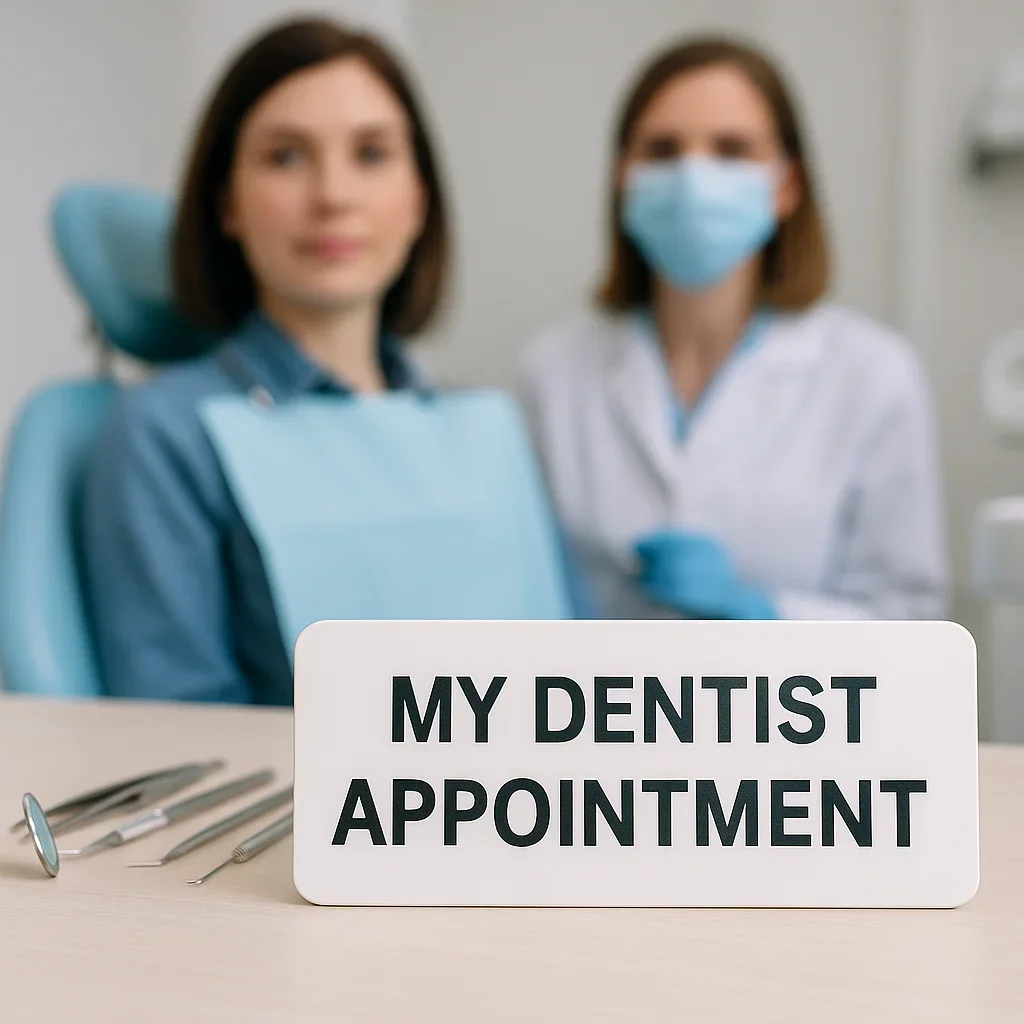
FAQs About My Dentist Appointment and Oral Hygiene
When it comes to dental visits, many patients have recurring questions about what to expect before, during, and after my dentist appointment. Understanding these details helps reduce anxiety and ensures that every visit contributes to long-term oral health. This comprehensive FAQ guide addresses the most common concerns, myths, and best practices about modern dental care. Whether I’m preparing for my first visit or looking to improve my routine, the following answers provide practical, research-based insights for a healthy, confident smile. 😁
1. How Often Should I Schedule My Dentist Appointment?
The general recommendation is to schedule my dentist appointment every six months. These biannual visits allow the dentist to detect problems early, remove tartar buildup, and monitor gum health. However, the ideal frequency may vary depending on my oral condition—patients with gum disease, diabetes, or braces may need to visit every three to four months. Regular professional cleanings complement daily brushing and flossing, helping prevent tooth decay and plaque accumulation.
Tip:
Always follow your dentist’s customized schedule. Personalized care plans are based on your oral hygiene habits, health history, and lifestyle choices such as smoking or diet.
2. What Should I Bring to My Dentist Appointment?
Before attending my dentist appointment, I should gather all relevant documents and items to ensure a smooth visit. This includes:
- My dental insurance card or payment method
- Medical history and a list of current medications
- Any previous dental records or X-rays (if switching clinics)
- A list of questions or symptoms I want to discuss
Bringing these essentials saves time and helps the dentist understand my overall health context. It’s especially useful for detecting medication side effects like dry mouth or bleeding gums during my dentist appointment.
3. How Long Does a Typical Appointment Take?
The duration of my dentist appointment depends on its purpose. A routine checkup and cleaning typically last 45 minutes to one hour. Procedures like fillings, crowns, or extractions may take longer. Initial visits often include a comprehensive exam and full-mouth X-rays to establish a baseline. Patients undergoing complex treatments like implants or orthodontics might need multiple sessions. Always allow extra time for consultation and discussion—never rush a visit that concerns your health.
4. Is Dental Cleaning Painful?
Professional cleaning should not hurt. During my dentist appointment, the hygienist removes tartar using specialized ultrasonic instruments and hand tools. If gums are inflamed, slight tenderness or sensitivity may occur, but it’s temporary. Using numbing gels or adjusting cleaning pressure can make the process more comfortable. Patients who visit regularly tend to experience less discomfort since there’s minimal buildup to remove. After cleaning, my teeth feel smoother, fresher, and visibly brighter. 🪥
5. What If I Feel Nervous or Anxious?
Anxiety before my dentist appointment is completely normal. Openly communicating my fears helps the dentist adapt the experience—using gentle explanations, relaxation breaks, or mild sedation if necessary. Bringing headphones for music, practicing breathing exercises, or visualizing positive outcomes can calm nerves. Choosing a patient-centered clinic like Redent Klinik ensures that emotional comfort is prioritized along with clinical care.
Remember:
Dentists are trained to manage anxious patients. The more honest I am about my feelings, the more supportive the experience becomes.
6. How Do I Maintain Results After My Appointment?
After completing my dentist appointment, maintaining the results is essential. Brushing twice daily with fluoride toothpaste, flossing once a day, and using an antibacterial mouthwash keep plaque at bay. I should also replace my toothbrush every three months or after illness. A balanced diet rich in calcium and low in sugars supports enamel strength. Avoiding habits like nail-biting, teeth-grinding, or chewing ice prevents unnecessary wear. Regular follow-ups allow my dentist to catch small issues before they worsen.
7. Why Are X-Rays Important?
X-rays taken during my dentist appointment reveal hidden issues below the surface—like cavities between teeth, bone loss, or impacted wisdom teeth. Modern digital X-rays use extremely low radiation and produce instant, high-resolution images. This technology allows the dentist to diagnose accurately without invasive exploration. Depending on my dental history, I may need X-rays once a year or more often if I have ongoing treatments. The benefits far outweigh the minimal exposure risk.
Safety Note:
Lead aprons and thyroid collars are always provided to minimize exposure, ensuring safety even for children and pregnant patients.
8. What Should I Do If I Experience Pain After the Appointment?
It’s common to feel mild discomfort after deep cleanings, extractions, or restorative work. Applying a cold compress and taking over-the-counter pain relief can help. If pain intensifies or swelling occurs after my dentist appointment, I should contact the clinic promptly. Sometimes, an adjustment or additional medication may be required. Ignoring pain can allow infections to spread, so timely follow-up is essential. Reputable clinics like Redent Klinik always provide post-care instructions and emergency contact details for reassurance.
9. Are Professional Whitening Treatments Safe?
Yes. Professional whitening procedures performed during my dentist appointment use controlled, high-grade bleaching agents that are safe and effective when supervised by a dentist. Unlike over-the-counter kits, these treatments minimize sensitivity and deliver uniform results. Dentists also assess enamel condition before starting to prevent irritation. Following aftercare—avoiding dark foods and drinks for 48 hours—helps maintain brightness longer. Whitening should be repeated only as recommended to avoid enamel thinning.
10. How Do I Find a Trusted Clinic for My Dentist Appointment?
Reputation, transparency, and technology should guide my choice. Reading verified patient reviews, exploring before-and-after galleries, and checking for advanced equipment are key steps. Clinics that emphasize hygiene, explain treatments clearly, and offer flexible scheduling tend to provide superior experiences. For example, Redent Klinik combines cutting-edge technology with patient-first care, making every visit comfortable and stress-free. I can also consult the American Dental Association website for additional guidance on dental standards and ethics.
11. Can I Improve My Oral Health Between Visits?
Absolutely. Consistency is everything. Between my dentist appointment visits, I should keep a daily routine that includes brushing after meals, flossing nightly, and hydrating often. Chewing sugar-free gum stimulates saliva flow, which helps neutralize acids. Using mouthwash with fluoride strengthens enamel and reduces bacteria. Avoiding tobacco and limiting sugary snacks protect both teeth and gums. Oral hygiene is an investment—each small effort reinforces the work done during my dentist appointment.
Conclusion: Knowledge Leads to Confidence
Understanding the details of my dentist appointment transforms it from a chore into an empowering part of self-care. Knowing what to expect, how to prepare, and how to maintain results ensures that every visit strengthens my smile and confidence. With clear communication, proper aftercare, and support from trusted professionals, dental health becomes not only manageable but enjoyable. Staying informed through reputable sources like American Dental Association and seeking expert care from clinics like Redent Klinik guarantee that my oral health thrives for a lifetime. 🌟