
1. What Is Nationwide Dental Insurance and How It Works
In 2025, nationwide dental insurance has become one of the most popular ways for individuals and families to protect their oral health while managing costs. This type of dental coverage operates across the entire country, meaning you can access a wide network of dentists and specialists no matter where you live or travel. By paying a monthly premium, members receive financial assistance for preventive, basic, and even major dental procedures.
The core concept of nationwide dental insurance is simple: instead of paying the full cost of dental treatments out of pocket, your insurance helps cover a significant portion of the expenses. This often includes routine checkups, professional cleanings, fillings, extractions, crowns, bridges, orthodontics, and sometimes even cosmetic dentistry. Having a broad network of providers ensures that you can receive treatment almost anywhere, giving you both flexibility and peace of mind 🦷.
How It Works Step-by-Step
- Enrollment: You sign up for a plan that suits your needs and budget, often during an open enrollment period or after a qualifying life event.
- Premium Payment: You pay a monthly or annual premium to maintain coverage.
- Provider Selection: Choose a dentist within the plan’s nationwide network for the best rates.
- Co-Pay & Coverage: At the time of treatment, you pay a small co-pay, and the insurance covers the rest according to the plan details.
- Claims Processing: The dental office submits the claim to your insurance provider, making the process seamless for you.
Who Should Consider Nationwide Dental Insurance?
Almost everyone can benefit from nationwide dental insurance, but it is particularly valuable for:
- Families with children who require regular dental visits and orthodontic care.
- Individuals who travel frequently and need access to a wide network of dentists.
- Seniors who require more frequent and complex dental procedures.
Preventive Care Advantage
One of the biggest advantages of nationwide dental insurance is its focus on preventive care. Many plans fully cover services like bi-annual cleanings, dental exams, and X-rays. Preventive care not only keeps your teeth healthy but also reduces the risk of costly treatments in the future. For example, catching a cavity early can prevent the need for a root canal later on.
Nationwide Network Access
Because this insurance type offers coverage across the entire country, you are not limited to a single city or state. Whether you are relocating, traveling for work, or going on vacation, you can find a dentist within the network. This is a significant advantage over local-only insurance plans, which may leave you uncovered outside your home region.
Financial Transparency
Most nationwide dental insurance providers offer clear cost breakdowns, so you know exactly what you will pay before starting treatment. Some even provide online tools to estimate costs for specific procedures. This transparency helps you plan your budget without unpleasant surprises.
Links for More Information
If you have questions about dental services, you can contact us directly via the Redent Klinik Contact Page. For general dental health resources, visit the American Dental Association.
Conclusion
In summary, nationwide dental insurance offers a convenient, flexible, and cost-effective way to maintain your oral health. It works by pooling risk among members, giving everyone access to affordable preventive and major dental care. Whether you need a simple cleaning or a complex dental surgery, having this type of insurance can save you both time and money, all while ensuring you have access to trusted professionals wherever you are.
1. What Is Nationwide Dental Insurance and How It Works
In 2025, nationwide dental insurance has become one of the most popular ways for individuals and families to protect their oral health while managing costs. This type of dental coverage operates across the entire country, meaning you can access a wide network of dentists and specialists no matter where you live or travel. By paying a monthly premium, members receive financial assistance for preventive, basic, and even major dental procedures.
The core concept of nationwide dental insurance is simple: instead of paying the full cost of dental treatments out of pocket, your insurance helps cover a significant portion of the expenses. This often includes routine checkups, professional cleanings, fillings, extractions, crowns, bridges, orthodontics, and sometimes even cosmetic dentistry. Having a broad network of providers ensures that you can receive treatment almost anywhere, giving you both flexibility and peace of mind 🦷.
How It Works Step-by-Step
- Enrollment: You sign up for a plan that suits your needs and budget, often during an open enrollment period or after a qualifying life event.
- Premium Payment: You pay a monthly or annual premium to maintain coverage.
- Provider Selection: Choose a dentist within the plan’s nationwide network for the best rates.
- Co-Pay & Coverage: At the time of treatment, you pay a small co-pay, and the insurance covers the rest according to the plan details.
- Claims Processing: The dental office submits the claim to your insurance provider, making the process seamless for you.
Who Should Consider Nationwide Dental Insurance?
Almost everyone can benefit from nationwide dental insurance, but it is particularly valuable for:
- Families with children who require regular dental visits and orthodontic care.
- Individuals who travel frequently and need access to a wide network of dentists.
- Seniors who require more frequent and complex dental procedures.
Preventive Care Advantage
One of the biggest advantages of nationwide dental insurance is its focus on preventive care. Many plans fully cover services like bi-annual cleanings, dental exams, and X-rays. Preventive care not only keeps your teeth healthy but also reduces the risk of costly treatments in the future. For example, catching a cavity early can prevent the need for a root canal later on.
Nationwide Network Access
Because this insurance type offers coverage across the entire country, you are not limited to a single city or state. Whether you are relocating, traveling for work, or going on vacation, you can find a dentist within the network. This is a significant advantage over local-only insurance plans, which may leave you uncovered outside your home region.
Financial Transparency
Most nationwide dental insurance providers offer clear cost breakdowns, so you know exactly what you will pay before starting treatment. Some even provide online tools to estimate costs for specific procedures. This transparency helps you plan your budget without unpleasant surprises.
Links for More Information
If you have questions about dental services, you can contact us directly via the Redent Klinik Contact Page. For general dental health resources, visit the American Dental Association.
Conclusion
In summary, nationwide dental insurance offers a convenient, flexible, and cost-effective way to maintain your oral health. It works by pooling risk among members, giving everyone access to affordable preventive and major dental care. Whether you need a simple cleaning or a complex dental surgery, having this type of insurance can save you both time and money, all while ensuring you have access to trusted professionals wherever you are.
2. Key Benefits of Choosing Nationwide Dental Insurance
When it comes to safeguarding your oral health in 2025, nationwide dental insurance offers a range of advantages that make it a smart investment for individuals and families alike. Beyond just reducing the financial burden of dental care, it provides peace of mind, flexibility, and access to a vast network of trusted dental professionals.
1. Extensive Provider Network
One of the standout benefits of nationwide dental insurance is its access to thousands of dentists and specialists across the country. Whether you live in a major city or a rural town, you can find an in-network provider without difficulty. This ensures consistent quality of care no matter where you are and eliminates the stress of finding a dentist while traveling or relocating.
2. Significant Cost Savings
Dental procedures can be costly, but nationwide dental insurance helps lower these expenses through negotiated rates and coverage benefits. For example, a professional cleaning that may cost $120 without insurance might be fully covered, and more complex treatments like crowns, which can run between $800–$1,500, may be partially covered at 50–80% of the cost.
- Routine Cleaning: $0–$40 (after coverage)
- Filling: $25–$80
- Crown: $400–$800
- Root Canal: $300–$700
3. Preventive Care Coverage
Many nationwide dental insurance plans fully cover preventive services, including cleanings, exams, and X-rays. This focus on prevention not only keeps your smile healthy but also helps detect problems early, saving you from more invasive and expensive treatments down the road 🦷.
4. Emergency Dental Care
Dental emergencies can happen at any time, from a chipped tooth to severe tooth pain. With nationwide dental insurance, you’re covered for urgent care across the country. This means you can get the help you need without worrying about massive out-of-pocket costs.
5. Flexibility in Plan Choices
Another great benefit is the variety of plan options available. Depending on your needs, you can choose from PPO (Preferred Provider Organization) plans, DHMO (Dental Health Maintenance Organization) plans, or even fee-for-service options. Each plan type offers different levels of coverage, premiums, and flexibility, making it easier to find the right match for your lifestyle.
6. Orthodontic and Cosmetic Options
While not every policy includes these, many nationwide dental insurance plans offer partial coverage for orthodontic treatments like braces or Invisalign, as well as certain cosmetic procedures. This makes it more affordable to achieve not just a healthy smile, but also a beautiful one 😁.
7. Support for Long-Term Oral Health
By encouraging regular check-ups and covering essential treatments, nationwide dental insurance helps maintain oral health over the long term. Consistent dental care can prevent tooth loss, gum disease, and other serious conditions that impact overall health.
8. Added Value Through Extra Services
Some providers bundle additional benefits like discounts on vision care, hearing aids, or wellness programs. This means that your investment in nationwide dental insurance could go beyond dental care, enhancing your overall health coverage.
9. Easy Access to Information
Most nationwide dental insurance providers offer online portals and mobile apps that make it easy to check coverage, find a dentist, review claims, and even estimate treatment costs. This convenience helps you make informed decisions about your care.
10. Trusted Resources
For further information about maintaining your oral health and understanding your coverage, you can reach out via the Redent Klinik Contact Page or visit the American Dental Association for professional dental guidance.
In short, the benefits of nationwide dental insurance go far beyond just cost savings — they ensure access to care, promote preventive health, and support your dental wellness wherever life takes you.
3. Types of Plans Offered by Nationwide Dental Insurance
When considering nationwide dental insurance, it’s important to understand the different types of plans available so you can choose the one that best fits your budget, lifestyle, and oral health needs. Each plan type has its own advantages and limitations, and selecting the right one can help you maximize both coverage and savings.
1. Preferred Provider Organization (PPO) Plans
PPO plans are the most popular form of nationwide dental insurance. They offer a wide network of participating dentists and give you the flexibility to see out-of-network providers, though at a higher cost. These plans typically have a deductible, an annual maximum benefit, and varying coverage levels for preventive, basic, and major services.
- Best for: People who want flexibility and a large provider network.
- Typical coverage: 100% preventive care, 70–80% basic services, 50% major services.
2. Dental Health Maintenance Organization (DHMO) Plans
DHMO plans are more cost-effective options within nationwide dental insurance. They require you to choose a primary dentist from a set network and get referrals for specialists. In exchange, they often have lower premiums and little to no deductible.
- Best for: Individuals and families looking for affordable monthly costs.
- Typical coverage: Lower out-of-pocket costs, fixed co-pays for services.
3. Indemnity or Fee-for-Service Plans
These plans allow complete freedom in choosing any dentist, making them one of the most flexible forms of nationwide dental insurance. You pay upfront for services, and the insurance reimburses you a set percentage of the cost.
- Best for: Patients who prefer complete freedom of choice without network restrictions.
- Typical coverage: Varies, but generally higher premiums than PPO or DHMO.
4. Discount Dental Plans
While technically not insurance, some companies offer discount programs that work alongside nationwide dental insurance. Members pay an annual fee to access discounted rates on dental procedures. These plans are a good supplement for services not fully covered by insurance, such as certain cosmetic treatments.
- Best for: People who need additional coverage for cosmetic or elective procedures.
- Typical coverage: Percentage discounts on all services, paid directly to the dentist.
5. Specialized Coverage Plans
Some nationwide dental insurance providers offer specialized plans tailored to unique needs, such as pediatric dental care, senior dental coverage, or orthodontic-specific policies. These ensure that certain populations receive coverage that matches their dental health requirements.
Comparing the Plan Types
| Plan Type | Flexibility | Cost | Network Size |
|---|---|---|---|
| PPO | High | Moderate | Large |
| DHMO | Low | Low | Medium |
| Indemnity | Very High | High | Unlimited |
| Discount Plan | High | Low | Varies |
Which Plan Is Right for You?
Choosing the right type of nationwide dental insurance depends on factors like your dental health history, budget, and how often you visit the dentist. If you value flexibility, a PPO or indemnity plan might suit you. For budget-conscious consumers, a DHMO or discount plan could be the best fit.
Helpful Links
Still unsure which plan type to choose? You can discuss your dental needs through the Redent Klinik Contact Page or explore more about dental plan structures at the American Dental Association.
Ultimately, understanding the various types of nationwide dental insurance ensures you make an informed choice that provides both coverage and value for your long-term oral health.
4. Average Costs of Nationwide Dental Insurance in 2025
Understanding the costs of nationwide dental insurance in 2025 is essential for making an informed decision about your coverage. Premiums, deductibles, and co-pays vary depending on the plan type, your location, and the level of benefits you choose. While prices have increased slightly compared to previous years, dental insurance remains one of the most affordable forms of health-related coverage, especially when considering the potential savings on expensive treatments.
Monthly Premiums
On average, individuals can expect to pay between $20 and $50 per month for basic nationwide dental insurance coverage. Family plans typically range from $50 to $150 per month. PPO plans tend to have slightly higher premiums due to their flexibility and larger network of providers, while DHMO plans often come with lower monthly costs.
- Individual PPO Plan: $35–$50/month
- Individual DHMO Plan: $20–$35/month
- Family PPO Plan: $90–$150/month
- Family DHMO Plan: $50–$80/month
Deductibles and Annual Maximums
Most nationwide dental insurance plans have an annual deductible — the amount you must pay before your insurance starts covering costs. In 2025, deductibles average between $50 and $100 per person. The annual maximum, or the maximum amount your plan will pay for covered services each year, typically ranges from $1,000 to $2,000. After reaching the maximum, any additional costs are paid out-of-pocket.
Cost-Sharing for Services
The structure of nationwide dental insurance is designed to make preventive care affordable, with most plans covering it at 100%. Basic services, such as fillings or simple extractions, are often covered at 70–80%, while major services like crowns, bridges, or dentures are covered at 50%.
| Service Type | Coverage Percentage | Estimated Patient Cost |
|---|---|---|
| Preventive (cleanings, exams) | 100% | $0 |
| Basic (fillings, extractions) | 70–80% | $25–$80 |
| Major (crowns, dentures) | 50% | $400–$800+ |
Factors That Influence Cost
- Location: Premiums may be higher in urban areas with more providers.
- Plan Type: PPO plans generally cost more than DHMO plans.
- Coverage Level: Higher annual maximums increase the monthly premium.
- Provider Network: Larger networks may lead to slightly higher costs.
Long-Term Savings
While you may pay several hundred dollars per year in premiums, nationwide dental insurance can save you thousands over time, especially if you need major dental work. For instance, a root canal and crown can easily exceed $2,000 without insurance, but with coverage, your cost might be reduced by 50% or more.
Helpful Links
If you’d like to compare plan prices in more detail, contact us through the Redent Klinik Contact Page. For additional dental cost data, visit the American Dental Association.
In short, the cost of nationwide dental insurance in 2025 remains a small investment for the significant financial protection it provides, making it a valuable part of any health coverage plan.
5. How to Apply for Nationwide Dental Insurance
Applying for nationwide dental insurance in 2025 is a straightforward process, but understanding each step can help you choose the best plan for your needs and avoid unnecessary delays. Whether you are purchasing a plan individually, through your employer, or via a government marketplace, the application steps are similar.
Step 1: Determine Your Coverage Needs
Before applying for nationwide dental insurance, assess your oral health requirements. Consider whether you need only preventive care or if you may require major dental treatments like crowns, bridges, or orthodontics. If you travel frequently, choose a plan with a large provider network across the country.
Step 2: Compare Available Plans
Research multiple nationwide dental insurance providers to compare plan types (PPO, DHMO, Indemnity), coverage details, and costs. Pay close attention to premiums, deductibles, annual maximums, and the percentage of coverage for different services. Many insurers offer online comparison tools that make this step easier.
Step 3: Check the Provider Network
Having a large network of dentists is one of the main advantages of nationwide dental insurance. Make sure your preferred dentist or specialist is included in the plan’s network. If not, confirm whether you can use out-of-network providers and at what cost.
Step 4: Review Eligibility Requirements
Some nationwide dental insurance plans are open for enrollment year-round, while others have specific open enrollment periods. You may also qualify to apply outside of these windows if you experience a qualifying life event, such as moving to a new state, losing other coverage, or getting married.
Step 5: Gather Required Information
When filling out your application for nationwide dental insurance, you will typically need:
- Full legal name and date of birth
- Social Security Number or equivalent identification
- Current address and contact details
- Employment and income information (for certain plan types)
- Details of any current dental coverage
Step 6: Submit Your Application
You can apply for most nationwide dental insurance plans online, by phone, or through an insurance agent. Online applications are the fastest and often provide instant confirmation. Make sure you carefully review your application for accuracy before submission to avoid processing delays.
Step 7: Pay Your First Premium
Your coverage will only become active after you pay the first premium. Payment options for nationwide dental insurance usually include credit card, bank transfer, or payroll deduction (if offered through an employer).
Step 8: Receive and Review Your Policy
Once approved, you will receive a policy document detailing your coverage, co-pays, deductibles, and exclusions. Keep this document for reference, and make note of any waiting periods for major dental services.
Helpful Resources
If you need guidance during the application process, you can reach out through the Redent Klinik Contact Page. For additional information about dental insurance enrollment and regulations, visit the American Dental Association.
Applying for nationwide dental insurance is easier than ever thanks to digital tools, online applications, and broad provider networks. By following these steps, you can secure a plan that supports your dental health wherever you are in the United States.
6. Coverage Details: What’s Included and What’s Not
One of the most important aspects of choosing nationwide dental insurance is understanding exactly what your plan covers and what it excludes. Knowing these details helps you avoid unexpected costs and ensures that your dental needs are met throughout the year.
What’s Typically Included
Most nationwide dental insurance plans follow a tiered coverage model that prioritizes preventive care while still offering benefits for basic and major treatments. Common inclusions are:
- Preventive Care: Routine check-ups, professional cleanings (usually twice a year), dental X-rays, and fluoride treatments.
- Basic Services: Fillings, simple tooth extractions, and emergency dental care.
- Major Services: Crowns, bridges, dentures, inlays, and onlays.
- Orthodontic Care: Some plans cover braces, Invisalign, and retainers, especially for children.
- Specialist Visits: Referrals to periodontists, oral surgeons, and endodontists when medically necessary.
Preventive Care at 100% Coverage
Most nationwide dental insurance providers fully cover preventive services, meaning you can maintain your oral health with zero out-of-pocket cost for check-ups and cleanings. This proactive approach reduces the risk of more costly procedures later on 🦷.
What’s Often Excluded
While coverage is broad, there are certain treatments and services that nationwide dental insurance often excludes or limits:
- Cosmetic dentistry (teeth whitening, veneers) unless medically necessary.
- Dental implants (though some plans offer partial coverage).
- Orthodontics for adults, unless specified in the policy.
- Procedures considered experimental or not approved by the ADA.
- More than two routine cleanings per year, in most cases.
Waiting Periods
Many nationwide dental insurance plans impose waiting periods for certain services. For example, preventive care may be available immediately, but basic services might require a 3–6 month wait, and major services may have a 12-month waiting period. This is important to check before scheduling expensive treatments.
Annual Maximums and Deductibles
Coverage is also subject to your plan’s annual maximum (often $1,000–$2,000) and deductible (usually $50–$100). Once you reach the annual maximum, you are responsible for any additional costs until the next coverage year begins.
Emergency and Out-of-Network Care
Nationwide dental insurance typically provides emergency dental coverage even when you’re away from home. Out-of-network care is often covered at a lower percentage, so choosing in-network providers whenever possible is recommended for the best value.
Examples of Coverage Percentages
| Service Type | Typical Coverage | Patient Responsibility |
|---|---|---|
| Preventive | 100% | $0 |
| Basic | 70–80% | 20–30% |
| Major | 50% | 50% |
Helpful Resources
To fully understand the inclusions and exclusions of your plan, contact your insurance provider or visit the Redent Klinik Contact Page. You can also explore detailed coverage guidelines at the American Dental Association.
By reviewing coverage details before committing to a plan, you can ensure that your nationwide dental insurance meets your needs, avoids hidden surprises, and delivers the most value for your investment.
7. Comparing Nationwide Dental Insurance With Other Providers
When selecting the right dental coverage, it’s helpful to compare nationwide dental insurance with other insurance providers to see how it measures up in terms of cost, coverage, and flexibility. By understanding the key differences, you can make a more informed decision and ensure your plan offers the best value for your needs.
Network Size and Accessibility
One of the main advantages of nationwide dental insurance is its extensive provider network across the country. Unlike many regional plans, it allows you to receive care in virtually any state without losing your coverage benefits. This is particularly beneficial for frequent travelers, remote workers, or families who relocate often. Many smaller insurance providers limit you to specific states or regions, which can be inconvenient if you move or travel frequently.
Coverage Scope
While most dental insurance companies cover preventive, basic, and major services, nationwide dental insurance often provides a broader range of covered services, including orthodontics and specialist visits. Smaller or budget plans from other providers may limit coverage for major dental work or exclude orthodontics altogether.
Cost Comparison
In 2025, the monthly premium for nationwide dental insurance typically falls in the mid-range compared to competitors. While you may find slightly cheaper premiums from local providers, these often come with smaller networks and fewer covered services. In contrast, national coverage gives you more options and often results in lower out-of-pocket costs for major procedures.
- Nationwide Dental Insurance PPO: $35–$50
- Regional PPO Plan: $30–$40
- Budget DHMO Plan: $20–$30
Customer Service and Claims Processing
Customer support is another area where nationwide dental insurance often excels. Many national providers offer 24/7 hotlines, online claim tracking, and mobile apps for added convenience. Smaller providers may have limited service hours or slower claim processing times.
Flexibility and Out-of-Network Options
With PPO plans under nationwide dental insurance, you can choose out-of-network dentists if needed, although at a reduced coverage rate. Many other insurance companies—especially those offering DHMO plans—require you to stay strictly within their network, limiting your options.
Value-Added Benefits
Some nationwide dental insurance plans include perks like discounts on vision care, hearing aids, or wellness programs. Competitors may not offer these additional benefits, making national coverage more appealing for overall healthcare value.
Comparison Table
| Feature | Nationwide Dental Insurance | Other Providers |
|---|---|---|
| Network Size | Large – nationwide coverage | Limited – regional or local |
| Plan Types | PPO, DHMO, Indemnity, Specialty | Mostly PPO and DHMO |
| Preventive Coverage | 100% | Varies – often 80–100% |
| Orthodontic Coverage | Available in many plans | Less common |
Helpful Links
For more advice on comparing dental insurance providers, visit the Redent Klinik Contact Page or check the American Dental Association for unbiased industry guidance.
Overall, nationwide dental insurance stands out for its flexibility, large network, and comprehensive coverage, making it a strong choice for those who value convenience and quality dental care across the country.
8. Tips to Maximize Your Nationwide Dental Insurance Benefits
Getting the most value out of your nationwide dental insurance means more than just paying your premiums on time. With the right strategies, you can lower your out-of-pocket expenses, maintain excellent oral health, and ensure you’re using every benefit your plan offers.
1. Schedule Regular Preventive Visits
Since most nationwide dental insurance plans cover preventive care at 100%, be sure to take advantage of your two annual cleanings and check-ups. Skipping these can lead to more expensive dental problems later, which may not be fully covered.
2. Stay In-Network Whenever Possible
Using in-network dentists ensures you get the maximum coverage rates under your nationwide dental insurance. Out-of-network providers often cost significantly more, even if the plan partially covers them.
3. Understand Your Annual Maximum
Every nationwide dental insurance plan has an annual maximum — the total amount your insurer will pay per year. Plan major treatments carefully to avoid hitting this limit too soon. If possible, schedule expensive procedures across two coverage years.
4. Combine Treatments Efficiently
When you need multiple dental procedures, ask your dentist if they can be combined into a single visit. This can reduce office visit fees and make better use of your nationwide dental insurance coverage.
5. Use Flexible Spending or Health Savings Accounts
Pairing your nationwide dental insurance with an FSA or HSA can help you pay for out-of-pocket costs using pre-tax dollars, further lowering your total dental expenses.
6. Review Your Coverage Before Treatment
Before undergoing any major dental work, request a pre-treatment estimate from your provider. This will show exactly how much your nationwide dental insurance will cover and help you budget for the remaining balance.
7. Take Advantage of Added Perks
Some nationwide dental insurance plans include extras like discounts on orthodontics, teeth whitening, or even vision care. Review your policy to ensure you’re using all available benefits.
8. Avoid Missing Payments
Failing to pay your premiums on time can result in a lapse of coverage, which may require you to wait for the next enrollment period. Protect your nationwide dental insurance benefits by setting up automatic payments if possible.
9. Keep Documentation Organized
Maintain records of your dental visits, treatments, and claims. If there’s ever a dispute with your nationwide dental insurance provider, having detailed records can help resolve issues quickly.
10. Communicate With Your Dentist
Let your dental provider know about your coverage details. Many offices can help you schedule treatments strategically to maximize your benefits, especially when close to reaching your annual maximum.
Helpful Resources
For personalized tips on getting the most out of your plan, reach out through the Redent Klinik Contact Page. You can also consult the American Dental Association for expert advice on dental care best practices.
By following these strategies, you can ensure your nationwide dental insurance works to its fullest potential, saving you money while keeping your smile healthy year-round.
9. Common Myths About Nationwide Dental Insurance Debunked
Despite its popularity, nationwide dental insurance is often misunderstood. Misinformation can cause people to avoid getting coverage or fail to use it effectively. Here, we’ll debunk some of the most common myths to help you make informed decisions about your dental care.
Myth 1: Dental Insurance Isn’t Worth the Cost
Many believe that nationwide dental insurance is too expensive for the benefits it provides. In reality, even with monthly premiums, the savings on preventive care, fillings, crowns, and other treatments often exceed the cost of the plan—especially if you need major dental work during the year.
Myth 2: It Only Covers Cleanings
While cleanings and exams are an important part of nationwide dental insurance, most plans also cover basic services like fillings and extractions, as well as major procedures such as root canals, crowns, and dentures. Many even offer orthodontic benefits for children and adults.
Myth 3: You Can Only Use It in Your Hometown
One of the biggest advantages of nationwide dental insurance is that it works across the country. Whether you’re traveling for work, moving to another state, or on vacation, you can usually find an in-network dentist wherever you are.
Myth 4: All Dental Insurance Plans Are the Same
Not all plans are created equal. Nationwide dental insurance offers a wide range of plan types, from PPOs to DHMOs, each with different levels of flexibility, coverage, and cost. Choosing the right one for your needs can make a huge difference in your dental care experience.
Myth 5: It Covers Every Procedure Immediately
Some people expect nationwide dental insurance to cover all treatments right after enrollment. In reality, many plans have waiting periods for certain procedures, particularly major dental work. Understanding these rules helps you plan your care effectively.
Myth 6: You Don’t Need It if You Have Healthy Teeth
Even if your teeth are in great condition now, nationwide dental insurance can help maintain your oral health and cover unexpected emergencies, such as a chipped tooth or sudden pain that requires urgent care.
Myth 7: It’s Too Complicated to Use
Today’s nationwide dental insurance providers offer user-friendly tools like online portals and mobile apps. These make it easy to find in-network providers, review benefits, check claim status, and estimate treatment costs.
Myth 8: Only Families Benefit From It
While families with children often benefit greatly from nationwide dental insurance, individuals, seniors, and frequent travelers also gain significant value from having coverage that works nationwide.
Helpful Resources
If you’re unsure about whether these myths apply to your situation, you can ask for expert guidance through the Redent Klinik Contact Page. For further reading on dental insurance facts, visit the American Dental Association.
By separating fact from fiction, you can better appreciate the true value of nationwide dental insurance and make the most of its benefits for both preventive and restorative care.
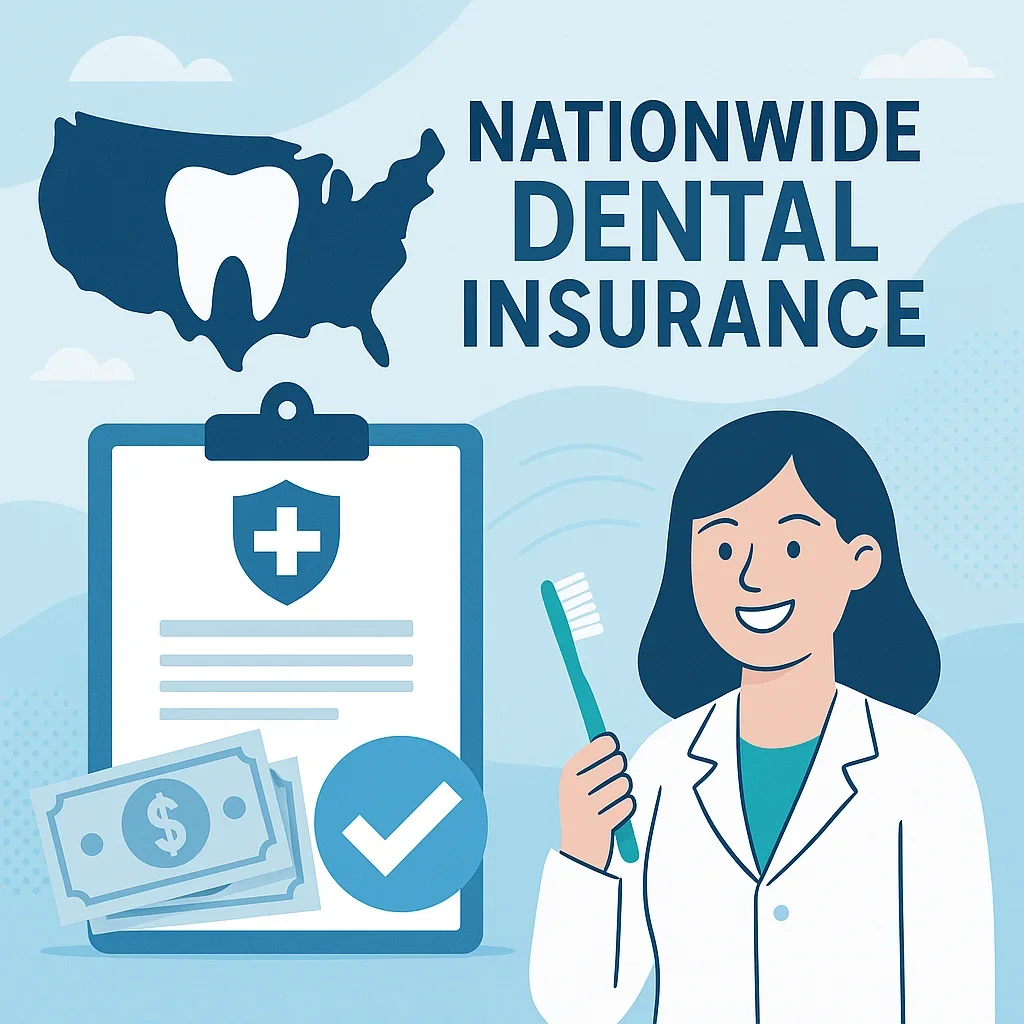
10. How Nationwide Dental Insurance Supports Long-Term Oral Health
One of the most valuable aspects of nationwide dental insurance is its role in maintaining and improving oral health over the long term. By providing consistent access to preventive care, affordable treatment options, and nationwide coverage, it helps ensure that individuals can protect their smiles for life.
Promoting Preventive Care
Regular check-ups and cleanings are the foundation of long-term dental health. Nationwide dental insurance typically covers preventive care at 100%, making it easier for policyholders to maintain healthy teeth and gums. Preventive visits help detect issues early, reducing the need for costly and invasive treatments later on.
Encouraging Early Intervention
Because nationwide dental insurance lowers the financial barrier to treatment, patients are more likely to address dental problems as soon as they arise. Early intervention for issues like cavities or gum disease prevents them from escalating into more serious and expensive conditions.
Supporting Specialized Care
From orthodontics to periodontal treatment, nationwide dental insurance often includes access to specialists. This ensures that even complex dental issues can be managed effectively, contributing to long-term oral stability and function.
Reducing Financial Stress
Unexpected dental problems can cause significant financial strain. By sharing the cost of both preventive and major services, nationwide dental insurance helps individuals and families avoid large, unplanned expenses, allowing them to focus on maintaining their oral health without financial worry.
Improving Access for Frequent Travelers
Since nationwide dental insurance offers coverage across the country, it benefits people who travel often for work or leisure. This ensures uninterrupted access to quality dental care, no matter where life takes you, which is critical for sustaining long-term oral wellness.
Encouraging Lifelong Healthy Habits
Knowing that preventive visits are covered can motivate policyholders to prioritize oral hygiene routines, such as daily brushing, flossing, and regular professional cleanings. Over time, these habits significantly reduce the risk of tooth decay, gum disease, and other dental problems.
Impact on Overall Health
Oral health is closely linked to overall health. Poor dental hygiene has been associated with conditions like heart disease, diabetes, and respiratory infections. By making dental care more accessible and affordable, nationwide dental insurance indirectly supports overall physical well-being.
Helpful Resources
To learn more about how dental insurance can improve your oral health for years to come, you can reach out via the Redent Klinik Contact Page. The American Dental Association also offers detailed resources on the link between dental and general health.
In conclusion, nationwide dental insurance is more than just a financial safety net — it’s a long-term partner in your oral health journey. By encouraging preventive care, supporting timely treatments, and ensuring nationwide access to professional services, it plays a critical role in keeping your smile healthy for a lifetime.