
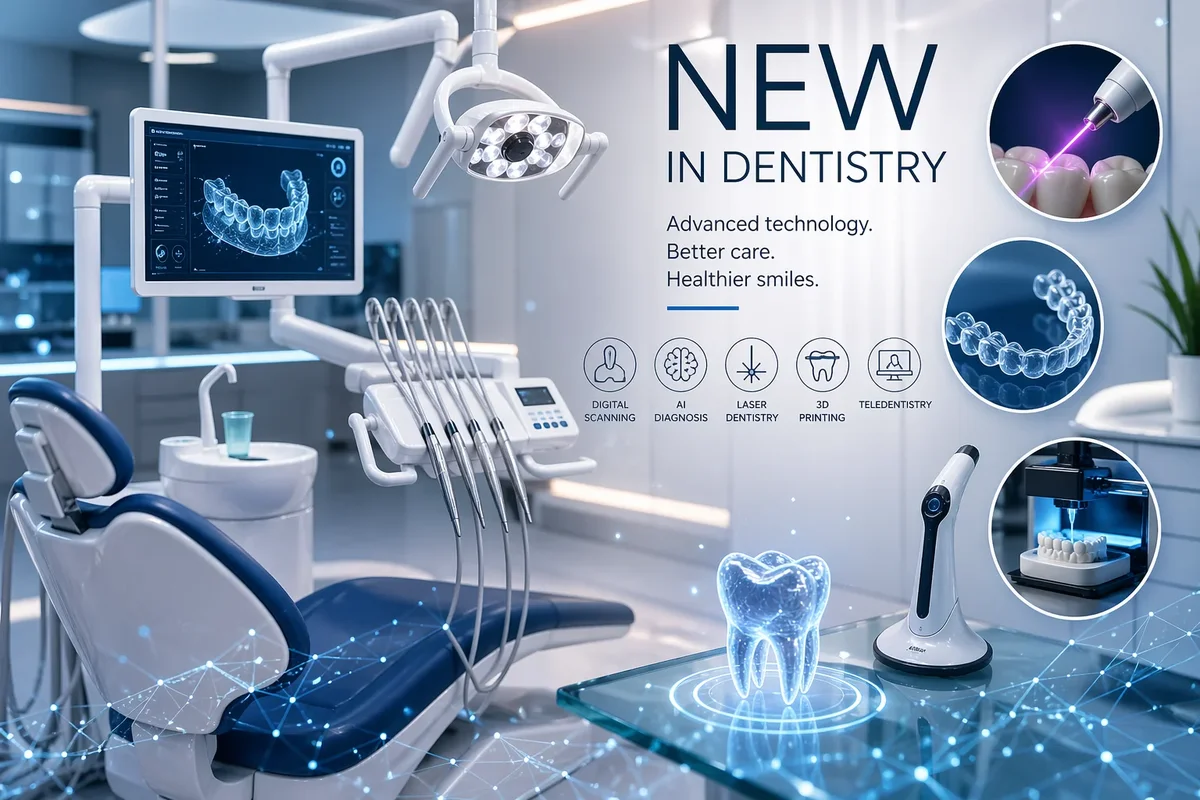
The world of oral healthcare is evolving rapidly, and understanding what is new in dentistry is more important than ever for patients seeking safer, faster, and more effective treatments. Modern dental care is no longer limited to traditional drills and manual procedures. Instead, it has embraced advanced technologies, digital workflows, and patient-focused innovations that redefine the entire experience. Today, when we talk about what is new in dentistry, we are referring to a complete transformation that improves accuracy, comfort, and long-term outcomes.
One of the most significant aspects of what is new in dentistry is the integration of digital tools. Clinics now use digital scanners instead of messy impression materials, allowing for precise 3D images of your teeth. This advancement ensures better-fitting crowns, bridges, and aligners. Patients benefit from quicker procedures and fewer appointments. The shift toward digital workflows is a clear sign of how technology is shaping what is new in dentistry today.
Another major highlight of what is new in dentistry is the rise of artificial intelligence (AI). AI-powered systems assist dentists in detecting cavities, gum disease, and even early signs of oral cancer with remarkable accuracy. These tools analyze X-rays and patient data in seconds, reducing human error and improving diagnostic precision. As a result, patients receive earlier and more effective treatment, which is a core benefit of what is new in dentistry.
Comfort is also a top priority in what is new in dentistry. Many patients avoid dental visits due to fear or anxiety, but modern innovations are changing that perception. Techniques such as laser dentistry and minimally invasive procedures reduce pain, bleeding, and recovery time. These advancements ensure that visiting the dentist is no longer a stressful experience. In fact, patient comfort is one of the defining characteristics of what is new in dentistry in the modern era.
In addition, cosmetic dentistry has seen remarkable progress. Treatments such as teeth whitening, veneers, and smile design have become more accessible and natural-looking. What is new in dentistry in this field is the ability to customize treatments based on individual facial features and preferences. Digital smile design software allows patients to preview their results before treatment even begins, making the process more transparent and satisfying.
Another important development in what is new in dentistry is the use of biocompatible materials. These materials are designed to work harmoniously with the human body, reducing the risk of allergic reactions and improving long-term success rates. Whether it’s dental implants or fillings, modern materials ensure durability and safety. This focus on health and compatibility is a key reason why patients trust what is new in dentistry today.
Preventive care has also become more advanced. Dentists now use smart tools to monitor oral health and detect issues before they become serious. This proactive approach is a major part of what is new in dentistry, helping patients avoid costly and complex treatments in the future. Education and awareness are also emphasized, empowering patients to take better care of their oral health.
Furthermore, accessibility has improved thanks to teledentistry. Patients can consult with dental professionals remotely, saving time and making care more convenient. This is especially beneficial for those who live far from clinics or have busy schedules. The convenience factor is another reason why teledentistry is considered an essential part of what is new in dentistry.
If you are considering modern dental treatments and want to experience what is truly new in dentistry, it is important to consult with a professional clinic that stays updated with the latest technologies. You can easily reach out through the Redent Klinik Contact Page to explore your options and receive personalized guidance.
For additional trusted information about dental advancements and standards, you can visit the American Dental Association, which provides up-to-date insights into innovations and best practices in oral healthcare.
In conclusion, what is new in dentistry is not just about technology—it is about improving patient experiences, enhancing treatment outcomes, and making dental care more accessible and comfortable. From digital tools to AI diagnostics and minimally invasive techniques, the future of dentistry is already here. Staying informed about what is new in dentistry allows you to make better decisions for your oral health and enjoy a healthier, more confident smile. 😊
1. Digital Dentistry: The New in Dentistry Revolution
The transformation brought by digital tools is one of the most impactful developments new in dentistry. Traditional dental procedures that once required multiple visits, uncomfortable impressions, and long waiting times are now being replaced by precise, efficient, and patient-friendly digital workflows. This shift represents a major leap forward in how dental professionals diagnose, plan, and deliver treatments. Understanding what is new in dentistry through digital innovation helps patients appreciate the speed, accuracy, and comfort they can now expect from modern clinics.
What Is Digital Dentistry and Why It Matters
Digital dentistry refers to the use of advanced technologies such as intraoral scanners, CAD/CAM systems (computer-aided design and manufacturing), and digital imaging software. These tools allow dentists to capture highly accurate 3D images of the teeth and gums without the need for messy impression materials. This is a defining feature of what is new in dentistry, as it eliminates discomfort and significantly improves precision.
For example, when creating crowns or veneers, digital scans can be instantly converted into a 3D model. This model is then used to design restorations with exact measurements, ensuring a perfect fit. This level of accuracy reduces errors and the need for adjustments, making treatments more efficient. Patients benefit from fewer appointments and faster results, which is why digital workflows are central to what is new in dentistry.
Key Technologies Driving Digital Dentistry
Several technologies are at the core of this digital revolution new in dentistry:
- Intraoral Scanners: Capture detailed 3D images of teeth and gums in seconds.
- CAD/CAM Systems: Design and manufacture dental restorations with precision.
- Digital X-rays: Provide clearer images with lower radiation exposure.
- 3D Imaging (CBCT): Offers a complete view of oral structures for advanced diagnostics.
These tools not only improve treatment outcomes but also enhance communication between dentists and patients. Visualizing treatment plans in real-time is a powerful aspect of what is new in dentistry, helping patients understand procedures and feel more confident in their decisions. 😊
Benefits of Digital Dentistry for Patients
The advantages of digital systems are one of the main reasons why they are considered essential new in dentistry. Patients today expect faster, safer, and more comfortable care, and digital dentistry delivers on all fronts.
- Improved Accuracy: Digital impressions eliminate human error and provide precise results.
- Faster Treatments: Many restorations can be completed in a single visit.
- Enhanced Comfort: No more uncomfortable impression trays.
- Better Communication: Visual tools help patients see and understand their treatment.
These benefits highlight how digital innovation is redefining patient expectations. When discussing what is new in dentistry, the focus is no longer just on treatment but also on the overall experience.
Cost Overview of Digital Dental Treatments
While digital dentistry offers numerous advantages, patients often wonder about the cost. Below is a general price range for common digital procedures new in dentistry (prices may vary depending on location and clinic):
- Digital Crown (CAD/CAM): $500 – $1,500 per tooth
- 3D Dental Scan: $100 – $300
- CBCT Imaging: $150 – $400
- Same-Day Veneers: $800 – $2,500 per tooth
Although initial costs may seem higher compared to traditional methods, the long-term value is significant. Reduced treatment time, fewer visits, and improved durability make digital solutions a smart investment in what is new in dentistry.
How Digital Dentistry Improves Clinical Outcomes
One of the most important aspects of what is new in dentistry is the improvement in clinical outcomes. Digital planning allows dentists to simulate procedures before performing them, reducing risks and increasing success rates. For example, implant placement can be guided by 3D imaging, ensuring optimal positioning and long-term stability.
Additionally, digital records make it easier to track patient progress over time. Dentists can compare past and present scans to identify changes and adjust treatments accordingly. This data-driven approach is a major advancement new in dentistry, providing a higher level of care and precision.
The Future of Digital Dentistry
Looking ahead, the role of technology will only expand. Artificial intelligence integration, cloud-based patient records, and even more advanced imaging systems are expected to become standard. These innovations will further enhance efficiency and accessibility, reinforcing the importance of digital transformation in what is new in dentistry.
If you are interested in experiencing these advanced solutions, you can explore your options by visiting the Redent Klinik Contact Page. For additional trusted information about dental standards and innovations, the American Dental Association is an excellent resource.
In conclusion, digital dentistry represents a powerful shift new in dentistry, combining precision, efficiency, and patient comfort. As technology continues to evolve, it will play an even greater role in shaping the future of oral healthcare. Embracing these innovations ensures that patients receive the highest quality care while enjoying a more convenient and comfortable dental experience. 🦷✨
2. AI-Powered Diagnostics: Smart Tools New in Dentistry
The integration of artificial intelligence (AI) is one of the most exciting advancements new in dentistry. AI-powered diagnostics are transforming how dental professionals detect, analyze, and treat oral health conditions. Unlike traditional diagnostic methods that rely heavily on human interpretation, AI systems can process vast amounts of data quickly and accurately. This shift is redefining what is truly new in dentistry, offering patients faster, more precise, and highly personalized care.
How AI Is Transforming Dental Diagnostics
AI in dentistry uses machine learning algorithms trained on thousands of dental images and clinical cases. These systems can identify patterns that may not be immediately visible to the human eye. For example, AI can analyze X-rays to detect cavities, bone loss, or early signs of gum disease with remarkable accuracy. This capability is one of the core features of what is new in dentistry, as it enhances diagnostic confidence and reduces the risk of missed conditions.
In addition, AI tools assist dentists in making data-driven decisions. By comparing a patient’s current scans with historical data, AI can predict the progression of dental issues and recommend preventive measures. This predictive approach is a significant part of what is new in dentistry, allowing for early intervention and improved long-term outcomes.
Examples of AI Applications in Dentistry
- Automated X-ray Analysis: Detects cavities, infections, and bone loss quickly.
- Oral Cancer Screening: Identifies suspicious lesions at an early stage.
- Orthodontic Planning: Predicts tooth movement for aligner treatments.
- Patient Risk Assessment: Evaluates the likelihood of future dental problems.
These applications demonstrate how AI is revolutionizing what is considered new in dentistry, making diagnostics more efficient and reliable.
Benefits of AI for Patients and Dentists
The adoption of AI-powered tools brings numerous advantages, which is why it is a key element new in dentistry. Patients benefit from quicker diagnoses and more accurate treatment plans, while dentists gain valuable support in clinical decision-making.
- Higher Accuracy: Reduces human error in interpreting diagnostic images.
- Early Detection: Identifies issues before they become severe.
- Time Efficiency: Speeds up the diagnostic process significantly.
- Personalized Care: Tailors treatments based on individual data.
These benefits highlight how AI is enhancing both the quality and efficiency of dental care. The focus on precision and prevention is a defining characteristic of what is new in dentistry.
Cost of AI-Based Dental Diagnostics
Patients often wonder about the cost of these advanced technologies. Below is a general overview of pricing for AI-supported diagnostic services new in dentistry (costs may vary by clinic and region):
- AI-Assisted X-ray Analysis: $50 – $150 per scan
- Advanced Oral Cancer Screening: $75 – $200
- 3D AI Imaging Consultation: $100 – $300
- Orthodontic AI Simulation: $200 – $500
While these services may add to the initial cost, they often reduce the need for more expensive treatments later. Early detection and accurate planning are key benefits of investing in what is new in dentistry.
How AI Improves Treatment Planning
Another critical aspect of AI new in dentistry is its role in treatment planning. AI systems can simulate different treatment scenarios, helping dentists choose the most effective approach. For instance, in implant dentistry, AI can determine the optimal placement angle and depth, minimizing risks and improving success rates.
Furthermore, AI enhances communication between dentists and patients. Visual representations and predictive models allow patients to understand their treatment plans clearly. This transparency builds trust and ensures that patients feel confident about their decisions, which is an important part of what is new in dentistry.
Ethical Considerations and Limitations
While AI offers many advantages, it is important to understand its limitations. AI should be seen as a supportive tool rather than a replacement for professional expertise. Dentists still play a crucial role in interpreting results and making final decisions. Ethical use of AI is a key consideration in what is new in dentistry, ensuring that patient data is handled securely and responsibly.
Additionally, not all clinics have access to advanced AI systems, which may create differences in the level of care. However, as technology becomes more widespread, these tools are expected to become standard in modern practices.
The Future of AI in Dentistry
The future of AI in oral healthcare looks promising. Continuous advancements in machine learning and data analysis will further improve diagnostic accuracy and treatment outcomes. Integration with other technologies, such as digital dentistry and 3D printing, will create a fully connected ecosystem. This ongoing evolution is a clear indication of how AI is shaping what is new in dentistry.
If you are interested in experiencing these advanced diagnostic tools, you can reach out through the Redent Klinik Contact Page. For additional authoritative insights into dental practices and standards, visit the American Dental Association.
In conclusion, AI-powered diagnostics represent a groundbreaking development new in dentistry. By combining speed, accuracy, and predictive capabilities, AI is transforming the way dental care is delivered. As these technologies continue to evolve, they will play an even greater role in ensuring healthier smiles and more efficient treatments for patients worldwide. 🤖🦷
3. 3D Printing in Dental Care: A Breakthrough New in Dentistry
Among the most transformative innovations new in dentistry, 3D printing stands out as a true game changer. This technology has revolutionized how dental appliances, restorations, and surgical tools are designed and produced. Instead of relying on traditional laboratory processes that take days or even weeks, 3D printing enables dentists to create precise dental solutions in a matter of hours. This efficiency and accuracy define what is truly new in dentistry today.
What Is 3D Printing in Dentistry?
3D printing, also known as additive manufacturing, involves creating objects layer by layer based on digital designs. In dentistry, this process starts with a digital scan of the patient’s mouth, which is then converted into a 3D model. Using specialized printers, dental professionals can produce crowns, bridges, aligners, surgical guides, and even dentures with exceptional precision. This workflow is a key example of what is new in dentistry, as it eliminates many of the limitations of traditional fabrication methods.
The ability to produce custom dental solutions on-site or within a short timeframe significantly enhances patient care. Patients no longer need to wait weeks for their restorations, making treatments faster and more convenient. This time-saving advantage is one of the main reasons why 3D printing is considered a cornerstone of what is new in dentistry.
Key Applications of 3D Printing in Dentistry
- Dental Crowns and Bridges: Created with high precision for a perfect fit.
- Clear Aligners: Custom-made orthodontic devices produced efficiently.
- Surgical Guides: Improve accuracy in implant placement.
- Dentures: Faster production with improved comfort and aesthetics.
- Dental Models: Used for treatment planning and patient education.
These applications highlight how versatile and impactful 3D printing is within the field. Each use case demonstrates the growing importance of innovation new in dentistry.
Advantages of 3D Printing for Patients
The benefits of 3D printing are significant, making it one of the most valuable advancements new in dentistry. Patients experience improved comfort, faster treatments, and better outcomes compared to traditional methods.
- Speed: Many dental appliances can be produced within a single day.
- Precision: Digital designs ensure accurate and consistent results.
- Customization: Each product is tailored to the patient’s unique anatomy.
- Reduced Errors: Minimizes human error in the manufacturing process.
These advantages reflect the patient-centered approach that defines what is new in dentistry. By combining technology with personalized care, 3D printing enhances both efficiency and satisfaction.
Cost of 3D Printed Dental Solutions
While 3D printing offers advanced capabilities, patients often want to understand the cost implications. Below is a general overview of pricing for 3D printed dental treatments new in dentistry (prices may vary depending on the clinic and location):
- 3D Printed Crown: $400 – $1,200 per tooth
- Clear Aligner Set: $2,000 – $6,000
- 3D Printed Dentures: $1,000 – $3,500
- Surgical Guide for Implants: $150 – $500
Although the initial investment may seem higher, the long-term benefits often outweigh the costs. Faster production times, fewer appointments, and improved durability make 3D printing a valuable part of what is new in dentistry.
Impact on Dental Laboratories and Clinics
3D printing is not only changing patient experiences but also transforming how dental clinics and laboratories operate. Many clinics now have in-house printing capabilities, reducing the need for external labs. This shift improves efficiency and allows for better quality control. The integration of digital workflows and 3D printing is a defining feature of what is new in dentistry, streamlining the entire treatment process.
Additionally, dental professionals can quickly modify designs and reprint them if needed, ensuring optimal results. This flexibility is a major advantage compared to traditional methods, where adjustments can be time-consuming and costly.
Future Trends in 3D Printing Dentistry
The future of 3D printing in oral healthcare is incredibly promising. Researchers are exploring the possibility of printing biocompatible tissues and even fully functional teeth. While these advancements are still in development, they represent the next frontier of what is new in dentistry. As materials and technology continue to improve, the potential applications will expand even further.
Integration with artificial intelligence and digital dentistry systems will also enhance precision and efficiency. This interconnected approach will create a seamless experience for both patients and practitioners, reinforcing the importance of innovation new in dentistry.
Where to Experience 3D Printing Dentistry
If you are interested in benefiting from these advanced technologies, choosing a modern clinic is essential. You can explore personalized treatment options by visiting the Redent Klinik Contact Page. For additional trusted information about dental standards and innovations, the American Dental Association provides valuable resources.
In conclusion, 3D printing represents a major breakthrough new in dentistry, offering unmatched speed, precision, and customization. As this technology continues to evolve, it will play an even greater role in shaping the future of dental care. Patients who embrace these innovations can expect faster treatments, improved comfort, and better overall outcomes. 🖨️🦷✨
4. Laser Dentistry: Pain-Free Treatments New in Dentistry
One of the most patient-friendly innovations new in dentistry is the widespread adoption of laser technology. Laser dentistry is transforming how many dental procedures are performed by offering a minimally invasive, precise, and often pain-free alternative to traditional tools. For patients who feel anxious about drills, needles, or discomfort, this advancement represents a major breakthrough in what is truly new in dentistry. The goal is simple: deliver effective treatments while maximizing comfort and reducing recovery time.
What Is Laser Dentistry?
Laser dentistry involves the use of highly focused light beams to treat both hard and soft tissues in the mouth. These lasers can cut, shape, or remove tissue with extreme precision. This approach is a key component of what is new in dentistry, as it minimizes damage to surrounding areas and significantly reduces bleeding and swelling.
There are two main types of dental lasers:
- Hard Tissue Lasers: Used for teeth-related procedures such as cavity removal and enamel shaping.
- Soft Tissue Lasers: Used for gum treatments, including reshaping and treating infections.
Both types contribute to more comfortable procedures, making laser dentistry an essential part of what is new in dentistry today.
Common Procedures Using Laser Technology
- Cavity Treatment: Removes decay without the need for traditional drilling.
- Gum Disease Therapy: Eliminates bacteria and infected tissue.
- Teeth Whitening: Enhances results by activating whitening agents.
- Frenectomy: Corrects tongue-tie or lip-tie conditions.
- Biopsies and Lesion Removal: Performed with minimal discomfort.
These procedures demonstrate how versatile and effective laser systems are in redefining what is considered new in dentistry.
Benefits of Laser Dentistry for Patients
The advantages of laser dentistry are one of the main reasons it is rapidly becoming a standard practice new in dentistry. Patients experience a higher level of comfort and convenience compared to traditional methods.
- Pain Reduction: Many procedures require little or no anesthesia.
- Minimal Bleeding: Lasers seal blood vessels during treatment.
- Faster Healing: Reduced tissue damage leads to quicker recovery.
- Lower Infection Risk: Lasers sterilize the treatment area.
- Less Anxiety: No drilling sounds or vibrations.
These benefits highlight why laser dentistry is a key feature of what is new in dentistry. Patients who previously avoided dental visits are now more willing to seek treatment due to improved comfort.
Cost of Laser Dental Treatments
Patients often ask about the cost of procedures involving laser technology. Below is a general price range for common laser treatments new in dentistry (prices may vary depending on location and clinic):
- Laser Cavity Treatment: $150 – $400 per tooth
- Laser Gum Therapy: $500 – $3,000 depending on severity
- Laser Teeth Whitening: $300 – $1,000 per session
- Soft Tissue Surgery: $200 – $800
While laser procedures may sometimes cost slightly more than traditional methods, the benefits—such as reduced pain, fewer visits, and faster healing—make them a valuable investment in what is new in dentistry.
How Laser Dentistry Improves Clinical Precision
Precision is one of the defining features of laser technology new in dentistry. Dentists can target specific areas without affecting surrounding tissues, which is especially important in delicate procedures. This accuracy reduces the risk of complications and improves overall treatment outcomes.
Additionally, lasers allow for better control during procedures, enabling dentists to perform treatments with greater confidence. This level of precision is a significant advancement in what is new in dentistry, ensuring that patients receive the highest quality care.
Limitations of Laser Dentistry
Despite its many advantages, laser dentistry is not suitable for all procedures. For example, it may not be effective for certain types of fillings or complex restorations. Dentists must evaluate each case individually to determine the best approach. Understanding these limitations is an important aspect of what is new in dentistry, ensuring that technology is used appropriately.
Additionally, not all dental clinics are equipped with advanced laser systems, which may affect availability. However, as technology becomes more widespread, access to laser treatments is expected to increase significantly.
The Future of Laser Dentistry
The future of laser technology in oral healthcare is promising. Continuous improvements in laser systems will make them even more efficient and versatile. Integration with digital dentistry and AI tools will further enhance precision and treatment planning. These developments will strengthen the role of lasers in shaping what is new in dentistry.
As research progresses, new applications for lasers are expected to emerge, expanding their use in both preventive and restorative care. This ongoing innovation ensures that laser dentistry will remain a key component of what is new in dentistry for years to come.
Where to Experience Laser Dentistry
If you are interested in experiencing pain-free dental treatments, choosing a clinic that offers modern laser technology is essential. You can explore your options by visiting the Redent Klinik Contact Page. For additional authoritative information about dental innovations and standards, visit the American Dental Association.
In conclusion, laser dentistry represents a major advancement new in dentistry, combining comfort, precision, and efficiency. By reducing pain and improving recovery times, it is changing how patients perceive dental care. Embracing this technology allows patients to enjoy a more relaxed and positive dental experience while benefiting from cutting-edge treatments. 😄🦷✨
5. Invisible Aligners: Modern Orthodontics New in Dentistry
Orthodontic treatment has undergone a remarkable transformation, and one of the most noticeable advancements new in dentistry is the rise of invisible aligners. These clear, removable trays have revolutionized how patients straighten their teeth, offering a discreet and comfortable alternative to traditional metal braces. For adults and teenagers who want to improve their smile without visible wires, invisible aligners represent a key innovation in what is truly new in dentistry.
What Are Invisible Aligners?
Invisible aligners are custom-made, transparent trays designed to gradually shift teeth into their desired position. Each set of aligners is worn for a specific period, usually one to two weeks, before moving on to the next set in the series. This step-by-step process is planned digitally, making it a perfect example of the integration of technology new in dentistry.
Unlike traditional braces, aligners are removable, allowing patients to eat, drink, and clean their teeth without restrictions. This flexibility is one of the main reasons why invisible aligners are considered a major part of what is new in dentistry.
How Invisible Aligners Work
- Initial Scan: A digital 3D scan of the teeth is created.
- Treatment Planning: Software designs a step-by-step movement plan.
- Custom Aligners: A series of aligners is manufactured.
- Progress Monitoring: Regular check-ups ensure proper alignment.
This structured and predictable process highlights how precision and customization define what is new in dentistry.
Benefits of Invisible Aligners
Invisible aligners offer numerous advantages, making them one of the most popular treatments new in dentistry. Patients are increasingly choosing aligners due to their convenience and aesthetic appeal.
- Discreet Appearance: Nearly invisible when worn.
- Comfort: No metal brackets or wires causing irritation.
- Removability: Easy to take out for meals and oral hygiene.
- Predictable Results: Digital planning ensures accurate outcomes.
- Fewer Dental Visits: Less frequent adjustments compared to braces.
These benefits demonstrate why aligners are a leading example of innovation new in dentistry. Patients can achieve straighter teeth without compromising their daily lifestyle.
Cost of Invisible Aligner Treatment
Understanding the cost is important for patients considering orthodontic treatment. Below is a general price range for invisible aligners new in dentistry (prices may vary depending on complexity and location):
- Basic Cases: $2,000 – $4,000
- Moderate Cases: $3,500 – $6,000
- Complex Cases: $5,000 – $8,000+
While aligners may appear more expensive than traditional braces, the added comfort, aesthetics, and convenience often justify the investment. This value-driven approach is part of what defines what is new in dentistry.
Who Is a Good Candidate for Aligners?
Invisible aligners are suitable for a wide range of orthodontic issues, including mild to moderate crowding, spacing, and bite problems. However, severe cases may still require traditional braces or combined treatments. Determining candidacy is an essential step in the process new in dentistry, ensuring that each patient receives the most effective solution.
Patients who are disciplined and committed to wearing aligners for 20–22 hours per day tend to achieve the best results. This level of responsibility is important for maximizing the benefits of what is new in dentistry.
Comparison with Traditional Braces
While traditional braces remain effective, invisible aligners offer several modern advantages new in dentistry:
- Aesthetics: Aligners are clear, while braces are visible.
- Comfort: No sharp edges or wires.
- Maintenance: Easier to clean teeth and maintain oral hygiene.
- Diet Freedom: No food restrictions.
This comparison highlights why many patients prefer aligners as part of what is new in dentistry. The focus is not only on effectiveness but also on improving the overall patient experience.
Technological Integration in Aligner Therapy
Invisible aligners rely heavily on digital dentistry and AI-based planning tools. These technologies allow dentists to simulate the entire treatment process before it begins. Patients can even preview their future smile, which is a powerful feature of what is new in dentistry.
Additionally, some systems use mobile apps to track progress and remind patients to wear their aligners. This level of connectivity and convenience is a clear indicator of how innovation is shaping what is new in dentistry.
Future of Invisible Aligners
The future of aligner technology is promising, with continuous improvements in materials and design. Researchers are developing aligners that work faster and more efficiently, reducing treatment time. Integration with AI and 3D printing will further enhance customization and accuracy, reinforcing the role of aligners in what is new in dentistry.
As awareness grows and technology advances, invisible aligners are expected to become even more accessible and widely used. This trend ensures that they will remain a key component of modern orthodontics.
Where to Start Your Aligner Journey
If you are considering invisible aligners, consulting a modern dental clinic is the first step. You can explore personalized treatment options through the Redent Klinik Contact Page. For additional trusted information about orthodontic care and standards, visit the American Dental Association.
In conclusion, invisible aligners represent a major advancement new in dentistry, combining aesthetics, comfort, and cutting-edge technology. They provide a modern solution for achieving a straighter smile without the drawbacks of traditional braces. By embracing this innovation, patients can enjoy a more convenient and confident orthodontic experience. 😁🦷✨
6. Minimally Invasive Techniques: Patient Comfort New in Dentistry
One of the most patient-centered advancements new in dentistry is the shift toward minimally invasive techniques. Modern dental care is no longer about aggressive treatments that remove large amounts of healthy tooth structure. Instead, the focus is on preserving as much natural tissue as possible while effectively treating the problem. This philosophy represents a major evolution in what is truly new in dentistry, combining advanced technology with a conservative approach to care.
What Are Minimally Invasive Dental Techniques?
Minimally invasive dentistry involves diagnosing and treating dental issues at an early stage using techniques that reduce damage to healthy tissues. Dentists use advanced tools such as digital imaging, lasers, and air abrasion systems to target only the affected areas. This precise approach is a key feature of what is new in dentistry, ensuring that treatments are both effective and gentle.
For example, instead of removing a large portion of a tooth for a filling, dentists can now use micro-preparation techniques to treat only the decayed area. This reduces the need for extensive restorations and helps maintain the tooth’s natural strength. Such advancements clearly illustrate the importance of innovation new in dentistry.
Core Principles of Minimally Invasive Dentistry
- Early Detection: Identifying problems before they become severe.
- Prevention: Using treatments to stop disease progression.
- Tissue Preservation: Maintaining as much natural structure as possible.
- Precision Treatment: Targeting only affected areas.
These principles define the modern approach to care and highlight why minimally invasive methods are central to what is new in dentistry.
Technologies Supporting Minimally Invasive Care
Several advanced technologies make minimally invasive treatments possible, reinforcing their role new in dentistry:
- Laser Dentistry: Removes decay and treats gums with minimal damage.
- Air Abrasion: Uses a fine stream of particles to remove decay without drilling.
- Digital Imaging: Detects issues at an early stage.
- Fluorescence Detection Tools: Identifies hidden cavities.
These tools allow dentists to perform procedures with unmatched accuracy and minimal discomfort. This technological integration is a defining characteristic of what is new in dentistry.
Benefits for Patients
The advantages of minimally invasive techniques are significant, making them a cornerstone of patient care new in dentistry. Patients experience less pain, faster recovery, and better long-term outcomes.
- Reduced Pain: Less need for anesthesia in many cases.
- Faster Healing: Minimal tissue damage leads to quicker recovery.
- Lower Risk of Complications: Preserving natural structures improves durability.
- Improved Comfort: Less invasive procedures reduce anxiety.
These benefits demonstrate how the patient experience has become a priority in what is new in dentistry. Comfort and efficiency are now as important as effectiveness.
Cost of Minimally Invasive Treatments
Patients often wonder about the cost of these advanced procedures. Below is a general overview of pricing for minimally invasive treatments new in dentistry (costs may vary by clinic and location):
- Air Abrasion Cavity Treatment: $100 – $300 per tooth
- Laser Gum Therapy: $500 – $2,500
- Early Decay Treatment (Resin Infiltration): $200 – $600
- Preventive Sealants: $30 – $80 per tooth
Although some procedures may have higher upfront costs, they often prevent more complex and expensive treatments in the future. This preventive approach is a key benefit of investing in what is new in dentistry.
Comparison with Traditional Methods
Traditional dental treatments often involve removing significant portions of healthy tissue to ensure all decay is eliminated. In contrast, minimally invasive techniques focus on precision and preservation. This difference highlights why these methods are a major advancement new in dentistry.
For example, instead of using a drill to remove decay, air abrasion can gently eliminate only the affected area. Similarly, early-stage cavities can be treated without drilling at all. These innovations reduce discomfort and improve patient satisfaction, reinforcing the importance of what is new in dentistry.
Role in Preventive Dentistry
Minimally invasive techniques are closely linked to preventive care. By detecting and treating issues early, dentists can stop problems before they require extensive intervention. This proactive approach is a defining feature of what is new in dentistry, emphasizing long-term oral health rather than reactive treatment.
Patients are also encouraged to maintain good oral hygiene and attend regular check-ups. Education and prevention play a crucial role in maximizing the benefits of these techniques, making them an integral part of what is new in dentistry.
Future Developments in Minimally Invasive Dentistry
The future of minimally invasive care looks promising, with ongoing research focused on even more advanced techniques. Innovations such as nanotechnology and biomimetic materials are expected to further enhance precision and effectiveness. These developments will continue to shape what is new in dentistry, offering even better outcomes for patients.
As technology evolves, minimally invasive methods will become more accessible and widely adopted. This trend ensures that patients can benefit from safer, more comfortable treatments in the years to come.
Where to Experience Minimally Invasive Dentistry
If you are interested in modern, patient-friendly dental care, choosing a clinic that specializes in minimally invasive techniques is essential. You can explore your options by visiting the Redent Klinik Contact Page. For additional trusted information about dental practices and innovations, visit the American Dental Association.
In conclusion, minimally invasive techniques represent a significant advancement new in dentistry, focusing on preserving natural structures while delivering effective treatment. By prioritizing comfort, precision, and prevention, these methods are redefining the dental experience. Patients who embrace this approach can enjoy healthier smiles with less discomfort and greater confidence. 😊🦷✨
7. Regenerative Dentistry: Healing Innovations New in Dentistry
One of the most exciting scientific advancements new in dentistry is regenerative dentistry. Unlike traditional treatments that focus on repairing or replacing damaged structures, regenerative approaches aim to restore natural tissues by stimulating the body’s own healing processes. This revolutionary concept is redefining what is possible in oral healthcare and represents a major leap forward in what is truly new in dentistry.
What Is Regenerative Dentistry?
Regenerative dentistry is a field that combines biology, engineering, and advanced materials to repair or regrow damaged dental tissues such as enamel, dentin, pulp, and even bone. This approach is fundamentally different from conventional methods, which often rely on artificial materials. Instead, regenerative techniques encourage the body to heal itself, making it a cornerstone of what is new in dentistry.
For example, instead of performing a root canal to remove infected pulp, regenerative endodontics aims to regenerate healthy pulp tissue inside the tooth. This not only preserves the tooth but also restores its natural function. Such breakthroughs highlight the transformative potential of innovation new in dentistry.
Key Areas of Regenerative Dentistry
- Stem Cell Therapy: Uses stem cells to regenerate dental tissues.
- Tissue Engineering: Combines scaffolds and growth factors to rebuild structures.
- Bone Regeneration: Restores lost bone for implant placement.
- Enamel Repair: Research focuses on regenerating enamel naturally.
These areas demonstrate how regenerative science is pushing the boundaries of what is possible new in dentistry.
How Stem Cells Are Used in Dentistry
Stem cells play a crucial role in regenerative treatments new in dentistry. These unique cells have the ability to develop into different types of tissues, making them ideal for repairing damaged areas. In dental applications, stem cells can be sourced from dental pulp, bone marrow, or other tissues.
Once introduced into a damaged area, stem cells can stimulate the growth of new tissue, such as dentin or bone. This process not only repairs the damage but also restores functionality. The use of stem cells is one of the most promising developments new in dentistry, offering hope for treatments that were once considered impossible.
Benefits of Regenerative Dentistry
The advantages of regenerative approaches are significant, making them a key focus new in dentistry. Patients benefit from treatments that are more natural, durable, and biologically compatible.
- Natural Healing: Encourages the body to repair itself.
- Long-Term Durability: Regenerated tissues integrate better with the body.
- Reduced Need for Artificial Materials: Minimizes reliance on synthetic restorations.
- Improved Functionality: Restores the original structure and strength of teeth.
These benefits highlight why regenerative dentistry is considered one of the most advanced innovations new in dentistry.
Cost of Regenerative Dental Treatments
Since regenerative dentistry is still an emerging field, costs can vary widely depending on the procedure and availability. Below is a general overview of pricing for regenerative treatments new in dentistry:
- Bone Grafting: $300 – $3,000 depending on complexity
- Guided Tissue Regeneration: $500 – $2,500
- Stem Cell-Based Procedures: $1,000 – $5,000+
- Regenerative Endodontics: $800 – $2,000
While these treatments may have higher initial costs, their long-term benefits often outweigh the investment. The ability to restore natural tissues reduces the need for repeated procedures, making regenerative care a valuable part of what is new in dentistry.
Applications in Implant Dentistry
Regenerative techniques are particularly important in implant dentistry. Bone loss is a common issue that can prevent successful implant placement. However, with advanced bone regeneration methods, dentists can rebuild the jawbone and create a stable foundation for implants. This capability is a major advancement new in dentistry, expanding treatment options for patients who were previously not candidates for implants.
Additionally, regenerative approaches improve the integration of implants with surrounding tissues, increasing their success rate and longevity. This integration is a key advantage of combining regenerative science with modern implantology, further emphasizing what is new in dentistry.
Challenges and Limitations
Despite its potential, regenerative dentistry is still evolving. Some treatments are not yet widely available, and more research is needed to refine techniques and ensure consistent results. These limitations are important to consider when exploring options new in dentistry.
However, ongoing advancements in biotechnology and clinical research are rapidly addressing these challenges. As the field matures, regenerative treatments are expected to become more accessible and affordable.
The Future of Regenerative Dentistry
The future of regenerative dentistry is incredibly promising. Scientists are working on technologies that could allow for the complete regeneration of teeth, eliminating the need for implants or dentures. While this may still be years away, it represents the ultimate vision of what is new in dentistry.
Integration with digital dentistry and AI will further enhance precision and outcomes. This combination of technologies will create a holistic approach to oral healthcare, ensuring that patients receive the most advanced treatments available.
Where to Explore Regenerative Dental Treatments
If you are interested in advanced healing solutions, consulting a modern dental clinic is essential. You can explore personalized treatment options through the Redent Klinik Contact Page. For additional trusted information about dental innovations and standards, visit the American Dental Association.
In conclusion, regenerative dentistry represents a groundbreaking advancement new in dentistry, focusing on restoring natural tissues and improving long-term outcomes. By harnessing the body’s healing potential, this innovative approach is transforming the future of oral healthcare. Patients who embrace these developments can look forward to more natural, effective, and lasting solutions for their dental needs. 🌱🦷✨
8. Teledentistry: Remote Care Trends New in Dentistry
One of the most convenient and rapidly growing innovations new in dentistry is teledentistry. This modern approach allows patients to connect with dental professionals remotely using digital communication tools such as video calls, mobile apps, and online platforms. In today’s fast-paced world, accessibility and convenience are key, and teledentistry is a perfect example of how technology is shaping what is truly new in dentistry. It bridges the gap between patients and dentists, making oral healthcare more accessible than ever before.
What Is Teledentistry?
Teledentistry is a branch of telehealth that focuses specifically on dental care. It enables dentists to evaluate, diagnose, and provide guidance to patients without requiring an in-person visit. This approach is a major part of what is new in dentistry, as it expands access to care for individuals who may face barriers such as distance, mobility issues, or busy schedules.
Through secure online platforms, patients can share photos, videos, and medical histories with their dentist. This information allows professionals to assess oral health conditions and recommend appropriate treatments. While not all procedures can be performed remotely, teledentistry is an essential tool for consultations, follow-ups, and preventive care, reinforcing its role in what is new in dentistry.
Types of Teledentistry Services
- Live Video Consultations: Real-time communication with a dentist.
- Store-and-Forward: Sending images and data for later evaluation.
- Remote Monitoring: Tracking treatment progress digitally.
- Mobile Health Apps: Tools for managing oral health and appointments.
These services highlight the versatility of teledentistry and its growing importance in what is considered new in dentistry.
Benefits of Teledentistry for Patients
The advantages of teledentistry are significant, making it a key innovation new in dentistry. Patients can receive professional advice and support without leaving their homes, saving both time and effort.
- Convenience: Access dental care from anywhere.
- Time-Saving: Eliminates the need for travel and waiting rooms.
- Early Detection: Identify issues before they worsen.
- Cost-Effective: Reduces unnecessary in-person visits.
- Improved Access: Helps patients in remote or underserved areas.
These benefits demonstrate how patient-centered care is a priority in what is new in dentistry. Teledentistry ensures that more people can maintain their oral health with ease.
Cost of Teledentistry Services
Teledentistry is often more affordable than traditional visits, making it an attractive option for many patients. Below is a general overview of pricing for remote dental services new in dentistry:
- Online Consultation: $30 – $100 per session
- Remote Treatment Monitoring: $50 – $200 per month
- Follow-Up Virtual Visit: $20 – $80
- Initial Assessment with Digital Review: $50 – $150
These lower costs make teledentistry an accessible entry point into modern care new in dentistry, especially for preventive and minor concerns.
Applications in Orthodontics and Preventive Care
Teledentistry is particularly useful in orthodontics, where patients can send regular updates of their aligner progress. Dentists can monitor tooth movement and make adjustments without requiring frequent office visits. This efficiency is a strong example of how innovation is redefining what is new in dentistry.
In preventive care, teledentistry allows dentists to educate patients about oral hygiene, diet, and habits. Early advice can prevent serious issues, reducing the need for complex treatments. This proactive approach is a defining feature of what is new in dentistry.
Limitations of Teledentistry
While teledentistry offers many benefits, it does have limitations. Physical procedures such as fillings, extractions, or cleanings still require in-person visits. Dentists must carefully evaluate whether a condition can be managed remotely or needs direct treatment. Understanding these limitations is an important aspect of what is new in dentistry, ensuring that patients receive appropriate care.
Additionally, the quality of remote consultations depends on the clarity of images and communication. Patients must provide accurate information to ensure effective diagnosis and advice.
Technology Behind Teledentistry
Teledentistry relies on secure communication platforms, cloud-based data storage, and mobile applications. These technologies ensure that patient information is protected while enabling seamless interaction. The integration of these tools is a key factor in the growth of what is new in dentistry.
Some platforms also incorporate artificial intelligence to assist in preliminary assessments, further enhancing efficiency. This combination of technologies demonstrates how interconnected systems are shaping what is new in dentistry.
The Future of Teledentistry
The future of teledentistry is bright, with continuous advancements expected in both technology and accessibility. As internet connectivity improves and digital tools become more sophisticated, remote dental care will become even more effective. This evolution will further solidify teledentistry as a vital component of what is new in dentistry.
Integration with wearable devices and smart oral health tools may also allow real-time monitoring of dental conditions. These innovations will provide even greater convenience and precision, enhancing the overall patient experience.
Where to Access Teledentistry Services
If you are interested in remote dental care, choosing a modern clinic that offers teledentistry services is essential. You can explore your options by visiting the Redent Klinik Contact Page. For additional authoritative information about dental practices and innovations, visit the American Dental Association.
In conclusion, teledentistry represents a significant advancement new in dentistry, providing convenient, accessible, and cost-effective care. By leveraging digital technology, it allows patients to stay connected with their dentists and maintain their oral health more efficiently. As this field continues to grow, it will play an increasingly important role in the future of dental care. 📱🦷✨
9. Biocompatible Materials: Safer Solutions New in Dentistry
One of the most important scientific advancements new in dentistry is the development and widespread use of biocompatible materials. These materials are specifically designed to work harmoniously with the human body, reducing the risk of allergic reactions, inflammation, or long-term complications. In modern dental care, safety and durability are just as important as aesthetics, and biocompatible solutions are a perfect representation of what is truly new in dentistry.
What Are Biocompatible Dental Materials?
Biocompatible materials are substances that can be used inside the body without causing harm. In dentistry, these materials are used for fillings, crowns, implants, and other restorations. Unlike older materials that may contain metals or chemicals that can irritate tissues, modern alternatives are designed to integrate naturally with the body. This shift is a major step forward new in dentistry, ensuring that treatments are both effective and safe.
Examples of commonly used biocompatible materials include zirconia, ceramic composites, and titanium. These materials not only provide excellent strength and durability but also offer a natural appearance, making them ideal for both functional and cosmetic treatments. This combination of safety and aesthetics is a defining feature of what is new in dentistry.
Types of Biocompatible Materials Used in Dentistry
- Zirconia: A strong, metal-free material used for crowns and bridges.
- Titanium: Widely used for dental implants due to its excellent compatibility with bone.
- Composite Resins: Tooth-colored materials used for fillings and restorations.
- Ceramics: Provide natural aesthetics and durability.
These materials highlight the advancements in material science that are shaping what is considered new in dentistry.
Benefits of Biocompatible Materials
The use of biocompatible materials offers numerous advantages, making them a key component new in dentistry. Patients can expect safer, longer-lasting, and more aesthetically pleasing results.
- Reduced Allergic Reactions: Suitable for patients sensitive to metals.
- Improved Tissue Integration: Materials bond naturally with surrounding tissues.
- Enhanced Aesthetics: Tooth-colored options provide a natural look.
- Durability: High resistance to wear and fracture.
These benefits demonstrate why biocompatible materials are becoming the standard in what is new in dentistry. Patients no longer have to compromise between safety and appearance.
Cost of Biocompatible Dental Treatments
Patients often consider cost when choosing materials for their dental treatments. Below is a general overview of pricing for biocompatible solutions new in dentistry (costs may vary depending on location and complexity):
- Zirconia Crown: $800 – $2,500 per tooth
- Titanium Dental Implant: $1,500 – $4,000 per implant
- Composite Filling: $100 – $400 per tooth
- All-Ceramic Veneers: $800 – $2,500 per tooth
Although these materials may have higher upfront costs compared to traditional options, their long-term benefits often justify the investment. Reduced complications and longer lifespan make them a valuable choice in what is new in dentistry.
Why Biocompatibility Matters in Dentistry
Biocompatibility is essential for ensuring that dental treatments do not negatively affect overall health. Materials that interact poorly with the body can lead to inflammation, infection, or failure of the restoration. By using advanced materials, dentists can minimize these risks, which is a critical aspect of what is new in dentistry.
Additionally, biocompatible materials support better healing and integration. For example, titanium implants fuse with the jawbone through a process called osseointegration, creating a stable and long-lasting foundation. This biological compatibility is a key advantage of modern materials new in dentistry.
Comparison with Traditional Materials
Traditional dental materials, such as amalgam fillings or metal crowns, have been used for decades but may not offer the same level of compatibility or aesthetics. In contrast, modern materials are designed to meet both functional and cosmetic needs. This evolution highlights the progress being made new in dentistry.
For instance, while amalgam fillings are durable, they are noticeable and may contain mercury. Composite resins, on the other hand, are tooth-colored and blend seamlessly with natural teeth. This shift toward more patient-friendly solutions is a defining characteristic of what is new in dentistry.
Environmental and Health Considerations
Biocompatible materials are not only safer for patients but also more environmentally friendly. Many modern materials are designed to reduce waste and minimize environmental impact. This sustainability aspect is becoming increasingly important in what is new in dentistry, as healthcare providers aim to adopt more eco-friendly practices.
Patients are also becoming more aware of the materials used in their treatments, leading to a growing demand for safer and more sustainable options. This trend is driving further innovation in material science, ensuring that what is new in dentistry continues to evolve.
The Future of Biocompatible Materials
The future of dental materials is focused on even greater compatibility and functionality. Researchers are developing materials that mimic natural tooth structure more closely and promote tissue regeneration. These advancements will further enhance the effectiveness of treatments new in dentistry.
Integration with digital dentistry and 3D printing will also allow for highly customized solutions tailored to each patient. This combination of technologies will create a new standard of care, reinforcing the importance of innovation new in dentistry.
Where to Access Advanced Dental Materials
If you are interested in safe and modern dental treatments, choosing a clinic that uses biocompatible materials is essential. You can explore your options by visiting the Redent Klinik Contact Page. For additional trusted information about dental standards and innovations, visit the American Dental Association.
In conclusion, biocompatible materials represent a crucial advancement new in dentistry, offering safer, more durable, and aesthetically pleasing solutions. By prioritizing health and compatibility, these materials are transforming the way dental treatments are performed. Patients who choose modern materials can enjoy better outcomes, improved comfort, and long-lasting results. 🦷✨