
Visiting a new patient dentist for the first time can feel both exciting and a little nerve-wracking. Whether you’ve moved to a new area, changed insurance providers, or haven’t seen a dentist in years, your first dental visit sets the foundation for your oral health journey. In this comprehensive guide, we’ll explore every detail of what to expect during your first appointment — from paperwork and dental exams to professional cleaning and treatment planning. 🦷
The role of a new patient dentist goes beyond checking teeth; it’s about building trust, assessing your overall oral health, and understanding your medical and dental history. Most people underestimate how crucial this first visit is. It’s not just a quick look at your teeth — it’s a structured, informative session designed to create a customized care plan tailored to your needs. In many cases, the dentist also evaluates your bite alignment, gum health, and early signs of oral diseases.
When you visit a new patient dentist, the process typically starts with a thorough consultation. You’ll complete health forms detailing medical conditions, allergies, and any ongoing medications. This helps the dentist understand potential connections between your general health and oral health. For example, conditions like diabetes, hypertension, or osteoporosis can affect your dental treatment and recovery. Being transparent during this step ensures a safe and effective treatment plan.
Once the paperwork is complete, you’ll move on to the clinical examination. A new patient dentist uses this opportunity to establish a baseline of your oral condition. Expect the dentist to evaluate your teeth for cavities, check your gums for signs of inflammation or bleeding, and assess the health of soft tissues inside your mouth. Modern clinics often use digital intraoral cameras and X-rays to get a clear picture of underlying dental issues that may not be visible to the naked eye. These advanced diagnostic tools help the dentist detect early decay, bone loss, or impacted teeth before they cause major problems.
Another crucial part of your first visit involves a dental cleaning. A professional cleaning (known as prophylaxis) removes plaque and tartar buildup that regular brushing cannot eliminate. The hygienist may polish your teeth and apply fluoride treatment to strengthen enamel and prevent future decay. If you experience gum bleeding or discomfort during cleaning, don’t worry — it’s a common sign that your gums are adjusting to professional care after a long gap between visits.
After your cleaning, your new patient dentist will discuss the results of your examination. This is the perfect time to ask questions about your oral hygiene routine, diet, or any concerns like tooth sensitivity or bad breath. The dentist may provide personalized recommendations, such as switching to a fluoride toothpaste, using an electric toothbrush, or scheduling follow-up visits for specific treatments like fillings or whitening. Remember, your dentist’s main goal is prevention — helping you maintain a healthy smile that lasts a lifetime. 😁
If any issues are identified, the dentist will explain your treatment options, estimated costs, and expected results. Many dental offices offer transparent pricing for first-time patients. On average, an initial new patient dentist visit, including X-rays and cleaning, costs between $100 and $300 depending on the location and complexity. Some clinics even offer promotional packages or insurance discounts to encourage preventive care.
One of the most reassuring aspects of visiting a new patient dentist is the emphasis on comfort and communication. Dentists today understand that patients value empathy as much as expertise. You’ll often find clinics using calming scents, soothing music, and digital entertainment to make your first experience pleasant. It’s not uncommon for the dental staff to check in regularly during procedures to ensure you’re comfortable and relaxed. This friendly approach builds confidence and makes returning for regular checkups much easier.
To prepare for your visit, bring your ID, dental insurance card, and a list of current medications. Arrive at least 10 minutes early to complete forms and ask about payment options. If you’re uncertain about which dentist to choose, look for clinics with strong patient reviews, modern technology, and transparent communication. One good option for international patients seeking world-class care is Redent Klinik Contact Page, where you can easily schedule consultations and get multilingual support for your dental needs.
For more information about dental health guidelines and professional standards, visit the American Dental Association. They provide extensive resources to help patients understand proper oral hygiene, safe treatments, and the latest innovations in dental care.
In summary, your first appointment with a new patient dentist is a comprehensive evaluation designed to protect your oral health. It includes examination, cleaning, consultation, and personalized planning — all with your comfort and long-term wellness in mind. By following your dentist’s recommendations and maintaining regular visits every six months, you’ll ensure your smile stays strong, confident, and healthy for years to come. 🌟
1. Understanding What a New Patient Dentist Does
A new patient dentist plays a vital role in establishing the foundation of your long-term oral health. When you visit a dental clinic for the first time, your experience differs from a routine check-up. The goal is to gather essential information about your oral condition, create a detailed treatment plan, and build trust between you and your dental care provider. Unlike a general visit, a new patient dentist appointment involves a comprehensive evaluation that includes medical history assessment, full-mouth examination, professional cleaning, and preventive advice. 🦷
Initial Assessment: Building a Health Profile
The first step a new patient dentist takes is to understand your dental and medical background. You’ll be asked to fill out forms about your health history, medications, allergies, and previous dental experiences. This step is crucial because certain medical conditions — such as diabetes, heart disease, or osteoporosis — can directly affect your oral health and the way your body responds to dental treatments. The dentist reviews this information carefully to ensure all upcoming procedures are safe and customized for your specific needs.
Once your history is complete, the dentist will begin a detailed consultation. They’ll discuss your dental goals, such as wanting whiter teeth, solving gum issues, or improving the alignment of your smile. Many patients use this opportunity to express concerns like fear of dental pain or past negative experiences. By communicating openly with your new patient dentist, you lay the groundwork for a more comfortable and personalized care plan.
Comprehensive Oral Examination
After the consultation, the clinical examination begins. This is the stage where your new patient dentist evaluates every aspect of your oral health. Expect the dentist to check your teeth, gums, tongue, and even the soft tissues inside your cheeks. They’ll look for early signs of tooth decay, gum disease, enamel erosion, and any abnormalities such as ulcers or lesions. Using specialized instruments and mirrors, the dentist ensures no area is overlooked.
Diagnostic Tools and Imaging
Modern dental clinics use advanced imaging technologies like digital X-rays and intraoral cameras to assist with diagnosis. A new patient dentist relies on these tools to detect hidden problems below the gum line — such as bone loss, cysts, or impacted teeth — that can’t be seen during a regular visual exam. These digital scans are quick, painless, and expose you to minimal radiation. The images are stored securely in your patient file for future comparisons, making it easier to monitor changes in your oral health over time.
Creating a Personalized Treatment Plan
Once the examination is complete, your new patient dentist will compile the findings and discuss them with you in detail. This step is known as the treatment planning consultation. You’ll learn about any dental issues detected, potential treatment options, and the estimated timeline for procedures. If you have cavities, for example, the dentist may recommend fillings, while for gum inflammation, a deep cleaning or periodontal therapy might be necessary. The goal is to create a customized plan that aligns with your health goals, budget, and comfort level.
Most dental offices provide cost transparency during this stage. For instance, the average price for a new patient dentist exam (including cleaning and X-rays) ranges between $100 and $300 in the U.S. Depending on insurance coverage, out-of-pocket costs may be lower. If you’re considering cosmetic or restorative procedures, the dentist will also provide an estimated quote and explain the long-term benefits of each option. 💰
Education and Preventive Guidance
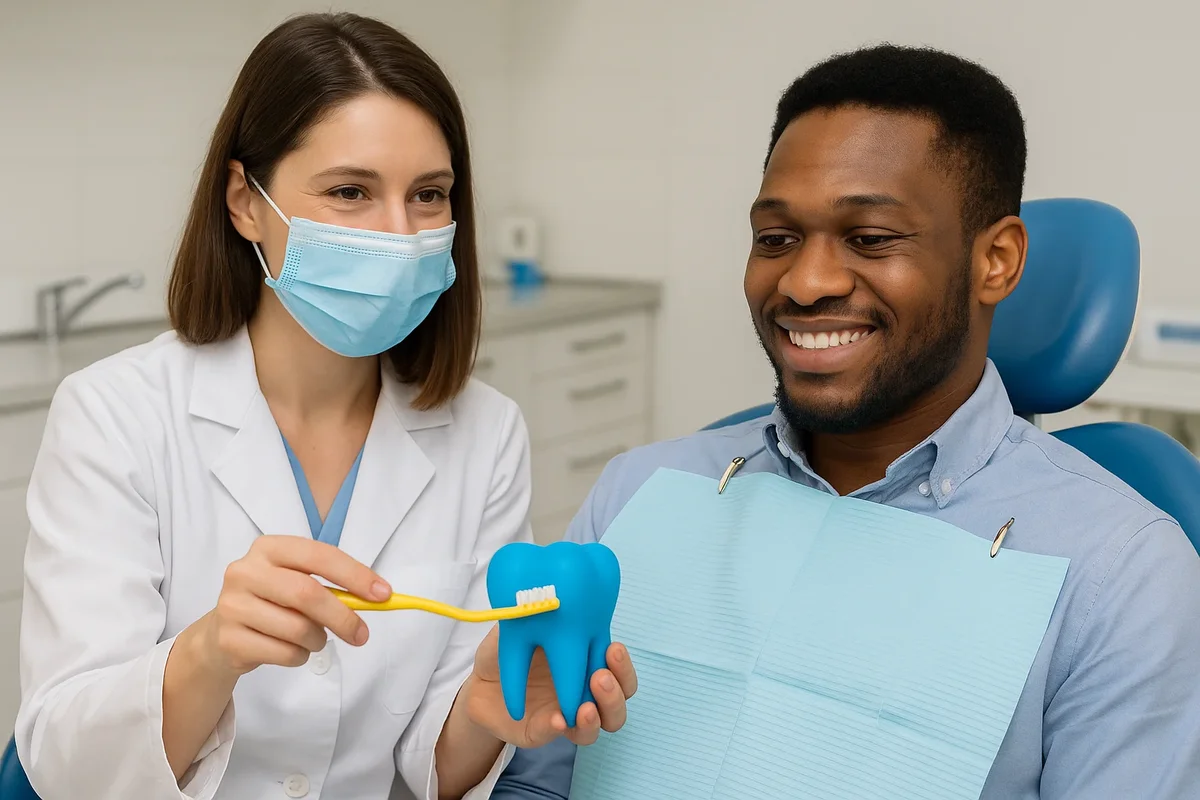
One of the most important responsibilities of a new patient dentist is patient education. During your visit, you’ll receive personalized advice on brushing, flossing, diet, and lifestyle choices that impact your oral health. Dentists often use visual aids or digital models to demonstrate the correct brushing angles or flossing techniques. They may also recommend switching to an electric toothbrush or using mouthwash with fluoride for added protection. This focus on prevention helps reduce the likelihood of future dental problems and supports your overall well-being.
Integrating Preventive Care Into Daily Routine
Adopting preventive habits at home is crucial for maintaining the results of your professional dental care. Your new patient dentist might suggest small yet impactful changes such as brushing twice a day for two minutes, using interdental brushes, and avoiding sugary snacks before bedtime. Regular checkups every six months are highly recommended to monitor your progress and catch potential issues early. Patients who follow these preventive measures often experience fewer cavities, healthier gums, and fresher breath. 😁
Emphasizing Comfort and Patient Experience
A visit to a new patient dentist today is not just about treatment — it’s about the experience. Modern dental clinics prioritize patient comfort through advanced pain management, ergonomic chairs, and relaxing environments. Some even offer entertainment systems or soothing music to ease anxiety. Dentists are trained to communicate gently, explaining each step before performing it, which helps build trust and alleviate fear.
If you ever feel nervous, speak openly about your concerns. Many clinics offer sedation dentistry options, such as nitrous oxide (laughing gas) or oral sedatives, for patients with severe dental anxiety. These methods ensure you remain calm while fully conscious throughout the procedure. Over time, these positive experiences encourage patients to attend their regular appointments without hesitation.
Continuity of Care and Long-Term Health
After your first visit, your new patient dentist becomes your partner in maintaining lifelong oral health. They keep detailed digital records of your treatments, X-rays, and progress. These records enable future visits to be faster, more efficient, and better informed. If any follow-up treatments are required — such as fillings, scaling, or orthodontic consultations — your dentist will schedule them systematically to ensure consistent care.
For patients looking for high-quality care and multilingual support, consider reaching out through the Redent Klinik Contact Page. Their dental experts specialize in creating positive first experiences for new patients and offer a variety of preventive and restorative treatments.
To learn more about professional dental practices and patient standards, the American Dental Association provides valuable insights and guidelines that every patient can benefit from.
In summary, a new patient dentist does much more than inspect your teeth. They act as your oral health advisor, educator, and partner in achieving a confident, healthy smile. Through advanced diagnostics, patient education, and preventive care, they help you take control of your dental health for the long term. 🌟
2. How to Prepare for Your First Dental Appointment 🦷
Preparing for your first visit to a new patient dentist is an important step toward ensuring a smooth and productive experience. Many patients feel uncertain about what to bring, how to behave, or what questions to ask — but with a bit of preparation, you can make your visit efficient, comfortable, and even enjoyable. A well-prepared patient not only saves time but also helps the dental team provide the best care possible. This guide will walk you through everything you need to know before stepping into the dental office for the first time.
Gathering Essential Documents and Medical Information
Before visiting your new patient dentist, collect all necessary documentation. This includes your personal identification (such as a driver’s license or passport), dental insurance card (if applicable), and any recent dental X-rays or medical records. Providing your dentist with this information helps create an accurate patient file and minimizes paperwork delays.
Equally important is sharing your medical history. If you’re taking any prescription drugs, over-the-counter medications, or supplements, make a detailed list to bring with you. Certain medications can affect your gums, saliva production, or healing ability after procedures. By disclosing these details, you help your new patient dentist prevent potential complications and tailor the treatment plan specifically for your health needs.
Allergies and Previous Dental Experiences
It’s also wise to inform your dentist about any allergies you have, such as latex sensitivity or reactions to local anesthesia. If you’ve had negative experiences at previous dental offices, don’t hesitate to share them. This information helps the new patient dentist take extra measures to ensure your comfort and build a positive experience from the start.
Scheduling and Arrival Preparation
When booking your appointment, choose a time that minimizes stress. Avoid rushing between work meetings or errands. If you’re nervous about your first visit, an early morning appointment can be helpful because you won’t spend the whole day anticipating it. Arrive at least 10–15 minutes early to fill out any remaining forms, verify insurance details, and familiarize yourself with the clinic environment.
Before your visit, confirm the clinic’s location, parking availability, and contact details. Many dental offices provide digital forms online, which you can fill out beforehand to save time. If you’re visiting a clinic like Redent Klinik Contact Page, you can schedule your consultation online and access multilingual support in English, French, and German — making the process even smoother for international patients.
Oral Hygiene Before the Appointment
It’s good practice to brush and floss your teeth before visiting your new patient dentist. A clean mouth allows for a clearer examination and makes the experience more pleasant for both you and the dentist. However, avoid over-brushing or using whitening strips right before your appointment, as this can make your gums sensitive and interfere with diagnostic results. Simply follow your regular hygiene routine and skip heavy meals or sugary drinks an hour before the visit.
What to Avoid Before the Appointment
Try to avoid smoking, chewing gum, or consuming caffeine before your appointment. Caffeine can increase anxiety and cause restlessness, while tobacco can temporarily stain your teeth and make oral tissues less healthy, complicating the examination. Staying hydrated with water and practicing deep breathing can help you stay calm and relaxed.
Preparing Mentally: Overcoming Dental Anxiety
It’s perfectly normal to feel nervous before visiting a new patient dentist, especially if it has been a long time since your last appointment. Dental anxiety affects millions of people, but there are practical ways to manage it. Start by reminding yourself that dentistry has evolved significantly — procedures are faster, safer, and more comfortable than ever before. Modern clinics use local anesthesia, numbing gels, and gentle communication techniques to reduce discomfort.
If you know that you’re prone to anxiety, tell the dental staff ahead of time. Many offices offer sedation options like nitrous oxide (laughing gas) or oral sedatives that allow you to remain calm while staying fully conscious. Your new patient dentist can also schedule extra time for your appointment, giving you space to relax and ask questions without feeling rushed. 🧘♀️
Creating a Positive Mindset
Think of your dental visit as an investment in your health rather than something to fear. Listening to calming music or guided meditation before your appointment can help ease your nerves. Some patients find that bringing a supportive friend or family member offers additional reassurance. Remember, the goal of the new patient dentist is to make you feel comfortable, understood, and well cared for from the moment you walk in.
Questions to Ask Your Dentist
Being proactive and asking questions during your first appointment shows that you care about your oral health. Consider asking your new patient dentist the following:
- What is the current state of my oral health?
- How often should I schedule future cleanings or checkups?
- Are there any early signs of gum disease or cavities I should monitor?
- What products do you recommend for brushing, flossing, or mouth rinsing?
- Do you offer cosmetic or preventive treatments that could improve my smile?
These questions open a dialogue between you and your dentist, helping you understand the best ways to maintain your dental health. A good new patient dentist will appreciate your curiosity and provide thorough, easy-to-understand answers.
Understanding the Costs and Insurance
It’s wise to clarify payment options and costs before your appointment. The average cost for a new patient visit — including cleaning and X-rays — typically ranges from $100 to $300. If you have dental insurance, check whether your provider covers initial exams or preventive treatments. For uninsured patients, many clinics offer flexible payment plans or discounts for first-time visitors.
Clinics like Redent Klinik Contact Page often provide detailed pricing transparency and can guide you through insurance paperwork, ensuring no hidden surprises.
Preparing for Post-Visit Steps
Your first visit doesn’t end when you leave the dental chair. Your new patient dentist may give you post-visit instructions or schedule follow-up appointments. Take notes about recommended treatments, such as fillings or whitening, and add reminders to your calendar. Maintaining open communication helps ensure continuity of care.
For reliable oral health information and professional standards, refer to the American Dental Association. Their resources explain everything from cavity prevention to dental technology advancements.
In summary, preparing for your first appointment with a new patient dentist is all about organization, honesty, and self-care. By gathering your documents, maintaining oral hygiene, managing anxiety, and asking the right questions, you’ll make a great first impression and set the stage for lifelong oral wellness. 🌟
3. Common Procedures During an Initial Dental Exam
When visiting a new patient dentist for the first time, it’s normal to wonder what exactly happens during the initial dental exam. This appointment isn’t just a quick glance at your teeth — it’s a comprehensive health evaluation designed to understand your oral condition, detect potential issues, and create a preventive care plan. A new patient dentist uses a combination of visual inspections, diagnostic imaging, and professional cleaning to ensure that your smile and gums are in top condition. Let’s take an in-depth look at the procedures you can expect during this essential first visit. 🦷
Step 1: Initial Consultation and Medical Review
The process typically begins with a one-on-one consultation. Your new patient dentist will review your dental and medical history, discuss any concerns you might have, and note symptoms such as sensitivity, bleeding gums, or persistent bad breath. This step is not merely administrative — it helps the dentist identify underlying health factors that may affect your oral condition. For instance, medications for high blood pressure or diabetes can impact gum health or healing time after dental procedures.
During this consultation, you’ll also have an opportunity to discuss your dental goals. Whether you want a whiter smile, straighter teeth, or solutions for missing teeth, your new patient dentist will note your preferences to guide future treatment planning. Communication at this stage ensures that you feel understood and involved in every decision.
Step 2: Comprehensive Oral Examination
After the consultation, your dentist begins the physical examination. This is the most critical part of the visit, as it allows the new patient dentist to establish a detailed understanding of your oral health. The dentist checks every tooth for signs of decay, enamel erosion, or fractures. Using a small dental mirror and probe, they carefully inspect hard-to-reach areas while assessing the condition of your gums and soft tissues.
Gum and Periodontal Evaluation
Your gums are essential to your overall oral health, and a new patient dentist will always include a periodontal evaluation as part of the first exam. This involves measuring the depth of the gum pockets with a special instrument. Healthy gums typically measure between 1–3 millimeters, while deeper readings may indicate gum disease. If early signs of gingivitis or periodontitis are detected, the dentist may recommend scaling and root planing to remove bacteria and plaque below the gum line.
Step 3: Dental X-Rays and Digital Imaging
X-rays play a vital role in a new patient dentist’s diagnostic process. These images allow the dentist to see what’s happening beneath the surface — including bone levels, hidden cavities, cysts, or impacted wisdom teeth. Depending on the clinic’s technology, digital X-rays or panoramic scans may be used. These advanced imaging tools provide instant results with minimal radiation exposure, allowing the dentist to create a clear picture of your oral structures.
Intraoral Cameras and 3D Scanners
Many modern dental offices now use intraoral cameras and 3D scanners to enhance diagnostic accuracy. A new patient dentist can use these handheld devices to capture high-resolution images of your teeth and gums, displaying them on a monitor in real-time. This allows you to see exactly what the dentist sees, helping you better understand the condition of your mouth. It also aids in documenting your baseline dental status for comparison during future visits.
Step 4: Professional Dental Cleaning
After completing the exam, your new patient dentist or hygienist will proceed with a professional dental cleaning — also known as prophylaxis. This process removes plaque and tartar buildup that cannot be eliminated with brushing alone. Using ultrasonic scalers and manual instruments, the hygienist gently cleans the teeth surfaces, focusing on areas between teeth and along the gum line.
Once cleaning is done, the hygienist polishes your teeth using a mildly abrasive paste that smooths the enamel and gives your smile a fresh shine. A fluoride treatment may follow to strengthen the enamel and reduce sensitivity. The entire cleaning session typically takes 30–45 minutes and leaves your mouth feeling refreshed. 😁
Step 5: Oral Cancer Screening and Bite Assessment
During an initial visit, a new patient dentist also performs an oral cancer screening. This involves checking the tongue, inner cheeks, lips, and throat for unusual lesions, discolorations, or lumps. Early detection of oral cancer significantly improves treatment outcomes, and many dentists integrate this quick, painless screening as a standard part of every new patient exam.
Next, the dentist evaluates your bite (occlusion). They’ll check how your upper and lower teeth come together and determine if there’s any misalignment or grinding habit (bruxism). Bite problems, if left unaddressed, can lead to jaw pain, uneven tooth wear, and headaches. Your new patient dentist might recommend night guards or orthodontic consultations depending on the findings.
Step 6: Review of Findings and Treatment Planning
After completing all examinations and cleanings, your new patient dentist will discuss the results in detail. This review typically includes a digital overview of your X-rays and photos, explaining any problem areas or risks. The dentist will outline the recommended treatments, from fillings and sealants to orthodontic corrections or cosmetic enhancements. Transparency is key — you’ll receive information about procedure costs, duration, and expected results.
For example, if a cavity is found, the dentist might suggest a composite filling. If gum inflammation is present, deep cleaning sessions could be recommended. Patients with missing teeth may learn about options like dental implants, bridges, or dentures. Your dentist will prioritize both health and aesthetics to create a balanced treatment plan suited to your needs and budget.
Post-Examination Advice and Preventive Tips
Once your plan is set, you’ll receive personalized home care recommendations. Your new patient dentist might suggest using a fluoride mouthwash, reducing sugar intake, or replacing your toothbrush every three months. These preventive measures ensure long-term oral health between professional visits. Some dentists also offer take-home whitening kits or remineralizing toothpaste samples as part of their preventive care package.
Step 7: Financial Transparency and Next Steps
Cost clarity is essential for first-time visitors. The average price for a new patient dentist exam, including cleaning and X-rays, ranges from $100 to $300. However, this can vary depending on geographic location and clinic technology. Before leaving, the office staff will help you schedule your next appointment — usually within six months — and explain payment or insurance details.
Clinics like Redent Klinik Contact Page are known for providing clear communication, flexible appointment scheduling, and transparent pricing, making them an excellent option for international patients seeking professional dental care abroad.
For accurate dental health guidelines, visit the American Dental Association, which provides educational resources about oral hygiene, professional standards, and preventive care.
In summary, an initial dental exam with a new patient dentist is a comprehensive, step-by-step process that combines consultation, examination, imaging, cleaning, and planning. Each step is designed to help you achieve optimal oral health and confidence in your smile. By understanding what happens during this visit, you can walk into your appointment informed, relaxed, and ready to take the first step toward lifelong dental wellness. 🌟
4. Why Dental X-Rays Are Important for New Patients
One of the most significant parts of your first visit to a new patient dentist is the dental X-ray examination. While a visual inspection provides useful surface-level insights, X-rays allow the dentist to look beneath the gum line and identify hidden dental issues that would otherwise go unnoticed. For new patients, this step is crucial in establishing a complete oral health record and forming a personalized care plan. Let’s explore why X-rays are so valuable, what types are commonly used, and how they contribute to long-term dental health. 🩻
Understanding the Purpose of Dental X-Rays
Dental X-rays (radiographs) help your new patient dentist see the condition of your teeth, roots, jawbone, and facial structure in detail. They serve as a diagnostic tool to detect cavities, bone loss, infections, cysts, and other abnormalities that are invisible during a routine visual exam. For first-time patients, these images are vital in building a baseline record of oral health that will guide future treatments and preventive measures.
Without X-rays, dentists would have to rely solely on what they can see and feel — which means small cavities, early gum disease, or bone changes could easily be missed. This is why your new patient dentist typically recommends taking X-rays during your first visit, even if your teeth appear healthy on the surface.
Types of Dental X-Rays Taken During a New Patient Exam
There are several types of dental X-rays, each designed for specific diagnostic purposes. A new patient dentist selects the right combination depending on your age, symptoms, and dental history. Below are the most common types:
1. Bitewing X-Rays
These X-rays show the upper and lower back teeth in one image, highlighting areas where cavities may be forming between teeth. They are also useful in monitoring bone levels and detecting gum disease. Most new patient dentist exams include at least two to four bitewing X-rays as part of the baseline assessment.
2. Periapical X-Rays
Periapical X-rays capture the entire tooth — from the crown to the root tip — allowing the dentist to detect problems such as abscesses, root infections, or cysts. They are often used to evaluate pain in a specific area or monitor the health of the bone surrounding a tooth.
3. Panoramic X-Rays
A panoramic X-ray provides a broad view of your entire mouth in one image. This scan is especially useful for new patient dentist evaluations, as it reveals impacted wisdom teeth, jaw joint disorders, sinus alignment, and overall bone structure. Panoramic X-rays are typically taken every 3–5 years or at the start of a new patient relationship to create a comprehensive record.
4. Cone Beam CT Scans (3D Imaging)
Some advanced dental clinics utilize Cone Beam Computed Tomography (CBCT) for a 3D view of the teeth and jaw. This is a powerful diagnostic tool that provides highly detailed images, enabling the new patient dentist to plan complex procedures like implants or orthodontic treatments with precision.
Are Dental X-Rays Safe?
One of the most common concerns patients express during their first appointment with a new patient dentist is radiation exposure. Fortunately, modern dental X-rays are extremely safe thanks to digital imaging technology that reduces radiation levels by up to 90% compared to traditional film. The amount of radiation you’re exposed to during a full-mouth series of dental X-rays is comparable to what you’d receive during a short airplane flight or a day spent outdoors.
To ensure safety, your dentist will cover you with a lead apron and, if necessary, a thyroid collar. Pregnant patients should always inform their new patient dentist beforehand, as X-rays are typically postponed unless absolutely essential. Pediatric patients also receive special attention, with dosage levels adjusted according to their smaller size and developing tissues.
How Dental X-Rays Benefit Diagnosis and Treatment
The insights gained from X-rays allow your new patient dentist to create a more accurate and effective treatment plan. For instance, X-rays can reveal:
- Early-stage cavities forming between teeth or beneath fillings.
- Bone density loss caused by periodontal disease.
- Root infections or abscesses requiring endodontic treatment.
- Impacted wisdom teeth or misalignment affecting jaw health.
- Sinus issues that may be connected to dental discomfort.
By catching these problems early, your new patient dentist helps you avoid costly or painful treatments in the future. It’s a preventive strategy that supports both your dental health and overall wellness. 🦷
Case Example: Preventing Major Dental Issues
Imagine a patient who feels fine but hasn’t visited a dentist in years. During their first visit to a new patient dentist, bitewing X-rays reveal small cavities developing between molars. The dentist treats them with simple fillings — preventing future root canal treatments or tooth loss. This example shows how X-rays play a key role in early intervention and preserving your natural teeth for life.
Cost and Insurance Coverage for Dental X-Rays
Most dental insurance plans fully or partially cover X-rays as part of the initial visit. For uninsured patients, prices vary depending on the number and type of images. On average, a set of four bitewing X-rays costs between $40 and $60, while a panoramic X-ray may range from $100 to $150. The investment is well worth it for the long-term insight your new patient dentist gains into your oral health.
Clinics like Redent Klinik Contact Page offer transparent pricing and modern diagnostic equipment to ensure that patients receive accurate results without unnecessary expenses. For additional professional standards and guidelines, consult the American Dental Association, which sets safety and procedural benchmarks for dental radiography.
Maintaining and Updating Your Dental X-Ray Records
Your first set of X-rays serves as a reference point for future visits. A new patient dentist typically updates bitewing X-rays every 12–18 months and panoramic images every 3–5 years, depending on your oral health status. Keeping these records up to date allows the dentist to track changes, detect new issues early, and adapt your treatment plan accordingly. Digital systems ensure these images are stored securely and can be easily shared if you move or change clinics.
Conclusion: The Hidden Power of Dental X-Rays
Dental X-rays are more than just pictures — they are essential diagnostic tools that empower your new patient dentist to protect your oral health. By revealing what’s hidden beneath the surface, they ensure accurate diagnoses, effective treatments, and early prevention of serious dental problems. Far from being optional, X-rays are the backbone of comprehensive care during your first dental visit. 🌟
5. Filling Out Your New Patient Forms Effectively
Before your first appointment with a new patient dentist, you’ll need to complete several important forms. These forms are not just administrative paperwork — they are vital tools that help your dentist understand your health, history, and unique needs. Many patients overlook this step, rushing through the process or leaving out crucial information, but doing so can lead to miscommunication or even treatment complications. Taking the time to fill out these forms accurately ensures that your new patient dentist can provide safe, personalized, and effective care from the very beginning. 📝
Why Dental Forms Matter for New Patients
The forms you fill out before your first dental appointment create the foundation of your patient record. They give the new patient dentist a complete picture of your oral and general health. This background helps identify any risks, contraindications, or conditions that might affect your treatment plan. Every piece of information — from medications to past surgeries — plays a part in keeping you safe and improving your experience.
For example, if you have diabetes or heart disease, your new patient dentist needs to know this before performing procedures that could impact blood flow or healing. Likewise, if you’ve had joint replacements or are on blood thinners, this information helps the dentist choose appropriate anesthetics and minimize bleeding risk during treatment. In short, your paperwork is your dentist’s guide to safe and effective care.
Types of Forms You’ll Encounter
A typical new patient packet includes several sections. Each serves a different purpose, helping the dental team create a complete understanding of your situation.
1. Personal Information Form
This form collects your basic contact information — name, address, phone number, date of birth, and insurance details. Your new patient dentist uses this data to verify your identity and ensure proper billing. Double-check every entry, especially phone numbers and emails, as they are essential for appointment reminders and follow-ups.
2. Medical History Form
This is arguably the most important part of your new patient paperwork. Here, you’ll list any chronic conditions, allergies, or past surgeries. You’ll also indicate whether you’re taking medications such as blood thinners, antidepressants, or steroids, which may influence dental treatment. Providing full transparency allows your new patient dentist to anticipate potential interactions and select the safest treatment options for you.
It’s also important to disclose lifestyle habits such as smoking, alcohol use, or recreational drug use. These factors can affect gum health, healing time, and anesthesia response. Even if you feel uncomfortable sharing certain details, remember that all medical information is strictly confidential and used solely to protect your health.
3. Dental History Form
This form focuses on your oral health habits and previous dental experiences. Questions might include how often you brush and floss, whether you use mouthwash, and when your last dental visit occurred. The new patient dentist will also ask about past treatments, such as fillings, crowns, braces, or extractions, as well as any discomfort you’ve recently experienced.
If you’ve had bad experiences with dentists in the past — such as pain, anxiety, or communication issues — this is the place to mention it. Sharing these details helps your new patient dentist adapt their approach, use gentle techniques, and create a calm, supportive atmosphere. 😌
4. Insurance and Financial Consent Form
This document outlines your payment responsibilities and authorizes the dental clinic to process your insurance claims. Be sure to review it carefully, as it explains policies regarding co-pays, missed appointments, and billing. If you’re uncertain about your insurance coverage, the office staff can verify benefits for you. Clinics like Redent Klinik Contact Page provide transparent cost explanations to ensure there are no financial surprises after your first appointment.
5. Consent to Treatment Form
This form gives your new patient dentist permission to perform exams, X-rays, cleanings, and other procedures as needed. It also clarifies your right to ask questions, refuse treatment, or seek a second opinion. Read this section carefully, as it often includes details about anesthesia, medication use, and patient rights. Signing this document ensures mutual understanding between you and your dentist, protecting both parties legally and ethically.
Tips for Filling Out Forms Accurately
Accuracy is crucial when completing dental forms. Even small omissions can impact your care plan. Follow these tips to ensure your paperwork is complete and reliable:
- Be honest and detailed — Include all medical and dental information, even if it seems unrelated.
- Use clear handwriting — If filling out forms manually, write legibly to avoid confusion.
- Update changes immediately — If your medications, insurance, or address change, notify your new patient dentist before your next visit.
- Bring your medication list — If unsure of names or dosages, show your prescription labels or take photos.
- Ask for help — Dental staff are trained to assist with complex forms; never hesitate to ask questions.
Transitioning to Digital Forms
Many modern dental offices now use secure online portals for form submission. This digital system allows patients to fill out forms at home, reducing waiting time and paperwork errors. A new patient dentist can instantly review your details and prepare for your appointment before you even arrive. Additionally, electronic systems comply with data protection standards, ensuring that your personal information remains confidential.
When filling digital forms, always double-check for automatic field errors or missing sections before clicking “submit.” If you experience issues, contact the dental office immediately. Some clinics provide multilingual digital forms, making the process easier for international patients — an option available through practices like Redent Klinik Contact Page.
Why Accuracy Benefits Your Dental Treatment
Providing complete and accurate information allows your new patient dentist to detect patterns between your health history and oral condition. For example, patients taking medications for dry mouth are at higher risk of cavities, while those with osteoporosis may experience jawbone changes. By understanding these connections early, your dentist can implement targeted preventive strategies.
Long-Term Advantages of Proper Documentation
Once your forms are on file, they become part of your permanent dental record. These records are invaluable for future appointments, insurance claims, and referrals to specialists. They also ensure continuity of care — meaning any dentist you see in the future can easily access your previous health and treatment history.
What Happens After Submitting Your Forms
After submitting your forms, the front desk staff will verify your details, and your new patient dentist will review them before meeting you. This review allows them to identify any potential concerns before beginning your examination. For example, if you report high blood pressure or a history of fainting, your dentist may adjust your treatment approach to ensure comfort and safety.
Finally, your new patient dentist will use the information to create a personalized care plan that addresses both your immediate needs and long-term oral health goals. This could include preventive treatments, restorative care, or cosmetic options depending on your preferences and dental condition.
For more guidance on dental records, patient confidentiality, and professional documentation standards, you can consult the American Dental Association. They provide official resources and templates for patient communication and recordkeeping.
In conclusion, filling out your forms accurately and thoughtfully ensures your new patient dentist has everything they need to provide exceptional care. These forms are not just paperwork — they’re the first step toward building a trusted, informed, and long-term relationship with your dental provider. 🌟
6. The Cost of a New Patient Dentist Visit — What to Expect 💰
One of the most common questions people have before booking their first appointment with a new patient dentist is: “How much will it cost?” Understanding dental pricing can feel overwhelming, especially when procedures, insurance plans, and clinic policies vary widely. However, knowing what to expect financially helps you plan ahead and avoid surprises. This section provides a detailed breakdown of typical fees, factors influencing costs, and practical tips to make your dental care affordable — all while ensuring you receive the highest quality treatment possible. 🦷
Understanding the Breakdown of Dental Costs
The total cost of visiting a new patient dentist depends on several key factors, including the type of services provided during the first visit, the clinic’s location, and whether you have dental insurance. Generally, a new patient exam includes three main components: a comprehensive oral examination, diagnostic X-rays, and a professional cleaning. Some clinics may also perform fluoride treatment or a gum health assessment as part of the first visit.
Here’s an approximate breakdown of what a typical first appointment might include:
- Initial Examination: $60 – $120
- Dental X-Rays (Bitewing or Panoramic): $40 – $150
- Professional Cleaning (Prophylaxis): $75 – $150
- Fluoride Treatment (optional): $25 – $50
- Total Average Cost: $150 – $300 for most clinics
These prices can vary depending on your dentist’s expertise and the clinic’s technology. A new patient dentist in a metropolitan area or high-end dental center may charge slightly more due to higher operational costs and advanced diagnostic tools such as digital scanners or 3D X-rays. On the other hand, smaller community clinics or dental schools may offer lower prices without compromising on quality.
Factors That Influence the Cost of a New Patient Visit
Several variables determine how much you’ll pay for your first visit. Knowing these factors can help you make informed decisions when choosing a new patient dentist.
1. Geographic Location
Dental care costs differ from city to city. Urban areas, where the cost of living is higher, usually have higher dental fees. Conversely, clinics in smaller towns or suburban regions tend to be more affordable. When comparing prices, remember that higher cost doesn’t always mean better care — sometimes it simply reflects the local economy.
2. Dentist’s Experience and Technology
Experienced dentists who specialize in certain procedures may charge more due to their expertise. Likewise, clinics using advanced technology like digital X-rays, laser dentistry, or CAD/CAM systems for same-day restorations often include these premium features in their pricing. However, these innovations can actually save you money long-term by improving accuracy and reducing the need for repeat procedures.
3. Complexity of Your Dental Condition
If your initial exam reveals gum disease, cavities, or other dental concerns, the cost may rise due to additional treatments. Your new patient dentist will always discuss these findings and provide a transparent quote before proceeding. A simple cleaning, for example, is less expensive than a deep periodontal cleaning required for patients with advanced gum disease.
4. Insurance Coverage and Payment Options
If you have dental insurance, many preventive services such as exams, X-rays, and cleanings are fully or partially covered. Always check your plan’s coverage limits, deductibles, and copay requirements before your appointment. For patients without insurance, most new patient dentist offices offer flexible payment plans, in-house memberships, or financing through providers like CareCredit.
For example, some clinics provide an annual membership plan for around $200–$300 that includes two exams, two cleanings, and discounts on additional treatments. This can be an excellent choice for individuals or families without traditional insurance coverage.
Comparing Private Clinics vs. Dental Schools
When considering costs, you may notice that dental schools often advertise discounted rates. These clinics are supervised by licensed professionals and can be an affordable alternative for routine care. However, the trade-off is that appointments may take longer. For those who prioritize speed, comfort, and convenience, a private new patient dentist clinic remains the preferred option.
Hidden Costs to Watch Out For
While reputable clinics provide transparent pricing, patients should be cautious about hidden fees. Some offices charge extra for after-hours appointments, advanced sterilization procedures, or consultation fees for cosmetic dentistry. To avoid surprises, always ask your new patient dentist for a detailed cost estimate before starting treatment.
Tip: Ask for a Written Estimate
Request a written estimate after your initial exam. This ensures that you understand every cost — including optional treatments. A good new patient dentist will review the estimate with you and answer any questions about necessity, benefits, and affordability.
Affordable Care for International Patients
If you’re traveling abroad for dental care, you’ll find that treatment costs can differ significantly between countries. For instance, Turkey has become a popular destination for high-quality, affordable dentistry. Clinics such as Redent Klinik Contact Page provide exceptional care for international patients, often at 50–70% lower costs compared to Western Europe or the U.S. Despite the lower price, the quality of materials and technology remains world-class — making it a great choice for those seeking affordable but reliable dental care abroad.
Financing and Discount Options
Modern dental offices understand that affordability is a top concern. Many new patient dentist practices offer flexible payment systems such as:
- Installment Plans: Divide costs into manageable monthly payments.
- Credit-Based Financing: Use options like CareCredit or Sunbit to pay over time.
- In-House Savings Plans: Receive discounted rates on cleanings, exams, and restorative work by paying a small annual fee.
- Promotional Discounts: Some clinics offer first-time patient specials, often reducing the initial exam and cleaning fee by 20–40%.
Pro Tip: Combine Preventive and Cosmetic Treatments
When you visit a new patient dentist, ask if combining treatments can lower costs. For example, scheduling your cleaning and whitening together may qualify for bundled pricing. Many clinics reward preventive care with discounts on aesthetic services — a win-win for your wallet and your smile. 😁
Making the Most of Your First Visit
Before your appointment, confirm whether your insurance covers digital imaging, fluoride treatments, or consultations for future procedures. A transparent financial discussion with your new patient dentist ensures you stay within your budget while receiving excellent care. Remember, preventive visits are much more affordable than waiting until pain or damage requires expensive restorative work.
For detailed information about fair dental pricing and standard procedures, consult the American Dental Association. Their guidelines provide national averages and help patients make informed decisions when selecting dental services.
In summary, the cost of visiting a new patient dentist varies based on several factors, but preparation and transparency make all the difference. By researching in advance, confirming insurance details, and discussing payment options openly, you can enjoy quality care without financial stress. Investing in preventive dentistry today saves you from costly treatments tomorrow — keeping your smile healthy, confident, and affordable. 🌟
7. How to Choose the Right Dentist for First-Time Patients
Selecting the right new patient dentist can have a long-lasting impact on your oral health, comfort, and confidence. A good dentist does more than fix cavities — they become your trusted partner in maintaining a healthy smile. Since your relationship with your dentist will likely continue for years, choosing carefully during your first visit is essential. This comprehensive guide explains how to evaluate potential dentists, what to look for in a clinic, and how to ensure that your dental experience aligns with your needs and expectations. 🦷
Why Choosing the Right New Patient Dentist Matters
Your dental health affects much more than just your mouth — it influences your overall well-being, speech, confidence, and even digestion. That’s why finding a new patient dentist who prioritizes preventive care, patient education, and gentle treatment is critical. A skilled dentist doesn’t just treat symptoms but identifies root causes and creates strategies to prevent future issues. The right professional will take the time to understand your lifestyle, medical background, and dental goals before recommending any procedures.
Key Qualities of an Excellent Dentist
When researching potential clinics, focus on the following attributes that define a reputable new patient dentist:
- Communication Skills: The dentist should explain diagnoses, treatment options, and costs clearly, ensuring you understand every step.
- Empathy and Patience: A compassionate approach helps reduce anxiety, especially for those with past dental fears.
- Professional Experience: Look for a dentist with extensive experience treating first-time patients and using modern techniques.
- Updated Technology: Clinics with digital X-rays, intraoral cameras, and modern sterilization tools offer more precise and safer care.
- Transparent Pricing: An ethical new patient dentist provides a clear estimate before starting any treatment — no hidden fees or surprises.
Researching and Comparing Dental Clinics
Start by compiling a list of dental clinics near you. Visit their websites to learn about services, team members, and credentials. Many modern clinics post “Meet the Dentist” sections, allowing you to get a sense of the dentist’s philosophy and expertise. Patient reviews are also invaluable — look for consistent mentions of professionalism, friendliness, and comfort during procedures.
Beyond reviews, consider third-party certifications or affiliations. A new patient dentist who is a member of professional bodies such as the American Dental Association follows established ethical and technical standards. You can also contact the clinic directly to ask about experience with new patients, appointment availability, and accepted insurance plans.
Assessing the Clinic Environment
When visiting a dental office for the first time, observe how clean, organized, and welcoming it feels. A well-maintained space reflects professionalism and attention to detail. The staff should greet you warmly and be willing to answer questions about procedures or payment options. A great new patient dentist ensures that patients feel valued from the moment they step through the door.
Many modern clinics enhance comfort through amenities like calming music, ergonomic chairs, or digital entertainment during treatments. This patient-centered approach helps reduce anxiety and improves overall satisfaction.
Questions to Ask Before Making a Decision
Before committing to a new patient dentist, schedule a consultation to evaluate whether their practice aligns with your expectations. Consider asking the following questions:
- What types of preventive and cosmetic treatments do you offer?
- Do you use digital X-rays or 3D imaging for diagnosis?
- How do you handle dental emergencies or after-hours care?
- Can you accommodate patients with dental anxiety or special needs?
- How do you ensure sterilization and patient safety?
- What payment options and insurance plans do you accept?
The answers to these questions reveal not only the clinic’s capabilities but also the dentist’s communication style and willingness to educate their patients.
Checking Dentist Credentials and Reputation
Professional credibility is another factor to consider. Verify your new patient dentist’s qualifications, including where they earned their dental degree and whether they participate in continuing education programs. A dentist who stays up to date with the latest advancements in dentistry demonstrates commitment to providing modern, evidence-based care.
Continuing Education and Specialization
Ask if the dentist has specialized training in areas like restorative dentistry, orthodontics, or sedation techniques. Continuing education ensures your dentist can apply the latest pain management methods, technologies, and materials. This not only improves the quality of your treatment but also enhances comfort and long-term outcomes.
Evaluating Communication and Transparency
Good communication is a hallmark of an excellent new patient dentist. Your dentist should take time to explain every procedure in plain language — from routine cleanings to complex restorations. They should welcome your questions, respect your concerns, and provide honest advice about treatment options. Avoid clinics that pressure you into unnecessary procedures or fail to provide clear pricing information.
Transparency also extends to billing and follow-up care. A trustworthy new patient dentist will provide written estimates and discuss possible alternatives to fit your budget. If your treatment involves multiple steps, the dentist will map out a timeline so you know what to expect at each visit.
Considering Convenience and Accessibility
Location and scheduling flexibility are practical but important factors. Look for a dental clinic that’s easy to reach from home or work and offers extended hours or weekend appointments. Emergencies can happen unexpectedly, so it’s comforting to know your new patient dentist provides same-day or emergency care when needed.
Technology and Patient Experience
Technological innovation can dramatically improve the patient experience. For instance, digital impressions are more comfortable than traditional molds, and laser treatments can reduce discomfort during procedures. A technologically advanced new patient dentist not only saves time but also ensures better accuracy and faster recovery.
International Patients and Dental Tourism
For patients traveling abroad for dental care, choosing a clinic that caters to international clients is crucial. A great example is Redent Klinik Contact Page, which provides multilingual support and transparent cost estimates for patients from around the world. Such clinics combine professional expertise with personalized hospitality — ideal for those seeking world-class treatment at affordable rates.
Final Thoughts: Making the Right Choice
Choosing the right new patient dentist is about finding balance — someone who combines professionalism, empathy, and technical skill. Don’t rush your decision. Take time to evaluate communication, cleanliness, reviews, and cost transparency. Remember that the best dentist is one who treats you like a partner in your oral health journey rather than just another patient on their schedule.
Once you’ve found a dentist who makes you feel comfortable, stay consistent with regular checkups every six months. This long-term relationship ensures early detection of potential issues, personalized preventive care, and a confident smile that lasts a lifetime. 🌟
8. Overcoming Dental Anxiety During Your First Dentist Visit
Feeling nervous before your first appointment with a new patient dentist is entirely normal. Many people experience dental anxiety due to previous bad experiences, fear of pain, or simply not knowing what to expect. However, modern dentistry has evolved significantly — today’s clinics focus on comfort, transparency, and compassion as much as technical excellence. This detailed guide explains how to manage dental anxiety, what calming options your new patient dentist can provide, and how to transform your fear into confidence. 🦷✨
Understanding Dental Anxiety
Dental anxiety affects millions of people worldwide and can range from mild nervousness to severe fear that keeps patients away from the dentist for years. Unfortunately, avoiding dental visits often leads to worse oral health issues such as cavities, gum disease, and tooth loss — problems that could have been easily prevented. Recognizing the emotional and psychological aspects of dental fear is the first step toward overcoming it.
Common Causes of Dental Anxiety
- Past Negative Experiences: A painful or traumatic dental procedure in childhood or adulthood can leave lasting memories.
- Fear of Pain: Many patients associate dental treatment with discomfort, even though modern anesthetics make procedures virtually painless.
- Loss of Control: Sitting in a dental chair can make people feel vulnerable, especially when unfamiliar instruments are involved.
- Embarrassment: Some patients feel self-conscious about the state of their teeth or bad breath, making them hesitant to see a new patient dentist.
- Needle or Equipment Phobia: The sight or sound of dental tools can trigger anxiety for some individuals.
Your new patient dentist understands these fears and is trained to create a supportive, judgment-free environment where you can feel at ease.
How Modern Dentists Help Patients Feel Comfortable
Today’s dental clinics prioritize patient comfort through both technology and personalized care. A compassionate new patient dentist will take time to understand your fears before any procedure begins, explaining each step in detail. By providing reassurance and control, they help you stay calm and confident throughout your visit.
Comfort-Focused Approaches Include:
- Pre-Visit Consultations: Discussing fears and expectations before your appointment helps your dentist plan a stress-free experience.
- Relaxing Environment: Many clinics offer soothing music, aromatherapy, or soft lighting to create a calm atmosphere.
- Pain-Free Techniques: Local anesthetics, numbing gels, and laser tools allow treatments to be nearly painless.
- Gentle Communication: A skilled new patient dentist uses calm language and frequent check-ins to make patients feel safe.
Sedation Options for Anxiety Management
If anxiety is severe, sedation dentistry may be an ideal solution. Sedation methods vary from mild relaxation to full unconsciousness, depending on your comfort level and the type of procedure.
1. Nitrous Oxide (Laughing Gas)
This is the most common and mildest form of sedation. You inhale the gas through a small mask, which induces relaxation and reduces anxiety. You remain awake but calm, and the effects wear off quickly after the treatment. Most new patient dentist clinics offer nitrous oxide for nervous patients.
2. Oral Sedation
Your dentist may prescribe a pill (often diazepam or a similar medication) to take before your appointment. This helps you feel drowsy but still responsive. It’s ideal for moderate anxiety and routine procedures.
3. IV Sedation
Intravenous sedation provides a deeper level of relaxation. You’ll feel as though you’re asleep, although technically you remain conscious. This is best suited for patients with severe dental fear or those undergoing lengthy treatments. Only certified new patient dentist practitioners perform IV sedation, ensuring patient safety throughout.
4. General Anesthesia
In extreme cases, general anesthesia can be administered in a hospital setting, rendering you completely unconscious during the procedure. This is typically reserved for complex surgeries or patients with extreme phobia.
Communication: The Key to Reducing Anxiety
Open communication is one of the most powerful tools for easing dental anxiety. Tell your new patient dentist about your fears before treatment begins. They can adjust their approach, use gentle techniques, and explain procedures step by step. Many dentists even use a “stop signal” system — for example, raising your hand when you need a break — giving you full control over the experience.
Your dentist may also use visual aids or digital screens to show what’s happening inside your mouth. Understanding the process can greatly reduce fear of the unknown and build trust between you and your new patient dentist.
Behavioral and Relaxation Techniques
There are several ways to mentally prepare yourself for a stress-free dental visit:
- Deep Breathing: Practice slow, steady breathing before and during your appointment to calm your body.
- Distraction: Listening to calming music or focusing on a mental image can help shift attention away from fear.
- Progressive Muscle Relaxation: Gently tense and release different muscle groups to reduce physical tension.
- Positive Visualization: Imagine yourself leaving the clinic with a clean, healthy smile — a great motivator for staying calm.
Your new patient dentist may also recommend mindfulness or guided meditation techniques to practice before visits. These methods help retrain your brain to associate dental care with relaxation instead of fear.
For Children and Special Needs Patients
Dental anxiety isn’t limited to adults — children and individuals with special needs often require extra care. A pediatric or family-oriented new patient dentist specializes in gentle communication, distraction techniques, and child-friendly environments. They use smaller instruments, bright décor, and storytelling to make the experience fun rather than frightening. Parents can further ease fear by reading books or watching videos about dental visits together beforehand. 🧒
Long-Term Strategies to Overcome Fear
Consistency plays a major role in overcoming dental anxiety. The more frequently you visit your new patient dentist, the more familiar and comfortable you become with the environment. Over time, routine checkups start feeling normal rather than stressful. Start with shorter, simpler appointments like cleanings, and gradually build up to more complex procedures as your confidence grows.
Rewarding Positive Experiences
After each successful appointment, reward yourself — whether it’s a relaxing activity, a small treat, or simply acknowledging your courage. Positive reinforcement helps your brain associate dental care with success rather than fear.
When to Seek Professional Help
If anxiety becomes overwhelming or prevents you from attending appointments, consider seeking professional counseling. Therapists specializing in dental phobia use cognitive-behavioral therapy (CBT) techniques to help reframe your thoughts and build confidence. Your new patient dentist can also refer you to anxiety specialists who work with dental patients.
Trusted Clinics Offering Anxiety-Free Dentistry
Many reputable clinics — such as Redent Klinik Contact Page — offer specialized services for anxious patients. These include sedation options, modern pain management, and a soothing environment designed to reduce stress. Such clinics blend clinical expertise with emotional support, ensuring that every patient feels comfortable and understood. For official guidelines and patient resources on sedation and dental phobia, you can also refer to the American Dental Association.
Conclusion: Turning Fear Into Confidence
Overcoming dental anxiety takes patience and trust — but it’s entirely achievable. By working closely with a compassionate new patient dentist, you can regain control over your oral health and experience dentistry in a whole new light. With modern sedation techniques, empathetic communication, and supportive clinics, fear no longer has to stand in the way of a healthy smile. Every step you take toward overcoming anxiety is a victory — and your dentist is your partner in that journey. 🌟
9. Aftercare and Follow-Up Visits with Your New Patient Dentist
Your first visit to a new patient dentist is just the beginning of your long-term journey toward excellent oral health. The true value of a dental relationship lies in consistent aftercare and regular follow-up visits. These ensure that early problems are caught before they escalate, treatments heal correctly, and your smile remains bright and healthy. A professional new patient dentist doesn’t just treat your teeth once — they build an ongoing care plan designed around your lifestyle, habits, and long-term goals. Let’s explore how post-visit care works, why follow-up visits are essential, and what steps you can take to maintain outstanding oral hygiene at home. 🦷✨
The Importance of Post-Visit Dental Care
After your first appointment, your new patient dentist may have provided cleaning, X-rays, or minor treatments like fillings. Each of these requires proper aftercare to ensure optimal results. Following instructions carefully helps prevent infection, reduce discomfort, and promote fast healing. Ignoring aftercare recommendations, on the other hand, can lead to complications or prolong recovery.
For instance, if your dentist performed a deep cleaning, they might advise you to avoid eating hard or spicy foods for 24 hours. Similarly, after fluoride application, you may be asked not to brush or eat for 30 minutes to allow the protective layer to fully absorb into your enamel. Adhering to these instructions ensures your visit’s benefits last long after you leave the clinic.
Common Post-Visit Instructions
- Maintain Gentle Oral Hygiene: Brush and floss regularly, but avoid vigorous brushing if your gums feel sensitive.
- Use Prescribed Rinses: If your new patient dentist recommends an antibacterial mouthwash, use it as directed to reduce bacteria and support healing.
- Monitor for Discomfort: Some tenderness after cleaning is normal, but persistent pain or swelling should be reported immediately.
- Avoid Tobacco and Alcohol: These can interfere with healing and stain newly cleaned teeth.
- Stay Hydrated: Drinking water helps wash away bacteria and supports saliva production, which naturally protects your teeth.
Scheduling Your First Follow-Up Appointment
During your initial visit, your new patient dentist will usually schedule your next checkup — typically in six months. However, if your dentist identifies early signs of gum disease, tooth decay, or jaw issues, they might recommend earlier visits every 3–4 months. Follow-up appointments allow your dentist to track your progress, assess healing, and modify treatment plans as necessary.
These visits also give you the opportunity to discuss new concerns or ask questions about oral care. Consistency is key — skipping follow-ups can lead to unnoticed issues like receding gums or hidden cavities. Maintaining this ongoing relationship with your new patient dentist ensures your mouth stays healthy and problem-free. 😁
What Happens During a Follow-Up Visit?
Each follow-up appointment is tailored to your dental needs, but generally includes:
- Oral Examination: Your new patient dentist checks for any new cavities, plaque buildup, or early gum inflammation.
- Professional Cleaning: Even with perfect brushing habits, plaque hardens into tartar over time and must be removed professionally.
- X-Rays (if needed): These help detect problems not visible to the naked eye, such as bone density changes or decay between teeth.
- Discussion and Advice: The dentist reviews your home care routine and suggests ways to improve brushing or diet habits.
- Preventive Treatments: If needed, fluoride or sealant applications may be added to strengthen teeth and prevent decay.
Building a Long-Term Dental Relationship
The relationship with your new patient dentist should be built on trust, consistency, and mutual communication. Over time, your dentist becomes familiar with your unique dental anatomy, oral habits, and preferences. This familiarity enables more accurate diagnoses, faster treatment, and a personalized care experience that new patients in unfamiliar clinics often lack.
Think of your new patient dentist as a partner in your health journey. Regular follow-ups not only protect your smile but can also uncover early signs of systemic issues such as diabetes or vitamin deficiencies, which sometimes manifest first in the mouth.
Tracking Progress Over Time
Your dental records — including X-rays, photographs, and treatment notes — form a detailed timeline of your oral health. A consistent new patient dentist reviews these records during each visit, allowing them to spot even subtle changes that could indicate underlying problems. This proactive approach saves time, money, and discomfort in the long run.
Home Care After Visiting Your Dentist
Effective oral hygiene at home reinforces everything your new patient dentist does during appointments. After your visit, your dentist might suggest personalized home-care strategies, including:
- Fluoride Toothpaste: Strengthens enamel and prevents future cavities.
- Soft-Bristled Brush: Gentle on gums while effectively removing plaque.
- Daily Flossing: Removes debris from areas your toothbrush can’t reach.
- Mouth Rinses: Reduces bacteria and helps manage bad breath.
- Healthy Diet: Limit sugar and acidic foods that contribute to decay.
In addition, your new patient dentist might recommend using an electric toothbrush or a water flosser if you have braces, implants, or sensitive gums. These tools enhance cleaning efficiency and prevent tartar buildup between visits.
Signs You Should Contact Your Dentist After an Appointment
Most patients recover smoothly after routine cleanings or treatments. However, there are situations where you should contact your new patient dentist immediately:
- Persistent bleeding or swelling after 48 hours
- Severe tooth sensitivity or pain that worsens over time
- Loose fillings, crowns, or restorations
- Signs of infection such as fever or a bad taste in the mouth
Prompt communication allows your dentist to intervene early and prevent further complications. Clinics like Redent Klinik Contact Page make it easy to reach dental professionals for post-treatment support and advice.
The Role of Technology in Follow-Up Care
Modern dental technology enhances every aspect of aftercare. Digital imaging systems, for instance, allow your new patient dentist to compare past and present X-rays instantly. Some clinics even use AI-powered diagnostics to detect micro-level changes before symptoms appear. Additionally, digital recordkeeping means your files are accessible across clinics if you relocate, ensuring continuity of care.
Tele-Dentistry: Remote Follow-Ups
Some advanced clinics now offer virtual follow-up appointments. Through video consultations, your new patient dentist can assess healing progress, answer questions, and provide recommendations without requiring an in-person visit. This convenience is especially beneficial for international or busy patients who value time efficiency.
Creating a Preventive Dental Routine
Aftercare and follow-up are not just about healing; they’re about prevention. A consistent six-month checkup schedule, combined with diligent home hygiene, keeps your teeth strong and your gums healthy. Your new patient dentist may also create a preventive plan tailored to your needs — for example, scheduling more frequent cleanings if you’re prone to tartar buildup or recommending night guards if you grind your teeth at night.
Resources and Ongoing Education
Staying informed about oral health is another key component of effective aftercare. Your new patient dentist may provide educational materials or recommend trusted resources such as the American Dental Association, which publishes research-based advice on oral hygiene, diet, and preventive care.
Conclusion: The Power of Consistency in Dental Health
Your first appointment is a vital starting point, but your follow-up visits ensure lasting results. By staying consistent with aftercare and routine checkups, you and your new patient dentist form a strong partnership that protects your smile for years to come. Every small step — from brushing daily to attending regular visits — contributes to a lifetime of healthy teeth, fresh breath, and confidence. 🌟