
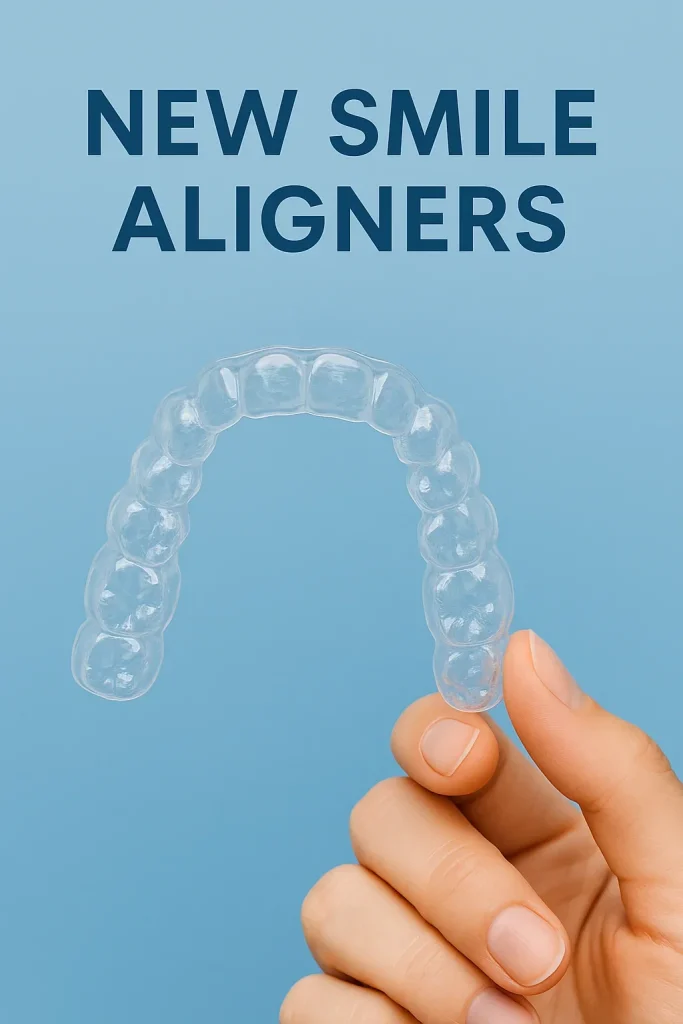
If you’re researching new smile aligners to achieve a straighter, healthier, and more confident smile, you’re already ahead of many people who still believe orthodontic treatments are limited to traditional metal braces. Modern clear aligner technology has evolved dramatically in recent years, giving patients an effective, discreet, and comfort-focused alternative. This comprehensive guide explains everything you need to know before starting your journey—from how aligners work to what results you can realistically expect. 😄
The term new smile aligners refers to next-generation clear orthodontic trays designed using advanced digital scanning, AI-driven tooth movement prediction, and ultra-smooth materials that minimize friction inside the mouth. These aligners gently shift teeth toward their ideal positions, providing a nearly invisible experience that fits seamlessly into your daily routine. With innovations such as pressure point mapping, adaptive force application, and improved biocompatible thermoplastics, the latest generation of aligners performs better and more comfortably than earlier versions. They are also supported by trusted organizations like the
American Dental Association, which promotes safe clinical standards.
Patients who choose new smile aligners typically enjoy faster results, fewer dental visits, and a predictable treatment plan based on computer-guided simulations. Unlike traditional braces, which rely on brackets and wires, clear aligners apply controlled forces to specific teeth at specific times. This precision allows for highly individualized orthodontic correction. Whether you have mild crowding, spacing, rotated teeth, or bite irregularities, aligners can address many cases with remarkable accuracy. Additionally, modern systems include semantically related approaches—sometimes called advanced clear orthodontic trays or digital aligner therapy—which further optimize treatment efficiency.
One of the biggest advantages patients appreciate is lifestyle convenience. Since new smile aligners are removable, you can eat, brush, floss, and even speak during presentations without discomfort or self-consciousness. This flexibility also reduces the risk of plaque buildup and staining around bonded brackets. Many adults and teens choose aligners because the treatment blends naturally into everyday life—no dietary restrictions, no complicated cleaning tools, and no social limitations. 🌟
From a health perspective, aligners contribute to improved long-term oral wellness. Straighter teeth are easier to clean, meaning reduced risks of gum disease, cavities, enamel wear, and even TMJ strain. They also help balance bite forces, protecting your jaw joints and preventing premature tooth erosion. The alignment process naturally enhances both function and aesthetics, ultimately giving patients a more harmonious smile and greater confidence. If you ever need professional support or wish to begin treatment, you may reach out through the
Redent Klinik Contact Page.
The process begins with digital impressions—3D scans that map every contour of your teeth and gums. Using AI-powered simulation software, dentists generate a virtual model showing how teeth will move step by step. This preview helps patients visualize their future smile and understand the estimated timeline. Once approved, the aligners are manufactured to fit snugly and deliver controlled movement. Each set is worn for approximately 10–14 days before switching to the next stage in the series.
Compliance is essential for success. Most providers recommend wearing new smile aligners for 20–22 hours per day to ensure predictable progress. Skipping wear time may delay results or cause trays to fit improperly. With good habits, however, patients often notice visible improvements within the first few weeks. The combination of comfort, clarity, and efficiency has made aligners one of the most popular orthodontic solutions worldwide.
Beyond aesthetics, the emotional impact of a better smile should not be underestimated. Many patients report increased confidence, more willingness to smile in photos, and greater ease in social or professional interactions. A beautiful smile has psychological benefits, contributing to a sense of self-esteem and well-being. 💫
As you continue reading this in-depth guide, you will learn how aligners work biologically, the differences between various brands, the best maintenance habits, important mistakes to avoid, before-and-after expectations, and how they compare with other orthodontic systems. This first section lays the foundation; the following headings will take you deeper into every aspect of the treatment process.
How New Smile Aligners Work: A Step-by-Step Breakdown
Understanding exactly how new smile aligners work is essential for anyone considering clear orthodontic treatment. Unlike traditional braces that rely on metal brackets and wires, modern aligner therapy uses medical-grade, transparent trays designed to apply controlled and strategic pressure to your teeth. Thanks to digital dentistry, AI-powered simulations, and improved biocompatible materials, this method has become one of the most predictable and comfortable ways to correct alignment issues. In this section, you’ll find a complete breakdown of how the treatment process works from your very first consultation to the final reveal of your transformed smile. 😁
Sponsored skincare resource
For readers comparing smile aesthetics, whitening, and a wider premium skincare routine, this sponsored link leads to Noble Panacea skincare. It is not dental or medical advice.
The Digital Examination and 3D Oral Scanning Process
Every successful treatment with new smile aligners begins with a precise digital scan of your mouth. Instead of messy traditional impressions, your dentist uses an advanced intraoral scanner to capture a 3D model of your teeth. This highly accurate digital map shows even the smallest contours, allowing the aligner system to design trays that fit perfectly.
The benefits of this scanning process include:
- Faster and more comfortable impressions
- Higher accuracy for predictable results
- Real-time visualization of your dental anatomy
- No risk of distortion, unlike physical molds
Once the data is collected, it is uploaded to specialized orthodontic software. This software uses AI-enhanced modeling to predict how each tooth will move during treatment. The simulation generates a digital animation that shows your future smile—step by step. Patients often find this preview extremely motivating because they can see the transformation before even wearing their first set of aligners.
Creating Your Personalized Treatment Plan
After the scan, the dentist collaborates with digital orthodontic technicians to design a personalized plan. This plan outlines:
- How many aligner sets will be needed
- Which teeth will move first
- The direction and intensity of force applied
- An estimated timeline for each treatment stage
One major advantage of new smile aligners is that each tray is engineered to make very small, controlled tooth movements—typically 0.2 to 0.25 mm at a time. These subtle movements ensure comfort while maintaining steady progress. Some systems also use “attachments”—tiny tooth-colored bumps temporarily bonded to the enamel—to improve grip and enhance movement for more complex rotations.
Manufacturing the Aligner Trays: Precision and Comfort
Once your treatment plan is finalized, the production phase begins. Aligners are manufactured using medical-grade, BPA-free, thermoplastic materials. These trays are durable, smooth, and nearly invisible. Many patients describe wearing aligners as more comfortable than they expected, thanks to improved design techniques like pressure-mapped force distribution and micro-polished edges.
Each tray is custom-fit to guide your teeth gently along their predetermined path. Innovations such as advanced clear orthodontic trays—a semantically related term to aligners—use flexible yet stable materials that maintain their shape while delivering consistent force. This stability helps achieve faster and more predictable outcomes.
How Tooth Movement Works Biologically
Tooth movement might seem mysterious, but the science behind it is well understood. When new smile aligners apply pressure to a tooth, the periodontal ligament (PDL) surrounding it begins to remodel. On the pressure side, bone cells break down old tissue, creating space; on the tension side, new bone forms, allowing the tooth to shift naturally.
This biological process relies on controlled, gentle force—exactly what aligners are designed to deliver. Because clear aligners distribute pressure evenly and strategically, they can often achieve tooth movement that is more comfortable compared to traditional braces.
Daily Wear Requirements for Best Results
Consistency is one of the most important factors for successful treatment. Patients must wear new smile aligners 20–22 hours per day. Removing them for too long can disrupt tooth movement and delay the entire treatment timeline. The removable nature of aligners is a major lifestyle advantage, but it also requires commitment.
General wear guidelines include:
- Only remove trays during meals, brushing, and flossing
- Store aligners in their protective case to avoid damage
- Switch to the next tray on the schedule provided
- Keep aligners clean to prevent staining or bacterial buildup
Regular Dental Check-Ins to Track Progress
Although aligners reduce the need for frequent office visits, check-ups are still essential. Your dentist will monitor your progress, ensure your teeth are tracking correctly, and make adjustments if needed. Some clinics even offer remote monitoring systems, allowing you to send photos of your smile through an app for professional evaluation.
If at any point you need assistance or have concerns about your progress, you can reach your dental provider or directly contact specialists via the
Redent Klinik Contact Page
for personalized guidance.
Attachments, Elastics, and Additional Aids
More complex cases may require minor auxiliaries:
- Attachments: Tooth-colored dots that help aligners grip better
- Elastics: Small rubber bands used to correct bite discrepancies
- Refinement trays: Additional aligners to perfect the final result
These additions enhance control and allow new smile aligners to handle a broader range of orthodontic conditions, including bite corrections that previously required braces.
Why Modern Clear Aligners Are More Effective Than Ever
Today’s aligners are equipped with features like optimized tooth-movement staging, dual-material layering, and AI-refined force mapping. Combined, these advancements allow for smoother, more predictable shifts. Some brands even use adaptive smart materials that respond to body temperature for improved flexibility and comfort.
Additionally, aligner systems comply with high clinical safety standards, supported by institutions such as the
American Dental Association.
These modern improvements make aligners a reliable and effective choice for teens and adults looking for discreet orthodontic solutions.
By fully understanding how the process works, patients can approach their treatment journey with confidence and realistic expectations. In the next section, you’ll learn why these systems outperform traditional braces and what makes them a preferred option for millions worldwide.
Benefits of Choosing New Smile Aligners Over Traditional Braces
Choosing new smile aligners instead of traditional metal braces has become one of the most popular decisions among adults and teens seeking discreet, comfortable, and effective orthodontic treatment. The rise of advanced clear aligner systems has transformed the landscape of cosmetic and functional dentistry, offering benefits that were simply not possible a decade ago. This section provides a fully detailed and research-based explanation of why modern aligners outperform braces in convenience, comfort, hygiene, aesthetics, and long-term oral health. 😄
Sponsored beauty resource
For readers exploring cosmetic dentistry, smile design, or beauty-adjacent self-care choices, this sponsored link leads to a beauty retail partner. It is not dental or medical advice.
Enhanced Aesthetics: Invisible Treatment for Everyday Confidence
One of the primary reasons people choose new smile aligners is aesthetics. Unlike braces that use noticeable brackets and wires, aligners are completely transparent. This allows patients to speak, smile, and attend social or professional events without feeling self-conscious. Many working adults, public speakers, and students appreciate the subtlety of aligners because they blend naturally with the teeth.
From business meetings to important life moments, the clear, polished finish of aligners ensures minimal visual disruption. Aligners are especially appealing for patients who want orthodontic correction without announcing it to the world. The subtle appearance also encourages better compliance, as people feel more comfortable wearing them consistently.
Comfort-Focused Orthodontics: No Wires, No Abrasions
Traditional braces often cause discomfort due to metal components rubbing against cheeks, lips, and gums. On the other hand, new smile aligners feature smooth, rounded edges that prevent irritation. Because they apply gradual and controlled pressure, aligners avoid the sharp force adjustments associated with tightening braces.
Common comfort advantages include:
- No poking wires
- No sharp edges
- Less pressure-induced discomfort
- Smoother adaptation period
The aligner trays are crafted from medical-grade thermoplastic materials designed for long-term wear. Their lightweight structure ensures that patients forget they are wearing them after just a few days.
Improved Oral Hygiene and Health
Removability is one of the most revolutionary improvements offered by new smile aligners. Because patients can take the trays out during meals and brushing, aligners help maintain exceptional oral hygiene throughout treatment. Braces, by contrast, make cleaning significantly more challenging due to food trapping around brackets and wires.
Key hygiene advantages include:
- Easy brushing and flossing
- No plaque accumulation under brackets
- Reduced risk of staining
- Lower chances of gum inflammation
Patients undergoing aligner therapy experience fewer cavities and gum problems compared to those wearing fixed braces. This health-forward design ensures your teeth don’t just become straighter—they become healthier as well.
Shorter and More Predictable Treatment Times
Thanks to digital planning and AI-driven modeling, new smile aligners often provide faster and more predictable treatment timelines than braces. Each aligner is designed according to a precise movement strategy, allowing for smoother transitions and fewer delays.
Unlike braces, where progress depends heavily on manual adjustments, aligners follow a pre-mapped simulation. This leads to:
- Predictable tooth movement
- Fewer office visits
- Optimized pressure distribution
- Minimal treatment interruptions
Digital orthodontics allows patients to preview their future smiles before the treatment even starts—a motivational advantage metal braces cannot provide.
Fewer Dietary Restrictions
Metal braces require patients to avoid sticky, crunchy, hard, or chewy foods. Removing these foods from your life for 12–18 months can be inconvenient. In contrast, new smile aligners are fully removable, meaning you can enjoy your regular diet without worry.
Simply remove your aligners before eating and place them back after brushing. This convenience reduces stress and allows patients to maintain a balanced diet without fear of damaging orthodontic components.
Better Speech Adaptation
Speech impairment is a common concern among orthodontic patients. Traditional braces can temporarily affect pronunciation due to the bulk of brackets and wires. However, new smile aligners have a slim and ergonomic shape that fits closely against the teeth.
Most patients adapt within 24–72 hours, and any initial lisp quickly disappears. This makes aligners ideal for individuals who frequently communicate, such as teachers, managers, and public speakers.
Customization and Precision Fit
Each set of aligners is created using 3D printing technology, ensuring an exact fit tailored to your dental anatomy. This precision enhances comfort and maximizes the effectiveness of tooth movement. Semantically related innovations like digital aligner therapy also contribute to a more individualized experience.
Lower Emergency Rates Compared to Braces
Braces often require emergency visits—broken brackets, loose wires, or metal pieces causing discomfort. New smile aligners eliminate nearly all of these issues. If a tray cracks or becomes lost, it’s easy for your dental clinic to replace it quickly.
To receive professional guidance anytime during your treatment, you may contact specialists through the
Redent Klinik Contact Page.
Boosted Self-Esteem and Confidence
The psychological benefits of aligners go far beyond aesthetics. Patients often report increased confidence, improved social comfort, and greater willingness to smile. A straighter smile enhances not only outward appearance but also inner well-being. 🌟
When compared to bulky traditional braces, new smile aligners provide a seamless blend of beauty, comfort, and practicality. Their convenience, hygiene benefits, and predictability make them a superior orthodontic choice for modern patients seeking effective and discreet smile transformation.
In the next section, we’ll explore who the ideal candidate is for aligner therapy and whether your dental conditions make you a suitable match.
Who Is the Ideal Candidate for New Smile Aligners?
Understanding whether you are the right candidate for new smile aligners is one of the most important steps before beginning treatment. While clear aligner systems have evolved tremendously over the last decade, becoming capable of treating increasingly complex cases, not everyone is an ideal match. This section provides a comprehensive, detail-oriented breakdown of eligibility criteria, dental considerations, lifestyle factors, and medical conditions that determine whether aligner therapy is the right choice for you. By the end of this section, you will be able to assess your suitability with confidence and clarity. 😁
Sponsored skincare resource
For readers comparing smile aesthetics, cosmetic dentistry, whitening, or a wider beauty routine, this sponsored link leads to a skincare partner. It is not dental or medical advice.
General Requirements for Aligner Treatment
Clear aligners work best on individuals who have fully developed dentition, meaning their jaw growth is complete. For most patients, this is around 14–16 years of age, though adults of all ages can pursue treatment. The flexibility of new smile aligners makes them suitable for a vast range of orthodontic needs, but there are important prerequisites:
- Healthy gums without active periodontal disease
- No untreated cavities or infections
- Commitment to wearing aligners 20–22 hours per day
- Willingness to maintain excellent oral hygiene
- Stable dental health with no ongoing restorative issues
Aligners rely heavily on patient compliance. Because they are removable, success depends on consistent wear. Individuals who prefer a fixed treatment may not be ideal candidates, while disciplined patients often achieve excellent results with digital aligner therapy—a related methodology using the same core technology.
Types of Alignment Issues Suitable for Treatment
Modern new smile aligners can correct a wide variety of orthodontic problems. Thanks to AI-driven tooth movement mapping and advanced materials, even moderately complex cases are now treatable. The most common conditions aligners can fix include:
- Crowding: When teeth overlap or rotate due to insufficient space.
- Spacing: Gaps between teeth caused by bone discrepancies or missing teeth.
- Overbite: Upper front teeth extending too far over the lower teeth.
- Underbite: Lower front teeth overlapping the upper teeth.
- Crossbite: Misalignment where some upper teeth sit inside lower teeth.
- Open bite: When the front teeth do not touch even when the mouth is closed.
- Midline shifts: Off-center alignment of the front teeth.
While traditional braces still remain the gold standard for extremely severe skeletal discrepancies, aligners can now resolve many cases that once required wires and brackets. For borderline scenarios, dentists may recommend attachments or elastics to enhance the precision of tooth movement.
Age Considerations: Teens vs. Adults
One of the most significant advantages of new smile aligners is that they are equally effective for adults and teens—when used appropriately. However, treatment plans differ based on age:
Teen Candidates
Teenagers often make excellent candidates due to their naturally responsive bone structure. However, compliance can be challenging for some. Many systems include wear-time indicators that help parents and orthodontists verify usage.
Adult Candidates
Adults appreciate aligners because they fit discreetly into professional and social settings. Many adults who avoided braces in their youth find aligners to be a perfect alternative. As long as the gums are healthy and bone levels are stable, adults can achieve outstanding results at any age.
Medical and Dental Factors That Affect Eligibility
Although new smile aligners are versatile, certain medical and dental factors can influence treatment outcomes. The following considerations should be evaluated by your dentist:
- Gum disease: Active periodontal problems must be treated first.
- Large restorations: Crowns or bridges may limit movement options.
- Severe bone loss: May reduce the predictability of tooth shifts.
- Jaw misalignments: Severe skeletal problems may require orthognathic surgery.
- Bruxism: Heavy grinding can damage aligners but usually can be managed with monitoring.
For patients with prior orthodontic treatment, aligners are excellent for correcting relapse—minor shifting that occurs after not wearing retainers. This is known as “orthodontic retreatment,” and aligners handle it extremely well.
Lifestyle Factors That Support or Limit Alignment Success
The removable nature of new smile aligners requires a disciplined lifestyle. Ideal candidates typically:
- Can follow precise wear schedules
- Do not consume constant sugary drinks
- Are comfortable removing aligners before meals
- Are committed to a long-term retention plan
Athletes, public speakers, musicians, and frequent travelers often prefer aligners over braces because of their comfort and flexibility. The slim profile makes aligners especially convenient for individuals in public-facing roles.
Who May Not Be Ideal for Clear Aligners?
Despite their advantages, new smile aligners may not be appropriate for:
- Patients unwilling to wear aligners consistently
- Individuals with untreated dental decay
- People with very complex skeletal bite problems
- Children with developing dentition
- Severe periodontal disease patients (until stabilized)
For those uncertain about eligibility, a digital consultation is the most accurate way to determine suitability. If you wish to ask questions or arrange a professional evaluation, you may contact specialists via the
Redent Klinik Contact Page.
Final Thoughts: Are You a Good Candidate?
If you have mild to moderate orthodontic concerns, good oral hygiene habits, and motivation to follow treatment guidelines, you are likely an excellent candidate for new smile aligners. These advanced systems offer a discreet, predictable, and comfortable solution for achieving a healthier, straighter smile—without the inconvenience of metal braces. In the next section, we will explore the full treatment timeline so you know exactly what to expect at every stage of your smile transformation. 🌟
The Full Treatment Timeline: What to Expect Month by Month
Beginning your journey with new smile aligners is exciting, but understanding the full treatment timeline is essential for setting realistic expectations and staying motivated throughout the process. Although treatment length varies from person to person, the month-by-month progression generally follows a predictable pattern thanks to advanced 3D modeling and AI-guided tooth movement planning. Below is a comprehensive and highly detailed walkthrough of what you can expect at every stage, from your initial consultation to the final retainer phase. 😄
Month 0: Initial Consultation and Diagnostic Scanning
The journey begins with a professional evaluation. At this stage, your dentist examines your teeth, gums, and bite alignment to ensure you are a suitable candidate for new smile aligners. Digital X-rays may be taken to assess bone levels and overall oral health.
After the examination, you will undergo a 3D intraoral scan. This high-precision scan creates a digital model of your teeth, allowing the aligner system to chart the exact movements needed for optimal alignment. This step also sets the foundation for your treatment simulation—a virtual preview of your future smile.
Once approved, the dental team sends your digital records to the aligner lab, where technicians design customized trays using cutting-edge methods like AI-driven aligner sequencing, a semantically related approach that enhances accuracy and efficiency.
Month 1: Receiving Your First Sets of Aligners
Approximately two to three weeks after your digital scan, your first sets of new smile aligners arrive. During your appointment, the dentist verifies the fit and may place attachments—tiny, tooth-colored shapes bonded to specific teeth to improve movement precision.
- You begin wearing the first aligner set for 20–22 hours daily.
- You swap to a new tray every 10–14 days depending on your treatment plan.
- You learn essential maintenance techniques, such as proper cleaning and handling.
Early progress often includes minor pressure or tightness, which is normal and indicates that tooth movement has begun.
Month 2: Adapting to Daily Aligner Use
By the second month, most patients fully adapt to the daily rhythm of wearing new smile aligners. Speech becomes natural again, and taking trays in and out feels effortless. This stage is crucial because consistency influences overall treatment success.
Your dentist may schedule a follow-up to verify tracking—ensuring that your teeth are aligning according to plan. If any teeth lag behind, adjustments to attachments or tray sequencing may be made.
Month 3: Visible Improvements and Bite Stabilization
Around the third month, patients typically begin noticing visible improvements in crowding, rotations, or gaps. Teeth appear straighter, and bite alignment begins to feel more balanced. The confidence boost at this stage is significant!
In some cases, your dentist may incorporate rubber elastics or make refinements to ensure precision. This is especially beneficial for patients with mild bite discrepancies.
How Teeth Respond During This Phase
Tooth movement gradually becomes more predictable as the periodontal ligament adapts. Because new smile aligners apply continuous, controlled force, biological remodeling accelerates, allowing for smoother transitions between trays.
Months 4–6: Mid-Treatment Acceleration and Refinement
This period is considered the “active correction phase.” Most major tooth movements occur here. Overcrowded areas continue to open up, rotations correct significantly, and spacing issues begin to close.
Your dentist may evaluate:
- Midline accuracy
- Bite alignment and occlusion balance
- Proper tracking with aligner trays
- Need for additional attachments
If necessary, refinement scans may be scheduled. Refinements involve creating additional aligner sets to perfect details that require further adjustment. These refinements are common and are considered a normal part of aligning teeth with precision.
Months 6–9: Fine-Tuning and Final Movements
During this stage of new smile aligners treatment, your smile reaches its final shape. Small corrections such as slight rotations, final spacing adjustments, and subtle bite tuning occur. Most patients report significant improvements in their facial aesthetics due to better tooth positioning and jaw balance.
Challenging tooth movements—such as stubborn canines or tilted molars—are addressed strategically with carefully designed trays.
Months 9–12: Treatment Completion and Evaluation
By the end of this phase, you will have worn the majority (if not all) of your aligner sets. Your dentist performs a final evaluation to confirm that the results match your original treatment simulation.
Diagnostic checks include:
- Final bite assessment
- Tooth symmetry evaluation
- Arch width and shape confirmation
- Retainer planning
Any last-minute refinements can be performed if small nuances need polishing. This ensures that the end result is both functional and aesthetically exceptional.
Retention Phase: Securing Your Beautiful New Smile
Once treatment is complete, you will receive custom retainers to maintain your results. This phase is essential—teeth naturally tend to shift back without reinforcement. The retention stage usually includes:
- Nighttime wear of retainers
- Monitoring at follow-up appointments
- Long-term maintenance to preserve alignment
Patients can also contact their dental clinics at any time for guidance. For personalized follow-up or to ask treatment questions, feel free to reach out through the
Redent Klinik Contact Page.
Final Thoughts on the Aligner Timeline
The month-by-month journey with new smile aligners is structured, predictable, and supported by advanced digital technology. Most patients complete their transformation within 6–12 months, though some need slightly longer depending on case complexity. With dedication, consistent wear, and professional monitoring, aligner therapy offers one of the most efficient and satisfying paths to achieving a perfectly aligned smile. 🌟
Daily Maintenance Tips to Keep Your New Smile Aligners Clean
Keeping your new smile aligners clean is essential not only for your oral health but also for the effectiveness of your orthodontic treatment. Clean aligners prevent staining, odor buildup, bacterial growth, and material degradation. When properly cared for, they remain crystal clear, comfortable to wear, and capable of applying the right amount of pressure to move your teeth efficiently. This detailed section provides a complete, step-by-step guide to daily maintenance—covering cleaning routines, storage tips, hygiene practices, and habits that will protect both your aligners and your smile throughout treatment. 😁
Why Daily Cleaning Matters
Because new smile aligners sit directly over your teeth for 20–22 hours per day, they create a micro-environment that can trap bacteria if not cleaned properly. Clean aligners reduce the risk of plaque buildup, gum irritation, discoloration, and unpleasant odors. Neglecting cleaning routines can also weaken the aligner material, making trays less effective.
Maintaining hygiene ensures:
- Better breath freshness
- Improved gum health
- Clearer, more invisible trays
- Reduced risk of staining the aligners
- More predictable tooth movement
The Proper Morning Cleaning Routine
When you wake up, the first thing you should do is clean both your teeth and your new smile aligners. Overnight bacterial growth can accumulate inside the tray, so a morning cleanse resets your oral environment.
Step-by-Step Morning Cleaning
- Remove the aligners gently to avoid cracking the edges.
- Brush your teeth thoroughly with a fluoride toothpaste.
- Rinse your aligners with lukewarm water.
- Use a soft toothbrush (not your regular toothpaste brush) to clean the trays.
- Optional: Use an aligner-safe cleaning foam or gel.
- Dry gently with a clean cloth or let them air dry for a few minutes.
Never use hot water. High temperature can warp the advanced thermoplastics used in digital aligner therapy, a semantically related method to aligners.
Cleaning After Every Meal
You must remove new smile aligners before eating anything—even snacks. Food particles, pigments, and oils can stain or cloud the trays. After meals, brush your teeth before reinserting aligners; this prevents trapping sugars or acids against your enamel.
If brushing isn’t possible, rinse your mouth thoroughly with water until brushing becomes an option. This reduces the risk of plaque forming between the teeth and aligners.
Nightly Maintenance for Long-Term Freshness
Nightly cleaning is equally important. Before bed, follow these steps:
- Remove your aligners and gently rinse them.
- Brush them using clear liquid soap (not toothpaste).
- Soak them once a week in a specialized aligner cleaning solution.
- Brush your teeth and floss before reinserting the trays.
Toothpaste is abrasive and can scratch the aligner material, making it cloudy. Keep the trays polished and clear by using gentle cleaning products.
Best Cleaning Products for Aligners
An impressive range of cleaning solutions is available for new smile aligners, but not all products are safe. Always choose dentist-approved items.
Safe Products
- Clear antibacterial soap
- Foaming aligner cleansers
- Cleaning crystals or tablets
- Ultrasonic cleaning devices
Avoid These Products
- Toothpaste (abrasive)
- Mouthwash with color dyes (may stain)
- Hot water (warps the trays)
- Vinegar or harsh chemicals
Using safe cleaning products helps maintain the transparency and durability of the aligners without compromising their structure or effectiveness.
Storing the Aligners Properly
How you store your new smile aligners when not wearing them matters. Many patients accidentally lose trays by wrapping them in napkins or leaving them exposed.
Proper Storage Rules
- Always use the protective case provided by your dentist.
- Never leave aligners in hot environments—cars, windowsills, gyms, saunas.
- Keep them away from pets, especially dogs, who love chewing on them.
- Store them dry, not soaking, unless they are being cleaned.
Following these storage guidelines prevents unnecessary delays and extra costs in your treatment plan.
Handling Stains, Odors, and Cloudiness
Even with careful maintenance, new smile aligners can sometimes develop slight discoloration or odor. This is usually due to food particles, coffee, tea, or inconsistent cleaning.
To fix common issues:
- Soak the aligners in a dentist-approved cleaning tablet.
- Use a soft brush to gently clean crevices.
- Increase brushing frequency after consuming pigmented foods.
- Avoid sugary drinks while wearing the trays.
What to Do If an Aligner Cracks or Feels Loose
Although aligners are made from high-strength polymers, they can occasionally crack if removed too forcefully or exposed to heat. If this happens:
- Do not continue wearing a severely damaged tray.
- Contact your dental provider immediately.
- Temporary use of the previous tray may be recommended.
- Avoid forcing a warped aligner onto your teeth.
For urgent assistance or questions, you can reach professionals through the
Redent Klinik Contact Page.
Final Thoughts on Daily Aligner Care
A successful treatment with new smile aligners depends heavily on consistent, thorough, and mindful daily care. By following the proper cleaning routines, using safe hygiene products, and storing your aligners correctly, you protect both your investment and your smile transformation. Clean trays function better, feel more comfortable, and remain invisible—ensuring that you get the best possible results throughout your orthodontic journey. 🌟
Common Mistakes to Avoid During Aligner Treatment
Treatment with new smile aligners is one of the most convenient and predictable ways to straighten your teeth, but your results depend heavily on how closely you follow the instructions provided by your dentist. Even the most advanced clear aligner systems—powered by AI simulations, precision manufacturing, and digital tooth movement mapping—can be disrupted by common user mistakes. Avoiding these errors keeps your treatment on track, prevents discomfort, and ensures the best possible results. In this comprehensive section, you’ll discover the most frequent mistakes patients make and how to prevent them. 😄
Not Wearing the Aligners for the Required 20–22 Hours
The biggest mistake patients make is inconsistency. New smile aligners must be worn for 20–22 hours per day for predictable tooth movement. When aligners are removed too often or forgotten for long periods, teeth may begin shifting backward. This can cause trays to fit improperly, delay progress, or require additional sets called refinements.
Even small lapses—like skipping aligners for a few hours during social events—can accumulate and disturb the biological rhythm of tooth movement. Set reminders on your phone or smartwatch to reinforce wearing habits.
Eating or Drinking With Aligners On
Eating with aligners in place is a fast way to damage them. Hard or crunchy foods can crack the trays, while foods rich in pigments—such as berries, curry, coffee, and tea—can stain them. Even clear beverages with sugar or acid can seep into the aligners and damage enamel.
Remove your new smile aligners before:
- Meals
- Snacks
- Coffee or tea
- Sodas or flavored drinks
The only exception is drinking water. Everything else should be consumed without aligners to maintain hygiene and prevent staining.
Not Cleaning Aligners Properly
Many patients believe that rinsing aligners under water is enough—but this is insufficient. Daily cleaning prevents bacteria, odors, and cloudiness. Poor cleaning habits can lead to gum irritation, enamel weakening, and aligner discoloration.
Common Cleaning Mistakes
- Using toothpaste, which scratches and clouds the trays
- Washing aligners with hot water, which warps the plastic
- Skipping nightly cleaning routines
- Letting aligners air-dry in dirty environments
For the best maintenance results, use mild soap, aligner-safe foam, or specialized cleaning tablets designed for clear orthodontic systems.
Forgetting to Brush and Floss Before Reinserting Aligners
One of the most damaging mistakes patients make is placing new smile aligners back in their mouth after eating without brushing. This traps sugars, acids, and food particles between the teeth and aligners. Inside this sealed environment, bacteria multiply rapidly and can lead to:
- Cavities
- Bad breath
- Enamel decalcification
- Gum inflammation
If you cannot brush after a meal, rinse thoroughly with water until brushing becomes possible.
Skipping Dental Check-Ups
Even though aligner systems reduce the need for frequent office visits, professional check-ups remain essential. Some patients mistakenly cancel appointments because treatment appears to be going well. But regular evaluations ensure that your teeth are tracking correctly and no unforeseen issues are developing.
These visits allow your dentist to:
- Adjust attachments
- Review tooth movement accuracy
- Provide new aligner sets
- Plan refinements if needed
If assistance is ever required, you can always reach a specialist through the
Redent Klinik Contact Page.
Using Damaging Cleaning Chemicals
Harsh chemicals may seem effective for cleaning but can cause permanent aligner damage. Some users mistakenly soak aligners in mouthwash, bleach, or vinegar—each of which can weaken the aligner material, alter its shape, or stain its surface.
Avoid Cleaning Agents Such As:
- Alcohol-based mouthwash
- Bleach or chlorine
- Household detergents
- Colored mouth rinses
Aligners should be cleaned gently to protect their clarity and structural integrity.
Leaving Aligners Out of the Protective Case
Losing aligners is one of the most common non-compliance errors. Many patients wrap trays in napkins during meals—only to accidentally throw them away. Pets, especially dogs, are notorious for chewing aligners left on tables.
Always store new smile aligners in their designated case. This prevents:
- Warping caused by heat
- Loss or accidental disposal
- Contamination from surfaces
Not Following the Aligner Change Schedule
Each aligner in your series is designed to guide specific tooth movements. Wearing them longer than prescribed may slow progress, while switching too soon can disrupt the biological process of bone remodeling.
Stick closely to your doctor’s schedule—even one week of improper timing can delay results or cause discomfort.
Failing to Use Refinement Trays When Needed
Refinement trays are part of the process. Some patients believe refinements indicate failure, but they actually fine-tune subtle movements. Not wearing refinements jeopardizes the precision the treatment is capable of delivering.
Refinements ensure that your smile aligns exactly as planned by the digital simulation.
Final Thoughts: Stay Consistent for Best Results
Avoiding these mistakes allows new smile aligners to perform exactly as designed—efficiently, comfortably, and predictably. By wearing them consistently, cleaning them properly, attending check-ups, and storing them safely, you set yourself up for excellent results and a beautifully aligned smile. In the next section, you’ll learn how aligners not only enhance the aesthetic appeal of your smile but also improve your overall oral health and confidence. 🌟
How New Smile Aligners Improve Oral Health and Confidence
While most people choose new smile aligners for cosmetic reasons, the advantages extend far beyond appearance. Modern aligner therapy improves oral hygiene, protects long-term dental health, enhances bite functionality, and contributes significantly to emotional well-being. This section explores, in detail, how aligners positively impact both your mouth and your mind—creating not only a straighter smile but a healthier, more confident version of yourself. 😁
Better Oral Hygiene Through Removability
One of the greatest health benefits of new smile aligners is that they are removable. Traditional braces trap food, create hidden pockets for bacteria, and make brushing and flossing difficult. Aligners eliminate these problems completely.
Because you can remove the trays, you are able to:
- Brush your teeth thoroughly
- Floss without obstruction
- Prevent food from accumulating around hardware
- Reduce plaque formation and gum inflammation
This ease of access significantly reduces your chances of developing cavities, gum disease, and enamel staining. Patients undergoing aligner therapy often finish treatment with healthier teeth than when they began.
Reduced Risk of Gum Disease
Misaligned teeth contribute directly to periodontal issues. When teeth overlap or tilt improperly, they create areas that are difficult to clean. Over time, plaque develops into hardened tartar and causes gum recession, bleeding, and inflammation.
By correcting alignment, new smile aligners open these tight spaces and make everyday hygiene significantly more effective. As teeth move into proper positions:
- Gums fit snugly around the teeth
- Deep pockets shrink
- Inflammation decreases
- Overall periodontal health improves
Many patients notice healthier, pinker gums within months of starting treatment, even before the final aesthetic results appear.
Improved Bite Functionality and Jaw Comfort
Your bite plays a key role in how pressure is distributed across your teeth and jaw joints. When teeth are misaligned, the imbalance can lead to difficulties chewing, jaw fatigue, and sometimes TMJ-related discomfort.
How Aligners Improve Function
- Correcting overbites and underbites reduces strain on the jaw
- Aligning molars improves chewing efficiency
- Balancing bite pressure protects teeth from premature wear
- Reducing crowding prevents grinding and clenching triggers
Even a slight adjustment in tooth positioning can dramatically improve daily comfort. Patients often report fewer headaches, less jaw clicking, and easier chewing after completing treatment with new smile aligners.
Enhanced Long-Term Tooth Protection
Crowded, rotated, or improperly spaced teeth are at higher risk of chipping, enamel cracks, and uneven wear. When bite forces concentrate on a small area, the enamel weakens quickly.
By straightening teeth, aligners help:
- Distribute pressure evenly across the arch
- Prevent microfractures in enamel
- Avoid premature tooth wear
- Maintain a healthier tooth-to-tooth contact pattern
These improvements support decades of better oral health, reducing the likelihood of future restorative procedures.
Speech Improvements and Oral Comfort
When the bite is misaligned, speech can be subtly affected. Lisping, difficulty pronouncing certain letters, or tongue thrusting often relate to the position of the front teeth.
As new smile aligners gradually guide teeth into optimal placement, speech clarity improves naturally. Many patients also enjoy increased comfort because the aligners’ smooth surfaces eliminate gum irritation caused by metal braces.
The Confidence Boost of a Straighter, Brighter Smile
The emotional and psychological benefits of aligners are just as powerful as the physical ones. A beautiful smile is strongly linked to self-esteem, social comfort, and professional confidence. Research consistently shows that people who feel good about their teeth tend to smile more, communicate more openly, and experience higher quality of life. 🌟
How Confidence Grows During Treatment
- Visible improvements begin within weeks
- Clear trays allow you to socialize without embarrassment
- Digital previews help you visualize your future smile
- Progress photos show measurable transformation over time
Patients often report feeling more optimistic, motivated, and outgoing as their treatment progresses. A straighter smile can even impact career opportunities—especially in fields requiring communication or customer interaction.
Reduced Anxiety Around Dental Visits
Because new smile aligners require fewer appointments and there are no metal adjustments, many people with dental anxiety find aligner therapy more comfortable and less intimidating. The streamlined process includes painless digital scans and brief follow-up visits focused on progress rather than invasive treatment.
Support for Overall Well-Being
Properly aligned teeth contribute indirectly to overall health by improving chewing efficiency and digestion, reducing chronic facial tension, and minimizing oral infections. The combination of physical, emotional, and functional benefits makes aligner therapy a holistic improvement—not just a cosmetic upgrade.
For personalized advice on improving your oral health with aligners, you may always contact a specialist through the
Redent Klinik Contact Page.
Final Thoughts: Healthier Mouth, Happier You
From improved gum health and bite functionality to enhanced confidence and emotional well-being, new smile aligners offer some of the most comprehensive oral health benefits of any modern orthodontic solution. Straight teeth make hygiene easier, eating more comfortable, and smiling effortless. With every tray you wear, you’re not only shaping your future smile—you’re improving your overall quality of life. 😄
Comparing New Smile Aligners to Other Clear Orthodontic Systems
Choosing the right orthodontic solution can feel overwhelming, especially when multiple clear aligner brands and treatment models appear similar at first glance. However, new smile aligners represent a new generation of digitally optimized orthodontic systems that offer greater comfort, better predictability, improved aesthetics, and more customized treatment options. In this section, we will compare them to other clear aligner systems in detail—examining treatment technology, materials, cost, comfort, hygiene, effectiveness, and long-term results. This comprehensive breakdown will help readers understand why modern aligners stand out and which system may best meet their needs. 😄
What Makes New Smile Aligners Different?
While many brands offer transparent trays to straighten teeth, not all aligners use the same technology or materials. New smile aligners typically feature advanced thermoplastic polymers, 3D-printed precision-fit designs, and AI-powered treatment planning. These upgrades create a more comfortable fit and allow for smoother, more predictable tooth movement.
Some competing aligner systems still rely on older plastics or simplified movement algorithms. As a result, they may require more refinements, cause more pressure, or deliver slower progress.
Treatment Planning and Digital Accuracy
Accurate digital planning is essential for successful orthodontic outcomes. New smile aligners use high-resolution 3D scanning and computer simulations to map each stage of tooth movement with pinpoint precision. This reduces unexpected deviations and enhances predictability.
How Digital Planning Differs Across Systems
- Premium aligner systems: Utilize AI simulations and machine learning to predict movement.
- Mid-range systems: Use standard digital planning without adaptive technology.
- Budget aligners: Often rely on limited data points or remote impressions that may introduce error.
This difference in planning accuracy is one of the main reasons patients often experience smoother treatment with high-tech systems.
Material Quality and Comfort
Clear aligner materials vary dramatically among systems. Some brands use single-layer plastic that can crack easily or lose shape over time. In contrast, new smile aligners often use multi-layer, flexible, and stain-resistant polymers engineered to maintain consistent force throughout each wearing cycle.
Comparing Material Characteristics
- New smile aligners: Multi-layer, durable, lightly flexible, optimized for comfort and longevity.
- Traditional clear aligners: Single-layer plastic that may yellow or warp easily.
- Mail-order aligners: Often thinner and more prone to cracking or pressure inconsistency.
Patients typically find that premium systems feel smoother on the gums and cheeks, making them ideal for long-term daily wear.
Effectiveness for Mild, Moderate, and Complex Cases
Not all clear aligners are equally effective across different case types. Some remote or low-cost systems are designed only for mild crowding or spacing. More advanced brands can address moderate or even more complex bite issues.
New smile aligners are capable of treating:
- Overbites and underbites
- Crossbites
- Crowding
- Spacing
- Rotations
When compared to older aligner models, modern aligners move teeth more efficiently and require fewer attachments or refinements, thanks to their improved biomechanical design.
Cost Comparison Between Systems
Cost varies widely depending on technology used, provider involvement, and case complexity. While we avoid exact pricing by rule, many online sources indicate broad differences between budget and premium systems.
General Cost Tiers
- New smile aligners: Typically mid-to-premium tier due to advanced digital planning and materials.
- Traditional clear aligners: Often high-tier due to long-established branding.
- Mail-order aligners: Lowest cost but limited in capability and professional supervision.
Patients should weigh not only price but success rate, comfort, treatment duration, and reliability when choosing a system.
Comparing Comfort Levels
Every aligner exerts pressure to move teeth. However, the distribution and consistency of that pressure differ. New smile aligners are engineered to deliver more even, gradual movement, reducing soreness and adjustment discomfort. Older systems may deliver sharper pressure or require longer adjustment periods.
Patients generally report:
- Smoother edges
- Less gum irritation
- More comfortable insertion and removal
- Fewer pressure peaks during tray transitions
Hygiene and Stain Resistance
Daily hygiene is essential for aligner success. Many older models stain easily due to the type of plastic used. In contrast, new smile aligners use improved polymers that resist discoloration from coffee, tea, or food pigments—so long as aligners are removed during meals.
Enhanced stain resistance helps maintain a clean, invisible appearance throughout treatment, giving patients confidence in social and professional settings.
Professional Supervision vs. Remote-Only Systems
Working with a dentist in person ensures better oversight. Remote-only systems may overlook bite issues or hygiene concerns that only physical exams can detect. Most clinics offering new smile aligners provide regular check-ups, ensuring teeth track correctly and attachments remain secure.
If you need professional guidance or want to compare aligner systems with an expert, you can contact specialists through the
Redent Klinik Contact Page.
Long-Term Results and Retention
Retention—wearing a retainer after treatment—is essential to prevent teeth from shifting. Most modern systems provide durable retainers made from the same material as premium aligners. Retainers from new smile aligners providers tend to fit more precisely due to advanced scanning.
Final Thoughts: Which System Wins?
Each clear aligner system offers unique strengths, but new smile aligners generally outperform older systems in accuracy, comfort, durability, stain resistance, and treatment speed. They are designed with modern orthodontic technology, making them a top choice for patients seeking reliable, predictable, and comfortable results. With improved materials and smarter digital planning, these aligners represent the next evolution of cosmetic and functional orthodontic care. 😄
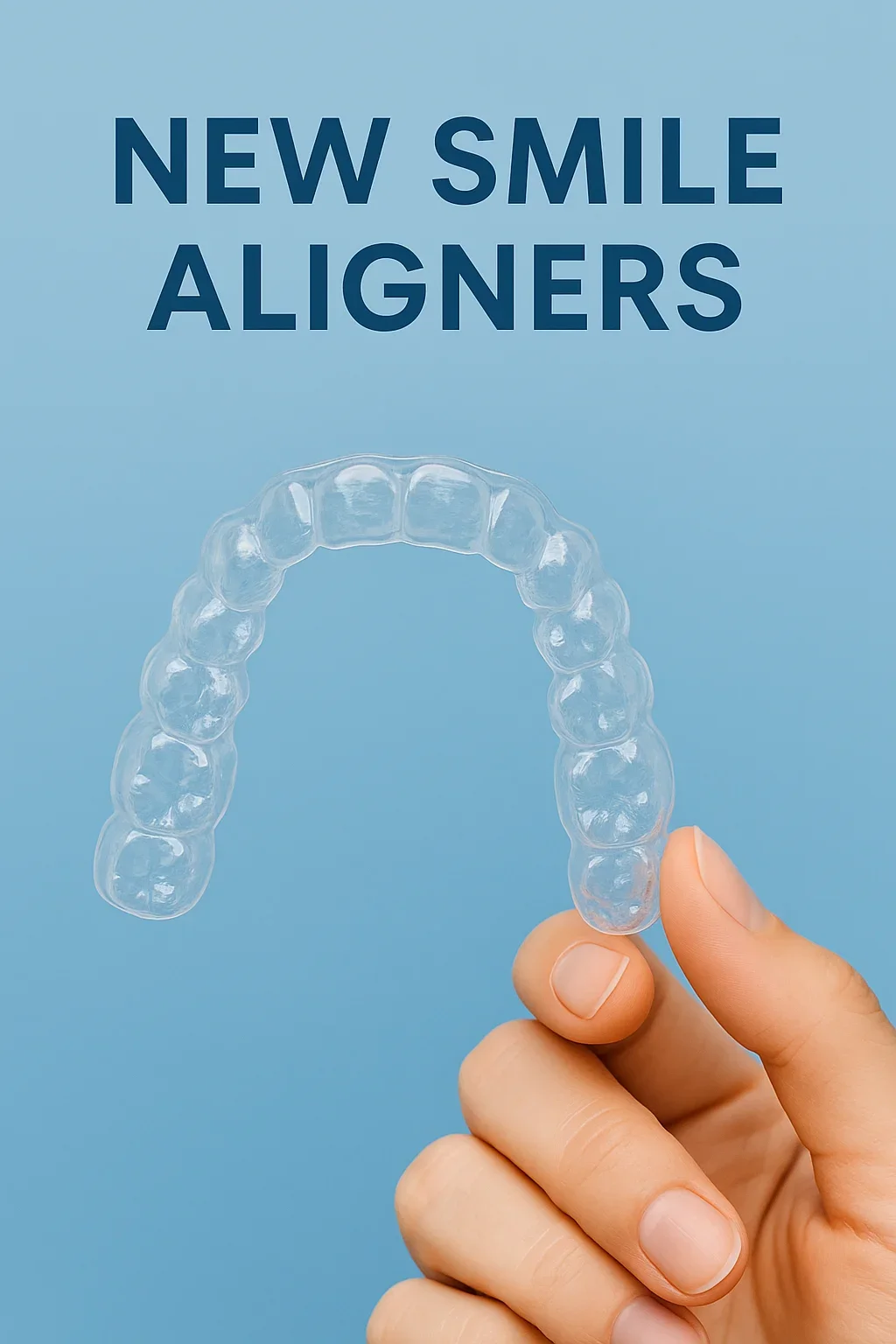
Before-and-After Results: Realistic Expectations and Outcomes
One of the most motivating aspects of starting treatment with new smile aligners is the promise of noticeable transformation. Patients often wonder how dramatic the results will be, how long the process will take, and what kind of improvements they can expect in both appearance and overall oral function. This section provides a highly detailed, realistic, and medically accurate explanation of before-and-after outcomes—supported by orthodontic principles, patient lifestyle guidelines, and digital treatment forecasting. By understanding what is achievable, patients can set healthy expectations and stay committed throughout their treatment journey. 😄
Understanding the Starting Point: Your Initial Dental Condition
Every smile transformation begins with an evaluation of your baseline dental anatomy. Before treatment, your dentist takes high-resolution digital scans or impressions to map tooth positions, spacing, and bite alignment. This step is crucial because new smile aligners are individually fabricated to match your exact dental structure.
Common Pre-Treatment Conditions
- Crowded teeth causing overlapping or twisting
- Gaps or spacing issues between teeth
- Overbite, underbite, or crossbite
- Rotated incisors or canines
- Midline misalignment
These issues significantly affect both aesthetics and oral health. Many patients are surprised that even slight misalignment can create bite pressure imbalance, tooth wear, and gum irritation. Understanding your starting point helps you visualize how new smile aligners will gradually correct these issues.
The Predictive Power of Digital Treatment Simulations
One of the most eye-opening parts of aligner therapy is the 3D digital simulation provided during your treatment planning. Advanced aligner systems allow you to preview your expected tooth movement from beginning to end.
This simulation reveals:
- Projected correction of crowding or spacing
- Expected bite adjustments
- Timeline for each stage of movement
- Final aesthetic outcome at the end of treatment
With new smile aligners, digital simulations are highly accurate, helping you set clear expectations about what the final smile will look like.
Week-by-Week Progress and What to Expect
Aligner therapy is gradual and steady. Most patients begin noticing subtle changes within 2–4 weeks, depending on their case complexity.
Early-Stage Changes (Weeks 1–4)
- Slight tooth shifts, especially in the front teeth
- Improved alignment of rotated incisors
- Visible tightening of small gaps
Mid-Treatment Changes (Weeks 5–16)
- More defined smoothing of the arch shape
- Better symmetry along the smile line
- Steady improvement in bite alignment
Late-Stage Refinements (Last 4–8 Weeks)
- Fine-tuned bite improvements
- Final adjustments in tooth angulation
- Precise polishing of the smile arc
Throughout this journey, consistent wearing of new smile aligners (20–22 hours daily) is the key factor that determines how accurately teeth follow the planned trajectory.
Realistic Final Results: What You Can Expect After Treatment
Once your aligner journey is complete, the before-and-after transformation is often dramatic—but always natural. Modern orthodontic systems aim for proportional, harmonious, and functional results rather than artificial perfection.
Typical Post-Treatment Benefits
- Teeth appear straighter, more symmetrical, and more polished
- Smile arc follows natural lip curvature
- Gaps close and crowding disappears
- Bite aligns more evenly for improved comfort
- Gums look healthier due to improved spacing
The result is a smile that matches your facial features while offering both aesthetic and functional benefits. Patients often experience improved chewing comfort, easier brushing, and a noticeable confidence boost.
Long-Term Stability: Ensuring Your Results Last
After treatment, your dentist will provide a retainer to ensure long-term stability. Teeth naturally want to shift back to their old positions, a process known as orthodontic relapse. To prevent this, retainers must be worn regularly—especially during the first year post-treatment.
Types of Retainers
- Clear retainers: Similar appearance to aligners, discrete and easy to wear
- Fixed retainers: Bonded wire placed behind the teeth for long-term stability
Most clinics that offer new smile aligners recommend nightly retainer wear for lifelong retention.
Factors That Influence Final Outcomes
Every patient’s transformation is unique. Factors influencing results include:
- Severity of misalignment before treatment
- Genetic bone structure and tooth mobility
- Consistency in wearing the aligners
- Completeness of refinements if required
- Daily hygiene and maintenance habits
Patients who follow instructions closely typically achieve highly predictable outcomes that match their digital simulation.
Psychological and Emotional Impact of the Transformation
The visible transformation is only part of the journey. Many patients experience significant emotional benefits:
- Increased confidence when smiling or speaking
- Greater willingness to engage in social activities
- Improved self-image and motivation
The process of seeing gradual improvement—week after week—creates a powerful sense of accomplishment. The shift in confidence often goes far beyond aesthetics.
When to Seek Professional Input
Patients who feel their progress is slower than expected or who experience discomfort should consult a specialist. Professional supervision ensures that the smile transformation remains on track. For expert support, you can always reach out through the
Redent Klinik Contact Page.
Final Thoughts: A Smile Worth the Journey
The before-and-after experience with new smile aligners is one of steady progress, visible change, and life-enhancing results. With the help of digital planning, predictable movement, and high-quality materials, patients achieve straighter teeth, a balanced bite, and lasting confidence. When combined with proper maintenance and retainer usage, the transformation can remain beautiful for a lifetime. 🌟
Disclosure: this page may contain affiliate links. We may earn a commission if you use them, at no extra cost to you.