
The newest dental implants represent a major breakthrough in modern restorative dentistry, offering patients safer procedures, faster healing times, and more natural-looking results than ever before. If you are researching tooth replacement options, chances are you want the most advanced, long-lasting, and aesthetically pleasing solution available. This comprehensive 2026 guide explains everything you need to know about the newest dental implants, including how they work, what makes them different, and why they are transforming smiles worldwide. 😊
Dental implants have been used successfully for decades, but technology has evolved dramatically. The newest dental implants are not simply upgraded versions of traditional titanium screws. They are the result of advanced biomaterials, digital planning systems, surface innovations, and minimally invasive surgical techniques. These improvements aim to increase osseointegration (the bonding between implant and bone), reduce complications, and improve long-term success rates.
At their core, the newest dental implants function the same way as conventional implants: they replace the root of a missing tooth. A small post is surgically placed into the jawbone, where it integrates with the surrounding bone tissue. Once healing is complete, a custom crown is attached, restoring both function and aesthetics. However, the newest dental implants improve each stage of this process using precision engineering and digital dentistry tools.
One of the most important developments in the newest dental implants is surface technology. Modern implant surfaces are treated with micro-roughening techniques, laser etching, or bioactive coatings. These surface modifications allow bone cells to attach more quickly and securely, speeding up healing and improving long-term stability. In many cases, the newest dental implants allow for faster loading times, meaning patients may receive their permanent restoration sooner than in the past.
Another defining feature of the newest dental implants is the integration of digital planning. Using 3D cone beam computed tomography (CBCT) scans and advanced implant planning software, dentists can evaluate bone density, nerve positioning, and anatomical structures with incredible accuracy. This digital workflow increases safety and precision. As a result, placement of the newest dental implants is more predictable and minimally invasive compared to older techniques.
Material innovation is also central to the evolution of the newest dental implants. While titanium remains the gold standard, zirconia implants are becoming increasingly popular, especially for patients seeking metal-free solutions. Zirconia implants offer excellent biocompatibility and natural white coloration, making them particularly suitable for aesthetic areas. Whether titanium or zirconia, the newest dental implants are engineered to reduce inflammation and improve tissue compatibility.
Patients are often concerned about durability and long-term performance. Clinical research and data from respected organizations such as the American Dental Association confirm that modern implant systems have extremely high success rates when properly placed and maintained. The newest dental implants often demonstrate success rates exceeding 95% over 10–15 years, and ongoing research continues to enhance these outcomes.
Another advantage of the newest dental implants is improved comfort during and after surgery. Guided implant surgery, which uses custom surgical templates based on digital scans, minimizes trauma to surrounding tissues. This often results in reduced swelling, less discomfort, and shorter recovery periods. Many patients report returning to normal activities much sooner compared to traditional implant approaches.
The aesthetic improvements are equally impressive. The newest dental implants are designed with better emergence profiles and soft tissue support. This means that the gum line looks more natural, especially in the front teeth region. For patients who prioritize smile aesthetics, these advancements can make a significant difference in overall satisfaction. 😁
It is also important to mention that the newest dental implants are part of a broader ecosystem of advanced implant dentistry. Innovations such as immediate implants, same-day restorations, and advanced bone regeneration techniques often work hand-in-hand with the newest dental implants to provide comprehensive treatment solutions. This holistic approach ensures that even patients with bone loss or complex cases may still qualify for implant treatment.
If you are considering treatment, choosing a clinic experienced with the newest dental implants is essential. Expertise in digital planning, surgical precision, and prosthetic design directly affects the final result. For personalized consultation and detailed evaluation, you can visit the Redent Klinik Contact Page to speak with a qualified dental team.
In summary, the newest dental implants combine advanced materials, digital precision, improved surface technologies, and minimally invasive techniques to deliver superior outcomes. They offer enhanced stability, faster healing, greater aesthetic appeal, and long-term reliability. As implant dentistry continues to evolve in 2026 and beyond, patients can expect even more refined solutions designed to restore confidence, comfort, and oral health for years to come. 🌟
What Are the Newest Dental Implants and How Do They Work?
The newest dental implants are the most advanced generation of implant systems designed to replace missing teeth with maximum precision, durability, and biological compatibility. While traditional implants have been successfully used for decades, the newest dental implants integrate modern biomaterials, digital planning, and enhanced surface engineering to deliver better clinical outcomes and improved patient comfort. In this section, we will explore how the newest dental implants function, what makes them different, and why they are considered the gold standard in 2026. 🦷
The Core Structure of the Newest Dental Implants
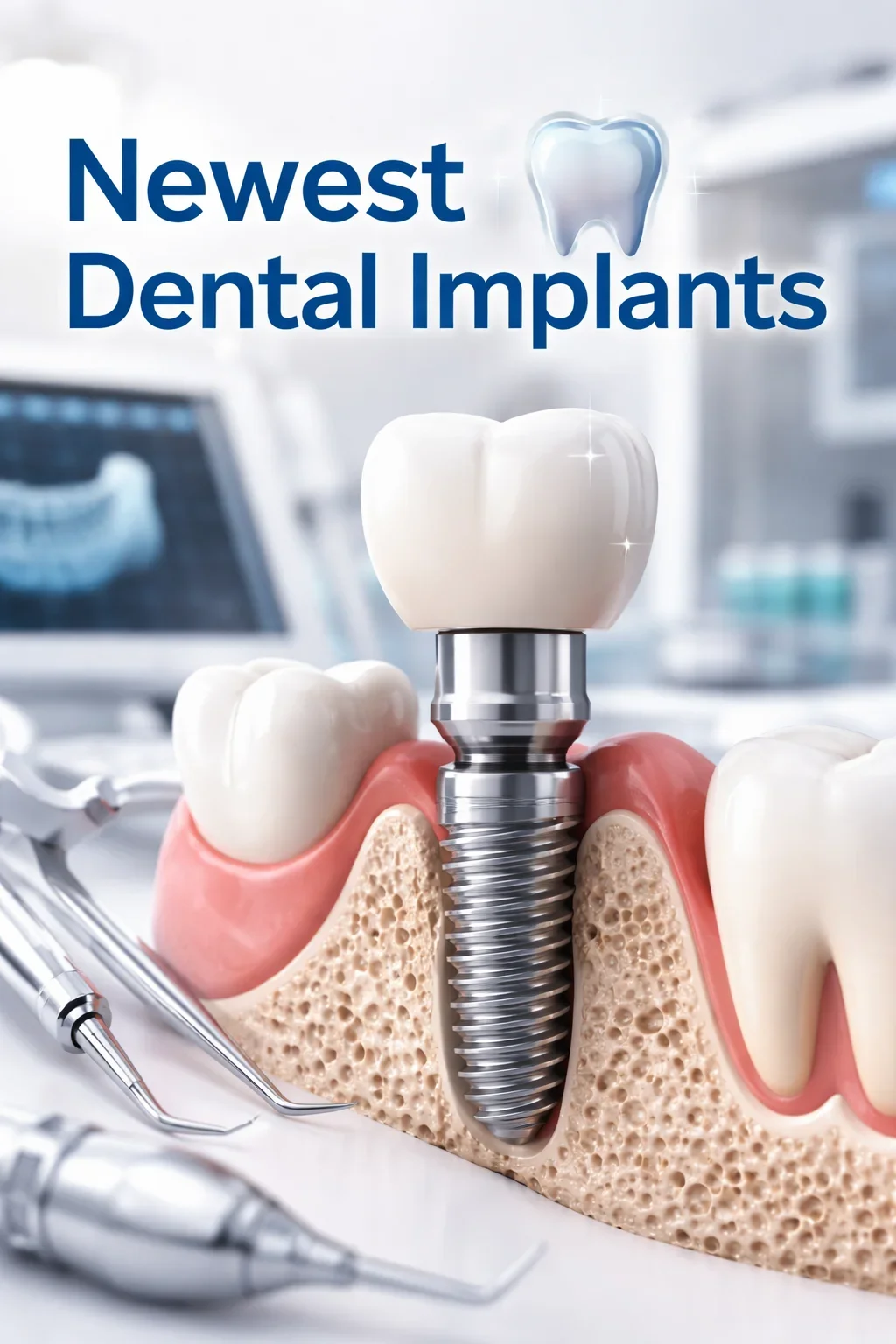
To understand the newest dental implants, it is essential to first understand their structure. Every implant system consists of three main components: the implant fixture (the artificial root), the abutment (the connector), and the crown (the visible tooth). The newest dental implants maintain this foundational design but improve each element for greater strength and biological harmony.
The implant fixture of the newest dental implants is typically made from medical-grade titanium or zirconia. Titanium remains the most widely used material due to its exceptional strength and ability to fuse with bone. However, zirconia implants are increasingly popular for patients seeking metal-free solutions. Both options in the newest dental implants category are engineered to optimize osseointegration — the direct bonding between the implant surface and the jawbone.
Enhanced Surface Technology
One of the defining characteristics of the newest dental implants is advanced surface treatment. Unlike older smooth-surface implants, modern systems use micro-textured or nano-treated surfaces. These modifications increase the surface area, allowing bone cells to attach more effectively. The result is faster healing and stronger integration. This innovation significantly improves the long-term stability of the newest dental implants.
How the Newest Dental Implants Bond With Bone
The process that allows the newest dental implants to function like natural tooth roots is called osseointegration. After placement into the jawbone, the surrounding bone cells gradually grow around the implant surface. Over a period of several weeks to months, the implant becomes firmly anchored in place.
The newest dental implants accelerate this biological process. Thanks to improved surface coatings and optimized thread designs, bone regeneration around the implant occurs more efficiently. Some systems even incorporate bioactive coatings that stimulate bone growth. This means patients may experience shorter healing times compared to older implant designs.
Immediate and Early Loading Options
Another breakthrough in the newest dental implants is the ability to support immediate or early loading protocols. In selected cases with sufficient bone density, a temporary crown can be attached shortly after surgery. This approach reduces the waiting period and enhances patient satisfaction. However, careful case selection and professional evaluation are essential to ensure the success of the newest dental implants under immediate loading conditions.
Digital Planning and Precision Placement
The newest dental implants are closely linked to digital dentistry. Before surgery, dentists use 3D cone beam imaging (CBCT scans) to assess bone structure, nerve location, and sinus anatomy. Advanced planning software creates a virtual model of the patient’s mouth, allowing precise implant positioning. This level of digital precision significantly improves the safety and predictability of the newest dental implants.
In many clinics, guided implant surgery is used. A custom surgical guide is fabricated based on digital planning data. This guide ensures that the newest dental implants are placed at the exact angle and depth predetermined during the planning stage. The result is reduced surgical trauma, minimal incisions, and faster recovery. 😊
Biomechanical Advantages of the Newest Dental Implants
Modern implant systems are designed to distribute biting forces more evenly across the jawbone. The newest dental implants often feature optimized thread patterns and tapered designs that enhance primary stability. This reduces micromovement during healing and contributes to higher success rates.
Additionally, the connection between the implant and abutment has been refined. Many newest dental implants use conical or internal hex connections that minimize micro-gaps. This reduces bacterial infiltration and protects surrounding gum tissue. Improved sealing at this junction supports long-term gum health and helps maintain bone levels around the implant.
Who Benefits Most From the Newest Dental Implants?
The newest dental implants are suitable for a wide range of patients, including those missing a single tooth, multiple teeth, or even a full arch. They are particularly beneficial for patients who want long-lasting, fixed solutions instead of removable dentures. Because of their improved design and healing properties, the newest dental implants may also be appropriate for certain patients with reduced bone density, although additional procedures such as bone grafting may sometimes be required.
In summary, the newest dental implants represent a combination of advanced material science, digital technology, and refined surgical techniques. They function by securely integrating with the jawbone, supporting a custom-designed crown, and restoring natural chewing ability and aesthetics. With enhanced surface treatments, improved biomechanical stability, and digitally guided placement, the newest dental implants offer a safer, faster, and more predictable solution for tooth replacement in 2026 and beyond. 🌟
Materials Used in the Newest Dental Implants
The materials behind the newest dental implants play a critical role in their strength, longevity, and biological compatibility. Over the years, implant dentistry has evolved from basic titanium screws to highly engineered systems designed to integrate seamlessly with bone and soft tissue. Today, the newest dental implants are manufactured using advanced biomaterials that prioritize durability, aesthetics, and patient safety. Understanding these materials helps patients make informed decisions and appreciate why modern implants perform better than ever before. 🦷
Titanium: The Gold Standard in the Newest Dental Implants
Titanium remains the most widely used material in the newest dental implants. Medical-grade titanium is exceptionally strong, lightweight, and resistant to corrosion. Most importantly, titanium is biocompatible, meaning the body does not reject it. This compatibility allows the newest dental implants made from titanium to bond naturally with the jawbone through osseointegration.
Modern titanium implants are typically produced from commercially pure titanium or titanium alloys such as Ti-6Al-4V. These alloys increase mechanical strength without compromising safety. In the newest dental implants, titanium surfaces are often modified through sandblasting, acid-etching, or laser treatment. These micro- and nano-textured surfaces increase surface area and enhance bone cell attachment, improving stability and healing time.
Surface Modifications and Bioactive Coatings
One of the most significant material advancements in the newest dental implants is surface engineering. Instead of relying solely on the base metal, manufacturers apply bioactive coatings such as calcium phosphate or hydroxyapatite. These coatings mimic natural bone minerals, encouraging faster integration. As a result, the newest dental implants often demonstrate quicker healing periods and stronger bone bonding compared to earlier generations.
Zirconia: The Metal-Free Alternative
Zirconia has emerged as an important alternative material in the newest dental implants. Zirconia is a high-strength ceramic known for its white color and excellent biocompatibility. For patients who prefer metal-free solutions or have metal sensitivities, zirconia-based newest dental implants offer an attractive option.
Unlike titanium, zirconia implants are tooth-colored, making them particularly beneficial for front teeth restorations where aesthetics are critical. The newest dental implants made from zirconia also show favorable soft tissue response, meaning gums often adapt well around them. This reduces the risk of gum discoloration and supports natural-looking results.
Strength and Durability of Zirconia
Modern zirconia used in the newest dental implants is stabilized with yttria, which significantly enhances fracture resistance. Earlier ceramic implants were more brittle, but advancements in material science have dramatically improved durability. Today’s newest dental implants made from zirconia are engineered to withstand chewing forces while maintaining long-term reliability.
Hybrid and Innovative Materials in 2026
Beyond titanium and zirconia, research continues to push the boundaries of material innovation. Some of the newest dental implants incorporate hybrid structures that combine titanium cores with ceramic coatings. This approach maximizes strength while improving aesthetics and tissue compatibility.
Additionally, nanotechnology plays a growing role in the newest dental implants. Nanostructured surfaces are designed to interact at a cellular level, enhancing bone regeneration and reducing inflammation. These microscopic design improvements may seem small, but they significantly influence the overall success rate of modern implant systems.
Biocompatibility and Tissue Response
The success of the newest dental implants depends not only on strength but also on how surrounding tissues respond. Both titanium and zirconia demonstrate excellent biocompatibility, meaning they are unlikely to trigger allergic or inflammatory reactions. The newest dental implants are also designed to minimize bacterial accumulation around the implant neck, reducing the risk of peri-implantitis (inflammation around implants).
Advanced surface chemistry in the newest dental implants helps maintain stable bone levels around the implant. Preserving bone structure is crucial for long-term aesthetics and functional stability. This is especially important in visible areas where gum recession could impact appearance. 😊
Material Selection Based on Patient Needs
The choice of material for the newest dental implants depends on multiple factors, including bone density, aesthetic expectations, and medical history. Titanium remains the first choice for many complex cases due to its proven long-term data and mechanical strength. However, zirconia newest dental implants are increasingly popular for patients prioritizing cosmetic excellence or seeking holistic treatment approaches.
In some cases, dentists may recommend specific implant systems based on their proprietary material technologies. Each brand of newest dental implants invests heavily in research and development to optimize strength, surface design, and integration efficiency. Clinical studies continue to confirm that modern implant materials significantly improve success rates compared to earlier designs.
Longevity and Performance Expectations
When properly placed and maintained, the newest dental implants made from advanced materials can last decades. Studies consistently show survival rates above 95% over 10–15 years. The enhanced materials used in the newest dental implants contribute directly to these high success rates by promoting stable bone integration and reducing mechanical complications.
Patients who maintain excellent oral hygiene and attend regular dental check-ups can expect their newest dental implants to function similarly to natural teeth. Proper care ensures that both the implant material and surrounding tissues remain healthy for the long term.
In conclusion, the materials used in the newest dental implants are the foundation of their success. From medical-grade titanium to advanced zirconia ceramics and nano-engineered surfaces, these innovations provide exceptional strength, biological compatibility, and aesthetic superiority. The newest dental implants are not just replacements for missing teeth—they are sophisticated biomedical devices designed to integrate seamlessly with the human body and restore confidence, comfort, and long-lasting oral health. 🌟
Technology Behind the Newest Dental Implants
The rapid advancement of digital dentistry has dramatically transformed how the newest dental implants are planned, placed, and restored. Modern implantology is no longer based solely on manual techniques and two-dimensional imaging. Instead, the newest dental implants rely on cutting-edge diagnostic tools, artificial intelligence-driven planning software, guided surgical systems, and precision manufacturing technologies. These innovations improve safety, accuracy, comfort, and long-term success rates for patients. In this section, we will explore the powerful technologies that define the newest dental implants in 2026. 🚀
3D Imaging and Cone Beam CT Scanning
One of the most important technologies supporting the newest dental implants is cone beam computed tomography (CBCT). Unlike traditional dental X-rays, CBCT provides three-dimensional images of the jawbone, nerves, sinuses, and surrounding anatomical structures. This detailed imaging allows dentists to evaluate bone density, measure bone volume, and identify potential risks before placing the newest dental implants.
With 3D imaging, implant placement is no longer based on estimation. The newest dental implants can be planned virtually before any surgical step begins. This reduces complications and significantly improves treatment predictability. Patients benefit from enhanced safety and more precise results. 😊
Digital Bone Density Analysis
Advanced software used with CBCT scans can analyze bone quality in specific areas of the jaw. This allows clinicians to determine whether the newest dental implants can be placed immediately or if additional procedures such as bone grafting are required. By assessing bone density digitally, dentists can choose the most appropriate implant design and size for each case.
Computer-Guided Implant Surgery
Computer-guided surgery is a defining characteristic of the newest dental implants. After digital planning, a custom surgical guide is created using 3D printing technology. This guide fits precisely over the patient’s teeth or gums and directs the implant drill to the exact planned location.
The use of guided surgery ensures that the newest dental implants are placed at the correct angle, depth, and position. This level of precision protects vital structures such as nerves and sinuses while maximizing implant stability. It also reduces surgical trauma, resulting in less swelling and faster healing compared to traditional freehand techniques.
Minimally Invasive Flapless Techniques
Many procedures involving the newest dental implants can now be performed using minimally invasive or flapless methods. Instead of making large incisions, small access points are created using the surgical guide. This preserves soft tissue and improves post-operative comfort. Patients often experience reduced bleeding and quicker recovery times thanks to these modern techniques.
CAD/CAM and Digital Prosthetic Design
The newest dental implants are closely integrated with CAD/CAM (Computer-Aided Design and Computer-Aided Manufacturing) technology. After implant placement, digital impressions are taken using intraoral scanners instead of traditional molds. These scans are used to design highly accurate crowns, bridges, or full-arch restorations.
Using CAD/CAM systems, dental laboratories can fabricate restorations that fit perfectly onto the newest dental implants. The precision achieved with digital manufacturing reduces adjustments and enhances long-term stability. Additionally, restorations can be milled from advanced ceramic materials that provide natural translucency and strength.
Artificial Intelligence in Implant Planning
Artificial intelligence (AI) is increasingly being incorporated into systems that support the newest dental implants. AI-powered software can analyze imaging data and recommend optimal implant positioning based on anatomical and biomechanical factors. While the dentist remains in full control of the treatment plan, AI tools enhance decision-making and reduce human error.
This integration of AI contributes to the predictability and safety of the newest dental implants. As algorithms continue to improve, future implant planning may become even more personalized and efficient.
Advanced Implant Design Engineering
Technology is not limited to imaging and planning. The newest dental implants themselves are engineered using advanced biomechanical modeling. Computer simulations analyze stress distribution under chewing forces, allowing manufacturers to optimize thread patterns and implant shapes.
These design improvements ensure that the newest dental implants distribute pressure evenly across the bone. Balanced force distribution reduces bone resorption and enhances long-term success. This engineering precision is one reason why modern implant systems achieve such high survival rates.
Immediate Loading and Same-Day Solutions
Thanks to improved stability and digital workflows, some patients can receive temporary restorations on the same day as implant placement. The newest dental implants are often designed to achieve high primary stability, allowing early or immediate loading when clinically appropriate.
Digital planning combined with precise surgical placement makes these accelerated protocols possible. However, careful case selection remains essential to ensure optimal outcomes with the newest dental implants.
Long-Term Monitoring and Maintenance Technology
Modern follow-up care also benefits from technological advancements. Digital records allow dentists to track bone levels and soft tissue health around the newest dental implants over time. Regular CBCT scans and digital imaging can detect early signs of complications, enabling proactive intervention.
Additionally, advancements in implant-abutment connection design reduce micro-gaps that could harbor bacteria. This technological refinement helps maintain healthy gum tissue and reduces the risk of peri-implantitis.
In conclusion, the newest dental implants are supported by a powerful ecosystem of advanced technology. From 3D imaging and computer-guided surgery to AI-driven planning and precision manufacturing, every stage of treatment benefits from digital innovation. These technologies enhance safety, comfort, accuracy, and long-term performance. As dentistry continues to evolve, the newest dental implants will likely become even more sophisticated, offering patients highly personalized and minimally invasive solutions for restoring missing teeth. 🌟
Benefits of Choosing the Newest Dental Implants
The newest dental implants offer significant advantages compared to older implant systems and traditional tooth replacement options. Thanks to advancements in material science, digital planning, and surgical precision, patients today can expect better comfort, faster healing, improved aesthetics, and long-term reliability. Choosing the newest dental implants is not simply about following a trend—it is about benefiting from decades of scientific progress designed to optimize outcomes and patient satisfaction. 😊
Higher Success Rates and Long-Term Stability
One of the primary benefits of the newest dental implants is their exceptionally high success rate. Modern surface treatments and improved implant designs enhance osseointegration, allowing the implant to bond more securely with the jawbone. Clinical data consistently show that the newest dental implants achieve survival rates above 95% over 10–15 years when properly placed and maintained.
The advanced thread patterns and tapered shapes used in the newest dental implants improve primary stability at the time of placement. This stability reduces micromovements during healing, which is crucial for successful bone integration. As a result, patients experience predictable, long-term performance with minimal risk of implant failure.
Improved Implant-Abutment Connections
The internal connection systems in the newest dental implants are engineered to reduce micro-gaps between components. This minimizes bacterial infiltration and protects surrounding gum tissue. A stable implant-abutment interface contributes directly to the long-term durability and biological health of the newest dental implants.
Faster Healing and Reduced Recovery Time
Another major advantage of the newest dental implants is accelerated healing. Enhanced surface modifications promote faster bone cell attachment and regeneration. In some cases, patients may qualify for early or immediate loading protocols, allowing temporary restorations to be placed sooner.
Minimally invasive surgical techniques, often used with the newest dental implants, reduce tissue trauma. Smaller incisions and computer-guided placement result in less swelling, minimal discomfort, and shorter downtime. Many patients return to daily activities within a few days, making the newest dental implants a convenient solution for busy individuals.
Superior Aesthetic Results
Aesthetics are a key reason why many patients choose the newest dental implants. Modern implant systems are designed to support natural gum contours and optimal emergence profiles. This ensures that the final crown blends seamlessly with surrounding teeth.
Zirconia-based newest dental implants, in particular, provide a tooth-colored alternative to titanium. This reduces the risk of dark shadows near the gum line, especially in thin gum tissue areas. Whether replacing a front tooth or multiple teeth, the newest dental implants deliver highly natural and visually pleasing results. 😁
Customized Digital Restorations
Digital impression systems and CAD/CAM technology allow crowns to be precisely fabricated for the newest dental implants. This high level of customization ensures proper bite alignment and symmetrical appearance. Patients benefit from restorations that look and feel like natural teeth.
Enhanced Comfort and Chewing Function
The newest dental implants restore full chewing power by acting as artificial tooth roots. Unlike removable dentures, implants remain securely anchored in the jawbone. This stability allows patients to eat a wide variety of foods without discomfort or fear of slipping.
Because the newest dental implants integrate directly with bone, they prevent the bone loss that often occurs after tooth extraction. Maintaining bone structure preserves facial shape and prevents premature aging associated with missing teeth. This functional and structural benefit makes the newest dental implants a long-term investment in oral health.
Better Biocompatibility and Reduced Inflammation
The materials used in the newest dental implants are carefully engineered to be highly biocompatible. Titanium and zirconia both demonstrate excellent tissue compatibility, minimizing allergic reactions and inflammatory responses.
Additionally, advanced surface technologies reduce bacterial accumulation. By lowering the risk of peri-implantitis, the newest dental implants support healthier gum tissue and stable bone levels over time. Proper hygiene and regular dental visits further enhance these benefits.
Greater Treatment Versatility
The newest dental implants can be used in a wide range of clinical situations. Whether a patient is missing a single tooth, several teeth, or requires a full-arch restoration, modern implant systems provide adaptable solutions.
Advanced designs allow the newest dental implants to be placed even in areas with limited bone volume, sometimes reducing the need for extensive grafting procedures. This versatility expands treatment possibilities and makes implant therapy accessible to more patients.
Long-Term Cost Effectiveness
Although the initial investment in the newest dental implants may be higher than traditional bridges or dentures, their durability often makes them more cost-effective over time. Unlike bridges, implants do not require modification of adjacent healthy teeth. Unlike dentures, they do not need frequent adjustments or replacements.
Because the newest dental implants are designed for long-term performance, many patients enjoy decades of reliable function. When maintained properly, they can significantly reduce future dental treatment costs.
In summary, the newest dental implants provide numerous benefits, including higher success rates, faster healing, improved aesthetics, enhanced comfort, and long-term durability. By combining advanced materials with digital precision and minimally invasive techniques, the newest dental implants offer a comprehensive solution for restoring missing teeth. For patients seeking a modern, reliable, and natural-looking tooth replacement option, the newest dental implants represent one of the most advanced and satisfying choices available in contemporary dentistry. 🌟
Who Is a Good Candidate for the Newest Dental Implants?
The newest dental implants are designed to provide a long-lasting and natural-looking solution for missing teeth, but not every patient is automatically an ideal candidate. Successful treatment depends on several clinical, anatomical, and lifestyle factors. Thanks to technological advancements and improved implant designs, the newest dental implants can now be offered to a wider range of patients than ever before. In this section, we will explore who qualifies, what conditions must be met, and how dentists evaluate suitability for the newest dental implants. 🦷
Basic Health Requirements for the Newest Dental Implants
Good overall health is one of the most important requirements for receiving the newest dental implants. Patients should be free from uncontrolled systemic diseases that may impair healing, such as uncontrolled diabetes or severe immune disorders. While many medical conditions do not automatically disqualify someone, they must be carefully managed before placing the newest dental implants.
Healthy gum tissue is equally critical. Active periodontal disease (gum disease) must be treated before proceeding. The newest dental implants rely on stable surrounding tissues to ensure long-term success. Without healthy gums, the risk of peri-implantitis increases significantly.
Bone Density and Jawbone Structure
A sufficient amount of healthy jawbone is necessary to support the newest dental implants. Bone provides the foundation for osseointegration, the biological process that secures the implant in place. If bone volume is limited due to tooth loss or long-term denture use, bone grafting procedures may be recommended before placing the newest dental implants.
Thanks to modern design improvements, some newest dental implants are shorter or narrower, allowing placement in areas with limited bone. This innovation expands candidacy and reduces the need for complex surgical interventions in certain cases.
Age Considerations for the Newest Dental Implants
The newest dental implants are generally suitable for adults whose jawbones have fully developed. For most individuals, this means waiting until late adolescence or early adulthood. Placing implants before jaw growth is complete may lead to alignment problems later.
There is no upper age limit for the newest dental implants. Many patients in their 60s, 70s, and even 80s successfully receive implant treatment. As long as the patient’s overall health supports healing, age alone is not a barrier.
Lifestyle Factors That Influence Success
Certain lifestyle habits can influence the long-term success of the newest dental implants. Smoking, for example, reduces blood flow to gum tissue and can delay healing. Smokers are not automatically excluded, but they may face a slightly higher risk of complications. Dentists often recommend quitting or significantly reducing smoking before and after receiving the newest dental implants.
Oral hygiene habits are also critical. The newest dental implants require consistent brushing, flossing, and professional cleanings to maintain healthy surrounding tissue. Patients who are committed to maintaining excellent oral hygiene are ideal candidates.
Teeth Grinding (Bruxism)
Patients who grind their teeth may still qualify for the newest dental implants, but protective measures such as night guards may be necessary. Excessive force from bruxism can place additional stress on implants. Modern implant systems are engineered for strength, yet proper management of grinding habits ensures long-term stability of the newest dental implants.
Single Tooth vs Multiple Tooth Replacement
The newest dental implants can replace a single missing tooth, multiple teeth, or even an entire arch. Ideal candidates may include individuals who have lost a tooth due to trauma, decay, or periodontal disease. Unlike traditional bridges, the newest dental implants do not require altering adjacent healthy teeth, making them a conservative option.
For patients missing all teeth in the upper or lower jaw, full-arch solutions supported by the newest dental implants provide a stable alternative to removable dentures. These advanced systems restore chewing efficiency and confidence.
Patients with Previous Implant Failures
Even individuals who have experienced implant failure in the past may still qualify for the newest dental implants. Improved surface technologies and digital planning techniques allow dentists to reassess and optimize placement. Bone regeneration procedures may be performed to create a stronger foundation before reinserting the newest dental implants.
Psychological and Aesthetic Expectations
Patients seeking a permanent, natural-looking solution for missing teeth often find that the newest dental implants align with their expectations. It is important to have realistic goals and understand the treatment timeline. While modern protocols may shorten healing time, full integration still requires patience and proper care.
Those who prioritize long-term oral health, aesthetics, and function are typically excellent candidates for the newest dental implants. The consultation process involves comprehensive evaluation, digital imaging, and personalized treatment planning to ensure optimal outcomes.
In summary, a good candidate for the newest dental implants is someone with adequate bone support, healthy gum tissue, stable overall health, and a commitment to proper oral hygiene. Thanks to modern innovations, the newest dental implants are accessible to more patients than ever before. With careful assessment and individualized planning, many individuals can safely benefit from this advanced tooth replacement solution and enjoy restored comfort, confidence, and oral function for years to come. 🌟
Step-by-Step Procedure for the Newest Dental Implants
The treatment process for the newest dental implants follows a carefully structured, technology-driven protocol designed to maximize safety, comfort, and long-term success. Thanks to digital dentistry and minimally invasive techniques, the newest dental implants can often be placed with greater precision and reduced recovery time compared to traditional systems. Understanding each stage of the procedure helps patients feel confident and fully prepared for their implant journey. 😊
Initial Consultation and Comprehensive Evaluation
The first step in receiving the newest dental implants is a detailed consultation. During this visit, the dentist evaluates your oral health, medical history, and aesthetic goals. Digital X-rays and 3D CBCT scans are typically taken to assess bone density and anatomical structures.
These advanced imaging tools allow the dentist to determine whether the newest dental implants can be placed immediately or if additional procedures such as bone grafting are necessary. Digital planning software is used to simulate implant positioning, ensuring optimal alignment and functional balance before surgery even begins.
Treatment Planning and Digital Simulation
Using 3D imaging data, a virtual model of your jaw is created. The dentist precisely plans where the newest dental implants will be placed, taking into account nerve location, sinus cavities, and bone volume. This digital blueprint significantly reduces surgical risks and enhances predictability.
Preparation Phase (If Needed)
Not all patients require preparatory procedures, but some may need bone grafting, sinus lifting, or gum treatment before receiving the newest dental implants. If a tooth extraction is necessary, it may be performed before or during implant placement, depending on the case.
Modern regenerative techniques allow many patients with bone loss to still qualify for the newest dental implants. Healing from preparatory procedures may take several weeks to months before moving forward.
Surgical Placement of the Newest Dental Implants
The surgical phase is typically performed under local anesthesia, although sedation options may be available for anxious patients. Thanks to guided surgery, the newest dental implants are often placed using a custom surgical template created from digital planning data.
A small incision (or flapless access point) is made in the gum, and a precisely sized channel is prepared in the bone. The implant fixture is then inserted at the planned angle and depth. The newest dental implants are engineered with optimized thread designs to achieve high primary stability immediately after placement.
Minimally Invasive Techniques
Many procedures involving the newest dental implants are performed using minimally invasive methods. Smaller incisions mean less tissue trauma, reduced bleeding, and faster recovery. Patients often report mild discomfort that can be managed with prescribed medication or over-the-counter pain relief.
Healing and Osseointegration Period
After placement, the newest dental implants undergo a healing phase known as osseointegration. During this period, bone cells grow and bond to the implant surface, creating a stable foundation. Healing typically takes between 8 to 16 weeks, depending on bone quality and overall health.
Thanks to advanced surface technologies used in the newest dental implants, this integration process may occur more efficiently than with older systems. In certain cases with sufficient bone density, immediate or early loading protocols may allow a temporary crown to be placed shortly after surgery.
Abutment Placement
Once the newest dental implants have fully integrated, a small connector piece called an abutment is attached. This component connects the implant fixture to the final crown. In some implant systems, the abutment may be placed at the same time as the implant, depending on the treatment plan.
Final Crown Fabrication and Placement
After healing is complete, digital impressions are taken using an intraoral scanner. These impressions are used to design a custom crown that matches the shape, size, and color of your natural teeth. CAD/CAM technology ensures precise fit and natural aesthetics.
The final crown is securely attached to the newest dental implants, restoring full chewing function and visual harmony. The result feels stable, comfortable, and natural. 😁
Post-Procedure Care and Follow-Up
After receiving the newest dental implants, regular follow-up appointments are essential. The dentist will monitor healing, evaluate gum health, and ensure the implant remains stable. Maintaining good oral hygiene is critical to the long-term success of the newest dental implants.
Patients should brush twice daily, floss carefully around the implant, and attend professional cleanings as recommended. With proper care, the newest dental implants can last decades.
In summary, the step-by-step procedure for the newest dental implants includes consultation, digital planning, possible preparatory treatments, precise surgical placement, healing and integration, and final restoration. Each stage benefits from modern technology and refined techniques. The newest dental implants provide a predictable, safe, and highly effective solution for restoring missing teeth while delivering excellent long-term outcomes. 🌟
Cost of the Newest Dental Implants in 2026
The cost of the newest dental implants in 2026 varies depending on several clinical and geographic factors, but one thing is certain: modern implant dentistry reflects both advanced technology and long-term value. While some patients initially focus only on the price, it is important to understand what is included in the overall investment. The newest dental implants incorporate cutting-edge materials, digital planning systems, precision-guided surgery, and customized restorations — all of which contribute to both cost and quality. 💰🦷
Average Price Range of the Newest Dental Implants
In the United States, the average cost for a single unit of the newest dental implants (including implant fixture, abutment, and crown) typically ranges between $3,000 and $6,000 per tooth. This estimate may vary depending on the clinic’s expertise, implant brand, and complexity of the case.
• Implant Fixture: $1,500 – $3,000
• Abutment: $300 – $600
• Crown: $1,000 – $2,000
• CBCT Scan & Digital Planning: $250 – $500
For full-arch restorations supported by the newest dental implants (such as All-on-4 or All-on-6 systems), total costs may range from $20,000 to $40,000 per arch in the U.S. These procedures involve multiple implants, advanced prosthetics, and often sedation services.
International Cost Comparison
Many patients explore dental tourism to reduce costs while still benefiting from the newest dental implants. Prices in countries such as Turkey, Mexico, or parts of Europe may range between $800 and $2,500 per implant unit, depending on clinic quality and materials used.
However, lower pricing should not compromise safety or expertise. When evaluating clinics offering the newest dental implants, patients should prioritize experience, sterilization standards, and digital technology capabilities.
Why Prices Differ Between Clinics
The cost of the newest dental implants depends on several important factors:
- Implant brand and material (premium titanium or zirconia systems)
- Use of guided surgery technology
- Surgeon’s experience and specialization
- Laboratory quality for crown fabrication
- Additional procedures such as bone grafting or sinus lifting
Premium implant brands invest heavily in research, surface technology, and long-term clinical trials. As a result, the newest dental implants from well-established manufacturers may cost more but often offer higher predictability and longevity.
Are the Newest Dental Implants Worth the Cost?
Although the upfront investment may seem significant, the newest dental implants are often more cost-effective over time compared to bridges or removable dentures. Unlike bridges, implants do not require reshaping adjacent healthy teeth. Unlike dentures, they do not need frequent adjustments or replacements.
When properly maintained, the newest dental implants can last decades — in many cases 20 years or more. This long lifespan reduces the likelihood of repeated dental expenses, making them a financially sound long-term solution.
Insurance Coverage and Financing Options
Dental insurance policies vary widely. Some insurance plans partially cover the crown portion of the newest dental implants, but many do not fully cover implant placement itself. Patients are encouraged to check directly with their insurance provider for detailed coverage information.
Many clinics now offer flexible financing plans, monthly payment options, or partnerships with healthcare financing companies. These solutions make the newest dental implants more accessible to patients who prefer spreading payments over time.
Hidden or Additional Costs to Consider
Patients should also account for possible supplementary procedures. Bone grafting may cost between $300 and $3,000 depending on complexity. Sinus lift procedures may range from $1,500 to $5,000. These treatments are sometimes necessary to create a stable foundation for the newest dental implants.
Long-Term Value Beyond Price
The true value of the newest dental implants extends beyond cost alone. They restore chewing efficiency, preserve jawbone structure, improve facial aesthetics, and enhance confidence. For many patients, these benefits justify the investment.
Furthermore, the newest dental implants contribute to improved oral health by preventing bone loss and maintaining proper bite alignment. These preventive benefits can reduce the risk of future dental complications.
How to Choose the Right Provider
When considering the newest dental implants, selecting an experienced clinic is just as important as understanding cost. Patients should seek providers who use digital imaging, guided surgery techniques, and premium implant systems. Reviewing patient testimonials and clinical certifications can also help ensure quality care.
In summary, the cost of the newest dental implants in 2026 depends on location, materials, expertise, and case complexity. While prices may range widely, the combination of durability, aesthetics, and functional restoration makes the newest dental implants a valuable long-term investment. With proper planning and professional guidance, patients can achieve outstanding results that justify both the financial and health-related benefits. 🌟
Risks, Complications, and Success Rates of the Newest Dental Implants
The newest dental implants are designed with advanced materials and digital precision to maximize safety and predictability. However, like any surgical procedure, they are not completely free of risks. Understanding the potential complications, realistic success rates, and preventive strategies helps patients make informed decisions. The good news is that modern research consistently shows that the newest dental implants have extremely high long-term survival rates when placed by experienced professionals and properly maintained. 🦷
Overall Success Rates of the Newest Dental Implants
Clinical studies conducted over the past decade indicate that the newest dental implants achieve success rates of 95% to 98% over a 10–15 year period. These impressive numbers are largely due to improved surface technologies, optimized implant designs, and digitally guided surgical placement.
The enhanced osseointegration properties of the newest dental implants allow bone to integrate more securely and quickly compared to older systems. This biological stability significantly reduces early failure rates. Additionally, improved implant-abutment connections minimize bacterial infiltration, which helps preserve surrounding bone and gum health.
Short-Term vs Long-Term Success
Short-term success refers to proper healing and integration during the first 3–6 months after placement. The newest dental implants show very high short-term stability thanks to refined thread patterns and bioactive surface treatments. Long-term success depends more on oral hygiene, systemic health, and routine dental check-ups.
Common Risks Associated with the Newest Dental Implants
Although rare, certain risks can occur with the newest dental implants. Being aware of these possibilities allows both patients and clinicians to take preventive measures.
1. Infection (Peri-Implantitis)
Peri-implantitis is an inflammatory condition affecting the tissues around implants. While the newest dental implants are engineered to reduce bacterial accumulation, poor oral hygiene can still lead to infection. Symptoms may include swelling, bleeding gums, or bone loss around the implant. Early detection and professional cleaning significantly improve outcomes.
2. Implant Failure Due to Poor Osseointegration
In rare cases, the newest dental implants may fail to integrate with the jawbone. Factors such as smoking, uncontrolled diabetes, or insufficient bone density can increase this risk. Modern implant surface technologies greatly reduce this possibility, but proper case selection remains essential.
3. Nerve or Sinus Complications
Incorrect implant positioning could potentially affect nearby anatomical structures such as nerves or sinuses. However, the newest dental implants are typically placed using 3D CBCT imaging and guided surgical templates. These technologies significantly minimize placement errors and protect surrounding tissues.
Systemic and Lifestyle Risk Factors
Certain medical and lifestyle factors influence the long-term stability of the newest dental implants. Smoking reduces blood circulation to gum tissue, delaying healing and increasing complication risks. Patients with uncontrolled diabetes may also experience slower bone regeneration.
That said, many patients with controlled medical conditions successfully receive the newest dental implants. Proper medical management and open communication with the dental team are key to minimizing risks.
Mechanical Complications
While uncommon, mechanical issues can occasionally occur with the newest dental implants. These may include:
- Loosening of the abutment screw
- Fracture of the crown
- Excessive wear due to teeth grinding (bruxism)
Modern implant systems are engineered with improved internal connections that reduce micromovement and mechanical stress. Patients who grind their teeth may be advised to use a night guard to protect the newest dental implants from excessive force.
How to Minimize Risks
The risk of complications with the newest dental implants can be significantly reduced by following proper care guidelines:
- Maintain excellent oral hygiene (brushing twice daily and flossing)
- Attend regular professional cleanings and follow-up visits
- Avoid smoking or reduce tobacco use
- Manage systemic health conditions effectively
Professional monitoring ensures early detection of any issues before they become serious problems. The newest dental implants are highly durable, but long-term success depends on ongoing maintenance.
Why Modern Technology Improves Safety
The integration of digital planning, guided surgery, and advanced biomaterials has significantly reduced complication rates. The newest dental implants benefit from precision placement and optimal biomechanical distribution of chewing forces. These improvements enhance stability and reduce stress on surrounding bone.
Furthermore, modern implant surfaces are designed to encourage faster healing and reduce inflammation. This technological evolution explains why the newest dental implants outperform many older systems in both safety and longevity.
When Replacement Is Necessary
In rare cases where an implant fails, it can often be removed, the area allowed to heal, and a new implant placed later. Advances in regenerative procedures make retreatment more predictable than in the past. Fortunately, with the newest dental implants, true failure rates remain low when placed under proper clinical conditions.
In conclusion, while the newest dental implants carry minimal surgical risks, their success rates are exceptionally high. With modern technology, precise planning, and proper patient care, complications are uncommon and manageable. By maintaining good oral hygiene and following professional guidance, patients can expect the newest dental implants to provide stable, functional, and aesthetically pleasing results for many years. 🌟
Recovery, Aftercare, and Long-Term Maintenance of the Newest Dental Implants
The long-term success of the newest dental implants does not depend solely on advanced materials or surgical precision. Recovery, proper aftercare, and consistent maintenance play a critical role in ensuring that the newest dental implants remain stable, functional, and aesthetically pleasing for decades. While modern techniques have made healing faster and more comfortable than ever before, patients must follow professional guidance carefully to protect their investment and oral health. 😊
Immediate Post-Surgery Recovery Phase
After placement of the newest dental implants, patients typically experience mild swelling, slight bruising, or minor discomfort for a few days. Thanks to minimally invasive and guided surgical techniques, recovery tends to be smoother compared to older implant procedures. Most patients can return to normal daily activities within 24 to 72 hours.
Cold compresses applied during the first 24 hours can reduce swelling. Dentists may prescribe anti-inflammatory medications or antibiotics to prevent infection and manage discomfort. Following these instructions carefully supports proper healing around the newest dental implants.
Dietary Recommendations During Early Healing
In the first few days after surgery, a soft-food diet is strongly recommended. Foods such as yogurt, soups (not too hot), mashed vegetables, scrambled eggs, and smoothies are ideal. Hard, crunchy, or sticky foods should be avoided to prevent pressure on the newest dental implants during the critical early integration period.
Osseointegration and Healing Timeline
The biological process that secures the newest dental implants into the jawbone is called osseointegration. This typically takes between 8 and 16 weeks, depending on bone quality and individual healing capacity. During this period, the implant gradually bonds with surrounding bone tissue, forming a stable foundation.
The advanced surface technology used in the newest dental implants promotes faster and more predictable bone integration. However, even with improved healing properties, patients must avoid excessive pressure on the implant site until full integration is confirmed by the dentist.
Oral Hygiene for the Newest Dental Implants
Proper hygiene is essential for maintaining the health of the newest dental implants. Although implants do not decay like natural teeth, the surrounding gum tissue can become inflamed if plaque accumulates. This condition, known as peri-implantitis, can compromise bone support if left untreated.
Patients should brush at least twice daily using a soft-bristle toothbrush. Non-abrasive toothpaste is recommended to avoid damaging the surface of the newest dental implants. Flossing or using specialized implant floss helps clean around the implant and abutment connection.
Professional Cleaning and Check-Ups
Routine dental visits every 6 months are essential for monitoring the stability of the newest dental implants. During these visits, dentists assess bone levels, gum health, and the integrity of the crown. Professional cleanings remove hardened plaque that cannot be eliminated through home care alone.
Long-Term Maintenance Strategies
The newest dental implants are designed for durability, but long-term maintenance requires consistent attention. Avoiding smoking significantly improves long-term outcomes, as tobacco use can reduce blood flow to gum tissue and increase the risk of complications.
Patients who grind their teeth should wear a custom night guard. Excessive pressure from bruxism can stress the newest dental implants and surrounding bone. Protecting the implants from mechanical overload extends their lifespan.
Signs of Potential Problems
Although rare, certain warning signs may indicate complications involving the newest dental implants. These include persistent swelling, bleeding gums, discomfort during chewing, or a feeling of looseness. Early detection is key. If any of these symptoms appear, prompt consultation with a dental professional is necessary.
Thanks to digital imaging and advanced monitoring tools, dentists can detect minor changes in bone levels around the newest dental implants before serious issues develop.
Expected Lifespan of the Newest Dental Implants
When properly cared for, the newest dental implants can last 20 years or more — in many cases, a lifetime. The crown attached to the implant may require replacement after 10–15 years due to normal wear, but the implant fixture itself often remains stable long-term.
The longevity of the newest dental implants depends largely on patient commitment to oral hygiene and regular professional care. With modern implant designs and responsible maintenance, failure rates remain very low.
Lifestyle and Nutritional Considerations
A balanced diet rich in vitamins and minerals supports bone health and enhances the stability of the newest dental implants. Adequate calcium and vitamin D intake are particularly important for maintaining jawbone density.
Staying hydrated and maintaining overall health positively influence gum tissue resilience. The newest dental implants integrate into a living biological system, meaning overall wellness contributes to implant success.
In conclusion, recovery and long-term maintenance are essential components of successful treatment with the newest dental implants. From immediate post-surgical care to lifelong oral hygiene habits, every step plays a role in ensuring durability and function. Thanks to modern advancements, healing is smoother and outcomes are more predictable than ever before. By following professional guidance and maintaining consistent care, patients can enjoy the full benefits of the newest dental implants for decades to come. 🌟