
Non dental implants are becoming an increasingly important part of modern medical treatment, offering long-term solutions for patients who need support, stabilization, or replacement of various body structures. In the past, implants were mostly associated with oral health, but today, non dental implants are used in orthopedics, cardiology, neurology, cosmetic medicine, and even advanced reconstructive procedures. As healthcare technology grows, these medical implants continue to evolve, providing safer, stronger, and more personalized options for patients 🌟.
To understand why non dental implants are so popular, it’s important to know how they work. These devices are typically made of biocompatible materials such as titanium, surgical stainless steel, or medical-grade polymers. Their purpose is to integrate with the body—either permanently or temporarily—to restore function, provide stability, or replace damaged tissues. Because they are engineered to work harmoniously with biological systems, they rarely trigger rejection when placed by skilled medical professionals. In fact, modern implants often mimic natural tissue behavior, reducing discomfort and improving overall healing.
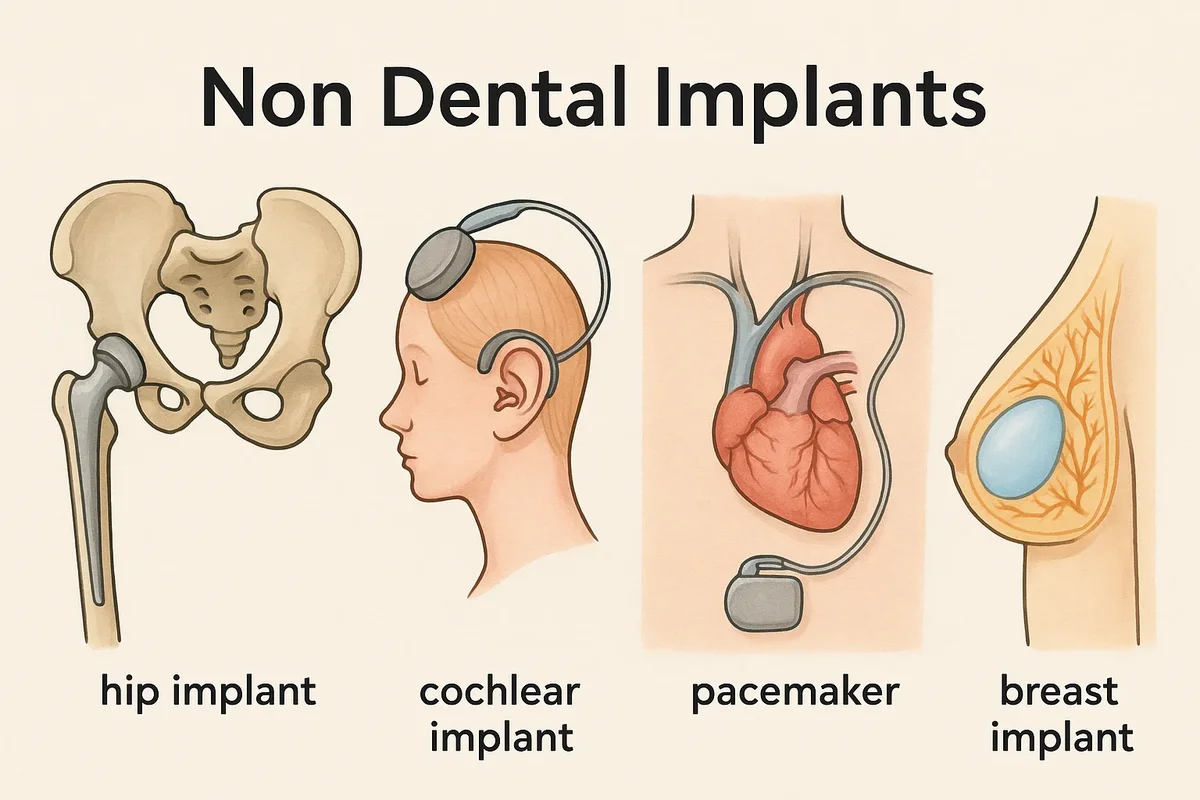
One key advantage of non dental implants is their durability. Orthopedic implants, for example, can last for decades, helping patients maintain mobility and independence. Breast implants, cochlear implants, pacemakers, and artificial joints all serve different functions but share the same goal: enhancing quality of life. These implantable devices play an essential role in reconstructive medicine, especially after trauma, chronic illness, or age-related degeneration.
Patients searching for detailed information about non dental implants often want clarity about safety, longevity, recovery, and medical suitability. This guide focuses on answering those concerns with medically accurate, reader-friendly details. Whether someone is exploring hip replacements, cosmetic body implants, or internal medical devices like pacemakers, they need reliable insights that simplify complex information without compromising accuracy. With innovations in biomedical engineering, these implants are now more adaptable and customizable than ever before.
Many people are surprised to learn that some non dental implants integrate with nerves, bones, and soft tissues in remarkably advanced ways. Cochlear implants, for instance, directly stimulate auditory nerves, allowing people with severe hearing loss to experience sound again 🎧. Orthopedic implants strengthen the skeletal system after fractures or degeneration. Cosmetic implants can restore body symmetry, improve appearance, and boost self-confidence. Because their functions are so diverse, non-oral implants are used by millions of patients worldwide.
When researching non dental implants, it’s essential to rely on trusted medical sources and qualified professionals. For example, the
American Dental Association provides scientific guidance on implant materials and biocompatibility, helping patients make informed decisions. Although the ADA largely focuses on oral care, their extensive research on medical-grade materials also applies to many implant-based medical procedures. Likewise, contacting a qualified medical professional is crucial—patients can always seek guidance through clinics such as the
Redent Klinik Contact Page for personalized assistance.
The keyword “non dental implants” is also closely related to terms such as “medical body implants” and “non-oral implants,” which reflect how broad this category has become. These implants are not limited to replacing missing structures—they actively enhance bodily functions. A pacemaker stabilizes heart rhythm ❤️; an orthopedic plate restores bone alignment; a cochlear implant brings sound to people who were once unable to hear. These technologies highlight how implants go beyond simple replacement and instead deliver life-changing benefits.
As medical science advances, non dental implants continue to become more efficient, minimally invasive, and tailored to individual anatomy. Innovations such as 3D-printed implants, bioactive coatings, and smart implantable devices with sensors represent the future of medical care. These developments will empower surgeons to achieve higher success rates and faster recovery times while offering patients more natural results.
Overall, non dental implants represent a powerful intersection of medicine, engineering, and patient-centered care. From mobility restoration to nerve stimulation and cosmetic enhancement, these implants have transformed countless lives. Understanding their purpose, benefits, risks, and long-term performance helps patients feel more confident and informed when considering any implant-based treatment. In the sections ahead, we will explore every dimension of these remarkable medical innovations with clarity, depth, and accuracy ✨.
What Are Non Dental Implants and How Do They Work?
Non dental implants are advanced medical devices designed to support, restore, or replace structures within the human body that are unrelated to the oral cavity. While most people associate “implants” with dentistry, the field of non dental implants covers a wide range of applications including orthopedics, cardiology, neurology, cosmetic medicine, and reconstructive surgery. These implants are made from biocompatible materials that integrate safely with the body, helping patients regain mobility, function, or appearance without the need for constant external support.
Core Definition of Non Dental Implants
In medical terms, non dental implants refer to any artificial device inserted beneath the skin or into deeper tissues to enhance or replace biological structures. The purpose can be therapeutic, reconstructive, cosmetic, or supportive. Examples include pacemakers, orthopedic screws and plates, joint replacements, dermatological implants, cochlear implants, and certain neurological stimulators. These devices are engineered to remain stable inside the body while resisting corrosion, infection, or degradation for long-term use.
The materials used in non dental implants are highly specialized. Titanium and titanium alloys remain the gold standard due to their exceptional biocompatibility and ability to fuse with bone through a process called osseointegration. Other options include cobalt-chromium alloys, surgical stainless steel, and advanced polymers such as PEEK (polyetheretherketone). These materials are selected based on their strength, flexibility, and long-term performance inside biological environments.
How Non Dental Implants Function Inside the Body
To understand how non dental implants work, it’s important to recognize that they serve different purposes depending on the medical specialty. Orthopedic implants, for example, stabilize bones after fractures or degeneration. They distribute force, support movement, and prevent further injury. Pacemakers, on the other hand, send electrical impulses to regulate heart rhythm. Cochlear implants convert sound waves into electrical signals that stimulate auditory nerves, restoring partial hearing to the patient 🎧.
Regardless of their purpose, non-oral implants follow similar operational principles:
- Biocompatibility: They must not trigger allergic reactions or immune rejection.
- Mechanical strength: They must withstand pressure, motion, or electrical activity depending on their role.
- Biological integration: Many implants must bond with bone, tissue, or nerves to function effectively.
- Longevity: High-quality non dental implants are designed to last years or even decades.
Many patients are surprised to learn that the function of non dental implants can be improved with advanced coating or surface treatments. Porous surfaces, for instance, encourage bone growth, while antimicrobial coatings reduce the risk of infection. Some implants even contain microchips or sensors for real-time data monitoring, enhancing safety and precision in medical care.
Applications Across Medical Specialties
Non dental implants are used across a variety of fields. In orthopedics, they include hip and knee replacements, bone plates, rods, and spinal implants. In cardiology, pacemakers and implantable cardioverter defibrillators (ICDs) help regulate heart activity. In neurology, deep brain stimulators assist patients with Parkinson’s disease. Cosmetic medicine uses implants for breast reconstruction, calf shaping, and facial symmetry restoration 🌟.
Each specialty demands different performance characteristics. For example, a hip replacement must withstand significant mechanical force, while a cochlear implant requires precise electrical conductivity. These differences highlight the versatility and complexity of non dental implants, underscoring how crucial proper material selection, surgical technique, and postoperative care are to long-term success.
Why Material Choice Matters
The performance of non dental implants depends heavily on the material used. Titanium integrates seamlessly with bone, making it ideal for orthopedic implants. Medical polymers are lighter and more flexible, suitable for applications that require shock absorption or electrical insulation. Some modern implants even utilize carbon fiber composites for enhanced durability and weight reduction.
Material selection also affects healing time, comfort, and long-term results. For instance, patients with metal allergies may require specialized coatings or polymer-based implants. These customizable solutions demonstrate how modern medicine prioritizes personalization for improved safety and lifestyle outcomes.
The Surgical Placement Process
Placement of non dental implants varies depending on the type of implant and the medical field. However, most procedures follow these general steps:
- Preoperative Evaluation: Imaging, blood tests, and medical assessments ensure the patient is a good candidate.
- Anesthesia: Local or general anesthesia is used depending on the complexity of the surgery.
- Incision and Preparation: Surgeons prepare the site using sterile techniques to reduce infection risk.
- Implant Placement: The device is positioned carefully to align with surrounding structures.
- Stabilization: Screws, sutures, adhesives, or locking mechanisms secure the implant.
- Closure: The incision is closed, and recovery instructions are provided.
Postoperative care is critical. Patients must follow medical advice, attend follow-up visits, and monitor signs of infection or discomfort. With proper care, most non dental implants integrate smoothly and deliver excellent long-term outcomes.
Why Patients Choose Non Dental Implants
Patients may consider non dental implants for reasons such as improved mobility, relief from chronic pain, cosmetic enhancement, improved organ function, or restoration after trauma. These implants support daily functioning and help individuals reclaim independence and comfort. Semantically related terms such as “medical implants” or “non-oral body implants” also refer to this evolving field.
For personalized evaluation or questions about implant-based treatments, professional support is essential. Patients may contact specialists through the
Redent Klinik Contact Page to receive medical guidance tailored to their needs.
Types of Non Dental Implants Used in Modern Medicine
Modern medicine relies heavily on a wide range of non dental implants to restore bodily function, enhance mobility, support internal organs, and improve a patient’s overall quality of life. These implants are engineered with advanced materials, sophisticated designs, and specialized functions that make them essential across multiple medical fields. Because the category of non dental implants is so broad, understanding the different types—and how they work—helps patients make better, more informed healthcare decisions. Below, we explore the most commonly used implant types in orthopedics, cardiology, neurology, cosmetic medicine, and reconstructive surgery.
Orthopedic Implants
Orthopedic implants are among the most widely used types of non dental implants. Their role is to support or replace damaged bones, joints, and connective tissues. They help patients regain mobility after fractures, arthritis, degenerative diseases, or traumatic injuries. Orthopedic devices are typically made from titanium alloys, stainless steel, and durable polymers that can withstand substantial mechanical stress.
Joint Replacement Implants
Hip, knee, and shoulder implants are designed to mimic the natural movement of the joints they replace. They include ball-and-socket systems, artificial cartilage, and smooth surfaces that reduce friction during motion. These non dental implants can last 15–25 years when properly maintained, making them essential for patients with advanced osteoarthritis or severe injury.
Bone Plates, Screws, and Rods
These devices stabilize fractures and support the healing process. Surgeons place plates along bone surfaces and secure them with screws, while rods are inserted into long bones to reinforce structural integrity. They are lightweight yet incredibly strong, offering immediate stabilization after trauma.
Cardiovascular Implants
In cardiology, non dental implants play a life-saving role by regulating heart function, supporting blood flow, and preventing serious medical conditions. They are engineered for precision and long-term reliability.
Pacemakers and ICDs
Pacemakers regulate heart rhythm by sending electrical signals to the heart muscle, while implantable cardioverter defibrillators (ICDs) prevent life-threatening arrhythmias. These implants include sensors, microchips, and long-lasting batteries that deliver consistent performance. Many modern pacemakers can be monitored digitally by cardiologists for added safety.
Heart Valve Implants
Artificial heart valves replace damaged or malfunctioning valves to support healthy blood flow. They may be made from biological tissue (bovine or porcine) or durable synthetic materials. These non dental implants improve heart efficiency and significantly reduce symptoms such as fatigue and shortness of breath.
Neurological Implants
Neurological implants interface with the nervous system to treat conditions such as epilepsy, Parkinson’s disease, chronic pain, and hearing loss. These implants require micro-precision engineering to interact safely with neural pathways.
Cochlear Implants
Cochlear implants convert sound into electrical signals that are delivered directly to the auditory nerve. They enable individuals with severe hearing loss to perceive sound again 🎧. As one of the most transformative non dental implants, cochlear devices significantly improve communication and lifestyle.
Deep Brain Stimulators
These electronic implants deliver controlled electrical impulses to areas of the brain that regulate movement. They help reduce tremors, stiffness, and motor dysfunction in patients with neurological diseases such as Parkinson’s. Their advanced programming allows doctors to adjust stimulation levels for optimal control.
Cosmetic and Reconstructive Implants
Cosmetic and reconstructive non dental implants enhance or restore body symmetry, improve physical appearance, and support emotional well-being. These implants are widely used after injury, surgery, or for aesthetic enhancement.
Breast Implants
Commonly used for reconstruction after mastectomy or for cosmetic augmentation, breast implants come in silicone or saline varieties. They differ in texture, shape, and firmness, allowing customization to match a patient’s goals. These implants help restore body confidence and symmetry.
Facial Implants
Cheek, chin, and jaw implants enhance facial structure or restore balance after trauma. They are commonly made from medical-grade silicone and are designed to provide natural-looking definition.
Body Contouring Implants
Calf implants, gluteal implants, and pectoral implants help patients achieve better muscle definition or restore symmetry caused by congenital conditions. These non dental implants blend aesthetic design with medical-grade safety.
Implants for Organ Support and Chronic Illness
Some implants assist internal organs or treat long-term conditions. Examples include insulin pumps, spinal cord stimulators, gastric bands, and artificial sphincters. These devices greatly improve patient comfort and independence.
Because non dental implants vary so significantly, choosing the right option requires a professional consultation. Patients seeking personalized medical guidance can reach out through the
Redent Klinik Contact Page. They can also explore scientific resources from trusted authorities such as the
American Dental Association to understand biocompatible materials used across implantology.
Ultimately, the diversity of non dental implants allows modern medicine to treat an enormous variety of conditions. From reconstructing bone structure to regulating heart activity, restoring hearing, improving physical appearance, or supporting vital organs, these implants represent one of the greatest achievements in biomedical engineering. Their evolution continues to open new pathways for patient-centered care, improved outcomes, and long-term quality of life.
Benefits of Non Dental Implants for Long-Term Health
Modern medical science continues to evolve rapidly, and one of the most transformative innovations has been the widespread use of non dental implants. These advanced medical devices offer life-changing advantages for patients dealing with structural injuries, impaired organ function, chronic diseases, hearing loss, and cosmetic reconstruction needs. The benefits extend far beyond temporary treatment; they often deliver long-term, sometimes lifelong improvements in comfort, mobility, organ performance, and emotional well-being. In this section, we explore the diverse ways non dental implants improve a patient’s long-term health, supported by detailed explanations and clinically relevant insights 🌿.
Improved Mobility and Physical Stability
One of the most significant benefits of non dental implants is their ability to restore or improve mobility. Orthopedic implants, such as hip replacements, knee replacements, and spinal stabilization systems, allow individuals with degenerative bone disorders or injuries to walk, exercise, and live comfortably. These implants provide mechanical support that compensates for weakened or damaged bones.
Patients with advanced osteoarthritis often struggle with persistent pain and limited motion. Joint replacement implants significantly reduce pain while increasing flexibility and stability. The metal and polymer components of these implants are designed to glide smoothly, mimicking the natural movement of biological joints. This mobility enhancement contributes to better posture, increased activity levels, and long-term physical independence.
Impact on Quality of Life
Mobility is directly linked to a person’s physical and mental well-being. By restoring joint function and reducing chronic discomfort, non dental implants help patients return to daily activities such as climbing stairs, walking long distances, or even returning to sports. This fosters a higher quality of life and reduces the emotional stress associated with physical limitations.
Enhanced Organ Function and Life-Saving Intervention
Some non dental implants are designed specifically to support internal organ function. Cardiovascular implants such as pacemakers and defibrillators regulate heart rhythm, preventing sudden cardiac events. They allow individuals with arrhythmias or heart blockages to live safer, more stable lives.
Similarly, artificial heart valves improve blood circulation and reduce strain on the heart. For patients with valve degeneration or congenital defects, these implants are essential for long-term survival. They prevent severe complications such as stroke, pulmonary hypertension, and heart failure.
Cochlear and Neural Implants
For individuals with severe hearing impairment, cochlear implants are one of the most transformative non dental implants available. These devices convert sound into electrical impulses that stimulate the auditory nerve, giving patients access to hearing once again 🎧. This enhances social interaction, improves educational opportunities, and supports emotional development in both adults and children.
Similarly, deep brain stimulators help regulate neurological activity, providing relief from Parkinson’s disease symptoms such as tremors, stiffness, and muscle rigidity. These implants significantly improve independence and allow patients to manage daily tasks that would otherwise be overwhelming.
Restoration After Trauma or Surgery
Accidents, illnesses, and surgical procedures can lead to significant tissue loss or structural damage. Non dental implants restore form and function after such events. Reconstructive implants, including facial implants, breast implants, and limb-stabilizing devices, help patients recover both physically and psychologically.
For example, breast implants used after mastectomy play a critical role in emotional recovery, body confidence, and personal identity. Facial implants restore symmetry after injuries, while orthopedic implants stabilize the skeleton after severe fractures. These benefits extend well into the long term, allowing patients to reclaim control over their bodies and lives.
Psychological and Emotional Benefits
Body image, confidence, and emotional stability often improve significantly when reconstructive non dental implants are used. Patients who regain physical harmony or natural appearance often report reduced anxiety, improved self-esteem, and better social engagement. These emotional benefits are essential components of holistic health.
Long-Term Durability and Reduced Need for Future Treatments
Another advantage of non dental implants is their long-term durability. Many implants are engineered to last 10–30 years or more with proper care. Titanium implants, for example, bond directly with bone, making them exceptionally stable. This reduces the need for repeated surgeries and allows patients to enjoy consistent results for decades.
Medical technologies such as polymer coatings, antimicrobial layers, and surface texturing further improve longevity and decrease the risk of complications. These innovations contribute to fewer hospital visits, quicker recovery, and long-term peace of mind.
Enhanced Comfort and Natural Function
Modern non dental implants are designed to function as naturally as possible within the human body. Whether supporting a joint, stimulating nerves, regulating a heartbeat, or restoring appearance, these implants are carefully engineered for comfort and stability.
Their materials are lightweight, biocompatible, and resistant to corrosion, which means they integrate smoothly with surrounding tissues. Advances in 3D printing also allow implants to be customized for each patient’s anatomy, ensuring better fit and performance.
Access to Advanced Medical Support and Expertise
Patients exploring non dental implants can seek personalized assistance through trusted medical centers. Contacting specialists through the
Redent Klinik Contact Page ensures professional assessment and tailored treatment planning. They can also reference scientific resources from organizations such as the
American Dental Association, which offers relevant material research that applies to many implant categories.
Overall, the benefits of non dental implants reach far beyond simple functional support. They restore independence, enhance organ performance, rebuild confidence, and improve long-term health across multiple areas of life. These implants represent a perfect blend of biotechnology and patient-centered care—empowering individuals to enjoy mobility, comfort, safety, and emotional well-being for years to come ✨.
Risks and Complications Associated With Non Dental Implants
While non dental implants offer life-changing benefits and long-term improvements in health, it is equally important to understand the potential risks and complications that may occur. Any medical device placed inside the body carries certain concerns, and patients benefit greatly from being aware of these possibilities before undergoing treatment. This transparency ensures informed decision-making, realistic expectations, and greater confidence throughout the medical journey. In this comprehensive section, we explore the risks associated with various types of non dental implants, analyze why complications occur, and discuss how modern medicine reduces these risks through advanced technology and follow-up care.
Common Surgical Risks and Immediate Postoperative Concerns
Like all surgical procedures, the placement of non dental implants involves certain risks during and immediately after surgery. These early complications may occur regardless of the type of implant, although their likelihood varies based on health history, age, and the complexity of the procedure.
Infection at the Implant Site
Infection is one of the most common risks associated with implant procedures. Even though surgeons use sterile techniques, bacteria can occasionally enter the surgical site. Symptoms include redness, swelling, fever, or drainage near the incision. Fortunately, most infections are treatable with antibiotics when caught early. Advanced coatings on modern non dental implants—including antimicrobial surfaces—significantly reduce this risk.
Bleeding and Hematoma Formation
Some patients may experience postoperative bleeding beneath the skin or around the implant. When blood collects in one area, a hematoma may form. This typically resolves on its own, but in rare cases, surgical drainage may be needed to prevent pressure on surrounding tissues.
Blood Clots
Any surgical procedure, especially orthopedic implant surgeries involving the lower limbs, carries a risk of blood clot formation. Compression stockings, early movement, and preventive medications reduce the likelihood of deep vein thrombosis (DVT) or pulmonary embolism.
Long-Term Mechanical and Structural Complications
Even after successful healing, non dental implants may face long-term mechanical challenges. These risks depend on the implant’s material, design, and location within the body.
Implant Wear and Tear
Over time, mechanical implants such as joint replacements or spinal implants may experience friction, leading to material wear. This is especially common in older-generation devices. However, modern implants use advanced polymers, titanium surfaces, and ceramic components to extend longevity and reduce wear particles.
Implant Loosening or Displacement
When an implant no longer bonds firmly with surrounding tissues or bone, it may become loose. This issue is more common in weight-bearing implants such as hip or knee replacements. Loosening can lead to pain, instability, and reduced range of motion. Corrective surgery may be required in severe cases.
Device Malfunction
Implants such as pacemakers, cochlear implants, or neural stimulators rely on electrical components that may rarely malfunction. Software errors, battery depletion, or wire displacement can affect performance. Fortunately, today’s non dental implants undergo rigorous testing and include monitoring features to alert patients and doctors of abnormalities.
Allergic or Immune Reactions
Although non dental implants are made from biocompatible materials, a small number of patients may experience allergic reactions to metals or polymers. Nickel sensitivity, for example, may cause inflammation or irritation. For these patients, surgeons can select titanium or polymer-based implants to reduce immune responses.
Chronic Inflammation
In rare cases, the body may respond to an implant with long-term inflammation. This may occur due to material sensitivity, improper placement, or underlying autoimmune conditions. Symptoms include persistent pain, swelling, or stiffness. Personalized implant selection and preoperative allergy testing help reduce these risks significantly.
Nerve or Tissue Damage
Depending on the surgical area, nerves or soft tissues may be affected during implant placement. For example, cochlear implants require delicate navigation near auditory nerves, while orthopedic implants are placed close to major blood vessels. Skilled surgical techniques and modern imaging drastically reduce the risk of accidental nerve damage.
Psychological and Emotional Considerations
Beyond physical complications, some patients experience emotional stress before or after receiving non dental implants. Anxiety about the procedure, body-image concerns, or fear of malfunction are normal responses. Clear communication with healthcare providers and realistic expectations help reduce emotional tension. Reconstructive implants, in particular, may have psychological benefits but also adjustment periods.
How Modern Medicine Reduces Implant Risks
The healthcare industry continually enhances the safety of non dental implants through innovation. Key advancements include:
- Improved biomaterials that resist corrosion and infection
- 3D imaging and surgical planning for precise placement
- Custom-fit implants designed using 3D printing
- Surface modifications that improve integration and reduce inflammation
- Digital monitoring for pacemakers and neural devices
Additionally, proper aftercare plays a crucial role in avoiding complications. Follow-up visits, imaging scans, and adherence to medical instructions ensure long-term implant success.
When to Seek Professional Help
Patients experiencing persistent pain, unusual swelling, or reduced implant function should consult specialists promptly. For personalized guidance on implant-related concerns, individuals may reach out through the
Redent Klinik Contact Page. They can also review material safety standards provided by trusted organizations like the
American Dental Association.
In summary, while non dental implants offer transformative benefits, understanding their risks is essential for informed decision-making. Modern technology, advanced materials, and professional expertise significantly lower complication rates, empowering patients to enjoy long-term health improvements with confidence and clarity ✨.
How Non Dental Implants Compare to Traditional Dental Implants
Although both categories serve important roles in modern healthcare, non dental implants and traditional dental implants differ significantly in their purpose, design, placement, and long-term performance. Patients often compare these two implant types to better understand biocompatibility, surgical procedures, healing timelines, cost factors, and expected outcomes. While dental implants focus on replacing missing teeth and supporting oral structures, non dental implants extend far beyond the mouth—supporting bones, soft tissues, vital organs, or neurological systems. This section provides a thorough comparison to help patients distinguish between these implant categories and make well-informed medical decisions.
Purpose and Function: A Fundamental Difference
The primary difference between dental implants and non dental implants lies in their purpose. Dental implants replace tooth roots, support dental crowns, and restore oral function. In contrast, non dental implants serve a wide range of functions, such as stabilizing bones, enhancing mobility, regulating heart rhythm, restoring hearing, or reconstructing body symmetry.
Dental Implant Purpose
Dental implants focus on restoring chewing function, preventing bone loss, and improving oral aesthetics. They are inserted into the jawbone, where they fuse through osseointegration and act as artificial roots for replacement teeth.
Non Dental Implant Purpose
Applications for non-oral implants span orthopedic, neurological, cardiovascular, cosmetic, and reconstructive medicine. Their functions vary widely—from regulating electrical signals in the heart to supporting movement in major joints. These non dental implants therefore cover a much broader medical spectrum.
Differences in Material Composition
Both dental and non dental implants use biocompatible materials; however, their compositions are adapted to their specific environments and functions. Titanium is common across both categories due to its strength and biocompatibility. Still, additional materials such as cobalt-chromium alloys, surgical steel, and specialized polymers appear more frequently in non-dental applications.
Materials for Dental Implants
Dental implants are typically made of titanium or zirconia. These materials are selected for their high osseointegration rate, corrosion resistance, and stability within the oral cavity, where moisture and bacteria are constant.
Materials for Non Dental Implants
Materials for non dental implants depend heavily on their medical purpose. For example:
- Orthopedic implants use titanium alloys or ceramic-coated metals
- Pacemakers incorporate electronic components and biocompatible casings
- Cochlear implants rely on microelectrodes and flexible polymers
- Breast implants use silicone gel or saline-filled shells
The diversity of materials highlights how non-oral implants must adapt to the mechanical and biological demands of different organs and tissues.
Surgical Procedure: Simplicity vs. Complexity
Dental implant surgery is typically straightforward, involving the placement of a titanium post into the jawbone under local anesthesia. Healing occurs over several months as the bone fuses with the implant.
In comparison, non dental implants may require complex surgical techniques, general anesthesia, or specialized equipment. Cardiovascular and neurological implant procedures, for instance, involve advanced imaging, precision tools, and multidisciplinary surgical teams.
Complexity of Non Dental Implant Surgeries
Examples of complex surgeries include:
- Pacemaker implantation: Requires cardiac monitoring and lead placement within the heart
- Knee replacement: Involves removal of damaged cartilage and careful alignment of prosthetic components
- Cochlear implantation: Takes place near the auditory nerve and inner ear structures
These procedures require precise training and advanced operating room technologies, contributing to their complexity relative to dental implant placement.
Healing, Recovery, and Patient Adjustment
Dental implant recovery generally lasts a few months, with mild discomfort during healing. Once osseointegration is complete, the implant functions similarly to a natural tooth root.
Recovery time for non dental implants varies significantly. Orthopedic patients may need extensive physical therapy, while cardiac implant patients often require regular monitoring. Neural implants involve gradual programming and adjustment to optimize nerve responses.
Wear and Maintenance
Dental implants experience minimal wear once healed, and complications are rare when proper hygiene is maintained. In contrast, some non dental implants—especially those with mechanical or electronic components—may require monitoring, battery replacements, or recalibration.
Longevity and Expected Outcomes
Both implant categories are designed to provide long-term solutions. Dental implants often last decades with proper care. Their durability largely depends on bone density, oral hygiene, and lifestyle factors.
The lifespan of non dental implants varies tremendously depending on type, design, and medical purpose. Joint replacements may last 15–25 years, while pacemakers typically require battery replacement every 7–12 years. Cochlear implants can last a lifetime with occasional upgrades.
Cost Differences Between Dental and Non Dental Implants
Costs vary widely across implant categories. Dental implants tend to be moderately priced and are often elective, while non dental implants can range from moderate to extremely high depending on complexity, surgical requirements, and hospital involvement. Cardiac and neurological implants generally fall on the higher end due to their life-saving nature and technological sophistication.
Patients seeking clarity about cost expectations may consult experts through the
Redent Klinik Contact Page. For material-related standards, the
American Dental Association
publishes detailed research that applies to both dental and non-dental medical implant materials.
In summary, although dental implants and non dental implants share a foundation in biocompatible design and surgical placement, their differences are substantial. Non-oral implants span a wide range of medical fields, require varying levels of surgical complexity, and deliver diverse functional benefits that go far beyond the scope of traditional dentistry. Understanding these distinctions allows patients to appreciate the unique role each implant type plays in restoring and improving long-term health 🌟.
Who Is an Ideal Candidate for Non Dental Implants?
Understanding who qualifies for non dental implants is essential for ensuring safe, predictable, and long-lasting treatment outcomes. Because these implants serve a wide range of medical purposes—from restoring mobility to supporting organ function and reconstructing body structures—patient candidacy varies significantly between categories. However, certain universal principles apply across most implant types. This section offers a comprehensive, medically accurate guide to help readers determine whether they may be ideal candidates for various forms of non dental implants, clarifying health requirements, diagnostic standards, and lifestyle considerations.
General Health Requirements for Implant Candidacy
In most cases, candidates for non dental implants should be in stable overall health. Implants placed in the cardiovascular, orthopedic, neurological, or cosmetic fields demand that the body can heal effectively and support the integration process. Physicians typically evaluate the following general health criteria before recommending surgery:
- Adequate immune function to prevent infection
- Good circulation to promote tissue healing
- Stable chronic conditions such as diabetes or hypertension
- Healthy organ function relevant to the implant site
Patients with uncontrolled infections, severe cardiovascular instability, or certain autoimmune disorders may not be ideal candidates until their conditions are properly managed. A careful review of medication use—such as blood thinners, immunosuppressants, or anti-inflammatory drugs—also plays a major role in determining suitability for non dental implants.
Orthopedic Implant Candidates
Orthopedic implants represent one of the most common types of non dental implants. Candidates typically include individuals suffering from joint deterioration, fractures, severe arthritis, or spinal instability. Age alone does not determine eligibility; rather, bone density, mobility level, and overall musculoskeletal health influence suitability.
Ideal Candidates for Joint Replacement
Patients experiencing chronic pain, reduced mobility, or diminished quality of life due to hip, knee, or shoulder degeneration often qualify for joint replacement implants. These individuals usually meet the following criteria:
- Persistent joint pain affecting daily activities
- Limited response to conservative treatments like physical therapy
- Adequate bone structure to support the implant
- Reasonable expectations for recovery and physical activity
Candidates who maintain an active lifestyle or have physically demanding occupations also benefit significantly from orthopedic non dental implants, as these devices help restore strength and stability.
Cardiovascular Implant Candidates
Cardiac implants such as pacemakers and implantable cardioverter defibrillators (ICDs) are reserved for individuals with specific heart rhythm disorders. These non dental implants are life-saving devices designed to regulate electrical activity within the heart.
Ideal Candidates for Pacemaker Placement
People diagnosed with bradycardia, heart block, or dangerously irregular rhythms may need a pacemaker. Physicians conduct tests such as ECGs, Holter monitoring, and stress tests to evaluate candidacy.
Ideal Candidates for ICDs
ICDs are typically recommended for individuals at high risk of cardiac arrest due to ventricular arrhythmias. These candidates often have a history of fainting, prior cardiac events, or severe heart muscle weakness.
Because these non dental implants play a vital role in long-term survival, candidates undergo comprehensive cardiovascular evaluations before surgery.
Neurological Implant Candidates
Neurological implants, including deep brain stimulators and cochlear implants, assist patients with functional neurological or sensory impairments.
Candidates for Cochlear Implants
Patients with severe to profound sensorineural hearing loss—who receive limited benefit from traditional hearing aids—are often excellent candidates. Early intervention in children is especially beneficial for speech and language development.
Candidates for Deep Brain Stimulation (DBS)
Individuals with Parkinson’s disease, dystonia, or essential tremor who no longer respond to medication may qualify for DBS. Neurologists evaluate brain imaging, symptom progression, and responsiveness to levodopa therapy before recommending these non dental implants.
Cosmetic and Reconstructive Implant Candidates
Cosmetic implants such as breast implants, facial implants, and body contouring implants serve both aesthetic and reconstructive purposes. Ideal candidates typically include individuals recovering from trauma, congenital deformities, or previous medical procedures such as mastectomy.
Ideal Candidates for Reconstructive Implants
These candidates often include:
- Patients undergoing reconstruction after cancer treatment
- Individuals with congenital asymmetry
- People seeking functional improvement after injury
Such non dental implants improve both physical function and emotional well-being, supporting full-body harmony and self-confidence.
Age and Lifestyle Considerations
While age is not always a limiting factor, lifestyle can significantly influence candidacy. Athletes or physically active individuals may require specific implant designs to withstand greater mechanical forces. Conversely, patients with sedentary lifestyles or advanced age may require custom surgical planning and gentler rehabilitation.
Smoking, excessive alcohol use, or poor nutrition may delay healing, making these habits important considerations when determining whether non dental implants are appropriate.
Psychological Readiness and Expectations
Candidates must also demonstrate realistic expectations and emotional preparedness. Whether the purpose of the implant is functional or cosmetic, understanding the surgical process, recovery timeline, and potential risks is essential for successful outcomes.
Professional Evaluation and Support
Anyone curious about whether they qualify for non dental implants should consult a medical specialist. Personalized guidance is available through the
Redent Klinik Contact Page, where professionals provide individualized evaluations. Additional insights on medical implant materials can be viewed through trusted organizations like the
American Dental Association.
Ultimately, ideal candidates for non dental implants are individuals with stable health, specific functional needs, and a willingness to follow postoperative care instructions. Thorough evaluation ensures the best results, helping patients regain comfort, confidence, and long-term quality of life ✨.
The Step-by-Step Procedure for Non Dental Implant Placement
Understanding the full procedural journey of non dental implants is essential for patients who want clarity, confidence, and realistic expectations before undergoing surgery. Unlike dental implants, these procedures are performed across a wide range of medical specialties—orthopedic, neurological, cardiovascular, cosmetic, or reconstructive—each requiring precise planning, specialized equipment, and meticulous postoperative care. Although the exact process varies depending on the type of implant, most treatments follow a predictable progression from evaluation to long-term follow-up. Below is a fully detailed, medically accurate explanation of the step-by-step process for placing non dental implants.
Step 1: Comprehensive Medical Evaluation
The procedure begins with an extensive health assessment. Doctors gather crucial information about a patient’s medical history, medications, allergies, and chronic conditions. Because non dental implants often interact with sensitive organs or structural tissues, this initial evaluation determines whether the patient is medically stable enough to undergo surgery.
Diagnostic Imaging and Tests
Tests typically include:
- X-rays for orthopedic and reconstructive implants
- MRIs or CT scans for neurological and spinal implants
- Electrocardiograms (ECG) and Holter monitoring for cardiac implants
- Ultrasound or angiography when vascular structures are involved
These imaging tests provide surgeons with precise insight into bone structure, tissue condition, nerve pathways, or cardiovascular status, ensuring that placement of non dental implants is carefully planned and highly accurate.
Step 2: Personalized Treatment Planning
Using diagnostic results, surgeons design a personalized treatment plan. Advanced medical technologies help generate 3D models of the patient’s anatomy. For orthopedic or aesthetic implants, surgeons may use digital simulations to ensure an ideal fit and alignment.
Specialists also discuss anesthesia options—local, regional, or general—based on the complexity of the non dental implants. This planning stage is crucial to avoid complications and increase long-term implant stability.
Step 3: Preoperative Preparation
Before surgery, patients receive detailed instructions to optimize healing. These may include:
- Pausing blood-thinning medications (only under medical supervision)
- Fasting before general anesthesia
- Temporarily stopping smoking to improve oxygen flow and healing
- Completing blood work to check immune function
For cardiac or neurological non dental implants, preoperative monitoring ensures heart rate, brain function, and vital signs are within safe ranges.
Step 4: Surgical Placement of the Implant
The surgical procedure varies based on implant type. However, the general structure remains similar across most categories of non dental implants.
Incision and Surgical Access
Surgeons begin by making a precise incision over the target area. For orthopedic implants, this may involve exposing bones or joints. For cardiac implants like pacemakers, surgeons create a pocket beneath the skin of the chest. For cochlear implants, small openings are made near the ear to access the auditory nerve.
Implant Positioning
Next, the implant is placed into its designated anatomical location:
- Orthopedic implants are anchored into or onto bone using screws, plates, or rods.
- Cardiac implants require the placement of electrical leads inside heart chambers.
- Neurological implants (e.g., DBS devices) require electrodes placed in precise brain regions.
- Cosmetic implants are positioned beneath muscle or tissue layers for symmetry and comfort.
Positioning must be flawless because the stability and long-term success of non dental implants depend heavily on precise alignment.
Securing the Implant
Once positioned, implants are secured using screws, sutures, locking mechanisms, or special fixation techniques. In orthopedic implants, surgeons may apply bone cement or rely on osseointegration for long-term stability.
Step 5: Wound Closure and Immediate Recovery
After placement, surgeons close the surgical area using dissolvable or removable sutures. A sterile dressing protects the site and prevents infection. Patients are carefully monitored in a recovery room where nurses track vital signs and manage postoperative pain.
Initial Recovery Timeline
Most patients remain in the hospital for observation—ranging from a few hours (for cochlear implants) to several days (for cardiac or orthopedic implants). The early healing phase focuses on reducing inflammation, stabilizing the implant, and preventing infection.
Step 6: Postoperative Care and Follow-Up Visits
Postoperative care is crucial for the long-term success of non dental implants. Follow-up appointments allow specialists to monitor healing, check implant stability, and evaluate functionality.
- Cardiac patients undergo pacing checks and device programming adjustments.
- Orthopedic patients begin physical therapy to regain strength and mobility.
- Cochlear implant patients receive device activation and auditory training.
- Cosmetic implant patients attend appointments to ensure symmetry and proper healing.
The care routine varies by implant type, but consistent follow-up is essential to ensure the implant adapts well to the body.
Step 7: Long-Term Maintenance and Monitoring
Many non dental implants require continued monitoring throughout the patient’s life. Pacemakers, for instance, need periodic battery replacements, while joint replacements benefit from occasional X-rays to assess wear.
Patients may also need lifestyle adjustments such as avoiding certain high-impact activities, maintaining a healthy weight, or performing rehabilitation exercises consistently.
Professional Support
For personalized evaluations or questions regarding implant suitability, patients can contact experts through the
Redent Klinik Contact Page. Material safety and scientific standards can also be reviewed through the
American Dental Association.
In summary, the placement of non dental implants involves strategic planning, advanced imaging, precise surgical execution, and long-term follow-up care. This structured process ensures optimal safety, seamless integration, and maximum health benefits—empowering patients with restored function, mobility, and confidence for years to come.
Recovery Timeline and Aftercare Tips for Non Dental Implants
Recovering from non dental implants requires a structured plan that involves careful monitoring, wound care, pain management, and lifestyle adjustments. Because these implants can be orthopedic, neurological, cardiac, cosmetic, or reconstructive, recovery times differ significantly—yet the fundamental healing principles remain the same. This section provides a fully detailed, medically accurate, and comprehensive guide to help patients understand what to expect during each phase of recovery, along with essential aftercare tips to support long-term implant success.
Understanding the Recovery Phases
Recovery from non dental implants typically unfolds across several stages, beginning with immediate postoperative healing, then progressing into long-term stabilization and rehabilitation. Patients who follow professional aftercare instructions consistently experience faster healing and fewer complications.
Phase 1: Immediate Postoperative Recovery (First 24–72 Hours)
Immediately after surgery, the body initiates its healing response. During this period, swelling, mild bleeding, or discomfort are expected, especially for orthopedic or cosmetic implants. For cardiac or neurological non dental implants, patients remain under close medical supervision because heart rhythm, neurological function, or incision stability require continuous monitoring.
Typical postoperative care during this phase includes:
- Application of sterile dressings
- Pain management through prescribed medications
- Monitoring for signs of complications
- Temporary movement restrictions to protect the implant
Patients are generally advised to avoid strenuous activities and may be encouraged to rest in a semi-upright position, depending on the implant type. For cardiac devices, ECG assessments verify device activation and stability.
Phase 2: Early Healing (Week 1 to Week 4)
The early healing stage is critical for ensuring that non dental implants integrate properly with the surrounding tissue or bone. During this period, inflammation begins to decrease, and tissues start rebuilding at the surgical site. Patients typically return for follow-up visits to ensure the incision heals cleanly, sutures remain intact, and the implant is stable.
Common recommendations during this period include:
- Keeping the surgical area dry and clean
- Avoiding lifting heavy objects
- Following a gentle movement routine (for orthopedic implants)
- Limiting pressure or strain around the implant site
Cochlear implant patients usually experience minimal physical restrictions but must wait for device activation until the incision heals.
Phase 3: Intermediate Recovery (1 to 3 Months)
By the second month, the body begins adapting fully to the implant. For orthopedic non dental implants, physical therapy intensifies to restore mobility, joint strength, and balance. Cardiac device recipients undergo periodic programming adjustments to ensure optimal rhythm regulation.
During this stage, patients may begin returning to normal daily activities with certain limitations. Avoiding high-impact movements and maintaining proper posture and body mechanics are crucial for preventing implant displacement or overloading.
Phase 4: Long-Term Healing and Stabilization (3 to 12 Months)
This is the final phase in the recovery process, where full integration of non dental implants occurs. Bone, tissue, or neurological pathways adapt to the implant, leading to stable long-term function. Patients continue follow-ups to evaluate implant performance, check for wear, and ensure that healing progresses without complications.
Long-term lifestyle adjustments—such as maintaining a healthy weight for joint implants or avoiding strong electromagnetic fields for cardiac implants—play a significant role in preserving implant longevity.
Essential Aftercare Tips for Non Dental Implants
Proper aftercare significantly reduces the risk of complications and ensures that the implant functions properly for many years. These aftercare guidelines apply broadly, although they may be tailored by each specialist depending on the type of non dental implants.
1. Follow Your Surgeon’s Instructions Precisely
Every implant type has unique recovery requirements. Patients must follow prescribed care routines, attend follow-up appointments, and adhere to guidelines regarding medication, physical activity, and wound care.
2. Maintain Optimal Hygiene
Keeping the incision clean is essential. Patients should avoid soaking the incision in water until their healthcare provider confirms it is safe. Using sterile dressings and proper antiseptic solutions helps prevent infection—one of the most common concerns with non dental implants.
3. Manage Pain Responsibly
Discomfort is natural after surgery, especially for orthopedic or cosmetic procedures. Patients should take medications exactly as prescribed and avoid overusing over-the-counter pain relievers that can interfere with healing.
4. Follow Activity Restrictions
Physical restrictions vary based on the implant type:
- Orthopedic implants: Avoid twisting, high-impact movements, and weight-bearing too early.
- Cardiac implants: Avoid raising the arm above shoulder level during initial healing.
- Cochlear implants: Avoid pressure on the ear and keep the area protected.
- Cosmetic implants: Avoid sleeping on the implant area and limit stretching motions.
Following these restrictions ensures the non dental implants remain stable during integration.
5. Attend All Follow-Up Appointments
Follow-up visits allow doctors to monitor healing, adjust devices, evaluate implant stability, and prevent long-term issues. Missing these appointments may increase the risk of complications.
6. Adopt Long-Term Healthy Lifestyle Habits
Lifestyle plays a major role in implant longevity. Patients should:
- Maintain a balanced diet rich in vitamins and minerals
- Stay active without overexerting the implant
- Avoid smoking, which slows healing
- Manage chronic health conditions effectively
These habits help ensure the long-term success of non dental implants.
When to Contact a Specialist
Patients should seek professional attention if they experience unusual pain, redness, swelling, limited mobility, device malfunction, or prolonged fever. For personalized medical guidance, individuals may contact experts via the
Redent Klinik Contact Page.
For additional scientific information about implant materials and medical safety standards, the
American Dental Association
provides trustworthy research and guidelines.
By following the appropriate aftercare steps and understanding each recovery phase, patients can enjoy long-lasting health benefits and optimal performance from their non dental implants, ensuring improved comfort, mobility, and overall well-being 💙.
Innovations and Future Trends in Non Dental Implants Technology
The world of non dental implants is evolving rapidly thanks to major breakthroughs in biomedical engineering, regenerative medicine, robotics, AI-driven diagnostics, and nanotechnology. These advances are transforming the way implants are designed, manufactured, placed, and maintained—resulting in safer procedures, longer-lasting devices, and dramatically improved patient outcomes. This section provides an in-depth, highly detailed exploration of emerging innovations and future possibilities shaping the global implant industry, with a strong focus on orthopedic, neurological, cardiac, reconstructive, and cosmetic implant technologies.
1. Advancements in Biocompatible Materials
Modern non dental implants now rely on advanced materials engineered for exceptional durability, flexibility, and integration with human tissue. Next-generation biomaterials are specifically created to reduce inflammation, speed healing, and react dynamically to bodily processes.
Smart Polymers and Shape-Memory Alloys
One significant innovation is the use of smart materials that can adapt to changes in pressure, temperature, or position. Shape-memory alloys such as Nitinol allow implants to shift or adjust within the body to maintain optimal function. These materials are already influencing orthopedic and vascular implants, enabling more personalized and adaptive performance.
Enhanced Ceramic Coatings
Ceramic-coated titanium implants reduce friction, resist corrosion, and help the body accept the implant more naturally. This is especially beneficial in joint replacements, where wear resistance is crucial. These new coatings improve the lifespan of non dental implants and minimize revision surgeries.
2. 3D Printing and Custom Implant Fabrication
3D printing has dramatically reshaped how non dental implants are manufactured. Surgeons and engineers can now create implants customized to match a patient’s unique anatomy, improving both comfort and long-term stability.
Patient-Specific Customization
Using CT and MRI scans, engineers design implants that mirror the patient’s bone structure and tissue dimensions with near-perfect accuracy. This technology has revolutionized orthopedic and craniofacial reconstruction, ensuring better fit and functionality than traditional mass-produced implants.
Bioprinting Tissues and Scaffolds
Research in bioprinting is advancing rapidly. Scientists are now developing biological scaffolds infused with living cells to encourage natural tissue regeneration. These innovations may eventually allow non dental implants to grow, repair, or heal themselves within the body.
3. Robotics and AI in Implant Surgery
Robot-assisted surgery is becoming increasingly common in spinal, orthopedic, and neurological implant procedures. These systems allow surgeons to operate with unparalleled precision, stability, and control, reducing human error and improving long-term implant success.
AI-Based Preoperative Planning
Artificial intelligence analyzes patient data to identify optimal implant angles, exact placement points, and potential surgical risks. This results in better surgical outcomes and shorter recovery periods.
Robotics in Real-Time Guidance
Advanced robotic arms assist with drilling, positioning, and securing non dental implants. These robots can make micro-adjustments smaller than a millimeter, ensuring perfect alignment, especially in joint replacements or spine stabilization surgeries.
4. Neural Integration and Brain-Computer Interfaces
Technology is rapidly expanding beyond traditional implant functions. Brain-computer interfaces (BCIs) represent a revolutionary step in the evolution of non dental implants, creating direct connections between the human nervous system and external devices.
Cochlear Implant Upgrades
New cochlear implant systems are being designed with improved electrode arrays, better sound processors, and adaptive AI technology. These innovations help patients interpret speech more clearly, even in noisy environments.
Deep Brain Stimulation (DBS) Innovations
Next-generation DBS implants use AI-assisted programming to automatically adjust stimulation levels according to patient activity. This allows better management of neurological disorders such as Parkinson’s disease, epilepsy, and dystonia.
Motor Function Restoration
BCI implants are showing promise in enabling paralyzed patients to control robotic limbs or communicate through neural activity. This revolutionary field continues to expand, offering hope for unprecedented levels of mobility and independence.
5. Energy-Efficient and Wireless Implants
A significant challenge for electronic non dental implants—such as pacemakers, neurostimulators, and infusion pumps—is power supply management. Innovations in energy-harvesting technologies are solving this problem.
Wireless Charging and Remote Diagnostics
Implants capable of wireless charging reduce the need for battery replacement surgeries. Additionally, remote monitoring systems allow doctors to check implant performance and adjust settings without requiring in-office visits.
Self-Charging Implants
Some experimental implants generate energy from body heat, movement, or biochemical reactions. These systems may eventually provide a continuous power source, enhancing the longevity of electronic implants.
6. Regenerative Medicine and Biological Integration
Regenerative medicine aims to combine non dental implants with biological tissues to create hybrid structures that behave like natural organs or joints.
Stem-Cell Enhanced Implants
Researchers are exploring implants coated with stem cells to accelerate bone and soft tissue regeneration. This approach could significantly reduce healing times and improve implant integration.
Growth-Factor-Releasing Implants
These implants slowly release molecules that stimulate healing, vascular growth, and immune response regulation. Such advancements reduce infection risks and speed recovery.
7. The Future of Fully Biointegrated Implants
Looking ahead, the goal is to create fully biointegrated implants that feel, behave, and adapt just like natural tissues. These next-generation non dental implants may one day merge seamlessly with muscles, nerves, and bone—eliminating many of the limitations seen today.
Ongoing research suggests potential breakthroughs in:
- Self-healing materials
- Adaptive biomechanical structures
- Implantable sensors for real-time health monitoring
- Nanomaterials that prevent bacterial growth
Professional Guidance and Further Resources
Patients seeking more information about modern implant options can contact experts through the
Redent Klinik Contact Page. For research updates on safe materials and biocompatibility, authoritative resources like the
American Dental Association
offer valuable insights.
In summary, the future of non dental implants is incredibly promising. With rapid advancements across biotechnology, engineering, and artificial intelligence, implants are becoming safer, smarter, more durable, and more attuned to human physiology. These emerging innovations are paving the way for personalized medical solutions that enhance mobility, restore function, and improve overall quality of life for millions of patients worldwide.