
Finding affordable dental treatment without insurance can feel stressful for many patients. However, choosing a non insurance dentist is becoming one of the most practical and budget-friendly solutions for individuals and families who want quality oral healthcare without depending on traditional insurance plans. A non insurance dentist focuses on transparent pricing, flexible payment options, and patient-centered treatment plans that help people receive the dental care they need without hidden insurance complications. 🦷
Today, millions of people either do not have dental insurance or avoid using it because of yearly limits, waiting periods, deductibles, and coverage restrictions. This is why visiting a non insurance dentist has become increasingly popular. Many modern dental clinics now provide affordable alternatives that allow patients to pay directly for treatments while still receiving professional and advanced dental services.
A major advantage of choosing a non insurance dentist is price transparency. Traditional insurance systems can often make dental costs confusing because patients may not know what is covered until after treatment. In contrast, a non insurance dentist usually provides clear treatment estimates before procedures begin. This helps patients plan their budgets and avoid unexpected expenses.
Patients who visit a non insurance dentist can often access a wide range of services, including:
- Routine dental examinations 😀
- Professional teeth cleaning
- Dental fillings
- Root canal treatment
- Dental crowns and bridges
- Dental implants
- Cosmetic dentistry procedures
- Emergency dental care
- Teeth whitening
- Orthodontic consultations
Another reason why many people prefer a non insurance dentist is flexibility. Insurance companies frequently limit which treatments are approved or partially covered. A non insurance dentist can focus directly on the patient’s oral health needs instead of following insurance company restrictions. This often allows for faster treatment decisions and more personalized care.
For example, some dental insurance plans only cover basic silver fillings in visible areas, while patients may prefer tooth-colored composite fillings for aesthetic reasons. A non insurance dentist can discuss all available options openly and help patients choose treatments based on their health goals and financial situation rather than insurance limitations.
Many clinics that operate as a non insurance dentist office also offer in-house membership plans. These dental savings programs are designed specifically for patients without insurance coverage. Instead of paying expensive monthly insurance premiums, patients pay an affordable yearly membership fee that may include:
- Two annual cleanings
- Routine X-rays 📸
- Comprehensive dental exams
- Discounts on restorative procedures
- Reduced emergency treatment fees
These membership plans can significantly lower overall dental expenses while maintaining consistent oral healthcare. In many cases, patients discover that using a non insurance dentist membership program is more affordable than traditional insurance.
Cost is naturally one of the biggest concerns for patients searching for a non insurance dentist. Although prices vary depending on location and procedure complexity, many clinics now publish estimated treatment fees online to improve transparency. Below is a general example of common dental procedure pricing in the United States:
Estimated Dental Costs Without Insurance 💰
- Dental Cleaning: $75 – $200
- Dental Exam: $50 – $150
- Tooth Filling: $120 – $400
- Root Canal Treatment: $700 – $1,500
- Dental Crown: $900 – $2,000
- Dental Implant: $3,000 – $6,000
- Teeth Whitening: $250 – $800
Patients should remember that these prices are estimates and can differ depending on the clinic, city, materials used, and the complexity of treatment. A trusted non insurance dentist will usually provide a detailed consultation and treatment plan before starting any procedure.
Another important factor when selecting a non insurance dentist is communication. Patients should feel comfortable asking questions about treatment costs, payment plans, and alternative procedures. Reputable dental clinics prioritize patient education and explain every step of the treatment process clearly.
Many patients also search for terms like “affordable dentist,” “cash dentist,” or “low-cost dental clinic” when looking for a non insurance dentist. These related terms help users find clinics that specialize in accessible dental care for uninsured individuals. Including these semantically related keywords also strengthens the relevance of dental healthcare information for search engines.
Dental health is closely connected to overall health. Delaying treatment because of insurance concerns can eventually lead to more serious oral health issues, including infections, gum disease, tooth loss, and chronic discomfort. Choosing a non insurance dentist allows patients to receive preventive care before small dental problems become expensive emergencies.
Patients searching for reliable and professional dental support can also contact experienced clinics directly through the Redent Klinik Contact Page. Consulting with dental professionals early can help patients understand available treatment options and create affordable care plans.
For additional information about oral health standards and dental care recommendations, patients can also visit the American Dental Association. This trusted organization provides valuable educational resources regarding oral hygiene, preventive care, and professional dental treatment.
Modern dentistry continues to evolve, making high-quality treatment more accessible than ever before. A skilled non insurance dentist can provide advanced technologies, digital imaging, minimally invasive procedures, and customized treatment plans while still maintaining affordable pricing structures. 🪥
Ultimately, selecting a non insurance dentist is not only about saving money. It is also about gaining flexibility, transparency, convenience, and direct access to personalized oral healthcare. Patients who understand their options can confidently invest in their smiles without feeling limited by traditional insurance systems.
Whether someone needs preventive care, cosmetic improvements, restorative treatment, or emergency dental support, a qualified non insurance dentist can provide practical solutions that balance quality and affordability. With proper research, transparent communication, and routine dental visits, patients can maintain healthy teeth and gums for many years while staying within their financial comfort zone. 😁
Why Choosing a Non Insurance Dentist Can Save You Money
For many individuals and families, dental expenses can quickly become overwhelming. Traditional dental insurance plans often appear helpful at first glance, but they frequently include annual limits, waiting periods, deductibles, denied claims, and coverage restrictions that leave patients paying more than expected. This is one of the main reasons why choosing a non insurance dentist has become increasingly popular among patients seeking affordable and transparent dental care. 🦷
A non insurance dentist focuses on direct patient care without relying heavily on insurance company systems. Instead of adjusting treatment decisions around insurance policies, the clinic can offer straightforward pricing, customized treatment plans, and flexible payment structures. Many patients are surprised to discover that visiting a non insurance dentist can actually cost less than paying monthly insurance premiums plus out-of-pocket expenses.
Understanding the Hidden Costs of Dental Insurance
Many people assume dental insurance automatically reduces all treatment costs. Unfortunately, this is not always true. Most dental insurance plans contain yearly maximums ranging from $1,000 to $2,000, which can be exhausted quickly if a patient requires crowns, root canals, implants, or cosmetic procedures. After reaching the annual maximum, the patient becomes fully responsible for all remaining costs.
A non insurance dentist eliminates much of this complexity by offering clear pricing from the beginning. Patients know exactly what they are paying for without dealing with insurance approval delays or confusing paperwork.
Common Insurance Limitations
- Annual coverage limits 💳
- Long waiting periods for major procedures
- Restrictions on cosmetic treatments
- High deductibles
- Limited dentist networks
- Denied claims for necessary treatments
- Partial coverage percentages
When patients visit a non insurance dentist, they often avoid these limitations entirely. Instead of depending on insurance company decisions, patients can directly discuss treatment options with their dental provider.
Transparent Pricing Makes Budgeting Easier
One major advantage of choosing a non insurance dentist is pricing transparency. Traditional dental billing systems can sometimes be confusing because insurance estimates may change after procedures are completed. This uncertainty creates financial stress for patients.
A reliable non insurance dentist usually provides a written treatment estimate before beginning care. This allows patients to understand all expected costs in advance. Transparent pricing helps families create realistic healthcare budgets and prevents unexpected bills later.
For example, if a patient requires multiple treatments such as fillings, crowns, or periodontal care, the non insurance dentist can organize a phased treatment plan that matches the patient’s financial situation while still protecting oral health.
Affordable Preventive Care Saves Money Long-Term
Preventive dental care is one of the smartest investments a patient can make. Regular checkups, cleanings, and early diagnosis reduce the risk of serious dental problems developing later. A non insurance dentist often emphasizes preventive care because it lowers long-term treatment costs for patients.
Skipping routine dental visits due to insurance concerns can eventually lead to more expensive problems such as:
- Advanced tooth decay 😷
- Severe gum disease
- Dental infections
- Tooth loss
- Emergency dental pain
- Jaw complications
By visiting a non insurance dentist regularly, patients can address small issues before they become major financial burdens.
In-House Membership Plans Offer Excellent Value
Many clinics operating as a non insurance dentist practice now provide dental savings membership plans. These plans are designed specifically for patients without traditional insurance coverage. Instead of paying expensive monthly insurance premiums, patients pay a lower annual membership fee directly to the dental office.
Typical Membership Benefits
- Routine dental exams
- Professional cleanings ✨
- Diagnostic X-rays
- Emergency examination discounts
- Reduced fees on restorative procedures
- Priority appointment scheduling
These programs often provide better overall value than standard insurance policies, especially for patients who mainly need preventive and moderate restorative care. A non insurance dentist can explain all membership details clearly and help patients maximize savings.
Flexible Payment Plans Reduce Financial Stress
Another reason why a non insurance dentist can save patients money is the availability of flexible payment options. Many dental clinics understand that patients may not be able to pay large treatment costs immediately. To solve this issue, they often provide financing solutions that divide costs into manageable monthly payments.
Flexible financing helps patients receive timely treatment without postponing important procedures. Delaying care frequently results in worsening oral health conditions that become more expensive over time.
Some common financing options include:
- Monthly installment plans 📅
- Healthcare financing companies
- Interest-free short-term payments
- Customized treatment scheduling
A patient-centered non insurance dentist focuses on finding practical solutions that support both oral health and financial stability.
Comparing Typical Dental Costs Without Insurance
Average Dental Treatment Prices 💰
- Routine Cleaning: $75 – $200
- Dental Filling: $120 – $400
- Root Canal: $700 – $1,500
- Dental Crown: $900 – $2,000
- Tooth Extraction: $150 – $600
- Dental Implant: $3,000 – $6,000
- Teeth Whitening: $250 – $800
While prices vary depending on the clinic and location, many patients discover that a non insurance dentist offers competitive pricing combined with higher flexibility and clearer communication.
Personalized Treatment Decisions Improve Value
Insurance companies often influence treatment recommendations by determining which procedures are covered. However, a non insurance dentist can focus entirely on the patient’s unique needs and preferences.
This patient-first approach creates better long-term value because treatments are selected based on oral health priorities instead of insurance restrictions. Patients can openly discuss aesthetic goals, comfort concerns, treatment timelines, and budget expectations.
Many people searching for terms like “cash dentist,” “affordable dental clinic,” or “low-cost dentist near me” are ultimately looking for a trusted non insurance dentist who provides high-quality care without unnecessary complications.
Choosing the Right Non Insurance Dentist
Not every dental clinic operates the same way, so patients should carefully research providers before selecting a non insurance dentist. Reading reviews, checking credentials, comparing treatment options, and asking about pricing policies are all important steps.
Patients looking for professional consultation and personalized treatment guidance can also visit the Redent Klinik Contact Page for additional support and appointment information.
For reliable educational resources regarding oral health standards and preventive dentistry, patients may also visit the American Dental Association. This respected organization provides useful information about maintaining healthy teeth and gums.
Ultimately, choosing a non insurance dentist can help patients save money through transparent pricing, preventive care, flexible financing, and personalized treatment planning. Instead of feeling restricted by insurance limitations, patients gain greater control over their dental healthcare decisions while maintaining healthy, confident smiles for the future. 😁
How a Non Insurance Dentist Works Without Dental Coverage
Many patients feel uncertain about visiting a dental clinic without insurance coverage. However, understanding how a non insurance dentist works can help patients feel more confident and financially prepared when seeking oral healthcare. A non insurance dentist provides dental services directly to patients without depending heavily on insurance company systems, approvals, or network restrictions. This model gives patients greater flexibility, clearer pricing, and faster access to dental care. 🦷
Traditional dental insurance often creates complicated billing structures that can confuse patients. Insurance providers may decide which procedures are covered, how much they will pay, and whether treatments are medically necessary. In contrast, a non insurance dentist focuses directly on patient needs instead of insurance company limitations.
For uninsured individuals, self-employed professionals, retirees, freelancers, and families trying to reduce monthly expenses, a non insurance dentist can offer a more practical and transparent approach to dental treatment.
The Basic Structure of a Non Insurance Dentist Practice
A non insurance dentist operates through direct payment systems. Patients typically pay the dental office directly for consultations, preventive services, restorative treatments, or cosmetic procedures. Because the clinic does not rely heavily on insurance reimbursement processes, administrative costs may also be reduced.
This system creates several important benefits:
- Simplified billing procedures 💳
- Faster appointment scheduling
- Transparent treatment pricing
- Flexible payment options
- More personalized care plans
- Fewer delays for treatment approvals
Many patients appreciate the simplicity of working with a non insurance dentist because they know exactly what services they are receiving and what costs to expect before treatment begins.
Initial Consultation Process
When visiting a non insurance dentist for the first time, patients usually begin with a comprehensive consultation. During this appointment, the dental team evaluates oral health conditions, reviews medical history, and discusses the patient’s goals and concerns.
What Happens During the First Visit?
- Complete oral examination 😁
- Digital X-rays if needed
- Gum health assessment
- Discussion of symptoms or pain
- Treatment planning
- Cost estimation and payment discussion
Unlike traditional insurance-based practices that may limit consultation time due to reimbursement structures, a non insurance dentist often spends more time explaining procedures and helping patients understand their options.
Transparent Pricing and Treatment Estimates
One of the biggest advantages of choosing a non insurance dentist is transparent pricing. Patients frequently experience frustration with insurance-based billing because final costs may change after claims are processed. Hidden fees, denied coverage, and unexpected balances are common concerns.
A reliable non insurance dentist usually provides detailed treatment estimates before starting procedures. This allows patients to plan financially and avoid surprises.
For example, if a patient requires multiple procedures such as fillings, crowns, and periodontal treatment, the dental office may create a step-by-step treatment plan with clearly explained pricing for each phase.
Typical Dental Costs Without Insurance
- Dental Exam: $50 – $150
- Professional Cleaning: $75 – $200 ✨
- Tooth Filling: $120 – $400
- Root Canal Treatment: $700 – $1,500
- Dental Crown: $900 – $2,000
- Dental Implant: $3,000 – $6,000
- Emergency Dental Visit: $100 – $350
These figures are general estimates and may vary depending on geographic location, clinic expertise, and procedure complexity. A trustworthy non insurance dentist will explain all expected costs clearly before treatment begins.
Flexible Payment and Financing Options
Many patients worry that paying directly means they must cover all expenses immediately. Fortunately, most modern non insurance dentist clinics provide flexible financing solutions that make treatment more manageable.
Payment flexibility is especially important for procedures such as dental implants, crowns, orthodontics, or cosmetic dentistry, which may require larger investments.
Common Financing Options
- Monthly installment plans 📅
- Interest-free short-term financing
- Third-party healthcare financing
- Customized payment schedules
- Discounts for upfront payments
These flexible solutions help patients receive treatment sooner rather than delaying care until problems become more severe and expensive.
Dental Membership Plans Without Insurance
Another important feature of many non insurance dentist offices is the availability of in-house membership programs. These programs are designed for patients who do not carry traditional dental insurance but still want affordable preventive care.
Membership plans usually require a yearly fee and may include:
- Routine cleanings 🪥
- Dental examinations
- X-rays
- Emergency consultations
- Discounts on additional procedures
Patients often discover that these membership programs provide more value and flexibility than traditional insurance policies with annual limits and coverage restrictions.
Treatment Decisions Based on Patient Needs
Insurance companies sometimes influence treatment recommendations by deciding which procedures they will partially cover or deny. A non insurance dentist has greater freedom to recommend treatments based entirely on the patient’s oral health needs and long-term goals.
This patient-focused approach creates a more personalized experience. The dentist can discuss various treatment options openly, including cosmetic improvements, restorative procedures, and preventive strategies.
Patients searching online for terms such as “cash dentist,” “affordable dentist near me,” or “self-pay dental clinic” are often looking for a non insurance dentist that prioritizes direct communication and transparent care.
Emergency Dental Care Without Insurance
Dental emergencies can happen unexpectedly and often require immediate attention. Severe tooth pain, infections, broken teeth, or swelling should never be ignored. A non insurance dentist can frequently provide faster emergency care because treatment approval delays from insurance companies are eliminated.
Common emergency treatments include:
- Emergency tooth extractions 😷
- Pain management
- Temporary crowns
- Root canal therapy
- Dental infection treatment
Quick treatment helps reduce complications while protecting both oral and overall health.
Preventive Dentistry Still Matters
Even without insurance, preventive care remains essential. Visiting a non insurance dentist regularly for cleanings and checkups can significantly reduce the risk of serious oral health problems later.
Preventive visits help detect:
- Early tooth decay
- Gum disease
- Oral infections
- Bite problems
- Signs of oral cancer
Addressing these issues early usually lowers treatment costs and improves long-term dental outcomes.
Choosing the Right Non Insurance Dentist
Patients should carefully research clinics before selecting a non insurance dentist. Reading reviews, comparing treatment options, checking qualifications, and discussing payment policies are all important steps.
Patients seeking professional guidance and personalized dental support may also visit the Redent Klinik Contact Page for additional information and appointment assistance.
For trusted oral health education and preventive care recommendations, patients can also visit the American Dental Association. This respected organization provides valuable information about maintaining healthy teeth and gums.
Ultimately, a non insurance dentist provides a practical and transparent solution for patients who want affordable, flexible, and high-quality dental care without the complications of traditional insurance systems. With clear pricing, personalized treatment planning, and modern financing options, patients can maintain healthy smiles while staying in control of their healthcare decisions. 😄
Top Benefits of Visiting a Non Insurance Dentist for Routine Care
Routine dental care plays a critical role in maintaining healthy teeth, strong gums, and overall wellness. However, many individuals avoid regular dental visits because they do not have dental insurance coverage or worry about treatment costs. Fortunately, visiting a non insurance dentist offers a practical and affordable solution for patients seeking preventive and routine oral healthcare without depending on traditional insurance systems. 🦷
A non insurance dentist focuses on direct patient care, transparent pricing, and flexible treatment planning. Instead of relying heavily on insurance approvals or restrictive coverage policies, these dental practices prioritize patient needs and personalized care. For many people, this creates a simpler and less stressful dental experience.
Routine dental care is essential because small oral health problems can quickly become larger and more expensive if left untreated. Regular checkups, cleanings, and early intervention help prevent tooth decay, gum disease, infections, and tooth loss. A non insurance dentist helps patients access this preventive care affordably and consistently.
Preventive Care Helps Avoid Expensive Treatments
One of the biggest benefits of visiting a non insurance dentist regularly is the ability to prevent major dental problems before they become severe. Preventive dentistry focuses on identifying early warning signs and treating issues while they are still manageable.
Without routine care, patients may eventually develop:
- Severe cavities 😷
- Advanced gum disease
- Dental infections
- Bone loss around teeth
- Tooth fractures
- Chronic dental pain
These problems often require costly procedures such as root canals, crowns, periodontal surgery, or dental implants. A non insurance dentist can help patients reduce long-term expenses by encouraging preventive visits and maintaining oral health consistently.
Common Preventive Services
- Routine dental exams
- Professional teeth cleaning ✨
- Digital X-rays
- Fluoride treatments
- Oral cancer screenings
- Gum health evaluations
By attending preventive appointments regularly, patients can often avoid emergency dental situations and expensive restorative treatments later.
Transparent Pricing Reduces Financial Stress
Many patients feel frustrated by confusing insurance billing systems and unexpected dental expenses. A major advantage of choosing a non insurance dentist is transparent pricing. Patients usually receive clear treatment estimates before procedures begin, allowing them to plan their budgets more effectively.
Traditional insurance plans often contain deductibles, annual limits, waiting periods, and claim denials that create financial uncertainty. In contrast, a non insurance dentist generally offers direct and simplified pricing structures.
This transparency creates a stronger sense of trust between the patient and dental provider. Patients appreciate knowing exactly what they are paying for without worrying about hidden charges or insurance processing complications.
Routine Care Appointments Are Often More Flexible
Scheduling flexibility is another important reason why many people prefer a non insurance dentist. Insurance-based practices sometimes limit appointment availability based on reimbursement structures or network policies. A non insurance dentist often has greater freedom to offer convenient scheduling options for patients.
Flexible Scheduling Benefits
- Shorter waiting times ⏰
- More personalized appointment durations
- Easier emergency scheduling
- Convenient follow-up visits
- Customized treatment timelines
This flexibility is especially valuable for busy professionals, parents, students, and retirees who need dental care that fits comfortably into their schedules.
Personalized Attention Improves Patient Experience
Another key benefit of visiting a non insurance dentist is the personalized approach to patient care. Because treatment recommendations are not heavily restricted by insurance company rules, dentists can focus entirely on the patient’s oral health goals and comfort.
A non insurance dentist often spends more time educating patients about:
- Oral hygiene techniques 🪥
- Preventive care strategies
- Dietary habits affecting teeth
- Long-term treatment planning
- Cosmetic dentistry options
This educational approach helps patients become more involved in their own oral healthcare decisions.
In-House Membership Plans Can Lower Costs
Many modern non insurance dentist clinics offer in-house dental membership programs for patients without insurance coverage. These plans are designed to make routine care more affordable while encouraging consistent preventive visits.
Typical Membership Features
- Two professional cleanings annually 😁
- Routine dental examinations
- X-rays
- Discounts on fillings and crowns
- Reduced emergency visit fees
- Priority scheduling access
For many patients, these programs provide better value than traditional insurance policies because there are fewer restrictions and no complicated claims processes.
Early Detection Improves Overall Health
Routine dental visits with a non insurance dentist are not only important for oral health but also for overall wellness. Dentists can identify early signs of systemic health issues that may first appear in the mouth.
During regular examinations, dentists may notice symptoms related to:
- Diabetes
- Vitamin deficiencies
- Autoimmune conditions
- Sleep apnea
- Oral cancer 🚨
Early detection allows patients to seek medical treatment sooner and potentially prevent serious complications.
Routine Care Costs Less Than Emergency Treatment
One of the biggest financial mistakes patients make is postponing routine dental care because they lack insurance coverage. Unfortunately, delaying treatment often leads to painful emergencies and significantly higher costs.
A non insurance dentist can help patients manage oral health proactively instead of reactively. Routine care is almost always more affordable than emergency dental procedures.
Average Preventive vs Emergency Dental Costs 💰
- Routine Cleaning: $75 – $200
- Dental Exam: $50 – $150
- Emergency Root Canal: $700 – $1,500
- Emergency Crown: $900 – $2,000
- Dental Implant After Tooth Loss: $3,000 – $6,000
These comparisons clearly show why preventive care at a non insurance dentist can save patients substantial money over time.
Comfortable and Modern Dental Technology
Many patients assume that affordable dental clinics provide lower-quality treatment. In reality, many non insurance dentist offices use advanced technology and modern treatment methods that improve patient comfort and treatment outcomes.
Modern technologies may include:
- Digital X-rays 📸
- Intraoral cameras
- Laser dentistry
- Digital impressions
- Minimally invasive procedures
These technologies improve diagnosis accuracy while helping patients feel more comfortable during treatment.
Choosing the Right Non Insurance Dentist for Routine Care
Patients should carefully evaluate clinics before selecting a non insurance dentist. Important factors include experience, patient reviews, transparent pricing policies, office cleanliness, communication quality, and preventive care philosophy.
Patients interested in learning more about professional dental care and personalized treatment options may also visit the Redent Klinik Contact Page for additional information and appointment support.
For trusted oral healthcare education and preventive dentistry recommendations, patients can also explore resources from the American Dental Association.
Ultimately, visiting a non insurance dentist for routine care offers multiple advantages, including preventive treatment, transparent pricing, flexible scheduling, personalized attention, and affordable membership options. Patients who prioritize regular dental visits can protect their smiles, reduce future expenses, and maintain better overall health for many years. 😄
What Services a Non Insurance Dentist Usually Provides
Many patients mistakenly believe that a non insurance dentist only offers basic or limited dental treatments. In reality, most modern dental clinics that operate without relying heavily on insurance systems provide a full range of preventive, restorative, cosmetic, and emergency dental services. A professional non insurance dentist focuses on delivering high-quality care with transparent pricing, flexible payment options, and personalized treatment planning. 🦷
Whether a patient needs routine preventive care or advanced restorative procedures, a non insurance dentist can usually provide comprehensive oral healthcare solutions without the restrictions often associated with traditional insurance plans.
Patients without dental insurance frequently delay treatment because they assume services will be unaffordable. However, many clinics now specialize in helping uninsured individuals receive affordable dental care through direct payment systems, membership programs, and financing plans.
Preventive Dental Services
Preventive care is one of the most important areas of dentistry. A non insurance dentist usually encourages regular preventive visits because they help reduce the risk of serious oral health problems later.
Preventive services aim to detect and treat small issues before they become painful or expensive emergencies.
Common Preventive Treatments
- Routine dental examinations 😁
- Professional teeth cleanings
- Digital dental X-rays
- Fluoride applications
- Dental sealants
- Gum disease screenings
- Oral cancer examinations
By scheduling regular appointments with a non insurance dentist, patients can maintain healthy teeth and gums while avoiding costly restorative procedures in the future.
Restorative Dentistry Services
Restorative dentistry focuses on repairing damaged or missing teeth. A non insurance dentist commonly provides multiple restorative treatment options designed to restore both oral function and appearance.
Tooth decay, fractures, infections, and tooth loss can affect eating, speaking, and self-confidence. Fortunately, modern restorative procedures can often solve these issues effectively.
Popular Restorative Procedures
- Tooth-colored fillings 🪥
- Dental crowns
- Dental bridges
- Root canal treatment
- Dentures
- Dental implants
- Inlays and onlays
A non insurance dentist usually explains several treatment choices so patients can select solutions that fit both their oral health goals and financial situation.
Average Restorative Treatment Costs 💰
- Composite Filling: $120 – $400
- Dental Crown: $900 – $2,000
- Root Canal: $700 – $1,500
- Dental Bridge: $2,000 – $5,000
- Dental Implant: $3,000 – $6,000
These prices vary depending on treatment complexity, geographic location, and materials used. A trustworthy non insurance dentist provides detailed treatment estimates before procedures begin.
Cosmetic Dentistry Services
Many patients visit a non insurance dentist for cosmetic improvements that enhance smile appearance and self-confidence. Cosmetic dentistry focuses on aesthetics while often improving oral function as well.
Unlike traditional insurance plans, which often exclude cosmetic procedures, a non insurance dentist can provide flexible cosmetic treatment planning without insurance-related restrictions.
Common Cosmetic Treatments
- Professional teeth whitening ✨
- Dental veneers
- Smile makeovers
- Cosmetic bonding
- Clear aligners
- Gum contouring
Patients interested in improving their smiles frequently appreciate the personalized consultations offered by a non insurance dentist. The dentist can discuss aesthetic goals openly and recommend treatments based on the patient’s expectations and budget.
Emergency Dental Care
Dental emergencies can happen unexpectedly and often require immediate treatment. A non insurance dentist usually offers emergency services for patients experiencing pain, swelling, infections, or dental trauma.
Prompt emergency treatment is important because untreated dental problems can quickly worsen and affect overall health.
Common Dental Emergencies
- Severe toothaches 😷
- Broken or chipped teeth
- Dental abscesses
- Lost fillings or crowns
- Knocked-out teeth
- Gum swelling and infections
Because a non insurance dentist does not rely heavily on insurance approvals, emergency appointments may often be scheduled more quickly.
Periodontal and Gum Disease Treatments
Healthy gums are essential for maintaining strong teeth and overall oral health. A non insurance dentist commonly provides periodontal care for patients experiencing gingivitis or more advanced gum disease.
Untreated gum disease can lead to:
- Gum recession
- Bone loss 🚨
- Loose teeth
- Bad breath
- Tooth loss
Periodontal treatments may include:
- Deep cleanings
- Scaling and root planing
- Antibacterial therapy
- Maintenance cleanings
Routine periodontal care with a non insurance dentist can significantly improve oral health and reduce the risk of long-term complications.
Pediatric Dentistry Services
Many families also choose a non insurance dentist for their children’s dental care. Pediatric services focus on preventive care, education, and early diagnosis for young patients.
Common pediatric services include:
- Children’s cleanings 🧒
- Fluoride treatments
- Dental sealants
- Cavity prevention education
- Early orthodontic evaluations
Creating positive dental experiences early in life helps children develop healthy oral hygiene habits for the future.
Orthodontic and Alignment Solutions
Some non insurance dentist clinics also provide orthodontic services or clear aligner treatments for patients who want straighter teeth and improved bite alignment.
Alignment treatments may help with:
- Crooked teeth
- Spacing problems
- Overbites
- Underbites
- Jaw alignment issues
Orthodontic consultations at a non insurance dentist office often include customized payment plans that make treatment more accessible.
Modern Technology Improves Dental Care
Many people incorrectly assume that affordable dental clinics provide outdated treatment methods. In reality, many non insurance dentist practices use advanced dental technologies to improve comfort, diagnosis accuracy, and treatment efficiency.
Modern Dental Technologies
- Digital X-rays 📸
- Intraoral cameras
- Laser dentistry
- 3D imaging systems
- Digital impressions
- CAD/CAM crown technology
These technologies help dentists diagnose problems earlier and create more precise treatment plans.
Flexible Financing and Membership Programs
To make dental care more affordable, many non insurance dentist clinics offer financing plans and membership programs for uninsured patients.
Typical benefits may include:
- Discounted preventive care 😄
- Reduced restorative treatment costs
- Flexible monthly payments
- Priority scheduling
- Lower emergency visit fees
These programs help patients maintain regular dental care without the limitations of traditional insurance plans.
Choosing the Right Non Insurance Dentist
Before selecting a non insurance dentist, patients should evaluate clinic reputation, technology, treatment options, patient reviews, and pricing transparency. Open communication and personalized care are important signs of a trustworthy dental provider.
Patients seeking professional consultation and personalized dental support can also visit the Redent Klinik Contact Page for additional information and appointment guidance.
For trusted oral healthcare education and preventive care recommendations, patients can explore resources provided by the American Dental Association.
Ultimately, a non insurance dentist can provide far more than basic dental care. From preventive services and cosmetic procedures to emergency treatment and advanced restorative dentistry, these clinics help patients maintain healthy smiles while offering flexible and transparent treatment options. With the right dental provider, uninsured patients can still access modern, high-quality oral healthcare confidently and affordably. 😄
How to Compare Prices at a Non Insurance Dentist Clinic
One of the most important steps for patients without dental coverage is learning how to compare treatment prices effectively. Choosing the right non insurance dentist is not only about finding the cheapest clinic. Patients should focus on balancing affordability, treatment quality, transparency, technology, experience, and long-term oral health outcomes. A professional non insurance dentist can provide excellent dental care at reasonable prices while helping patients avoid unnecessary financial stress. 🦷
Many uninsured patients feel overwhelmed when trying to compare dental costs because prices can vary significantly between clinics, cities, and treatment types. However, understanding how dental pricing works can help patients make smarter healthcare decisions.
A non insurance dentist typically operates with direct payment systems instead of depending heavily on insurance reimbursements. This often allows clinics to provide more transparent pricing structures and flexible treatment planning.
Why Dental Prices Vary Between Clinics
Before comparing costs, patients should understand why prices are different from one non insurance dentist clinic to another. Several important factors influence dental treatment fees.
Factors That Affect Dental Pricing
- Clinic location 🌍
- Dentist experience and specialization
- Technology and equipment used
- Quality of dental materials
- Procedure complexity
- Laboratory costs
- Appointment duration
For example, a dental implant placed by an experienced implant specialist using advanced 3D imaging technology may cost more than treatment performed with older methods. However, the higher cost may also improve treatment precision and long-term success.
A reliable non insurance dentist should explain these differences clearly so patients understand exactly what they are paying for.
Request Detailed Treatment Estimates
One of the best ways to compare clinics is by requesting written treatment estimates from multiple non insurance dentist offices. Transparent clinics usually provide clear cost breakdowns before starting procedures.
Patients should ask for estimates that include:
- Consultation fees
- X-ray costs 📸
- Procedure pricing
- Laboratory expenses
- Follow-up visits
- Emergency fees if applicable
Comparing these details helps patients avoid hidden charges and better understand the total financial commitment.
Do Not Compare Only the Lowest Price
Although affordability is important, selecting a non insurance dentist based only on the cheapest price can sometimes create problems later. Extremely low pricing may indicate lower-quality materials, outdated technology, rushed appointments, or limited follow-up care.
Instead of focusing only on price, patients should evaluate the overall value offered by the clinic.
Important Questions to Ask
- What materials are used? 🪥
- How experienced is the dentist?
- Does the clinic use modern technology?
- Are financing options available?
- What follow-up care is included?
- Are emergency appointments available?
A trustworthy non insurance dentist focuses on both affordability and long-term treatment success.
Compare Preventive Care Pricing
Routine preventive care is one of the most common reasons patients visit a non insurance dentist. Comparing preventive care pricing can help patients reduce long-term dental expenses significantly.
Preventive services often include:
- Dental exams 😁
- Professional cleanings
- X-rays
- Fluoride treatments
- Gum evaluations
Average Preventive Care Prices 💰
- Dental Exam: $50 – $150
- Professional Cleaning: $75 – $200
- Digital X-Rays: $25 – $250
- Deep Cleaning: $150 – $400 per quadrant
Patients should compare both individual procedure costs and membership plan options when evaluating a non insurance dentist.
Evaluate Membership Plans Carefully
Many non insurance dentist clinics now offer in-house dental membership plans specifically designed for uninsured patients. These plans can provide substantial savings on preventive and restorative care.
Typical Membership Plan Benefits
- Annual cleanings ✨
- Routine exams
- X-rays included
- Discounts on fillings and crowns
- Reduced emergency fees
- Priority appointment scheduling
Patients should carefully compare:
- Annual membership cost
- Included services
- Percentage discounts
- Coverage limitations
- Renewal policies
In many cases, a membership plan offered by a non insurance dentist provides more value than traditional dental insurance policies with annual coverage limits.
Compare Restorative Treatment Pricing
Restorative procedures are often more expensive than preventive care, so comparing pricing carefully becomes especially important.
Common restorative treatments include:
- Fillings
- Crowns 👑
- Root canals
- Dental bridges
- Dental implants
- Dentures
Average Restorative Treatment Costs 💵
- Composite Filling: $120 – $400
- Dental Crown: $900 – $2,000
- Root Canal Therapy: $700 – $1,500
- Dental Bridge: $2,000 – $5,000
- Dental Implant: $3,000 – $6,000
Patients should ask whether consultations, temporary restorations, or follow-up visits are included in quoted prices from a non insurance dentist.
Check Online Reviews and Patient Experiences
Price alone does not reflect treatment quality. Reading reviews from previous patients can help identify a trustworthy non insurance dentist.
Important review topics include:
- Staff professionalism 😊
- Cleanliness of the clinic
- Pain management quality
- Communication skills
- Appointment efficiency
- Transparency about costs
Positive patient experiences often indicate reliable care and honest pricing policies.
Modern Technology Can Affect Pricing
Some patients wonder why certain clinics charge more than others. Advanced technology is often one reason.
Examples of Advanced Dental Technology
- Digital X-rays
- 3D cone beam imaging 📸
- Laser dentistry
- Digital smile design
- CAD/CAM same-day crowns
A non insurance dentist using modern technology may provide more precise diagnosis, faster procedures, and improved patient comfort.
Emergency Dental Costs Should Also Be Compared
Patients should also ask about emergency care pricing before selecting a non insurance dentist. Unexpected dental emergencies can become expensive without preparation.
Common emergency procedures include:
- Emergency exams 🚨
- Tooth extractions
- Pain management
- Temporary crowns
- Infection treatment
Knowing emergency pricing policies in advance can reduce stress during urgent situations.
Flexible Financing Options Matter
Many uninsured patients choose a non insurance dentist because of flexible financing programs. Payment plans help patients receive treatment sooner rather than postponing care until problems worsen.
Common Financing Solutions
- Monthly installment plans 📅
- Healthcare financing services
- Interest-free payment periods
- Customized treatment phases
Patients should ask about financing terms, interest rates, and approval requirements before starting major procedures.
Finding a Trusted Non Insurance Dentist
Choosing the right non insurance dentist requires careful research, open communication, and price transparency. Patients should compare both costs and overall treatment quality to make informed decisions that support long-term oral health.
Patients looking for personalized dental consultation and professional treatment guidance can also visit the Redent Klinik Contact Page for additional support and appointment information.
For trusted oral healthcare education and dental care recommendations, patients may also explore resources from the American Dental Association.
Ultimately, comparing prices at a non insurance dentist clinic is about much more than finding the lowest number. Patients should focus on transparency, preventive care, treatment quality, modern technology, financing options, and overall value. With proper research and informed decision-making, uninsured individuals can receive excellent dental care while managing costs confidently and effectively. 😄
Payment Plans and Financing Options at a Non Insurance Dentist Office
For many patients without dental coverage, the cost of oral healthcare can feel overwhelming. Large dental procedures such as crowns, implants, root canals, or orthodontic treatments may seem financially impossible without insurance support. Fortunately, many modern clinics now offer flexible financing solutions that make treatment much more accessible. A professional non insurance dentist understands these financial concerns and often provides payment plans specifically designed for uninsured patients. 🦷
Flexible financing is one of the biggest reasons why many people choose a non insurance dentist. Instead of delaying important treatment because of financial limitations, patients can receive care immediately while spreading costs into manageable monthly payments.
Dental problems rarely improve on their own. Delaying treatment often causes conditions to worsen, leading to higher costs, increased discomfort, and more complicated procedures later. A non insurance dentist can help patients avoid these situations by offering practical financial solutions.
Why Financing Options Matter for Dental Care
Dental health is directly connected to overall wellness, confidence, and quality of life. However, many uninsured individuals postpone treatment simply because they fear the immediate expense.
A non insurance dentist recognizes that patients come from different financial backgrounds and may need flexible payment arrangements to receive proper care.
Common Reasons Patients Need Financing
- Unexpected dental emergencies 🚨
- Major restorative procedures
- Dental implants
- Orthodontic treatments
- Cosmetic dentistry procedures
- Multiple treatment phases
Without financing options, patients may avoid treatment until severe pain or infections force emergency intervention. A non insurance dentist helps reduce this risk by making dental care more financially manageable.
Monthly Payment Plans
One of the most common financing options offered by a non insurance dentist is a monthly installment plan. Instead of paying the full treatment cost upfront, patients divide expenses into smaller monthly payments.
This financing method is especially useful for treatments that involve higher costs or multiple appointments.
Benefits of Monthly Payment Plans
- Lower immediate financial pressure 💳
- Predictable monthly budgeting
- Faster access to treatment
- Reduced treatment delays
- Flexible repayment periods
Some clinics offer interest-free short-term plans, while others work with third-party financing companies that provide extended repayment options.
Third-Party Healthcare Financing
Many non insurance dentist offices partner with healthcare financing providers that specialize in medical and dental payment plans. These companies help patients finance treatments through approved credit arrangements.
Third-party financing can be useful for larger procedures such as:
- Dental implants 😁
- Full mouth restorations
- Orthodontics
- Cosmetic smile makeovers
- Advanced periodontal treatments
Depending on the financing provider and patient credit profile, repayment periods may range from several months to multiple years.
Questions Patients Should Ask
- Are interest-free options available?
- What is the repayment period?
- Is a credit check required?
- Are there early payment penalties?
- What monthly payment amount is expected?
A transparent non insurance dentist should explain financing terms clearly before treatment begins.
In-House Membership Programs
Another popular option offered by many non insurance dentist clinics is an in-house membership program. These plans are designed specifically for patients without traditional dental insurance.
Instead of paying insurance premiums to a third-party company, patients pay a yearly membership fee directly to the dental office.
Typical Membership Benefits
- Routine cleanings ✨
- Dental exams
- Digital X-rays
- Discounts on restorative procedures
- Lower emergency care costs
- Priority scheduling access
For patients who require regular preventive care and occasional restorative treatment, these programs can provide significant long-term savings.
Financing Helps Prevent Bigger Problems
One major benefit of financing at a non insurance dentist office is that it allows patients to receive treatment before dental conditions become more serious.
For example, a small cavity may initially require only a filling. However, if treatment is delayed because of financial concerns, the decay may eventually spread deeper into the tooth.
This can lead to:
- Root canal treatment 😷
- Dental crown placement
- Tooth extraction
- Dental implant replacement
These advanced procedures are significantly more expensive than early preventive treatment. A non insurance dentist helps patients reduce overall costs by encouraging timely care through flexible financing.
Typical Costs for Common Dental Treatments
Average Dental Treatment Costs 💰
- Dental Cleaning: $75 – $200
- Composite Filling: $120 – $400
- Root Canal Therapy: $700 – $1,500
- Dental Crown: $900 – $2,000
- Dental Bridge: $2,000 – $5,000
- Dental Implant: $3,000 – $6,000
- Orthodontic Treatment: $3,000 – $8,000
These prices vary depending on the clinic, location, materials used, and treatment complexity. A professional non insurance dentist should always provide detailed cost estimates before beginning procedures.
Customized Treatment Planning Improves Affordability
Another advantage of working with a non insurance dentist is the ability to create customized treatment phases. Instead of completing all procedures immediately, treatments can often be divided into multiple stages.
Examples of Phased Treatment Plans
- Address urgent pain first 🪥
- Complete preventive care next
- Schedule cosmetic improvements later
- Spread restorative procedures over time
This approach helps patients maintain oral health while managing expenses more comfortably.
Emergency Financing Can Reduce Stress
Dental emergencies can occur unexpectedly and create major financial anxiety. Severe tooth pain, infections, broken teeth, or swelling may require immediate care.
A non insurance dentist often provides emergency financing options that help patients receive urgent treatment without postponing care because of cost concerns.
Emergency treatment may include:
- Emergency exams 🚑
- Pain management
- Temporary restorations
- Tooth extractions
- Root canal procedures
Quick treatment not only relieves pain but also prevents complications that could increase future treatment costs.
Transparent Communication Is Essential
Patients should feel comfortable discussing finances openly with a non insurance dentist. Trustworthy clinics prioritize honest communication and explain all treatment options clearly.
Patients should ask:
- What are all expected costs?
- Are financing plans available?
- What happens if additional treatment is needed?
- Are there hidden fees?
Clear communication helps patients make informed decisions while avoiding financial surprises.
Modern Technology and Financing Together Improve Care
Many non insurance dentist offices now combine advanced dental technology with flexible financing systems to improve both treatment quality and affordability.
Examples of Modern Technology
- Digital X-rays 📸
- Laser dentistry
- 3D imaging systems
- Digital impressions
- CAD/CAM same-day crowns
These technologies can improve treatment accuracy, patient comfort, and long-term results while financing options help make advanced care more accessible.
Finding the Right Non Insurance Dentist
Patients should carefully compare financing policies, membership plans, patient reviews, and pricing transparency before selecting a non insurance dentist. A clinic that combines affordable payment options with high-quality care provides the best long-term value.
Patients interested in personalized dental consultation and financing guidance can also visit the Redent Klinik Contact Page for more information and appointment support.
For trusted oral health education and preventive care recommendations, patients can also explore resources from the American Dental Association.
Ultimately, financing and payment plans offered by a non insurance dentist make dental care more accessible, affordable, and less stressful for uninsured patients. By combining flexible payment structures with preventive care and personalized treatment planning, patients can maintain healthy smiles while staying financially comfortable and confident. 😄
Tips for Finding a Trusted Non Insurance Dentist Near You
Finding the right dental clinic without insurance coverage can feel challenging for many patients. People often worry about treatment quality, hidden costs, affordability, and whether the dentist will truly prioritize patient care. Fortunately, there are many ways to identify a reliable and professional non insurance dentist who offers transparent pricing, modern treatment options, and personalized care. 🦷
A trustworthy non insurance dentist focuses on helping patients maintain healthy teeth and gums without the restrictions often associated with traditional insurance systems. Instead of relying heavily on insurance company approvals, these clinics generally provide direct communication, flexible financing, and patient-centered treatment planning.
Choosing the right clinic is important because oral health affects not only your smile but also your confidence, comfort, and overall wellness. Taking the time to research a non insurance dentist carefully can help patients avoid unnecessary stress and long-term dental complications.
Start by Researching Local Dental Clinics
The first step in finding a trusted non insurance dentist is researching clinics in your area. Patients can begin by checking online search results, clinic websites, and local directories.
Many uninsured patients search online using terms such as:
- Affordable dentist near me 😀
- Cash dentist
- Low-cost dental clinic
- Dental care without insurance
- Emergency dentist without insurance
These search terms often help patients discover clinics specializing in uninsured dental care and flexible payment systems.
Important Information to Look For
- Clinic location 📍
- Office hours
- Emergency availability
- Treatment options offered
- Pricing transparency
- Membership plans
- Financing solutions
A professional non insurance dentist usually provides detailed information on their website regarding services, patient care philosophy, and payment options.
Read Patient Reviews Carefully
One of the best ways to evaluate a non insurance dentist is by reading reviews from real patients. Online reviews often provide valuable insight into treatment quality, staff professionalism, office cleanliness, and overall patient satisfaction.
What Positive Reviews Often Mention
- Friendly staff 😊
- Transparent pricing
- Gentle treatment techniques
- Comfortable clinic environment
- Flexible financing
- Good communication
- Successful treatment outcomes
Patients should look for consistent patterns across multiple reviews rather than focusing on only one or two comments.
If many patients describe the non insurance dentist as caring, honest, affordable, and professional, this is usually a positive sign.
Check the Dentist’s Qualifications and Experience
Experience and professional qualifications are extremely important when selecting a non insurance dentist. Patients should feel confident that the dentist has proper training and experience performing the procedures they may need.
Important Credentials to Review
- Dental school education 🎓
- State licensing
- Continuing education certifications
- Specialized training
- Professional memberships
Some dentists also pursue advanced training in areas such as implant dentistry, cosmetic dentistry, orthodontics, or oral surgery. This additional expertise may improve treatment quality and patient outcomes.
Patients can often verify professional information through clinic websites or trusted organizations like the American Dental Association.
Schedule a Consultation Before Major Treatment
Before committing to major procedures, patients should schedule an initial consultation with the non insurance dentist. This appointment allows patients to evaluate the clinic atmosphere, communication style, and treatment philosophy.
Questions to Ask During the Consultation
- What treatment options are available? 🪥
- What are the estimated costs?
- Are financing plans offered?
- How long will treatment take?
- What technology does the clinic use?
- How are emergencies handled?
A reliable non insurance dentist should answer questions clearly and explain procedures in a way patients can easily understand.
Evaluate Pricing Transparency
Transparent pricing is one of the most important characteristics of a trustworthy non insurance dentist. Patients should receive clear treatment estimates before procedures begin.
Hidden fees and confusing billing structures create stress and uncertainty. Professional clinics prioritize honesty and financial clarity.
Average Dental Procedure Costs 💰
- Dental Exam: $50 – $150
- Professional Cleaning: $75 – $200
- Composite Filling: $120 – $400
- Root Canal Treatment: $700 – $1,500
- Dental Crown: $900 – $2,000
- Dental Implant: $3,000 – $6,000
These estimates may vary depending on treatment complexity and location, but a reputable non insurance dentist should explain all expected costs before beginning care.
Look for Flexible Financing Options
Many uninsured patients need financing support for larger dental procedures. A modern non insurance dentist often provides flexible payment plans that make treatment more manageable.
Common Financing Solutions
- Monthly installment plans 📅
- Healthcare financing programs
- Interest-free short-term payments
- Customized treatment phases
- In-house membership programs
Flexible financing helps patients receive timely treatment instead of delaying necessary procedures because of financial concerns.
Observe Clinic Cleanliness and Technology
The physical condition of the clinic can reveal a lot about the quality of care provided by a non insurance dentist. Patients should observe cleanliness, organization, and professionalism during their visit.
Modern Technology Indicators
- Digital X-rays 📸
- Intraoral cameras
- Laser dentistry
- Digital impressions
- 3D imaging systems
Advanced technology often improves diagnostic accuracy, treatment comfort, and overall patient experience.
Emergency Availability Matters
Dental emergencies can happen unexpectedly. Severe pain, swelling, broken teeth, or infections require fast professional attention. Patients should ask whether the non insurance dentist offers emergency appointments.
Common Emergency Services
- Emergency dental exams 🚨
- Tooth extractions
- Pain management
- Temporary restorations
- Infection treatment
A dependable non insurance dentist understands the urgency of emergency care and works to provide prompt treatment whenever possible.
Communication and Comfort Are Essential
Good communication builds trust between patients and dental providers. A professional non insurance dentist should listen carefully to patient concerns and explain treatments honestly.
Patients should never feel pressured into unnecessary procedures. Instead, the dentist should focus on:
- Patient education 😄
- Preventive care guidance
- Comfort during treatment
- Clear explanations
- Respectful communication
Feeling comfortable with your dentist can reduce anxiety and improve long-term dental care consistency.
Preventive Care Should Be Encouraged
A trustworthy non insurance dentist focuses heavily on preventive dentistry because routine care helps reduce future treatment costs.
Preventive services may include:
- Routine cleanings
- Dental exams
- Gum evaluations
- Fluoride treatments
- Oral cancer screenings
Clinics that emphasize prevention usually prioritize long-term patient health instead of only short-term procedures.
Find a Dental Office That Matches Your Needs
Every patient has different priorities when choosing a non insurance dentist. Some patients focus on affordability, while others prioritize cosmetic dentistry, emergency availability, or advanced technology.
Patients seeking personalized dental consultation and professional treatment guidance may also visit the Redent Klinik Contact Page for additional information and appointment support.
Ultimately, finding a trusted non insurance dentist requires careful research, transparent communication, and attention to both treatment quality and affordability. By comparing clinics carefully and prioritizing preventive care, patients can confidently choose a dental provider that supports long-term oral health, financial comfort, and a healthier smile for years to come. 😁
Common Myths About Using a Non Insurance Dentist
Many people hesitate to visit a non insurance dentist because of misunderstandings and outdated assumptions about uninsured dental care. Patients often believe that dental clinics operating outside traditional insurance systems provide lower-quality treatment, outdated technology, or unsafe procedures. In reality, many of these beliefs are completely inaccurate. A modern non insurance dentist can provide advanced, affordable, and highly personalized dental care without relying heavily on insurance company restrictions. 🦷
Understanding the truth behind these common myths helps patients make better healthcare decisions and feel more confident about seeking dental treatment without insurance coverage.
Today, millions of patients choose a non insurance dentist because they want transparent pricing, flexible payment plans, personalized treatment options, and easier access to oral healthcare. Unfortunately, misinformation still prevents some individuals from exploring these affordable dental care solutions.
Myth 1: A Non Insurance Dentist Provides Lower-Quality Care
One of the most common misconceptions is that a non insurance dentist offers lower-quality services compared to insurance-based dental offices. This belief is simply not true.
Many non insurance dentist clinics use advanced dental technologies, modern treatment methods, and highly trained professionals. In fact, because these clinics are less restricted by insurance company policies, they often have greater flexibility to focus entirely on patient care.
Modern Technologies Commonly Used
- Digital X-rays 📸
- Laser dentistry
- 3D imaging systems
- Digital impressions
- CAD/CAM crown technology
- Intraoral cameras
A professional non insurance dentist still follows strict clinical standards, sterilization procedures, and continuing education requirements.
Myth 2: Dental Care Without Insurance Is Always Too Expensive
Many people assume dental treatment becomes unaffordable without insurance coverage. However, this is often misleading because traditional insurance plans can include monthly premiums, deductibles, waiting periods, annual maximums, and denied claims.
In many situations, a non insurance dentist may actually cost less overall because pricing is more transparent and administrative expenses are reduced.
Typical Advantages of Direct Payment Systems
- Transparent treatment pricing 💰
- No insurance claim delays
- No annual maximum restrictions
- Flexible financing options
- Membership savings programs
Patients frequently discover that paying directly through a non insurance dentist office provides more control over their healthcare expenses.
Average Dental Costs Without Insurance
- Dental Cleaning: $75 – $200
- Dental Exam: $50 – $150
- Composite Filling: $120 – $400
- Root Canal Treatment: $700 – $1,500
- Dental Crown: $900 – $2,000
- Dental Implant: $3,000 – $6,000
These prices vary depending on treatment complexity and clinic location, but many uninsured patients still find excellent value with a non insurance dentist.
Myth 3: Non Insurance Dentists Only Offer Basic Treatments
Another widespread myth is that a non insurance dentist only provides simple procedures such as cleanings or fillings. In reality, many uninsured dental clinics offer comprehensive oral healthcare services.
Services Often Available
- Preventive dentistry 😁
- Cosmetic dentistry
- Dental implants
- Orthodontics
- Root canal therapy
- Periodontal treatment
- Emergency dentistry
- Smile makeovers
A skilled non insurance dentist can usually provide nearly all major dental procedures while offering personalized treatment planning and financing flexibility.
Myth 4: Financing Options Are Not Available
Some patients believe they must pay all treatment costs immediately when visiting a non insurance dentist. Fortunately, this is rarely true today.
Most modern dental clinics understand that larger procedures can be financially challenging, so they provide flexible financing solutions.
Common Financing Options
- Monthly payment plans 📅
- Healthcare financing companies
- Interest-free payment periods
- Customized treatment phases
- Membership discount programs
Flexible financing allows patients to receive timely treatment instead of delaying care until conditions worsen.
Myth 5: Emergency Dental Care Is Hard to Access
Many people incorrectly assume that a non insurance dentist cannot provide emergency treatment quickly. In reality, uninsured dental clinics often offer faster scheduling because they are not waiting for insurance approvals.
Dental emergencies may include:
- Severe tooth pain 🚨
- Broken teeth
- Dental abscesses
- Lost crowns or fillings
- Swollen gums
- Knocked-out teeth
A reliable non insurance dentist understands the urgency of emergency care and works to relieve pain as quickly as possible.
Myth 6: Preventive Care Is Not Important Without Insurance
Some uninsured patients avoid routine dental visits because they believe preventive care is unnecessary unless major symptoms appear. This misconception can become extremely expensive over time.
A non insurance dentist strongly emphasizes preventive care because early treatment helps patients avoid complicated and costly procedures later.
Benefits of Preventive Dentistry
- Early cavity detection 🪥
- Gum disease prevention
- Oral cancer screenings
- Reduced emergency risks
- Lower long-term costs
Routine preventive appointments are usually far more affordable than emergency restorative procedures.
Myth 7: Cosmetic Dentistry Is Impossible Without Insurance
Cosmetic dental procedures are rarely covered by traditional insurance plans anyway, which means insurance status often has little impact on smile enhancement treatments.
A non insurance dentist frequently offers cosmetic services such as:
- Teeth whitening ✨
- Dental veneers
- Cosmetic bonding
- Clear aligners
- Smile design treatments
Flexible financing and phased treatment planning often make cosmetic dentistry more accessible than patients expect.
Myth 8: Non Insurance Dentists Are Less Professional
Professionalism is determined by training, ethics, patient care quality, and clinical standards—not by insurance participation.
A reputable non insurance dentist still maintains:
- State licensing requirements 🎓
- Continuing education training
- Strict sterilization protocols
- Patient confidentiality standards
- Modern treatment techniques
Patients should evaluate dentists based on experience, communication, reviews, and treatment quality rather than insurance participation alone.
Myth 9: You Cannot Build Long-Term Dental Care Without Insurance
Some people believe insurance is necessary to maintain long-term oral health. However, many patients successfully maintain excellent dental health for years through routine visits with a non insurance dentist.
Long-term dental care depends more on:
- Consistent preventive visits 😄
- Good oral hygiene habits
- Early diagnosis
- Healthy dietary choices
- Timely treatment
A patient-centered non insurance dentist helps create personalized long-term care plans that match both oral health goals and financial comfort levels.
How to Choose a Reliable Non Insurance Dentist
Patients should carefully research clinics before selecting a non insurance dentist. Important factors include:
- Transparent pricing
- Positive patient reviews
- Modern technology 📸
- Flexible financing
- Clear communication
- Professional credentials
Patients interested in personalized consultation and professional dental support can also visit the Redent Klinik Contact Page for additional information and appointment guidance.
For trusted oral healthcare education and preventive dentistry resources, patients may also explore information provided by the American Dental Association.
Ultimately, many myths surrounding the non insurance dentist model are based on outdated assumptions rather than reality. Modern uninsured dental clinics often provide advanced technology, transparent pricing, flexible financing, personalized treatment planning, and high-quality care. By understanding the truth behind these misconceptions, patients can confidently seek affordable dental treatment while protecting their oral health and overall well-being for the future. 😁
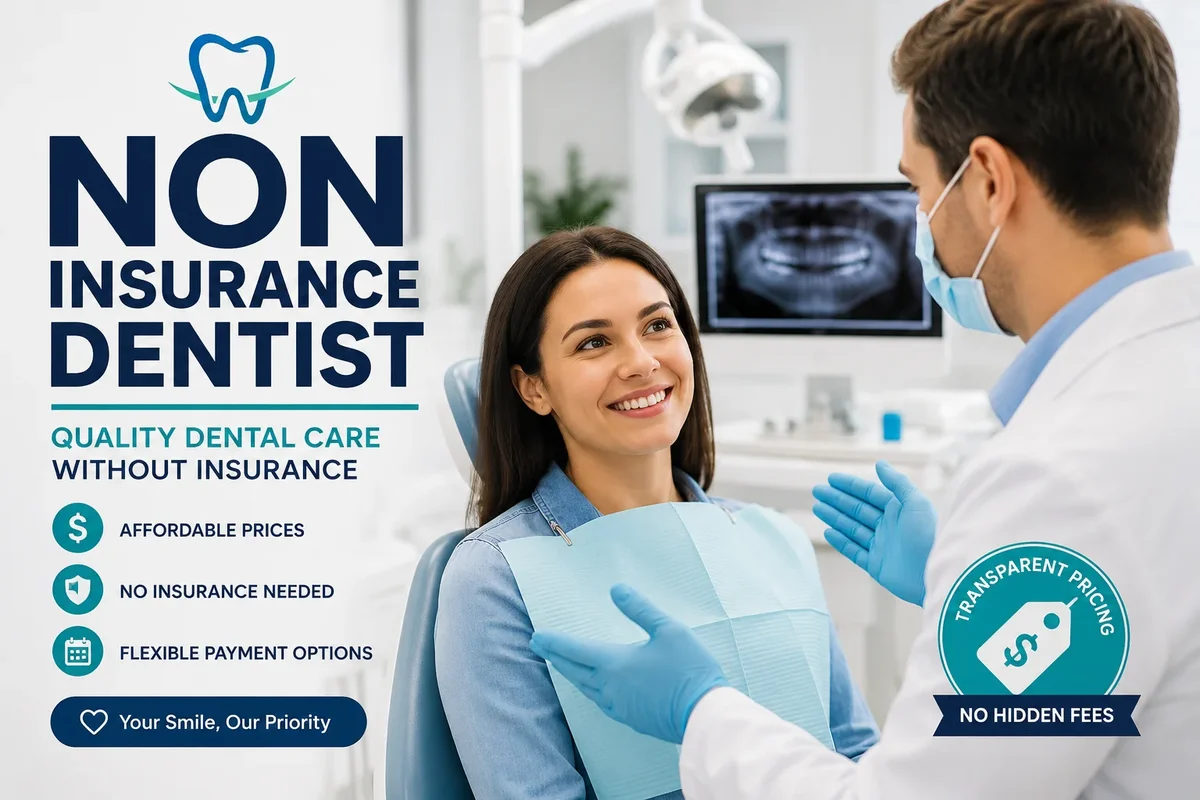
When a Non Insurance Dentist Is Better Than Traditional Insurance
Many patients automatically assume that having dental insurance is always the best option for managing oral healthcare costs. However, this is not always true. In many situations, choosing a non insurance dentist can actually provide greater flexibility, lower long-term expenses, faster treatment access, and more personalized dental care than traditional insurance-based systems. 🦷
Dental insurance plans often appear attractive because they promise reduced treatment costs and financial protection. However, many patients eventually discover that insurance policies contain significant limitations, including annual maximums, waiting periods, restricted provider networks, denied claims, and partial coverage percentages. Because of these issues, many individuals now prefer working directly with a non insurance dentist.
A non insurance dentist focuses on direct patient care rather than insurance company rules. This creates a more transparent, flexible, and patient-centered approach to dentistry.
Traditional Dental Insurance Has Many Limitations
One of the biggest reasons why a non insurance dentist can sometimes be a better choice is the large number of restrictions associated with traditional dental insurance plans.
Common Insurance Problems
- Annual maximum coverage limits 💳
- Waiting periods for major procedures
- Denied claims
- Limited provider networks
- Coverage exclusions for cosmetic procedures
- Deductibles and co-payments
For example, many insurance plans only provide annual benefits between $1,000 and $2,000. Unfortunately, this amount can be exhausted quickly if a patient requires crowns, root canals, periodontal treatment, or dental implants.
A non insurance dentist removes many of these complications by offering transparent treatment pricing without insurance restrictions.
Transparent Pricing Creates Financial Clarity
Many patients become frustrated by confusing insurance billing systems and unexpected treatment balances. Insurance companies sometimes approve only partial coverage, leaving patients responsible for larger out-of-pocket expenses than expected.
A major advantage of using a non insurance dentist is pricing transparency. Most uninsured dental clinics provide detailed treatment estimates before procedures begin.
Benefits of Transparent Pricing
- Clear treatment estimates 📋
- No hidden insurance adjustments
- Better financial planning
- Simplified billing systems
- Greater patient confidence
Patients appreciate knowing exactly what they will pay without waiting for insurance claim processing.
Faster Access to Treatment
Insurance-based dental systems sometimes delay treatment because procedures require approval before care begins. Waiting periods can become especially frustrating for patients experiencing discomfort or urgent oral health issues.
A non insurance dentist often provides faster treatment because care decisions are based directly on patient needs instead of insurance company authorization.
Situations Where Faster Treatment Matters
- Severe tooth pain 😷
- Dental infections
- Broken teeth
- Emergency root canals
- Lost crowns or fillings
- Gum swelling
Quick treatment not only improves comfort but also helps prevent more serious complications and higher future costs.
More Personalized Treatment Planning
Another major advantage of choosing a non insurance dentist is personalized treatment planning. Insurance companies sometimes influence which procedures are approved or partially covered.
In contrast, a non insurance dentist focuses entirely on the patient’s individual oral health goals, comfort preferences, and financial situation.
Patient-Centered Treatment Advantages
- Customized care plans 😁
- Flexible treatment timelines
- Open discussions about options
- Greater focus on aesthetics
- More preventive care guidance
This personalized approach often creates stronger communication and better long-term patient satisfaction.
Cosmetic Dentistry Is Rarely Covered by Insurance
Traditional dental insurance plans usually provide little or no coverage for cosmetic procedures. This means patients seeking smile improvements often pay out of pocket regardless of whether they have insurance.
A non insurance dentist frequently offers flexible cosmetic treatment options without insurance restrictions.
Popular Cosmetic Procedures
- Teeth whitening ✨
- Dental veneers
- Cosmetic bonding
- Clear aligners
- Smile makeovers
Because cosmetic procedures are often self-paid anyway, many patients prefer the transparent pricing and financing flexibility offered by a non insurance dentist.
Membership Plans Can Be More Affordable
Many modern non insurance dentist clinics now provide in-house membership programs for uninsured patients. These programs can sometimes offer better value than traditional insurance policies.
Typical Membership Benefits
- Routine cleanings 🪥
- Dental exams
- X-rays
- Discounts on restorative procedures
- Lower emergency treatment costs
- Priority scheduling access
Unlike traditional insurance, these plans usually do not involve complicated claims processing, annual maximums, or long waiting periods.
Flexible Financing Helps Patients Receive Care Earlier
A major strength of many non insurance dentist offices is flexible financing. Dental clinics understand that larger procedures can create financial pressure, so they often provide monthly payment plans or healthcare financing solutions.
Common Financing Options
- Monthly installment plans 📅
- Interest-free short-term financing
- Healthcare credit programs
- Customized treatment phases
These options allow patients to receive treatment immediately instead of delaying care until oral health problems worsen.
Routine Preventive Care Can Cost Less Without Insurance
Many patients are surprised to discover that routine preventive care at a non insurance dentist may cost less overall than maintaining traditional insurance coverage.
Average Preventive Care Costs 💰
- Dental Exam: $50 – $150
- Professional Cleaning: $75 – $200
- Digital X-Rays: $25 – $250
- Fluoride Treatment: $20 – $50
When insurance premiums, deductibles, and co-payments are added together, some patients realize they spend more on insurance than they would by paying directly through a non insurance dentist.
Dental Implants and Major Procedures Often Exceed Insurance Limits
Insurance annual maximums are often too low to cover major restorative procedures fully. Treatments such as implants, bridges, or full-mouth restorations may exceed yearly limits quickly.
A non insurance dentist can provide phased treatment plans and flexible financing without worrying about yearly insurance caps.
Common Major Restorative Costs
- Dental Crown: $900 – $2,000 👑
- Root Canal: $700 – $1,500
- Dental Bridge: $2,000 – $5,000
- Dental Implant: $3,000 – $6,000
Patients often appreciate the flexibility and transparency offered by uninsured dental clinics during complex treatment planning.
Better Communication and Patient Relationships
A non insurance dentist usually spends more time discussing treatment options, preventive strategies, and patient concerns. Without heavy insurance administrative pressures, appointments may feel less rushed and more educational.
Communication Benefits
- More personalized attention 😊
- Clear treatment explanations
- Open financial discussions
- Customized oral hygiene guidance
- Improved patient comfort
Strong communication helps patients feel more involved and confident in their dental care decisions.
When a Non Insurance Dentist May Be the Better Choice
A non insurance dentist may be especially beneficial for:
- Self-employed individuals
- Freelancers
- Retirees
- Patients needing cosmetic dentistry
- Families seeking transparent pricing
- Patients wanting flexible treatment planning
Many people searching online for “cash dentist,” “affordable dental clinic,” or “dental care without insurance” are often looking for these exact advantages.
Choosing the Right Non Insurance Dentist
Patients should still research carefully before selecting a non insurance dentist. Important factors include treatment quality, reviews, technology, financing options, communication, and preventive care philosophy.
Patients interested in personalized consultation and professional dental support can also visit the Redent Klinik Contact Page for additional information and appointment guidance.
For trusted oral healthcare education and preventive dentistry recommendations, patients may also explore resources from the American Dental Association.
Ultimately, there are many situations where a non insurance dentist can provide greater value, flexibility, and transparency than traditional dental insurance systems. Through personalized treatment planning, affordable financing, preventive care focus, and direct communication, uninsured dental clinics help patients maintain healthy smiles while staying financially comfortable and confident. 😄