
Access to quality dental care is a major concern for millions of people worldwide, especially for those without insurance or with limited financial resources. This is where non profit dental clinics play a critical role. These clinics are designed to provide affordable, accessible, and essential dental services to underserved communities. Unlike private dental practices that operate primarily for profit, non profit dental clinics focus on improving public health outcomes by offering low-cost or even free treatments to those in need.
Non profit dental clinics are often funded by government programs, charitable organizations, donations, and community support. Their mission is not to generate revenue but to ensure that everyone, regardless of income level, has access to proper oral healthcare. This makes non profit dental clinics an essential part of the healthcare system, particularly for vulnerable populations such as low-income families, elderly individuals, and uninsured patients.
One of the key advantages of non profit dental clinics is their ability to reduce barriers to dental care. Many people avoid visiting the dentist due to high costs, but non profit dental clinics eliminate this concern by offering services at significantly reduced rates. In some cases, treatments may even be provided free of charge depending on eligibility criteria. This makes non profit dental clinics a lifeline for individuals who might otherwise neglect their oral health.
Another important aspect of non profit dental clinics is their focus on preventive care. Instead of only treating dental problems after they occur, these clinics emphasize regular check-ups, cleanings, and education. By promoting preventive practices, non profit dental clinics help patients avoid more serious and costly procedures in the future. This approach not only benefits individuals but also reduces the overall burden on the healthcare system.
In addition to general dentistry services such as cleanings, fillings, and extractions, many non profit dental clinics also offer specialized treatments. These may include pediatric dentistry, dentures, and emergency care. Some clinics even collaborate with volunteer dentists and specialists to provide advanced procedures at a fraction of the cost found in private practices. As a result, non profit dental clinics can deliver comprehensive care that meets a wide range of patient needs.
Accessibility is another major strength of non profit dental clinics. These clinics are often located in community centers, schools, or underserved areas where traditional dental offices may be scarce. Mobile dental units are also used by some organizations to reach rural or remote populations. This ensures that non profit dental clinics can serve patients who might otherwise struggle to access care due to geographic limitations.
For individuals seeking affordable dental care, understanding how non profit dental clinics operate is crucial. Many clinics require appointments, while others accept walk-ins. Some may have waiting lists due to high demand, so planning ahead is recommended. Patients are often asked to provide proof of income or insurance status to determine eligibility for reduced fees. Despite these requirements, non profit dental clinics remain one of the most accessible options for quality dental care.
It is also worth noting that non profit dental clinics maintain high standards of care. Licensed dentists, hygienists, and trained professionals work in these facilities, ensuring that patients receive safe and effective treatments. Additionally, organizations like the American Dental Association provide guidelines and support to ensure quality and ethical practices within the dental field, including services offered by non profit dental clinics.
If you are considering visiting a clinic for affordable dental services, reaching out to a trusted provider is essential. For personalized guidance or to explore treatment options, you can contact professionals through the Redent Klinik Contact Page. While private clinics offer premium services, non profit dental clinics remain a powerful alternative for those seeking cost-effective and reliable dental care.
In conclusion, non profit dental clinics are a cornerstone of community health, bridging the gap between affordability and quality care. They provide essential services, promote preventive health, and ensure that no one is left behind due to financial limitations. Whether you need routine care or urgent treatment, non profit dental clinics offer a practical and compassionate solution for maintaining a healthy smile 😊.
What Are Non Profit Dental Clinics and How Do They Work?
Non profit dental clinics are healthcare facilities dedicated to providing affordable or free dental services to individuals who may not otherwise have access to proper oral care. Unlike traditional dental practices that operate as businesses aiming to generate profit, non profit dental clinics function with a mission-driven approach. Their primary goal is to improve community health, reduce oral disease, and ensure that everyone has access to essential dental treatments regardless of their financial situation.
Understanding the Core Mission of Non Profit Dental Clinics
The foundation of non profit dental clinics lies in their commitment to public health. These clinics are typically supported by government programs, charitable organizations, grants, and donations. This funding structure allows non profit dental clinics to offer services at significantly reduced costs or even completely free for eligible patients.
In many communities, non profit dental clinics serve as a safety net for vulnerable populations. These include low-income families, uninsured individuals, seniors, and people with disabilities. By focusing on prevention and early intervention, non profit dental clinics help reduce the risk of severe dental problems that could lead to more expensive and complicated treatments in the future.
How Non Profit Dental Clinics Differ from Private Practices
One of the most important distinctions is the financial model. While private dental offices rely on patient payments and insurance reimbursements, non profit dental clinics rely heavily on external funding and community support. This allows them to prioritize patient care over profit margins.
Additionally, non profit dental clinics often operate with a strong focus on education and prevention. Patients are not only treated but also educated about proper oral hygiene practices, nutrition, and lifestyle habits that impact dental health. This holistic approach makes non profit dental clinics unique in their ability to create long-term health improvements.
How Non Profit Dental Clinics Operate on a Daily Basis
The daily operations of non profit dental clinics are structured to maximize efficiency and accessibility. Many clinics use a sliding fee scale, meaning that the cost of treatment is adjusted based on the patient’s income level. This ensures that services remain affordable while still maintaining the clinic’s sustainability.
Appointments at non profit dental clinics can vary depending on demand. Some clinics require scheduled visits, while others accept walk-ins, particularly for urgent care. Due to high demand, it is common for non profit dental clinics to have waiting lists, especially in densely populated areas.
Staffing is another key aspect of how non profit dental clinics function. These clinics are typically staffed by licensed dentists, dental hygienists, assistants, and administrative personnel. In many cases, volunteer professionals also contribute their time and expertise, helping non profit dental clinics expand their reach and serve more patients.
Funding Sources Behind Non Profit Dental Clinics
The sustainability of non profit dental clinics depends on multiple funding sources. These may include:
- Government healthcare programs and public health funding
- Charitable donations from individuals and organizations
- Grants from foundations focused on healthcare access
- Partnerships with universities and dental schools
These funding streams enable non profit dental clinics to maintain operations while keeping patient costs low. Without this support, many individuals would be unable to receive even basic dental care.
Types of Services Provided in Non Profit Dental Clinics
Non profit dental clinics offer a wide range of services designed to meet the needs of diverse patient populations. These services often include:
- Routine check-ups and oral examinations
- Professional cleanings and preventive care
- Fillings, extractions, and basic restorative procedures
- Emergency dental treatments
- Dentures and prosthetic solutions
Some advanced non profit dental clinics also provide specialized services such as pediatric dentistry or limited orthodontic care. The goal is to ensure comprehensive treatment options that address both immediate and long-term dental needs.
Focus on Preventive Care and Education
A defining feature of non profit dental clinics is their emphasis on prevention. By educating patients on brushing techniques, flossing, and dietary habits, these clinics aim to reduce the incidence of dental disease. Preventive care not only improves individual health outcomes but also reduces the overall cost burden on the healthcare system.
Educational programs offered by non profit dental clinics often extend beyond the clinic itself. Community outreach initiatives, school programs, and awareness campaigns help spread knowledge about oral health, ensuring that more people benefit from the services provided by non profit dental clinics.
Why Non Profit Dental Clinics Are Essential for Communities
The impact of non profit dental clinics goes far beyond individual patient care. These clinics play a crucial role in improving public health, reducing healthcare disparities, and supporting community well-being. By making dental care accessible, non profit dental clinics help prevent serious health issues that can arise from untreated oral conditions.
Organizations such as the American Dental Association highlight the importance of accessible dental care in maintaining overall health. Non profit dental clinics align with these principles by ensuring that underserved populations receive the care they need.
If you are exploring your options for dental treatment or need guidance tailored to your situation, visiting the Redent Klinik Contact Page can help you connect with experienced professionals. While private clinics provide a wide range of services, non profit dental clinics remain a vital resource for affordable and accessible care.
In summary, non profit dental clinics operate with a unique and impactful model that prioritizes patient well-being over profit. Through community support, preventive care, and accessible services, they continue to make a significant difference in the lives of countless individuals. Their role in modern healthcare is indispensable, offering hope and healing to those who need it most 😊.
Who Can Benefit from Non Profit Dental Clinics?
Non profit dental clinics are designed to serve a wide range of individuals who face barriers to accessing traditional dental care. These clinics play a vital role in ensuring that oral health services are available to those who need them most. Whether due to financial limitations, lack of insurance, or geographic challenges, many people rely on non profit dental clinics as their primary source of dental care. Understanding who can benefit from these services helps highlight their importance in modern healthcare systems.
Low-Income Individuals and Families
One of the primary groups that benefit from non profit dental clinics is low-income individuals and families. Dental treatments in private clinics can be expensive, making it difficult for those with limited financial resources to maintain proper oral health. Non profit dental clinics address this issue by offering reduced-cost or free services, often based on a sliding fee scale.
For families struggling to meet daily expenses, visiting non profit dental clinics can prevent minor dental issues from turning into major health problems. Early intervention and preventive care provided by non profit dental clinics significantly reduce long-term costs and improve overall well-being.
Children in Underserved Communities
Children are among the most vulnerable when it comes to dental health. Many children in underserved communities do not receive regular dental check-ups, which can lead to cavities and developmental issues. Non profit dental clinics often provide pediatric dental services, ensuring that children receive proper care from an early age.
By offering education and preventive treatments, non profit dental clinics help establish healthy habits that last a lifetime. School-based programs and community outreach initiatives further extend the reach of non profit dental clinics, making dental care more accessible for young patients.
Uninsured and Underinsured Patients
Another significant group that benefits from non profit dental clinics includes individuals without dental insurance or those whose insurance coverage is limited. Dental insurance plans often exclude certain procedures or require high out-of-pocket payments, making treatment inaccessible for many people.
Non profit dental clinics provide a practical solution by offering essential services at affordable rates. Patients who might otherwise delay or avoid treatment can receive timely care at non profit dental clinics, preventing more serious complications.
Working Adults Without Benefits
Many working adults, especially those in part-time or freelance positions, do not receive employer-sponsored dental insurance. For these individuals, non profit dental clinics offer an essential safety net. Access to affordable dental care ensures that they can maintain their oral health without financial strain.
Regular visits to non profit dental clinics also contribute to overall productivity and quality of life, as untreated dental issues can lead to pain, discomfort, and missed workdays.
Elderly and Retired Individuals
The elderly population is another group that greatly benefits from non profit dental clinics. As people age, dental needs become more complex, often requiring treatments such as dentures, gum care, and restorative procedures. However, many retirees live on fixed incomes and may not have dental insurance.
Non profit dental clinics provide affordable options for seniors, helping them maintain their oral health and overall quality of life. Proper dental care is especially important for older adults, as oral health is closely linked to systemic conditions such as heart disease and diabetes.
Special Needs and Disabled Individuals
Individuals with disabilities or special healthcare needs often face additional challenges when accessing dental services. Non profit dental clinics are equipped to provide compassionate and tailored care for these patients, ensuring that they receive the attention and support they require.
Specialized programs within non profit dental clinics focus on creating a comfortable environment for patients with unique needs. This inclusive approach ensures that everyone has access to quality dental care.
Rural and Remote Populations
Access to dental care can be particularly challenging in rural or remote areas where dental offices are scarce. Non profit dental clinics often address this issue through mobile units or community-based facilities. These initiatives bring essential services directly to underserved regions.
By reaching populations that might otherwise go without care, non profit dental clinics play a crucial role in reducing geographic disparities in healthcare access.
Community Outreach and Mobile Dental Services
Many non profit dental clinics operate mobile dental units that travel to schools, community centers, and rural areas. These units provide preventive and basic restorative services, ensuring that even the most isolated populations receive care.
Through outreach programs, non profit dental clinics also educate communities about oral hygiene and disease prevention, further enhancing their impact.
Why Access to Non Profit Dental Clinics Matters
The broad range of individuals who benefit from non profit dental clinics highlights their importance in promoting public health. By providing affordable and accessible services, these clinics help reduce health disparities and improve overall community well-being.
Organizations like the American Dental Association emphasize the importance of equitable access to dental care. Non profit dental clinics align with these goals by ensuring that no one is excluded from receiving essential treatment.
If you are unsure whether you qualify for affordable dental services or want personalized advice, visiting the Redent Klinik Contact Page can help you explore your options. While private clinics offer comprehensive services, non profit dental clinics remain an invaluable resource for those seeking cost-effective care.
In conclusion, non profit dental clinics serve a diverse range of individuals, from low-income families to seniors and rural populations. Their inclusive approach ensures that everyone has the opportunity to maintain good oral health, regardless of their financial or social circumstances. By bridging gaps in access to care, non profit dental clinics continue to make a lasting impact on communities worldwide 😊.
Services Offered by Non Profit Dental Clinics Explained
Non profit dental clinics provide a wide range of dental services aimed at improving oral health for individuals who may not have access to traditional private care. These clinics are structured to deliver essential treatments at low cost or even free, depending on eligibility. The goal of non profit dental clinics is not only to treat dental problems but also to prevent them, ensuring long-term health benefits for patients and communities.
General Dentistry Services in Non Profit Dental Clinics
The most common services offered by non profit dental clinics fall under general dentistry. These include routine check-ups, oral examinations, and professional cleanings. Regular visits to non profit dental clinics help detect early signs of tooth decay, gum disease, and other oral health issues before they become severe.
In addition to preventive care, non profit dental clinics provide treatments such as fillings, extractions, and basic restorations. These services are crucial for maintaining oral health and preventing infections that could affect overall well-being. By offering these treatments at reduced costs, non profit dental clinics ensure that patients do not delay necessary care.
Preventive Care and Oral Health Education
Preventive care is a cornerstone of non profit dental clinics. Services such as fluoride treatments, sealants, and routine cleanings are designed to protect teeth and gums from disease. Beyond clinical treatments, non profit dental clinics also focus on educating patients about proper oral hygiene practices.
Patients visiting non profit dental clinics often receive guidance on brushing techniques, flossing habits, and dietary choices. This education empowers individuals to take control of their oral health, reducing the likelihood of future dental problems.
Restorative Treatments Available in Non Profit Dental Clinics
Restorative dentistry is another key area covered by non profit dental clinics. These treatments aim to repair damaged or missing teeth, restoring both function and appearance. Common restorative procedures include fillings, crowns, and dentures.
For patients who have experienced tooth loss, non profit dental clinics may provide affordable denture solutions. While advanced procedures like dental implants may not always be available, some non profit dental clinics collaborate with specialists to offer these services at reduced rates.
Emergency Dental Services
Dental emergencies can occur at any time, and non profit dental clinics often provide urgent care for conditions such as severe tooth pain, infections, or trauma. Access to emergency services is critical, as untreated dental issues can lead to serious health complications.
Many non profit dental clinics prioritize emergency cases, ensuring that patients receive prompt treatment even if they do not have a scheduled appointment. This responsiveness makes non profit dental clinics an essential resource for immediate dental care.
Pediatric Dentistry in Non Profit Dental Clinics
Children’s dental health is a major focus for many non profit dental clinics. Pediatric services are designed to address the unique needs of young patients, including preventive care, cavity treatment, and early orthodontic assessments.
Non profit dental clinics often create a child-friendly environment to make dental visits less intimidating. By introducing children to regular dental care at an early age, these clinics help establish lifelong healthy habits.
School-Based Programs and Outreach
Many non profit dental clinics extend their services beyond the clinic through school-based programs. These initiatives provide screenings, cleanings, and education directly in schools, making dental care accessible to children who might otherwise go without it.
Through outreach efforts, non profit dental clinics also raise awareness about the importance of oral health within communities, encouraging preventive practices from a young age.
Specialized Services in Non Profit Dental Clinics
While the primary focus of non profit dental clinics is general and preventive care, some clinics offer specialized services. These may include periodontal treatments for gum disease, oral surgery for complex cases, and limited orthodontic care.
Specialized services in non profit dental clinics are often made possible through partnerships with volunteer dentists and healthcare organizations. This collaboration allows non profit dental clinics to expand their range of treatments and better serve their patients.
Affordable Pricing Structure
The cost of services in non profit dental clinics is significantly lower than in private practices. Many clinics use a sliding fee scale based on income, ensuring that patients pay only what they can afford.
Below is an approximate comparison of common services:
- Dental Cleaning: $20 – $80 (compared to $100 – $300 in private clinics)
- Fillings: $50 – $150 (compared to $150 – $400)
- Tooth Extraction: $40 – $120 (compared to $150 – $500)
- Dentures: $300 – $800 (compared to $1000 – $3000)
These reduced costs make non profit dental clinics a practical option for individuals seeking affordable dental care without compromising quality.
The Importance of Comprehensive Care
The wide range of services offered by non profit dental clinics ensures that patients receive comprehensive care under one roof. From preventive treatments to emergency services, these clinics address both immediate and long-term dental needs.
Organizations such as the American Dental Association emphasize the importance of accessible dental care in maintaining overall health. Non profit dental clinics align with these principles by providing essential services to underserved populations.
If you are considering your dental care options or need professional guidance, visiting the Redent Klinik Contact Page can help you explore available treatments. While private clinics offer advanced solutions, non profit dental clinics remain a vital resource for affordable and accessible dental care.
In conclusion, non profit dental clinics offer a comprehensive range of services that cater to diverse patient needs. Their focus on affordability, prevention, and accessibility makes them an indispensable part of the healthcare system. By choosing non profit dental clinics, patients can receive high-quality care while maintaining financial stability 😊.
How to Find the Best Non Profit Dental Clinics Near You
Finding reliable and high-quality non profit dental clinics can make a significant difference in your oral health journey, especially if you are seeking affordable care. With the growing demand for accessible dental services, many communities now offer various options, but knowing how to identify the best non profit dental clinics requires a strategic approach. This guide will help you navigate the process step by step, ensuring you receive safe, effective, and affordable treatment.
Start with Online Research and Trusted Directories
The first step in locating non profit dental clinics is conducting thorough online research. Many organizations maintain directories that list verified clinics in your area. Government health websites, local health departments, and reputable dental organizations often provide updated information about non profit dental clinics.
When searching online, use specific keywords such as “affordable dental care near me” or “community dental clinics.” This will help you discover nearby non profit dental clinics that match your needs. Additionally, reading patient reviews can provide valuable insights into the quality of care offered by different non profit dental clinics.
Use Official and Reliable Sources
It is important to rely on trustworthy sources when searching for non profit dental clinics. Websites like the American Dental Association offer guidance on finding reputable providers. These platforms ensure that the listed non profit dental clinics meet professional standards and follow ethical practices.
Avoid relying solely on unverified listings, as not all information online is accurate. Choosing certified and recognized non profit dental clinics ensures you receive safe and effective care.
Check Local Community Health Centers
Community health centers are among the most reliable places to find non profit dental clinics. These centers are specifically designed to serve underserved populations and often include dental services as part of their offerings. Visiting or contacting your local health center can connect you with nearby non profit dental clinics.
Many non profit dental clinics operate within these centers, providing a wide range of services from preventive care to basic restorative treatments. This makes community health centers a convenient and accessible option for patients seeking affordable dental care.
Explore Mobile and Outreach Programs
In addition to fixed locations, some non profit dental clinics operate mobile units that travel to different communities. These programs are particularly beneficial for individuals living in rural or remote areas. Mobile non profit dental clinics bring essential services directly to patients, eliminating transportation barriers.
Community outreach initiatives also play a key role in expanding access to care. By participating in local events or health fairs, non profit dental clinics can reach more people and provide essential services where they are needed most.
Evaluate Services and Specializations
Not all non profit dental clinics offer the same range of services. Some focus on preventive care, while others provide more comprehensive treatments. Before choosing a clinic, it is important to evaluate the services offered by different non profit dental clinics.
Consider your specific needs, whether it is a routine cleaning, emergency treatment, or restorative procedures. Selecting non profit dental clinics that align with your requirements ensures you receive the appropriate care.
Compare Costs and Payment Options
One of the main advantages of non profit dental clinics is their affordability. However, costs can still vary depending on the clinic and the services provided. Many non profit dental clinics use a sliding fee scale based on income, while others offer fixed low-cost pricing.
- Initial Consultation: $0 – $50
- Cleaning: $20 – $80
- Fillings: $50 – $150
- Extractions: $40 – $120
Comparing these costs across different non profit dental clinics can help you find the most suitable option for your budget.
Verify Credentials and Quality Standards
Ensuring that non profit dental clinics maintain high standards of care is essential. Licensed dentists, hygienists, and trained staff should be part of the clinic’s team. Reputable non profit dental clinics follow strict hygiene protocols and use modern equipment to provide safe treatments.
Reading reviews and asking for recommendations can help you assess the reputation of non profit dental clinics. Patient feedback often highlights the strengths and weaknesses of different providers, giving you a clearer picture of what to expect.
Visit the Clinic Before Making a Decision
If possible, visiting non profit dental clinics in person can help you evaluate their environment and professionalism. Observe the cleanliness of the facility, the friendliness of the staff, and the overall organization. These factors can significantly impact your experience with non profit dental clinics.
During your visit, do not hesitate to ask questions about services, costs, and appointment availability. This will help you make an informed decision.
Book Appointments and Plan Ahead
Due to high demand, non profit dental clinics often have waiting lists. Booking an appointment early ensures you receive timely care. Some non profit dental clinics also offer priority for urgent cases, so it is important to communicate your needs clearly.
Preparing necessary documents such as proof of income or identification can speed up the registration process. Being organized helps you access services at non profit dental clinics more efficiently.
Seek Professional Guidance When Needed
If you are unsure about which clinic to choose, seeking professional advice can be beneficial. Consulting experts through the Redent Klinik Contact Page can provide personalized recommendations based on your specific needs. While private clinics offer advanced treatments, non profit dental clinics remain an excellent option for affordable care.
Why Choosing the Right Clinic Matters
Selecting the best non profit dental clinics ensures that you receive high-quality care without financial stress. The right clinic will not only address your immediate dental needs but also support your long-term oral health.
In conclusion, finding the right non profit dental clinics involves research, evaluation, and careful planning. By using trusted resources, comparing services, and verifying quality standards, you can confidently choose a clinic that meets your needs. With the support of non profit dental clinics, maintaining a healthy smile becomes both accessible and affordable 😊.
Cost Comparison: Non Profit Dental Clinics vs Private Dentists
One of the most important reasons people turn to non profit dental clinics is the significant difference in cost compared to private dental practices. Dental care can be expensive, especially for individuals without insurance, and this financial barrier often leads to delayed or avoided treatment. Understanding the cost differences between non profit dental clinics and private dentists helps patients make informed decisions about their oral health.
Why Non Profit Dental Clinics Are More Affordable
The affordability of non profit dental clinics comes from their unique funding structure. Unlike private practices that rely on patient payments and insurance reimbursements, non profit dental clinics are supported by government funding, charitable donations, and grants. This allows them to offer services at reduced rates or even free for eligible patients.
Many non profit dental clinics operate using a sliding fee scale, meaning that patients pay based on their income level. This ensures that dental care remains accessible to everyone, regardless of their financial situation. As a result, non profit dental clinics provide a cost-effective alternative without compromising the quality of care.
Sliding Scale Fee System Explained
The sliding scale system used by non profit dental clinics adjusts treatment costs according to a patient’s income and household size. For example, a low-income patient may pay significantly less for the same procedure compared to someone with a higher income. This flexible pricing model is one of the key advantages of non profit dental clinics.
By offering personalized pricing, non profit dental clinics ensure that essential dental services remain within reach for underserved populations.
Average Costs in Non Profit Dental Clinics
While prices can vary depending on location and services offered, non profit dental clinics are generally much more affordable than private practices. Below is a typical cost comparison:
- Dental Cleaning: $20 – $80 at non profit dental clinics vs $100 – $300 at private dentists
- Fillings: $50 – $150 at non profit dental clinics vs $150 – $400 privately
- Tooth Extraction: $40 – $120 at non profit dental clinics vs $150 – $500
- Dentures: $300 – $800 at non profit dental clinics vs $1000 – $3000
- X-rays: $10 – $50 at non profit dental clinics vs $50 – $200
These price differences clearly show how non profit dental clinics make dental care accessible to individuals who might otherwise be unable to afford treatment.
Hidden Costs in Private Dental Practices
Private dental clinics often include additional costs such as consultation fees, follow-up visits, and specialized procedures. These expenses can quickly add up, making treatment significantly more expensive. In contrast, non profit dental clinics aim to keep pricing transparent and predictable.
This transparency is another reason why patients prefer non profit dental clinics when seeking affordable care.
Quality of Care: Is There a Difference?
A common misconception is that lower costs mean lower quality. However, non profit dental clinics maintain high standards of care. Licensed professionals, including dentists and hygienists, work in these clinics, ensuring that patients receive safe and effective treatments.
Many non profit dental clinics also collaborate with experienced specialists and volunteers, allowing them to provide comprehensive services. While private clinics may offer more advanced or cosmetic procedures, non profit dental clinics focus on essential and preventive care that meets most patients’ needs.
Focus on Essential and Preventive Treatments
The primary goal of non profit dental clinics is to address essential dental needs. Preventive care, such as cleanings and check-ups, is emphasized to reduce the risk of more serious conditions. This approach not only improves patient outcomes but also minimizes long-term costs.
By prioritizing prevention, non profit dental clinics help patients maintain their oral health without the financial burden associated with advanced treatments.
When to Choose Non Profit Dental Clinics vs Private Dentists
Choosing between non profit dental clinics and private dentists depends on your specific needs and financial situation. If you require basic or preventive care and are looking for affordable options, non profit dental clinics are an excellent choice.
However, if you need specialized or cosmetic procedures, a private dentist may be more suitable. In many cases, patients use non profit dental clinics for routine care and seek private services for advanced treatments.
Balancing Cost and Convenience
While non profit dental clinics are more affordable, they may have longer waiting times due to high demand. Private clinics, on the other hand, often offer faster appointments but at a higher cost. Understanding this balance helps patients choose the option that best fits their needs.
Planning ahead and scheduling appointments early can help you maximize the benefits of non profit dental clinics.
The Long-Term Financial Benefits
Investing in regular dental care through non profit dental clinics can lead to significant long-term savings. Preventive treatments reduce the likelihood of expensive procedures in the future, making non profit dental clinics a smart financial choice.
Organizations such as the American Dental Association emphasize the importance of regular dental visits in maintaining overall health. Non profit dental clinics make these visits accessible to everyone.
If you are exploring your options or need professional advice, visiting the Redent Klinik Contact Page can help you make informed decisions about your dental care. While private clinics provide advanced solutions, non profit dental clinics remain a reliable and affordable alternative.
In conclusion, non profit dental clinics offer a cost-effective solution for maintaining oral health without compromising quality. By understanding the differences in pricing, services, and accessibility, patients can choose the best option for their needs. Whether for routine care or urgent treatment, non profit dental clinics provide an invaluable resource for affordable dental care 😊.
Eligibility Requirements for Non Profit Dental Clinics
Understanding the eligibility criteria for non profit dental clinics is essential before seeking treatment. These clinics are designed to prioritize individuals who face financial or social barriers to accessing dental care. While non profit dental clinics aim to serve as many people as possible, they often have specific requirements to ensure that resources are distributed fairly and effectively.
Income-Based Eligibility Criteria
The most common requirement for accessing non profit dental clinics is income level. Many clinics use a sliding fee scale based on household income, which determines how much a patient will pay for services. Individuals with lower incomes typically receive services at reduced rates or even free of charge.
To qualify for non profit dental clinics, patients may be asked to provide proof of income, such as pay stubs, tax returns, or government assistance documentation. This process ensures that non profit dental clinics prioritize those who need financial assistance the most.
Federal Poverty Level (FPL) Guidelines
Many non profit dental clinics base their eligibility on Federal Poverty Level (FPL) guidelines. For example, patients earning below 100% or 200% of the FPL may qualify for significant discounts. This standardized approach allows non profit dental clinics to assess eligibility fairly across different regions.
By aligning with FPL guidelines, non profit dental clinics ensure that assistance is directed toward individuals who are most in need.
Insurance Status and Coverage Limitations
Another key factor in determining eligibility for non profit dental clinics is insurance status. Many patients who seek care at non profit dental clinics are uninsured or underinsured. These clinics provide an alternative for individuals who cannot afford private dental insurance or whose coverage does not include necessary procedures.
Some non profit dental clinics also accept government insurance programs such as Medicaid, expanding access to care for eligible patients. This flexibility makes non profit dental clinics an important resource for individuals navigating complex insurance systems.
Patients Without Any Insurance
Uninsured individuals are often given priority at non profit dental clinics. Without access to traditional dental services, these patients rely heavily on non profit dental clinics for essential care. By offering affordable treatments, these clinics help prevent minor dental issues from escalating into serious health problems.
For uninsured patients, non profit dental clinics provide a crucial safety net that ensures continuity of care.
Residency and Geographic Requirements
Many non profit dental clinics require patients to reside within a specific geographic area. This ensures that local communities benefit directly from the services provided. Proof of residency, such as utility bills or identification documents, may be required when applying for services at non profit dental clinics.
These geographic restrictions help non profit dental clinics manage demand and focus their resources on the communities they are designed to serve.
Serving Underserved Communities
Non profit dental clinics are often located in underserved areas where access to dental care is limited. By prioritizing residents of these regions, non profit dental clinics address disparities in healthcare access and improve overall community health.
This targeted approach ensures that non profit dental clinics fulfill their mission of reaching those who need care the most.
Special Eligibility Categories
In addition to income and residency requirements, some non profit dental clinics have special eligibility categories. These may include seniors, children, veterans, or individuals with disabilities. By focusing on these groups, non profit dental clinics provide tailored services that address specific needs.
Programs within non profit dental clinics may also prioritize patients with urgent dental conditions, ensuring that those in immediate need receive timely care.
Programs for Children and Seniors
Children and seniors often have unique dental needs that require specialized care. Many non profit dental clinics offer dedicated programs for these groups, including preventive treatments for children and restorative services for older adults.
By addressing the needs of vulnerable populations, non profit dental clinics contribute to improved health outcomes across all age groups.
Application Process for Non Profit Dental Clinics
The application process for non profit dental clinics is typically straightforward but may vary depending on the clinic. Patients are usually required to complete an application form and provide necessary documentation. This process helps non profit dental clinics determine eligibility and assign appropriate fees.
Some non profit dental clinics allow online applications, while others require in-person visits. Due to high demand, it is advisable to apply early and schedule appointments in advance.
Documents Commonly Required
- Proof of income (pay stubs, tax returns)
- Identification (ID card or passport)
- Proof of residency (utility bill or lease agreement)
- Insurance information (if applicable)
Providing accurate documentation ensures a smooth application process and allows non profit dental clinics to assess eligibility efficiently.
Why Eligibility Requirements Matter
Eligibility criteria are essential for maintaining the sustainability of non profit dental clinics. By prioritizing individuals who need assistance the most, these clinics can maximize their impact and serve a larger number of patients.
Organizations like the American Dental Association emphasize the importance of equitable access to dental care. Non profit dental clinics align with these principles by implementing fair and transparent eligibility requirements.
If you are unsure about your eligibility or need personalized guidance, visiting the Redent Klinik Contact Page can help you explore your options. While private clinics offer comprehensive services, non profit dental clinics remain a vital resource for affordable care.
In conclusion, understanding the eligibility requirements for non profit dental clinics is key to accessing affordable dental care. By meeting income, residency, and documentation criteria, patients can benefit from the wide range of services offered by non profit dental clinics. These clinics continue to play a crucial role in improving oral health and reducing healthcare disparities worldwide 😊.
Advantages and Limitations of Non Profit Dental Clinics
Non profit dental clinics have become an essential part of the healthcare system, offering affordable and accessible dental services to millions of people. While these clinics provide numerous benefits, they also come with certain limitations that patients should understand before choosing them as their primary source of care. By examining both the advantages and challenges of non profit dental clinics, individuals can make informed decisions about their dental health.
Key Advantages of Non Profit Dental Clinics
The most obvious benefit of non profit dental clinics is affordability. These clinics are specifically designed to reduce financial barriers, allowing patients to receive essential treatments at significantly lower costs compared to private practices. This makes non profit dental clinics a crucial option for individuals without insurance or with limited income.
Another major advantage of non profit dental clinics is accessibility. Many clinics are located in underserved areas where private dental offices may not be available. Additionally, mobile units and outreach programs extend the reach of non profit dental clinics to rural and remote communities.
Affordable Care Without Compromising Quality
Despite their lower costs, non profit dental clinics maintain high standards of care. Licensed professionals, including dentists and hygienists, provide treatments using modern equipment and techniques. Patients visiting non profit dental clinics can expect safe and effective care that meets professional guidelines.
Organizations such as the American Dental Association emphasize quality standards in dental care, and many non profit dental clinics adhere to these guidelines to ensure patient safety.
Focus on Preventive and Community-Based Care
One of the defining features of non profit dental clinics is their emphasis on preventive care. Instead of focusing solely on treatment, these clinics educate patients about oral hygiene, nutrition, and lifestyle habits. This proactive approach helps reduce the incidence of dental diseases and promotes long-term health.
Community outreach is another strength of non profit dental clinics. Programs in schools, community centers, and public events help raise awareness about oral health and encourage regular dental visits.
Support for Vulnerable Populations
Non profit dental clinics are specifically designed to serve vulnerable groups, including low-income families, seniors, children, and individuals with disabilities. By prioritizing these populations, non profit dental clinics help reduce healthcare disparities and improve overall community well-being.
This inclusive approach ensures that everyone has access to essential dental care, regardless of their financial or social circumstances.
Limitations of Non Profit Dental Clinics
While non profit dental clinics offer many benefits, they also have certain limitations. One of the most common challenges is high demand. Due to their affordability, non profit dental clinics often experience long waiting times for appointments.
Patients seeking immediate care may need to wait days or even weeks, depending on the clinic’s capacity. This can be a drawback for individuals who require urgent or specialized treatments.
Limited Availability of Advanced Procedures
Another limitation of non profit dental clinics is the range of services offered. While these clinics provide essential and preventive care, advanced procedures such as cosmetic dentistry, implants, or orthodontics may not always be available.
In such cases, patients may need to seek treatment from private dentists. However, many non profit dental clinics collaborate with specialists to provide referrals or discounted services.
Operational Challenges in Non Profit Dental Clinics
The operation of non profit dental clinics depends heavily on funding and resources. Limited budgets can affect staffing, equipment, and the availability of services. Despite these challenges, non profit dental clinics strive to maximize their impact through efficient management and community support.
Volunteer contributions play a significant role in the success of many non profit dental clinics. Dentists and healthcare professionals often donate their time and expertise, helping clinics serve more patients.
Resource Constraints and Sustainability
Funding limitations can sometimes lead to reduced operating hours or limited service availability. Non profit dental clinics must balance their resources carefully to continue serving their communities effectively.
Despite these constraints, the commitment of non profit dental clinics to their mission ensures that they remain a vital part of the healthcare system.
Balancing Advantages and Limitations
When considering non profit dental clinics, it is important to weigh both their benefits and limitations. For many patients, the affordability and accessibility of non profit dental clinics outweigh the potential drawbacks. However, understanding these limitations helps set realistic expectations.
Patients can maximize their experience by planning ahead, scheduling appointments early, and being flexible with timing. Combining services from non profit dental clinics with private care when necessary can also provide a balanced approach to dental health.
Making the Right Choice for Your Needs
Choosing between non profit dental clinics and private dentists depends on individual needs and circumstances. For routine and preventive care, non profit dental clinics are an excellent option. For specialized treatments, private clinics may be more مناسب.
If you need guidance in selecting the best option, visiting the Redent Klinik Contact Page can help you make an informed decision.
Conclusion: A Balanced Perspective
In conclusion, non profit dental clinics offer significant advantages, including affordability, accessibility, and a strong focus on preventive care. However, they also face challenges such as high demand and limited resources. By understanding both sides, patients can make informed choices and benefit from the valuable services provided by non profit dental clinics.
Ultimately, non profit dental clinics play a crucial role in improving oral health and reducing disparities in healthcare access. Their impact extends beyond individual patients, contributing to healthier and more equitable communities 😊.
How to Prepare for Your Visit to Non Profit Dental Clinics
Visiting non profit dental clinics for the first time can feel unfamiliar, especially if you are used to private dental practices. However, proper preparation can make your experience smooth, efficient, and stress-free. Since non profit dental clinics often operate with high patient demand and limited resources, being well-prepared ensures that you receive the best possible care without unnecessary delays.
Understand How Non Profit Dental Clinics Operate
Before scheduling an appointment, it is important to understand how non profit dental clinics function. These clinics prioritize accessibility and affordability, which often means they operate on a first-come, first-served basis or maintain waiting lists. Knowing this in advance helps you plan your visit effectively.
Many non profit dental clinics require appointments, while others accept walk-ins for urgent cases. Checking the clinic’s policies beforehand ensures that you arrive at the right time and avoid long waiting periods.
Call Ahead and Confirm Details
Contacting non profit dental clinics before your visit is highly recommended. Confirm appointment availability, required documents, and any specific instructions. This step can save you time and prevent unexpected issues during your visit to non profit dental clinics.
If you are unsure about your eligibility or services offered, a quick phone call can clarify everything and help you prepare accordingly.
Gather Necessary Documents
One of the most important steps when visiting non profit dental clinics is preparing the required documentation. Since these clinics often use income-based eligibility systems, you may need to provide proof of your financial situation.
Common documents required by non profit dental clinics include:
- Valid identification (ID or passport)
- Proof of income (pay stubs or tax returns)
- Proof of residency (utility bill or lease agreement)
- Insurance information (if applicable)
Having these documents ready ensures a smooth registration process and allows non profit dental clinics to determine your eligibility quickly.
Organize Your Medical and Dental History
Providing accurate medical and dental history is essential when visiting non profit dental clinics. Bring records of previous treatments, medications, and any existing health conditions. This information helps dentists at non profit dental clinics create a personalized treatment plan tailored to your needs.
If you do not have formal records, try to recall important details about your dental history to share with the healthcare team.
Plan Your Visit Timing
Timing plays a crucial role when visiting non profit dental clinics. Due to high demand, arriving early can significantly reduce waiting times. Some non profit dental clinics allocate limited slots each day, so early arrival increases your chances of receiving care.
For scheduled appointments, make sure to arrive at least 15–30 minutes early. This allows time for registration and ensures that your visit to non profit dental clinics proceeds smoothly.
Be Prepared for Waiting Times
It is important to understand that non profit dental clinics often serve a large number of patients daily. As a result, waiting times can be longer compared to private clinics. Bringing a book, headphones, or other entertainment can help make your wait more comfortable.
Patience is key when visiting non profit dental clinics, as the goal is to provide care to as many people as possible.
Know What Services You Need
Before your visit, identify the specific dental services you require. Whether it is a routine cleaning, filling, or emergency treatment, clearly communicating your needs helps staff at non profit dental clinics prioritize your care.
Some non profit dental clinics may not offer advanced procedures, so understanding your requirements ensures that you receive the appropriate treatment or referral.
Prepare Questions for Your Dentist
Preparing a list of questions can enhance your experience at non profit dental clinics. Ask about treatment options, costs, and preventive care tips. This proactive approach helps you make informed decisions about your oral health.
Open communication with professionals at non profit dental clinics ensures that you fully understand your treatment plan.
Follow Hygiene and Pre-Visit Guidelines
Maintaining good oral hygiene before your visit is important. Brushing and flossing your teeth ensures that dentists at non profit dental clinics can perform accurate examinations and treatments.
Some procedures may require specific preparation, such as avoiding food before certain treatments. Following instructions provided by non profit dental clinics ensures optimal results.
Stay Relaxed and Comfortable
Dental visits can cause anxiety for some patients, but staying calm is essential. Non profit dental clinics are designed to provide compassionate care, and staff members are trained to support patients throughout the process.
Practicing relaxation techniques, such as deep breathing, can help reduce stress during your visit to non profit dental clinics.
After Your Visit: Follow-Up and Care
Your responsibility does not end after leaving non profit dental clinics. Following post-treatment instructions is crucial for maintaining oral health. This may include taking prescribed medications, avoiding certain foods, or scheduling follow-up appointments.
Regular visits to non profit dental clinics ensure that your oral health remains stable and prevent future complications.
Seek Additional Support When Needed
If you require further guidance or advanced treatment options, visiting the Redent Klinik Contact Page can help you explore additional solutions. While private clinics offer specialized care, non profit dental clinics remain an excellent starting point for affordable treatment.
Organizations like the American Dental Association also emphasize the importance of regular dental visits and proper preparation.
Conclusion: Preparation Leads to Better Outcomes
In conclusion, preparing for your visit to non profit dental clinics ensures a smoother and more effective experience. By understanding clinic operations, gathering necessary documents, and planning ahead, you can maximize the benefits of the services offered.
Non profit dental clinics provide an invaluable opportunity for affordable and accessible dental care. With proper preparation, you can take full advantage of these services and maintain a healthy smile for years to come 😊.
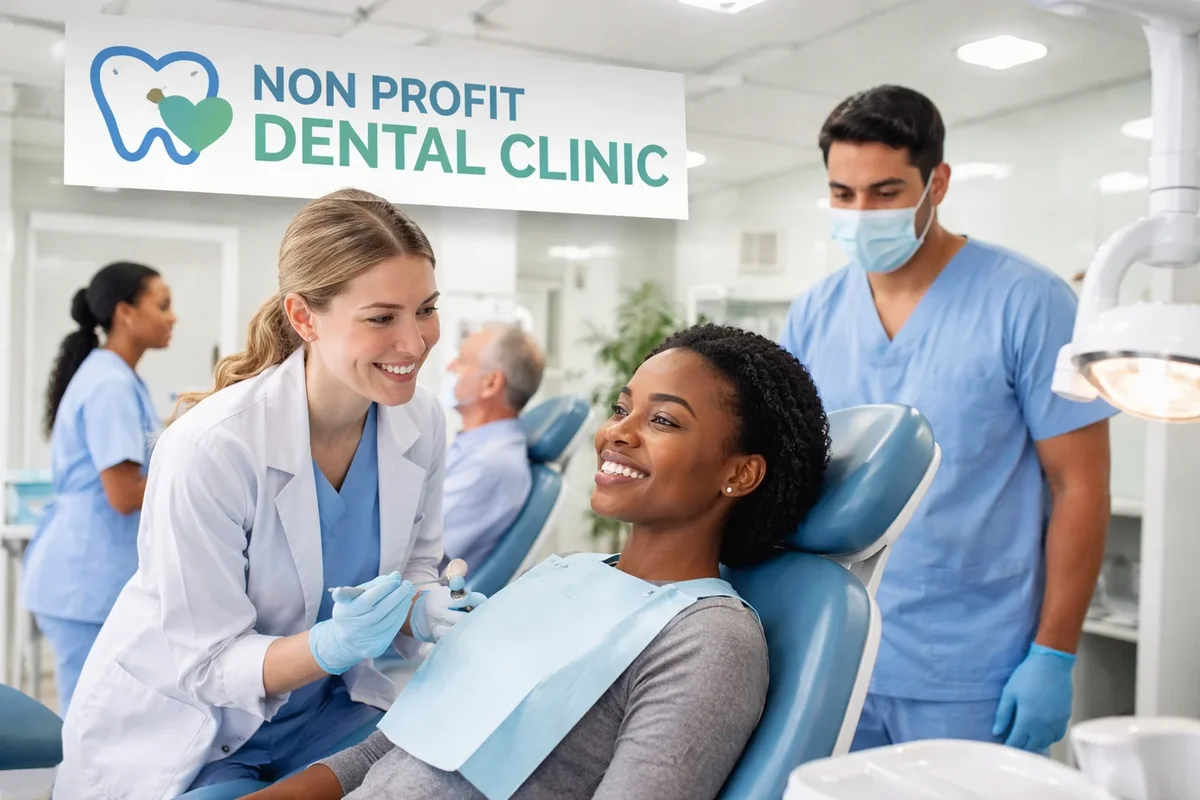
Future of Non Profit Dental Clinics and Community Dental Care
The future of non profit dental clinics is closely tied to the evolving needs of global healthcare systems and the increasing demand for accessible, affordable dental care. As oral health continues to be recognized as a vital component of overall well-being, non profit dental clinics are expected to play an even more significant role in bridging the gap between underserved populations and essential dental services. Understanding the direction in which non profit dental clinics are heading provides valuable insight into how communities will benefit in the years to come.
Growing Demand for Affordable Dental Care
One of the main drivers shaping the future of non profit dental clinics is the growing demand for affordable dental services. Rising healthcare costs and gaps in insurance coverage have made it increasingly difficult for many individuals to access traditional dental care. As a result, more people are turning to non profit dental clinics as a reliable solution.
This increased demand highlights the importance of expanding non profit dental clinics and improving their capacity to serve larger populations. Governments and organizations are recognizing this need and are investing more resources into supporting non profit dental clinics.
Addressing Global Oral Health Inequalities
Oral health disparities remain a significant challenge worldwide. Non profit dental clinics are at the forefront of addressing these inequalities by providing care to underserved communities. By expanding their reach, non profit dental clinics can help reduce the gap between those who have access to dental care and those who do not.
This mission aligns with global health initiatives aimed at improving access to essential healthcare services for all individuals.
Technological Advancements in Non Profit Dental Clinics
Technology is playing an increasingly important role in the development of non profit dental clinics. Innovations such as digital imaging, tele-dentistry, and portable dental equipment are enhancing the efficiency and accessibility of these clinics.
Tele-dentistry, in particular, allows non profit dental clinics to provide consultations and follow-up care remotely. This is especially beneficial for patients in rural or remote areas who may not have easy access to physical clinics.
Integration of Digital Health Solutions
Digital tools are helping non profit dental clinics streamline operations and improve patient care. Electronic health records, online appointment systems, and mobile applications make it easier for patients to access services and for clinics to manage their resources effectively.
These advancements ensure that non profit dental clinics remain efficient and responsive to patient needs in an increasingly digital world.
Expansion Through Community Partnerships
Collaboration is key to the future success of non profit dental clinics. Partnerships with schools, universities, healthcare organizations, and local governments are enabling these clinics to expand their services and reach more patients.
Dental schools, for example, often collaborate with non profit dental clinics to provide training opportunities for students while delivering care to underserved populations. This mutually beneficial relationship strengthens the overall healthcare system.
Volunteer Programs and Professional Support
Volunteer contributions will continue to play a crucial role in the growth of non profit dental clinics. Dentists, hygienists, and healthcare professionals who donate their time and expertise help increase the capacity of these clinics.
As awareness grows, more professionals are likely to support non profit dental clinics, ensuring their sustainability and impact.
Policy Changes and Increased Funding
Government policies and funding initiatives are expected to significantly influence the future of non profit dental clinics. Increased investment in public health programs can enhance the resources available to these clinics, allowing them to expand services and improve infrastructure.
Advocacy efforts by organizations such as the American Dental Association highlight the importance of accessible dental care, encouraging policymakers to support non profit dental clinics.
Affordable Care as a Public Health Priority
As governments recognize the link between oral health and overall health, non profit dental clinics are likely to receive greater support. This shift in focus will help integrate dental care into broader healthcare systems, ensuring comprehensive patient care.
Such developments will strengthen the role of non profit dental clinics in promoting public health.
Challenges Facing Non Profit Dental Clinics
Despite their importance, non profit dental clinics face several challenges. Limited funding, high patient demand, and resource constraints can impact their ability to provide services. Addressing these challenges is essential for the continued success of non profit dental clinics.
Innovative solutions, such as partnerships and technology integration, are helping non profit dental clinics overcome these obstacles and improve their operations.
Sustainability and Long-Term Growth
Ensuring the sustainability of non profit dental clinics requires strategic planning and ongoing support. Diversifying funding sources and improving operational efficiency are key factors in maintaining their services.
By focusing on long-term growth, non profit dental clinics can continue to serve communities effectively.
The Role of Patients and Communities
The future of non profit dental clinics also depends on community involvement. Patients who utilize these services play a role in supporting their sustainability by following preventive care practices and attending regular check-ups.
Community awareness campaigns and educational programs further strengthen the impact of non profit dental clinics, encouraging more people to prioritize oral health.
Accessing Support and Professional Guidance
If you are considering your options or need personalized advice, visiting the Redent Klinik Contact Page can help you explore available treatments. While private clinics offer advanced services, non profit dental clinics remain a cornerstone of affordable care.
Combining the resources of non profit dental clinics with professional guidance ensures comprehensive and effective dental care.
Conclusion: A Promising Future for Non Profit Dental Clinics
In conclusion, the future of non profit dental clinics is both promising and essential. With advancements in technology, increased funding, and stronger community partnerships, these clinics are well-positioned to expand their impact.
Non profit dental clinics will continue to play a vital role in improving oral health, reducing disparities, and ensuring that everyone has access to quality dental care. Their commitment to affordability and accessibility makes them an indispensable part of modern healthcare systems 😊.