
When sudden tooth pain strikes at midnight or a dental injury happens during the weekend, knowing that an oncall dentist is available can bring immediate relief and reassurance. Dental emergencies rarely wait for regular office hours, and that is exactly why the role of an oncall dentist is so important. This comprehensive guide explains what an oncall dentist does, when you should contact one, what types of treatments are typically provided, and how this service can protect your oral health in urgent situations. 🦷
An oncall dentist is a licensed dental professional who provides care outside of standard clinic hours. This may include evenings, weekends, holidays, or late-night emergencies. Unlike routine dental appointments that are scheduled in advance, an oncall dentist focuses specifically on urgent cases that require prompt attention. These situations may involve severe toothaches, knocked-out teeth, broken crowns, abscesses, or trauma to the mouth.
The primary goal of an oncall dentist is to relieve pain, control infection, and stabilize the problem until permanent treatment can be completed if necessary. In many cases, immediate intervention by an oncall dentist can prevent complications that might otherwise lead to tooth loss or more serious health issues. For example, untreated dental infections can spread to surrounding tissues and, in rare cases, become life-threatening. Acting quickly and contacting an oncall dentist can significantly reduce these risks.
Patients often wonder whether they truly need an oncall dentist or if the problem can wait until the next business day. As a general rule, you should seek an oncall dentist if you experience intense, persistent pain, uncontrolled bleeding, facial swelling, trauma from an accident, or signs of infection such as fever combined with oral discomfort. These symptoms indicate that waiting may worsen the condition. An oncall dentist has the training and equipment necessary to evaluate the urgency and provide appropriate emergency dental care.
One of the biggest advantages of having access to an oncall dentist is peace of mind. Dental pain can be overwhelming and emotionally distressing. Knowing that an oncall dentist is just a phone call away helps reduce anxiety during stressful situations. Many clinics rotate schedules so that a qualified oncall dentist is always available to respond to urgent calls. Some practices also offer dedicated emergency hotlines, making it easy to connect with an oncall dentist quickly.
It is also important to understand that an oncall dentist does not replace routine dental care. Regular check-ups and preventive treatments are essential for maintaining long-term oral health. However, when unexpected problems arise, an oncall dentist becomes a critical part of your dental care network. Emergency dental care often includes pain management, temporary restorations, drainage of infections, repositioning of teeth, or prescriptions for antibiotics and anti-inflammatory medications.
In addition, an oncall dentist typically follows guidelines established by professional organizations such as the American Dental Association, ensuring that emergency procedures meet recognized standards of safety and quality. This means that when you contact an oncall dentist, you are receiving professional care that aligns with national dental health recommendations.
If you are traveling or away from your usual provider, searching for a local oncall dentist can be especially helpful. Many dental clinics publish their emergency contact details on their websites. For patients seeking assistance abroad or needing urgent consultation, you can also reach out through the Redent Klinik Contact Page for guidance and support. 🌍
Ultimately, the role of an oncall dentist is centered on rapid response and patient comfort. Dental emergencies can happen to anyone at any time, and having access to an oncall dentist ensures that you are never left without professional help. Whether it is severe pain, trauma, or sudden swelling, acting quickly and contacting an oncall dentist can protect your smile, preserve your teeth, and safeguard your overall health.
By understanding how an oncall dentist works and when to seek emergency dental care, you empower yourself to respond confidently in urgent situations. Prompt attention can make the difference between a minor issue and a major complication. Always remember: when in doubt, contacting an oncall dentist is the safest and most responsible choice. 😊
1. What Is an Oncall Dentist and When Do You Need One?
An oncall dentist is a licensed dental professional who provides urgent dental care outside of regular clinic hours. While traditional dental appointments are scheduled days or weeks in advance, an oncall dentist is available during evenings, weekends, holidays, and sometimes even overnight to address sudden dental problems. Dental emergencies rarely happen at convenient times, and that is precisely why access to an oncall dentist is essential for protecting both your oral health and your overall well-being. 🦷
The primary function of an oncall dentist is to diagnose urgent dental conditions, relieve pain, manage infections, and stabilize injuries until permanent treatment can be completed. In many cases, early intervention by an oncall dentist can prevent complications such as tooth loss, spreading infection, or severe swelling. Understanding when to contact an oncall dentist can make a critical difference in outcomes.
Understanding the Role of an Oncall Dentist
An oncall dentist focuses specifically on emergency care. This may include treating intense toothaches, repairing broken restorations, managing dental trauma, or prescribing medications for infections. Unlike routine visits that involve cleanings and preventive care, an oncall dentist prioritizes urgent symptoms that cannot safely wait.
For example, if you wake up with severe throbbing pain that does not respond to over-the-counter medication, an oncall dentist can evaluate whether the cause is a deep cavity, cracked tooth, or abscess. Immediate care from an oncall dentist may involve temporary fillings, emergency root canal procedures, or drainage of infected tissue. Acting quickly can prevent the infection from worsening.
How Availability Works
Many dental clinics rotate schedules so that a qualified oncall dentist is always available. Some practices have dedicated emergency phone numbers, while others provide after-hours instructions directing patients to the current oncall dentist. In larger cities, specialized emergency dental centers may operate with an oncall dentist on-site 24/7.
This system ensures that patients are never left without professional help. When contacting an oncall dentist, you will usually speak with either the dentist directly or trained staff who can assess the urgency of your condition and provide instructions before your visit.
When Should You Contact an Oncall Dentist?
Not every dental issue requires immediate intervention. However, there are specific situations where contacting an oncall dentist is strongly recommended. These include:
- Severe, persistent tooth pain that disrupts sleep
- Knocked-out or partially dislodged teeth
- Broken or fractured teeth causing sharp pain
- Uncontrolled bleeding in the mouth
- Facial swelling associated with dental infection
- Dental trauma from accidents or sports injuries
If you experience swelling combined with fever or difficulty swallowing, contacting an oncall dentist immediately is crucial. Infections in the mouth can spread rapidly if untreated. An oncall dentist can evaluate the severity and provide antibiotics or emergency procedures as needed.
Signs That It Cannot Wait
Sometimes patients hesitate, wondering whether they truly need an oncall dentist or if they can wait until the next business day. A simple guideline is this: if the pain is intense, the bleeding does not stop, or the injury involves structural damage to a tooth, contacting an oncall dentist is the safest choice. Waiting may increase pain and complicate treatment.
For example, a knocked-out tooth has the highest chance of survival if treated by an oncall dentist within 30 to 60 minutes. Delays significantly reduce the likelihood that the tooth can be successfully reinserted. Immediate care from an oncall dentist can literally save your natural smile.
The Difference Between Urgent and Routine Care
It is important to understand that an oncall dentist does not replace routine dental visits. Preventive check-ups, cleanings, and planned procedures remain essential for long-term oral health. However, when unexpected issues arise, the oncall dentist becomes a critical safety net.
Routine discomfort, such as mild sensitivity or a small chipped tooth without pain, can usually wait. But sharp, radiating pain or visible swelling should prompt a call to an oncall dentist. Emergency dental care focuses on stabilizing the issue first, then arranging follow-up treatment if needed.
Why Fast Action Matters
Quick intervention by an oncall dentist can prevent small issues from becoming major problems. For instance, an untreated cavity can progress into a painful abscess. By seeking help from an oncall dentist at the first sign of severe pain, you reduce the risk of needing more complex procedures later.
Additionally, dental emergencies often cause emotional stress and anxiety. Knowing that an oncall dentist is available provides reassurance during uncomfortable situations. Emergency dental professionals are trained to work efficiently, calmly, and compassionately, helping patients feel supported and cared for. 😊
In summary, an oncall dentist is a vital part of modern dental care. From late-night toothaches to sudden injuries, the availability of an oncall dentist ensures that urgent oral health problems are addressed without delay. Recognizing the signs of a true emergency and acting quickly can protect your teeth, relieve pain, and safeguard your overall health. When in doubt, contacting an oncall dentist is always the responsible choice.
2. Common Dental Emergencies Treated by an Oncall Dentist
Dental emergencies can happen unexpectedly, and when they do, contacting an oncall dentist is often the fastest way to protect your teeth and relieve severe discomfort. An oncall dentist is trained to manage urgent oral health issues that cannot safely wait for a regular appointment. From traumatic injuries to sudden infections, the services provided by an oncall dentist are designed to stabilize your condition and prevent further complications. Understanding the most common problems treated by an oncall dentist can help you respond quickly and confidently in stressful situations. 🦷
Severe Toothache and Pulp Inflammation
One of the most frequent reasons patients contact an oncall dentist is intense tooth pain. Severe toothaches often result from deep cavities, cracked teeth, or inflammation of the dental pulp. When the inner tissue of the tooth becomes infected, the pain can be sharp, throbbing, and persistent. An experienced oncall dentist will evaluate the source of the discomfort using clinical examination and imaging if necessary.
Treatment by an oncall dentist may involve removing decayed tissue, placing a temporary filling, or initiating emergency root canal therapy. In some cases, the oncall dentist may prescribe antibiotics if an infection is present. Immediate care from an oncall dentist not only relieves pain but also prevents the infection from spreading to surrounding tissues.
When Pain Signals an Emergency
If pain wakes you at night, radiates to the jaw or ear, or is accompanied by swelling, contacting an oncall dentist is essential. Waiting can allow inflammation to worsen. Prompt treatment by an oncall dentist significantly improves outcomes and reduces the need for more invasive procedures later.
Knocked-Out (Avulsed) Teeth
A knocked-out tooth is one of the most urgent situations an oncall dentist treats. This type of injury commonly occurs during sports, falls, or accidents. Time is critical. The sooner you reach an oncall dentist, the higher the chance the tooth can be successfully reimplanted.
If a tooth is knocked out, handle it by the crown (not the root), rinse it gently without scrubbing, and attempt to place it back in its socket if possible. Then immediately contact an oncall dentist. Ideally, you should see an oncall dentist within 30 to 60 minutes for the best prognosis. The oncall dentist will assess the viability of the tooth and stabilize it with a splint if reimplantation is possible.
Why Immediate Care Matters
Delaying treatment reduces the survival rate of the tooth. An oncall dentist has the skills and equipment needed to maximize the chances of saving your natural tooth. Rapid response from an oncall dentist can make the difference between preservation and permanent loss.
Broken, Cracked, or Fractured Teeth
Teeth can fracture due to biting hard foods, trauma, or untreated decay. A broken tooth may expose sensitive inner layers, causing sharp pain and vulnerability to infection. An oncall dentist will examine the fracture and determine whether bonding, a crown, or another restoration is required.
In emergency situations, the oncall dentist may place a temporary restoration to protect the tooth until permanent treatment can be completed. Immediate intervention by an oncall dentist helps prevent bacteria from entering the damaged area.
Dental Abscess and Infection
A dental abscess is a serious infection that requires urgent attention from an oncall dentist. Symptoms may include swelling, pus formation, severe pain, fever, and difficulty swallowing. Left untreated, the infection can spread to other areas of the body.
An oncall dentist will drain the abscess if necessary and prescribe antibiotics to control bacterial growth. In many cases, follow-up care such as root canal therapy will be scheduled after the emergency treatment provided by the oncall dentist. Prompt care from an oncall dentist reduces the risk of systemic complications.
Recognizing Dangerous Symptoms
Facial swelling combined with fever is a clear signal to contact an oncall dentist immediately. Difficulty breathing or swallowing requires emergency medical care in addition to evaluation by an oncall dentist. Never ignore these warning signs.
Lost Fillings, Crowns, or Dental Restorations
Although sometimes less painful, lost restorations can still require the attention of an oncall dentist. A missing crown or filling leaves the tooth exposed and vulnerable to damage. An oncall dentist can place a temporary solution to protect the structure until a permanent restoration is arranged.
Seeking care from an oncall dentist promptly prevents sensitivity and reduces the risk of further fracture. Even if pain is mild, contacting an oncall dentist ensures the problem does not escalate.
Soft Tissue Injuries and Bleeding
Cuts or tears in the lips, cheeks, tongue, or gums can result from accidents or sports injuries. If bleeding does not stop after applying pressure for 10–15 minutes, an oncall dentist should evaluate the injury. The oncall dentist may clean the wound, apply sutures, or recommend additional care.
In summary, an oncall dentist plays a critical role in managing a wide range of dental emergencies. Whether it is severe pain, trauma, infection, or structural damage, the expertise of an oncall dentist ensures that urgent problems are addressed quickly and professionally. Recognizing these common emergencies and acting without delay can preserve your oral health and protect your smile for years to come. 😊
3. How to Find a Reliable Oncall Dentist Near You
When a dental emergency happens, the last thing you want is to waste time searching for help. Knowing how to quickly locate a reliable oncall dentist can make a critical difference in protecting your oral health. Whether you are dealing with sudden pain, trauma, or infection, finding a trustworthy oncall dentist ensures you receive prompt and professional care. This section explains practical, step-by-step strategies to identify the right oncall dentist in your area. 🦷
Start with Your Regular Dental Clinic
The first place to check is your current dental provider. Many practices rotate schedules so that an oncall dentist is available outside standard office hours. Even if the clinic is closed, their voicemail or website often provides instructions on how to reach the designated oncall dentist. This is usually the safest and most reliable option because the oncall dentist may already have access to your dental history.
If your regular dentist does not personally provide emergency coverage, they often partner with another clinic that has an oncall dentist available. Following their instructions can save valuable time during urgent situations.
Check the Clinic’s Website
Most modern dental practices clearly state their emergency services online. Look for phrases such as “emergency care,” “after-hours services,” or “oncall dentist available.” A reputable clinic will provide direct contact details for the oncall dentist or clear guidance on what to do during emergencies.
Use Trusted Online Search Methods
If you are away from home or traveling, searching online for an oncall dentist near you can be extremely helpful. Use precise search terms such as “24-hour oncall dentist near me” or “emergency oncall dentist in [your city].” Make sure to review ratings, patient testimonials, and clinic credentials before making contact.
Reliable directories and professional organizations can also guide you toward a qualified oncall dentist. For example, the American Dental Association provides information about licensed professionals and standards of care. Verifying that the oncall dentist follows recognized guidelines adds an extra layer of reassurance.
Evaluate Reviews Carefully
When choosing an oncall dentist, pay attention to reviews mentioning emergency care specifically. Patients often describe how quickly the oncall dentist responded, whether pain relief was effective, and how professionally the emergency was handled. Consistent positive feedback about responsiveness and compassion is a good sign.
Confirm Availability and Response Time
Not all emergency listings mean the same thing. Some clinics advertise emergency services but do not have a true oncall dentist available 24/7. When calling, ask clear questions:
- Is the oncall dentist available immediately?
- How long will it take to be seen?
- Is the clinic equipped for urgent procedures?
A reliable oncall dentist should be able to provide estimated arrival times and clear instructions. Quick communication is often a strong indicator of professional emergency preparedness.
Consider Location and Accessibility
During a dental emergency, traveling long distances is not ideal. Choose an oncall dentist within reasonable driving distance. Check parking availability, public transportation access, and whether the facility is easy to locate. An accessible oncall dentist reduces stress and speeds up treatment.
Special Considerations for Travelers
If you experience an emergency while abroad, research a reputable oncall dentist through hotel staff recommendations or trusted online sources. For international guidance or support, you may also contact the Redent Klinik Contact Page to receive professional advice. Acting quickly to find an experienced oncall dentist is especially important when you are unfamiliar with the local healthcare system. 🌍
Verify Credentials and Licensing
Always ensure the oncall dentist you contact is licensed and certified. Most professional clinics display licensing information clearly. A qualified oncall dentist should adhere to strict hygiene standards and use modern diagnostic tools. Never compromise on safety, even in urgent situations.
Prepare in Advance
The best time to search for an oncall dentist is before an emergency happens. Save the contact information of a trusted oncall dentist in your phone. Inform family members about who to call in case of sudden dental issues. Having this information ready can reduce panic and allow faster action.
In conclusion, finding a reliable oncall dentist requires a combination of preparation, research, and quick decision-making. Start with your regular provider, verify credentials, read patient reviews, and confirm true emergency availability. A dependable oncall dentist ensures that when unexpected dental problems arise, you receive immediate, professional care without unnecessary delays. Acting efficiently can preserve your teeth, relieve pain, and protect your overall health. 😊
4. What to Expect During an Oncall Dentist Visit
Visiting an oncall dentist can feel stressful, especially when you are already in pain or dealing with a sudden dental injury. However, understanding what happens during an emergency appointment can significantly reduce anxiety and help you feel more prepared. An oncall dentist is trained to work efficiently, calmly, and professionally under urgent circumstances. The primary goal of an oncall dentist is to relieve discomfort, stabilize the problem, and prevent further complications as quickly as possible. 🦷
Unlike routine dental visits, an appointment with an oncall dentist focuses on immediate problem-solving rather than long-term preventive care. From the moment you arrive, the oncall dentist and their team prioritize assessing the severity of your condition and determining the safest, most effective course of action.
Initial Assessment and Triage
When you contact an oncall dentist, the first step often happens over the phone. The staff may ask detailed questions about your symptoms, pain level, swelling, bleeding, or injury. This helps the oncall dentist evaluate urgency and provide instructions before you arrive. For example, the oncall dentist may advise you to apply cold compresses, control bleeding with pressure, or preserve a knocked-out tooth properly.
Once you arrive at the clinic, the oncall dentist will conduct a focused clinical examination. This may include digital X-rays to identify fractures, infections, or internal damage. The oncall dentist will explain findings clearly and discuss available treatment options.
Medical History Review
Even in emergencies, the oncall dentist must review your medical history. Conditions such as heart disease, diabetes, allergies, or current medications can affect treatment decisions. A responsible oncall dentist ensures that emergency care is safe and tailored to your overall health profile.
Pain Management and Immediate Relief
Pain control is one of the top priorities during an oncall dentist visit. Depending on your condition, the oncall dentist may administer local anesthesia to numb the affected area. In some cases, prescription pain medication or antibiotics may be provided to manage infection and inflammation.
If you are experiencing a severe toothache due to pulp inflammation, the oncall dentist may perform an emergency procedure such as partial pulp removal to relieve pressure inside the tooth. Immediate relief provided by an oncall dentist can dramatically improve comfort and prevent worsening symptoms.
Emergency Treatment Procedures
The specific procedure performed by an oncall dentist depends on the nature of the emergency. Common treatments include:
- Temporary fillings for broken or decayed teeth
- Re-cementing or replacing lost crowns
- Draining dental abscesses
- Stabilizing loose or displaced teeth
- Initiating emergency root canal therapy
An oncall dentist focuses on stabilizing the situation. In many cases, follow-up appointments are scheduled for comprehensive treatment once the emergency phase is under control. The oncall dentist will clearly outline next steps and recovery instructions.
Timeframe of the Appointment
An emergency visit with an oncall dentist typically lasts between 30 and 90 minutes, depending on the complexity of the issue. The goal is not to complete every possible procedure but to ensure immediate stability and safety. A skilled oncall dentist works efficiently without compromising quality.
Cost Discussion and Payment Transparency
Before proceeding with treatment, the oncall dentist or staff will usually discuss estimated costs. Emergency dental visits in the United States often range from $150 to $500 for basic evaluation and minor treatment. More complex procedures such as emergency root canal therapy performed by an oncall dentist can range from $700 to $1,500 depending on tooth location and severity.
Most clinics explain insurance coverage details clearly. Some insurance plans partially cover emergency care provided by an oncall dentist. It is always advisable to confirm payment options in advance. Transparent communication is a hallmark of a trustworthy oncall dentist.
Aftercare Instructions and Follow-Up
Before you leave, the oncall dentist will provide detailed aftercare instructions. This may include dietary recommendations, oral hygiene guidance, medication schedules, and warning signs to monitor. Following instructions given by the oncall dentist is essential for proper healing.
The oncall dentist may schedule a follow-up visit with your regular provider or within the same clinic. Emergency care is often the first step in a larger treatment plan, and the oncall dentist ensures continuity of care.
Emotional Support and Professionalism
Dental emergencies are not only physically painful but emotionally overwhelming. A compassionate oncall dentist understands this and strives to create a calm environment. Clear explanations, gentle techniques, and patient-centered communication are essential parts of the service provided by an oncall dentist. 😊
In conclusion, visiting an oncall dentist involves structured assessment, rapid pain relief, targeted emergency treatment, and clear aftercare planning. By knowing what to expect, you can approach an emergency appointment with greater confidence. The expertise of an oncall dentist ensures that urgent dental problems are handled safely, efficiently, and professionally, protecting both your smile and your overall health.
5. Costs and Insurance Coverage for an Oncall Dentist
One of the most common concerns patients have before visiting an oncall dentist is cost. Dental emergencies are unexpected, and financial uncertainty can add stress to an already painful situation. Understanding the typical pricing structure, insurance coverage options, and payment flexibility associated with an oncall dentist can help you make informed decisions quickly. While fees may vary depending on location and severity of the problem, most reputable clinics offering oncall dentist services provide transparent pricing and clear communication. 💳🦷
An oncall dentist typically charges an emergency examination fee, which covers the urgent assessment, diagnostic imaging if required, and immediate stabilization. In the United States, this emergency visit fee generally ranges between $150 and $300. If X-rays are necessary, additional costs may range from $50 to $200, depending on the number and type of images taken by the oncall dentist.
Common Emergency Treatment Costs
The total cost of seeing an oncall dentist depends largely on the procedure required. Below are average price ranges for common treatments performed by an oncall dentist in the United States:
- Temporary filling: $150 – $400
- Emergency tooth extraction: $200 – $600 (simple) / $800+ (surgical)
- Emergency root canal therapy: $700 – $1,500
- Crown re-cementing: $100 – $250
- Abscess drainage: $300 – $800
These costs reflect immediate care delivered by an oncall dentist to relieve pain and stabilize the situation. More complex restorative work may require follow-up appointments beyond the emergency treatment provided by the oncall dentist.
Why Emergency Care May Cost More
An oncall dentist often works outside regular office hours, including evenings and weekends. Because emergency services require special scheduling, extended availability, and rapid response, fees may be slightly higher than routine appointments. However, the value of fast intervention from an oncall dentist often outweighs the cost, especially when early treatment prevents more expensive procedures later.
Insurance Coverage for Oncall Dentist Visits
Many dental insurance plans partially cover emergency services provided by an oncall dentist. Coverage typically depends on whether the treatment is considered medically necessary. For example, severe infection, trauma, or acute pain often qualifies for reimbursement when treated by an oncall dentist.
Insurance policies commonly cover:
- Emergency exams
- X-rays
- Extractions
- Root canal therapy
- Temporary restorations
However, cosmetic procedures are rarely covered during an oncall dentist visit. It is essential to verify your individual policy details before or shortly after seeing the oncall dentist. Most clinics will help you submit claims and explain estimated out-of-pocket expenses.
Out-of-Network Considerations
If the available oncall dentist is outside your insurance network, reimbursement may still be possible, but at a lower rate. In urgent situations, prioritizing immediate care from a qualified oncall dentist is more important than network status. Delaying treatment can lead to higher medical costs later.
Payment Options and Financing
Many clinics offering oncall dentist services understand that emergencies are unexpected. To ease financial pressure, they often provide flexible payment plans, credit card acceptance, or third-party healthcare financing programs. Some oncall dentist providers offer installment plans for more complex procedures such as emergency root canals or surgical extractions.
Before beginning treatment, the oncall dentist or clinic staff will usually provide a cost estimate and discuss available payment options. Transparency is a hallmark of a reputable oncall dentist. Never hesitate to ask questions about fees, billing, or financing.
Cost vs. Risk: Why Delaying Treatment Is Expensive
While cost is an understandable concern, postponing treatment instead of contacting an oncall dentist can result in more serious complications. For example, ignoring a painful infection may eventually require hospitalization or more invasive surgery. A timely visit to an oncall dentist often prevents these higher expenses.
Additionally, saving a natural tooth through rapid intervention by an oncall dentist is usually less costly than replacing it later with implants or bridges. Early action reduces long-term financial burden and preserves oral health.
Are Emergency Visits Worth the Cost?
Absolutely. The primary goal of an oncall dentist is to protect your health, relieve pain, and prevent escalation. When evaluated from a long-term perspective, the service of an oncall dentist is an investment in maintaining both dental function and overall wellness. 😊
In summary, the cost of visiting an oncall dentist varies depending on the nature of the emergency, but most clinics provide clear pricing structures and insurance support. Emergency exams typically range from $150 to $300, while procedures may vary based on complexity. Insurance often covers medically necessary care provided by an oncall dentist, and financing options are commonly available. Acting promptly not only safeguards your smile but can also reduce long-term treatment costs.
6. How an Oncall Dentist Differs from a Regular Dentist
Many patients wonder whether there is a real difference between an oncall dentist and a regular dentist. While both professionals are fully licensed and trained in general dentistry, their roles, scheduling structures, and treatment priorities can vary significantly. Understanding how an oncall dentist differs from a traditional dental provider helps patients know what to expect during urgent situations and when each type of care is appropriate. 🦷
An oncall dentist primarily focuses on urgent dental care outside standard office hours. In contrast, a regular dentist typically works within scheduled business hours and provides preventive, restorative, and cosmetic treatments. Although the clinical training is similar, the working environment and immediate responsibilities of an oncall dentist are centered around emergency response and rapid stabilization.
Availability and Scheduling Differences
The most noticeable difference between an oncall dentist and a regular dentist is availability. A regular dental practice operates on scheduled appointments, often booked days or weeks in advance. An oncall dentist, however, is available during evenings, weekends, holidays, or overnight to manage unexpected dental emergencies.
Because dental trauma and severe pain do not follow a schedule, an oncall dentist must be prepared to respond quickly. Many clinics rotate emergency duties among providers so that a qualified oncall dentist is always reachable. This flexibility ensures patients receive timely care when immediate intervention is required.
Emergency-Driven Workflow
Unlike routine checkups that may last 30–60 minutes and follow a predictable structure, an oncall dentist works in a dynamic, fast-paced environment. The priority is pain relief and stabilization rather than comprehensive long-term treatment planning. While a regular dentist may focus on preventive cleanings and elective procedures, an oncall dentist addresses urgent needs first.
Treatment Focus and Scope of Care
A regular dentist provides a broad range of services, including routine exams, professional cleanings, fillings, crowns, cosmetic procedures, and long-term oral health maintenance. An oncall dentist, on the other hand, concentrates on emergency interventions such as treating severe toothaches, managing infections, repairing fractured teeth, or stabilizing trauma injuries.
For example, if a patient experiences sudden facial swelling due to an abscess, the oncall dentist will prioritize draining the infection and prescribing antibiotics. A regular dentist may later handle the follow-up restorative work. In this way, the oncall dentist acts as the first line of defense during critical moments.
Temporary vs. Permanent Solutions
In many cases, an oncall dentist provides temporary or immediate relief measures rather than definitive long-term solutions. For instance, a temporary filling or crown placed by an oncall dentist protects the tooth until a scheduled visit with a regular dentist allows for permanent restoration. This approach ensures stability while planning comprehensive treatment.
Patient Interaction and Emotional Support
Patients visiting an oncall dentist are often in pain, anxious, or distressed. As a result, communication style and emotional reassurance become especially important. An experienced oncall dentist is trained to provide clear explanations and immediate comfort under stressful conditions.
While a regular dentist also offers patient-centered care, the urgency associated with an oncall dentist appointment requires rapid decision-making and focused attention. The ability of an oncall dentist to remain calm and efficient can significantly improve patient confidence during emergencies. 😊
Equipment and Clinic Setup
Both an oncall dentist and a regular dentist use modern dental technology, including digital X-rays and sterilized instruments. However, emergency-focused clinics may be specifically equipped for rapid interventions such as trauma stabilization and infection management. An oncall dentist must ensure that essential diagnostic tools are readily accessible at all times.
Some hospitals also have an oncall dentist available in emergency departments to manage dental injuries associated with accidents. This integration highlights the specialized emergency role of an oncall dentist compared to a traditional office-based provider.
Cost Structure Differences
Another difference involves cost. Services provided by an oncall dentist may include emergency service fees due to after-hours availability. While a regular dentist charges for scheduled procedures during normal business hours, the oncall dentist often includes an additional emergency evaluation fee to account for urgent scheduling and rapid response.
However, the higher availability cost of an oncall dentist is often justified by the immediate relief and prevention of more severe complications. Delaying treatment instead of contacting an oncall dentist may ultimately result in more extensive and expensive procedures.
When to Choose Each Option
If you are experiencing mild sensitivity, routine discomfort, or need preventive care, scheduling with your regular dentist is appropriate. However, if you have severe pain, trauma, uncontrolled bleeding, or infection symptoms, contacting an oncall dentist is the safest decision.
In summary, while both professionals share similar qualifications, the oncall dentist is specifically dedicated to urgent care and emergency response. Their extended availability, rapid assessment skills, and focus on stabilization distinguish them from regular dental providers. Understanding this difference ensures that you seek the right type of care at the right time, protecting both your smile and your overall health.
7. Tips to Prevent Dental Emergencies and Avoid Needing an Oncall Dentist
While an oncall dentist plays a vital role in managing urgent dental problems, the best strategy is always prevention. Most dental emergencies are linked to untreated decay, gum disease, weakened restorations, or trauma that could have been minimized with proper care. By following preventive strategies, you can significantly reduce the likelihood of needing an oncall dentist unexpectedly. Taking proactive steps not only protects your smile but also saves time, stress, and money. 😊🦷
Preventive care does not eliminate all risks—accidents can still happen—but strong oral health habits lower the chances of severe infections, fractures, and sudden pain that would require immediate attention from an oncall dentist. Below are comprehensive strategies designed to help you stay ahead of dental emergencies.
Maintain Consistent Oral Hygiene
Good daily hygiene is the first line of defense against situations that might require an oncall dentist. Brushing at least twice a day with fluoride toothpaste and flossing daily removes plaque and bacteria that cause decay and infection. When cavities are detected early during routine visits, they can be treated before escalating into painful conditions that require emergency intervention by an oncall dentist.
Neglecting oral hygiene allows bacteria to penetrate deeper into the tooth structure. Over time, untreated decay can reach the pulp, resulting in severe inflammation or abscess formation. These are common reasons patients urgently contact an oncall dentist. Consistent hygiene dramatically reduces this risk.
Use the Right Tools
Choose a soft-bristled toothbrush and replace it every three to four months. Consider using antimicrobial mouthwash to reduce harmful bacteria. These simple tools lower the likelihood of developing infections that would otherwise require care from an oncall dentist.
Schedule Regular Dental Checkups
Routine dental examinations are essential for preventing emergencies. During checkups, your dentist can identify early warning signs such as minor cracks, loose fillings, or gum inflammation. Addressing these issues proactively reduces the chances of sudden pain that would send you searching for an oncall dentist.
Professional cleanings also remove hardened plaque (tartar) that cannot be eliminated by brushing alone. Without regular cleanings, gum disease may progress silently until it becomes painful or leads to tooth mobility—both scenarios that often require urgent care from an oncall dentist.
Protect Your Teeth During Physical Activities
Sports-related injuries are a frequent cause of emergency dental visits. Wearing a properly fitted mouthguard significantly decreases the risk of tooth fractures or avulsion. Without protective gear, trauma may require immediate intervention by an oncall dentist.
If you participate in contact sports, investing in a custom mouthguard is far less costly than paying for emergency procedures performed by an oncall dentist. Prevention in this case is both medically and financially wise.
Avoid Using Teeth as Tools
Using your teeth to open packages, bite fingernails, or crack hard objects increases the risk of fractures. A cracked tooth can quickly become painful and require urgent attention from an oncall dentist. Treat your teeth with care and use appropriate tools instead.
Address Minor Issues Promptly
Small problems can escalate rapidly if ignored. A slightly loose crown or mild tooth sensitivity may not seem urgent, but delaying treatment can lead to complications requiring an oncall dentist. If you notice discomfort, schedule an appointment before the issue worsens.
Similarly, gum swelling or bleeding should not be dismissed. Early periodontal treatment reduces the risk of severe infection that might otherwise necessitate emergency care from an oncall dentist.
Be Mindful of Diet
Frequent consumption of sugary foods and acidic beverages weakens enamel and increases decay risk. Limiting sugar intake and drinking water after meals reduces the chance of cavities developing into painful conditions that require an oncall dentist.
Chewing hard candies or ice can also lead to fractures. Many cracked teeth treated by an oncall dentist result from biting down on unexpectedly hard objects. Being mindful of dietary choices protects your enamel.
Recognize Early Warning Signs
Pay attention to persistent sensitivity, dull aches, or slight swelling. These may indicate underlying issues. Seeking prompt evaluation prevents escalation into emergencies requiring an oncall dentist. Early intervention often involves simpler and less expensive treatment.
Create an Emergency Plan
Even with preventive measures, accidents can occur. Keep the contact information of a trusted oncall dentist saved in your phone. Knowing who to call reduces panic and ensures faster response if an emergency arises.
In conclusion, while an oncall dentist is invaluable during urgent situations, preventive care remains the most effective strategy. Consistent hygiene, regular checkups, protective gear, and early treatment dramatically reduce the need for emergency intervention. By taking these proactive steps, you minimize the likelihood of sudden pain or trauma and safeguard your long-term oral health. Prevention not only protects your smile but also reduces the chances of ever needing an oncall dentist unexpectedly. 😊
8. Questions to Ask Before Choosing an Oncall Dentist
Choosing the right oncall dentist during a dental emergency is not always easy. Pain, stress, and urgency can make decision-making difficult. However, asking the right questions before committing to treatment ensures you receive safe, professional, and high-quality care. A qualified oncall dentist should be transparent, experienced, and prepared to handle urgent situations efficiently. Taking a few moments to evaluate your options can protect both your oral health and your peace of mind. 😊🦷
Although emergencies require fast action, you still have the right to ask important questions. A reliable oncall dentist will understand your concerns and provide clear, honest answers. Below are essential questions and considerations to guide your decision.
Is the Oncall Dentist Licensed and Experienced?
The first and most important question is whether the oncall dentist is fully licensed and certified to practice in your area. Licensing ensures that the oncall dentist has completed the necessary education and clinical training required by professional authorities.
You may also ask how frequently the oncall dentist handles emergency cases. Experience matters significantly in urgent situations. A seasoned oncall dentist is more likely to diagnose quickly, manage complications effectively, and provide confident treatment under pressure.
Do They Follow Professional Guidelines?
A trustworthy oncall dentist adheres to established clinical standards, such as those recommended by the American Dental Association. Following recognized guidelines ensures that the care provided by the oncall dentist meets high standards of safety and hygiene.
What Services Can the Oncall Dentist Provide?
Not all emergency clinics offer the same range of services. Ask whether the oncall dentist can perform procedures such as emergency root canal therapy, extractions, abscess drainage, or temporary restorations. A well-equipped oncall dentist should have diagnostic tools like digital X-rays available for immediate use.
Understanding the scope of care prevents unnecessary referrals or delays. Ideally, the oncall dentist should be able to stabilize your condition on-site and arrange follow-up care if needed.
Is Hospital Referral Available if Necessary?
In rare but serious cases involving severe infection or facial trauma, hospitalization may be required. Ask whether the oncall dentist has established referral procedures with nearby medical facilities. A coordinated care system demonstrates professionalism and preparedness.
How Quickly Can You Be Seen?
Response time is critical during emergencies. Ask how soon the oncall dentist can see you and whether same-day or immediate appointments are available. A responsive oncall dentist should provide clear arrival instructions and estimated wait times.
If the oncall dentist cannot accommodate you promptly, request guidance on managing symptoms until treatment begins. Good communication reflects a patient-centered approach.
What Are the Estimated Costs?
Even during emergencies, it is reasonable to ask about pricing. A reputable oncall dentist should provide an estimated cost range before starting treatment. Ask about emergency examination fees, procedure costs, and whether insurance is accepted.
Clear financial communication prevents misunderstandings. A professional oncall dentist will discuss payment options, insurance claims, and possible financing plans if necessary.
Are There After-Hours Fees?
Because an oncall dentist often works outside standard hours, additional emergency service fees may apply. Understanding this beforehand helps you plan accordingly. Transparency is a key indicator of a trustworthy oncall dentist.
How Is Follow-Up Care Handled?
Emergency treatment is often just the first step. Ask how the oncall dentist coordinates follow-up appointments. Will they refer you back to your regular provider, or does the clinic manage comprehensive care? A reliable oncall dentist ensures continuity and provides detailed aftercare instructions.
What Do Patient Reviews Say?
Before choosing an oncall dentist, check online reviews if time permits. Look specifically for feedback about emergency responsiveness, professionalism, and pain management. Consistently positive experiences indicate that the oncall dentist is dependable under pressure.
Are Emergency Protocols Clearly Explained?
A reputable oncall dentist will clearly outline what to do in case of worsening symptoms after treatment. Knowing when to return or seek additional help provides reassurance and safety.
In summary, selecting the right oncall dentist requires asking thoughtful questions about licensing, experience, services, response time, costs, and follow-up care. Even during stressful situations, taking a few minutes to evaluate your options ensures you receive professional and effective emergency treatment. A qualified oncall dentist not only resolves urgent dental problems but also provides confidence and support when you need it most. By being informed and proactive, you safeguard your smile and your overall health.
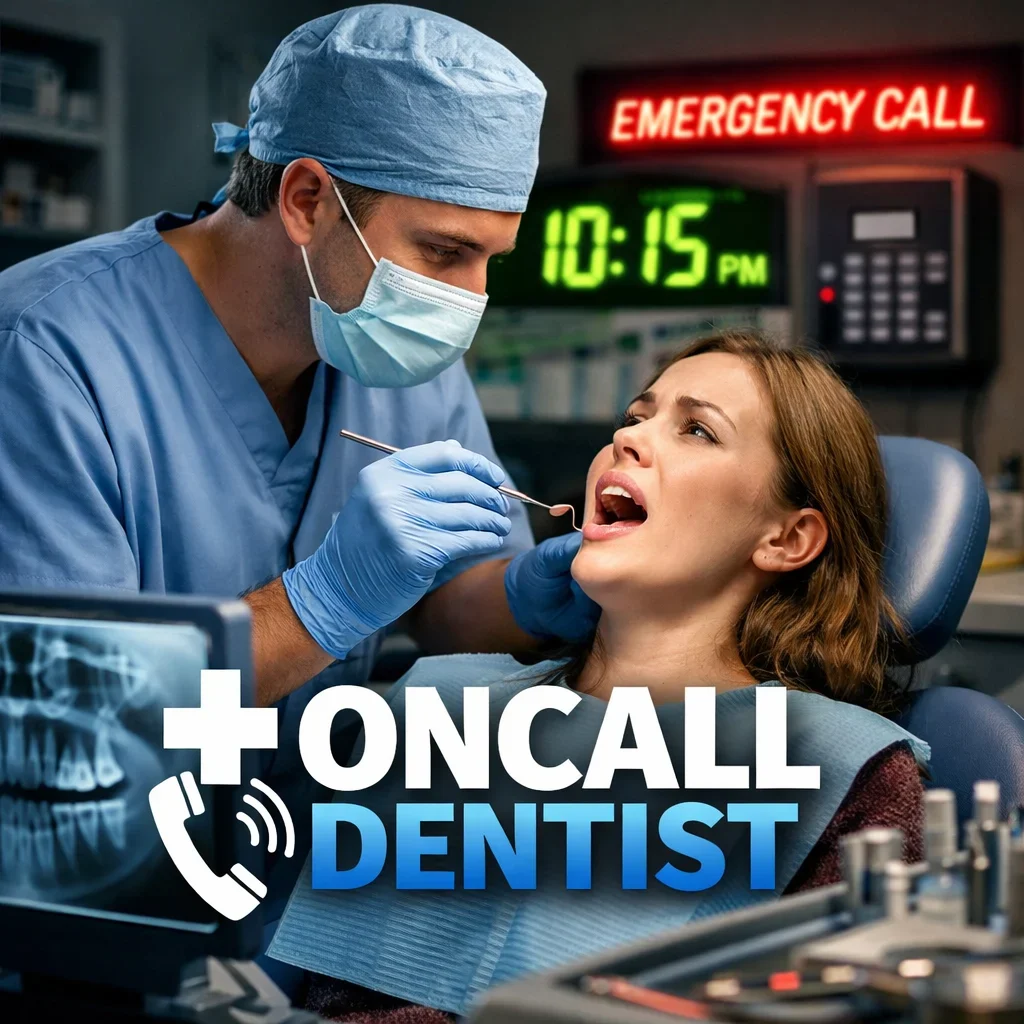
9. Why Fast Action with an Oncall Dentist Can Save Your Smile
When it comes to dental emergencies, time is one of the most critical factors. Acting quickly and contacting an oncall dentist can be the difference between saving and losing a tooth. Many patients underestimate how rapidly dental conditions can worsen. A minor crack can become a severe fracture, and a small infection can develop into a painful abscess within hours. Seeking immediate care from an oncall dentist protects not only your teeth but also your overall health. 🦷⏳
An oncall dentist is specifically trained to respond quickly, assess urgency, and deliver immediate treatment. Fast intervention prevents complications, reduces pain, and limits the need for more invasive procedures. Understanding why speed matters encourages patients to act without hesitation when symptoms appear.
Preventing Tooth Loss Through Immediate Care
One of the most important reasons to contact an oncall dentist promptly is to prevent permanent tooth loss. For example, when a tooth is knocked out, it has the highest survival rate if treated by an oncall dentist within 30 to 60 minutes. The sooner the tooth is repositioned and stabilized, the better the outcome.
Even in cases of severe decay or infection, quick action by an oncall dentist can preserve the remaining healthy structure. Delaying treatment often leads to extensive damage, requiring extraction and replacement. Acting early with an oncall dentist increases the chance of saving your natural tooth.
Emergency Reimplantation Success Rates
Research shows that immediate treatment significantly improves reimplantation success. An experienced oncall dentist understands how to handle avulsed teeth properly and stabilize them to encourage healing. Waiting too long dramatically reduces this possibility.
Stopping the Spread of Infection
Dental infections can escalate quickly. An untreated abscess may spread beyond the tooth into surrounding tissues. In severe cases, infection can enter the bloodstream, leading to serious medical complications. Contacting an oncall dentist at the first sign of swelling, fever, or intense pain is critical.
An oncall dentist can drain abscesses, prescribe antibiotics, and eliminate infection sources before they become dangerous. Early intervention by an oncall dentist prevents systemic health risks and reduces recovery time.
Recognizing Warning Signs
If you notice facial swelling, difficulty swallowing, or increasing pain, do not delay. These symptoms indicate the need for an oncall dentist immediately. Prompt treatment minimizes complications and promotes faster healing.
Reducing Pain and Emotional Stress
Severe dental pain can be overwhelming. Waiting for a regular appointment may mean enduring hours—or even days—of discomfort. An oncall dentist provides rapid pain relief through targeted procedures and medication.
Beyond physical relief, seeing an oncall dentist reduces emotional anxiety. Dental emergencies are stressful, and knowing that a qualified professional is available provides reassurance. Quick evaluation and treatment by an oncall dentist restore comfort and confidence.
Lowering Long-Term Treatment Costs
Many patients hesitate to contact an oncall dentist due to concerns about cost. However, postponing treatment often results in more complex and expensive procedures later. For instance, a small untreated crack may eventually require root canal therapy or extraction if not addressed by an oncall dentist promptly.
By acting early and seeking care from an oncall dentist, you reduce the risk of extensive restorative work. In many cases, immediate stabilization by an oncall dentist preserves more of the natural tooth, lowering overall expenses.
Protecting Overall Health
Oral health is closely connected to general health. Untreated dental infections have been linked to systemic conditions such as cardiovascular disease and diabetes complications. Prompt care from an oncall dentist helps prevent bacteria from spreading beyond the oral cavity.
An oncall dentist not only addresses the immediate issue but also ensures that infection or inflammation does not compromise your broader well-being. Rapid intervention supports both dental stability and long-term health.
When to Act Immediately
Contact an oncall dentist without delay if you experience severe pain, trauma, uncontrolled bleeding, or swelling. Acting within the first hours often leads to better outcomes than waiting until symptoms worsen.
In conclusion, fast action with an oncall dentist can truly save your smile. Immediate intervention preserves natural teeth, prevents infection spread, reduces pain, and lowers long-term treatment costs. Time is critical in dental emergencies, and contacting an oncall dentist at the first sign of trouble is always the safest and most responsible choice. By responding quickly, you protect your oral health and ensure the best possible outcome for your smile. 😊