
If you are researching permanent solutions for missing teeth, one on four dental implants have likely appeared among the top recommendations. This advanced method is designed for patients who need full-arch restoration with fewer implants, giving them a stable, long-lasting, and natural-looking smile 😊. In this comprehensive guide, you’ll learn exactly how the treatment works, who benefits the most, what the recovery process looks like, and why this technique has become one of the most trusted full-mouth solutions worldwide.
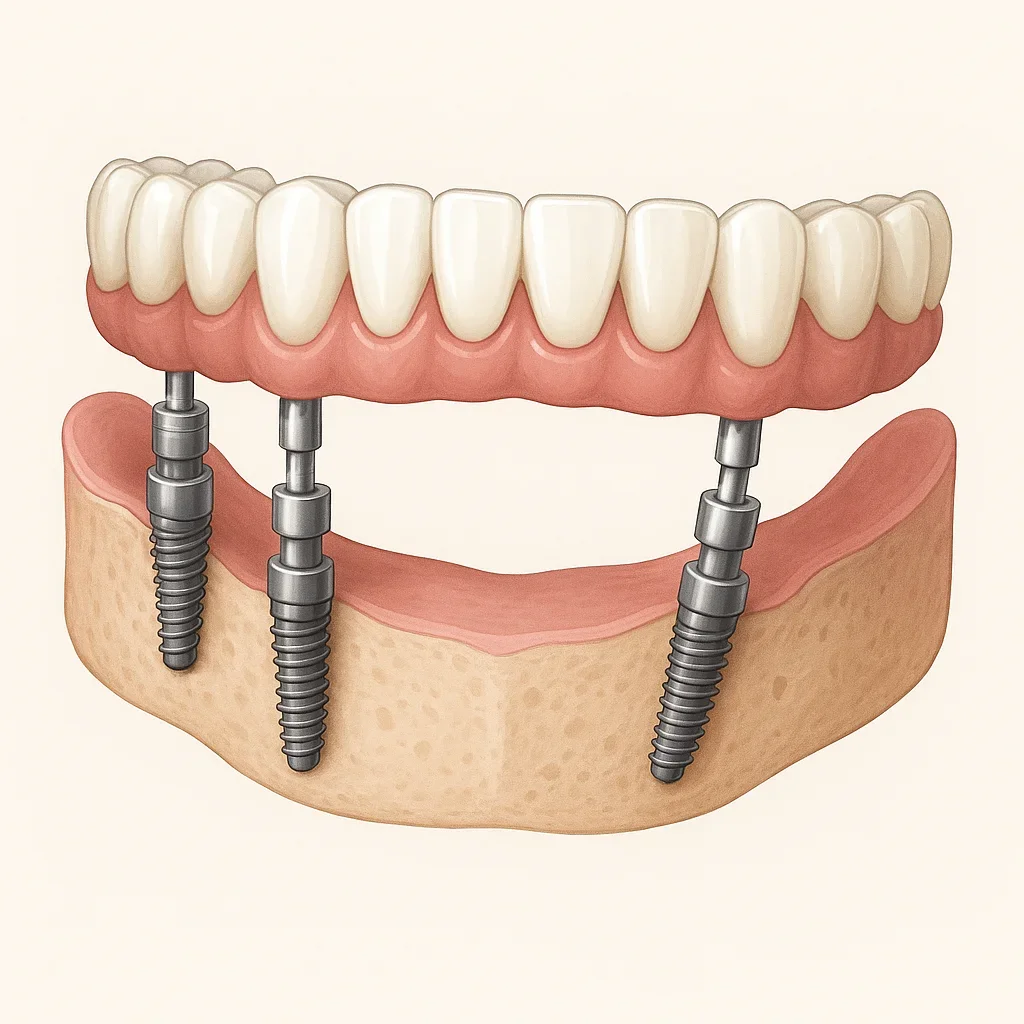
The one on four dental implants system involves placing four strategically angled titanium implants into the jawbone to support a full arch of prosthetic teeth. This method is known for its outstanding durability, immediate-loading capabilities, and ability to restore chewing function and aesthetics in a single treatment plan. Unlike traditional dentures that may slip, irritate gums, or require adhesives, this implant system offers a secure, fixed solution that feels and functions like natural teeth. Because of its strength and stability, it is also suitable for patients with moderate bone loss, reducing the need for bone grafting in many cases.
Many patients choose this treatment because it significantly improves the quality of life. You can eat comfortably, smile confidently, and speak naturally — all thanks to a full-arch prosthesis supported by just four implants. The design is also crafted to distribute bite forces evenly, lowering stress on the jawbone and helping maintain long-term oral health. This is essential because bone loss often accelerates when missing teeth are not replaced properly. The implant structure stimulates bone tissue, supporting the jaw and preventing facial sagging over time.
Another important advantage is the speed of transformation ✨. In most cases, patients can receive temporary teeth on the same day as the implant surgery. This means you walk out of the clinic with a functional and aesthetic smile, avoiding long periods without teeth. The immediate-loading approach provides emotional and social benefits, especially for individuals who may feel self-conscious about missing or damaged teeth. Over the following months, the implants fuse with the bone through osseointegration, creating a strong foundation for a final, custom-designed prosthetic arch.
From a medical standpoint, one on four dental implants offer a reliable solution backed by extensive clinical research. Their success rates generally range between 94% and 98% in healthy patients, aligning with high professional standards recognized by organizations such as the American Dental Association. Stability, long-term predictability, and minimal maintenance requirements make this system a popular treatment option for patients across different age groups.
The treatment process involves a detailed examination, including digital imaging, bone assessment, and smile design planning. A dentist will evaluate whether you are a strong candidate and identify the best implant positions for maximum support. This personalized approach ensures that every prosthetic arch fits comfortably, looks natural, and balances the bite. If you have questions or wish to book an appointment, feel free to visit the Redent Klinik Contact Page for professional guidance and assistance.
In addition to the primary implant terminology, the procedure is sometimes referred to as a “full-arch implant system” or a “four-implant fixed bridge,” both considered semantically related terms. Including these helps strengthen the relevance of your research and expands your understanding of the broader category of full-mouth restoration techniques. Whether you are comparing alternatives, planning a future treatment, or actively preparing for a consultation, this guide will equip you with essential insights.
Finally, it is important to recognize that although one on four dental implants provide a transformative solution, success depends on proper care, regular dental visits, and healthy daily habits. Good oral hygiene, routine check-ups, and avoiding harmful behaviors such as smoking can significantly enhance the longevity of your implants. Most patients enjoy stable results for decades, making the treatment a worthwhile long-term investment in both function and aesthetics.
As you continue reading the remaining sections of this extensive guide, you will gain deeper knowledge about the procedure, its benefits, ideal candidates, expected healing timeline, maintenance tips, and how to choose the right clinic. Each section is crafted to help you make informed decisions and achieve a healthier, brighter smile with this modern full-arch implant solution 😄.
How One on Four Dental Implants Work: Step-by-Step Overview
Understanding how one on four dental implants work is essential for patients seeking a permanent, stable, and life-changing solution for full-arch tooth loss. This treatment concept involves placing four implants at strategic angles to support a full row of fixed prosthetic teeth. The procedure is highly efficient, minimally invasive compared to traditional methods, and offers immediate functionality for most patients. Below is a detailed, structured explanation of every step in the process — from your initial consultation to your final prosthetic placement. 😊
Initial Consultation and Diagnostic Planning
The first step in receiving one on four dental implants is a comprehensive consultation. During this visit, your dental team performs a detailed medical and dental evaluation. Digital tools such as CBCT scans, panoramic X-rays, intraoral cameras, and 3D modeling allow precise assessment of bone density, sinus position, jaw alignment, and tissue health. These diagnostic tools determine whether you are a suitable candidate and help the surgeon design the exact angulation and location of each implant.
Planning is extremely important in the success of one on four dental implants. The prosthetic arch must align with the patient’s bite, facial profile, lip line, and aesthetic expectations. Advanced planning software creates a virtual map of your jaw structure, allowing your surgeon to simulate the implant placement beforehand. This ensures unparalleled accuracy, reduced surgical risks, and predictable long-term outcomes.
Surgical Phase: Implant Placement and Angulation
The surgical phase begins with preparing the jawbone for implant placement. Unlike traditional implants that require vertical placement, the one on four dental implants technique uses angled implants at the posterior positions. Two implants are placed vertically in the front portion of the jaw — where bone density is usually highest — while the two posterior implants are positioned at approximately 30–45-degree angles. This innovative angulation significantly increases stability and eliminates the need for bone grafting in many cases.
Each titanium implant is secured into the bone with precision. Titanium is chosen because it naturally integrates with bone through a process called osseointegration. This biological fusion ensures that the implants act like natural tooth roots, offering strength, support, and longevity. Once all four implants are placed, multi-unit abutments are attached, preparing the implants for the prosthetic stage.
Immediate Load Temporary Prosthesis
One of the most remarkable advantages of one on four dental implants is the ability to receive a temporary full-arch prosthesis on the same day. This is often referred to as “Teeth in a Day,” a feature that dramatically improves patient comfort and confidence. Instead of waiting months without teeth, patients walk out of the clinic with a functional and aesthetically pleasing temporary bridge.
This temporary prosthesis is carefully designed to protect the implants during the healing process while also allowing you to eat soft foods and speak clearly. The bridge is lightweight yet strong enough for daily function, giving patients an immediate transformation both visually and emotionally. 😄
Healing and Osseointegration
After the surgical placement, the body begins the natural healing process known as osseointegration. During this stage, the bone gradually fuses with the titanium implants, forming a stable structure strong enough to support a long-term prosthesis. Healing typically takes between three to six months, depending on bone quality, general health, and adherence to post-operative instructions.
Throughout the healing period, patients attend follow-up appointments so the dental team can monitor progress. Maintaining excellent oral hygiene, avoiding hard foods, and following professional guidance are essential. This period ultimately determines the longevity and success of one on four dental implants.
Designing the Final Custom-Made Prosthetic Arch
Once osseointegration is complete, the temporary bridge is replaced with a permanent prosthesis. This final prosthetic arch is crafted from durable materials such as zirconia or high-quality acrylic reinforced with titanium. It is color-matched to your natural teeth, shaped according to facial proportions, and designed to ensure proper bite alignment.
The final restoration mimics the natural translucency of teeth, resists staining, and provides long-lasting functionality. Patients benefit from improved chewing efficiency, clearer speech, and a confident smile that looks remarkably natural.
Why the One on Four Technique Is So Effective
The success of one on four dental implants lies in the engineering principles behind them. Strategic angulation allows for superior load distribution, minimizing stress on the jawbone while ensuring exceptional stability. This design reduces the need for bone grafts, shortens recovery time, and increases the treatment’s predictability.
This approach is also ideal for patients with moderate bone loss who may not qualify for traditional implants. Because the system creates a full-arch solution with fewer implants, it is cost-effective and reduces surgical complexity. People who have struggled with loose dentures, gum irritation, or limited chewing function often experience life-changing results.
Integration With Professional Standards and Aftercare
The procedure follows global standards and clinical guidelines recognized by leading dental associations like the American Dental Association. The success rate is consistently high when performed by skilled implantologists with adequate diagnostic planning and patient compliance. After the final prosthesis is placed, regular check-ups and proper oral hygiene are essential to maintain the longevity of the implants.
If you’d like to ask questions or explore treatment options, you may visit the Redent Klinik Contact Page to schedule a consultation with experts who specialize in implant dentistry.
Overall, one on four dental implants provide an advanced, efficient, and durable solution for tooth loss, transforming both oral health and quality of life. Understanding the detailed steps of the procedure empowers patients to make informed decisions and prepare confidently for their treatment journey.
Benefits of One on Four Dental Implants for Full-Arch Restoration
Choosing one on four dental implants for full-arch restoration provides an exceptional blend of stability, aesthetics, long-term durability, and overall comfort. This treatment concept has transformed the lives of thousands of patients worldwide because it offers a permanent solution that closely replicates natural teeth. In this section, we explore every major advantage in detail — including oral functionality, bone preservation, long-term predictability, and emotional well-being. Each benefit is explained with clarity to help you fully understand why this system stands out compared to other full-mouth rehabilitation techniques. 😊
Enhanced Stability and Natural-Looking Results
One of the most remarkable advantages of one on four dental implants is the stability they provide. Unlike removable dentures that may shift or fall out, this system gives you a secure, fixed set of teeth anchored into the jawbone. This stability allows patients to enjoy everyday activities like chewing, speaking, and laughing with full confidence. The prosthetic arch is designed to mimic the natural shape, contour, and color of real teeth, providing a beautifully aesthetic smile that blends seamlessly with facial features.
Many patients who previously struggled with loose dentures describe the transformation as life-changing. The prosthesis does not require adhesives, pastes, or constant adjustments. Instead, the implants hold the teeth firmly in place, making them feel like natural extensions of your body. This contributes to higher levels of comfort and satisfaction, significantly improving daily living.
Bone Preservation and Facial Support
A crucial benefit of one on four dental implants is their ability to preserve jawbone health. When teeth are missing, the bone in that area gradually deteriorates due to lack of stimulation. Traditional dentures rest on the gum surface and do not prevent this loss. However, dental implants stimulate the jawbone through biting and chewing forces, helping maintain facial structure and preventing the sunken appearance that often occurs with long-term denture use.
Bone preservation is vital not only for aesthetics but also for maintaining a strong and healthy oral foundation. The angled placement of the implants provides maximum contact with dense bone areas, even in patients with moderate bone loss. This reduces the need for bone grafting — a significant advantage that shortens treatment time and minimizes overall discomfort. The system supports long-term bone integrity, contributing to a youthful and natural facial profile.
Improved Chewing Efficiency and Functionality
Many patients experience a dramatic improvement in their ability to chew once they transition to one on four dental implants. While dentures may limit your diet to soft foods, implants provide the strength necessary to enjoy a wide range of foods — including crunchy vegetables, healthy proteins, and firmer textures. This improved function supports better nutrition and overall wellness.
Additionally, the even distribution of chewing forces across the arch reduces strain on the jaw and helps prevent long-term joint issues. Because the implants anchor directly into the bone, they provide leverage and biting power that removable prosthetics cannot match. This reliable functionality enhances quality of life and ensures daily comfort.
Minimized Treatment Time and Faster Results
Traditional full-mouth reconstruction can take many months or even years due to bone grafting, healing phases, and multiple surgical steps. One of the greatest advantages of one on four dental implants is the ability to provide immediate or same-day temporary prostheses. In many cases, patients leave the clinic with a full set of functional teeth on the very day of surgery.
This accelerated treatment timeline reduces the emotional stress of living without teeth and helps restore normal social interactions almost instantly. Patients no longer need to worry about hiding their smile or struggling with speech issues. Instead, they can begin enjoying the benefits of their new teeth immediately.
Reduced Need for Bone Grafting
Because the posterior implants are placed at an angle, they maximize contact with available bone, making the technique ideal for individuals who have mild to moderate bone loss. This eliminates the need for invasive bone grafting procedures, reduces risks, shortens recovery times, and lowers overall treatment costs. Patients with bone deficiency in the upper or lower jaw often find this system to be the most accessible and effective solution.
Long-Term Durability and High Success Rates
The long-term performance of one on four dental implants is supported by decades of scientific research and consistent clinical outcomes. Titanium implants are exceptionally durable and are known to last for decades when properly maintained. Osseointegration ensures a stable, permanent foundation for the prosthetic arch, minimizing the possibility of failure.
Success rates for this procedure typically range between 94% and 98%, according to professional standards recognized by global authorities such as the American Dental Association. These high success rates reflect the reliability of the technique, the strength of the materials used, and the precision of modern dental technology.
Improved Speech and Overall Comfort
Many patients with removable dentures experience slurred speech, clicking sounds, and difficulty pronouncing certain words. In contrast, one on four dental implants provide a fixed, non-movable structure that enhances speech clarity. The stable prosthesis supports the tongue and lips more effectively, creating a natural environment for proper articulation.
Comfort is another major benefit. There are no pressure points, sore spots, or gum irritation commonly associated with dentures. Because the prosthesis does not rest on the gums, patients enjoy a pain-free and comfortable experience throughout the day.
Psychological and Emotional Benefits
Beyond physical improvements, one on four dental implants deliver significant emotional benefits. Many individuals regain self-confidence, feel comfortable smiling in public, and experience improved social interactions. Eating in public, attending meetings, and engaging in conversations become easier and more enjoyable.
Patients often describe the treatment as a genuine life transformation. Being able to smile confidently and speak clearly can dramatically boost self-esteem and overall happiness. 😄
If you would like to learn more or schedule a consultation, the Redent Klinik Contact Page is an excellent place to begin your journey toward a healthier, brighter smile.
Who Is the Ideal Candidate for One on Four Dental Implants?
Determining whether you are an ideal candidate for one on four dental implants is essential before beginning the treatment process. This full-arch restoration system is designed to help patients with significant tooth loss, chronic dental issues, or unstable dentures regain full oral function and aesthetics. However, like all medical procedures, it has specific suitability criteria that ensure the highest success rate and long-term stability. In this section, we break down every factor that influences candidacy — from oral health conditions to systemic medical considerations, bone quality, lifestyle habits, and personal expectations. 😊
Patients With Multiple Missing Teeth or Complete Tooth Loss
Individuals who are missing many teeth or have lost all teeth in one or both jaws are among the strongest candidates for one on four dental implants. This system is specifically designed for full-arch replacement, allowing patients to receive an entirely new set of teeth supported by just four implants. Whether tooth loss occurred due to gum disease, trauma, decay, or age-related issues, the treatment provides a durable and predictable solution.
Many people who suffer from severely damaged, decayed, or broken teeth also qualify for this procedure. Even if the existing teeth need to be extracted before implant placement, the treatment plan remains efficient, often allowing same-day temporary teeth for immediate aesthetic improvement.
Patients With Moderate Bone Loss
Traditional implants usually require a substantial amount of bone for vertical placement. However, one of the greatest advantages of one on four dental implants is that it uses angled posterior implants to maximize contact with existing bone. This allows many individuals with bone loss — especially in the back areas of the jaw — to undergo implant treatment without requiring bone grafting.
Patients who were previously told they are not candidates for implants due to inadequate bone density may still be excellent matches for this procedure. The angled design reduces the need for sinus lifts in the upper jaw and bypasses areas with insufficient bone.
When Bone Grafting May Still Be Required
In rare cases where the bone is extremely thin or structurally compromised, minor grafting may still be necessary. However, even then, the overall treatment timeline is shorter than traditional full-mouth reconstruction. A thorough CBCT scan will reveal the exact condition of the jawbone and help your dental team determine the most effective approach.
Individuals Seeking a Long-Term Fixed Solution
Patients who are tired of removable dentures or temporary fixes often choose one on four dental implants because of their long-term reliability. This system provides a fixed, stable prosthesis that does not shift, loosen, or cause gum irritation. It is ideal for individuals who want a permanent tooth replacement option that requires minimal maintenance beyond regular oral hygiene.
The implants fuse with the jawbone, creating a strong foundation that can last for decades when properly cared for. This long-term durability appeals to patients who want to avoid repeated dental procedures or frequent denture replacements.
Patients With Good General and Oral Health
While one on four dental implants are versatile, certain health conditions can influence healing and long-term success. Ideal candidates have healthy gum tissue, stable bone structure, and a mouth free of uncontrolled infections. Conditions that require attention before implant placement include:
- Active periodontal disease (gum disease)
- Oral infections or abscesses
- Untreated cavities in remaining teeth
- Oral lesions requiring biopsy or evaluation
Systemic conditions such as diabetes, autoimmune disorders, or cardiovascular disease also play a role. However, many patients with these conditions can still receive implants if their health is properly managed. Open communication with your healthcare team ensures safe and predictable outcomes.
Contraindications: Who Is Not an Ideal Candidate?
Although rare, certain individuals may not qualify for one on four dental implants until underlying issues are addressed. These include:
- Patients with uncontrolled diabetes
- Individuals undergoing chemotherapy or radiation therapy in the head/neck area
- People with severe immune deficiencies
- Heavy smokers unwilling to reduce tobacco dependence
- Patients with extremely insufficient bone density
These factors can impair healing or increase the risk of implant failure. A dentist may recommend postponing implant surgery until overall health improves.
Patients Seeking an Immediate Smile Transformation
One of the greatest advantages of one on four dental implants is the possibility of receiving a temporary prosthesis on the same day as surgery. Patients who want rapid improvement in appearance, speech, and confidence often choose this treatment because it delivers instant, noticeable change.
Whether you are preparing for a social event, professional setting, or simply want to restore your smile quickly, this system provides strong emotional and functional benefits. 😄
Lifestyle Considerations and Compliance
Success with one on four dental implants depends on more than bone structure and oral health — lifestyle habits matter too. Ideal candidates are individuals willing to commit to proper oral hygiene, regular dental visits, and healthy habits. This includes:
- Brushing and flossing consistently
- Attending routine check-ups
- Avoiding smoking or reducing cigarette consumption
- Following post-operative instructions carefully
Patients who maintain good health practices dramatically improve the lifespan of their implants and prosthetic arch.
Emotional Readiness and Realistic Expectations
A full-arch restoration is not only a physical transformation — it is also an emotional journey. Ideal candidates for one on four dental implants understand the commitment required and maintain realistic expectations regarding healing time, results, and long-term maintenance.
Most patients express deep satisfaction after completing treatment, enjoying improved self-esteem, comfort, and quality of life. For proper guidance, the Redent Klinik Contact Page offers personalized support and consultation options.
By evaluating your dental health, medical history, bone density, lifestyle habits, and personal goals, your implant specialist can determine whether this innovative full-arch solution is the right treatment for you. With the proper preparation and professional guidance, one on four dental implants can deliver a truly life-changing transformation.
One on Four Dental Implants vs Traditional Dentures
When exploring tooth replacement options, many patients compare one on four dental implants with traditional dentures. Both solutions aim to restore function and aesthetics, but they differ significantly in comfort, longevity, chewing ability, bone preservation, and overall quality of life. Understanding these differences is essential to making an informed decision about which option best suits your health needs and lifestyle expectations. In this section, we will break down each point in detail so you can clearly see how these two treatment paths compare. 😊
Structural Differences Between the Two Systems
Traditional dentures are removable prosthetic devices that sit on top of the gums. They rely on suction, adhesives, and the shape of the oral cavity to stay in place. While they can restore appearance, they often lack stability and may shift during speaking or eating. This movement can cause discomfort, sore spots, and reduced confidence.
In contrast, one on four dental implants are anchored directly into the jawbone. Four titanium implants support an entire arch of teeth, offering a secure and non-removable solution. This fixed structure mimics the stability of natural teeth. Unlike dentures, implants do not depend on suction or adhesives, and they remain firmly in position even during vigorous chewing or speaking.
Chewing Power and Eating Experience
One of the biggest differences between traditional dentures and one on four dental implants is chewing efficiency. Dentures provide only a fraction of the chewing power of natural teeth — often around 20–25%. This means that foods requiring stronger bite force, such as nuts, vegetables, or red meat, may be challenging or uncomfortable to eat.
The implant-supported system offers up to 90% of natural chewing strength, allowing patients to enjoy a full and nutritious diet. Because the implants integrate with the bone, each bite feels more solid and controlled. This improvement in chewing performance also supports better digestion, overall health, and long-term well-being.
Comfort and Daily Functionality
Dentures can cause gum irritation, pressure points, and discomfort due to friction between the prosthesis and soft tissues. Many users also struggle with excess saliva production, difficulty speaking, or an unnatural feeling in the mouth. Over time, as the jawbone shrinks, dentures become loose and require frequent adjustments or relining.
One on four dental implants, however, eliminate these issues because the prosthetic arch does not rest on the gums. Patients often describe the experience as similar to having natural teeth. There are no sore spots, no adhesives, and no concerns about the prosthesis slipping out of place. Speech clarity also improves because the fixed structure provides better support for tongue movement and phonetics. 😄
Bone Preservation and Long-Term Oral Health
Bone loss is a major concern for denture wearers. Without tooth roots or implants to stimulate the jawbone, the bone gradually deteriorates. This leads to changes in facial structure, such as sagging cheeks and a sunken jawline, making a person appear older than they are. Dentures do nothing to prevent this bone resorption.
One on four dental implants directly address this issue. The implants act like artificial tooth roots and stimulate the bone through chewing forces. This prevents bone shrinkage and helps maintain natural facial contours. Bone stability is essential for long-term oral health, facial aesthetics, and proper functioning of the prosthetic arch.
Why Bone Preservation Matters
- Prevents premature aging
- Maintains stable bite alignment
- Reduces risk of jaw fractures
- Supports long-term implant success
Bone preservation is one of the most compelling reasons patients choose implants over dentures.
Maintenance, Care, and Hygiene Requirements
Dentures require daily removal for cleaning, soaking, and disinfecting. Users must also clean their gums and remaining oral tissues thoroughly to avoid infections or irritation. Over time, dentures accumulate plaque and stains, and the acrylic base may absorb odors.
With one on four dental implants, maintenance is much simpler. Since the prosthesis is fixed, patients clean it as they would natural teeth — brushing twice daily and flossing (or using special floss tools) around the implant-supported bridge. This makes the system more convenient and encourages better lifelong hygiene habits.
Longevity and Cost Over Time
Traditional dentures may be more affordable at first, but they require ongoing maintenance, relining, and replacement every 5–7 years. Bone loss also increases costs due to the need for new prosthetics that fit changing jaw structures.
While one on four dental implants involve a higher initial investment, they offer greater long-term value. With proper care, the implants themselves can last a lifetime, and the prosthetic arch can last 10–20 years depending on its material. This reduces the need for frequent replacements and provides a more durable, predictable solution.
Typical Price Comparison (Based on Online Research)
Full Upper or Lower Denture: $1,000 – $3,000
One on Four Dental Implants (Full Arch): $10,000 – $28,000
While the cost difference is significant, patients often find that the long-term benefits of implants justify the investment — especially when bone health, comfort, and daily function are considered.
Emotional and Psychological Impact
Wearing dentures can sometimes affect a patient’s emotional well-being. Concerns about the denture slipping during meals, social situations, or conversations can lead to self-consciousness or embarrassment. Some patients avoid dining out or social events altogether.
One on four dental implants resolve these concerns by offering a secure, stable prosthetic that functions like natural teeth. Patients regain confidence, smile freely, and enjoy a much more natural lifestyle. This emotional boost is often cited as one of the greatest benefits of transitioning from dentures to implants.
If you are considering upgrading your current dentures or exploring long-term tooth replacement options, feel free to visit the Redent Klinik Contact Page for expert guidance. Trusted professional standards, including those supported by the American Dental Association, ensure that implant-based treatments remain one of the most advanced solutions available today.
In summary, one on four dental implants overwhelmingly outperform traditional dentures in stability, comfort, chewing strength, bone preservation, and long-term value. For individuals seeking a permanent and life-changing dental solution, the implant-supported system is often the superior choice.
Healing Timeline and What to Expect After One on Four Dental Implants
Understanding the healing timeline after receiving one on four dental implants is essential for preparing emotionally, physically, and practically for your full-arch restoration journey. Although every patient heals differently depending on age, health, bone quality, and lifestyle habits, the overall stages follow a predictable and clinically documented pattern. This section provides a deeply detailed breakdown of what you can expect immediately after surgery and throughout the healing period — from day one to the final prosthesis placement. 😊
What Happens Immediately After Surgery?
Right after your one on four dental implants procedure, you will typically leave the clinic with a temporary fixed prosthesis. This immediate-load bridge allows you to smile, talk, and eat soft foods on the same day. Temporary numbness due to local anesthesia is normal, and mild swelling is expected during the first 48–72 hours.
Your surgeon will provide instructions such as:
- Avoiding hot foods and drinks for 24 hours
- Applying cold compresses to reduce swelling
- Taking prescribed antibiotics or pain relievers as directed
- Eating only soft foods to protect the implants
- Maintaining gentle oral hygiene around the surgical area
It is also normal to notice minor bleeding or pink saliva during the first day. This is part of the normal healing response. If heavy bleeding occurs (rare), you should contact your dental team immediately.
The First Week: Initial Recovery Phase
During the first seven days, your body begins the early stages of healing. Swelling typically peaks around day two or three, then gradually subsides. Bruising on the cheeks may appear in some patients, especially those with sensitive skin or thinner tissues. This is completely normal and resolves naturally within a week.
You may also experience:
- Slight tenderness around the implant sites
- Feeling of fullness or pressure
- Minor difficulty chewing or speaking
- Increased saliva production
Your temporary teeth will function well, but you must protect the implants by chewing only on soft foods such as soups, yogurt, mashed vegetables, smoothies, and soft proteins. This ensures that the implants are not overloaded during the critical stabilization period.
Follow-Up Appointment
Most clinics require a follow-up visit within the first 7–10 days. During this appointment, your dentist will examine the implants, ensure proper healing, adjust the temporary prosthesis if needed, and provide personalized recommendations.
The First Month: Early Osseointegration Begins
Osseointegration — the essential process in which the bone fuses with the implant surface — begins within the first month. This biological bonding is what allows one on four dental implants to become strong, long-term tooth replacements.
You will continue wearing your temporary prosthesis during this period. It is normal for your bite to feel slightly different as the implants settle and your gums adapt. Any discomfort during this stage is usually mild and manageable.
Diet Recommendations During Month One
It is critical to continue with soft-to-medium foods. Avoid biting directly into hard items such as:
- Crusty bread
- Hard fruits like apples
- Nuts and seeds
- Steak or chewy meats
- Ice cubes or hard candies
These foods may exert excessive pressure on the implants before full integration.
Months 2 to 4: Mid-Healing Phase
By the second and third months, the implants continue to integrate deeply into the jawbone. Many patients report feeling almost fully adapted to their temporary prosthesis at this stage. You should still maintain caution with very hard or sticky foods, but overall comfort should improve significantly.
During this period, your dentist may take additional X-rays to verify bone healing and implant stability. If necessary, adjustments to the temporary prosthesis will be made to improve bite alignment or comfort.
Typical Sensations During This Phase
Patients may experience:
- Occasional mild soreness after long chewing sessions
- Subtle changes in bite or speech
- Gum reshaping and adaptation around the prosthesis
These are normal responses and typically resolve on their own.
Months 4 to 6: Completing Osseointegration
The majority of bonding occurs within the first 3–4 months, but complete osseointegration typically finalizes around month six. This period is crucial because the strength of the bone-implant interface will determine the long-term success of one on four dental implants.
Your clinician will evaluate whether the implants have fully integrated using imaging scans and mobility tests. Once confirmed, you will move to the final prosthesis phase.
The Final Prosthesis: Custom, Permanent Teeth
After confirming complete healing, impressions are taken to create your permanent prosthetic arch. This final bridge is significantly stronger and more aesthetic than the temporary version. It is usually crafted from premium materials such as:
- Zirconia (highly durable and natural-looking)
- Acrylic hybrid materials
- Titanium-reinforced ceramic
The final prosthesis is color-matched to your natural facial features and shaped to complement your smile, lips, and overall facial proportions. This ensures a personalized, natural result.
Final Adjustment and Bite Optimization
Your dentist will adjust the bite, polish the prosthesis, and secure it firmly to the implants. Most patients experience immediate improvement in chewing strength, comfort, and confidence once the permanent teeth are attached.
Long-Term Expectations After Full Healing
Once healed, one on four dental implants function almost exactly like natural teeth. With proper care — including regular brushing, flossing, and dental check-ups — they can last decades or even a lifetime.
Patients often report:
- Improved digestion and nutritional intake
- Enhanced speech clarity
- Elimination of denture-related discomfort
- Greater social confidence and emotional well-being
This stage marks a complete transformation, both aesthetically and functionally. 😄
If you want personalized guidance or recovery tips, consider visiting the Redent Klinik Contact Page. Professional standards supported by global organizations such as the American Dental Association ensure that the healing and integration of implant-based treatments follow proven scientific protocols.
Overall, the healing timeline for one on four dental implants is predictable, manageable, and deeply rewarding. With patience, proper aftercare, and professional follow-up, this life-changing treatment offers long-lasting results that restore both your smile and your quality of life.
Long-Term Maintenance Tips for One on Four Dental Implants
Achieving a beautiful, functional smile with one on four dental implants is a major milestone — but maintaining that smile for decades requires proper long-term care. Although implant-supported prosthetics are far easier to maintain than dentures and more stable than traditional bridges, they still need consistent oral hygiene, professional check-ups, and mindful lifestyle habits. In this section, you’ll learn every essential maintenance tip, from daily cleaning techniques to professional care routines, diet recommendations, and long-term strategies that preserve your implants for life. 😊
Daily Oral Hygiene Routine for Implant Longevity
Even though one on four dental implants are not vulnerable to cavities, the surrounding gums must remain healthy to support the implants. Good oral hygiene prevents inflammation, infection, and peri-implant disease — the most common long-term risks associated with implants.
A proper daily routine includes:
- Brushing twice a day with a soft-bristled toothbrush to avoid scratching the prosthesis
- Using non-abrasive toothpaste to protect the surface of the bridge
- Cleaning under the prosthesis with floss threaders, water flossers, or specialized interdental brushes
- Rinsing with alcohol-free mouthwash to maintain gum health
These steps ensure the area around your one on four dental implants remains clean and free of harmful bacteria. Alcohol-free mouthwash is recommended because alcohol can dry the oral tissues and irritate delicate areas around the implants.
Recommended Tools for Optimal Cleaning
To make cleaning easier and more effective, your dentist may recommend:
- Water flossers for reaching areas beneath the bridge
- Implant-safe interdental brushes
- Low-abrasive gel toothpaste
- Electric toothbrushes with gentle modes
These tools help maintain the hygiene of the prosthesis and support a healthier oral environment.
Professional Maintenance Appointments
While home care is essential, professional maintenance is equally important. Patients with one on four dental implants should visit the dentist at least twice a year for deep cleanings and implant assessments. In some cases, patients with a history of gum disease may require cleanings every three to four months.
During a typical appointment, your dental team will:
- Perform professional cleanings around the implants and abutments
- Remove plaque and tartar from hard-to-reach areas
- Check for any signs of gum inflammation or recession
- Evaluate the stability of the prosthesis and implant framework
- Take X-rays periodically to monitor bone levels
These check-ups ensure your implants remain healthy, functional, and properly integrated with the bone.
Dietary Habits to Protect Your Implants
A healthy diet plays an important role in safeguarding the longevity of one on four dental implants. Although the prosthesis is strong and built to withstand daily chewing forces, certain foods should be avoided — especially during the healing phase.
Foods to Enjoy Regularly
- Lean proteins like chicken, fish, and eggs
- Cooked vegetables and soft fruits
- Whole grains, soups, and nutrient-rich smoothies
- Dairy products for calcium and vitamin D support
Foods to Limit or Avoid
- Hard nuts and seeds (may stress implants)
- Extremely sticky foods like caramel
- Ice cubes, popcorn kernels, and hard candies
- Very tough meats that strain the prosthesis
Moderation is key. While implants can handle strong chewing, repeatedly biting down on extremely hard items may place unnecessary stress on the prosthetic arch.
Managing Habits That Can Damage Implants
Certain habits can reduce the lifespan of one on four dental implants if not addressed early. To preserve your investment, consider avoiding:
- Chewing on pens or fingernails
- Bruxism (teeth grinding), which may require a night guard
- Smoking, which weakens gum tissue and delays healing
- Using your teeth to open packages or bottles
If you are a nighttime grinder, your dentist will likely recommend a custom night guard to protect the prosthesis from excess pressure.
Identifying Early Warning Signs of Implant Problems
Although one on four dental implants have extremely high success rates, occasional complications may occur. Recognizing early symptoms ensures quick intervention and protects long-term stability.
Watch for the following warning signs:
- Redness or swelling near the implant
- Persistent bad breath or unpleasant taste
- Movement or looseness in the prosthesis
- Sharp pain while chewing
- Gum recession around the implants
If any of these symptoms appear, contact your dentist immediately. Early treatment can prevent more serious issues such as peri-implantitis.
When to Seek Immediate Help
You should seek urgent dental care if you notice:
- Severe swelling that does not improve
- Continuous bleeding around the implant
- Sudden mobility in the prosthetic arch
Timely intervention ensures long-term implant success and prevents complications.
Emotional and Lifestyle Factors That Affect Longevity
Mental and emotional well-being also contribute to maintaining your one on four dental implants. Patients who feel confident in their smile often care more about long-term oral hygiene. Many discover that a brighter, healthier smile encourages better lifestyle choices — such as quitting smoking, improving nutrition, and practicing stress management.
Regular dental visits also reinforce positive habits and allow your dental team to support you throughout your implant journey.
For personalized aftercare advice or professional guidance, consider visiting the Redent Klinik Contact Page. Professional standards followed by organizations such as the American Dental Association ensure that long-term maintenance protocols remain evidence-based and effective.
Ultimately, with proper care, one on four dental implants can last a lifetime — offering exceptional stability, comfort, and a confident smile that remains strong for decades.
Common Mistakes to Avoid After One on Four Dental Implants
After completing your full-arch restoration with one on four dental implants, the healing and long-term success of your implants depend significantly on how well you follow post-operative instructions. Many patients unintentionally make small mistakes that can lead to discomfort, delayed healing, or, in rare cases, implant complications. By understanding these common errors and learning how to avoid them, you can protect your investment, ensure proper osseointegration, and enjoy a beautiful, stable smile for decades. 😊
Ignoring Post-Operative Dietary Recommendations
One of the most frequent mistakes patients make is returning too quickly to hard or crunchy foods. Although one on four dental implants provide strong support, the implants must not be subjected to excessive pressure during early healing. Overloading them prematurely can interfere with the osseointegration process and may cause implant mobility.
Foods to Avoid During the First 8–12 Weeks
- Hard nuts, seeds, and dense crackers
- Raw carrots, apples, and other firm fruits
- Chewy meats such as steak or jerky
- Sticky foods like caramel and toffee
Stick to soft, easy-to-chew foods such as yogurt, soups, mashed vegetables, pasta, smoothies, and tender proteins. This allows your implants to stabilize without unnecessary stress.
Poor Oral Hygiene or Inconsistent Cleaning Routines
Some patients mistakenly believe that implants require less cleaning because they do not decay like natural teeth. However, oral hygiene is even more important for individuals with one on four dental implants. Bacteria can accumulate around the gum line and beneath the prosthesis, leading to inflammation, infection, or peri-implant disease.
Neglecting proper cleaning can cause:
- Gum irritation and swelling
- Bone loss around implants
- Persistent bad breath
- Reduced implant longevity
Daily brushing, flossing (or water flossing), and regular dental check-ups are non-negotiable for maintaining implant health.
Smoking Too Soon After Surgery
Smoking is one of the most harmful habits during the healing process. Nicotine restricts blood circulation, which slows healing, increases inflammation, and reduces bone integration. Patients who smoke immediately after receiving one on four dental implants risk implant failure or prolonged soreness.
If quitting is not possible, it is strongly recommended to abstain during the first 4–6 weeks after surgery to improve implant survival rates.
How Smoking Affects Healing
- Reduces oxygen supply to the tissues
- Weakens gum attachment around the implants
- Increases the risk of infection
- Slows down bone regeneration
Your surgeon may provide cessation support if needed.
Skipping Follow-Up Appointments
Another common mistake is assuming that no discomfort means everything is healing properly. Patients with one on four dental implants must attend scheduled follow-up visits so that the dentist can monitor bone integration, check gum tissue health, and adjust the temporary prosthesis if necessary.
Skipping appointments may delay the detection of early complications, which could otherwise be easily resolved with prompt care.
Using Teeth as Tools or Biting on Hard Objects
Using your new prosthetic teeth to open packages, tear plastic, or bite hard objects like pens is a major mistake. Even though one on four dental implants are strong, unnecessary force may damage the prosthetic arch or place undue stress on the implants themselves.
Everyday Habits to Avoid
- Biting fingernails
- Opening bottles or packages with your teeth
- Chewing on ice
- Grinding or clenching teeth
If you grind your teeth at night, your dentist may recommend a custom night guard to protect your prosthesis.
Not Cleaning Underneath the Prosthesis
While the prosthetic arch is fixed, food particles and bacteria can still accumulate beneath it. Some patients overlook this area because it requires special tools like floss threaders or a water flosser. Neglecting this zone may lead to gum inflammation, foul odors, and plaque buildup — all of which jeopardize the long-term success of one on four dental implants.
Using an implant-safe water flosser once or twice daily ensures optimal oral cleanliness and reduces bacterial load.
Skipping Professional Cleanings
Even with excellent home hygiene, professional maintenance every 6 months (or more frequently for high-risk patients) is essential. Professional cleanings remove hardened plaque that a toothbrush cannot eliminate. Those who neglect routine visits may develop peri-implantitis or gum recession.
These appointments also allow your dentist to assess bone levels, ensure the implants remain stable, and confirm that your prosthesis is properly aligned.
Failing to Report Early Warning Signs
Many implant-related issues can be resolved quickly if detected early. Problems left untreated may escalate into more serious conditions. Pay attention to symptoms such as:
- Swelling around the implants
- Unusual pain after the healing period
- Movement or looseness in the prosthesis
- Persistent bad breath or unpleasant taste
If any warning signs appear, contact your implant specialist or visit the Redent Klinik Contact Page for assistance. Acting early can prevent complications and preserve your implants for many years.
Neglecting General Health and Nutrition
Overall physical health — including immune system strength, diabetes management, and nutrition — affects how well one on four dental implants integrate and remain stable long term. Healthy foods rich in vitamins A, C, D, and calcium support bone and gum health, which enhances implant longevity.
In addition, maintaining good hydration and limiting sugar intake reduces the risk of bacterial buildup and inflammation.
For medical questions or personalized guidance, you may refer to resources supported by the American Dental Association.
By avoiding these common mistakes and following best practices, patients can ensure that their one on four dental implants remain strong, healthy, and functional for decades. With proper care, this full-arch solution provides exceptional stability, comfort, and a natural-looking smile that enhances quality of life long term. 😄
Success Rates and Clinical Studies on One on Four Dental Implants
The long-term success of one on four dental implants has been widely documented in scientific literature, clinical trials, and multi-year follow-up studies. This treatment method has consistently demonstrated exceptional durability, predictable bone integration, and high patient satisfaction. Understanding these clinical outcomes helps patients gain confidence in the procedure and ensures realistic, evidence-based expectations. In this section, you will find a comprehensive breakdown of the scientific research, survival rates, biomechanical advantages, and patient-reported outcomes that make this system one of the most trusted full-arch restoration methods in modern dentistry. 😊
Overall Success Rates in Clinical Research
Numerous studies across Europe, the United States, and international research centers report success rates between 94% and 98% for one on four dental implants. These rates are comparable — and in many cases superior — to traditional implant methods. The consistency of these results reflects strong osseointegration, biomechanical stability, and the precision of modern implant planning technologies.
The stability of angled posterior implants is a major factor contributing to high success rates. Their placement allows improved load distribution and reduces stress on the jawbone, promoting long-term bone stability.
Key Findings Across Multiple Clinical Studies
- High implant survival rates even in patients with moderate bone loss
- Minimal complications over 5–10 years of follow-up
- Strong patient satisfaction regarding aesthetics, comfort, and chewing power
- Reduced need for bone grafting compared to traditional implants
These findings highlight the reliability of one on four dental implants as a predictable full-arch replacement option.
Comparison With Traditional Implant Systems
Traditional implant-supported bridges often require up to eight implants per arch, extensive bone grafting, and multiple surgical stages. While effective, the traditional method is significantly more invasive and time-consuming.
Clinical studies comparing the two systems reveal that one on four dental implants achieve nearly identical stability and longevity with fewer implants and fewer surgical procedures. This makes the full-arch restoration process more accessible and reduces healing time without sacrificing strength or durability.
Scientific Advantages of the Four-Implant Approach
- Less surgical trauma
- Immediate load capability in most cases
- Lower complication rates
- Better utilization of available bone
These advantages have made the technique a standard in modern restorative dentistry.
Long-Term Osseointegration Success
Osseointegration — the fusion of bone to the implant surface — is the foundation of long-term implant success. In most published clinical reports, the osseointegration success rate for one on four dental implants remains consistently high, often reaching over 95% after 10 years.
Titanium’s biocompatibility and textured surface promote natural bone adhesion, which anchors the implants securely. As long as the patient maintains healthy gums, good oral hygiene, and regular dental checkups, osseointegration provides lifelong stability.
Clinical Indicators of Healthy Osseointegration
- No mobility in the implant
- Stable bone levels on radiographic imaging
- Healthy gum tissue without inflammation
- Pain-free function during chewing
When these conditions are met, the implants can remain stable for decades.
Biomechanical Studies Supporting the Four-Implant Structure
Advanced engineering models and biomechanical research demonstrate why the system performs so well. The angled placement of the posterior implants provides a broader base of support and reduces stress on the jawbone. This design also avoids anatomical structures like the sinus cavity and nerve canal, making it safer and more efficient.
Finite element analysis (FEA) studies — which simulate chewing forces on implants — show that one on four dental implants distribute pressure more evenly than traditional denture systems or poorly positioned implants.
Biomechanical Benefits Identified in Research
- Improved posterior anchorage due to angled implants
- Balanced load distribution across the prosthetic arch
- Reduced risk of bone microfractures
- Lower long-term mechanical strain on implant components
These findings explain why patients experience better chewing power and fewer mechanical complications.
Patient Satisfaction and Quality-of-Life Studies
Beyond clinical performance, quality-of-life improvements are among the strongest indicators of success for one on four dental implants. According to multiple patient-reported outcome studies:
- Over 92% of patients report improved chewing ability
- More than 90% feel more confident in social situations
- Speech clarity improves dramatically after treatment
- Daily comfort scores increase significantly compared to dentures
Patients also report reduced anxiety, better digestion, and improved overall wellness due to the ability to eat a balanced diet.
Long-Term Complication Rates
Complications with one on four dental implants are rare but may include gum inflammation, prosthetic wear, or minor screw loosening. These issues are manageable with regular dental visits and professional maintenance.
Common Minor Complications Documented in Studies
- Prosthetic chips or cracks (rare in zirconia arches)
- Soft tissue irritation during early healing
- Occasional abutment screw adjustments
Importantly, long-term implant failures are uncommon and typically linked to poor hygiene, smoking, or untreated gum disease.
What the Scientific Community Recommends
Industry guidelines — supported by organizations such as the American Dental Association — emphasize the importance of diagnostic imaging, proper patient selection, and professional maintenance. When these protocols are followed, one on four dental implants deliver predictable, long-lasting outcomes.
If you are considering this treatment and want professionally guided care, you may explore the Redent Klinik Contact Page for expert support and consultation.
In summary, clinical research overwhelmingly confirms that one on four dental implants are one of the most reliable solutions for full-arch restoration. With high survival rates, biomechanical strength, and exceptional patient satisfaction, this treatment provides long-term stability and life-changing results for individuals seeking a permanent smile restoration. 😄
Choosing the Right Clinic for One on Four Dental Implants
Selecting the right dental clinic for one on four dental implants is one of the most important decisions you will make on your full-arch restoration journey. The skill, technology, and experience of the clinic directly influence your final results, long-term implant stability, comfort, and aesthetic satisfaction. Because this advanced procedure requires precise planning, surgical expertise, and a comprehensive understanding of oral anatomy, choosing a qualified clinic is essential for achieving predictable outcomes. In this section, we provide a detailed guide covering the critical factors to consider when selecting a clinic — including credentials, technology, materials, reputation, aftercare protocols, and more. 😊
Evaluating the Experience and Credentials of the Dental Team
The most important factor in choosing a clinic for one on four dental implants is the expertise of the implant surgeon and prosthodontic team. Implant dentistry is a specialized field that requires advanced training, surgical precision, and significant hands-on experience.
To ensure you are selecting a qualified clinic, consider the following:
- Board-certified implantologists with advanced surgical training
- Prosthodontists who specialize in full-mouth restorations
- Membership in reputable organizations such as the American Dental Association
- Years of experience performing full-arch implant procedures
- Before-and-after photos of previous cases
Experienced clinicians understand the complexities of bone density, implant angulation, prosthetic design, and the unique anatomical challenges presented by each patient.
Advanced Imaging Technology and Diagnostic Tools
Accurate planning is the foundation of successful one on four dental implants. Clinics that use state-of-the-art diagnostic tools can create more precise treatment plans, minimize risks, and optimize implant positioning.
Essential Technologies to Look For
- CBCT (Cone-Beam Computed Tomography) for 3D jawbone imaging
- Digital impression scanners for highly accurate prosthetic design
- Smile design software for aesthetic planning
- Surgical guides for ultra-precise implant placement
These technologies significantly improve accuracy and reduce the likelihood of complications during surgery.
Materials and Prosthesis Quality
The quality of materials used for your one on four dental implants is just as important as the skill of the dental team. Low-quality materials may lead to fractures, premature wear, or aesthetic issues.
High-quality clinics typically offer prosthetic arches made from:
- Zirconia (extremely durable and highly aesthetic)
- Hybrid acrylic with titanium reinforcement
- Porcelain-fused materials for premium aesthetics
The implants themselves should be made from medical-grade titanium with proven osseointegration success.
Clinic Reputation, Reviews, and Patient Testimonials
A trustworthy clinic should have positive patient reviews, detailed testimonials, and transparent feedback. When researching clinics for one on four dental implants, pay attention to:
- Google and independent review platforms
- Video testimonials showing genuine patient experiences
- Before-and-after photos shared by the clinic
- Patient stories describing their treatment journey
These testimonials often highlight the clinic’s strengths, communication style, and professionalism.
Transparent Pricing and Treatment Plans
Cost transparency is essential. A reputable clinic will clearly explain the total cost of one on four dental implants, including:
- The initial consultation and diagnostic scans
- Surgical fees
- Temporary prosthesis
- Final prosthesis materials
- Follow-up appointments
Avoid clinics that offer unrealistic pricing or vague explanations. Instead, choose a clinic that provides a written, itemized treatment plan and answers all your financial questions confidently.
Typical Cost Range (Based on Online Research)
Full Arch One on Four Dental Implants: $10,000 – $28,000
Premium Zirconia Prosthesis: $15,000 – $35,000
Always verify what is included in the price to avoid surprises.
Communication Quality and Patient Support
Clear communication is a major factor in treatment success. Clinics that take the time to explain every step of the one on four dental implants procedure, answer your questions thoroughly, and provide personalized guidance help reduce anxiety and build trust.
Look for clinics that offer:
- Detailed consultations
- Personalized treatment plans
- Educational materials and videos
- Clear explanations of risks and expectations
Supportive communication ensures you feel confident and prepared throughout the entire process.
Aftercare Protocols and Long-Term Maintenance Support
The clinic’s involvement does not end after surgery. High-quality clinics provide ongoing support to help maintain your one on four dental implants. Aftercare protocols may include:
- Regular follow-up appointments
- Implant cleaning and maintenance services
- Guidance on long-term hygiene practices
- Monitoring bone levels and prosthetic wear
Reliable aftercare ensures your implants remain healthy and functional for decades.
Red Flags to Avoid When Choosing a Clinic
Not all clinics offer the same level of quality. Be cautious of clinics that:
- Provide rushed consultations
- Use outdated equipment
- Offer extremely low prices without explaining why
- Refuse to show clinical cases or before-and-after photos
- Cannot describe their prosthetic materials clearly
These are warning signs that the clinic may lack the experience or resources needed for safe, predictable implant outcomes.
Where to Begin Your Search
If you want guidance or expert consultation, visiting the Redent Klinik Contact Page is a great starting point. Professional clinics typically adhere to international standards supported by authoritative organizations such as the American Dental Association, ensuring safe and effective treatment pathways.
Ultimately, finding the right clinic for one on four dental implants requires careful research, attention to detail, and choosing a team that prioritizes your long-term health and satisfaction. By selecting a clinic that combines surgical expertise, advanced technology, quality materials, and compassionate care, you can achieve a confident, functional, and beautiful smile that lasts a lifetime. 😄