
Every journey toward confidence, health, and happiness often begins with something simple yet powerful: one smile. Whether it’s in a professional setting, a casual social interaction, or a deeply personal moment, a smile has the ability to transform experiences, create connections, and promote well-being. Research in psychology and medicine consistently demonstrates that smiling is far more than a fleeting expression—it is a tool that shapes our mental health, influences how others perceive us, and even supports physical wellness. This article will explore the depth of what one smile truly means, why it matters, and how it impacts every aspect of our lives.
A smile is universally recognized as a symbol of positivity, kindness, and openness. Scientists have found that smiling releases neurotransmitters such as dopamine, endorphins, and serotonin, which improve mood and reduce stress levels. This means that one smile is not merely an emotional response but also a biological mechanism that directly influences our health. People who smile frequently are often perceived as more approachable, trustworthy, and likable, qualities that can enhance both personal and professional relationships. By simply choosing to smile, you invite warmth and receptivity from those around you.
In dentistry, the concept of one smile goes beyond facial expression; it reflects the alignment of oral health, aesthetics, and confidence. For many individuals, the path to self-esteem begins with dental care. Straightened teeth, whitened enamel, or restorative treatments such as implants can all work toward achieving that single radiant smile. Cosmetic dentistry, for example, has become a leading field in healthcare precisely because people recognize how profoundly their smile impacts their lives. A brighter smile does not just change how others view you—it changes how you view yourself.
Interestingly, anthropologists have shown that the meaning of a smile is nearly universal across cultures. While its social implications may vary, the core perception of a smile as a sign of friendliness and acceptance is consistent. This universality highlights the immense power of one smile in transcending barriers of language, geography, and tradition. Imagine entering a room full of strangers: a single, genuine smile can reduce tension, build rapport, and set the tone for positive communication. No words are needed; the smile speaks for itself.
From a health perspective, the benefits of smiling extend to physical well-being. Studies published in medical journals indicate that frequent smiling and laughter are associated with lower blood pressure, reduced risk of cardiovascular disease, and even longer life expectancy. This is because the act of smiling encourages relaxation in the body and lowers harmful stress hormones like cortisol. Therefore, the simple act of one smile can serve as a powerful form of preventive healthcare. Just as diet and exercise are essential to longevity, smiling plays a role in maintaining a balanced and healthy body.
Social scientists also emphasize the role of smiling in communication. In the workplace, a smile can foster collaboration, diffuse tension, and enhance leadership presence. For job seekers, smiling during an interview often signals confidence and enthusiasm, increasing their chances of success. Likewise, in personal relationships, smiling communicates affection, empathy, and reassurance. Couples, families, and friends who share smiles frequently tend to report stronger bonds and higher satisfaction levels. This shows that one smile does not exist in isolation; it is part of a chain reaction that spreads positivity to everyone in its path.
Moreover, dental clinics worldwide are emphasizing holistic treatments that restore both function and aesthetics to help patients reclaim their smile. At Redent Klinik Contact Page, individuals can access specialized services designed to transform oral health and bring back confidence. Clinics like these understand that the journey toward happiness often starts with one smile. Whether it involves whitening, implants, or orthodontic correction, dental professionals are equipped to guide patients toward achieving their healthiest smile possible.
The cultural and emotional importance of smiling has also been recognized by major health organizations. For example, the American Dental Association stresses the connection between oral health and quality of life, noting that dental care plays a pivotal role in ensuring smiles remain bright and functional. Their research reinforces that one smile can represent far more than beauty—it embodies a person’s overall wellness and vitality.
Finally, consider how one small change in daily routine can encourage more frequent smiles. Practicing gratitude, maintaining oral hygiene, engaging in laughter with loved ones, and investing in dental care are all strategies that lead to greater confidence. By consciously choosing to smile more often, you invite improved relationships, reduced stress, and enhanced well-being into your life. In many ways, one smile is the simplest yet most profound step toward becoming the best version of yourself.
In conclusion, one smile is a symbol of transformation. It bridges the gap between health and happiness, science and culture, self-perception and external relationships. More than just a fleeting gesture, it represents a lifestyle of positivity, wellness, and confidence. Whether you are looking to improve your appearance, strengthen social connections, or protect your health, remember that your journey begins with something as powerful as one smile. 😊
The Science Behind One Smile and Human Connection
The act of one smile may seem simple, but its scientific foundations are both fascinating and profound. Over decades, researchers from psychology, neuroscience, and medicine have studied the physiological and emotional impact of smiling. What they have discovered is that a single smile is not just a social gesture; it is a biological signal that alters the way our body functions, influences the brain’s chemistry, and strengthens human connections. Understanding the science behind a smile can help us appreciate why it plays such an essential role in health, relationships, and society at large.
Neurochemistry of One Smile
When a person smiles, the brain releases a powerful cocktail of feel-good chemicals—dopamine, serotonin, and endorphins. These neurotransmitters promote happiness, reduce pain, and decrease levels of the stress hormone cortisol. Even a forced smile, according to multiple studies, can trick the brain into perceiving happiness, creating a feedback loop of positivity. This means that one smile has the ability to rewire your emotional state almost instantly. For individuals suffering from stress or anxiety, smiling can be an accessible, non-pharmacological intervention that contributes to mental well-being.
The Role of Endorphins
Endorphins, often called the body’s natural painkillers, are released when you smile. They not only reduce physical discomfort but also contribute to a sense of euphoria. This explains why laughter, which naturally involves smiling, often brings about a lighthearted and joyful mood. By practicing one smile more frequently, you allow your brain to experience these small but significant chemical boosts that keep stress and pain at bay.
Smiling and the Human Stress Response
In high-pressure environments, smiling acts as a buffer against the body’s natural stress response. The sympathetic nervous system, responsible for the “fight or flight” reaction, is calmed when the parasympathetic system is activated through smiling. Researchers have measured lower heart rates and reduced blood pressure in people who smile during challenging situations. This demonstrates that one smile doesn’t just make you appear calm—it biologically helps you remain calm.
Mirror Neurons and Social Connection
Human beings are wired for empathy, and one of the mechanisms that drives this is mirror neurons. These specialized brain cells fire not only when we perform an action but also when we observe someone else performing the same action. This explains why smiles are contagious. When you share one smile with someone, their brain responds as if they are smiling too, often leading them to smile back. This creates a cycle of positivity, strengthening bonds between individuals and fostering trust.
The Emotional Contagion Effect
The contagious nature of smiling plays a crucial role in group dynamics. Teams, families, and even strangers in public spaces can experience a collective uplift simply because one person initiated one smile. This is known as emotional contagion—a phenomenon where the mood of one person spreads to others through subtle cues like facial expressions and tone of voice. This effect is one reason why leaders and public speakers often begin with a smile: it sets the emotional tone for the group.
Smiles and First Impressions
Psychologists agree that first impressions are made within seconds, and a smile can dramatically influence these outcomes. When you meet someone new, one smile signals warmth, friendliness, and openness. People are more likely to trust and cooperate with someone who greets them with a smile compared to a neutral or stern expression. In business, this translates into better networking opportunities, stronger client relationships, and improved teamwork. In personal life, it leads to deeper friendships and stronger romantic connections.
Cross-Cultural Universality of One Smile
One of the most compelling aspects of smiling is its universality. Across nearly all human societies, a smile is recognized as a positive expression. While cultural nuances may influence the frequency or context of smiling, its fundamental meaning remains the same: acceptance, joy, and approachability. For instance, studies comparing Western and Eastern cultures show slight differences in how often people smile in public, yet both groups interpret one smile as a sign of friendliness. This universality makes the smile a powerful tool in bridging cultural divides.
Evolutionary Roots of Smiling
Anthropologists trace the origins of smiling back to early human evolution, where it served as a non-threatening gesture to signal cooperation and peace. In many primates, baring teeth is associated with aggression, but in humans, evolution adapted this gesture into one of reassurance and bonding. This highlights why one smile remains such a strong connector in modern society—it has been hardwired into our social survival mechanisms for millennia.
Smiling and Physical Health Outcomes
Beyond its psychological and social benefits, smiling also influences physical health. Frequent smiling has been correlated with improved immune function, lower risk of heart disease, and even longer lifespan. Researchers suggest that the stress-reducing effects of smiling help regulate inflammation in the body, which is a major contributor to chronic illness. Thus, incorporating one smile into your daily life is not merely an emotional habit but a tangible step toward better health outcomes.
In conclusion, the science behind one smile demonstrates its multidimensional power. It triggers neurochemical changes that elevate mood, regulates the body’s stress response, enhances human connection through mirror neurons, and fosters positive impressions across cultures. What appears to be a simple gesture is, in reality, a complex interplay of biology, psychology, and social behavior. By understanding and practicing the science of smiling, we can unlock healthier, happier, and more connected lives.
How One Smile Improves Dental Health and Confidence
The power of one smile extends far beyond its emotional and social impact—it is also a direct reflection of dental health. A radiant, confident smile often signals strong oral hygiene, healthy gums, and well-maintained teeth. Conversely, dental problems such as cavities, gum disease, or discoloration can undermine confidence and prevent people from smiling openly. This makes the connection between oral health and self-esteem a critical factor in overall well-being. By exploring how one smile ties into dental care and confidence, we can understand why maintaining good oral hygiene is more than just a health necessity—it’s a gateway to a more fulfilling life.
Oral Health as the Foundation of Confidence
At its core, confidence in your smile begins with oral health. Clean, strong teeth free of decay or gum disease provide the structural foundation for smiling without hesitation. Dentists often emphasize that the mouth is the window to overall health, and this is true in more ways than one. Poor oral hygiene can lead to systemic conditions such as heart disease, diabetes complications, or even respiratory infections. By taking care of your teeth, you are not just preserving your appearance—you are safeguarding your overall health. That is why one smile is often seen as a reflection of holistic wellness.
The Role of Preventive Dentistry
Preventive care—including regular checkups, cleanings, and fluoride treatments—is crucial for maintaining a confident smile. Visiting a dentist twice a year allows professionals to detect early signs of gum disease, cavities, or enamel erosion. Preventive measures also include at-home routines such as brushing twice daily, flossing, and using mouthwash. These simple steps ensure that your teeth remain strong and your gums stay healthy, creating the foundation for one smile that radiates confidence.
Cosmetic Dentistry and Its Role in Confidence
For many individuals, confidence comes not only from healthy teeth but also from how those teeth look. Cosmetic dentistry addresses issues such as discoloration, misalignment, or gaps between teeth. Treatments like whitening, veneers, bonding, and orthodontics are specifically designed to enhance the aesthetic appeal of one smile. Patients who undergo cosmetic procedures often report dramatic improvements in self-esteem and quality of life. They feel more comfortable in social situations, more assertive in professional settings, and more content in personal interactions.
Teeth Whitening for a Brighter Smile
One of the most accessible forms of cosmetic dentistry is teeth whitening. Over time, lifestyle factors such as coffee, tea, smoking, or certain foods can stain teeth, dulling the natural brightness of your smile. Professional whitening treatments can remove these stains safely and effectively, restoring the brilliance of one smile. Even small improvements in tooth shade can significantly boost confidence and create a younger, more energetic appearance.
The Psychological Impact of Smiling
When someone feels proud of their smile, they are more likely to share it freely. This creates a positive feedback loop: the more you smile, the more confident you feel, and the more others respond positively to you. Psychologists have found that people who smile frequently are often perceived as more attractive, trustworthy, and approachable. By investing in oral health, you are not only protecting your teeth but also enhancing your social and emotional life. In this way, one smile becomes both a personal and interpersonal asset.
Impact on Professional and Social Situations
In job interviews, public speaking, or networking events, a confident smile can be a decisive factor in creating lasting impressions. Employers and colleagues often associate smiling with enthusiasm, competence, and collaboration. Similarly, in social environments, a healthy, open smile can make interactions smoother and more enjoyable. The confidence to show one smile without hesitation often opens doors to opportunities that might otherwise remain closed.
Overcoming Dental Anxiety
One barrier that prevents people from achieving dental confidence is fear of the dentist. Dental anxiety affects millions of people, causing them to avoid necessary treatments. Unfortunately, neglecting oral health leads to worsening conditions, which in turn erode confidence further. Modern dental clinics are increasingly aware of this issue and now provide gentle, patient-focused care. Techniques like sedation dentistry, calming environments, and patient education are used to reduce fear and encourage treatment. Overcoming anxiety allows patients to finally achieve one smile they can be proud of.
Holistic Approaches to a Confident Smile
Maintaining a confident smile involves more than just clinical treatments. Nutrition, hydration, and lifestyle choices also play a major role in oral health. A diet rich in calcium, vitamin D, and phosphorus strengthens teeth and bones. Drinking plenty of water helps wash away bacteria and prevent decay. Avoiding smoking and limiting sugar intake also protect dental health long term. By adopting a holistic approach, individuals can support their dental treatments and enjoy the confidence of one smile for years to come.
In conclusion, the relationship between dental health and confidence cannot be overstated. A radiant smile signals strong oral hygiene, boosts self-esteem, and improves social interactions. Whether through preventive care, cosmetic dentistry, or holistic lifestyle choices, investing in oral health paves the way for a more confident life. Ultimately, one smile has the power to change how you feel about yourself and how others perceive you, making it one of the most valuable assets you can nurture. 😁
Emotional Benefits: Why One Smile Reduces Stress 😊
The emotional effects of one smile are far-reaching, with research showing that smiling has measurable benefits for mental health and stress reduction. In a world where daily life is often filled with pressures from work, finances, and personal responsibilities, stress is almost unavoidable. Yet, the human body is equipped with simple mechanisms to counteract this stress, and smiling is one of the most powerful among them. By understanding how a single smile alters mood, reduces stress, and improves emotional well-being, we can see why cultivating the habit of smiling daily is one of the healthiest decisions a person can make.
How Smiling Triggers Stress Relief
When you smile, the brain interprets the movement of facial muscles as a signal that happiness is occurring, even if the smile is intentional rather than spontaneous. This message prompts the brain to release serotonin and dopamine, which are neurotransmitters responsible for boosting mood and lowering anxiety. In addition, smiling lowers cortisol—the primary hormone linked to stress. This means that one smile literally rewires your brain chemistry in real time, creating a sense of calmness and relief from tension.
The Brain-Body Connection
Stress often manifests physically in the form of headaches, muscle tension, digestive issues, or high blood pressure. By smiling, the body activates the parasympathetic nervous system, which counterbalances the stress-induced “fight or flight” response. This leads to reduced heart rate, deeper breathing, and relaxation of muscles. In this way, one smile doesn’t just make you look calm—it makes you feel calm physiologically, offering a holistic form of stress management without medication.
The Role of Smiling in Emotional Resilience
Life inevitably presents challenges, but resilience—the ability to adapt and recover—is a skill that determines how well we manage stress. Studies show that individuals who smile more often exhibit higher emotional resilience. They are able to recover from negative experiences more quickly and maintain a balanced outlook on life. By practicing one smile during difficult times, you not only uplift your own mood but also remind yourself that hardships are temporary and manageable.
Smiling Through Adversity
Even when situations seem overwhelming, consciously choosing to smile has been linked to increased optimism and problem-solving abilities. It acts as a psychological anchor, helping people feel in control despite external chaos. Smiling is not about ignoring challenges—it is about equipping yourself with the mental clarity and calmness needed to face them. With one smile, you give yourself permission to find light even in the darkest of moments.
Social Stress and the Power of One Smile
Human beings are social creatures, and much of our stress comes from social interactions—be it public speaking, meeting new people, or navigating conflicts. Smiling during these moments reduces tension and creates a sense of safety for both yourself and others. When you share one smile in stressful social situations, it communicates empathy, kindness, and confidence, lowering anxiety levels in the room. This not only helps you manage your own stress but also transforms the environment for everyone present.
Building Supportive Relationships
Smiling encourages reciprocity. When you smile at someone, they are more likely to smile back, releasing the same stress-reducing chemicals in their brain. This mutual exchange builds trust and creates supportive relationships that serve as a buffer against long-term stress. Over time, the simple act of offering one smile fosters strong connections, ensuring you have a reliable network during life’s challenges.
The Psychological Perception of Smiling
Psychologists emphasize that people who smile regularly are often perceived as more approachable, cooperative, and optimistic. This perception leads to smoother interactions, fewer conflicts, and greater acceptance within communities. When others see you smiling, they subconsciously assume you are relaxed and in control, which reduces potential sources of social stress. By maintaining one smile as part of your daily interactions, you indirectly create a positive cycle of reduced stress for yourself and those around you.
Mindfulness and Smiling
Mindfulness practices, such as meditation and breathing exercises, often encourage the inclusion of smiling. A mindful smile directs your attention to the present moment, grounding you and reducing overthinking. Combining mindfulness with one smile allows you to pause, breathe, and release unnecessary tension, making it a practical tool for stress management. Many therapists and wellness coaches encourage clients to begin meditation sessions with a gentle smile as it primes the brain for relaxation.
In conclusion, the emotional benefits of one smile are undeniable. From lowering stress hormones and promoting resilience to improving social relationships and enhancing mindfulness, smiling is one of the most accessible and effective strategies for emotional well-being. By choosing to smile more often—even in challenging circumstances—you empower yourself with a natural and sustainable method of reducing stress. A single smile is not just an expression of joy; it is a proven tool for emotional healing and resilience. 🌿
One Smile in Social and Professional Success
The value of one smile extends beyond personal health and happiness—it plays a pivotal role in shaping social dynamics and professional achievements. A smile is more than a friendly gesture; it is a nonverbal communication tool that influences how others perceive us, determines first impressions, and strengthens long-term relationships. In business, education, and social circles, smiling can open doors, create opportunities, and solidify reputations. By examining how one smile impacts both social and professional arenas, we uncover why it is one of the most powerful assets a person can cultivate.
First Impressions and Lasting Impact
It is often said that first impressions last a lifetime, and science backs this claim. Within the first few seconds of meeting someone, people form opinions based largely on nonverbal cues. A genuine smile sends signals of warmth, trustworthiness, and competence. Studies show that individuals who smile during initial encounters are more likely to be remembered positively and trusted compared to those with neutral expressions. One smile can therefore be the deciding factor in whether someone perceives you as approachable and confident.
The Role of Trust in Relationships
Trust is the cornerstone of both social and professional relationships, and smiling fosters this trust almost instantly. Neurological research indicates that smiles activate brain regions associated with reward and connection in others, making them more likely to respond positively. Whether you are sealing a business deal or introducing yourself at a social event, one smile conveys sincerity, creating a foundation for meaningful interaction.
Professional Advancement Through Smiling
In the workplace, smiling influences how colleagues, clients, and managers perceive you. Employees who smile often are regarded as more motivated, cooperative, and approachable. Smiling during presentations or meetings conveys confidence and leadership, while also reducing the tension of stressful discussions. This is why one smile has the potential to transform careers—it helps create networks, encourages collaboration, and positions individuals as leaders.
Smiling and Career Opportunities
Recruitment specialists emphasize that candidates who smile naturally during interviews are viewed as enthusiastic, optimistic, and capable of handling pressure. This positive impression can tip the scales in favor of a candidate even when qualifications are equal. Similarly, in client-facing industries such as sales or healthcare, a smile is essential for building rapport and customer satisfaction. By practicing one smile consistently, professionals gain a competitive advantage in career progression.
The Social Magnetism of Smiling
Smiling enhances likability, making individuals more socially magnetic. People naturally gravitate toward those who smile, as it creates an atmosphere of positivity. Social psychologists have observed that groups with smiling members experience higher cohesion and cooperation. This means that one smile doesn’t just influence individuals—it transforms the dynamic of entire communities. Whether at family gatherings, social clubs, or volunteer groups, smiling amplifies the joy of shared experiences.
Smiles in Romantic and Personal Relationships
At a personal level, smiling is a powerful signal in romantic attraction. Research on dating behavior suggests that individuals who smile frequently are perceived as more attractive and emotionally stable. A warm, authentic smile communicates kindness and openness, qualities that are highly valued in long-term partnerships. By offering one smile, individuals can foster deeper intimacy, reduce conflict, and strengthen the emotional bonds in their personal lives.
Cultural Perspectives on Smiling in Success
While smiling is nearly universal, its interpretation in professional and social contexts can differ across cultures. In Western societies, smiling is strongly associated with competence and friendliness, especially in business. In contrast, some Eastern cultures may view excessive smiling as insincere. Nonetheless, the basic perception of one smile as a positive social signal remains constant across regions. Understanding these cultural nuances allows individuals to use their smile effectively in diverse environments, enhancing both global networking and cultural sensitivity.
Smiling as a Leadership Trait
Great leaders throughout history have recognized the power of nonverbal communication. A leader’s smile can inspire confidence, ease conflicts, and motivate teams. Leaders who balance authority with warmth through one smile are often remembered as approachable and effective. In team management, smiling builds trust and encourages loyalty, ensuring that individuals remain motivated and connected to their organization’s vision.
In conclusion, one smile serves as a catalyst for success in both social and professional contexts. From shaping first impressions and enhancing career opportunities to strengthening personal bonds and bridging cultural divides, a smile is far more than an expression—it is a transformative tool. By practicing and sharing smiles consistently, individuals elevate their chances of success, foster trust, and create positive, lasting connections. In a world where relationships determine opportunities, one smile can be the most strategic choice you make every day. 🌟
The Role of Cosmetic Dentistry in Perfecting One Smile
For many people, the journey toward confidence and self-assurance begins with one smile. Cosmetic dentistry has revolutionized the way individuals approach their oral health and appearance, offering solutions that combine aesthetics with functionality. Unlike general dentistry, which focuses on treating disease and maintaining oral health, cosmetic dentistry emphasizes improving the look and symmetry of the teeth. This field has grown significantly in recent decades, fueled by advancements in technology, increased awareness of aesthetics, and the universal desire to achieve a radiant smile. By exploring its role, we can understand how cosmetic dentistry transforms lives one procedure at a time.
Understanding Cosmetic Dentistry
Cosmetic dentistry is a branch of dental care that aims to enhance the visual appeal of teeth, gums, and the overall smile. Treatments can range from simple whitening procedures to more complex restorations involving implants or veneers. The primary goal is to perfect one smile in a way that looks natural, balanced, and attractive while preserving the health of the mouth. Patients often seek cosmetic dentistry when they feel self-conscious about discolored, chipped, misaligned, or missing teeth. By addressing these concerns, cosmetic dentistry provides both physical transformation and psychological benefits.
Why Aesthetics Matter
A beautiful smile has a powerful impact on self-esteem, social interactions, and even professional opportunities. When individuals feel embarrassed by their teeth, they may hide their smiles or avoid social situations altogether. On the other hand, investing in cosmetic dentistry encourages confidence and allows people to embrace one smile without hesitation. This change has ripple effects—individuals become more outgoing, expressive, and optimistic in all areas of life.
Popular Cosmetic Dentistry Procedures
The field of cosmetic dentistry offers a wide range of treatments designed to meet diverse patient needs. Each procedure plays a role in creating harmony, balance, and natural beauty in one smile. Among the most sought-after treatments are:
Teeth Whitening
Teeth whitening is one of the most popular and accessible procedures in cosmetic dentistry. Over time, teeth naturally darken due to lifestyle factors such as diet, smoking, and aging. Professional whitening treatments can dramatically brighten teeth, often by several shades, in just a single session. This procedure restores the brilliance of one smile, making it look fresh and youthful. While over-the-counter products exist, dentist-supervised whitening provides safer and longer-lasting results.
Dental Veneers
Veneers are thin porcelain or composite resin shells placed over the front of teeth to improve their appearance. They are ideal for addressing discoloration, gaps, chips, or slight misalignment. Veneers are custom-designed to blend seamlessly with natural teeth, offering patients a Hollywood-worthy smile. With proper care, veneers can last for many years, ensuring that one smile remains flawless over time.
Dental Implants
For individuals missing teeth, dental implants are the gold standard solution. Implants involve placing titanium posts into the jawbone, which act as artificial tooth roots. These posts support crowns that look and function like natural teeth. Unlike dentures, implants provide permanence, stability, and comfort. Restoring lost teeth with implants not only improves chewing ability but also perfects one smile by filling in gaps and maintaining facial structure.
Orthodontics and Clear Aligners
Traditional braces and modern clear aligners (such as Invisalign) are used to correct misalignment and bite issues. Straightening teeth not only enhances aesthetics but also improves oral function and hygiene. Patients who complete orthodontic treatment often experience a life-changing boost in confidence, as one smile becomes straighter, healthier, and more attractive.
Advances in Cosmetic Dental Technology
Modern technology has propelled cosmetic dentistry into a new era of precision and efficiency. Digital imaging, 3D printing, and CAD/CAM systems allow dentists to design and customize treatments with remarkable accuracy. Laser dentistry enables minimally invasive procedures with faster healing times. These advancements ensure that patients can achieve one smile that looks natural and feels comfortable, often with shorter recovery periods and less discomfort than ever before.
The Psychological Benefits of Cosmetic Dentistry
Beyond physical changes, cosmetic dentistry has profound psychological effects. Patients frequently report improved self-confidence, reduced social anxiety, and greater satisfaction with their overall appearance. Smiling more freely also enhances mood, as it triggers the release of endorphins and serotonin. Thus, the decision to perfect one smile through cosmetic dentistry is not merely about aesthetics—it is also about mental and emotional well-being.
Choosing the Right Cosmetic Dentist
Selecting a qualified and experienced cosmetic dentist is essential to achieving the best results. Patients should seek professionals who understand both the technical and artistic aspects of dental care. A great cosmetic dentist considers facial symmetry, tooth proportion, and natural aesthetics when designing treatments. By working closely with patients, they ensure that one smile reflects not only beauty but also individuality and authenticity.
In conclusion, cosmetic dentistry plays a transformative role in helping individuals achieve the smile of their dreams. Through treatments such as whitening, veneers, implants, and orthodontics, patients can overcome dental imperfections and unlock newfound confidence. With the aid of modern technology and skilled professionals, the road to perfecting one smile is now more accessible, effective, and life-changing than ever before. 🌟
Affordable Dental Treatments That Create One Smile
A beautiful smile has often been associated with luxury and high costs, but in reality, modern dentistry offers numerous affordable treatments that can help anyone achieve one smile that shines with confidence. With advancements in technology, competition among dental providers, and flexible financing options, patients no longer have to choose between oral health and financial stability. Affordable dental treatments provide accessible pathways for people from all walks of life to restore their teeth, boost their self-esteem, and enjoy the benefits of smiling freely. In this section, we will explore the range of budget-friendly options that can perfect one smile without compromising quality.
Preventive Dentistry: The First Step to Affordability
The cheapest dental care is often preventive care. By maintaining regular checkups and cleanings, patients can avoid costly procedures in the future. Dentists emphasize brushing, flossing, and professional cleanings to prevent cavities, gum disease, and enamel erosion. Preventive care may not seem glamorous, but it is the foundation of one smile that remains strong and healthy for a lifetime. For many individuals, investing in prevention means saving hundreds or even thousands of dollars down the road.
Regular Checkups and Cleanings
Dental exams and professional cleanings are typically affordable, with many clinics offering packages or insurance coverage. These visits allow dentists to detect early signs of problems before they escalate. For example, identifying a cavity early means a simple filling instead of an expensive root canal. Maintaining one smile through regular care is not only cost-effective but also life-changing for long-term oral health.
Affordable Cosmetic Solutions
Cosmetic dentistry is often perceived as expensive, but there are cost-friendly options that can dramatically enhance appearance without breaking the bank. Patients seeking to improve one smile can consider treatments like professional whitening, dental bonding, and clear aligners—all of which are more affordable than advanced procedures such as implants or veneers.
Teeth Whitening on a Budget
Professional teeth whitening is significantly more effective than over-the-counter products, and many clinics now provide affordable packages. Whitening treatments can brighten teeth by several shades in a single session, creating an immediate transformation in one smile. Some clinics even offer take-home kits supervised by a dentist, which are less costly while still ensuring safety and results.
Dental Bonding
Dental bonding is an economical way to correct chipped, cracked, or discolored teeth. The dentist applies a tooth-colored resin that is shaped and polished to blend seamlessly with natural teeth. Unlike veneers or crowns, bonding is quick, painless, and far more affordable. This simple treatment can restore one smile in a single appointment, making it a popular option for patients on a budget.
Restorative Dentistry Within Reach
For patients dealing with missing or severely damaged teeth, restorative procedures are essential. While dental implants are considered the gold standard, not everyone can afford them. Alternatives such as partial dentures or dental bridges provide functional and aesthetic improvements at a fraction of the cost, helping people regain one smile without overwhelming expenses.
Dental Bridges and Partial Dentures
Dental bridges fill gaps left by missing teeth by attaching artificial teeth to neighboring natural teeth. Partial dentures, on the other hand, are removable appliances designed to replace several missing teeth at once. Both options restore chewing ability, improve appearance, and maintain oral structure. For many, these treatments offer a realistic pathway to achieving one smile when implants are financially out of reach.
Orthodontics Made Affordable
Orthodontic treatments such as braces and clear aligners are often viewed as expensive, but new options have made them more accessible. Some clinics provide flexible payment plans, while others offer community-based programs that reduce costs for families. Correcting alignment not only improves aesthetics but also prevents future dental problems. Straightening teeth ensures that one smile remains both beautiful and functional.
Financing and Insurance Options
Affordability also depends on financial planning. Many dental practices now offer payment plans, membership clubs, or discounted services for patients without insurance. Insurance coverage often includes preventive care and partial support for restorative treatments. Patients are encouraged to explore these options to make sure that achieving one smile fits comfortably within their budget. Some clinics even collaborate with financing companies to spread payments over time, ensuring accessibility for all.
Community and University Clinics
Another way to access affordable dental treatments is through community health centers or university dental schools. Dental students, supervised by licensed professionals, often provide treatments at reduced costs. These clinics prioritize quality while ensuring affordability, making it possible for more individuals to achieve one smile without financial strain.
In conclusion, achieving a radiant and confident smile does not have to come at a high cost. Preventive care, budget-friendly cosmetic treatments, restorative alternatives, and financing solutions all provide accessible paths toward perfecting one smile. With so many affordable options available today, no one should feel excluded from the opportunity to enjoy the health, beauty, and confidence that comes with a brighter smile. 💎
Global Perspectives: One Smile Across Different Cultures 🌍
While one smile is universally recognized as a sign of positivity, its meaning, frequency, and social context vary greatly across cultures. What might be perceived as friendliness in one country could be seen as insincerity in another. Despite these differences, the smile remains one of humanity’s most powerful nonverbal tools, bridging gaps between languages, traditions, and backgrounds. By examining cultural perspectives, we gain a deeper appreciation for how one smile functions as a global connector while adapting uniquely to the values of each society.
The Universality of Smiling
Anthropologists and psychologists have long argued that smiling is a universal human behavior. Studies conducted across diverse societies—from isolated tribes to metropolitan cities—have shown that the expression of a smile is instinctive. Infants, for example, display genuine smiles even before they learn language, suggesting that one smile is deeply ingrained in human biology. However, the way a smile is interpreted depends heavily on cultural context, making it important to understand these nuances.
Smiles as a Social Signal
In many Western societies, particularly in the United States and Canada, smiling is strongly associated with friendliness, confidence, and approachability. A smile often signals openness and is expected in both personal and professional settings. In contrast, in some Eastern European or Asian cultures, smiling excessively may be seen as a sign of superficiality or lack of seriousness. Thus, one smile can carry entirely different meanings depending on the cultural lens.
Smiling in Western Cultures
In Western countries, smiling is deeply embedded in social interaction. In the United States, for instance, customer service industries rely heavily on smiling to communicate warmth and hospitality. People are often judged by how approachable and positive they appear, which makes one smile a professional tool as much as a personal one. Similarly, in countries like Australia or the United Kingdom, smiling during greetings or conversations signals friendliness and good manners.
Professional Expectations
In Western workplaces, employees are encouraged to maintain positive body language, including smiling, to foster collaboration and client trust. Recruiters and managers often interpret one smile as a marker of enthusiasm and competence, giving candidates or employees a distinct advantage.
Smiling in Asian Cultures
In several Asian cultures, smiling carries subtle meanings that extend beyond happiness. In Japan, for instance, people may smile to mask discomfort, embarrassment, or even sadness. A smile becomes a polite shield, maintaining harmony in social situations. Similarly, in countries like China or Korea, smiling in certain formal contexts may be viewed as inappropriate or unserious. This shows that one smile is not always about joy—it can also signify respect, humility, or social balance.
Harmony and Respect
The emphasis on collectivism in many Asian societies influences how smiles are used. Instead of being purely individual expressions of emotion, smiles serve the greater purpose of maintaining group harmony. Therefore, one smile often conveys more about social values than personal feelings.
Smiling in Middle Eastern and African Cultures
In many Middle Eastern cultures, smiling is appreciated but often reserved for familiar relationships or contexts where trust has already been established. A genuine smile is seen as a gesture of warmth and hospitality, but overuse can be misinterpreted. In African cultures, the meaning of one smile often ties into communal values, where smiling expresses solidarity, connection, and shared joy during gatherings or ceremonies.
Smiling in Latin American Cultures
Latin America is widely recognized for its vibrant and expressive culture, where smiling is an integral part of social interactions. People tend to smile more openly and frequently, even with strangers. One smile in these contexts is interpreted as an invitation to connect, celebrate, and share positivity. This cultural openness contributes to the warmth often associated with Latin American communities.
Community and Celebration
Festivals, family gatherings, and community events highlight the role of smiles in fostering connection and joy. Here, one smile symbolizes belonging and unity, serving as a reminder of shared traditions and cultural pride.
Cross-Cultural Challenges and Opportunities
In our increasingly globalized world, understanding how smiles are interpreted across cultures is vital. Misunderstandings can arise when people from smile-heavy cultures interact with those where smiles are used sparingly. For example, an American business professional may interpret a lack of smiling as unfriendly, while a Japanese counterpart may see excessive smiling as unprofessional. Recognizing these differences allows individuals to adapt and use one smile more effectively in international settings.
The Global Language of Connection
Despite cultural nuances, one truth remains constant: a smile is a universally positive expression when genuine. Whether it conveys joy, respect, or harmony, one smile acts as a silent yet powerful communicator. In diplomacy, travel, and cross-cultural friendships, smiling helps build trust and bridge divides. It reminds us that no matter how different societies may be, the desire to connect is a shared human trait.
In conclusion, one smile is a global phenomenon shaped by biology, tradition, and cultural values. From the warmth of Latin America to the subtlety of Asia, from the professionalism of the West to the communal spirit of Africa, smiles serve unique but equally important roles in human interaction. By respecting and appreciating these cultural differences, we not only enhance our communication but also celebrate the universal human spirit that connects us all. 🌏
Expert Tips to Maintain One Smile for a Lifetime
A radiant smile is not just about a momentary expression—it is the result of consistent care, healthy habits, and professional guidance. The key to preserving one smile that lasts a lifetime lies in understanding both the basics of oral hygiene and the advanced strategies that keep teeth, gums, and overall oral health in top condition. By following expert advice, individuals can protect their smile from decay, discoloration, and damage, ensuring that it remains strong, bright, and confident throughout every stage of life.
Daily Oral Hygiene Practices
The foundation of maintaining one smile is built on daily routines that promote oral health. Experts recommend brushing twice a day with fluoride toothpaste, flossing once daily, and rinsing with an antibacterial mouthwash. These steps help remove food particles and plaque, preventing cavities and gum disease. Neglecting even small details of daily care can lead to long-term problems that compromise your smile’s beauty and function.
Brushing Technique Matters
Many people brush regularly but incorrectly. Dentists emphasize using a soft-bristled toothbrush and brushing at a 45-degree angle to the gum line with gentle, circular motions. Aggressive brushing can wear down enamel and damage gums, while inadequate brushing leaves behind harmful bacteria. Practicing the correct method ensures that one smile remains polished and healthy without causing unintended harm.
The Role of Diet in Smile Maintenance
What we eat and drink has a profound impact on oral health. A diet high in sugar and acidic foods weakens enamel, leading to cavities and discoloration. Conversely, foods rich in calcium, vitamin D, and phosphorus strengthen teeth and bones, protecting the longevity of one smile. Dentists also recommend crunchy fruits and vegetables, such as apples and carrots, which naturally help clean teeth and stimulate saliva production.
Hydration and Oral Health
Water is essential not only for overall health but also for oral wellness. Staying hydrated keeps saliva flowing, which acts as a natural cleanser, neutralizing acids and washing away food particles. Choosing water over sugary drinks like soda or juice reduces the risk of tooth decay, ensuring that one smile remains strong and vibrant over the years.
Professional Dental Care
While at-home care is crucial, professional dental visits provide advanced protection. Experts recommend visiting the dentist at least twice a year for cleanings and checkups. These visits allow professionals to remove tartar buildup, identify early signs of problems, and offer preventive treatments such as fluoride applications or sealants. By combining personal care with professional attention, patients secure the health of one smile for the long term.
Importance of Early Detection
Cavities, gum disease, and oral cancers can develop silently without immediate symptoms. Regular exams ensure that such conditions are detected early when treatment is most effective and affordable. Protecting one smile requires vigilance and proactive dental care to prevent small issues from becoming major problems.
Protecting Your Smile From Wear and Tear
Daily habits can unintentionally damage teeth. Nail-biting, chewing ice, and using teeth to open packages all contribute to chips and fractures. Similarly, nighttime teeth grinding (bruxism) wears down enamel over time. Dentists often recommend custom mouthguards for patients who grind their teeth, preserving the integrity of one smile while reducing jaw discomfort and headaches.
Sports and Smile Protection
Athletes, especially those in contact sports, should always wear protective mouthguards. These devices prevent broken teeth, jaw injuries, and lip damage, ensuring that one smile remains intact despite physical challenges. Investing in proper protective gear is far less costly than undergoing restorative dental procedures later.
Lifestyle Choices and Their Impact
Lifestyle habits significantly influence oral health. Smoking, for example, causes tooth discoloration, gum disease, and even oral cancer. Excessive alcohol consumption also increases the risk of oral issues. By avoiding harmful habits and focusing on healthy choices, individuals safeguard one smile against preventable damage. Pairing good nutrition with exercise and stress management further supports long-term dental health.
Modern Solutions for Long-Term Maintenance
Advancements in dentistry now provide additional tools to maintain a healthy smile. Treatments such as fluoride varnishes, enamel-strengthening pastes, and clear aligner retainers help preserve results from earlier dental work. Patients who have invested in cosmetic or orthodontic treatments can extend their benefits by following post-care instructions. These modern solutions ensure that one smile continues to look and feel its best, even decades after treatment.
The Psychological Effect of Smile Maintenance
When individuals know that their teeth and gums are healthy, they feel more confident in sharing their smile. This confidence radiates into personal and professional interactions, reinforcing the importance of dental care. Maintaining one smile is not only about physical health—it is also about mental and emotional well-being. Smiling freely boosts mood, reduces stress, and creates stronger social connections.
In conclusion, achieving and maintaining one smile for a lifetime requires a combination of daily oral hygiene, mindful nutrition, professional dental visits, and protective lifestyle habits. By taking these expert-recommended steps, individuals ensure that their smile remains bright, functional, and confident throughout their lives. With consistency and care, one smile can truly last a lifetime, bringing joy and health every day. 😁
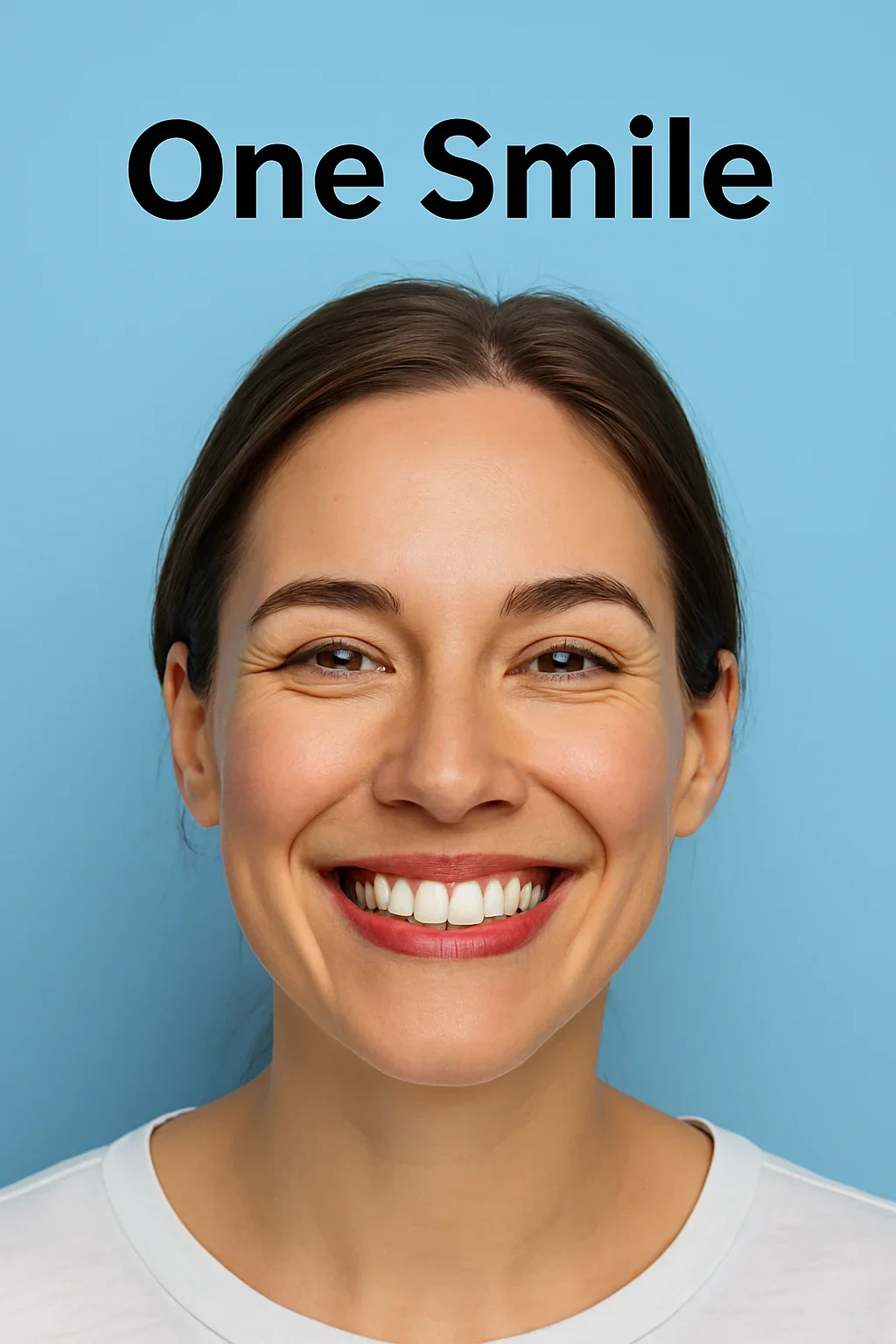
Future of Dentistry: Technology Behind One Smile
The future of dentistry is rapidly evolving, driven by cutting-edge technologies that are transforming how people achieve and maintain one smile that is both healthy and beautiful. From artificial intelligence to 3D printing and digital imaging, these innovations are reshaping the dental experience for patients and professionals alike. The goal is no longer just to treat disease but to provide personalized, efficient, and minimally invasive care. By exploring these advancements, we can understand how the future of dentistry is dedicated to perfecting one smile with precision, comfort, and long-lasting results.
Digital Dentistry and Precision Imaging
One of the most significant breakthroughs in dentistry is digital imaging. Traditional impressions are being replaced with intraoral scanners that capture a patient’s mouth in real time, producing highly detailed 3D models. This technology allows dentists to create restorations that fit perfectly, enhancing both function and aesthetics. The precision offered by digital tools ensures that one smile can be designed and perfected with unparalleled accuracy, reducing errors and treatment time.
CAD/CAM Systems
Computer-Aided Design and Computer-Aided Manufacturing (CAD/CAM) systems are revolutionizing restorative dentistry. Dentists can now design crowns, veneers, and bridges on a computer and fabricate them in-office using milling machines. This reduces the need for multiple visits and provides patients with instant results. With CAD/CAM, one smile can be restored in just a single appointment, combining efficiency with high-quality outcomes.
3D Printing and Personalized Dentistry
3D printing is another transformative force in modern dentistry. It allows the creation of customized dental prosthetics, surgical guides, orthodontic devices, and even temporary crowns. This technology is not only faster but also more cost-effective compared to traditional methods. Patients benefit from tailored solutions that enhance both comfort and appearance. By integrating 3D printing into clinical practice, dentists can ensure that one smile is uniquely suited to each individual’s needs.
Implantology and Bone Regeneration
3D printing also plays a vital role in implantology, where custom surgical guides improve accuracy during implant placement. Additionally, researchers are developing biocompatible materials for bone grafting and regeneration, offering patients more successful implant outcomes. These advancements secure the structural foundation needed to maintain one smile for decades.
Artificial Intelligence in Dentistry
Artificial intelligence (AI) is revolutionizing diagnostics and treatment planning. Machine learning algorithms can analyze X-rays and intraoral scans with remarkable accuracy, detecting cavities, gum disease, and even oral cancers earlier than the human eye. AI-driven systems also assist in predicting treatment outcomes, allowing dentists to customize procedures for each patient. By incorporating AI, dentists can perfect one smile with personalized care and increased efficiency.
AI and Patient Communication
AI-powered chatbots and virtual assistants are also becoming common in dental clinics, guiding patients with appointment scheduling, post-treatment care instructions, and preventive tips. These tools help patients stay informed and engaged, ensuring that one smile is consistently supported by education and guidance.
Laser Dentistry for Painless Care
Laser technology is transforming dental procedures by offering minimally invasive alternatives to traditional drills and scalpels. Lasers can be used to treat cavities, reshape gums, whiten teeth, and even perform minor surgeries with less pain and faster healing times. This approach minimizes discomfort, reduces infection risk, and enhances precision. By using lasers, dentists provide patients with safer and more comfortable experiences while perfecting one smile.
Teledentistry and Accessibility
Teledentistry is bridging the gap between patients and dental professionals, particularly in remote or underserved areas. Through video consultations, dentists can provide preliminary diagnoses, offer oral care advice, and recommend treatments without requiring in-person visits. This accessibility ensures that more individuals worldwide can protect and enhance one smile regardless of geographic or financial barriers.
Integration With Preventive Care
Teledentistry also complements preventive care by allowing patients to check in with their dentists regularly, ensuring early detection of issues and consistent oral health monitoring. This proactive approach saves time, reduces costs, and strengthens the longevity of one smile.
Biomaterials and Regenerative Dentistry
Another promising frontier is regenerative dentistry. Scientists are developing biomaterials capable of repairing enamel, regenerating gum tissue, and even growing new teeth from stem cells. Though still in experimental stages, these advancements could redefine what it means to preserve one smile. Instead of replacing lost or damaged structures, regenerative dentistry may allow patients to naturally restore them.
Eco-Friendly Dentistry for a Sustainable Future
Sustainability is becoming increasingly important in healthcare, and dentistry is no exception. Eco-friendly practices such as digital records (reducing paper waste), reusable instruments, and environmentally safe materials are being adopted worldwide. These innovations ensure that perfecting one smile does not come at the cost of the planet’s health.
In conclusion, the future of dentistry promises a blend of technology, personalization, and accessibility. From AI-driven diagnostics and laser treatments to 3D printing and regenerative solutions, every innovation is aimed at creating a more precise, comfortable, and effective path to dental health. The technology behind one smile is advancing at an extraordinary pace, ensuring that patients everywhere can enjoy a brighter, healthier, and longer-lasting smile for generations to come. 🚀