
In today’s digital world, online braces have completely revolutionized how people achieve straighter, healthier smiles 😁. Once considered a luxury that required multiple in-person appointments, orthodontic treatment has now entered the era of convenience and technology. With online braces, patients can start their journey to a confident smile without ever visiting a clinic. These innovative systems are transforming dental care accessibility, affordability, and comfort, allowing anyone—from busy professionals to students—to straighten their teeth at home.
So, what exactly are online braces? In simple terms, they are clear aligners or digital orthodontic systems that allow users to complete most of their treatment remotely. Through an initial digital scan or impression kit, dental experts analyze your teeth and create a fully customized treatment plan. The aligners are then delivered directly to your doorstep, and periodic progress is monitored online. This convenience is particularly appealing in today’s fast-paced lifestyle, where time and flexibility matter most.
Choosing online braces doesn’t just save time—it can also be significantly more cost-effective compared to traditional metal braces. Patients typically receive multiple sets of aligners designed to gradually shift teeth into their ideal positions. These clear aligners are nearly invisible, comfortable to wear, and removable during meals or brushing. That means no metal wires, no dietary restrictions, and no painful adjustments. 🌟
Many orthodontic providers now integrate AI-based tracking technology, allowing dental specialists to monitor each patient’s progress through photos or scans uploaded online. This digital monitoring ensures that treatment remains precise and effective. Additionally, AI tools can predict treatment outcomes with impressive accuracy, giving users a realistic preview of their post-treatment smile before they even begin.
Still, patients should understand that online braces aren’t for everyone. Individuals with complex bite issues, severe misalignment, or jaw problems may still need in-office orthodontic supervision. However, for mild to moderate cases—such as crowding, gaps, or minor bite irregularities—online orthodontic systems deliver outstanding results when managed by licensed professionals. Always ensure that your treatment plan is overseen by qualified dentists or orthodontists, as recommended by the American Dental Association.
Another reason for the growing popularity of online braces is their transparency in process and pricing. Reputable platforms offer detailed 3D simulations, progress dashboards, and easy communication with dental professionals. Some even provide flexible payment plans and guarantees, giving patients full control over their treatment timeline and costs. If you ever need professional consultation or want to ensure you’re selecting the best option for your dental needs, you can always reach out via the Redent Klinik Contact Page for expert assistance.
In terms of results, users report remarkable transformations within 4 to 9 months on average—depending on their initial dental condition. The key to success lies in following your treatment plan closely and wearing aligners as recommended, typically 20–22 hours per day. Regularly cleaning aligners and maintaining oral hygiene play an essential role in preventing plaque buildup or discoloration.
Beyond physical changes, online braces have an emotional and psychological impact too. A confident smile boosts self-esteem, enhances professional image, and improves overall mental well-being. The convenience of home-based treatment removes much of the anxiety traditionally associated with dental clinics, especially for people with dental phobia. 🦷✨
In summary, online braces are much more than a dental trend—they represent the digital transformation of orthodontic care. They combine advanced technology, comfort, and professional oversight to deliver results that rival traditional braces. With the right provider, proper guidance, and consistent discipline, achieving your dream smile is now easier, faster, and more affordable than ever. Whether you’re exploring your first orthodontic solution or seeking an upgrade from metal brackets, online braces offer a seamless and modern approach to transforming your smile for life.
What Are Online Braces and How Do They Work?
Online braces are a modern innovation in orthodontic care that allows people to straighten their teeth from home without the need for regular dental visits. Instead of relying on traditional metal brackets and wires, these systems use a series of clear aligners designed through advanced 3D imaging technology. They are comfortable, nearly invisible, and tailored to move your teeth gradually into the desired position over several months. 🦷
The Digital Revolution Behind Online Braces
The concept of online braces emerged from the growing trend toward telehealth and digital dentistry. It combines professional orthodontic knowledge with cutting-edge technology such as AI-based smile simulations, digital scanning, and remote monitoring. The process usually starts when a patient orders an impression kit online or visits a local partner clinic for a digital scan. These impressions are then analyzed by licensed orthodontists who create a customized treatment plan. Through 3D software, they map out each stage of tooth movement, predicting the end result with impressive precision.
Once the plan is approved, a series of clear aligners is manufactured using biocompatible, medical-grade plastic. Each aligner is worn for about 1–2 weeks before progressing to the next in the sequence. The aligners exert gentle pressure on specific teeth, shifting them incrementally until they align perfectly. The result is a straighter smile achieved without brackets, wires, or frequent office visits. This approach saves time, minimizes discomfort, and provides flexibility for users with busy lifestyles.
Step-by-Step Overview of How Online Braces Work
1. Initial Consultation or Online Assessment
Most online braces providers begin the journey with a digital consultation. You fill out a form, upload photos of your teeth, and answer some questions about your dental history. AI algorithms and orthodontic professionals review this data to determine if you are a good candidate for remote treatment.
2. Impression Kit or 3D Scan
Once approved, the company sends an impression kit to your home or schedules a 3D intraoral scan at a partner clinic. These impressions capture precise details of your teeth and bite alignment. Accuracy here is crucial, as it forms the basis for your treatment plan and aligner design.
3. Customized Treatment Plan Creation
Using your scans, orthodontists create a personalized digital model showing each phase of tooth movement. Many systems even allow you to view a 3D preview of your new smile before starting. This transparency helps build trust and confidence in the process. 😁
4. Manufacturing and Delivery of Aligners
After approval, your clear aligners are produced using BPA-free plastic and shipped directly to your door. You’ll receive a full set of aligners, detailed usage instructions, and sometimes a monitoring app that tracks your progress. This level of convenience is one of the key advantages of online braces.
5. Regular Remote Check-ins
Throughout your treatment, you’ll upload photos or scans periodically. Orthodontists review these submissions and make necessary adjustments if needed. This telemonitoring approach ensures that your teeth are moving according to plan, while you avoid the hassle of frequent in-office appointments.
Key Technologies That Power Online Braces
Several innovative tools make online braces effective and reliable:
- 3D Imaging & Simulation: Allows precise mapping of tooth movement.
- Artificial Intelligence: Helps orthodontists monitor progress remotely and detect deviations early.
- Smartphone Apps: Enable users to send photos, receive reminders, and track progress.
- Digital Manufacturing: Ensures each aligner fits perfectly using laser-accurate molds.
These technologies combine to provide results comparable to traditional orthodontic treatment—often with greater comfort and lower costs.
Advantages of Online Braces Systems
One of the main advantages of online braces is accessibility. People in remote areas or those with demanding schedules can still access professional orthodontic care. Additionally, since aligners are removable, users can maintain better oral hygiene and enjoy their favorite foods without restrictions. Many systems also include whitening gels or retainers as part of their package, enhancing the overall value of treatment.
Financially, online braces are generally more affordable than traditional braces. Providers offer fixed pricing structures and flexible payment options. This transparency eliminates surprise costs and makes orthodontic care more approachable for everyone. For detailed information or personalized recommendations, you can consult dental professionals directly through the Redent Klinik Contact Page.
Limitations and Professional Oversight
While online braces deliver impressive results for mild to moderate alignment issues, they may not suit complex dental conditions such as severe bite problems or jaw misalignment. It’s essential to ensure your case is reviewed by a certified orthodontist. Trusted providers collaborate with professional associations such as the American Dental Association, ensuring that all treatment plans meet safety and quality standards.
Final Thoughts
In conclusion, online braces represent a powerful blend of technology and professional dental care. They offer patients a more accessible, flexible, and cost-effective alternative to traditional orthodontic treatments. By combining expert oversight with digital innovation, these systems are reshaping how the world approaches dental alignment—one smile at a time. Whether you’re looking for convenience, affordability, or modern precision, online braces might be the ideal path to your perfect smile. 🌟
Benefits of Choosing Online Braces Over Traditional Options
The rise of online braces has completely changed the landscape of orthodontics, offering patients around the world a faster, more flexible, and more affordable way to achieve the smile they’ve always wanted 😁. Traditional braces have long been the gold standard for correcting misaligned teeth, but digital advancements have made remote treatment not only possible but highly effective. This section explores in depth why millions of people are switching to online braces and how they compare to the old-fashioned metal versions.
Convenience That Fits Modern Lifestyles
One of the biggest advantages of online braces is convenience. With traditional braces, patients often need to visit their orthodontist every 4–6 weeks for adjustments and wire changes. These repeated appointments can be time-consuming and inconvenient for those with busy schedules. Online braces eliminate that need entirely. After your treatment plan is approved, you can handle everything from home—aligner changes, progress tracking, and consultations are all managed digitally.
Many online orthodontic providers offer mobile apps or web dashboards where patients upload periodic photos. Dental experts review these images and provide updates remotely. This flexibility means you can continue your treatment even while traveling, studying abroad, or working long hours. 🌍
Affordability Without Compromising Quality
Cost plays a major role in dental care decisions. Traditional orthodontic treatments can cost anywhere from $4,000 to $8,000, depending on complexity and location. In contrast, online braces are usually priced between $1,500 and $2,500 on average, making them accessible to a wider audience. These systems reduce overhead costs by removing the need for frequent office visits, which allows providers to pass on savings directly to consumers. The materials and treatment precision remain professional-grade, ensuring results comparable to in-office care.
Furthermore, most online orthodontic platforms offer flexible installment plans with low monthly payments. Some even include retainers and whitening treatments in the package, adding further value. Patients can also check with trusted clinics like Redent Klinik Contact Page to discuss potential hybrid options—combining online convenience with local supervision for the best of both worlds.
Discreet and Aesthetic Appearance
Another major reason people choose online braces is their invisible design. Traditional metal braces can make adults feel self-conscious, especially in professional or social environments. Online braces use clear aligners that are practically invisible when worn, allowing patients to smile confidently throughout their treatment. 🌟
Because they’re removable, users can take them out during meals or important events, unlike metal braces which are permanently attached. This removable feature provides greater freedom and improves comfort. It also helps maintain better oral hygiene, as brushing and flossing can be done normally without navigating wires and brackets.
Predictable and Controlled Results
Every set of online braces is created using 3D computer modeling and AI algorithms to ensure precise control over tooth movement. Patients can preview their expected results through digital simulations before beginning treatment. This transparency not only builds trust but also enhances motivation—seeing your potential new smile keeps you committed throughout the process.
Smart Monitoring and Adjustments
Many providers integrate artificial intelligence into progress monitoring. The system can automatically detect deviations and alert orthodontists if something doesn’t progress as expected. This minimizes the risk of misalignment or extended treatment duration. In some cases, providers send additional aligners at no extra cost if minor refinements are needed at the end of the process.
Improved Comfort and Safety
Traditional braces rely on wires and metal brackets, which can cause irritation, mouth sores, or difficulty speaking during the first few weeks. With online braces, aligners are made from smooth, medical-grade plastic that fits snugly over the teeth, eliminating sharp edges and minimizing discomfort. Because there are no physical adjustments or tightening sessions, patients experience less pain and fewer emergencies, such as broken wires or loose brackets.
Additionally, aligners are hypoallergenic and easy to clean. Patients can simply rinse them with lukewarm water and mild soap or use specialized cleaning tablets. Maintaining oral hygiene is significantly easier, reducing the risk of cavities and gum inflammation compared to traditional orthodontic appliances.
Accessibility and Remote Support
Online braces have opened doors for people who previously lacked access to orthodontic care due to geographic or economic barriers. Those living in rural or underserved regions can now receive expert care without traveling long distances. Reputable providers work with licensed professionals who are available through chat, email, or video consultations to answer questions and monitor treatment remotely.
Moreover, international dental associations like the American Dental Association recognize the role of digital dentistry in expanding access to care. By following ADA-approved standards, online orthodontic systems maintain patient safety and ethical practices even outside the traditional office environment.
Boosting Confidence and Self-Esteem
Beyond physical results, the psychological benefits of online braces are undeniable. A straight smile contributes to better self-esteem, social confidence, and overall well-being. Many patients report improved personal and professional interactions after completing their treatment. Knowing that they could manage the entire process independently also adds a sense of accomplishment and empowerment.
Eco-Friendly and Efficient
Unlike traditional orthodontics that require frequent travel and multiple disposable materials, online braces promote sustainability. The production process uses less material waste, and remote consultations reduce the carbon footprint associated with transportation. Digital impressions also replace the old plaster mold technique, which was both messy and less accurate.
Conclusion: Why Online Braces Are the Future
When you weigh the advantages—convenience, affordability, aesthetics, comfort, and efficiency—it becomes clear that online braces represent the future of modern orthodontics. They provide a patient-centered experience focused on results and accessibility. Whether you’re a busy professional, student, or someone seeking a confident smile without the hassle of wires, online braces offer a smart and scientifically advanced solution. 🌐🦷
Step-by-Step Process: How to Get Your Online Braces
Starting your journey with online braces might seem intimidating at first, but the process is actually straightforward, efficient, and designed to fit seamlessly into your lifestyle. The treatment combines digital precision with professional orthodontic supervision to ensure your smile transformation is both safe and effective. This section breaks down every stage, from your initial assessment to post-treatment care, so you can understand exactly what to expect and feel confident throughout your smile journey. 😁
Step 1: The Initial Online Assessment
The first step toward getting online braces begins with an online consultation or assessment. You’ll start by filling out a detailed questionnaire on the provider’s website, including your dental history, alignment goals, and any prior orthodontic treatments. Many companies request clear photos of your teeth taken from multiple angles—front, side, and occlusal (top and bottom views). These images are then reviewed by a licensed orthodontist or dentist to determine whether you’re a good candidate for remote aligner therapy.
AI-based smile analysis tools are often used to support professionals during this phase. These technologies evaluate your bite, crowding, and spacing issues in just seconds, offering an instant overview of your suitability for online braces. If you qualify, you’ll move on to the next step: creating your digital impression or 3D scan.
Step 2: Taking Dental Impressions or Scanning Your Teeth
Option A: Home Impression Kit
If you prefer the comfort of your home, most providers send a professional impression kit. This kit typically includes dental putty, trays, and easy-to-follow instructions. You’ll bite into the putty to create precise molds of your teeth, which you’ll then send back in a prepaid box. The impressions are used to design your custom aligners.
Option B: In-Person 3D Scan
Some companies offer free or low-cost 3D scanning sessions at local partner clinics. A digital scanner captures every contour of your teeth and bite alignment without discomfort or mess. This method provides higher accuracy and faster processing times, ensuring your online braces fit perfectly from day one. 🦷
Step 3: Professional Review and Treatment Planning
Once your impressions or scans are complete, orthodontists use advanced 3D software to design a personalized treatment plan. You’ll receive a digital simulation showing how your teeth will move with each aligner set. This visual roadmap helps you understand your progress and final outcome even before you begin.
At this stage, you can communicate with your assigned dental expert to ask questions or request adjustments. Once you approve the plan, production of your online braces begins. Providers use BPA-free, medical-grade materials to create aligners that apply precise pressure on targeted teeth. Each set is custom-molded to ensure comfort, safety, and effectiveness.
Step 4: Receiving and Starting Your Treatment
Your online braces are shipped directly to your doorstep—often in a neatly organized package that includes all the aligners, usage guides, and sometimes whitening kits or retainers. You’ll typically wear each aligner for 1–2 weeks, depending on your provider’s instructions. Each new aligner slightly adjusts your teeth, moving them closer to your desired alignment.
Tips for Getting the Best Results
- Wear aligners for 20–22 hours daily for optimal movement.
- Remove them only when eating, drinking (except water), or brushing.
- Clean them regularly using lukewarm water and mild soap or cleaning tablets.
- Keep old aligners until your orthodontist confirms progress.
Most online braces systems include access to a mobile app where you can track your progress, get reminders, and even upload photos for evaluation. This remote tracking ensures your teeth move as planned without unnecessary clinic visits.
Step 5: Remote Monitoring and Adjustments
During your treatment, orthodontists monitor your progress through periodic virtual check-ins. You’ll be asked to upload high-resolution photos or short videos of your smile every few weeks. Using AI technology, these images are compared with your treatment plan to confirm proper movement.
If minor deviations are detected, your dental expert might suggest extending the wear time of a particular aligner or shipping a replacement at no extra cost. This proactive system ensures that even though the process is remote, it remains precise and medically supervised at every step. For additional support or consultation, you can contact professionals directly via the Redent Klinik Contact Page.
Step 6: Completing Treatment and Transitioning to Retainers
Once your final set of aligners has completed its job, congratulations—you’ve achieved your dream smile! 🎉 But the process doesn’t end there. After finishing your online braces treatment, you’ll need to wear retainers to maintain your results. Retainers prevent your teeth from gradually shifting back into their old positions.
Most providers include at least one set of retainers as part of their package. They look and feel similar to aligners but are designed for long-term wear, usually at night. Your orthodontist will provide clear guidance on how often and how long you should wear them to preserve your smile.
Step 7: Post-Treatment Care and Ongoing Monitoring
Maintaining your new smile requires proper oral hygiene, regular dental checkups, and consistent use of retainers. Some companies offer subscription programs for retainer replacements or optional whitening kits to keep your teeth bright and healthy. You may also continue virtual consultations with your dental team to ensure stability and satisfaction.
Step 8: Common Mistakes to Avoid During Treatment
While online braces simplify orthodontic care, patients must follow instructions carefully for best results. Avoid skipping aligner stages, leaving aligners out for long periods, or cleaning them with hot water. Also, don’t forget to brush and floss after meals before reinserting your aligners—this helps prevent cavities and staining.
Step 9: Confidence and Life After Online Braces
Beyond physical transformation, online braces often boost confidence, improve social interactions, and even enhance professional image. Patients frequently report feeling more comfortable smiling in photos, speaking publicly, and meeting new people. This psychological benefit is one of the greatest rewards of orthodontic care, making the effort well worth it. 😃
Conclusion
In summary, the process of getting online braces is simple, transparent, and supported by dental experts from start to finish. From your first assessment to wearing your final retainer, every step is designed for efficiency, comfort, and precision. With the combination of advanced 3D technology, professional oversight, and patient dedication, achieving a perfect smile has never been more convenient or accessible. For the safest and most effective experience, always choose providers backed by certified professionals and associations like the American Dental Association. 🦷✨
Are Online Braces Safe? Expert Opinions and Research Insights
The safety of online braces is one of the most commonly discussed topics among patients considering this modern approach to orthodontic care. While the convenience and affordability of remote aligner systems have attracted millions of users, many still wonder whether these treatments are as safe and effective as traditional in-office braces. The short answer is yes—when supervised by qualified professionals and used correctly, online braces can be a safe, medically sound option for mild to moderate dental alignment issues. 🦷
Understanding the Safety Standards Behind Online Braces
Every reputable online braces company must follow strict dental and medical regulations. Licensed orthodontists or dentists oversee treatment plans, ensuring that the aligners are suitable for your specific case. The materials used to make these aligners are typically BPA-free, medical-grade thermoplastics—the same materials used in professional dental clinics worldwide. These plastics are safe for long-term oral contact, hypoallergenic, and FDA-approved in many regions.
According to research published by professional dental associations such as the American Dental Association, clear aligner therapy (including online models) has been proven to effectively treat crowding, spacing, and mild bite discrepancies when properly supervised. This underscores the importance of working with a provider that includes remote professional monitoring rather than purchasing generic or unsupervised aligners online.
The Role of Professional Supervision in Safety
One of the main factors that determine whether online braces are safe lies in the level of professional oversight. Reputable providers employ licensed orthodontists to evaluate every patient’s case individually. Through advanced imaging and artificial intelligence tools, these experts can monitor your progress remotely and intervene if your teeth aren’t moving as expected.
Why Supervision Matters
- It ensures your teeth and jawbone remain healthy during treatment.
- It allows early detection of any misalignment or tissue irritation.
- It ensures that your treatment stays within safe biomechanical limits.
Providers who skip this crucial supervision step may compromise patient safety. Therefore, always verify that your online braces plan includes continuous monitoring by qualified professionals.
Common Concerns About Online Braces Safety
Despite growing acceptance, some concerns about online braces remain. Let’s address the most frequent ones:
1. “Will they damage my teeth or gums?”
When properly fitted, online aligners apply controlled, gentle pressure on your teeth. However, overuse, skipping aligner stages, or ignoring pain can lead to gum irritation or tooth sensitivity. The key is following your provider’s guidelines carefully and reporting any discomfort promptly.
2. “Are they effective for all dental problems?”
Not every case is suitable for online braces. Severe overbites, underbites, or jaw alignment issues often require in-person orthodontic care. Online systems are ideal for mild to moderate crowding and spacing corrections. This is why the initial assessment phase—where a professional evaluates your dental condition—is critical for safety.
3. “Can I trust the results without office visits?”
Modern online braces programs use advanced tracking systems and AI-based monitoring. Patients upload progress photos regularly, and orthodontists assess them virtually. This ensures that teeth move as predicted, making the process just as safe as traditional in-office follow-ups for eligible cases.
Scientific Studies Supporting Online Braces
Numerous studies in peer-reviewed journals confirm that properly managed clear aligner treatments achieve results comparable to traditional braces. For example, research cited by the ADA and other orthodontic associations demonstrates that digital aligners can effectively correct anterior crowding and spacing in adults, with success rates exceeding 90% in supervised programs. These outcomes emphasize the importance of expert review and technological precision.
Furthermore, digital modeling used in online braces treatments minimizes human error. Advanced software calculates precise tooth movements based on biomechanical principles, ensuring that each aligner applies the correct level of pressure. This computer-guided process significantly reduces risks such as root resorption or enamel damage, which are rare but possible with improperly managed mechanical force.
Comparing Online Braces to Traditional Braces in Terms of Safety
Traditional Braces
While traditional braces are incredibly effective, they also come with certain risks—such as gum inflammation, enamel decalcification, and soft-tissue irritation caused by metal brackets and wires. They require regular tightening and maintenance, which can occasionally lead to discomfort or complications if missed.
Online Braces
In contrast, online braces eliminate many of these mechanical risks. They are smooth, removable, and easier to clean. There are no metal parts to irritate soft tissue, and users can maintain excellent oral hygiene throughout treatment. However, their safety depends entirely on the accuracy of the digital impressions and adherence to the treatment schedule.
Regulatory Oversight and Ethical Considerations
Global health authorities and dental boards continue to monitor and regulate online orthodontic services to protect patients. Providers are required to verify patient identity, ensure diagnostic data is reviewed by licensed clinicians, and store medical records securely. Ethical online orthodontic companies will always disclose who oversees your case and provide contact information for your assigned dental professional.
Patients should avoid unlicensed or “DIY” aligner sellers who claim results without any professional review. Such products often use generic molds that can cause severe misalignment or damage. For legitimate, professional care, it’s always best to consult certified providers or reach out directly to established clinics like the Redent Klinik Contact Page for verified online braces programs.
Patient Responsibilities for Safety
Even the safest online braces system requires patient cooperation. Success depends on wearing aligners as directed (usually 20–22 hours daily), maintaining oral hygiene, and promptly communicating with your orthodontist. Never attempt to adjust or skip aligner sets on your own. Consistency and transparency are key to preventing complications.
Conclusion: Are Online Braces Safe?
In conclusion, when used under professional guidance and supported by advanced digital monitoring, online braces are indeed safe, effective, and scientifically validated. They’ve helped millions of people achieve straighter smiles with minimal discomfort and cost. The safety of your treatment depends on choosing a reputable provider, following expert instructions, and staying in contact with licensed professionals throughout your journey. Always remember—orthodontic success is a partnership between technology, expertise, and your commitment. 🌟
Comparing Costs: Online Braces vs. In-Clinic Treatments
When it comes to achieving a straighter smile, cost is one of the most important factors for patients to consider. Traditional orthodontic treatments can be expensive and time-consuming, but online braces have emerged as a more accessible and budget-friendly alternative. This section provides a detailed comparison of costs between online and in-clinic orthodontic options, explaining where the price differences come from and how to determine which choice is best for your needs. 💰
Understanding the Pricing Structure of Online Braces
Online braces operate on a direct-to-consumer model, cutting out many of the costs associated with traditional dental visits. These companies work with licensed orthodontists remotely, which eliminates the overhead of office rent, staff salaries, and frequent in-person checkups. This efficiency allows patients to enjoy professional-grade aligners at a fraction of the traditional cost.
On average, the total cost of online braces ranges from $1,500 to $2,500 for mild to moderate alignment cases. Some companies may offer monthly payment plans starting as low as $70–$100, making it easier for patients to manage their budgets. Unlike traditional orthodontics, these prices typically include the entire aligner set, a whitening kit, and a post-treatment retainer in one package. There are no surprise consultation fees or recurring adjustment charges.
Traditional Orthodontic Treatment Costs
1. Metal Braces
Traditional metal braces generally cost between $4,000 and $8,000 depending on the length and complexity of treatment. The price covers in-person visits, X-rays, and regular tightening appointments. However, because this method requires frequent adjustments and office overhead, it remains one of the most expensive orthodontic options.
2. Ceramic Braces
Ceramic braces, which use clear or tooth-colored brackets for a more aesthetic appearance, can range from $5,000 to $9,000. While they are more visually appealing than metal braces, they also require extra maintenance and may stain easily, which adds to overall care costs.
3. In-Office Clear Aligners
Some orthodontists offer clear aligner systems (like Invisalign) administered entirely in-clinic. These are similar in concept to online braces but often come with higher fees—typically between $3,500 and $7,000. The additional cost accounts for in-person appointments, imaging, and clinic-specific services.
Why Online Braces Are More Affordable
There are several reasons why online braces tend to be less expensive than in-office options:
- No physical office visits: Remote supervision eliminates travel and scheduling costs.
- Lower operational expenses: Providers operate virtually, reducing overhead.
- Efficient production: Aligners are mass-produced using 3D printing technology, which lowers manufacturing costs.
- Streamlined logistics: Direct shipping from the lab to your home avoids middleman fees.
Even though prices are lower, quality remains high—especially when you choose a trusted provider that partners with certified orthodontists. If you’d like a personalized assessment or wish to discuss hybrid options combining online and in-clinic care, reach out to Redent Klinik Contact Page for expert guidance.
Additional Costs to Consider
1. Retainers
After completing treatment with online braces or traditional aligners, patients must wear retainers to maintain their results. Online providers typically include one retainer set for free, while replacements cost around $100–$200. In contrast, in-clinic retainers may cost $300 or more per set.
2. Refinements and Adjustments
If minor corrections are needed after your primary treatment, some online orthodontic companies offer free refinement aligners, while others charge an additional fee. Traditional orthodontists usually charge per visit, which can add hundreds of dollars to the total expense.
3. Whitening Kits and Extras
Many online braces plans include complimentary whitening systems, retainers, and progress-tracking apps. These extras add value without increasing the core cost. In-office treatments, on the other hand, often charge separately for whitening or cosmetic upgrades.
Insurance and Payment Options
Insurance coverage for online braces varies depending on your provider and plan. Many orthodontic insurance policies now include partial reimbursement for tele-orthodontic treatments, treating them similarly to traditional braces. You can submit your treatment receipts for reimbursement directly. Flexible Spending Accounts (FSA) and Health Savings Accounts (HSA) are also accepted by most online aligner companies.
Traditional orthodontic offices often require upfront deposits or structured financing plans through third-party providers. While some offer zero-interest options, the administrative and clinic fees can make total costs higher in the long run.
Long-Term Value Comparison
Although online braces have a lower initial cost, some patients worry about long-term durability. However, studies and patient feedback show comparable success rates for eligible cases when treatment is properly supervised. The combination of affordability, professional oversight, and convenience makes online aligners a cost-effective long-term investment for many adults and teens seeking subtle corrections.
Traditional braces remain ideal for complex cases involving significant jaw or bite correction. But for most mild to moderate misalignments, online braces achieve similar results at roughly half the cost.
Example Cost Breakdown
| Treatment Type | Average Total Cost (USD) | Included Services |
|---|---|---|
| Online Braces | $1,500–$2,500 | Aligners, Retainer, Remote Checkups, Whitening Kit |
| In-Clinic Clear Aligners | $3,500–$7,000 | Aligners, In-Person Consultations, Adjustments |
| Metal Braces | $4,000–$8,000 | Brackets, Wires, Monthly Visits, X-Rays |
| Ceramic Braces | $5,000–$9,000 | Clear Brackets, In-Office Care, Adjustments |
Final Thoughts on Cost and Value
In conclusion, online braces offer significant savings while maintaining clinical effectiveness and convenience. By removing the need for frequent appointments and office fees, patients receive high-quality orthodontic care at a fraction of traditional costs. The exact price depends on your dental needs and provider, but the digital model ensures transparency and flexibility at every step.
If you’re comparing your options, weigh the cost against your comfort, time availability, and treatment complexity. Consulting a licensed dental professional or contacting Redent Klinik Contact Page is the best way to receive a personalized estimate and determine whether online braces are the right investment for your smile and your budget. 🌟
Common Myths About Online Braces You Should Stop Believing
As online braces continue to gain popularity across the globe, misinformation and myths about their effectiveness, safety, and quality have also spread. Many people still hold misconceptions that prevent them from considering this innovative and legitimate orthodontic solution. In reality, most of these concerns stem from misunderstandings about how online aligners work and who they are designed for. In this section, we will debunk the most common myths surrounding online braces and reveal the real facts behind this modern approach to achieving a beautiful smile. 😁
Myth 1: Online Braces Are Not Supervised by Real Dentists
One of the most persistent myths is that online braces are completely DIY (do-it-yourself) without professional oversight. In truth, reputable online orthodontic providers always work with licensed dentists or orthodontists who review each patient’s case and create a customized treatment plan. Every impression or scan you send is analyzed by a professional who determines whether you are a suitable candidate for remote treatment.
During treatment, orthodontists use digital tracking systems to monitor your progress. Patients are typically asked to upload photos or videos of their teeth every few weeks through a secure app or platform. This allows professionals to ensure everything is on track and intervene if adjustments are needed. So, rather than being unsupervised, online braces treatments are actually guided by advanced technology and certified dental experts at every step.
Myth 2: Online Braces Are Unsafe or Ineffective
Another widespread myth is that online braces are unsafe or that they deliver subpar results compared to traditional orthodontics. This belief is outdated and inaccurate. The materials used in most online aligners are medical-grade, BPA-free thermoplastics—the same quality used by in-office aligner systems like Invisalign. These aligners are produced using 3D printing technology that ensures an exact fit and optimal comfort.
Studies and reviews by dental associations such as the American Dental Association have shown that remote orthodontic systems can safely and effectively correct mild to moderate alignment issues, including crowding, gaps, and crossbites. When used as directed, the results can be virtually identical to those achieved in an orthodontic clinic.
Fact Check:
- ✅ Safe for mild to moderate misalignments
- ✅ Professionally supervised and reviewed
- ✅ Backed by dental associations and research
Myth 3: Online Braces Are Only for Teenagers
This myth couldn’t be further from the truth. While many teenagers use online braces because of their convenience, a growing number of adults are also choosing them to correct minor alignment issues. In fact, adults often find online braces ideal because they are discreet, removable, and easily fit into professional lifestyles.
Adult patients appreciate the ability to straighten their teeth without wearing noticeable metal braces. Many aligner systems are designed specifically for adults who have previously worn braces but experienced slight relapse or misalignment over time. Age is not a limitation—healthy gums and good oral hygiene are what matter most. 🌟
Myth 4: Online Braces Are Cheap Because They’re Low Quality
Some people assume that because online braces are more affordable, they must be of lower quality. However, the reduced cost has nothing to do with quality—it’s due to efficiency. Online orthodontic companies minimize overhead expenses such as clinic space, staff, and administrative costs. They also use a direct-to-consumer business model, delivering aligners straight from the lab to the patient.
These savings are passed on to the consumer, allowing you to access high-quality treatment without inflated prices. The aligners themselves are made from the same materials used in premium in-clinic brands. For those seeking a balance between affordability and quality assurance, consulting a trusted provider or a clinic like Redent Klinik Contact Page can provide clarity and confidence in your treatment plan.
Myth 5: You Can Fix Any Orthodontic Problem with Online Braces
While online braces are highly effective, they are not a universal solution for all orthodontic issues. They are best suited for mild to moderate cases of misalignment, crowding, or gaps. Severe bite problems, jaw misalignment, or complex orthodontic corrections may still require in-office supervision or a hybrid approach combining both online and in-person care.
The key advantage of the online model is accessibility—patients can easily undergo professional assessments to determine their suitability. Reputable companies will not approve treatment for cases that require more advanced correction, thereby ensuring safety and effectiveness. This integrity helps maintain the credibility of online orthodontics as a professional and medically guided field.
Myth 6: Online Braces Take Longer Than Traditional Braces
Contrary to popular belief, online braces treatments are often completed faster than traditional braces—especially for minor alignment issues. Traditional braces typically take 18–24 months, whereas online aligners usually require 4–9 months depending on the case’s complexity. The efficiency comes from precise digital planning and custom aligner sequencing, which ensures teeth move optimally without unnecessary delays.
However, adherence is key: wearing aligners as recommended (usually 20–22 hours per day) and following your treatment plan strictly ensures timely results. Patients who are consistent often complete their smile transformation on or even before schedule. ⏱️
Myth 7: Online Braces Don’t Provide Real Support
Many assume that remote orthodontic care lacks real support compared to in-office visits. In reality, reputable online braces providers offer extensive virtual assistance through video calls, messaging platforms, and dedicated support lines. Patients can communicate with dental professionals at any time for advice, adjustments, or reassurance. This approach ensures continuous care and accountability without the inconvenience of travel or waiting room appointments.
Myth 8: Online Braces Results Don’t Last
Like any orthodontic treatment, the longevity of results depends on post-treatment care. After completing your online braces journey, wearing retainers as instructed by your provider is crucial to maintain alignment. The myth that online results “don’t last” typically comes from users who neglect their retainers, not from flaws in the treatment itself. With proper maintenance, results from online braces are as durable and long-lasting as those achieved with traditional methods.
Myth 9: You Can’t Get Help If Something Goes Wrong
Another false assumption is that online orthodontic services disappear once your aligners arrive. In truth, professional platforms maintain continuous contact throughout your treatment and beyond. If complications occur—like discomfort, improper fit, or slower movement—orthodontists can remotely analyze images and, if necessary, send replacement aligners. This ensures that your smile journey remains safe, controlled, and effective at every stage.
Conclusion: Separating Facts from Fiction
In conclusion, online braces are not a risky or unprofessional shortcut—they are a legitimate, science-backed evolution in orthodontic care. Many of the myths surrounding them arise from misunderstandings rather than real-world evidence. When supervised by qualified orthodontists, supported by advanced technology, and used responsibly by patients, online braces are both safe and highly effective.
By understanding the facts and choosing reputable providers, you can take advantage of the convenience, affordability, and quality that online orthodontics offers. If you’re ready to verify your candidacy or ask specific questions about your case, consult professionals via the Redent Klinik Contact Page for trusted advice and support. Your perfect smile could be just a few clicks away! 🌐🦷
How to Maintain and Care for Your Online Braces
Starting treatment with online braces is an exciting journey toward achieving your dream smile, but maintaining them properly is essential for success. Clean, well-cared-for aligners not only ensure optimal results but also help you avoid oral hygiene problems like bad breath, plaque buildup, or gum irritation. This section provides a complete step-by-step guide on how to clean, store, and care for your online braces throughout your treatment, so your experience remains safe, effective, and comfortable. 🦷✨
Why Proper Care Matters
Maintaining online braces isn’t just about hygiene—it’s also about preserving the accuracy of your treatment. Aligners are custom-designed to fit snugly and apply precise pressure on your teeth. Any damage, discoloration, or distortion can affect how effectively they guide tooth movement. Consistent cleaning, correct handling, and mindful storage all play a key role in keeping your treatment on track.
Neglecting care can lead to unpleasant odors, bacterial buildup, and even delays in progress. Since online braces rely on patient responsibility rather than frequent in-clinic checkups, following the right maintenance routine ensures your smile transformation continues smoothly and safely. 😁
Daily Cleaning Routine for Online Braces
1. Rinse Your Aligners Often
Each time you remove your online braces, rinse them under lukewarm water to remove saliva and debris. Avoid using hot water—it can warp the plastic and compromise fit. This simple habit prevents bacteria from accumulating on the surface and keeps your aligners clear and fresh.
2. Brush and Soak
Use a soft-bristled toothbrush and clear, non-abrasive soap (not toothpaste) to gently clean both sides of the aligners. Toothpaste can scratch the surface, creating spots where bacteria can cling. Once or twice a day, soak them in an aligner-cleaning solution or a mixture of lukewarm water and cleaning tablets. This deep-cleaning step removes any stubborn buildup and keeps your aligners odor-free.
3. Clean Before Wearing
Before reinserting your aligners, make sure you’ve brushed and flossed your teeth. Wearing aligners over unclean teeth traps food particles and bacteria, leading to cavities or gum irritation. Remember: clean aligners are only as effective as the hygiene routine that accompanies them.
Proper Handling and Storage
Even though online braces are durable, they’re still delicate medical devices. Always handle them with care to avoid cracks or deformation.
- Use your fingers, not tools: Avoid pulling aligners out with sharp objects that can scratch or break them.
- Store them in their case: When not in use, always place your aligners in their protective case. Leaving them exposed increases the risk of losing them or exposing them to germs.
- Keep away from heat: Never rinse, clean, or store aligners in hot water, direct sunlight, or near heat sources. High temperatures can warp the plastic, altering fit and effectiveness.
It’s wise to carry your aligner case with you whenever you go out. Many users accidentally throw their aligners away by wrapping them in tissues during meals—one of the most common (and preventable) mistakes when wearing online braces. 😅
Maintaining Fresh Breath and Oral Health
1. Brush After Every Meal
Because you’ll be wearing your aligners for 20–22 hours daily, brushing after every meal or snack is crucial. Any leftover food trapped between teeth and aligners can quickly lead to plaque buildup or staining.
2. Floss Daily
Flossing keeps your gums healthy and prevents decay between teeth. Use waxed or smooth dental floss to glide easily between tight spaces without fraying. Some people also prefer water flossers for convenience and gentle cleaning.
3. Use Mouthwash Wisely
Rinsing with an alcohol-free mouthwash once a day helps keep your breath fresh and reduces bacteria without damaging your aligners. Avoid using mouthwash directly on aligners, as it may discolor or weaken the material.
Managing Stains and Discoloration
Aligners should remain nearly invisible throughout your treatment. However, colored foods, beverages, or poor cleaning can cause discoloration. Coffee, tea, red wine, and certain sauces are common culprits. Try drinking these beverages through a straw or removing your online braces temporarily before consuming them.
If staining does occur, soak your aligners in a mild cleaning solution designed for clear dental appliances. Avoid bleach or vinegar-based cleaners, which can damage the surface or cause a lingering taste.
Handling Lost or Damaged Aligners
Accidents happen—if you lose or break an aligner, don’t panic. Most online braces providers have protocols for such situations. Immediately contact your orthodontic support team or use your provider’s mobile app to report the issue. They may advise you to wear your previous aligner temporarily or move on to the next one, depending on your progress.
In serious cases where your aligner is cracked or deformed, it’s better to request a replacement rather than continue wearing it. Poorly fitting aligners can delay treatment or cause tooth movement irregularities. For guidance, reach out through your provider’s official support or consult the Redent Klinik Contact Page for expert assistance.
Retainer Care After Treatment
Once your treatment with online braces ends, your orthodontist will provide retainers to maintain your new smile. Caring for retainers is similar to caring for aligners—regular cleaning, safe storage, and mindful handling are essential. Retainers should be worn nightly (or as instructed) to prevent relapse, especially during the first year after treatment.
Professional Recommendations for Long-Term Maintenance
To protect your investment and ensure lasting results, experts recommend visiting a dental professional at least once a year for a full checkup. Even though online braces treatments are remote, in-person dental cleanings help maintain gum health and prevent plaque buildup in hard-to-reach areas.
Some online orthodontic companies also offer ongoing monitoring or replacement retainers as part of a subscription plan. This ensures that your smile remains perfectly aligned long after your initial treatment. For credible and professionally guided care, rely on certified providers endorsed by trusted institutions such as the American Dental Association.
Conclusion: Clean Aligners, Confident Smile
Caring for your online braces is more than just a daily chore—it’s a crucial part of achieving and maintaining your dream smile. By keeping your aligners clean, following hygiene best practices, and handling them responsibly, you ensure comfort, effectiveness, and long-lasting results. Treat your aligners as part of your smile journey, not just a dental device. With consistency and attention to detail, you’ll enjoy not only straighter teeth but also the confidence that comes with a healthy, radiant smile. 🌟
Real-Life Success Stories: Smiles Transformed Online
Behind every set of online braces is a story—one of transformation, confidence, and personal growth. While the technology behind digital orthodontics is impressive, what truly makes it meaningful are the real people who have achieved stunning results from the comfort of their own homes. In this section, we’ll explore genuine success stories, case studies, and expert insights that demonstrate how online braces are changing lives around the world. 🌟
From Doubt to Confidence: The Rise of At-Home Orthodontics
When online braces first appeared on the market, many were skeptical. Could a treatment managed remotely really straighten teeth safely and effectively? Fast forward a few years, and thousands of patients now proudly share their before-and-after photos online, showcasing transformations that rival those achieved in dental offices. These success stories aren’t limited to one age group or location—people from all walks of life are discovering that digital orthodontics can truly make a difference.
Surveys conducted by major providers show that over 90% of patients report satisfaction with their results, and most would recommend online braces to friends or family. The key factor behind these success rates lies in the combination of advanced technology, professional supervision, and patient commitment. 📈
Case Study 1: Sarah’s Smile Makeover
Background
Sarah, a 28-year-old marketing professional, had mild crowding on her lower front teeth that made her self-conscious during meetings and photos. Traditional braces weren’t an option for her due to her busy travel schedule. After researching online, she decided to try online braces for flexibility and discretion.
Treatment Process
Sarah began by ordering an impression kit and completing a digital scan at home. Within a week, she received her 3D treatment plan and a preview of her future smile. Over the next six months, she wore her aligners 22 hours a day and uploaded biweekly progress photos to her provider’s platform for remote monitoring by licensed orthodontists.
Results
By month six, her lower teeth were perfectly aligned, and her confidence soared. Sarah shared her results on social media, emphasizing how easy it was to manage her treatment while working remotely. Her story quickly became a reference for many considering online braces for their convenience and real results. 😁
Case Study 2: Michael’s Transformation on a Budget
Background
Michael, a 35-year-old teacher, had always wanted straighter teeth but was discouraged by the high costs of in-office orthodontic treatment. He found an online braces provider offering an affordable plan with professional oversight and decided to give it a try.
Treatment Process
His aligner set arrived within three weeks after approval of his 3D scans. The total cost was $1,950—less than half of what his local orthodontist quoted for similar results. Michael diligently wore his aligners and maintained good oral hygiene. Through an app, his assigned orthodontist checked his progress monthly.
Results
After eight months, his teeth were straightened, and his bite was improved. He reported zero discomfort, minimal speech issues, and full satisfaction with his smile. His experience highlights how online braces can deliver professional-level outcomes without financial strain. 💵
Case Study 3: Emily’s Post-Braces Refinement
Background
Emily, a 42-year-old mother of two, had worn metal braces as a teenager but experienced mild relapse over the years. Instead of returning to traditional braces, she opted for online braces to correct her minor misalignments discreetly.
Treatment Process
Her aligner journey lasted just four months. Emily especially appreciated the ability to upload progress photos via her smartphone rather than scheduling multiple clinic visits. Her provider even offered complimentary whitening treatment with her final set of aligners.
Results
Her alignment was restored, and she now proudly wears retainers at night to maintain her results. Emily describes her experience as “effortless, affordable, and empowering.” Her success story shows how online orthodontics isn’t just for first-time users but also for those seeking post-treatment corrections.
What These Stories Teach Us
Across these cases, one pattern is clear: online braces work best for patients who actively participate in their treatment. Consistency in wearing aligners, maintaining hygiene, and following professional guidance are key contributors to success. Technology makes it possible, but discipline makes it last.
Many patients also emphasize the emotional impact. Straighter teeth aren’t just about aesthetics—they can improve self-image, encourage smiling more often, and even enhance social and professional confidence. Users frequently describe their experience as life-changing, not just cosmetic.
Verified Results and Professional Support
Trusted online braces companies partner with certified orthodontists and dental boards to ensure patient safety. Each case is reviewed before approval, and remote progress tracking ensures that treatment proceeds correctly. According to recent data, success rates for eligible cases exceed 95% when patients follow their provider’s recommendations precisely.
Providers also maintain transparent communication channels for emergencies or questions. Whether it’s a fit issue or treatment delay, support teams are available through apps, email, or online chat. This level of accessibility gives patients peace of mind and keeps treatment efficient, even without in-person appointments.
The Human Side of Digital Orthodontics
What makes online braces stand out isn’t just technology—it’s the human stories behind every transformation. Patients feel empowered to take control of their dental health, often after years of postponing treatment due to cost or convenience. The remote model breaks barriers, bringing expert care to anyone with an internet connection.
For those considering starting their journey, reading real-life experiences and testimonials can offer reassurance and motivation. If you want professional advice on whether you’re a good candidate, you can easily contact the experts through the Redent Klinik Contact Page for a personalized consultation.
Conclusion: Every Smile Tells a Story
The growing success of online braces proves that innovation and accessibility can coexist with professional quality. From young professionals to busy parents, thousands of people are discovering a new level of confidence through online orthodontic solutions. With proper guidance, care, and commitment, anyone can achieve a stunning smile from home—one aligner at a time. 🌍💫
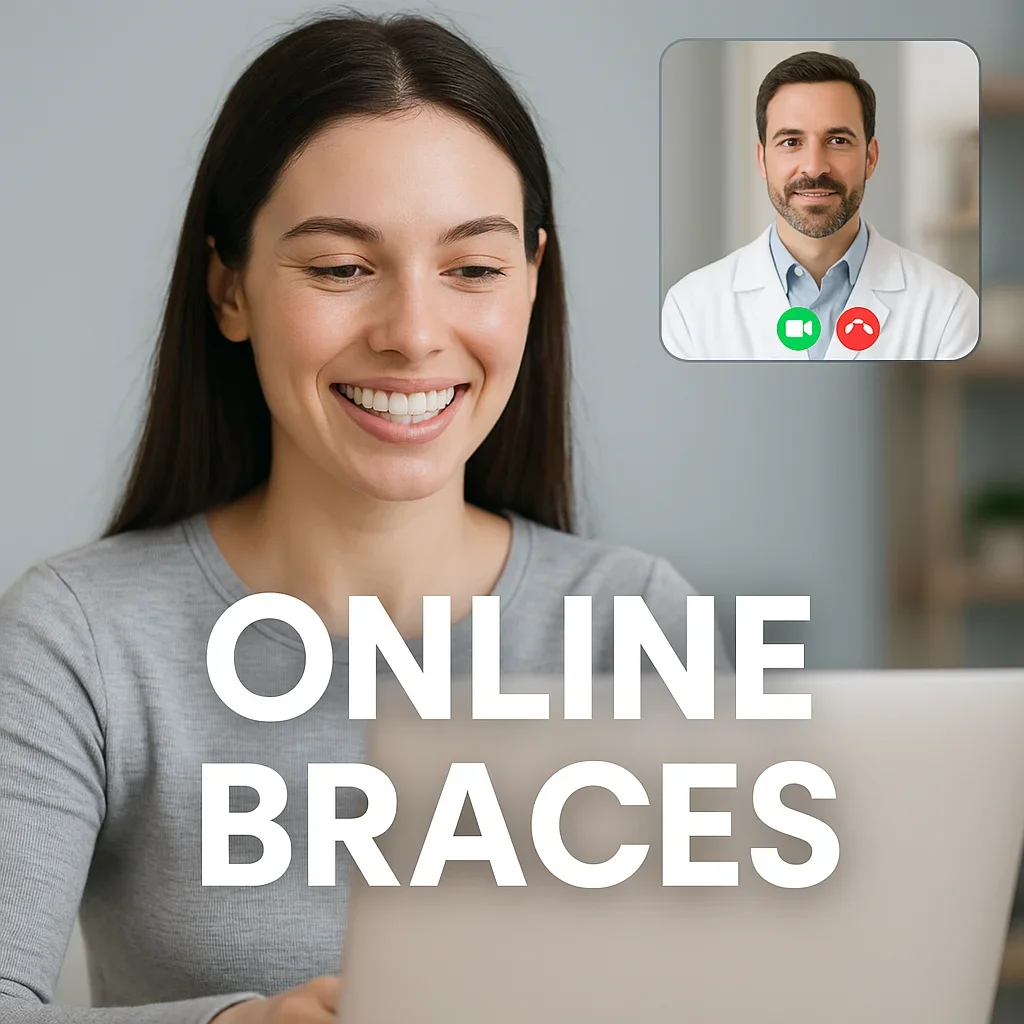
Future of Orthodontics: The Rise of AI and Virtual Dental Care
The orthodontic world is evolving faster than ever before, and at the forefront of this transformation are online braces, artificial intelligence (AI), and virtual dental care. Together, these technologies are reshaping how patients achieve straighter smiles—faster, safer, and more affordably. In this section, we’ll explore how AI-driven aligner systems, teledentistry, and 3D innovation are defining the next era of dental treatment and what patients can expect from the future of orthodontics. 🤖🦷
The Digital Revolution in Orthodontics
In the past, orthodontic treatment meant frequent office visits, metal brackets, and long waiting periods. Today, online braces and AI-powered aligner systems have redefined this process. By using advanced algorithms, digital scans, and predictive modeling, orthodontists can design personalized treatment plans without the need for traditional impressions or manual adjustments.
AI tools analyze thousands of data points from real orthodontic cases to create ultra-precise 3D models. These models predict tooth movement with remarkable accuracy, allowing patients to preview their expected results before the treatment even begins. The fusion of digital imaging, remote supervision, and AI makes orthodontics more accessible than ever before.
How AI Enhances Online Braces Efficiency
1. Smart Treatment Planning
AI algorithms now play a critical role in designing treatment plans for online braces. Instead of relying solely on manual orthodontic assessments, AI systems evaluate 3D scans and bite patterns to determine the optimal aligner sequence. This ensures that each step in the treatment is both efficient and biologically safe.
2. Predictive Progress Monitoring
During treatment, AI continuously analyzes uploaded photos and data to track alignment progress. If an issue is detected—like slower movement or improper fit—the system automatically alerts both the patient and the supervising orthodontist. This proactive feedback loop reduces the risk of delays and ensures precise outcomes.
3. Data-Driven Adjustments
AI enables virtual refinements by comparing real-time tooth positions with digital predictions. In traditional orthodontics, such adjustments require an in-person visit, but with online braces, they can be handled remotely. This makes treatment smoother and more convenient for both patients and professionals.
Virtual Dental Care and Teleorthodontics
Virtual consultations have become an integral part of modern orthodontics. Patients can now start their online braces journey entirely from home—receiving guidance, assessments, and support through digital platforms. Video calls, AI chatbots, and remote scanning tools make it easy to communicate with licensed specialists in real time.
Teledentistry eliminates geographic barriers, allowing people in rural or underserved areas to access professional care that was once unavailable locally. It also makes follow-ups faster, as patients can upload progress photos at any time without waiting weeks for appointments. The convenience of virtual care is one of the driving forces behind the growing popularity of online braces worldwide. 🌍
3D Printing and Material Advancements
Another exciting innovation shaping the future of online braces is 3D printing. Orthodontic labs now use advanced 3D printers to create custom aligners with unparalleled precision. These printers can produce multiple aligner sets simultaneously, reducing turnaround times and increasing manufacturing accuracy.
Modern aligners are made from next-generation thermoplastic materials that are thinner, stronger, and more comfortable than ever before. These materials adapt to the patient’s body temperature, ensuring a snug and discreet fit. Combined with AI monitoring, 3D-printed aligners represent the most efficient and user-friendly orthodontic solution to date.
AI-Powered Smile Simulations
Thanks to artificial intelligence, patients can now visualize their new smile before treatment begins. Using digital smile design software, AI generates ultra-realistic previews that show exactly how teeth will shift over time. This feature not only boosts motivation but also enhances trust between patients and providers by setting clear, visual expectations.
For example, when a patient uploads a scan or photo, the software immediately maps out a virtual timeline—showing monthly progress, estimated completion date, and expected final results. This AI transparency helps patients understand the value of their investment in online braces and encourages consistent compliance.
The Role of Human Expertise in an AI-Driven Future
While AI and automation are revolutionizing orthodontics, human expertise remains irreplaceable. Licensed orthodontists continue to play a critical role in case evaluation, safety checks, and final treatment approvals. The future of online braces will not eliminate professionals—it will empower them with better tools to provide faster, more accurate, and patient-focused care.
AI simply acts as an assistant, processing large volumes of data to help clinicians make informed decisions. It enhances efficiency without compromising the personalized care that only experienced professionals can provide. Patients can enjoy the best of both worlds: the precision of AI and the reassurance of human oversight.
Integration of Wearable Technology
The next frontier in online braces may include wearable devices that track oral health and tooth movement in real time. Smart retainers and sensors embedded in aligners are already in development, capable of measuring pressure distribution, wear time, and even hydration levels. This data could soon sync directly with patient apps, allowing both users and dentists to monitor progress 24/7.
Such innovations could make missed aligner wear or non-compliance a thing of the past, ensuring optimal outcomes for every patient. These wearable technologies, paired with AI analytics, promise an era of precision orthodontics never seen before.
Ethical and Regulatory Considerations
As online braces and AI technology evolve, maintaining ethical standards and patient safety will remain crucial. Global dental organizations, including the American Dental Association, are developing updated guidelines to regulate AI usage and ensure transparency in digital orthodontics. Clear communication about AI involvement, data protection, and patient privacy is essential to maintaining trust and safety in virtual dental care.
What the Future Holds
The next decade will likely bring even more seamless integration between AI, virtual consultations, and personalized aligner production. Patients may soon experience treatments that adjust dynamically in real time, based on ongoing AI feedback. The lines between in-office and at-home orthodontics will continue to blur, making professional dental care more inclusive and efficient than ever.
Ultimately, online braces represent more than just a technological shift—they embody a new philosophy in healthcare: patient-centered, data-driven, and globally accessible. As innovation continues, one thing remains constant—the goal of helping people achieve healthier, more confident smiles, wherever they are. 🌟
For those looking to explore the latest orthodontic options or verify whether AI-based aligners are suitable for their dental needs, you can reach out to the professionals at Redent Klinik Contact Page for expert, future-ready advice and guidance.
Disclosure: this page may contain affiliate links. We may earn a commission if you use them, at no extra cost to you.