
In today’s fast-paced digital world, online orthodontics has become one of the most innovative solutions for people seeking straighter teeth and confident smiles without frequent in-office visits 🦷. This new approach combines advanced dental technology, remote monitoring, and personalized treatment plans to deliver orthodontic care right from the comfort of your home. As virtual healthcare expands, dentistry is embracing digital transformation, and online orthodontics stands at the forefront of this revolution.
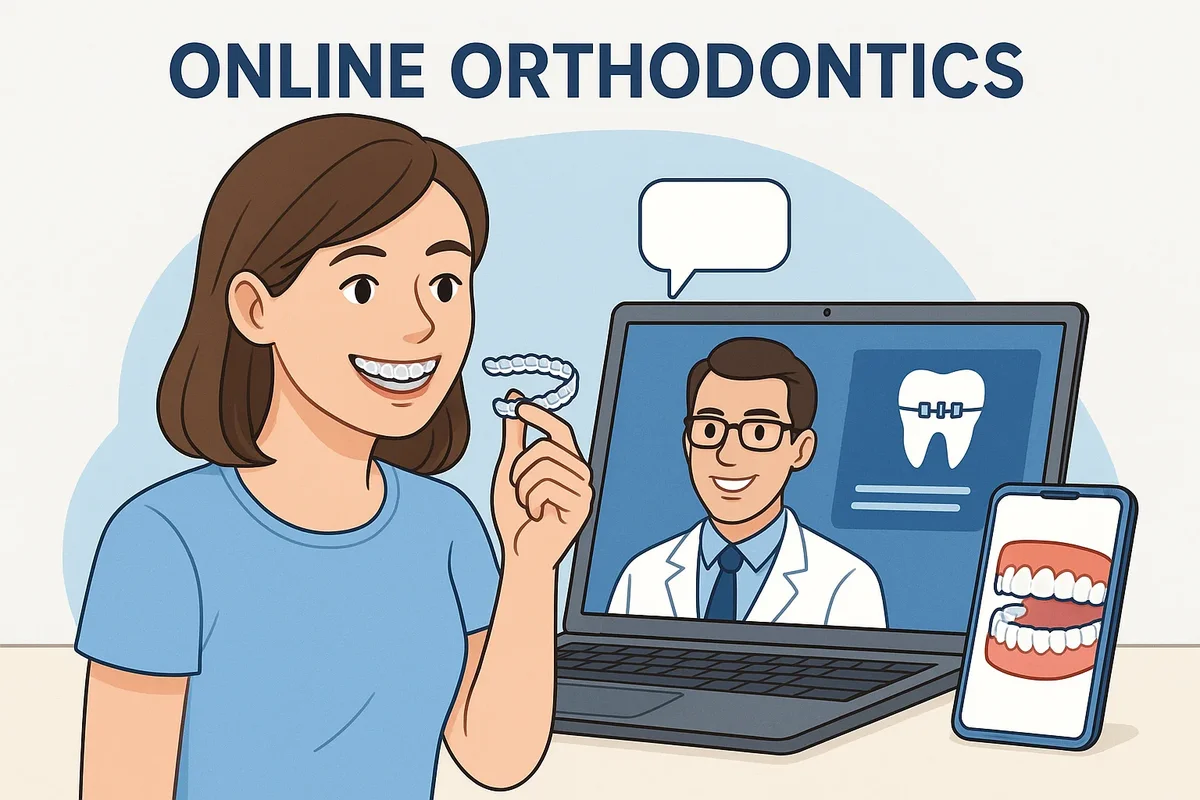
At its core, online orthodontics refers to the process of diagnosing, planning, and monitoring orthodontic treatments through digital platforms. Instead of the traditional model where patients must visit a clinic multiple times, virtual orthodontic care allows them to consult licensed professionals via video calls or online portals. High-resolution dental scans, 3D imaging, and AI-assisted analysis are used to design customized aligners that fit perfectly. These clear aligners gradually move teeth into their desired positions, often with less discomfort and at a lower cost than conventional braces.
One of the main reasons why online orthodontics is growing in popularity is convenience. Many adults with busy schedules or families prefer a system that allows flexibility. You can receive professional supervision without taking time off work or rearranging your day for an appointment. With secure apps and platforms, your orthodontist can track your progress remotely, request updated photos of your teeth, and make adjustments to your treatment plan as needed. This kind of digital follow-up ensures efficiency and accessibility, especially for those living far from dental clinics.
Another key advantage of online orthodontics is affordability 💰. Traditional orthodontic treatments often come with overhead costs related to office visits and materials. By minimizing the need for in-person sessions, many online systems reduce overall expenses. Some companies even offer flexible payment plans, making smile correction attainable for a wider audience. While prices may vary depending on the provider and complexity of the case, online orthodontics remains one of the most cost-effective modern dental options available today.
Beyond convenience and price, patients also appreciate the privacy and comfort of undergoing treatment at home. Many adults feel self-conscious about wearing braces, but online orthodontic solutions typically use nearly invisible aligners. These aligners are designed using cutting-edge software, allowing orthodontists to predict tooth movement precisely. This precision ensures not only cosmetic improvements but also functional alignment, contributing to better oral health in the long term. Straighter teeth are easier to clean and maintain, reducing the risk of gum disease and cavities — an important benefit supported by organizations such as the American Dental Association.
Technology plays a massive role in the success of online orthodontics. Digital impressions replace uncomfortable mold impressions of the past. AI-driven tools analyze your bite, tooth spacing, and jaw alignment to help create aligners tailored to your unique anatomy. Patients receive a series of aligners, each slightly adjusted to move teeth progressively. Most treatment plans include regular digital check-ins every few weeks to ensure consistent improvement. Some systems even use smartphone scanning apps, letting you send detailed images of your teeth for analysis in seconds 📸.
However, the efficiency of online orthodontics doesn’t mean that clinical supervision is lost. Licensed orthodontists still review each case, ensuring safety and professional standards are upheld. They monitor changes, approve every treatment stage, and can advise patients to visit an in-person clinic if complications arise. This hybrid model of care merges digital convenience with real-world expertise, delivering the best of both worlds. It’s a great example of how healthcare innovation can expand access without compromising quality.
Patients exploring online orthodontics often begin their journey with an initial assessment, typically a free online consultation. During this stage, you’ll provide basic information and submit photos or a scan of your teeth. If you qualify, the clinic sends a personalized aligner kit directly to your home. As you progress, your smile is closely monitored, and your orthodontist ensures that the results align with your goals. For those ready to take the first step toward a confident smile, you can easily reach out through the Redent Klinik Contact Page for personalized guidance and care.
Looking ahead, online orthodontics is expected to become even more advanced. Integration with artificial intelligence and augmented reality may soon allow real-time simulation of results, helping patients visualize their future smiles before treatment begins. Combined with predictive analytics, these tools will improve treatment accuracy and shorten timelines ⏱️. Moreover, as more orthodontists adopt hybrid care models, the global accessibility of dental care will improve significantly. This digital shift will not only redefine how we manage oral health but also ensure that everyone — regardless of location — can access professional, high-quality orthodontic care.
In conclusion, online orthodontics represents a new era in dentistry — one that blends innovation, affordability, and accessibility. It allows patients to achieve beautiful, healthy smiles while maintaining full control over their schedules and budgets. With continuous technological improvements and professional oversight, this modern approach is set to reshape the future of dental care forever 🌟.
1. What Is Online Orthodontics and How Does It Work?
The concept of online orthodontics is revolutionizing modern dental care by providing patients with a more accessible, cost-effective, and efficient way to achieve a perfect smile from home 🏡. Unlike the traditional model that requires multiple office visits, online orthodontics allows individuals to receive orthodontic evaluations, treatment plans, and regular progress check-ins entirely through digital platforms. This transformation has made orthodontic care more convenient and inclusive, breaking geographical and financial barriers.
Understanding the Basics of Online Orthodontics
Online orthodontics involves remote assessment and management of dental alignment issues using advanced technologies like 3D scanning, artificial intelligence (AI), and clear aligner systems. The process begins when a patient visits a digital orthodontic provider’s website and completes an initial assessment. Typically, the patient uploads photos or impressions of their teeth using a provided kit. These scans are then analyzed by licensed orthodontists who design a custom treatment plan tailored to the patient’s dental structure.
Once the plan is approved, patients receive a series of clear aligners that gradually move their teeth into the desired positions. Each set of aligners is worn for about one to two weeks before switching to the next, ensuring gentle, consistent pressure on the teeth. Throughout the treatment, virtual consultations and AI-powered monitoring tools keep track of progress, allowing orthodontists to make adjustments if necessary. This seamless blend of professional supervision and digital efficiency is what makes online orthodontics so appealing to today’s tech-savvy patients.
The Technology Behind Online Orthodontics
Modern online orthodontics relies heavily on state-of-the-art technologies that ensure precision and safety at every stage. For instance, 3D digital impressions provide a highly accurate representation of the patient’s teeth, eliminating the discomfort of traditional mold impressions. Artificial intelligence software then analyzes the data to predict tooth movement patterns and simulate the final outcome. This gives patients a visual preview of their potential smile before treatment even begins 😁.
Furthermore, remote monitoring apps have become an essential part of virtual orthodontic treatment. These applications allow patients to capture real-time images or scans of their teeth using a smartphone. The data is transmitted securely to their orthodontist, who evaluates progress and provides feedback. In some advanced systems, AI algorithms automatically compare the patient’s current alignment to the treatment model, ensuring each step stays on track. This innovation not only improves accuracy but also minimizes the need for physical appointments, saving time and resources.
Step-by-Step Process of Online Orthodontic Treatment
1. Initial Assessment and Smile Evaluation
Patients begin by completing a simple questionnaire and uploading photos of their teeth. Some companies send a mail-in impression kit or recommend visiting a local partner clinic for 3D scanning. This data allows orthodontists to determine whether the patient is a suitable candidate for online orthodontics.
2. Customized Treatment Plan
Once the scans are analyzed, the orthodontist creates a 3D simulation showing the gradual movement of teeth throughout the treatment period. This simulation serves as both a visual guide and a motivational tool for the patient, helping them understand how the aligners will improve their smile.
3. Aligner Fabrication and Delivery
Using the approved digital model, a series of custom-fit aligners are produced and shipped directly to the patient’s home. Each aligner is designed to move specific teeth by small, controlled increments. The aligners are made from BPA-free, medical-grade plastic for safety and comfort.
4. Regular Virtual Check-Ins
Throughout the treatment process, patients use a mobile app or secure web portal to submit photos of their progress. Their orthodontist reviews these images and ensures everything is progressing as expected. If necessary, modifications can be made remotely without requiring an in-office visit.
5. Completion and Retainer Phase
After completing the final set of aligners, patients receive retainers to maintain their new alignment. The orthodontist may schedule a virtual follow-up to confirm long-term stability. Many providers include lifetime retainer replacement programs for ongoing smile protection 🦷.
Advantages of the Online Model
One of the biggest benefits of online orthodontics is convenience. Traditional orthodontic treatment often involves multiple office visits, but online systems eliminate this need. Patients can manage their progress from home, saving both time and travel costs. Another advantage is cost-effectiveness: digital orthodontic services typically cost 40–60% less than traditional braces, thanks to reduced overhead expenses and fewer in-person appointments.
Moreover, online orthodontics provides discreet and comfortable treatment options. The aligners are transparent, nearly invisible, and removable, making it easier to maintain oral hygiene. Patients can eat their favorite foods and brush without restrictions, unlike with metal braces. This level of flexibility is particularly appealing to adults who want to improve their smiles without drawing attention to their treatment.
Professional Oversight and Safety Considerations
While online orthodontics emphasizes convenience, it never compromises clinical safety. Every treatment plan is reviewed and approved by licensed orthodontists who monitor progress through secure digital platforms. If issues such as gum inflammation, slow progress, or tooth discomfort occur, the supervising orthodontist can intervene promptly. Patients can also schedule in-person consultations if needed, ensuring professional oversight throughout the journey.
According to the American Dental Association, remote dental care — including orthodontics — can be effective when conducted under professional supervision. By integrating telehealth protocols with dental expertise, online orthodontics ensures a safe and predictable path to smile transformation.
The Growing Popularity of Online Orthodontics
In recent years, the demand for online orthodontics has skyrocketed, driven by advancements in technology and the desire for accessible healthcare. Millennials and Gen Z consumers, in particular, value flexibility and digital solutions. With platforms offering easy-to-use apps, transparent pricing, and 24/7 support, virtual orthodontic care has become an attractive option for patients worldwide 🌍.
Furthermore, clinics like Redent Klinik Contact Page provide professional guidance to help patients decide whether online orthodontic treatment is suitable for them. By combining digital innovation with expert care, these clinics ensure that every patient enjoys a confident, healthy, and beautifully aligned smile.
In conclusion, online orthodontics represents a groundbreaking evolution in dental care. It merges technology, affordability, and professional expertise to make orthodontic treatment more accessible than ever before. With precise digital tools, continuous virtual monitoring, and patient-centered care, the system ensures that anyone can achieve their dream smile — no matter where they are 💫.
2. The Top Benefits of Choosing Online Orthodontics
The rise of online orthodontics has reshaped the dental industry by making orthodontic care more accessible, affordable, and patient-centered 🦷. With advanced digital tools, professional oversight, and convenience-driven systems, it allows people from all walks of life to improve their smiles without sacrificing time or comfort. In this section, we’ll explore the top benefits of online orthodontics in detail, covering aspects such as cost savings, comfort, privacy, and long-term results.
Unmatched Convenience and Accessibility
One of the most appealing benefits of online orthodontics is the incredible level of convenience it offers. Traditional orthodontic care often requires multiple visits to a clinic — sometimes every few weeks — which can be difficult for people with demanding work schedules or those living far from dental offices. In contrast, online orthodontic systems are built around flexibility. Patients can receive professional guidance, track progress, and communicate with licensed orthodontists directly from home using secure digital platforms or mobile apps 📱.
This accessibility also extends to individuals who live in rural areas or countries where dental specialists are limited. Instead of traveling long distances to consult with an orthodontist, they can simply upload their photos or scans, receive expert feedback, and start their treatment with personalized aligners delivered to their doorstep. This democratization of dental care ensures that high-quality orthodontic treatment is available to everyone — regardless of location or lifestyle.
Cost-Effective Treatment with Transparent Pricing
Affordability is another major advantage of online orthodontics. Traditional orthodontic treatments can be expensive due to clinic overheads, frequent in-person consultations, and material costs. Online platforms eliminate many of these expenses, passing the savings directly to patients. As a result, the total cost of treatment can be up to 60% lower than conventional braces or aligner systems. Some providers even offer flexible installment plans, making it easier for patients to budget their smile transformation 💳.
Additionally, online orthodontic companies are known for transparent pricing models. Patients can see upfront what their treatment will cost, avoiding hidden fees or unexpected charges. This level of clarity helps build trust and confidence in the process — a key factor for those considering digital dental care for the first time. While prices vary depending on complexity, online orthodontics remains one of the most cost-effective and value-driven options available today.
Discreet and Comfortable Aligner Experience
Unlike traditional metal braces, which are often associated with discomfort and self-consciousness, online orthodontics primarily uses clear aligners made of smooth, medical-grade plastic. These aligners are nearly invisible and designed for maximum comfort. They fit snugly over the teeth, minimizing irritation to gums or cheeks. This discreet approach is especially popular among adults who want to improve their smile without drawing unwanted attention during social or professional interactions.
Another comfort-related benefit is removability. Patients can take out their aligners while eating, brushing, or flossing, ensuring excellent oral hygiene throughout treatment. No food restrictions, no stuck particles, and no painful wire adjustments — just a smooth, hassle-free journey toward perfectly aligned teeth 😁.
Professional Supervision and Ongoing Support
Although online orthodontics operates in a digital space, it doesn’t compromise on professional care. Every treatment plan is overseen by licensed orthodontists who review dental scans, design personalized aligner sequences, and monitor progress remotely. Many systems include regular digital check-ins, where patients submit updated photos or 3D scans of their teeth. Orthodontists then evaluate the results and make adjustments if necessary, ensuring the process remains on track.
This combination of technology and human expertise ensures both safety and effectiveness. Patients can also reach out to support teams or schedule video consultations if they experience discomfort or have questions about their aligners. The blend of convenience and professional monitoring makes online orthodontics a secure and trustworthy option for smile correction.
Time Efficiency: Faster Results and Fewer Appointments
Another remarkable benefit of online orthodontics is the time saved compared to traditional braces. Conventional orthodontic treatments often span two to three years, requiring dozens of in-office visits. In contrast, online systems typically deliver results in as little as six to eighteen months, depending on the severity of misalignment. This is possible because digital treatment plans use predictive modeling and computer-assisted aligner sequencing to ensure more efficient tooth movement.
Since check-ins happen virtually, patients avoid long waiting times and commute-related delays. With digital tracking tools and automated reminders, progress is easily managed. The result? A faster, smarter, and more flexible treatment timeline ⏱️.
Improved Confidence and Mental Well-Being
A beautiful smile can have a profound impact on a person’s self-esteem and overall mental health. Through online orthodontics, patients experience a noticeable improvement in both appearance and confidence. Because the treatment process is discreet and comfortable, they can continue their daily lives — working, socializing, and smiling — without feeling self-conscious.
As the teeth gradually align, many users report higher levels of satisfaction and motivation. This psychological boost is often just as valuable as the physical transformation. Achieving a confident smile without disrupting your lifestyle creates a sense of empowerment that motivates patients to maintain better oral hygiene and general well-being 🌟.
Environmentally Friendly and Sustainable Practices
Online orthodontics also supports sustainability. With fewer in-person visits and reduced travel, the carbon footprint associated with treatment is significantly lower. Digital impressions replace disposable mold materials, and many companies use recyclable packaging for aligner delivery. This eco-friendly approach aligns with the values of modern consumers who seek health solutions that are both effective and environmentally responsible 🌍.
Personalized Experience Through AI and Data Analytics
Modern online orthodontics platforms use artificial intelligence and big data to personalize every treatment journey. AI algorithms analyze a patient’s unique dental structure, predict tooth movement, and optimize aligner sequences for maximum precision. This data-driven approach not only improves outcomes but also shortens treatment time. Patients can see simulations of their expected results, making the process more transparent and motivating.
By integrating AI-driven insights with professional evaluation, online orthodontic providers deliver a level of customization that traditional methods can rarely match. This ensures that each patient receives care tailored specifically to their dental anatomy and lifestyle.
Global Reach and Professional Integration
Finally, online orthodontics is breaking international boundaries by connecting patients with experts around the world. Global tele-dentistry networks allow individuals to access specialists who might not be available locally. Clinics such as Redent Klinik Contact Page combine local expertise with digital collaboration, ensuring that patients receive both high-quality remote supervision and in-person support when needed.
According to the American Dental Association, integrating technology into dental care has the potential to enhance precision, accessibility, and long-term oral health. As more dental professionals adopt hybrid care models, patients benefit from a more holistic and connected experience.
In summary, the benefits of online orthodontics go far beyond aesthetics. It’s a comprehensive, patient-focused solution that prioritizes convenience, affordability, and professional care. Whether you’re seeking a subtle enhancement or a complete smile transformation, this innovative system offers a safe, effective, and modern path toward dental perfection 🪞.
3. Comparing Online Orthodontics vs. Traditional Braces
The debate between online orthodontics and traditional braces has become one of the most discussed topics in modern dentistry. As technology evolves, patients now have more options than ever to achieve a beautiful and healthy smile. While traditional braces have been the gold standard for decades, online orthodontics offers a digital alternative that emphasizes convenience, affordability, and comfort. In this detailed comparison, we’ll explore how these two orthodontic methods differ in terms of cost, treatment experience, effectiveness, comfort, and professional oversight 🦷.
Understanding the Core Differences
Traditional orthodontics relies on physical brackets and wires that are manually adjusted by an orthodontist during in-office visits. The process typically requires monthly appointments and can last anywhere from 18 months to 3 years. In contrast, online orthodontics uses clear aligners—custom-made trays that gradually move teeth into alignment. Instead of frequent clinic visits, progress is monitored remotely using digital scans, photos, and AI-driven tracking systems.
Both methods aim to achieve the same result: a straighter, healthier smile. However, the approach, time commitment, and overall patient experience differ significantly. Online orthodontics offers a modern, flexible, and patient-driven solution, while traditional braces provide more intensive clinical control for complex cases.
Treatment Process Comparison
1. Consultation and Planning
In traditional orthodontics, the first step involves a physical consultation, X-rays, and impressions of your teeth taken at a dental clinic. For online orthodontics, the process starts virtually. Patients complete an online assessment, upload photos, or send impressions using a mail-in kit. Licensed orthodontists then analyze the data and design a personalized treatment plan. This digital convenience is ideal for individuals who prefer remote communication or have limited access to dental specialists.
2. Treatment Execution
With traditional braces, the orthodontist manually adjusts wires and brackets to guide tooth movement. This requires in-office appointments approximately every four to six weeks. In contrast, online orthodontics uses a series of clear aligners that patients replace every one to two weeks. Each aligner is precisely designed to move teeth incrementally. Progress is tracked through mobile apps or online portals, where orthodontists review digital updates instead of physical visits.
3. Monitoring and Adjustments
In-person braces require direct supervision and mechanical adjustments during clinic visits. However, online orthodontics uses AI-powered tools and photo-based check-ins to ensure accuracy and safety. Patients submit periodic photos or 3D scans, which the orthodontist evaluates to confirm that the treatment is on track. This digital model ensures consistent monitoring while saving significant time for both patients and professionals ⏱️.
Cost Differences
One of the most notable differences between online orthodontics and traditional braces is cost. Metal braces often cost between $4,000 and $8,000 due to the labor-intensive nature of in-office care. Ceramic braces or lingual braces can be even more expensive. Online orthodontic systems, on the other hand, typically range from $1,800 to $2,800 for complete treatment — nearly half or even a third of the cost of traditional braces 💰.
The cost reduction comes from eliminating frequent office visits and utilizing centralized manufacturing of aligners. Additionally, online orthodontic platforms often provide transparent, all-inclusive pricing and flexible payment plans. Patients know exactly what they’re paying for upfront, making financial planning much easier. Traditional clinics sometimes add fees for retainers, emergency repairs, or missed appointments, which can increase the total expense.
Comfort and Aesthetic Appeal
When comparing online orthodontics to braces, comfort and appearance play a huge role. Traditional metal braces, while effective, can cause discomfort due to wire tightening, bracket irritation, or mouth sores. They are also visibly noticeable, which may cause self-consciousness—especially among adult patients. Clear aligners used in online orthodontic treatment are smooth, removable, and virtually invisible. This means no irritation, no dietary restrictions, and no embarrassing metallic smile 😁.
Patients can remove their aligners during meals and brushing, promoting better oral hygiene. Unlike braces, which can trap food particles and make cleaning difficult, aligners make it easier to maintain healthy gums and teeth throughout treatment. For many adults and teenagers, this discretion and ease of use make online orthodontics a preferred choice.
Effectiveness and Case Suitability
While online orthodontics delivers excellent results for mild to moderate misalignment, traditional braces remain more suitable for complex cases such as severe overcrowding, bite correction, or jaw misalignment. Braces give orthodontists direct control over tooth movement, allowing for adjustments that aligners cannot achieve. However, digital aligner systems are continuously improving thanks to advancements in AI modeling and 3D-printed precision.
Today, many online orthodontic providers collaborate with in-person clinics to handle more advanced cases through hybrid models. This ensures that patients who start digitally but require in-person supervision can transition seamlessly. In essence, both systems can achieve successful results, but choosing the right one depends on individual needs and the level of complexity.
Supervision and Professional Oversight
Traditional braces are managed entirely by orthodontists during face-to-face appointments. Every wire adjustment and clinical observation happens in real time. With online orthodontics, patients communicate with professionals remotely. All treatment plans are approved and monitored by licensed orthodontists, ensuring that safety and accuracy are never compromised. Many platforms use digital tracking technology that alerts both patient and orthodontist if tooth movement deviates from the intended path.
The American Dental Association supports telehealth innovation as long as qualified dental professionals remain involved in patient monitoring. This hybrid approach — combining technology with human expertise — defines the future of orthodontics.
Time Commitment and Flexibility
Time is a major factor for busy individuals considering orthodontic treatment. Traditional braces require regular office visits and can take years to complete. By contrast, online orthodontics offers a faster, more flexible alternative. Treatments generally last between 6 and 18 months, depending on individual alignment goals. Since check-ins are done remotely, patients can fit their dental care into their schedules effortlessly. This makes online orthodontic treatment ideal for professionals, parents, and students who value time efficiency and convenience.
Maintenance and Long-Term Care
After completing either treatment, maintaining results is crucial. Both online orthodontics and traditional braces require retainers to prevent teeth from shifting back. However, with online systems, patients often receive digital monitoring tools to ensure long-term stability. Some providers offer lifetime retainer replacement programs or annual digital check-ins for added peace of mind 🔁.
Clinics like Redent Klinik Contact Page provide comprehensive post-treatment care, ensuring patients maintain their beautiful results for years to come. Whether managed digitally or in person, professional follow-up is key to preserving a lasting smile.
Which Option Is Right for You?
The choice between online orthodontics and traditional braces depends on lifestyle, budget, and dental needs. For mild to moderate alignment issues, digital orthodontic systems offer an excellent balance of effectiveness, convenience, and affordability. Patients with complex jaw or bite conditions, however, may benefit from traditional braces under continuous clinical supervision.
In conclusion, both treatments aim for the same goal — a confident, healthy smile — but online orthodontics redefines how we achieve it. With its modern technology, professional monitoring, and cost efficiency, it stands as a transformative innovation in dental care, offering patients a smarter, more flexible way to straighten their teeth while keeping life in motion 🌟.
4. Who Is a Good Candidate for Online Orthodontic Treatment?
While online orthodontics has become a convenient and popular way to achieve a perfect smile, it’s not a one-size-fits-all solution. Understanding who qualifies for this type of treatment is crucial to ensuring both safety and success. Generally, online orthodontic treatment works best for individuals with mild to moderate dental alignment issues. However, several other factors — such as age, oral health condition, and lifestyle habits — also determine whether someone is a suitable candidate 🦷.
Evaluating Suitability for Online Orthodontics
The first step in determining candidacy for online orthodontics is an evaluation of dental alignment and overall oral health. Patients must undergo an initial assessment, which often includes submitting photos, impressions, or 3D scans of their teeth. Licensed orthodontists then review these records to ensure that the teeth and gums are healthy enough for remote aligner treatment.
Unlike traditional braces that can correct complex bite problems and severe misalignments, online orthodontics focuses primarily on cosmetic and moderate alignment issues. This includes spacing, crowding, mild overbites, underbites, and crossbites. Because the process relies heavily on clear aligners and digital supervision, candidates need to be disciplined and consistent with wearing their aligners for 20–22 hours daily.
Ideal Candidates for Online Orthodontics
1. Adults with Mild to Moderate Misalignment
Online orthodontics is particularly effective for adults whose teeth have shifted slightly over time or who never had braces in their youth. Since adult teeth are fully developed, aligners can focus on cosmetic alignment rather than major structural changes. Many adults appreciate the discretion of clear aligners, allowing them to maintain a professional image while improving their smile 😊.
2. Teenagers with Good Oral Discipline
Responsible teenagers who can consistently wear aligners are also great candidates for online orthodontics. However, parental guidance may be necessary to ensure compliance. Teens who participate in sports or public activities often prefer invisible aligners over metal braces, as they are safer and less noticeable.
3. Patients with Healthy Teeth and Gums
A crucial requirement for online orthodontic success is strong oral health. Patients must have no active gum disease, untreated cavities, or severe enamel erosion. Aligners are designed to move teeth gradually, and if there’s inflammation or infection present, the treatment could worsen the condition. Therefore, a thorough dental cleaning or examination is typically recommended before starting online orthodontics.
4. People Seeking Convenience and Flexibility
Individuals with busy schedules, frequent travel plans, or limited access to orthodontic clinics often choose online orthodontics for its flexibility. Virtual check-ins and remote monitoring allow patients to complete their treatment from virtually anywhere in the world. This is especially beneficial for digital professionals, parents, and those working long hours 🧳.
Cases That May Not Be Suitable for Online Orthodontics
While online orthodontics is innovative and efficient, it’s not ideal for everyone. Some dental conditions require hands-on adjustments and in-person supervision that only traditional braces can provide. Patients with severe crowding, jaw misalignment, or skeletal bite issues should consult an orthodontist directly for comprehensive care.
1. Severe Bite and Jaw Problems
Complex cases such as deep bites, open bites, and skeletal discrepancies often require mechanical corrections that digital aligners cannot perform. These patients may need customized treatment plans involving orthodontic appliances or surgery, which falls outside the scope of online orthodontic treatment.
2. Extensive Tooth Rotation or Large Gaps
Aligners can correct minor rotations or small gaps between teeth, but they have limitations. If a tooth is severely rotated or if gaps exceed a few millimeters, in-office orthodontic procedures are usually more effective. Orthodontists might combine aligners with attachments or braces to handle such cases successfully.
3. Patients with Poor Oral Hygiene
Good hygiene is non-negotiable for online orthodontics. Food and plaque trapped between teeth and aligners can lead to decay or gum disease. Individuals who struggle to maintain consistent brushing and flossing routines may not be ideal candidates. Before starting treatment, any oral health issues should be professionally addressed.
Key Considerations Before Starting Treatment
Before committing to online orthodontics, patients should evaluate several key factors to ensure the best outcome. First, they must confirm that the provider is supervised by licensed orthodontists. This ensures the treatment follows medical and ethical standards. Reputable providers offer clear communication channels and allow patients to schedule virtual consultations at any time.
Second, patients should assess their ability to follow treatment guidelines. Aligners require daily wear and periodic photo submissions for progress tracking. Missing check-ins or inconsistent usage can delay results. Finally, understanding the scope of treatment is essential. Online orthodontics focuses on mild to moderate corrections and aesthetic improvements rather than full orthodontic reconstruction.
Pre-Treatment Preparations
1. Dental Check-Up and Cleaning
Before beginning online orthodontics, patients should schedule a professional dental cleaning and comprehensive oral exam. Addressing cavities, gum inflammation, or plaque buildup ensures a healthy foundation for treatment.
2. Lifestyle Adjustments
Because aligners must be worn most of the day, patients need to adapt their eating and oral hygiene routines. Aligners should be removed before meals and cleaned properly to prevent discoloration or odor. These small habits contribute significantly to treatment success.
3. Commitment and Patience
Even though online orthodontics offers faster results than traditional braces, it still requires patience and commitment. Teeth move gradually and safely over months, not days. Patients who adhere to the plan and maintain communication with their orthodontist are far more likely to achieve excellent results.
Consultation and Professional Guidance
Reputable clinics like Redent Klinik Contact Page provide detailed online consultations where orthodontists evaluate your case and determine if you qualify for virtual treatment. This step ensures every patient receives a tailored plan that suits their dental anatomy and goals. Furthermore, these clinics maintain a hybrid care model, offering both digital support and in-person evaluations when needed.
It’s important to remember that while online orthodontics simplifies the treatment journey, professional oversight remains the cornerstone of safety. According to the American Dental Association, patients should always seek orthodontic supervision from licensed professionals to avoid potential complications and ensure predictable results.
Conclusion: Determining If Online Orthodontics Is Right for You
In summary, the best candidates for online orthodontics are adults and teens with mild to moderate alignment concerns, healthy gums, and strong personal discipline. For them, digital orthodontic systems provide a highly effective, comfortable, and discreet path toward a straighter smile. However, those with complex bite issues or untreated dental conditions should consult a professional for hybrid or in-person options.
Choosing the right treatment depends on a careful assessment of your dental health, goals, and lifestyle. With the proper guidance, online orthodontics can transform not only your smile but also your confidence and quality of life ✨.
5. Step-by-Step Guide to Starting Your Online Orthodontics Journey
Beginning your online orthodontics journey can feel exciting yet unfamiliar, especially if it’s your first time exploring digital dental care 🦷. Fortunately, the process is structured, safe, and guided by professionals from start to finish. This section provides a detailed, step-by-step guide explaining how to begin, what to expect, and how to ensure your treatment is both effective and comfortable. By understanding every stage of the process, you can make informed decisions and achieve the best possible smile with confidence.
Step 1: Research and Choose a Reputable Provider
The first step in starting online orthodontics is selecting a licensed and trustworthy provider. Not all online aligner companies offer the same level of care, so it’s important to verify that orthodontists — not just technicians — oversee the treatment. Look for providers with board-certified professionals, clear communication channels, and transparent pricing policies. Reputable clinics like Redent Klinik Contact Page ensure that each treatment plan is reviewed by an expert before aligners are created.
To make a smart choice, read verified patient reviews, check company credentials, and review sample cases on their websites. The best providers use advanced diagnostic tools and 3D imaging to ensure precision and safety. Avoid services that skip professional oversight or promise unrealistic timelines, as these could compromise dental health.
Step 2: Complete an Online Smile Assessment
Once you’ve chosen a provider, the next step in your online orthodontics journey is completing a digital smile assessment. This is usually a free or low-cost evaluation that helps determine whether you’re a good candidate. During this stage, you’ll fill out a questionnaire about your dental history, upload recent photos of your teeth, and possibly order a home impression kit 📸.
Some clinics offer virtual consultations where an orthodontist reviews your information via video call. This personalized approach ensures that your treatment plan aligns with your dental anatomy and aesthetic goals. If you qualify, the clinic proceeds with creating a customized plan based on your scans or impressions.
Step 3: Get a 3D Scan or Take Impressions
The foundation of online orthodontics lies in accurate dental impressions or digital scans. If the provider operates in your region, you might visit a scanning center to capture precise 3D images of your teeth. Otherwise, they’ll send you an impression kit containing putty and trays to create molds of your upper and lower teeth at home. Clear instructions are provided, and you can even schedule a video tutorial for guidance 🎥.
Once your impressions are received, the orthodontic team uses 3D modeling software to map the exact movement of your teeth from start to finish. You’ll then receive a digital preview of your new smile — a realistic simulation showing what your teeth will look like after completing your treatment. This not only builds excitement but also helps set clear expectations for the outcome.
Step 4: Review and Approve Your Personalized Treatment Plan
After your impressions are analyzed, you’ll receive a detailed digital treatment plan. This plan includes the estimated treatment duration, total number of aligners, and visual progress stages. A licensed orthodontist reviews every element before you approve it. The treatment design accounts for the specific position, rotation, and spacing of each tooth to ensure predictable results.
It’s crucial to ask questions at this stage. Reliable online orthodontics providers encourage open communication and make sure you understand every step of your plan. Once you’re satisfied, the provider will begin manufacturing your aligners using BPA-free medical-grade plastic. Each set is labeled for easy tracking and shipped directly to your door 🚚.
Step 5: Begin Wearing Your Aligners
When your aligners arrive, your active treatment begins! Each aligner is typically worn for 1–2 weeks before progressing to the next one in the sequence. You’ll need to wear them for 20–22 hours daily, removing them only for meals, drinking anything other than water, and brushing. The clear design ensures comfort and discretion — no brackets, wires, or tightening appointments necessary 😁.
During this stage, consistency is key. The success of online orthodontics depends on adherence to your orthodontist’s instructions. Most providers offer mobile apps or online dashboards where you can log your progress, set reminders, and contact support teams if you encounter any discomfort or fit issues.
Step 6: Regular Virtual Check-Ins and Monitoring
Even though online orthodontics is primarily remote, professional monitoring is an essential part of the process. Patients are required to send periodic photos or scans of their teeth using smartphone cameras or digital scanning devices. These images allow orthodontists to verify that your teeth are moving according to plan. In some advanced systems, artificial intelligence automatically detects alignment deviations and notifies the orthodontist for review 🤖.
These digital check-ins replace in-person visits but still maintain the same level of professional oversight. If adjustments are needed, the orthodontist may modify your treatment plan or send new aligners to correct the issue. This proactive approach ensures your progress stays on track and reduces the risk of complications.
Step 7: Completing Treatment and Receiving Retainers
Once your final aligner set is complete, you’ll enter the retention phase — a critical step in maintaining your new smile. At this stage, most online orthodontics providers supply custom retainers designed to hold your teeth in their corrected positions. These retainers are similar to aligners but slightly thicker and meant for long-term wear, especially during sleep.
Consistent use of retainers prevents teeth from shifting back to their original positions, ensuring your investment in online orthodontic treatment lasts for years to come. Many providers also offer lifetime retainer replacement programs or periodic virtual follow-ups to ensure stability 💤.
Step 8: Post-Treatment Care and Long-Term Maintenance
After completing your online orthodontics journey, maintaining your smile involves continued oral hygiene and regular dental check-ups. Brush and floss daily, avoid biting hard foods, and visit a dentist every six months for cleanings. It’s also important to replace your retainers periodically, as they can wear down over time.
Some clinics, like Redent Klinik Contact Page, provide ongoing virtual support and professional guidance even after treatment ends. They may schedule check-ins or offer touch-up aligners if slight movements occur. This continuous care reinforces the long-term effectiveness of your treatment.
Step 9: Embracing the Confidence of a New Smile
The final step is the most rewarding — enjoying your new, radiant smile ✨. Patients who complete online orthodontics often report increased confidence, better oral hygiene habits, and improved bite function. A straighter smile also makes cleaning easier, reducing the risk of cavities and gum disease. Beyond aesthetics, it enhances overall dental health and self-esteem.
Final Thoughts: What Makes Online Orthodontics So Transformative?
What sets online orthodontics apart from traditional methods is its accessibility and patient-centered design. You have control over your treatment timeline, access to professional guidance without frequent office visits, and the ability to track progress digitally. This combination of modern technology and expert supervision makes it one of the most efficient ways to achieve a beautiful, healthy smile in today’s world.
As emphasized by the American Dental Association, remote orthodontic care can be safe and effective when conducted under proper professional oversight. By following the steps above, staying consistent, and choosing a reputable provider, anyone can start their online orthodontics journey with confidence and achieve life-changing results 🌟.
6. Common Myths About Online Orthodontics Debunked
As the popularity of online orthodontics continues to grow, so do the misconceptions surrounding it. Many people still question whether virtual dental care can truly replace traditional orthodontic methods. However, most of these doubts stem from misinformation or a lack of understanding about how modern technology supports professional oversight in remote treatments. In this section, we’ll debunk the most common myths about online orthodontics and reveal the facts that prove it’s a safe, effective, and innovative way to achieve a confident smile 🦷.
Myth 1: Online Orthodontics Is Unsafe or Unsupervised
One of the biggest misconceptions about online orthodontics is that it lacks professional supervision. This couldn’t be further from the truth. Reputable online orthodontic providers operate under the guidance of licensed orthodontists who oversee every stage of treatment — from digital planning to progress tracking. In most cases, patients submit high-resolution photos, 3D scans, or impressions, which orthodontists review remotely using advanced software and AI-powered tools 🤖.
These digital tools ensure precise aligner design and continuous monitoring, making the process just as safe as traditional in-office care. According to the American Dental Association, telehealth dentistry — when managed by qualified professionals — can deliver effective results for a wide range of cases. The key is choosing a certified provider that emphasizes patient safety and compliance. This hybrid model of virtual and clinical care guarantees that patients receive expert attention throughout their online orthodontics journey.
Myth 2: Online Orthodontics Only Focuses on Cosmetic Results
Another myth is that online orthodontics only improves the appearance of your teeth, ignoring bite correction or long-term dental health. In reality, modern aligner-based systems are designed to enhance both aesthetics and functionality. They can fix mild to moderate crowding, spacing, overbites, and underbites. Each treatment plan is customized based on detailed 3D scans, ensuring that tooth movement is planned strategically to optimize bite alignment as well as visual appeal.
Orthodontists overseeing online treatments prioritize dental function and joint stability, just like traditional practitioners. The focus is not just to straighten teeth but also to ensure proper occlusion and balance between upper and lower jaws. This holistic approach makes online orthodontics a valid alternative to in-office care for a wide range of patients seeking both health and beauty benefits 🌟.
Myth 3: Online Orthodontics Is Not as Effective as Traditional Braces
Some people believe that aligners used in online orthodontics can’t deliver the same results as metal braces. While braces are indeed powerful for severe cases, clear aligners have evolved dramatically over the past decade. With 3D modeling, AI-based tooth movement prediction, and high-precision aligner fabrication, online orthodontic treatments are now highly effective for most mild to moderate alignment problems.
In fact, many orthodontists note that clear aligners can move teeth more efficiently in certain cases because they apply consistent, gentle pressure across the entire surface of the tooth rather than pulling from fixed points like brackets. Additionally, since patients can remove aligners while eating or cleaning, the risk of plaque buildup and gum irritation is much lower. When properly supervised, online orthodontics can achieve results that rival — and sometimes even surpass — traditional braces in comfort and aesthetics 😁.
Myth 4: Online Orthodontics Lacks Personalized Care
Critics often assume that virtual treatments are “cookie-cutter” programs, but the truth is that online orthodontics offers a highly individualized approach. Each patient receives a custom-designed set of aligners based on 3D models of their teeth. Orthodontists review these models and make precise adjustments to aligner progression before approving the plan.
Furthermore, advanced AI tracking tools personalize the experience even more by analyzing each patient’s progress in real time. If tooth movement deviates from the predicted path, the orthodontist is alerted immediately and can modify the treatment accordingly. Many clinics, such as Redent Klinik Contact Page, offer hybrid care options that combine remote monitoring with in-person evaluations for maximum customization and reassurance.
Myth 5: You Don’t Get to Communicate with Real Orthodontists
Another widespread misconception about online orthodontics is that patients never interact with real doctors. In reality, communication is a key part of digital orthodontic care. Patients can schedule video consultations, send questions via secure messaging systems, or receive updates through dedicated mobile apps. Many providers even assign personal care coordinators to help with progress tracking and aligner management.
This constant communication ensures that the process remains transparent, professional, and patient-centered. The convenience of being able to contact your orthodontist from anywhere — without long waiting times — makes online treatment more accessible than ever 🌐.
Myth 6: Online Orthodontics Is Only for Young Adults
While online orthodontics is popular among young professionals and tech-savvy adults, it’s not limited by age. In fact, older adults seeking discreet, flexible, and affordable dental solutions often find aligners ideal for their needs. As long as the patient has healthy gums and no major dental issues, age is not a barrier to successful treatment.
Similarly, responsible teenagers can also benefit from online aligners. Many orthodontic companies now offer teen-focused programs that include compliance indicators — small colored dots that fade with consistent use — to help parents and orthodontists monitor progress easily 👩👩👦.
Myth 7: Online Orthodontics Is a DIY (Do-It-Yourself) Solution
Perhaps the most dangerous myth is that online orthodontics is a do-it-yourself process. This is false and potentially harmful. No reputable provider allows patients to self-manage without professional oversight. Every stage — from diagnosis and treatment planning to final alignment checks — is conducted or reviewed by licensed orthodontists. These experts use data from your photos, scans, and bite records to create safe and medically sound treatment plans.
While patients perform aligner exchanges at home, the entire treatment remains guided by professionals. This distinction is vital because unsupervised DIY orthodontics can lead to serious dental damage, such as root resorption or gum recession. Choosing a trusted clinic ensures that your online orthodontics journey is medically secure and results-driven.
Myth 8: Results from Online Orthodontics Don’t Last
Some skeptics believe that results achieved through online orthodontics are temporary. In reality, long-term stability depends not on the treatment method but on patient compliance with post-treatment care. Just like traditional orthodontic patients, those who complete aligner therapy must wear retainers to prevent relapse. Most online orthodontic providers include custom retainers in their packages or offer lifetime replacement options.
Clinics like Redent Klinik also provide virtual follow-ups after treatment to monitor retention and ensure that your smile stays perfectly aligned. With consistent retainer use and regular check-ins, results from online orthodontic treatments can last a lifetime 🌟.
Myth 9: Online Orthodontics Is a Fad, Not the Future
Finally, some assume that online orthodontics is a passing trend. However, the integration of telehealth and artificial intelligence into dentistry suggests otherwise. The field is expanding rapidly, with new technologies improving precision, speed, and customization every year. As digital tools become more sophisticated, remote dental care will likely become the standard rather than the exception.
According to dental industry projections, virtual orthodontic treatments are expected to grow exponentially over the next decade. This growth is driven by accessibility, affordability, and patient satisfaction. As long as ethical and clinical standards remain strong, online orthodontics will continue to transform smiles worldwide.
Conclusion: The Truth Behind Online Orthodontics
In summary, the myths surrounding online orthodontics often arise from misunderstanding rather than reality. With professional supervision, advanced digital tools, and continuous communication, it offers a safe, effective, and highly personalized path to achieving a perfect smile. The key lies in selecting certified providers, following treatment protocols, and maintaining excellent oral hygiene.
Backed by experts and trusted organizations like the American Dental Association, the facts are clear: online orthodontics is not just a convenient alternative — it’s a revolutionary advancement in modern dental care that empowers patients to take control of their smiles with confidence 💫.
7. How to Choose the Best Online Orthodontics Provider
Choosing the right provider for your online orthodontics treatment is one of the most important decisions you’ll make on your journey to a straighter smile 🦷. With dozens of digital orthodontic companies now available, it can be difficult to identify which ones are trustworthy, safe, and truly professional. A good provider will not only deliver aesthetic results but also ensure your oral health and long-term comfort. In this section, we’ll break down the essential factors to consider, along with expert tips to help you make an informed decision.
Step 1: Verify Professional Supervision and Licensing
The first and most crucial factor when evaluating online orthodontics providers is ensuring that licensed orthodontists oversee the treatment. Unfortunately, some companies operate without direct professional supervision, which can lead to poor outcomes or dental complications. Always check whether the provider lists verified dental professionals with recognized credentials.
Reputable providers employ board-certified orthodontists who review your dental scans, design your treatment plan, and monitor your progress remotely. According to the American Dental Association, remote dental care can be safe and effective only when administered by qualified professionals. If you can’t find the names or qualifications of the orthodontists involved, that’s a red flag 🚩. Transparency about credentials is a hallmark of a reliable provider.
Step 2: Look for Personalized Treatment Planning
A high-quality online orthodontics service tailors every treatment to the individual’s unique dental anatomy. Avoid companies that use “one-size-fits-all” aligners or offer unrealistic promises about treatment times. The best providers start with detailed 3D scans or impression kits to create a digital model of your teeth. From there, orthodontists map the precise sequence of movements necessary to achieve your desired alignment.
You should also receive a virtual preview of your smile transformation — a 3D simulation that shows how your teeth will look after completing the treatment. This transparency builds trust and allows you to visualize your progress before committing. Clinics such as Redent Klinik Contact Page follow this approach, ensuring that every plan is safe, realistic, and medically sound.
Step 3: Assess Technology and Tools Used
Technology defines the success of online orthodontics. Top providers use advanced 3D imaging, AI-driven tracking software, and machine learning models to predict tooth movement with high accuracy. They also utilize medical-grade, BPA-free materials for aligners to ensure comfort and durability. When comparing companies, ask what technology powers their system and whether it’s backed by clinical research.
Some providers even use smartphone apps that scan your teeth in real time, allowing orthodontists to track progress without requiring physical appointments. This innovation adds precision and makes remote treatment safer and more efficient 📱.
Step 4: Ensure Transparent Pricing and Policies
Another key aspect of selecting a online orthodontics provider is financial transparency. A reputable company will provide clear, upfront pricing without hidden fees. Most aligner treatments cost between $1,800 and $2,800 — significantly less than traditional braces. However, costs can vary depending on the complexity of your case, the number of aligners required, and the duration of treatment.
Watch out for companies that charge extra for essentials such as retainers, refinements, or consultations. Honest providers outline all expenses in a written agreement. Flexible payment options, including monthly installments and zero-interest financing, are also beneficial. A reliable provider will help you budget your smile transformation without financial stress 💰.
Step 5: Evaluate Monitoring and Follow-Up Systems
Continuous monitoring is the backbone of safe and effective online orthodontics. Make sure the company includes regular digital check-ins with licensed orthodontists. These check-ins usually involve sending updated photos or scans via an app or web portal. If the provider doesn’t offer such follow-ups, it could compromise your results and oral health.
Some companies use AI to analyze your progress automatically, flagging potential issues before they become serious. This proactive technology allows orthodontists to adjust your treatment remotely, ensuring precision at every stage. Providers like Redent Klinik combine human expertise with technology-driven accuracy, offering a balance of convenience and safety.
Step 6: Read Reviews and Real Patient Testimonials
Before committing to a online orthodontics provider, take time to research customer experiences. Genuine reviews often reveal valuable insights into treatment quality, communication, and customer service. Look for verified testimonials, before-and-after photos, and independent feedback on platforms like Trustpilot, Google Reviews, or social media groups.
Pay attention to recurring themes. Are patients satisfied with their results? Do they praise the provider’s responsiveness and professionalism? Consistency in positive reviews indicates reliability. However, if you see complaints about poor fit, lack of support, or unresponsive staff, it’s best to reconsider that option 🔍.
Step 7: Understand Retainer and Aftercare Policies
Your online orthodontics journey doesn’t end when the last aligner is removed. Long-term success depends on wearing retainers to prevent teeth from shifting back. The best providers include at least one set of retainers in their packages and offer affordable replacement programs for future use. Some companies even provide lifetime retainer subscriptions or annual digital check-ins for maintenance.
Ask your provider whether post-treatment follow-up is included, as some clinics charge extra for this service. Ongoing care and support are essential for protecting your new smile and ensuring lasting results.
Step 8: Check for Customer Support and Communication Channels
Strong communication is vital in online orthodontics. Choose a company that offers multiple support options — live chat, phone calls, email, or even virtual appointments. Timely responses to your questions or concerns can make a big difference in the quality of your experience. Many top-tier providers assign dedicated care coordinators to guide you through each phase of treatment and ensure consistency in communication 🗣️.
Customer service should be available in your language and time zone for maximum convenience. If a company lacks responsive support, you may face challenges if complications arise.
Step 9: Confirm Data Security and Privacy Standards
Because online orthodontics relies on digital communication and data sharing, privacy protection is non-negotiable. Ensure your chosen provider complies with international data protection regulations such as HIPAA or GDPR. Your dental scans, personal information, and payment data must be securely encrypted and stored to prevent unauthorized access 🔐.
Step 10: Look for Accreditation and Partnerships
Reputable online orthodontics companies often collaborate with certified dental laboratories and academic institutions to ensure high standards. Accreditation by recognized bodies demonstrates commitment to quality and ethics. Partnerships with organizations like the American Dental Association or other national dental boards further validate their credibility and professional standards.
Final Thoughts: Making a Smart and Safe Decision
In conclusion, selecting the best online orthodontics provider requires careful research, attention to detail, and prioritization of safety. Focus on professional supervision, technology-driven accuracy, transparent pricing, and reliable communication. A trusted provider will not only straighten your teeth but also safeguard your oral health and comfort throughout the process.
By following these guidelines and working with clinics such as Redent Klinik, you can ensure that your online orthodontics experience is both rewarding and worry-free. When backed by qualified orthodontists and innovative technology, online treatment offers a convenient, modern, and effective path to a healthier, more confident smile 🌟.
8. Cost Comparison: Online Orthodontics vs Traditional Braces
When considering orthodontic treatment, one of the most common questions patients ask is about cost 💰. Understanding how online orthodontics compares financially and practically with traditional braces helps you make an informed decision. While cost should never be the only factor in choosing a treatment, it plays an essential role for many patients. In this section, we’ll break down the costs, benefits, and long-term value of both options to help you find the best balance between affordability, convenience, and effectiveness.
Understanding the Cost Structure of Online Orthodontics
Online orthodontics typically offers a more affordable and flexible pricing model than in-office orthodontic care. The main reason is that remote systems reduce overhead costs associated with clinic operations, frequent appointments, and manual adjustments. Most digital aligner treatments cost between $1,800 and $2,800, depending on the complexity of the case and the provider’s policies. In contrast, traditional braces often range from $4,000 to $7,500 — sometimes even higher if specialized materials or extended treatment times are required.
Most online providers operate on an all-inclusive model, meaning the quoted price usually covers aligners, remote consultations, digital tracking, and post-treatment retainers. This structure eliminates surprise fees and offers clear financial transparency. Additionally, some companies provide financing plans with monthly payments as low as $80–$120, making online orthodontics accessible to more patients regardless of their budget.
Example Cost Breakdown for Online Orthodontics
- Initial impression kit or 3D scan: $0–$100 (often included in promotions)
- Full set of clear aligners: $1,800–$2,800
- Virtual check-ins and orthodontist monitoring: Included
- Retainers after treatment: $100–$150 per set
- Total estimated cost: $2,000–$3,000
Providers like Redent Klinik Contact Page often combine digital precision with affordability, allowing patients to enjoy personalized treatment without hidden fees or excessive in-person visits. This is especially attractive for those seeking convenience without compromising results.
Traditional Braces: What You’re Paying For
Traditional braces are more expensive due to their labor-intensive nature. They require frequent in-person adjustments, x-rays, and multiple clinical procedures. Material costs — such as brackets, wires, and bonding agents — also contribute to the higher price point. Moreover, orthodontists must dedicate significant time to monitoring progress and manually tightening the system during each appointment.
Typical Cost Breakdown for Traditional Braces
- Initial consultation and x-rays: $150–$400
- Braces (metal, ceramic, or lingual): $4,000–$8,000
- Monthly adjustment visits: Included, but labor-intensive
- Retainers after treatment: $200–$500
- Total estimated cost: $4,500–$8,500+
While traditional braces are suitable for severe misalignments and complex cases, the cost can be a barrier for many patients. In contrast, online orthodontics provides a cost-effective solution for mild to moderate corrections without sacrificing medical oversight or treatment quality.
Comparing Value: Online Orthodontics vs Traditional Braces
It’s not enough to look at just the upfront cost; understanding the value you receive from each method is key. Online orthodontics offers flexibility, convenience, and time savings, while traditional braces deliver in-person supervision and the ability to treat more complex dental issues. Here’s a side-by-side comparison to help you evaluate:
| Feature | Online Orthodontics | Traditional Braces |
|---|---|---|
| Average Cost | $1,800–$2,800 | $4,000–$8,000 |
| Treatment Duration | 4–12 months (mild/moderate cases) | 12–24 months (moderate/severe cases) |
| Check-In Method | Remote via app or photos | In-person every 4–6 weeks |
| Visibility | Clear, nearly invisible aligners | Visible brackets and wires |
| Comfort | Smooth, removable aligners | Metal wires can irritate cheeks |
| Professional Supervision | Licensed orthodontists (remote) | Orthodontist (in-person) |
| Aftercare Retainers | Usually included or low-cost | Often an additional cost |
Hidden Costs and Long-Term Considerations
While online orthodontics is generally more affordable, patients should consider potential hidden costs in both treatment types. For example, aligners may need to be replaced if lost or damaged, and retainers should be updated every 1–2 years. Reputable providers disclose these details upfront, ensuring patients understand the long-term investment.
Traditional braces may involve additional expenses for emergency visits (e.g., broken brackets or loose wires) and professional cleaning sessions to remove plaque buildup. These maintenance costs can add up over time, often making traditional braces more expensive than initially expected.
Insurance Coverage and Payment Flexibility
Dental insurance plans sometimes cover a portion of orthodontic treatment, but coverage varies widely. Some policies reimburse only for in-office orthodontics, while others now include partial reimbursement for online orthodontics. Many online providers assist with insurance paperwork or offer pre-approval support to simplify the process.
Flexible payment plans, health savings accounts (HSA), and financing options are also available. Most online orthodontics companies provide interest-free installments, allowing patients to spread payments across several months without financial burden 💳.
Time Value: Convenience vs Commitment
Another cost factor often overlooked is time ⏳. Online orthodontics saves patients countless hours by eliminating monthly appointments and travel time. For busy adults, students, or professionals, this convenience translates into significant value. Traditional braces, on the other hand, require regular in-person visits, which can disrupt schedules and work commitments.
Quality of Results: Cost vs Effectiveness
When comparing online orthodontics to braces, some patients assume lower cost means lower quality — but this is not necessarily true. Online systems use digital precision and orthodontist-approved plans to achieve predictable results. However, severe bite corrections, jaw alignment issues, or complex rotations still require traditional braces. Therefore, the best option depends on your unique dental needs rather than price alone.
Expert Advice: Balancing Budget and Dental Goals
Experts recommend choosing a treatment method based on your clinical condition, lifestyle, and budget — not just cost. If you have mild crowding or spacing issues, online orthodontics is an excellent value-driven choice. It offers affordable, high-quality care with minimal disruption to daily life. For complex orthodontic concerns, traditional braces remain the gold standard for achieving comprehensive correction under close clinical supervision.
Conclusion: Making a Smart Investment in Your Smile
In summary, online orthodontics delivers a more affordable, convenient, and accessible alternative to traditional braces. With transparent pricing, virtual check-ins, and professional oversight, it’s a modern solution that balances cost and quality effectively. While traditional braces are ideal for more complex cases, online treatment shines for adults and teens seeking a discreet and flexible option.
Whether you choose digital or traditional care, consulting with certified
9. The Future of Online Orthodontics: Innovations and Trends
The world of online orthodontics is rapidly evolving, combining technology, artificial intelligence, and personalized care to redefine how patients achieve beautiful smiles 🦷. As telehealth continues to expand, orthodontic treatment is becoming more efficient, affordable, and accessible to people worldwide. This section explores the exciting innovations and emerging trends that are shaping the future of digital orthodontics, offering a glimpse into what patients can expect in the coming years.
1. Artificial Intelligence and Predictive Treatment Planning
Artificial Intelligence (AI) has become the backbone of modern online orthodontics. Today, AI-powered software analyzes 3D scans, predicts tooth movement, and creates treatment plans that are more precise than ever before. This technology allows orthodontists to visualize the entire alignment process from start to finish, ensuring maximum efficiency and safety 🤖.
In the near future, AI will take on an even greater role. Machine learning algorithms will adapt dynamically to real-time data from patients, automatically adjusting treatment paths as teeth move. This means patients will experience faster results and fewer refinements. Providers like Redent Klinik already integrate AI analytics to improve predictability, reducing human error and enhancing patient outcomes.
AI-Powered Monitoring and Diagnostics
Remote AI tools are now capable of detecting issues like poor aligner fit, gum irritation, or tooth movement irregularities through smartphone photos. These diagnostic systems instantly alert orthodontists, allowing timely interventions. Such advancements make online orthodontics as safe and reliable as traditional in-office care while providing unmatched convenience for patients.
2. 3D Printing and Custom Aligner Manufacturing
3D printing has revolutionized how aligners are designed and produced. Traditional braces require labor-intensive manufacturing, but 3D technology allows for rapid, on-demand production of custom aligners based on each patient’s dental scan. This innovation not only reduces production costs but also shortens delivery times, allowing patients to begin treatment within days instead of weeks ⏱️.
In the future, we may see local printing hubs operated by certified dental labs, where aligners are produced closer to patients’ homes. This decentralized model will make online orthodontics even more accessible worldwide. Furthermore, new biocompatible materials are being developed to improve comfort, flexibility, and durability while minimizing environmental impact 🌍.
3. Integration of Augmented Reality (AR) and Virtual Consultations
Augmented Reality (AR) and advanced teleconsultation tools are transforming the consultation process in online orthodontics. With AR-enabled apps, patients can now visualize potential smile outcomes directly from their smartphones. These immersive simulations allow them to see how their teeth will look after treatment — building motivation and confidence before starting.
Virtual consultations have also improved significantly. Using secure video platforms, orthodontists can perform in-depth assessments, share 3D models, and explain treatment plans in real time. This combination of AR visualization and expert guidance eliminates the uncertainty that once surrounded remote dental care 📱.
4. Smart Aligners and Real-Time Progress Tracking
The next generation of online orthodontics will include smart aligners equipped with embedded micro-sensors. These sensors will monitor wear time, temperature, and fit accuracy, sending real-time data to orthodontists. This ensures compliance and enables early detection of deviations in tooth movement.
Such technology benefits both patients and providers. Patients receive automated reminders and progress updates, while orthodontists gain deeper insights into treatment adherence. In the long term, smart aligners will lead to faster, safer, and more personalized results.
Integration with Mobile Health Apps
Many companies are now developing apps that sync directly with wearable devices and dental sensors. These apps allow users to track their progress, schedule check-ins, and even receive AI-generated feedback. This merging of digital health and orthodontics represents a new era of proactive dental care.
5. Sustainability and Eco-Friendly Orthodontics
As environmental awareness grows, the online orthodontics industry is adopting eco-friendly practices. 3D-printed aligners are increasingly made with recyclable or biodegradable materials. Paperless digital impressions reduce waste, and many clinics are transitioning to energy-efficient production systems. The move toward sustainable orthodontics aligns with global environmental goals and appeals to the eco-conscious patient base 🌱.
Furthermore, the remote nature of online treatments reduces the carbon footprint by minimizing travel to clinics. This not only saves time but also supports a greener planet — making online orthodontic treatment an environmentally responsible choice.
6. Expansion of Global Accessibility
One of the most transformative aspects of online orthodontics is its ability to reach underserved populations. Many regions with limited access to dental professionals can now benefit from remote consultations and digital aligner delivery. As telehealth regulations evolve globally, orthodontic care will become more inclusive, bridging the gap between urban and rural areas 🌎.
Providers are also introducing multilingual platforms and AI-powered translation features, allowing patients to communicate in their native languages. This democratization of care ensures that everyone — regardless of geography or language — can enjoy high-quality orthodontic treatment.
7. Collaboration Between Dentists and AI Systems
In the coming years, online orthodontics will not replace orthodontists but empower them. AI will serve as a digital assistant, handling data analysis and diagnostics while professionals focus on strategy and patient care. This collaboration enhances efficiency and reduces human fatigue while maintaining clinical accuracy.
According to the American Dental Association, this human-AI partnership represents the future of dentistry — one that blends precision, empathy, and technology. The orthodontist of tomorrow will oversee more cases simultaneously, improving access and reducing costs for patients worldwide.
8. Personalized Treatments Through Genetic and Biometric Data
Future online orthodontics platforms may also incorporate genetic and biometric data to predict how individuals respond to aligner treatment. Factors such as bone density, saliva composition, and genetic predisposition to tooth movement could be analyzed to customize aligner force levels and duration. This personalized approach would make orthodontic outcomes more predictable and comfortable 🔬.
Such precision medicine aligns with the global trend toward individualized healthcare, promising results that are not only faster but also biologically optimized for each patient.
9. Blockchain and Secure Data Management
With the growing digitization of dental records, data security is becoming a top priority. Blockchain technology is expected to play a major role in future online orthodontics systems by securely storing treatment plans, medical histories, and 3D models. Patients will have full control over their data, sharing it only with authorized professionals. This transparency fosters trust and enhances the ethical foundation of remote healthcare 🔐.
10. The Next Frontier: Fully Automated Orthodontic Systems
Looking further ahead, fully automated systems could handle everything from diagnosis to aligner production. Patients would upload their scans, AI would generate treatment plans, and 3D printers would produce aligners within hours. Orthodontists would supervise remotely, intervening only when complex decisions are needed. This futuristic model will redefine the speed, affordability, and accessibility of online orthodontics as we know it.
Conclusion: The Future Is Bright and Aligned
The future of online orthodontics is driven by innovation, patient empowerment, and technological sophistication. From AI-guided treatment plans to smart aligners and sustainable materials, the digital transformation of orthodontics is well underway. With trusted professionals such as Redent Klinik leading the way, patients can look forward to faster, safer, and more personalized care than ever before.
As digital dentistry continues to evolve, one thing remains clear — online orthodontics is not just a modern alternative; it’s the foundation of the future of dental care. By embracing technology and expert oversight, patients worldwide are stepping into a new era of confident, healthy smiles ✨.