
When people search for affordable, transparent, and patient-centered dental services, the concept of an open care dentist often appears as an attractive option. In recent years, many patients have started looking beyond traditional dental insurance systems and exploring alternative ways to receive high-quality oral care without excessive costs or complicated policies. An open care dentist represents a modern approach to dental care that focuses on transparency, accessibility, and patient empowerment.
Simply put, an open care dentist is a dental professional who participates in a system designed to make dental treatment more affordable and accessible. Instead of relying solely on traditional insurance plans, patients can access discounted dental services through networks that emphasize transparent pricing and fair treatment options. This system benefits both patients and dentists by removing unnecessary bureaucracy and focusing on the quality of care. 😊
Many individuals delay dental visits because of financial concerns, confusing insurance rules, or uncertainty about treatment costs. The open care dentist model helps eliminate these barriers. Patients can clearly understand treatment prices before beginning a procedure, making it easier to plan their dental care and avoid unexpected bills. This level of transparency encourages more people to maintain regular dental visits, which is crucial for long-term oral health.
From a healthcare perspective, preventive care plays a vital role in maintaining a healthy smile. According to the American Dental Association, routine dental visits help prevent serious oral diseases such as cavities, gum disease, and tooth loss. An open care dentist supports this preventive philosophy by making regular checkups more accessible to patients who might otherwise avoid dental appointments due to cost concerns.
Another important aspect of an open care dentist is the focus on patient education. Dentists in open care networks often prioritize communication and transparency with their patients. Instead of simply recommending treatments, they explain procedures, discuss possible alternatives, and help patients understand the benefits and potential outcomes. This collaborative approach empowers patients to make informed decisions about their oral health.
The advantages of choosing an open care dentist extend beyond cost savings. Patients also benefit from flexibility and convenience. Because open care systems are typically independent of rigid insurance networks, patients may have more freedom when selecting a dentist or scheduling appointments. This flexibility can make dental care easier to integrate into busy lifestyles.
Accessibility is another key reason why the open care dentist model has gained popularity. In many regions, traditional dental insurance plans can limit which providers a patient can visit. With an open care dentist, patients often have access to a wider network of dental professionals who prioritize transparency and patient-focused care.
In addition, many patients appreciate the simplified administrative process that comes with an open care dentist. Traditional insurance systems often involve complex claim submissions, waiting periods, and coverage limitations. Open care models typically streamline this process, allowing patients to focus on their treatment rather than paperwork.
For dental clinics, participating as an open care dentist can also be beneficial. Dentists can build stronger relationships with patients because they spend less time dealing with insurance negotiations and more time providing personalized care. This often leads to improved patient satisfaction and better treatment outcomes.
Patients seeking reliable dental support can easily contact professional clinics for advice or appointments. If you are interested in learning more about treatment options or scheduling a consultation, you can visit the Redent Klinik Contact Page. A professional consultation can help you understand whether an open care dentist approach is the right choice for your dental needs.
Ultimately, the concept of an open care dentist reflects a broader shift in healthcare toward transparency, accessibility, and patient empowerment. Modern patients increasingly value clear pricing, honest communication, and flexible care options. By offering these advantages, an open care dentist makes high-quality dental treatment more approachable for individuals and families alike.
In a world where oral health plays a crucial role in overall well-being, choosing the right dental care model is an important decision. An open care dentist can provide a balanced combination of affordability, professional expertise, and patient-centered care. As more people discover the benefits of this approach, it is likely that the open care dentist model will continue to grow and reshape the future of dental care worldwide. 🦷
1. What Is an Open Care Dentist and How Does the System Work?
The concept of an open care dentist has gained increasing attention as patients look for more transparent, flexible, and affordable ways to receive dental care. Traditionally, dental treatment has been closely tied to insurance plans, which often involve complex policies, limitations, and confusing reimbursement systems. An open care dentist represents a modern alternative designed to simplify dental care access while maintaining high clinical standards.
At its core, an open care dentist is a dental professional who participates in a transparent dental care network that prioritizes patient accessibility and fair pricing. Rather than relying exclusively on insurance reimbursements, the open care model connects patients directly with dentists who are willing to provide treatment at clearly stated, often discounted rates. This model benefits both patients and dentists because it removes many administrative barriers and encourages a more direct healthcare relationship.
The Core Idea Behind the Open Care Dentist Model
The philosophy behind an open care dentist is centered around openness and transparency. Patients want to know how much their dental treatment will cost before they begin. Unfortunately, traditional insurance structures sometimes make it difficult to obtain clear pricing information. An open care dentist solves this problem by offering straightforward pricing and eliminating unnecessary complexity.
In most cases, the system works through an online platform or dental care network that allows patients to search for participating dentists. Once a patient selects an open care dentist, they can often receive a treatment estimate upfront. This transparency empowers patients to make informed decisions about their oral health and financial planning.
Another major advantage of the open care dentist model is accessibility. Many people avoid dental visits because they fear unexpected costs or complicated insurance procedures. By offering predictable pricing and simplified processes, an open care dentist encourages patients to seek preventive care earlier. This approach ultimately leads to better long-term oral health outcomes.
How the Open Care Dentist System Typically Works
Understanding how an open care dentist operates can help patients feel more confident about choosing this model. The process is usually straightforward and patient-friendly.
1. Patients Search for Participating Dentists
The first step typically involves finding an open care dentist within a trusted network or dental platform. Patients can search by location, treatment type, or dentist specialization. Many platforms provide detailed profiles that include credentials, services offered, and patient reviews. This information helps patients choose the most suitable open care dentist for their needs.
2. Transparent Pricing and Treatment Estimates
One of the defining features of an open care dentist is transparent pricing. Before starting treatment, patients usually receive a clear estimate of costs. This transparency reduces financial anxiety and allows patients to compare options easily.
For example, common treatments provided by an open care dentist may include:
- Dental examinations and preventive cleanings
- Tooth fillings and cavity treatment
- Dental crowns and bridges
- Dental implants
- Orthodontic treatments
- Cosmetic procedures such as teeth whitening
By clearly outlining these services, an open care dentist helps patients understand what to expect before committing to treatment.
3. Direct Patient–Dentist Communication
Another important benefit of working with an open care dentist is improved communication. Because the system reduces insurance-related bureaucracy, dentists can spend more time discussing treatment plans directly with their patients. This patient-centered approach fosters trust and ensures that individuals fully understand their dental care options.
Effective communication is essential for successful treatment outcomes. When patients feel comfortable asking questions and discussing concerns with an open care dentist, they are more likely to follow recommended preventive care routines and maintain regular checkups.
Why Patients Are Choosing Open Care Dentists
The growing popularity of the open care dentist model reflects changing patient expectations. Modern healthcare consumers value transparency, convenience, and control over their medical decisions. An open care dentist aligns perfectly with these expectations by offering a simpler and more patient-focused experience.
Patients also appreciate that an open care dentist approach often prioritizes preventive care. Regular dental checkups, early diagnosis of oral diseases, and timely treatment can prevent more serious and costly problems in the future. According to the American Dental Association, preventive dental care significantly reduces the risk of advanced oral diseases such as periodontitis and tooth loss.
If you are considering visiting an open care dentist and want personalized advice about your treatment options, you can easily reach professional dental teams through the Redent Klinik Contact Page. Speaking directly with dental professionals can help clarify your options and determine the best approach for your oral health.
The Future of Patient-Centered Dental Care
The open care dentist model represents a broader movement in healthcare toward transparency and accessibility. As patients become more informed and proactive about their health, systems that prioritize clear communication and fair pricing will continue to grow in popularity.
By removing unnecessary barriers and focusing on patient needs, an open care dentist creates a more supportive environment for maintaining oral health. This modern approach allows patients to access quality dental services while feeling confident about the care they receive.
Ultimately, choosing an open care dentist can make dental care less stressful, more predictable, and far more accessible. For many individuals and families, this model provides a practical path toward achieving healthier smiles and better overall well-being. 🦷
2. Key Benefits of Choosing an Open Care Dentist for Your Oral Health
Choosing the right dental professional is one of the most important decisions a patient can make for long-term oral health. In recent years, many individuals have started exploring alternatives to traditional dental insurance systems, and the concept of an open care dentist has become increasingly appealing. This model focuses on transparency, accessibility, and patient empowerment, offering a modern approach to receiving high-quality dental treatment without unnecessary complexity.
An open care dentist operates within a system that prioritizes clear pricing, simplified treatment planning, and direct communication between patients and dental professionals. For many patients, this approach removes the confusion often associated with insurance coverage, making dental care easier to understand and manage. As a result, patients can make informed decisions about their treatments while maintaining better control over their oral health journey.
Transparent Pricing and Cost Predictability
One of the most significant advantages of choosing an open care dentist is the transparency in treatment pricing. In traditional dental insurance systems, patients often struggle to understand how much a procedure will cost until after the treatment is completed. This uncertainty can lead to hesitation, delayed treatment, and sometimes even financial stress.
With an open care dentist, patients usually receive clear treatment estimates before the procedure begins. This allows them to compare options, plan financially, and proceed with confidence. Transparent pricing also builds trust between the patient and the dentist, creating a more comfortable and supportive healthcare environment.
For example, a typical open care dentist may provide estimated pricing ranges such as:
- Routine dental cleaning: $80 – $150
- Dental examination and X-rays: $100 – $250
- Tooth filling: $150 – $350
- Dental crown: $800 – $1500
- Dental implant: $2500 – $4500
These ranges may vary depending on location and clinic expertise, but the key benefit remains the same: patients working with an open care dentist usually know the cost of treatment in advance.
Improved Access to Dental Care
Another important benefit of choosing an open care dentist is improved access to dental services. Many individuals postpone dental visits because of complicated insurance systems or uncertainty about coverage. The open care approach removes these obstacles by allowing patients to connect directly with dental professionals who offer fair and transparent pricing.
This accessibility encourages more frequent dental visits, which is essential for maintaining healthy teeth and gums. Preventive care, including routine cleanings and examinations, helps detect problems early before they develop into more serious conditions. An open care dentist helps make these preventive services more accessible to a broader range of patients.
Organizations such as the American Dental Association consistently emphasize the importance of regular dental checkups. By making preventive care easier to obtain, an open care dentist supports the goal of maintaining lifelong oral health.
Patient-Centered Dental Care
Another key reason patients prefer an open care dentist is the strong focus on patient-centered care. In many traditional dental systems, administrative tasks related to insurance claims and approvals can reduce the amount of time dentists spend communicating with patients. The open care dentist model helps minimize these administrative barriers.
As a result, dentists can devote more time to explaining procedures, discussing treatment options, and answering patient questions. This collaborative approach allows patients to fully understand their oral health conditions and make informed decisions about their treatment plans.
Personalized Treatment Planning
With an open care dentist, treatment plans are often tailored more closely to each patient’s needs and goals. Dentists can recommend procedures based on clinical necessity and patient preferences rather than insurance restrictions. This personalized care approach leads to better outcomes and greater patient satisfaction.
Stronger Dentist–Patient Relationships
Trust is a critical component of successful healthcare. When patients feel comfortable communicating openly with their dentist, they are more likely to follow preventive recommendations and attend regular checkups. An open care dentist fosters this trust by prioritizing transparency and clear communication.
Flexibility and Freedom of Choice
One of the frustrations patients sometimes experience with traditional dental insurance is the limitation of provider networks. Insurance plans may restrict which dentists patients can visit, reducing flexibility and sometimes requiring long travel distances.
With an open care dentist, patients often have greater freedom to choose a dental professional who matches their preferences. This flexibility allows patients to prioritize factors such as experience, clinic technology, and patient reviews when selecting a dentist.
If you are looking for professional guidance or want to discuss dental care options, you can reach experienced dental professionals through the Redent Klinik Contact Page. Direct communication with dental experts can help determine whether working with an open care dentist is the best option for your needs.
Encouraging Preventive Oral Health Habits
The affordability and accessibility of an open care dentist also encourage patients to adopt healthier oral care habits. When dental visits become easier to schedule and financially manageable, individuals are more likely to attend routine appointments.
Preventive dental care includes services such as professional cleanings, early cavity detection, gum health monitoring, and oral cancer screenings. These services are essential for preventing severe dental problems that may require more complex and costly treatments in the future.
By making preventive care more accessible, an open care dentist helps patients maintain stronger teeth, healthier gums, and overall improved well-being.
A Modern Approach to Dental Care
The healthcare landscape continues to evolve, and patients increasingly expect transparency, flexibility, and convenience. The open care dentist model reflects this shift by prioritizing patient needs while maintaining high clinical standards.
For individuals and families seeking a simpler, more transparent approach to dental care, an open care dentist offers a compelling solution. Through clear communication, predictable pricing, and patient-focused treatment, this model supports healthier smiles and more confident dental experiences. 🦷
3. Who Qualifies for Treatment From an Open Care Dentist?
The concept of an open care dentist is designed to make dental care accessible to a broader group of patients. Unlike traditional insurance-based dental systems, which may restrict eligibility based on coverage plans or network limitations, the open care dentist model typically focuses on accessibility and transparency. This means that many different individuals—from uninsured patients to those seeking flexible treatment options—can benefit from the services of an open care dentist.
Understanding who qualifies to receive treatment from an open care dentist can help patients determine whether this modern approach to dental care is the right solution for their oral health needs. The system is intentionally inclusive and aims to remove barriers that often prevent people from receiving timely dental treatment.
Individuals Without Dental Insurance
One of the primary groups that benefit from an open care dentist is individuals who do not have dental insurance. Many people worldwide lack dental coverage because insurance policies can be expensive or unavailable through their employment. Without insurance, dental care can feel financially overwhelming.
An open care dentist helps solve this problem by offering transparent and often reduced pricing structures. Patients can receive treatment at discounted rates negotiated through open care networks. This makes routine dental services such as cleanings, fillings, and exams much more affordable.
For uninsured patients, visiting an open care dentist allows them to access professional dental care without worrying about complex reimbursement processes or denied insurance claims. This encourages people to seek preventive care rather than waiting until serious dental problems arise.
Patients With High-Deductible Insurance Plans
Another group that may qualify to benefit from an open care dentist includes patients who technically have dental insurance but face very high deductibles. In many cases, these patients must pay significant out-of-pocket costs before their insurance begins covering treatments.
For these individuals, working with an open care dentist can sometimes be more economical than relying on their insurance plan. Transparent pricing allows patients to compare costs and choose the most affordable option for their treatment.
Many patients with high-deductible plans find that the simplified billing structure of an open care dentist reduces stress and eliminates the uncertainty associated with insurance claims.
Patients Seeking Transparent Treatment Costs
Even individuals who have traditional dental insurance may prefer visiting an open care dentist because of the transparency offered by the system. Many patients want to know the exact cost of their treatment before it begins.
With an open care dentist, treatment estimates are usually provided upfront. This clear communication allows patients to plan financially and understand exactly what services they will receive. The focus on openness helps build trust between patients and dental professionals.
Transparency in healthcare is becoming increasingly important. According to the American Dental Association, clear communication between dentists and patients improves treatment outcomes and encourages regular preventive care visits.
Families Looking for Affordable Preventive Care
Families with multiple members requiring dental care often find the open care dentist model particularly helpful. Routine dental services such as checkups, cleanings, fluoride treatments, and cavity fillings can quickly become expensive when multiple family members need care.
Because an open care dentist typically offers reduced and transparent pricing, families can manage dental expenses more effectively. Parents can schedule preventive visits for their children without worrying about unpredictable costs.
Regular visits to an open care dentist allow families to maintain consistent oral health care, which is essential for preventing long-term dental issues.
Patients Seeking a More Flexible Dental Care Experience
Flexibility is another important reason many people choose an open care dentist. Traditional insurance networks often limit which dentists patients can visit. In contrast, the open care dentist system typically provides a broader range of participating professionals.
This flexibility allows patients to choose dentists based on factors such as:
- Clinic location and convenience
- Professional reputation and patient reviews
- Specialized dental expertise
- Modern dental technologies and treatment methods
Having the ability to select a provider freely helps patients feel more confident and comfortable about their dental care decisions.
Patients Seeking Cosmetic or Elective Dental Treatments
Many cosmetic dental procedures are not covered by traditional insurance policies. Treatments such as teeth whitening, veneers, smile design, and certain orthodontic procedures often require patients to pay entirely out of pocket.
An open care dentist can provide transparent pricing for these elective treatments, allowing patients to understand costs clearly before starting a procedure. This is particularly valuable for individuals who want to improve their smile aesthetics without facing unexpected expenses.
By offering predictable pricing structures, an open care dentist makes cosmetic dentistry more accessible to patients who want to enhance their appearance and confidence.
International Patients Seeking Dental Treatment
Another group that may benefit from the services of an open care dentist includes international patients traveling for dental care. Many individuals seek dental treatment abroad due to cost differences and access to specialized procedures.
Transparent treatment pricing allows international patients to plan their dental care more effectively. If you are considering dental treatment or would like professional advice, you can easily reach experienced specialists through the Redent Klinik Contact Page. A consultation can help determine whether an open care dentist approach fits your needs.
A Dental Care Model Designed for Accessibility
Ultimately, the open care dentist system is designed to remove barriers and make professional dental care accessible to as many people as possible. Whether someone lacks insurance, wants transparent pricing, or simply prefers a more patient-focused experience, an open care dentist offers a practical and modern solution.
By emphasizing transparency, affordability, and patient empowerment, the open care dentist model supports healthier communities and encourages individuals to prioritize their oral health. With increasing awareness of the benefits, more patients are discovering how an open care dentist can make dental care simpler, clearer, and more accessible for everyone. 🦷
4. Common Dental Treatments Offered by an Open Care Dentist
An open care dentist provides a wide range of dental treatments designed to maintain, restore, and enhance oral health. While the system behind an open care dentist focuses on transparency and accessibility, the quality and variety of treatments offered remain comparable to traditional dental practices. Patients visiting an open care dentist can expect comprehensive dental services that address preventive care, restorative procedures, cosmetic dentistry, and sometimes advanced oral treatments.
The primary advantage of receiving treatment from an open care dentist is that patients typically receive clear treatment explanations and transparent cost estimates before procedures begin. This helps patients feel more confident about their decisions while ensuring they fully understand the purpose and benefits of each treatment.
Preventive Dental Treatments
Preventive care is one of the most important services provided by an open care dentist. Prevention focuses on maintaining oral health and stopping dental problems before they become serious. Regular visits to an open care dentist allow dentists to detect early signs of cavities, gum disease, and other oral health issues.
Dental Exams and Oral Health Evaluations
Routine dental examinations are a core service offered by an open care dentist. During these appointments, the dentist evaluates the overall health of the teeth, gums, and mouth. These exams may include:
- Visual inspection of teeth and gums
- Evaluation of bite alignment
- Screening for oral cancer
- Assessment of plaque buildup and gum health
Early detection of dental problems allows an open care dentist to recommend preventive treatments that reduce the risk of complex procedures in the future.
Professional Teeth Cleaning
Professional dental cleanings are another essential service provided by an open care dentist. Even with excellent brushing and flossing habits, plaque and tartar can accumulate over time. Professional cleaning removes these deposits and helps prevent gum disease.
Most dental professionals recommend scheduling a cleaning with an open care dentist every six months to maintain optimal oral health.
Restorative Dental Procedures
Restorative dentistry focuses on repairing damaged or decayed teeth. An open care dentist offers several restorative treatments that help restore normal function and appearance to the teeth.
Dental Fillings
Dental fillings are one of the most common treatments performed by an open care dentist. When tooth decay creates cavities, fillings restore the structure of the affected tooth. Modern dental fillings are often made from composite materials that blend naturally with the color of the tooth.
Patients working with an open care dentist typically receive clear explanations about the filling process, including the materials used and the expected longevity of the restoration.
Dental Crowns
Dental crowns are used to protect and strengthen teeth that have been weakened by decay or injury. An open care dentist may recommend a crown when a large filling is insufficient to restore a tooth’s function.
Crowns can be made from materials such as porcelain, ceramic, or metal alloys. They cover the entire visible portion of the tooth, providing both structural support and aesthetic improvement.
Dental Bridges
Missing teeth can affect both chewing ability and smile appearance. An open care dentist may recommend a dental bridge to replace one or more missing teeth. Bridges are anchored to neighboring teeth and help restore proper bite alignment.
Replacing missing teeth through procedures offered by an open care dentist also helps prevent shifting teeth and jaw complications.
Advanced Tooth Replacement Options
One of the most significant services offered by an open care dentist involves replacing missing teeth through advanced restorative procedures.
Dental Implants
Dental implants are considered one of the most effective long-term solutions for missing teeth. An open care dentist may recommend implants because they closely mimic the structure and function of natural teeth.
The implant procedure involves placing a titanium post into the jawbone, which serves as an artificial tooth root. After healing, a crown is attached to the implant, restoring the patient’s smile and chewing function.
According to the American Dental Association, dental implants have a very high success rate and can significantly improve quality of life for patients with missing teeth.
Cosmetic Dental Treatments
Many patients visit an open care dentist not only to treat dental problems but also to enhance the appearance of their smile. Cosmetic dentistry services focus on improving aesthetics while maintaining oral health.
Teeth Whitening
Professional teeth whitening is one of the most popular cosmetic procedures offered by an open care dentist. Over time, teeth can become stained by foods, beverages, and lifestyle habits.
Professional whitening treatments provided by an open care dentist can safely remove discoloration and brighten the smile. Compared to over-the-counter whitening products, professional treatments typically produce faster and more noticeable results.
Dental Veneers
Dental veneers are thin shells that cover the front surface of teeth to improve their appearance. An open care dentist may recommend veneers to correct issues such as chipped teeth, discoloration, or uneven spacing.
Veneers are custom-designed to match the patient’s natural teeth and provide long-lasting cosmetic enhancement.
Emergency Dental Treatments
Dental emergencies can occur unexpectedly, and many patients rely on an open care dentist for prompt treatment. Emergency dental care may involve treating severe tooth pain, broken teeth, infections, or trauma to the mouth.
Because the open care dentist system prioritizes accessibility, patients often find it easier to receive urgent care when they need it most.
If you are experiencing dental discomfort or want to explore treatment options with a professional open care dentist, you can reach experienced dental specialists through the Redent Klinik Contact Page. Early consultation can prevent complications and ensure timely care.
Comprehensive Care for Long-Term Oral Health
An open care dentist offers a complete range of dental treatments designed to address preventive, restorative, and cosmetic needs. By combining modern dental technologies with transparent pricing and patient-centered care, an open care dentist ensures that patients receive high-quality treatment in a supportive and accessible environment.
Whether someone needs a routine cleaning, a restorative procedure, or a cosmetic smile enhancement, an open care dentist provides solutions that prioritize both oral health and patient satisfaction. 🦷
5. How Much Does Treatment With an Open Care Dentist Cost?
One of the most common questions patients ask before visiting an open care dentist is how much the treatment will cost. Dental expenses can sometimes feel unpredictable, especially when traditional insurance plans are involved. However, one of the main advantages of choosing an open care dentist is the transparency of pricing. Patients typically receive clear cost estimates before starting treatment, allowing them to plan their dental care with confidence.
The open care dentist model emphasizes honesty and clarity when it comes to treatment costs. Instead of hidden fees or complicated insurance reimbursements, patients usually see straightforward pricing structures. This transparency reduces financial uncertainty and helps individuals make informed decisions about their oral health.
Average Costs for Common Procedures
While treatment costs can vary depending on the clinic, location, and complexity of the procedure, many services offered by an open care dentist fall within predictable price ranges. Because dentists participating in open care systems often agree to offer discounted rates, patients may pay less than they would through traditional dental insurance networks.
Below are estimated price ranges for common treatments that an open care dentist may provide:
- Routine dental exam: $80 – $200
- Professional teeth cleaning: $90 – $180
- Dental X-rays: $50 – $250
- Composite tooth filling: $150 – $350
- Dental crown: $800 – $1500
- Root canal treatment: $700 – $1500
- Dental implant (complete procedure): $2500 – $4500
- Professional teeth whitening: $300 – $700
These estimates illustrate how an open care dentist typically provides predictable treatment costs. The exact price will depend on factors such as materials used, clinic technology, and dentist expertise.
Why Open Care Dentist Pricing Is Often Lower
Patients frequently find that visiting an open care dentist can be more affordable than relying solely on traditional insurance-based care. This cost difference occurs for several reasons.
Reduced Administrative Costs
Insurance claims and billing systems require extensive administrative work. Dental clinics must dedicate time and resources to processing claims, verifying coverage, and negotiating reimbursements. An open care dentist model simplifies these processes by minimizing insurance-related paperwork.
Because administrative expenses are lower, an open care dentist can often offer reduced treatment prices while maintaining high-quality care.
Transparent Pricing Agreements
Many dentists participating in open care networks agree to offer discounted pricing structures for patients. These agreements allow an open care dentist to provide competitive rates while still delivering professional dental services.
Patients benefit because they can compare treatment costs across multiple providers and choose the open care dentist that best fits their needs and budget.
Factors That Influence Treatment Costs
Although an open care dentist typically offers transparent pricing, several factors can influence the final cost of treatment.
Complexity of the Dental Procedure
More complex procedures naturally require more time, specialized equipment, and advanced materials. For example, a routine dental cleaning from an open care dentist will cost significantly less than a dental implant procedure.
Complex cases may also require additional diagnostic tools such as 3D imaging or surgical planning.
Dental Materials Used
The materials chosen for dental restorations can affect the overall cost. For example, porcelain crowns generally cost more than metal-based crowns because they provide better aesthetic results. An open care dentist will typically explain these options clearly so patients can choose the most suitable solution.
Location of the Dental Clinic
Dental treatment prices can vary depending on geographic location. Clinics in large metropolitan areas may have higher operating costs compared to smaller towns. However, many patients still find that an open care dentist offers more predictable pricing than traditional insurance-based practices.
Comparing Open Care Dentist Costs With Dental Insurance
Many patients assume that dental insurance always reduces costs, but this is not always the case. Insurance plans often include deductibles, waiting periods, annual coverage limits, and exclusions for certain procedures.
With an open care dentist, patients usually avoid many of these restrictions. Instead of dealing with complicated claim approvals, they can focus on receiving treatment when they need it. For some patients, especially those without comprehensive insurance, working with an open care dentist may actually reduce total out-of-pocket expenses.
Healthcare organizations such as the American Dental Association emphasize that cost transparency is essential for improving access to dental care. The open care dentist model supports this goal by providing clear pricing information before treatment begins.
Financial Planning and Payment Options
Another advantage of visiting an open care dentist is the flexibility many clinics offer in terms of payment. Patients may be able to choose from several options depending on the dental practice.
- Direct payment at the time of service
- Installment-based payment plans
- Health savings accounts (HSA) or flexible spending accounts (FSA)
- Financing programs for advanced treatments
Because pricing is clearly explained, patients working with an open care dentist can plan their dental care without financial surprises.
When to Contact a Dental Professional
If you are unsure about the cost of a specific dental procedure, speaking directly with a dental professional can help clarify your options. Experienced dental teams can explain treatment plans, estimated costs, and potential alternatives.
You can easily reach qualified professionals through the Redent Klinik Contact Page. A consultation with an experienced open care dentist can help determine the most appropriate and cost-effective treatment for your oral health needs.
Affordable Dental Care With Transparency
Ultimately, the goal of an open care dentist is to make dental care more transparent, accessible, and manageable for patients. By clearly outlining treatment costs and offering flexible payment options, this model allows individuals and families to prioritize their oral health without unnecessary financial stress.
For patients seeking predictable pricing and patient-focused care, choosing an open care dentist can be an effective way to receive high-quality dental treatment while maintaining control over healthcare expenses. 🦷
6. How to Find a Reliable Open Care Dentist Near You
Finding a trustworthy open care dentist is one of the most important steps toward maintaining long-term oral health. Because the open care model focuses on transparency and patient accessibility, many individuals are now actively searching for a reliable open care dentist who can provide high-quality treatment with clear pricing and patient-focused care.
However, choosing the right open care dentist requires careful consideration. Not all dental professionals offer the same level of experience, technology, or patient communication. Understanding how to evaluate and locate a dependable open care dentist can help ensure that you receive safe, professional, and effective dental treatment.
Start With Online Research
The easiest way to begin your search for an open care dentist is through online research. Many dental platforms and clinic websites allow patients to explore available dentists in their region. These platforms often provide detailed profiles of participating dentists, including their education, years of experience, and patient reviews.
When searching for an open care dentist, look for professionals who clearly describe their services, treatment philosophy, and pricing transparency. A reliable open care dentist typically emphasizes communication, patient education, and preventive care.
Check Patient Reviews and Ratings
Patient feedback is one of the most valuable resources when evaluating a potential open care dentist. Reviews often reveal insights about a dentist’s professionalism, treatment quality, clinic environment, and communication style.
When reviewing feedback, consider factors such as:
- Patient satisfaction with treatment results
- Transparency of pricing and treatment explanations
- Clinic cleanliness and modern equipment
- Friendliness and professionalism of staff
A highly rated open care dentist usually demonstrates consistent positive experiences across multiple patient reviews.
Verify Professional Credentials
Another essential step when choosing an open care dentist is verifying their professional credentials. Dentists should hold proper licensing and certifications that demonstrate their qualifications to practice dentistry.
Professional organizations often maintain directories that help patients confirm whether a dentist meets industry standards. For example, the American Dental Association provides information about dental education, ethics, and clinical standards.
A reputable open care dentist should also participate in continuing education programs to stay updated with the latest dental technologies and treatment methods.
Evaluate the Range of Services Offered
A comprehensive dental practice should provide a wide range of services. When searching for an open care dentist, it is helpful to choose a clinic that offers both preventive and advanced dental treatments.
Typical services provided by a qualified open care dentist may include:
- Preventive exams and professional cleanings
- Dental fillings and cavity treatment
- Root canal therapy
- Dental crowns and bridges
- Dental implants
- Cosmetic dentistry services
Choosing an open care dentist with a wide range of services ensures that you can receive comprehensive dental care in one location.
Modern Technology and Equipment
Technology plays an important role in modern dentistry. A well-equipped open care dentist clinic often uses advanced diagnostic tools such as digital X-rays, intraoral scanners, and 3D imaging systems.
These technologies allow dentists to diagnose oral conditions more accurately and plan treatments more effectively. When evaluating an open care dentist, consider whether the clinic uses updated dental technologies that enhance both safety and treatment precision.
Schedule a Consultation Appointment
One of the best ways to evaluate an open care dentist is by scheduling an initial consultation. During this visit, you can meet the dental team, observe the clinic environment, and ask questions about treatment options.
A professional open care dentist should be willing to explain procedures clearly and discuss potential treatment plans without pressuring patients into unnecessary procedures. This consultation is also an opportunity to evaluate the dentist’s communication style and determine whether you feel comfortable receiving care from them.
Questions to Ask During the Consultation
During your consultation with an open care dentist, consider asking the following questions:
- What dental treatments do you specialize in?
- How do you determine treatment costs?
- What preventive care plans do you recommend?
- What technology does your clinic use?
- Do you offer payment plans or financing options?
Clear answers to these questions demonstrate transparency and professionalism, which are essential qualities of a trustworthy open care dentist.
Consider Location and Accessibility
Convenience is another important factor when selecting an open care dentist. Choosing a dental clinic located near your home or workplace makes it easier to maintain regular dental appointments.
Accessibility also includes factors such as flexible appointment scheduling, emergency care availability, and convenient clinic hours. Many patients prefer an open care dentist who offers evening or weekend appointments to accommodate busy schedules.
Professional Communication and Patient Support
Effective communication is a key indicator of a reliable open care dentist. Dentists should take time to explain treatment options, discuss potential risks, and answer patient questions thoroughly.
Patients should feel comfortable discussing their dental concerns and confident that their open care dentist prioritizes their well-being. A supportive dental team can make dental visits less stressful and more productive.
If you would like to consult experienced dental professionals and learn more about treatment options, you can easily contact specialists through the Redent Klinik Contact Page. Speaking directly with a professional open care dentist can help you determine the most suitable dental care plan for your needs.
Choosing the Right Dentist for Long-Term Oral Health
Ultimately, selecting a reliable open care dentist involves evaluating several factors, including professional qualifications, patient reviews, clinic technology, and communication style. Taking time to research and compare options can help you find a dentist who meets your expectations and supports your long-term oral health goals.
With transparent pricing, patient-focused care, and modern treatment options, an open care dentist offers a practical solution for individuals seeking accessible and trustworthy dental services. By choosing carefully, patients can enjoy healthier smiles and a more comfortable dental care experience for years to come. 🦷
7. Comparing an Open Care Dentist With Traditional Dental Insurance
Many patients today are reevaluating how they access dental care, especially when faced with complex insurance policies, deductibles, and unexpected costs. As a result, the concept of an open care dentist has become increasingly attractive. Understanding how an open care dentist compares with traditional dental insurance systems can help patients make informed decisions about their oral healthcare options.
Both systems aim to provide access to dental treatment, but they operate in very different ways. Traditional dental insurance typically involves monthly premiums, annual coverage limits, waiting periods, and provider network restrictions. In contrast, an open care dentist operates within a system focused on transparent pricing and direct patient-dentist relationships.
To determine which approach works best for your needs, it is helpful to examine several key differences between an open care dentist model and insurance-based dental care.
Cost Transparency and Financial Predictability
One of the biggest differences between an open care dentist and traditional insurance-based dentistry is pricing transparency. With dental insurance, patients often struggle to predict the final cost of treatment. Coverage percentages, annual limits, deductibles, and exclusions can make it difficult to estimate expenses accurately.
An open care dentist, on the other hand, typically provides clear treatment estimates before any procedure begins. Patients know the approximate cost of services such as cleanings, fillings, or crowns in advance. This transparency allows patients to make informed financial decisions without worrying about unexpected bills.
For example, when visiting an open care dentist, patients may receive a straightforward price breakdown that includes consultation fees, materials used, and procedure costs. This approach helps build trust and removes much of the confusion associated with insurance claims.
Insurance Deductibles and Annual Limits
Traditional dental insurance plans often require patients to pay a deductible before coverage begins. Even after meeting this deductible, most plans include annual maximum limits. Once the coverage limit is reached, patients must pay the remaining treatment costs themselves.
With an open care dentist, these restrictions generally do not apply. Patients pay directly for their treatment based on transparent pricing rather than navigating deductibles or annual coverage caps. This makes an open care dentist particularly appealing for individuals who expect to need multiple procedures within a year.
Freedom to Choose Your Dentist
Another key difference between an open care dentist and traditional insurance systems involves provider networks. Many insurance plans restrict patients to a limited group of dentists within their network. Visiting an out-of-network provider may result in significantly higher costs.
An open care dentist system usually offers greater flexibility. Patients can select participating dentists based on factors such as location, experience, and patient reviews rather than being limited by insurance networks.
This flexibility allows patients to prioritize quality care when choosing an open care dentist. They can research clinics, read patient testimonials, and choose a dental professional they trust.
Simplified Administrative Process
Traditional dental insurance often involves complex paperwork, claim submissions, and reimbursement processes. These administrative steps can delay treatment approval and create additional stress for patients.
An open care dentist model typically simplifies this process. Because treatment costs are transparent and patients often pay directly for services, there is less need for insurance claim processing. This streamlined system allows patients and dentists to focus on treatment rather than administrative tasks.
Reduced Waiting Periods
Many dental insurance policies include waiting periods for major procedures such as crowns, bridges, or implants. Patients may need to wait several months or even a year before these treatments are covered.
An open care dentist approach generally eliminates these waiting periods. Patients can receive treatment when it is medically necessary rather than postponing care due to insurance restrictions.
Focus on Preventive and Patient-Centered Care
The open care dentist model also encourages a stronger emphasis on preventive dentistry. Because patients are not limited by insurance coverage policies, they can schedule regular checkups and cleanings more freely.
Preventive care plays a crucial role in maintaining oral health. Regular visits to an open care dentist help detect issues such as cavities, gum disease, or oral infections at an early stage. Early treatment is usually less invasive and less expensive.
Healthcare organizations such as the American Dental Association consistently emphasize the importance of preventive dental visits. By supporting routine care, an open care dentist helps patients maintain healthier smiles over the long term.
When an Open Care Dentist May Be the Better Choice
An open care dentist may be especially beneficial for several types of patients:
- Individuals without dental insurance
- Patients with high insurance deductibles
- Families seeking predictable dental costs
- Patients who prefer transparent treatment pricing
- People who want flexibility when choosing a dentist
For these individuals, working with an open care dentist can simplify the dental care process while still providing professional treatment.
Professional Guidance for Choosing the Right Care Model
If you are unsure whether traditional insurance or an open care dentist approach is best for your needs, consulting with dental professionals can provide valuable guidance. Experienced dentists can explain treatment options, cost structures, and preventive care strategies tailored to your oral health.
You can contact experienced dental professionals through the Redent Klinik Contact Page to discuss your dental needs and learn more about available treatment options with an open care dentist.
A Flexible Alternative to Traditional Dental Coverage
Ultimately, both traditional dental insurance and the open care dentist model aim to improve access to dental treatment. However, the open care dentist approach provides a simpler and more transparent experience for many patients.
By removing administrative barriers, offering clear pricing, and prioritizing patient communication, an open care dentist allows individuals to focus on maintaining their oral health rather than navigating complicated insurance systems. As patient expectations continue to evolve, the open care dentist model may become an increasingly popular choice for modern dental care. 🦷
8. What to Expect During Your First Visit to an Open Care Dentist
For many patients, visiting a dentist for the first time can feel slightly intimidating. However, when you schedule an appointment with an open care dentist, the experience is typically designed to be transparent, patient-friendly, and comfortable. One of the major goals of an open care dentist system is to remove unnecessary stress from dental visits by offering clear communication, predictable pricing, and a supportive treatment environment.
Understanding what happens during your first appointment with an open care dentist can help you feel more confident and prepared. Whether you are visiting for a routine checkup, a dental concern, or a cosmetic consultation, the initial visit usually follows a structured process aimed at evaluating your oral health and developing a personalized treatment plan.
Step 1: Initial Registration and Medical History Review
Your first visit to an open care dentist usually begins with a brief registration process. The dental team will ask you to complete a medical and dental history form. This information helps the open care dentist understand your overall health, previous dental treatments, medications, and any conditions that might affect your oral care.
Providing accurate medical information is important because certain health conditions—such as diabetes, heart disease, or immune disorders—can influence dental treatment decisions. An experienced open care dentist carefully reviews this information to ensure that all procedures are safe and appropriate for your specific needs.
Why Medical History Matters
The medical history review allows the open care dentist to identify potential risks and tailor treatment recommendations accordingly. For example, patients with certain health conditions may require preventive antibiotics or specialized treatment planning.
This step also gives patients an opportunity to discuss concerns such as tooth sensitivity, bleeding gums, jaw discomfort, or cosmetic goals.
Step 2: Comprehensive Oral Examination
After reviewing your medical history, the open care dentist will perform a comprehensive oral examination. This evaluation helps identify the current condition of your teeth, gums, and surrounding oral structures.
During the examination, the open care dentist may check for:
- Signs of tooth decay or cavities
- Gum inflammation or periodontal disease
- Alignment of teeth and bite position
- Signs of oral infections
- Oral cancer screening
- Existing dental restorations such as crowns or fillings
This thorough evaluation allows the open care dentist to gain a clear understanding of your oral health and determine whether any treatment is needed.
Diagnostic Imaging and X-Rays
In many cases, the open care dentist may recommend digital X-rays or other imaging tools to obtain a more detailed view of your teeth and jawbone. These images help detect hidden issues such as impacted teeth, bone loss, or decay between teeth that cannot be seen during a visual examination.
Modern dental clinics often use digital imaging technologies that produce high-quality images while minimizing radiation exposure. This allows the open care dentist to diagnose problems accurately and plan treatments effectively.
Step 3: Professional Teeth Cleaning
If your oral health condition allows it, your first visit with an open care dentist may also include a professional dental cleaning. Dental hygienists remove plaque, tartar, and surface stains that accumulate on the teeth over time.
Professional cleanings performed by an open care dentist help prevent gum disease and cavities. Even individuals who brush and floss regularly can benefit from professional cleaning because certain areas of the mouth are difficult to reach with daily oral hygiene routines.
Regular cleanings are strongly recommended by dental professionals. According to the American Dental Association, preventive dental care such as routine cleanings and exams plays a crucial role in maintaining long-term oral health.
Step 4: Personalized Treatment Plan
After completing the examination and cleaning, the open care dentist will discuss the findings with you. If any dental issues are detected, the dentist will explain the available treatment options in detail.
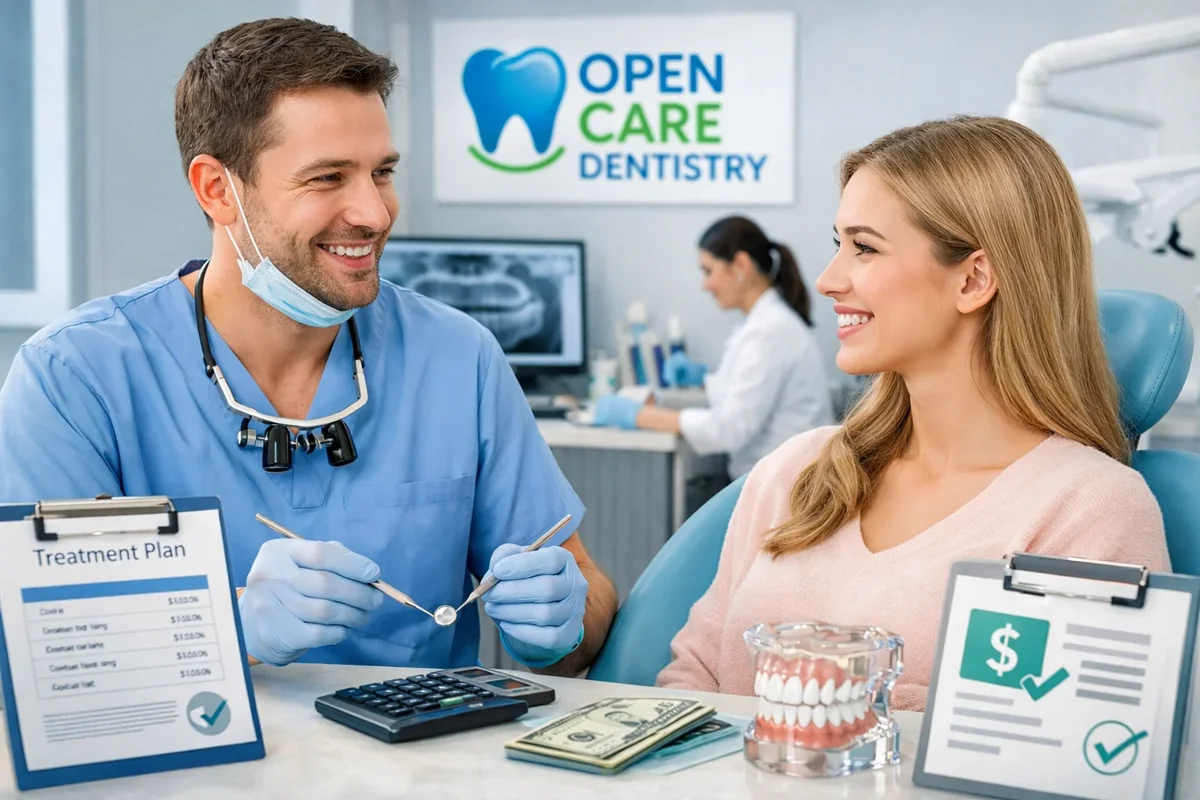
The treatment planning stage is where the open care dentist approach truly stands out. Because the system emphasizes transparency, patients usually receive a clear explanation of recommended procedures along with estimated costs.
This allows patients to understand:
- Which treatments are necessary
- Possible alternative solutions
- The expected timeline for treatment
- Estimated costs and payment options
Patients working with an open care dentist can ask questions freely and participate actively in decisions regarding their dental care.
Transparent Pricing Discussion
One of the major advantages of visiting an open care dentist is the clear discussion of treatment costs. Unlike traditional insurance-based practices where costs may be unclear until claims are processed, the open care dentist typically provides upfront estimates.
This transparency allows patients to make informed decisions and avoid unexpected financial surprises.
Step 5: Preventive Care Guidance
Before the appointment concludes, the open care dentist usually provides guidance on maintaining oral health at home. Preventive care advice may include recommendations for proper brushing techniques, flossing habits, and dietary considerations that support healthy teeth.
The dentist may also suggest scheduling regular checkups every six months to monitor oral health and address potential issues early.
When to Schedule Your First Appointment
If you have been postponing dental care or are looking for a transparent and patient-focused dental experience, scheduling an appointment with an open care dentist can be a great step toward improving your oral health.
For individuals seeking professional guidance or dental treatment consultation, you can easily contact experienced dental professionals through the Redent Klinik Contact Page. A consultation with an experienced open care dentist can help you understand your dental needs and create a personalized treatment plan.
A Comfortable and Transparent First Experience
Your first visit to an open care dentist is designed to be informative, comfortable, and transparent. From the initial consultation to the development of a personalized treatment plan, the goal is to help patients understand their oral health and feel confident about their care decisions.
By focusing on communication, preventive care, and patient education, an open care dentist creates an environment where individuals can maintain healthy smiles with confidence and clarity. 🦷
9. Tips for Maintaining Oral Health After Visiting an Open Care Dentist
Visiting an open care dentist is an important step toward achieving and maintaining a healthy smile. However, long-term oral health does not depend only on professional dental treatments. What patients do at home between visits plays an equally important role. After receiving care from an open care dentist, following the right oral hygiene habits and preventive strategies can help protect your teeth and gums while reducing the risk of future dental problems.
An open care dentist typically emphasizes patient education and preventive care, encouraging individuals to take an active role in maintaining their oral health. By adopting healthy daily habits and scheduling regular dental checkups, patients can significantly extend the benefits of the treatments they receive from an open care dentist.
Develop a Consistent Daily Oral Hygiene Routine
One of the most effective ways to protect your oral health after visiting an open care dentist is to maintain a consistent oral hygiene routine. Daily brushing and flossing remove plaque and bacteria that can cause tooth decay and gum disease.
Brush Your Teeth Properly
Brushing your teeth at least twice a day is essential for preventing plaque buildup. An open care dentist will usually recommend using a soft-bristled toothbrush and fluoride toothpaste. Proper brushing technique is equally important.
When brushing your teeth:
- Brush for at least two minutes
- Use gentle circular motions
- Clean all tooth surfaces including the back molars
- Brush your tongue to remove bacteria
Following these steps helps maintain the results of your treatment with an open care dentist and keeps your mouth fresh and healthy.
Floss Daily
Flossing removes food particles and plaque from between the teeth where toothbrush bristles cannot reach. Many dental problems begin in these tight spaces. Your open care dentist will likely emphasize the importance of daily flossing to prevent gum disease and cavities between teeth.
Regular flossing supports the preventive care philosophy promoted by an open care dentist.
Maintain a Tooth-Friendly Diet
Your diet plays a significant role in maintaining oral health after visiting an open care dentist. Certain foods can strengthen your teeth, while others increase the risk of tooth decay and enamel erosion.
Foods That Support Healthy Teeth
Patients who visit an open care dentist are often encouraged to include the following foods in their diet:
- Dairy products such as milk, cheese, and yogurt
- Crunchy vegetables like carrots and celery
- Leafy greens rich in vitamins and minerals
- Foods high in calcium and phosphorus
These foods help strengthen tooth enamel and support gum health.
Limit Sugary and Acidic Foods
Sugary snacks and acidic beverages are among the most common causes of tooth decay. Even after receiving treatment from an open care dentist, frequent exposure to sugar can increase the risk of cavities.
To protect your teeth:
- Limit sugary snacks and beverages
- Drink water after consuming acidic drinks
- Avoid frequent snacking throughout the day
These small changes can make a significant difference in maintaining oral health after visiting an open care dentist.
Schedule Regular Dental Checkups
Routine dental visits remain essential even after successful treatment from an open care dentist. Regular checkups allow dentists to detect potential problems early and prevent minor issues from developing into serious conditions.
Most dental professionals recommend visiting an open care dentist every six months for preventive examinations and professional cleanings.
Healthcare organizations such as the American Dental Association emphasize that preventive dental care is the foundation of long-term oral health. Regular visits to an open care dentist help ensure that your teeth and gums remain healthy.
Protect Your Teeth From Damage
Maintaining oral health after visiting an open care dentist also involves protecting your teeth from physical damage. Many dental injuries occur during sports activities or from habits such as teeth grinding.
Use a Mouthguard During Sports
If you participate in sports or high-impact activities, wearing a mouthguard can protect your teeth from injury. Your open care dentist may recommend a custom-fitted mouthguard that offers superior protection compared to over-the-counter options.
Address Teeth Grinding (Bruxism)
Some individuals grind their teeth during sleep, a condition known as bruxism. Over time, this habit can damage tooth enamel and lead to jaw pain. An open care dentist may recommend a night guard to protect your teeth while sleeping.
Follow Post-Treatment Instructions Carefully
After receiving dental treatment, your open care dentist may provide specific instructions to ensure proper healing and long-term success. These instructions may vary depending on the procedure performed.
For example:
- After a filling, avoid hard foods for several hours
- After whitening treatment, limit staining beverages
- After implant surgery, follow recommended oral hygiene guidelines
Following these recommendations helps maximize the benefits of treatment from an open care dentist.
Stay Informed and Communicate With Your Dentist
Maintaining oral health is an ongoing process that requires communication with your dental provider. If you experience tooth pain, sensitivity, or unusual symptoms, contacting your open care dentist promptly can prevent complications.
Patients who actively communicate with their open care dentist are more likely to maintain strong oral health and avoid serious dental issues.
If you would like professional advice or need to schedule a consultation, you can contact experienced dental professionals through the Redent Klinik Contact Page. Speaking with an open care dentist can help ensure that your oral health remains on the right track.
Building Long-Term Oral Health Habits
Ultimately, maintaining the results of treatment from an open care dentist depends on consistent oral hygiene habits, healthy dietary choices, and regular professional care. By combining daily preventive practices with routine dental visits, patients can protect their teeth and gums for many years.
The philosophy behind an open care dentist encourages patients to take an active role in their oral health journey. With proper care and ongoing guidance from dental professionals, achieving a healthy and confident smile becomes an attainable goal for everyone. 🦷