
Oral dentistry is a comprehensive branch of healthcare that focuses on the prevention, diagnosis, and treatment of conditions affecting the teeth, gums, jaw, and the entire oral cavity. Far beyond simple tooth repairs, oral dentistry plays a vital role in maintaining overall health, confidence, and quality of life. Many people underestimate how closely oral health is connected to systemic health, yet scientific research consistently shows strong links between oral conditions and issues such as heart disease, diabetes, and immune disorders.
At its core, oral dentistry is designed to preserve natural teeth for as long as possible while ensuring optimal oral function and aesthetics. This includes maintaining proper chewing ability, clear speech, and a healthy smile that supports self-esteem. Oral dentistry also focuses heavily on early detection, because identifying dental problems in their earliest stages allows for simpler, less invasive, and more cost-effective treatments.
One of the key principles of oral dentistry is prevention. Routine check-ups, professional cleanings, and patient education are central to preventing tooth decay, gum disease, and enamel erosion. Oral dentistry emphasizes daily oral hygiene habits such as proper brushing techniques, flossing, and the use of fluoride-based products. These preventive measures reduce the risk of cavities and infections while supporting long-term oral stability.
Oral dentistry also addresses functional and structural concerns of the mouth. Issues like misaligned teeth, bite problems, jaw discomfort, and oral trauma fall within the scope of oral dentistry. When left untreated, these problems can worsen over time, leading to chronic pain, tooth loss, and even facial asymmetry. By intervening early, oral dentistry helps protect both oral function and facial harmony.
Another important aspect of oral dentistry is its role in managing oral diseases that can have serious consequences if ignored. Gum disease, also known as periodontal disease, is one of the most common conditions treated within oral dentistry. In its early stage, gingivitis causes redness and bleeding, but advanced stages can result in bone loss and tooth mobility. Oral dentistry aims to control bacterial buildup and inflammation before irreversible damage occurs.
Modern oral dentistry is also deeply connected to patient comfort and psychological well-being 😊. Dental anxiety is a widespread concern, and contemporary oral dentistry prioritizes gentle techniques, clear communication, and pain-management strategies. Many clinics now offer sedation options and calming environments to help patients feel safe and relaxed during treatment. This patient-centered approach encourages individuals to seek regular care instead of avoiding the dentist until emergencies arise.
Education is another cornerstone of oral dentistry. Dentists not only treat problems but also empower patients with knowledge about nutrition, lifestyle habits, and risk factors that affect oral health. For example, high sugar consumption, smoking, and poor oral hygiene significantly increase the risk of dental disease. Oral dentistry professionals guide patients toward healthier choices that benefit both their mouth and overall body.
Oral dentistry is also closely aligned with evidence-based standards and global best practices. Trusted organizations such as the American Dental Association provide guidelines that shape modern oral dentistry, ensuring treatments are safe, ethical, and effective. These standards help clinics maintain high-quality care while adapting to new research and technologies.
In addition, oral dentistry often serves as the first line of defense in detecting serious health conditions. Dentists are trained to identify early signs of oral cancer, autoimmune disorders, and nutritional deficiencies during routine examinations. This makes oral dentistry an essential part of preventive healthcare, not just cosmetic or emergency care.
Choosing a clinic that prioritizes comprehensive oral dentistry can make a significant difference in long-term outcomes. Clinics that focus on continuity of care, personalized treatment planning, and preventive strategies help patients avoid complex procedures later in life. If you are considering professional guidance or a personalized treatment plan, you can easily reach out through the Redent Klinik Contact Page to receive expert support.
In summary, oral dentistry is much more than routine dental visits. It is a holistic approach to oral health that combines prevention, education, diagnosis, and treatment under one umbrella. By investing in oral dentistry, individuals protect their smiles, support their overall health, and build a foundation for lifelong well-being. Whether your goal is disease prevention, functional improvement, or aesthetic enhancement, oral dentistry provides the structured, science-based care needed to achieve and maintain a healthy mouth for years to come.
What Is Oral Dentistry and Why It Matters for Your Health
Oral dentistry is a specialized field of healthcare that focuses on the diagnosis, prevention, and treatment of conditions affecting the mouth, teeth, gums, jaw, and surrounding oral structures. While many people associate dental visits solely with cavities or cleanings, oral dentistry extends far beyond basic procedures. It plays a critical role in protecting not only oral health but also overall physical well-being.
Understanding oral dentistry begins with recognizing that the mouth is the gateway to the body. Infections, inflammation, and untreated dental problems can easily spread or contribute to systemic health conditions. For this reason, oral dentistry is considered an essential part of preventive medicine rather than an optional cosmetic service.
The Core Definition of Oral Dentistry
At its foundation, oral dentistry is concerned with maintaining the health, function, and structure of the oral cavity. This includes the teeth, gums, tongue, jawbone, and oral soft tissues. Oral dentistry professionals are trained to detect early warning signs of disease, restore damaged structures, and guide patients toward sustainable oral hygiene habits.
Unlike emergency-based dental care, oral dentistry emphasizes continuity and long-term planning. Regular examinations allow dentists to monitor subtle changes over time, making it possible to intervene before minor concerns develop into complex conditions. This proactive approach is one of the defining characteristics of oral dentistry.
Why Oral Dentistry Is Essential for Overall Health
The importance of oral dentistry becomes especially clear when considering its connection to systemic health. Scientific studies have established strong links between poor oral health and conditions such as cardiovascular disease, diabetes, respiratory infections, and even pregnancy complications. Chronic inflammation in the gums can allow harmful bacteria to enter the bloodstream, affecting organs far beyond the mouth.
Oral dentistry helps reduce these risks by controlling bacterial growth, treating infections promptly, and educating patients about the warning signs of oral disease. Healthy gums and teeth act as a protective barrier, preventing harmful microorganisms from spreading throughout the body.
The Oral-Systemic Health Connection
One of the most important contributions of oral dentistry is its role in identifying early systemic health issues. Dentists often notice symptoms that patients may overlook, such as persistent mouth sores, unusual discoloration, or gum abnormalities. These signs can indicate underlying conditions that require medical attention.
By incorporating oral dentistry into routine healthcare, patients gain an additional layer of protection. Regular dental assessments can complement medical check-ups, creating a more comprehensive approach to health maintenance.
Preventive Focus in Oral Dentistry
Prevention is a central pillar of oral dentistry. Rather than waiting for pain or visible damage to occur, oral dentistry prioritizes early detection and risk reduction. Professional cleanings remove plaque and tartar that daily brushing cannot eliminate, reducing the risk of cavities and gum disease.
Oral dentistry also includes patient education as a preventive tool. Dentists guide individuals on proper brushing techniques, flossing habits, and the use of fluoride products. Nutritional counseling may also be provided, as diet plays a major role in oral health. Sugary foods, acidic beverages, and tobacco use are common risk factors addressed within oral dentistry consultations.
Functional and Psychological Benefits
Oral dentistry supports essential daily functions such as chewing, speaking, and swallowing. Even minor dental issues can interfere with these activities, leading to discomfort and reduced quality of life. By maintaining proper tooth alignment, bite balance, and jaw health, oral dentistry helps preserve these vital functions.
In addition to physical benefits, oral dentistry has a significant psychological impact 😊. A healthy smile contributes to self-confidence, social comfort, and emotional well-being. Many patients report improved self-esteem after addressing long-standing oral concerns through structured oral dentistry care.
Oral Dentistry as a Lifelong Health Strategy
Oral dentistry is not limited to a specific age group or life stage. From childhood through older adulthood, oral dentistry adapts to changing needs. In early life, it focuses on growth, development, and cavity prevention. In adulthood, it emphasizes maintenance, disease prevention, and functional stability. Later in life, oral dentistry plays a crucial role in preserving remaining teeth and supporting oral comfort.
By viewing oral dentistry as a lifelong partnership rather than occasional treatment, patients are more likely to achieve lasting oral health. Consistent care allows dentists to tailor strategies based on individual risk factors, lifestyle habits, and medical history.
In summary, oral dentistry matters because it protects far more than just teeth. It safeguards overall health, enhances daily function, and supports emotional well-being. Through prevention, early detection, and patient education, oral dentistry serves as a cornerstone of modern healthcare. Investing in regular oral dentistry care is one of the most effective ways to maintain a healthy body, confident smile, and higher quality of life over time.
The Scope of Oral Dentistry: Treatments and Specializations
Oral dentistry is a broad and multifaceted discipline that covers a wide range of treatments, preventive strategies, and clinical specializations. Many people assume oral dentistry is limited to fillings and cleanings, but in reality, it encompasses everything from disease prevention and diagnosis to restorative, functional, and aesthetic care. Understanding the scope of oral dentistry helps patients appreciate why regular dental visits are essential and how comprehensive dental care supports long-term health.
The primary goal of oral dentistry is to maintain the integrity of the oral structures while preventing disease and restoring function when problems arise. This holistic approach ensures that treatments are not isolated solutions but part of a coordinated care plan designed to protect the entire oral system.
Preventive and Diagnostic Oral Dentistry
Prevention and early diagnosis form the foundation of oral dentistry. Routine examinations, digital imaging, and professional cleanings allow dentists to identify issues before they become severe. Oral dentistry professionals assess not only teeth but also gums, bite alignment, jaw function, and soft tissues during these evaluations.
Diagnostic tools used in oral dentistry include X-rays, intraoral cameras, and periodontal measurements. These tools help detect cavities, bone loss, hidden infections, and early signs of oral cancer. By identifying risks early, oral dentistry minimizes the need for invasive procedures and reduces long-term treatment costs.
Restorative Treatments in Oral Dentistry
When damage or decay occurs, oral dentistry provides restorative solutions to rebuild strength, function, and appearance. Common restorative treatments include fillings, crowns, bridges, and dental implants. These procedures aim to preserve as much natural tooth structure as possible while restoring normal chewing and speaking abilities.
Oral dentistry places strong emphasis on material quality and long-term durability. Modern restorations are designed to blend seamlessly with natural teeth, offering both functional and aesthetic benefits. This balance between appearance and performance is a defining feature of contemporary oral dentistry.
Tooth Preservation as a Core Principle
One of the key philosophies within oral dentistry is tooth preservation. Whenever possible, dentists prioritize saving natural teeth rather than removing them. Treatments such as root canal therapy are used to eliminate infection while maintaining the tooth’s structural integrity.
This conservative approach reflects the understanding that natural teeth, when properly cared for, outperform artificial replacements in many ways. Oral dentistry therefore focuses on extending the lifespan of natural teeth through timely intervention and preventive care.
Periodontal Care Within Oral Dentistry
Gum health is a central component of oral dentistry. Periodontal care focuses on preventing, diagnosing, and treating gum disease, which is one of the leading causes of tooth loss in adults. Oral dentistry addresses gum inflammation, bacterial buildup, and bone loss through professional cleanings, deep scaling, and ongoing maintenance.
Healthy gums provide the foundation for healthy teeth. Oral dentistry recognizes that even perfectly restored teeth cannot function properly without strong periodontal support. For this reason, gum health assessments are a routine part of comprehensive oral dentistry care.
Functional and Bite-Related Specializations
Oral dentistry also includes the evaluation and correction of bite problems and jaw-related conditions. Misaligned bites, teeth grinding, and jaw joint discomfort can cause chronic pain and uneven tooth wear. Oral dentistry treatments in this area aim to restore balance and harmony to the oral system.
Customized appliances, orthodontic interventions, and bite adjustments are commonly used to address functional concerns. By correcting these issues early, oral dentistry helps prevent long-term damage to teeth and jaw structures.
Aesthetic and Confidence-Enhancing Care
While health and function are primary goals, oral dentistry also recognizes the importance of aesthetics. Treatments such as professional whitening, veneers, and cosmetic restorations help improve the appearance of the smile while maintaining oral health standards.
Aesthetic procedures within oral dentistry are carefully planned to ensure they do not compromise tooth structure or gum health. This integration of beauty and biology allows patients to achieve natural-looking results without sacrificing long-term stability 😊.
Specialized Care Across Life Stages
The scope of oral dentistry adapts to the needs of different age groups. Pediatric oral dentistry focuses on growth, cavity prevention, and habit guidance. Adult oral dentistry emphasizes maintenance, restoration, and disease prevention. For older adults, oral dentistry addresses tooth preservation, comfort, and functional support.
This adaptability makes oral dentistry a lifelong healthcare service rather than a short-term solution. By evolving with the patient’s needs, oral dentistry ensures continuity of care and consistent oral health outcomes.
In conclusion, the scope of oral dentistry is extensive and deeply integrated into overall healthcare. From preventive diagnostics and restorative treatments to periodontal care and aesthetic improvements, oral dentistry offers a comprehensive framework for maintaining oral health. Understanding these specializations empowers patients to make informed decisions and fully benefit from the wide-ranging services that oral dentistry provides.
Common Oral Dentistry Procedures Explained in Detail
Oral dentistry includes a wide range of procedures designed to protect, restore, and enhance oral health. While each patient’s needs are unique, many treatments in oral dentistry are commonly performed to address widespread dental concerns such as tooth decay, gum disease, structural damage, and functional issues. Understanding these procedures helps patients feel more confident and informed when seeking professional care.
A major strength of oral dentistry is its structured approach. Procedures are not performed in isolation; instead, they are carefully selected based on diagnosis, long-term prognosis, and overall oral health goals. This ensures that each treatment contributes to a stable and healthy oral environment.
Professional Dental Cleanings and Oral Examinations
One of the most frequent procedures in oral dentistry is professional cleaning combined with a comprehensive oral examination. Even with excellent home care, plaque and tartar can accumulate in hard-to-reach areas. Oral dentistry cleanings remove these deposits, reducing the risk of cavities and gum disease.
During examinations, oral dentistry professionals evaluate teeth, gums, bite alignment, and soft tissues. This allows early detection of cavities, inflammation, enamel wear, and abnormal tissue changes. These routine visits form the backbone of preventive oral dentistry.
Fillings and Tooth Decay Management
Dental fillings are among the most common restorative procedures in oral dentistry. When tooth decay is detected early, the damaged portion of the tooth is removed and replaced with a durable filling material. Oral dentistry prioritizes minimally invasive techniques to preserve as much natural tooth structure as possible.
Modern oral dentistry uses tooth-colored materials that blend naturally with surrounding teeth. These restorations restore strength and function while maintaining a natural appearance, supporting both oral health and confidence.
Root Canal Therapy in Oral Dentistry
Root canal treatment is a critical procedure within oral dentistry when infection reaches the inner pulp of a tooth. Rather than extracting the tooth, oral dentistry aims to eliminate infection while preserving the tooth’s structure. The infected tissue is removed, the canal is disinfected, and the space is sealed to prevent reinfection.
Contrary to common misconceptions, modern oral dentistry techniques make root canal therapy comfortable and highly effective. Preserving natural teeth through this procedure helps maintain proper bite alignment and chewing efficiency.
Why Tooth Preservation Matters
Oral dentistry strongly emphasizes saving natural teeth whenever possible. Extracting a tooth can lead to shifting, bone loss, and functional problems. Root canal therapy supports the long-term stability of the oral system by maintaining natural tooth placement.
Crowns and Bridges for Structural Restoration
When teeth are weakened or significantly damaged, oral dentistry often recommends crowns or bridges. A crown covers and protects a compromised tooth, restoring strength and shape. Bridges replace missing teeth by anchoring to neighboring teeth, helping maintain alignment.
These restorations are carefully customized within oral dentistry to ensure proper bite balance and long-term durability. Materials are selected to withstand chewing forces while maintaining a natural look.
Dental Implants in Oral Dentistry
Dental implants are a widely used solution in oral dentistry for replacing missing teeth. An implant acts as an artificial tooth root, providing a stable foundation for a crown. This approach closely mimics natural tooth function and helps prevent bone loss.
Oral dentistry considers implants a long-term investment in oral health. By restoring both function and aesthetics, implants support chewing efficiency, speech clarity, and facial structure.
Gum Treatments and Periodontal Procedures
Gum health is a central focus of oral dentistry. Procedures such as scaling and root planing are used to treat gum disease by removing bacteria below the gumline. These treatments help reduce inflammation and promote tissue healing.
Ongoing periodontal care within oral dentistry is essential for maintaining stable teeth. Without healthy gums, even the most advanced restorations cannot succeed long term.
Tooth Extractions When Necessary
Although oral dentistry prioritizes tooth preservation, extractions are sometimes unavoidable due to severe decay, trauma, or advanced infection. When this occurs, oral dentistry carefully plans replacement options to prevent complications.
Extractions are performed with patient comfort and safety in mind, often followed by restorative planning such as implants or bridges to maintain oral balance.
Functional and Comfort-Oriented Procedures
Oral dentistry also addresses functional concerns such as teeth grinding, jaw discomfort, and bite imbalance. Custom oral appliances and bite adjustments help protect teeth from excessive wear and relieve muscle strain.
These treatments improve daily comfort and prevent long-term damage, highlighting how oral dentistry supports both health and quality of life 😊.
In summary, common oral dentistry procedures are designed to work together as part of a comprehensive care system. From cleanings and fillings to advanced restorations and implants, oral dentistry offers effective solutions for nearly every oral health challenge. By understanding these procedures, patients can approach dental care with confidence, knowing that oral dentistry is focused on long-term stability, function, and well-being.
The Role of Oral Dentistry in Gum Disease and Infection Control
Oral dentistry plays a critical role in the prevention, diagnosis, and management of gum disease and oral infections. While tooth decay often receives the most attention, gum-related conditions are among the leading causes of tooth loss and chronic oral discomfort worldwide. Oral dentistry addresses these issues through structured preventive care, early intervention, and long-term maintenance strategies designed to protect both oral and overall health.
Gum disease and oral infections are typically caused by bacterial buildup along the gumline. When left untreated, these bacteria trigger inflammation, tissue damage, and bone loss. Oral dentistry focuses on interrupting this process before it progresses to irreversible stages.
Understanding Gum Disease in Oral Dentistry
Within oral dentistry, gum disease is broadly categorized into two main stages: gingivitis and periodontitis. Gingivitis is the early, reversible stage characterized by redness, swelling, and bleeding gums. Oral dentistry aims to identify gingivitis early, as proper treatment can fully restore gum health.
Periodontitis, on the other hand, is an advanced form of gum disease involving bone loss and deep periodontal pockets. At this stage, oral dentistry shifts from simple prevention to active disease management. Without professional intervention, periodontitis can lead to tooth mobility, abscesses, and eventual tooth loss.
Why Early Detection Matters
One of the most important contributions of oral dentistry is early detection. Gum disease often progresses silently, with minimal pain until advanced stages. Regular oral dentistry examinations allow dentists to detect subtle signs of inflammation and tissue changes before serious damage occurs.
Early diagnosis enables less invasive treatments, shorter recovery times, and better long-term outcomes. This proactive approach is a defining feature of modern oral dentistry.
Professional Cleaning and Deep Periodontal Therapy
Professional dental cleanings are a foundational tool in oral dentistry for infection control. These cleanings remove plaque and tartar that harbor harmful bacteria. When gum disease is detected, oral dentistry may recommend scaling and root planing, also known as deep cleaning.
Scaling removes bacterial deposits from below the gumline, while root planing smooths tooth roots to discourage future bacterial attachment. These procedures help reduce inflammation and allow the gums to heal naturally.
Oral Dentistry and Infection Management
Oral infections can arise from untreated cavities, impacted teeth, or advanced gum disease. Oral dentistry addresses infections promptly to prevent their spread to surrounding tissues or the bloodstream. Infections in the mouth can pose serious health risks if ignored, making timely intervention essential.
Treatment strategies in oral dentistry may include localized antimicrobial therapy, drainage of abscesses, or root canal treatment when infection reaches the tooth pulp. Each approach is carefully selected to eliminate infection while preserving oral structures whenever possible.
The Systemic Impact of Oral Infections
Oral dentistry recognizes that infections in the mouth can affect the entire body. Bacteria from oral infections may enter the bloodstream, increasing the risk of cardiovascular complications and other systemic conditions. This is why infection control is a top priority within oral dentistry.
By maintaining healthy gums and controlling oral infections, oral dentistry supports overall immune function and reduces systemic inflammation.
Maintenance and Long-Term Gum Health
Long-term success in gum disease management depends on consistent maintenance, a core principle of oral dentistry. After initial treatment, patients are placed on personalized maintenance schedules to monitor gum health and prevent recurrence.
Oral dentistry maintenance visits typically include professional cleanings, periodontal assessments, and reinforcement of home care practices. This ongoing support is essential for patients with a history of gum disease.
Patient Education and Daily Infection Prevention
Education is a powerful tool in oral dentistry. Dentists educate patients on proper brushing techniques, flossing methods, and the use of adjunctive tools such as interdental brushes. These daily habits significantly reduce bacterial buildup and inflammation.
Oral dentistry also addresses lifestyle factors that contribute to gum disease, including smoking, poor nutrition, and unmanaged medical conditions. By addressing these risks, oral dentistry empowers patients to take an active role in infection prevention 😊.
Oral Dentistry as a Defense Against Tooth Loss
One of the most significant outcomes of effective oral dentistry care is the prevention of tooth loss. Healthy gums are essential for tooth stability, and infection control preserves the supporting bone structure.
By integrating preventive care, early intervention, and long-term maintenance, oral dentistry provides a comprehensive defense against gum disease and oral infections.
In conclusion, oral dentistry is indispensable in managing gum disease and controlling oral infections. Through early detection, professional treatment, patient education, and ongoing maintenance, oral dentistry protects not only the gums and teeth but also overall health. Investing in regular oral dentistry care is one of the most effective ways to prevent chronic infection, preserve natural teeth, and maintain a healthy, functional smile for life.
Advanced Technologies Shaping Modern Oral Dentistry
Modern oral dentistry has evolved rapidly due to advancements in technology that improve diagnostic accuracy, treatment precision, patient comfort, and long-term outcomes. Today’s oral dentistry clinics rely on digital tools and innovative systems to deliver safer, faster, and more predictable care. These technologies are not simply enhancements; they fundamentally reshape how oral dentistry is practiced and experienced by patients.
By integrating advanced technology, oral dentistry moves from reactive treatment toward proactive, data-driven care. This shift allows dental professionals to identify problems earlier, plan treatments more accurately, and minimize invasiveness. As a result, patients benefit from better outcomes and a more comfortable dental experience.
Digital Imaging and Diagnostics in Oral Dentistry
One of the most impactful innovations in oral dentistry is digital imaging. Digital X-rays and 3D imaging systems provide high-resolution visuals of teeth, bone, and soft tissues while significantly reducing radiation exposure. These tools allow oral dentistry professionals to detect cavities, infections, bone loss, and structural abnormalities with exceptional accuracy.
Three-dimensional imaging, such as cone beam computed tomography (CBCT), has transformed oral dentistry diagnostics. It enables precise visualization of jaw structures, nerve pathways, and sinus anatomy. This level of detail is especially important for complex procedures such as implants and surgical planning.
Early Detection Through Technology
Advanced diagnostic tools allow oral dentistry to identify issues long before symptoms appear. Micro-fractures, early-stage decay, and subtle bone changes can be detected early, leading to simpler and more conservative treatments. Early detection is a cornerstone of preventive oral dentistry and significantly improves long-term oral health outcomes.
Computer-Aided Design and Manufacturing (CAD/CAM)
CAD/CAM technology has revolutionized restorative procedures in oral dentistry. This system allows dentists to design and fabricate crowns, veneers, and other restorations with extreme precision. Digital impressions replace traditional molds, improving accuracy and patient comfort.
In many cases, oral dentistry clinics equipped with CAD/CAM systems can deliver same-day restorations. This reduces the number of appointments and shortens treatment timelines while maintaining high-quality results.
Laser Technology in Oral Dentistry
Laser technology plays an increasingly important role in oral dentistry, particularly in soft tissue treatments. Lasers are used for gum reshaping, infection control, and periodontal therapy. These procedures are often less invasive, cause minimal bleeding, and promote faster healing.
In oral dentistry, lasers also improve precision and reduce discomfort during certain procedures. Patients often experience less swelling and faster recovery compared to traditional methods, making laser-assisted oral dentistry a preferred option for many treatments 😊.
Digital Treatment Planning and Simulation
Digital treatment planning tools allow oral dentistry professionals to simulate outcomes before treatment begins. Using advanced software, dentists can visualize tooth movement, restorative results, and bite changes. This improves communication between dentist and patient while enhancing treatment predictability.
Oral dentistry benefits greatly from this approach, as it allows patients to understand their treatment plan clearly and feel confident in the proposed outcomes. This transparency strengthens trust and patient satisfaction.
Modern Sterilization and Infection Control Systems
Technology also enhances safety standards in oral dentistry through advanced sterilization and infection control systems. Automated sterilization equipment ensures instruments are thoroughly disinfected, reducing the risk of cross-contamination.
Oral dentistry clinics use digital monitoring systems to track sterilization cycles and maintain compliance with international health standards. This commitment to safety protects both patients and dental professionals.
Comfort-Enhancing Innovations in Oral Dentistry
Patient comfort is a major focus of technological advancement in oral dentistry. Innovations such as noise-reduced equipment, ergonomic dental chairs, and digital anesthesia delivery systems make treatments more comfortable and less intimidating.
These comfort-focused technologies help reduce dental anxiety and encourage patients to seek regular oral dentistry care rather than postponing visits until emergencies arise.
Artificial Intelligence and Data Integration
Artificial intelligence is beginning to influence oral dentistry by assisting in diagnostics and treatment planning. AI-powered software can analyze imaging data to identify patterns that may be difficult to detect manually. This enhances diagnostic consistency and supports clinical decision-making.
As oral dentistry continues to integrate data-driven tools, treatment accuracy and efficiency are expected to improve even further.
In conclusion, advanced technologies are reshaping oral dentistry at every level. From diagnostics and treatment planning to patient comfort and safety, these innovations elevate the standard of care. By embracing modern technology, oral dentistry delivers more precise, efficient, and patient-centered solutions, ensuring better oral health outcomes now and in the future.
Oral Dentistry for Children and Adults: Age-Specific Approaches
Oral dentistry is not a one-size-fits-all discipline. The needs of the oral cavity change significantly throughout life, and modern oral dentistry adapts its strategies accordingly. From early childhood to older adulthood, age-specific approaches in oral dentistry ensure that patients receive care that aligns with their developmental stage, risk factors, and functional needs. This tailored approach is essential for maintaining lifelong oral health.
By adjusting preventive measures, diagnostic focus, and treatment planning based on age, oral dentistry provides targeted and effective care. Understanding how oral dentistry differs for children and adults helps patients and caregivers make informed decisions and build long-term, healthy dental habits.
Oral Dentistry in Early Childhood
In childhood, oral dentistry focuses primarily on prevention, growth monitoring, and habit formation. Primary teeth play a crucial role in speech development, nutrition, and guiding permanent teeth into proper position. Oral dentistry emphasizes early dental visits to monitor development and identify potential issues before they become complex.
Preventive strategies in pediatric oral dentistry include fluoride applications, dental sealants, and parental education. Dentists guide parents on brushing techniques, dietary habits, and the importance of limiting sugary snacks. These early interventions significantly reduce the risk of cavities and promote healthy oral development.
Establishing Positive Dental Experiences
A key goal of oral dentistry for children is creating positive dental experiences. Early exposure to gentle, supportive dental care reduces fear and anxiety later in life. Child-friendly communication and age-appropriate explanations help young patients feel comfortable and confident.
This emotional aspect of oral dentistry is critical, as children who develop trust in dental care are more likely to maintain regular visits into adulthood.
Adolescent Oral Dentistry and Developmental Monitoring
During adolescence, oral dentistry shifts its focus to monitoring growth, tooth alignment, and bite development. This stage is critical for identifying orthodontic needs and addressing habits such as teeth grinding or nail biting that can affect oral health.
Oral dentistry professionals also emphasize education during adolescence, reinforcing proper hygiene habits and discussing lifestyle factors such as diet and sports-related oral protection. Mouthguards and preventive counseling become important tools in adolescent oral dentistry.
Adult Oral Dentistry: Maintenance and Prevention
In adulthood, oral dentistry centers on maintenance, disease prevention, and functional stability. Regular examinations and professional cleanings help manage the cumulative effects of daily wear, diet, and lifestyle choices. Oral dentistry aims to preserve natural teeth while preventing gum disease and decay.
Adults often face increased risks related to stress, smoking, and systemic health conditions. Oral dentistry integrates these factors into personalized care plans, adjusting preventive strategies and monitoring protocols as needed.
Balancing Function and Aesthetics
For many adults, oral dentistry also addresses aesthetic concerns alongside health. Tooth discoloration, minor alignment issues, and wear-related changes are common. Oral dentistry carefully balances cosmetic improvements with structural preservation to ensure long-term oral stability.
This integrated approach allows adults to maintain both oral health and confidence in their smile 😊.
Oral Dentistry for Older Adults
As individuals age, oral dentistry becomes increasingly important in preserving comfort, function, and quality of life. Older adults may experience dry mouth, gum recession, and increased susceptibility to infection. Oral dentistry adapts by focusing on gentle care, frequent monitoring, and preventive support.
Medication use and chronic health conditions can affect oral health in later life. Oral dentistry professionals collaborate with patients to manage these risks and maintain oral comfort and function.
Lifelong Prevention as a Core Principle
Across all age groups, oral dentistry emphasizes lifelong prevention. The habits formed in childhood, reinforced in adolescence, and maintained in adulthood directly influence oral health outcomes later in life. Oral dentistry supports this continuity through regular care and patient education.
By viewing oral dentistry as a lifelong partnership rather than episodic treatment, patients benefit from consistent monitoring and timely intervention.
Family-Centered Oral Dentistry Care
Many oral dentistry practices adopt a family-centered approach, providing care for multiple generations under one roof. This continuity allows dentists to understand familial risk factors and tailor preventive strategies accordingly.
Family-centered oral dentistry also simplifies care coordination and reinforces the importance of shared oral health values within households.
In conclusion, age-specific approaches are a defining strength of modern oral dentistry. By adapting care to the unique needs of children, adolescents, adults, and older individuals, oral dentistry supports healthy development, functional stability, and long-term well-being. This personalized, life-stage-based approach ensures that oral dentistry remains relevant and effective at every stage of life.
How to Choose the Right Oral Dentistry Clinic for Long-Term Care
Choosing the right oral dentistry clinic is one of the most important decisions a patient can make for their long-term health. Oral dentistry is not limited to one-time treatments; it is an ongoing partnership that influences oral stability, disease prevention, and overall well-being for years to come. Selecting a clinic that aligns with professional standards, patient needs, and long-term goals is essential for achieving consistent and reliable results.
A high-quality oral dentistry clinic provides more than technical procedures. It offers continuity of care, transparent communication, and a preventive philosophy that prioritizes patient education and early intervention. Understanding what to look for helps patients make informed and confident choices.
Professional Qualifications and Experience in Oral Dentistry
One of the first factors to consider when choosing an oral dentistry clinic is the professional background of the dental team. Dentists should have formal education, ongoing training, and experience in modern oral dentistry techniques. Continuous professional development ensures that oral dentistry providers stay current with evolving standards, technologies, and treatment protocols.
Experience also matters. A clinic with a strong history in oral dentistry is more likely to have encountered a wide range of clinical scenarios. This depth of experience improves diagnostic accuracy and treatment planning, especially for complex or long-term cases.
Commitment to Evidence-Based Care
Reliable oral dentistry clinics follow evidence-based practices rather than trends or shortcuts. They base treatment decisions on clinical research, professional guidelines, and patient-specific factors. This approach ensures that oral dentistry care is safe, effective, and ethically grounded.
Comprehensive Services Under One Roof
A strong oral dentistry clinic offers a broad range of services, including preventive care, diagnostics, restorative treatments, and periodontal support. Comprehensive care allows treatments to be coordinated efficiently and ensures consistency in clinical decision-making.
When all aspects of oral dentistry are managed within one clinic, dentists can monitor progress over time and adjust strategies as needed. This integrated approach reduces fragmentation and improves long-term outcomes.
Patient-Centered Communication and Transparency
Effective communication is a hallmark of quality oral dentistry care. A good clinic takes time to explain diagnoses, treatment options, and expected outcomes in clear, understandable language. Patients should feel informed and involved in decisions regarding their oral dentistry treatment plan.
Transparency also includes discussing preventive strategies, maintenance schedules, and potential risks. Oral dentistry thrives on trust, and open communication strengthens the patient–dentist relationship 😊.
Technology and Modern Oral Dentistry Standards
Advanced technology is a strong indicator of a clinic’s commitment to high-quality oral dentistry. Digital imaging, modern sterilization systems, and up-to-date treatment tools improve accuracy, safety, and comfort. Clinics that invest in technology demonstrate a long-term commitment to excellence.
However, technology should support—not replace—clinical expertise. The best oral dentistry clinics combine modern tools with experienced judgment and personalized care.
Emphasis on Preventive Oral Dentistry
Prevention should be a central focus of any oral dentistry clinic. Rather than waiting for problems to arise, preventive-oriented clinics emphasize regular check-ups, professional cleanings, and patient education. This approach reduces the likelihood of complex treatments in the future.
Oral dentistry clinics that prioritize prevention often achieve better long-term outcomes and lower overall treatment burdens for patients.
Comfort, Safety, and Clinic Environment
The physical environment of an oral dentistry clinic also matters. Cleanliness, organization, and adherence to strict infection control protocols are non-negotiable. A well-maintained clinic reflects professionalism and respect for patient safety.
Comfort is equally important. Modern oral dentistry clinics strive to create calming environments that reduce anxiety and support a positive care experience.
Long-Term Planning and Follow-Up Care
Oral dentistry is most effective when supported by long-term planning and consistent follow-up. Clinics that develop personalized care plans and track progress over time help patients maintain stable oral health.
Regular follow-up appointments allow oral dentistry professionals to detect changes early and adjust treatment strategies accordingly.
Accessibility and Ongoing Support
Accessibility is another practical factor in choosing an oral dentistry clinic. Convenient appointment scheduling, clear contact channels, and responsive support make it easier to maintain consistent care.
Patients seeking long-term oral dentistry support benefit from clinics that encourage communication and provide guidance beyond treatment visits.
In conclusion, choosing the right oral dentistry clinic requires careful consideration of qualifications, services, communication, and preventive philosophy. A clinic that prioritizes comprehensive care, transparency, and long-term planning provides the foundation for lasting oral health. By selecting the right oral dentistry partner, patients invest not only in their smile but in their overall health and quality of life.
The Future of Oral Dentistry: Trends, Innovations, and Patient Care
Oral dentistry is entering a transformative era driven by innovation, research, and a growing emphasis on patient-centered care. As healthcare continues to evolve, oral dentistry is no longer limited to treating visible problems but is increasingly focused on prediction, prevention, and personalized solutions. Understanding where oral dentistry is heading helps patients and professionals alike prepare for a future defined by smarter technologies, improved outcomes, and a deeper integration with overall health.
The future of oral dentistry is shaped by a combination of scientific advancement, digital transformation, and changing patient expectations. These forces are redefining how dental care is delivered and experienced.
Personalized Oral Dentistry and Precision Care
One of the most significant trends in oral dentistry is the shift toward personalized care. Advances in diagnostics, data analysis, and clinical research allow oral dentistry professionals to tailor treatments based on individual risk factors, genetics, and lifestyle habits.
Rather than applying standardized treatment plans, oral dentistry is moving toward precision-based strategies. This approach improves treatment effectiveness while minimizing unnecessary interventions, supporting long-term oral stability.
Risk-Based Preventive Strategies
Future oral dentistry models emphasize risk assessment and early intervention. By analyzing factors such as bacterial profiles, medical history, and oral hygiene habits, dentists can predict disease risk more accurately.
This proactive model allows oral dentistry to prevent disease before symptoms appear, reducing the need for complex treatments later.
Digital Transformation and Smart Dentistry
Digital innovation will continue to redefine oral dentistry. Artificial intelligence, cloud-based patient records, and integrated diagnostic platforms are becoming central to modern practice. These tools enhance diagnostic accuracy, streamline workflows, and improve continuity of care.
Smart oral dentistry systems can analyze imaging data, track disease progression, and support clinical decision-making. This integration allows dentists to deliver more consistent and data-driven care.
Minimally Invasive Techniques in Oral Dentistry
The future of oral dentistry places strong emphasis on minimally invasive treatments. Research and technological progress enable dentists to preserve more natural tooth structure while achieving effective results.
Techniques such as laser-assisted therapy, biomimetic materials, and conservative restorations reduce trauma and promote faster healing. Oral dentistry increasingly prioritizes preservation over replacement.
Biological and Regenerative Advances
Regenerative science is poised to influence oral dentistry significantly. Research into tissue regeneration, bone preservation, and biomaterials may allow damaged oral structures to heal more naturally.
Future oral dentistry treatments may involve stimulating the body’s own healing mechanisms rather than relying solely on artificial materials. This shift supports long-term stability and biological compatibility.
Enhanced Patient Experience and Accessibility
Patient expectations are reshaping oral dentistry. Convenience, transparency, and comfort are becoming just as important as clinical outcomes. Future oral dentistry models focus on streamlined scheduling, clear communication, and supportive care environments.
Digital communication tools, remote consultations, and educational platforms empower patients to take a more active role in their oral dentistry journey 😊.
Integration of Oral Dentistry with General Healthcare
The connection between oral health and systemic health is gaining widespread recognition. As a result, oral dentistry is becoming more integrated with general healthcare systems.
Collaboration between dentists and medical professionals enhances early detection of systemic conditions and supports holistic patient care. Oral dentistry increasingly serves as a frontline health monitoring tool.
Ethical and Sustainable Oral Dentistry
Sustainability and ethics are emerging priorities in oral dentistry. Environmentally conscious materials, waste reduction, and energy-efficient technologies are becoming part of responsible practice.
Ethical oral dentistry also emphasizes transparency, patient education, and informed consent, ensuring that care decisions align with patient values and long-term health.
Lifelong Learning and Professional Development
As oral dentistry evolves, continuous education becomes essential for professionals. Ongoing training ensures that dentists remain proficient in new technologies and treatment approaches.
This commitment to learning supports innovation while maintaining high standards of safety and effectiveness in oral dentistry.
In conclusion, the future of oral dentistry is defined by innovation, personalization, and integration with overall healthcare. Emerging technologies, preventive strategies, and patient-centered models are transforming how oral health is managed. By embracing these changes, oral dentistry continues to evolve into a smarter, more compassionate, and more effective healthcare discipline—one that supports not only healthy smiles but lifelong well-being.
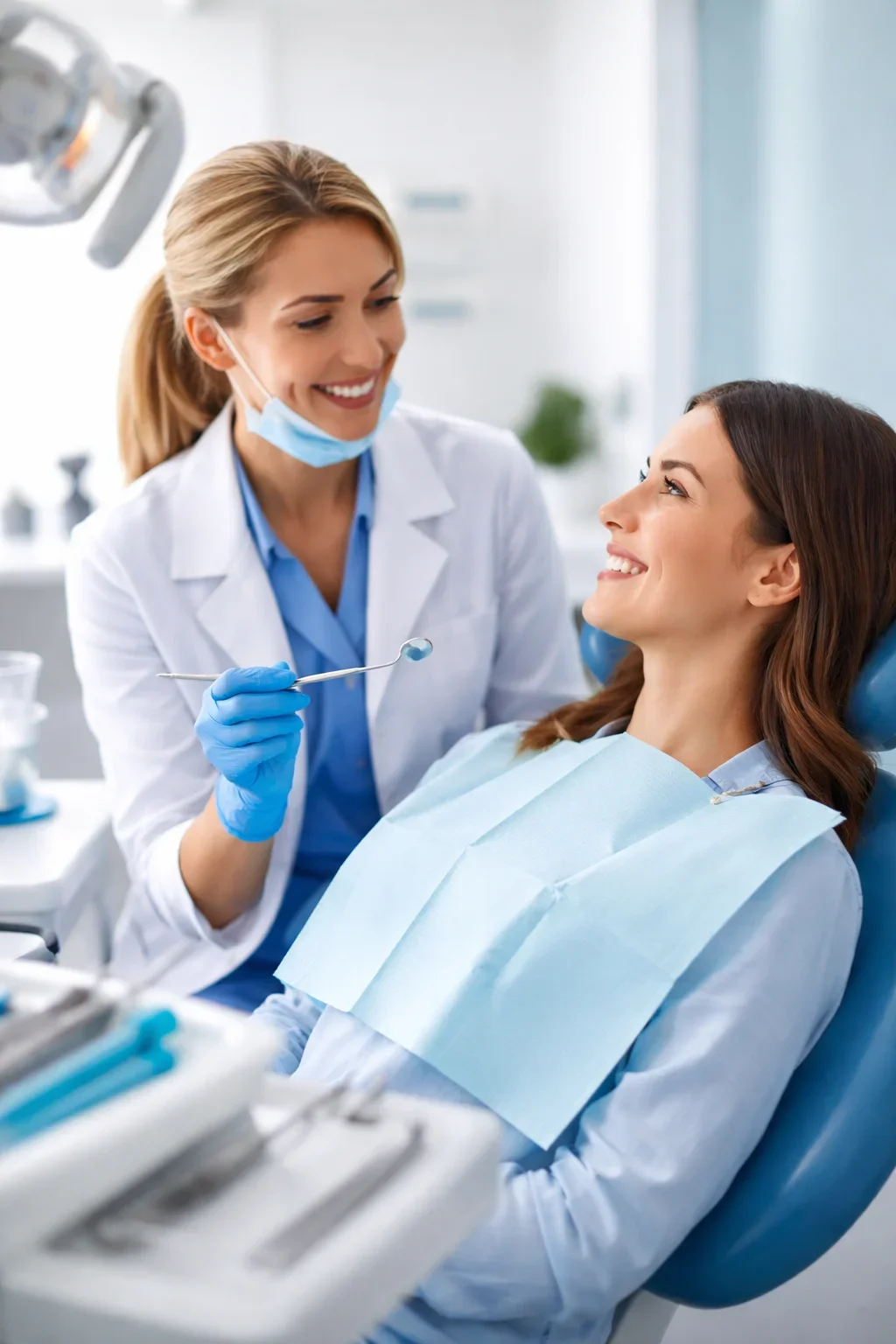
Why Oral Dentistry Is a Lifelong Investment in Health and Quality of Life
Oral dentistry is not a short-term solution or an occasional medical service; it is a lifelong investment that directly influences overall health, comfort, confidence, and quality of life. Many people view dental care as reactive—something to address only when pain occurs. However, modern oral dentistry is built on the understanding that consistent, preventive, and well-planned care produces the best long-term outcomes for both oral and systemic health.
When approached as an ongoing partnership rather than isolated treatments, oral dentistry becomes one of the most powerful tools for maintaining well-being across every stage of life. This perspective shifts the focus from crisis management to sustainable health preservation.
Oral Dentistry and Long-Term Health Stability
One of the most important reasons oral dentistry should be considered a lifelong investment is its role in long-term health stability. Chronic oral conditions such as gum disease and untreated infections do not remain confined to the mouth. Oral dentistry helps reduce chronic inflammation and bacterial exposure that may otherwise contribute to systemic conditions.
By maintaining healthy teeth and gums through regular oral dentistry care, individuals reduce the likelihood of complications that can affect the heart, immune system, and metabolic health. This preventive approach saves not only teeth but also long-term health resources.
Prevention Over Intervention
Preventive oral dentistry minimizes the need for complex and invasive procedures later in life. Regular examinations, professional cleanings, and early diagnostics help detect minor issues before they escalate. This philosophy preserves natural teeth and supports stable oral function for decades.
From a long-term perspective, prevention-oriented oral dentistry reduces physical stress on the body and lowers cumulative treatment burdens.
Functional Benefits That Last a Lifetime
Chewing, speaking, and swallowing are fundamental daily functions that depend on oral health. Oral dentistry ensures that these functions remain efficient and comfortable throughout life. Tooth loss, bite imbalance, and jaw dysfunction can significantly affect nutrition and overall comfort.
By preserving tooth structure and supporting proper alignment, oral dentistry helps maintain balanced oral function well into older adulthood. This functional stability contributes directly to independence and quality of life.
Psychological and Social Impact of Oral Dentistry
The psychological benefits of oral dentistry are often underestimated. A healthy, well-maintained smile supports self-confidence, social interaction, and emotional well-being. Individuals who are comfortable with their oral health are more likely to engage confidently in personal and professional settings.
Oral dentistry addresses both visible and functional concerns, helping patients feel secure about their appearance and oral comfort 😊.
Financial Value of Consistent Oral Dentistry Care
From a financial standpoint, oral dentistry is a cost-effective investment over time. Preventive care and early intervention reduce the likelihood of expensive, complex treatments in the future. Regular maintenance spreads care costs over time rather than concentrating them in emergency situations.
Oral dentistry also helps avoid indirect costs associated with untreated oral problems, such as lost productivity, medical complications, and reduced quality of life.
Adaptability Across Life Stages
A defining strength of oral dentistry is its adaptability. As needs change with age, oral dentistry evolves accordingly—focusing on development in childhood, maintenance in adulthood, and preservation and comfort in later years.
This adaptability makes oral dentistry uniquely suited to support lifelong health goals, regardless of age or medical background.
Building a Trusted Oral Dentistry Partnership
Long-term success in oral dentistry depends on trust and continuity. Establishing a lasting relationship with an oral dentistry provider allows for personalized care, consistent monitoring, and informed decision-making.
Dentists who understand a patient’s history can anticipate risks, adjust preventive strategies, and provide guidance tailored to long-term health objectives.
Oral Dentistry as Part of a Healthy Lifestyle
When integrated into a healthy lifestyle, oral dentistry complements nutrition, physical wellness, and preventive medical care. Oral health habits reinforce overall wellness and support the body’s natural defenses.
Viewing oral dentistry as an essential component of self-care encourages regular engagement and proactive health choices.
In conclusion, oral dentistry is a lifelong investment that extends far beyond maintaining a bright smile. It supports systemic health, preserves essential daily functions, enhances confidence, and contributes to long-term financial and physical well-being. By committing to consistent oral dentistry care, individuals invest in a healthier, more comfortable, and more confident future—one that benefits them at every stage of life.