
Maintaining a healthy smile is not just about aesthetics—it is a critical part of your overall well-being. An oral health dentist plays a vital role in ensuring that your teeth, gums, and entire oral system remain in optimal condition. From preventive care to advanced treatments, an oral health dentist helps you avoid serious complications while improving your quality of life. 🦷
When people think about dental care, they often focus only on brushing and flossing. However, regular visits to an oral health dentist are equally important. These professionals are trained to detect early signs of issues such as cavities, gum disease, enamel erosion, and even oral cancer. Early detection can save you from painful procedures and costly treatments in the future.
An oral health dentist does more than just treat problems—they prevent them. Preventive dentistry includes routine check-ups, professional cleanings, fluoride treatments, and patient education. By visiting an oral health dentist every six months, you significantly reduce your risk of developing severe dental conditions. This proactive approach is essential for maintaining long-term oral hygiene and avoiding emergencies.
One of the key benefits of working with an oral health dentist is personalized care. Every patient has unique dental needs based on lifestyle, genetics, and habits. For example, someone who consumes a high-sugar diet may require more frequent check-ups. Similarly, patients who smoke or have underlying health conditions need specialized monitoring. An oral health dentist evaluates all these factors to create a customized treatment plan tailored to your needs.
In addition to preventive care, an oral health dentist provides restorative treatments such as fillings, crowns, bridges, and implants. These procedures not only restore functionality but also improve the appearance of your smile. A healthy smile can boost your confidence and positively impact your social and professional life. 😊
Another important aspect of visiting an oral health dentist is education. Many people are unaware of proper brushing techniques, the importance of flossing, or how diet affects oral health. A qualified oral health dentist will guide you on best practices, recommend suitable dental products, and help you build a sustainable oral care routine.
Moreover, your oral health is closely linked to your overall health. Research has shown that poor oral hygiene can contribute to systemic conditions such as heart disease, diabetes, and respiratory infections. By regularly consulting an oral health dentist, you are not only protecting your teeth but also safeguarding your general health. For more information about oral health standards, you can visit the American Dental Association.
If you are unsure when to schedule your next appointment, it is always better to act sooner rather than later. Even if you are not experiencing pain, underlying issues may still be present. Booking a consultation with an oral health dentist ensures peace of mind and professional evaluation. You can easily get in touch with professionals through the Redent Klinik Contact Page.
In conclusion, an oral health dentist is your partner in achieving and maintaining a healthy, beautiful smile. Through preventive care, personalized treatment, and ongoing support, they help you avoid complications and enjoy lifelong dental health. Investing in regular visits to an oral health dentist is one of the smartest decisions you can make for your overall well-being.
Why Visiting an Oral Health Dentist Is Essential
Regular visits to an oral health dentist are one of the most important steps you can take to protect your teeth, gums, and overall well-being. Many people underestimate the value of professional dental care, assuming that brushing and flossing alone are enough. However, an oral health dentist provides specialized expertise, early diagnosis, and preventive strategies that go far beyond daily home care. 🦷
Early Detection of Dental Problems
One of the biggest advantages of visiting an oral health dentist is the ability to detect issues early. Conditions such as cavities, gum disease, enamel erosion, and even oral cancer can develop silently without noticeable symptoms. By scheduling routine check-ups with an oral health dentist, these problems can be identified at an early stage when they are easier and less expensive to treat.
For example, a small cavity can be treated with a simple filling. If left untreated, it may progress into a root canal infection or tooth loss. An oral health dentist ensures that such complications are avoided through timely intervention.
Hidden Issues Only Professionals Can See
Even if your teeth appear healthy, there may be underlying problems such as micro-cracks, plaque buildup below the gumline, or early gum inflammation. An oral health dentist uses advanced diagnostic tools like digital X-rays and intraoral cameras to uncover these hidden issues before they become serious.
Professional Cleaning for Optimal Oral Hygiene
Daily brushing and flossing are essential, but they are not enough to remove all plaque and tartar. Over time, plaque hardens into tartar, which cannot be removed with regular brushing. An oral health dentist performs professional cleanings that eliminate these deposits and reduce the risk of gum disease.
During a cleaning session, the oral health dentist also polishes your teeth, removes surface stains, and helps maintain a brighter smile. This process not only improves aesthetics but also contributes to better oral hygiene.
Prevention of Gum Disease
Gum disease is one of the leading causes of tooth loss in adults. Regular visits to an oral health dentist help prevent gingivitis and periodontitis by keeping your gums healthy. Early-stage gum disease is reversible, but advanced stages can lead to permanent damage. This makes routine dental visits absolutely essential.
Personalized Treatment Plans
Every individual has unique dental needs, and an oral health dentist understands this. During your visit, your dentist evaluates your oral condition, lifestyle habits, and medical history to create a customized care plan. Whether you need more frequent cleanings, fluoride treatments, or dietary advice, an oral health dentist ensures your treatment is tailored specifically to you.
For instance, patients with sensitive teeth may require special toothpaste recommendations, while those prone to cavities might benefit from sealants or fluoride applications. An oral health dentist provides guidance that aligns with your personal needs.
Connection Between Oral Health and Overall Health
Your oral health is closely linked to your general health. Studies show that poor oral hygiene can contribute to serious conditions such as heart disease, diabetes, and respiratory infections. Visiting an oral health dentist regularly helps reduce inflammation and bacterial spread, which can impact other parts of your body.
An oral health dentist not only treats dental issues but also plays a role in monitoring your overall health. For example, symptoms like dry mouth, gum bleeding, or oral lesions may indicate underlying systemic conditions.
Expert Guidance from Trusted Sources
To better understand the importance of oral care, you can refer to the American Dental Association, which provides evidence-based guidelines on maintaining optimal oral hygiene. Following the advice of an oral health dentist in combination with trusted resources ensures the best outcomes.
Confidence and Quality of Life
A healthy smile has a direct impact on your confidence and social interactions. When you regularly visit an oral health dentist, you are more likely to maintain clean, bright, and healthy teeth. This boosts self-esteem and allows you to smile freely without hesitation. 😊
Additionally, untreated dental problems can cause pain, difficulty eating, and even speech issues. An oral health dentist ensures that your oral functions remain intact, allowing you to enjoy your daily life without discomfort.
Easy Access to Professional Care
If you are ready to prioritize your dental health, scheduling an appointment with an oral health dentist is simple. You can reach out through the Redent Klinik Contact Page to connect with experienced professionals who can guide you through your dental journey.
In summary, visiting an oral health dentist is not just about fixing problems—it is about preventing them, improving your overall health, and enhancing your quality of life. With regular check-ups, professional cleanings, and personalized care, an oral health dentist becomes an essential partner in maintaining a healthy and confident smile for years to come.
Top Services Offered by an Oral Health Dentist
An oral health dentist provides a wide range of services designed to maintain, restore, and enhance your dental health. These services go far beyond basic check-ups and cleanings, covering everything from preventive care to advanced restorative and cosmetic treatments. Understanding what an oral health dentist offers helps you make informed decisions and ensures you receive the best possible care for your smile. 🦷
Preventive Care Services
Preventive dentistry is the foundation of all treatments provided by an oral health dentist. The goal is to stop dental problems before they start. Regular check-ups, professional cleanings, fluoride treatments, and dental sealants are all part of preventive care.
During routine visits, an oral health dentist examines your teeth and gums for early signs of decay, infection, or abnormalities. Professional cleanings remove plaque and tartar buildup that cannot be eliminated through brushing alone. This significantly reduces the risk of cavities and gum disease.
Fluoride Treatments and Sealants
Fluoride strengthens tooth enamel and makes it more resistant to decay. An oral health dentist may recommend fluoride applications, especially for children or patients prone to cavities. Dental sealants are another preventive solution, applied to the chewing surfaces of molars to protect against bacteria and food particles.
Restorative Treatments
When dental issues occur, an oral health dentist provides restorative treatments to repair damage and restore function. These treatments include fillings, crowns, bridges, dentures, and dental implants.
Fillings are used to treat cavities, while crowns protect weakened or damaged teeth. Bridges replace missing teeth by anchoring artificial teeth to adjacent natural teeth. An oral health dentist ensures that each restoration blends naturally with your existing teeth for both functionality and aesthetics.
Dental Implants for Permanent Solutions
Dental implants are one of the most advanced solutions offered by an oral health dentist. They provide a permanent replacement for missing teeth by integrating with the jawbone. This not only restores your smile but also prevents bone loss and maintains facial structure.
Cosmetic Dentistry Services
An oral health dentist also focuses on improving the appearance of your smile through cosmetic procedures. These include teeth whitening, veneers, bonding, and smile makeovers.
Teeth whitening is one of the most popular treatments, helping remove stains caused by coffee, tea, smoking, or aging. Veneers are thin shells placed on the front of teeth to correct imperfections such as discoloration, chips, or gaps. With the help of an oral health dentist, you can achieve a brighter and more confident smile. 😊
Smile Design and Aesthetic Planning
Modern cosmetic dentistry involves detailed planning and digital simulations. An oral health dentist may use advanced software to show you the expected results before starting treatment, ensuring satisfaction and precision.
Periodontal (Gum) Treatments
Healthy gums are essential for strong teeth. An oral health dentist provides treatments for gum diseases such as gingivitis and periodontitis. These treatments include deep cleaning (scaling and root planing), medication, and in severe cases, surgical procedures.
Ignoring gum problems can lead to tooth loss and other health complications. Regular visits to an oral health dentist help maintain gum health and prevent long-term damage.
Orthodontic Solutions
Many oral health dentist professionals also offer orthodontic treatments to correct misaligned teeth and bite issues. These include traditional braces, clear aligners, and retainers.
Straight teeth are not only aesthetically pleasing but also easier to clean, reducing the risk of cavities and gum disease. An oral health dentist evaluates your alignment and recommends the best orthodontic solution for your needs.
Emergency Dental Care
Dental emergencies can happen at any time, and an oral health dentist is equipped to handle urgent situations such as severe tooth pain, broken teeth, infections, or knocked-out teeth.
Immediate care from an oral health dentist can save your tooth and prevent further complications. Quick intervention is crucial in emergencies, making it important to have a trusted dental professional you can rely on.
Cost Overview of Common Treatments
The cost of services provided by an oral health dentist varies depending on the procedure and location. Below is a general estimate:
- Routine check-up and cleaning: $50 – $200
- Dental filling: $100 – $300 per tooth
- Teeth whitening: $150 – $600
- Dental crown: $800 – $1,500
- Dental implant: $1,500 – $3,500 per tooth
These prices may vary, but investing in an oral health dentist ensures long-term savings by preventing major dental issues.
Trusted Guidance and Resources
To learn more about professional dental services and standards, you can visit the American Dental Association. Combining expert advice with regular visits to an oral health dentist ensures optimal results.
If you are ready to explore these services, you can easily connect with professionals through the Redent Klinik Contact Page and start your journey toward better oral health.
In conclusion, the services offered by an oral health dentist cover every aspect of dental care—from prevention and restoration to aesthetics and emergency treatment. By understanding these services, you can take proactive steps to maintain a healthy, functional, and beautiful smile for life.
How an Oral Health Dentist Prevents Serious Dental Problems
Preventing dental problems before they become severe is one of the most important roles of an oral health dentist. Rather than waiting for pain or visible damage to appear, an oral health dentist focuses on early intervention, routine monitoring, and patient education. This proactive approach not only saves time and money but also protects your overall health. 🦷
Routine Check-Ups and Early Diagnosis
Regular check-ups with an oral health dentist are essential for identifying issues before they escalate. During these visits, the dentist carefully examines your teeth, gums, and oral tissues to detect early signs of decay, gum disease, or abnormalities.
An oral health dentist uses tools such as digital X-rays and diagnostic imaging to uncover hidden problems that may not be visible to the naked eye. For example, cavities between teeth or infections beneath the gumline can be detected early, allowing for simpler and less invasive treatments.
Monitoring Changes Over Time
By visiting the same oral health dentist regularly, your dental history is tracked over time. This allows the dentist to notice even subtle changes in your oral condition. Whether it is a slight shift in bite alignment or early gum inflammation, an oral health dentist can act quickly to prevent further damage.
Professional Cleaning and Plaque Control
Even with excellent oral hygiene habits, plaque and tartar can accumulate in hard-to-reach areas. An oral health dentist performs professional cleanings to remove these deposits, reducing the risk of cavities and gum disease.
When plaque hardens into tartar, it cannot be removed by brushing alone. An oral health dentist uses specialized instruments to clean below the gumline, ensuring your mouth remains healthy and free from harmful bacteria.
Preventing Tooth Decay and Gum Disease
Routine cleanings by an oral health dentist significantly lower the chances of developing tooth decay and periodontal disease. These conditions, if left untreated, can lead to tooth loss and more complex procedures such as implants or surgery.
Fluoride Treatments and Protective Measures
Fluoride treatments are a key preventive service offered by an oral health dentist. Fluoride strengthens tooth enamel, making it more resistant to acid attacks from bacteria and food.
Additionally, an oral health dentist may recommend dental sealants, especially for children or individuals prone to cavities. Sealants act as a protective barrier, preventing food particles and bacteria from settling into the grooves of the teeth.
Personalized Oral Care Guidance
One of the most valuable contributions of an oral health dentist is personalized guidance. Every patient has different needs, and a one-size-fits-all approach does not work for oral health.
An oral health dentist evaluates your brushing technique, flossing habits, and dietary choices. Based on this assessment, they provide tailored advice to improve your daily routine. This may include recommendations for specific toothbrushes, toothpaste, or mouthwash.
Diet and Lifestyle Recommendations
Your diet plays a major role in oral health. An oral health dentist may advise reducing sugary foods and acidic beverages, which can erode enamel and cause cavities. They may also suggest foods rich in calcium and vitamins to strengthen your teeth.
Lifestyle factors such as smoking and alcohol consumption can also impact oral health. An oral health dentist helps you understand these risks and guides you toward healthier choices.
Preventing Advanced Dental Conditions
Without proper care, minor dental issues can develop into serious conditions. For example, untreated cavities can lead to infections, abscesses, or even systemic health problems. An oral health dentist prevents these complications through early treatment and continuous monitoring.
Similarly, gum disease can progress from mild gingivitis to severe periodontitis if not addressed. Regular visits to an oral health dentist ensure that such progression is stopped early, preserving your natural teeth.
Education and Awareness
An oral health dentist not only treats patients but also educates them. Many dental problems arise due to a lack of awareness about proper oral hygiene practices. By explaining the importance of brushing twice daily, flossing, and regular check-ups, an oral health dentist empowers patients to take control of their oral health.
For additional guidance and trusted recommendations, you can visit the American Dental Association, which offers valuable information on maintaining oral hygiene.
Access to Professional Support
Preventive care is most effective when it is consistent. Scheduling regular appointments with an oral health dentist ensures ongoing support and professional monitoring. If you are ready to take the next step, you can easily connect with experts through the Redent Klinik Contact Page.
In conclusion, an oral health dentist plays a crucial role in preventing serious dental problems through early detection, professional cleaning, personalized care, and patient education. By maintaining regular visits and following expert advice, you can protect your teeth, avoid costly treatments, and enjoy a lifetime of healthy smiles. 😊
Daily Habits Recommended by an Oral Health Dentist
Building strong daily habits is the foundation of a healthy smile, and an oral health dentist consistently emphasizes the importance of routine care. While professional treatments are essential, what you do every day at home has the biggest long-term impact on your teeth and gums. An oral health dentist focuses on simple yet powerful habits that prevent decay, protect enamel, and maintain overall oral hygiene. 🦷
Brushing Techniques Recommended by an Oral Health Dentist
Brushing your teeth may seem straightforward, but many people do it incorrectly. An oral health dentist recommends brushing at least twice a day using a soft-bristled toothbrush and fluoride toothpaste. The key is not just frequency, but also technique.
An oral health dentist advises holding the toothbrush at a 45-degree angle toward the gumline and using gentle circular motions. Brushing too hard can damage enamel and irritate gums, while brushing too lightly may leave plaque behind. Each session should last at least two minutes to ensure thorough cleaning.
Electric vs Manual Toothbrush
An oral health dentist often recommends electric toothbrushes because they provide more consistent cleaning and are easier to use correctly. However, a manual toothbrush can also be effective if used with proper technique and consistency.
The Importance of Daily Flossing
Flossing is a habit that many people skip, but it is crucial according to any oral health dentist. Flossing removes food particles and plaque from between teeth where a toothbrush cannot reach.
An oral health dentist suggests flossing at least once a day, preferably before bedtime. This prevents bacteria from accumulating overnight and reduces the risk of cavities and gum disease.
Alternatives to Traditional Floss
For those who find flossing difficult, an oral health dentist may recommend alternatives such as water flossers or interdental brushes. These tools can be especially helpful for individuals with braces, implants, or tight spaces between teeth.
Mouthwash and Additional Protection
Using mouthwash is another habit encouraged by an oral health dentist. Antibacterial mouthwashes help reduce plaque, fight bad breath, and protect against gum disease.
An oral health dentist may recommend specific types of mouthwash depending on your needs, such as fluoride rinses for cavity prevention or antiseptic solutions for gum health.
Healthy Diet for Strong Teeth
Your diet plays a major role in oral health. An oral health dentist advises limiting sugary and acidic foods, which can weaken enamel and lead to cavities.
Instead, an oral health dentist recommends consuming foods rich in calcium, phosphorus, and vitamins. Dairy products, leafy greens, nuts, and crunchy vegetables help strengthen teeth and stimulate saliva production, which naturally cleans the mouth.
Hydration and Saliva Production
Drinking enough water is another essential habit emphasized by an oral health dentist. Water helps wash away food particles and maintains saliva flow. Saliva is crucial because it neutralizes acids and protects enamel.
Avoiding Harmful Habits
An oral health dentist strongly advises against habits that can damage your teeth. Smoking, excessive alcohol consumption, and chewing hard objects like ice or pens can lead to serious dental problems.
Grinding your teeth (bruxism) is another common issue. An oral health dentist may recommend wearing a night guard to protect your teeth from wear and fractures.
Consistency and Routine Check-Ups
Even the best daily habits are not enough without regular professional care. An oral health dentist recommends scheduling check-ups every six months to ensure your oral health remains on track.
These visits allow your oral health dentist to monitor your progress, perform professional cleanings, and address any emerging issues before they become serious.
Combining Home Care with Professional Support
The most effective approach is combining daily habits with professional guidance. An oral health dentist ensures that your routine is effective and adjusts it based on your changing needs.
Trusted Guidance and Resources
For additional tips and scientifically backed recommendations, you can visit the American Dental Association. Following the advice of an oral health dentist along with trusted resources ensures optimal oral hygiene.
Take Action Today
Developing strong habits starts with the right guidance. If you need personalized recommendations, you can contact professionals through the Redent Klinik Contact Page. An experienced oral health dentist will help you build a routine tailored to your needs.
In conclusion, the daily habits recommended by an oral health dentist are simple yet powerful. By brushing correctly, flossing regularly, maintaining a healthy diet, and avoiding harmful behaviors, you can protect your teeth and gums for life. Consistency is the key—when guided by an oral health dentist, these habits become the foundation of a strong, healthy, and confident smile. 😊
Signs You Should Visit an Oral Health Dentist Immediately
Many people delay dental visits until the pain becomes unbearable, but this approach can lead to serious complications. An oral health dentist emphasizes the importance of recognizing early warning signs and seeking immediate care. Acting quickly not only prevents worsening conditions but also saves you from more complex and costly treatments. Understanding these signs can make a significant difference in maintaining your oral health. 🦷
Persistent Tooth Pain or Sensitivity
One of the most common reasons to visit an oral health dentist is ongoing tooth pain. Pain is your body’s way of signaling that something is wrong. Whether it is sharp, dull, or throbbing, persistent discomfort should never be ignored.
An oral health dentist can identify the root cause of the pain, which may include cavities, infections, cracked teeth, or exposed nerves. Sensitivity to hot, cold, or sweet foods is another sign that requires attention. Early diagnosis by an oral health dentist can prevent further damage and relieve discomfort quickly.
When Pain Becomes an Emergency
If the pain becomes severe or is accompanied by swelling, fever, or difficulty eating, it is considered a dental emergency. An oral health dentist should be consulted immediately to prevent the spread of infection.
Bleeding or Swollen Gums
Healthy gums should not bleed during brushing or flossing. If you notice bleeding, redness, or swelling, it is a clear sign that you need to see an oral health dentist. These symptoms often indicate gingivitis, the early stage of gum disease.
An oral health dentist can treat gum inflammation before it progresses into periodontitis, a more serious condition that can lead to tooth loss. Ignoring gum issues can also affect your overall health, making timely intervention essential.
Bad Breath That Doesn’t Go Away
Chronic bad breath, also known as halitosis, can be a sign of underlying dental problems. An oral health dentist evaluates whether the cause is poor oral hygiene, gum disease, or infection and provides appropriate treatment.
Loose or Shifting Teeth
If your teeth feel loose or begin to shift, it is important to consult an oral health dentist immediately. Adult teeth should remain stable, and any movement may indicate bone loss or advanced gum disease.
An oral health dentist will assess the condition of your gums and supporting structures to determine the best course of action. Early intervention can help preserve your natural teeth and prevent further complications.
Tooth Damage or Trauma
Accidents can happen at any time, resulting in chipped, cracked, or broken teeth. In such cases, visiting an oral health dentist promptly is crucial. Even minor damage can worsen if left untreated.
An oral health dentist can repair damaged teeth using fillings, crowns, or bonding techniques. Quick treatment ensures that the tooth remains functional and aesthetically pleasing.
Knocked-Out Tooth
If a tooth is completely knocked out, immediate action is necessary. Place the tooth in milk or saline solution and visit an oral health dentist within an hour for the best chance of saving it.
Mouth Sores or Unusual Lesions
Unusual sores, lumps, or patches in your mouth should never be ignored. While some may be harmless, others could indicate serious conditions such as infections or oral cancer. An oral health dentist is trained to identify these abnormalities and recommend further evaluation if needed.
Regular monitoring by an oral health dentist ensures that any suspicious changes are addressed early, improving treatment outcomes.
Difficulty Chewing or Jaw Pain
If you experience discomfort while chewing or notice pain in your jaw, it may indicate issues with your teeth alignment or temporomandibular joint (TMJ). An oral health dentist can diagnose the cause and provide appropriate treatment.
Ignoring these symptoms can lead to chronic pain and difficulty eating. An oral health dentist helps restore proper function and comfort.
Unexplained Changes in Oral Appearance
Any sudden changes in the appearance of your teeth or gums should be evaluated by an oral health dentist. This includes discoloration, spots, or receding gums.
An oral health dentist determines whether these changes are due to lifestyle factors, infections, or underlying health conditions and provides suitable solutions.
Trusted Guidance and Immediate Support
Recognizing these warning signs is the first step, but taking action is equally important. If you notice any of these symptoms, do not delay seeking professional help. You can schedule an appointment through the Redent Klinik Contact Page to receive expert care from an experienced oral health dentist.
For additional information on dental health and warning signs, you can refer to the American Dental Association, which provides reliable and up-to-date guidance.
In conclusion, understanding the signs that require immediate attention from an oral health dentist can protect you from serious complications. Whether it is pain, bleeding gums, or unusual changes, early intervention is key. By acting quickly and consulting an oral health dentist, you ensure a healthier, safer, and more confident smile for the future. 😊
Cost of Treatments with an Oral Health Dentist
Understanding the cost of dental treatments is an important part of planning your care. An oral health dentist provides a wide range of services, and the cost can vary depending on the complexity of the procedure, the materials used, and the location of the clinic. While some people hesitate due to pricing concerns, it is essential to view dental care as an investment in your long-term health. An oral health dentist helps you avoid more expensive treatments in the future by addressing issues early. 💰🦷
Factors That Influence Treatment Costs
The cost of visiting an oral health dentist is influenced by several factors. These include the type of treatment, the severity of the condition, and the technology used during the procedure. For example, a simple cleaning will cost significantly less than a dental implant.
An oral health dentist also considers the materials used. High-quality materials such as porcelain crowns or advanced implant systems may increase the cost but offer better durability and aesthetics. Additionally, the experience and expertise of the oral health dentist can affect pricing, as highly skilled professionals often provide more precise and long-lasting results.
Location and Clinic Standards
Costs can also vary depending on the country or city where the oral health dentist operates. Clinics equipped with modern technology and high hygiene standards may charge more, but they also ensure safer and more effective treatments.
Average Costs of Common Treatments
Below is a general overview of typical treatment costs you may encounter when visiting an oral health dentist. These are approximate ranges based on global averages:
- Routine check-up and cleaning: $50 – $200
- Dental filling: $100 – $300 per tooth
- Teeth whitening: $150 – $600
- Dental crown: $800 – $1,500
- Root canal treatment: $500 – $1,200
- Dental implant: $1,500 – $3,500 per tooth
- Orthodontic treatment (braces): $2,000 – $6,000
An oral health dentist will always provide a detailed treatment plan and cost estimate before starting any procedure. This transparency helps you plan your budget and avoid unexpected expenses.
Preventive Care Saves Money
One of the most important financial benefits of visiting an oral health dentist regularly is prevention. Routine check-ups and cleanings are relatively inexpensive compared to advanced procedures like implants or surgeries.
By investing in preventive care, an oral health dentist helps you avoid serious dental issues that require costly treatments. For example, treating a cavity early is much cheaper than undergoing a root canal or tooth replacement later.
Long-Term Cost Efficiency
Although some treatments may seem expensive initially, they often provide long-term value. For instance, dental implants performed by an oral health dentist can last for decades, reducing the need for repeated treatments.
Insurance and Payment Options
Many patients rely on dental insurance to cover part of their expenses. An oral health dentist typically works with various insurance providers and can help you understand your coverage.
In addition, most clinics offer flexible payment plans to make treatments more accessible. An oral health dentist may provide installment options, allowing you to spread the cost over time without financial strain.
Financing Solutions
Some clinics partner with financing companies to offer low-interest or interest-free payment plans. Discussing these options with your oral health dentist ensures that you receive the care you need without delay.
Balancing Cost and Quality
Choosing the cheapest option is not always the best decision when it comes to dental care. An experienced oral health dentist focuses on quality, safety, and long-term results. Poor-quality treatments may lead to complications, requiring additional procedures and higher costs in the future.
An oral health dentist ensures that every treatment is performed with precision and high standards, providing better outcomes and peace of mind.
Trusted Resources for Cost Awareness
To learn more about dental care standards and cost considerations, you can visit the American Dental Association. This resource offers valuable insights into dental procedures and their benefits.
Take the First Step Toward Affordable Care
If you are considering treatment, it is important to consult with a professional oral health dentist who can guide you through your options. You can easily schedule a consultation through the Redent Klinik Contact Page and receive a personalized treatment plan.
In conclusion, the cost of treatments with an oral health dentist varies depending on multiple factors, but investing in your oral health always pays off. With preventive care, transparent pricing, and flexible payment options, an oral health dentist makes quality dental care accessible while ensuring long-term benefits for your smile and overall health. 😊
Choosing the Right Oral Health Dentist for Your Needs
Selecting the right oral health dentist is one of the most important decisions you can make for your long-term dental care. A skilled and trustworthy oral health dentist not only treats existing issues but also helps prevent future problems, ensuring your smile stays healthy and confident. With so many options available, knowing what to look for can make the process easier and more effective. 😊
Qualifications and Professional Experience
The first factor to consider when choosing an oral health dentist is their qualifications. A licensed and certified oral health dentist has undergone rigorous training and meets professional standards required to provide safe and effective treatments.
Experience is equally important. An oral health dentist with years of practice is more likely to handle a wide range of dental issues with confidence and precision. Whether you need preventive care, cosmetic procedures, or complex treatments, an experienced oral health dentist can deliver better outcomes.
Continuing Education and Specialization
Modern dentistry evolves rapidly with new technologies and techniques. A dedicated oral health dentist stays updated through continuing education and training. Some dentists also specialize in areas such as orthodontics, implants, or cosmetic dentistry, allowing them to provide advanced solutions tailored to your needs.
Reputation and Patient Reviews
Another key factor in selecting an oral health dentist is their reputation. Reading patient reviews and testimonials can provide valuable insights into the quality of care and patient satisfaction.
A highly rated oral health dentist is often known for professionalism, clear communication, and successful treatment outcomes. Positive feedback from other patients can give you confidence in your choice.
Word-of-Mouth Recommendations
Recommendations from family, friends, or colleagues can also help you find a reliable oral health dentist. Personal experiences often provide honest and practical insights that online reviews may not fully capture.
Range of Services Offered
A comprehensive oral health dentist should offer a wide range of services, including preventive, restorative, and cosmetic treatments. This ensures that all your dental needs can be addressed in one place.
Choosing an oral health dentist who provides multiple services saves time and allows for better continuity of care. From routine cleanings to advanced procedures like implants, having a single trusted provider simplifies your dental journey.
Technology and Modern Equipment
Technology plays a significant role in modern dentistry. An advanced oral health dentist uses digital X-rays, intraoral scanners, and laser treatments to improve accuracy and patient comfort.
These technologies enable an oral health dentist to diagnose issues more precisely and perform treatments with minimal discomfort. Clinics equipped with modern tools often provide faster and more effective results.
Comfort and Patient Experience
Beyond technology, the overall patient experience is important. A good oral health dentist ensures a comfortable and welcoming environment. Friendly staff, clear communication, and a relaxed atmosphere can make dental visits less stressful.
Location and Accessibility
Convenience is another important consideration. Choosing an oral health dentist located near your home or workplace makes it easier to attend regular appointments.
An accessible oral health dentist encourages consistency in your dental care routine, which is essential for maintaining oral health. Flexible appointment scheduling is also a valuable feature to look for.
Cost Transparency and Payment Options
Financial clarity is crucial when selecting an oral health dentist. A trustworthy dentist provides clear explanations of treatment costs and available payment options.
An oral health dentist who offers flexible payment plans or works with insurance providers can make dental care more affordable. Transparency ensures there are no unexpected surprises during your treatment process.
Communication and Trust
Effective communication is a hallmark of a great oral health dentist. Your dentist should take the time to explain procedures, answer your questions, and address your concerns.
Building trust with your oral health dentist is essential for a positive experience. When you feel comfortable and informed, you are more likely to follow treatment recommendations and maintain regular visits.
Trusted Resources and Professional Standards
To ensure you are choosing a qualified professional, you can refer to trusted organizations such as the American Dental Association. These resources provide guidelines and standards that every reputable oral health dentist should follow.
Start Your Journey with the Right Dentist
If you are ready to find a reliable oral health dentist, taking the first step is simple. You can connect with experienced professionals through the Redent Klinik Contact Page and receive personalized guidance tailored to your needs.
In conclusion, choosing the right oral health dentist requires careful consideration of qualifications, reputation, services, technology, and communication. By selecting a skilled and trustworthy oral health dentist, you ensure high-quality care, long-term oral health, and a confident smile that lasts a lifetime. 🦷
Advanced Technologies Used by an Oral Health Dentist
Modern dentistry has evolved significantly, and today an oral health dentist relies on advanced technologies to deliver more accurate, efficient, and comfortable treatments. These innovations not only improve diagnostic capabilities but also enhance patient experience and treatment outcomes. Visiting an oral health dentist equipped with the latest tools ensures that you receive high-quality care with minimal discomfort. 🦷✨
Digital X-Rays and Imaging Systems
One of the most important technologies used by an oral health dentist is digital radiography. Unlike traditional X-rays, digital X-rays produce high-resolution images instantly while exposing patients to significantly less radiation.
An oral health dentist uses these images to detect cavities, bone loss, infections, and other hidden issues that are not visible during a standard examination. This allows for early diagnosis and more precise treatment planning.
3D Imaging and Cone Beam CT
Advanced oral health dentist clinics often use Cone Beam Computed Tomography (CBCT) to create 3D images of the teeth, jaw, and surrounding structures. This technology is especially useful for planning dental implants and complex procedures, ensuring accuracy and safety.
Intraoral Scanners and Digital Impressions
Gone are the days of uncomfortable dental molds. An oral health dentist now uses intraoral scanners to capture precise digital impressions of your teeth. These scanners are fast, accurate, and far more comfortable for patients.
With digital impressions, an oral health dentist can design crowns, bridges, and aligners with exceptional precision. This reduces the need for multiple visits and improves the overall fit of restorations.
Same-Day Restorations
Some advanced clinics offer CAD/CAM technology, allowing an oral health dentist to create and place restorations such as crowns in a single visit. This saves time and provides immediate results without compromising quality.
Laser Dentistry for Minimally Invasive Treatments
Laser technology has transformed the way an oral health dentist performs certain procedures. Lasers can be used for gum treatments, cavity removal, and teeth whitening.
An oral health dentist using lasers can perform procedures with greater precision, less bleeding, and faster healing times. Patients also experience reduced discomfort and often require little to no anesthesia.
Benefits of Laser Treatments
Laser-assisted procedures performed by an oral health dentist are minimally invasive, meaning less damage to surrounding tissues. This leads to quicker recovery and improved patient comfort.
Teeth Whitening and Cosmetic Technology
Cosmetic dentistry has greatly benefited from technological advancements. An oral health dentist uses professional whitening systems that deliver faster and more effective results compared to over-the-counter products.
Advanced imaging software also allows an oral health dentist to simulate the outcome of cosmetic treatments. This helps patients visualize their future smile and make informed decisions.
Dental Implants and Guided Surgery
Implant dentistry has become more precise thanks to digital planning and guided surgery. An oral health dentist uses specialized software to map out the exact placement of implants before the procedure begins.
This technology ensures that implants are placed with maximum accuracy, reducing risks and improving long-term success rates. An experienced oral health dentist combines skill with technology to achieve optimal results.
Long-Term Benefits of Advanced Implant Technology
With the help of modern tools, an oral health dentist can provide implants that look, feel, and function like natural teeth. These solutions are durable and can last for decades with proper care.
AI and Smart Diagnostics
Artificial intelligence is becoming an integral part of dental care. Some oral health dentist practices use AI-powered software to analyze X-rays and detect early signs of dental problems.
This technology enhances the diagnostic accuracy of an oral health dentist, ensuring that no detail is overlooked. AI tools assist in identifying patterns and predicting potential issues before they develop into serious conditions.
Enhanced Patient Comfort Technologies
Comfort is a priority for any oral health dentist. Modern clinics incorporate technologies such as noise-reducing equipment, sedation options, and ergonomic chairs to create a relaxing environment.
An oral health dentist who prioritizes patient comfort helps reduce anxiety and makes dental visits more pleasant, encouraging regular check-ups and better oral health habits.
Trusted Standards and Continuous Innovation
To ensure high standards in dental technology, organizations like the American Dental Association provide guidelines and recommendations. A qualified oral health dentist follows these standards to deliver safe and effective care.
Take Advantage of Modern Dental Care
If you want to benefit from advanced dental technologies, it is important to choose a clinic that stays up to date. You can connect with experienced professionals through the Redent Klinik Contact Page and explore modern treatment options with a trusted oral health dentist.
In conclusion, the technologies used by an oral health dentist have revolutionized dental care. From digital imaging and laser treatments to AI diagnostics and guided implant surgery, these innovations improve accuracy, comfort, and outcomes. By choosing an oral health dentist who embraces modern technology, you ensure a healthier smile and a better overall dental experience. 😊
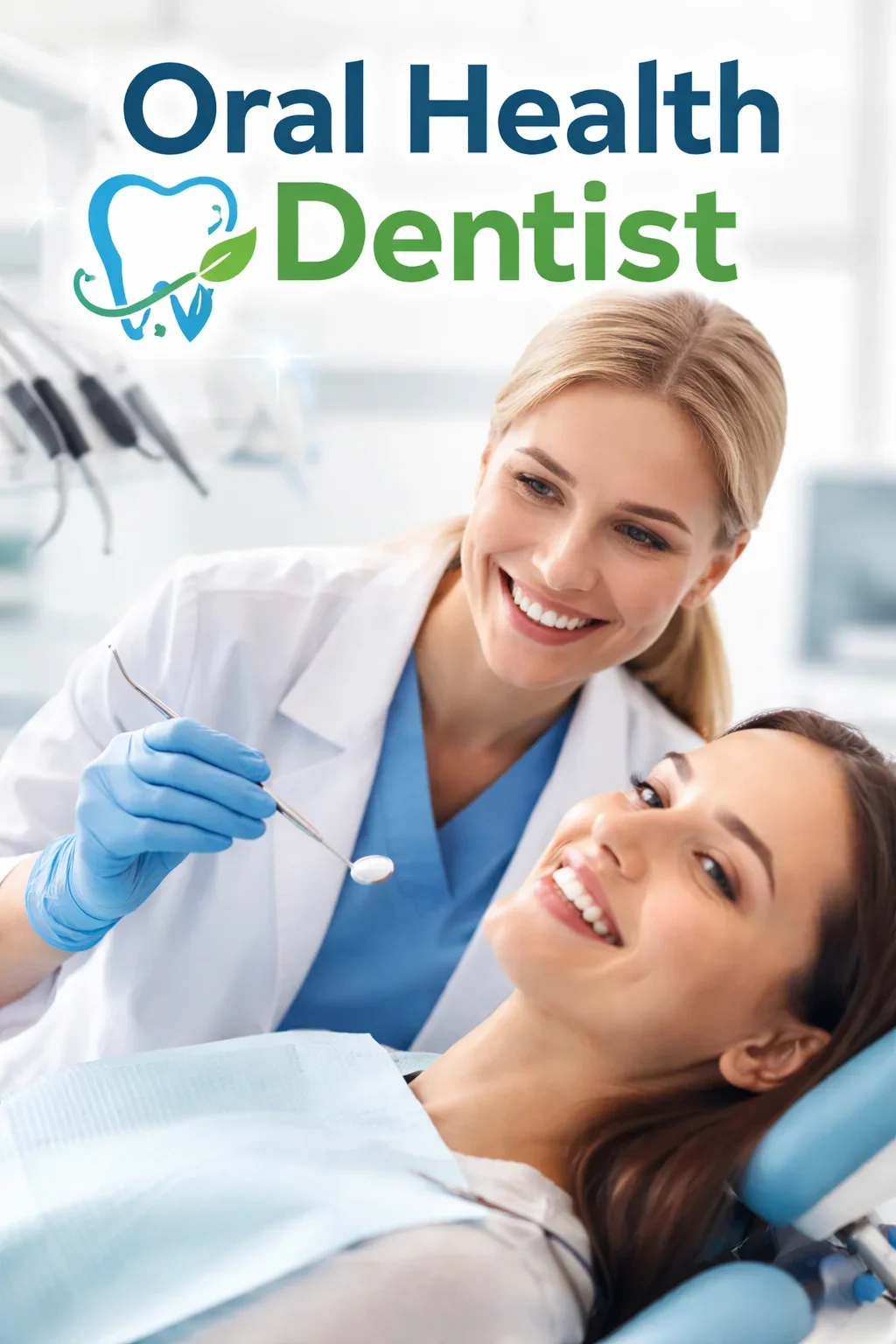
Long-Term Benefits of Regular Visits to an Oral Health Dentist
Regular dental visits are one of the most effective ways to maintain a healthy smile and overall well-being. An oral health dentist does not only treat problems when they arise but also plays a crucial role in preventing long-term complications. By consistently visiting an oral health dentist, you invest in your health, confidence, and quality of life. 🦷😊
Prevention of Serious Dental Issues
The most significant benefit of routine check-ups with an oral health dentist is prevention. Early detection of dental issues such as cavities, gum disease, and infections allows for timely treatment before they become severe.
An oral health dentist monitors your oral condition regularly, ensuring that even minor problems are addressed quickly. This proactive approach helps avoid complex procedures such as root canals, extractions, or implants.
Reducing Risk of Tooth Loss
Tooth loss is often the result of untreated dental problems. Regular visits to an oral health dentist significantly reduce this risk by maintaining strong teeth and healthy gums. Preventive care ensures that your natural teeth last as long as possible.
Improved Overall Health
Your oral health is closely connected to your general health. Studies have shown that poor oral hygiene can contribute to conditions such as heart disease, diabetes, and respiratory infections. An oral health dentist helps reduce these risks by keeping your mouth free from harmful bacteria.
By visiting an oral health dentist regularly, you are not only protecting your teeth but also supporting your entire body’s health. This holistic approach makes dental care an essential part of your healthcare routine.
Early Detection of Systemic Conditions
An experienced oral health dentist can identify signs of systemic diseases that may first appear in the mouth. Conditions such as vitamin deficiencies, autoimmune disorders, or even oral cancer can be detected during routine examinations.
Enhanced Appearance and Confidence
A bright and healthy smile has a powerful impact on your confidence. Regular cleanings and treatments provided by an oral health dentist help maintain white, stain-free teeth and healthy gums.
An oral health dentist also offers cosmetic solutions when needed, ensuring that your smile looks as good as it feels. This boost in confidence can positively affect your social interactions and professional life.
Cost Savings Over Time
Many people avoid dental visits due to cost concerns, but regular check-ups with an oral health dentist actually save money in the long run. Preventive care is far less expensive than treating advanced dental problems.
An oral health dentist helps you avoid costly procedures by addressing issues early. For example, treating a small cavity is much cheaper than performing a root canal or replacing a lost tooth.
Long-Term Financial Benefits
Investing in routine visits to an oral health dentist ensures that your dental expenses remain manageable. Preventive care reduces the likelihood of emergency treatments, which are often more expensive and stressful.
Better Oral Hygiene Habits
Regular visits to an oral health dentist reinforce good oral hygiene practices. Dentists provide guidance on brushing, flossing, and dietary habits, helping you maintain a consistent routine.
An oral health dentist also monitors your progress and makes adjustments to your care plan as needed. This ongoing support ensures that your habits remain effective over time.
Access to Professional Advice and Resources
Staying informed about oral health is essential for long-term success. An oral health dentist provides expert advice tailored to your needs and keeps you updated on the latest dental practices.
For additional reliable information, you can visit the American Dental Association, which offers evidence-based guidance on maintaining oral health.
Convenient Access to Quality Care
Maintaining a relationship with a trusted oral health dentist ensures that you always have access to professional care when needed. Whether it is a routine check-up or an urgent issue, having a reliable dentist makes the process easier and less stressful.
If you are ready to prioritize your dental health, you can connect with experienced professionals through the Redent Klinik Contact Page and schedule your next appointment with a qualified oral health dentist.
Improved Quality of Life
Ultimately, the long-term benefits of visiting an oral health dentist extend beyond your teeth. A healthy mouth allows you to eat comfortably, speak clearly, and smile confidently.
By committing to regular visits with an oral health dentist, you ensure a lifetime of strong teeth, healthy gums, and overall well-being. This consistent care leads to a better quality of life and lasting peace of mind.
In conclusion, the long-term benefits of regular visits to an oral health dentist are undeniable. From preventing serious issues and improving overall health to enhancing confidence and saving money, these visits are a crucial investment. With the support of an experienced oral health dentist, you can enjoy a healthy, beautiful smile for years to come. 😊