
Maintaining excellent oral health is one of the most important steps for protecting your overall well-being, confidence, and quality of life. An experienced oral hygiene dentist helps patients prevent dental problems before they become serious and expensive. From regular cleanings to advanced preventive care, an oral hygiene dentist plays a critical role in keeping teeth and gums healthy for many years. Many people only visit a clinic when pain appears, but routine care from an oral hygiene dentist can significantly reduce the risk of cavities, gum disease, tooth loss, and bad breath. 😁
An oral hygiene dentist focuses on preventive dentistry, patient education, and professional cleaning procedures that support long-term oral wellness. Daily brushing and flossing at home are important, but professional dental care provides deeper cleaning and expert evaluations that cannot be achieved with home routines alone. During appointments, an oral hygiene dentist carefully examines the gums, teeth, tongue, and surrounding tissues to identify early signs of oral problems. Early detection allows treatments to remain simple, affordable, and highly effective.
One of the main advantages of visiting an oral hygiene dentist regularly is plaque and tartar removal. Plaque is a sticky layer of bacteria that forms continuously on the teeth. If plaque is not removed properly, it hardens into tartar, which cannot be cleaned with regular brushing. An oral hygiene dentist uses specialized dental tools to remove tartar buildup safely and efficiently. This process helps prevent gingivitis, periodontal disease, enamel erosion, and chronic inflammation.
Many patients underestimate the connection between oral health and overall body health. Research shows that poor oral hygiene may contribute to heart disease, diabetes complications, respiratory infections, and systemic inflammation. An oral hygiene dentist helps reduce these risks by promoting healthy oral habits and monitoring changes in the mouth over time. Healthy gums create a stronger defense against harmful bacteria entering the bloodstream. This is why routine visits to an oral hygiene dentist are considered an essential part of preventive healthcare.
Another important responsibility of an oral hygiene dentist is educating patients about proper home care routines. Many people brush incorrectly or use the wrong products without realizing it. A professional oral hygiene dentist can recommend the best toothbrush type, toothpaste ingredients, flossing methods, and mouthwash options based on individual needs. Personalized advice helps improve brushing efficiency while protecting enamel and sensitive gums.
Modern preventive dentistry also includes cosmetic and aesthetic benefits. Cleaner teeth and healthier gums create a brighter and more attractive smile. Patients who maintain regular visits with an oral hygiene dentist often experience fresher breath, whiter teeth, and greater self-confidence. A healthy smile positively affects social interactions, work environments, and mental well-being. 😊
For children, preventive dental care is especially important. An oral hygiene dentist teaches young patients healthy habits early in life, reducing the likelihood of severe dental issues later. Routine dental checkups help monitor tooth development, alignment, and gum health. Establishing positive experiences with an oral hygiene dentist also helps children feel more comfortable during future dental visits.
Adults and seniors also benefit significantly from professional oral care. Aging increases the risk of dry mouth, gum recession, tooth sensitivity, and dental infections. An experienced oral hygiene dentist provides customized care plans that address age-related concerns while preserving natural teeth whenever possible. Preventive dentistry remains far more affordable and comfortable than complex restorative procedures.
Patients searching for a reliable dental clinic should prioritize professionalism, cleanliness, modern technology, and preventive expertise. Choosing the right oral hygiene dentist can make a major difference in treatment quality and patient comfort. Clinics that focus on patient education and preventive care usually help individuals achieve stronger long-term oral health results.
Professional cleanings and preventive examinations are generally affordable compared to advanced dental procedures. Below is a general overview of preventive dental care costs that patients may encounter internationally. Prices vary depending on the clinic, country, and treatment complexity.
| Dental Service | Estimated Price Range |
|---|---|
| Professional Teeth Cleaning | $60 – $200 |
| Dental Examination | $40 – $150 |
| Digital Dental X-Ray | $20 – $100 |
| Deep Cleaning Procedure | $150 – $500 |
| Fluoride Treatment | $25 – $60 |
Patients who invest in regular preventive care often avoid costly restorative procedures such as dental implants, crowns, root canal therapy, and gum surgery. An oral hygiene dentist helps identify small issues before they develop into painful and expensive conditions. This preventive approach saves both time and money while improving long-term dental stability.
Besides clinical care, healthy daily habits are essential for maintaining excellent oral wellness. Brushing twice daily, flossing consistently, limiting sugary foods, drinking enough water, and avoiding tobacco products all support the recommendations provided by an oral hygiene dentist. Combining home care with professional support creates the strongest foundation for healthy teeth and gums.
For trusted dental information and oral health education, patients can visit the American Dental Association. Individuals looking for professional dental consultation or preventive treatment options can also contact the clinic directly through the Redent Klinik Contact Page.
Ultimately, working with an experienced oral hygiene dentist is one of the smartest decisions for protecting oral health, maintaining a confident smile, and preventing serious dental complications. Preventive dentistry provides long-term benefits that extend far beyond appearance alone. By scheduling regular checkups and maintaining healthy habits, patients can enjoy stronger teeth, healthier gums, fresher breath, and improved overall wellness for years to come. 🦷
Why Visiting an Oral Hygiene Dentist Matters for Long-Term Health
Regular visits to an oral hygiene dentist are essential for maintaining healthy teeth, strong gums, and overall wellness. Many people believe dental appointments are only necessary when pain or visible problems occur, but preventive care is the foundation of lifelong oral health. An experienced oral hygiene dentist helps patients avoid serious dental complications by detecting issues early and providing professional treatments that support long-term protection. Preventive dentistry not only improves oral health but also contributes to better physical health, confidence, and quality of life. 🦷
An oral hygiene dentist focuses on identifying potential dental concerns before they become severe. Small cavities, gum inflammation, plaque buildup, and enamel wear may not cause noticeable symptoms initially. However, untreated problems can gradually progress into painful infections, tooth loss, or advanced periodontal disease. By scheduling routine examinations with an oral hygiene dentist, patients can receive early intervention and avoid expensive restorative procedures later.
The Role of Preventive Dentistry in Oral Health
Preventive dentistry is one of the most important responsibilities of an oral hygiene dentist. During regular appointments, the dentist performs professional cleanings, oral examinations, and diagnostic evaluations to monitor the condition of the teeth and gums. Professional preventive care removes plaque and tartar from areas that are difficult to clean at home. This process significantly lowers the risk of tooth decay and gum disease.
Even patients who brush and floss consistently benefit from professional care. An oral hygiene dentist uses specialized instruments and modern dental technology to clean below the gumline and remove hardened tartar deposits. These deposits contain bacteria that may cause inflammation, bad breath, gum recession, and bone loss if left untreated.
Why Plaque and Tartar Removal Are Important
Plaque is a sticky bacterial film that develops continuously on the surface of the teeth. If plaque is not removed properly, it hardens into tartar within a short period. Tartar cannot be removed with a regular toothbrush and requires professional cleaning from an oral hygiene dentist. Removing tartar helps protect enamel and prevents bacterial growth around the gums.
Patients who skip regular cleanings often experience gum irritation, bleeding while brushing, chronic bad breath, and tooth sensitivity. An oral hygiene dentist helps eliminate these issues while improving overall oral freshness and cleanliness. Clean teeth and healthy gums also contribute to a more attractive smile and greater self-confidence. 😁
Connection Between Oral Health and Overall Health
Many scientific studies show a strong connection between oral health and general physical health. Harmful bacteria in the mouth may enter the bloodstream and contribute to serious medical conditions. An oral hygiene dentist helps reduce these risks by controlling bacterial buildup and maintaining healthy gums.
Poor oral hygiene has been associated with several health conditions, including:
- Heart disease
- Diabetes complications
- Respiratory infections
- Chronic inflammation
- Pregnancy-related complications
- Weakened immune response
An oral hygiene dentist supports overall wellness by helping patients maintain a healthy oral environment. Healthy gums act as a protective barrier against bacteria and inflammation. This makes preventive dental care an important part of total body health.
How an Oral Hygiene Dentist Detects Problems Early
One major advantage of visiting an oral hygiene dentist regularly is early diagnosis. Dental problems usually become more difficult and expensive to treat when detected late. Early treatment often requires simpler procedures and produces better long-term outcomes.
During a routine examination, an oral hygiene dentist checks for:
- Early cavities
- Gum disease signs
- Oral infections
- Enamel erosion
- Teeth grinding damage
- Oral cancer symptoms
- Jaw alignment problems
Modern dental clinics use digital imaging and advanced diagnostic tools to identify hidden issues that may not be visible during a standard visual examination. This proactive approach allows an oral hygiene dentist to recommend timely treatments that preserve natural teeth and gum health.
Professional Advice for Better Daily Care
An oral hygiene dentist also provides personalized recommendations for home care routines. Every patient has different oral health needs depending on age, diet, lifestyle, and medical history. Personalized guidance helps improve brushing techniques and supports better long-term results.
Patients often receive recommendations regarding:
- Soft-bristle toothbrush selection
- Fluoride toothpaste usage
- Correct flossing methods
- Alcohol-free mouthwash options
- Dietary habits affecting teeth
- Management of tooth sensitivity
Following these recommendations consistently helps reduce the risk of future dental problems. A trusted oral hygiene dentist acts as both a healthcare provider and an educator for long-term oral wellness.
Benefits of Routine Dental Visits
Routine visits to an oral hygiene dentist provide numerous long-term benefits beyond cavity prevention. Patients who maintain preventive dental schedules often experience:
- Healthier gums
- Reduced tooth sensitivity
- Fresher breath
- Whiter teeth
- Lower treatment costs over time
- Better chewing function
- Improved smile appearance
Preventive care is usually far more affordable than restorative dentistry procedures such as implants, crowns, or gum surgery. Below is a general overview of preventive dental service costs that patients may encounter internationally.
| Dental Service | Estimated Price Range |
|---|---|
| Routine Dental Cleaning | $60 – $200 |
| Comprehensive Dental Examination | $50 – $180 |
| Deep Gum Cleaning | $150 – $500 |
| Fluoride Treatment | $25 – $70 |
| Dental X-Ray | $20 – $120 |
Patients interested in preventive dentistry and personalized care can contact the clinic directly through the Redent Klinik Contact Page. Additional oral health resources and educational materials are also available through the American Dental Association.
Ultimately, an experienced oral hygiene dentist plays a vital role in helping patients maintain healthy smiles and prevent serious dental complications. Preventive dentistry supports stronger teeth, healthier gums, fresher breath, and improved overall wellness. Regular appointments with an oral hygiene dentist are one of the smartest long-term investments for protecting both oral and general health. ✨
Daily Brushing Techniques Recommended by an Oral Hygiene Dentist
Proper brushing habits are one of the most important foundations of long-term oral health. An experienced oral hygiene dentist often explains that many dental problems begin with incorrect brushing techniques rather than a lack of brushing itself. While most people brush their teeth every day, they may still develop cavities, plaque buildup, gum irritation, or tooth sensitivity because they are not brushing effectively. Learning the correct methods recommended by an oral hygiene dentist helps protect teeth, maintain healthy gums, and reduce the risk of expensive dental treatments in the future. 🪥
A professional oral hygiene dentist focuses not only on cleaning teeth during appointments but also on educating patients about maintaining healthy daily routines at home. Brushing properly removes plaque, food particles, and harmful bacteria that accumulate throughout the day. Without effective brushing, bacteria continue multiplying and may eventually cause tooth decay, gingivitis, periodontal disease, and persistent bad breath.
Why Proper Brushing Technique Matters
An oral hygiene dentist frequently sees patients who brush aggressively or too quickly without realizing the damage this can cause. Brushing harder does not clean teeth better. In fact, excessive pressure may wear down enamel, irritate gum tissue, and create tooth sensitivity over time.
The goal of brushing is to gently and thoroughly remove plaque while protecting the enamel and soft tissues. An oral hygiene dentist typically recommends brushing at least twice daily for two full minutes each session. Consistency is extremely important because plaque forms continuously on the teeth.
Patients who maintain proper brushing habits according to the guidance of an oral hygiene dentist usually experience:
- Healthier gums
- Reduced plaque accumulation
- Fresher breath
- Lower cavity risk
- Brighter teeth
- Less tooth sensitivity
- Improved overall oral health
The Best Toothbrush Recommended by an Oral Hygiene Dentist
An oral hygiene dentist generally recommends using a soft-bristle toothbrush because it cleans effectively while minimizing damage to enamel and gums. Hard-bristle brushes may appear more powerful, but they can cause gum recession and enamel erosion over time.
Electric toothbrushes are also commonly recommended by an oral hygiene dentist because they provide consistent motion and improved plaque removal. Many electric toothbrushes include pressure sensors and timers that help patients brush more effectively.
Important toothbrush recommendations from an oral hygiene dentist include:
- Use soft bristles only
- Replace toothbrushes every 3 months
- Change brushes after illness
- Choose a comfortable brush head size
- Keep the toothbrush clean and dry
Step-by-Step Brushing Technique
Proper brushing involves more than simply moving the toothbrush across the teeth. An oral hygiene dentist recommends using gentle circular motions and cleaning all surfaces carefully.
Correct Brushing Steps
- Place the toothbrush at a 45-degree angle toward the gums.
- Use gentle circular movements instead of aggressive scrubbing.
- Clean the outer surfaces of every tooth carefully.
- Brush the inner tooth surfaces thoroughly.
- Clean chewing surfaces using short strokes.
- Brush the tongue gently to remove bacteria and improve breath freshness.
- Brush for at least two minutes total.
An oral hygiene dentist often recommends dividing the mouth into four sections and spending approximately 30 seconds on each section. This method helps ensure every area receives proper attention.
Common Brushing Mistakes According to an Oral Hygiene Dentist
Many patients unknowingly develop habits that reduce brushing effectiveness. An oral hygiene dentist frequently educates patients about correcting these mistakes to improve oral hygiene and prevent damage.
Common mistakes include:
- Brushing too hard
- Brushing too quickly
- Skipping nighttime brushing
- Using an old toothbrush
- Ignoring the gumline
- Not brushing the tongue
- Rinsing immediately after fluoride toothpaste
One important recommendation from an oral hygiene dentist is avoiding immediate rinsing with large amounts of water after brushing. Leaving a thin layer of fluoride toothpaste on the teeth helps strengthen enamel and improve cavity protection.
How Toothpaste Selection Affects Oral Health
An oral hygiene dentist may recommend different toothpaste formulas depending on individual needs. Fluoride toothpaste is usually preferred because fluoride strengthens enamel and helps prevent decay. Patients with sensitivity, gum inflammation, or whitening goals may require specialized products.
Patients should avoid highly abrasive whitening toothpaste products unless approved by an oral hygiene dentist. Excessive abrasion may gradually wear away protective enamel layers and increase sensitivity.
The Importance of Nighttime Brushing
Nighttime brushing is especially important because saliva production decreases during sleep. Saliva naturally helps neutralize bacteria and protect teeth. Without brushing before bed, bacteria and food particles remain on the teeth overnight, increasing the risk of plaque accumulation and decay.
An oral hygiene dentist often emphasizes that skipping nighttime brushing is one of the fastest ways to develop oral health problems. Patients who brush thoroughly before sleeping usually maintain healthier gums and cleaner teeth over time.
Professional Support From an Oral Hygiene Dentist
Even excellent brushing habits cannot completely replace professional dental care. Regular visits to an oral hygiene dentist allow patients to receive professional cleanings, oral examinations, and personalized guidance. Preventive appointments help identify issues early while supporting long-term oral health stability.
Below is a general overview of preventive dental care costs that may support healthy brushing and maintenance routines.
| Dental Service | Estimated Price Range |
|---|---|
| Professional Dental Cleaning | $60 – $200 |
| Dental Examination | $50 – $180 |
| Fluoride Treatment | $25 – $70 |
| Electric Toothbrush | $40 – $250 |
| Sensitivity Toothpaste | $5 – $20 |
Patients seeking personalized preventive care and professional dental support can contact the clinic through the Redent Klinik Contact Page. Additional oral health education and preventive care information are also available through the American Dental Association.
Ultimately, proper brushing techniques recommended by an experienced oral hygiene dentist are essential for protecting teeth, maintaining healthy gums, and supporting overall wellness. Daily consistency, gentle brushing methods, proper tool selection, and routine professional care together create the strongest defense against cavities, gum disease, and oral discomfort. Following the advice of an oral hygiene dentist can help patients maintain healthier smiles for many years. ✨
How Flossing Supports Better Results at an Oral Hygiene Dentist Visit
Flossing is one of the most important daily habits recommended by every experienced oral hygiene dentist. While brushing removes plaque and bacteria from the visible surfaces of the teeth, it cannot effectively clean the tight spaces between teeth and beneath the gumline. These hidden areas are where food particles, bacteria, and plaque often accumulate. Without regular flossing, harmful buildup may eventually lead to cavities, gum disease, bad breath, and inflammation. An oral hygiene dentist consistently emphasizes flossing because it plays a major role in maintaining complete oral hygiene and improving long-term dental health. 🦷
Many patients believe brushing alone is enough to keep their mouths healthy. However, an oral hygiene dentist often explains that toothbrush bristles cannot fully reach narrow spaces between the teeth. Flossing complements brushing by cleaning areas that would otherwise remain vulnerable to bacterial growth. Patients who floss consistently usually experience healthier gums, fresher breath, and fewer dental complications over time.
Why Flossing Is Essential for Oral Health
An oral hygiene dentist considers flossing an essential part of preventive dentistry because it helps remove plaque before it hardens into tartar. Plaque contains bacteria that feed on sugars and release acids that damage enamel and irritate gum tissue. If plaque remains trapped between the teeth, it may gradually cause cavities and gum inflammation.
Regular flossing provides several important benefits, including:
- Removing food particles between teeth
- Reducing plaque buildup
- Preventing gum disease
- Improving breath freshness
- Lowering cavity risk
- Reducing gum bleeding
- Supporting healthier gums
An oral hygiene dentist often notices a significant difference between patients who floss daily and those who do not. Healthy gums are usually firm, pink, and resistant to bleeding. Patients who skip flossing frequently develop swollen gums, persistent plaque accumulation, and gingivitis.
The Connection Between Flossing and Gum Health
Healthy gums are one of the main goals of an oral hygiene dentist. Gum disease often begins silently with mild inflammation known as gingivitis. Early symptoms may include redness, swelling, tenderness, and bleeding during brushing or flossing.
When plaque remains under the gumline, bacteria continue multiplying and may eventually damage the tissues supporting the teeth. Advanced gum disease can lead to bone loss and tooth mobility. An oral hygiene dentist strongly recommends flossing because it helps remove plaque from areas that are highly vulnerable to bacterial infection.
Patients who floss regularly often experience stronger gum tissue and reduced inflammation during professional examinations performed by an oral hygiene dentist.
Correct Flossing Technique Recommended by an Oral Hygiene Dentist
Using proper flossing technique is extremely important. Many people floss incorrectly or too aggressively, which may irritate the gums instead of helping them. An experienced oral hygiene dentist teaches patients how to floss gently and effectively.
Step-by-Step Flossing Method
- Use approximately 18 inches of dental floss.
- Wrap most of the floss around the middle fingers.
- Hold the floss tightly between the thumbs and index fingers.
- Slide the floss gently between the teeth.
- Curve the floss around each tooth in a C-shape.
- Move the floss carefully beneath the gumline.
- Use clean sections of floss for each tooth.
An oral hygiene dentist recommends avoiding forceful snapping motions because they may damage sensitive gum tissue. Gentle movements help clean effectively while protecting the gums.
Different Flossing Products Recommended by an Oral Hygiene Dentist
Modern dental care includes many flossing tools designed to suit different patient needs. An oral hygiene dentist may recommend specific products depending on spacing, sensitivity, braces, implants, or dexterity limitations.
Common flossing products include:
- Traditional dental floss
- Waxed floss
- Dental tape
- Water flossers
- Floss picks
- Orthodontic floss threaders
Patients with braces or dental implants may require specialized flossing methods. A professional oral hygiene dentist can demonstrate the safest and most effective techniques for each individual situation.
Water Flossers and Their Benefits
Water flossers have become increasingly popular in preventive dentistry. These devices use a controlled stream of water to clean between teeth and around the gumline. An oral hygiene dentist may recommend water flossers for patients with braces, gum sensitivity, or limited hand mobility.
Benefits of water flossers include:
- Gentle gum cleaning
- Improved comfort for sensitive gums
- Effective cleaning around braces and implants
- Reduced bleeding and inflammation
- Easy daily use
Although water flossers are highly effective, many professionals still recommend combining them with traditional flossing methods for the best results. An oral hygiene dentist can determine the ideal approach for each patient.
How Flossing Improves Professional Dental Visits
Patients who floss regularly often experience better outcomes during cleanings and examinations performed by an oral hygiene dentist. Healthy gums are easier to clean and less prone to bleeding during professional procedures.
Consistent flossing may also reduce the need for deep cleaning treatments and advanced periodontal procedures. An oral hygiene dentist typically observes:
- Reduced tartar buildup
- Lower gum inflammation
- Less plaque accumulation
- Healthier gum pockets
- Improved oral freshness
These improvements support long-term oral stability and reduce the likelihood of expensive restorative treatments in the future.
Preventive Care Costs and Oral Hygiene Maintenance
Preventive care remains far more affordable than treating advanced dental disease. An oral hygiene dentist encourages patients to invest in daily oral care habits because prevention helps reduce long-term treatment expenses.
| Dental Product or Service | Estimated Price Range |
|---|---|
| Traditional Dental Floss | $3 – $10 |
| Water Flosser | $40 – $180 |
| Professional Dental Cleaning | $60 – $200 |
| Deep Gum Cleaning | $150 – $500 |
| Comprehensive Dental Exam | $50 – $180 |
Patients interested in preventive oral care and personalized treatment guidance can contact the clinic through the Redent Klinik Contact Page. Additional oral health education and preventive care resources are also available through the American Dental Association.
Ultimately, flossing is one of the simplest yet most powerful habits recommended by an experienced oral hygiene dentist. Consistent flossing helps remove harmful bacteria, protect gum health, improve breath freshness, and support better results during professional dental visits. Combined with proper brushing and regular preventive care, flossing creates a stronger foundation for lifelong oral health and a healthier smile. ✨
Foods and Drinks That Affect Oral Health According to an Oral Hygiene Dentist
Diet plays a major role in maintaining healthy teeth and gums, and every experienced oral hygiene dentist understands the strong connection between nutrition and oral wellness. The foods and beverages consumed daily directly influence plaque formation, enamel strength, gum health, and overall dental condition. Even patients who brush and floss regularly may develop dental problems if their diet consistently exposes their teeth to excessive sugar, acid, or harmful bacteria. An oral hygiene dentist often educates patients about making smarter dietary choices to protect their smile and reduce the risk of cavities and gum disease. 🥦🦷
Many common foods and drinks contribute to tooth decay and enamel erosion without patients realizing it. Sugary snacks, acidic beverages, and sticky foods create an ideal environment for bacteria to grow. These bacteria produce acids that attack enamel and weaken the protective surface of the teeth. An oral hygiene dentist recommends understanding how different foods interact with oral bacteria to help patients maintain healthier teeth and gums over time.
How Sugar Impacts Oral Health
One of the biggest concerns for an oral hygiene dentist is excessive sugar consumption. Sugar feeds harmful oral bacteria that produce acid as a byproduct. This acid gradually damages enamel and increases the likelihood of cavities. Frequent snacking on sugary foods keeps acid levels elevated throughout the day, which places continuous stress on the teeth.
Common high-sugar foods that concern an oral hygiene dentist include:
- Candy and chocolates
- Soft drinks
- Sweetened coffee drinks
- Energy drinks
- Pastries and cakes
- Sticky dried fruits
- Sugary cereals
Sticky foods are particularly harmful because they remain attached to the teeth for extended periods. An oral hygiene dentist often advises patients to rinse their mouths with water after consuming sugary snacks and to avoid constant snacking between meals.
Why Frequent Snacking Can Harm Teeth
An oral hygiene dentist frequently explains that the frequency of sugar exposure can sometimes be more damaging than the total amount consumed. Every time sugary foods are eaten, bacteria produce acid for approximately 20 to 30 minutes afterward. Frequent snacking means the teeth are under repeated acid attacks throughout the day.
Limiting snacks and choosing healthier alternatives can significantly improve oral health. Patients who follow nutritional advice from an oral hygiene dentist often experience fewer cavities and healthier enamel over time.
Acidic Drinks and Enamel Erosion
Acidic beverages are another major concern for an oral hygiene dentist. Drinks with high acid content gradually weaken enamel and increase tooth sensitivity. Once enamel is lost, it cannot regenerate naturally.
Highly acidic drinks include:
- Soda
- Sports drinks
- Energy drinks
- Citrus juices
- Wine
- Sweetened iced tea
An oral hygiene dentist often recommends drinking acidic beverages in moderation and using a straw to reduce direct contact with the teeth. Rinsing with water afterward also helps reduce acid exposure.
Why Brushing Immediately After Acidic Drinks Is Risky
Many patients are surprised when an oral hygiene dentist advises against brushing immediately after consuming acidic foods or beverages. Acid temporarily softens enamel, and brushing right away may increase enamel wear.
Most dental professionals recommend waiting approximately 30 minutes before brushing after acidic meals or drinks. During this time, saliva helps neutralize acid and strengthen enamel naturally.
Foods That Support Healthy Teeth and Gums
Not all foods are harmful. In fact, many foods actively support oral health when included in a balanced diet. An oral hygiene dentist encourages patients to choose foods rich in vitamins, minerals, calcium, and fiber.
Healthy foods commonly recommended by an oral hygiene dentist include:
- Leafy green vegetables
- Cheese and yogurt
- Almonds and nuts
- Crunchy fruits and vegetables
- Lean proteins
- Water-rich foods
- Calcium-rich dairy products
Crunchy fruits and vegetables such as apples and carrots may help stimulate saliva production and naturally clean the teeth. Saliva plays a critical role in protecting enamel and washing away bacteria.
The Importance of Hydration for Oral Health
An oral hygiene dentist strongly recommends drinking plenty of water throughout the day. Water helps rinse away food particles, reduce dry mouth, and support saliva production. Saliva naturally protects the mouth by neutralizing acids and controlling bacterial growth.
Dry mouth increases the risk of cavities, gum disease, and bad breath. Many medications and medical conditions contribute to reduced saliva flow. An oral hygiene dentist may recommend additional hydration strategies or specialized products for patients with chronic dry mouth symptoms.
Coffee, Tea, and Staining Concerns
Coffee and tea are among the most commonly consumed beverages worldwide, but an oral hygiene dentist often warns that these drinks may contribute to tooth staining. Dark-colored beverages contain pigments that gradually discolor enamel over time.
Patients who consume coffee or tea regularly may benefit from:
- Rinsing with water afterward
- Using whitening toothpaste carefully
- Scheduling regular professional cleanings
- Reducing added sugar intake
Professional cleanings performed by an oral hygiene dentist help remove surface stains and maintain a brighter smile.
How Diet Influences Preventive Dental Costs
Healthy dietary habits can significantly reduce long-term dental expenses. Patients who maintain balanced nutrition and proper oral care routines usually require fewer restorative procedures. An oral hygiene dentist encourages prevention because treating advanced decay and gum disease is often much more expensive than maintaining healthy habits.
| Dental Service or Product | Estimated Price Range |
|---|---|
| Routine Dental Cleaning | $60 – $200 |
| Cavity Filling | $100 – $400 |
| Professional Whitening | $250 – $800 |
| Fluoride Treatment | $25 – $70 |
| Dental Examination | $50 – $180 |
Patients seeking preventive dental care and nutritional guidance can contact the clinic through the Redent Klinik Contact Page. Additional oral health recommendations and educational resources are also available through the American Dental Association.
Ultimately, an experienced oral hygiene dentist understands that daily dietary choices directly influence oral health outcomes. Limiting sugar, reducing acidic beverages, staying hydrated, and choosing nutrient-rich foods help strengthen teeth and support healthier gums. Combined with regular brushing, flossing, and professional care, smart nutritional habits provide long-term protection for a healthier smile and improved overall wellness. ✨
Signs You Should Schedule an Appointment With an Oral Hygiene Dentist
Recognizing early warning signs of dental problems is one of the most important steps for protecting long-term oral health. Many people delay dental visits until pain becomes severe, but an experienced oral hygiene dentist knows that early treatment is often simpler, less invasive, and more affordable. The mouth frequently provides early signals when something is wrong, and understanding these symptoms can help patients prevent serious complications. A professional oral hygiene dentist helps identify and treat oral health problems before they progress into advanced decay, gum disease, infections, or tooth loss. 🦷
Some dental issues develop slowly and without major discomfort at first. Small cavities, mild gum inflammation, and early enamel erosion may remain unnoticed for months. Regular checkups with an oral hygiene dentist are essential because professional examinations can detect hidden problems that patients may not see on their own.
Persistent Bad Breath May Signal Oral Health Problems
Occasional bad breath is normal after consuming strong-smelling foods, but chronic bad breath may indicate deeper oral health concerns. An oral hygiene dentist often sees patients with halitosis caused by plaque buildup, gum disease, bacterial accumulation, dry mouth, or untreated decay.
Persistent bad breath may occur because bacteria trapped between the teeth and gums release unpleasant odors. Even patients who brush daily may experience chronic bad breath if flossing and professional cleanings are neglected. An oral hygiene dentist can identify the underlying cause and recommend effective treatment options.
Common Causes of Chronic Bad Breath
- Poor oral hygiene
- Gum disease
- Dry mouth
- Untreated cavities
- Tartar buildup
- Tongue bacteria
- Smoking or tobacco use
Patients experiencing persistent bad breath should schedule an evaluation with an oral hygiene dentist because untreated bacterial buildup may eventually lead to more serious dental complications.
Bleeding Gums Should Never Be Ignored
One of the clearest warning signs noticed by an oral hygiene dentist is gum bleeding during brushing or flossing. Healthy gums should not bleed regularly. Bleeding often indicates inflammation caused by plaque accumulation near the gumline.
Early gum disease, known as gingivitis, can often be reversed with professional care and improved home hygiene. However, if left untreated, gingivitis may progress into periodontal disease, which can damage the bone supporting the teeth.
An oral hygiene dentist evaluates gum health carefully during routine examinations and may recommend deep cleaning procedures if bacterial buildup has spread beneath the gumline.
Symptoms of Gum Disease
- Bleeding gums
- Red or swollen gums
- Gum tenderness
- Persistent bad breath
- Gum recession
- Loose teeth
- Pain while chewing
Seeking treatment early from an oral hygiene dentist greatly improves the chances of controlling gum disease and preserving natural teeth.
Tooth Sensitivity and Pain
Tooth sensitivity is another common reason patients visit an oral hygiene dentist. Sensitivity may occur when enamel becomes weakened or when gum recession exposes the tooth roots. Patients often notice discomfort when consuming hot, cold, sweet, or acidic foods and beverages.
Although mild sensitivity may seem harmless initially, it can sometimes indicate more serious conditions such as cavities, cracked teeth, worn enamel, or gum disease. An oral hygiene dentist performs detailed examinations to determine the exact cause of discomfort.
Possible Causes of Tooth Sensitivity
- Enamel erosion
- Cavities
- Gum recession
- Teeth grinding
- Cracked teeth
- Overaggressive brushing
- Acidic diet
An experienced oral hygiene dentist may recommend fluoride treatments, sensitivity toothpaste, protective restorations, or lifestyle adjustments depending on the diagnosis.
Visible Plaque or Tartar Buildup
Visible yellow or brown buildup near the gumline often indicates hardened tartar deposits. Tartar forms when plaque is not removed effectively through brushing and flossing. Once tartar develops, it cannot be removed at home and requires professional cleaning by an oral hygiene dentist.
Tartar accumulation creates rough surfaces that trap additional bacteria and increase the risk of cavities and gum disease. Regular professional cleanings performed by an oral hygiene dentist help remove tartar safely while improving overall oral hygiene.
Loose Teeth or Changes in Bite Alignment
Adults should not experience loose teeth under normal conditions. Tooth mobility may indicate advanced periodontal disease, bone loss, or structural damage. An oral hygiene dentist evaluates the stability of the teeth and surrounding bone structures during examinations.
Patients should also pay attention to sudden bite changes, jaw discomfort, or difficulty chewing. These symptoms may indicate dental infection, tooth movement, or temporomandibular joint issues. Early evaluation by an oral hygiene dentist helps prevent further complications.
When Dental Pain Requires Immediate Attention
Severe tooth pain, swelling, pus, or facial discomfort may indicate infection and should never be ignored. Dental infections can spread and potentially affect overall health if untreated.
Emergency symptoms that require urgent evaluation from an oral hygiene dentist include:
- Severe toothache
- Facial swelling
- Difficulty chewing
- Pus near gums
- Fever with dental pain
- Sudden tooth fractures
Prompt treatment helps relieve pain while protecting surrounding teeth and tissues.
The Importance of Routine Preventive Visits
Even patients without obvious symptoms should continue routine visits with an oral hygiene dentist. Preventive examinations allow dental professionals to detect hidden problems early and provide personalized oral care recommendations.
Routine preventive care commonly includes:
- Professional cleaning
- Dental examination
- Digital X-rays
- Gum evaluation
- Fluoride treatment
- Oral cancer screening
Below is a general overview of preventive dental care and treatment costs that patients may encounter internationally.
| Dental Service | Estimated Price Range |
|---|---|
| Routine Dental Examination | $50 – $180 |
| Professional Cleaning | $60 – $200 |
| Deep Cleaning Procedure | $150 – $500 |
| Cavity Filling | $100 – $400 |
| Emergency Dental Consultation | $80 – $300 |
Patients seeking preventive dental care or professional evaluation can contact the clinic through the Redent Klinik Contact Page. Additional oral health education and preventive dentistry information are also available through the American Dental Association.
Ultimately, recognizing early warning signs and visiting an experienced oral hygiene dentist promptly can prevent serious dental complications and protect long-term oral health. Symptoms such as bleeding gums, sensitivity, tartar buildup, chronic bad breath, or tooth pain should never be ignored. Regular preventive care from an oral hygiene dentist supports healthier teeth, stronger gums, fresher breath, and greater overall wellness for many years. ✨
Professional Dental Cleaning Benefits From an Oral Hygiene Dentist
Professional dental cleanings are one of the most important preventive treatments provided by an experienced oral hygiene dentist. While daily brushing and flossing are essential for maintaining oral health, they cannot completely remove all plaque and tartar buildup from the teeth and gums. Over time, bacteria accumulate in difficult-to-reach areas, increasing the risk of cavities, gum disease, enamel erosion, and persistent bad breath. A professional cleaning performed by an oral hygiene dentist helps eliminate harmful buildup and supports long-term oral wellness. 🦷✨
Many patients underestimate the importance of regular cleanings because they do not immediately notice symptoms of oral disease. However, dental problems often develop slowly and silently. An oral hygiene dentist uses specialized tools and preventive techniques to identify and manage these issues before they become severe. Routine cleanings not only improve oral hygiene but also help protect overall health by reducing harmful bacteria and inflammation.
What Happens During a Professional Dental Cleaning?
A professional cleaning appointment with an oral hygiene dentist involves several important steps designed to remove bacterial buildup and improve oral health. The cleaning process is safe, effective, and highly beneficial for both teeth and gums.
Most professional cleanings include:
- Oral examination
- Plaque and tartar removal
- Deep cleaning around the gumline
- Tooth polishing
- Fluoride treatment if necessary
- Personalized oral hygiene recommendations
An oral hygiene dentist carefully examines the mouth for signs of cavities, gum disease, oral infections, enamel wear, and other potential concerns. Early detection allows patients to receive timely treatment before problems become more serious and expensive.
Why Tartar Removal Is Essential
Tartar is hardened plaque that forms when bacteria remain on the teeth for extended periods. Unlike plaque, tartar cannot be removed with regular brushing or flossing at home. An oral hygiene dentist uses professional dental instruments to safely remove tartar buildup from the teeth and below the gumline.
Tartar creates rough surfaces that trap additional bacteria and contribute to gum inflammation. Without professional removal, tartar accumulation may eventually lead to periodontal disease and bone loss. Regular cleanings with an oral hygiene dentist help maintain healthier gums and reduce long-term oral health risks.
Benefits of Routine Professional Cleanings
Routine cleanings performed by an oral hygiene dentist provide many important benefits beyond simply making the teeth look cleaner. Preventive care plays a major role in maintaining strong teeth, healthy gums, and fresh breath.
Key benefits include:
- Reduced plaque buildup
- Lower cavity risk
- Healthier gum tissue
- Improved breath freshness
- Brighter smile appearance
- Early disease detection
- Reduced tooth sensitivity
Patients who visit an oral hygiene dentist regularly often experience fewer dental emergencies and require fewer major restorative procedures later in life.
How Professional Cleanings Improve Gum Health
Healthy gums are critical for long-term oral stability. An oral hygiene dentist carefully evaluates gum health during cleanings because gum disease is one of the leading causes of tooth loss in adults.
Plaque and tartar near the gumline irritate soft tissue and may cause gingivitis. Early gum disease often produces symptoms such as:
- Bleeding gums
- Swelling
- Redness
- Tenderness
- Bad breath
If left untreated, gingivitis may progress into periodontitis, which can damage the bone supporting the teeth. Regular cleanings from an oral hygiene dentist help prevent this progression by removing harmful bacteria and reducing inflammation.
How Often Should Patients Visit an Oral Hygiene Dentist?
Most dental professionals recommend scheduling cleanings every six months. However, some patients may require more frequent visits depending on their oral health condition. An oral hygiene dentist creates personalized preventive care plans based on individual risk factors.
Patients who may require more frequent cleanings include:
- Smokers
- Patients with gum disease
- Diabetic patients
- Individuals with dry mouth
- Patients with braces or implants
- People with heavy tartar buildup
An oral hygiene dentist monitors oral health changes over time and adjusts cleaning schedules accordingly to maintain optimal results.
Deep Cleaning Procedures Explained
Some patients require a more advanced cleaning procedure called scaling and root planing, commonly known as deep cleaning. An oral hygiene dentist may recommend this treatment if gum disease has developed beneath the gumline.
Deep cleaning involves:
- Removing tartar below the gums
- Smoothing tooth roots
- Reducing bacterial pockets
- Promoting gum reattachment
This procedure helps control periodontal disease and protect the supporting bone structures around the teeth.
Cosmetic Advantages of Professional Cleanings
In addition to medical benefits, cleanings performed by an oral hygiene dentist also improve smile aesthetics. Surface stains caused by coffee, tea, tobacco, and certain foods can often be reduced during polishing procedures.
Patients frequently notice:
- Cleaner-looking teeth
- Fresher breath
- Smoother tooth surfaces
- Improved smile confidence
Although professional cleanings are not whitening treatments, they can still make the teeth appear noticeably brighter and healthier.
Preventive Care Costs and Long-Term Savings
One of the most valuable aspects of preventive care is cost reduction over time. An oral hygiene dentist helps patients avoid expensive restorative procedures by treating small issues early. Preventive dentistry is generally far more affordable than advanced treatments such as implants, crowns, or gum surgery.
| Dental Service | Estimated Price Range |
|---|---|
| Professional Dental Cleaning | $60 – $200 |
| Deep Cleaning Procedure | $150 – $500 |
| Comprehensive Dental Exam | $50 – $180 |
| Fluoride Treatment | $25 – $70 |
| Dental X-Ray | $20 – $120 |
Patients interested in preventive dental care and professional cleanings can contact the clinic through the Redent Klinik Contact Page. Additional oral health resources and preventive care information are also available through the American Dental Association.
Ultimately, routine cleanings performed by an experienced oral hygiene dentist are one of the most effective ways to maintain strong teeth, healthy gums, and long-term oral health. Professional cleanings remove harmful buildup, support fresher breath, improve smile appearance, and reduce the risk of serious dental complications. Combined with proper brushing, flossing, and healthy dietary habits, preventive care from an oral hygiene dentist provides lasting protection for a healthier and more confident smile. 😁
Best Products Recommended by an Oral Hygiene Dentist for Home Care
Choosing the right dental care products is an important part of maintaining healthy teeth and gums. An experienced oral hygiene dentist understands that proper home care routines depend not only on brushing and flossing habits but also on using effective products designed to protect oral health. Many patients become overwhelmed by the huge number of toothbrushes, toothpaste brands, mouthwashes, flossing tools, and whitening products available on the market. A professional oral hygiene dentist helps patients select safe and effective products based on their individual oral health needs. 🪥✨
Not every dental product works equally well for every person. Some patients may require products for sensitive teeth, while others need gum protection, cavity prevention, or enamel strengthening support. An oral hygiene dentist evaluates factors such as gum condition, plaque buildup, enamel wear, orthodontic appliances, and tooth sensitivity before making personalized recommendations.
Choosing the Right Toothbrush
One of the first products discussed during preventive visits with an oral hygiene dentist is the toothbrush. Proper brushing tools play a major role in removing plaque while protecting enamel and gum tissue.
Most professionals recommend:
- Soft-bristle toothbrushes
- Compact brush heads
- Ergonomic handles
- Electric toothbrushes for improved plaque control
An oral hygiene dentist usually advises against hard-bristle toothbrushes because they may damage enamel and contribute to gum recession. Gentle cleaning is far safer and more effective than aggressive scrubbing.
Electric Toothbrush Benefits
Electric toothbrushes are often recommended by an oral hygiene dentist because they provide consistent brushing motion and better plaque removal. Many modern electric toothbrushes include pressure sensors, timers, and multiple cleaning modes that improve brushing quality.
Benefits of electric toothbrushes include:
- Improved plaque removal
- Better brushing consistency
- Reduced gum irritation
- Built-in brushing timers
- Improved access to difficult areas
Patients with braces, arthritis, or limited hand mobility may especially benefit from using an electric toothbrush recommended by an oral hygiene dentist.
Best Toothpaste Options for Different Needs
An oral hygiene dentist often explains that toothpaste selection should be based on individual oral conditions rather than marketing claims alone. Fluoride toothpaste is generally considered essential because fluoride strengthens enamel and helps prevent cavities.
Common toothpaste categories recommended by an oral hygiene dentist include:
- Fluoride toothpaste for cavity prevention
- Sensitivity toothpaste for enamel protection
- Whitening toothpaste for stain reduction
- Gum-care toothpaste for gingivitis support
- Children’s toothpaste with age-appropriate fluoride levels
Patients should avoid abrasive whitening products unless specifically approved by an oral hygiene dentist. Excessive abrasion may weaken enamel and increase tooth sensitivity over time.
Ingredients an Oral Hygiene Dentist Looks For
An experienced oral hygiene dentist pays close attention to toothpaste ingredients when making recommendations. Important beneficial ingredients may include:
- Fluoride
- Potassium nitrate for sensitivity
- Calcium phosphate compounds
- Antibacterial agents
- Xylitol
These ingredients help strengthen enamel, reduce sensitivity, and improve plaque control. Patients should also avoid products containing excessive abrasive particles or harsh alcohol-based additives unless specifically instructed by an oral hygiene dentist.
Dental Floss and Interdental Cleaning Tools
Flossing remains one of the most important daily habits recommended by every oral hygiene dentist. Brushing alone cannot fully remove plaque and food debris between the teeth. Proper interdental cleaning helps reduce gum inflammation and cavity risk.
Common flossing products recommended by an oral hygiene dentist include:
- Traditional floss
- Waxed floss
- Dental tape
- Water flossers
- Interdental brushes
- Orthodontic floss threaders
Patients with braces, bridges, or implants often require specialized flossing techniques. An oral hygiene dentist can demonstrate the safest and most effective method for each patient’s needs.
Water Flossers for Advanced Cleaning
Water flossers have become increasingly popular because they provide gentle yet effective cleaning around the gums and between teeth. An oral hygiene dentist may recommend water flossers for patients with gum sensitivity or orthodontic appliances.
Benefits of water flossers include:
- Gentle gum cleaning
- Improved comfort
- Easy use around braces
- Reduction of gum bleeding
- Enhanced plaque removal
Many patients find water flossers easier to use consistently, which improves long-term oral hygiene results.
Mouthwash Recommendations From an Oral Hygiene Dentist
Mouthwash can be a valuable addition to daily oral care routines when selected correctly. However, an oral hygiene dentist often explains that not all mouthwashes provide the same benefits.
Common types of mouthwash include:
- Fluoride mouthwash
- Antibacterial mouthwash
- Alcohol-free mouthwash
- Sensitivity-support formulas
- Dry mouth solutions
An oral hygiene dentist frequently recommends alcohol-free mouthwash because alcohol may contribute to dry mouth and oral irritation in some patients.
Products for Sensitive Teeth
Tooth sensitivity is a common concern addressed by an oral hygiene dentist. Specialized products designed for sensitivity help protect exposed dentin and strengthen enamel.
Sensitivity-support products may include:
- Desensitizing toothpaste
- Soft-bristle toothbrushes
- Fluoride rinses
- Protective enamel gels
An oral hygiene dentist may also recommend avoiding extremely acidic foods and aggressive brushing habits that worsen enamel wear.
Professional Recommendations and Preventive Costs
Using high-quality dental care products consistently helps reduce long-term dental expenses by preventing serious oral health problems. An oral hygiene dentist encourages preventive care because it is significantly more affordable than restorative treatments.
| Dental Product or Service | Estimated Price Range |
|---|---|
| Electric Toothbrush | $40 – $250 |
| Fluoride Toothpaste | $5 – $15 |
| Water Flosser | $40 – $180 |
| Alcohol-Free Mouthwash | $5 – $20 |
| Professional Dental Cleaning | $60 – $200 |
Patients seeking preventive dental care and personalized product recommendations can contact the clinic through the Redent Klinik Contact Page. Additional oral health information and preventive dentistry resources are also available through the American Dental Association.
Ultimately, selecting the right oral care products under the guidance of an experienced oral hygiene dentist can dramatically improve long-term dental health. Proper toothbrushes, fluoride toothpaste, flossing tools, and mouthwash products work together to reduce plaque, strengthen enamel, protect gums, and support fresher breath. Combined with regular dental visits and healthy daily habits, these products help patients maintain healthier smiles and stronger oral hygiene for many years. 😁
Children’s Dental Care Tips From an Oral Hygiene Dentist
Healthy dental habits established during childhood play a major role in lifelong oral wellness. An experienced oral hygiene dentist understands that early prevention and proper education can significantly reduce the risk of cavities, gum disease, and dental anxiety later in life. Children require special attention because their teeth and gums are still developing, and young patients often need guidance to build consistent oral hygiene routines. A professional oral hygiene dentist helps parents understand how to protect children’s teeth from infancy through adolescence. 👶🦷
Many parents underestimate the importance of baby teeth because they eventually fall out. However, primary teeth are extremely important for chewing, speech development, facial structure, and proper alignment of permanent teeth. An oral hygiene dentist focuses on protecting both primary and permanent teeth to support healthy oral development.
When Should Children First Visit an Oral Hygiene Dentist?
An oral hygiene dentist generally recommends scheduling a child’s first dental visit within six months after the first tooth appears or by the child’s first birthday. Early dental visits help identify developmental concerns and allow parents to receive professional guidance regarding brushing, feeding habits, and cavity prevention.
During early visits, an oral hygiene dentist examines:
- Tooth development
- Gum health
- Jaw growth
- Oral habits
- Signs of early tooth decay
- Teething concerns
Early positive dental experiences also help children feel more comfortable and relaxed during future appointments. Building trust with an oral hygiene dentist at a young age may reduce dental anxiety significantly.
Why Early Prevention Matters
Tooth decay is one of the most common childhood health problems worldwide. An oral hygiene dentist focuses heavily on prevention because untreated cavities can affect eating, sleeping, concentration, and overall quality of life.
Preventive care helps children avoid:
- Dental pain
- Infections
- Difficulty chewing
- Speech development problems
- Premature tooth loss
- Orthodontic complications
Routine visits with an oral hygiene dentist allow problems to be treated early before they become severe or painful.
Proper Brushing Habits for Children
Teaching children correct brushing techniques is one of the most important responsibilities of both parents and an oral hygiene dentist. Young children often lack the coordination needed for effective brushing, so supervision is essential during early years.
An oral hygiene dentist usually recommends:
- Brushing twice daily
- Using soft-bristle toothbrushes
- Choosing age-appropriate fluoride toothpaste
- Brushing for two minutes
- Cleaning the tongue gently
Children under three years old should use only a rice-sized amount of fluoride toothpaste, while older children may use a pea-sized amount. An oral hygiene dentist helps parents understand the correct fluoride balance for cavity prevention while minimizing unnecessary exposure.
Making Brushing Fun for Children
Many children resist brushing because they view it as boring or uncomfortable. An experienced oral hygiene dentist often encourages parents to make oral hygiene routines more enjoyable.
Helpful strategies include:
- Using colorful toothbrushes
- Playing music during brushing
- Using brushing apps or timers
- Creating reward charts
- Brushing together as a family
Positive reinforcement helps children develop healthier long-term habits and improves consistency.
Nutrition and Children’s Oral Health
Diet plays a major role in childhood oral health. An oral hygiene dentist frequently educates parents about limiting sugary foods and drinks that increase cavity risk.
Common cavity-causing products include:
- Candy
- Sticky snacks
- Sugary juices
- Soft drinks
- Sweetened milk bottles at bedtime
- Frequent sugary snacks
Children who sip sugary drinks throughout the day experience repeated acid exposure that weakens enamel. An oral hygiene dentist often recommends encouraging water consumption and healthier snack alternatives.
Healthy Foods Recommended by an Oral Hygiene Dentist
Nutritious foods support stronger teeth and healthier gums during development. An oral hygiene dentist commonly recommends:
- Cheese and yogurt
- Leafy green vegetables
- Crunchy fruits and vegetables
- Calcium-rich dairy products
- Protein-rich foods
- Water instead of sugary drinks
Balanced nutrition combined with good oral hygiene habits helps support healthy enamel and proper jaw growth.
Fluoride Treatments and Dental Sealants
Preventive treatments provided by an oral hygiene dentist can greatly reduce the risk of cavities in children. Two common preventive procedures are fluoride applications and dental sealants.
Fluoride strengthens enamel and makes teeth more resistant to acid attacks. Dental sealants are thin protective coatings applied to the chewing surfaces of molars, where cavities frequently develop.
An oral hygiene dentist may recommend sealants for children because deep grooves in molars can trap bacteria and food particles even with regular brushing.
Common Signs Children Need a Dental Visit
Parents should monitor children for signs that may indicate oral health problems. Symptoms that require evaluation from an oral hygiene dentist include:
- Tooth pain
- White or brown spots on teeth
- Bleeding gums
- Persistent bad breath
- Difficulty chewing
- Sensitivity to hot or cold foods
- Thumb-sucking concerns
Early treatment helps prevent more serious dental complications and improves long-term oral development.
Preventive Care Costs for Children
Preventive pediatric dentistry is generally much more affordable than treating advanced dental problems. An oral hygiene dentist encourages regular checkups because prevention saves both money and discomfort over time.
| Pediatric Dental Service | Estimated Price Range |
|---|---|
| Children’s Dental Examination | $40 – $150 |
| Professional Cleaning | $50 – $180 |
| Fluoride Treatment | $25 – $70 |
| Dental Sealants | $30 – $80 per tooth |
| Small Cavity Filling | $80 – $250 |
Parents seeking preventive pediatric dental care can contact the clinic through the Redent Klinik Contact Page. Additional oral health education and pediatric dental care information are also available through the American Dental Association.
Ultimately, regular care from an experienced oral hygiene dentist helps children build healthy habits that support strong teeth and gums for life. Early preventive care, proper brushing routines, healthy nutrition, and routine checkups all work together to reduce cavity risk and promote healthier smiles. Parents who prioritize preventive dentistry with an oral hygiene dentist give their children an important foundation for long-term oral wellness and confidence. 😁
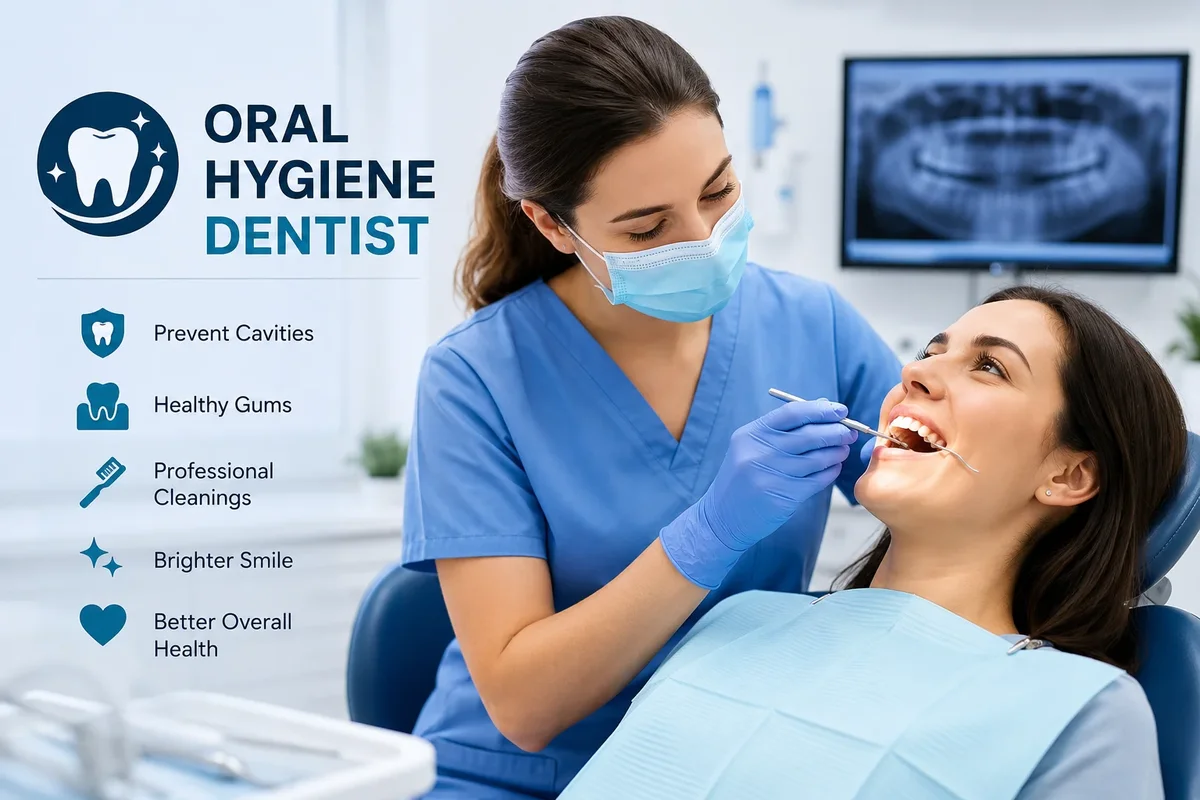
How an Oral Hygiene Dentist Helps Prevent Gum Disease and Cavities
Preventing gum disease and cavities is one of the primary goals of every experienced oral hygiene dentist. While many people only seek dental care after experiencing pain or discomfort, preventive dentistry focuses on stopping oral health problems before they become serious. Cavities and gum disease are among the most common dental conditions worldwide, yet both are highly preventable with proper care and regular professional monitoring. An oral hygiene dentist plays a critical role in protecting teeth and gums through early diagnosis, professional cleanings, patient education, and personalized preventive treatment plans. 🦷
Both cavities and gum disease begin with bacterial plaque buildup. Plaque is a sticky film that constantly forms on the teeth and gumline. If plaque is not removed effectively through brushing, flossing, and professional cleaning, harmful bacteria continue multiplying and damaging oral tissues. An oral hygiene dentist helps patients control bacterial buildup and maintain healthier oral environments over the long term.
Understanding How Cavities Develop
Cavities, also known as dental caries, occur when bacteria produce acids that weaken and destroy tooth enamel. Sugary foods and drinks feed these bacteria, increasing acid production and accelerating enamel damage. An oral hygiene dentist carefully monitors early signs of enamel weakening before visible cavities become severe.
When cavities are detected early, treatment is usually simpler, less invasive, and more affordable. However, untreated decay may eventually reach deeper tooth layers and cause:
- Tooth pain
- Sensitivity
- Infection
- Abscess formation
- Tooth fractures
- Tooth loss
An oral hygiene dentist focuses heavily on prevention because protecting natural tooth structure is always preferable to restorative treatment.
How an Oral Hygiene Dentist Detects Early Cavities
One of the most valuable benefits of visiting an oral hygiene dentist regularly is early cavity detection. Small areas of enamel damage may not produce symptoms initially, but modern diagnostic tools help dental professionals identify problems before they become advanced.
An oral hygiene dentist may use:
- Visual examinations
- Digital X-rays
- Intraoral cameras
- Enamel assessment tools
- Laser cavity detection systems
Early intervention helps preserve tooth strength and reduces the need for extensive dental procedures later.
How Gum Disease Begins
Gum disease develops when plaque and tartar accumulate near the gumline. Harmful bacteria irritate gum tissue, leading to inflammation known as gingivitis. An experienced oral hygiene dentist understands that gum disease often progresses silently, especially during its early stages.
Initial symptoms of gum disease may include:
- Bleeding gums
- Redness
- Swelling
- Bad breath
- Gum tenderness
- Mild gum recession
If untreated, gingivitis may progress into periodontitis, a more serious form of gum disease that damages the bone supporting the teeth. An oral hygiene dentist works to stop this progression through preventive care and early treatment.
Why Gum Health Matters
Healthy gums are essential for long-term oral stability. An oral hygiene dentist often explains that gums support and protect the teeth while helping prevent harmful bacteria from entering deeper tissues.
Advanced gum disease may eventually cause:
- Loose teeth
- Bone loss
- Pain while chewing
- Tooth shifting
- Permanent tooth loss
Regular preventive visits with an oral hygiene dentist greatly reduce the likelihood of severe periodontal complications.
Professional Cleanings and Plaque Removal
One of the most effective preventive services provided by an oral hygiene dentist is professional dental cleaning. Even patients with excellent brushing habits develop tartar in difficult-to-clean areas over time.
Professional cleanings help:
- Remove hardened tartar
- Reduce bacterial accumulation
- Protect enamel
- Improve gum health
- Freshen breath
- Lower cavity risk
Tartar cannot be removed with ordinary brushing at home. An oral hygiene dentist uses specialized instruments to safely clean above and below the gumline while protecting the teeth and surrounding tissues.
Deep Cleaning for Advanced Gum Disease
Patients with periodontal disease may require deep cleaning procedures known as scaling and root planing. An oral hygiene dentist performs these treatments to remove bacteria and tartar beneath the gums.
Deep cleaning procedures help:
- Reduce gum inflammation
- Eliminate bacterial pockets
- Promote gum healing
- Stabilize loose teeth
- Slow bone loss progression
Early treatment significantly improves long-term outcomes and helps patients preserve their natural teeth.
Preventive Habits Recommended by an Oral Hygiene Dentist
Daily home care routines are extremely important for preventing cavities and gum disease. An oral hygiene dentist educates patients about proper brushing, flossing, and nutritional habits that support healthier teeth and gums.
Preventive recommendations commonly include:
- Brushing twice daily
- Flossing every day
- Using fluoride toothpaste
- Reducing sugar intake
- Drinking more water
- Avoiding tobacco products
- Scheduling regular dental checkups
An oral hygiene dentist may also recommend fluoride treatments or dental sealants for patients with increased cavity risk.
The Role of Fluoride in Prevention
Fluoride is one of the most important tools used by an oral hygiene dentist to strengthen enamel and reduce cavity formation. Fluoride helps remineralize weakened enamel areas and increases resistance against acid attacks.
Common fluoride sources include:
- Fluoride toothpaste
- Professional fluoride treatments
- Fluoridated water
- Prescription fluoride products
Patients with frequent cavities may benefit from additional fluoride protection recommended by an oral hygiene dentist.
Long-Term Benefits of Preventive Dentistry
Preventive dentistry offers both medical and financial advantages. An oral hygiene dentist helps patients avoid painful conditions and expensive restorative procedures through consistent preventive care.
Patients who maintain regular preventive routines often experience:
- Fewer cavities
- Healthier gums
- Reduced tooth loss risk
- Lower long-term treatment costs
- Improved smile appearance
- Better overall wellness
Below is a general overview of preventive dental care costs compared to restorative treatment expenses.
| Dental Service | Estimated Price Range |
|---|---|
| Routine Dental Cleaning | $60 – $200 |
| Fluoride Treatment | $25 – $70 |
| Cavity Filling | $100 – $400 |
| Deep Cleaning Procedure | $150 – $500 |
| Dental Crown | $800 – $2,500 |
Patients seeking preventive dental care and personalized treatment guidance can contact the clinic through the Redent Klinik Contact Page. Additional oral health information and preventive dentistry resources are also available through the American Dental Association.
Ultimately, an experienced oral hygiene dentist plays a vital role in preventing cavities and gum disease before they become severe. Through professional cleanings, early diagnosis, patient education, and preventive treatments, an oral hygiene dentist helps patients maintain stronger teeth, healthier gums, fresher breath, and improved overall wellness. Combining daily oral hygiene habits with regular preventive visits creates the strongest defense against long-term dental complications and supports a healthier smile for life. 😁