
Modern dentistry has advanced remarkably, and one of its most transformative innovations is the oral implant. For individuals who have lost one or more teeth, oral implants offer a permanent, natural-looking, and highly durable solution that restores both function and aesthetics. In this comprehensive guide, you’ll learn what oral implants are, how they work, and why they have become the gold standard in tooth replacement technology. 🦷
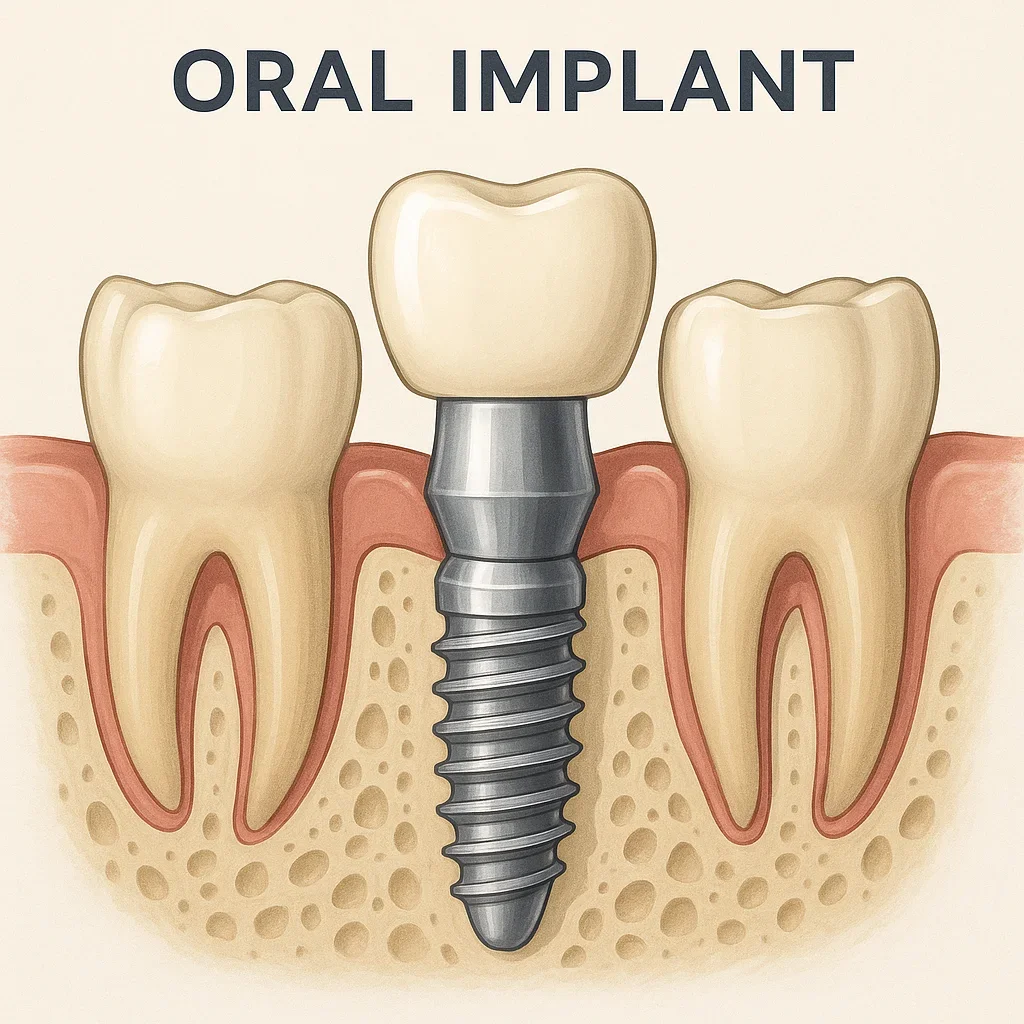
An oral implant is a small, screw-shaped post usually made of titanium or zirconia. It is surgically inserted into the jawbone where a tooth is missing. Over time, the implant fuses with the bone through a natural process called osseointegration. This bond forms a stable foundation that can support crowns, bridges, or even full dentures. The goal of this process is to mimic the root of a natural tooth, ensuring maximum stability and comfort during chewing and speaking.
The concept of dental implantation is not new. Ancient civilizations used shells or stones as primitive tooth replacements, but today’s oral implant systems rely on biocompatible materials and precision technology. Titanium, for instance, is favored because it integrates seamlessly with bone tissue without triggering an immune response. The use of computer-guided surgery, 3D imaging, and digital planning ensures that each implant is placed with pinpoint accuracy — resulting in improved success rates and patient comfort.
From a functional standpoint, an oral implant goes beyond aesthetics. Missing teeth can lead to bone resorption — a gradual shrinking of the jawbone that changes facial structure and accelerates aging. By stimulating bone growth, implants preserve jaw density and help maintain a youthful facial profile. In addition, they prevent surrounding teeth from shifting, which can cause bite misalignment and further oral complications.
Another major advantage is durability. When properly cared for, an oral implant can last a lifetime. Compared to traditional bridges that may require replacement every 10–15 years, implants are a long-term investment in oral health. They don’t decay like natural teeth and are resistant to cavities, though gum care remains essential. Regular brushing, flossing, and professional cleanings help ensure the longevity of both the implant and the attached prosthetic crown.
Patients also appreciate the comfort and confidence that oral implants provide. Unlike removable dentures, which can slip or cause sore spots, implants remain securely anchored. This stability allows you to eat, laugh, and speak naturally without worrying about embarrassing mishaps. Many people describe the feeling of chewing with an implant as almost identical to their natural teeth — a testament to how well this technology replicates the real thing.
From a psychological perspective, restoring missing teeth through an oral implant can significantly boost self-esteem. Smiling freely without hesitation enhances social interaction, professional confidence, and overall quality of life. Many patients report that after receiving implants, they not only regain functionality but also a sense of identity and normalcy that had been lost due to tooth loss.
It’s also worth noting that oral implants are versatile. Whether you are missing one tooth or an entire arch, implant dentistry offers tailored solutions. A single implant can replace one tooth, while multiple implants can support bridges or full-arch prosthetics such as “All-on-4” or “All-on-6” systems. These advanced methods provide full-mouth restorations with fewer implants, reducing treatment time and cost while delivering remarkable aesthetic results.
Choosing to undergo oral implant treatment should always be guided by a professional assessment. A qualified dentist or oral surgeon will evaluate factors such as bone density, gum health, and medical history. In cases where bone loss is severe, procedures like bone grafting or sinus lifting can rebuild the foundation needed for successful implantation. During this consultation phase, digital scans help the dental team create a personalized treatment plan that ensures optimal results and minimizes complications.
If you’re considering this life-changing procedure, consulting a specialized clinic such as Redent Klinik Contact Page is an excellent first step. Their experts can evaluate your oral health and determine whether you’re an ideal candidate for implants. Moreover, staying informed about best practices and global standards through trusted sources like the American Dental Association ensures that you make well-informed choices for your long-term dental wellness.
In conclusion, an oral implant is much more than a cosmetic enhancement — it’s a scientific blend of art, precision, and medical innovation designed to restore natural function and beauty. Whether you’ve lost a tooth due to injury, decay, or aging, this advanced treatment offers a permanent path to a healthier, more confident smile. By understanding how oral implants work, what they offer, and how to care for them, you’re one step closer to achieving optimal oral health and a radiant smile that lasts a lifetime. 😁
What Is an Oral Implant and How Does It Work?
The oral implant is one of the most remarkable advancements in modern restorative dentistry. It represents a durable, biologically compatible replacement for missing teeth that integrates seamlessly with the natural structure of your mouth. Unlike removable dentures or traditional bridges that rest on top of the gums, oral implants are surgically anchored into the jawbone. This provides a solid, permanent foundation that functions just like a real tooth root. The result is a long-lasting solution that restores both the function and aesthetics of your smile. 🦷
Understanding the Basic Structure of an Oral Implant
To appreciate how an oral implant works, it’s important to understand its three main components: the implant post, the abutment, and the dental crown. The implant post, typically made from titanium or zirconia, is the part that’s inserted directly into the jawbone. This biocompatible material promotes bone fusion through a natural process known as osseointegration. The abutment serves as a connector, linking the implant post to the prosthetic crown, while the crown itself is the visible portion that resembles your natural tooth in both shape and color. Each part plays a critical role in ensuring stability, functionality, and longevity.
The Science Behind Osseointegration
What sets an oral implant apart from other tooth replacement methods is the biological process that secures it in place. Osseointegration occurs when bone cells grow and attach directly to the implant surface. This process can take anywhere from 3 to 6 months, depending on bone quality and patient health. Once complete, the implant becomes a fixed part of the jaw, allowing it to withstand the daily pressures of chewing and biting without movement. Titanium, the most common material used, has unique properties that encourage this bond, ensuring long-term success and reliability.
Step-by-Step: How Oral Implants Are Placed
The procedure for placing an oral implant typically involves several stages, each performed under careful professional supervision:
1. Initial Consultation and Planning
Before any surgery begins, your dentist conducts a detailed assessment using X-rays or 3D scans to evaluate bone density and determine the optimal placement for the implant. A custom treatment plan is then created to ensure precision and safety throughout the procedure.
2. Surgical Placement of the Implant
Under local anesthesia or sedation, the dentist creates a small opening in the gum tissue and drills a precise channel into the jawbone. The oral implant post is inserted, and the area is sutured to allow healing. During the healing phase, the implant begins to fuse with the bone structure.
3. Healing and Osseointegration Phase
This stage is crucial for the long-term success of the oral implant. The surrounding bone gradually integrates with the titanium surface, creating a firm and natural anchor. Depending on the case, temporary restorations may be used to maintain aesthetics and comfort.
4. Placement of the Abutment and Crown
After osseointegration is complete, the dentist attaches an abutment to the implant post. A custom-made crown, designed to match your surrounding teeth in color and contour, is then secured to the abutment. This marks the final stage of the oral implant process, restoring the full function and appearance of the tooth.
Advantages of the Oral Implant Mechanism
The mechanism of the oral implant offers several unique benefits. It distributes bite forces evenly across the jaw, preventing strain on neighboring teeth. By replacing the tooth root, it also stimulates the underlying bone, reducing the risk of bone loss and maintaining the natural shape of the face. In contrast, dentures often fail to provide this kind of bone stimulation, leading to gradual jaw shrinkage over time. Moreover, oral implants preserve adjacent teeth, eliminating the need for grinding or reshaping that traditional bridges require.
Why Biocompatibility Matters
One of the defining characteristics of the oral implant is its biocompatibility — its ability to coexist with living tissues without causing adverse reactions. Titanium, which forms a thin layer of titanium oxide upon exposure to oxygen, is exceptionally resistant to corrosion and compatible with the body’s immune system. Zirconia implants are a newer, metal-free alternative offering excellent aesthetics and reduced plaque accumulation. These materials ensure that the implant not only integrates effectively but also remains safe and stable for decades.
Maintenance and Longevity of Oral Implants
Once the oral implant is placed and fully integrated, maintaining it becomes relatively straightforward. Routine dental hygiene — brushing, flossing, and professional cleanings — ensures that the gums and surrounding tissues stay healthy. Unlike natural teeth, implants cannot decay, but the gums around them can still become inflamed if not cared for properly. Regular check-ups allow dentists to monitor the integrity of the implant, abutment, and crown, ensuring early detection of any issues.
How Oral Implants Compare to Natural Teeth
Functionally, an oral implant mimics a natural tooth remarkably well. It transmits chewing forces directly to the jawbone, providing a similar sensation and efficiency. Aesthetically, the prosthetic crown is indistinguishable from real teeth thanks to modern digital design technologies. With proper maintenance, implants can last a lifetime — significantly outlasting other restoration methods such as bridges or partial dentures.
Patient Candidacy and Clinical Success Rates
Not everyone is an ideal candidate for an oral implant, but the vast majority of adults with good oral health can benefit. Factors such as sufficient bone volume, healthy gums, and overall health status are essential. Smokers or patients with uncontrolled diabetes may require special management to ensure success. According to data from the American Dental Association, the success rate of modern implants exceeds 95%, making them one of the most reliable procedures in dentistry today. For personalized guidance and expert evaluation, scheduling an appointment through the Redent Klinik Contact Page can help determine the best treatment approach.
Conclusion: The Engineering of a Perfect Smile
In essence, the oral implant is a marvel of biomedical engineering and clinical expertise. It bridges the gap between natural function and advanced technology, allowing patients to regain full confidence in their smiles. By understanding its components, biological integration, and procedural steps, you can make an informed decision that enhances both your oral health and your overall quality of life. With the right care and professional support, oral implants represent not just a replacement — but a true restoration of your natural smile. 😁
Top Benefits of Oral Implants for Long-Term Dental Health
The oral implant has revolutionized modern dentistry by offering patients a permanent, reliable, and natural-looking solution for missing teeth. Beyond aesthetics, the benefits of oral implants extend deeply into oral function, bone health, and psychological well-being. They are more than just cosmetic restorations — they are medical interventions designed to restore full functionality and prevent future dental problems. In this detailed section, we’ll explore how oral implants enhance long-term dental health and overall quality of life. 🦷
1. Preservation of Jawbone Structure
One of the most significant benefits of an oral implant is its ability to preserve the jawbone. When a natural tooth is lost, the bone beneath it no longer receives stimulation from chewing forces. This lack of stimulation leads to bone resorption — a gradual shrinking of the jawbone that can alter facial appearance and make it harder to fit dentures in the future. Because oral implants fuse directly with the bone through osseointegration, they stimulate the jawbone in the same way natural teeth do. This not only prevents bone loss but also promotes new bone growth, keeping your facial structure strong and youthful.
How Bone Resorption Impacts Oral Health
Without the presence of a tooth root or implant, the jawbone can lose up to 25% of its volume in just the first year after tooth loss. Over time, this results in a sunken facial appearance and weakened bone structure. By choosing an oral implant, patients effectively prevent this process, maintaining bone integrity and the overall harmony of their smile.
2. Natural Appearance and Feel
One of the most appreciated features of an oral implant is how naturally it looks and feels. Since the implant crown is custom-made to match the color, shape, and size of your existing teeth, it blends seamlessly with your smile. Patients often forget which tooth was replaced because it functions and feels just like a real one. The realistic texture and stability allow for unrestricted eating, laughing, and speaking — without the fear of slipping, which is common with dentures.
3. Improved Chewing and Speech Function
When a person loses one or more teeth, everyday activities like chewing or speaking can become challenging. An oral implant restores full bite force, allowing patients to eat their favorite foods again without discomfort. The strong integration with the jawbone ensures that no movement occurs during mastication, giving a sense of complete stability. Moreover, oral implants help in articulating words clearly — something that can be difficult with dentures or bridges that shift over time.
Enhanced Nutrition Through Better Chewing
Being able to chew effectively improves digestion and overall health. People with missing teeth often avoid certain nutritious foods such as fruits, nuts, or vegetables. With an oral implant, these restrictions disappear, enabling a balanced diet that supports both dental and systemic wellness.
4. Long-Term Durability and Stability
An oral implant is designed to last a lifetime when properly maintained. The titanium or zirconia post that anchors the implant is resistant to decay and does not corrode. This makes it a cost-effective investment in the long run. Traditional dentures and bridges often require replacement or adjustment after a few years, but implants maintain their function and appearance for decades. Regular professional check-ups and good oral hygiene routines ensure they remain strong and healthy for life.
5. Protection of Adjacent Teeth
Unlike dental bridges, which require the grinding of adjacent teeth for support, the oral implant stands independently. This means the surrounding teeth remain intact and unaffected. Preserving these natural teeth maintains overall oral integrity and prevents future complications. Additionally, the even distribution of bite forces prevents wear and stress on the neighboring teeth — further promoting dental longevity.
6. Enhanced Self-Confidence and Mental Health Benefits
Tooth loss often leads to social discomfort, self-consciousness, and even depression in some individuals. Restoring a full, natural smile with an oral implant can dramatically boost confidence. People who undergo implant treatments report higher satisfaction in personal and professional interactions. Smiling, laughing, and speaking freely become effortless again. This psychological benefit is one of the most profound yet often overlooked advantages of oral implant dentistry.
7. Preventing Gum and Bite Problems
When a gap is left unfilled after tooth loss, surrounding teeth can shift toward the empty space, leading to bite misalignment. This can cause issues such as temporomandibular joint (TMJ) discomfort, gum irritation, and even headaches. The oral implant fills this gap perfectly, maintaining alignment and ensuring a balanced bite. Furthermore, implants create a stable barrier that protects the gum tissue from trauma or bacterial infection.
8. Easy Maintenance and Oral Hygiene
Maintaining an oral implant is straightforward. Regular brushing, flossing, and dental check-ups are sufficient to keep it in top condition. Since implants do not decay, they require less maintenance than bridges or removable prosthetics. However, good gum health is still critical — peri-implantitis (a gum infection around implants) can develop if plaque builds up. Fortunately, with proper care and regular visits to your dentist, such issues are easily preventable.
9. Cost-Effectiveness Over Time
While the initial investment for an oral implant might seem higher than other tooth replacement options, it proves far more economical over time. Traditional bridges or dentures often require replacements every 5–10 years, while implants can last for life. This reduces both long-term expenses and the inconvenience of repeated dental procedures. It’s a one-time treatment that provides lifelong value — both financially and medically.
10. Scientific Support and Clinical Success
Modern research consistently supports the success and safety of oral implants. Studies published by the American Dental Association indicate a success rate of over 95% for implant treatments worldwide. This figure reflects not just the effectiveness of modern materials but also the precision of digital-guided surgery techniques. For personalized evaluation and long-term care, contacting a professional team like Redent Klinik Contact Page can ensure that you receive the highest standard of dental implant treatment tailored to your individual needs.
Conclusion: A Permanent Path to a Healthy Smile
When it comes to achieving long-term oral health, few treatments compare to the oral implant. It restores full chewing function, maintains jawbone density, preserves natural teeth, and enhances both aesthetics and confidence. Its biological integration ensures that the mouth remains structurally sound and functionally complete for decades. With proper care, an oral implant doesn’t just replace a missing tooth — it restores the foundation of your smile and ensures lasting oral wellness for a lifetime. 😁
Comparing Oral Implants vs. Dentures and Bridges
When it comes to replacing missing teeth, patients often face three primary options: dentures, bridges, and the increasingly popular oral implant. Each solution serves a similar purpose — to restore function, appearance, and confidence — but they differ greatly in terms of technology, longevity, and comfort. Understanding these differences helps patients make informed decisions that suit their health, lifestyle, and long-term goals. This section provides a detailed, evidence-based comparison of oral implants, dentures, and bridges, highlighting why the oral implant is considered the gold standard of modern restorative dentistry. 🦷
1. Structural and Functional Differences
The most fundamental difference lies in how each restoration attaches to the mouth. A dentures set rests on the gums and is removable, while a dental bridge is fixed by anchoring to neighboring teeth. An oral implant, however, is surgically embedded into the jawbone, creating a permanent root-like foundation. This distinction is crucial because it determines not only comfort and function but also long-term bone preservation and overall oral health.
Oral Implant: A Root Replacement
The oral implant functions as an artificial tooth root, anchoring securely into the bone through a process known as osseointegration. Once fused, it becomes part of the jaw structure, offering unmatched stability. This biological integration prevents bone loss and ensures a natural biting force similar to that of a real tooth.
Dentures: Removable Convenience, But Limited Stability
Dentures rest directly on the gums and depend on suction or adhesives for stability. Over time, the gum tissue and bone may change shape, causing dentures to loosen or slip while speaking or eating. Although they are initially affordable, they often need relining, adjustments, or full replacement every few years due to these changes.
Dental Bridges: Fixed But Dependent
Bridges rely on grinding down adjacent healthy teeth to support the artificial replacement tooth in between. While they are fixed and stable, they do not prevent jawbone loss under the missing tooth area since no root (or implant) is present to stimulate the bone.
2. Longevity and Durability Comparison
The oral implant offers an unmatched lifespan compared to other restoration methods. With proper care, implants can last for 25 years or more — many lasting a lifetime. Bridges typically last around 10–15 years, while dentures may need replacement every 5–7 years due to wear, fractures, or changes in mouth structure.
Material Strength and Resistance
Titanium or zirconia used in oral implants is corrosion-resistant and biocompatible, ensuring long-term integration with bone tissue. Dentures, on the other hand, are made from acrylic or resin materials that can warp or crack over time. Bridges, though made from ceramic or porcelain-fused metals, may weaken the supporting teeth, causing secondary complications.
3. Comfort and Functionality
Comfort plays a key role in dental satisfaction. An oral implant feels and functions just like a natural tooth, restoring chewing strength and allowing unrestricted eating. Dentures, especially lower ones, can slip or cause sore spots, while bridges may lead to uneven bite pressure.
Speech and Eating Efficiency
Oral implants allow clear speech and efficient chewing without discomfort. Dentures may click or shift while speaking, and sticky foods can easily dislodge them. Bridges offer more comfort than dentures but still cannot match the bone integration and strength of an oral implant.
4. Bone and Gum Health Preservation
Perhaps the most vital advantage of an oral implant lies in bone preservation. Because the implant mimics the root structure of a tooth, it stimulates the jawbone every time you bite or chew. This prevents bone resorption — a natural process that occurs when bone is no longer stimulated. In contrast, dentures sit on top of the gums, offering no such stimulation, leading to gradual bone shrinkage and facial sagging. Bridges, too, fail to prevent bone loss in the missing tooth area.
5. Aesthetic Appearance and Confidence
The aesthetic superiority of the oral implant is clear. Since the crown is custom-designed to match the shape and shade of the surrounding teeth, it appears completely natural. Dentures may look artificial, especially over time as gums shrink. Bridges offer good aesthetics initially but can reveal gaps or gum discoloration after several years. Patients with oral implants often report greater confidence and satisfaction with their smiles, as the implants remain indistinguishable from natural teeth. 😁
6. Hygiene and Maintenance
Oral implants are easy to maintain — daily brushing, flossing, and professional cleanings are sufficient. Bridges require extra care to clean underneath the pontic (the middle part of the bridge), and dentures must be removed nightly for cleaning and soaking. Over time, improper care can lead to gum irritation, bad breath, or infection. The simplicity of maintaining an oral implant gives it a significant advantage in long-term oral hygiene.
7. Cost-Effectiveness Over Time
While dentures and bridges have lower initial costs, the long-term maintenance, replacements, and potential oral health issues can make them more expensive in the end. An oral implant represents a one-time investment that can last decades without replacement, making it more economical and sustainable. Considering its durability, function, and health benefits, the value far exceeds its initial price.
8. Clinical Success and Patient Satisfaction
According to studies published by the American Dental Association, oral implants have a success rate of 95–98%, whereas bridges and dentures fall short of these figures due to long-term complications like bone loss or structural instability. Patients also report significantly higher satisfaction with implants, especially in terms of speech clarity, chewing comfort, and confidence in social settings.
9. Choosing the Right Option for You
Every patient’s case is unique, and selecting between dentures, bridges, or oral implants should be based on medical evaluation, bone density, budget, and personal preference. Consulting experienced professionals such as Redent Klinik Contact Page can help determine the most suitable treatment. Advanced imaging, 3D scans, and personalized treatment planning ensure that you receive a result that balances health, aesthetics, and function.
Conclusion: The Clear Winner for Long-Term Health
When comparing oral implants with dentures and bridges, the choice is clear. Implants provide unmatched stability, longevity, and bone preservation while delivering a natural look and feel. They eliminate the discomfort and inconvenience of removable dentures and the compromises of bridges. In essence, an oral implant not only replaces a missing tooth but also restores your bite strength, smile aesthetics, and long-term dental health — making it the most advanced and reliable option available today. 🌟
How to Prepare for an Oral Implant Surgery
Getting an oral implant is an exciting step toward restoring your smile, but successful results depend heavily on proper preparation. Before undergoing this life-changing dental procedure, it’s crucial to understand what to expect, how to prepare physically and mentally, and which precautions to follow for the best possible healing outcome. Preparation for oral implant surgery is not just about showing up for the appointment — it’s about building the right foundation for long-term stability, comfort, and health. 🦷
1. Comprehensive Dental Examination and Treatment Planning
The first step toward a successful oral implant procedure begins with a detailed dental examination. Your dentist or oral surgeon will assess your oral health, bone structure, and medical history to determine your candidacy. Digital 3D imaging (CBCT scans) and panoramic X-rays are often used to evaluate jawbone density, sinus placement, and gum condition. These diagnostics allow the dental team to plan the implant’s position with precision, ensuring correct alignment and maximum bone integration.
Addressing Pre-Existing Dental Issues
Before your oral implant can be placed, any underlying problems such as gum disease, cavities, or infections must be treated. Healthy gums and bone tissue are essential for implant success. If gum inflammation (gingivitis or periodontitis) is present, your dentist will recommend deep cleaning or antibiotic therapy before proceeding. Ignoring these issues could lead to implant failure later on.
2. Evaluating Bone Density and the Need for Bone Grafting
One of the most critical factors in oral implant success is the quality and volume of jawbone available. The implant needs solid bone support to anchor securely. If bone loss has occurred due to missing teeth or previous infections, a bone graft may be necessary. Bone grafting adds or regenerates bone tissue to create a stable foundation for the implant.
Types of Bone Grafts
There are different bone grafting methods depending on the patient’s needs:
- Autograft: Uses the patient’s own bone, usually taken from the chin or hip.
- Allograft: Uses donor bone that has been safely processed and sterilized.
- Xenograft: Uses natural bone from another species (commonly bovine) treated for biocompatibility.
- Alloplast: Uses synthetic bone materials made from calcium phosphate or hydroxyapatite.
Healing time after a bone graft varies between 3–6 months, depending on the procedure type and patient health. Only once the bone has regenerated sufficiently can the oral implant be placed.
3. Medical History and Health Review
Your overall health plays a crucial role in oral implant surgery outcomes. Patients should inform their dentist about chronic conditions such as diabetes, heart disease, or autoimmune disorders. These factors can influence healing speed and infection risk. Likewise, certain medications — such as blood thinners or bisphosphonates — may need adjustment prior to surgery. Your dental team will often coordinate with your physician to ensure all systems are stable before proceeding.
Smoking and Alcohol Considerations
Smoking reduces blood flow and oxygenation, both of which are critical for bone healing. It can double the risk of implant failure. Alcohol can also interfere with anesthesia and wound recovery. Therefore, patients are advised to stop smoking at least two weeks before and after oral implant surgery and avoid alcohol for at least 72 hours before the procedure.
4. Pre-Surgery Instructions and Oral Hygiene
Maintaining excellent oral hygiene before the procedure can significantly increase the success rate of an oral implant. The goal is to minimize bacteria in the mouth to prevent infection. Your dentist may prescribe an antibacterial mouthwash such as chlorhexidine to be used daily before the operation. Brushing and flossing carefully, especially around existing teeth and gums, help ensure a clean surgical environment.
Pre-Operative Diet and Medication
If your surgery involves sedation or general anesthesia, you’ll need to fast for several hours before the appointment — usually 6 to 8 hours. For local anesthesia, you can eat a light meal. Always follow your dentist’s specific guidance on whether to continue prescribed medications, as some may need to be paused temporarily. Antibiotics may be prescribed a day before the surgery to reduce the risk of bacterial infection.
5. Psychological Preparation and Managing Anxiety
Dental procedures can be intimidating for many patients, but understanding the process can ease anxiety. Ask your dentist to explain each step of the oral implant procedure in advance. Some clinics offer mild sedatives or conscious sedation options for nervous patients. Listening to calming music or practicing breathing techniques before surgery can also help reduce stress levels. Remember, the surgery is typically painless due to effective anesthesia, and recovery discomfort is manageable with prescribed medications.
6. Practical Preparations Before Surgery Day
Plan your day in advance. Arrange for transportation to and from the clinic if you’ll receive sedation. Wear comfortable clothing and avoid makeup or jewelry on the day of your oral implant surgery. If your dentist provides post-operative care items such as ice packs or gauze, have them ready at home. Preparing a soft-food diet for the first few days — including soups, smoothies, and mashed vegetables — will make your recovery smoother.
Checklist Before Oral Implant Surgery
- Confirm your appointment and arrival time.
- Follow fasting instructions (if applicable).
- Brush your teeth and rinse with antibacterial mouthwash.
- Bring prescribed medications or medical notes.
- Have a friend or family member accompany you.
7. Understanding Risks and Setting Realistic Expectations
Every surgical procedure carries minor risks, and oral implant surgery is no exception. Common post-operative effects include mild swelling, bruising, or discomfort — all of which subside within a few days. Setting realistic expectations is important; osseointegration takes time, and the final crown may not be placed until several months later. Patience and following post-operative instructions strictly will ensure long-term success.
8. The Role of Professional Guidance
Preparation is always best managed under professional supervision. Choosing an experienced clinic such as Redent Klinik Contact Page ensures that you receive detailed guidance tailored to your health profile. Their specialists can advise on optimal pre-surgical care, address any medical concerns, and ensure that your oral health is in peak condition before surgery. Trusted authorities like the American Dental Association also provide comprehensive educational resources on implant readiness and maintenance.
Conclusion: Laying the Groundwork for Success
Proper preparation for an oral implant procedure is the cornerstone of success. From dental examinations and bone evaluations to lifestyle adjustments and mental readiness, every step contributes to smoother surgery and faster healing. By adhering to professional advice, maintaining good oral hygiene, and understanding what to expect, patients can significantly improve implant success rates and long-term satisfaction. Taking time to prepare today ensures that your new smile will remain strong, beautiful, and healthy for many years to come. 😁
Recovery Tips and Aftercare Following Oral Implant Treatment
Once your oral implant surgery is complete, the healing and aftercare phase becomes the key to long-term success. Proper post-operative care ensures that the implant integrates perfectly with the bone, reduces discomfort, and prevents complications such as infection or implant failure. This stage is where patients have the most influence over the outcome of their treatment. By following precise aftercare guidelines, you can promote faster healing and ensure that your new smile remains healthy and stable for life. 🦷
1. The First 24 Hours After Surgery
The first day after an oral implant procedure is the most crucial for healing. You may experience mild bleeding, swelling, or discomfort — all of which are normal. To minimize these symptoms, gently bite on a sterile gauze pad for 30–60 minutes after surgery to control bleeding. Avoid rinsing, spitting, or touching the surgical area for the first 24 hours, as this could disturb the forming blood clot, which is essential for healing.
Managing Pain and Swelling
Swelling usually peaks within the first 48 hours and gradually subsides. Applying an ice pack on the cheek — 15 minutes on and 15 minutes off — can reduce inflammation and provide relief. Take prescribed painkillers and anti-inflammatory medications exactly as directed by your dentist. Refrain from taking aspirin unless prescribed, as it can increase bleeding. Keeping your head elevated when resting helps reduce swelling around the oral implant site.
2. Oral Hygiene During Recovery
Proper hygiene is critical to the success of your oral implant. However, it must be done carefully to avoid disrupting the surgical site. For the first 24 hours, do not rinse or brush near the implant. After this period, you can gently clean your mouth using a soft-bristled toothbrush. Avoid vigorous brushing near the implant until the area fully heals. Your dentist may recommend using an antimicrobial mouthwash such as chlorhexidine to reduce bacterial buildup and maintain cleanliness.
Rinsing and Cleaning Techniques
From the second day onward, gently rinse your mouth with a warm saltwater solution (½ teaspoon of salt in one cup of warm water) several times a day, especially after meals. Avoid commercial mouthwashes that contain alcohol, as they may irritate healing tissues. Clean the tongue and surrounding teeth carefully to maintain overall hygiene without touching the oral implant area directly.
3. Dietary Recommendations for Faster Healing
Your diet plays a vital role in recovery. A soft-food diet is recommended during the initial healing period. Focus on nutrient-rich, easy-to-chew foods such as soups, yogurt, scrambled eggs, mashed potatoes, smoothies, and steamed vegetables. Avoid very hot, spicy, or crunchy foods that can irritate the surgical site. Hard foods, seeds, and nuts should be avoided for at least two weeks to prevent pressure or debris from damaging the healing implant.
Staying Hydrated and Avoiding Irritants
Drink plenty of water to stay hydrated, but avoid using straws — the suction can dislodge the clot over the oral implant. Refrain from smoking and alcohol consumption during the first few weeks, as they both impair blood circulation and delay tissue regeneration. Nicotine also interferes with bone healing, significantly increasing the risk of implant failure.
4. Monitoring Healing Progress
The success of an oral implant depends on the process of osseointegration — the fusion of bone and implant. This can take several months, and careful monitoring is essential. Your dentist will schedule follow-up visits to check healing progress, remove stitches (if non-dissolvable), and ensure that there are no signs of infection or bone loss. Mild discomfort, tightness, or slight bleeding during this phase is normal, but persistent pain, swelling, or discharge should be reported immediately.
Signs of Healthy Healing
- Decreasing pain and swelling after the first few days
- Healthy pink gums forming around the implant
- No visible pus or bleeding
- Gradual improvement in chewing comfort
Any sudden change such as numbness, prolonged bleeding, or implant mobility must be examined promptly by your dental professional.
5. Maintaining Long-Term Oral Hygiene
After initial recovery, maintaining your oral implant is just as important as natural teeth care. Brush twice daily with a soft or electric toothbrush and floss regularly using implant-safe floss or interdental brushes. These tools clean around the implant abutment without damaging the gums. Specialized water flossers can also help remove food particles from hard-to-reach areas. Regular professional cleanings every six months are essential to maintain optimal gum health and prevent peri-implantitis — an infection that can cause bone loss around the implant.
Implant-Specific Maintenance Tools
- Super floss: Ideal for cleaning under bridges or around implant crowns.
- Interdental brushes: Useful for gently cleaning between implants and adjacent teeth.
- Antimicrobial rinses: Reduce plaque accumulation without damaging soft tissue.
6. Lifestyle Habits That Support Healing
Healthy lifestyle choices directly influence the success of an oral implant. Maintaining a balanced diet rich in calcium, vitamin D, and protein supports bone strength and healing. Avoid grinding or clenching your teeth, as excessive pressure can weaken the implant structure. If you suffer from bruxism (teeth grinding), your dentist may recommend a custom night guard. Regular exercise also promotes circulation, improving recovery speed — but avoid intense physical activity for the first 48–72 hours post-surgery.
7. Recognizing and Preventing Complications
Although rare, complications can occur if aftercare instructions are not followed. The most common issues include infection, peri-implant mucositis, and implant mobility. Redness, swelling, or pus around the implant site are warning signs. If left untreated, these can lead to bone deterioration or implant loss. Prompt intervention by your dentist can resolve these problems early. Scheduling follow-up appointments with clinics such as Redent Klinik Contact Page ensures professional evaluation and personalized aftercare plans.
8. Professional Support and Long-Term Monitoring
Long-term monitoring by your dental professional guarantees the continued health of your oral implant. Your dentist will evaluate bite alignment, bone density, and gum stability at each check-up. They may also take periodic X-rays to confirm that the implant remains properly integrated. Staying consistent with these visits prevents minor issues from escalating into major concerns. Additionally, authoritative resources like the American Dental Association emphasize the importance of ongoing professional care for implant longevity.
Conclusion: A Commitment to Lifelong Success
Recovery and aftercare following an oral implant treatment are as vital as the surgery itself. With proper hygiene, balanced nutrition, and regular dental follow-ups, your implant can remain healthy and functional for decades. Patience and consistency are key — osseointegration takes time, but the rewards are permanent. By respecting post-operative care guidelines and maintaining daily oral health routines, patients can enjoy the full benefits of a confident, radiant, and strong smile for life. 😁
Potential Risks and Complications of Oral Implants (and How to Avoid Them)
Although the oral implant procedure is widely recognized as safe and effective, it is still a surgical operation that carries potential risks and complications — just like any other medical treatment. Understanding these possible outcomes helps patients recognize early warning signs and take proactive steps to ensure a successful recovery. When performed by a skilled dental professional and followed by proper aftercare, the likelihood of serious complications is extremely low. Nonetheless, being informed empowers you to make the right decisions for your oral health. 🦷
1. Common Post-Surgical Side Effects
After an oral implant procedure, mild side effects such as swelling, bruising, minor bleeding, and discomfort are common and typically resolve within a few days. These are natural responses as your body heals from surgery. Applying ice packs, taking prescribed medications, and maintaining gentle hygiene can effectively manage these temporary symptoms.
Normal Healing vs. Warning Signs
It’s important to distinguish between normal post-operative effects and potential warning signs of complications. Minor swelling and soreness are expected, but excessive pain, prolonged bleeding, or pus formation may indicate infection or implant rejection. If these symptoms occur, immediate dental evaluation is necessary to prevent further issues.
2. Infection at the Implant Site
One of the most common complications related to oral implants is infection, known as peri-implant mucositis or peri-implantitis when the bone is affected. These infections occur when bacteria accumulate around the implant due to poor oral hygiene or incomplete sterilization during placement. Symptoms include swelling, redness, bad breath, and bleeding gums.
Prevention and Treatment
Prevention starts with excellent oral hygiene. Brushing twice daily, flossing around the implant, and using antibacterial mouth rinses are crucial. Regular dental cleanings every six months further reduce the risk. If infection does occur, early intervention with professional cleaning or antibiotic therapy can prevent bone loss and restore the health of the oral implant site.
3. Osseointegration Failure
Osseointegration — the process where the implant fuses with the bone — is vital to the stability of an oral implant. In rare cases, this process fails, meaning the bone does not bond properly with the implant surface. Causes can include insufficient bone density, excessive pressure during placement, smoking, or systemic conditions like diabetes. When osseointegration fails, the implant may become loose and require removal or replacement.
How to Avoid Osseointegration Issues
To prevent this complication, dentists ensure precise surgical technique, appropriate implant size, and adequate bone support. Patients can aid this process by avoiding smoking and following a nutritious diet rich in calcium and vitamin D to promote bone health. Consistent follow-up visits are essential to monitor integration progress.
4. Nerve or Sinus Complications
Although rare, nerve damage or sinus issues can occur if the oral implant is placed too close to critical anatomical structures. In the lower jaw, improper positioning can affect the inferior alveolar nerve, leading to temporary numbness or tingling in the lips, chin, or tongue. In the upper jaw, implants placed near the sinus cavity may cause sinus perforation or chronic sinusitis.
Preventing Surgical Placement Errors
Modern dental clinics prevent these issues by using advanced 3D imaging and digital-guided surgery. These technologies map the exact bone structure, allowing dentists to position the implant safely and precisely. Always choose an experienced dental professional for your oral implant to minimize these risks.
5. Mechanical and Structural Complications
Over time, mechanical issues may arise if the implant components — such as screws, abutments, or crowns — become loose or fractured. This typically happens due to excessive bite pressure, improper placement, or clenching (bruxism). These issues can compromise the function of the oral implant if not promptly addressed.
Solutions and Preventive Strategies
Regular check-ups allow dentists to identify early signs of mechanical stress. Adjusting bite alignment or using a night guard can help protect the implant. Using high-quality implant materials also minimizes wear and tear. In case of minor component loosening, your dentist can retighten or replace parts without removing the entire implant.
6. Gum Recession and Bone Loss
In some cases, the gum tissue around an oral implant may recede, exposing part of the metal post and affecting aesthetics. This may occur due to thin gums, trauma, or aggressive brushing. Bone loss around the implant (peri-implant bone loss) can also happen if oral hygiene is neglected or infection persists.
Managing Recession and Bone Preservation
Soft tissue grafts and bone regeneration procedures can correct these issues and restore the implant’s natural appearance. To avoid gum recession, always use a soft toothbrush and maintain gentle, circular brushing motions. Regular professional monitoring helps detect any early bone or gum changes before they become serious.
7. Allergic or Rejection Reactions
Though extremely rare, some patients may experience sensitivity to implant materials, especially metals. Symptoms include prolonged inflammation or discomfort around the implant area. However, because modern oral implants use biocompatible materials like titanium and zirconia, allergic reactions are minimal.
Identifying and Preventing Reactions
Before treatment, your dentist may conduct allergy testing to determine material compatibility. Patients with known metal sensitivities often opt for zirconia implants, which are 100% metal-free and highly aesthetic.
8. Long-Term Maintenance and Risk Prevention
Long-term success of an oral implant depends on continuous maintenance and professional care. Neglecting routine hygiene can lead to plaque accumulation, inflammation, or implant failure even years after placement. Regular follow-ups allow for early detection of potential issues. Additionally, avoiding habits like teeth grinding, nail-biting, or using teeth as tools helps prevent mechanical strain on the implant structure.
9. The Role of Professional Supervision
Choosing a reputable dental center such as Redent Klinik Contact Page ensures that every phase — from diagnosis to follow-up — is handled with clinical precision. Their implant specialists utilize advanced imaging systems and strict sterilization protocols to minimize surgical risks. Authoritative organizations like the American Dental Association also emphasize evidence-based practices that maintain patient safety throughout the treatment process.
Conclusion: Awareness Leads to Safety and Longevity
While complications related to an oral implant are uncommon, awareness and prevention are key to achieving lifelong success. By maintaining excellent oral hygiene, attending regular dental visits, and following all post-surgical instructions, patients can minimize risks dramatically. Selecting a skilled implant specialist and staying proactive about oral health ensures that your implant remains secure, functional, and aesthetically flawless for many years to come. A healthy smile is not only a sign of beauty — it’s a reflection of informed care and commitment. 😁
Cost Factors of Oral Implants Around the World 🌍
The oral implant has become one of the most sought-after solutions for missing teeth across the globe — but costs can vary significantly depending on several factors. Understanding these cost determinants helps patients make informed financial and medical decisions. From material quality and surgeon expertise to regional price differences and pre-surgical procedures, many elements influence the total investment. Let’s explore what affects the cost of an oral implant and how prices differ around the world. 🦷
1. Core Factors Influencing Oral Implant Cost
The total cost of an oral implant depends on several core variables. These include the implant material, the number of implants required, the complexity of the surgery, and additional treatments such as bone grafts or sinus lifts. Advanced technology and high-quality materials may increase the initial cost, but they also ensure greater durability, comfort, and success rates — saving patients from future expenses.
Breakdown of Primary Cost Components
- Implant Fixture: The titanium or zirconia screw placed in the jawbone — typically accounts for 30–40% of total cost.
- Abutment: The connector piece that attaches the crown to the implant — 10–15% of total cost.
- Crown: The visible replacement tooth, made of porcelain or ceramic — 20–25% of total cost.
- Diagnostics and Imaging: 3D scans, X-rays, and digital impressions — 10% of cost.
- Surgical Expertise and Clinic Fees: Depend on surgeon experience and technology used — 15–20% of total cost.
Each stage of treatment adds value to the overall result, ensuring the oral implant integrates properly and provides lasting stability.
2. Geographic Price Differences
The price of an oral implant can vary dramatically between countries due to economic conditions, labor costs, and healthcare regulations. Let’s take a closer look at how much patients might expect to pay in different regions of the world.
Average Price Range by Region (Approximate)
- United States: $3,000–$6,000 per implant (including crown)
- United Kingdom: £2,000–£4,000 per implant
- Germany: €2,500–€4,500 per implant
- Turkey: $700–$1,500 per implant
- India: $500–$1,200 per implant
- Thailand: $1,000–$2,000 per implant
- Australia: AUD 3,000–6,000 per implant
These numbers are general estimates and may fluctuate depending on clinic reputation, implant brand, and the inclusion of additional treatments. For example, Turkey has become a leading destination for oral implant tourism due to its advanced clinics and competitive prices, without compromising on quality.
3. Material Choice and Its Impact on Price
The materials used in an oral implant significantly affect cost and performance. Titanium implants are the industry standard — strong, biocompatible, and suitable for most patients. Zirconia implants, on the other hand, are metal-free and preferred for their aesthetic advantages in patients with thin gums or metal allergies, though they are often more expensive.
Material Comparison Table
| Material Type | Advantages | Approx. Price Range |
|---|---|---|
| Titanium | Proven durability, high success rate, cost-effective | $700–$2,500 per implant |
| Zirconia | Metal-free, natural white color, great aesthetics | $1,000–$3,000 per implant |
Choosing between these options depends on your health profile, aesthetic goals, and budget. A skilled dentist will evaluate which type of oral implant best suits your condition.
4. Additional Procedures and Hidden Costs
In some cases, patients require preparatory or complementary treatments that can raise the overall cost of an oral implant. These procedures ensure a stable foundation and long-term success.
Examples of Add-On Treatments
- Bone Graft: $300–$1,500 — rebuilds bone structure before implant placement.
- Sinus Lift: $800–$2,000 — performed for upper jaw implants near sinus cavities.
- Tooth Extraction: $100–$400 per tooth — necessary if a damaged tooth must be removed first.
- Temporary Denture: $200–$800 — optional during healing phase.
These additional steps increase short-term costs but significantly enhance the long-term reliability of the oral implant.
5. The Role of Surgeon Expertise and Technology
The qualifications and experience of your dental surgeon directly influence both the cost and outcome of the oral implant procedure. Highly skilled implantologists use cutting-edge tools like computer-guided surgery, laser-assisted incisions, and 3D imaging for greater precision. These advanced methods reduce healing time and improve implant placement accuracy, but they also contribute to higher clinic fees.
Clinic Standards and Safety
Accredited clinics following international standards, such as those recommended by the American Dental Association, often charge more — but they guarantee superior hygiene, certified materials, and patient safety. Clinics like Redent Klinik Contact Page combine affordability with high-end European standards, making them an excellent choice for international patients seeking reliable care.
6. Long-Term Value and Return on Investment
Although an oral implant may seem expensive at first, it offers exceptional long-term value compared to bridges or dentures. Dentures typically require replacement every 5–7 years, and bridges can damage adjacent teeth over time. In contrast, implants last decades — often for life — when properly maintained. When considering lifespan, comfort, and health benefits, the cost per year of an implant is remarkably low.
Example: Lifetime Value Calculation
Let’s say an oral implant costs $2,500 and lasts 25 years — that’s only $100 per year for full chewing functionality, bone preservation, and a natural smile. Compared to recurring denture replacements and maintenance, the implant is clearly the more economical option in the long run.
7. Insurance and Financing Options
Insurance coverage for oral implants varies by country and provider. In many regions, dental insurance covers only part of the cost — typically for the crown or consultation, not the surgical fixture. However, more insurers are beginning to recognize implants as a medically necessary solution rather than a cosmetic luxury. Many clinics also offer installment plans or in-house financing to make treatment more accessible to patients.
8. Global Trends: Dental Tourism for Oral Implants
Dental tourism has become a booming industry, with countries like Turkey, Hungary, and Mexico attracting thousands of international patients each year. These destinations provide world-class oral implant treatments at a fraction of Western costs, often combining dental care with travel experiences. Patients choose these clinics for affordability, advanced technology, and highly trained specialists — making global implant treatment a practical choice for many.
Conclusion: Balancing Quality and Affordability
The cost of an oral implant is influenced by numerous factors — material, surgeon expertise, region, and aftercare. While prices vary, what truly matters is value, safety, and clinical quality. Choosing the right clinic and implant type ensures your investment leads to lasting health and confidence. By weighing both affordability and professional excellence, patients can achieve the best of both worlds — a durable, beautiful smile that’s worth every penny. 😁
Choosing the Right Dental Clinic for Oral Implant Success
Selecting the ideal clinic for your oral implant treatment is one of the most important decisions affecting both your short-term comfort and long-term success. The expertise of your dental surgeon, the technology used, the quality of materials, and the clinic’s sterilization standards all play essential roles in determining the outcome. A well-chosen dental center provides not only technical precision but also emotional reassurance — ensuring that every patient receives safe, effective, and aesthetically pleasing results. 🦷
1. Why Clinic Selection Matters for Oral Implants
An oral implant is a lifelong investment in both health and confidence. Unlike simple dental restorations, implant surgery involves integration with the jawbone, requiring advanced surgical skills and precision. Therefore, choosing a clinic with specialized implantologists, modern infrastructure, and a proven record of success drastically improves treatment outcomes and minimizes complications.
Expertise Over Convenience
Some patients choose clinics based on location or price alone. However, it’s crucial to remember that successful oral implant placement depends more on expertise than convenience. The right specialist understands anatomical structures, bone density variations, and prosthetic design principles, ensuring a flawless, long-lasting implant experience.
2. Key Qualifications to Look for in an Implant Dentist
Before committing to treatment, verify that your dentist or oral surgeon has formal implantology training and sufficient hands-on experience. Advanced certification programs, clinical residencies, and memberships in professional bodies such as the American Dental Association or European Association for Osseointegration indicate credibility and competence. You may also request before-and-after photos or case studies of previous oral implant treatments to assess real results.
Essential Credentials
- Degree in dentistry with postgraduate training in oral surgery or prosthodontics
- Membership in recognized implantology organizations
- Documented experience of at least 100 implant cases
- Continuing education in digital dentistry or guided implant surgery
3. Importance of Advanced Technology in Implant Dentistry
State-of-the-art technology greatly enhances the accuracy, safety, and efficiency of oral implant procedures. Clinics that utilize 3D imaging, CBCT (cone beam computed tomography), and computer-guided implant placement can plan surgeries with millimeter-level precision. Digital scanning replaces traditional molds, offering a more comfortable experience for patients and superior prosthetic fit.
Top Technologies to Look For
- CBCT Scanning: Provides detailed visualization of bone structure and nerve pathways.
- Digital Surgical Guides: Ensure accurate angulation and depth during implant placement.
- CAD/CAM Systems: Enable custom-designed abutments and crowns with perfect alignment.
- Laser-Assisted Surgery: Minimizes bleeding and accelerates healing.
Clinics equipped with these tools are far better positioned to provide predictable, painless, and durable oral implant outcomes.
4. Hygiene and Sterilization Standards
Implant surgery requires sterile conditions to prevent infection and ensure optimal healing. A professional clinic adheres to international sterilization protocols and maintains a clean, organized environment. Every surgical instrument should be autoclaved, and all surfaces disinfected after each procedure. Reputable clinics also use disposable gloves, masks, and drapes to eliminate cross-contamination risks during the oral implant process.
What Patients Should Observe
- Use of sealed, sterilized surgical tools
- Presence of clean air filtration and vacuum systems
- Clinicians wearing sterile surgical attire
- Single-use items for each patient
When in doubt, don’t hesitate to ask your clinic about its infection control measures. Responsible practitioners will gladly explain their sterilization protocols.
5. Evaluating Clinic Reputation and Patient Reviews
Before booking your oral implant treatment, research the clinic’s online reviews, patient testimonials, and case results. Platforms such as Google Reviews and international dental tourism websites provide valuable insights into patient satisfaction, communication, and overall service quality. Authentic feedback helps you assess whether the clinic consistently delivers positive outcomes and professional care.
Red Flags to Avoid
- Lack of clear treatment plans or cost breakdowns
- Pushy marketing or unrealistic promises
- Limited documentation or unverified credentials
- Inconsistent communication or hidden fees
Transparency and professionalism are strong indicators of a clinic’s reliability.
6. Comparing Domestic and International Clinics
With the rise of dental tourism, many patients travel abroad for oral implant treatments at lower prices. Countries like Turkey, Hungary, and Mexico offer excellent care using internationally approved materials at a fraction of Western costs. However, it’s vital to choose accredited facilities that meet or exceed European sterilization and safety standards. Clinics like Redent Klinik Contact Page have become trusted destinations for global patients seeking affordable, high-quality care with English-speaking professionals.
Advantages of International Implant Clinics
- Cost savings of up to 70% compared to Western Europe or the U.S.
- Experienced surgeons performing hundreds of implants annually
- Use of premium materials (Nobel Biocare, Straumann, etc.)
- Comprehensive care packages including travel and accommodation
7. Communication and Personalized Care
Good communication between patient and dentist is the foundation of successful oral implant treatment. A professional clinic takes time to explain every step, from diagnosis to aftercare. Patients should feel comfortable asking questions about materials, procedure duration, and expected results. Personalized treatment planning ensures that individual needs, such as bone density or gum health, are considered in every case.
Elements of Patient-Centered Care
- Detailed pre-surgical consultation
- Clear explanation of all options and risks
- Custom treatment plan suited to medical and aesthetic needs
- Dedicated aftercare and follow-up appointments
8. Cost Transparency and Financing
A trustworthy clinic provides a detailed breakdown of oral implant costs upfront, including all components and additional procedures. Hidden fees or vague pricing structures are major warning signs. Many reputable clinics offer flexible payment plans, financing options, or treatment packages that make implants more accessible without compromising quality.
9. Post-Treatment Support and Follow-Up
Post-surgical follow-up is just as important as the initial placement. Clinics that provide structured aftercare visits demonstrate true professionalism. They check healing progress, perform X-rays to confirm osseointegration, and clean around the implant to prevent peri-implantitis. Long-term support ensures your oral implant remains stable and healthy for decades.
Conclusion: Partner with the Right Experts for a Lifetime Smile 😁
Choosing the right dental clinic is not merely about finding the lowest price — it’s about ensuring lifelong success. The best oral implant results come from expert professionals using advanced technology in a safe, transparent, and patient-centered environment. By selecting a trusted clinic with proven expertise, verified credentials, and compassionate care, you secure a radiant smile that will last for years to come. Always remember: your oral health is a long-term investment, and the right clinic makes all the difference.
Future of Oral Implant Technology and Innovations Ahead
The field of oral implant dentistry is advancing faster than ever, combining biotechnology, digital design, and regenerative medicine to redefine how missing teeth are replaced. What once required multiple procedures and long recovery times is now becoming faster, more comfortable, and more predictable. As we move into the next decade, cutting-edge innovations are set to make oral implant treatments more efficient, personalized, and biologically compatible than ever before. 🦷
1. Digital Dentistry: Precision Through Technology
The integration of digital tools has transformed how oral implants are planned and placed. 3D imaging, CAD/CAM systems, and intraoral scanners allow dentists to capture exact anatomical data and design custom implants tailored to each patient’s bone structure and smile. With computer-guided surgery, implants can now be placed with sub-millimeter accuracy, reducing surgical risks and healing time dramatically.
How Digital Planning Improves Outcomes
- Minimizes human error in surgical placement
- Reduces overall treatment time
- Allows immediate loading with temporary crowns in select cases
- Ensures aesthetic alignment for natural-looking results
Digital workflows not only make the oral implant process faster but also improve patient confidence by providing visual previews of expected outcomes before surgery begins.
2. Biomaterials and Next-Generation Surfaces
The choice of material is critical to implant success. Traditional titanium remains the gold standard due to its biocompatibility, but new generations of materials and coatings are revolutionizing how the body interacts with implants. Researchers are developing nano-textured and bioactive surfaces that accelerate osseointegration — the process where bone bonds with the implant. These surfaces can even deliver antimicrobial agents to prevent infection and ensure long-term stability.
Emerging Materials in Implantology
- Zirconia Implants: 100% metal-free, ideal for patients with metal sensitivities, and naturally aesthetic.
- Titanium-Zirconium Alloys: Combine strength with improved bone integration.
- Nanocoated Surfaces: Promote faster healing and reduce bacterial adhesion.
These innovations not only extend the lifespan of an oral implant but also make them safer for individuals with specific medical conditions or allergies.
3. Immediate Load and One-Day Implants
Thanks to advancements in surgical techniques and digital modeling, it’s now possible to place an oral implant and attach a temporary crown within a single appointment — a concept known as “teeth in a day.” This approach provides instant aesthetics and functionality, allowing patients to walk out with a complete smile. Immediate load implants require careful bone evaluation and precision placement but offer unmatched convenience for qualified candidates.
Advantages of Immediate Placement
- Reduced treatment time and fewer visits
- Immediate restoration of smile and confidence
- Preservation of bone and gum tissue structure
Clinics like Redent Klinik Contact Page are at the forefront of offering such advanced protocols with state-of-the-art imaging and surgical technologies.
4. Regenerative Medicine and Stem Cell Integration
One of the most exciting developments in the oral implant field is the use of regenerative medicine to rebuild bone and tissue naturally. Scientists are exploring stem cell therapy and platelet-rich plasma (PRP) to enhance healing and bone growth around implants. These biological enhancements help patients with insufficient bone structure receive implants without extensive grafting, increasing success rates and reducing recovery time.
Benefits of Regenerative Techniques
- Accelerates healing after surgery
- Improves bone density and integration
- Reduces post-operative inflammation
In the near future, customized stem-cell-infused implant coatings may become standard, further merging biological and mechanical healing.
5. Artificial Intelligence (AI) in Implant Planning
Artificial intelligence is making oral implant treatments smarter and more predictable. AI-powered software can analyze thousands of clinical cases, helping dentists determine the best placement angles, implant sizes, and healing protocols. Machine learning also improves risk assessment by predicting possible complications based on patient anatomy, age, and lifestyle habits.
AI Applications in Dentistry
- Automated 3D image interpretation
- Predictive bone quality analysis
- Virtual surgical simulations
- Personalized post-operative care recommendations
AI integration not only enhances precision but also makes the oral implant experience more efficient and patient-focused.
6. Smart Implants with Sensor Technology
The future of oral implant systems includes “smart” implants embedded with micro-sensors capable of monitoring healing progress and bone response in real time. These sensors send data to dental professionals via wireless technology, allowing them to track osseointegration and detect early signs of infection or implant movement.
What Smart Implants Can Do
- Measure bone healing rate and stability
- Alert dentists to potential failures before symptoms appear
- Enable personalized follow-up care
Smart implant systems represent the next generation of preventive dentistry — blending technology and biology for exceptional long-term results.
7. Eco-Friendly and Sustainable Implant Practices
As global awareness of environmental health grows, sustainability has entered the field of oral implant dentistry. Manufacturers are now developing eco-conscious production methods, recyclable packaging, and energy-efficient sterilization systems. Clinics adopting green initiatives not only help the planet but also appeal to environmentally responsible patients.
Examples of Sustainable Dentistry
- Biodegradable surgical drapes and suction tips
- Digital recordkeeping to reduce paper waste
- Solar-powered clinics and low-emission equipment
The shift toward sustainability ensures that oral healthcare evolves in harmony with global ecological goals.
8. Personalized Implants and 3D Bioprinting
3D printing and bioprinting are among the most groundbreaking trends shaping the oral implant landscape. Using advanced imaging and digital modeling, dentists can now create fully customized implants and abutments that perfectly match the patient’s anatomy. In the future, bio-printed implants infused with living cells could regenerate tissue naturally, eliminating the need for synthetic materials altogether.
The Future of 3D Bioprinting
Bioprinted bone scaffolds may soon enable full jaw reconstruction with integrated blood vessel networks — revolutionizing implantology and reconstructive dentistry.
9. Collaboration and Global Knowledge Exchange
As dental research expands, international collaboration plays a major role in accelerating innovation. Conferences, online education, and organizations like the American Dental Association foster global sharing of breakthroughs, helping dentists worldwide adopt the latest oral implant techniques and protocols. This global integration ensures patients everywhere benefit from the newest evidence-based advancements.
Conclusion: A Smarter, Safer, and More Predictable Implant Future
The future of oral implant dentistry is bright, combining digital precision, biological science, and artificial intelligence to deliver seamless treatment outcomes. Patients can expect shorter procedures, faster recovery, and longer-lasting results, all supported by sustainable and personalized approaches. As technology continues to evolve, the goal remains clear: to restore every smile with natural beauty, comfort, and confidence — powered by innovation and human expertise. 😁