
Orthodontia care is one of the most important aspects of modern dentistry, focusing on correcting misaligned teeth and jaw irregularities to improve both oral health and overall well-being. Whether you are dealing with crooked teeth, bite issues, or spacing problems, orthodontia care provides structured solutions that go far beyond aesthetics. It is not just about achieving a beautiful smile—it is about creating a functional, healthy oral environment that supports long-term dental stability. 😊
At its core, orthodontia care involves diagnosing, preventing, and treating dental and facial irregularities. These issues can include overbites, underbites, crossbites, crowding, and gaps between teeth. Left untreated, these problems can lead to serious complications such as tooth decay, gum disease, jaw pain, and even speech difficulties. This is why orthodontia care is considered a vital part of preventive dentistry.
One of the most significant advantages of orthodontia care is its ability to improve oral hygiene. When teeth are properly aligned, it becomes much easier to brush and floss effectively. Misaligned teeth often create tight spaces where plaque and bacteria accumulate, increasing the risk of cavities and periodontal disease. By correcting alignment, orthodontia care helps reduce these risks and promotes healthier gums and teeth over time.
Another essential aspect of orthodontia care is its impact on bite function. A misaligned bite can place excessive pressure on certain teeth, leading to uneven wear, enamel damage, and even tooth fractures. In some cases, it can also cause jaw discomfort or temporomandibular joint (TMJ) disorders. Orthodontia care works to distribute bite forces evenly, protecting your teeth and supporting proper jaw function.
From an aesthetic perspective, orthodontia care plays a major role in boosting confidence and self-esteem. A straight, well-aligned smile can significantly enhance your appearance and positively influence how others perceive you. Many patients report feeling more confident in social and professional settings after completing orthodontia care. This emotional benefit is just as important as the physical improvements, making orthodontia care a comprehensive investment in your quality of life. 😁
Orthodontia care is not limited to children and teenagers. While early intervention can be beneficial, adults can also achieve excellent results with modern orthodontic treatments. Advances in technology, such as clear aligners and ceramic braces, have made orthodontia care more discreet and comfortable than ever before. This means that individuals of all ages can pursue orthodontia care without worrying about noticeable appliances or lifestyle disruptions.
The process of orthodontia care typically begins with a detailed consultation, during which a dental professional evaluates your oral structure using X-rays, digital scans, and clinical examinations. Based on this assessment, a personalized treatment plan is created to address your specific needs. This tailored approach ensures that orthodontia care is both effective and efficient, delivering optimal results in a predictable timeframe.
Consistency and maintenance are key components of successful orthodontia care. Patients are required to attend regular check-ups to monitor progress and make necessary adjustments. In addition, maintaining good oral hygiene and following the dentist’s instructions are essential for achieving the best outcomes. Orthodontia care is a collaborative effort between the patient and the dental professional, and commitment plays a crucial role in the success of the treatment.
It is also important to recognize that orthodontia care contributes to overall health beyond the mouth. Proper alignment can improve chewing efficiency, which aids digestion. It can also reduce strain on facial muscles and prevent long-term complications associated with misalignment. These broader health benefits highlight why orthodontia care is not merely cosmetic but a fundamental aspect of comprehensive healthcare.
If you are considering orthodontia care, taking the first step is easier than you might think. Scheduling a consultation with a qualified dental clinic allows you to explore your options and receive expert guidance tailored to your needs. For personalized assistance and professional support, you can visit the Redent Klinik Contact Page to begin your journey toward a healthier, more confident smile.
For additional trusted information about dental health and orthodontic standards, you can also refer to the American Dental Association, which provides comprehensive resources and guidelines for patients worldwide.
In conclusion, orthodontia care is a transformative approach that enhances both oral health and quality of life. By addressing alignment issues, improving function, and boosting confidence, orthodontia care offers long-lasting benefits that extend far beyond appearance. Whether you are seeking preventive care or corrective treatment, investing in orthodontia care is a step toward a healthier, brighter future. 🌟
What Is Orthodontia Care and Why It Matters
Orthodontia care is a specialized branch of dentistry focused on diagnosing, preventing, and correcting misaligned teeth and jaw irregularities. It plays a crucial role in maintaining both oral health and overall well-being. Many people assume orthodontia care is only about straightening teeth for cosmetic reasons, but its importance goes far beyond aesthetics. Proper orthodontia care ensures that your bite functions correctly, your teeth are easier to clean, and your long-term dental health is protected. 😊
Understanding the Core Purpose of Orthodontia Care
The primary goal of orthodontia care is to align teeth and jaws so that they function harmoniously. When teeth are properly aligned, it becomes easier to chew, speak, and maintain oral hygiene. Misalignment, on the other hand, can lead to a variety of problems such as plaque buildup, gum inflammation, and uneven tooth wear. Orthodontia care addresses these issues at their root, preventing more serious complications in the future.
Orthodontia care involves the use of various appliances such as braces, aligners, retainers, and other corrective devices. These tools apply controlled pressure over time to gradually move teeth into their ideal positions. The process is carefully monitored by dental professionals to ensure safe and effective results. This systematic approach makes orthodontia care one of the most reliable solutions for correcting dental irregularities.
Common Dental Issues Treated with Orthodontia Care
Orthodontia care is designed to treat a wide range of dental and facial irregularities. Some of the most common conditions include:
- Crowded teeth that overlap or twist
- Gaps or spacing between teeth
- Overbite, where upper teeth extend too far over lower teeth
- Underbite, where lower teeth protrude beyond upper teeth
- Crossbite, where teeth do not align properly when biting
- Open bite, where upper and lower teeth do not meet
By addressing these issues, orthodontia care helps restore balance and harmony to your smile, making everyday functions like eating and speaking much more comfortable.
Why Orthodontia Care Is Essential for Oral Health
One of the biggest reasons orthodontia care is important is its impact on oral hygiene. Misaligned teeth create tight spaces that are difficult to clean, allowing plaque and bacteria to accumulate. Over time, this can lead to cavities, gum disease, and even tooth loss. Orthodontia care helps eliminate these hard-to-reach areas by aligning teeth properly, making brushing and flossing more effective.
Additionally, orthodontia care helps distribute biting forces evenly across all teeth. Without proper alignment, certain teeth may bear more pressure than others, leading to premature wear, enamel damage, and sensitivity. By correcting these imbalances, orthodontia care protects your teeth from long-term damage and ensures a healthier bite.
The Connection Between Orthodontia Care and Overall Health
Orthodontia care does not only benefit your mouth—it also contributes to your overall health. Poor dental alignment can affect digestion due to improper chewing, and it may also cause jaw pain or headaches. In some cases, severe misalignment can even impact breathing patterns. Orthodontia care addresses these concerns by improving the structure and function of your oral system.
Furthermore, studies supported by organizations like the American Dental Association highlight the importance of maintaining proper dental alignment as part of overall health. Orthodontia care plays a key role in achieving this goal.
Psychological and Social Benefits of Orthodontia Care
Orthodontia care also has a significant impact on mental and emotional well-being. A straight, attractive smile can boost self-confidence and improve social interactions. Many individuals feel more comfortable speaking, smiling, and engaging with others after completing orthodontia care. This increased confidence can positively influence both personal and professional aspects of life. 😁
For children and teenagers, orthodontia care can prevent issues related to self-esteem during critical developmental years. For adults, it offers an opportunity to enhance their appearance and confidence at any stage of life. Modern orthodontia care solutions are discreet and convenient, making them accessible to a wide range of patients.
When Should You Start Orthodontia Care?
Orthodontia care can begin at almost any age, but early evaluation is often recommended. Dental professionals typically suggest an initial assessment around the age of 7, as this allows potential issues to be identified early. However, orthodontia care is equally effective for adults, thanks to advancements in treatment options such as clear aligners and ceramic braces.
If you notice signs such as difficulty chewing, jaw discomfort, crowded teeth, or noticeable gaps, it may be time to consider orthodontia care. Early intervention can simplify treatment and reduce the need for more complex procedures later on.
Taking the First Step Toward Orthodontia Care
Starting orthodontia care begins with a professional consultation. During this visit, your dentist or orthodontist will evaluate your teeth, take diagnostic images, and develop a personalized treatment plan. This tailored approach ensures that your orthodontia care journey is aligned with your specific needs and goals.
If you are ready to improve your smile and oral health, you can take the first step by visiting the Redent Klinik Contact Page to schedule your consultation. Professional guidance is essential for achieving the best results with orthodontia care.
In summary, orthodontia care is a vital component of modern dental health. It enhances oral hygiene, improves bite function, supports overall health, and boosts confidence. By investing in orthodontia care, you are not only improving your smile but also protecting your long-term well-being. 🌟
Types of Orthodontia Care Treatments Explained
Orthodontia care has evolved significantly over the years, offering a wide range of treatment options tailored to different dental needs, lifestyles, and aesthetic preferences. Understanding the types of orthodontia care available is essential for making an informed decision about your oral health journey. Whether you are dealing with minor alignment issues or more complex bite problems, modern orthodontia care provides effective and comfortable solutions for patients of all ages. 😊
Traditional Braces: The Foundation of Orthodontia Care
Traditional metal braces are one of the most widely recognized forms of orthodontia care. They consist of metal brackets attached to the teeth and connected by wires that are periodically adjusted to guide teeth into their proper positions. Despite being the oldest method, traditional braces remain one of the most effective orthodontia care solutions, especially for severe misalignment and complex bite issues.
One of the key advantages of traditional braces in orthodontia care is their precision. Orthodontists can control tooth movement in multiple directions, making them highly versatile. While they are more visible than other options, modern designs are smaller, more comfortable, and more efficient than ever before.
Estimated Cost of Traditional Braces
💰 Average Cost: $3,000 – $7,000
📅 Treatment Duration: 18–24 months
✔ Best for: Complex orthodontia care cases
Ceramic Braces: A More Aesthetic Orthodontia Care Option
Ceramic braces function similarly to traditional braces but use tooth-colored or clear brackets, making them less noticeable. This type of orthodontia care is popular among teenagers and adults who want a more discreet treatment without sacrificing effectiveness.
Although ceramic braces are less visible, they require careful maintenance, as the brackets can stain if not properly cleaned. However, for many patients, the aesthetic advantage makes this orthodontia care option highly appealing.
Pros and Cons of Ceramic Braces
- ✔ Less visible than metal braces
- ✔ Effective for moderate orthodontia care needs
- ❌ Slightly more expensive than traditional braces
- ❌ Requires excellent oral hygiene
Clear Aligners: Modern and Invisible Orthodontia Care
Clear aligners have revolutionized orthodontia care by offering a nearly invisible way to straighten teeth. These custom-made, removable trays gradually shift teeth into alignment without the need for brackets or wires. Popular among adults, clear aligners provide a flexible and comfortable orthodontia care experience.
One of the biggest advantages of clear aligners in orthodontia care is convenience. They can be removed while eating, brushing, and flossing, making it easier to maintain oral hygiene. However, they must be worn for at least 20–22 hours per day to be effective.
Estimated Cost of Clear Aligners
💰 Average Cost: $3,500 – $8,000
📅 Treatment Duration: 6–18 months
✔ Best for: Mild to moderate orthodontia care cases
Lingual Braces: Hidden Orthodontia Care Behind the Teeth
Lingual braces are a unique form of orthodontia care where the brackets are placed on the inner surfaces of the teeth, making them completely invisible from the outside. This option is ideal for individuals who want the effectiveness of braces without visible hardware.
However, lingual braces in orthodontia care can be more challenging to clean and may initially affect speech. They also tend to be more expensive due to their customized design and placement.
Who Should Consider Lingual Orthodontia Care?
- Professionals concerned about appearance
- Patients needing complex orthodontia care
- Individuals willing to invest in premium solutions
Self-Ligating Braces: Advanced Orthodontia Care Technology
Self-ligating braces are an advanced form of orthodontia care that uses specialized clips instead of elastic bands to hold the wire in place. This reduces friction and allows teeth to move more freely, often resulting in shorter treatment times and fewer dental visits.
Patients who choose this type of orthodontia care often experience less discomfort and easier maintenance compared to traditional braces. It is a great option for those seeking efficiency and comfort in their orthodontia care journey.
Choosing the Right Orthodontia Care Treatment
Selecting the best orthodontia care option depends on several factors, including the severity of your dental issues, your budget, lifestyle preferences, and aesthetic goals. A professional consultation is essential to determine which orthodontia care method will provide the most effective results for your specific case.
During your consultation, your dentist will evaluate your teeth, discuss your expectations, and recommend the most suitable orthodontia care plan. Personalized treatment ensures that your orthodontia care journey is both efficient and successful.
Factors to Consider When Choosing Orthodontia Care
- Severity of alignment issues
- Visibility preferences
- Budget and payment options
- Duration of treatment
- Comfort and convenience
If you are unsure which orthodontia care option is right for you, professional guidance can make all the difference. You can start by visiting the Redent Klinik Contact Page to receive personalized recommendations tailored to your needs.
For additional expert insights and guidelines on orthodontic treatments, you can also refer to the American Dental Association, a trusted authority in dental health.
In conclusion, orthodontia care offers a variety of treatment options designed to meet diverse patient needs. From traditional braces to modern clear aligners, each method has its own advantages and considerations. By understanding these options, you can make an informed decision and take the next step toward achieving a healthier, more confident smile. 🌟
Step-by-Step Orthodontia Care Treatment Process
Understanding the full journey of orthodontia care helps patients feel more confident and prepared before starting treatment. Orthodontia care is not a one-day solution—it is a carefully planned and structured process that unfolds over time. Each step plays a critical role in ensuring that your teeth are aligned safely, effectively, and with long-lasting results. From the initial consultation to the final retention phase, orthodontia care requires consistency, professional monitoring, and patient cooperation. 😊
Initial Consultation: The First Step in Orthodontia Care
The orthodontia care process begins with a comprehensive consultation. During this stage, a dental professional evaluates your oral health, examines your teeth and jaw alignment, and discusses your concerns and goals. This step is essential because it sets the foundation for your entire orthodontia care journey.
Advanced diagnostic tools such as digital X-rays, intraoral scans, and photographs are often used to gather detailed information. These images allow the dentist to analyze the structure of your teeth and jaw with precision. Based on this data, a customized orthodontia care treatment plan is created to address your specific needs.
What Happens During the Consultation?
- Detailed oral examination
- Digital imaging and X-rays
- Assessment of bite and alignment
- Discussion of orthodontia care options
- Creation of a personalized treatment plan
This initial phase of orthodontia care is crucial because it ensures that every aspect of your treatment is tailored specifically to you.
Treatment Planning and Appliance Selection
Once the diagnosis is complete, the next step in orthodontia care involves selecting the appropriate treatment method. Depending on the severity of your dental issues, your dentist may recommend traditional braces, clear aligners, or other orthodontic appliances.
This phase of orthodontia care is highly personalized. Factors such as age, lifestyle, budget, and aesthetic preferences are all taken into account. The goal is to choose a solution that not only corrects alignment issues but also fits seamlessly into your daily life.
Customized Orthodontia Care Plans
Every orthodontia care plan is unique. For example:
- Mild cases may require clear aligners
- Moderate cases may benefit from ceramic braces
- Complex cases may need traditional braces or advanced appliances
This customization ensures that orthodontia care delivers the most effective and efficient results possible.
Active Treatment Phase in Orthodontia Care
The active treatment phase is where the transformation begins. During this stage, orthodontic appliances are placed and adjusted regularly to guide teeth into their proper positions. Orthodontia care relies on controlled, gradual movement, which minimizes discomfort while maximizing effectiveness.
Patients typically visit their dentist every 4 to 8 weeks for adjustments. These appointments are essential for monitoring progress and making necessary changes to the treatment plan. Consistency is key—following your dentist’s instructions is critical for successful orthodontia care outcomes.
What to Expect During Active Orthodontia Care
- Regular adjustments or aligner changes
- Mild discomfort after adjustments
- Improved alignment over time
- Ongoing monitoring by your dentist
Maintaining good oral hygiene during this phase of orthodontia care is especially important. Brushing and flossing properly helps prevent plaque buildup and ensures a healthy treatment environment.
Monitoring Progress and Mid-Treatment Adjustments
Orthodontia care is not a static process—it evolves as your teeth move. Your dentist will continuously evaluate your progress and make adjustments as needed. This ensures that the treatment stays on track and delivers optimal results.
In some cases, minor modifications to the orthodontia care plan may be required. This flexibility allows for precise corrections and ensures that your teeth align perfectly by the end of the treatment.
Importance of Regular Check-Ups
- Track progress accurately
- Prevent potential complications
- Adjust appliances for better results
- Ensure effective orthodontia care progression
Skipping appointments can delay your orthodontia care timeline, so it is important to stay consistent with your visits.
Retention Phase: Maintaining Orthodontia Care Results
Once the active treatment phase is complete, orthodontia care does not end. The retention phase is essential for maintaining the results achieved during treatment. After braces or aligners are removed, retainers are used to keep teeth in their new positions.
This phase of orthodontia care is critical because teeth have a natural tendency to shift back to their original positions. Wearing retainers as prescribed ensures that your new smile remains stable and long-lasting.
Types of Retainers in Orthodontia Care
- Removable retainers for flexibility
- Fixed retainers for long-term stability
- Clear retainers for aesthetic appeal
Patients are usually advised to wear retainers full-time initially and then switch to nighttime use. Following these instructions is essential for preserving the success of orthodontia care.
Long-Term Maintenance and Follow-Up
Orthodontia care is a long-term commitment that extends beyond the treatment period. Regular dental check-ups and good oral hygiene practices are essential for maintaining your results. Your dentist may schedule periodic follow-ups to ensure that your teeth remain properly aligned.
In addition, maintaining a healthy lifestyle and avoiding habits such as nail-biting or chewing hard objects can help protect your orthodontia care results. Long-term maintenance is the key to enjoying a beautiful, healthy smile for years to come. 🌟
If you are ready to begin your orthodontia care journey, professional support is essential. You can schedule your consultation through the Redent Klinik Contact Page to receive personalized care tailored to your needs.
For more information about best practices in dental and orthodontic treatments, you can also visit the American Dental Association, a trusted resource for oral health guidance.
In conclusion, orthodontia care is a step-by-step process that requires planning, commitment, and expert supervision. From the initial consultation to long-term retention, each phase plays a vital role in achieving and maintaining a healthy, aligned smile. By understanding this process, patients can approach orthodontia care with confidence and achieve the best possible results. 😁
Benefits of Orthodontia Care for Long-Term Oral Health
Orthodontia care is not just about achieving a visually appealing smile—it is a comprehensive approach to improving long-term oral health, functionality, and overall well-being. Many patients begin orthodontia care for cosmetic reasons, but they quickly discover that the benefits extend far beyond aesthetics. Proper orthodontia care supports healthier teeth, stronger gums, improved bite function, and even better general health outcomes. Understanding these benefits can help you appreciate why orthodontia care is considered a vital investment in your future. 😊
Improved Oral Hygiene Through Orthodontia Care
One of the most significant advantages of orthodontia care is the improvement in oral hygiene. Misaligned or crowded teeth create hard-to-reach areas where plaque and bacteria can accumulate. These areas are difficult to clean with regular brushing and flossing, increasing the risk of cavities and gum disease.
Orthodontia care corrects these alignment issues, making it easier to maintain proper oral hygiene. When teeth are straight and evenly spaced, brushing and flossing become more effective, reducing the likelihood of dental problems. Over time, this leads to healthier gums and a lower risk of periodontal disease.
How Orthodontia Care Reduces Dental Problems
- Eliminates tight spaces where bacteria thrive
- Improves access for brushing and flossing
- Reduces plaque buildup and tartar formation
- Lowers the risk of cavities and gum inflammation
By enhancing daily cleaning routines, orthodontia care plays a preventive role in maintaining long-term oral health.
Better Bite Function and Jaw Alignment
Orthodontia care is essential for correcting bite issues such as overbite, underbite, and crossbite. These conditions can affect how your teeth come together when you chew, leading to uneven pressure on certain teeth. Over time, this can cause enamel wear, tooth sensitivity, and even fractures.
With proper orthodontia care, bite forces are distributed evenly across all teeth. This not only protects your teeth from damage but also improves chewing efficiency and reduces strain on the jaw muscles. A properly aligned bite is a key component of functional oral health.
Impact of Orthodontia Care on Jaw Health
- Reduces risk of temporomandibular joint (TMJ) disorders
- Prevents jaw pain and discomfort
- Improves chewing and speaking ability
- Supports balanced facial structure
Orthodontia care ensures that your jaw functions smoothly, preventing long-term complications related to misalignment.
Prevention of Tooth Wear and Damage
Misaligned teeth often experience uneven wear due to improper contact during biting and chewing. Some teeth may bear excessive pressure, leading to enamel erosion and increased sensitivity. In severe cases, this can result in cracks or fractures.
Orthodontia care addresses these issues by aligning teeth properly, ensuring that pressure is distributed evenly. This protective effect helps preserve the integrity of your teeth and extends their lifespan. Investing in orthodontia care today can prevent costly restorative treatments in the future.
Protective Benefits of Orthodontia Care
- Prevents premature enamel wear
- Reduces risk of tooth fractures
- Minimizes sensitivity caused by uneven pressure
- Supports long-term dental stability
These benefits highlight the preventive nature of orthodontia care in preserving your natural teeth.
Enhanced Aesthetic Appearance and Confidence
While orthodontia care offers numerous health benefits, its impact on appearance should not be overlooked. A straight, well-aligned smile enhances facial aesthetics and boosts self-confidence. Many individuals feel more comfortable smiling, speaking, and interacting socially after completing orthodontia care. 😁
This improvement in confidence can have a positive effect on both personal and professional aspects of life. Orthodontia care empowers individuals to present themselves with confidence, which can influence social relationships and career opportunities.
Psychological Benefits of Orthodontia Care
- Increased self-esteem
- Improved social interactions
- Greater confidence in professional settings
- Enhanced overall quality of life
Orthodontia care is not just a physical transformation—it is also an emotional and psychological boost.
Long-Term Health Benefits Beyond the Mouth
Orthodontia care contributes to overall health in ways that go beyond oral hygiene. Proper alignment improves chewing efficiency, which aids digestion and nutrient absorption. It also reduces strain on facial muscles and joints, preventing headaches and discomfort.
In some cases, orthodontia care can even improve breathing patterns, particularly when jaw alignment issues are involved. These broader health benefits demonstrate that orthodontia care is an integral part of comprehensive healthcare.
According to guidelines from the American Dental Association, maintaining proper dental alignment is essential for both oral and general health. Orthodontia care plays a central role in achieving this balance.
Cost Savings Through Preventive Orthodontia Care
Although orthodontia care requires an initial investment, it can lead to significant cost savings over time. By preventing issues such as cavities, gum disease, and tooth damage, orthodontia care reduces the need for expensive treatments in the future.
For example, untreated misalignment may eventually require crowns, implants, or periodontal treatments. Orthodontia care helps avoid these complications, making it a cost-effective solution in the long run.
Estimated Cost Comparison
💰 Orthodontia Care (Average): $3,000 – $8,000
💰 Restorative Treatments (Potential): $5,000 – $15,000+
✔ Long-term savings with preventive orthodontia care
Taking the Next Step Toward Better Oral Health
If you are considering orthodontia care, now is the perfect time to take action. Early intervention and professional guidance can help you achieve the best possible results. A personalized treatment plan ensures that your orthodontia care journey is tailored to your specific needs and goals.
To get started, you can visit the Redent Klinik Contact Page and schedule your consultation. Expert support will guide you through every step of your orthodontia care process.
In conclusion, orthodontia care offers a wide range of benefits that extend far beyond a beautiful smile. From improved oral hygiene and bite function to enhanced confidence and long-term health, orthodontia care is a comprehensive solution for maintaining dental and overall well-being. By investing in orthodontia care, you are making a commitment to a healthier, more confident future. 🌟
Daily Orthodontia Care Routine for Best Results
Maintaining a proper daily routine is one of the most critical factors in achieving successful orthodontia care outcomes. While professional treatment plays a major role, your daily habits directly influence how effective and efficient your orthodontia care journey will be. A well-structured orthodontia care routine helps prevent complications such as plaque buildup, gum disease, and delayed treatment progress. By following the right steps consistently, you can protect your investment and ensure a healthier, more beautiful smile. 😊
Why Daily Orthodontia Care Is Essential
Orthodontia care requires a higher level of oral hygiene compared to regular dental routines. Braces, aligners, and other orthodontic appliances create additional spaces where food particles and bacteria can accumulate. Without proper orthodontia care, these areas can quickly lead to cavities, bad breath, and gum inflammation.
Consistent orthodontia care ensures that your teeth and gums remain healthy throughout the treatment process. It also helps prevent delays caused by dental issues that may require additional interventions. Simply put, daily orthodontia care is the foundation of a successful treatment outcome.
Key Benefits of a Strong Orthodontia Care Routine
- Prevents plaque and tartar buildup
- Reduces risk of gum disease
- Maintains fresh breath
- Supports faster and more effective orthodontia care progress
Brushing Techniques for Effective Orthodontia Care
Brushing your teeth properly is the cornerstone of orthodontia care. With braces or aligners, it is important to clean not only the tooth surfaces but also around brackets, wires, and gum lines. Dentists recommend brushing at least twice a day, ideally after every meal, to maintain optimal orthodontia care.
Using a soft-bristled toothbrush or an electric toothbrush can make orthodontia care more effective. Special orthodontic brushes are also available, designed to clean around brackets and wires more efficiently.
Step-by-Step Brushing Guide for Orthodontia Care
- Brush at a 45-degree angle toward the gum line
- Clean above and below brackets carefully
- Use gentle, circular motions
- Brush for at least 2 minutes
- Don’t forget the tongue and inner tooth surfaces
Proper brushing is essential for maintaining high-quality orthodontia care and preventing common issues during treatment.
Flossing and Interdental Cleaning in Orthodontia Care
Flossing is often more challenging during orthodontia care, but it is equally important. Traditional floss may be difficult to use with braces, but tools like floss threaders, orthodontic floss, and water flossers can make the process easier and more effective.
Incorporating flossing into your orthodontia care routine helps remove plaque and debris from areas that brushing alone cannot reach. This is crucial for preventing gum disease and maintaining overall oral health.
Best Tools for Orthodontia Care Cleaning
- Floss threaders for navigating around wires
- Water flossers for deep cleaning
- Interdental brushes for tight spaces
- Orthodontic floss for convenience
Using the right tools ensures that your orthodontia care routine is thorough and efficient.
Dietary Habits That Support Orthodontia Care
Your diet plays a significant role in the success of orthodontia care. Certain foods can damage braces or hinder progress, while others support oral health and treatment efficiency. Sticky, hard, and sugary foods should be avoided, as they can cause breakage or increase the risk of cavities.
Instead, focus on a balanced diet that includes soft, nutritious foods. Proper nutrition supports healthy teeth and gums, making orthodontia care more effective.
Foods to Avoid During Orthodontia Care
- Hard candies and nuts
- Sticky foods like caramel and chewing gum
- Crunchy snacks such as popcorn
- Sugary drinks and snacks
Recommended Foods for Orthodontia Care
- Soft fruits and vegetables
- Dairy products rich in calcium
- Lean proteins
- Whole grains
Making smart dietary choices is a simple yet powerful way to enhance your orthodontia care results.
Cleaning Aligners and Appliances Properly
If you are using clear aligners as part of your orthodontia care, keeping them clean is essential. Aligners should be rinsed and brushed regularly to prevent bacterial buildup and unpleasant odors. Avoid using hot water, as it can warp the material and affect the fit.
For braces, it is important to check for trapped food particles and clean around brackets thoroughly. Maintaining clean appliances ensures that your orthodontia care remains hygienic and effective.
Tips for Maintaining Orthodontic Appliances
- Clean aligners daily with a soft brush
- Rinse appliances after removal
- Avoid staining foods and drinks
- Store aligners in a protective case
Regular Dental Visits During Orthodontia Care
Routine dental check-ups are a vital part of orthodontia care. These visits allow your dentist to monitor your progress, make necessary adjustments, and address any issues early. Regular appointments ensure that your orthodontia care stays on track and delivers the best possible results.
Skipping appointments can lead to delays and complications, so it is important to stay consistent with your orthodontia care schedule.
If you need professional support or want to schedule your next visit, you can use the Redent Klinik Contact Page for expert guidance tailored to your orthodontia care needs.
For additional oral hygiene recommendations, you can also refer to the American Dental Association, which provides trusted advice for maintaining dental health during orthodontia care.
Building Long-Term Habits Through Orthodontia Care
One of the lasting benefits of orthodontia care is the development of strong oral hygiene habits. The discipline required during treatment often leads to improved routines that continue even after orthodontia care is complete. These habits contribute to lifelong dental health and help preserve your results.
In conclusion, a consistent daily routine is essential for maximizing the success of orthodontia care. From proper brushing and flossing to smart dietary choices and regular dental visits, every step plays a role in achieving optimal results. By committing to your orthodontia care routine, you ensure a healthier smile and a more confident future. 🌟
Common Challenges in Orthodontia Care and How to Overcome Them
Orthodontia care is a highly effective process for achieving a healthier and more aligned smile, but like any medical or dental treatment, it comes with its own set of challenges. Understanding these common difficulties and knowing how to manage them properly can make your orthodontia care journey smoother, more comfortable, and ultimately more successful. Many patients experience temporary discomfort, lifestyle adjustments, and maintenance concerns during orthodontia care, but with the right approach, these challenges can be easily overcome. 😊
Initial Discomfort and Pain in Orthodontia Care
One of the most common challenges in orthodontia care is the discomfort experienced when treatment begins or after adjustments. As teeth start to move, patients may feel pressure or soreness, especially during the first few days. This is a natural part of orthodontia care and indicates that the treatment is working effectively.
Although this discomfort can be unpleasant, it is usually temporary and manageable. Over-the-counter pain relievers, soft foods, and orthodontic wax can help reduce irritation during this phase of orthodontia care.
Tips to Manage Orthodontia Care Discomfort
- Use orthodontic wax to cover sharp brackets
- Eat soft foods like yogurt, soup, and mashed potatoes
- Take mild pain relievers if recommended by your dentist
- Rinse with warm salt water to soothe gums
By following these simple strategies, you can minimize discomfort and continue your orthodontia care journey with confidence.
Difficulty Maintaining Oral Hygiene
Maintaining proper oral hygiene is more challenging during orthodontia care due to the presence of braces, wires, or aligners. Food particles can easily become trapped, increasing the risk of plaque buildup and gum disease. This makes consistent orthodontia care routines even more important.
Failing to maintain good hygiene during orthodontia care can lead to complications such as cavities, decalcification, and gum inflammation. Therefore, adopting effective cleaning techniques is essential.
Solutions for Better Hygiene in Orthodontia Care
- Brush after every meal
- Use interdental brushes for hard-to-reach areas
- Incorporate water flossers into your routine
- Use fluoride mouthwash for added protection
These practices ensure that your orthodontia care remains effective and your teeth stay healthy throughout the treatment process.
Dietary Restrictions During Orthodontia Care
Another common challenge in orthodontia care is adjusting your diet. Certain foods can damage braces or interfere with treatment progress. Sticky, hard, and crunchy foods should be avoided to prevent breakage and complications.
While these restrictions may seem inconvenient, they are essential for protecting your orthodontia care appliances and ensuring smooth progress. Adapting to these changes is a temporary but necessary part of the orthodontia care journey.
How to Adapt Your Diet for Orthodontia Care
- Choose soft, easy-to-chew foods
- Cut fruits and vegetables into small pieces
- Avoid sugary snacks that increase plaque risk
- Stay hydrated to maintain oral health
Making mindful dietary choices supports your orthodontia care and helps prevent unnecessary setbacks.
Speech and Lifestyle Adjustments
Some patients experience temporary speech changes when starting orthodontia care, especially with clear aligners or lingual braces. This adjustment period is usually short, and most people adapt within a few days or weeks.
Orthodontia care may also require lifestyle adjustments, such as removing aligners before meals or dedicating extra time to oral hygiene. While these changes may seem inconvenient at first, they quickly become part of your daily routine.
Overcoming Lifestyle Challenges in Orthodontia Care
- Practice speaking to adapt more quickly
- Carry a dental kit for cleaning on the go
- Set reminders to wear aligners consistently
- Stay committed to your orthodontia care plan
With consistency and patience, these adjustments become second nature.
Risk of Appliance Damage or Breakage
Braces and other orthodontic appliances are durable, but they are not indestructible. Damage can occur if patients eat restricted foods or fail to follow orthodontia care guidelines. Broken brackets or wires can delay treatment and require additional visits to the dentist.
Preventing damage is an important part of orthodontia care. Being mindful of your habits and following professional advice can significantly reduce the risk of complications.
How to Prevent Orthodontia Care Issues
- Avoid chewing on hard objects like ice or pens
- Follow dietary recommendations strictly
- Wear protective gear during sports
- Attend regular check-ups for maintenance
Taking these precautions ensures that your orthodontia care remains on track.
Staying Motivated Throughout Orthodontia Care
Orthodontia care is a long-term commitment, and staying motivated can sometimes be challenging. Treatment can last several months or even years, requiring patience and consistency. However, keeping your end goal in mind—a healthier, more confident smile—can help you stay focused. 😁
Tracking your progress and celebrating small milestones can make your orthodontia care journey more rewarding. Regular feedback from your dentist also provides reassurance that you are moving in the right direction.
Motivation Tips for Orthodontia Care Success
- Take progress photos to see improvements
- Set personal goals for your treatment
- Stay consistent with appointments and routines
- Remind yourself of the long-term benefits
Maintaining a positive mindset is key to completing orthodontia care successfully.
When to Seek Professional Help
While most challenges in orthodontia care can be managed at home, there are situations where professional assistance is necessary. Severe pain, broken appliances, or signs of infection should be addressed immediately to avoid complications.
If you encounter any issues during your orthodontia care, do not hesitate to seek expert guidance. You can easily reach out through the Redent Klinik Contact Page for prompt and professional support.
Additionally, for trusted information on managing dental treatments, you can refer to the American Dental Association, which offers valuable resources for patients undergoing orthodontia care.
In conclusion, while orthodontia care comes with certain challenges, they are manageable with the right knowledge and habits. By understanding potential obstacles and taking proactive steps, you can ensure a smooth and successful orthodontia care journey. The result—a healthier, more confident smile—is well worth the effort. 🌟
Cost of Orthodontia Care and What Affects Pricing
Orthodontia care is a valuable investment in both your oral health and overall quality of life, but one of the most common concerns patients have is the cost. Understanding how orthodontia care pricing works and what factors influence it can help you plan your treatment more effectively. While orthodontia care may seem expensive at first, it is important to consider the long-term benefits and savings it provides by preventing more serious dental issues in the future. 😊
Average Cost of Orthodontia Care
The cost of orthodontia care can vary widely depending on the type of treatment, the complexity of the case, and the location of the dental clinic. On average, orthodontia care treatments fall within a broad price range, making it accessible to different budgets with proper planning.
Typical Orthodontia Care Price Range
💰 Metal Braces: $3,000 – $7,000
💰 Ceramic Braces: $4,000 – $8,000
💰 Clear Aligners: $3,500 – $8,500
💰 Lingual Braces: $8,000 – $12,000
📅 Treatment Duration: 6 – 24 months depending on orthodontia care complexity
These figures represent general estimates, and the final cost of orthodontia care will depend on your specific dental needs and treatment plan.
Factors That Influence Orthodontia Care Costs
Several key factors determine how much orthodontia care will cost. Understanding these elements can help you make informed decisions and avoid unexpected expenses during your treatment.
1. Complexity of the Case
The severity of your dental misalignment plays a major role in orthodontia care pricing. Mild cases that require minimal adjustments are generally less expensive, while complex cases involving jaw corrections or severe crowding may require longer treatment and higher costs.
2. Type of Orthodontia Care Treatment
The choice of treatment significantly affects orthodontia care costs. Traditional braces are typically more affordable, while advanced options like clear aligners or lingual braces tend to be more expensive due to their technology and customization.
3. Duration of Orthodontia Care
Longer treatment times often result in higher orthodontia care costs. Extended treatment requires more appointments, adjustments, and monitoring, all of which contribute to the overall expense.
4. Geographic Location
The cost of orthodontia care can vary depending on the region and clinic. Clinics in major cities or high-demand areas may charge more due to higher operational costs and demand for services.
5. Expertise of the Orthodontist
Experienced and highly qualified professionals may charge higher fees for orthodontia care, but their expertise often leads to better and more predictable results. Choosing a skilled provider is an important factor in achieving successful orthodontia care outcomes.
Insurance and Payment Options for Orthodontia Care
Many dental insurance plans partially cover orthodontia care, especially for children and teenagers. However, coverage for adult orthodontia care may be limited. It is important to review your insurance policy and understand what is included.
In addition to insurance, many clinics offer flexible payment plans to make orthodontia care more affordable. These plans allow patients to spread the cost over several months, reducing the financial burden.
Common Payment Options
- Monthly installment plans
- Credit card payments
- Health savings accounts (HSA)
- Insurance reimbursements
Discussing payment options with your dental provider can help you find a solution that fits your budget.
Is Orthodontia Care Worth the Investment?
While orthodontia care requires an upfront financial commitment, it offers long-term value that goes beyond aesthetics. Proper alignment reduces the risk of cavities, gum disease, and tooth damage, potentially saving thousands of dollars in future dental treatments.
Orthodontia care also improves bite function, reduces jaw strain, and enhances overall comfort. These benefits contribute to better quality of life and long-term health, making orthodontia care a worthwhile investment.
Long-Term Savings with Orthodontia Care
- Reduced need for restorative treatments
- Lower risk of gum disease and tooth loss
- Improved oral hygiene efficiency
- Enhanced durability of natural teeth
When viewed from a long-term perspective, orthodontia care often proves to be cost-effective.
How to Plan Your Orthodontia Care Budget
Planning your orthodontia care budget involves understanding your treatment options, comparing costs, and exploring available financial support. Taking a proactive approach can make orthodontia care more manageable and less stressful.
Budgeting Tips for Orthodontia Care
- Request a detailed treatment estimate
- Compare different orthodontia care options
- Check insurance coverage in advance
- Consider flexible payment plans
Proper planning ensures that your orthodontia care journey is financially sustainable.
Choosing the Right Clinic for Orthodontia Care
Selecting the right clinic is just as important as understanding the cost. A reputable clinic provides transparent pricing, personalized treatment plans, and high-quality care. Investing in a trusted provider ensures that your orthodontia care delivers the best possible results.
If you are ready to explore your orthodontia care options, you can visit the Redent Klinik Contact Page to receive a personalized consultation and cost estimate.
For additional guidance on dental treatment standards and patient rights, you can also refer to the American Dental Association, a reliable source of dental health information.
Final Thoughts on Orthodontia Care Costs
In conclusion, the cost of orthodontia care depends on multiple factors, including treatment type, complexity, and duration. While it may seem like a significant investment, orthodontia care provides lasting benefits that improve both oral health and overall well-being. By understanding pricing and planning accordingly, you can make informed decisions and achieve the smile you have always wanted. 🌟
Orthodontia Care for Different Age Groups: Children, Teens, and Adults
Orthodontia care is not a one-size-fits-all approach. Each age group—children, teenagers, and adults—has unique dental needs, treatment goals, and biological considerations. Understanding how orthodontia care differs across these stages of life helps patients and parents make informed decisions and achieve the best possible results. Whether you are considering early intervention for a child or corrective treatment as an adult, orthodontia care offers tailored solutions for every age. 😊
Orthodontia Care for Children: Early Intervention Matters
Orthodontia care for children typically begins with an early evaluation around the age of 7. At this stage, a dentist can identify potential alignment issues before they become more severe. Early orthodontia care focuses on guiding jaw growth, creating space for permanent teeth, and preventing more complex problems later in life.
This phase, often referred to as interceptive orthodontia care, may involve the use of space maintainers, expanders, or partial braces. By addressing issues early, orthodontia care can reduce the need for more extensive treatments during adolescence.
Benefits of Early Orthodontia Care
- Guides proper jaw development
- Prevents severe misalignment
- Reduces treatment time in later stages
- Improves overall oral health from a young age
Early orthodontia care sets a strong foundation for lifelong dental health and can simplify future treatments significantly.
Orthodontia Care for Teenagers: The Most Common Stage
Teenagers are the most common recipients of orthodontia care. By this stage, most permanent teeth have erupted, making it an ideal time to correct alignment and bite issues. Orthodontia care during adolescence is highly effective because the jaw is still developing, allowing for easier tooth movement.
At this age, patients often choose between traditional braces and clear aligners, depending on their preferences and the complexity of their case. Orthodontia care for teens not only improves oral health but also boosts confidence during a critical stage of personal development.
Popular Orthodontia Care Options for Teens
- Metal braces for comprehensive correction
- Ceramic braces for a less noticeable option
- Clear aligners for convenience and aesthetics
Teen orthodontia care requires commitment and consistency, especially when it comes to maintaining oral hygiene and following treatment guidelines.
Orthodontia Care for Adults: It’s Never Too Late
Orthodontia care for adults has become increasingly popular in recent years. Many adults who did not receive treatment earlier in life are now seeking solutions to improve their smile and oral health. Advances in orthodontia care technology have made treatments more discreet, comfortable, and efficient than ever before.
Clear aligners and ceramic braces are particularly popular among adults due to their aesthetic appeal. Orthodontia care for adults may take slightly longer than for younger patients, as jaw growth is complete, but the results are equally transformative.
Advantages of Adult Orthodontia Care
- Improved oral hygiene and reduced dental risks
- Enhanced professional and social confidence
- Access to modern, discreet treatment options
- Long-term health benefits
Orthodontia care empowers adults to achieve a healthier smile at any stage of life.
Key Differences in Orthodontia Care by Age
While the goal of orthodontia care remains the same—achieving proper alignment—the approach varies depending on age. Children benefit from preventive measures, teenagers undergo corrective treatments, and adults focus on both aesthetics and functionality.
Comparison of Orthodontia Care by Age Group
- Children: Preventive and growth-guiding orthodontia care
- Teens: Active correction during jaw development
- Adults: Corrective and aesthetic-focused orthodontia care
Understanding these differences helps ensure that orthodontia care is tailored to each patient’s unique needs.
Challenges and Considerations in Age-Specific Orthodontia Care
Each age group faces unique challenges during orthodontia care. Children may require parental supervision, teenagers may struggle with compliance, and adults may have time constraints or pre-existing dental conditions.
Addressing these challenges is essential for successful orthodontia care. For example, encouraging good habits in children, providing motivation for teens, and offering flexible treatment options for adults can significantly improve outcomes.
How to Overcome Age-Specific Challenges
- Parents should monitor children’s orthodontia care routines
- Teens should stay consistent with hygiene and appliance use
- Adults should prioritize regular check-ups and maintenance
With proper guidance and commitment, orthodontia care can be successful at any age.
Choosing the Right Time for Orthodontia Care
The best time to start orthodontia care depends on individual needs rather than age alone. Early evaluation helps identify the ideal timing for treatment. While children benefit from early intervention, adults can still achieve excellent results with modern orthodontia care solutions.
If you are unsure when to begin orthodontia care, consulting a dental professional is the best step. You can easily schedule an appointment through the Redent Klinik Contact Page to receive personalized advice.
For additional information on orthodontic guidelines and age-specific care, you can visit the American Dental Association, which provides trusted dental health resources.
Final Thoughts on Age-Based Orthodontia Care
In conclusion, orthodontia care is a flexible and adaptable treatment that can benefit individuals at any stage of life. Whether it is early intervention for children, corrective treatment for teens, or aesthetic improvements for adults, orthodontia care provides customized solutions for every need. By understanding the unique requirements of each age group, patients can make informed decisions and achieve long-lasting, healthy smiles. 🌟
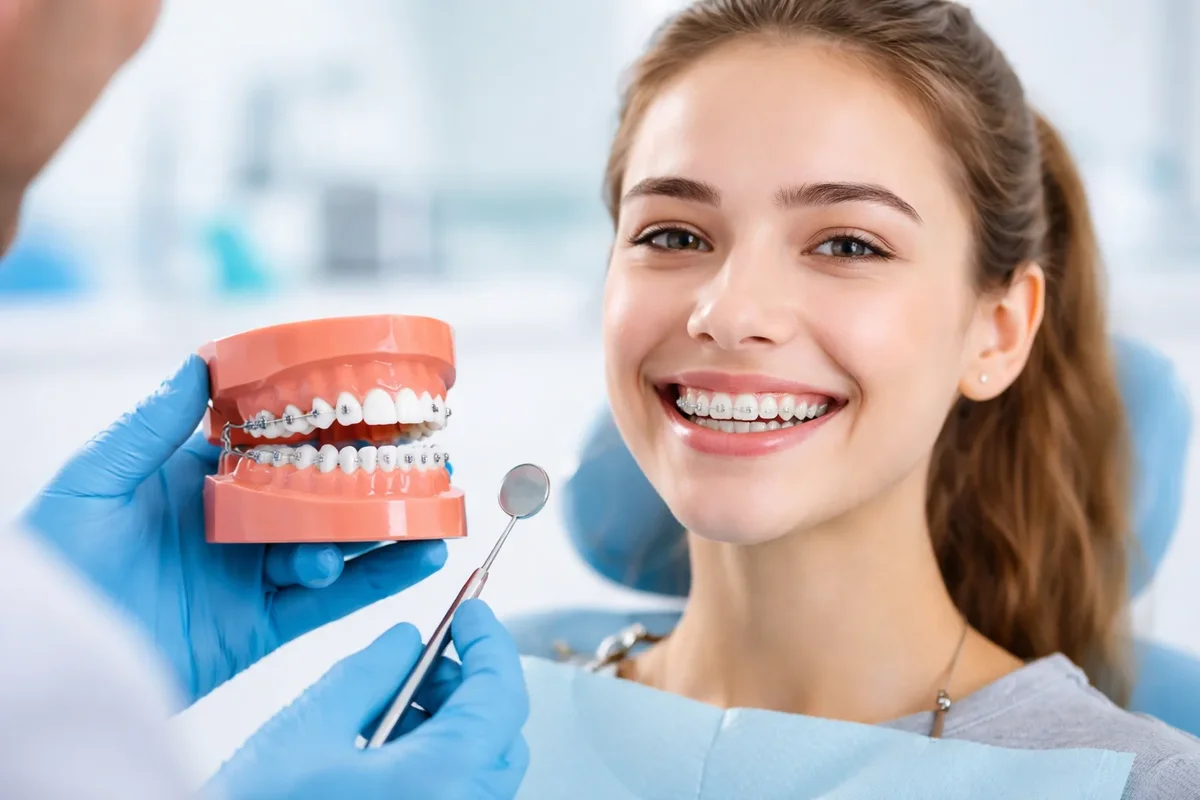
How to Choose the Right Orthodontia Care Provider
Choosing the right provider for orthodontia care is one of the most important decisions you will make in your dental health journey. The quality of your orthodontia care experience—and ultimately your results—depends heavily on the expertise, technology, and approach of the clinic you choose. With so many options available, understanding what to look for in a provider can help you make a confident and informed decision. 😊
Why Choosing the Right Orthodontia Care Provider Matters
Orthodontia care is a long-term commitment that requires regular visits, adjustments, and monitoring. A skilled and experienced provider ensures that your treatment progresses smoothly and efficiently. Poorly managed orthodontia care can lead to extended treatment times, discomfort, or unsatisfactory results.
A trusted orthodontia care provider not only focuses on aligning your teeth but also prioritizes your comfort, safety, and long-term oral health. This holistic approach is essential for achieving the best possible outcome.
Key Benefits of a Qualified Orthodontia Care Provider
- Accurate diagnosis and treatment planning
- Efficient and effective orthodontia care progress
- Reduced risk of complications
- Personalized care tailored to your needs
Choosing wisely ensures that your orthodontia care journey is both successful and stress-free.
Check Qualifications and Experience
One of the first things to consider when selecting an orthodontia care provider is their qualifications and experience. Orthodontists undergo specialized training beyond general dentistry, making them experts in tooth movement and alignment.
Look for certifications, years of experience, and a proven track record in orthodontia care. Experienced providers are better equipped to handle complex cases and deliver predictable results.
Questions to Ask About Orthodontia Care Expertise
- How many years of experience do you have in orthodontia care?
- What types of treatments do you specialize in?
- Can you show before-and-after case examples?
- Are you certified by recognized dental organizations?
These questions can help you evaluate the provider’s capability and confidence in delivering high-quality orthodontia care.
Evaluate Technology and Treatment Options
Modern orthodontia care relies heavily on advanced technology. Clinics that use digital imaging, 3D scanning, and innovative treatment methods can offer more precise and comfortable solutions.
Having access to a variety of orthodontia care options—such as clear aligners, ceramic braces, and self-ligating systems—ensures that your treatment is tailored to your preferences and needs.
Advanced Tools in Orthodontia Care
- 3D digital scanning for accurate impressions
- Computerized treatment planning
- Modern aligner systems
- Minimally invasive techniques
Choosing a provider that embraces technology enhances the overall orthodontia care experience and improves outcomes.
Consider Patient Reviews and Testimonials
Patient feedback is a valuable resource when evaluating orthodontia care providers. Reviews and testimonials offer insight into the experiences of other patients, helping you understand what to expect.
Look for consistent positive feedback regarding professionalism, communication, and treatment results. A reputable orthodontia care provider will have a strong track record of satisfied patients.
What to Look for in Reviews
- Quality of orthodontia care results
- Patient comfort and satisfaction
- Clinic cleanliness and professionalism
- Responsiveness and communication
Reliable reviews can guide you toward a trustworthy orthodontia care provider.
Assess Communication and Comfort
Effective communication is essential in orthodontia care. Your provider should clearly explain your treatment plan, answer your questions, and keep you informed throughout the process. Feeling comfortable and confident with your provider is key to a positive orthodontia care experience.
A good orthodontia care provider listens to your concerns and involves you in decision-making. This collaborative approach ensures that your expectations are met.
Signs of a Patient-Centered Orthodontia Care Approach
- Clear and transparent explanations
- Willingness to answer questions
- Friendly and supportive environment
- Personalized treatment plans
Strong communication builds trust and enhances the overall orthodontia care journey.
Location, Accessibility, and Convenience
Orthodontia care requires regular visits, so choosing a conveniently located clinic is important. Easy access reduces the likelihood of missed appointments and ensures consistent progress.
Consider factors such as travel time, clinic hours, and appointment availability when selecting your orthodontia care provider.
Convenience Factors in Orthodontia Care
- Proximity to home or workplace
- Flexible scheduling options
- Availability of emergency care
- Efficient appointment management
Convenience plays a significant role in maintaining a smooth orthodontia care routine.
Cost Transparency and Payment Plans
Understanding the financial aspect of orthodontia care is crucial. A reliable provider will offer clear pricing, detailed treatment plans, and flexible payment options. Transparency ensures that there are no hidden costs or surprises במהלך your orthodontia care journey.
Many clinics provide installment plans to make orthodontia care more affordable. Discussing these options upfront helps you plan your budget effectively.
Financial Considerations for Orthodontia Care
- Detailed cost breakdown
- Flexible payment plans
- Insurance support
- No hidden fees
Financial clarity is an important factor in choosing the right orthodontia care provider.
Take the First Step Toward Quality Orthodontia Care
Choosing the right orthodontia care provider sets the foundation for a successful treatment journey. By considering qualifications, technology, patient feedback, and convenience, you can make an informed decision that leads to excellent results.
If you are ready to begin your orthodontia care journey, you can schedule your consultation through the Redent Klinik Contact Page. Professional guidance will help you choose the best treatment plan tailored to your needs.
For additional trusted information on dental standards and patient care, you can also visit the American Dental Association, which provides valuable resources on orthodontia care and oral health.
Final Thoughts on Selecting an Orthodontia Care Provider
In conclusion, selecting the right orthodontia care provider is a critical step in achieving a healthy, confident smile. A qualified, experienced, and patient-focused provider ensures that your orthodontia care journey is efficient, comfortable, and successful. By making an informed choice, you invest in long-term oral health and lasting results. 🌟